
Allan Krummenacker's Blog, page 22
May 14, 2014
In 9 Days "THE SHIP" Will Arrive...
"THE SHIP" Will Come In To Dock On May 23rd...
That's right gang. The second installment of the Para-Earth Series is coming to an e-reader near you very soon.
"THE SHIP" takes place during the month-long interlude mentioned in the Epilogue of "THE BRIDGE". If you haven't read that book, no worries. "THE SHIP" is a novel that stands on its own. Enough references are made to the previous story to bring you up to date without recapping the entire first book, while at the same time adding to the new story.
Within these pages you'll meet Cassandra Elliott, billionaire heiress to a hotel and shipping empire, and her new love interest Julie Cloudfoot a Seneca shamaness. The two have come to the shores of Santa Cruz to bring the ashes of Julie's uncle to his children who live out here. While paying their respects, Cassie and Julie are also trying to learn more about one another. Their romance is still in its fledgling stage and both are eager to see whether or not they can make it as a couple.
However, unknown to both, danger is closing in from two directions. One is a mysterious white-haired man who seems to appear and disappear at will. He has been stalking Cassandra for the past year and has definite plans for her psychic abilities. But before he can act a new threat arises from the sea. One with connections to both Cassie and Julie's ancestors. A ghostly vessel that marks Cassandra for its next target...
"THE SHIP" will be available for Kindle, Nook, Apple, Sony and other e-readers. It will also be available in PDF form for laptop and desktop computers, as well as in print in Trade Paperback form. So mark the date May 23rd, to get the second installment of the Para-Earth Series.
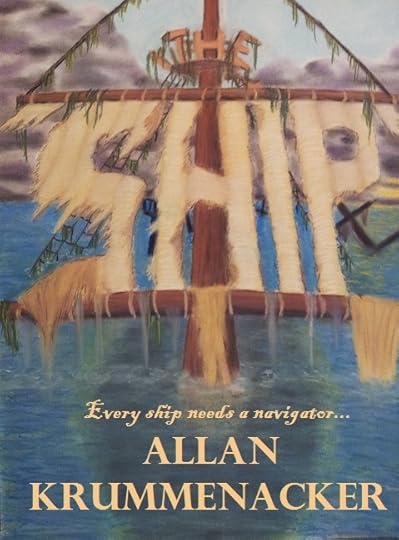
That's right gang. The second installment of the Para-Earth Series is coming to an e-reader near you very soon.
"THE SHIP" takes place during the month-long interlude mentioned in the Epilogue of "THE BRIDGE". If you haven't read that book, no worries. "THE SHIP" is a novel that stands on its own. Enough references are made to the previous story to bring you up to date without recapping the entire first book, while at the same time adding to the new story.
Within these pages you'll meet Cassandra Elliott, billionaire heiress to a hotel and shipping empire, and her new love interest Julie Cloudfoot a Seneca shamaness. The two have come to the shores of Santa Cruz to bring the ashes of Julie's uncle to his children who live out here. While paying their respects, Cassie and Julie are also trying to learn more about one another. Their romance is still in its fledgling stage and both are eager to see whether or not they can make it as a couple.
However, unknown to both, danger is closing in from two directions. One is a mysterious white-haired man who seems to appear and disappear at will. He has been stalking Cassandra for the past year and has definite plans for her psychic abilities. But before he can act a new threat arises from the sea. One with connections to both Cassie and Julie's ancestors. A ghostly vessel that marks Cassandra for its next target...
"THE SHIP" will be available for Kindle, Nook, Apple, Sony and other e-readers. It will also be available in PDF form for laptop and desktop computers, as well as in print in Trade Paperback form. So mark the date May 23rd, to get the second installment of the Para-Earth Series.


May 4, 2014
Proofing Your Book, Tedious? Yes, But So Worth It....
Hi again everyone. Yes I know it's been a few weeks since the last entry but I've been busy. Started hearing back from my Beta-Readers and began making corrections to the manuscript. Long process some days, but very necessary. There were issues that got past me and my main editor, which is why I wanted more pairs of eyes looking the book over.
This was something I did not do enough of on my first book "The Bridge". Luckily, people were so enamored by the story that it still earned a lot of 5 star ratings. However, it could have gotten more if I'd taken the time like I have been with "The Ship".
Anyway, I ran across a new issue as I finished making the adjustments to the manuscript. These came in the form of 'formatting' issues. When you submit your MS Word document to Createspace, Kindle, or Smashwords they all have slightly different formats they want you to follow. Luckily, you can do Kindle through Createspace when you set up the print copies of your book. Createspace will automatically ask if you'd like them to format your book into Kindle form and send it on to them, saving you an extra download. Smashwords however has it's own format that they want you to use, so you'll probably wind up with at least 2-3 copies of your manuscript that you need to address.
Once you've got them ready and submitted, all three companies will inspect your files to make sure it meets their individual guidelines. However, the fun does not stop there. They are only making sure you have the right format submitted and will tell you when you've got it right. And you're done, right? WRONG!
All three will insist you 'preview' how your book will look when they put it up for sale. My advice to you is this... "LOOK OVER EVERY SINGLE PAGE IN ALL THREE CASES!!!" Sorry to shout like that, but this is a big issue and can really make or break the reputation you are building for yourself as an author. Sometimes, issues will appear that you will have no idea are there until it's too late.
When I released "The Bridge" the formatting went to hell and a hand basket. I did not take the proper time to see how things looked and wound up losing stars in the reviews. Don't let this happen to you. Look over every page of your book to make sure the indentations are lining up just right. Scan to make sure no paragraphs have suddenly been fused together. Watch for unusual symbols or keystrokes that appear out of nowhere.
And if you find any in one version of your book, immediately check the other files you are submitting to the other e-book and print book publishers you are using. I did that this time and found little errors being repeated because all three files came from the same original manuscript file.
Yes, this takes time and can be a pain in the ass I'll be the first to admit it. However, our goal as Indie Authors is to make our books look great. People are paying money to read what we create and we owe it to our fans to put out the best product we can. We don't have big publishers and agents behind us to check things over and make corrections. It's all on us in the end. And remember, you want to build a good reputation for yourself as an author. Your book's appearance reflects on you.
Take the time to make your work the best it can be. Make it shine like a star so when the readers get their hands on it they don't have any annoying distractions that might take them away from your words.
Until next time, take care and keep writing.
This was something I did not do enough of on my first book "The Bridge". Luckily, people were so enamored by the story that it still earned a lot of 5 star ratings. However, it could have gotten more if I'd taken the time like I have been with "The Ship".
Anyway, I ran across a new issue as I finished making the adjustments to the manuscript. These came in the form of 'formatting' issues. When you submit your MS Word document to Createspace, Kindle, or Smashwords they all have slightly different formats they want you to follow. Luckily, you can do Kindle through Createspace when you set up the print copies of your book. Createspace will automatically ask if you'd like them to format your book into Kindle form and send it on to them, saving you an extra download. Smashwords however has it's own format that they want you to use, so you'll probably wind up with at least 2-3 copies of your manuscript that you need to address.
Once you've got them ready and submitted, all three companies will inspect your files to make sure it meets their individual guidelines. However, the fun does not stop there. They are only making sure you have the right format submitted and will tell you when you've got it right. And you're done, right? WRONG!
All three will insist you 'preview' how your book will look when they put it up for sale. My advice to you is this... "LOOK OVER EVERY SINGLE PAGE IN ALL THREE CASES!!!" Sorry to shout like that, but this is a big issue and can really make or break the reputation you are building for yourself as an author. Sometimes, issues will appear that you will have no idea are there until it's too late.
When I released "The Bridge" the formatting went to hell and a hand basket. I did not take the proper time to see how things looked and wound up losing stars in the reviews. Don't let this happen to you. Look over every page of your book to make sure the indentations are lining up just right. Scan to make sure no paragraphs have suddenly been fused together. Watch for unusual symbols or keystrokes that appear out of nowhere.
And if you find any in one version of your book, immediately check the other files you are submitting to the other e-book and print book publishers you are using. I did that this time and found little errors being repeated because all three files came from the same original manuscript file.
Yes, this takes time and can be a pain in the ass I'll be the first to admit it. However, our goal as Indie Authors is to make our books look great. People are paying money to read what we create and we owe it to our fans to put out the best product we can. We don't have big publishers and agents behind us to check things over and make corrections. It's all on us in the end. And remember, you want to build a good reputation for yourself as an author. Your book's appearance reflects on you.
Take the time to make your work the best it can be. Make it shine like a star so when the readers get their hands on it they don't have any annoying distractions that might take them away from your words.
Until next time, take care and keep writing.
April 26, 2014
Experimenting With A Createspace Template To Save Time Formatting My Books....
Sorry for the lack of posts lately. After lining up my Beta-Readers, the allergy season kicked into unbelievably high gear and knocked the breath out of me literally! What energies I've had have been dedicated to working on The Vampyre Blogs novel itself and formatting "THE SHIP" to be ready to go to Smashwords, Kindle and Createspace once I hear back from my beta-readers and make a few changes to the manuscript.
This brings me to today's topic. Formatting your book to go to press through these three outlets can be trying at times. I've only had to go through it once so far and that was a little over a year ago when I published "THE BRIDGE". Luckily, I did remember a lot of what I learned back then for dealing with Kindle and Createspace. Smashwords is taking a little more effort and I will address that topic in another entry very soon.
Today, I want to focus on a shortcut I've discovered that has made my formatting efforts for Createspace and Kindle go much faster and easier. When you use Createspace you tell the system what size of paperback book you want to make. In my case I'm partial to the 6" x 9" Trade Paperback size. I know my books are long to begin with and want the reader to get their money's worth when they buy the paperback version of my work.
So, I told the system what I wanted and it gave me a template (HALLELUJAH!) to follow. This template is blank and contains a number of things I'd never thought about before. Things like:
1-A Title Page2-Copyright Page3-Acknowledgement Page4-Dedication Page5-Table of Contents6-About the Author
All of these things are not always necessary for your book, but is advisable to protect your rights and to make things nicer for your readers. And of course dedicating and saying thank you to those who had your back while you worked on your masterpiece. But when you're writing the story itself you don't think about these things. You're focused on telling that story. These things only come after you're done. But when you are done, do you know how to create these pages? How much spacing to use? What order they go in? Where on the page to put them so they look professional?
For me the answer was a big NO! I hadn't the first clue, so when I opted to download that template guess what was waiting for me, all set and ready to be filled in? All of those little things. But that was just the beginning.
How the paragraphs and my sentences lined up within the book itself was another issue. Because each book is a different length, do you know how to line up your paragraphs on the pages so that none of the words get lost down where the binding meets? How do you know that your paragraphs will line up on the opposite pages and look neat and professional?
I didn't, but the template took care of that for me to. The first time I did things I had to learn to redo my indentations and fix the paragraphs, adjust the margins etc. manually. But this time I used the template and everything went much smoother this time. To make life easier for myself in the future I SAVED the blank template as just that and then made a copy of it which I inserted "THE SHIP" into.
I then took the blank template and copied it again and started writing my third novel directly into it. This way there will be no question about whether or not it will fit Createspace's format guideline. Plus, I get a sneak preview of what it's going to look like in actual book form.
Another little benefit to using their templates is that Createspace does have an option that once your print-book form is ready to go, they can forward the file to Kindle and get in e-book format for you using the same template. You can also submit to Kindle directly on your own through Amazon KDP, which is what I'm doing. I only made a few changes such as removing the page numbers and headers found at the top of the pages since they don't work on Kindle and just make a mess.
I've already pre-submitted what I've done and saw that indeed, in both cases, everything is lining up neatly. I discovered after the fact that "THE BRIDGE" was messed up as far as paragraphs not lining up in the Kindle format. I've taken it down for now and am making changes to correct that issue and will put it back up on Kindle just before "THE SHIP" comes out.
I'm really finding using Createspace's template a real time saver and a good reminder of little details that need to be addressed when you're going the Indie Publishing route. I strongly advise others to check out their templates and use them. They may save you a lot of time and frustration down the road.
I'll keep you posted on how things go when I actually submit everything for final review. And as promised, I will do a post about Smashwords guidelines and any templates I can locate. Each system is a little different, you CANNOT use the Createspace or Kindle templates for Smashwords. So stay tuned and until next time, keep writing.
This brings me to today's topic. Formatting your book to go to press through these three outlets can be trying at times. I've only had to go through it once so far and that was a little over a year ago when I published "THE BRIDGE". Luckily, I did remember a lot of what I learned back then for dealing with Kindle and Createspace. Smashwords is taking a little more effort and I will address that topic in another entry very soon.
Today, I want to focus on a shortcut I've discovered that has made my formatting efforts for Createspace and Kindle go much faster and easier. When you use Createspace you tell the system what size of paperback book you want to make. In my case I'm partial to the 6" x 9" Trade Paperback size. I know my books are long to begin with and want the reader to get their money's worth when they buy the paperback version of my work.
So, I told the system what I wanted and it gave me a template (HALLELUJAH!) to follow. This template is blank and contains a number of things I'd never thought about before. Things like:
1-A Title Page2-Copyright Page3-Acknowledgement Page4-Dedication Page5-Table of Contents6-About the Author
All of these things are not always necessary for your book, but is advisable to protect your rights and to make things nicer for your readers. And of course dedicating and saying thank you to those who had your back while you worked on your masterpiece. But when you're writing the story itself you don't think about these things. You're focused on telling that story. These things only come after you're done. But when you are done, do you know how to create these pages? How much spacing to use? What order they go in? Where on the page to put them so they look professional?
For me the answer was a big NO! I hadn't the first clue, so when I opted to download that template guess what was waiting for me, all set and ready to be filled in? All of those little things. But that was just the beginning.
How the paragraphs and my sentences lined up within the book itself was another issue. Because each book is a different length, do you know how to line up your paragraphs on the pages so that none of the words get lost down where the binding meets? How do you know that your paragraphs will line up on the opposite pages and look neat and professional?
I didn't, but the template took care of that for me to. The first time I did things I had to learn to redo my indentations and fix the paragraphs, adjust the margins etc. manually. But this time I used the template and everything went much smoother this time. To make life easier for myself in the future I SAVED the blank template as just that and then made a copy of it which I inserted "THE SHIP" into.
I then took the blank template and copied it again and started writing my third novel directly into it. This way there will be no question about whether or not it will fit Createspace's format guideline. Plus, I get a sneak preview of what it's going to look like in actual book form.
Another little benefit to using their templates is that Createspace does have an option that once your print-book form is ready to go, they can forward the file to Kindle and get in e-book format for you using the same template. You can also submit to Kindle directly on your own through Amazon KDP, which is what I'm doing. I only made a few changes such as removing the page numbers and headers found at the top of the pages since they don't work on Kindle and just make a mess.
I've already pre-submitted what I've done and saw that indeed, in both cases, everything is lining up neatly. I discovered after the fact that "THE BRIDGE" was messed up as far as paragraphs not lining up in the Kindle format. I've taken it down for now and am making changes to correct that issue and will put it back up on Kindle just before "THE SHIP" comes out.
I'm really finding using Createspace's template a real time saver and a good reminder of little details that need to be addressed when you're going the Indie Publishing route. I strongly advise others to check out their templates and use them. They may save you a lot of time and frustration down the road.
I'll keep you posted on how things go when I actually submit everything for final review. And as promised, I will do a post about Smashwords guidelines and any templates I can locate. Each system is a little different, you CANNOT use the Createspace or Kindle templates for Smashwords. So stay tuned and until next time, keep writing.
March 31, 2014
Choosing Beta-Readers: Who? How? Why?
This week I got 8 people lined up as "Beta-Readers" for my second novel "THE SHIP".
For those not familiar with beta-readers, they are basically test readers for you book. They will read the story and give you feedback on what they thought of it. But what kind of feedback am I talking about?
Well this may vary from writer to writer. For me I'm looking for the following feedback:
1-Did they like the story? (this is a given, I have to know whether or not the story is even working for my readers in the first place)
2-How was the pacing? Did the story drag a lot, or was it too-fast paced and hard to keep up with?
3-Were the characters likable and did you come to care about them? Did they intrigue you? Did you want to see more of them in the future? (I'm working on an ongoing series where I will rotate some of the cast from time to time)
4-Spelling errors? (I've done my best but some things will still slip past me so a few more sets of eyes doesn't hurt)
5-Grammatical issues? (I've chosen my team from a variety of people including a few authors and grammar nazis who will be more than willing to point out areas of concern)
6-Did the story flow well? Were there areas where there were contradictions in who was where during an action sequence? Was there an idea that got confused and hard to follow?
7-FINALLY: What did they think of the piece overall?
This is a lot of questions I know, but this is the book's testing ground. One of your last chances to work out the bugs and iron out any problems before you unleash your work on the public. And trust me, sometimes the public can be unforgiving and harsh. Remember, most of them will be putting out money to buy your work, so make sure you strive to put out a really good product. Your reputation is on the line whenever you put out a book. Never slack off on quality or it'll hurt the sales of your next book.
As I mentioned earlier in this entry, I'm doing a series. So one of the things I made sure to do was get at least a couple of beta-readers who did NOT read the first book. People are not always going to buy your books in order, so make sure you keep each story neat and self-contained that anyone can jump into whatever part of your series they happen to spot. Give enough references to past events from earlier books so intrigue them enough to maybe want to check out the earlier books, but not detract from the one in their hands at that moment.
Beta-Readers can help your work tremendously. And like editors, you don't have to take EVERY suggestion they make to improve the book. You want to keep faithful to your own vision, but weigh the pros and cons for each change. Some may prove to be a master-stroke, while others may not. After all beta-readers will not know your long-term vision for your book and have all the insights you do. So be careful how you take their advice.
Finally, always be gracious even if they give advice you don't agree with. Remember, they're trying to help your book become something even better.
Until next time, take care and keep writing.
For those not familiar with beta-readers, they are basically test readers for you book. They will read the story and give you feedback on what they thought of it. But what kind of feedback am I talking about?
Well this may vary from writer to writer. For me I'm looking for the following feedback:
1-Did they like the story? (this is a given, I have to know whether or not the story is even working for my readers in the first place)
2-How was the pacing? Did the story drag a lot, or was it too-fast paced and hard to keep up with?
3-Were the characters likable and did you come to care about them? Did they intrigue you? Did you want to see more of them in the future? (I'm working on an ongoing series where I will rotate some of the cast from time to time)
4-Spelling errors? (I've done my best but some things will still slip past me so a few more sets of eyes doesn't hurt)
5-Grammatical issues? (I've chosen my team from a variety of people including a few authors and grammar nazis who will be more than willing to point out areas of concern)
6-Did the story flow well? Were there areas where there were contradictions in who was where during an action sequence? Was there an idea that got confused and hard to follow?
7-FINALLY: What did they think of the piece overall?
This is a lot of questions I know, but this is the book's testing ground. One of your last chances to work out the bugs and iron out any problems before you unleash your work on the public. And trust me, sometimes the public can be unforgiving and harsh. Remember, most of them will be putting out money to buy your work, so make sure you strive to put out a really good product. Your reputation is on the line whenever you put out a book. Never slack off on quality or it'll hurt the sales of your next book.
As I mentioned earlier in this entry, I'm doing a series. So one of the things I made sure to do was get at least a couple of beta-readers who did NOT read the first book. People are not always going to buy your books in order, so make sure you keep each story neat and self-contained that anyone can jump into whatever part of your series they happen to spot. Give enough references to past events from earlier books so intrigue them enough to maybe want to check out the earlier books, but not detract from the one in their hands at that moment.
Beta-Readers can help your work tremendously. And like editors, you don't have to take EVERY suggestion they make to improve the book. You want to keep faithful to your own vision, but weigh the pros and cons for each change. Some may prove to be a master-stroke, while others may not. After all beta-readers will not know your long-term vision for your book and have all the insights you do. So be careful how you take their advice.
Finally, always be gracious even if they give advice you don't agree with. Remember, they're trying to help your book become something even better.
Until next time, take care and keep writing.
Choosing Beta-Readers: Who? How? Why?
This week I got 8 people lined up as "Beta-Readers" for my second novel "THE SHIP".
For those not familiar with beta-readers, they are basically test readers for you book. They will read the story and give you feedback on what they thought of it. But what kind of feedback am I talking about?
Well this may vary from writer to writer. For me I'm looking for the following feedback:
1-Did they like the story? (this is a given, I have to know whether or not the story is even working for my readers in the first place)2-How was the pacing? Did the story drag a lot, or was it too-fast paced and hard to keep up with?3-Were the characters likable and did you come to care about them? Did they intrigue you? Did you want to see more of them in the future? (I'm working on an ongoing series where I will rotate some of the cast from time to time)4-Spelling errors? (I've done my best but some things will still slip past me so a few more sets of eyes doesn't hurt)5-Grammatical issues? (I've chosen my team from a variety of people including a few authors and grammar nazis who will be more than willing to point out areas of concern)6-Did the story flow well? Were there areas where there were contradictions in who was where during an action sequence? Was there an idea that got confused and hard to follow?7-FINALLY: What did they think of the piece overall?
This is a lot of questions I know, but this is the book's testing ground. One of your last chances to work out the bugs and iron out any problems before you unleash your work on the public. And trust me, sometimes the public can be unforgiving and harsh. Remember, most of them will be putting out money to buy your work, so make sure you strive to put out a really good product. Your reputation is on the line whenever you put out a book. Never slack off on quality or it'll hurt the sales of your next book.
As I mentioned earlier in this entry, I'm doing a series. So one of the things I made sure to do was get at least a couple of beta-readers who did NOT read the first book. People are not always going to buy your books in order, so make sure you keep each story neat and self-contained that anyone can jump into whatever part of your series they happen to spot. Give enough references to past events from earlier books so intrigue them enough to maybe want to check out the earlier books, but not detract from the one in their hands at that moment.
Beta-Readers can help your work tremendously. And like editors, you don't have to take EVERY suggestion they make to improve the book. You want to keep faithful to your own vision, but weigh the pros and cons for each change. Some may prove to be a master-stroke, while others may not. After all beta-readers will not know your long-term vision for your book and have all the insights you do. So be careful how you take their advice.
Finally, always be gracious even if they give advice you don't agree with. Remember, they're trying to help your book become something even better.
Until next time, take care and keep writing.
For those not familiar with beta-readers, they are basically test readers for you book. They will read the story and give you feedback on what they thought of it. But what kind of feedback am I talking about?
Well this may vary from writer to writer. For me I'm looking for the following feedback:
1-Did they like the story? (this is a given, I have to know whether or not the story is even working for my readers in the first place)2-How was the pacing? Did the story drag a lot, or was it too-fast paced and hard to keep up with?3-Were the characters likable and did you come to care about them? Did they intrigue you? Did you want to see more of them in the future? (I'm working on an ongoing series where I will rotate some of the cast from time to time)4-Spelling errors? (I've done my best but some things will still slip past me so a few more sets of eyes doesn't hurt)5-Grammatical issues? (I've chosen my team from a variety of people including a few authors and grammar nazis who will be more than willing to point out areas of concern)6-Did the story flow well? Were there areas where there were contradictions in who was where during an action sequence? Was there an idea that got confused and hard to follow?7-FINALLY: What did they think of the piece overall?
This is a lot of questions I know, but this is the book's testing ground. One of your last chances to work out the bugs and iron out any problems before you unleash your work on the public. And trust me, sometimes the public can be unforgiving and harsh. Remember, most of them will be putting out money to buy your work, so make sure you strive to put out a really good product. Your reputation is on the line whenever you put out a book. Never slack off on quality or it'll hurt the sales of your next book.
As I mentioned earlier in this entry, I'm doing a series. So one of the things I made sure to do was get at least a couple of beta-readers who did NOT read the first book. People are not always going to buy your books in order, so make sure you keep each story neat and self-contained that anyone can jump into whatever part of your series they happen to spot. Give enough references to past events from earlier books so intrigue them enough to maybe want to check out the earlier books, but not detract from the one in their hands at that moment.
Beta-Readers can help your work tremendously. And like editors, you don't have to take EVERY suggestion they make to improve the book. You want to keep faithful to your own vision, but weigh the pros and cons for each change. Some may prove to be a master-stroke, while others may not. After all beta-readers will not know your long-term vision for your book and have all the insights you do. So be careful how you take their advice.
Finally, always be gracious even if they give advice you don't agree with. Remember, they're trying to help your book become something even better.
Until next time, take care and keep writing.
March 10, 2014
Creating A Fictional Setting...
"Welcome to Pointer, West Virginia"
For those who have never heard of this place, do not fret. It doesn't exist. I made it up to be the setting for "The Vampyre Blogs". A good setting is extremely important to any story. Your story's setting can shape your character's personality depending on how long they've lived there. For instance, if they've been there a short time there's the getting to know the place and the people. Certain action sequences may take place in particular areas. The town's history may come into play. If they've lived there all their lives, they should know a lot of people, have a reputation (are they considered cool, friendly, or weird by the other people? Etc., etc...) Already you can see the importance of your setting and you should know the place at least in your own mind, so you can convey it to the readers. I don't care if it's a real place here on Earth or another world. You need to become familiar with where your story is taking place.
I've touched on settings for stories in the past, but "Pointer, West Virginia" is very different for me. You see, I've never been to West Virginia. I do not have any personal knowledge of what the place is like. I don't know how people talk there, what kind of accents they have, etc.
Creating a fictional place doesn't have to be super complicated, but whatever setting you build has to be believable. In my case, I like to blend a bit of reality into my settings. When I created New Swindon in Connecticut, for my first book "The Bridge", I was familiar with the area where I placed it. My grandmother had lived in Salisbury Connecticut for years and I became familiar with some of the other nearby towns. I blended the characteristics of several of them to create New Swindon to make it seem more real and authentic. I would refer to certain landmarks, roads and the things that actually do exist in real life. This allowed me to make my town more believable and real.
In my second soon-to-be-released book, "The Ship", I used an actual setting from real life that I was very familiar with. However, I also took steps to make sure only my characters were fictional and that they blended right in with their real-life setting. I had the knowledge of Santa Cruz and Seacliff to make this happen smoothly and very believable. (Remember the old saying: write what you know about).
So why am I using West Virginia, a place I've never been too, as the location for my third novel? History! West Virginia is steeped in it, especially when it comes to the Civil War, which is the time-frame my main character Nathaniel lived in. So how did I approach this situation to so
So what did I do? Simple, it was time for a little research on the internet and here is some of what I learned:
-West Virginia was created as a direct result of the Civil War. Most of Virginia sided with the south during that turbulent time, except for the section now known as West Virginia. They were not inclined to enforce slavery or returning runaway slaves, and decided to break off from the rest of Virginia. There was a lot of tension when this happened, and there were a number of famous battles that took place within the newly formed state.
So right there I had a rich source of background to play with for my new novel. However, I still had a number of obstacles to overcome for the story. Where in West Virginia should I place my fictional town? I checked over some county maps and saw where towns and cities were located and took notes. I wanted an area that didn't already have an actual town, so I could refer to the real places as being nearby. Plus I wanted a location that was near the disputed Virginia/West Virginia border. There were some hostilities there, and I had planned for my town's history to include a bunch of raiders (southern sympathizers) who crossed the border and nearly wiped out Pointer's population in one terrible "Night Of Fire". Could such a thing have happened? Absolutely, because I checked up on atrocities that took place during the Civil War. Both the North and South committed atrocities, some extremely barbaric. So right there, I had foundation to create such a background history for the town.
I also, checked to find out what are the more prominent religions in the area, so I could populate the the town with a churches and denominations. Plus I researched, what kinds of agriculture and commercial businesses are most prominent and where they are located in West Virginia.
Now I know a lot of this sounds complicated and detailed, but I simply made a few notes to myself. The object was to be able to make 'general references' to real aspects of the area, to make my fictional town blend in and seem more real. That's all. I won't be dedicating entire chapters to detailed descriptions, mostly it will be comments and points of reference made by the characters. I even found where a community college is located in the county where I am placing my town, so one of the secondary characters can be an instructor there.
I know a lot of my readers may have never stepped foot in West Virginia, but there will also be some how do live there and I want them to feel like I treated their state fairly. I try to make the settings enjoyable and fun to think about. Who knows, some people may even want to visit them one day to see what it's like for themselves. It depends on the picture you paint, so to speak.
A few of your might be asking, how much time did I spend on researching the area? Well, I'd say I spent a total of maybe 10-12 hours over a several day period to get my vision for "Pointer". I checked Google for images so I can describe buildings and streets, I checked maps for counties, I looked up the state's governing body and typical law enforcement agencies, as well as the average population of towns so I could populate mine with the right number of civil servants and local government.
Finally, as I mentioned earlier, I checked out some of the state's history. Again I didn't go into great detail, but simply made notes I could refer back to in order to make the town fit in and seem real. Even the name of my fictional town comes from actual state history. In May 1788 Fort Donally was attacked early in the morning hours by a group of indians led by Cornstalk. The fort housed soldiers, wives and children. One of the defenders who helped keep the gates blockaded and fired through a hole in the gate, was a slave named Dick Pointer. For his courage and loyalty during the fight, he was given his freedom AND a piece of land with a cabin that people built just for him. A rare honor at the time. Upon his death in 1827 he was buried with military honors in Lewisburg West Virginia.
 For my story, I'm going to have it that one of the children who saw him in action that day helped found my fictional town and named it after his hero. A town named for a former slave would understandably be targeted by the raiders in my story and make it more believable.
So there you have it. Here's another one of my methods for making a believable fictional setting. What are some of yours? Please share in the comments below or give us links to a blog where you may have discussed your style of doing things.
I hope this entry has helped some of you. And as always, take care and keep writing.
For those who have never heard of this place, do not fret. It doesn't exist. I made it up to be the setting for "The Vampyre Blogs". A good setting is extremely important to any story. Your story's setting can shape your character's personality depending on how long they've lived there. For instance, if they've been there a short time there's the getting to know the place and the people. Certain action sequences may take place in particular areas. The town's history may come into play. If they've lived there all their lives, they should know a lot of people, have a reputation (are they considered cool, friendly, or weird by the other people? Etc., etc...) Already you can see the importance of your setting and you should know the place at least in your own mind, so you can convey it to the readers. I don't care if it's a real place here on Earth or another world. You need to become familiar with where your story is taking place.
I've touched on settings for stories in the past, but "Pointer, West Virginia" is very different for me. You see, I've never been to West Virginia. I do not have any personal knowledge of what the place is like. I don't know how people talk there, what kind of accents they have, etc.
Creating a fictional place doesn't have to be super complicated, but whatever setting you build has to be believable. In my case, I like to blend a bit of reality into my settings. When I created New Swindon in Connecticut, for my first book "The Bridge", I was familiar with the area where I placed it. My grandmother had lived in Salisbury Connecticut for years and I became familiar with some of the other nearby towns. I blended the characteristics of several of them to create New Swindon to make it seem more real and authentic. I would refer to certain landmarks, roads and the things that actually do exist in real life. This allowed me to make my town more believable and real.
In my second soon-to-be-released book, "The Ship", I used an actual setting from real life that I was very familiar with. However, I also took steps to make sure only my characters were fictional and that they blended right in with their real-life setting. I had the knowledge of Santa Cruz and Seacliff to make this happen smoothly and very believable. (Remember the old saying: write what you know about).
So why am I using West Virginia, a place I've never been too, as the location for my third novel? History! West Virginia is steeped in it, especially when it comes to the Civil War, which is the time-frame my main character Nathaniel lived in. So how did I approach this situation to so
So what did I do? Simple, it was time for a little research on the internet and here is some of what I learned:
-West Virginia was created as a direct result of the Civil War. Most of Virginia sided with the south during that turbulent time, except for the section now known as West Virginia. They were not inclined to enforce slavery or returning runaway slaves, and decided to break off from the rest of Virginia. There was a lot of tension when this happened, and there were a number of famous battles that took place within the newly formed state.
So right there I had a rich source of background to play with for my new novel. However, I still had a number of obstacles to overcome for the story. Where in West Virginia should I place my fictional town? I checked over some county maps and saw where towns and cities were located and took notes. I wanted an area that didn't already have an actual town, so I could refer to the real places as being nearby. Plus I wanted a location that was near the disputed Virginia/West Virginia border. There were some hostilities there, and I had planned for my town's history to include a bunch of raiders (southern sympathizers) who crossed the border and nearly wiped out Pointer's population in one terrible "Night Of Fire". Could such a thing have happened? Absolutely, because I checked up on atrocities that took place during the Civil War. Both the North and South committed atrocities, some extremely barbaric. So right there, I had foundation to create such a background history for the town.
I also, checked to find out what are the more prominent religions in the area, so I could populate the the town with a churches and denominations. Plus I researched, what kinds of agriculture and commercial businesses are most prominent and where they are located in West Virginia.
Now I know a lot of this sounds complicated and detailed, but I simply made a few notes to myself. The object was to be able to make 'general references' to real aspects of the area, to make my fictional town blend in and seem more real. That's all. I won't be dedicating entire chapters to detailed descriptions, mostly it will be comments and points of reference made by the characters. I even found where a community college is located in the county where I am placing my town, so one of the secondary characters can be an instructor there.
I know a lot of my readers may have never stepped foot in West Virginia, but there will also be some how do live there and I want them to feel like I treated their state fairly. I try to make the settings enjoyable and fun to think about. Who knows, some people may even want to visit them one day to see what it's like for themselves. It depends on the picture you paint, so to speak.
A few of your might be asking, how much time did I spend on researching the area? Well, I'd say I spent a total of maybe 10-12 hours over a several day period to get my vision for "Pointer". I checked Google for images so I can describe buildings and streets, I checked maps for counties, I looked up the state's governing body and typical law enforcement agencies, as well as the average population of towns so I could populate mine with the right number of civil servants and local government.
Finally, as I mentioned earlier, I checked out some of the state's history. Again I didn't go into great detail, but simply made notes I could refer back to in order to make the town fit in and seem real. Even the name of my fictional town comes from actual state history. In May 1788 Fort Donally was attacked early in the morning hours by a group of indians led by Cornstalk. The fort housed soldiers, wives and children. One of the defenders who helped keep the gates blockaded and fired through a hole in the gate, was a slave named Dick Pointer. For his courage and loyalty during the fight, he was given his freedom AND a piece of land with a cabin that people built just for him. A rare honor at the time. Upon his death in 1827 he was buried with military honors in Lewisburg West Virginia.
For my story, I'm going to have it that one of the children who saw him in action that day helped found my fictional town and named it after his hero. A town named for a former slave would understandably be targeted by the raiders in my story and make it more believable. So there you have it. Here's another one of my methods for making a believable fictional setting. What are some of yours? Please share in the comments below or give us links to a blog where you may have discussed your style of doing things.
I hope this entry has helped some of you. And as always, take care and keep writing.
Creating A Fictional Setting...
"Welcome to Pointer, West Virginia"
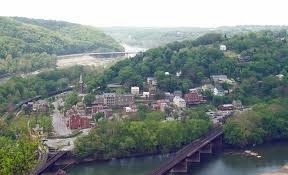
For those who have never heard of this place, do not fret. It doesn't exist. I made it up to be the setting for "The Vampyre Blogs". A good setting is extremely important to any story. Your story's setting can shape your character's personality depending on how long they've lived there. For instance, if they've been there a short time there's the getting to know the place and the people. Certain action sequences may take place in particular areas. The town's history may come into play. If they've lived there all their lives, they should know a lot of people, have a reputation (are they considered cool, friendly, or weird by the other people? Etc., etc...) Already you can see the importance of your setting and you should know the place at least in your own mind, so you can convey it to the readers. I don't care if it's a real place here on Earth or another world. You need to become familiar with where your story is taking place.
I've touched on settings for stories in the past, but "Pointer, West Virginia" is very different for me. You see, I've never been to West Virginia. I do not have any personal knowledge of what the place is like. I don't know how people talk there, what kind of accents they have, etc.
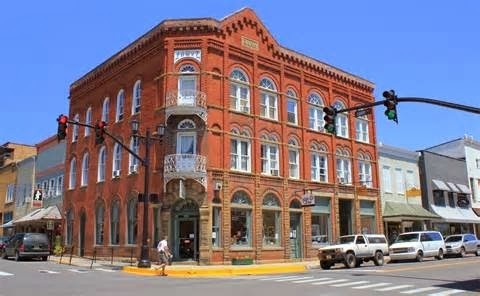
Creating a fictional place doesn't have to be super complicated, but whatever setting you build has to be believable. In my case, I like to blend a bit of reality into my settings. When I created New Swindon in Connecticut, for my first book "The Bridge", I was familiar with the area where I placed it. My grandmother had lived in Salisbury Connecticut for years and I became familiar with some of the other nearby towns. I blended the characteristics of several of them to create New Swindon to make it seem more real and authentic. I would refer to certain landmarks, roads and the things that actually do exist in real life. This allowed me to make my town more believable and real.
In my second soon-to-be-released book, "The Ship", I used an actual setting from real life that I was very familiar with. However, I also took steps to make sure only my characters were fictional and that they blended right in with their real-life setting. I had the knowledge of Santa Cruz and Seacliff to make this happen smoothly and very believable. (Remember the old saying: write what you know about).
So why am I using West Virginia, a place I've never been too, as the location for my third novel? History! West Virginia is steeped in it, especially when it comes to the Civil War, which is the time-frame my main character Nathaniel lived in. So how did I approach this situation to so
So what did I do? Simple, it was time for a little research on the internet and here is some of what I learned:
-West Virginia was created as a direct result of the Civil War. Most of Virginia sided with the south during that turbulent time, except for the section now known as West Virginia. They were not inclined to enforce slavery or returning runaway slaves, and decided to break off from the rest of Virginia. There was a lot of tension when this happened, and there were a number of famous battles that took place within the newly formed state.
So right there I had a rich source of background to play with for my new novel. However, I still had a number of obstacles to overcome for the story. Where in West Virginia should I place my fictional town? I checked over some county maps and saw where towns and cities were located and took notes. I wanted an area that didn't already have an actual town, so I could refer to the real places as being nearby. Plus I wanted a location that was near the disputed Virginia/West Virginia border. There were some hostilities there, and I had planned for my town's history to include a bunch of raiders (southern sympathizers) who crossed the border and nearly wiped out Pointer's population in one terrible "Night Of Fire". Could such a thing have happened? Absolutely, because I checked up on atrocities that took place during the Civil War. Both the North and South committed atrocities, some extremely barbaric. So right there, I had foundation to create such a background history for the town.
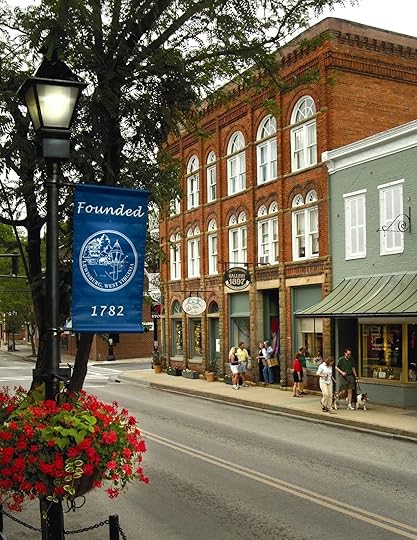
I also, checked to find out what are the more prominent religions in the area, so I could populate the the town with a churches and denominations. Plus I researched, what kinds of agriculture and commercial businesses are most prominent and where they are located in West Virginia.
Now I know a lot of this sounds complicated and detailed, but I simply made a few notes to myself. The object was to be able to make 'general references' to real aspects of the area, to make my fictional town blend in and seem more real. That's all. I won't be dedicating entire chapters to detailed descriptions, mostly it will be comments and points of reference made by the characters. I even found where a community college is located in the county where I am placing my town, so one of the secondary characters can be an instructor there.
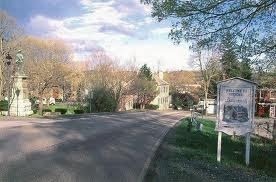
I know a lot of my readers may have never stepped foot in West Virginia, but there will also be some how do live there and I want them to feel like I treated their state fairly. I try to make the settings enjoyable and fun to think about. Who knows, some people may even want to visit them one day to see what it's like for themselves. It depends on the picture you paint, so to speak.
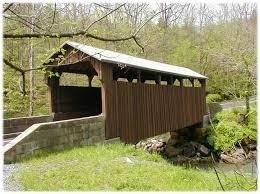
A few of your might be asking, how much time did I spend on researching the area? Well, I'd say I spent a total of maybe 10-12 hours over a several day period to get my vision for "Pointer". I checked Google for images so I can describe buildings and streets, I checked maps for counties, I looked up the state's governing body and typical law enforcement agencies, as well as the average population of towns so I could populate mine with the right number of civil servants and local government.
Finally, as I mentioned earlier, I checked out some of the state's history. Again I didn't go into great detail, but simply made notes I could refer back to in order to make the town fit in and seem real. Even the name of my fictional town comes from actual state history. In May 1788 Fort Donally was attacked early in the morning hours by a group of indians led by Cornstalk. The fort housed soldiers, wives and children. One of the defenders who helped keep the gates blockaded and fired through a hole in the gate, was a slave named Dick Pointer. For his courage and loyalty during the fight, he was given his freedom AND a piece of land with a cabin that people built just for him. A rare honor at the time. Upon his death in 1827 he was buried with military honors in Lewisburg West Virginia.
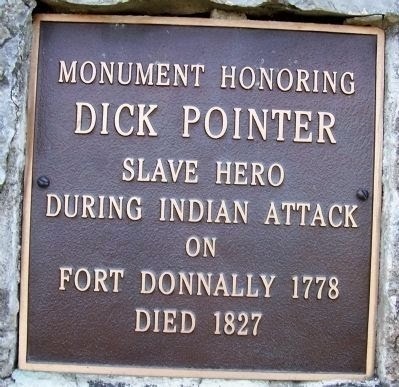
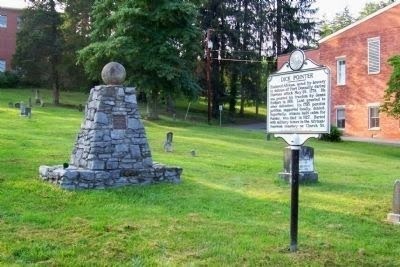
For my story, I'm going to have it that one of the children who saw him in action that day helped found my fictional town and named it after his hero. A town named for a former slave would understandably be targeted by the raiders in my story and make it more believable.
So there you have it. Here's another one of my methods for making a believable fictional setting. What are some of yours? Please share in the comments below or give us links to a blog where you may have discussed your style of doing things.
I hope this entry has helped some of you. And as always, take care and keep writing.

For those who have never heard of this place, do not fret. It doesn't exist. I made it up to be the setting for "The Vampyre Blogs". A good setting is extremely important to any story. Your story's setting can shape your character's personality depending on how long they've lived there. For instance, if they've been there a short time there's the getting to know the place and the people. Certain action sequences may take place in particular areas. The town's history may come into play. If they've lived there all their lives, they should know a lot of people, have a reputation (are they considered cool, friendly, or weird by the other people? Etc., etc...) Already you can see the importance of your setting and you should know the place at least in your own mind, so you can convey it to the readers. I don't care if it's a real place here on Earth or another world. You need to become familiar with where your story is taking place.
I've touched on settings for stories in the past, but "Pointer, West Virginia" is very different for me. You see, I've never been to West Virginia. I do not have any personal knowledge of what the place is like. I don't know how people talk there, what kind of accents they have, etc.

Creating a fictional place doesn't have to be super complicated, but whatever setting you build has to be believable. In my case, I like to blend a bit of reality into my settings. When I created New Swindon in Connecticut, for my first book "The Bridge", I was familiar with the area where I placed it. My grandmother had lived in Salisbury Connecticut for years and I became familiar with some of the other nearby towns. I blended the characteristics of several of them to create New Swindon to make it seem more real and authentic. I would refer to certain landmarks, roads and the things that actually do exist in real life. This allowed me to make my town more believable and real.
In my second soon-to-be-released book, "The Ship", I used an actual setting from real life that I was very familiar with. However, I also took steps to make sure only my characters were fictional and that they blended right in with their real-life setting. I had the knowledge of Santa Cruz and Seacliff to make this happen smoothly and very believable. (Remember the old saying: write what you know about).
So why am I using West Virginia, a place I've never been too, as the location for my third novel? History! West Virginia is steeped in it, especially when it comes to the Civil War, which is the time-frame my main character Nathaniel lived in. So how did I approach this situation to so
So what did I do? Simple, it was time for a little research on the internet and here is some of what I learned:
-West Virginia was created as a direct result of the Civil War. Most of Virginia sided with the south during that turbulent time, except for the section now known as West Virginia. They were not inclined to enforce slavery or returning runaway slaves, and decided to break off from the rest of Virginia. There was a lot of tension when this happened, and there were a number of famous battles that took place within the newly formed state.
So right there I had a rich source of background to play with for my new novel. However, I still had a number of obstacles to overcome for the story. Where in West Virginia should I place my fictional town? I checked over some county maps and saw where towns and cities were located and took notes. I wanted an area that didn't already have an actual town, so I could refer to the real places as being nearby. Plus I wanted a location that was near the disputed Virginia/West Virginia border. There were some hostilities there, and I had planned for my town's history to include a bunch of raiders (southern sympathizers) who crossed the border and nearly wiped out Pointer's population in one terrible "Night Of Fire". Could such a thing have happened? Absolutely, because I checked up on atrocities that took place during the Civil War. Both the North and South committed atrocities, some extremely barbaric. So right there, I had foundation to create such a background history for the town.

I also, checked to find out what are the more prominent religions in the area, so I could populate the the town with a churches and denominations. Plus I researched, what kinds of agriculture and commercial businesses are most prominent and where they are located in West Virginia.
Now I know a lot of this sounds complicated and detailed, but I simply made a few notes to myself. The object was to be able to make 'general references' to real aspects of the area, to make my fictional town blend in and seem more real. That's all. I won't be dedicating entire chapters to detailed descriptions, mostly it will be comments and points of reference made by the characters. I even found where a community college is located in the county where I am placing my town, so one of the secondary characters can be an instructor there.

I know a lot of my readers may have never stepped foot in West Virginia, but there will also be some how do live there and I want them to feel like I treated their state fairly. I try to make the settings enjoyable and fun to think about. Who knows, some people may even want to visit them one day to see what it's like for themselves. It depends on the picture you paint, so to speak.

A few of your might be asking, how much time did I spend on researching the area? Well, I'd say I spent a total of maybe 10-12 hours over a several day period to get my vision for "Pointer". I checked Google for images so I can describe buildings and streets, I checked maps for counties, I looked up the state's governing body and typical law enforcement agencies, as well as the average population of towns so I could populate mine with the right number of civil servants and local government.
Finally, as I mentioned earlier, I checked out some of the state's history. Again I didn't go into great detail, but simply made notes I could refer back to in order to make the town fit in and seem real. Even the name of my fictional town comes from actual state history. In May 1788 Fort Donally was attacked early in the morning hours by a group of indians led by Cornstalk. The fort housed soldiers, wives and children. One of the defenders who helped keep the gates blockaded and fired through a hole in the gate, was a slave named Dick Pointer. For his courage and loyalty during the fight, he was given his freedom AND a piece of land with a cabin that people built just for him. A rare honor at the time. Upon his death in 1827 he was buried with military honors in Lewisburg West Virginia.
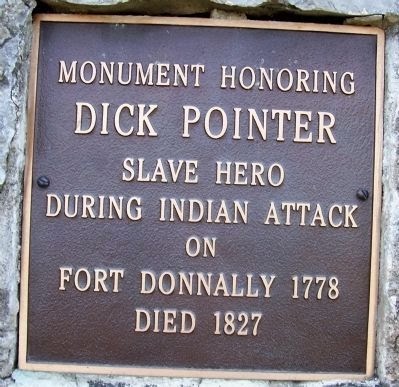

For my story, I'm going to have it that one of the children who saw him in action that day helped found my fictional town and named it after his hero. A town named for a former slave would understandably be targeted by the raiders in my story and make it more believable.
So there you have it. Here's another one of my methods for making a believable fictional setting. What are some of yours? Please share in the comments below or give us links to a blog where you may have discussed your style of doing things.
I hope this entry has helped some of you. And as always, take care and keep writing.
March 3, 2014
Writing In The First Person Point Of View...
As most of you know by now, I've started work on my third novel. What makes this book different though is the fact that I'm writing in the first person instead of the third person. In the third person one tends to do a lot of "he said," "She smiled", etc. Whereas the first person is a bit more personal in my opinion.
Just about all writers like to let the audience inside their characters heads. Some will do it in the "omniscient" style, where they let reader see inside every characters head in the same scene all at once. We're allowed to know what they're thinking, even if they don't share their thoughts with the other characters. Or the author will let you inside one character's head at a time. This is called 'limited perspective' which is what I use a lot, where I only let you inside one character's mind at a time, even within the same scene. But I'll indicate the 'change' of who's head you're inside of by putting a space break between paragraphs and clearly letting the audience know who's point of view we're now watching through.
However, in first person perspective, you get a narrator who tells the entire story. You'll see a lot of "I said...", "I thought..." etc. etc. While powerful, this point of view can be limiting since the audience can only know what the narrator knows. We don't get inside the heads of the other characters to see what they're thinking, unless the author switches narrators between chapters. This is kind of what I'm doing with "The Vampyre Blogs".
Like a real blog, the entire book is made up of entries, only in this case they are created by the different characters. Each speaking in the first person perspective. Bram Stoker used this style in "Dracula" and it worked really well. Since I'm doing a vampire piece, using the same style seemed only natural.
But what I didn't count on was how much fun I'm having with this style. With each entry, I get to play with a new character. Now, I took theater back in high school and had a blast with it. I'm finding doing these 'blog entries' by different characters to be a lot like my theater experience. I really get inside whichever character's entry I'm working on, and get to be them. I really get a chance to see through their eyes and get to know them in a deeper way than I have with my characters in the past. Then when I'm done with that entry, I get to take mentally shed that character and don another persona and repeat the process. I sometimes feel like I'm doing a one man show in front of an audience. Only I'm doing it from behind a computer screen instead of being on stage.
Now I know for a lot of writers, getting inside a character's head is normal. I did it for my other novels, but as I mentioned just a little while ago, I feel like I'm getting to really know my characters more in depth than before. Will I be able to keep going this deep when I return to the third person perspective? I don't know, yet. I hope so. Because I'm really enjoying the experience. Just so long as I don't get too caught up with them and lose myself so to speak.
This whole experience is a fascinating journey of discovery for me. What have some of your experiences with writing and getting to know your characters been like gang? I'd love to hear about it. Please feel free to share your experiences with the rest of us in the comments section below.
I'm afraid this is all I have to share for now. Take care and keep writing everyone!
Just about all writers like to let the audience inside their characters heads. Some will do it in the "omniscient" style, where they let reader see inside every characters head in the same scene all at once. We're allowed to know what they're thinking, even if they don't share their thoughts with the other characters. Or the author will let you inside one character's head at a time. This is called 'limited perspective' which is what I use a lot, where I only let you inside one character's mind at a time, even within the same scene. But I'll indicate the 'change' of who's head you're inside of by putting a space break between paragraphs and clearly letting the audience know who's point of view we're now watching through.
However, in first person perspective, you get a narrator who tells the entire story. You'll see a lot of "I said...", "I thought..." etc. etc. While powerful, this point of view can be limiting since the audience can only know what the narrator knows. We don't get inside the heads of the other characters to see what they're thinking, unless the author switches narrators between chapters. This is kind of what I'm doing with "The Vampyre Blogs".
Like a real blog, the entire book is made up of entries, only in this case they are created by the different characters. Each speaking in the first person perspective. Bram Stoker used this style in "Dracula" and it worked really well. Since I'm doing a vampire piece, using the same style seemed only natural.
But what I didn't count on was how much fun I'm having with this style. With each entry, I get to play with a new character. Now, I took theater back in high school and had a blast with it. I'm finding doing these 'blog entries' by different characters to be a lot like my theater experience. I really get inside whichever character's entry I'm working on, and get to be them. I really get a chance to see through their eyes and get to know them in a deeper way than I have with my characters in the past. Then when I'm done with that entry, I get to take mentally shed that character and don another persona and repeat the process. I sometimes feel like I'm doing a one man show in front of an audience. Only I'm doing it from behind a computer screen instead of being on stage.
Now I know for a lot of writers, getting inside a character's head is normal. I did it for my other novels, but as I mentioned just a little while ago, I feel like I'm getting to really know my characters more in depth than before. Will I be able to keep going this deep when I return to the third person perspective? I don't know, yet. I hope so. Because I'm really enjoying the experience. Just so long as I don't get too caught up with them and lose myself so to speak.
This whole experience is a fascinating journey of discovery for me. What have some of your experiences with writing and getting to know your characters been like gang? I'd love to hear about it. Please feel free to share your experiences with the rest of us in the comments section below.
I'm afraid this is all I have to share for now. Take care and keep writing everyone!
March 2, 2014
Another New Post Over On "The Vampyre Blogs--Private Edition" Marisa's Back...
Over on "The Vampyre Blogs--Private Edition" young Marisa is back with a new entry. Today she's talking about her Dad. A simple everyday guy who is not a fireman, not a policeman, or an EMT. He's just an ordinary fellow who manages to save a life. Come on over and find out how he did it by clicking on the link below. You'll be glad you did.
http://thevampyreblogs.blogspot.com/2014/03/marisas-musings-my-dad-hero-october.html

http://thevampyreblogs.blogspot.com/2014/03/marisas-musings-my-dad-hero-october.html
February 26, 2014
Work On "The Vampyre Blogs" Novel Has Begun...
I know, I know, I haven't even put out "The Ship" yet, and I'm already working on another book? Well, I'm waiting for feedback from some of my beta-readers who are going over "The Ship" so there's not much I can do on that front at the moment. And it felt so darn weird, sitting at my computer and not working on something, other than doing Facebook and games.
Besides, I've been getting a lot more views on "The Vampyre Blogs--Private Edition" blog sites that have been looking very encouraging. I really hope my creating those sites will lead to me having a really good sized audience clamoring for the book when it finally comes out in December. In this day and age of Indie Authors and self-publishing, one has to try and be inventive to build an audience for your work. And I keep hearing over and over again about how important it is to get the word out about your works (both finished and in progress).
But what I really want to talk about today is my personal experiences in writing a book that is comprised of blog entries by various characters. It's been hard to describe at times, when people ask me about it. But today I finally came up with a good way to explain it. Basically, each 'blog entry' is pretty much a short story in and of itself. I'm just putting together a bunch of short stories in such a way that they tell a much larger tale. And I'm finding it fascinating.
This is the first book where I've tried using the first-person point of view. I've always been a little leery of doing this because I keep in mind that whichever character is telling the story, we only get to see what goes on inside their head. They don't know exactly what's happening inside the minds of the other characters. But, by following Bram Stoker's example of using journal and letters, I am having a blast getting all the different characters thoughts and opinions about what is going on in and around their lives.
I'm actually finding this format rather easy to work with and very exciting. I just hope the audience finds it as enjoyable and interesting. I just finished the first entry in the novel and it came to just over 1000 words. How long will the book be in the end? I'm not sure, but I'm hoping to keep it under 80,000 for a change. It will be easier to manage the edits and rewrites, so I should be able to keep to my scheduled release of December later this year.
I'll follow up again soon and let you all know what other discoveries I'm making as I continue the tale.
Until next time, take care and keep writing!
Besides, I've been getting a lot more views on "The Vampyre Blogs--Private Edition" blog sites that have been looking very encouraging. I really hope my creating those sites will lead to me having a really good sized audience clamoring for the book when it finally comes out in December. In this day and age of Indie Authors and self-publishing, one has to try and be inventive to build an audience for your work. And I keep hearing over and over again about how important it is to get the word out about your works (both finished and in progress).
But what I really want to talk about today is my personal experiences in writing a book that is comprised of blog entries by various characters. It's been hard to describe at times, when people ask me about it. But today I finally came up with a good way to explain it. Basically, each 'blog entry' is pretty much a short story in and of itself. I'm just putting together a bunch of short stories in such a way that they tell a much larger tale. And I'm finding it fascinating.
This is the first book where I've tried using the first-person point of view. I've always been a little leery of doing this because I keep in mind that whichever character is telling the story, we only get to see what goes on inside their head. They don't know exactly what's happening inside the minds of the other characters. But, by following Bram Stoker's example of using journal and letters, I am having a blast getting all the different characters thoughts and opinions about what is going on in and around their lives.
I'm actually finding this format rather easy to work with and very exciting. I just hope the audience finds it as enjoyable and interesting. I just finished the first entry in the novel and it came to just over 1000 words. How long will the book be in the end? I'm not sure, but I'm hoping to keep it under 80,000 for a change. It will be easier to manage the edits and rewrites, so I should be able to keep to my scheduled release of December later this year.
I'll follow up again soon and let you all know what other discoveries I'm making as I continue the tale.
Until next time, take care and keep writing!


