August McLaughlin's Blog, page 46
June 15, 2015
Eye Candy and Power Tools? The Sexist History of High Heels
Did you know that privileged men were the first to wear high heels? Way back in the 17th century, heels provided a beneficial lift while riding horses. Gradually, privileged women followed suit, both genders wearing them to convey prestige and power.
This all changed in the next century, when men and women’s dress began to reflect social class and profession.
And here’s the clincher, IMO:
Because men were considered the more intellectual and capable sex, they gave up heels for practical shoes they could do work that smart and powerful folks do (such as business and politics). Women’s perceived inadequacies made walking well less important. To ensure that they stayed as lovely to look at as possible—their main skill set other than childbirth—high heels became more decorative.
Men’s shoes became comfortable, reliable and supportive, while women’s remained decorative, unstable and painful. Because who cares if decorations can walk well or get hurt?
I wish I were kidding. (Learn more here, here, here and here.)
While women have more opportunities, choices and respect nowadays, it’s still complicated…
Stilettos, the most hazardous heels, appeared in the 1950s, when the fashion industry made the wartime pinup-girl look a trend. Women did everything from housecleaning to posing for erotic photos in the steep shoes. Meanwhile, they were seldom allowed positions of power or leadership.

The heels trend diminished a bunch during the 60s and 70s (I LOVE YOU, HIPPIES!), but not for long.
In the 1980s, as women began readily climbing the corporate ladder, people feared that such work would strip away their desirability—by, you know, doing all that “man stuff.” Particularly tall stilettos were marketed as a solution, a way to stay sexually appealing while moving forward professionally.

By 2000, high heels were called a woman’s “power tools.” Her sex appeal was popularly considered her main source of professional strength, one she could use to manipulate people, giving “working your way to the top” a whole new meaning.
High heels are still associated with prestige and sexiness, regardless of well-known risks they raise for pain, bunions, fractures, bone deterioration and more. Related injuries have nearly doubled in the last decade, which speaks of their popularity and women’s determination to wear and embrace them, but more so of the media and fashion industry’s power of persuasion. (If comfortable, supportive shoes were all the rage, we’d be wearing them by the masses.)
Does any of this make wearing high heels wrong? Or anti-feminist?
Of course not. Feminism is about equality. We should all have the freedom to dress and express ourselves as we choose.
If you feel empowered by high heels and love wearing them, go for it. (If you do, consider these doctor recommended tips.) No one should be shamed for wearing any particular type of apparel.
I think it’s important, however, to put thought into what we find strengthening and why. The more informed we are, the better choices we can make for ourselves. And the better choices we make for ourselves, the better role models we become for others.

My latest #HeelFree faves. Wearing flatter shoes with a dress felt freeing.
I also feel there’s a fine line between putting a bandaid on insecurity and empowerment. A few months ago, I probably would’ve told you I wore heels at important events because they helped me feel empowered—more capable, attractive and confident. Now I realize they gave me a false sense of security and worked against me in numerous ways, from foot pain and poor body control to a lack of authenticity.
Why did I feel the need to stand taller? To have my calf muscles clenched? To make my legs look any different than they naturally are? (I explored these questions in my first #HeelFree post, available here.) Why do any of us?
In short, because of societal messages. We’re taught that high heels are a near prerequisite to sexiness, confidence and success. They’re considered a way up in the world, literally and figuratively, as they have been since their invention.
But times have changed. We don’t need to rely on our society’s idea of “sexiness” in order to have the careers, respect and lives we desire. I plan to live as long and as happily as possible, and I just don’t think that footwear that causes irreparable damage and makes walking comfortably difficult facilitates that—at least not for me.
I’ve also noticed in my years of work with folks with eating disorders and related issues that poor body image often goes hand-in-hand with high-heel wearing; it’s another common means of changing our outsides to aid inner wounds. But again, that’s a bandaid, not a solution.
If you can relate, I hope you’ll prioritize greater self-love and acceptance—regardless of your shoe choices. If there are any “power tools” worth having, it’s these.
If we wish to change the harsh pressures placed on women to appear a certain shape, size and height, we have to start with ourselves—by not holding ourselves up to those standards and by valuing what matters most. Whether you’re joining me in going #HeelFree or not, I hope you’ll consider taking whatever positive steps you can.
If you’re obsessive passionate like me, you’ll blab about it in the process. ;) If not, you can still help better the world.
As a reminder, I’m posting #HeelFree photos and links on Facebook, Twitter and Instagram. Feel free to join the conversation!
What surprised you about high heels’ history? If you wear them regularly, how do they make you feel? Have you embraced your legs and height as they are? I’d love to hear your thoughts! ♥



June 8, 2015
#HeelFree Campaign: Going a Year Without High Heels
How do you feel about high heels? Does the thought of ex-naying them from your wardrobe for a year sound daunting?
If not, kudos! I admire you, just as I admire the women who were turned away from the Cannes Film Festival for wearing dressy flats instead of heels.
That news angered me, but I was in also awe of those women for arriving to a world-renowned upscale event in flats. FLATS! I’m embarrassed to admit that for me, that would have taken courage.

A bit of personal history:
Until age 16, I felt pretty neutral about height, mine included. My parents’ heights vary by about a foot, and my siblings and I all fall about midway between (5’8,” in my case). While I’m considered tallish, there was never any emphasis on one height range being superior to another.
I’m grateful for that, particularly considering my other insecurities. I deemed my naturally thin, small-framed body chubby from about ages 5 to 25. It’s called body dysmorphia, and it’s no fun.
During my sophomore year of high school, I started modeling—a shift that stunned, delighted and terrified me. When my agents didn’t mentioned my perceived extra pounds, I wondered for the first time if I’d imagined them. Maybe I was just fine, attractive even, as I was.
That all changed after my first editorial photo shoot. At the end of a long, gratifying workday, the photographer looked me in the eyes and said, “You could be working in Paris….if you lost 10 or 15 pounds.”
In effort to soften the blow, numerous industry professionals and fellow models assured me it was because of my height.
“It’s not that you’re fat,” one said. “It’s just that shorter girls have to appear taller, like an optical illusion.”
Another explained that to give that “hanger” look—as though the apparel hung on a clothes hanger, versus a human—I had to look as long and lean as possible. I couldn’t change my height, she said, but I could alter my weight. Proportionately, it would all work out.
Only it didn’t.
With my insecurities about my weight seemingly validated, I began shedding pounds and my already vulnerable sense of self. Not only was I indeed overweight (by industry standards), but displeasingly short? Both words seemed like F-grades on the exam called Life. So I traded normal meals for restriction and my loafers for heels.
Fifteen pounds and hundreds of steps in heels later, I landed a prestigious contract with a modeling agency in New York City, where I wore heels so frequently, I felt as though I was walking uphill without them.
A few years later, the photographer’s prediction proved true. While living and working in Paris, I nearly died of anorexia. It took nearly a decade, but I’m now fully past the eating disorder and the dysmorphic self-perceptions.
Healing from an eating disorder is often a live-or-die situation. I chose life, which required dealing with demons I’d carried for decades. That process brought me to a place of body- and self- embracement I wish more women experienced. I prize authenticity more than almost anything, and have virtually no negative thoughts about my body or aesthetics. If I fixate on anything, it’s my passions.
So why did the thought of not wearing heels for a year make my palms sweat?
Is this an old wound I’ve overlooked? Lingering insecurity that fell through the cracks? I plan to find out…
I haven’t worn heels as often in recent years, partly because I primarily work from home. But whenever I attend an important event, be it a glamorous night out or a public appearance, I’ve considered them essential. Do I place my sense of self-worth in my height or footwear? No. But I do feel more attractive and, in some ways, empowered by them. To be honest, they feel like a crutch (which is ironic, seeing as wearing them raises my risk for needing crutches…). I’ve also suffered some harsh side effects of the tall, angular shoes, which I’ll explore in another post.
My discomfort at the thought of going heel-less made me so uncomfortable, that I’ve launched a campaign. Whether this will remain my own personal venture or one shared by many, I don’t know. What I do know is that the experience is already strengthening me. I haven’t worn heels since this idea struck me a few weeks ago.
My mission:
Until June 1, 2016, I will not wear high heels. Instead, I’ll choose comfortable, supportive flats, clogs, athletic shoes and boots. Throughout the year, I’ll post updates on my experience and research here on my blog and on social media (Instagram, Facebook and Twitter), using the hashtag #HeelFree.
Will I wear heels again thereafter? No idea. At the moment, I suspect so. But a lot can happen in a year.
My goals:
I’m doing this in honor of the women who were turned away from Cannes for wearing flats. It’s part social-experiment, part person-growth challenge—one that I hope will benefit others.
One thing my journey has taught me is that the most uncomfortable steps we can take often prove to be the most empowering. We can’t know the rewards, or how deeply (or not) an insecurity is holding is back until we face it, head on. So, off I go!
IMPORTANT NOTE:
I am NOT doing this to shun women who wear heels, or suggesting that everyone should give them up. I realize that there are ways to more safely work heels into one’s lifestyle (wearing certain brands/types, lowering the frequency, etc.). I also recognize that some women are criticized for wearing heels for various reasons; I’ll explore that, too, as part of this series—while sticking to my #HeelFree mission. This is simply my journey, which I hope others will learn from.
If you’d like to support my #HeelFree mission, here are some ways:
Join in! If you wear heels routinely, give them up along with me. Post about your experience using the hashtag and including a link to this post and/or tagging me. Feel free to use the above image.
Join the conversation online by sharing thoughts and images related to #HeelFree. (Post a photo of your feet in your favorite comfy flats, for example.)
Read, comment on and share #HeelFree posts, from me and/or other folks.
Send us happy vibes! Those always count. :)
How do you feel about heels? If you wear them regularly, could you give them up for a year? Will you? What’s your footwear/height story? I love hearing from you! ♥


June 1, 2015
6 Ways to Protect Yourself from Predators
When I think of personal safety, two things pop to mind: The Gift of Fear, by Gavin de Becker, and the creepy man on the subway who followed me home. If only I’d read de Becker’s book back then.
I was working as a model in NYC when, after a long photo shoot that ended at dusk, I hopped on the subway. When I felt a man staring at me then looked up and confirmed he was, I did what I typically did in such cases: darted my eyes away. Then I settled further into the crowd around me so I could keep daydreaming, sans creepy-stare.
Several train transfers and blocks of walking later, I arrived at my apartment building. As I stepped onto the elevator, commotion erupted behind me. I turned to see the creepy guy who’d been staring inches behind me—being yanked back by the building’s security guard. I was okay physically, but shaken and terrified.
Years later, when I read The Gift of Fear, this experience echoed repeatedly. I saw all of the signs, in neon. I’d felt the guy staring, noticed my fear and, sadly, ignored it. Nowadays, I would have looked at him guy straight on, observed his build, approximate age and ethnicity. I’d have maintained awareness of him, rather than vanished into daydreams. I’d have noticed him trailing behind me, called out his description if need be and gone straight to an authority—to whom I could’ve described him fully—and sought safe accompaniment home.
This is only one of many experiences in which I ignored my instincts. I doubt any woman could read The Gift of Fear without nodding repeatedly.
As de Becker points out, humans are the only species that ignores instinctual fear. While animals dart away in light of perceived danger, we, especially women, often convince ourselves to stay around it. So cultured to be polite, we feel we should be “nice” to the guy who’s giving us the creeps. Good girls don’t shun others, we’re taught, unless they cause us obvious harm. I don’t know about you, but I’d rather prevent harm in the first place.

Being victimized by abuse of any kind is never our fault. Ever.
Predators prey. They stalk, seek out our vulnerabilities and, in the case of sociopaths, are highly skilled at donning sheep’s clothing. But we can learn ways to keep ourselves safe, note the red flags and prevent the worst-case-scenarios.
1. Trust your instincts.
During my series on dating a sociopath on my blog and show these past two weeks, I’ve heard from many women (and some men) who’ve been stalked, harassed and confined by the controls of an abusive partner. Numerous described the fear they felt upon meeting the person. Some only recognized it in hindsight, or mistook it for magnetism. These women, like so many of others, learned the hard way that our instincts are always to be trusted.
That gut feeling is there for a reason—you don’t even need to know the reason in order to listen or respond. Dr. Wendy O’Connor, the marriage and family therapist I interviewed in this episode, described trusting your gut as the most important red flag.
“So often people get a swirl of emotions, elations, or a deep dark feeling or the famous ‘creeped out feeling,'” she said. “Regardless if it’s positive or negative to the extreme, pay attention to it!”

2. Practice self-awareness.
As we hone in to stay better in-tune with that inner voice/gut feeling, we should also prioritize becoming more aware of our overall emotions, wants and needs. Doing so requires minimizing distraction—i.e., putting the cell phone and iPod away when we’re out in public alone, for example, and stepping into and exploring any difficult emotions that arise, rather than avoiding them.
If you sense that something is off—publicly or within a relationship—don’t write it off, suggests Dr. Wendy, thinking, ‘Am I crazy?’ Instead, respect and observe those feelings. They’re sharper than you may realize, and could help save you from harm.
3. Don’t mistake obsessive behavior for love or admiration.
Contrary to what many fairytales suggest, a healthy, loving person does not attack us with love and attention. They don’t repeatedly show up uninvited, bombard us with gifts and attention when they barely know us or facilitate constant contact (such as perpetual texts or phone calls). They respect us and our privacy.
If you’re in a relationship and something feels off, look for themes and patterns.
“Do they track your every moment or isolate you from loved ones? This isn’t normal, love or admiration. This is stalking.” – Dr. Wendy O’Connor
4. Take precautions online.
It’s easy to feel somewhat anonymous and safe while posting on social media, and I personally love sharing about my life. But without appropriate boundaries, we open ourselves up to all kinds of risk.
Here are some simple steps to minimize them:
Don’t give others a GPS on your whereabouts. Turn your location settings OFF on Facebook and other networks.
Avoid posting “checkins” and other social media that reveal your current location.
When going through break up, especially if the person is troubled or abusive, reset all of your passwords—including your email, social media and bank account passwords.
Save all texts, emails and voice messages from anyone who’s threatening or abusive, in case you need to report them.
Don’t post your email address publicly on your blog or website. Instead, use a contact form.
Consider blocking or un-friending anyone creepy.
If someone reaches out to you, and your gut says YIKES, don’t feel obligated to respond. (Harmful folks often see any attention as positive, even if the attention is negative—i.e., “I don’t want to go out with you.”)
Tell others about anything alarming. Tell a friend, a family member, your employer, a therapist—not only for support, but so others have a record as well. This can help if/when you report happenings.
5. Take a self-defense class.
Self-defense classes are empowering. We all deserve to feel safe and secure, and to protect ourselves if need be.
I personally recommend IMPACT, if you have access—though any class that teaches self-defense is worth it. Ideally, the class will teach ways to prevent the need for traditional self-defense tactics, and make both prevention and defense so automatic, it’s muscle memory. This is vital, because once adrenaline kicks in, you’re probably not going to be thinking clearly enough to locate and use your mace can, for example. And holding your keys between your fingers as a “knife,” as many women do, won’t cut it. (No pun intended!)
6. Seek support.
Even if you feel whatever’s happening is “nothing,” feel incapable of getting out of an abusive relationship, or even that you don’t really want to get out but know on some level that you should, professional support is a primo idea. You have nothing to lose by trying, and possibly far more than you realize by not.
Dr. Wendy suggests working with a licensed professional for feedback and to come up with a good game plan, then staying connected with them for a period of time. Meanwhile, don’t hold back.
“Often people will lie to their therapist about the most basic things,” she said. “Develop trust with your therapist and talk about your resistance, lack of insecurity, talk about secrets and your desire to learn how to open up to another. Any good professional will be non-judgemental, caring and trusting.”
Helpful resources:
National Center for Victims of Crime Hotline: 1-800-851-3240
National Domestic Violence Hotline: 1-800-799-7233 | 1-800-787-3224 (TTY)
U.K. National Stalking Helpline: 808-802-0300
Safety and Protection Resources, via Gavin de Becker and Associates
The Gift of Fear, by Gavin de Becker
Related links:
From “Soul Mate” to Soul Sucker: My Relationship with a Sociopath
In “Love” with a Narcissist/Sociopath: Althea’s Story
I Dated a Sociopath, Part I on Girl Boner Radio: True Stories of Hurt and Healing
I Dated a Sociopath, Part II on Girl Boner Radio: Hope and Healing
The Borderline and Narcissist Love Relationship by Dr. Wendy O’Connor
Does Real Love Exist on the Internet? by Dr. Wendy O’Connor
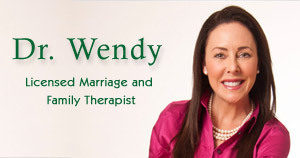
Huge thanks to all of you who’ve followed along with my ‘dating a sociopath’ series. Due to its popularity, I’ll revisit it occasionally as time goes on—so stay tuned!
What steps do you take to ensure your personal safety? Which step will you prioritize? When has trusting or not trusting your instincts affected your safety? I love hearing from you! ♥


May 25, 2015
In “Love” with a Narcissist/Sociopath: Althea’s Story
When I put word out that I was planning a series on dating a sociopath, starting with my own story, I heard from numerous people who had done so. They’d moved on with their lives, learned a great deal and wished to weigh in.
Then I heard from a friend who I haven’t seen in a few years, whose story is quite different.
I’m currently in a relationship with sociopath/narcissist, she wrote. I’d love to help!
Wow. I asked if she could speak publicly and openly about her experience. Not all sociopaths are abusive, after all. I’d recently read about a neuroscientist who discovered, rather by accident, that he is a psychopath—and an overall good person. He’s what some call a pro-social psychopath; he’s chosen to lead by intellectual empathy.
So maybe, I thought, my friend and her guy were making it work! Maybe they’ve both embraced his diagnosis and she’d like to show us all another side of things.
But that isn’t the case at all.
My friend, who I will call Althea, is a perfect example of someone who is bright, accomplished and well aware of the toxicity of her relationship. And like so many, she’s felt unable to escape it.
She agreed to a Q&A, which I’d planned to simply learn from and quote on the air. Her answers were so honest and poignant, I asked if she would feel comfortable if I shared them on my blog.
Without hesitation, she said, Please do!
As you read the highlights of our chat below, please do so with the utmost compassion, knowing that Althea is one of the bravest women around for speaking openly about this. Then click the links below to listen to other women’s true stories, and a sex and marriage therapist’s message for Althea.

August: Tell me a bit about you.
Althea: I’ve been married for 5 years, currently separated. I’ve also been involved in an affair with a narcissist/sociopath for 2.5 years. I’m college-educated, a mom and have been successfully self-employed for13 years.
August: How did you meet the sociopath?
Althea:
I met my narc (let’s just call him this for simplicity) at a bar we both frequent. He originally had eyes for my friend. She lost interest in him, because he’s married, and she wasn’t interested in getting involved as a mistress. He and I began flirting and after a few conversations things picked up.
We were both unhappy in our marriages and shared many of the same qualms. Looking back I see that he told me what I wanted to hear. If I said, ‘I miss doing things as a family’… He’d mirror me with, ‘I wish my wife would like to do things together—even if it is just walking around the mall.’ Whatever I lacked in my marriage, he lacked in his.
It’s like he could smell how vulnerable I was. I had never been involved outside my marriage. Getting involved with him emotionally and physically was a HUGE decision for me. — Althea
August: How did it shift from flirting to more?
Althea:
Our first venture outside of bar-life was an arranged meeting at a local restaurant parking lot. I hopped in his car and we drove to a quiet place. I wasn’t sure what I expected, but I thought our first time would be more than a twenty minute rendezvous. That’s merely what it was.
I remember leaving him on a complete high, feeling super important—like this was a new experience for him, too, like he understood me…as if this was something special for both of us.
August: Do you consider the two of you a couple?
Althea:
As I said, this affair has been going on for 2.5 years. It has been a romantic/sexual relationship, sans commitment labels for most of it. I guess I felt like I was with him because he is incredibly jealous and possessive. I learned the hard way that should not be mistaken for loyalty. When the relationship amped up, we agreed to exclusivity, then I found out he was still schmoozing other women.
This schmoozing I speak of is important, because it is a key part of what makes him the narc that he is. He managed to maintain having another girlfriend while seeing me for the majority of our relationship. In the meantime, he had other women he was getting something from sexually and emotionally on the side. It’s like a revolving door with him.
August: Wow. So he really relies on superficial charm sociopaths are known for.
Althea:
He is very personable and outgoing and a fun person to be with. High energy, charismatic and yes, charming. He makes you feel important. Everyone loves him because he gets to know you and says hello the next time you see him. He really is everyone’s buddy.
He’s also successful, and literally a millionaire. He’s very generous with his money when we’re out together. He lives in a beautiful community with his trophy wife and lives up to ‘suburban standards’ of life. He doesn’t rob banks or start brawls. He’s very well put together. No big rap sheet for him.
August: When did you realize that he’s on the sociopath spectrum?
Althea:
When I became aware of his girlfriend and side chick and his audacity to juggle all three of us in the same bar. He literally has no conscience. He lied to every one of us, told us all a different story. Different tall tales. But at the end of the day, he chose the girlfriend.
She became aware of me and the other side chick… He (being found out) within a matter of minutes turned from nice guy to crazy and deranged. Telling me to tell the girlfriend I’m no one…that he’d kill me, my husband and my son. Screaming obscenities and calling me names. That would be the turning point for me.
August: Do you think he’s capable of love?
Althea:
I think there are degrees of narcissism and sociopathy. I don’t see my narc as being full blown loony but he certainly relates to people differently. I think he feels love for his daughter and maybe his mother and father, but with women… I think it doesn’t go past a general care for another human. If he’s too busy to be bothered then he brushes you aside. If it’s good for him, then he’s there. It’s all about the control for him. I learned the hard way to not mistake his possessiveness and control for love. It’s easy to do.
August: Now that you’ve seen his true colors, what are the biggest challenges?
Althea:
I always question his sincerity. I always wonder what he’s lying about, what he’s manipulating. I live waiting for his next blow up when I don’t appease him. He’s incredibly emotionally and verbally abusive. He has called me crazy, whack job, psycho, whore… He shuts me down when I’m hurting. He tries to intimidate me—i.e., texting ‘I’m driving by your place to see who u have over.’ Accuses me of being with other men when I’m sleeping. Literally makes me feel like I’m losing my mind. Saying he saw me with someone when really I was at home or saying he saw texts that don’t exist. It’s crazy-making.
August: Does his personality/disorder affect your sexual relationship?
Althea:
100%. I never feel safe. I worry about my sexual health because he is sleeping around, which in turn makes me think about the other women I have to share him with. It creates an immense emotional block for me.
Also, he is incredibly selfish in bed. This may be TMI, but he often treats me like his sex toy. I’m there to give head or he just tells me to play with myself. He doesn’t want to do any work. He wants his women to serve him. I don’t enjoy the sex very often and rarely orgasm. One would think with his grandiose ego that he’d be a giver—a show off of his sexual prowess. Hardly.
August: What do you think he’d say if he knew you were discussing this?
Althea:
He would not be happy. He doesn’t see himself as a narc or sociopath, when he is 100% full blown, certified. In fact, he calls me a narc! He wouldn’t like me tarnishing his image or pulling his mask away. He still has the wool pulled over many others’ eyes.
If he knew, I would get a lot of backlash. I’m sure my phone would be blown up and I would be called names and threatened. That’s his MO. Intimidate.
August: Then why are you sharing? Thank you, by the way. You’re very brave.
Althea: I felt very compelled to share my story because he has literally changed my life. Drastically. I’ve almost lost my life over him. Yet, here I am… Still allowing this man in my life and controlling my emotions. I know I will survive and make it out. In fact writing this I was thinking, What am I doing? He’s damaged so much of me and many of my relationships with others.
Thank YOU for putting this out there for people to learn about. Most people wouldn’t know they were getting involved with a narc until it’s too late. I think awareness is an amazing tool.
August: I know some people will hear your story and wonder, ‘Why the heck is she with him? Just leave!’ I know it’s not that simple.
Althea:
This is by far has been the biggest mind f*ck of a relationship, and the hardest to end. He has me feeling dependent upon his approval. I’ve lost my sense of self. I’ve heard of trauma-bonding and I believe in it. I think I go back to that comfort of the familiar abuse. It’s a rush. A drug. He’s literally my drug.
How in the world do you move on and recover? How do you heal? No contact seems obvious, but he doesn’t go away. He’s so persistent. He calls from unknowns. I fear he will show up at my home. I worry about what he will do if I cut him off. Even worse, I’m so weak. I give in and go back to this head spinning cycle of being lied to and me feeling insecure and unbalanced. I literally have lost my strength. I’ve always prided myself in being strong, outspoken, and feisty but now I’m weak and broken and a little scared.
To hear Dr. Megan’s answers Althea’s questions, and two bold women’s stories of healing after narcissist/sociopath abuse, listen to the latest on Girl Boner Radio. To listen on iTunes, click here.

On Wednesday, I’ll continue this series on my show with an interview with marriage and family therapist Dr. Wendy O’Connor.
What encouraging words would you like to offer Althea? If you’ve gotten out of a similar relationship, what most helped you? As always, I welcome your respectful thoughts in the comments below.
Althea, we’re cheering for you. ♥


May 18, 2015
From “Soul Mate” to Soul Sucker: My Relationship with a Sociopath
T swept me off my feet, years before l learned that great partners don’t sweep you anywhere. Rather, they want you to stand strong on your own.

We met in an acting class, of which he was the star. While other women in the class pined over him, I only had eyes for acting. I was there to study—not flirt. And I certainly didn’t need to leap into another relationship so soon after my last.
The entire class knew about my goals and the breakup, just as I knew about their lives and dreams; it was that kind of class, and hello: we were actors. Open, sensitive and overflowing. It didn’t strike me until later that T was an exception. He shared very little about himself. He performed, charmed us with his wit and charisma and drove students in need of rides home in his luxury car. I, being one of the car-less, was content taking the bus home.
One night the teacher prompted us to sit face-to-face with a partner, look them straight in the eyes and say whatever came to mind. When I turned to seek a partner, T was right there.
Peering in his magnetic eyes, I felt naked and vulnerable.
“You don’t know how beautiful you are,” he said. “Or that you’re the most talented actor in this class, probably in this city. You could be a star.”
My cheeks flushed burgundy. My ex never said such things; on the contrary, he’d felt threatened by my modeling and acting. The wounds echoed.
That night, I accepted T’s offer to drive me home. I sat in the car with other students, including a single mom, an elderly woman and a man who’d fled his homeland in seek of the American Dream.
T opened the sun roof, asked if we’d like to watch TV and told us we could turn our seat heaters or personal ACs on or off as we wished. It all seemed pretentious, until I observed my fellow passengers beaming. T was treating people who never received such treatment like superstars.
After dropping the others off, he stopped for gas.
“Thirsty?”
“I’d love a water.”
“I got it,” he said, declining my $5 bill.
He returned with 20-plus bottles, one of each available brand, some chilled, some room temperature.
“I wasn’t sure which you liked,” he said, half-winking.
I couldn’t stop smiling as he drove on, chatting. He seemed fascinated by me and my life—my upbringing, family and goals. We seemed to share much in common, from world views to favorite past-times.
Within days, we were dating. Make that dating on steroids. Every moment was intensely romantic and adventure-filled. People routinely gushed over how “perfect” we were together, some guessing we were newlyweds, versus newly paired.
While his over-the-top adoration felt foreign (in anything but cheesy movies), I began to rely his perpetual loves notes, bold exclamations and gifts. It was as though he filled voids I hadn’t known I had.

By the time T’s true colors emerged, I felt trapped.
We’d been dating two months when T told me that Kyle, a mutual friend, desperately needed a place to rent for a month—but was too embarrassed to discuss it.
“You should offer to sublet your place,” T said. “Stay with me for a while.”
I later learned that he told Kyle a similar story, only flip-turned—claiming I was in dire financial straits, but too ashamed to mention it. (“So could you please rent her place? I know you hate your roommate anyway.”) Kyle and I fell for his plot, and that month sublet became permanent.
Looking back, it’s obvious that while I had been studying acting, T had been studying me. Each bit of knowledge became a tool in his toolbox of seduction, ways to lure and keep me.
He knew I cherished my place and independence, so rather than ask me to move in with him, he had strategized. And probably relished the game, especially when he won. And won. And…won.
He wooed everyone I cared about and dropped out of class to give me creative space (“It’s just my hobby, but it’s your dream, baby. I believe in you.”) After I’d saved up enough to buy a clunky car, he gave me his. (“You deserve better. I treasure your safety.”) I sobbed, as I drove it for the first time, wondering if I should feel guilty or just grateful, whether I deserved it.
The truth was, I didn’t deserve it—but my understanding of “it” wasn’t reality, not by a long shot.
One day, everything changed.
I received the career news I’d been longing for: I’d booked a lead role in an indie film, and couldn’t wait to tell T; surely we’d celebrate.
Instead, his face morphed from human to animal. He trembled, his face pale, nostrils flared, teeth gritted. Saying nothing, he began pacing and heaving while I stood there, paralyzed and perplexed.
“T, talk to me. What’s wrong?”
He shot me a steely glare, then raced to the kitchen. With both hands, he grabbed the heavy, chrome paper towel holster that was bolted to the counter top and pulled, shaking maniacally, until it snapped off.
I dropped to the ground, sobbing and cradling myself. Please don’t hit me!
He didn’t. But he did use the heavy bar to bash a hole in the wall, mumbling something about the “hot actor guy” who’d play opposite me.
That was the first of countless outbursts, which surfaced any time T thought he might lose me or my attention, the shiny prizes he’d worked hard to win.
After he chased a man around a parking lot with a knife for “looking at me the wrong way,” I packed my bags and left. But we didn’t stay broken up.
He came crawling, pleading for forgiveness: “It’s just that I love you so much! Help me be a better man. I will do anything to make this work.”
He provided endless excuses for his behaviors—his troubled childhood being the biggie—promising he would work through it all. He started therapy, said he found God, sent a letter of apology to my parents. I was his reason to go on, he said. Without me, what was the point?
I wanted to help T. I loved him. But I also wanted to be happy, to live free of terror and tumult and to move forward in my life. Finally, I realized that the latter was only possible without him. The blissful times we’d shared early on were a farce, and his sociopathic nature, reality.
For any chance at happiness, I had to leave him for good.
Doing so was one of the most difficult and important decisions of my life. I sobbed until I vomited post-breakup, stayed in bed for days. But as healing crept in, my acting career began to flourish (and that later led to writing and Girl Boner). I began feeling strong and whole on my own. A few years later, I met a man who loves me sincerely, with whom I feel more like myself than ever. In the right relationship, we only grow.
If you relate to this story, you’ve probably dated someone on the sociopath spectrum: people who lack empathy and remorse, who thrive on power and control.
There’s so much to say about all of this, which is why I’m launching a series here and on Girl Boner Radio. I’ll be chatting with two inspiring women who’ve found healing after their own relationships with sociopathic men, a bold woman who is in a such a relationship now and two psychologists. We’ll cover the basics, such as sociopaths defined, common traits and related myths, and ways to move on and heal once you’ve fallen prey to one, and more. I really hope you’ll tune in!
And if you’re feeling lost within and controlled by a relationship, I hope you’ll start believing in the healthier, happier future you deserve. Sometimes the most important thing we can do is recognize that the little voice deep within whispering this isn’t right is brilliant, and worth listening to—even if our hearts can’t catch up with it just yet.
Do you relate to my story? How have you healed from a hurtful relationship? Any questions you’d like to ask my guests? I love hearing from you. ♥


May 11, 2015
“I’m blunt? Oh, yeah…” What Has Your Blogging Mirror Taught You?
It’s tough to recall exactly when I started blurting, but I suspect it coincided with another milestone: the day I started speaking. According to my parents, one of my earliest emerged when I wasn’t yet two. My mom had just broken the news that I could no longer sip from the Bosom Bar because she was pregnant with another, which would turn our family of five into six.
“So you’re going to be four mommies?” I asked, pondering the upcoming NKOTB. (Don’t pretend you don’t know what that means.)
“Yes.”
“Well, there’s only one daddy, and he’s all mine.” I swear I’m not a sociopath. A bit envious back then, sure, but not conscience-less. (Thank goodness. I’ve been researching the heck out of sociopathology for an upcoming radio episode.)
When I learned the other morning that Girl Boner is a finalist for Best Blunt Blog in The Indie Chicks’ Badass Blog Awards, I was crazy-honored, but also surprised. Sure, I’m prone to blurting, but… I’m blunt?

Our blog-mirrors sure tell us a lot! #bluntandproudofit
For some reason, I correlated “blunt” with rude comments, like my toddler-remark had it been said by a mature adult. Back then, I had that cute-cuz-I’m-a-kid thing going on. Then I thought about it.Blunt can mean harsh, but it can also mean uncompromisingly forthright, direct and to the point. (Thank you, Webster!)
Hmm…
I have talked a lot about clitorises, my brain-gasm MRI, bralessness and ex-partners. And if there’s one thing #GirlBoner isn’t, it’s subtle. (Call me crazy, but I don’t think #ExcitedDownThere has the same ring to it.) Subtlety wouldn’t get me anywhere in a culture in which innumerable obstacles stand in the way of female sexual embracement, keeping way too many women from living full, authentic lives—often with little, if any, knowledge that it’s happening. Not because they aren’t brilliant, but because of the world we live in.
See? There I go again. #NotSorry Partly because maintaining this blog helped me embrace myself further. It’s also shed light on who I actually am—which is rather key to the whole living authentically thing.
That’s one of the most beautiful things about blogging: the mirror it provides us. When I first started, I worried that readers would deem me a perplexing ping-pong ball. “I’m all over the place!” But you know what? None of us are as bouncy as we may think. Common threads appear when we let the words flow—or, in my case, dart. If we don’t stand in their way, we never know where they’ll lead.
That doesn’t mean everyone should write about clits and brain-gasms, of course, or anything controversial. What’s important is being who we are, out loud, without crippling fear over what others will think. Blogging unapologetically has literally changed my life, leading to everything from incredible friendships to my radio show and speaking gigs. This week, it led to this groovy award nomination.
I’m so, so grateful.
When I told my mom about the nomination, she started giggling and singing, “Everybody blurts (hurts), sometimes….” LOL Surely, I got my blurt-gene from her. Anyhow, if you’d like to vote for me—or anyone!—use this link:
Blog Awards: Vote for the Finalists! #ICBBAwards
I also highly recommend subscribing to the publication while you’re there, and liking/following them on Facebook and Twitter (@TheIndieChicks). While you’re there, wish them a happy birthday! They’re celebrating three years of empowering awesomeness. Huge congrats to my pals Jess Witkins and Aussa Lorens for being nominated as well! So well-deserved. ♥
What has blogging taught you about yourself? What’s the biggest blurt that’s ever escaped your lips? Are you blunt? Your comments and support give me a #GirlBoner. Seriously.


May 5, 2015
5 Myths About Pursuing Your Passion and Purpose
What are you passionate about? Do you go after it with gusto? Or are you still searching for that which rocks your world?
To me, passion and purpose are inseparable. In many ways, I believe pursuing our passion is our life’s purpose. Cultivating��these powerful Ps makes our lives more gratifying and meaningful, and makes us better folks to be around. We’re more likely to uplift and help others, and even better the world.
It’s easy to say, “Hey! Follow your passion!” It’s another thing entirely to follow through consistently, without letting common myths obstruct your��way. Here are five common ones��to disbelieve pronto.
1. True passions are reserved for the “lucky ones.”
I’ve heard many people say, “You’re so lucky to have a passion,” or, “I wish I had one!” Trust me, I understand those feelings. It took me years of self-work and exploration to begin finding and cultivating mine. I truly��believe that we all have passions within us, just waiting to be discovered and sprung forth. But we’ll never get there if we don’t��belief in their existence.
2. If you wait around long enough, one will appear.
I’m sure there are folks out there who work a job they dislike, never explore new interests and settle for lackluster relationships and one day, SHABAM! Passion appears at their door. But I’m guessing 99%��of us have to work our way toward them���whether we’ve sensed��what they are yet��or not.��While there’s something to be said for��leaping smartly, finding and��fulfilling a��passion almost always requires leaps of faith. Don’t waste your time and energy in a deadend-anything. We only have so much to utilize.
3. Yours will mirror��someone else’s.��
Last year at Oprah’s Live Your Best Life Tour, she made it clear that others’��life purpose��shouldn’t replicate��hers: “You don’t need to be another Oprah.” That’s when I removed my Oprah wig. (KIDDING! I’ve never wanted to be her. She’s got that gig handled. ;))��We’re all inspired by others, but our passions are unique. Rather than��emulate someone you admire or copycat their every move, strive to shine as your authentic self. Never stop exploring who that beauty is.
4. You can choose the specifics.
Big ol’ NOPE. Not only can we not choose the��specifics of our passions, they may shoot us off in an unexpected direction���and that’s OK! Such��diversions can be��the most��important happenings we can hope for. Here’s an example: For years, I thought acting was “IT” for me. Then��writing cropped its gorgeous head up and lightbulbs I hadn’t known existed flashed��on. Novel-writing��led to my blog, which led to Girl Boner, which led to my radio show.��None of this��would’ve��evolved��had I not pursued acting���or let stubbornness keep me from staying open to possibilities. As��as the wonderful Patricia Sands��would say, be a “possibilitarian.”
5. Once you’ve found one, life’ll be a breeze!
Excuse me while I ROFL��giggle a little. ;) Remember when you were a kid and thought that once you met��Mr./Ms. Right, everything would fall perfectly into place and your days��would consist of stargazing��and hot fudge sundaes? Yeah, passions don’t work like that either. They take work, vulnerability, major challenges and risk. Embracing them doesn’t suddenly make life easy, but it does��make our existence significantly more worthwhile.��Seek fulfillment, not ease.
Arouse your whole darn life. You’re worth it.
What’s��your biggest passion? What helps you pursue it? Have you bought into any of these myths? I’d love to cheer you on, so share, share away!


April 30, 2015
Eating Disorders and Sexuality: My Interview on Real, Raw and Related
You know what I love? Besides Girl Boners, Oprah and dogs?
How did I know you’d guess those���? ;)
Spectacular people who are passionate about making a positive difference in the world���even those I semi-terrify at first encounter. Kidding (mostly!) about that last bit.

Before asking me to get a bit vulnerable��for her viewers, Kendra, the host of��Real, Raw and Related, had to allow the same for herself. (You’ll see what I mean when you watch the video below.) Her willingness to do so is just one of her attributes. Since��overcoming bulimia, Kendra��left a promising corporate career, setting out on a journey to discover, she says, what really turns her on. She��now coaches other women on living more authentically.
Awesomeness, all over the place.
In��our chat, she asked insightful questions about my food and body image battles, how sexual embracement helped me heal and how we can all better embrace our bodies, sexuality and selves. I shared parts of my story I’ve never shared publicly before,��including the time I was nearly arrested (whoops…), and factors other than��control that contribute to disordered eating. As daunting��as these issues can be, we managed to have a lot of fun.
I hope you enjoy the episode as much as we did gabbing!
What did you think of our chat? How has sexual embracement, or a lack thereof,��affected your body image or vice versa? I love hearing from you.��
**After prepping this,��I learned that Lynn Greffe, the long-time president and CEO of the National Eating Disorders Association, died of cancer. This post is��dedicated to her��legacy, which is too beautiful for words. May she rest in peace!


April 20, 2015
Positive Body Image Quiz: 35 Signs and Rewards to Aim For
Most folks analyze, or at least consider, their appearance and lifestyle habits regularly. But what about your body image? Have you ever taken inventory?
As I explained on Rick Gabrielly’s fabulous new podcast��The Marriage BOSS poor body image is seldom rooted in vanity. Women are taught in countless ways that certain physical traits pave the way for happiness and success, and if we lack them, we may as well succumb to misery. Luckily, that’s not true. We will suffer, however, if we make them our truths. Make sense? How we feel about our bodies and looks becomes self-fulfilling. A little self-awareness��can go a long way in shifting your ways toward the positive.
I compiled the following list of healthy body image signs based on decades of personal and professional experience.��To use it as a quiz, jot��1 – 35 on a sheet of paper. Then beside each��corresponding item��that applies to you, draw a star or smiley face. If you’d like,��circle item numbers you plan to work toward.
Super important note:
Please don’t shun yourself if you find yourself shaking your head as you read. Very few women identify with all, or even most, of them.��My hope is that you’ll notice areas in which you could improve and areas you’re ROCKING. You can also use the list as inspiration���rewards you can look forward for��cultivating positive body image. (It’s so worth the effort!)��It’s not an all-inclusive or universal list. Once you’ve perused��it, I’d love to any important items��you feel I’ve missed! 
Words and Lingo
1. You don’t speak negatively��about your body shape, size or appearance.
2.��You don���t comment on others��� body shape or size, even to say, ���Wow, you���ve lost weight!���
3. Terms like “bikini body,” “beach body” and “dream body” aren’t in your vocabulary, unless you’re pointing out what’s sad or harmful about them.
4. You don���t share or laugh at demeaning ���humor,��� such as racist, blonde or fat jokes.
5. You never semi-brag about eating too little. (i.e., saying, “I haven’t eaten all day!” with a bit of pride).
6. For you, “carb” is not a cuss word���and dieting nearly is.
Food and Nutrition
7. You eat for fuel and nourishment most of the time.
8. When choosing foods, you consider the ingredients and enjoyment, versus calories, fat or carb grams.
9. While you may eat for emotional reasons, such as having cake at a party, you aren’t an emotional eater.
10. You aren’t afraid to eat potatoes, carrots, pineapple, legumes, bananas, low-nutrient treats or other diet-prohibited foods.
11. You don���t cut certain foods from your diet, unless you have an ethical or health reason for doing so.
12. You respect and respond to you body’s hungry and full signals. 13. You seldom, if ever, eat until you’re uncomfortably stuffed.
Health and Numbers
14. You prioritize medical and dental checkups, and don’t simply see either for aesthetic reasons.
15. Unless you’ve recently had a physical, you don’t know your body weight or BMI.
16. You’d rather wear sunblock or protective clothing than aim for a perpetual tan.
17. You don���t take risky, unnecessary dietary supplements or drugs with hopes of changing your body weight, appetite or muscle mass.
Sex and Sexuality
18. You have healthy, shame-free attitudes about your sexuality.
19. You prioritize a gratifying sex life, however you define it (unless you���re asexual).
20. You can make love and strip down comfortably around a partner with the lights on.
21. You prioritize sexual health checkups.
22. You practice safe, consensual sex.
Aging and Aesthetics
23. You don’t run for cover when someone pulls out a camera���but you also don���t feel the need to take, over-analyze or post photos of yourself perpetually.
24. While unflattering photos of you may not thrill you, they don’t horrify you either.
25. Whether you enjoy expressing your personal style through wardrobe and makeup or not, but you don���t fixate on any of it.
26. You prioritize��wearing comfortable clothes that fit.
27. You aren’t ashamed of your age.
28. You see inner and outer beauty in aging.
29. Most of your close friends have positive body image.
Exercise and Fitness
30. You exercise namely for health and because it feels good, not to look a certain way.
31. You don’t feel guilty for skipping a workout.
32. You seek out activity you enjoy, and avoid those you hate or push your body too far.
33. You don���t exercise at a high-intensity for more than an hour a day, unless you���re a training athlete.
34. You never exercise as a form of self-punishment.
35.��To you, getting enough rest is at least as important as getting enough exercise.
What areas are you strong in? In which could you improve? Any items you’d add to my list? I LOVE hearing from you! I’ll also happily answer any questions you have about items on the list. ���
To hear more about cultivating positive body image, and other means of��empowerment, you can also hear my chat with Rick Gabrielly (aka, The Marriage BOSS) on iTunes.


April 14, 2015
#NotSorry: 5 Things I No Longer Apologize For
You may have noticed that women apologize a lot. A whole lot. While it’s appropriate��to say, “Sorry!” when we’ve, say, stepped on another’s toe, apologizing for being ourselves hurts us��and, by way of example, others.
A few years ago, the ever-sparkly Natalie Hartford published��a blog post called��5 Things I’ll Never Apologize For, which��basically says, “This is who I am. Deal with it!” (Woot!)
I’ve thought��of her post many��times since, particularly��upon realizing��I’m no longer apologetic for aspects of myself that once left me guilt-ridden.
Here are five of those things:
1. For not being a night owl.
I think I’m genetically predisposed to turn into a mushy-headed pumpkin by 9pm. (I don’t even know what that is. Anyway���)��I��used to feel��dorky for wanting to eat dinner��at 5pm or��donning PJs when “hipper” friends were taking pre-going out naps. Not anymore.

Proof that turning in early can be sweeter.
If I stay out��late, I know I’ll pay the price the next day; feeling groggy and not on top of my game. My work and relationships are too important to do so regularly.
Nurturing what makes us feel healthiest and most alive���especially when it isn’t the norm���shows strength and self-respect.
2. For being passionate and outspoken.
I sometimes think I was born an activist.��As a kid, I campaigned��for endangered animals, protested for planet-friendlier school lunch dishes��and��co-organized events to raise awareness about child abuse. Then there was my first walk-out. (How dare my piano teacher deny me M&Ms for neglecting��my homework��expressing my artistry through improvisation?)
By��my early��20s, I’d love some of that confidence and occasionally felt��I was on an annoying “high horse.” Does��everything have to be a world-altering mission? No. But it’s important to me to feel that I’m contributing to positive change, or at least trying.
Writing and speaking have helped me see that��using my voice and passion for greater good is my happy place, and washed away concerns over what others might think. (And, wouldn’t you know? Most folks don’t shun me anyway.) Now, rather than feel crushed by injustices I see, I find peace in knowing I can do something. And I’m not afraid to speak up.

You know you’re in your happy place when someone walks in on you taking blog-prep-selfies and you keep on shooting. ;)
Meeting my awesome husband also helped. Early on in our relationship, he caught me apologizing for babbling on and on��enthusiastically sharing. “It’s the best part of my day,” he said. *swoon* (Yep, I married right.)
We all deserve to nurture our passions, and what makes us feel obscure or alone at times could actually be what makes our lives extraordinary. People who truly care about us will embrace them.
3.�� For not having perfectly groomed��appendages.
Does anyone else fight the urge to yelp, “Hurry up! I’m bored!” when having your nails done? Ugh. Now that I meditate, I could probably handle it. Regardless, nail treatments feel like a waste of precious time and money I could be investing elsewhere.
When I first moved to LA, I often had gels added to my nails, fearing that others would judge my “imperfections.” Now, I embrace my��imperfect, guitar-playing, typing-fanatical hands.

Dear Nails: Thank you for showing the world how much I value��typing and strumming over aesthetics, and for putting up with my bashing. I promise not to have you ground down and covered up again. Sincerely, Me
What we see as “flaws” are often quirks that reflect who we are. Not sweating over them is a��huge relief.
4. For not caring much about fashion�����at least not enough to appear totally put together very often.
Looking back on my life, I see a direct correlation between how much time��and energy��I put into my��appearance and��insecurity. That’s not to say these are linked for all women, of course.

One sign you’re not putting much thought into your wardrobe��� #whoops
I admire women who consistently look like they’ve just stepped��out of a style��mag, but I’m so not one of them. While I enjoy��dressing up for special occasions, I prefer spending��my time and energy elsewhere. As long as I’m clean and comfy, I’m a-okay.
When we fixate on our looks, what we need to change almost surely��lies deeper than our hairstyle or wardrobe.
**If you’re a low-maintanence gal, too, this Elite Daily article is a must-read:��The Science of Simplicity: Why Successful People Wear The Same Thing Every Day
5. For taking up space.
Last��year��my friend Sheri,��I and another friend were standing and chatting in an open hotel lobby. When a group of people walked our direction, I apologized��and stepped aside, giving��them ample (if not necessary) room to pass.
“You don’t need to apologize for taking up space,” Sheri said without hesitation. “We have a right to be here.”
Woah. (See why I adore her?) In the following weeks, I noticed that I had a tendency to offer up my space to��others in this way; it was a dangling thread of insecurity I hadn’t yet clipped.
Owning the space we stand in is empowering, and it’s never too late to grow. ��

Because why not?
Whether we say the words or not, feeling regretful for who we authentically are can hold us back in all sorts of ways.
As Natalie shared in her post, she dresses��provocatively, cusses regularly and speaks her mind–without regret. Is she judged for these traits on occasion? Probably. But they’re also three of the reasons I, and many others, love��her. It would break our��hearts if she held back. We should have that same compassion for ourselves. Don’t��you��think?
What have you stopped apologizing for? Do you relate to any on my list?��I’d love to hear from you! ���