Bill Cheng's Blog, page 18
October 20, 2014








October 19, 2014
nubbsgalore:
during the autumn rutting season, red deer stag...
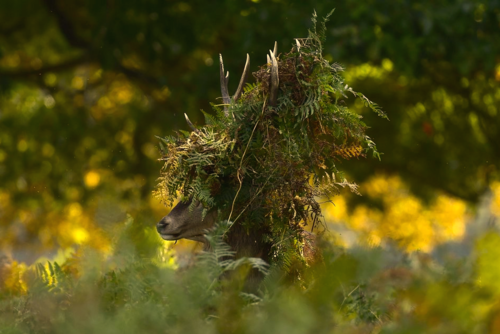
toby melville
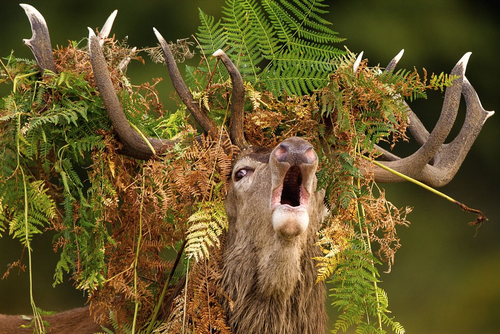
mark smith
mark smith
luke millard
mark smith
greg morgan
luke millard
mark smith
toby melville
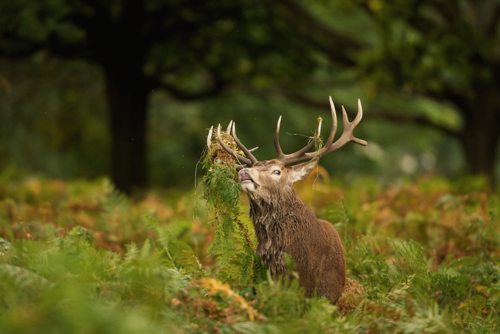
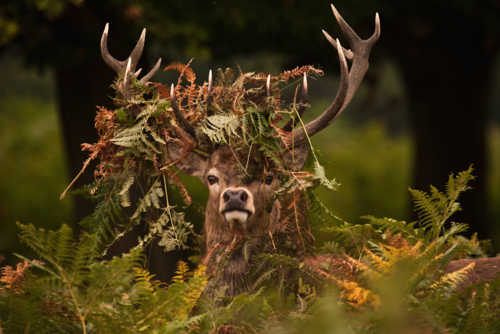
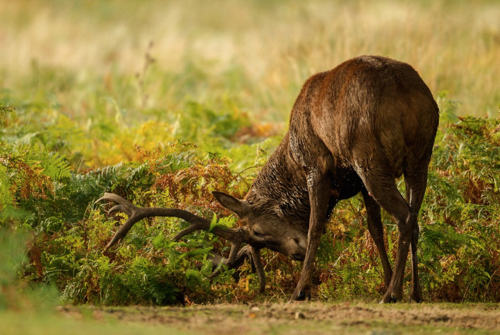
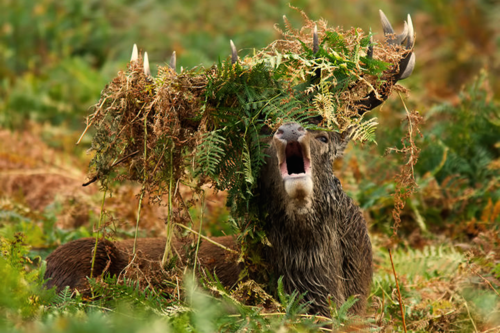
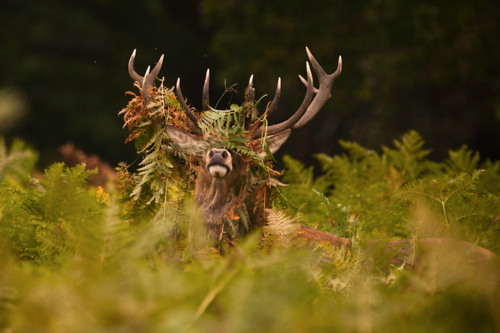
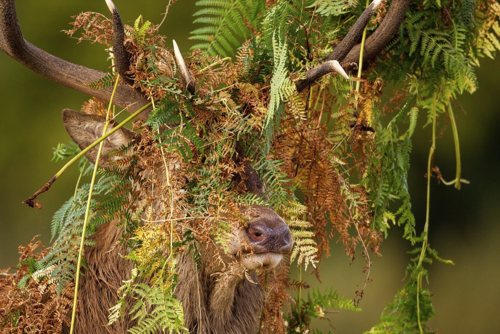
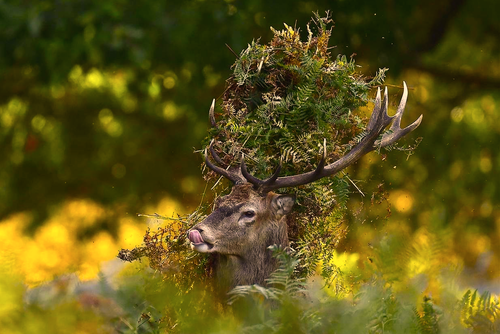
during the autumn rutting season, red deer stag find themselves with elaborate bracken crowns from having rubbed their heads against the ground, which they do to strengthen their neck muscles so as to help them in battle with those competing for the affections of the does. photos by (click pic) mark smith, toby melville, luke millward and greg morgan in london’s richmond park. (see also: more autumn rut in richmond park)

October 18, 2014
amnhnyc:
Though it may not look extraordinary, this is our most...
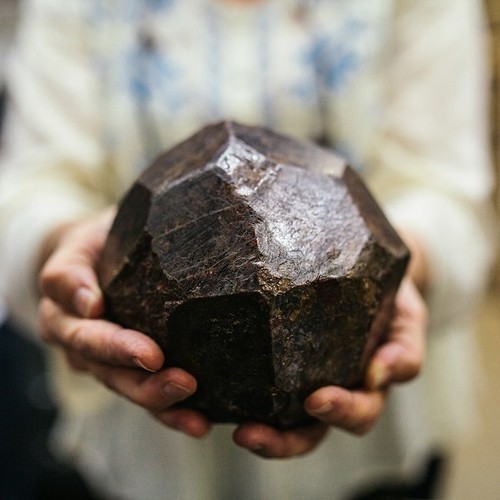
Though it may not look extraordinary, this is our most important NYC mineral, according to Jamie Newman (@jamienamnhorg) Collection manager at the Museum. The “Subway Garnet” was found in 1885 on 35th Street and Madison Avenue. Shot by @jnsilva #InsideAMNH
October 15, 2014
theparisreview:
Celebrate P. G. Wodehouse’s birthday with Love...
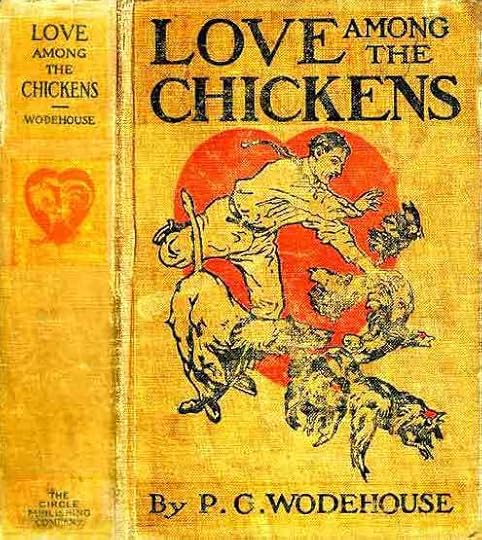
Celebrate P. G. Wodehouse’s birthday with Love Among the Chickens, one of his earliest and strangest novels.
October 14, 2014
danielclowes:
girlmountain:
…
From Simon Hanselmann’s Tumblr....
…
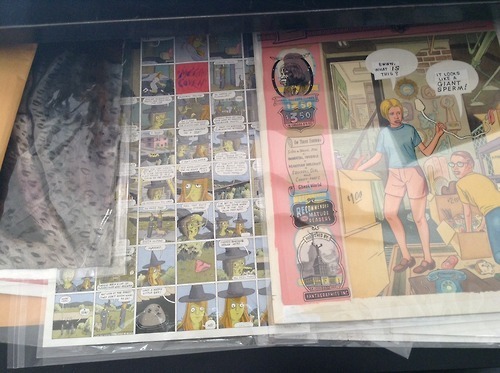
From Simon Hanselmann’s Tumblr. That’s an original page by him with what seems to be the original cover art for Eightball #16.
October 12, 2014
amnhnyc:
Lonesome George, the Galapagos tortoise who was the...
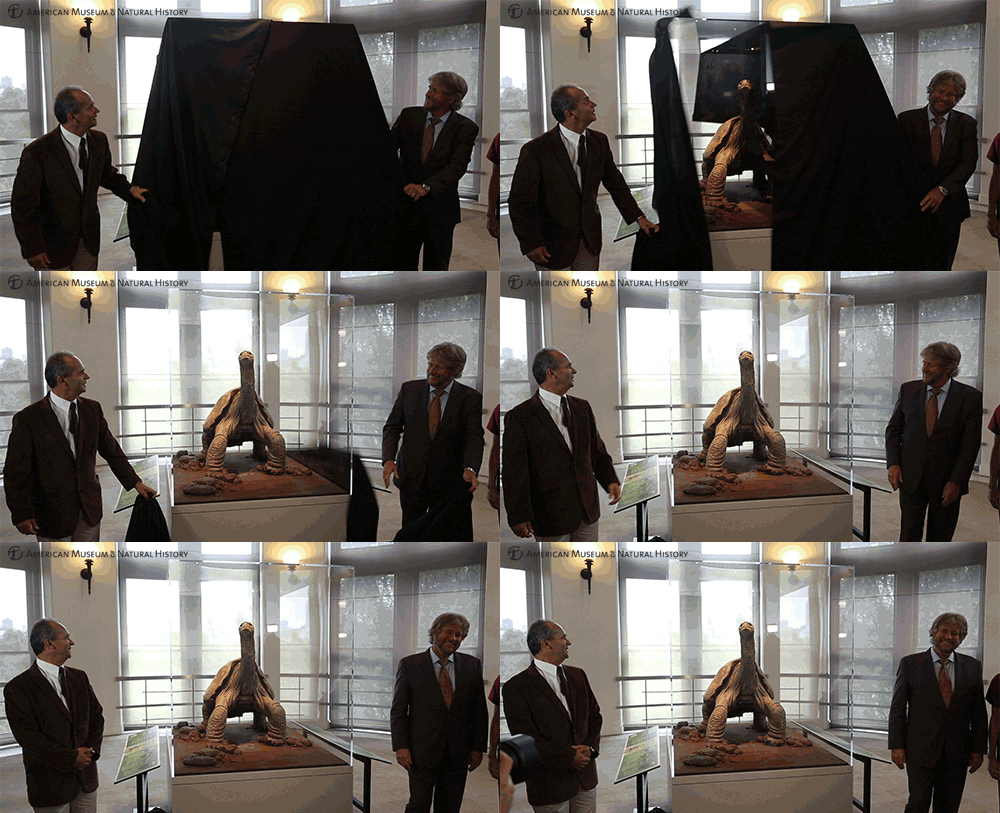
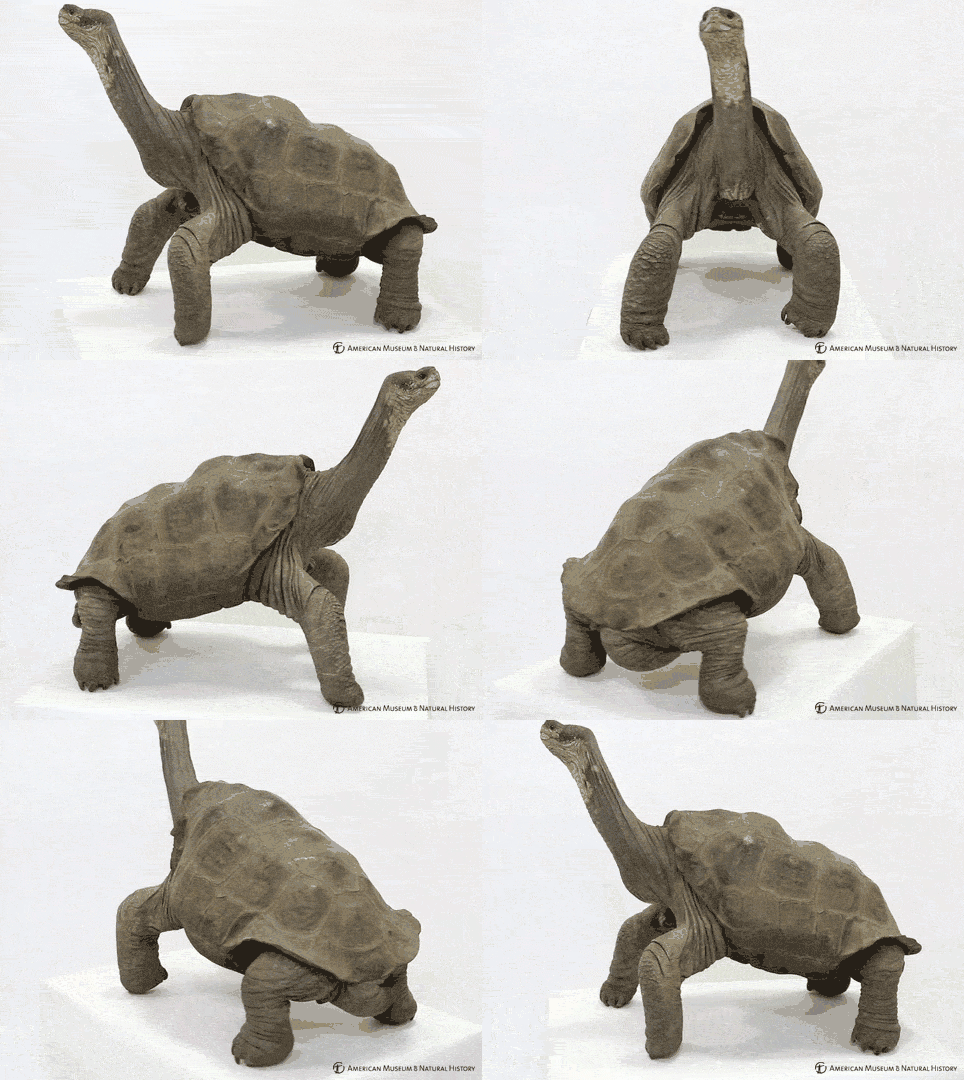
Lonesome George, the Galapagos tortoise who was the last of his kind, is on view at the Museum through January 4, 2015. Below is a quick rundown of everything you need to know about Lonesome George.
Species: Last documented member of Chelonoidis abingdoni, native to Pinta Island
Age: Thought to be more than 100 years old
Diet: Cactus, shrubs, grasses, and broad-leaved plants
Turtle vs. tortoise? Tortoises are turtles that live exclusively on land.
Did you know? Lonesome George—the lone tortoise of his species for at least 40 years—was named after a famous 1950s American TV comedian, George Gobel, who called himself “Lonesome George.”
Notable traits: An extremely long neck and a “saddle-backed” shell that rises slightly in front, like a saddle
Weight: About 165 lbs (75 kg); males of various species of Galapagos tortoises can exceed 660 lbs (300 kg) and are the largest living tortoises
Discovery: In 1971, a Hungarian scientist spotted Lonesome George on Pinta Island. The discovery surprised researchers who thought Pinta Island tortoises were already extinct. A year later, George was taken to the Tortoise Breeding and Rearing Center on Santa Cruz Island, where he lived for the next 40 years.
Saving Lonesome George: Staff at the Galapagos National Park and Charles Darwin Research Station tried repeatedly to mate Lonesome George with females from closely related species. Those efforts failed, but a new strategy to revive the species is underway. The discovery of hybrid tortoises partially descended from Pinta Island tortoises on Isabela Island, where whalers or pirates likely moved them long ago, provides the opportunity for establishing a breeding colony whose young will initiate the recovery of a reproductive population on Pinta.
Can’t get enough Lonesome George info? Head to the Museum’s website for more.
October 7, 2014
thebegats:
On Saturday I sat down with my friend alexanderchee,...
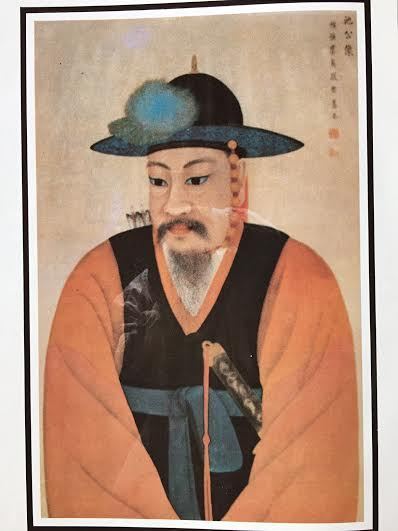
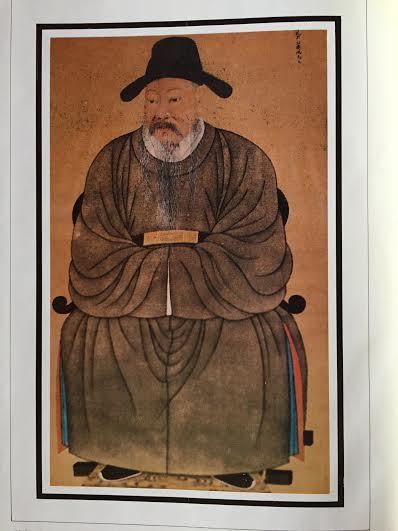
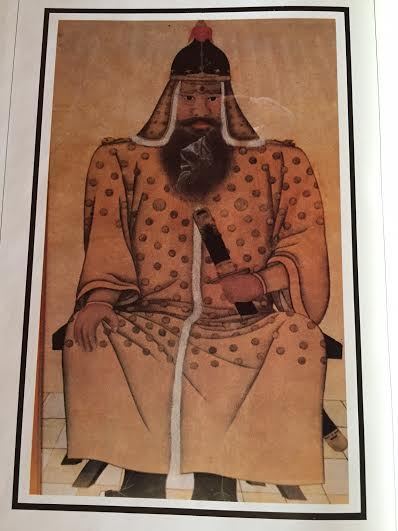
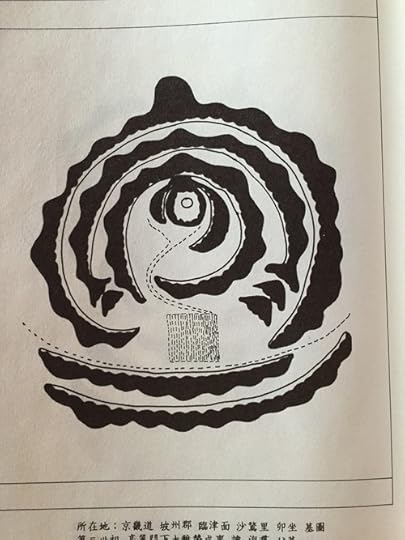
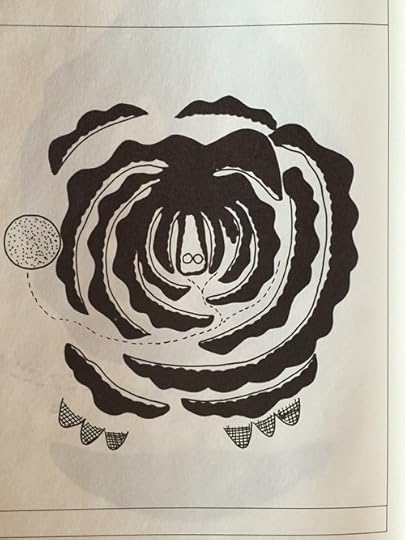
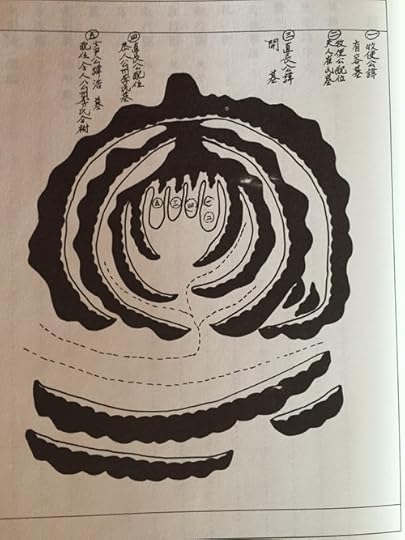
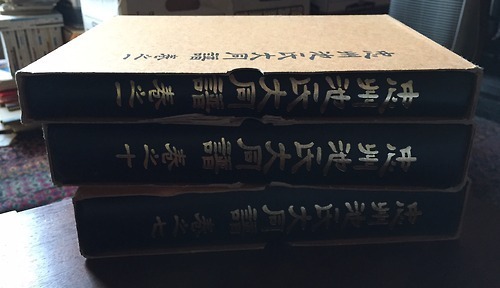
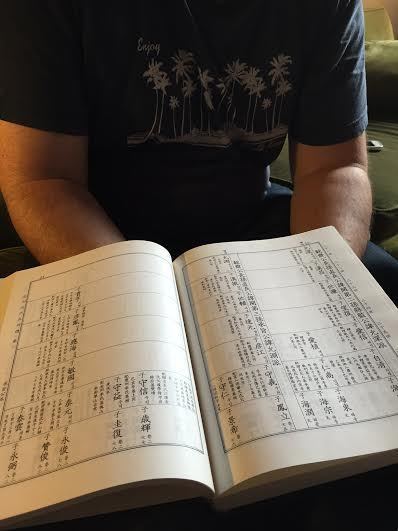
On Saturday I sat down with my friend alexanderchee, who recently finished up his second novel, and he shared with me the most breathtaking family history records I’ve ever seen in person outside of a museum.
Published in a collection of nine bound and slipcased volumes, his family’s JokBo — genealogy records — are written in HanJa, which Alex says is the Korean name for Chinese characters. A friend of his who knows Chinese says that the characters in these books are an old-fashioned, almost archaic form of the language.
Alex’s family on his dad’s side, the Korean side, are Yangban, members of the traditional ruling class. His records date to the Joseon Dynasty, which began in 1392. Not everyone’s JokBo are this elaborate and beautiful, but Alex explained that in general knowledge of ancestry is so important in Korea that “if you don’t know who your family is, you enter a space of disgrace.” This is especially difficult and painful for Korean adoptees who return to the land of their birth hoping to make a connection with the place they came from, he says. The emphasis placed on ancestry is because of ancestor worship. “Each ancestor becomes a little bit of a house god when they die.”
In the photos above are portraits of three of Alex’s ancestors, three stark and stunning “feng shui grave maps” (I hope I haven’t turned any of them upside-down and in so doing displeased the ancestors), and a couple of photos of the books themselves. The pictures in the books are a small part of the whole; mostly they’re devoted to detailed family genealogies: birth dates, marriage dates, dates of death, and career accomplishments. A woman who marries “dies to her old family,” and her record becomes part of her husband’s record and starts over again in his book.
I learned so much more, but I’ll stop there for now. Thank you for sharing your family history with me, Alex!