
Michael Matthews's Blog, page 134
January 5, 2014
MFL Podcast #5: Best protein powder, signs of overtraining, laws for happy living, and more…
In this podcast I talk about which protein powders are best for building muscle, how much protein you can absorb in one meal (it’s more than you might think), how to recognize and prevent overtraining, 8 laws for happy living, and more.
Want to listen to this in iTunes?

Articles & supplements I reference in the video:
What is the Best Protein Powder for Building Muscle?
The Truth About Protein Absorption: How Often You Should Eat Protein to Build Muscle
8 Signs of Overtraining That Most People Don’t Know
8 Ancient Laws for Creating a Simpler, Happier Life
What did you think of the podcast? Have any requests or suggestions? Let me know in the comments below!


January 4, 2014
Recipe of the Week: Mike’s Savory Burgers
A great hamburger is one of my favorite “quick, easy, and tasty” types of meals, and it doesn’t have to be laden with fat to be delicious.
This recipe, which is from my cookbook, The Shredded Chef, is one I’ve been making for years now and never grow sick of. The mustard in the meat adds a nice touch of zest, but it’s the topping sauce that really makes it shine.
Enjoy!
Servings
4
Calories Per Serving
395
Protein Per Serving
41 grams
Carbohydrates Per Serving
32 grams
Fat Per Serving
12 grams
Ingredients
1 1/2 pounds extra-lean ground round or chuck
4 tablespoons Dijon mustard
salt and ground black pepper, to taste
1/2 cup low-carb ketchup
1/2 cup low-fat mayonnaise
1 tablespoon red wine vinegar
2 teaspoons Worcestershire sauce
4 whole grain hamburger buns, toasted
4 sandwich slice pickles, halved
Instructions
Preheat a grill over high heat.
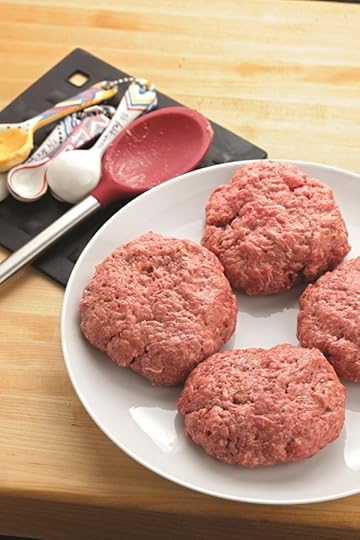
In a large mixing bowl, combine the beef, mustard, salt, and pepper. Shape into 4 equal sized patties and grill, 5 – 6 minutes per side for medium doneness.
Meanwhile, in a large mixing bowl, mix together the ketchup, mayo, vinegar, and Worcestershire sauce.
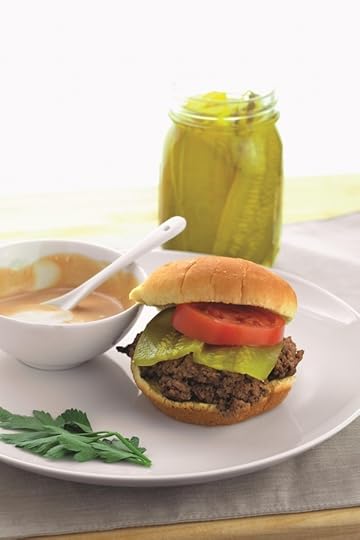
Toast the buns by cutting in half and placing on the grill cut side down, for about 10 seconds. They should be light golden brown. Top each burger with pickles and sauce.
What You Get to Eat
What did you think of this week’s recipe? Let me know in the comments below!
Want more delicious, easy-to-make recipes like this?If you like this recipe, then you’ll love the bestselling cookbook it came from! My own The Shredded Chef!
Buy this book now to forever escape the dreadful experience of “dieting” and learn how to cook nutritious, delicious meals that make building muscle and burning fat easy and enjoyable!
Buy now
AmazonAmazon UKAmazon AUAmazon CABNiBooksKoboGoogle Play

January 3, 2014
Cool Stuff of the Week: Snolo Snow Sled, AeroGarden, Tovolo Ice Molds, and More…
I’m not ashamed to admit that I’m kind of a sucker for cool stuff. I like nifty gadgets, quirky decoration pieces, nice clothes (and shoes!), good books, and fun games.
In this series of weekly posts, I share whatever currently has my fancy. Maybe some of it will catch yours as well!
VIDEO OF THE WEEK:
THE LION WHISPERER
It’s amazing to see how well some people can bond with animals we would normally think of as vicious killers.
SNOLO CARBON FIBER SNOW SLED
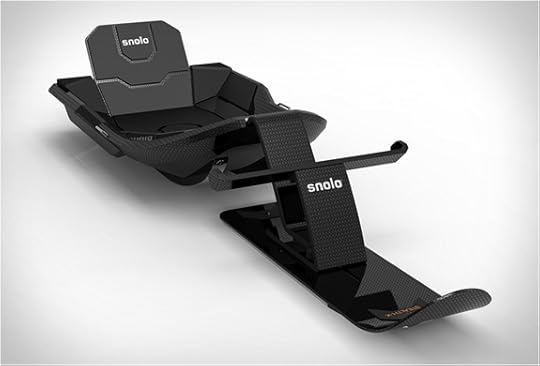
I live in Florida so I wouldn’t get to enjoy this bad boy even if I wanted to, but damn, this is pretty cool:
The entire shell of the Snolo Sled is carbon fiber, and thanks to the two skis in the back and one in the front, it can fly down hills, reaching speeds of 40 mph or even faster while still being maneuverable. It also features contoured, padded seating to keep you comfortable.
MIRACLE-GRO AEROGARDEN WITH HERB SEED KIT
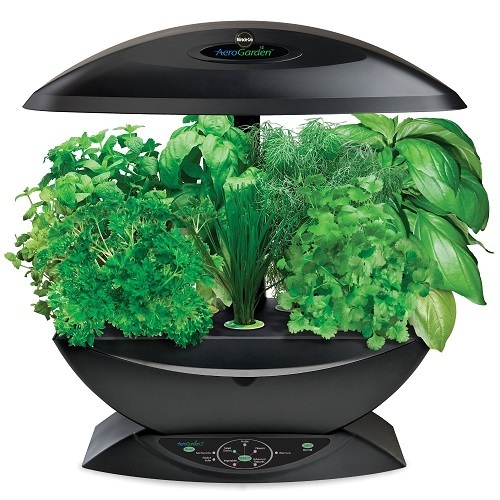
The Miracle-Gro AeroGarden is the first consumer product to make indoor gardening actually feasible. And indoor gardening is awesome.
It utilizes NASA-proven, dirt free growing technology scientifically proven to grow plants up to 10X faster than plants grown in soil.
There is no dirt, no mess, and no “green thumb” required.
Thanks to the energy efficient grow lights, you can grow any plant all year round. Yup, herbs, produce, flowers, and even plants that will need to be transplanted as they increase in size can begin in the AeroGarden.
Most people like to use it to grow fresh herbs and produce for cooking, which it’s perfect for.
Buy now
AmazonAmazon UK
TOVOLO SPHERE ICE MOLDS
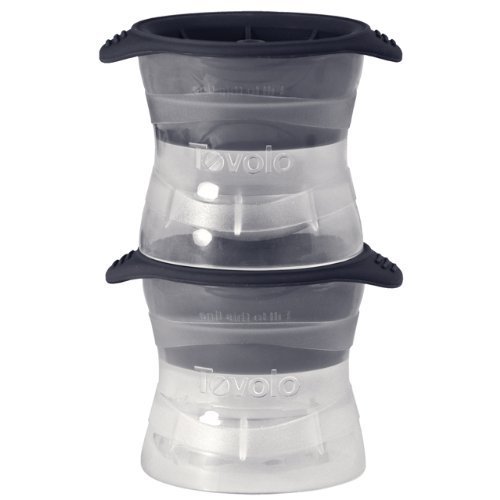
If you want to fully enjoy that meticulously-aged scotch without traditional ice cubes diluting it down, then you want a sphere ice mold.
This shape minimizes the surface area and therefore the water that makes its way into your drink.
Buy now
AmazonAmazon UK
RAZORPIT MEN’S RAZOR BLADE SHARPENER
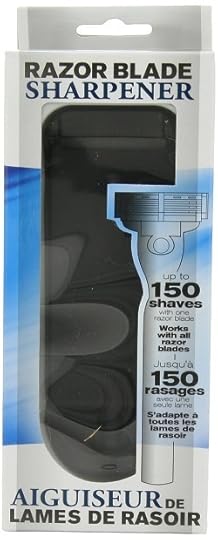
Each time you shave, skin cells, water, and keratin are left on the blades, which eventually causes them to feel much duller than they actually are. We throw them away, but under the gunk, they’re still sharp enough to be used.
The RazorPit can fix that. It uses a patented friction technology to clean off the residue, leaving you with a clean and sharp razor blade.
The big bonus here is SAVINGS–this thing can extend the life of each of your razor blades by MONTHS.
Buy now
AmazonAmazon UK
BOOK OF THE WEEK:
THE RICHEST MAN IN BABYLON
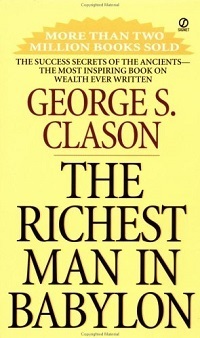
With millions of copies sold, The Richest Man in Babylon is one of the classic books on how to properly manage your finances.
In 150 short pages, it uses parables to teach you a handful of vital financial principles for creating and preserving wealth. Things like…
How much of your income you should be saving and investing.
Why controlling expenditures is so vital.
What types of investments you want to seek out.
What you need to do to build income.
And more.
All in all it’s a concise, insightful book, and one I think everyone should read.
Buy now
AmazonAmazon UK
What do you think of this week’s picks? Have anything you’d like to share? Let me know in the comments below!
January 2, 2014
15 Healthy Meals in 15 Minutes or Less
Resolved to eat healthier and cook more often in the New Year?
It may seem like a big lifestyle change, but know that it doesn’t have to be a big time commitment. These well-balanced breakfasts, lunches, and dinners can be prepared in just 15 minutes or less.
It only takes a little forethought in the grocery store to ensure you have the necessary ingredients on hand, and a smartphone app like Out of Milk will help you keep shopping lists at the ready.
Enjoy!
Breakfast
Blueberry Protein Pancakes
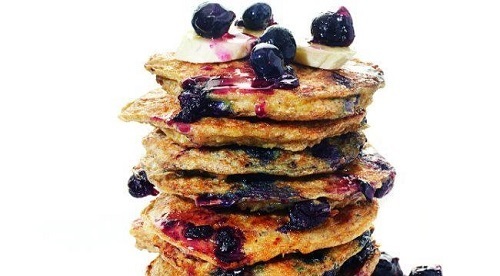
Picture courtesy of Lean It Up
Pancakes are popular on brunch menus, but they’re also a cinch to make at home. Plus you can sub protein powder for some of the flour, making them sneakily well-balanced.
Directions
Combine 1/2 cup quick oats with one cup water and microwave for 1 1/2 minutes; allow to cool for 2–3 minutes.
Beat in 1/2 cup egg whites until well combined. Stir in 1 scoop unflavored whey protein powder, 1/2 mashed banana, 1/3 cup blueberries, and 2 Tbsp. PB2; sprinkle with cinnamon.
Heat 2 tsp. coconut oil in a large frying pan and spoon batter into pan to make two pancakes. Flip when bubbles rise to the top. Serve warm, careful to go light on the toppings (not included in nutrition facts). Maple syrup contains zinc and manganese, but it also packs 12 grams of sugar per tablespoon.
Nutrition Facts
Calories: 511
Protein: 43 grams
Carbs: 56 grams
Fat: 16 grams
Key Lime Pie Yogurt Parfait

Picture courtesy of Lean It Up
A good parfait will run you $4 or $5 in a grocery store or café, but it takes only a handful of minutes – and of your favorite granola – to make one at home.
Directions
First, mix together 6 oz. plain non-fat Greek yogurt, 1 Tbsp. unflavored whey protein, 1/2 tsp. agave syrup, a drop of vanilla extract, the zest of one lime, and a squeeze of lime juice.
Then in a small bowl mix 1/8 cup oats, 1/8 cup slivered almonds, and 2 tsp. shredded coconut. In a tall glass, layer together yogurt and coconut-almond oat mixture.
Nutrition Facts
Calories: 248
Protein: 17 grams
Carbs: 32 grams
Fat: 8 grams
Parmesan Salami Frittata
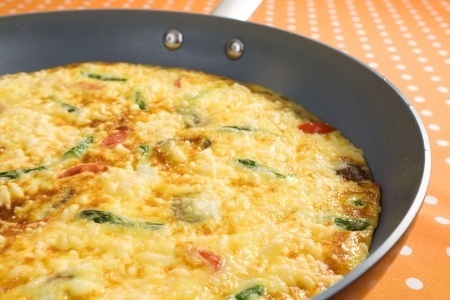
If you want a low-carb breakfast, this is a great option, and the recipe serves 4 so you can feed the whole family or save leftovers for the next day.
Directions
Begin by preheating oven to 400°F and spraying a muffin tin lightly with olive oil.
Then chop 2 Tbsp. sun-dried tomatoes and 4 oz. Applegate Farms turkey salami into thin strips.
In a medium mixing bowl, whisk together 9 large eggs, 2 Tbsp. low-fat milk, and 1/4 cup grated Parmesan. Stir in prepared tomatoes and salami, and sprinkle with 1/2 tsp. garlic powder, plus salt and pepper to taste.
Divide mixture between 8 standard muffin cups (or large 4-muffin tin). Bake for 10 minutes.
Optionally, serve with two slices of sprouted wheat toast for an extra 130 calories, 5 grams protein, and 25 grams carbohydrates.
Nutrition Facts (Per Serving)
Calories: 321
Protein: 29 grams
Carbs: 3 grams
Fat: 22 grams
Peanut Butter Cup Protein Smoothie

This smoothie has everything your body needs for a morning jump-start.
Directions
Mix 1/2 cup ice, 1/4 cup milk, 6 oz. plain non-fat Greek yogurt, 2 Tbsp. all-natural peanut butter, 1 tsp. honey, 1 scoop of chocolate whey protein powder, and a pinch of salt in a blender.
In a few minutes, you’ll have breakfast ready to swig down or sip on-the-go.
Nutrition Facts
Calories: 437 calories
Protein: 46 grams
Carbs: 29 grams
Fat: 18 grams
Bean & Cheese Breakfast Burrito
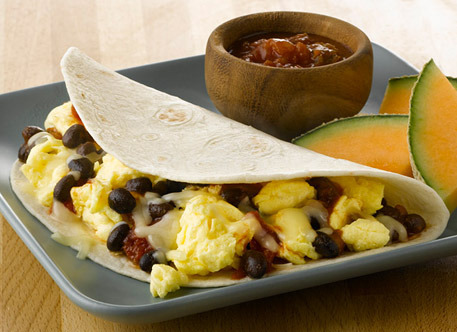
Not only do burritos make a quick meal any time of day, but they can be prepared ahead of time and frozen to ensure you have a healthy breakfast even when too bleary-eyed to see what’s in the fridge.
Directions
Start be scrambling together 2 egg whites (1/4 cup), 1/4 cup black beans, 2 Tbsp. fresh salsa, and 2 Tbsp. queso fresco (or pepper jack) cheese.
Wrap in a spinach tortilla. Serves one, but can easily be scaled to make extras to eat now or save for later.
Nutrition Facts
Calories: 356
Protein: 26 grams
Carbs: 49 grams
Fat: 6 grams
Lunch
Pita Pizza

Picture courtesy of This American Bite
When you’re about to reach for the phone (or Seamless) to order a whole pizza, pull up your bookmarks to locate this recipe stat. This serves one but can easily be adapted for multiple pizzas. You can use whatever you have on hand for toppings, like fresh mozzarella with grilled chicken, or hard-boiled eggs with smoked salmon.
Directions
Begin by preheating the oven to 400°F.
Brush two Joseph’s oat bran & whole wheat pitas with 1/2 tsp. olive oil and spread with 2 Tbsp. red pepper hummus.
Slice two hard-boiled eggs and half a zucchini to layer on top. Add 1 oz. sliced smoked salmon and 1 oz. feta.
Bake for 8–10 minutes or until edges are turning crisp and brown.
Nutrition Facts
Calories: 381
Protein: 30 grams
Carbs: 23 grams
Fat: 21 grams
Spicy Turkey Loaded Sweet Potato

Picture courtesy of The Biggest Loser
You might not always have time to make a baked sweet potato in the oven, but in a pinch the microwave will do the trick.
Directions
Poke a medium-sized sweet potato a few times with a fork before cooking it in the microwave for 3 minutes on high. Flip and continue cooking for 3 more minutes, or until tender.
While the potato is getting zapped, mix 4 oz. ground turkey and 3/4 tsp. Southwest seasoning to cook in a small skillet over medium-high heat. Start by heating 1/2 tsp. olive oil, and then brown the meat for 3 to 4 minutes.
Slice the sweet potato lengthwise down the middle, add turkey, and top with 1/4 cup fresh salsa and 2 Tbsp. plain non-fat Greek yogurt.
Nutrition Facts
Calories: 396
Protein: 37 grams
Carbs: 29 grams
Fat: 17 grams
Ploughman’s Lunch

Picture courtesy of The Kitchn
Simple as can be, this lunch course is best eaten by tearing off hunk of fresh bread, flavorful cheese, and meat of your choice and stacking them with the optimal ratio. Anyone can adapt it to suit their tastes.
Try using leftover smoked chicken, gruyere, bacon, and onion jam (nutrition facts below). Or stilton (blue) cheese, thin-sliced deli turkey, barbecue sauce, and slices of fresh red onion with whole wheat bread.
With 4 oz. of meat, 2 oz. of cheese, and a serving of bread, you can easily put together a healthy lunch.
Nutrition Facts
Calories: 622
Protein: 43 grams
Carbs: 53 grams
Fat: 25 grams
Ham & Eggs in Baked Avocado
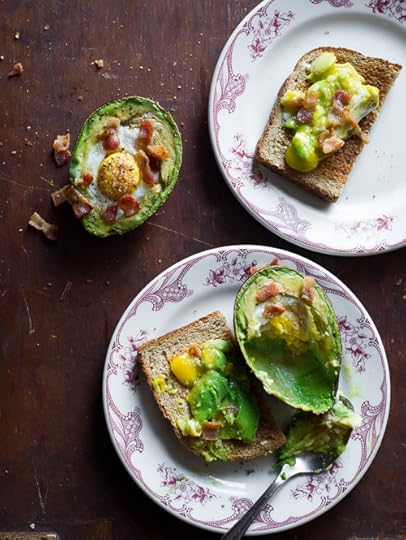
Picture courtesy of White on Rice Couple
This lunch is small but mighty. It’s high in fat and low in carbs, but the fat comes from healthy whole foods so you can’t go wrong.
Directions
Preheat the oven to 425°F.
Cut a medium avocado in half lengthwise and remove the seed. You may need to scoop out some of the fruit’s flesh as well to make a big enough well.
Place in a medium baking dish, and carefully crack one small egg into each avocado half. Cook for about 15 minutes.
While the avocado is baking, brown 4 oz. of diced ham in a skillet until warm and crispy, and toast two slices of sprouted wheat bread.
Once the egg is firm and set, remove from oven, sprinkle with salt and pepper, and top with ham. Spread the baked mixture onto toast. Serves 2.
Nutrition Facts (Per Serving)
Calories: 438
Protein: 21 grams
Carbs: 21 grams
Fat: 28 grams
Lamb Meatballs with Harissa Yogurt
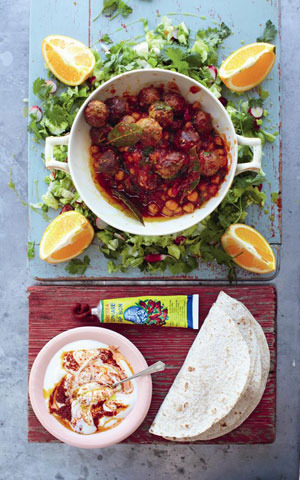
Picture courtesy of Jamie Oliver
Thank Jamie Oliver for this decadent quick fix, which serves 4.
Directions
Mix 1 lb. ground lamb with 1 tsp. garam masala, salt, and pepper. Divide into 16 meatballs.
Heat 2 tsp. olive oil in a frying pan, and toss meatballs in oil until the outsides turn golden brown. Remove from pan and set aside.
Soak a pinch of saffron in 1/2 cup boiling water while finely slicing one fresh red chili and trimming 2 green onions. Add 1 tsp. olive oil to pan and fry chili, green onions, and cilantro stalks, setting the fresh herb leaves aside.
After about 40 seconds, add the saffron water to the pan along with a can of drained chickpeas and a small can of tomato paste. Cover and bring to a boil.
Roughly chop and mix 1/2 a cucumber, lettuce, 1 bunch radishes, 2 ripe tomatoes, and 1 lemon. Coat with 1 Tbsp. olive oil. In a small dish, swirl 1 tsp. harissa into 1/4 cup plain nonfat Greek yogurt.
Serve meatballs, salad, and yogurt together with whole wheat tortillas and fresh cilantro.
Nutrition Facts (Per Serving)
Calories: 635
Protein: 50 grams
Carbs: 68 grams
Fat: 20 grams
Dinner
Thai Beef Stir Fry

This recipe is so good you won’t even miss the rice.
Directions
The night or morning before cooking, marinate 4 oz. beef tenderloin in 1/4 cup soy sauce, 1/4 cup olive oil, fresh cut cilantro, and a sprinkle of red pepper flakes and brown sugar.
Grill steak until medium-rare and slice into 1/2-inch pieces. Set aside.
Sauté pre-cut stir fry vegetable mix until tender, or combine 4 broccoli florets, 1/2 yellow bell pepper (sliced), 1/8 cup bean sprouts, 8 snow peas, 2 cherry tomatoes (halved), and 3 shiitake mushrooms (sliced) in a frying pan over medium-high heat for about 3 minutes.
Plate with sliced steak and serve.
Nutrition Facts
Calories: 592
Protein: 44 grams
Carbs: 54 grams
Fat: 26 grams
Salmon with Asparagus and Orzo
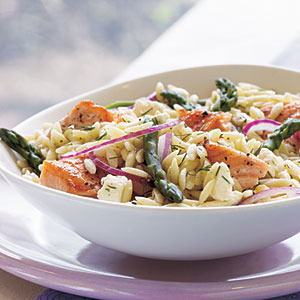
Picture courtesy of My Recipes
Directions
To start, preheat the broiler, and bring a covered pot of water to a boil.
Cut 1/4 cup asparagus into 3-inch pieces. After about 5 minutes, add asparagus and 1/2 cup orzo to the boiling water. Cook asparagus for 3 minutes and orzo for 8 to 10 minutes.
While the orzo finishes, prepare a 5 oz. salmon filet to broil for 5 minutes by simply sprinkling both sides with salt and pepper.
As the salmon and orzo are cooking, combine 1 Tbsp. crumbled feta, 1/4 Tbsp. chopped dill, 1/2 tsp. olive oil, a small squeeze of lemon juice, and a dash of pepper.
Flake the salmon into pieces and toss all ingredients together.
Nutrition Facts
Calories: 557
Protein: 40 grams
Carbs: 65 grams
Fat: 15 grams
Beef and Beer
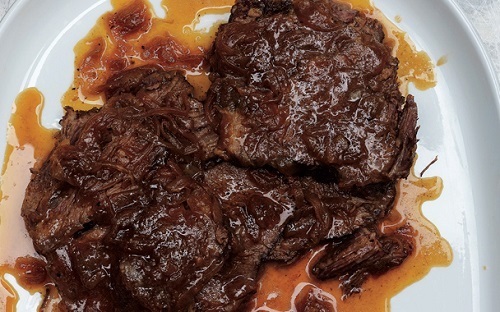
Spend ten minutes wisely in the morning prepping dinner in a slow cooker, and you and your family can have melt-in-your-mouth beef for dinner.
Directions
Begin by heating 1 Tbsp. olive oil in a large pan and slicing 5 yellow onions.
Lightly season 3 lb. chuck roast with salt and pepper, and then sear it in the pan about 10 minutes, until evenly browned.
Remove the meat from the pan before adding 2 Tbsp. red wine vinegar, 1 can of dark beer, and onion slices to the pan. As you stir, scrape the bottom.
Add all to a slow cooker with 2 cups low-sodium beef stock, 1 Tbsp. Worcestershire sauce, and 4 bay leaves. Keep on low for 6 hours, or high for 4 hours.
To boost the carb content, sop up the braising liquids with a whole wheat dinner roll. Serves 8.
Nutrition Facts (Per Serving)
Calories: 441
Protein: 57 grams
Carbs: 9 grams
Fat: 16 grams
Seared Halibut with Bok Choy
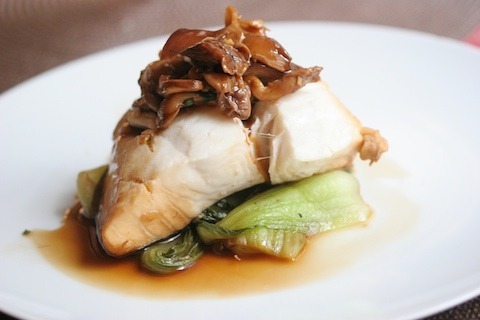
Picture courtesy of Two Fat Als
If you don’t have much fat or carbohydrate left for the day, you can get back on track with this recipe for seared halibut.
Directions
To start, slice a medium onion, 5 cups bok choy, 2 cups shiitake mushrooms (stems removed), and mince 3 garlic cloves, 1/3 cup scallion, and 1 Tbsp. fresh ginger. Add 2 inches of water to a steamer basket and bring to a boil.
In a small bowl, mix together 3 Tbsp. lemon juice, 1 Tbsp. soy sauce, 1 Tbsp. olive oil, garlic, scallion, and ginger to make dressing.
Lightly season 4 6-oz. halibut steaks with salt and white pepper.
Add the onions, mushrooms, and halibut to the steamer in that order. Cover and cook for 3 minutes. Add bok choy and steam for another 3 minutes. Serves 4.
Nutrition Facts (Per Serving)
Calories: 345
Protein: 49 grams
Carbs: 17 grams
Fat: 9 grams
Garlic Lemon Chicken with Balsamic Salad
When you’re short on time and need to fill up on protein, chicken breasts are the go-to ingredient to help you get lean meat on the table in 15 minutes or less.
Directions
Halve and flatten 2 boneless skinless chicken breasts and dust each piece with a teaspoon of flour. Sprinkle with salt and pepper.
Heat 2 teaspoons of sunflower oil in a pan until very hot, and fry chicken for 5 minutes on each side.
While the chicken breasts cook, prepare salad greens and dressing. In a small bowl, whisk 2 Tbsp. balsamic vinegar, 1 Tbsp. olive oil, 1 Tbsp. honey, and a dash of salt until emulsified.
In a large bowl, combine 4 cups baby spinach, 1 cup garlic croutons, 1 sliced cucumber, and 1/2 cup shredded carrots, and toss with balsamic vinaigrette.
Once the chicken is finished frying, remove from pan. Add 1/2 cup chicken broth, 1 tsp. crushed garlic, 2 tsp. lemon juice, and 1 tsp. butter to the frying pan, stirring for a couple minutes. Pour over chicken. Serves 4.
Nutrition Facts (Per Serving)
Calories: 373
Protein: 36 grams
Carbs: 19 grams
Fat: 17 grams
What did you think of these healthy meals? Have anything else you’d like to share? Let me know in the comments below!
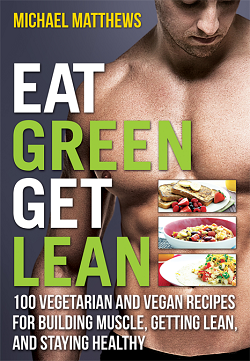
Want more fast, healthy meals like these?If you like recipes like these–fast, easy to make, and tasty–then you’ll love my cookbooks The Shredded Chef and Eat Green Get Lean!
Both books contain over 100 healthy, mouthwatering recipes that don’t require a lot of time or ingredients to prepare.
Buy now
AmazonAmazon UKAmazon AUAmazon CABNiBooksKoboGoogle Play
Buy now
AmazonAmazon UKAmazon AUAmazon CABNiBooksKoboGoogle Play
December 31, 2013
Opportunity Doesn’t Knock–It Whispers
Opportunities.
Success in any endeavor, in any aspect of your life, requires opportunities.
Opportunities to make profitable use of talents. Opportunities to present ideas to the right people. Opportunities to create the right products.
Everyone knows this, but here’s something everyone doesn’t know:
Opportunities are whispers, not foghorns. (Click here to tweet this!)
What do I mean?
Every day, everywhere you go, soft lilts of opportunity can be heard. But most people aren’t tuning in correctly. Instead of carefully listening for murmurs, they’re rushing about, waiting for thunderclaps of revelation, inspiration, and certainty.
Well, that’s not how the world works.
Opportunities are whispers, not foghorns.
How a Whisper Started My Career
My career in the fitness industry has been a bit of a rocket ride.
Just in this last year, I’ve sold over 100,000 books; started this website, which is quickly becoming the most popular fitness blog on the Internet; and launched my own line of workout supplements, which is already profitable.
What’s most interesting about the story, however, is how it started–the opportunity.
A couple years ago, I had a full-time job and wrote Bigger Leaner Stronger in my free time. I self-published the book on Amazon’s Kindle platform at a price of $2.99, not really expecting much to come of it. I didn’t have a website. I didn’t have connections. I didn’t even have a plan beyond “publish the book, and see if anyone cares.”
It sold less than 20 copies in the first month, and got its first positive review. “That’s cool,” I thought, not giving it more attention than that.
It sold about double that the next month, and a couple more reviews, which also earned a nod, but nothing more.
A couple months later, it broke 100 sales in a month, and although the project had only made me a few hundred bucks altogether, that’s when I started to wonder if this could go somewhere. Many years ago I had wanted to make my living writing, but had no idea how to go about it.
I wasn’t about to quit my job though. I was good at it, I enjoyed the work, and I was making good money for my age. It was comfortable, and I could easily just continue along,
But every day, when I took a moment for myself, my mind wandered to the same, fleeting thought:
Could I actually succeed as a fitness author? Could I make a living doing something I was truly passionate about?
I dismissed the musings for the first couple of months. There were plenty of reasons to not go there. It’s a very competitive industry–almost cutthroat. Getting noticed was sure to be hard–almost impossible, maybe. I had bills to pay and debt to handle, so I couldn’t afford a dramatic cut in my income.
I kept telling myself that risking my stable, well-paying job to chase a siren’s call was stupid, but there it was, every day, whispering in my ear.
Couldn’t you be putting your skills to better use?
I had to decide. Was this an actual opportunity or an invitation to disaster?
I decided to pursue the whisper. For an hour or two each night, I worked on revising Bigger Leaner Stronger based on reader feedback, and then started on the next book, Muscle Myths. I also started my first website, which was simply known as “Mike Matthews Fitness.”
I did various things to increase the visibility of Bigger Leaner Stronger such as enrolling it in book giveaways, running some ads on Facebook, and contacting various people in the fitness industry, offering to send them books to review. Sales increased, and I used the money to pay off credit card debt I had accumulated.
Several months later, I recruited a friend to work with me on a part-time basis (Jeremy, for those of you who have emailed with him), and while I worked on the writing (Cardio Sucks was next, followed by The Shredded Chef), he worked on growing the book sales.
Jeremy’s part-time work grew into a full-time position, and by the end of 2012, I was starting to make enough money to consider quitting my job to focus wholly on the fitness game.
It might sound like a no-brainer type of decision, but it wasn’t. It wasn’t making a lot of money yet, and past success wasn’t any guarantee of future results. Who knows, maybe my work would just come and go like many other authors of all genres.
Well, to make a long story short, I took the leap, and now, a year later, book sales are still rising, this website is exploding in popularity, and I have an awesome team of friends working with me, and together we’re doing all kinds of fun stuff.
But remember: It started with a whisper, not a foghorn. It started with an opportunity that seemed like an impossible long shot, not a signed and sealed gift from the Almighty.
Your Opportunities Aren’t Knocking–They’re Whispering, Too
If you’ve had trouble finding opportunities to advance your career, income, or any aspect of your life, really, you might be making the mistake of listening for foghorns, not whispers.
Most opportunities would never announce themselves with trumpets and confetti. They never come with a 110% money-back guarantee. They’re often nothing more than chances to improve on something other people are already doing.
So, listen to the world a little more carefully today. There is never a shortage of opportunities, only a shortage of people that can hear them. (Click here to tweet this!)
What’s your take on opportunities? Have anything else you’d like to share? Let me know in the comments below!
December 30, 2013
The 10 Most Popular MFL Articles of 2013
With 2013 coming to a close, I thought a wrap-up of the most popular articles of the year would be helpful, just in case you missed any of them.
First, however, I want to give you a HUGE thank you for your support. I launched Muscle for Life in March of this year, and thanks to you, the awesome readers and fans, here’s what it currently looks like:
268,993 visits in the last 30 days
31, 146 email newsletter subscribers
52,740 Facebook likes
10,237 Twitter followers
10,725 Instagram followers
2,715 Pinterest followers
964 YouTube subscribers (lots more videos coming in 2014–sorry I’ve been slack on this, haha)
And that, of course, isn’t saying anything of the scores of amazing success stories I’ve received and (literally) thousands of awesome people I’ve gotten to know and help this year. I’m truly humbled by everything that has happened so far, and can’t wait to make 2014 even bigger and better.
So, I want to wish you a very Happy New Year, I’m very excited to help you reach your health and fitness goals, and I really do appreciate your support. You rock. 
Alright, let’s get to the top articles of the year!
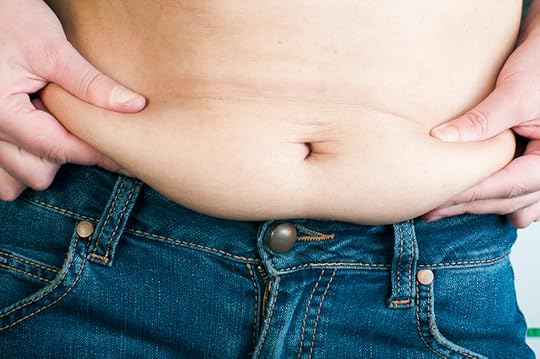
1. How to Get Rid of Loose Skin After Weight Loss
Posted: May 22, 2013
2013 Views: 250,376
Many people deal with issues of loose skin after losing significant amounts of weight, and in this article, I give several safe, natural, non-surgical strategies that have been proven to help tighten up skin.
2. The Definitive Guide to Intermittent Fasting

Posted: May 12th, 2013
2013 Views: 189,362
Intermittent Fasting is one of the few “unconventional” dietary strategies that actually has good sense and science behind it.
In this article, I delve into the science behind the methodolgy and review several popular methods if intermittent fasting, including my recommendation for the method I feel is best suited to us fitness folk.
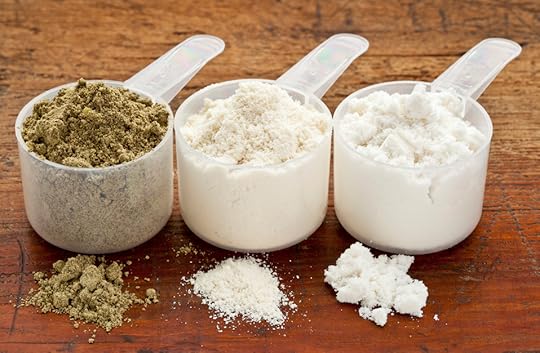
3. The Best Protein Powder for Women
Posted: June 12th, 2013
2013 Views: 146,901
Is whey best for building muscle? Do we need to use casein too? Should you avoid soy? Is egg protein good? What about vegan options?
I answer all these questions and more in this article, and give my recommendations for not only the best types of protein powders, but the best brands and products as well.
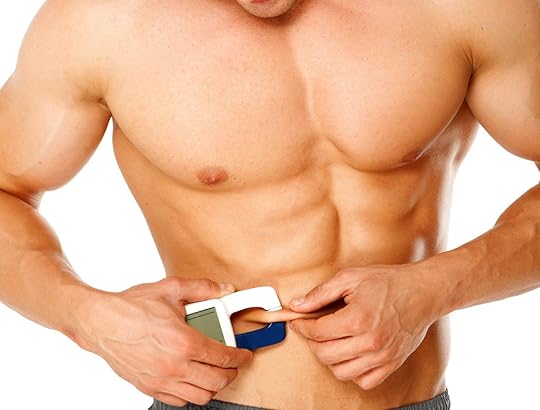
4. 4 Strategies for Losing Stubborn Fat for Good
Posted: March 20th, 2013
2013 Views: 140,759
Have you ever noticed that certain areas of your body get leaner quicker than others, and that some fat just refuses to go away?
Well, that “stubborn” fat is actually different than the fat that easy to lose, and in this article, I explain what stubborn fat is and show you how to get rid of it quickly and effectively.
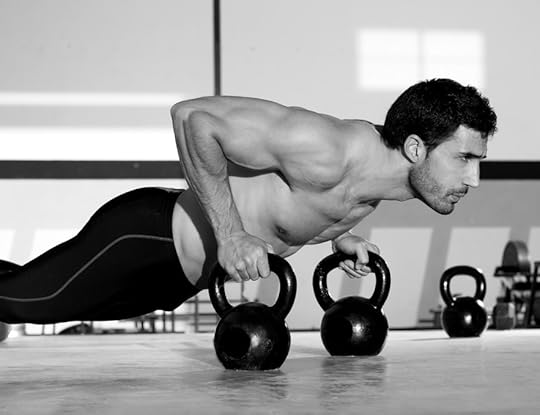
5. The Ultimate Bodyweight Workout Routine
Posted: June 12th, 2013
2013 Views: 128,845
Bodyweight training is a cost- and time-effective way to lose fat and build muscle and strength.
In this article, I explain the pros and cons of bodyweight workouts, and share a workout program especially designed to build maximum muscle and strength, as opposed to just building muscle endurance.
6. What is the Best Protein Powder for Building Muscle?

Posted: April 13th, 2012
2013 Views: 113,295
There’s a ton of misinformation out there regarding protein powder and building muscle.
In this article, I talk about whole food protein sources versus powders, and share with you the three best types of powdered protein, as well as specific products I use and like.
7. The Best Supplements for Muscle Growth
Posted: June 10th, 2013
2013 Views: 85,755
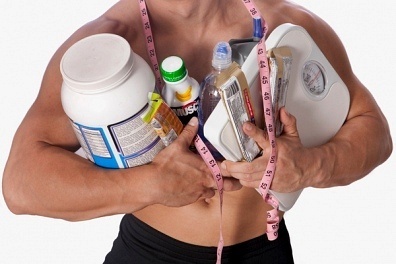
All the major supplement companies claim to have the best supplements for muscle growth. Is anyone telling the truth?
In this article, I go into the science behind several types of supplements that can supposedly help us build muscle and sort fact from fiction. I wrap up with a simple recommendation for supplementation and muscle growth.
8. Water Retention and Weight Loss: You Can Lose Fat, But Not Weight?

Posted: April 4th, 2013
2013 Views: 83,754
Water retention can really mess with your head when you’re dieting to lose weight. It can hide fat loss and even make you feel fatter, but fortunately, it’s easy to fix.
In this article, I explain what water retention is, why it occurs, how you can spot it, and how you can reduce the amount of water your body holds, thus making your weight loss efforts much more enjoyable.
9. Which Form of Creatine is Most Effective?
Posted: April 24th, 2013
2013 Views: 77,424
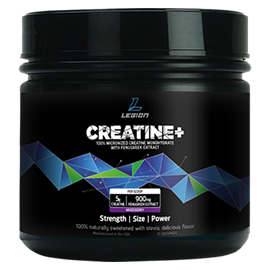
You’ve probably noticed that creatine is sold in many different forms. Which is most effective, and why?
In this article, I review all the popular forms and show you which work, which don’t, and which are inconclusive, and I recommend which creatine product I use and like most.
10. Does CrossFit Work?
Posted: July 8th, 2013
2013 Views: 67,842
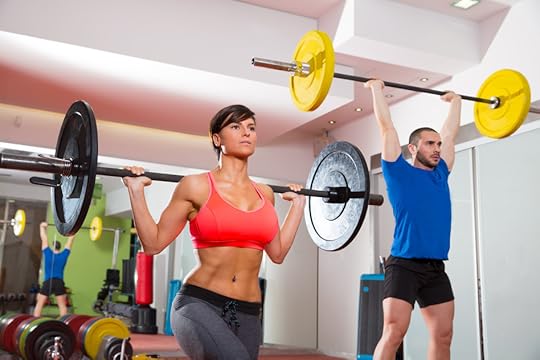
CrossFit is exploding in popularity these days, but does really deliver in terms of building muscle, improving strength, and losing fat?
In this article, I analyze CrossFit from several angles and explain what I like about it, what I don’t like, and who I think it’s suitable for (and who it’s not).
What do you think of these articles? Have anything else you’d like to share? Let me know in the comments below!
December 29, 2013
The Definitive Guide to Endurance Training Part 3
There are a variety of little-known, “underground” tactics you can implement to enhance your training effectiveness and efficiency – endurance training strategies that tend to fly under the radar, but can give you lots of bang for your buck if you implement them into your program. These tactics come in handy especially if:
a) time management is important to you;
b) you want to figure out ways to strengthen your cardiovascular, musculoskeletal and nervous system without significant damage to your joints, health, or metabolism.
In part 1 of this article series, I gave 3 little-known strategies to turn you into an endurance beast. In this part, we’re going to look at 4 more strategies.
In part 2, we went over 4 more strategies for achieving superhuman endurance.
And in this final part, we’re going to look at 5 final strategies for maximizing your endurance.
Electromyostimulation
You’ve no doubt seen it before: the cheesy As-Seen-On-TV ad for the special electrodes you attach to your abs to magically and effortlessly get a six pack.
Known as neuromuscular electrical stimulation (NMES), electrical stimulation (EMS) or electromyostimulation devices, these contraptions elicit a muscle contraction using electrical impulses that directly stimulate your motor neurons (as opposed to a “TENS” unit, which is good for managing pain and a common low back pain treatment, but only stimulates surface nerve endings, not motor neurons).
The first few times you use an EMS device, it feels as though an outside invader has somehow taken control of your muscles and caused them to contract without the control of your brain. These contractions can be quick and rapid, quick with longer pauses between contractions, or even contractions that are held for seconds and sometimes minutes at a time.
The reason EMS feels strange is because it reproduces your body’s natural process of voluntary muscular contractions. Normally, your body fires muscles by sending electrical impulses from your brain through your central nervous system (CNS) to your muscles. But EMS allows you to engage in deep, intense and complete muscular contractions without actually taxing your CNS (or your joints and tendons).
In other words, your body doesn’t know the difference between a voluntary contraction or an electrically induced one, it only recognizes that there’s a stimulus.
To use EMS, you place pads on your skin at each end of the skeletal muscle to be stimulated. An EMS device usually has four channels with lead wires, and each wire is connected to two pads. Very small amounts of current run from one pad to the next and complete a circuit – using your muscle tissue as a conduit. The current runs at specific frequencies (Hz) and pulse durations (microseconds), and the motor neurons within this circuit are stimulated. The muscle fibers innervated by the motor neurons then contract.
And voila – you start twitching.
The muscle fibers that you’re able to stimulate with EMS are completely dependent on the type of frequency you use. Basically, there are three ranges of frequencies that stimulate three different muscle fiber types. A slow twitch muscle fiber will contract at one set of frequencies, an intermediate fast twitch muscle fiber will contract at a different set of frequencies, and a fast twitch muscle fiber will contract at the highest frequencies.
I personally own and use a Compex Sport Elite device, and although for several years I only used it for recovery, I now perform strength and explosive strength training electrical sessions for my quads and hamstrings (while at the same time practicing deep diaphragmatic breathing). Interestingly, I’ve been able to get myself into a dripping wet full body sweat with these sessions, and when performed prior to a bike ride or run, found it much easier to produce both higher cadences and speeds. Multiple clinical studies back this up, and websites such as Hammer Nutrition have entire content libraries devoted to research and proper use of EMS for endurance sports.
And while an EMS device certainly isn’t going to burn significant calories or fat to give you an amazing six-pack, it can indeed result in a significant boost in cardiovascular and musculoskeletal fitness. For more tips on how to implement EMS into a training season, visit that Hammer website I just referenced, or read my blog post “How To Use Electrical Muscle Stimulation to Enhance Performance, Build Power and VO2 Max.”
Finally, you may want to upgrade to a very expensive and relatively teeth-gritting intense form of electrical muscle stimulation that can leave your muscles in a state of maximum contraction for literally minutes at a time. The following suggestions will also give you faster results than any other EMS device out there. Look into the ARPWave and EVOAthlete program operated by Jay Schroeder, the guy I mentioned earlier.
Jay uses an electrical stimulation device called the ARPwave, which possesses characteristics not found in any conventional therapeutic neuromuscular electrical stimulator (specifically something called interferential, microcurrent, galvanic, Russian stim, or iontophoresis). This specific wave is supposedly more harmonious with the body and significantly reduces skin and fatty tissue impedance, which allows much deeper penetration of the direct current without the side effects of nasty stuff like skin burning.
Think of this as electrostimulation on steroids.
By combining movement patterns with the use of ARPwave, Jay is able to achieve extremely fast injury healing time. If you can combine this type of electrostimulation training with heavy lifting or “extreme isometrics” you can get extremely significant performance results in a very short period of time.
Compression Gear
I can’t remember the last time I went to a triathlon or marathon and didn’t see brightly colored compression socks nearly everywhere. Compression gear can enhance circulation and help to speed muscle recovery post-exercise.
But despite extremely widespread use of compression gear by endurance athletes, studies supporting its performance enhancing abilities are sparse and relatively inconclusive. Some research indicates that wearing compression tights while performing impact-based exercise such as running may help to decrease muscle vibrations (which could potentially cause muscle fatigue). Whether that results in improved performance remains to be proven.
Most compression gear companies, however, don’t dwell on the anti-vibratory effect of compression gear as much as the improvement in blood flow. But this improvement in blood flow doesn’t seem to significantly improve running endurance, and the one small study that found compression gear to improve circulation and running economy had a sample size of just six runners, with the actual results being self-reported by the subjects themselves. Unfortunately, self-reported studies present a significantly high likelihood of a placebo effect.
Ultimately, 37 different compression gear studies have found that compression gear doesn’t have a significant effect on exercise performance.
So why am I including compression gear as an underground training tactic?
Here’s why:
One big part of finding the balance between health and performance is treating your daily routine as an opportunity for physical activity. Remember that the entire reason behind this is to build endurance while you’re working, rather than sitting all day and then destroying your body with a monster exercise session.
If you’re following this recommendation, you’re going to be standing. A lot.
For example, you might:
Work at a standing desk
Work at a treadmill desk
Walk or bike to work
Take frequent standing or walking breaks
Stand up and do 50-100 jumping jacks for at least every hour that you sit
Stand up at meetings
Stand while waiting in line at the doctor’s office, DMV or airport
In following my own advice, I find myself standing for nearly 8 hours of every day. Since I tend to do my workouts in the afternoon or early evening, my legs can feel extremely heavy and sluggish without the use of compression gear to assist with venous blood flow as I spend all that time in the standing position. Just try it sometime and you’ll see what I mean.
So the compression gear that I personally wear (and demonstrate in the video “Does Compression Gear Really Help Recovery & Performance, Or Is It All Just A Silly Ploy To Get Us To Dress Up In Stretchy Pants?”) is not something I wear because I believe it directly helps me during the workout, but rather something I wear so that by the time I get to my actual workout I’m able to push harder and feel better because my legs are less sluggish and less swollen with blood (as a result of me being on my feet all day).
That’s why I consider regularly sporting compression gear to be a training tactic to enhance endurance. With its possible recovery implications, you should add this to your protocol. I personally use a brand called “110% Play Harder” because it allows me to insert ice sleeves into the compression gear and thus combine two of my underground training tactics: compression and ice.
Mouthpiece
Yes, that’s right: a mouthpiece.
I’ll admit that I’ve caught some flak for mentioning strange devices like this before, but I wouldn’t bring up the mouthpiece if it wasn’t included among the gear that I’ve found to be helpful for endurance training, especially if you’re utilizing the HIIT and gritting your teeth or clenching your jaw during workouts (and if you’re going hard enough, you probably are).
I first introduced the concept of using a fitness mouthpiece in a podcast episode about how a mouthpiece could help you exercise better, based on some interesting research in the Journal of the American Dental Association. I have to admit that I was a bit skeptical at first about putting something in your mouth that you clamp down on it when you’re exercising to somehow make a workout easier.
But a study conducted by Dr. Dena Garner, Head of the Department of Heath, Exercise and Sports Science at The Citadel, (who I interview in the podcast episode ”Can You Get A Better Workout By Chomping Down On A Leather Strap Like An Ancient Viking Warrior?“) showed that participants wearing a mouthpiece during exercise experienced improvements in their ability to breathe – specifically taking in 29% more oxygen, while expelling 21% more carbon dioxide than the subjects not wearing the mouthpiece. It also appeared that the mouthpiece could help to lower cortisol levels.
To see what a fitness mouthpiece look like, check out the video from another mouthpiece company called “TrainWicked.”
It works like this: whenever you train or compete, your natural reaction is to clench your jaw, which is part of the fight or flight hard-wiring in your brain. By shoving a mouthpiece (or a leather strap) into your mouth, you maintain spacing between your teeth and counteract the negative effects of clenching.
CAT scans have displayed a dramatic increase in the airway opening with the use of a mouthpiece, which results in improved respiration. In addition, according to a study published in the Journal of Strength & Conditioning Research (October 2011), a mouthpiece can significantly lower your cortisol levels after one hour of intense exercise.
When I first discovered the concept of using a mouthpiece, I had to go through the long process of visiting a dentist, getting painstakingly long and chemical-filled mold of my mouth and then waiting several weeks for my custom-fitted mouthpiece to arrive.
Since that time, things have gotten quite a bit easier, and you can now simply grab a training mouthpiece off of a site like Amazon.
I do not recommend wearing the mouthpiece while swimming, or even during any race for which eating and drinking quickly is paramount. But it can really come in handy during high-intensity interval training or resistance training.
Vibration Platforms
The Bulletproof Vibe, plain Jane with no bells and whistles, but it does the job.
During a conference I attended a few years ago, I hopped on a “Bulletproof Vibe“ vibration platform.
Within a few minutes, another conference attendee walked up and got me to go into a single leg standing yoga balance pose while on the vibration.
This massively worked my nervous system within just a couple minutes and I felt like my brain had an intense buzz after focusing, posing and vibrating at the same time.
Later that year, while exercising at a gym that had a vibration platform, I attempted several 30-60 second isometric squats on the vibration platform, followed by 2-3 minute cycling intervals on a nearby stationary bike. And the next week, I repeated the same protocol, but with treadmill running instead.
After both sessions, I not only experienced the same “brain buzz”, but was able to push myself much harder during the actual cycling and running intervals.
So how does this vibration thing work?
Whole Body Vibration (WBV) therapy (basically, standing or moving on a vibration platform) is used in universities, professional sports teams, and medical facilities around the United States. WBV was invented by Russian cosmonauts in 1960s and can:
Detoxify and strengthen the immune system (pumps the lymph system thoroughly)
Help regain muscle strength and bone density
Reduce recovery time
Stimulate healthier brain function
WBV therapy can stimulate your hormonal, cardiovascular, lymphatic, and nervous systems simultaneously. You can use it to get the lymphatic and circulatory benefits of hours of walking, or you can perform exercise on it, or use it prior to more complex weight training exercises or intervals.
A vibration platform’s benefits include decreased time to fatigue, increased strength compared to resistance training alone, higher hormonal response to exercise, and much more. Of course, beyond just standing on a vibration platform, which quickly becomes easy (and frankly, boring), you can do squats, pushups and of course, any number of balance poses and yoga moves.
But can vibration training affect endurance performance?There are a number of studies that have used vibration therapy for improving anaerobic performance, longevity, recovery and injury resistance in endurance athletes.
A 2012 study investigated the effects of whole body vibration training on aerobic and anaerobic cycling performance in 9 road cyclists over a 10-week intervention period. The researchers tested lean body mass, cycling aerobic peak powe, 4mM lactate concentration (OBLA), VO2-max and Wingate anaerobic peak and mean power output. The researchers divided the subjects into two groups, one that added in vibration training and one that continued as before. The researchers had difficulty with the study participants as the vibration-training group reduced their cycling training volume independently of the study design, which led to reductions in VO2-max and other variables. However, the vibration-training group maintained cycling aerobic peak power and increased Wingate peak power by 6% and Wingate mean power increased by 2% without increasing lean body mass.
Another 2012 study investigated the effects of 8 weeks of whole-body vibration training on running economy and power performance in 24 male collegiate athletes. The researchers divided the subjects into two groups, one of which performed vibration training in a half-squat position while the others performed only the half-squat position without the vibrations. The researchers tested isometric maximal isometric force and rate of force development (RFD) before and after the intervention as well as running economy at different velocities. They reported that maximal isometric plantar flexion force, maximal isometric dorsiflexion force, RFD of 0-200 milliseconds during plantar flexion and running economy were significantly increased in the vibration-training group after training.
Yet another recent study investigated the effects of 10 weeks of whole body vibration training on the bone density of 15 well-trained road cyclists. The cyclists were divided into two groups, one that performed vibration training in addition to their normal cycling training and a control group that continued with their normal cycling training. After the 10 weeks, the vibration-training group displayed a significantly greater increase in hip bone mineral density while the control group displayed no change.
And a search of PubMed for whole body vibration will yield dozens more studies on effects of vibration on hormones, strength and power.
Vibration platforms such as the Bulletproof Vibe are designed to transfer vibration energy you, and not to the floor – and although a unit like this doesn’t quite give the enormous amplitude and frequency I’ve experienced on the big commercial units in biomechanical labs and some fancy gyms, it is comparatively more quiet, it stays in place without moving around the room, and at $1495 it won’t set you back $6000 to $8000 compared to a big commercial vibration platform unit.
Here are some practical ways you can use a vibration platform if you get one:
Put your partial or full body weight on the platform for 10 repeats of 30-60 seconds immediately prior to a run or bike ride.
Do a 30 second to 2 minute isometric squat on the platform in between 2-10 minute intervals on an indoor bike trainer or treadmill.
Do an entire yoga routine or a series of single leg balance moves while standing on the vibration platform.
Put your hands on the vibration platform while doing push-ups, push-up variations or mountain climbers.
Simply stand on the platform for 5-10 minutes each morning as you practice deep breathing, focus and meditation.
So if you’ve got some cash to burn and want to get the lymph and blood flowing every morning, or pre-prime your nervous system prior to cycling or running intervals, add a vibration platform into the mix.
“Greasing the Groove”
The man responsible for coining the phrase “Grease the Groove” is Pavel Tsatsouline, one of the world’s top strength and conditioning coaches and former trainer of the Russian special forces. I first encountered his unconventional training methods in the book “The Naked Warrior,” which I read when I decided I was “through” with bodybuilding and wanted to find a more natural, holistic approach to keeping my body strong.
What is “Greasing the Groove?”
It’s all based around a simple equation designed by Pavel:
Specificity + Frequent Practice = Success
When I was a bodybuilder, the prevailing belief was that strength was derived by simply getting bigger muscles. As you’ve already learned in this chapter, that’s not the case. A big part of strength (and power) is your ability to maximally recruit the muscle fibers you already have. So Pavel’s Grease the Groove philosophy is that strength is not just size, but strength is also skill.
Just like any other skill, the skill of strength can be practiced.
For example, take the pull-up – a fantastic movement for improving posture in cyclists and runners and shoulder alignment in swimmers. I can personally do 25 perfect body weight pull-ups without an incredible amount of effort. But I rarely, if ever, actually do pull-ups when I’m at the gym or during a workout.
Instead, I simply have a pull-up bar installed in the door of my office, and every time I walk under that bar, I do three to five pull-ups. With perfect form. I’m not training to failure, and I’m not beating up my shoulders with excessive repetitions done all at once. I’m simply doing an extremely submaximal number of pull-ups (and yes, I started with just one pull-up).
So I “Grease the Groove” daily with pull-ups, and by the end of the day, I would usually have performed 30-50 pull-ups.
This concept works because by performing a movement frequently, your neuromuscular system becomes more proficient at allowing your body, your nerves and your muscles to work in sync to perform that movement more efficiently, and over time the movement becomes more natural and more economical for your body to perform. When that happens, you’re able to maintain better form and do more repetitions.
I use a similar strategy throughout the day with:
jumping jacks
push-ups
lunging hip flexor stretches
lifting a heavy weight in the garage just a few times
flipping a tire in a field near my house
short sprints to the mailbox, chasing my kids on their bicycles, or running into the store from the parking lot
doing short, intense commutes on my mountain bike to the grocery store, gym, bank, etc.
standing as much as possible (which you already learned about)
occasionally balancing on curbs, fences, on one foot while I’m preparing meals, brushing my teeth, etc.
Hopefully, you’re now beginning to understand why I included the Greasing the Groove concept as an endurance training strategy. It’s not because having the capability to perform 25 consecutive pull-ups is going to somehow make you ride a bicycle faster (although it may keep your shoulders from getting injured after long periods of time in an aero position). It’s not as though sprinkling push-ups or squats throughout the day is going to make you a faster runner per se.
But when you incorporate these concepts, and you arrive at the end of the day, you’ll discover that you’ve actually been engaged in low-level, endurance-building physical activity the entire day, without actually stepping foot into a gym or performing a structured workout.
By Greasing the Groove in this way, you are indeed replicating the “Ancestral Athlete” approach of moving constantly throughout the entire day – with brief spurts of intense physical activity. And when you combine this approach with high intensity interval training workouts and small doses of longer aerobic efforts, along with the underground training tactics you’ve learned, you’ll find that you build both endurance and speed at a rapid pace.
And you stay healthy too.
SUMMARY
Whew.
I’ll admit that was a lot of information to digest. From overspeed, underspeed, EMS, cold thermogenesis and heat to isometrics, superslow training, mouthpieces, compression gear, music, sounds, frequencies and greasing the groove, you now have many valuable tools in your endurance training toolbox.
And remember: all of this information is focused on enhancing your time and efficiency. For example, you can do the superslow training routine I described and get the cardiovascular training effects of a 1 hour run within just 12 minutes of weight training. But it’s obviously not going to make you a more skilled runner.
In other words, you still do need to swim, bike, run and train for whatever other skill you’re training in, and then use these tactics I’ve described to enhance your results. You simply can’t neglect sport-specificity, and I in no way condone ignoring training for your sport because you’re convinced all you need to do is isometrics while wearing a mouthpiece.
Author, ex-bodybuilder and Ironman triathlete Ben Greenfield blogs and podcasts about biohacking, muscle gain and fat loss at BenGreenfieldFitness.com. He has just written the book “Beyond Training”, which teaches you how to achieve amazing feats of physical performance without destroying your body or metabolism.
December 28, 2013
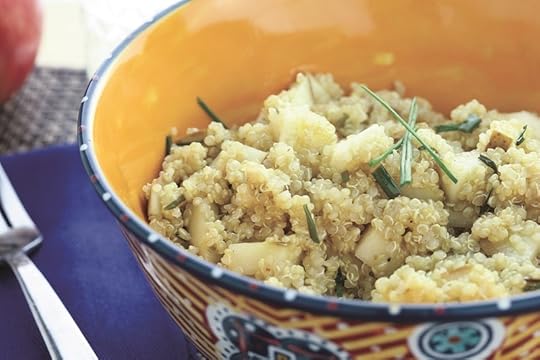
Recipe of the Week: Pear & Quinoa Salad
Quinoa is one of my favorite grains. It’s low on the glycemic index, packed with nutrients, high-protein, and it tastes great when prepared properly.
Many of my favorite quinoa recipes include fruit, and this is one of them. It’s from my cookbook Eat Green Get Lean and I love the contrast between the tangy vinegar and sweet pear, and the walnuts add a tasty crunch. Enjoy!
Servings
6
Calories Per Serving
231
Protein Per Serving
7 grams
Carbohydrates Per Serving
34 grams
Fat Per Serving
8 grams
Ingredients
14 ounces low-sodium vegetable broth
1 cup quinoa, rinsed
2 tablespoons canola oil
1 tablespoon pear or raspberry vinegar
1/4 cup fresh chives, diced
1/4 teaspoon salt
1/4 teaspoon ground black pepper
2 medium pears, diced
1/8 cup walnuts, chopped
Instructions
Add the vegetable broth to a large saucepan and place over medium-high heat. Once boiling, add the quinoa and reduce heat to medium low to simmer. Stir well and cover with a tight fitting lid. Cook for about 15 minutes, until all the liquid is absorbed.
Meanwhile, in a large mixing bowl add the oil, vinegar, chives, salt, and pepper and whisk to combine. Add the pears and toss to coat.
Pour the cooked quinoa into the mixing bowl and mix until well combined. Sprinkle nuts over top. Can be served chilled or warm.
What You Get to Eat
What did you think of this week’s recipe? Let me know in the comments below!
Want more delicious, easy-to-make recipes like this?If you like this recipe, then you’ll love the bestselling cookbook it came from: my own Eat Green Get Lean!
Buy this book now to forever escape the dreadful experience of “dieting” and learn how to cook nutritious, delicious vegetarian and vegan meals that make building muscle and burning fat easy and enjoyable!
Buy now
AmazonAmazon UKAmazon AUAmazon CABNiBooksKoboGoogle Play
December 27, 2013
Cool Stuff of the Week: Lamborghini Huracan LP 610, Adidas Powerlift 2.0 Shoe, Bond on Set, and more…
I’m not ashamed to admit that I’m kind of a sucker for cool stuff. I like nifty gadgets, quirky decoration pieces, nice clothes (and shoes!), good books, and fun games.
In this series of weekly posts, I share whatever currently has my fancy. Maybe some of it will catch yours as well!
VIDEO OF THE WEEK:
BEST FAILS OF 2013
LOL these types of videos remind me of all the ridiculous stuff we would never get to witness if it weren’t for the Internet…
LAMBORGHINI HURACAN LP 610-4

I’m not a huge car guy, but damn Lamborghinis are just sexy.
The Huracan LP 610-4 is the successor to the now-retired Gallardo, and is everything you’d expect: the sexy lines of the characteristic wedge shape, 610 horsepower, 413 pound-feet of torque, all-wheel drive, and a fully loaded interior.
Maybe one day… (Hey we can dream, right?)
ADIDAS POWERLIFT 2.0 WEIGHTLIFTING SHOE
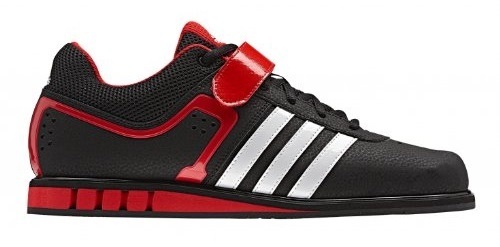
I’m pretty into shoes, and this naturally extends to weightlifting. Thus, I’ve tried a lot of options, and my favorites have been the INOV-8 Bare-XF 210 and New Balance MX20 Minimus. Well, I’m adding the Adidas Powerlift 2.0 to that list.
These shoes are just awesome for lifting. They’re comfortable, light, and really stable thanks to the wide base, contoured insole, rigid plastic weight distribution plate, and high-density midsole. They also just look cool.
Buy now
AmazonAmazon UK
“BOND ON SET” BOOK SERIES

Although I didn’t particularly like the last couple Bond films, I”m a fan of the series, and thought this book series was pretty cool.
There are four books in the series–one for Skyfall, Casino Royale, Quantum of Solace, and Die Another Day–and they contain all kinds of behind-the-scenes photography with explanatory captions, and excerpts from the screenplays. If you like to see how movies are made, and you like Bond, you’ll like these books.
Buy now
AmazonAmazon UK
JEDI BATH ROBE

I’m kind of a nerd at heart so I had to include this.
Hood, sash, wide sleeves, embroidered Jedi logo on the front, and 100% cotton velour (comfortable!)… It’s the perfect replacement to your current scruffy bath robe you bought a long time ago, and in a galaxy far, far away…
Buy now
AmazonAmazon UK
BOOK OF THE WEEK:
MASTERY
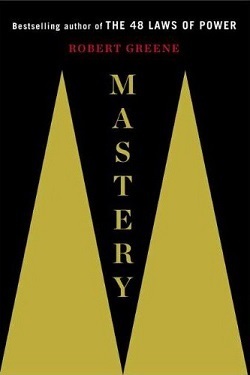
If you’re serious about rising to the top of any field or endeavor, then you want to read Mastery.
Through extensive research and selection, Greene has compiled a compelling collection of biographies, quotes, and lessons that all offer timeless insights on how to find your “life’s task” (as he puts it) and systematically go about mastering it.
The biographies are outstanding, the writing is elegant, and the teachings are ageless–this book would have helped people centuries ago, and will continue to help people centuries from now.
Buy now
AmazonAmazon UK
What do you think of this week’s picks? Have anything you’d like to share? Let me know in the comments below!
December 26, 2013
What Don Draper Can Teach Us About Marketing Products
I watched a couple seasons of Mad Men, and here is, by far, my favorite scene:
Captivating, touching, and insightful. You can’t get help but get a little choked up.
There’s a marketing lesson in it, too. It strikes at the most important marketing question of all…
Why do people buy stuff?
What simple statement explains why things are valuable enough for us to trade our precious money?
The “Secret” to Why We Buy Stuff
We’ve probably all heard the saying that people buy based on emotion, not logic. There’s much truth in this. No matter how coldly logical and practical a purchase may seem, there’s always a subtle, emotional aspect (why did you choose that loaf of bread or brand of light bulb over another?). (Click to tweet this!) But there’s more.
I could go into Abraham Maslow’s hierarchy of needs, William James’ explanation of basic human desires, Elmer Wheeler’s five motivators, or some other psychological dissertation…but let’s keep this simple: people buy things to help them along in the journey of life.
And what are the two basic motivators in this journey? I think the answer boils down to this: avoid pain, experience pleasure. Pain repels us from death, and pleasure attracts us toward the enhancement of life.
The dictionary defines pleasure as “enjoyment or satisfaction derived from what is to one’s liking; gratification; delight.” Pleasure can be found in many types of activities, and is the reward for pursuing goals that improve our survival in some way, to some degree.
Pain is defined as “physical suffering or distress, as due to injury, illness, etc.” and “mental or emotional suffering or torment.” It’s the result of the pursuit of goals that impair our survival.
The urges to experience pleasure and avoid pain lie at the heart of all of our activities in life, buying included. This isn’t abstract philosophy; this is empirical fact. Just think about it for a moment: review any activity you’re engaged in and ask yourself what pleasure you’re seeking or what pain you’re trying to avoid. Nothing in life falls outside of this simple framework.
Now, those two categories subdivide into a near-endless list of specific varieties. Pain can take many forms: the aches of arthritis, being ridiculed for poor work, hearing words of rejection from a girl, fiery, persistent heartburn, cringing when you step on the scale, failing to grasp the piano, and so on.
Pleasure has many forms too: enjoying your work, thinking of accomplishments, reading a good book, talking with a good work, climbing a mountain, having a first kiss, planning for the future, and even dreaming of things you’ll probably never do.
How to Use This to Market Products
What this boils down to is if you want to make your products or services irresistible to your prospects, you must be able to persuasively show that you can help them avoid pain or experience pleasure. (Click to tweet this!) And not just any old pains or pleasures, either—the exact pains they are suffering from and the exact pleasures they salivate over.
Every great marketing campaign in history did this; some focused only on avoiding pain, others only on experiencing pleasure, and others combined both.
Two of the primary things you must uncover are, in the realm of your product or service, what pains your prospects are currently experiencing or will agree are on the horizon and what pleasures are real, valuable and worth striving for.
The only way to grab someone’s attention as they flit past your advertising is to hit them where they’re at. Talking about pains they have no experience with or foresight of, or about pleasures they may not even realize are possible or desirable is a sure road to failure.
To put this in perspective, in the late 1800s, few American homes had a bathtub or even running water. Several manufacturers started advertising bathtubs, but people weren’t sold on the idea and thus didn’t want them. Some states placed special taxes on them and one even made it illegal to have a bathtub. Many years of persistent advertising, done at great expense, eventually changed this, but it was a lesson in the massive costs and headaches connected with swaying mass opinion and fabricating trends.
So the point is this: When you try to market anything to anyone, you must address him at his current reality or he won’t accept your message. (Click to tweet this!) And one of the first aspects of his reality you want to address is that of pains and pleasures because these are what motivate people to take action.
It has been said that when you can describe a prospect’s problem better than he can—when you can show you really understand him, his frustrations, his dreams—he automatically assumes you have the answer.
5 Vital Marketing Questions That All Great Marketers Use
Copywriting legend Dan Kennedy lists ten “smart market diagnosis and profiling” questions in his book, The Ultimate Sales Letter. Here are a few I want to share:
What keeps your prospects awake at night, indigestion boiling up their esophagus, eyes open, staring at the ceiling?
What are they afraid of?
What are they angry about? Who are they angry at?
What are their top three daily frustrations?
What do they secretly, ardently desire most?
When you know the real answers to these questions, you’ll have an incredibly persuasive insight into your prospects’ minds. You will be able to see the world through their eyes and exploit the deep-seated emotional motivators that dictate their actions.
Many marketing gurus teach that you must uncover your prospect’s fears and frustrations and wants and aspirations. As marketers, they jump all over people’s pains, make them yearn for the exact pleasures they dream about, and often make a point to show them how painful things will continue to be if immediate action isn’t taken. And they sell billions of dollars of products every year.
What did you think of this lesson on how to market products? Have anything else you’d like to share? Let me know in the comments below!


