
Becky Lower's Blog, page 28
August 27, 2016
It Started In Texas
Many moons ago, I spent eight years in Austin, TX. The city and the surrounding towns were loaded with antique shops and I thought I'd died and gone to heaven. Round Top, Fredericksburg, and Smithville were among my favorite places and I spent every spare moment browsing through the offerings.
One of the things I began collecting was Zane Grey books, particularly his westerns.
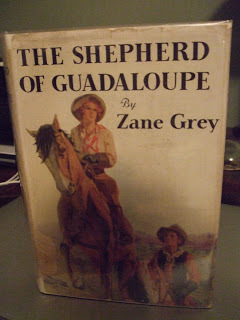 I made up a list after a while, in order to avoid duplication, and had it in my purse at all times, since you never knew where the next antique shop would be. My criteria was simple:
1) The books had to be first or second editions
2) I had to read each and every one
So there I was, surrounded by cowboys, reading about cowboys, learning to ride a horse, buying real boots. Is it any wonder I ended up writing about the Pony Express? And having my first hero be an Indian? I credit Mr. Grey for my fascination with this era of America.
But life goes on. I left Austin and ended up back in Ohio, where I'd grown up. The house is overflowing with books, including the 60 Zane Greys. So, we're starting to pare down, since a move to a smaller home is in our near future. The Zanes will need to find a new home. If there's a cowboy in your life, and you're looking for a unique Christmas gift, contact me. I'd love to share my collection with you.
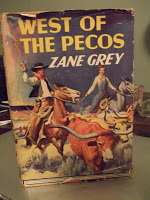
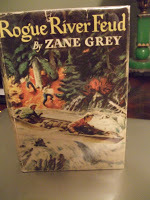
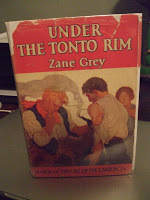
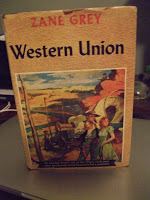
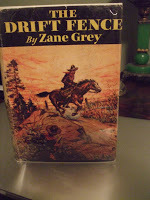
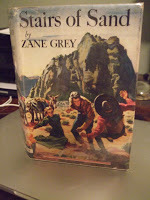
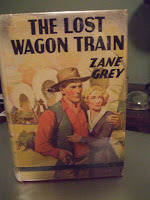
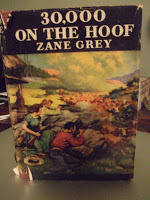
One of the things I began collecting was Zane Grey books, particularly his westerns.
 I made up a list after a while, in order to avoid duplication, and had it in my purse at all times, since you never knew where the next antique shop would be. My criteria was simple:
1) The books had to be first or second editions
2) I had to read each and every one
So there I was, surrounded by cowboys, reading about cowboys, learning to ride a horse, buying real boots. Is it any wonder I ended up writing about the Pony Express? And having my first hero be an Indian? I credit Mr. Grey for my fascination with this era of America.
But life goes on. I left Austin and ended up back in Ohio, where I'd grown up. The house is overflowing with books, including the 60 Zane Greys. So, we're starting to pare down, since a move to a smaller home is in our near future. The Zanes will need to find a new home. If there's a cowboy in your life, and you're looking for a unique Christmas gift, contact me. I'd love to share my collection with you.


August 20, 2016
Author Vs. Athlete
As the Olympics draw to a close, I'm constantly making comparisons between my profession and that of these athletes. It's so different from the way the Olympics used to be, when there were no big contracts available, and the cost of training, equipment and travel had to come from the family. There was no question that the athlete would retire from the sport after their one big outing and begin to draw a paycheck. Some of today's athletes are career Olympians, fully funded by corporate dollars, and have been on this world stage three or four times before. Sometimes they stay too long, and their gold medals slip from their grasp the second or third time around. It has to be hard for them to accept the inevitable, since their time in the limelight fades while they're still young.
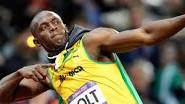
This is where being an author is different from being an athlete. Any one, at any age, can write a novel, if they're so inclined. I participated in an author panel discussion last week, and afterwards another silver-haired lady came up to me and told me I was an inspiration to her. She had just turned eighty, and thought she'd waited too long to write the book of her heart.
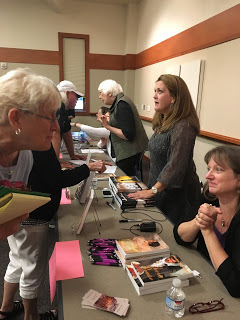
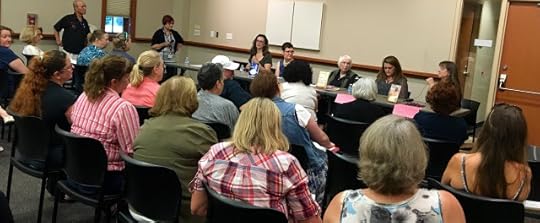 Photos courtesy of Amanda Uhl. Thanks, girl!
Our muscles are on the inside. Our outsides may not be the sleek, rippled machines I've been seeing on the TV screen over the past two weeks, but unlike those hard bodies, in most cases, the mind doesn't care how old you are. It's never too late to begin learning the craft of writing. Danielle Steel is still cranking out books at age 69. She's not retiring from the spotlight anytime soon. Susan Elizabeth Phillips is 67, Stephen King is 68, as is Jude Deveraux. Nora Roberts has had a schedule of publishing six books a year for quite some time. She's in her 50s, and has no plans to slow down.
So, even though I've enjoyed the Olympics, and have admired the hard bodies of these athletes, I feel a bit sorry for them, since my muscle will continue to work regardless of my age. At least that's the plan.

This is where being an author is different from being an athlete. Any one, at any age, can write a novel, if they're so inclined. I participated in an author panel discussion last week, and afterwards another silver-haired lady came up to me and told me I was an inspiration to her. She had just turned eighty, and thought she'd waited too long to write the book of her heart.

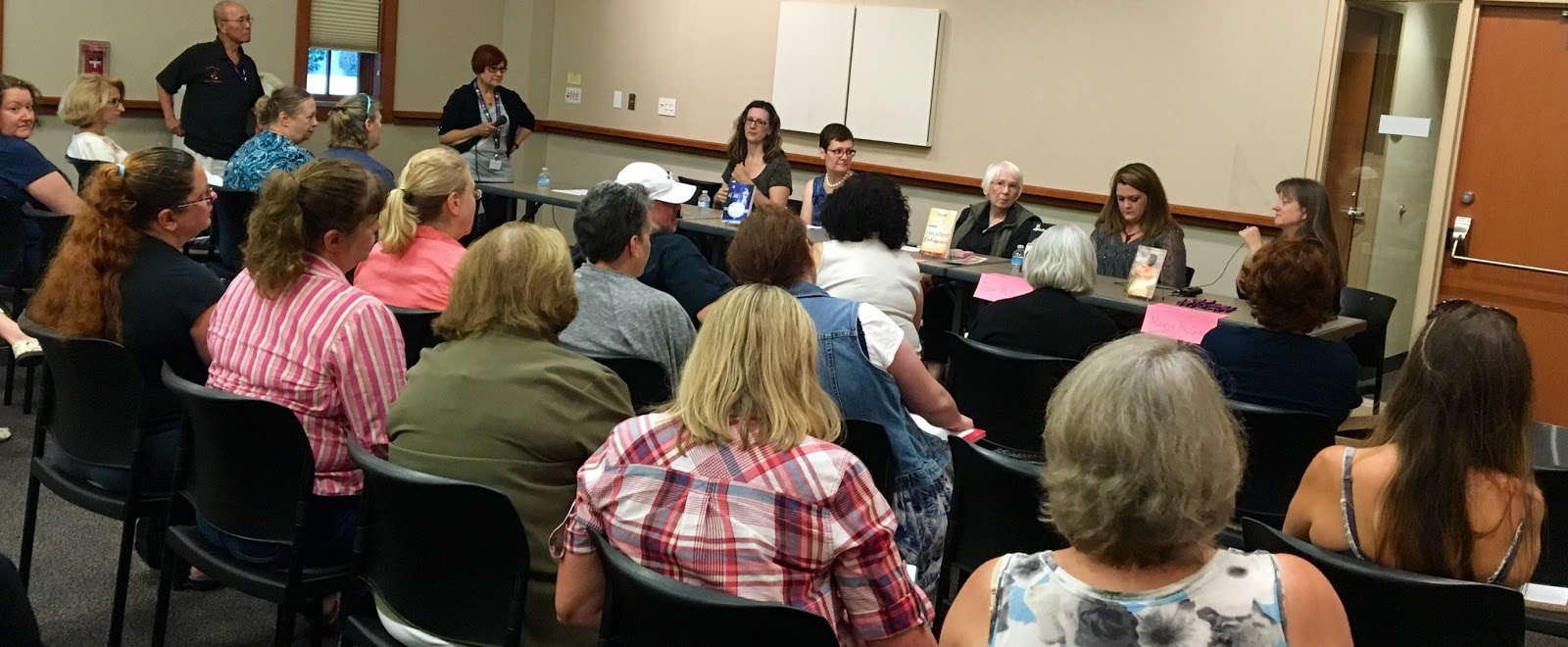 Photos courtesy of Amanda Uhl. Thanks, girl!
Our muscles are on the inside. Our outsides may not be the sleek, rippled machines I've been seeing on the TV screen over the past two weeks, but unlike those hard bodies, in most cases, the mind doesn't care how old you are. It's never too late to begin learning the craft of writing. Danielle Steel is still cranking out books at age 69. She's not retiring from the spotlight anytime soon. Susan Elizabeth Phillips is 67, Stephen King is 68, as is Jude Deveraux. Nora Roberts has had a schedule of publishing six books a year for quite some time. She's in her 50s, and has no plans to slow down.
So, even though I've enjoyed the Olympics, and have admired the hard bodies of these athletes, I feel a bit sorry for them, since my muscle will continue to work regardless of my age. At least that's the plan.
August 13, 2016
Interlocking Rings
Unless you're living under a rock somewhere, you already know the Olympics are in full swing. There's been a lot of discussion on TV about the symbolism behind the rings. According to Wikipedia, the five interlocking rings represent five world continents–Africa, Asia, America, Europe and Oceania. The colors of blue, yellow, black, green and red on a white background are colors that appeared on all the national flags of the participants in the 1912 games when the symbol was created.

Interlocking rings are also a metaphor for the method in which an author gains new readers. The first ring is friends and family, then a local writer's group or chapter of a larger organization. Whatever avenue you take on your road to publication, there are organizations and special interest groups to help you along the way. Another ring. You may find some duplication in members of each ring, which creates the interlocking nature of this, and any, profession. If you're a fan of Facebook, you have a ring of followers there. If you regularly post to a blog site, that's another ring. Google+ provides another ring. And the list goes on. The more rings you can develop, the greater your reach, and the better your sales.
 Just like Olympians, authors spend years developing their craft, in hopes they can reach the highest pinnacle of success. Our training takes the form of workshops and conferences to exercise our brains and help us enhance our word choices. As I watched the ladies' gymnastics the other evening, what impressed me most was the artistry involved in their maneuvers. It's not enough to be a jumping bean if it's not done with grace, finesse and a touch of humor. The floor exercise is my favorite, since you get to see a bit of the gymnast's personality. A flick of the hand, a wiggle of the butt, may be slight moves, but if choreographed correctly, make for an entertaining couple of minutes.
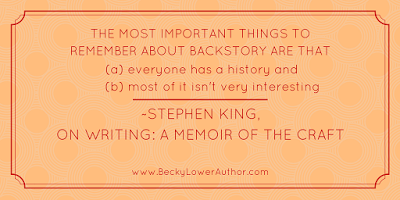
 It's the same with authors. Their choice of words and how they arrange their sentences can make the difference between creating a book that grips you by the throat, or one that leaves you feeling blah. A good author has a voice that comes roaring off the pages, that lets you think you'd love or hate to be friends with her or him. For instance, I became so terrified while reading Stephen King's books while I was in my 30s that I had to stop, and except for a few of his more mild ones, I haven't delved into them since. But I did read his book On Writing, and I love his words of wisdom. One night when I couldn't sleep, I decided to write the next scene in my current WIP. At four in the morning, I was at the computer, and reviewed the passage I'd just written. I could hear Stephen's voice in my head: "That's a passive voice. Come on, Becky, you can do better." It gave me the chills, so I shut the computer off and went to bed. He still terrifies me since now that he's critical of my writing. We'll never be friends, but I still respect his mind. Here's one of his pearls of wisdom from his book on writing:
What has been your favorite part of the Olympics? And the real question is can you write and watch the Olympics at the same time?

Interlocking rings are also a metaphor for the method in which an author gains new readers. The first ring is friends and family, then a local writer's group or chapter of a larger organization. Whatever avenue you take on your road to publication, there are organizations and special interest groups to help you along the way. Another ring. You may find some duplication in members of each ring, which creates the interlocking nature of this, and any, profession. If you're a fan of Facebook, you have a ring of followers there. If you regularly post to a blog site, that's another ring. Google+ provides another ring. And the list goes on. The more rings you can develop, the greater your reach, and the better your sales.
 Just like Olympians, authors spend years developing their craft, in hopes they can reach the highest pinnacle of success. Our training takes the form of workshops and conferences to exercise our brains and help us enhance our word choices. As I watched the ladies' gymnastics the other evening, what impressed me most was the artistry involved in their maneuvers. It's not enough to be a jumping bean if it's not done with grace, finesse and a touch of humor. The floor exercise is my favorite, since you get to see a bit of the gymnast's personality. A flick of the hand, a wiggle of the butt, may be slight moves, but if choreographed correctly, make for an entertaining couple of minutes.
 It's the same with authors. Their choice of words and how they arrange their sentences can make the difference between creating a book that grips you by the throat, or one that leaves you feeling blah. A good author has a voice that comes roaring off the pages, that lets you think you'd love or hate to be friends with her or him. For instance, I became so terrified while reading Stephen King's books while I was in my 30s that I had to stop, and except for a few of his more mild ones, I haven't delved into them since. But I did read his book On Writing, and I love his words of wisdom. One night when I couldn't sleep, I decided to write the next scene in my current WIP. At four in the morning, I was at the computer, and reviewed the passage I'd just written. I could hear Stephen's voice in my head: "That's a passive voice. Come on, Becky, you can do better." It gave me the chills, so I shut the computer off and went to bed. He still terrifies me since now that he's critical of my writing. We'll never be friends, but I still respect his mind. Here's one of his pearls of wisdom from his book on writing:
What has been your favorite part of the Olympics? And the real question is can you write and watch the Olympics at the same time?
August 6, 2016
Writing Amidst Chaos
Every author faces this dilemma at one time or another–members of the family, for which you are responsible, take center stage and your writing gets shoved aside for the time being.
 Whether it's moving your children into college dorms, moving your parents into nursing homes, or moving yourself from one house to another, the computer gets ignored while life takes over. You can't close the door and zone out in whatever century or world you're writing because an obligation, in the form of a child, sibling or parent, comes knocking.
Well, it's been my time. My sister got shoved out of the hospital too early, and into a nursing home that was a hell-hole. Another sister and I busted her out of the nursing home, rebels that we are, and brought her home for one night. The next morning, we rushed her to the ER, and she's been in the hospital ever since. It's a three-hour round trip to the hospital, so no writing gets done on the days I travel to see her. Fortunately she's improving, and should be moved from the hospital to the VA rehab center on Monday. Maybe by this time next week, she'll be back home.
So, has my writing suffered with this interruption? I'm pleased to say no, it hasn't. It seems the less time I have to write, the more productive I am.

I'm awaiting a final galley on my contemporary Christmas novella set in the fictional town of Lobster Cove, ME. The preliminary galley was pretty clean, and I'm pleased with the way it looks.
I decided to expand my horizons and try my hand at a Regency, so I wrote a sweet Christmas novella set in that era, which I just sent off yesterday. My book,
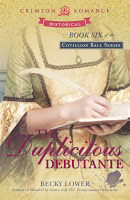 The Duplicitous Debutante, is being included in a boxed set called Love Between The Pages, featuring novels about writers. The scheduled release date is September 26. I've got a boxed set of all nine books in my Cotillion Ball Series, plus the novella about Charlotte and George, being released in December, and another historical, Dance With Destiny, this time set in Ohio in 1861, will be released in December as well. More about those recent developments later. So, things are moving along. All I need is to find an agent for my middle-grade book by the end of the year, and I'll be a happy camper.
How about you? How do you handle life's interruptions?
 Whether it's moving your children into college dorms, moving your parents into nursing homes, or moving yourself from one house to another, the computer gets ignored while life takes over. You can't close the door and zone out in whatever century or world you're writing because an obligation, in the form of a child, sibling or parent, comes knocking.
Well, it's been my time. My sister got shoved out of the hospital too early, and into a nursing home that was a hell-hole. Another sister and I busted her out of the nursing home, rebels that we are, and brought her home for one night. The next morning, we rushed her to the ER, and she's been in the hospital ever since. It's a three-hour round trip to the hospital, so no writing gets done on the days I travel to see her. Fortunately she's improving, and should be moved from the hospital to the VA rehab center on Monday. Maybe by this time next week, she'll be back home.
So, has my writing suffered with this interruption? I'm pleased to say no, it hasn't. It seems the less time I have to write, the more productive I am.

I'm awaiting a final galley on my contemporary Christmas novella set in the fictional town of Lobster Cove, ME. The preliminary galley was pretty clean, and I'm pleased with the way it looks.
I decided to expand my horizons and try my hand at a Regency, so I wrote a sweet Christmas novella set in that era, which I just sent off yesterday. My book,
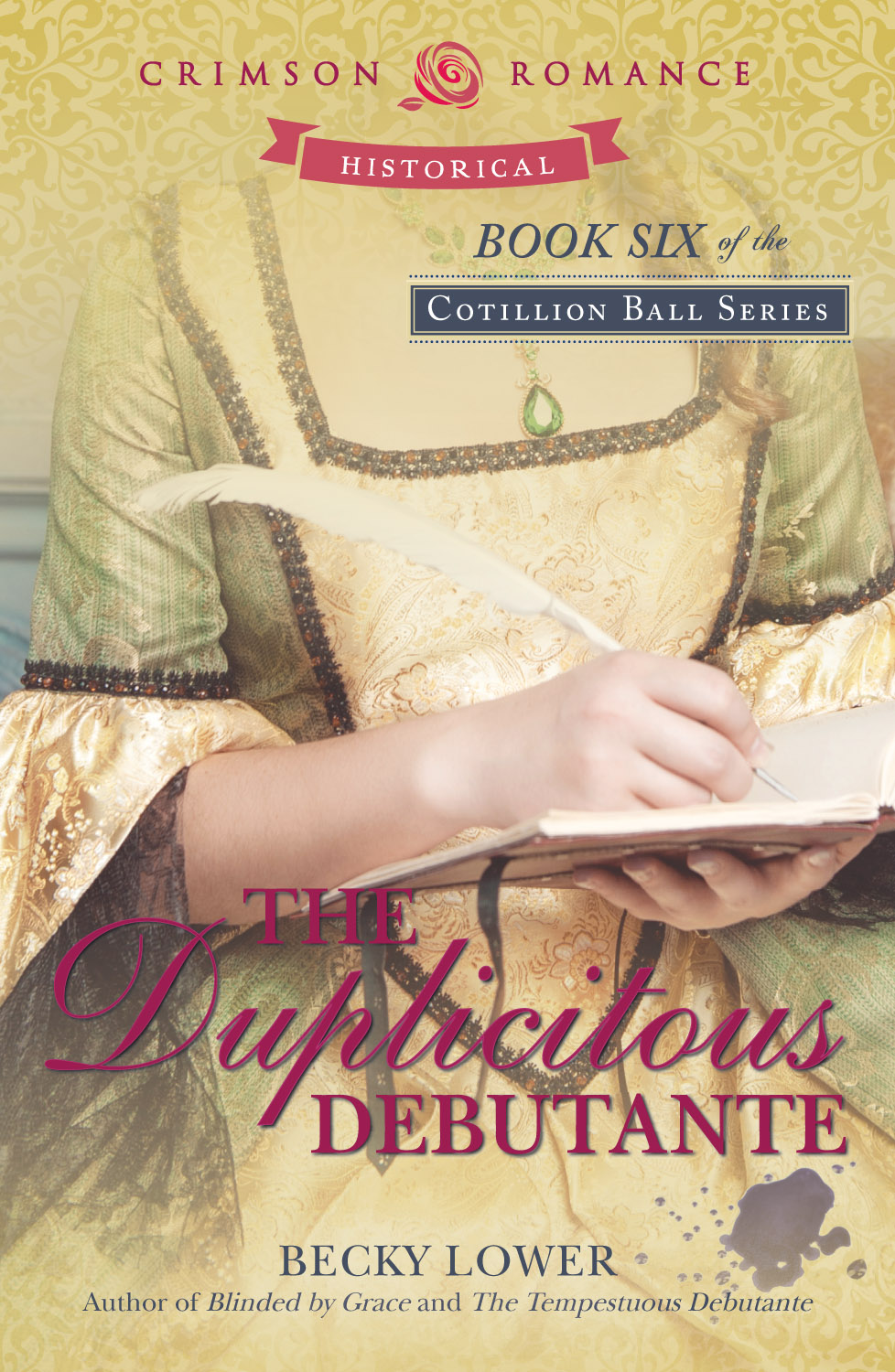 The Duplicitous Debutante, is being included in a boxed set called Love Between The Pages, featuring novels about writers. The scheduled release date is September 26. I've got a boxed set of all nine books in my Cotillion Ball Series, plus the novella about Charlotte and George, being released in December, and another historical, Dance With Destiny, this time set in Ohio in 1861, will be released in December as well. More about those recent developments later. So, things are moving along. All I need is to find an agent for my middle-grade book by the end of the year, and I'll be a happy camper.
How about you? How do you handle life's interruptions?
July 30, 2016
Christmas In July (almost)
I'm writing this blog post on Saturday, so technically it's still July. As most of you who follow this blog are aware, I'm deep in the editing mode for a Christmas novella set in the fictional Maine coastal town of Lobster Cove. The story is called Love's In The Cards, and is about two sisters who own a greeting card store in town, and the old flame of one of the sisters who makes a reappearance at Christmas time. This story draws on two prongs of my background: One–I did actually go to school with a boy named Delbert, and he used to color on the soles of my shoes every day at nap time. He went on to become a high school art teacher. And second–I worked in a greeting card store similar to the one in the story when I lived in Virginia and I also worked as a merchandiser for another greeting card firm once I moved to Ohio. To this day, when I walk past a card display anywhere, I have to straighten the cards. I hope the story will put you in the holiday spirit.
So, in the nature of the season, I'm giving you each a gift today. This is a sneak peek at the cover for Love's In The Cards. Tell me what you think? Does it convey the abstract, avant-garde style of cards that fictional Delbert created?

In other news, I'm furiously working on a new type of historical–a Regency novella, also with a Christmas theme. I hope to finish it up in the next week or so and send it off to the publisher who gave me the challenge. And I'm still waiting for an agent to see how wonderful my eleven-year-old Kathleen is at the start of the Revolutionary War so I can venture into MG and YA books. Since I believe history is best learned if you can actually picture yourself in the moment, I think this book would be a wonderful teaching tool.
And I thought this year would be easier. But the publishing world isn't slowing down, nor should I. Full speed ahead!
So, in the nature of the season, I'm giving you each a gift today. This is a sneak peek at the cover for Love's In The Cards. Tell me what you think? Does it convey the abstract, avant-garde style of cards that fictional Delbert created?

In other news, I'm furiously working on a new type of historical–a Regency novella, also with a Christmas theme. I hope to finish it up in the next week or so and send it off to the publisher who gave me the challenge. And I'm still waiting for an agent to see how wonderful my eleven-year-old Kathleen is at the start of the Revolutionary War so I can venture into MG and YA books. Since I believe history is best learned if you can actually picture yourself in the moment, I think this book would be a wonderful teaching tool.
And I thought this year would be easier. But the publishing world isn't slowing down, nor should I. Full speed ahead!
Christmas In July
On this last day of July, I'm squeaking in with a Christmas note. As most of you who follow this blog are aware, I'm deep in the editing mode for a Christmas novella set in the fictional Maine coastal town of Lobster Cove. The story is called Love's In The Cards, and is about two sisters who own a greeting card store in town, and the old flame of one of the sisters who makes a reappearance at Christmas time. This story draws on two prongs of my background: One–I did actually go to school with a boy named Delbert, and he used to color on the soles of my shoes every day at nap time. He went on to become a high school art teacher. And second–I worked in a greeting card store similar to the one in the story when I lived in Virginia and I also worked as a merchandiser for another greeting card firm once I moved to Ohio. To this day, when I walk past a card display anywhere, I have to straighten the cards. I hope the story will put you in the holiday spirit.
So, in the nature of the season, I'm giving you each a gift today. This is a sneak peek at the cover for Love's In The Cards. Tell me what you think? Does it convey the abstract, avant-garde style of cards that fictional Delbert created?
In other news, I'm furiously working on a new type of historical–a Regency novella, also with a Christmas theme. I hope to finish it up in the next week or so and send it off to the publisher who gave me the challenge. And I'm still waiting for an agent to see how wonderful my eleven-year-old Kathleen is at the start of the Revolutionary War so I can venture into MG and YA books. Since I believe history is best learned if you can actually picture yourself in the moment, I think this book would be a wonderful teaching tool.
And I thought this year would be easier. But the publishing world isn't slowing down, nor should I. Full speed ahead! And Merry Christmas!
So, in the nature of the season, I'm giving you each a gift today. This is a sneak peek at the cover for Love's In The Cards. Tell me what you think? Does it convey the abstract, avant-garde style of cards that fictional Delbert created?
In other news, I'm furiously working on a new type of historical–a Regency novella, also with a Christmas theme. I hope to finish it up in the next week or so and send it off to the publisher who gave me the challenge. And I'm still waiting for an agent to see how wonderful my eleven-year-old Kathleen is at the start of the Revolutionary War so I can venture into MG and YA books. Since I believe history is best learned if you can actually picture yourself in the moment, I think this book would be a wonderful teaching tool.
And I thought this year would be easier. But the publishing world isn't slowing down, nor should I. Full speed ahead! And Merry Christmas!
July 23, 2016
Editing, Round 2
I got my second round of edits this week for the Christmas novella. Which immediately made me reach for my chain saw.
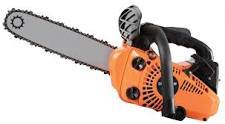
This unusual gut reaction to editing really does make sense. Let me explain. Editing an entire manuscript can be overwhelming, but if you approach it a chapter at a time, it's doable. Same thing with a tree branch. It can be bulky and heavy to start with, but when it gets cut into sizable chunks, it's easy to maneuver.
I cut some words from a chapter, and then cut some logs. I'm making my manuscript tidy at the same time I'm cleaning up my woodpile. I once dated a man from Vermont, where wood fires are common. He told me you should never put a Vermonter in front of an unstacked pile of wood, because they wouldn't come inside until it was arranged in a logical, neat order. It's the same with editing. You're not done until you can read through your entire document with your fingers off the keyboard.
Since this is a novella, there aren't that many chapters to get through, so it should take no longer than a couple days to do the work. Which is good, since I only have three more branches to chop up.


This unusual gut reaction to editing really does make sense. Let me explain. Editing an entire manuscript can be overwhelming, but if you approach it a chapter at a time, it's doable. Same thing with a tree branch. It can be bulky and heavy to start with, but when it gets cut into sizable chunks, it's easy to maneuver.
I cut some words from a chapter, and then cut some logs. I'm making my manuscript tidy at the same time I'm cleaning up my woodpile. I once dated a man from Vermont, where wood fires are common. He told me you should never put a Vermonter in front of an unstacked pile of wood, because they wouldn't come inside until it was arranged in a logical, neat order. It's the same with editing. You're not done until you can read through your entire document with your fingers off the keyboard.
Since this is a novella, there aren't that many chapters to get through, so it should take no longer than a couple days to do the work. Which is good, since I only have three more branches to chop up.

July 16, 2016
Keeping It All Together
This past week has been challenging on several fronts. I'm despondent at not being able to go to Nationals, and have been glued to Facebook and the RWA site, trying to live vicariously. I elected not to go because my sister had major heart surgery scheduled this summer. It turned out to be more complicated than anticipated, and was touch and go for a time. She's on the mend now, and should come home next week.

 Which leads me to my next challenge. My basement is filled with mold, and has resulted in a sick house. The previous owner decided to finish off half of the basement, and put up drywall and laid carpet without taking the first essential step and waterproofing what was being covered up. I've lived here for seven years now and it's taken this long for the mold to seep through to the point where I could see it. Now, the carpet and drywall will be ripped up and removed before the scrubbing of the mold can take place.

 While all this chaos is going on in my life, I'm still trying to write something every day, even if it's only an outline of a story. And, of course, I'm coming up with all kinds of analogies between my life and writing. Such as: Sometimes a story veers off in a totally different direction than you thought it would go when you planned it out in your head and you make adjustments. Sometimes you can't quite put your finger on what's wrong with a story line until it smacks you in the face and you have to remove what's making your story suck.
Sometimes you should stop and write an outline instead of jumping in unprepared and throwing something together.
The mold will be removed next week, just in time for my sister's return from the hospital. All will get back to normal in my world, and I'll be able to sit at my desk and be creative. My second round of edits are due next week, too, which should settle me down and make me focus. And I'll chat with my friends who did make the trek to San Diego and regale in the stories they'll bring home.
The remainder of the summer will be spent helping Sis out, like she did for me last year, finding an agent for my middle-grade historical, and getting my contemporary, in which I've left my h/h in a precarious situation, finished and polished up.
How about you? What's on your agenda for the rest of the summer?

 Which leads me to my next challenge. My basement is filled with mold, and has resulted in a sick house. The previous owner decided to finish off half of the basement, and put up drywall and laid carpet without taking the first essential step and waterproofing what was being covered up. I've lived here for seven years now and it's taken this long for the mold to seep through to the point where I could see it. Now, the carpet and drywall will be ripped up and removed before the scrubbing of the mold can take place.
 While all this chaos is going on in my life, I'm still trying to write something every day, even if it's only an outline of a story. And, of course, I'm coming up with all kinds of analogies between my life and writing. Such as: Sometimes a story veers off in a totally different direction than you thought it would go when you planned it out in your head and you make adjustments. Sometimes you can't quite put your finger on what's wrong with a story line until it smacks you in the face and you have to remove what's making your story suck.
Sometimes you should stop and write an outline instead of jumping in unprepared and throwing something together.

The mold will be removed next week, just in time for my sister's return from the hospital. All will get back to normal in my world, and I'll be able to sit at my desk and be creative. My second round of edits are due next week, too, which should settle me down and make me focus. And I'll chat with my friends who did make the trek to San Diego and regale in the stories they'll bring home.
The remainder of the summer will be spent helping Sis out, like she did for me last year, finding an agent for my middle-grade historical, and getting my contemporary, in which I've left my h/h in a precarious situation, finished and polished up.
How about you? What's on your agenda for the rest of the summer?
July 9, 2016
Showing Versus Telling
Any author can tell you a workshop discussing the merits of showing vs. telling is usually on the agenda of every major conference in the romance world. It's a big deal for getting across deep POV. You want the reader to feel the emotions in the same way as the hero/heroine. I've struggled for years to add emotion to my work, to make the reader tear up the same way the heroine is doing. I love it when a reviewer says she needed a whole box of tissues to get to the end. That means I've done my job. Here's an example of what I mean, courtesy of Colorado State University: http://writing.colostate.edu/guides/teaching/rst/pop5c.cfm
Telling: He was an attractive man.
Showing: He had Paul Newman's eyes, Robert Redford's smile, Sylvester Stallone's body, and Bill Gates's money.

I'm working with a new editor now, and she's taken the show vs. tell to a whole new extreme. Rather than go through my whole manuscript, righting my wrongs and have me click on the comment box that I accept her changes, she only commented on the first part of the book. Then, she sent me a lengthy email pointing out what I needed to fix throughout the remainder of the story. Her comments showed me the mistake I kept making, her email showed me how to fix it, and then I was on my own. Since I learn better by doing than by simply clicking "accept"on a comment box, I have been able to go through the remainder of the manuscript and make the changes myself. Showing vs. telling.
In going through the manuscript and focusing on those elements the editor wanted changed, I noticed I've developed a new crutch word.
 I have a list of words already that I check, so I've now added another to the list. And the movements between my characters was somewhat stilted, so I've fixed it.
I'm going to read through the manuscript one final time today, to see if I still have any glaring errors to take care of. If I can get through a couple pages without typing anything, I'll consider it clean enough to send back. Then, I'll see what the editor comments on next. A work is never done until it's published, and even then, most of us would love the chance to go back and fix the errors we've made in telling our tales.
Every book I write makes me a better author. Every editor I work with gives me a different perspective on my writing. I hope I never stop learning. Thank you, new editor, for all your hard work. I can see where your suggested changes have made this a much stronger story. Stay tuned. My Christmas novella, Love's In The Cards, should be released in November or December. I think you'll like Penny Lane and Abbey Road Beedle, and Penny's third-grade crush, Del Madison.
Telling: He was an attractive man.
Showing: He had Paul Newman's eyes, Robert Redford's smile, Sylvester Stallone's body, and Bill Gates's money.

I'm working with a new editor now, and she's taken the show vs. tell to a whole new extreme. Rather than go through my whole manuscript, righting my wrongs and have me click on the comment box that I accept her changes, she only commented on the first part of the book. Then, she sent me a lengthy email pointing out what I needed to fix throughout the remainder of the story. Her comments showed me the mistake I kept making, her email showed me how to fix it, and then I was on my own. Since I learn better by doing than by simply clicking "accept"on a comment box, I have been able to go through the remainder of the manuscript and make the changes myself. Showing vs. telling.
In going through the manuscript and focusing on those elements the editor wanted changed, I noticed I've developed a new crutch word.
 I have a list of words already that I check, so I've now added another to the list. And the movements between my characters was somewhat stilted, so I've fixed it.
I'm going to read through the manuscript one final time today, to see if I still have any glaring errors to take care of. If I can get through a couple pages without typing anything, I'll consider it clean enough to send back. Then, I'll see what the editor comments on next. A work is never done until it's published, and even then, most of us would love the chance to go back and fix the errors we've made in telling our tales.
Every book I write makes me a better author. Every editor I work with gives me a different perspective on my writing. I hope I never stop learning. Thank you, new editor, for all your hard work. I can see where your suggested changes have made this a much stronger story. Stay tuned. My Christmas novella, Love's In The Cards, should be released in November or December. I think you'll like Penny Lane and Abbey Road Beedle, and Penny's third-grade crush, Del Madison.
July 2, 2016
Backstory
Backstory. By definition, at least according to Wikipedia, it is the history of characters and other elements that underlie the situation existing at the main narrative's start. Its purpose is to give our characters dimension, to have some idea of what's happened in their past to form the people they are now, to have the reader root for the guy or girl.
Writers who have taken enough workshops know that you can't dump a bunch of backstory into the first few chapters. Rather, it must be woven in throughout the course of the story, a strand at a time. Otherwise, why turn the page?
Lately, it seems every reality show out there is loaded with backstory. It doesn't matter if it's The Voice or The Bachelor, everyone puts together a backstory segment before they begin. It might be a promise made to a dying parent or sibling, it might be overcoming an alcohol or drug dependency, it might be having a child and realizing you're no longer a kid yourself. Whatever it is, it's the reason people get up in the morning and hone their craft. Whatever that craft may be.
 I confess I'm a closet fan of American Ninja Warrior. Totally buff men and women compete over a course of amazingly difficult obstacles to the finish line–the warped wall, a 14-1/2 foot tall wall they must scale and hit the buzzer. Everyone starts out on equal footing, and there is no judges clouding the performance with their subjective ideas. The idea is very simple. If at any point along the way the person running the course can't complete an obstacle, they fall into the water below.

I think that's the appeal to me. I listen to the backstories on all the contestants, and, if I like their story, I'll root for them to scale the warped wall. There's no one else making the decision for me, or holding their stories and their performance to a subjective standard other than my own. Some of the backstories among this group are wonderful, but, and it's probably due to the fact these are people who spend a lot of time honing their bodies, there seems to be excessive attention paid to their facial features, hair and bodies. If the only reason they have for participating is because they think they look good, I want to see them hit the water before the second obstacle. It doesn't matter how hard you've been training all year, one bad step can land you in the drink. It's fast-paced and quick to judgment, like me with these backstory segments. The course doesn't care. You bring your 'A' game or you go home wet.
I'm like that in reading, too. If I get bogged down in too much backstory at the start of a book, I'll set it aside and move along to something else. There's so much out there that's good, why waste my time on something that has no appeal? Into the water it goes and I'm on to the next contestant. Maybe in this one, the backstory is handled better, giving the reader a glimpse of the impending conflict, but the conflict, when it is finally unveiled, isn't anything earth-shattering. The book made it over the first few obstacles, but still, it will end up in the drink.
Recently, I served as a judge for the RONE awards and had to read seven books in short order. Only one of them made it up the warped wall and hit the buzzer for me. I thought about the story for days after I finished it, which is the mark (at least for me) of a great book. Now, my challenge is to write one equally as good. To have one of my own books make it up someone else's warped wall standard of excellence.
Writers who have taken enough workshops know that you can't dump a bunch of backstory into the first few chapters. Rather, it must be woven in throughout the course of the story, a strand at a time. Otherwise, why turn the page?

Lately, it seems every reality show out there is loaded with backstory. It doesn't matter if it's The Voice or The Bachelor, everyone puts together a backstory segment before they begin. It might be a promise made to a dying parent or sibling, it might be overcoming an alcohol or drug dependency, it might be having a child and realizing you're no longer a kid yourself. Whatever it is, it's the reason people get up in the morning and hone their craft. Whatever that craft may be.
 I confess I'm a closet fan of American Ninja Warrior. Totally buff men and women compete over a course of amazingly difficult obstacles to the finish line–the warped wall, a 14-1/2 foot tall wall they must scale and hit the buzzer. Everyone starts out on equal footing, and there is no judges clouding the performance with their subjective ideas. The idea is very simple. If at any point along the way the person running the course can't complete an obstacle, they fall into the water below.
I think that's the appeal to me. I listen to the backstories on all the contestants, and, if I like their story, I'll root for them to scale the warped wall. There's no one else making the decision for me, or holding their stories and their performance to a subjective standard other than my own. Some of the backstories among this group are wonderful, but, and it's probably due to the fact these are people who spend a lot of time honing their bodies, there seems to be excessive attention paid to their facial features, hair and bodies. If the only reason they have for participating is because they think they look good, I want to see them hit the water before the second obstacle. It doesn't matter how hard you've been training all year, one bad step can land you in the drink. It's fast-paced and quick to judgment, like me with these backstory segments. The course doesn't care. You bring your 'A' game or you go home wet.
I'm like that in reading, too. If I get bogged down in too much backstory at the start of a book, I'll set it aside and move along to something else. There's so much out there that's good, why waste my time on something that has no appeal? Into the water it goes and I'm on to the next contestant. Maybe in this one, the backstory is handled better, giving the reader a glimpse of the impending conflict, but the conflict, when it is finally unveiled, isn't anything earth-shattering. The book made it over the first few obstacles, but still, it will end up in the drink.
Recently, I served as a judge for the RONE awards and had to read seven books in short order. Only one of them made it up the warped wall and hit the buzzer for me. I thought about the story for days after I finished it, which is the mark (at least for me) of a great book. Now, my challenge is to write one equally as good. To have one of my own books make it up someone else's warped wall standard of excellence.


