
Heather R. Acquistapace's Blog, page 6
November 11, 2014
The Message Behind the Words
In this day and age, there are so many stories and means of entertainment its crazy! All these movies! All these books! All these TV shows that are about "something new" and "something we've never seen before". Yeah right. Let's be honest here, there's no new stories, no new ideas, and no new topics. But there's one thing that stories these days are forgetting.
 The message behind the words.
It's annoying to devote time to a book/movie that doesn't give anything to the reader/audience. What do we get out for a story? What deeper meaning was given though the narrative? Most of the time all we get is a cool story that has interesting characters we gave our time to because there was nothing else to do. Instead of depth, there's epic wars, drama that blows our minds, that bad guy in leather who wants to destroy the world, and the hot chick and the ripped guy making out in the end because they won (and the writers wanted to give the reader/audience a warm fuzzy feeling at the end). Brain candy, that's what I call it. Pure sugar that eventually will make a cavity that must be ripped out.
There is more to a story then entertainment. In fact, I view stories as a means of teaching and revealing the human heart in a new light in a entertaining way. A story is not just a story, it is a means to show the world what is truth and what can be. It gives us dreams. Gives us life. There can be power in a story, yet few are willing to roll up their leaves and go digging for it.
But what do I mean, you ask? Do I want every story to have a philosophical tone that looks deep into the human psyche and shows all our weaknesses and how to overcome? No! What I mean is this: the purpose of a story is to show, even if it is a tinny sliver, the truth of life, its woes, its joys, the stupidity of mankind, and what happens when hardships arise. Truth. That is all that is needed. A honest character admitting things we would never say, yet agree with. Characters who struggle and band together in a way that we have always dreamed of. Reveal the world though your story, not just a cool story with a plot your mom says is nice. You are a writer. You have a responsibly to give more then a tale. And you can.
First, you must understand life and what you believe enough to relay it in a understandable way. I'm not saying I have life figured out (I don't, not by a long shot) however I have allowed my mistakes, past wounds, and God to teach me wisdom. I wish to show what I have learned to my readers so that they may learn too.
Second, discover a story that will bring your truths alive. Make vivid characters that are so real a reader can almost touch them. A plot that carries the characters though events that amplify their very nature. And, one of the most important, end it honestly; for not all endings are good. That's okay, such is life.
Third, write as honestly as you can. Be true to your characters! Be true to your readers! And, most of all, be true to yourself!
Find the meaning behind the words. It's there, you just have to go looking for it. Yes, its difficult, yes, most people don't do it, yes its odd, but yes, if you find the meaning, your story will become immortal. Immortal as the stars.
 The message behind the words.
It's annoying to devote time to a book/movie that doesn't give anything to the reader/audience. What do we get out for a story? What deeper meaning was given though the narrative? Most of the time all we get is a cool story that has interesting characters we gave our time to because there was nothing else to do. Instead of depth, there's epic wars, drama that blows our minds, that bad guy in leather who wants to destroy the world, and the hot chick and the ripped guy making out in the end because they won (and the writers wanted to give the reader/audience a warm fuzzy feeling at the end). Brain candy, that's what I call it. Pure sugar that eventually will make a cavity that must be ripped out.
There is more to a story then entertainment. In fact, I view stories as a means of teaching and revealing the human heart in a new light in a entertaining way. A story is not just a story, it is a means to show the world what is truth and what can be. It gives us dreams. Gives us life. There can be power in a story, yet few are willing to roll up their leaves and go digging for it.
But what do I mean, you ask? Do I want every story to have a philosophical tone that looks deep into the human psyche and shows all our weaknesses and how to overcome? No! What I mean is this: the purpose of a story is to show, even if it is a tinny sliver, the truth of life, its woes, its joys, the stupidity of mankind, and what happens when hardships arise. Truth. That is all that is needed. A honest character admitting things we would never say, yet agree with. Characters who struggle and band together in a way that we have always dreamed of. Reveal the world though your story, not just a cool story with a plot your mom says is nice. You are a writer. You have a responsibly to give more then a tale. And you can.
First, you must understand life and what you believe enough to relay it in a understandable way. I'm not saying I have life figured out (I don't, not by a long shot) however I have allowed my mistakes, past wounds, and God to teach me wisdom. I wish to show what I have learned to my readers so that they may learn too.
Second, discover a story that will bring your truths alive. Make vivid characters that are so real a reader can almost touch them. A plot that carries the characters though events that amplify their very nature. And, one of the most important, end it honestly; for not all endings are good. That's okay, such is life.
Third, write as honestly as you can. Be true to your characters! Be true to your readers! And, most of all, be true to yourself!
Find the meaning behind the words. It's there, you just have to go looking for it. Yes, its difficult, yes, most people don't do it, yes its odd, but yes, if you find the meaning, your story will become immortal. Immortal as the stars.


August 20, 2014
Let Go and Write
I have been meeting with a fellow writer buddy and it is so much fun to nerd out on writing! His name is Will Bowman and he is crazy about writing, specifically screenplays. You should check out his website, BowmanStudios, and see his films, interviews, poems, and all that he works on! He also interviewed me and goes deep into my stories/poems and the mind behind them (scary!). You can read my interview by clicking here.
It was through our conversations I've found that writers find it difficult to simply write. If you don't have that dilemma, great! More power to ya! But, if you do I want to help! Before we begin, you must trust me. Trust me for I will ask you to retrain your mind to think in ways that are not usual. Just trust me.
 The art of letting go and writing is like a Samara Warrior sitting on a grassy hill, eyes closed and legs crossed in peace, just before battle. It is a letting go. A surrender. A state of mind that takes you out of you and into your epic tail.
The first thing you must come to grips with is that you are just the writer. That's all. You are a chronicler and you write only what happens or has happened. You did not come up with your story. Your characters are not made up people. The story really happened, in a different time, in a different place, but DID it happen. Your characters are real, or were real, as you and I. They lived. They breathed. They are anything but 'made up people'. And you are just the writer. You played no part in their adventure, therefore you do not get the credit for their success. You only write down what took place. The thought of a writer in supreme, God-like control is silly. I understand it, yet doubt it. You are not the god of the tale, you just write.
Because you are just the writer, the characters become so much more important. You do not control them, instead they show you what must be written. You must let go of control and allow your characters to be themselves. Do not force them into saying or doing what you would say or do. They are not you. They are their own, individual person and should have the freedom to be themselves. You must learn who they are deep down. (Read How to Make Unrealisticness Real, How to Write an Epic Hero and Villain: Part 1, and Part 2 to learn how to write effective character development.) Give them space and let them breathe! Do not hover over them like an over protective mother because you snuff out the life and uniqueness of the characters' true selves. It is vital for the characters to be who they are. What I mean is let them grow and develop on their own. Do not put them in a box. Do not tell them 'no'.
But you are afraid. You are afraid your characters don't know the story you have in mind so they may mess it all up! They could go off, be themselves, and destroy everything you have planned!
Do not worry. They know what you want. They can see it too. Let them be free to go off and be themselves, but gently guide them back to the plot's structure after they had their fun. In every story, each character who you deeply know should stray from the plot's structure from time to time. Not far, mind you, but far enough to show their true colors. If no characters in your story stray now and then, something's wrong. You have to tight of a hold on your story and are not letting it grow into a great tree that towers above the world. Let it grow. Let your characters grow.
Lastly, relax! Stop thinking about the publisher! Don't stress which word would sound better! Don't worry about what your readers will think! Just write! That's what writers do and I know you do it well. Relax. Turn off your editing brain and save it until after the story is written. When you write, all that is in the world is your characters, the adventure, and you. Allow the words to trickle from your imagination, down your arm, and onto the pages. Don't let you get in the way of you. We can be our worst enemies sometimes, I should know!
What I've said today is a bit odd, I will admit. But it works. Turn off that side of you that says characters aren't real, that you didn't pick the right word for that sentence, that no one will read the story you have in mind, and other nastiness that we won't bother mentioning.
You can do it. I know you can. Let go. Go into your story. Walk the roads your character walks. Feel their world and forget ours for a time. Go have fun! But first. . . .
. . . .let go.
It was through our conversations I've found that writers find it difficult to simply write. If you don't have that dilemma, great! More power to ya! But, if you do I want to help! Before we begin, you must trust me. Trust me for I will ask you to retrain your mind to think in ways that are not usual. Just trust me.
 The art of letting go and writing is like a Samara Warrior sitting on a grassy hill, eyes closed and legs crossed in peace, just before battle. It is a letting go. A surrender. A state of mind that takes you out of you and into your epic tail.
The first thing you must come to grips with is that you are just the writer. That's all. You are a chronicler and you write only what happens or has happened. You did not come up with your story. Your characters are not made up people. The story really happened, in a different time, in a different place, but DID it happen. Your characters are real, or were real, as you and I. They lived. They breathed. They are anything but 'made up people'. And you are just the writer. You played no part in their adventure, therefore you do not get the credit for their success. You only write down what took place. The thought of a writer in supreme, God-like control is silly. I understand it, yet doubt it. You are not the god of the tale, you just write.
Because you are just the writer, the characters become so much more important. You do not control them, instead they show you what must be written. You must let go of control and allow your characters to be themselves. Do not force them into saying or doing what you would say or do. They are not you. They are their own, individual person and should have the freedom to be themselves. You must learn who they are deep down. (Read How to Make Unrealisticness Real, How to Write an Epic Hero and Villain: Part 1, and Part 2 to learn how to write effective character development.) Give them space and let them breathe! Do not hover over them like an over protective mother because you snuff out the life and uniqueness of the characters' true selves. It is vital for the characters to be who they are. What I mean is let them grow and develop on their own. Do not put them in a box. Do not tell them 'no'.
But you are afraid. You are afraid your characters don't know the story you have in mind so they may mess it all up! They could go off, be themselves, and destroy everything you have planned!
Do not worry. They know what you want. They can see it too. Let them be free to go off and be themselves, but gently guide them back to the plot's structure after they had their fun. In every story, each character who you deeply know should stray from the plot's structure from time to time. Not far, mind you, but far enough to show their true colors. If no characters in your story stray now and then, something's wrong. You have to tight of a hold on your story and are not letting it grow into a great tree that towers above the world. Let it grow. Let your characters grow.
Lastly, relax! Stop thinking about the publisher! Don't stress which word would sound better! Don't worry about what your readers will think! Just write! That's what writers do and I know you do it well. Relax. Turn off your editing brain and save it until after the story is written. When you write, all that is in the world is your characters, the adventure, and you. Allow the words to trickle from your imagination, down your arm, and onto the pages. Don't let you get in the way of you. We can be our worst enemies sometimes, I should know!
What I've said today is a bit odd, I will admit. But it works. Turn off that side of you that says characters aren't real, that you didn't pick the right word for that sentence, that no one will read the story you have in mind, and other nastiness that we won't bother mentioning.
You can do it. I know you can. Let go. Go into your story. Walk the roads your character walks. Feel their world and forget ours for a time. Go have fun! But first. . . .
. . . .let go.
August 1, 2014
Strategics of Writing: The Important of Dialogue
What we say is important. You know that. I know that. We all know it. But! HOW we say things is even more important. When you are able to listen to a speaker and hear their tones, how rough or soft, it is a vital part in comuincation. Now, in writing our characters don't have the luxsery of literally being heard. So what do we do? How can we, the writers and storytellers of our special world, overcome this?
First, we must understand the importance of dialogue. With everything in writing, there is a fine ballance between "Wow, that sounds totally awesome!" and "Keep your day job." I read some books that have dialogue go on and on and on until my throat's raw instead of the characters. And there's the other exstreme of pages of narative that are not broken up by snippets of conversation. (Here's a side note: look over your pages. No. Don't read it. Just look at it. Is there collosal clumps of words? That's bad. Is there a lot of white space where characters talk forever? That's bad too. There should be an equal, ballanced amount of white and black threwout your pages. Keep that in mind.) Find that inbetween place and keep it.
Dialogue is wonderful for intorducing characters. In real life, first impressions are so important and your relationship with the person is set on a foundation of how good or bad the exsperience is. It is the same with your beloved characters. What the character does when they first walk onto the pages of your story is important. What they say, how they say it, who they say it to, and the feel their words convay shapes what your reader thinks of your character. Yeah! It's that heavy!
Dialogue is also a really easy way to make a story realistic. Let's say you write a scene where two characters are talking:
"Hello Mrs. Anderson. How are you doing?"
"I am doing well. How is your mother? I heard she is in the hospital. God forbid!"
"Yes, she did go to the docter. They said she will need to stay for a few weeks."
"I'm so sorry Andy! Oh! What does she have?"
Normal dialogue. Normal and sucky! That dialogue is not how people talk in real life therefore it give a sence the characters are dry and inhuman. To make dialogue real you have to spice things up, make it pop! Remember slang, combinging words, and fragment sentences. Yes, fragment sentences are not proper writing, but it is rare to find someone who speak in complete sentences. Here's the same scene, rewritten:
"Hi Mrs. Anderson. How's it going?"
"I'm fine. What about your mother? I heard she's in the hospital. God forbid!"
"Yeh, she went to the doc. They said she'll need to stay for a few weeks."
"I'm so sorry, Andy! Oh! What's she have?"
That's more like it. Dose it feel more like an everyday conversation? More real? More relatable? By writing realistic dialogue, your characters will sound real. When characters are real, the story is real. See how important it is?
Lastly, dialogue is so important because it is one of the key ways your readers will get to know the characters. How do people get to know others in real life? By many ways, but mainly conversations. It is vital to show who characters are, their quirks, what the reader should like or dislike about them, and so on. Dilaoge is a wonderful was to do that.
Now that you know the importance of dialogue, and know not to treat it as a "Oh, I might have my characters say things now and then", we can move on to the meat and potatos of the matter! All in due time, my young patawon.
First, we must understand the importance of dialogue. With everything in writing, there is a fine ballance between "Wow, that sounds totally awesome!" and "Keep your day job." I read some books that have dialogue go on and on and on until my throat's raw instead of the characters. And there's the other exstreme of pages of narative that are not broken up by snippets of conversation. (Here's a side note: look over your pages. No. Don't read it. Just look at it. Is there collosal clumps of words? That's bad. Is there a lot of white space where characters talk forever? That's bad too. There should be an equal, ballanced amount of white and black threwout your pages. Keep that in mind.) Find that inbetween place and keep it.
Dialogue is wonderful for intorducing characters. In real life, first impressions are so important and your relationship with the person is set on a foundation of how good or bad the exsperience is. It is the same with your beloved characters. What the character does when they first walk onto the pages of your story is important. What they say, how they say it, who they say it to, and the feel their words convay shapes what your reader thinks of your character. Yeah! It's that heavy!
Dialogue is also a really easy way to make a story realistic. Let's say you write a scene where two characters are talking:
"Hello Mrs. Anderson. How are you doing?"
"I am doing well. How is your mother? I heard she is in the hospital. God forbid!"
"Yes, she did go to the docter. They said she will need to stay for a few weeks."
"I'm so sorry Andy! Oh! What does she have?"
Normal dialogue. Normal and sucky! That dialogue is not how people talk in real life therefore it give a sence the characters are dry and inhuman. To make dialogue real you have to spice things up, make it pop! Remember slang, combinging words, and fragment sentences. Yes, fragment sentences are not proper writing, but it is rare to find someone who speak in complete sentences. Here's the same scene, rewritten:
"Hi Mrs. Anderson. How's it going?"
"I'm fine. What about your mother? I heard she's in the hospital. God forbid!"
"Yeh, she went to the doc. They said she'll need to stay for a few weeks."
"I'm so sorry, Andy! Oh! What's she have?"
That's more like it. Dose it feel more like an everyday conversation? More real? More relatable? By writing realistic dialogue, your characters will sound real. When characters are real, the story is real. See how important it is?
Lastly, dialogue is so important because it is one of the key ways your readers will get to know the characters. How do people get to know others in real life? By many ways, but mainly conversations. It is vital to show who characters are, their quirks, what the reader should like or dislike about them, and so on. Dilaoge is a wonderful was to do that.
Now that you know the importance of dialogue, and know not to treat it as a "Oh, I might have my characters say things now and then", we can move on to the meat and potatos of the matter! All in due time, my young patawon.
July 28, 2014
How to Format a Book
Thank me!I decided to bless your face and share how to properly format a book in Microsoft Word 2013. Prepare to be enlightened and not get so horribly stressed out because you don't know what you're doing like I was!!! So be happy I know how to do it so I can teach you.
1. Know the dimensions of your book. Word automatically makes its page sizes 8.5x11, which is not a standard book's size. Go under Page Layout, Size, and select the size you want. There is an option to custom size your page, and the tab for that is at the bottom of the Page Size list.
2. Know the bleed and gutter requirements, of your book. What is bleed? During the printing purposes, the book’s pages are cut to create the books size. Because it is trimmed, and you don't want anything important to be cut off, bleed is needed. A 1/8 of an inch (0.125) is added to the pages’ perimeter to give the printers wiggle room when they trim. A book's gutter is where the two pages come together. Because you don't want text going down into the gutter, and become unreadable, know how deep your gutter will be. This is determined by how many pages you will have. The more pages you have, the more room for a gutter you will need. To create the proper bleed and gutter, move the margins at the top of the page. The margin's controls are on the ruler and adjust it by sliding its pointers back and forth.
3. At the very beginning of most books, there is a title page, Table of Contents, Acknowledgment page, and dedication page. There can be other pages too, but these are the standards. These pages do not have page numbers or Headers whereas the rest of the book, the Chapter Pages and chapters themselves, consist of both Headers and page numbers. So how do you tell the computer which pages to number and Header and which ones not to? Make a page brake. Go to the Page Layout icon and click Breaks. A number of options will pop down. I'd just used the Continuous option under the Section Break selection. The other ones made problems when I tried to use them so I just stuck with the Continuous button. When you hit the Continuous option, or any option, make sure your curser is placed where you want your page to Break. What this does is tells the computer that the section before the Break is different than the section after. Therefore, if you put Headers and page numbers in the book, it will not affect the specific pages you Break.
4. Next comes the Headers and page numbers. Most books have Headers which say the book's title on the even pages and the author's name on the odd pages. (or the other way around, whatever you want) To do this, go to Insert, the Header tab, and several different ways to write Headers will drop down. Select the one you want. The very first one, Blank, works well. Click it and write whatever Header you want. It will appear on all the pages on the left side. The computer doesn't know yet you want two separate Headers. Then go to Header and Footer Design. Look under the tab that says Options and check the square that says Different Odd & Even Pages. The odd page will instantly erase what you wrote so type in what you want the odd pages to say. Now, every even page will say _______ and every odd page will say _______. Every odd page is linked to each other as well as every even. They will all change automatically.
5. Then! There is the Chapter Pages (when I say Chapter Pages, I mean the first page of a chapter). These pages should not have a Header. "Ah," you scream! "What do I do now?!" It's ok, don't freak. I'll tell you what worked for me. Remember how to Break a page? Break the page right before the Chapter Page and the following page (Page Layout - Break - Continuous). This tells the computer the Chapter Page is its own separate thing. Because you put Headers throughout the book, the Chapter Page will show a Header even after you Break the page. To erase it, without messing with anything else, follow these steps. If the Chapter Page is an even page, go to the next even page (and if it’s odd then go to the next odd page). Go to Header and Footer Design and the Navigate option. Uncheck the box beside Link to Previous. This tells the program not erase the standard even pages when you erase the even Chapter Page. When the pages are no longer linked, go back to the Chapter Page, highlight the unwanted Header, and erase it. Because nothing it linked to it, the Chapter Page's Header is the only Header that will change.
6. End the book with an Epilogue, Bibliography, synapses for the next book, and or your contact info. Remember if your Chapter Pages does not have Headers, neither should your Epilogue, Bibliography, synapses, and so forth. Continuity please.
Below are bullet point directions for formatting a book:
1. Page Size = Page Layout - Size/More Paper Sizes
2. Margins (to create required bleed and gutter) = Ruler - Margin Pointer
3. Page Breaks = Page Layout - Breaks - Section Break: Continuous (or whatever you want)
4. Headers = Insert - Header - Blank (Or the one that works for you) - Header and Footer Design - Options: Different Odd & Even
5. Chapter Pages = Break - go to next odd/even page - Header and Footer Design - Navigate - unclick Link to Previous - go back to Chapter Page - erase Header
6. Elements After Story Text = Break - remove Headers
And there you have it! Don't you feel enlightened! Don't you feel so full of smarts and wisdom! I hope I’ve helped because when I tried to format my own book, there was no help for me. Google did not know, my computer teacher from high school did not know, and my computer geek friend did not know. No one knows. But now you do.
So go out and conquer.
1. Know the dimensions of your book. Word automatically makes its page sizes 8.5x11, which is not a standard book's size. Go under Page Layout, Size, and select the size you want. There is an option to custom size your page, and the tab for that is at the bottom of the Page Size list.
2. Know the bleed and gutter requirements, of your book. What is bleed? During the printing purposes, the book’s pages are cut to create the books size. Because it is trimmed, and you don't want anything important to be cut off, bleed is needed. A 1/8 of an inch (0.125) is added to the pages’ perimeter to give the printers wiggle room when they trim. A book's gutter is where the two pages come together. Because you don't want text going down into the gutter, and become unreadable, know how deep your gutter will be. This is determined by how many pages you will have. The more pages you have, the more room for a gutter you will need. To create the proper bleed and gutter, move the margins at the top of the page. The margin's controls are on the ruler and adjust it by sliding its pointers back and forth.
3. At the very beginning of most books, there is a title page, Table of Contents, Acknowledgment page, and dedication page. There can be other pages too, but these are the standards. These pages do not have page numbers or Headers whereas the rest of the book, the Chapter Pages and chapters themselves, consist of both Headers and page numbers. So how do you tell the computer which pages to number and Header and which ones not to? Make a page brake. Go to the Page Layout icon and click Breaks. A number of options will pop down. I'd just used the Continuous option under the Section Break selection. The other ones made problems when I tried to use them so I just stuck with the Continuous button. When you hit the Continuous option, or any option, make sure your curser is placed where you want your page to Break. What this does is tells the computer that the section before the Break is different than the section after. Therefore, if you put Headers and page numbers in the book, it will not affect the specific pages you Break.
4. Next comes the Headers and page numbers. Most books have Headers which say the book's title on the even pages and the author's name on the odd pages. (or the other way around, whatever you want) To do this, go to Insert, the Header tab, and several different ways to write Headers will drop down. Select the one you want. The very first one, Blank, works well. Click it and write whatever Header you want. It will appear on all the pages on the left side. The computer doesn't know yet you want two separate Headers. Then go to Header and Footer Design. Look under the tab that says Options and check the square that says Different Odd & Even Pages. The odd page will instantly erase what you wrote so type in what you want the odd pages to say. Now, every even page will say _______ and every odd page will say _______. Every odd page is linked to each other as well as every even. They will all change automatically.
5. Then! There is the Chapter Pages (when I say Chapter Pages, I mean the first page of a chapter). These pages should not have a Header. "Ah," you scream! "What do I do now?!" It's ok, don't freak. I'll tell you what worked for me. Remember how to Break a page? Break the page right before the Chapter Page and the following page (Page Layout - Break - Continuous). This tells the computer the Chapter Page is its own separate thing. Because you put Headers throughout the book, the Chapter Page will show a Header even after you Break the page. To erase it, without messing with anything else, follow these steps. If the Chapter Page is an even page, go to the next even page (and if it’s odd then go to the next odd page). Go to Header and Footer Design and the Navigate option. Uncheck the box beside Link to Previous. This tells the program not erase the standard even pages when you erase the even Chapter Page. When the pages are no longer linked, go back to the Chapter Page, highlight the unwanted Header, and erase it. Because nothing it linked to it, the Chapter Page's Header is the only Header that will change.
6. End the book with an Epilogue, Bibliography, synapses for the next book, and or your contact info. Remember if your Chapter Pages does not have Headers, neither should your Epilogue, Bibliography, synapses, and so forth. Continuity please.
Below are bullet point directions for formatting a book:
1. Page Size = Page Layout - Size/More Paper Sizes
2. Margins (to create required bleed and gutter) = Ruler - Margin Pointer
3. Page Breaks = Page Layout - Breaks - Section Break: Continuous (or whatever you want)
4. Headers = Insert - Header - Blank (Or the one that works for you) - Header and Footer Design - Options: Different Odd & Even
5. Chapter Pages = Break - go to next odd/even page - Header and Footer Design - Navigate - unclick Link to Previous - go back to Chapter Page - erase Header
6. Elements After Story Text = Break - remove Headers
And there you have it! Don't you feel enlightened! Don't you feel so full of smarts and wisdom! I hope I’ve helped because when I tried to format my own book, there was no help for me. Google did not know, my computer teacher from high school did not know, and my computer geek friend did not know. No one knows. But now you do.
So go out and conquer.
July 9, 2014
Strategic of Writing: Tone
Before writing a story, you have to sit down and think logically (which for me is difficult. Logic in an oober creative mind just doesn't fit together nicely. Spock and I wouldn't get along.) There is a lot of responsibility involved in writing a book: the characters rely on you to reveal their story in an engaging, accurate way, the world in which the story's in must be told in the best way, and the readers rely on you to take them somewhere good. That's a lot! And that's not all of it! There are strategic things you can do to make a story pop so before writing your epic adventure, sit down and plan. It's kind of like a battle strategy and if you louse the villain of the story will win and it'll be a sucky book. Who wants that?There are several strategies I will share, but today I'll talk about tone. Tone is such a basic yet vital aspect of a story. If your tone is off, everything's off. What do I mean by tone? Tone is the feel the reader gets based on the words you choose to use. For example:"The emerald grass swayed as the two walked hand in hand; the sunset dazzled their eyes as the wind kissed their cheeks." What feel did that give you? A bit gushy and romantic? If this was one of the first lines in a story, you would know the writer's style is poetic and likes to describe in a unique way. Now look at the same scene with a different tone:"They walked through the grass, holding hands, and shielding their eyes against the sunset." A bit different feel, don't you think? This one's simpler, basic in a way. It isn't poetic or romantic. More down to earth. It's just showing two people walking hand in hand during the sunset. Nothing too special, and yet it has the same point as the one before. Because the tone is different, the entire feel is different. Isn't that awesome! Tone can shape the entire structure of a scene and make it sound one way or another. The idea is to guide the reader's mind in a specific direction so that it goes where you want. For instant, in the first example above, I used words that convey tranquility and happiness; emerald, dazzled, and kissed. Each word give an uplifting image and feel. Whereas, the other example was more cut and dry because of the word choice; shielding and against. Those two words implied opposition hence the feel of the scene is different. It is all in the words you decide to use.You can use this when building up a certain feel in a story. Please keep in mind that you are in control. The reader will only know what you tell them and, if written correctly, feel what you want them to feel. Small clues can hint to a reader what tone they should feel. The rules are simple and there are only two:
1. Use words that hint to the desired tone2. DON'T OVER DO IT!
Well no duh use words that hint to the desired tone! No, don't judge my rules. Think about it. When entering a happy scene, don't use words that will work against your tone: hard ground, sharp color, a bird beat the air with its wings, wind moaned through the trees, etc. Those words, and several others, are good for a harsh, colder tone, but not a happy go lucky one. Same thing for a creepy scene. No happy, fluffy words that take away from the scene's punch: voice low and soft, the stars were distant beckons, and so on. As for rule number two. . . ."The man, his nose a sharp beak between dark, beady eyes, stared down at the children with a crooked frown; his fingers curled like talons."Read it again. What tone does this give? Why that tone? Think about it.I described the man as a bird, more specifically a raven, with his beaked nose, beady eyes, and talon fingers. It is obvious he is not pleased with the children and they may be in danger. Anyone could have figured that out. Readers are smart. Writers seem to forget that and describe every aspect of a scene and spoon feed the reader everything. Don't do it. It’s belittling and insulting. Most likely, by the time you read "his nose a sharp beak . . ." in the sentence above, you knew he gave off a negative tone. Less is more. AKA remember readers don't equal idiots. Don't treat them like an idiots. Isn't this fun? I'm enjoying myself! The strategic ways to write fascinate me and make me excited! How about you? Are you ready to create tones that fit perfectly with your scenes? Awesome! Have at it! As always, experiment, play around, and find what works for you.Happy writing!
Exercise:Find a picture that is semi neutral, it can be positive or negative depending on how you look at it. Get out your writing utensils and write a positive scene based off the picture. Once you are done, write another in a different way. After you are finished, write one last paragraph of a positive scene in yet again a different angle. (Most of the time original drafts are okay, but never the best. Three's a charm anyways.) Now, write a negative scene of the picture. As before, rewrite it two more times and use different ideas and viewpoints to describe it. Read it over and give your favorite draft to a trusted friend. Ask what feel they get from your narrative. Are you happy with your results?If not, work on it until you reach it, because I know you will.
If you did, awesome! Keep working on it because we all have room for improvement.
1. Use words that hint to the desired tone2. DON'T OVER DO IT!
Well no duh use words that hint to the desired tone! No, don't judge my rules. Think about it. When entering a happy scene, don't use words that will work against your tone: hard ground, sharp color, a bird beat the air with its wings, wind moaned through the trees, etc. Those words, and several others, are good for a harsh, colder tone, but not a happy go lucky one. Same thing for a creepy scene. No happy, fluffy words that take away from the scene's punch: voice low and soft, the stars were distant beckons, and so on. As for rule number two. . . ."The man, his nose a sharp beak between dark, beady eyes, stared down at the children with a crooked frown; his fingers curled like talons."Read it again. What tone does this give? Why that tone? Think about it.I described the man as a bird, more specifically a raven, with his beaked nose, beady eyes, and talon fingers. It is obvious he is not pleased with the children and they may be in danger. Anyone could have figured that out. Readers are smart. Writers seem to forget that and describe every aspect of a scene and spoon feed the reader everything. Don't do it. It’s belittling and insulting. Most likely, by the time you read "his nose a sharp beak . . ." in the sentence above, you knew he gave off a negative tone. Less is more. AKA remember readers don't equal idiots. Don't treat them like an idiots. Isn't this fun? I'm enjoying myself! The strategic ways to write fascinate me and make me excited! How about you? Are you ready to create tones that fit perfectly with your scenes? Awesome! Have at it! As always, experiment, play around, and find what works for you.Happy writing!
Exercise:Find a picture that is semi neutral, it can be positive or negative depending on how you look at it. Get out your writing utensils and write a positive scene based off the picture. Once you are done, write another in a different way. After you are finished, write one last paragraph of a positive scene in yet again a different angle. (Most of the time original drafts are okay, but never the best. Three's a charm anyways.) Now, write a negative scene of the picture. As before, rewrite it two more times and use different ideas and viewpoints to describe it. Read it over and give your favorite draft to a trusted friend. Ask what feel they get from your narrative. Are you happy with your results?If not, work on it until you reach it, because I know you will.
If you did, awesome! Keep working on it because we all have room for improvement.
June 1, 2014
Editing (When the Real Work Begins)
Who likes editing? Well, good for whoever raised their hand. I, however, do not. It's annoying, all the rules about where a comma goes, which word goes first, and all the bloody rules that no one ever is taught in school! (Like when making pauses in dialogue, it's not ... its dot, space, dot, space, dot, space. If you knew that, kudos to you.) I will admit I am not one for grammar and the technical rules in writing. That's okay. That's where spell check, editors, and editing software come in. I will share what I have learned about editing and hope it will help you.
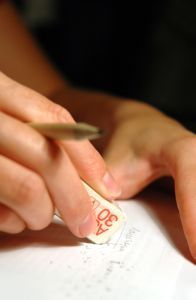 First, find someone who is smart, you trust, and will honestly tell you if a sentence doesn't make sense at all. DO NOT pick someone who says you did a great job. Yes, that's always nice to hear, but an editor is not there to build you up. A good editor will take your written work, break it apart, and rebuild something wonderful. It is always good to have more then one editor. One will notice things the other doesn't, and vise versa. Also, its good to have someone in your marketed age group to read it. Be sure to read what you've written at least twice before sending it to an editor. Next, know and except you will have several mistakes on every page. It's alright. Don't freak. Be happy there are a lot of highlighted sentences, because if the editor did not notice it, an annoyed reader will. Mistakes are how to learn anyways. Listen to your editors. They know more about editing then you do (that's why they're called an editor and you're the writer). A second opinion should always be accepted warmly. Once everything is edited, read the manuscripts over again. I always read it out loud. If that doesn't work for you, at least read the dialogue out loud. People mess up dialogue by adding to many beats (action between dialogue) or not having a clear rhythm throughout the character's words. Make sure everything's how you want it to be. Shoot for perfection and you'll land close. After everything is done, read it over one last time. Yes, its time consuming and hard and draining and you think you'd rather be writing and bla, bla, bla. 10% of making a book is writing it and 90% is editing, designing, and printing it. Even if you're not publishing your written work, the 10% and 90% applies just the same.There are several editing software for writing and I will only touch on four; StyleWriter, WhiteSmoke, Pro Writing Aid, and Autocrit. What each of these programs does is it reads through a document and records everything. Each counts how many times a word is used, which words should be erased, if something is grammatically incorrect, and so forth. Most suggest different words if another is needed, create graphs to show the length of sentences (which should all be of random lengths by the way), and dialogue tag (he said, she said) tracker. If you consider writing as a career, I highly suggest getting one of these programs. Pro Writing Aid and Autocrit offer free editing services, however it is limited. They have advanced programs, but, of course, it takes money. As for WhiteSmoke, I have not heard that many good things about it. I have not personally used it, but found it did not offer as much as the others. As for StyleWriter, there are three package deals you can get. This is the most thorough program and gives a lot of information about you story. It is not necessarily made for creative writing, as the other ones are, however it still can be useful. I suggest researching through all and finding the one that best fits your project. Well, there you have it! If you think you're amazing at editing, still have at least two to five other people read what you're working on. I'm not saying you’re dumb and can't edit correctly. Everyone thinks his or her book is amazingly written and is blind to the details. Another set of eyes is always a wise decision.Happy writing!
 First, find someone who is smart, you trust, and will honestly tell you if a sentence doesn't make sense at all. DO NOT pick someone who says you did a great job. Yes, that's always nice to hear, but an editor is not there to build you up. A good editor will take your written work, break it apart, and rebuild something wonderful. It is always good to have more then one editor. One will notice things the other doesn't, and vise versa. Also, its good to have someone in your marketed age group to read it. Be sure to read what you've written at least twice before sending it to an editor. Next, know and except you will have several mistakes on every page. It's alright. Don't freak. Be happy there are a lot of highlighted sentences, because if the editor did not notice it, an annoyed reader will. Mistakes are how to learn anyways. Listen to your editors. They know more about editing then you do (that's why they're called an editor and you're the writer). A second opinion should always be accepted warmly. Once everything is edited, read the manuscripts over again. I always read it out loud. If that doesn't work for you, at least read the dialogue out loud. People mess up dialogue by adding to many beats (action between dialogue) or not having a clear rhythm throughout the character's words. Make sure everything's how you want it to be. Shoot for perfection and you'll land close. After everything is done, read it over one last time. Yes, its time consuming and hard and draining and you think you'd rather be writing and bla, bla, bla. 10% of making a book is writing it and 90% is editing, designing, and printing it. Even if you're not publishing your written work, the 10% and 90% applies just the same.There are several editing software for writing and I will only touch on four; StyleWriter, WhiteSmoke, Pro Writing Aid, and Autocrit. What each of these programs does is it reads through a document and records everything. Each counts how many times a word is used, which words should be erased, if something is grammatically incorrect, and so forth. Most suggest different words if another is needed, create graphs to show the length of sentences (which should all be of random lengths by the way), and dialogue tag (he said, she said) tracker. If you consider writing as a career, I highly suggest getting one of these programs. Pro Writing Aid and Autocrit offer free editing services, however it is limited. They have advanced programs, but, of course, it takes money. As for WhiteSmoke, I have not heard that many good things about it. I have not personally used it, but found it did not offer as much as the others. As for StyleWriter, there are three package deals you can get. This is the most thorough program and gives a lot of information about you story. It is not necessarily made for creative writing, as the other ones are, however it still can be useful. I suggest researching through all and finding the one that best fits your project. Well, there you have it! If you think you're amazing at editing, still have at least two to five other people read what you're working on. I'm not saying you’re dumb and can't edit correctly. Everyone thinks his or her book is amazingly written and is blind to the details. Another set of eyes is always a wise decision.Happy writing!
 May 28, 2014
How to Write an Epic Hero and Villain: Part 2

A while ago, I posted a blog about how to write an awesome hero (How to Write an Epic Hero and Villain: Part 1).But now it’s time for the fun part; the villain. Dun! Dun! Ddduuunnn!I like villains. I think most people do. I did a survey at my high school and found the most liked character was the villain. Heroes are always the same; they're mostly good and they win and save everyone in the process. The villains thought . . . they're all a little different and they do what everyone wants to do.In my mind, there are three main of villain to choose from: there is the villain who knows what they're doing is wrong and hates it, the villain who believes what they're doing is right, and the villain that knows what they are doing is wrong, but does it anyway with a smile. There’s other types of bad guys, but here’s something to get you started.Now, the villain who knows what he/she does is wrong and hates it is, in my opinion, not a cool bad guy. They are being forced into doing something by someone else. That someone else is stronger than the villain, therefore the mystery person is the true nasty person. The hero has a chance to save the secondary villain from the true villain, thus uniting, and somewhat not being at odds with one another anymore. Conflict, then, is closed as they focus on overtaking the mystery person who once controlled the villain. Understand?Then there's the villain who believes what he/she is doing is right. These ones are fun because it is extremely difficult to stop someone from finishing what they believe with all their heart it good. The hero would have to convince the villain’s core belief, how they see the world, and who they are is bad. People don't take things like that lightly and it would be hard to stop/convince such a person. On the flip side, if a villain believes what they are doing is right, that means they have some morals of right and wrong. Yes, screwed up morals, but morals none the less. Because they acknowledge there is such a thing as wrong, there is a chance they can be convinced their actions are bad.But! There's the villain who knows what he/she is doing wrong, doesn't care, and loves it all the same. This, ladies and gentlemen, is evil in its purest form. This villain cannot be convinced their ways are wrong because they already know. They also cannot be convinced to change because they love what they do. Their drive is not greed, or vengeance, or lust (though it can be the secondary reason). Their primary drive is to have fun. It’s all a game to them. Just a game that everyone else should play. A sick minded individual you could say. As I said with the hero, a villain must be believable. There must be a reason behind what they do. And it can’t always be revenge! That’s like one of the most common villain traits! It’s a cliché and overrated. Pick something else. Just as heroes should have a bad side, most villains should have a good side. Some bad guys are straight up wacked and have nothing good about them, but for the most part there should be at least one good thing about the villain. They should love and care for their mom. They like to plant flowers. They’re good with kids. They like fish and care for them. They enjoy opera and dreamed of singing on stage someday. Again, there must be a reason behind their good traits. (Their mom was the only one who loved the, flowers are pretty even when it rains, kids are innocent and can’t see the villain’s darkness, he/she relates to fish, trapped and confined to a tank, and the only compliment they ever got was they sang like an angel.) By the way, villains aren't fearless. Somewhere along the lines bad guys are written as heartless fiends who don’t feel anything. Villains can be afraid too. They can doubt themselves and hesitate. These are just options. Please make a unique villain for the world to fear/enjoy. Without them, a story’s empty. Happy writing!
Exercise:Pretend you are a villain. Write down all the things you honestly would do if you were a bad guy. Below each dastardly thing, wright the reason why you’d do it. Below the reason why, explain. Dig deep. “But I’m a perfect person, Heather. I’d do nothing wrong.”Everyone’s got something, even its littering on the road.
Next, create a villain with similar traits (you wrote your villainous side first as an anchor to keep this exercise close to reality). Dig into their past, see what makes them tick, and don’t exaggerate. Keep it believable. Once you’re done, write a scene with your new, amazing villain and have someone read it. What do they think?
Have fun with this. Remember, a villain’s someone who does what we all want to do.
Pictures Say a Thousand Words
Your opinion matters. A lot. And that's what I need right now; your opinion.
By Christmas this year, Lord willing, I'm going to publish the first book in a new trilogy; "Hearts of Glass: Shattered Lives". The photo shoot for the book cover went wonderfully and two of my amazing friends, Katie Arnzen (the genius behind the camera) and Mikaela Martin (the beautiful poser) helped a great deal.
Here's where you come in.
Below are three of the pictures that could be the book cover. I can't decide between them. Pick which one you like and go to my Facebook page (Heather R. Acquistapace - The Word Artist), like the page, then like/comment on which picture you want to see for the cover. There's other pictures from the photo shoot too and if you like them, please leave a comment.
Thanks so much for your vote!
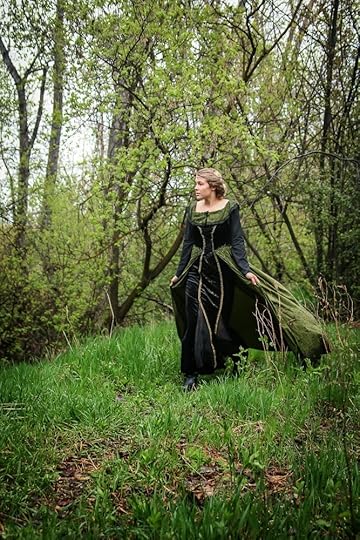
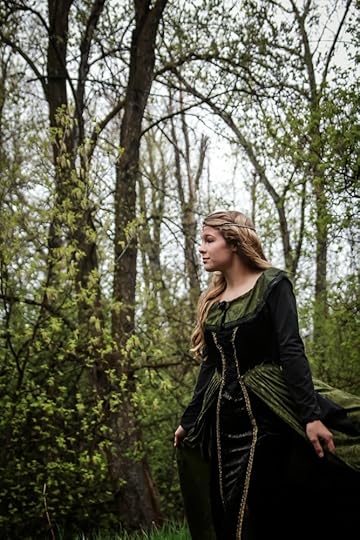
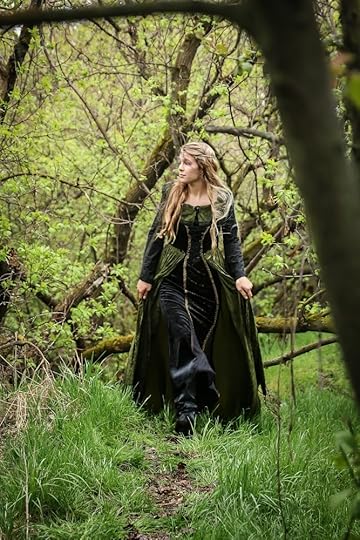
By Christmas this year, Lord willing, I'm going to publish the first book in a new trilogy; "Hearts of Glass: Shattered Lives". The photo shoot for the book cover went wonderfully and two of my amazing friends, Katie Arnzen (the genius behind the camera) and Mikaela Martin (the beautiful poser) helped a great deal.
Here's where you come in.
Below are three of the pictures that could be the book cover. I can't decide between them. Pick which one you like and go to my Facebook page (Heather R. Acquistapace - The Word Artist), like the page, then like/comment on which picture you want to see for the cover. There's other pictures from the photo shoot too and if you like them, please leave a comment.
Thanks so much for your vote!


How to Write an Epic Hero and Villain: Part 1
Good vs. evil. That's what it's always about; stories of conflict between two things, may it be man, nature, or beast. The hero and villain are what shape the story and without them, there is no tale. Both characters SHOULD be deep, real, and have a reason behind their choices of good or evil. Too many stories these days just have the hero as good moral Jo that saves people without hesitation and evil Frank who always wears black and never smiles. But that isn't a worthy hero/villain. There's not depth to that. So! Do you want to learn what makes a superb hero and dastardly villain? Good. Buckle up. Let's begin.We'll start with the hero. The next post will be about villain. The definition of a protagonist (hero) is the main character of a drama or other literary words and the leader/principal person in a movement/cause. That's all a hero has to be: some dude or chick who has enough morals, guts, will, and so on to challenge ______. We all know that, don't we?
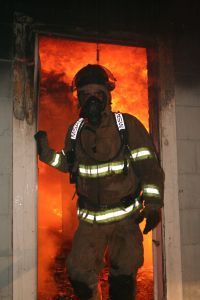 Here's the kicker that separates some good guy from a person we revere. First, as I have said several times before, make the characters real (read about how to do so in my How to Make Unrealisticness Real blog). Make the hero as real as you can. For instance, have you ever met anyone who would risk their life for a stranger? If so, great. But most likely you have not. People aren't naturally heroic. People are self-center, self-indulging, and uncaring life forms. So, how do you make a realistic hero? They must have a believable reason behind their urge to help/save/fight for _____. What is their motive? "Well, Heather, that's silly! They have the common good in mind!" Give me a break. No one's like that.Do they help others because that's how they build themselves up? Are they so afraid to let people see who they really are, they constantly help/save/whatever so people see only that side of them? Do they base their identity on what good things they do? Or. Are they really not that good at all and do good things to pay off a debt, are being forced to help others, or want something in return? No one's a natural hero. Everyone has their little dark secrets; desires that would surprise most. To make a hero real, you must give them flaws. Too many heroes are flawless, but in real life no one’s like that. What does the hero do wrong? Who do they hurt? What are their insecurities? That's a big one, insecurities. We all have them, no matter how hard we try to hide it. Insecurities make people do odd things, things that don't fit their personality, things that change who they are from the inside out. The hero, or any character for that matter, should mirror that.Clichés are stupid. The hero doesn't have to get the girl/boy. He/she doesn't have to be attractive. They don't have to be related to the villain in some way or another. The hero’s parents don’t have to die or a loved one be gunned down by the villain. And, IF they are victorious, there doesn't have to be a party. Do something new. Please! You have an amazing imagination and can come up with exciting, fresh things! No more stale endings we've all seen a thousand times! You and the hero can do it. I know you can.A hero can be anyone, even bad people, who decide to do what’s right for a moment in time. The key is to find the balance between complete chivalry and accurate responses to the story’s events. It’s a tricky balance, but you’ll find it. Always ask yourself, is the hero’s actions realistic? That’s always the best question. You’ll find the balance, though. I know you will.Happy Writing!
Exercise:Look up real events in which a person risks their lives to save others. Watch/read what they did, interviews with the person and what they think of their actions, and how others react. Take a piece of paper, draw a line down the middle, and wright on one side the modern hero’s common traits (work, family, were they live, their place in society, where they went to school, etc.). On the other side write the uncommon things they do/did (what made them a modern hero). Brainstorm what compelled the person to disregard their own safety and help others.
Use what you find to write a more compelling and believable hero.
 Here's the kicker that separates some good guy from a person we revere. First, as I have said several times before, make the characters real (read about how to do so in my How to Make Unrealisticness Real blog). Make the hero as real as you can. For instance, have you ever met anyone who would risk their life for a stranger? If so, great. But most likely you have not. People aren't naturally heroic. People are self-center, self-indulging, and uncaring life forms. So, how do you make a realistic hero? They must have a believable reason behind their urge to help/save/fight for _____. What is their motive? "Well, Heather, that's silly! They have the common good in mind!" Give me a break. No one's like that.Do they help others because that's how they build themselves up? Are they so afraid to let people see who they really are, they constantly help/save/whatever so people see only that side of them? Do they base their identity on what good things they do? Or. Are they really not that good at all and do good things to pay off a debt, are being forced to help others, or want something in return? No one's a natural hero. Everyone has their little dark secrets; desires that would surprise most. To make a hero real, you must give them flaws. Too many heroes are flawless, but in real life no one’s like that. What does the hero do wrong? Who do they hurt? What are their insecurities? That's a big one, insecurities. We all have them, no matter how hard we try to hide it. Insecurities make people do odd things, things that don't fit their personality, things that change who they are from the inside out. The hero, or any character for that matter, should mirror that.Clichés are stupid. The hero doesn't have to get the girl/boy. He/she doesn't have to be attractive. They don't have to be related to the villain in some way or another. The hero’s parents don’t have to die or a loved one be gunned down by the villain. And, IF they are victorious, there doesn't have to be a party. Do something new. Please! You have an amazing imagination and can come up with exciting, fresh things! No more stale endings we've all seen a thousand times! You and the hero can do it. I know you can.A hero can be anyone, even bad people, who decide to do what’s right for a moment in time. The key is to find the balance between complete chivalry and accurate responses to the story’s events. It’s a tricky balance, but you’ll find it. Always ask yourself, is the hero’s actions realistic? That’s always the best question. You’ll find the balance, though. I know you will.Happy Writing!
 Exercise:Look up real events in which a person risks their lives to save others. Watch/read what they did, interviews with the person and what they think of their actions, and how others react. Take a piece of paper, draw a line down the middle, and wright on one side the modern hero’s common traits (work, family, were they live, their place in society, where they went to school, etc.). On the other side write the uncommon things they do/did (what made them a modern hero). Brainstorm what compelled the person to disregard their own safety and help others.
Use what you find to write a more compelling and believable hero.
May 8, 2014
How to Write a Story
How do you write a story? When I talk with people about writing, I found the majority have a story to tell, but don't know how to begin. I'll be honest with you, writing is difficult. But! Not impossible.
How I think of and develop a story is by asking a lot of questions. Think of yourself as a historian and you are looking for a detailed account during such and such a time, in which your story took place (AKA view your story as history, not some tale you came up). It is up to you to discover it for only you can write it! Discovery comes with questions.
First, there is initial inspiring question (which I call the What If Factor); the question that the story is built on. Throughout the creation of the story, this question holds all things together. Examples of this are: What if buried treasure was cursed and those who stole it never die? (Pirates of the Caribbean) What if vampires are real and a normal high school girl fell in love with one? (Twilight) What if toys came to life when children left the room? (Toy Story) This is the first building block that is set on the foundation of the story. It also is a very cool question to come up with. I like to sit back, on a long drive or something like that, and let my mind ask anything it wants. Most of the time its crazy, but unique ideas are what people are looking for. Something new. Something fresh.
Once you have the What If Factor, start asking more questions. For teaching purposes, let's say my what if question is: What if animals suddenly could talk? (Oh! wouldn't that be cool!) My next question would show me the bare bone outline of the story. What are people's reactions to animals talking? Would people hate them? Love them? Worship them? Would a few want to kill them all? Would others want to bring them into society as if they are equal with humans? Would their be animal prejudice? What about the animals? Are they surprised they can talk? Are they happy? Sad? Afraid? What do they say? Do they want to be equal with humans or do they want to still live in the wild? Basically, what is the effects of animals talking?
Let's say the world is divided; some people think animals should become equal to humans, and others think animals are just animals and should be treated no less. Great! Division! Without conflict, there is no story, so stir up the chaos, the revenge, greed, tension, whatever's going to make your conflict. Now that we know there's division, how does that effect the world? It's all about cause and effect, cause and effect, and with every cause, there is an effect that should further the conflict in the story to keep it going.
Zoos would have to be shut down. Everyone would become vegetarians and millions of people in the meat industry would be out of a job all over the world. Animals, now with a say, could decide if they wanted to work in the field or in an office. Homes, buildings, transportation, businesses, and day to day living would be made differently as to accommodate animals' size, abilities, habits, and needs (and, being the amazing writer you are, you have to come up with different jobs, transportation, building designs, and so on. Don’t just say things have changed, show what specifically and how).
 Hunting would be illegal. What if the people who don't see animals as equals hunt them anyways? What is the penalty? Would the people who threw out unwanted puppies, hunted, flushed goldfish, and so forth before animals could talk going to jail? Are the animals mad at the people who neglected them, beat them, used their family as food? How do they respond?
Can you see the hostility? The tension in the air? Good. Next you ask yourself a very important question. Why? Why write this story? What is the point you are trying to make? Do you want to convince your reader animals are not treated fairly? Is this a book about rights as a whole, not just animal rights? What are you trying to teach, say, persuade? A story without a hidden message is fine, but if there is meaning behind the plot, it will stick in the readers mind even more.
Now that the bare bone outline of the story is figured out, we dive even deeper. Who is the main character? Is it an animal? A human? Is there two main characters, one human and one animal? What is their opinion of the situation? How do they respond to the chaos around them? Are they angry? Overwhelmed? Unsure? What do other people/animals say they should do? Do they agree or disagree? Do they brake the law and kill the humans/animals who have hurt them in the past? Do they riot? Do they hide in a cave/house? Remember to make the characters as realistic as possible as to make the story believable, which you can read how to do in my How to Make Unrealisticness Real blog post.
Once you have the characters, the setting, the conflict, its time for the nitty-gritty details. What are the detailed effects of the character(s) small discussions? How far will they go to follow what they believe? Do they doubts what they believe? What makes them doubt? What or who blocks their goals, believes, way to success, survival, etc. How will they overcome the obstetrical (i.e. villain)? Will they overcome?
To find the end of a story is not by picking a nice, warm fuzzy scene where everyone rides off into the sunset. The end is where all the causes and effects come to a close, no matter how bad or good it is. Yes, its good to end a story in a happy way, but some story were never meant to end in a happy light. In my Hearts of Glass series (which the first book will be published by the end of this year) ends in a odd way. I tried to write it so that everyone good wins, but all the causes and effects said no. The effect is not a typical ending. Sometimes the ending is bad, but you can still make it good. The very last feeling you give your reader is what they will remember. Think of Braveheart, Titanic, or Gladiator. All of the heroes die in the end, but the movies end by giving the audience a happy feel. Braveheart and Gladiator end with the heroes dying to be at peace with the woman they love. Titanic ends with Rose making peace with Jack’s death.
This is a brief overview of how to create a story. If you can't seem to discover an angle to your tale, keep asking questions. The answers are there, just keep looking. The more you ask, the more you will discover, the more you'll know, and the clearer your story will be. Yes, it takes work, but everything beautiful takes time.
Happy writing!
How I think of and develop a story is by asking a lot of questions. Think of yourself as a historian and you are looking for a detailed account during such and such a time, in which your story took place (AKA view your story as history, not some tale you came up). It is up to you to discover it for only you can write it! Discovery comes with questions.
First, there is initial inspiring question (which I call the What If Factor); the question that the story is built on. Throughout the creation of the story, this question holds all things together. Examples of this are: What if buried treasure was cursed and those who stole it never die? (Pirates of the Caribbean) What if vampires are real and a normal high school girl fell in love with one? (Twilight) What if toys came to life when children left the room? (Toy Story) This is the first building block that is set on the foundation of the story. It also is a very cool question to come up with. I like to sit back, on a long drive or something like that, and let my mind ask anything it wants. Most of the time its crazy, but unique ideas are what people are looking for. Something new. Something fresh.
Once you have the What If Factor, start asking more questions. For teaching purposes, let's say my what if question is: What if animals suddenly could talk? (Oh! wouldn't that be cool!) My next question would show me the bare bone outline of the story. What are people's reactions to animals talking? Would people hate them? Love them? Worship them? Would a few want to kill them all? Would others want to bring them into society as if they are equal with humans? Would their be animal prejudice? What about the animals? Are they surprised they can talk? Are they happy? Sad? Afraid? What do they say? Do they want to be equal with humans or do they want to still live in the wild? Basically, what is the effects of animals talking?
Let's say the world is divided; some people think animals should become equal to humans, and others think animals are just animals and should be treated no less. Great! Division! Without conflict, there is no story, so stir up the chaos, the revenge, greed, tension, whatever's going to make your conflict. Now that we know there's division, how does that effect the world? It's all about cause and effect, cause and effect, and with every cause, there is an effect that should further the conflict in the story to keep it going.
Zoos would have to be shut down. Everyone would become vegetarians and millions of people in the meat industry would be out of a job all over the world. Animals, now with a say, could decide if they wanted to work in the field or in an office. Homes, buildings, transportation, businesses, and day to day living would be made differently as to accommodate animals' size, abilities, habits, and needs (and, being the amazing writer you are, you have to come up with different jobs, transportation, building designs, and so on. Don’t just say things have changed, show what specifically and how).
 Hunting would be illegal. What if the people who don't see animals as equals hunt them anyways? What is the penalty? Would the people who threw out unwanted puppies, hunted, flushed goldfish, and so forth before animals could talk going to jail? Are the animals mad at the people who neglected them, beat them, used their family as food? How do they respond?
Can you see the hostility? The tension in the air? Good. Next you ask yourself a very important question. Why? Why write this story? What is the point you are trying to make? Do you want to convince your reader animals are not treated fairly? Is this a book about rights as a whole, not just animal rights? What are you trying to teach, say, persuade? A story without a hidden message is fine, but if there is meaning behind the plot, it will stick in the readers mind even more.
Now that the bare bone outline of the story is figured out, we dive even deeper. Who is the main character? Is it an animal? A human? Is there two main characters, one human and one animal? What is their opinion of the situation? How do they respond to the chaos around them? Are they angry? Overwhelmed? Unsure? What do other people/animals say they should do? Do they agree or disagree? Do they brake the law and kill the humans/animals who have hurt them in the past? Do they riot? Do they hide in a cave/house? Remember to make the characters as realistic as possible as to make the story believable, which you can read how to do in my How to Make Unrealisticness Real blog post.
Once you have the characters, the setting, the conflict, its time for the nitty-gritty details. What are the detailed effects of the character(s) small discussions? How far will they go to follow what they believe? Do they doubts what they believe? What makes them doubt? What or who blocks their goals, believes, way to success, survival, etc. How will they overcome the obstetrical (i.e. villain)? Will they overcome?
To find the end of a story is not by picking a nice, warm fuzzy scene where everyone rides off into the sunset. The end is where all the causes and effects come to a close, no matter how bad or good it is. Yes, its good to end a story in a happy way, but some story were never meant to end in a happy light. In my Hearts of Glass series (which the first book will be published by the end of this year) ends in a odd way. I tried to write it so that everyone good wins, but all the causes and effects said no. The effect is not a typical ending. Sometimes the ending is bad, but you can still make it good. The very last feeling you give your reader is what they will remember. Think of Braveheart, Titanic, or Gladiator. All of the heroes die in the end, but the movies end by giving the audience a happy feel. Braveheart and Gladiator end with the heroes dying to be at peace with the woman they love. Titanic ends with Rose making peace with Jack’s death.
This is a brief overview of how to create a story. If you can't seem to discover an angle to your tale, keep asking questions. The answers are there, just keep looking. The more you ask, the more you will discover, the more you'll know, and the clearer your story will be. Yes, it takes work, but everything beautiful takes time.
Happy writing!


