Annie Cardi's Blog, page 70
October 10, 2012
Links Galore
A few more links for today:
Congratulations to all the National Book Award finalists!
A moving piece about empathy and the work of Lois Lowry.
Love this series of photographs inspired by YA novels. Some of them are even better than the actual cover art. (H/T Tess Sharpe)
You probably know Curious George, but did you know that authors Hans and Margaret Rey narrowly escaped Nazi-occupied Europe? (Make sure to check out Sarah Albee’s site for lots of exciting historical trivia.)


Animated Poetry
Another grey, drizzly day. Perfect time for a little humor and poetry, care of Billy Collins and his TED talk. Here, Collins reads his poems with some animated accompaniment. The videos are really lovely:
(H/T Book Riot)


October 9, 2012
Ravens and Research
It’s a gray, drizzly day here, which is the perfect kind of day to pick up The Raven Boys by Maggie Stiefvater if you haven’t already. It’s got ghosts and psychics and boarding school boys–the perfect combination for fall reading. Fellow 2014 debut author Julie Murphy sent me her copy and I loved it; thanks, Julie!
If you have read the book and you wish you had more until the sequel is released, or if you haven’t read the book and you’re interest in peaked, you should check out this interview with Maggie Stiefvater. Read about Stiefvator’s research process, and see images of the real Gansey notebook:
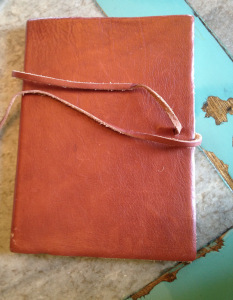
Fangirling out over here. I also love that there is a real journal–it makes me wonder about other fictional artifacts and what an author needs to physically create to understand her characters. Have you ever created anything for your characters?
Make sure to check out the whole interview through the link.


October 8, 2012
Lois Lowry on Reading as a Child
From this interview with Lois Lowry:
“Early on I came to realize something, and it came from the mail I received from kids. That is, kids at that pivotal age, 12, 13 or 14, they’re still deeply affected by what they read, some are changed by what they read, books can change the way they feel about the world in general. I don’t think that’s true of adults as much. I’m an adult, I read, I’m no longer going to be changed by it. I think writing for kids is profoundly important.”
This is one aspect of writing for children and young adults I find particularly exciting. When you love a book at that age, that book belongs to you in such a deep, personal way that stays with you for your entire life. I know that Lowry’s books, particularly The Giver, changed me as a reader and I will forever consider The Giver one of my favorite books.
That isn’t to say that you can’t feel passionately about adult books, but it’s a totally different reading experience. But as Lowry says, you’re much more likely to have your worldview already formed as an adult reader. Maybe you’ll feel affected by a particular book, but it’s not the same kind of life-altering reading you get as a child.
Make sure to read the rest of the article for more good thoughts about children’s literature from a master author.


October 5, 2012
Friday Fifteen
Happy Friday everyone! Feeling even better because it’s a long weekend. Onto the Friday Fifteen, in which I review five books in fifteen words or less.
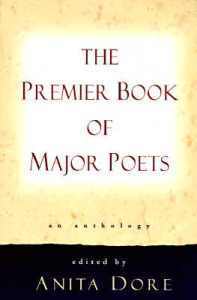 1. The Premier Book of Major Poets: an Anthology ed. by Anita Dore
All the heavy-hitters, arranged by theme. Walt gave me his copy early in our relationship.
2. How to Eat: The Pleasures and Principles of Good Food by Nigella Lawson
More of a conversation with a chef than a standard cookbook. Really enjoy her ideas, though.
3. The Goldsmith’s Daughter by Tanya Landman
Wish I had this when I was 12 and reading about the Aztecs in class.
4. Harry Potter and the Chamber of Secrets by JK Rowling
Love how the series circled back to this. But JK, seriously, why the spiders? Terrifying!
5. The Polar Express by Chris Van Allsburg
A Christmas favorite, plus Allsburg’s beautiful art.


Links Galore
The links I’ve been hoarding this week:
Some fantastic tips for new projects in this post about what makes a book sell.
An adorably bookish proposal.
Lois Lowry on A Tree Grows in Brooklyn. So much goodness.
Songs fictional characters listen to.
All the grisly grizzly details and lots more fun with commonly misused words.
Could your first line stand up to the openings from these awesome children’s novels?


Jumping Jacks and Minute Historical Details Don’t Get the Writing Done, and Other Advice
Sherman Alexie writes poetry, short stories, novels for adults, novels for teens–and does all of this really well. So when he shares his advice for writers, we should probably all listen up. A couple of points I like in particular:
7. Don’t have any writing ceremonies. They’re just a way to stop you from writing.
At first I thought he meant ceremonies like the Nobel Prize Award Ceremony, and I thought “Man, that’s harsh.” But then I realized he means those silly things we think help us write, like having the right mug for your coffee or sitting beside a window or doing jumping jacks. Maybe those help get you in the right frame of mind, but they’re not what gets the writing done. You get the writing done. So write.
4. In fiction, research is overrated. But that means readers will write you correcting all of your minor biographical, geographical and historical errors. If you like, make those corrections in the paperback, but don’t sweat it too much.
This is actually a big relief. I tend to get worried about the “real” stuff in novels–what if someone is offended by my lack of authenticity about 17th century merchant ships? Unless your book is majorly about 17th century merchant ships, no one really cares if you miss a detail or two. As long as the characters are real and you don’t make any ridiculous mistakes (“When did Mars start being the closest planet to the sun?”), I’ll keep reading.
Make sure to click through for the rest of Alexie’s suggestions.


October 4, 2012
100 Artists for Literacy
Love these redesigned book covers. They were created by 100 artists for DoeDeMee, a project dedicated to raising awareness of illiteracy. (For each poster version sold, a portion of the money is given to UNESCO projects in Africa.)
My favorite:

I might actually need this Northern Lights poster by Hamish Steele.
Check out the whole collection to find your favorite.


Other People Have Your Ideas and That’s Okay
Love this post by Natalie Whipple about ideas.
The bad part: other people will have your awesome ideas.

Oh, hey. I’m just writing that bestselling novel about the same thing your novel’s about.
Sure, they won’t be exactly the same, but maybe someone else out there is also writing a book about a magic hat/boy who talks to wolves/kickboxing grandma. Maybe both of you will even get published around the same time. Maybe the other writer is someone super famous.
It’s a scary thought. No one wants to be the writer who misses out on a big idea. No one hears about a guy who wrote some other book about a white whale and a crazy captain with a missing leg. What if someone is out there right now, writing your book?
The good part: that’s okay.
First, no one else can write your book. It’s your book, from your imagination and experiences. Even if you write a book about a white whale and a crazy captain, it’s going to be different than Moby-Dick because you and Melville are different writers. And maybe they’ll both be awesome. Writing isn’t like a
Second, Whipple talks about how books don’t exist in a vacuum. If a reader picks up book A, thinking “Huh, magic hat, sounds interesting” and loves it, that reader might also pick up book B because they still love magic hats. Sure, you could be concerned about comparisons between the two, but if both books are written by talented people who care about craft and story, I think the reader can appreciate both.
Case in point–dystopian YA novels. It’s been a major trend in recent years, thanks in large part due to The Hunger Games. I’m sure a lot of writers were crafting their dystopian worlds when The Hunger Games hit and they thought “No, that was my idea!” And I compare a lot of YA to The Hunger Games. Still, that doesn’t mean I haven’t found other dystopian novels I’ve loved.
Whipple says it well: “But ultimately this whole experience has taught me that publishing isn’t really a competition. It’s a big web of connected creativity that all of us can benefit from.” The more creativity and stories we have, the better. And we all bring different viewpoints and voices into these stories, even if they’re all about kickboxing grandmas.
(image: Dean Wissing)


October 3, 2012
Buttons and Bookmarks
Vintage button bookmarks? It’s like someone’s taking a look at my “favorite things” list.
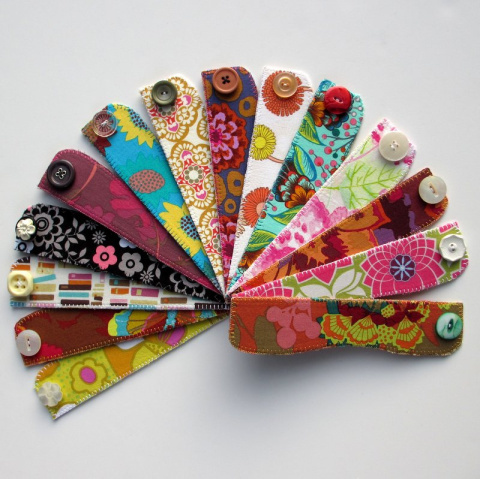
(image: Jayne Marie TN)(via Booklover)