Annie Cardi's Blog, page 64
November 26, 2012
On TV, No One Revises and Book Contacts Aren’t Scary
If you’re a writer, you might be used to your family and friends asking certain questions about the publishing process. Questions like, “Is your book out yet?” and “Why don’t you just send it to the publisher?” Generally, these questions aren’t intended to frustrate you or make you grit your teeth as you reply, “It takes a while.” Most people don’t know much about the writing or publishing process, and all they can base their assumptions on is what they see in movies.
YA Highway has a pretty great take-down of TV/Movie Publishing vs. Real Publishing, such as:
“1. Books Are Published Over Night
I noticed this one most recently on Gossip Girl when Dan, one of the main characters, ended up with a book deal. The means by which he got that deal were one thing – totally unrealistic is an understatement – but even more ridiculous was the timing. The book was published just two or three months later. In reality, books usually take closer to a year or even two to publish after being sold.”
I would say that books usually take closer to two or there years to publish after being sold. There’s stuff to do, guys! Editorial! Marketing! Sales! It takes times!
Another I’d add would be that in movies/on TV, the first draft of anything is pretty much perfect. You write your novel, submit it to your editor, and you’re good to go. In real life, the revision/editorial process takes a lot of time.
Also, a lot of the time I see people in publishing depicted as cold and only caring about the bottom line. Even though publishers obviously have to care about sales, the majority of people I’ve met in publishing have been people who actively care about books. They got into the job because they love books, not to make a ton of money. For the most part, everyone is hardworking and encouraging and thoughtful. It’s a great industry, really!
Make sure to check out the whole list. It’s especially helpful if you’re at home for Thanksgiving and need an explanation for why people can’t buy your book at Barnes and Noble yet.


November 22, 2012
Friday Fifteen
Happy Friday everyone! Instead of braving the store for Black Friday sales, enjoy these fifteen-word book reviews:
 1. The Small Rain by Madeleine L’Engle
Quiet and lovely, if not as immediately compelling as most L’Engle novels.
2. The Penguin Dictionary of Literary Terms and Literary Theory, ed. John Anthony Cuddon
A necessity for those English major papers.
3. American Woman by Susan Choi
Fictional take on Patty Heart. Cool concept, but didn’t keep pace.
4. The Teen Model Mystery (Nancy Drew Mystery #125) by Carolyn Keene
Only Nancy Drew I read. This was before the era of America’s Next Top Model.
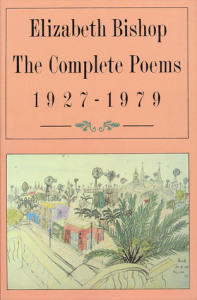
5. The Complete Poems, 1927-1979 by Elizabeth Bishop
Bishop is a favorite. This collection includes classics like “Questions of Travel” and “One Art.”


November 21, 2012
The Bookshelf Compatability Test
At A Cup of Jo, Joanna asks what the ideal bookshelf consists of and if you’ve ever connected with some via their bookshelf. I can definitely see a bookshelf and its contents as something that forges bonds. Whenever I go to a friend’s house for a first time, I totally check out their book collection. It’s a glimpse into someone’s life and mind–do they read a lot of biographies? Poetry? Do they have a lot of travel books? It’s even more exciting when you find books that mirror your own collection, too.
Sometimes I’m afraid that I’m being rude. I mean, I’m blatantly checking out (and judging) someone’s book collection. At the very least, it borders on browsing. But I’m just so curious about what people choose to read and how it connects with their lives.
In case you’re curious about my bookshelves, here’s a glimpse:

On the side of connecting books with the reader: The Goose Girl and Tuck Everlasting are signed copies from readings with their respective authors (yay!). The book of poetry was a gift from Walt early on in our relationship. Virginia Woolf, Philip Pullman, and Roddy Doyle are a few favorites. And I won the Norton in my college Shakespeare class (which was awesome) after writing a ransom note in which I demanded a Norton in exchange for William Shakespeare himself.
How do your bookshelves tell others about you? Do you check out friends’ bookshelves when visiting their homes?


Teens #MustacheYouToRead
Depending on how hirsute your friends are, you may or may not know that November is Movember, a pretty fun time for guys to try out some new facial hair (handlebar mustache!).
But the coolest Movember project I’ve seen is by the Glendale Public Library Teen Services. They’re sharing pictures of readers posing with creative “mustaches” and books they recommend–ie, books they #MustacheYouToRead–on Twitter and Facebook. And you can join them:
“We’d love to see #MustacheYouToRead trend, so if you have any books you’d like to recommend, tweet them to us (or post them here) and let’s let the world know about all the awesome books teens are reading!”
Remember, you don’t need real facial hair to join in. Cut out a paper mustache or even use your finger. Share your recommended reads with the hashtag #MustacheYouToRead. Dumbledore is already on it.


November 20, 2012
Links Galore
A few more links for today:
Looking forward to these contemporary YA titles coming out in 2013.
Both are awesome, and there’s a lot of crossover, but children’s lit is different from YA.
A hilarious response to a certain article looking down on e-reading.
Liz looks at crossovers/crossunders with the sharpness of Regina George.
Attention Nerdfighters! Submit your very best John Green trivia questions to Penguin Teen. (H/T Patrick)


Quote of the Day
 “Perhaps I write for no one. Perhaps for the same person children are writing for when they scrawl their names in the snow.”–Margaret Atwood
(H/T Literary Writers)(image: limaoscarjuliet)


November 19, 2012
Meg Rosoff and the Struggle
Martha Brockenbrough has a great interview with Meg Rosoff. One part I especially liked:
“Holy cow but your stories are courageous. I don’t want to spoil things for readers who haven’t read all your titles yet, but you’ve dealt with war, with sex boundaries, with religion. What is it about difficult topics that attracts you?
I don’t set out to deal with “difficult” subjects. I’m just interested in the things that puzzled me as a kid, in my teens, 20s, 30s, in my 40s. Now. Why do people fall in love and why do they not….why do some people believe in god (I never did). Why are some people straight and some gay? Where does identity come from? How do you know who you are? How do you find out? Why does my mother say no one will marry me if I don’t wear more pink? (not that I hold a grudge)
All the subjects that I found so difficult during my adolescence (which is still trundling on to an embarrassing extent in my, ahem, 50s) like family ties, and chemistry, and gender, and what saves people from themselves….I had such a long struggle to see life in focus that I’m a bit obsessed with the struggle.”
This idea of examining the struggle is one reason I find literature in general so compelling. It can be hard enough to examine these kinds of questions on your own; reading can help you better understand others and your own place in the universe.
Also, I like that these are questions and issues that span across literature in general. YA doesn’t have to be lighter or fluffier than books for adults. It looks at these same questions from the perspective of people who are just starting to engage with the larger world–and I find that exciting.
Make sure to check out the full the interview; lots of good thoughts on the writing process in there, too.


Critical Reading With John Green
As part of the Crash Course, a great video by John Green on why we read critically:
I know that in middle/high school, I also asked, “But did the author really mean for us to analyze all this?” I like that John points out that authors are trying to use precise and layered and interesting language to communicate deep emotions, not just to torture English students. (That’s a bonus, of course. Mwahaha!)
Can’t wait to read the see of this series!


November 16, 2012
Friday Fifteen
Happy Friday, everybody! Let’s dive into this week’s edition of fifteen-word book reviews:
 1. 13 Little Blue Envelopes by Maureen Johnson
Fun European adventure. Would have had teen me planning my own trip.
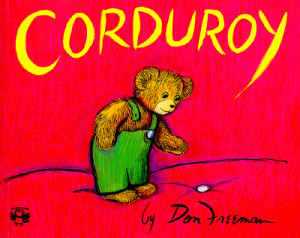
2. Corduroy by Don Freeman
I remember being really nervous that Corduroy would never find a button or a home.
3. The Waste Land by T.S. Eliot
I mentally recite “I had not thought death had undone so many,” on crowded subways.
4. Croak by Gina Damico
Lots of great death-related puns and fun world-building. Nice to see an aggressive protagonist, too.
5. It’s Thanksgiving by Jack Prelutsky
Liked this way better than real Thanksgiving as a kid (I was a picky eater).


Contemporary, with a Hook
From this post about the state of the YA market by agent/author Mandy Hubbard:
Things that ARE working:
-Contemporary, MOST ESPECIALLY with a hook. Think: THIRTEEN REASONS WHY, anything By Ally Carter, etc. The usual “coming of age” or romance is tough, but if you can find a way to zero in on a big hook, you’re in GREAT shape.
Heck yeah, contemporary! A few years ago, you’d be way more likely to hear about how contemporary wasn’t selling in comparison to bigger concepts like dystopian or paranormal. I’m glad to see things shift back a little; stories about real life can be just as powerful as anything in a dystopian landscape.
That said, I think Mandy makes a good point that everything–whether or not the market’s ready for it–has to be done well. If you have a kickass vampire series that takes the genre somewhere new and exciting, that’s going to connect with readers. If you’ve got a cool sci-fi novel or a touching contemporary story, those will connect as well. It’s all about the story and the writing.