
Matador Network's Blog, page 2065
August 24, 2015
11 essential destinations for photographing Norway’s stunning landscapes
NORWAY has a lot more to offer than it’s most visited capital city of Oslo. The nation has some of the best spots of photographic adventure due to it’s geographical variety.The countries span from north to south gives it one of the greatest diversity of environments in Europe. From colossal woodland and fjords to world famous mountains and arctic tundras, Norway has everything for people who love to photograph the outdoors.
1. Lofoten Archipelago.
The Lofoten archipelago is a photographer’s dream. Sharp mountains loom over fjords; frozen lakes, hidden beaches, traditional red cabins and unbeatable light.Visit Norway have an informative section on suggest routes and you wont be hard pushed to find a local photography tour.

Pummeling by Ryan Dyar on 500px
2. Trolltunga.
Trolltunga is situated about 1100 meters above sea level, sitting 700 metres above lake Ringedalsvatnet in Skjeggedal. The hike goes through high mountains, takes 8-10 hours in total (to Trolltunga and return) but it’s worth it for the view.
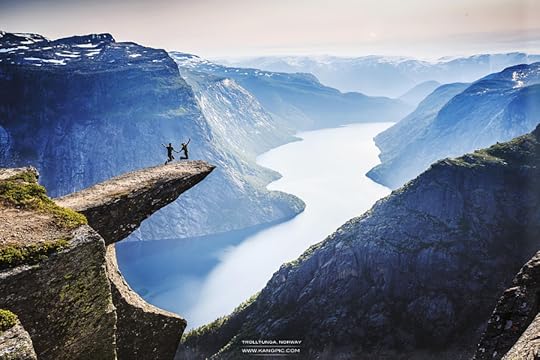
Fly over Trolltunga by Zhuokang Jia on 500px
3. Reinevågen.
Reinevågen is a small inlet in Nordland, situated between Skjånakken and Vestervalen.
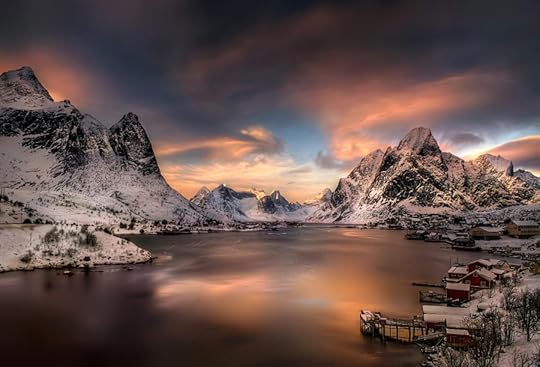
Reinevågen by Swen strOOp on 500px
4. Hamnøy.
The small fishing village of Hamnøy sits in the Moskenes region in Nordland county. The village was previously only accessible via the ferry but connection to the mainland via the highway, part of the Lofoten Mainland connection, has made hamlet easier to reach.
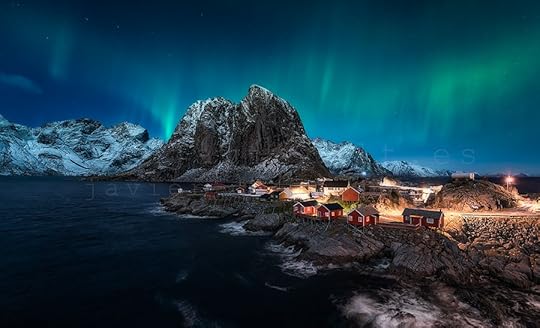
Dancing over Hamnoy by Javier de la Torre on 500px
5. Trollstigen.
Trollstigen is a famous mountain road in Rauma Municipality, Møre og Romsdal county. The road stretches 106 kilometers and is carved steep mountainsides from Trollstigfoten to Stigerøra.
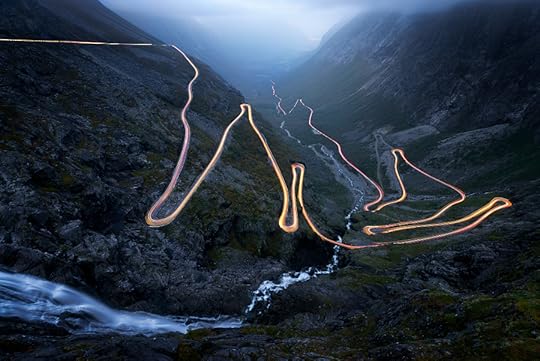
Norway , Trollstigen by pascal Kiszon on 500px
6. Senja Island.
Senja is the second largest island in Norway. The island is often referred to as “Norway in miniature”, as the island’s varied terrain emulates almost the entire span of Norwegian landscape.
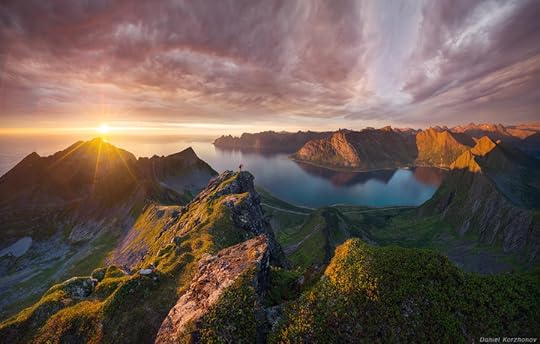
Midnight sun by Daniel Kordan on 500px
7. Hardangervidda.
Hardangervidda is a mountain plateau and is one of the largest of it’s kind in Europe. With a cold climate all year round it homes one of Norway’s most most spectacular glaciers.
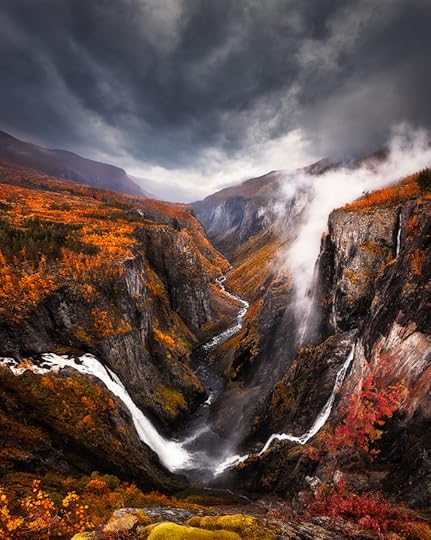
Edge of the Ledge by Stian N on 500px
8. Åndalsnes in the Romsdal Valley.
The Romsdal valley is located in the western county of Møre og Romsdal. The long, narrow valley is surrounded by towering mountains and caters for hikers and the river, Rauma, is a popular spot for fishing for salmon.
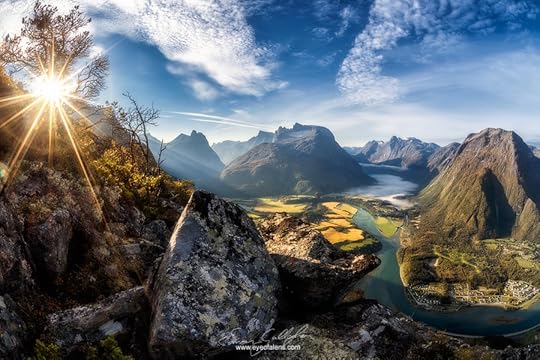
Åndalsnes Alive by Eamon Gallagher on 500px
9. Narvik.
Narvik is the third-largest city in Norway. However the region of Narvik covers a large landscape outside of the city itself. It homes a climbing area where you can enjoy the terrain of the Arctic Circle.
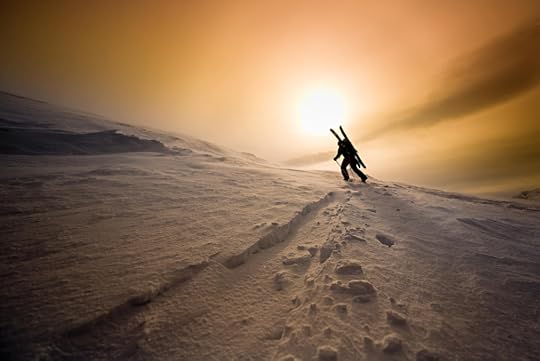
To The Top! by Adam Palander on 500px
10. Hoven, Gimsøya.
Hoven hill sits 368 meters and is one of the easiest ‘mountain’ hikes on the Lofoten Islands. It is famous for it’s 360 degree views over the islands of Vesterålen. The hike popular with families and groups of friends, a perfect place to enjoy of a clear summer evening.
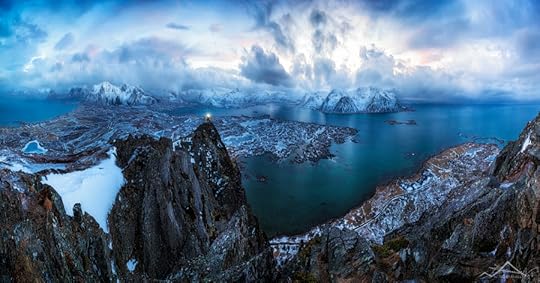
In heaven on Hoven by Nicholas Roemmelt on 500px
11. Måstadfjellet Værøy.
The Måstadfjellet nature reserve makes up the steep incline of western Værøy. The reserve has an area of 2,870 acres and is home to many protected nesting species. 
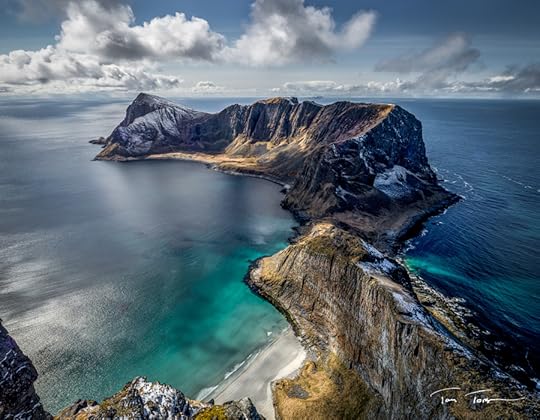
Måstadfjellet, Værøy. by Tom Torstensen on 500px


12 thoughts you have immediately after leaving Brooklyn
Photo: Lachlan Hardy
1. “Oh shit, I am going to have to drive places now…”
Perhaps one of the most frightening things about leaving New York in general is the sudden absence of comparable public transport virtually everywhere else in the country. C’mon America, you know that trains are amazingly convenient, right? Goodbye cheap, glamorous 5 AM MTA rides across the Williamsburg Bridge, hello drunken nights where I spend more money on Uber than at the bar I just left.
2. “Dear God, nature is spectacular. Is that a hummingbird outside my bedroom window? How are there trees taller than the buildings and why are there so many?”
Yeah, Betty Smith probably originally wanted to use the title “Several Trees Grow in Brooklyn” for her novel, but realized that making “tree” plural would be too outrageous a lie. It is a strange feeling leaving Brooklyn and being confronted with the reality that green isn’t just the color of the el- train tracks. Still, there was something to that “this is the filthy, barren world you deserve to live in, humanity” Mad Max-y vibe that kept me appreciating that one tree. And kept me recycling.
3. “Oy vey, why do these delis keep calling my belly lox “salmon” and why is my bagel toasted?”
As of 2012, Brooklyn is home to more than 561,000 Jews (which is almost a quarter of the population and one of the largest Jewish communities outside of Israel). And anyone who has spent a couple years in the borough knows that to live in Brooklyn is to live the privileged life of the best delis and bakeries on earth, and you just can’t help but let it rub off on you a little bit. Now you’ll have to explain to the pisher schmucks behind the counter that a toasted bagel means that you are being schtupped into eating schlock. Enjoy looking that shit up, goyim.
4.”I can’t see Manhattan- WHERE AM I?”
Most cities have some geological marker that makes it easier to know where you are in relation to everything else, but it is rare to have that single marker be an *entire* city across the East River. From 1 World Trade to the Empire State Building and the new 432 Park Ave, Brooklyn is easiest to navigate when you always have a view of the glowing spires. Without them, how does one know one’s place in the world, physically and metaphorically?
5. “Why are all the streets empty? Where are all the people?”
Games of domino, pick up basketball and general ruckus by an open fire hydrant are three activities that Brooklyn excels in, and by definition they must take place outside on the sidewalk. Sure, I may have gotten knocked over a couple of times on my way to the bodega by a toddler on a razor scooter, but damn does that feel better than listing down an endless vacant boulevard to a strip mall 7-11 in LA.
6. “This non-Brooklyn air is delicious! Hey everybody, come taste this air with me!”
Brooklyn, like any of the boroughs in New York, doesn’t often smell like roses. Usually it smells like garbage with a hint of lead and, occasionally, freshly baked bagels. Add the general air pollution of the tri-state area and the clouds of $1.50 flavored cigarillo smoke to the mix, and you have the fairly toxic concoction we fill our lungs with day-in and day-out. But part of the Brooklyn experience is spending more time outside, so we Brooklynites find ways to deal with the countless smells. When I left Brooklyn and my lungs accepted mostly-oxygen for the first time, it was almost confusing just how good it felt to, you know, breathe.
7. “I guess chicken slaughterhouses next to pricey cocktail bars isn’t so common after all…”
One of the great ironies of Brooklyn’s newfound hipness is that, despite the hype, it is still home to a lot of industry. Less suitable urban dwellers enjoying the “dining patio” might faint when the smell of chicken poop and axel grease wafts over their farm-to-table salads and cheeseburgers, but it never bothered me. In fact, I think I might actually sort of miss it.
8. “Wait, why am I getting change in quarters from my bartender? How does a craft pint only cost $3.50?”
A little trick Brooklyn bars figured out forever ago is that giving back change is a tremendous hassle that is best settled by simply rounding everything up, be it fifty cents or whole dollars — just for the heck of it. Of course, once you got in with the neighborhood, you could almost always count on a free shot of a mysterious “house mix” that the bartender threw together last-minute. But it is probably time to say goodbye to those guaranteed highways to puke-town and just enjoy the plentiful happy hours that last until 8PM and actually drop the prices of everything by half.
9. “Oh my god, I can walk outside without turning into a puddle of sweat/an icicle.”
For some reason, Brooklynites really like talking about the seasons that they get to “enjoy.” But you know what half of the year consists of? Sweating so much that your shoes make squishy sounds when you walk outside in the Summer, and feeling your hair freeze as you get bombarded with loose trash bags that have come unstuck from snow banks in the Winter. Still, now that you live in California and don’t have to deal with such perils, you almost miss the opportunity to show off your winter wardrobe of ¾ length coats and flannel scarves that took years to perfect.
10. “So I guess housing in the rest of America isn’t so cheap after all.”
Damn, fifteen hundred bucks for a studio in Portland? Well, I guess the advantage there is that you don’t have to worry about living in a six story walk up with hundred year old plumbing, a nest of rats in the basement and a super who doesn’t care that your bathroom ceiling collapsed and that you keep finding carpenter ants in your toilet. But my brownstone was so goddamn beautiful!
11. “Why the hell won’t anyone dance with me?”
Thanks to the salsa clubs, the Showtime boys on the trains, and the never-ending raves in warehouses, your dance skills are on point. You can now show up to a sleepy bar in Pittsburgh, smack a dusty jukebox and vogue the shit out of a John Denver tune without anyone uttering a word beyond, “daaaaamn.” If Brooklyn culture is about anything, it’s about bustin’ crazy new moves when those around you least expect it. And now that you can dance when you want to, you might just find that you have to leave your new friends-who-don’t-dance behind.
12. “I am not going to be able to stay away for very long, am I?
There is something about Mama Brooklyn’s robust existence that draws lovers of New York City back to it. The folks who say, “I love New York, but I would never raise my family there” have probably never spent an afternoon on a sidewalk in Bedstuy, or had a picnic in Prospect Park, or a barbecue on a rooftop in the middle of summer with their neighbors. Brooklyn may have a million more residents than Manhattan, but it still feels like the old village resting alongside the Big City. When you leave Manhattan, your friends tell you that it will always be there. When you leave Brooklyn, it’s your community that tells you that they will be there when you get back. As a customer at a bar I used to work at once told me, “you can take the Brooklyn out of the boy, but you can’t take the boy out of Brooklyn… for long.” 
Have a 4th grader in the US? Your family gets free admission to national parks. Here’s how.

Photo: Philippe Put.
Beginning in the 2015-16 school year, fourth graders in the US and their families will be entitled to free admission to America’s national parks, federal lands and waters.
Part of the White House’s “Every Kid in the Park” initiative, this program is made possible by the National Park Service and National Park Foundation.
The objective is to introduce kids to outdoor recreation. Students just need to sign up online and they will then get a voucher that grants entrance to the student and a carload of passengers to federal recreation areas for one year.

More like this 20 coolest places to camp with kids in the US
“There’s a difference between seeing a grizzly bear and two cubs on TV and on a screen and seeing them there [in the park],” said Dan Wenk, the interim president of the National Park Foundation.
So let’s spread the word on this opportunity and get more US kids and their families seeing firsthand that nature can be one of the best educational experiences out there. 
The 10 most underrated music cities in America
by Amanda Machado
#wedge-0 { background-image: url('http://cdn1.matadornetwork.com/blogs/...') }@media(min-width:560px){ #wedge-0 { background-image: url('http://cdn1.matadornetwork.com/blogs/...') } }@media(min-width:1200px){ #wedge-0 { background-image: url('http://cdn1.matadornetwork.com/blogs/...') } }
In 2014, the Washington Post asked if music could save your neighborhood. These ten cities prove it can. These cities took their musical history and revived it, or found a way to redefine themselves with today’s sound. Or, they built a music culture from nothing by forming community radio stations, hosting concerts on rooftops, or making music venues out of courthouse lawns. And by investing in music, they not only created a music scene but an entire city culture that’s making residents linger, excited to see what happens next.
Music can lift a city like almost nothing else can. Here are ten cities that show you how.
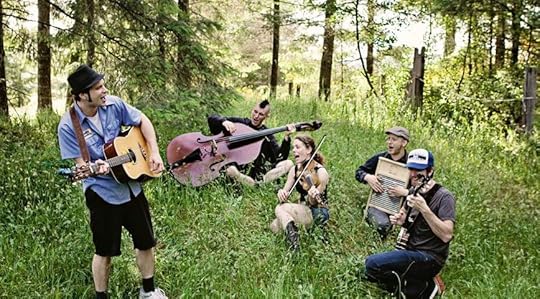
Olympia, Washington
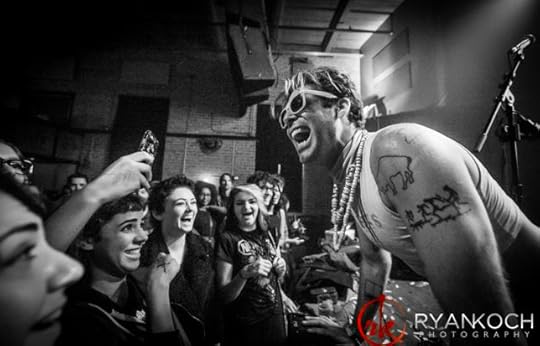
Olympia played a large role in the riot grrrl scene of the ’90s and these days, though the population here hovers around only 46,000, the music scene brings around 15 shows a week and (according to Billboard reports) more than $88.3 million in revenue each year.
Artists with city ties
Modest Mouse recorded their debut album, This Is a Long Drive for Someone with Nothing to Think About, in Olympia. Kurt Cobain also hung out in Olympia before becoming a star. Other people who hung around for while: Beck and Ian Svenonius (of the Make-Up), John Foster (John Foster’s Pop Philosophers), Lois Maffeo and Steve Fisk (Pell Mell).
Venues
Music on the Mounds gives 100% of ticket sales directly to musicians. The exact address of the venue — 10 acres of land where audience members can pitch their tents and build a fire on property — is kept secret until after purchasing tickets. Northern is the only all-ages venue in town, and also acts as an art gallery and a community space offering workshops on nights when bands aren’t playing. Rhythm & Rye has Monday and Thursday Jazz, Wednesday Open Mics, and bigger out-of-town shows on weekends for a cover usually under $10. In the summertime, the city hosts Music in the Park concerts in downtown.
Festival
Olympia’s Experimental Music Festival celebrates “fringe audio performances”. The Olympia Old-Time Music Festival celebrates traditional fiddle music.
Madison, Wisconsin
The university definitely helps in bringing concert crowds, but truthfully, this city’s musical energy is present all over town. The city ranks close to big music cities like NY, Nashville, and LA in terms of concentration of music labels, distributors, recording studios and music publishers. A 2010 report by Songkick ranked Madison second only to Austin by rock shows-to-residents ratio. It also ranked high for least expensive concert ticket prices.
But Madison’s commitment to music shines most through its generosity towards artists: one blog claimed “This is the kind of place where buying a round of beers for a touring band is common, even if there are 20 members, and where fans are eager to offer musicians a place to crash.” There’s also a growing community of people hosting shows at their homes.
Artists with city ties
Garbage is from here (Its drummer, legendary producer Butch Vig, was a co-founder at Smart Studios in the 1990’s where he produced Nirvana and the Smashing Pumpkins). There’s also the Tar Babies, Nick Hexum of 311, Richard Davis, Ben Sidran, and Roscoe Mitchell. Justin Vernon, the songwriter and frontman for Bon Iver, is from just three hours away.
Venues
The Barrymore Theatre, Majestic Theatre and High Noon Saloon can draw big-city acts for half the price. Also try the Overture Center, or the Alliant Energy Center.
Festival
Sugar Maple Traditional Music Festival hosts a a two-day outdoor music festival for fans of roots, bluegrass, and folk.
Denton, Texas
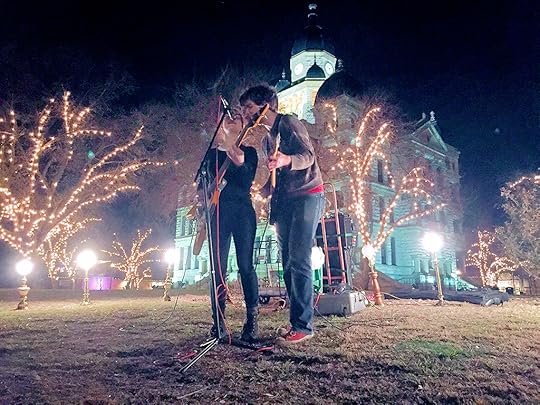
A writer for Making Music magazine wrote that in Denton “Every other person you meet is a musician, and those that aren’t, have a love and respect for music that borders on obsession.” With a population just over 110,000, Denton has over 100 active bands, and because of its small size, musicians here have less ego and more soul. In 2008, Paste Magazine named the city’s music scene the best in the country and according to Citylab, the town’s growing music scene has led to a citywide boom.
But unlike other towns, Denton has intentionally built its music scene collaboratively, through projects like DentonRadio.com. When the internet radio station launched, Denton businesses and organizations rallied alongside musicians to financially support the endeavor. Now the station is a unique online platform for local musicians to expose their work, collaborate, and network.
Artists with city ties
Pat Boone, Don Henley, and Norah Jones passed through in the start of their careers. It also served as the temporary home of bands like Midlake, Bowling for Soup, Eli Young Band, Neon Indian, and Sarah Jaffe. The local polka band, Brave Combo, has won two Grammy Awards (but more importantly, they’ve appeared on The Simpsons).
Venues
There’s 25 venues within walking distance of the town square, and a couple hundred more nearby. But the city’s known for hosting concerts even in donut shops and fast food stops. Dan’s Silverleaf was voted best music venue in 2014. The Abby Underground features free live music and a large selection of beers.
Festival
Each year the city hosts up to 20 large festivals and more than 100 smaller ones, but it’s 35 Denton — the town’s response to nearby Austin’s SXSW — that beats them all. The volunteer-driven festival showcases over 200 hundred bands — almost half from Denton — and attracts 10,000+ people.
Kansas City, Missouri
Many consider this city the birthplace of jazz. The genre flourished here in the 1930’s, when political boss Tom Pendergast allowed alcohol in the city while the rest of the country was in prohibition. That attracted musicians from everywhere to pack dance halls and vaudeville houses, earning the city the nickname, “The Paris of the Plains.” At one time, there were more than 100 night clubs in the city. Today, though that number has dwindled, the city has still managed to honor its musical roots and continue the city’s tradition of carrying a tune, even when the country can’t.
Artists with city ties
Count Basie, Charlie Parker, the Get Up Kids, Melvin Calhoun, Walter Brown, Big Joe Turner.
Venues
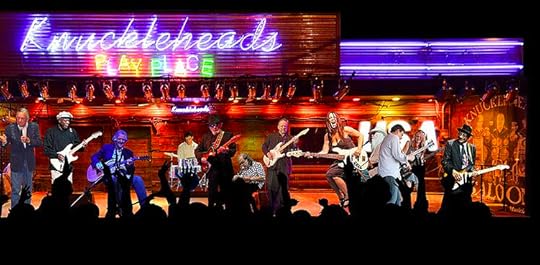
For music with history, go to Uptown Theater which dates back to 1928, or the Arvest Bank Theatre at the Midland which first opened in 1927, and afterwards, hit up Mutual Musicians Foundation, a historical after-hours locale famous for their jam sessions going until sunrise. Visit the Majestic Steakhouse, or the Blue Room, housed inside the American Jazz Museum, for quality jazz. Or, pay no cover at Green Lady Lounge. The Record Bar showcases national and local acts and a raucuous Sunday brunch or go to B.B.’s Lawnside Barbecue for old school blues and barbecue. Davey’s Uptown is the live music/dive bar spot hosting musicians of every genre six nights a week. For music as the backdrop to cozy conversation, visit Tank Room. When the weather gets nice, watch outdoor music at Crossroads KC @ Grinders, go to an amphitheatre concert at Starlight, or visit Knuckleheads for an outdoor stage with VIP area located inside a converted caboose. The 20,000+ Sprint Center is also one of the country’s busiest arenas, hosting 400 events since 2007.
Festival
The April Middle of the Map Fest hosts live music, films and discussion forums for multiple days in April. Jazz in the Woods is the city’s largest free music festival.
Read more: '9 Reasons Kansas City is the Most Underrated City in the US'
Provo, Utah
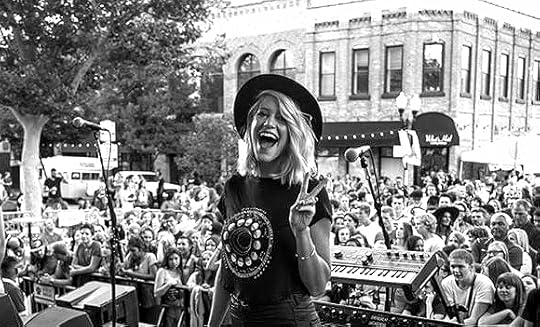
In 2009, this small Utah town made music a central focus of its downtown development projects. The result? The city now prides itself in single-handedly building a music-loving culture that easily beats any other in the state. As one resident said “Go to Velour [in Provo] for a band you’ve never heard of, and there will be 200 people there. Go to Salt Lake City for a band that’s well-known, and there will be 30 people there.”
Artists with city ties
Imagine Dragons and Neon Trees gave this city its largest boost. But the town also boasts Fictionist, Lindsey Stirling, Ryan Innes, Joshua James, The New Electric Sound and The Moth and the Flame.
Venues
People admire Velour Live Music Gallery owner Corey Fox not only for bringing in great acts but also for coaching smaller, local bands into stardom. The venue doesn’t serve alcohol, which allows all ages to both perform and watch, and makes music the venue’s sole focus. Muse Music Cafe also hosts a variety of genres and has weekly open mic nights for bands trying to make their mark. Guru’s and Sammy’s have dinner with their shows (Sammy’s in the summertime sets up a temporary stage outside). The Madison has a live DJ on Wednesdays and live bands occasionally each month.
Festival
The Summer Rooftop Concert Series invites local artists to perform on rooftops in a certain block of town, and brings in thousands each summer.
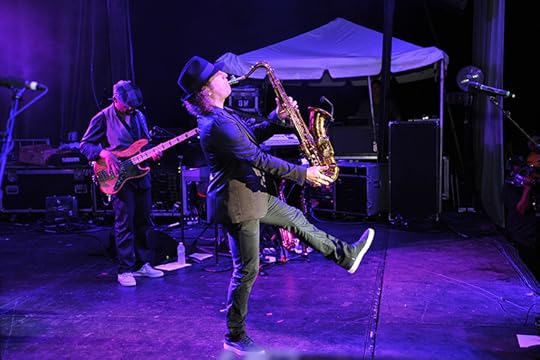
Richmond, Virginia
One blog named this city one of the “underground music scenes that might explode in 2015.” For its population, the city has produced several local bands that are making it across the country in ever genre, but particularly in punk and metal. In 2013, New Noise Magazine named it one of the top ten metal scenes in America, while others call the town the “Punk Rock Capital of the East Coast.” However, the city also boasts notable R&B and jazz scene, and because the scene is still small, “niche” venues aren’t as common and so every genre mixes.
Artists with city ties
The city is the birthplace of Municipal Waste, Lamb of God, and Gwar. But it also boasts artists outside the metal scene like D’Angelo, Randy Blythe, Trey Songz, Elliott Yamin, Jason Mraz, and Aimee Mann. Pharrell Williams is from nearby Virginia Beach.
Venues
The Camel, The National, Hippodrome Theater
Festival
Richmond Jazz Festival
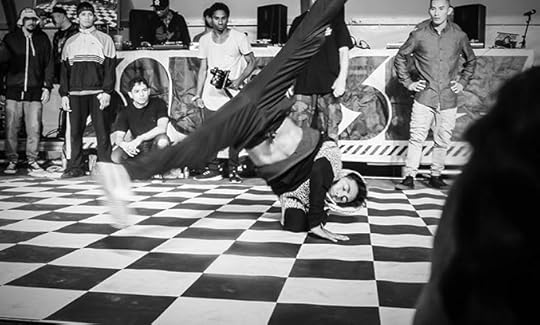
Minneapolis, Minnesota
In the past, Minneapolis helped build stars like Janet Jackson, Prince, and Bob Dylan (he lived above a pasta bar, and played shows on the West Bank of the University). It also gave us the world’s first digital recording studio (Sound 80). Nowadays, it’s just as relevant: Minneapolis ranked second in Livability’s list of “Top 10 Cities With the Best Music Scenes Outside of Nashville, NYC, and LA.” It’s got a great hip-hop and indie scene, but it also throws in classical to the mix: the St. Paul Chamber Orchestra is the only professional, full-time chamber orchestra in the country.
Artists with city ties
Many associate the “Minneapolis sound” with the influence of native Prince. But the Replacements, Hüsker Dü, Soul Asylum, and Semisonic (one of its member’s, Minneapolis resident Dan Wilson, now writes for artists like Adele, Keith Urban, and Josh Groban) are also famous locals. R&B mega-producing team Jimmy Jam & Terry Lewis produced artists like Janet Jackson, Boyz II Men, Cherrelle and Patti LaBelle. There’s also American Head Charge, Atmosphere, The Jayhawks, and Grammy-award winning gospel group Sounds of Blackness.
Venues
First Avenue nightclub famously appeared in Prince’s film Purple Rain. But there’s plenty more to choose from: Triple Rock Social Club has live music almost every night. Or you can try Fine Line Music Cafe, The Varsity Theater, or the State Theatre. Ordway Center for Performing Arts is renowned for its unique wall and floors that give the space great acoustics. Dakota Jazz Club & Restaurant is great for pairing a night of jazz and blues with a foodie dinner. And if that’s not enough, in 2012, readers of About.com also ranked the city’s Cedar Cultural Center as the year’s Best Music Venue in the world.
Festivals
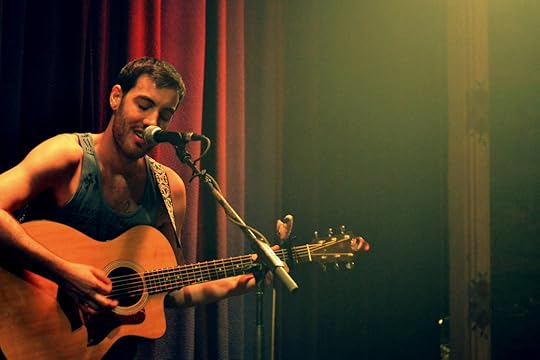
Omaha, Nebraska
Known for its historic jazz roots in the early 20th century, today this city has gained more attention for its growing indie rock scene. The “Omaha Sound” — what MTV described as “the college radio lover’s alt rock peppered with small doses of country twang” — started kicking into gear with rising stars like Bright Eyes and has been catching momentum ever since. MTV ranked Omaha second in its list of the world’s best up-and-coming music cities. NPR reported that the city’s music has caused the resurgence of young professionals and creatives moving to the city. Through music, Omaha is gradually becoming a pocket of activists, artists, and creatives in the generally conservative Midwest. And yet, its still sticking to its roots. As one musician told NPR : “In the end, Omaha’s Omaha and that’s the thing I love about it…we welcome everybody in here, but we’re not necessarily changing for anybody and that’s a real incredible thing.”
Artists with city ties
Duke Ellington and Louis Armstrong used to play at the Dreamland Ballroom. Though he spent a large portion of his life in Portland and Texas, Elliot Smith was born in Omaha. The town also claims Bright Eyes, The Faint and Cursive.
Venues
Barley Street Tavern and The Waiting Room have live music every night. Slowdown was named Esquire Magazine’s music club of the year in 2007 for featuring nationally known indie rock bands. Crossbones bar has open-mics, kareoke, and live music. The Omaha Lounge has jazz and blues every night of the week.
Festival
Maha is the city’s August Indie Rock festival.
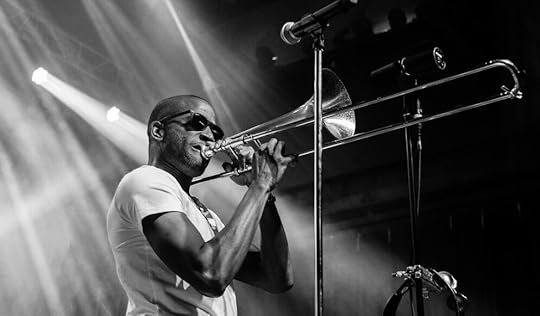
Louisville, Kentucky
LEO Weekly
Louisville used to be the way station for the country’s blues, jazz, rock & roll, country, and bluegrass. In the seventies and eighties, punk entered the scene and nowadays, it has everything mashed together, including emerging hip-hop and indie artists.
Artists with city ties
Telma Hopkins, Lionel Hampton, Joan Osborne, My Morning Jacket, Mary Travers of Peter, Paul, and Mary.
Venues
Two-story Phoenix Hill Tavern is the city’s oldest nightclub housing five different bars with five different kinds of music. The Highlands Taproom doesn’t charge cover and showcases live bands playing original music every night of the week. Headliners Music Hall is independently-owned and features bands from practically every genre. For local bands, go to The New Vintage or Haymarket Whiskey Bar. In addition to concerts, Zanzabar has a vintage arcade.
Festival
Kentucky Bluegrass and Bourbon Experience
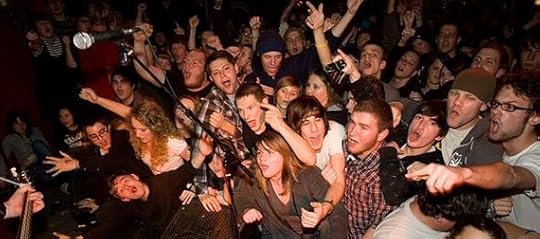
Cleveland, Ohio
The phrase “Rock N Roll” was allegedly coined in this city, so it had to be included on the list. The home of the Rock & Roll Hall of Fame and the Rhythm and Blues Hall of Fame, Cleveland tells a great story of the musical history of the Midwest, while also having current scene that keeps its traditions alive.
Artists with city ties
Kid Cudi, Joshua Radin, Bone Thugs-N-Harmony, and Tracy Chapman.
Venues
Beachland Ballroom started out back in the day as a Slavic community center and has now grown to hosting rock bands. The museum hosts monthly live shows called Sonic Sessions some nights. For indie music, visit The Grog Shop or the Music Box Supper Club. There’s also the Cleveland Agora, the House of Blues, and Brother’s Lounge
Festival
Tri-C Jazz Fest is the largest music festival in Ohio.

13 American habits I lost when I moved to Thailand
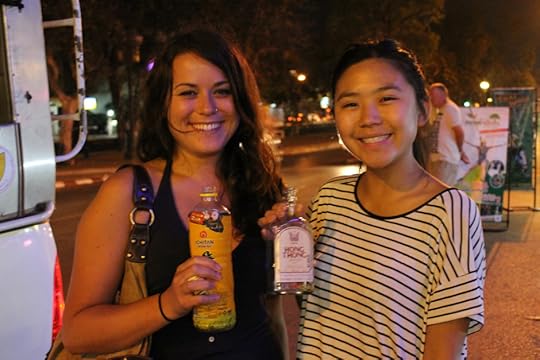
Photo: ironypoisoning
1. I lost sight of all constructed norms about masculinity.
Because why shouldn’t men be allowed to drive pink cars or belt pop songs at the top of their lungs in whatever pitch they want while taking a stroll down the street or singing karaoke? The men in Thailand seemed freer to explore their feminine sides, and some wore high heels or carried pet sugar gliders in their pockets. I appreciated that.
2. I quit viewing fruit as a dietary obligation for the sake of eating healthy and started seeing it as the best part of my day.
It isn’t hard to forget all about those generic imported bananas and stale apples. Northern Thailand is bursting with wildly delicious fruits like juicy pineapple, pomelo, lychee, passion fruit, rose apples, purple dragon fruit, and life-changing strawberries. I also couldn’t resist the omnipresent smoothies to go.
3. I stopped hiding my enthusiasm for cute animals.
When I went to renew my visa, the man at the immigration office only asked me one question as he pulled out his phone: “What do you think of this kitten I rescued yesterday?” When I responded with approval, he showed me the other rescued animals in his collection and some other images of the dogs owned by the King of Thailand.
4. I suspended all lessons about fire safety I ever had as a child.
Lighting off explosive fireworks in a busy street? No big deal. How about we launch this candle-lit lantern into the sky and watch as it gets caught in a tree or telephone wire? Sounds normal.
5. I stopped worrying about MSG in my food.
I quit wondering why every dish I ate was so delicious at the same time I stopped asking what was in it. Thais call the magical ingredient “tasty powder.”
6. I gave up on shaking hands.
The politest way to greet someone you respect is by bowing with palms pressed together and saying, “sawadika.” Even the Ronald McDonald statues in Thailand have adopted the salutation.
7. I forgot the meaning of cold.
After seeing enough people bundled in down feather coats in 70 degree weather, I decided I too could use a jacket. I happily forgot about single digit temperatures back home in Boston and the unpleasant feeling of having to wade through several feet of snow piling up by the second.
8. I got over my guilt about sugar and desserts.
I found it impossible to escape sugar. Instead of panicking I ate mango sticky rice every night and wondered why I ever tried to escape sugar in the first place. I only noticed I gained weight months later when I looked through pictures.
9. I decided spending more than four bucks on a meal was splurging.
It is more expensive to cook your own food than go out for some street pad thai or pnang curry. Some of my favorite go-to restaurants cost no more than three dollars for a bowl of mouth-watering khao soi.
10. I stopped associating red trucks with fire stations.
As mentioned earlier, fire was far from my mind. I didn’t find many buses in Thailand except for those going long distances. Instead I jumped into the back of red trucks with friends, which was a much easier and affordable way to get around.
11. I gave up my Puritan work ethic.
In Thailand there is little room for overworking at the expense of relationships with people and family. There is so much more to life than a job. I doubt I’ll ever go back to 80-hour work weeks.
12. I got over my fear of scooters and motorcycles.
“Are you a good driver?” was the single qualifying question renters asked me before handing over the keys to a scooter. Nothing beats zooming down lush green roads or the satisfaction of weaving past stopped traffic on the back of a motor bike. The locals agree, and you’d be hard pressed to find a more affordable or more exhilarating way to get around.
13. I forgot about life before weekly massages.
There is a parlor on almost any street in the cities charging five bucks an hour for a deep tissue massage. Once I got over my American anxiety about human touch and my apprehension about being twisted into a pretzel, there was no going back. 
August 23, 2015
22 reasons to visit Barcelona
Skies are usually clear, winters are short and mild, summers are hot but bearable. What the locals call fred (cold in Catalan) in January and February is still sun-shiny bright and well above freezing. The worst heat in August (we’re talking 90s) is no match for a cold beer in the shade or a dip in the Mediterranean.
2. Its streets are made for walking and pedestrians rule.
Much of Barcelona was designed for pedestrian pleasure. Its iconic Ramblas and paseos have wide sidewalks and medians dotted with benches and shady trees — perfect for leisurely strolling, people watching, and window shopping.
3. Lots of its neighborhoods still feel like villages.
Neighborhoods like Gracia, Les Corts, and La Barceloneta used to be villages just a few generations ago (some oldsters up in Gracia still talk about “going to Barcelona”). This means they retain quirky hyper-local customs and holidays, like…
4. There is a holiday where the streets literally fill with candy.
Every March 3, the neighborhood of Gracia celebrates Sant Medir (one of those vestigial village things). The colles (local neighborhood associations) parade around all morning in party buses and on horseback, throwing endless handfuls of hard candy into the crowds. The candy is locally made and totally delicious. Children and dedicated older folk bring umbrellas, which they turn upside down to collect as many treats as possible — many shopkeepers and grannies manage to stock up for the whole year.
5. Ping pong is a public service and the city is full of ping pong tables.
You don’t have to go far to find a free ping pong table in Barcelona — they are scattered liberally around the city’s public spaces. Some of the best ones even have powerful surrounding street lights for nighttime play. All you need is a paddle and a willing opponent!
6. “CervezaBeer!”
Though technically illegal and occasionally cracked down upon, the “CervezaBeer” guys are a beloved Barcelona institution. Whether you’re picnicking in the park, lounging on the beach, or wandering between bars downtown, you can pretty much always get a 1€ beer from a friendly vendor yelling “CervezaBeer!” (all one word). The downtown guys also start peddling 1€ samosas just in time to satisfy the city’s post-bar, pre-club munchies.
7. Gaudi left his mark all over the city.
There’s Park Güell (which looks like the inspiration for Candyland), the awe-inspiring, ever-changing Sagrada Familia, and many lesser-known gems which you can stumble upon in unlikely places. Having magical Gaudi buildings scattered around the city definitely contributes to Barcelona’s surreal and playful vibe.
8. In late summer the fiestas mean there’s a free party every night.
Every summer, Barcelona’s neighborhoods celebrate their traditional fiestas in week-long, 24-hour street parties. The fiestas de Gracia — in the third week of August — are the most well-known and boast epic street decorations. The whole neighborhood basically lives in the street, everyone drinking and reveling and enjoying each other’s company.
9. You’re never far from a plaza.
Barcelona is full of plazas, large and small, each with its own vibe, and one of the best ways to spend a morning / afternoon / evening is sitting at a bar with a big terrace, chatting with friends or people watching.
10. You can always see Tibidabo.
If you look up at night from any high point in the city, you see what looks like a magical castle shimmering down at you. This is actually the church atop Tibidabo mountain — the city’s highest point — which is weirdly nestled up against a 100-year-old amusement park. The name Tibidabo means “I will give to you” and references a biblical scene where the Devil tries to tempt Jesus by taking him up to the highest mountain and offering him all the kingdoms of Earth down below…bet if the Devil had shown him Barcelona, Jesus would have been more tempted.
11. It’s bicycle heaven.
With its great climate, few hills, and compact size, Barcelona is the perfect biking city. In the last decade, city planners have heavily expanded the network of bike lanes and added a bicycle fleet to the already excellent public transportation system. Just don’t leave anything too fancy parked on the street (especially overnight) or it might not be there when you return.
12. The public transportation can’t be beat.
Not in the mood to walk or bike? Barcelona has no shortage of other ways to get around. Buses, subways, trains of varying sizes and shapes, cable cars, funiculars, and a light rail…Barcelona has virtually every kind of public transport. All are clean and safe. Most will cost you less than $2 and will take you within blocks of your destination.
13. There is no shortage of wacky and wonderful Catalan cultural events.
Barcelona wouldn’t be Barcelona if it weren’t for the Catalans who are fiercely loyal to their culture and their language. Under Spain’s long dictatorship, Catalans weren’t allowed to celebrate their heritage publicly, so it’s natural that they now take virtually any opportunity to do so. You can frequently watch teams of castellers build human towers — just follow a noisy correfoc through the streets, watching as the diables (devils) spin lit firecrackers over their heads, spraying sparks into the crowds, or see gegants (giant puppets) paraded around their neighborhoods.
14. It has the sweetest alternative to Valentine’s Day.
On April 23, Catalans celebrate the Diada de Sant Jordi (Saint George’s Day). On Sant Jordi, men give their sweethearts a rose, and women give a book, and this lovers’ holiday largely keeps the commercial St. Valentine at bay. The exchange of roses goes back to medieval times, while the books were added in 1923 when April 23 was also established as El dia del libre (Day of the Book), to commemorate the deaths of both Shakespeare and Cervantes on the same date in 1616. Rose sellers set up on nearly every corner and it’s one of the city’s most beautiful — and fragrant — days.
15. You can hit the beach on your lunch break.
There’s a whole strip of relatively clean and appealing beaches right in the center of town. In the winter months they’re peaceful and empty; in the summer months they fill up with xiringuitos (pop-up beach bars) and become a 24-hour destination for sun-burned tourists and locals of all ages, shapes, and sizes.
16. Even better beaches are just a short train ride away.
When the city beaches get too crowded or dirty, just hop on a train from the center of town and in less than an hour you can claim a nice big plot of sand. Stop in a sleepy beach town, like Sant Pol de Mar, where you can grab a paella lunch at a xiringuito before passing out on your towel, or stop in between towns and wander to an empty stretch of coast where you can skinny-dip far from the oglers and sightseers.
17. F.C Barcelona keeps its fans happy.
Barcelona takes its soccer seriously and the whole city bonds through Barça, its beloved team. Being a Barça fan (or culé, as they call themselves) is reliably gratifying given the team’s frequent dominance in Spanish and European leagues: F.C. Barcelona wins a lot and the games are fun to watch whether you’re in the bleachers at Camp Nou or in a packed neighborhood bar. Força Barça!
18. Catalans know how to cook.
Barcelona is a foodie’s paradise and the city’s bustling markets, like the famous Boqueria, overflow with bounty from the Mediterranean and surrounding countryside. It’s no surprise that Catalan Ferran Adria’s restaurant, El Bulli, claimed the title of World’s Best Restaurant five times in the last decade, or that Barcelona is home to 21 Michelin-starred restaurants.
19. Even the average tapas bar offers a seemingly endless variety of tasty sea creatures.
The English language is sadly deficient when it comes to describing such bounty. Take the blanket term of squid, for example. In Barcelona, you’d choose from calamares, chipirones, chocos, rabas, and sepia. And there are at least five fish that might answer to the English name “anchovy.” And don’t even get me started on pork products…
20. Pa amb tomaquet is pure genius.
What to do with day-old bread? The Catalans have solved this problem and turned it into a signature dish: scrub on some garlic, a vine-ripened tomato, sprinkle with salt and douse it liberally in olive oil. When made on thick slices of toasted country bread, pa amb tomaquet is out of this world and practically a meal in itself.
21. You can travel back in time with a winter tradition.
Down in the Gothic neighborhood, there’s a tiny passageway called Carrer de Petrixol which boasts a few of the city’s best xocolateries — cafés where you can get a cup of thick, dark, hot chocolate topped with whipped cream and accompanied by sugary churros or doughy, buttery ensaimades. This street has been bustling since the 15th century and in many of its details it’s virtually unchanged.
22. The Catalans have some truly unique Christmas traditions.
Santa Claus? Who needs him when you have Caga tió (the shitting log) — a friendly Christmas twig that grows into a log as you feed it throughout the month of December, then poops out your presents on Christmas after you beat it with a stick and sing it a song, of course. And what nativity scene would be complete without a caganer figurine taking a dump in the corner? Yes, really. Catalan culture makes Christmas time in Barcelona endlessly amusing for foreigners.
Photo: AWSANDLIGHT
By: Elisa Stutts-Barquin, GlobalPost
This article is syndicated from GlobalPost.

Porto at street level
Follow Matador on Vimeo
Follow Matador on YouTube
Filmmaker Hang Gab Lee explores the coastal city of Porto, Portugal. 
How to humiliate yourself in Colorado
Photo: Zach Dischner
Stop the lift.
Novice skiers know the most stressful part of your day on the mountain is getting on and off the lift without impaling yourself on your ski pole. You really don’t want to be responsible for dozens of people suspended motionless in the frozen air wondering if they’ll ever be able to feel their toes again. So keep your tips up, watch for the “prepare to unload” signs and think again before you triple-dog-dare your friend to stick his tongue to the metal frame.
Just because it’s legal doesn’t mean there are no rules attached. Educate yourself before you show up at a medicinal dispensary without a red card, spark up in the public park or try to check a suitcase of edibles at the airport on your way home.
Go to a brewery say “I usually drink Michelob Ultra. Do you have something like that?”
No, they don’t. Maybe there’s a Buffalo Wild Wings nearby?
Burn your brakes out on the pass.
Mountain driving sometimes requires you to shift — even if you car is automatic and you don’t really know what that means. If you’re lurching down Monarch with the brake pedal to the floor, things are about to smell like a tire in a pizza oven. Let’s hope there’s a runaway truck ramp coming up on the right.
Get lost on the Front Range.
Pull your car over, take a breath and look out the window. Do you see any mountains? That’s west. Drive towards them…even if your intended destination was east, heading west will likely be much prettier and will result in a whole lot more fun.
Bring 3.2 beer to the party.
There’s nothing more confusing than differing state liquor laws and there’s nothing more embarrassing than showing up to a Broncos game-day party with a 12-pack of beer-water you picked up at King Soopers. All you need to know is stay out of the grocery store if you’re looking for “real” beer.
Require a rescue.
Some of our hiking trails are pretty strenuous — combine that with unpredictable weather and you get busy search and rescue squads.
Oh, a marmot stole your sandwich? You’re feeling tired and don’t feel like hiking down Longs? Maybe it’s not quite time to call 911 or break out your Bear Grylls-brand signal mirror — let’s try to remember that there may be actual emergencies that these badass volunteer crews need to respond to.
Expect mountains everywhere.
What? You thought the Rocky Mountains would be a little rockier than this? Before you pull a Lloyd Christmas and say “that John Denver’s full of shit,” you might want to look at a map. The Western Slope is a glorious desert wonderland and the eastern third of the state is basically an extension of Kansas.
Forget your sunscreen.
You decided to pop the shirt off while hiking Pikes Peak yesterday? I couldn’t tell. Try not to pick at those blisters.
Try to match your sea level alcohol consumption.
Better cancel all plans for tomorrow and get the Advil out now. If shots are involved, you may as well unroll a Therm-a-rest next to the toilet.
Ignore the wildlife warnings.
Someone put that “Camping in Bear Country” sign up for a reason. Don’t want any unexpected visitors in the night? Maybe using a bag of marshmallows as a pillow or using bacon grease as an anti-aging night cream isn’t such a good idea after all.
Ask for a Georgia Peach.
I’m pretty sure every time you throw a non-Palisade peach in your cart, the terrorists win. You don’t want that on your conscience, do you?
Join a Segway Tour
Please stop this madness and just go for a hike.
Two words: clothing optional.
Muscles a little sore after a day on the trail? Hot springs sound great, but you might want to do a little research before heading out for a nighttime soak at Strawberry Park.
Get into a Native vs. Transplant debate
This ridiculous debate over who really belongs in Colorado is more futile than pushing a boulder while skinning up a slope of ballbearings. Do yourself a favor and join my side. Unfortunately, I haven’t figured out a way to fit “who gives a shit because I like it here and the only real natives are the Utes” on a bumper sticker.
WATCH: 8 signs you were born and raised in Colorado

South Africa’s roads are shockingly deadly
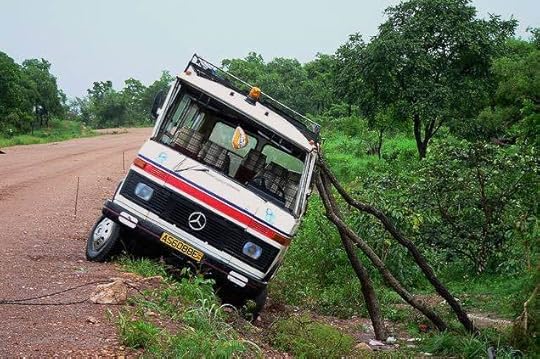
Photo: Stig Nygaard
JOHANNESBURG, South Africa — Yes, violent crime in South Africa is worrying (and worsening). But South Africans perhaps ought to worry more about bad drivers.
This country has one of the highest rates of road deaths in the world. While figures differ depending on the source and method of accounting, some 15,000 people die every year on the country’s roads, of a population of about 53 million. This doesn’t account for the many people left badly injured by car crashes.
South Africa’s murder rate remains stubbornly high, with 17,068 people murdered in 2013-2014, or 32.2 per 100,000 people. But while violent crime draws a great deal of attention and consternation in South Africa and abroad, car accidents — not so much.
(And while we’re at it, neither do deaths from tuberculosis and HIV and AIDS — likely the biggest killers in South Africa, according to Africa Check, a fact-checking website).
News media are are currently reporting about a “horror crash” early Thursday that tore a car in two and left five people dead. On Monday, in one of several recent accidents involving minibus taxis, 15 people were killed when a taxi plunged off a bridge in KwaZulu-Natal onto the railway tracks below, where it was smashed by an incoming train.
A South African news website has even compiled five of the country’s most horrifying crashes caught on video.
Dipuo Peters, the transport minister, has announced a special road safety council and warned that road traffic fatalities have “serious economic costs” for the country.
“These consequences include the loss of family members who are bread winners and leave behind traumatized families,” she said in June. “The economic ramifications include the increase in the social development and health budgets spent.”
Drunk driving, speeding and aggressive driving are among the factors contributing to South Africa’s high rate of road deaths.
But calls for action have been made many times before, to little result.
By Erin Conway-Smith, GlobalPost
This article is syndicated from GlobalPost.

August 22, 2015
The 15 dirtiest Chilean expressions (and how to NOT use them)
Photo: Juan Nosé
1. A Chilean isn’t arrogant… They are “ass-crack lifted,” (levantado de raja).
2. Chilean men don’t masturbate… They “pull their guts,” (Jalar la tripa).
3. A Chilean doesn’t get ripped off… He “gets a dick in the eye,” (Pico en el ojo).
4. Chileans don’t say someone is stupid… They say, “they lack sticks for a bridge,” (Le faltan palos para el Puente).
5. Chileans don’t say, “are you kidding me?”…They say, “have you seen my balls?” (Me hay visto las weas).
6. Chileans don’t say that something is very slow…They say, “it’s slower than intercourse with a turtle” (Más lento que cacha de Tortuga).
7. Chileans don’t have bad luck… They have a “bad butt hole” (Mala cueva).
8. Chilean men don’t have erectile dysfunction… They have “an umbrella’s handle,” (Cacho paraguas).
9. Chileans don’t leave in a rush… They “tighten their butt cheeks,” (Apretar cachete).
10. A Chilean doesn’t make a bold statement… He “gets his butt soaked,” (Mojar el potito).
11. Chileans don’t experience a sex drought… They are “with the accumulated lottery,” (Andar con el kino acumulado).
This story was produced through the travel journalism programs at MatadorU. Learn More
12. A Chilean doesn’t chicken out… He “throws his bum to the blackberry bush,” (Echar el poto para las moras).
13. Chileans don’t say that was quick… They say “it lasts less than a fart in a bucket,” (Pedo en un canasta).
14. Chileans don’t say something is knotted… They say “it’s as tangled as a snake fart,” (Más enrredado que pedo de culebra).
15. A Chilean isn’t thirsty… He is “drier than mummy spit,” (Más seco que escupo de momia).

Matador Network's Blog

- Matador Network's profile
- 6 followers

