
Matador Network's Blog, page 2053
September 8, 2015
9 awesome adventures in Turkey
BEYOND THE EVER POPULAR HOT AIR BALLOONS of moonscape Cappadocia, below the dizzy heights of paragliding over the blue lagoon of Ölüdeniz, Turkey’s menu of exciting experiences caters to all interests, ages, and budgets. Here are 9 incredible adventures you might be surprised to know were possible in Turkey.
1. Dive down to a Dakota DC-3 aeroplane on the Mediterranean seabed.
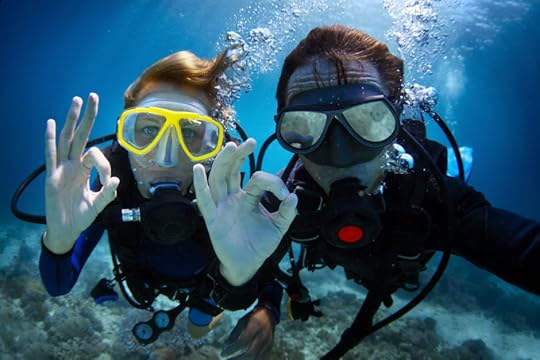
Photo courtesy of the Turkey Ministry of Culture and Tourism
Submerged in the azure waters of the Mediterranean and just a 10-minute boat ride from Kaş, one of Turkey’s premier diving destinations is the intact, 65ft, fixed-wing Dakota DC-3 aircraft — complete with twin engines, propellers, landing gear, and cockpit instruments.
Manufactured during WWII, and deliberately sunk here in 2009, the 12.25-ton aircraft with its 95ft wingspan was once used by the Turkish Air Force to transport paratroopers. Now, some 70 feet undersea, the wreck is host to a variety of marine life including stingrays, loggerhead turtles, and octopuses, as well as scuba divers seeking subaquatic adventures. Divers can enter the cargo hold of the plane, eerily perched skyward as if ready for another takeoff.
2. Ride the winds and surf of the Çeşme Peninsula.
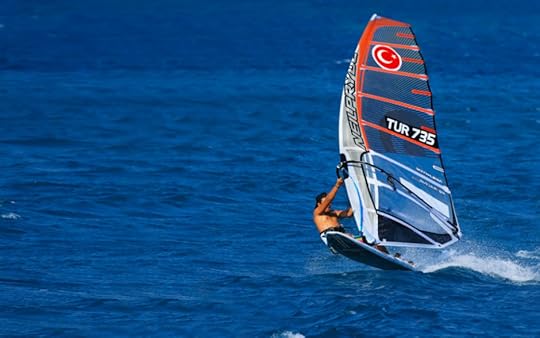
Photo courtesy of the Turkey Ministry of Culture and Tourism
An hour’s drive west of cosmopolitan İzmir lies Turkey’s greatest destination for kite and windsurfers seeking high speeds on the Aegean Sea. The Poyraz and Lodos winds that once aided (and hindered) trade to ancient Anatolia make the Çeşme Peninsula one of the world’s top destinations for wind-powered surf enthusiasts.
Beginner and intermediate surfers can take to the calmer seas and shallow waters of Alaçatı Bay and Urla, while more experienced kite surfers should seek out the strong winds and white caps of Pırlanta Beach. And, when the sails come down, there’s plenty to explore in the up-market boutiques, swanky bars, and gourmet restaurants that line the narrow cobbled streets of Alaçatı, an inland town of vine-clad greystone houses dating back to the 19th century that also happens to host the annual PWA Windsurfing World Cup.
3. Make “yakamoz angels” on a blue cruise during a new moon.
[image error]
Photo: @acargulcan
“Yakamoz,” voted the world’s most beautiful word in 2007, is “phosphorescence” in Turkish. It mainly means “moonlight on water,” but also refers to another marine experience when floating phytoplankton illuminate the sea, leaving a trail of twinkling light in their wake when disturbed. Mother Nature’s psychedelic show is best seen on a Mediterranean blue cruise during a new moon, when the lunar light is low. Passengers can plunge into the waters to wade on their backs and make “yakamoz angels.”
4. Get a bird’s-eye view of Ephesus.

Photo courtesy of the Turkey Ministry of Culture and Tourism
Most visitors spend hours scouring the remnants of the Roman Empire’s Ephesus (designated a World Heritage Site just this year), its towering Library of Celsus and the 25,000-seat Great Theatre. But they often miss the vast array of vestiges outside the ticketed area dating back to the Hellenistic and Neolithic periods. And of the millions of tourists who tread the marble floors of Ephesus every year, very few have marveled at the city’s expansive splendour from the air.
The best way to appreciate the size and breadth of the city’s historical footprint is from one of the airborne adventures offered from nearby Selçuk. Microlight, ultralight, and skydiving flights will have adventurers soaring above the Roman ruins, the remains of the Temple of Artemis — one of the Seven Wonders of the Ancient World — and more. Keep an eye skyward too for the new International Turkey Balloon Fiesta, which may in the future provide another aerial view of Ephesus.
5. Sea kayak over a sunken Lycian city.
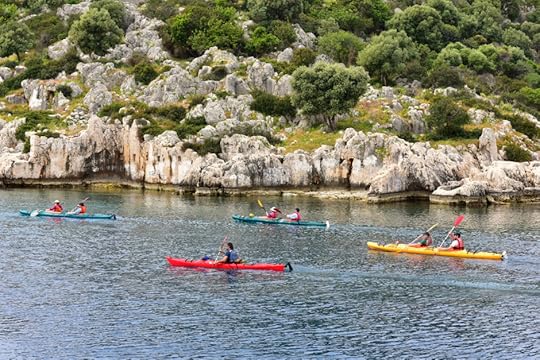
Photo: @acargulcan
Concealed in the depths of the Mediterranean between Kekova Island and Kaleköy are the foundations of a sunken Lycian urban center. In the 2nd century AD an earthquake shook the city, pulling its buildings below the water’s surface. Today, the remnants of residential houses, staircases, and shipyards can be seen above and below water as they seemingly slide down the side of Kekova Island.
Travelers can either motor past the sunken city with the throngs of day-trippers on all-inclusive cruises, or opt for a self-paced, more intimate view by kayaking over the submerged ruins.
6. Take a wild family adventure in Dalyan.
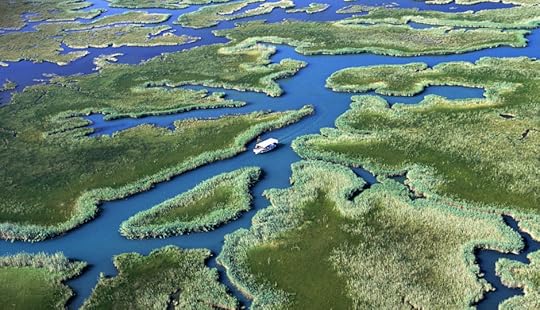
Photo courtesy of the Turkey Ministry of Culture and Tourism
Perhaps one of Turkey’s most underrated coastal retreats is the eco-friendly town of Dalyan, situated in a Special Environmental Protection Area between hedonistic Marmaris and Fethiye. The outdoor adventure factor for families here is second to none. The town has coastal wetlands; the freshwater Köyceğiz Lake; the Dalyan River, which connects to the Mediterranean; and İztuzu Beach, a breeding ground for endangered loggerhead turtles.
Take a rowboat over the river and walk past the pomegranate groves to the ancient Carian city of Kaunos, linger in the mud baths and hot springs that line the Dalyan River and Köyceğiz Lake, and cruise on a riverboat past some of Turkey’s most impressive cliff-face Lycian tombs. Journeys come with the added chance of spotting land and marine wildlife like wild goats, donkeys, turtles, blue crabs, grey mullet, and sea bass. Head further along the river to İztuzu Beach to swim and sunbathe, and visit the Kaptan June Sea Turtle Conservation Foundation to see injured sea turtles being nursed back to health and learn about the conservation efforts going on in the area.
7. Hike the gastro-trekking trails of the Kızılırmak River Basin.
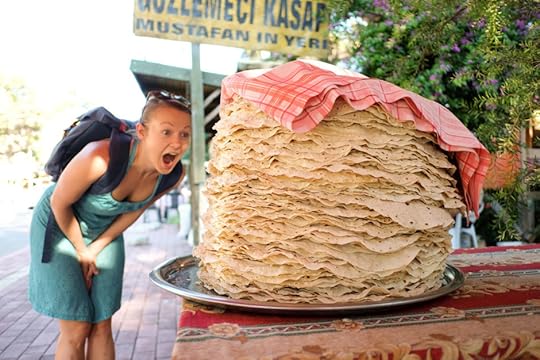
Photo: Tim Lucas
Most experienced trekkers have heard of Turkey’s long-distance Lycian Way that traces the Mediterranean Coast, but just one look at the Cultural Routes Society website and you’ll see there’s plenty more trekking to choose from throughout the country. To mix hiking with adventures of the gastronomic kind, look no further than Çorum Province’s self-guided Gastronomy Route, northeast of Ankara.
This route is the first of its kind in Turkey and follows the ancient trading and migration routes largely centered around the Kızılırmak River Basin. Best explored between April and November, the route consists of 25 walking trails, seven cycling trails, and a 702km vehicle route for travelers on four wheels. The assortment of itineraries leads through the highlands and river basin past the waterfalls, forests, castles, bridges, and lakes of northern Central Anatolia while giving access to the unique culture, crafts, and farm-to-table delicacies of the villages en route.
8. See a different side (and season) of Turkey at Kartalkaya.
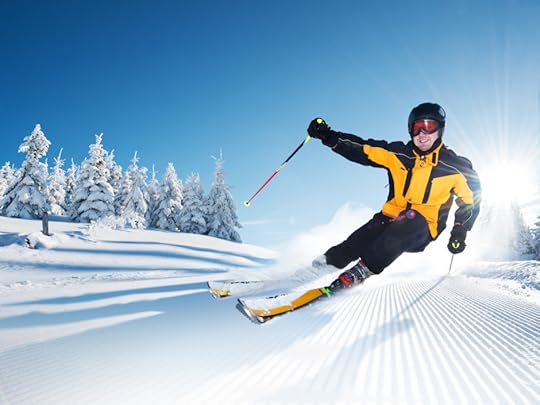
Photo courtesy of the Turkey Ministry of Culture and Tourism
Turkey’s adventure options may be synonymous with summer, surf, and beaches, but from December to April, the mountains are most definitely where it’s at. Local snowboarders and skiers know to get their ride on at Kartalkaya resort — 3 hours from Istanbul and 1,500 meters above sea level in the Köroğlu Mountains, this is a sweet winter esacpe. Good to know: Dorukkaya Snowpark is the place to drop in for snowboarders. It’s Turkey’s only snowpark. And it’s amazing.
9. Take on the Çoruh River’s Class 5 rapids.
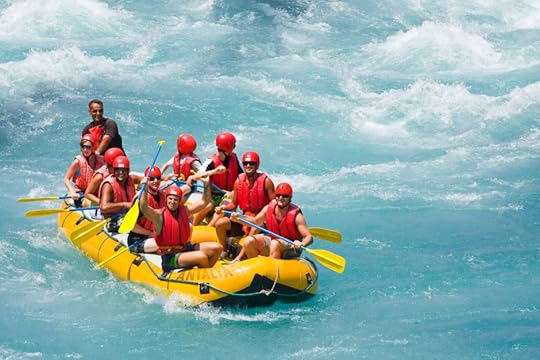
Photo courtesy of the Turkey Ministry of Culture and Tourism
Touted as one the top whitewater rafting destinations in the world, the fast-flowing Çoruh River runs 272 miles from northeast Turkey’s Mescit Mountains right down to the Black Sea coast of Georgia. It’s a remote river that hurtles rafters and extreme kayakers through deep gorges and green valleys, past rice paddies, orchards, villages, and ruined fortresses in an area that’s been left relatively untouched by tourism.
The best — and most challenging — time of year to go is from May to June, when the mountain snowmelt flows in abundance to feed the fury of those mighty rapids. Get after it. 
Powered by Turkey Home.


September 7, 2015
“Hipster Barbie” proves how easy it is to fake compelling travel photos
IF YOU ARE A MILLENNIAL and spend any time on social media, you probably have at least one friend (or maybe you *are* that friend) who is constantly uploading travel adventure selfies purely for the sake of showing off. The whole institution of the “travel selfie” has become a stale process of flaunting where we are, where we’ve been, and what we’re doing — just, you know, without you. “Look at how interesting I must be, because of this cool place I’m at,” they scream, often successfully filling the rest of us 9-to-5ers and laptop-jockeys with insatiable wanderlust and excessive FOMO.
But finally, someone has taken a moment to provide commentary on this absurd culture of “I’d rather show everyone how I’m living than actually live,” by starting a parody account on Instagram geared toward illustrating just how easy it is to fake the #AuthenticLife.
Meet the internet’s favorite “Hipster Barbie,” @SocalityBarbie.
A photo posted by Socality Barbie (@socalitybarbie) on Aug 18, 2015 at 11:28am PDT
A photo posted by Socality Barbie (@socalitybarbie) on Aug 26, 2015 at 12:41pm PDT
Run by an anonymous wedding photographer in Portland (because, of course it is), Socality Barbie takes exactly the kind of travel shots we’re all damn tired of seeing in our feeds.
A photo posted by Socality Barbie (@socalitybarbie) on Jun 18, 2015 at 2:48pm PDT
A photo posted by Socality Barbie (@socalitybarbie) on Aug 29, 2015 at 10:37am PDT
Tokyo bookshop only sells one title
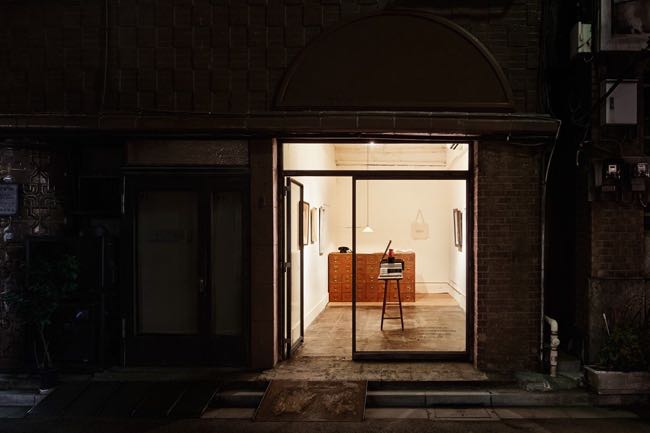
Photo: Miyuki Kaneko
IF YOU’RE ANYTHING LIKE ME, you go into a bookstore and are paralyzed by the choices at your disposal. Do you want to read that new short story collection? An old classic novel you’ve never gotten around to? Perhaps a non-fiction history book? Or maybe you want a graphic novel.
One bookstore doesn’t have that problem. Morioka Shoten Ginza, in Tokyo, offers only a single title for 6 days. During those 6 days, they hold nightly events for the book, often featuring the author, with the intention of helping the readers connect more intimately with that week’s chosen book. Some of these exhibitions will include art or crafts that go along with or were inspired by the book, but otherwise, the design of the shop itself is minimal.
The concept was created by a bookstore clerk named Yoshiyuki Morioka, who worked in secondhand books for years. He attended an event by the takram design engineering firm, which offered visitors a chance to pitch an idea to Masamichi Toyama, a CEO and investor, as long as the pitch could fit on a single page. Morioka wrote: “Regeneration of a bookseller atom – a bookstore with a single book.” Toyama bought his idea, and the store opened in May of 2015 in the Ginza neighborhood of Tokyo. 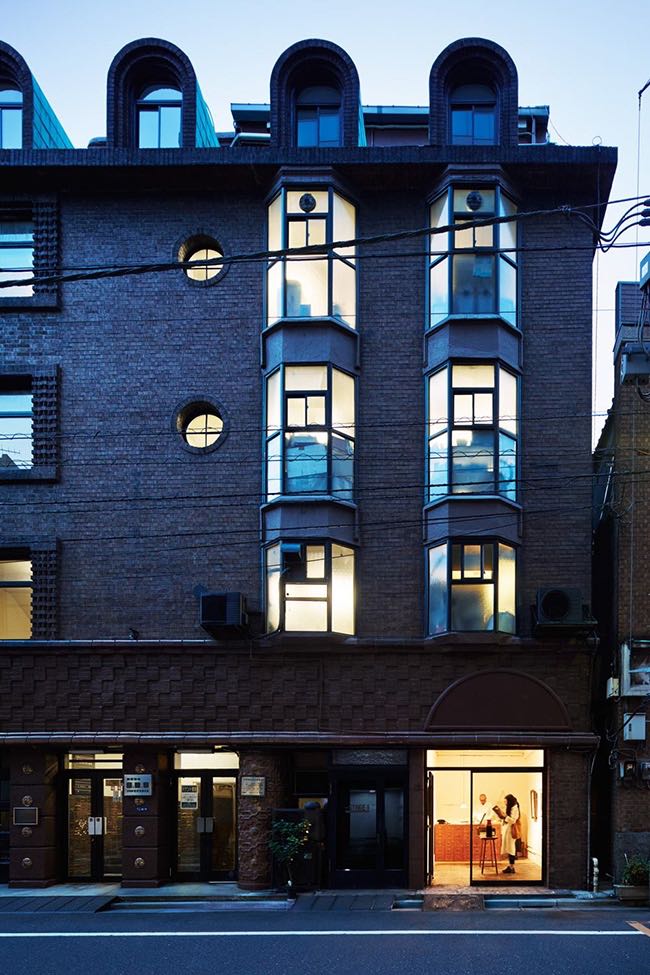
Photo: Miyuki Kaneko
Learn more at takram’s website.

Immigration and travel are the same.
THIS HAS NOT BEEN A GOOD FEW months for the world’s immigrants. Donald Trump, one of the leading candidates in the nascent 2016 U.S. Presidential election has based his entire platform on slurring immigrants while another Republican, Scott Walker, is ludicrously suggesting that the country just surround itself with walls. In the meantime, all of Europe is in an uproar over whether or not to accept refugees that are fleeing from their war-torn countries in droves. Thousands of these refugees have died en route to Europe, either because they’ve crowded onto unseaworthy ships which have then sunk, or because they’ve been exploited by ruthless human traffickers. At the same time, Europe’s tabloid press is describing the flood of refugees as an “invasion,” as if it’s an intentional act of aggression rather than a humanitarian crisis.
I’m watching all of this unfold from a strange vantage point. A few years ago, I worked as the web guy for an immigration non-profit, where part of my daily job was to wade through all of the nasty, xenophobic comments on our blog and social media about immigrants “invading” the cities of the U.S. and Europe. Now I work for Matador, where I am constantly seeing the same cities, states, and countries bill themselves as “destinations” in an attempt to welcome tourists and backpackers to their shores.
Visit Britain, the Great Britain’s tourism authority, is currently using the tagline “You’re invited,” and is bragging about how the first half of 2015 saw the highest amount of tourism ever for the UK, while government ministers are simultaneously decrying the arrival of Syrian refugees. Sometimes, this contradiction even plays itself out within the same person: Donald Trump, for example, once owned an airline, and still lends his name to the string of hotels and casinos he founded. How, I wonder, can people be so welcoming to travelers, but so hostile towards immigrants?

Photo: Dan Brickley
I’m sure Trump and others who think like him would jump to make the distinction between tourism and immigration. But the line between the two is murkier than you might think.
People move.
Immigration and travel are both manifestations of the fundamental human urge to move. Scientist and educator Carl Sagan believed this urge was a result of human evolution.
“For all its material advantages, the sedentary life has left us edgy. Unfulfilled.” he once said. “Even after 400 generations in villages and cities, we haven’t forgotten. The open road still softly calls, like a nearly forgotten song of childhood… Your own life, or your band’s, or even your species, may be owed to a restless few drawn by a craving they can hardly articulate or understand to undiscovered lands and new worlds.”
Humanity’s adaptability and willingness to explore has been a central reason for our survival over time. We move for countless reasons: out of necessity, out of boredom, out of a desire for material gain, out of desire for personal freedom, or out of desire for adventure. But no matter what, we move.
In the modern world, we’ve made distinctions about the different types of movement, though. Movement that’s temporary, where we visit a place and then leave, we’ve named “travel.” Movement that’s permanent, where we move somewhere with the intention of staying for the long term, we’ve named “immigration.” But as it turns out, this division is actually kind of bullshit.
Travel is called different things depending on your race.
Earlier this year, Mawouna Remarque Koutonin at the Guardian pointed out something that many of us had never noticed: white people who live abroad are the only ones who are referred to as “expatriates.” If you are not white, the term applied to you will be “immigrant.” Expatriate has a classier, Hemingway-esque vibe to it. It sounds dashing and adventurous, while immigrant sounds needy and impoverished. The two terms mean the exact same thing, but they are not applied as synonyms. They evoke very different images, and we associate “expat” more with the idea of travel than we do with “immigrant.”
These linguistic flips are incredibly common in the discussion of immigration and travel. Refugees become “asylum seekers,” the citizen children of immigrants become “anchor babies,” a wandering Australian working his way around Southeast Asia while on gap year is a “backpacker,” or a “nomad,” while a traveling Mexican worker in the U.S. is just an “migrant worker.” In part, this is because the language of travel has for so long been dominated by white, often colonialist men. This colonialist tendency has an innate white supremacy to it: the presence of the civilized white man in another society is always a gift, as he elevates the society by his presence, whereas the uncivilized brute’s presence in the white man’s society is corroding white civilization’s very fabric. You can still see this in the very premise of a lot of modern travel writing: why, you might ask yourself, is the author more qualified to write about this foreign culture than a native of that culture would be?
Virtually all of the arguments against immigration are myths.
The other distinction that’s made between the two types of movement is that immigration is perceived as “bad” for the local economy, while travel is “good.” But, as it turns out, the argument that immigrants — even undocumented ones — are bad for the economy is a myth. Research shows that immigrants don’t “steal jobs,” that they do pay taxes, and that they significantly contribute to local economies. Immigrants are even — despite myths to the contrary — less likely to commit crimes than citizens.
In the U.S., immigration is often caricatured as a constant flood of immigrants across our southern border. While the border is a source of a lot of undocumented immigration, it’s also only part of the story: by some estimates, nearly 40% of the country’s 11 million undocumented immigrants are here because they overstayed their work, student, or tourist visas. The beloved “tourists,” flying in legally through our airports, often become the dreaded “illegal immigrant.” Politicians tend to not focus on this because it’s much easier to stoke fear with the image of a barbarian horde flooding over our borders, and because work, student, and tourist visas are generally seen as a good thing, because they’re good for the economy. No politicians wants to point out that every visiting tourist is a potential undocumented immigrant.
In point of fact, the lines between the two categories are fuzzy. How long must a traveler stay in one place before becoming an immigrant? If an immigrant moves with relative frequency, but within the same country, do they cease being an immigrant and start being a traveler? And to what extent do race and class determine which category a person falls into?
The divide only really, concretely exists in a legal sense. And the laws that made these lines are changeable and are often arbitrary. The divide between an immigrant and a traveler is just a social construct.
Travel for leisure is not more valid than travel for necessity.
If you remove the elitist and racist elements of the divide, if you ignore the legalise, the only difference between travelers and immigrants is that travelers are moving because they’re bored or restless or just want to do something fun and exciting, while immigrants and refugees are moving because they need to, or because they want something better. So you could very easily make the argument that immigration is a much more noble act than travel.
So why are we so excited about visiting tourists, but so dismayed about arriving immigrants? Is it because we prefer house guests to new neighbors? Or is it because we just don’t like people who aren’t like us?
We can be a society that values travel, but only if we’re a society that also values immigration. They are one and the same.
Featured photo: Paul Sableman


Dirtiest Finnish expressions
2. The Finns don’t say it “rains cats and dogs”… they say, “it’s pouring from Esteri’s ass” (sataa kuin Esterin perseestä).
3. The Finns don’t say someone is “drunk”… they say they “threw asses on their shoulders” (perseet olalla).
4. The Finns don’t say someone is “ugly”… they say they “look like a predatory birds ass” (naama kuin petolinnun perse).
5. The Finns don’t say someone “looks unpleased”…they say they their “face is like an elephant’s cunt” (naama norsun vitulla).
6. The Finns don’t say someone is “full of themselves”… they say they “have piss going to their head” (kusi noussut päähän).

For more like this, check out 8 abilities the Finns have over everyone else
7. The Finns don’t say “let’s go”… they say “let’s go cows, the bull has a boner” (let’s go lehmät, sonnilla seisoo).
8. The Finns don’t say something “disappeared without trace”… they say it “vanished like a fart in Sahara” (kadota kuin pieru Saharaan).
9. The Finns don’t heal a flu with medicine… they say it “heals by fucking” (nuha lähtee nussimalla).
10. The Finns don’t say “fuck” when something goes wrong… they say “the summer of cunts” (vittujen kevät).
For more like this, check out How to piss off a Finn
11. The Finns don’t say something “fits well”… they say it “fits like a fist in the eye” (sopii kuin nyrkki silmään
12. The Finns don’t “get diarrhea”… they “have shit flying out of their ass like flocks of sparrows” (paska lentää kuin varpusparvi).
13. The Finns don’t say someone is “cranky”… they say they are “like a bear shot in the ass” (kuin perseeseen ammuttu karhu).
14. The Finns don’t say someone is “scared”… they say they “have piss in their sock” (kusi sukassa).
Photo: Coolio-claire 
Ranking the world’s most powerful passports

Photo: Juan Cabanillas
Ten years ago, in my first job after graduation, I shared an office with a researcher called Munir who I nicknamed Dr2 because he not only had a PhD but was also qualified as a medical doctor. (I recognise it’s not the wittiest name in the world but it was the best I could do at the time.)
Munir loved learning British colloquialisms (“armchair critic”, “fairweather friend”), played loud Arabic music while he worked and held a Jordanian passport. One day, he came into work clearly frustrated and announced that he was giving up on travelling. Stationed in the UK for three years, he thought he would have a great opportunity to see Europe while he was here. Alas, his passport was so restrictive that securing visas became distinctly Sisyphean. He as a doctor (twice over) had fewer rights than I did as a new grad with relatively few skills just because our passports were different.
It was the first time I realised how lucky I was to have a British passport. I have been routinely reminded of this fact in the ensuing decade, most recently by Arton Capital, a financial firm that this year put together an index of the best passports to have. ‘Best’ is defined by the number of countries the passport holder can visit either without a visa or by obtaining one on arrival.
The full rankings are below.
Unsurprisingly, the UK is #1. With a strong global economy, a stable political environment and an enviable international reputation that somehow overcomes the questionable actions of our past, the British are able to swan into a whopping 147 countries out of 197 listed (75%). What is surprising is that the US is joint #1, also with access to 147 countries. With its more pugnacious attitude to international relations, particularly in the Bush era, it’s interesting that the US is still welcome with open arms across most of the world. The remaining top 10 – or top 29 if you don’t count joint positions – is predictably European (western, wealthy and stable) with the occasional inoffensive country further field (e.g. Canada, Singapore, Malaysia).
Perhaps the most interesting entries toward the top of the list are South Korea joint #2 with France allowing entry to 145 countries and Oman at joint #13 allowing entry to 134 countries. Clearly, both remain untarred by their troublesome neighbours. In comparison, North Korea at joint #73 allows easy entry to only 44 countries (101 fewer than it’s southern counterpart) and Yemen at joint #76 allows access to only 41 countries.
The worst passports at joint #80 with access to only 28 countries include the comparably unstable countries of South Sudan, Palestine and Myanmar. Also at the bottom spot is the seemingly paradise collection of Solomon Islands which has unfortunately been impacted by civil war, as well as the African island nation of Sao Tome and Principe which is small, poor and has a history of political instability.
The rankings*
Rank
Country
No. easily accessible countries
1
United Kingdom
147
1
United States of America
147
2
France
145
2
South Korea
145
2
Germany
145
3
Italy
144
3
Sweden
144
4
Denmark
143
4
Singapore
143
4
Finland
143
4
Japan
143
4
Luxembourg
143
4
Netherlands
143
5
Switzerland
142
6
Spain
141
6
Norway
141
6
Ireland
141
6
Belgium
141
6
Portugal
141
7
Canada
140
7
Greece
140
7
Austria
140
7
Malaysia
140
8
New Zealand
139
9
Czech Republic
138
9
Australia
138
9
Hungary
138
10
Poland
137
10
Slovakia
137
11
Malta
136
11
Cyprus
136
11
Hong Kong
136
12
Slovenia
135
12
Iceland
135
13
Estonia
134
13
Oman
134
13
Latvia
134
14
Lithuania
132
15
Liechtenstein
131
15
Bulgaria
131
16
Argentina
129
16
Israel
129
17
Brazil
128
17
Romania
128
17
Monaco
128
18
Brunei
125
19
Chile
124
19
Croatia
124
20
San Marino
123
21
Andorra
122
22
Mexico
119
22
Barbados
119
23
Bahamas
117
24
Seychelles
116
25
Vatican City
113
25
Antigua and Barbuda
113
25
Venezuela
113
25
Uruguay
113
26
Mauritius
111
27
Costa Rica
110
27
Panama
110
28
Taiwan
109
29
Turkey
108
29
St. Kitts and Nevis
108
30
Macao
106
31
Serbia
104
32
Paraguay
103
33
Macedonia
101
34
Honduras
100
35
Montenegro
98
35
Guatemala
98
35
Russian Federation
98
36
El Salvador
97
36
Moldova
97
37
Ukraine
96
38
Bosnia and Herzegovina
94
39
Nicaragua
93
40
Albania
91
41
South Africa
84
42
Guinea
81
43
Trinidad and Tobago
77
44
Belize
75
45
China
74
46
St. Lucia
73
47
Peru
72
47
United Arab Emirates
72
47
Dominica
72
48
Grenada
71
48
St. Vincent and the Grenadines
71
49
Sierra Leone
69
50
Cuba
68
50
Kenya
68
50
Jamaica
68
50
Tonga
68
50
Botswana
68
51
Tuvalu
67
52
Niger
66
52
Ghana
66
52
Belarus
66
52
Qatar
66
52
Gambia
66
53
Maldives
65
53
Samoa
65
53
Lesotho
65
53
Kazakhstan
65
54
Vanuatu
64
54
Kiribati
64
54
Ecuador
64
54
Guyana
64
54
Kuwait
64
55
Fiji
63
55
Thailand
63
56
Swaziland
62
56
Colombia
62
56
Nauru
62
57
Nigeria
61
57
Bahrain
61
57
Philippines
61
57
Saudi Arabia
61
57
Azerbaijan
61
57
Tunisia
61
57
Tanzania
61
57
Mali
61
57
Namibia
61
57
Zambia
61
58
Mongolia
60
58
Benin
60
58
Morocco
60
58
Malawi
60
59
India
59
59
Georgia
59
60
Suriname
57
60
Indonesia
57
60
Uganda
57
60
Papua New Guinea
57
60
Senegal
57
61
Bolivia
56
61
Cape Verde
56
62
Armenia
55
63
Kyrgyzstan
54
63
Marshall Islands
54
64
Tajikistan
53
64
Uzbekistan
53
64
Burkina Faso
53
64
Mauritania
53
64
Zimbabwe
53
64
Egypt
53
64
Congo
53
65
Mozambique
52
65
Liberia
52
66
Viet Nam
51
66
Algeria
51
66
Guinea-Bissau
51
66
Palau
51
67
Togo
50
67
Bangladesh
50
67
Micronesia
50
68
Dominican Republic
49
68
Jordan
49
68
Haiti
49
69
Cameroon
48
69
Syria
48
70
Libya
47
70
Iran
47
70
Turkmenistan
47
70
Sudan
47
70
Sri Lanka
47
71
Pakistan
46
72
Chad
45
73
Cambodia
44
73
Lebanon
44
73
North Korea
44
73
Gabon
44
74
Angola
43
74
Rwanda
43
75
Timor-Leste
42
75
Madagascar
42
76
Yemen
41
76
Kosovo
41
76
Congo (Dem. Rep.)
41
76
Central African Republic
41
77
Bhutan
40
77
Equatorial Guinea
40
77
Comoros
40
77
Burundi
40
78
Eritrea
39
78
Somalia
39
79
Iraq
38
79
Djibouti
38
79
Afghanistan
38
79
Nepal
38
79
Ethiopia
38
80
Solomon Islands
28
80
Myanmar [Burma]
28
80
South Sudan
28
80
Sao Tome and Principe
28
80
Palestinian Territories
28
*Rankings are from Arton Capital, a financial firm that enables individuals, families and companies to invest abroad.
This article originally appeared on Atlas & Boots — Travel with Abandon and is republished here with permission.

Is “back to school” feeling stagnant? Meet families taking education on the road.
More and more families are pioneering new models for education around homeschooling + travel, or “roadschooling.” Many have savvy, next level social media presences (Instagram accounts with names like Ditching Suburbia), and numerous FB groups and online communities exist to support roadschooling families, several of which we’ll link to below.
How does it all work? These families show you how:
1. The family of fourteen in one RV
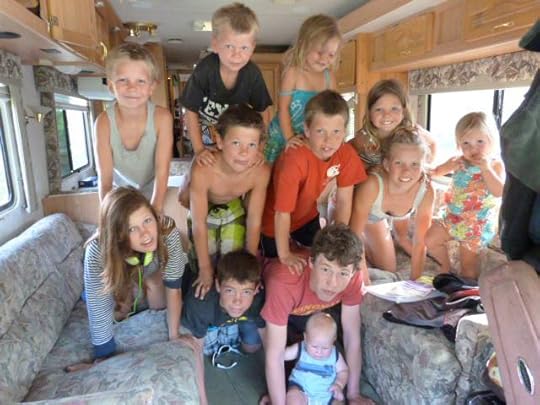
Photo: Photo: The Kellogg Show
In 2012, The Kellogg’s –a family of fourteen — traveled over 100,000 kilometers across North America in a 36-foot motorhome. During the trip, the children- ranging from ages one to twenty years old — had roadschooling lessons in math, reading, and writing. Wife Susie taught while her husband Dan worked remotely as an independent software engineer. They documented their road schooling lessons on their family blog.
2. The frugal travelers
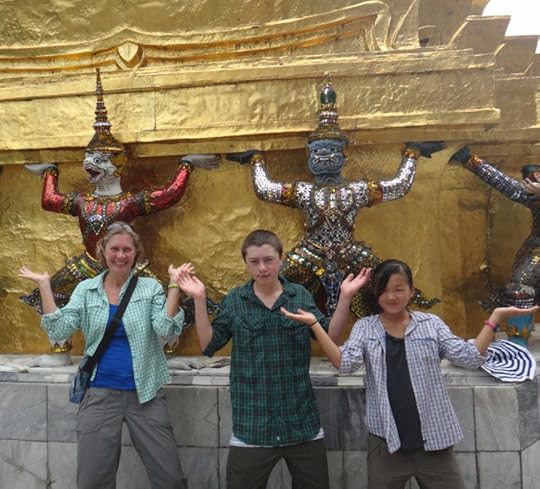
Photo: Photo: Lily Mauer’s blog
The New York Times travel section featured the Mauers’ family upon learning how the family financed their 10 month trip around the world: an average budget of $150 a day for a family of four. The family claimed that travel actually made their life far cheaper. They no longer had the need for car insurance or a budget for after-school activities. And by using travel insurance instead of standard health insurance, they cut costs significantly.
Their ten-month trip included Southeast Asia, Nepal, Europe, and ended with four months driving through Southern Africa in a rental 4×4 with a rooftop tent. Their two kids skipped freshman year and seventh grade (along with gymnastics and hockey season) to complete the trip. Their mother Kari home-schooled the kids on the road, although the article acknowledged “that seems an odd term when “home” has meant teahouses along the Annapurna Circuit in Nepal, a rental apartment in Lisbon and a night spent camping on the grounds of a Zimbabwean high school.”
3. The “Magic School Bus” family
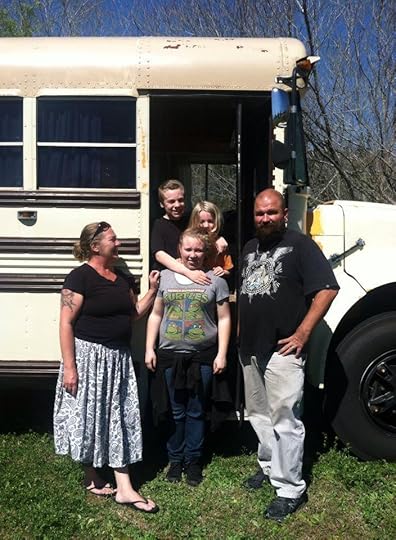
Photo: A Bigger Peace
The Hadley’s were featured on NPR for creating their own family version of the Magic School Bus. They bought a 1990 Bluebird school bus that had been converted into a mobile home, complete with plumbing, propane lines, a gas stove, fridge and shower. They plan to use it to homeschool their two children while traveling across the United States.
The idea came after husband Mike lost his job. After living off of unemployment checks and food stamps, they decided to sell their possessions in a yard sale, and raise money for their adventures on a GoFundMe page.
According to the article, when concerned family and friends asked “Why are you doing this to your children?”, wife Angela responded “We’re not doing this to our children. We’re doing it with them. If even one child was against this, it would be put on hold.” In the interview, both children were excited to take their learning on the road.
Along the way, the family plans on WWOOF-ing, and learning more about different kinds of intentional communities. They also eventually want to learn how to make their own biodiesel fuel.
4. The family breaking racial barriers
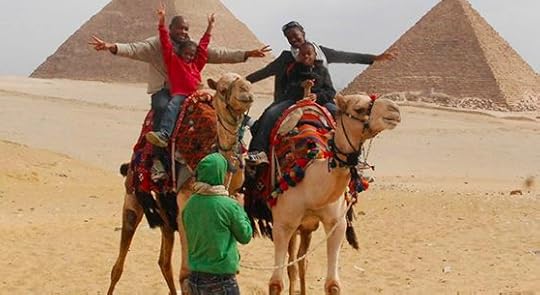
Photo: Globetrotting Mama blog
In a post for the blog “I’m Black and I Travel”, Heather Davis noticed the racial disparity in road-schooling: “I’ve yet to find a black family doing this, or who have done it.” So, she and her husband decided to became that family themselves. The family of four took a year-long trip visiting 29 countries on six continents and were later named National Geographic Travelers of the Year in 2012.
Their website says: “Before June 2011, our days consisted of making school lunches and working and going to school and wondering what to make for dinner and driving from karate practice to swimming practice to soccer practice before collapsing in bed. And in the moments in between, we wondered if there was more to life. We dreamed of seeing the world with our kids. We imagined having more time to do nothing (and everything) together. We hoped that one day we’d make it happen. And then one day we decided to do it.”
Others:
The Davies

Photo: Photo: Wales Online
Adele and Paul Davies of Wales saved for nine years to take their two children — nine-year old Lili Mai and seven-year-old Nel — on a year-long trip abroad. All together, they took 36 airplane rides through twelve countries (Canada, China, India, America, Fiji, New Zealand, Australia, Malaysia, Cambodia, Vietnam, Thailand, and Brittany). Paul previously worked as a teacher so educating their children through travel was a key part of the experience. In an interview with Inquisitr, the parents said “Every new country was a lesson in itself…Experiencing the world and all the variety it has to offer – the sounds and sights and smells – that education broadens the mind. It does more than reading about the world in a book ever could.”
The Millikens
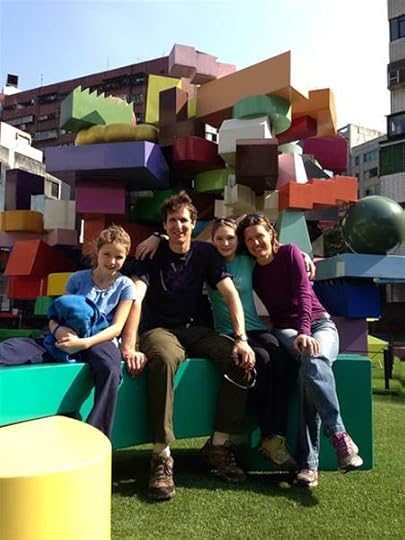
Photo: Photo: Ashley Milliken
Ashley and Peter Milliken took their two daughters on a seven-month trip throughout Asia, passing through Taipei, China, Thailand, Cambodia and Vietnam. The Milliken’s told the Today show they did the trip to expose their tween daughters to the “real world” before high school. The girls practiced real-world writing by blogging about their journey online. In the interview with Today, Ashley said “We live in a lovely albeit small, rather homogenous town in Vermont. We wanted them to get to know a foreign place in some depth.”
Road-schooling families to follow on Instagram:
1. Mali Mish is part of a family of five “working & exploring in an Airstream since 2008”
A photo posted by Mali Mish (@malimish_airstream) on Sep 3, 2015 at 12:12am PDT
2. Josh and Erin Bender have been living nomadically with their two children, Mia and Caius for the last three years.
A photo posted by Travel With Bender ✈ (@travelwithbender) on May 10, 2015 at 9:30pm PDT
3. Caz and Craig Makepeace live in the Central Coast of Australia but also take their daughters on their travels.
18 reasons you should never visit Porto
1. It’s easy to see Porto is nothing special.

Photo: Gabriel González
2. Its streets are too steep to even think about traveling there.

Photo: mat’s eye
3. And why would you want to visit stores with traditional Portuguese products and designs?

A Vida Portuguesa store. Photo: Disquecool
4. Not to speak about those old art decó cafés, serving coffee since the 20s. They’re probably dusty.

Café Majestic. Photo: António Amen
5. You don’t understand why it’s been chosen the world’s best under-the-radar romantic destination.

Photo: Gabriel González
6. Street art? You won’t be fooled, that’s just vandalism.

Photo: r2hox
7. And you hate cities full of churches.

Photo: Turismo en Portugal
8. You’re not paying a hotel room to spend the night drinking in the coolest bars.

Photo: Yellow.cat
9. The last thing you want is to discover a city from a historic tram.

Photo: Chris Owen
10. And you’re definitely not crossing the bridge to Vila Nova de Gaia. You’d end up too tired.

Ponte Luiz I. Photo: Laura Suarez
11. It’s not worthy to cross just to take a selfie with the river on the background.

Photo: Ana Bulnes
12. Not even to visit their Porto wine cellars (and taste it afterwards).

Sandeman Wine Cellars. Photo: Alejandro Forero Cuervo
13. And what about that obsession with tiles? Everything is covered in tiles, from churches…

Photo: Chris Owen
14. …to train stations. Was it really necessary to depict the History of Portugal like that ?

São Bento railway station. Photo: Ana Bulnes
15. You’ve seen enough cathedrals in your life.

Photo: Turismo en Portugal
16. And you’re definitely not traveling that far to visit a bookstore.

Livraria Lello e Irmão. Photo: Michał Huniewicz
17. You don’t like old things, but this is a bit too modern. Why is the Casa da Música upside down?

Casa da Música. Photo: Jose Hidalgo
18. And you don’t share the fascination photographers and painters have for all those clothes hung out to dry. You know you wouldn’t even look at them.

Photo: Ana Bulnes.

How to piss off a Brit
England has both, and is quite often a far cry in real life from how it’s portrayed in Hollywood, with producers who seem to think the land is populated with well-meaning yet simple country-folk, dastardly yet dashing criminal masterminds, and a humourless elite whose tendency to inbreed results in wealthy yet charmless individuals. Then again, any producer who’s seen Made in Chelsea could be forgiven for perpetuating that last stereotype.
Despite our differences, though, there are a few universal ways to piss off a Brit.
Tell us we don’t spell things properly.
“Why do you put a ‘u’ in there? There’s no ‘u’ in color,” comes the slow Southern drawl or the upper East Coast voice dripping with condescension. The American butchering of our fair native tongue has long been a sore point. Our neighbours across the ocean think it’s acceptable to remove the ‘h’ from ‘yoghurt’, change the letter ‘s’ to the letter ‘z’, and leave out half the letters from the word ‘doughnut’ whilst still spelling ‘dough’ the same.
It was our language first and, quite frankly, we don’t care for your excuses about language evolving and removing unnecessary vowels from words. The Canadians and Australians didn’t commit such heinous acts. Lazy spellers — yes, you, Americans — who then tell Brits, the people who cobbled together English, that they can’t spell words properly, piss Brits off.
Although we’ll probably just flash you a brief smile, no teeth, and then glare at you for the rest of the evening while mentally compiling a list of words you’ve decapitated. Honour, saviour, favourite, flavour…
Jump the queue.
A monstrous roar echoed through the courtyard of France’s most elaborate palaces, setting heads turning and voices murmuring. No, it wasn’t a victim of the guillotine, but rather my stepfather bellowing his disapproval at someone who cut the very long line to get into the Palace of Versailles. The queue jumper was berated by several other Brits before being forced out of the line to his rightful place — the back of the queue.
Brits joke that queueing is a national sport, and it really should be — it’d guarantee us a few extra golds at the Olympics, as nobody can queue quite like a Brit. Queueing is sacred, and anybody who dares try to disturb the order of the line will be met with icy stares and stern voices. Brits can generally let a lot of things slide when it comes to things we deem to be bad manners, but queue jumping is never one of them.
We don’t care that you’ve been waiting in line for 20 minutes and need to get back to the office or the baby you left in the car. If we’re in front of you, we’ve been waiting even longer for to send our letter / order our tuna mayonnaise sandwich / return the hideous shirt that our aunty gave us for our birthday.
Tell us you love English accents.
“Guys who have an English accent are so sexy!”
“Ohmygawd, I love how English people talk!”
“The English accent makes me melt.”
Stop. Right. There. What exactly do you mean by an English accent? Are you talking Colin Firth in Pride and Prejudice? Alan Rickman when he plays, you know, the evil guy in that movie? Or did you somehow stumble into the dark abyss of television known as Geordie Shore? You see, there’s no such thing as an ‘English accent’, and there never will be, no matter how much you protest.
Go to Leeds, or Newcastle, or Liverpool, or Birmingham, or Plymouth, and see how many people who speak like Mr. Darcy you’ll find there. Describing an English accent is like describing an American accent — someone from Wisconsin sounds different from a Washingtonian, who, in turn, sounds nothing like a West Virginian.
The same is true of almost everywhere. People in northern Vietnam speak differently from those in southern Vietnam, and Koreans in Seoul speak very differently from the throaty tones of those in the southeast of the country, or the barely comprehensible blabber of those from the islands that lie between Korea and Japan.
Before you tell a Brit that you love English accents, stop and ask yourself: Does everyone in every region of your country speak the same? Unless you’re from the likes of Liechtenstein or Tuvalu, probably not. Be a bit more specific, and tell us if you love how the newsreader on the BBC is speaking, or if you wish it were one of the Arctic Monkeys talking with his gruff voice, cultivated on the streets of Sheffield.
Use archaic slang, yet not understand slang we actually use.
“Evening, guv’nor!” comes the cheery greeting, accompanied by a swinging arm gesture and what could possibly be interpreted as an attempt at a Cockney accent. A wholehearted attempt, but a major fail nonetheless. I look around to see if there is indeed a 19th-century chimney sweep standing behind me but, alas, no. The greeting is directed at me. I can’t disguise the weary sigh that comes at the end of my dreary, forced chortle.
Dozens, nay, hundreds, probably thousands of Brits have been subjected to such well-meaning yet horribly unfunny greetings or efforts at using British slang by those visiting our shores. Nobody says ‘jolly good’ anymore, ‘spiffing’ is only used in an ironic sense among friends, and no matter what Gretchen Wieners tries to tell you, ‘fetch’ is most definitely not “slang from England.”
What makes matters worse is that when we Brits try to use actual slang in conversations with foreigners, like ‘bollocks’ or ‘minging’, you have no idea what we’re talking about. And you have no idea why the word ‘fanny’ is so much funnier to us than it is to you. Watch a few episodes of The Inbetweeners and learn, before you attempt to seriously slip the phrase ‘righty-o then’ into the mix.
Tell us that our food is rubbish.
Sure, we might not have the culinary legacy of our neighbours in France or Spain, and we might have adopted another country’s creation as our national dish — thanks, India! — but British food is far from rubbish. This accusation especially stings when coming from a person who hasn’t been out of the tourist zone in central London, where cardboard fish and chips and overpriced cheese sandwiches seem to be the menu du jour.
Find a traditional carvery and wolf down a roast dinner. Go to an actual chippy and try the fish and chips, one where you eat out of a newspaper and not off of a plate. Try the apple crumble for dessert, and make sure it’s slathered in custard. And had a heavy night? Go for the full English breakfast. There’s no better cure.
Our food’s not rubbish. You’re rubbish for not making the effort to veer off the Piccadilly line when looking for somewhere to eat.
Assume all Brits are prim and proper.
“Brits are so prudish,” is an accusation I commonly hear being thrown around. Usually by Yanks who are, in my experience, far more Puritanical than the average Brit. Despite our often steely exteriors when you first meet us, we Brits are by no means prudish. We just take a while to warm up to you and won’t refer to someone we’ve only known for a week as our “new best friend.”
Here’s a newsflash: Downton Abbey isn’t a reflection of modern-day Britain. After knowing one for a while, if a Brit is as icy to you as Maggie Smith is to her co-stars, then it simply means we don’t like you very much. We’re just too polite to tell you we despise your company, so don’t call us prudish or standoffish when you clearly suffer from a personality defect. Make friends with a Brit and you’ll see a whole different side to the culture.
Call us prudish and that’s exactly how we’ll behave when you’re around. We’ll also sarcastically use some little-used slang from the last century to rub salt into the wound. You divvy.
Photo: old_skool_paul 
Matador Network's Blog

- Matador Network's profile
- 6 followers


