
Matador Network's Blog, page 2049
September 14, 2015
7 lesser-known spots in Seattle
I LOVE SEATTLE, including all the iconic things you have to do on a visit: going up the Space Needle, watching people throw fish at Pike Place Market. Checking out EMP, doing the Underground Tour. Making the pilgrimage to the original Starbucks.
But unless you’re only in town for 24 hours (and I sincerely hope that’s not the case), you’re going to need more. Luckily, there are plenty of other amazing spots, ones you might not find in the guidebook literature. So do all of the above. Then, when you’re ready, visit these seven places.
1. Volunteer Park water tower
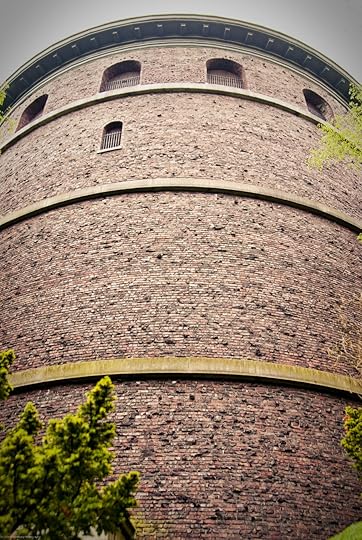
Photo: Erin Kohlenberg
A lot of people don’t realize that the water tower in Volunteer Park, built in 1906, is open to the public. You have to walk right up to the base of the enormous brick tower to see the open door inviting visitors inside. (The first time I found the entrance, it felt like discovering a secret passage to Hogwarts or Narnia.)
There are 107 stairs to the top — get ready to climb. You’ll be rewarded with a 360-degree view of Seattle as well as a mini-museum with information about the city’s history. Photographers take note: The water tower windows are grated, so be prepared to crop your skyline shots between the bars.
Find it: 1247 15th Ave E, in the southeast corner of Volunteer Park; if you’re on the bus, take the 10 to the 15th and Highland stop.
2. Stone Gardens Climbing Gym
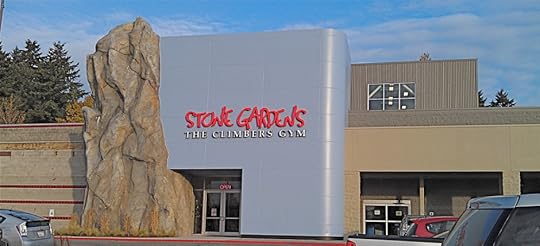
Photo: Peter Stevens
Anyone who’s in any way into rock climbing should make plans to spend a few hours at Stone Gardens. If you’ve never climbed before, no worries; it’s a great place for beginners as well as experienced climbers. The first time I went, I could barely ascend a 5.5 wall (climbs are graded numerically, and 5.5 climbs are some of the easiest), but I still had a great time learning the ropes — literally.
If you’ve got kids, there’s a sloping dinosaur wall for an easy intro climb. If you prefer outdoor climbing, Stone Gardens just expanded its outdoor wall this summer. And if you’re traveling alone, there are auto-belay walls so you can climb without a partner.
After you finish at Stone Gardens, walk down the block and have lunch at the Kiss Cafe. This quirky spot sells an astonishing number of sandwiches and all-day-breakfast options, from the Battered Elvis (peanut butter and banana in French toast) to the Thanksgiving Hangover (turkey, stuffing, and cranberry sauce between two slices of bread). Want it now? Order the Veruca Salt — which costs $1,000 — and get your order delivered before everyone else’s.
Find it: 2839 NW Market Street; Stone Gardens is on the far west side of Ballard, but both the 40 and the 44 bus will get you there if you’re willing to take a long ride. I’d recommend driving.
3. Center for Wooden Boats
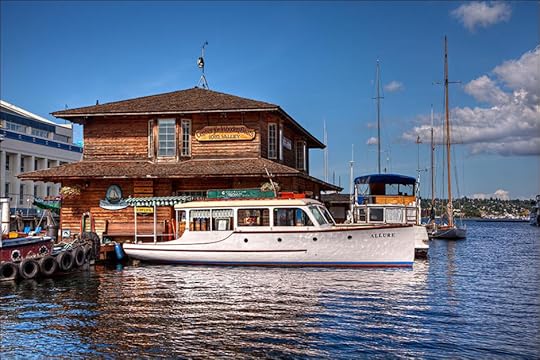
Photo: Ian Good, Center for Wooden Boats
If you’re a boat nerd — and in Seattle, you can’t really help but pick up the bug — you’ll want to stop at the Center for Wooden Boats. You’ll see more than 100 historic boats, most of them wooden, and all of them fascinating examples of structure and design.
I’m the kind of person who can spend (and has spent) hours at a place like this, examining each boat in detail. They even let you onto some of the bigger boats to check out the cabins inside. Their events calendar lists free public sails, where you get a chance to experience the boats in motion. (If you’re going to a free public sail, sign up early; be there before the signups open at 10am to have a better chance at your first-choice boat.)
If you need a little extra incentive to geek out on boats, the Center for Wooden Boats is right next to the Museum of History and Industry. It focuses on both historical and new innovations in machinery, health, music, and more. Together, these make for a great afternoon of museum-ing.
Find it: 1010 Valley St; take the 70, the 71, the 72, or the 73 to Fairview Ave and Valley. You’ll know it when you see it.
4. Japonessa Sushi Cocina
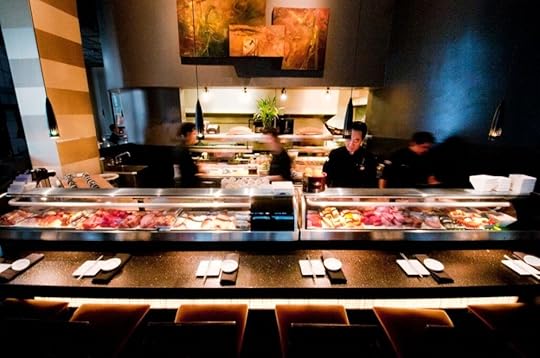
Photo: Japonessa
My first trip to Japonessa Sushi Cocina came right after visiting the nearby Seattle Aquarium. We heard stories about the aquarium’s very smart octopus, who liked to climb out of its tank at night, and then I went to Japonessa and ate octopus for the very first time.
Since then, it’s been my go-to for special occasions. Yes, it’s a fancy place and you’ll pay fancy prices. If you want to sit in the main room, you’ll need a reservation, but there’s a side room (plus the bar) for walk-ins.
Japonessa mixes Asian and Latino influences to create sushi rolls like the Orange Crush, which combines crab, sockeye, and salmon with cilantro, coconut mango, and shibazuke pickle. I like to order the Spicy Redhead, first because of the color of my hair and second because it includes salmon, avocado, and chili allioli. I’ve also ordered the Chef’s Choice sashimi, and although I don’t know if it came directly from Chef Billy Beach, it was one of the best sashimi experiences I’ve had. And don’t forget about the cocktails — they’re good and they’re strong.
Find it: 1400 1st Avenue; a lot of buses stop on 3rd Avenue and Union, so walk south from there. Or take the Metro to University Street Station at 3rd Avenue and University. You’ll be very close to Pike Place Market, the Aquarium, and a lot of other popular downtown spots.
5. Central Cinema
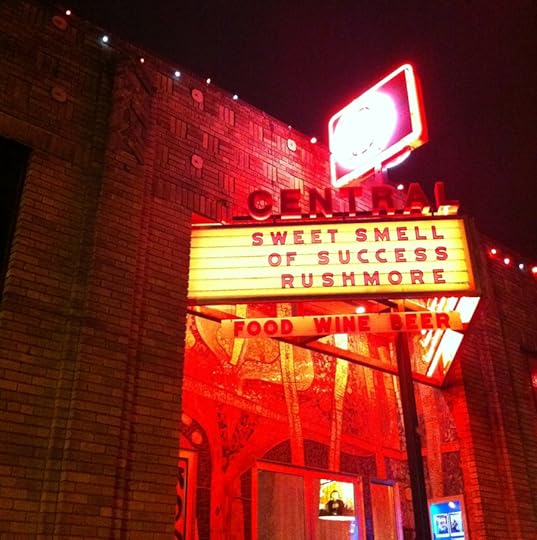
Photo: Karen
Central Cinema makes its business screening cult classics, from Hackers to The Big Lebowski. They also host musical sing-along nights, so if you’ve ever dreamed of matching pitch with Catherine Zeta-Jones in Chicago, now you know where to go.
Check to see if your screening includes Hecklevision, a system that allows the audience to text insults and heckles directly to the movie screen. I’ve heckled Joss Whedon’s Serenity at Central Cinema, and there’s nothing like a group of Browncoats picking apart their favorite film while simultaneously picking apart Central Cinema’s nachos plate or garlic cheese bread.
Yes, this is one of those movie theaters that has tables in front of nearly every seat, and lets you enjoy both food and drinks (including cocktails) during the films. You can get a full meal, too; their lasagna is amazing, as is the cardamom soda.
Central Cinema also has special theme events, like Cartoon Happy Hour: Arrive at 5pm and watch two hours of family-friendly cartoons. Order dinner for the kids and drinks for the adults.
Find it: 1411 21st Avenue; a lot of buses will get you within walking distance. If you’re coming from downtown, take the 2 to Union and 20th. Coming from the north? Take the 48 to Union and 23rd.
6. Century Ballroom
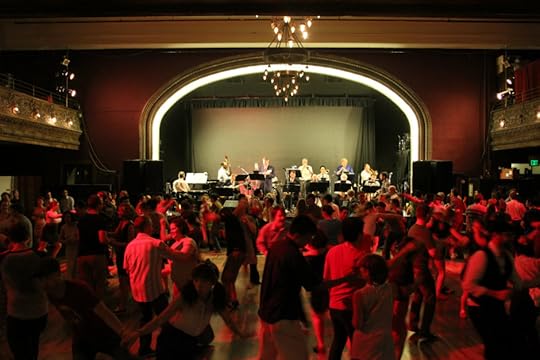
Photo: Century Ballroom
Seattle has a huge social dance culture, and the Century Ballroom is one of the most popular dance spots in the city. I’ve been taking lessons here since the beginning of the year, and have mastered both the Charleston and the Reverse Charleston.
Drop in for one of their nightly dances, which focus on everything from Lindy Hop to Kizomba. Check their events schedule to confirm, but they’re generally set up for two dance styles each night, one in the main ballroom and one in the West Hall. Switch between the two rooms as often as you want.
If you’d like a mini-lesson before you dance the night away, show up an hour before the nightly dancing starts for a quick course in rock steps and mambos. (Again, check the schedule; most of their dance nights have mini-classes, but not all.) When you take a class, be prepared to rotate partners — after all, it’s called “social” dancing for a reason.
Yes, you can attend both the classes and the nightly dances without a partner; you’ll find plenty of people ready to ask you to dance. Also, check out the Tin Table, the restaurant and bar inside the Century Ballroom building. The bartenders are more than happy to explain — and show off — the steps involved in creating their inventive craft cocktails. (Try the old-fashioned old fashioned.)
And if you needed one more reason to go to the Century Ballroom — it’s next door to Seattle’s famous Molly Moon’s ice cream shop.
Find it: 915 East Pine Street; this is a 15-minute walk from downtown or from the Convention Place bus station. It’s also accessible via the many buses that go down Broadway.
7. Louisa Boren Lookout
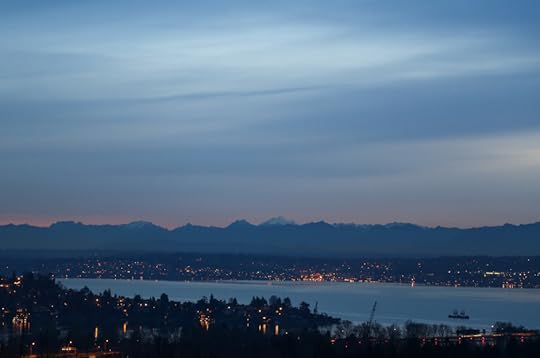
Photo: Brad Greenlee
This is one of my favorite places in the city, and I love it in part because it’s a true Seattle secret (I discovered it by accident while taking a walk).
The Louisa Boren Lookout is a small, quiet park with a sculpture and a few benches. What makes it special is the view: an incredible panorama of Lake Washington. It’s an ideal place to go and relax — take a book, or take a date. There’s a jogging trail nearby if you’re into running, but I prefer to stop in the park, look out at the water, and just be. I always feel so calm and refreshed afterwards, and very glad I get to live in this amazing city.
Find it: 1606 15th Ave E; this is the only tricky one on the list, logistics-wise. Take the 10 to Grandview Place and Garfield, then turn left onto Garfield. The Louisa Boren Lookout is to the east of Volunteer Park, so make sure you don’t end up in Volunteer Park by mistake. It’s probably best to put this one into your phone. 

This post is proudly produced in partnership with Visit Seattle.


10 reasons to travel Europe in winter
When my family took a vacation to Europe, it was in summer. It was summer again three years later when I returned for a Eurail-powered backpacking trip.
I know I’m not alone in equating European travel with the June-August high season. Guaranteed a good chunk of the 460 million international visitors in 2009 landed in summer.
This, to me, is the best reason to break out and choose winter.
2. Cheaper rates
A natural consequence of reason 1, and it applies to everything from the airfare over to hotels and rail tickets on the ground (though probably not around Christmas/New Year).
According to Rick Steves, discounts are largest in small towns and areas highly dependent on tourism (assuming they haven’t shut down completely). Metropolises with healthy commercial centers don’t have to try as hard to attract clientele.
Check out the post 5 travel deals for Fall and Winter travel to Europe for some ideas on how to save.
3. Markets and festivals
Last year we published a piece on Where to Find the Best Christmas Markets in Europe. These street markets are set up all over the continent during December in a tradition that goes back to the 1400s, and they’re well known among local and regional tourists.
Other annual events held in the cold include Carnival (late February), the Dublin International Film Festival (late February), and the Kiruna Snow Festival (late January).
4. Atmosphere
Snowflakes falling in front of a back-lit Eiffel Tower. Icicles hanging from the eaves of a Bavarian B&B. The muffled crunch of tires on snowed-over roads in central Oslo or Warsaw or Amsterdam.
Being from south Texas, I appreciate the magic a real winter has in it. I’d love to see Europe through that lens.
5. Winter sports
Several of our Top 10 International Ski Mountains to Hit in 2010 were in Europe.
The continent gave names to both alpine and nordic ski disciplines. Snowboarding is less popular than in the States but well established (my brother-in-law is riding Saint Sorlin D’Arves as I write this).
Then there’s snowkiting, snowshoeing, ice fishing, extreme sledding, and ice racing.
Check out Ski Europe for mountain package deals.
6. Indoor attractions
Europe is rich in “indoor culture” (museums, art galleries, palaces, cathedrals). These heated, well-lit spaces are pretty appealing when the sun sets at 3 and temperatures hover around freezing (though hours may be curtailed off-season). Theaters and concert halls tend to put on more performances during winter as well.
Or, if the day is particularly nasty, spend it guilt free in the pub, such as those Matador Nights has profiled in Stockholm, Hamburg, and Reykjavik.
7. The aurora
Darker days mean more opportunities to see the Northern Lights. You’ll need to be in northern Scandinavia to have a fair shot, though Scotland gets hit with relative frequency too.
Check out The Northern Lights: Best Places to See Them in Europe, Canada & Alaska for more info.
8. The temperate south
For destinations like the Canary Islands, Crete, Cyprus, Sicily, and the southern regions of Italy, France, Spain, and Greece, winter can be the best time to visit weather-wise.
For example, Athens sees 50- and 60-degree days Dec-Feb, whereas summer easily pushes over 100. Maybe a little chilly for a swim, but there’s no worry of heatstroke at the Acropolis.
9. Ice hotels
Every winter in northern Scandinavia, a handful of tourist accommodations are built up from the ice. Everything from buildings to beds to shot glasses are carefully carved from the frozen blocks.
The result is something unique, and you can see shots in Igloos, Castles, Sewage Pipes, and Survival Pods: The World’s 9 Weirdest Hotels.
Matador Goods editor Lola Akinmade shares what she knows about ice hotels in Discovering the Real Scandinavia Off-Season.
10. Winter cuisine
The realities of life during northern-latitude winters have spawned a number of traditional cold-weather dishes throughout Europe.
In Switzerland and parts of France, there’s raclette and fondue, both of which are based around warmed cheese. Germans like to break out the venison when it gets cold, and roasted chestnuts are a vendor staple at Christmas markets.
Mulled wine is a traditional hot drink in many countries and is served in these London bars.
Community Connection
Tell us what reasons YOU’ve found for traveling Europe off-season.

September 12, 2015
These guys are driving from NYC to Argentina. They keep it real. Here’s how you can too.
HEADING OUT TO SEA WITH A NICARAGUAN FISHING CREW AT 4AM.
Building a yurt with a family of nomads on the Mongolian steppe.
Cruising around town looking for grub with a Guatemalan mechanic.
In the past year we’ve driven through over 25 countries. We have a lot of travel highs and a lot of travel lows, but wherever we are we really try to dig into the local scene. And we mean scene literally. We’re filming a tv series documenting our drive from NYC to Argentina, and the places and people we meet along the way. We’re constantly searching for stories, and our searches get us into the kitchens of restaurants, the homes of locals, and the heart of local festivals.
We used to think these amazing situations were happening because of our camera. But we’ve realized that there’s actually a formula to making deeply authentic experiences happen, and the camera isn’t part of it. You don’t need a video camera to travel like we do.
Here’s how we approach any travel scenario:
Say hello.
No excuses – whatever country you’re in, whatever language you’re speaking, the first word you learn is hello. No conversation starts without a hello, so let it come from you.
We’ve always been amazed that “people in X country are so much friendlier and happier to talk to us than they would be in New York!” But that’s because we’re likely throwing out a lot more hellos than we would be in New York. Strangers don’t really say hi to us in NYC. If they did, we probably would say hi back!
When we stopped to check on a friend’s broken down car on a village road in Tajikistan, a well-placed hello to the right person (now our friend Sino) led us to being guests of honor at the town’s lively party going on up the street. Only feet away from Afghanistan, a night of Tajik dancing, facefuls of indulgent food, and a nervous cross-language toast ensued under the Tajik mountains.

Caption: In earshot of Afghanistan, but nobody’s turning down the music. A well-placed hello lands us in a Tajik village party. Global Goulets
Ask their name.
This is critically important. If you’re receiving a service, dealing with border guards, asking for something, anything – everyone has a name and you’ll rarely meet a person who won’t tell you theirs. This is the quickest way to turn any encounter from transactional to conversational, and get human to human with someone in very different shoes than you.
Striking up conversation with the guy serving our pizza from a truck got us a safe place to stay in Leon, Nicaragua – Oscar invited us to tent up safely in front of his house in the middle of the city. It was a busy street with traffic and noise, but we had our (free!) spot and passed the evening making friends with the neighbors.
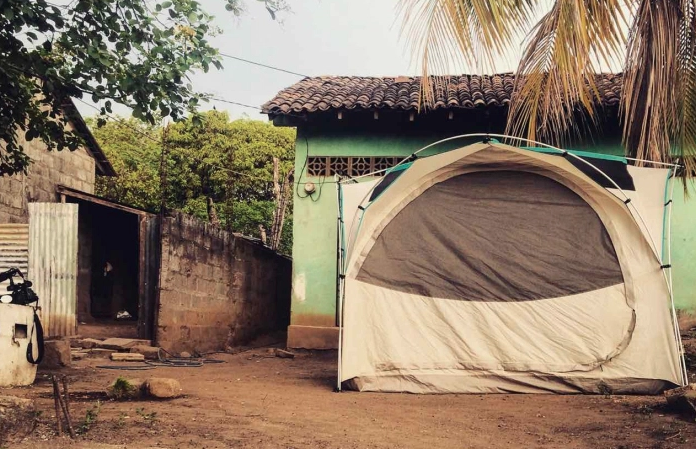
Caption: In Nicaragua, a slice of pizza sometimes comes with a safe place to tent up for the night.
Global Goulets
Ask questions and try to understand the world from their side.
By traveling you are inserting yourself into someone else’s world. You can get a surface idea of what they’re up to, but why not ask questions to get yourself a little deeper? How long have they been doing that thing they’re doing? How long have they lived here? How has the area changed in their time here? Do they have kids? What hopes do they have for their children?
Politics, money and religion are generally off limits when you’re home, but if you’re having a good conversation, don’t be afraid to get out of your conversation comfort zone. Just don’t be surprised if they reverse the questions on you.
We spent a few nights with a Guatemalan family in little-known Aldea Guineales, and realized that not all illegal migrants to the States are trying to chase the American dream. In fact, a lot of them would just like to save up some money to come back and enjoy life with their families right here. After eating home-cooked meals, touring our hosts’ coffee farm, and bathing in the town’s scenic, untouched hot springs, we knew why.
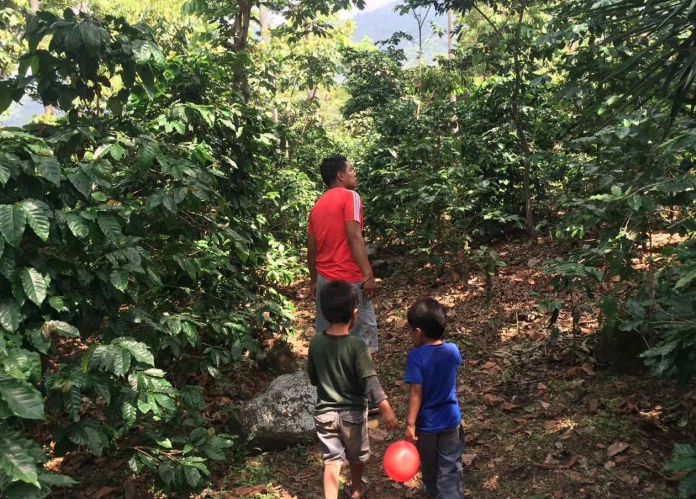
Caption: This farm helped keep our coffee addiction alive and kicking. And for this we are grateful.
Global Goulets
Get to know the before and the after.
A lot happens before and after you enter a scene. If you’re in a restaurant, why not ask where the food comes from? If you’re dealing with a mechanic, why not ask what he does in the evenings? Ask to see how they’re cooking your dish in the kitchen, or if you can visit the market with the chef in the morning. Don’t turn down an invitation to enter your new friend’s house to meet his or her family.
In rural Nicaragua, a fisherman and his family invited us over for fish dinner. But one of us (Eric) was curious about how they would get the fish – and ended up on a fishing boat with a four-man crew at 4 o’clock the next morning. It made for epic footage and an epic experience.
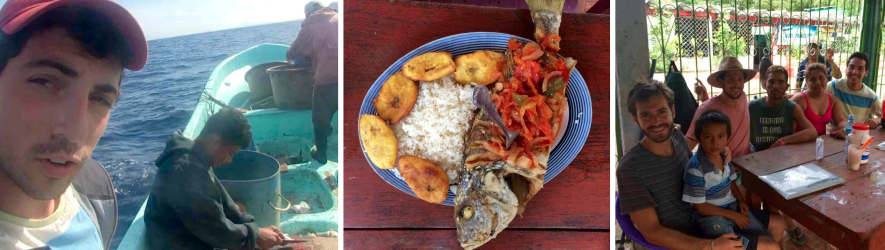
Caption: L to R: Eric tries to find his place in the crew; from ocean to table in under an hour; full bellies and great spirits
Global Goulets
Be mindful.
People often think their day-to-day lives are boring. Be their most interested face of the day. Remind them that what they’re doing is the most fascinating thing in the world to you in that moment. Your attention is the greatest gift you can give someone, so pay attention to people like they’re telling you next week’s winning lottery numbers. Don’t take out your phone to take a picture until later.
Charlie, our mechanic in Guanajuato, Mexico, fixes cars all day, every day. But when Charlie worked on our car, we couldn’t quit following him around the underbelly of our car and asking endless questions about his work — after all, our car was in his hands. We discovered a man with real passion for his cars. Charlie rewarded our personal interest in him and his work by calling up some friends and putting on an impromptu car show for us.
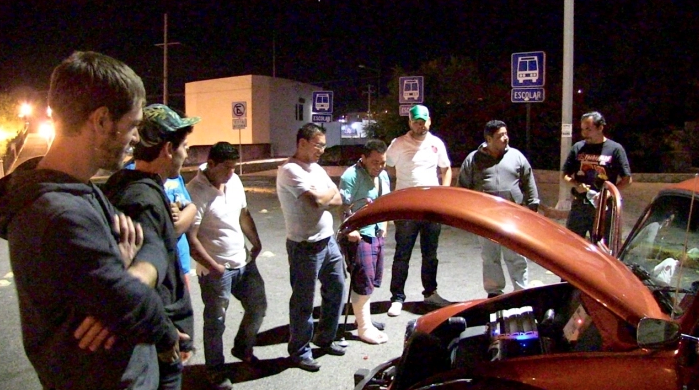
Caption: Has your mechanic done this for you?
Global Goulets
Have fun.
Laugh. It helps everyone relax, and brings out the kinder, more open side of people. Even if you can’t speak the same language, laughing is universal.
Driving through Kyrgyzstan in the summer heat, water was scarce but watermelon was everywhere, sold roadside every 100 feet. We caught onto the watermelon craze and gave ourselves a challenge – empty everything from our car and see how many watermelons we can fit in and on top of it. Then, we drove around Bishkek handing out watermelons to anyone who wanted. We couldn’t speak the language, but we had genuine bouts of laughter with damn near everyone in the city. Those passing moments of shared joy made it all worth it. Also, the answer is about 52 watermelons.

Caption: Calling everyone in Bishkek: WE’VE GOT WATERMELONS!
Global Goulets
See what you can contribute.
There’s a common sentiment that you should give more than you take in life. You’ve made yourself more vulnerable than usual by venturing out into an unknown place and you’ve been rewarded with a truly authentic experience with some locals that had no real reason beyond basic goodness to give you the time of day. You know your host better than most visitors now – what small token or act would be most impactful to them? The answer is usually not money. Give it some thought. The more practical the better.
We’ve made a lot of friends in El Transito, the rural Nicaraguan fishing village where we’ve spent the last few weeks. Tomorrow morning, we’ll lend our hands to help our friend Catherine upgrade her family’s dirt floor to something a bit more durable.

Caption: Tomorrow we’ll help Catherine make sense out of that pile of rocks. Does anyone know how to make a floor?
Global Goulets
You may by now have noticed something about all these tips – you don’t need to be traveling to try these out. Next time you walk into a new café or restaurant, why not put this into practice? You’ll undoubtedly find there’s a much more rich, authentic human world to connect to, whether it’s the world around you or somewhere farther than you’ve ever been.
Safe travels, and respond if you have any travel enhancement tips to add!
For more travel inspiration and to follow our adventure in real time, meet us at www.globalgoulets.com.
About us: We are 3 guys who quit our stable NYC jobs to drive the world and film it for TV. No crew, just us. Currently, we’re driving a busted SUV from NYC to the southernmost tip of Argentina. We’re about 5 months in and have no idea how long this will take, but get more travel inspiration and join our adventure in real-time at www.globalgoulets.com or facebook.com/globalgoulets.

How to not be a jerk on airplanes

I KNOW, I KNOW. You think you’re the perfect rowmate on crowded plane rides. You keep to yourself, you don’t climb over your neighbor all the time to use the bathroom, you keep your hands and arms inside the bounds of your armrests. If you really are the mindful passenger you think you are, then I applaud you. But more than likely, you’re just as crappy as the rest of us on planes. We know the stress of being in-transit can really throw you off, so here’s a handy list of how not to be a total jerk on a plane.
1. Be mindful of your spawn.
Kudos to the family on my flight home from Dallas that thought in advance to bring free drink tickets for the person stuck sitting next to them and their noisy, crabby toddler. Anti-kudos to the families of the kid running through the aisle who tried to steal my husband’s cell phone on a flight to Amsterdam, and to the man sitting next to traveler Kimberley Gorelik Moran on the way to LA, who handed her his eight-month-old daughter and then left to go drink with a friend in another row.
2. Leave the tray table alone.
You may not be aware of this, but every time you put the tray table up or down, it shakes the seat in front of you. I know long flights can be boring, but amusing yourself by messing with the tray table is probably ruining someone else’s ride.
3. Keep your feet to yourself.
You’re most likely definitely aware of this, but kicking the back of the seat in front of you is just as bad, if not worse.
4. Don’t block the window with your entire giant head.
You know how you can get claustrophobic on planes and the only thing that helps is a quick glimpse out the window? Your flying friends in the middle and aisle don’t have the luxury of looking out like you do. So if you see them leaning forward for a peek, don’t be the person who blocks the whole window. I’ll let you in on a secret: If you lean back against the seat, you can still see outside! And a special shout-out to those who close the window shades in seats that aren’t theirs. Just. Don’t. Do. It.
5. Dial back the volume.
This one’s for all the teenagers on summer trips, drunk passengers, and people with no internal monologue. Keep quiet, please. We don’t all need to know the intimate details of your lives. And that’s exactly what I told the two women behind me loudly discussing bowel movements on a flight to Louisiana.
6. For the love of god, wear headphones.
I half expected it when the teenager in front of me pulled out his phone and played a first-person shooter game. On full volume. With no headphones. He’s just a kid; maybe he didn’t know better. But on the next flight, when a middle-aged mother put in a DVD on her mobile player, cranked up the sound, and settled back to watch it without headphones… that was not cool. Here’s a tip. If all the passengers are turning around to stare at you, you’re probably doing something wrong. Just sayin’.
7. Overall, just don’t touch the seat in front of you.
Similar to kicking the back of the seat and messing with the tray table, it’s fine to use the seat in front of you as leverage when you first sit down and occasionally need to get up—but if you’re doing it every ten minutes like the man behind traveler Kirstin Kelley, you’re pretty much causing a nightmare.
8. Smell-check your feet in the airport before kicking off your shoes on the plane.
This is especially important on overseas flights. No one wants to spend eight hours smelling your stanky feet. For everyone’s sake, do a quick smell test while you’re waiting for boarding to start, and buy a pair of socks if you need to.
9. No, it isn’t your overhead bin.
Hey, three or more people have to share that bin with you. It’s easy—carryon in, wheels out. NOT sideways. Jacket or coat on top of your bag. Anything else that needs to go up there can be held in your lap until everyone else has packed their stuff in.
10. Seriously, just don’t be a psychopath.
If this is you, please, seek help. On a recent overseas flight to Detroit, traveler Kyle Gray Young had to endure the insanity of a woman who wanted to sit as close to the bathroom as possible. The flight was full, but she yelled and threw a fit for about an hour until someone agreed to move. Several hours later, she started to freak out again and asked for a doctor. No doctor came, so she raised more hell. She wanted an oxygen mask to help her sleep. The flight attendants refused. While Young was waiting for the bathroom, the woman threw her pillows onto the floor by him, then pointed and stared at him as if he was supposed to get them back for her. Nope.
And here’s a bonus for those of us who just love to hear about other peoples’ discomfort.
11. Keep the porn at home.
Traveler Maggie Parker looked over to the next business class seat on a flight to Thailand—and found a man watching porn on his computer. Don’t be that guy. 
40 free things to do in Los Angeles

Caption: Luca Sartoni
1. Abbot Kinney First Friday Art Walk
It’s easy to get lost in the sidewalk chalk, reflective statues, and kinetic sculptures. Best part? Snagging free samples from the food trucks that line the boutique storefronts on the ‘First Friday’ of every month.
2. Serenity Sunday at Gladstone’s
Free morning yoga flow at the classic Gladstone’s restaurant on the beach. Don’t worry about your inexperience because other beginners line the walls too. If you can’t focus, just go to your happy place thinking of the Bloody Mary after class.
3. The Downtown Independent
Open screenings of witty pilots and slap-stick short films. Bring your questions, because sometimes the director hosts a surprise Q&A.
4. Venice Walk
Live music, skateboarding dogs, and a rainbow of Ray Bans and board shorts. Just watch out for chainsaw jugglers.
5. The Last Bookstore
Full of vintage typewriters, hidden rooms, burnt pages to set a very 1970’s-scary-movie tone.
6. Shakespeare in the Park (or by the Sea)
Beware the resurfacing of high-school memories of you reciting Shakespearian classics. But this set is modern, and you know every monologue. Wine, juice and snacks all around — it’s a literary picnic — and the actors aren’t afraid to draw you into the action.
7. Hollywood Forever Cemetery movie
The lawn chairs are out, it’s dusk, and The Goonies is on the Jumbotron at the Hollywood Forever Cemetery. After the movie, fireworks erupt over Santa Monica Blvd.
8. Twilight Concert at the Santa Monica Pier
9. Olvera Street strolling
Free tours shuffling through the original LA, circa 1781. You’ll know you’ve arrived when you hear the slapping sound of fresh tortillas.
10. Art Crawl at the Old PBR Brewery
100 artists from around LA display their work. Plus there’s a beer garden (which is unfortunately not free).
11. Swing, climb, and bounce at the original Muscle Beach (beach park)
This beach park is the best playground around — parallel bars, ropes, swings, rings, and tight ropes help you swing, climb, and jump before floating in the waves.
12. Free Improv in the alleyway off Vermont Ave.
Seems intimidating, with just a faint light coming from the basement-style Clubhouse. The skits, stand-up, and monologues are unbearably funny. Enjoy some local artists and remember: Tina Fey was once in free improv clubs. Just saying.
13. Downtown Art Walk
Eccentric street performers play around 9pm. Their rhythm keeps pace with local wanderers poking their heads into painter’s galleries on Spring St. and sculpture galleries down Main St. between 2nd and 9th.
14. Catalina Island for free on your B-Day
Catalina is better on your birthday. Promise.
15. SUP the Bay
In the mornings, the dolphins head north up the bay, and in the afternoon they meander south just off the shoreline. Join them on a paddleboard near El Porto beach. No paddleboard? Hop in, they’ll swim right past you.
16. Archery lessons in Pasadena
The hay barrels are set and it’s your first time with a bow and arrow in hand. No worries, the Pasadena Roving Archers instructor will be there to raise your elbow and steady your stance.
17. Venice Canals
The arching bridges, beach houses, antique canoes, and occasional ducklings make for a calm afternoon on the 5 blocks of Venice Canals. Between Venice’s raucous boardwalk and hipster Abbot Kinney. Ideal setting for a picnic or mid-afternoon stroll.
18. Santa Monica Pier
Explore the amusement park, go surfing or take a peek inside the aquarium. Keep an eye out for the Python man at the front of the pier — he’s well worth an Instagram post.
19. Manhattan Beach Strand
Professional volleyball players flock to the public courts along the Strand.
20. Bonfire at Dockweiler State Beach
Ok, maybe not free if you don’t have wood, but close. Spare a few bucks for wood and head to Dockweiler where the bonfires burn until 10pm. Bring the blankets, warm clothes, and Frisbees, and set up camp up-wind. Warning, the seagulls will definitely steal your snacks.
21. Picnic at Echo Park
The restoration of Echo Park resulted in an oasis of lotus plants, nature walks, fountains, and a boathouse — all surrounding Echo Park Lake. It’s the perfect place for some time away from it all, or a game of pickup basketball, soccer, or tennis.
22. LA Central Library
One-hour tours explore the historic Los Angeles Central Library every day with Saturday art-in-the-garden tours too. Sweet five-times-your-size lanterns and massive chandeliers.
23. 3rd street promenade dancing
Every Sunday from 4-9pm the north end of the 3rd street promenade is buzzing with salsa, tango, and meringue dancing.
24. Walk of Fame/Chinese Theatre Walk
Street actors clamor through the herds of tourists eyeing each and every star on the walk of fame. Spiderman bumps into you and Elvis runs to his next gig. They’re probably shooting a commercial or movie around the corner.
25. Drop-In Beach Volleyball at Will Rogers
The vibe is laid back, so you can run into the water for a quick dip, then get back in the game.
26. La Brea Tar Pits
Visit the old-fashioned museum and excavation site at the La Brea Tar Pits on the first Tuesday of every month. The walking-tours highlight 3 million year-old fossils, taking you on a prehistoric adventure.
27. Free Wine Tour and Tasting
The urban crowd mingles with historic flavors at the San Antonio Winery. Sign up for the free tour (and free tasting!) through the visual history and tasting room containing massive barrels dating back to the winery’s opening in 1917.
28. LA City Hall (Observation Deck)
Whether or not you have an interest in the local political scene, LA City Hall is worth a stop just for the killer views from the Observation Deck. You can get everything from the US Bank building to Grand Park in one panorama (find the 1984 Olympic Torch while you’re there, too).
29. CA Science Center
Exposition Park is abuzz. The museums are swapping patrons from open to close, most of them headed for the main attraction, The Endeavour. The shuttle is gargantuan. Staring up at the underbelly of the ship and envisioning it in outer space sparks memories of a younger version of yourself dreaming of life in space.
30. Peruse Little Ethiopia
A small strip of South Fairfax Avenue rings with the sound of drums and begenas. Clothing stores, vintage furniture shops, and family-owned restaurants all sport the same vibe of everyone’s family hospitality. Find the patriotic red, yellow, and green patterns and you know you’ve arrived.
31. Bradbury Building
It’s important not to give up on this Downtown structure. The lackluster exterior is not inviting, but down the brick ‘n wood alleyway you’ll be gawking at the architecture you thought no longer existed. Bonus: you may just recognize the interior from Blade Runner.
32. Hike Runyon Canyon
Runyon Canyon is full of walkers, hikers, runners, sprinters, impressively dressed personal trainers, and offers the occasional DJ on the hilltop.
33. Hollywood Bowl Museum
The Bowl is home to one, if not several, of your most memorable of concert experiences. You go around back, to an area you’ve never visited, and see the heart of the venue in the Latin, Rock & Roll, R&B, Classical, and Jazz hall of fame. The vintage posters make you a firm believer that you may have been born in the wrong decade.
34. Griffith Observatory
The views from the top of the hill are epic day or night. The city is painted orange, the layer of smog tucking the city in at night, followed by planets, solar systems, galaxies. It’s all freakin’ sweet.
35. Tour the Jet Propulsion Laboratory
Did you know the JPL launched the first American satellite in 1958? And now they’re up to bigger things, like sending rovers to Mars. The free tour tells all (and might even let you take a glimpse of what’s goin’ down on Mars that day).
36. Self-Guided Tour of Walt Disney Concert Hall
Ok, the sparkling steel exterior of the Walt Disney Concert Hall is stunning. It glistens and is red hot to the touch (do not attempt). But there are lush gardens inside that no one really knows about — and access is free.
37. The Getty Center (and Saturdays off the 405) + Getty Villa
You survived traffic on the 405 North. Congratulations. You pay the parking fee (as you do everywhere in the city) and enjoy the only monorail in LA (Disney aside). The history exhibits keep your attention, but not quite like the city-scape paired with live music at ‘Saturdays Off the 405’.
38. Jazz at LACMA
The Brooklyn city lamps is but a faint backdrop. The bright red-and-white scene at LACMA is all about Jazz during the summer concert series. Forget what time it is and kick back every week.
39. Be on a game show
It’s not only free, but most shows will pay you to be on TV as you to try to win some cash. The energy level is real high and the potential for a big win is tangible. You’re nearly begging Wayne Brady to invite you up for the deal of the day.
40. Drive PCH
The windows are down, music blaring, and the roadside strawberry stand with fresh produce from the San Fernando valley is chock full of free berry samples. All the while, surfers are out in droves for your entertainment. 
September 11, 2015
Vote: Most underrated cities
WE CONSTANTLY HEAR ABOUT HOW CITIES like New York, Chicago, Seattle, or San Francisco are the greatest. But there are dozens of other amazing cities in the U.S. that you virtually never hear about. We’ve picked what we think are the most underrated cities for millennials in the country, and various contributors have argued for what they think the most underrated city is: Portsmouth, Pittsburgh, Cincinnati, Denver, Detroit, and Kansas City. Now we want to hear what you think: Which city do you think is the most underrated? Vote below!
Featured photo: Chang Liu

ideal tents for refugee camps
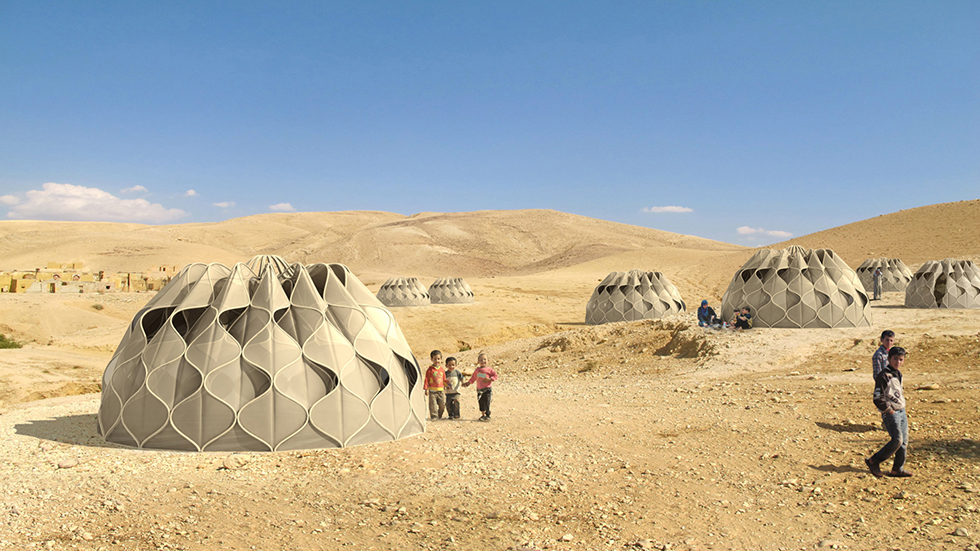
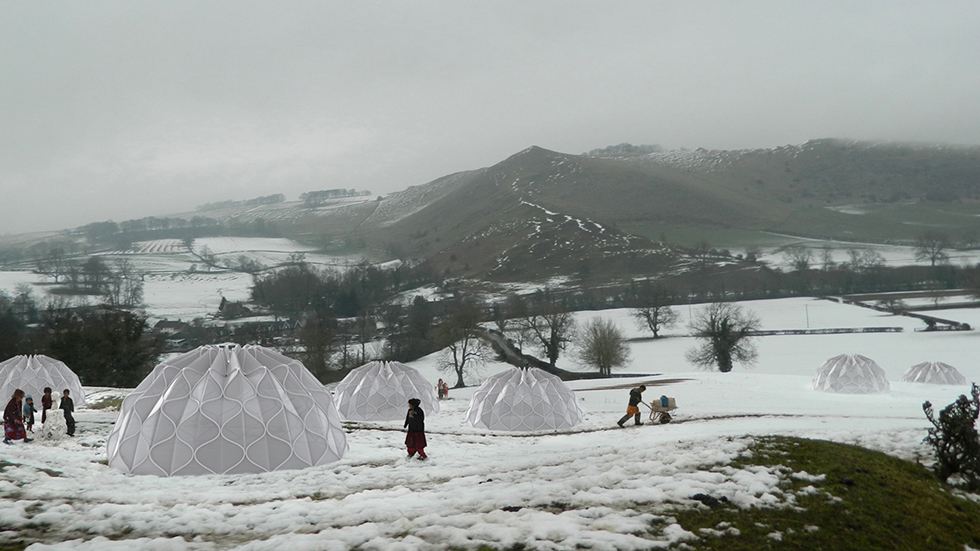
View of tent opened. Photo: Abeer Seikaly
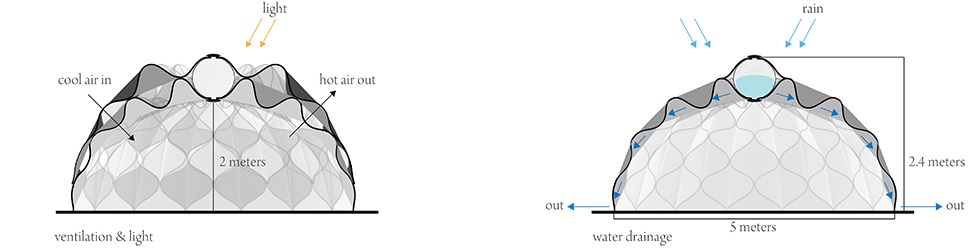
Renowned architect, designer, and artist Abeer Seikaly created these ecological weaved tents with one purpose in mind: giving a home to refugees from war-torn areas and victims of natural disasters.
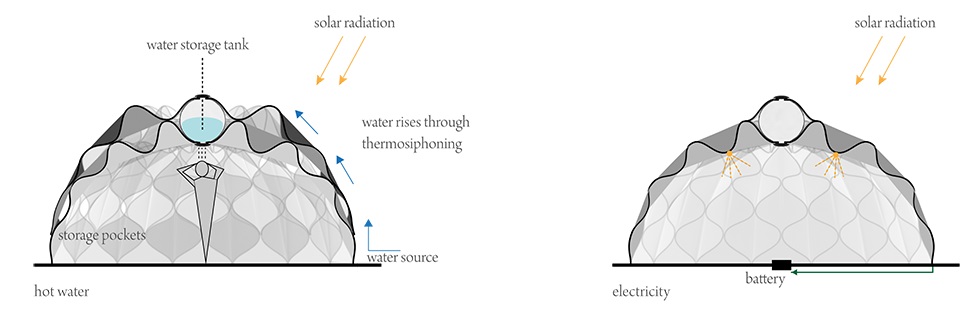
More than just a cover, Abeer Seikaly’s creation combines mobility and comfort (heat, storage, running water and electricity) using nature as an inspiration.
The double layer fabric allows the tent to be closed against the cold and rain when needed while draining or collecting rain water. When the weather is hot, the tent opens up to let cool air in and hot air out.
The water tank can be used to shower and the energy from the sun is stored in a battery providing renewable electricity.
Seikaly’s remarkable shelter won the Lexus Design Award in 2013, but the tent is still at a prototype stage.
View of tent closed. Photo: Abeer Seikaly
More than ever the world needs creations such as this one to provide for those who flee their home leaving everything behind.
The designer’s hope for her tent is simple: “in this space, the refugees find a place to pause from their turbulent worlds, a place to weave the tapestry of their new lives. They weave their shelter into home”. 
Ranking the world’s most expensive cities for expats

Photo: Mariadelajuana
Moving to a new country is one of the most expensive endeavours any of us will undertake. Naturally, it’s important to try and keep costs down. This can be done not only through practical steps prior to the move such as selling possessions no longer needed and comparing reliable moving companies via a site like Movehub, but also researching and preparing for the expenses of your new city. One effective way to do this is by comparing your new city to your old one, or one with which you are familiar. Enter Mercer’s 2015 Cost of Living ranking, a survey of the most expensive cities for expats.
The consultancy firm initially developed the list — one of the most comprehensive of its kind – to help multinational companies and governments determine wages and allowances for their expat workforce. Mercer’s methodology analyses the price of over 200 goods and services in over 360 cities that house substantial expat communities across the globe. Mercer uses New York as its base city and the US dollar as the base currency. The results differ from other surveys such as the Economist Intelligence Unit (EIU) Worldwide Cost of Living as Mercer focuses specifically on products bought by expats.
The top ten
The Angolan capital, Luanda, has topped the list for the third year running due to its high of cost of rent and imported goods, as well as ongoing security concerns in the oil-rich nation, which employers and employees must consider. There are the usual suspects in the list with Swiss cities locking down three of the top 10 positions, as well as Hong Kong, Singapore and Seoul moving up the rankings. Unsurprisingly, China has two cities, Shanghai and Beijing, near the top, meaning Asian cities account for half the top 10.
Euro slide
Many European currencies have weakened against the US dollar, meaning several European cities have moved down the rankings making them more affordable for expats from the US and outside the Eurozone. Interestingly, it’s not just Eurozone cities experiencing a slide: Moscow has dropped the most — 41 places — from 9th in 2014 to joint 50th with Washington, DC. Only the Swiss cities seemed to buck the trend following an unanticipated move by Switzerland’s central bank to remove a ceiling on the value of the country’s currency, the Swiss Franc.
This article originally appeared on Atlas & Boots — Travel with Abandon and is republished here with permission.
The Rankings
Rank
City, Country
2014 ranking
1
Luanda, Angola
1
2
Hong Kong, Hong Kong
3
3
Zurich, Switzerland
5
4
Singapore, Singapore
4
5
Geneva, Switzerland
6
6
Shanghai, China
10
7
Beijing, China
11
8
Seoul, South Korea
14
9
Bern, Switzerland
8
10
N’Djamena, Chad
2
11
Tokyo, Japan
7
12
London, United Kingdom
12
13
Kinshasa, Congo, DR
20
14
Shenzhen, China
17
15
Guangzhou, China
24
16
New York City, United States
16
17
Victoria, Seychelles
13
18
Tel Aviv, Israel
18
19
Buenos Aires, Argentina
86
20
Lagos, Nigeria
25
21
Shenyang, China
54
22
Conakry, Guinea
34
23
Dubai, United Arab Emirates
67
24
Copenhagen, Denmark
15
24
Qingdao, China
48
26
Nanjing, China
47
27
Tianjin, China
50
28
Yangon, Myanmar
66
29
Chengdu, China
71
30
Libreville, Gabon
19
31
Sydney, Australia
26
32
Osaka, Japan
23
33
Abu Dhabi, United Arab Emirates
68
33
Baku, Azerbaijan
46
35
Abuja, Nigeria
36
36
Los Angeles, United States
62
37
San Francisco, United States
74
38
Oslo, Norway
20
39
Noumea, New Caledonia
22
40
Sao Paulo, Brazil
49
41
Taipei, Taiwan
61
42
Chicago, United States
85
42
Brazzaville, Republic of Congo
28
44
Beirut, Lebanon
63
45
Bangkok, Thailand
88
46
Paris, France
27
47
Melbourne, Australia
33
48
Perth, Australia
37
49
Dublin, Ireland
51
50
Washington D.C., United States
92
50
Moscow, Russia
9
52
Honolulu, United States
97
53
Milan, Italy
30
54
Amman, Jordan
103
55
Djibouti, Djibouti
101
56
Vienna, Austria
32
56
Miami, United States
98
58
Abidjan, Côte d’Ivoire
43
59
Rome, Italy
31
60
Yaounde, Cameroon
44
61
Auckland, New Zealand
58
62
Accra, Ghana
128
63
Dhaka, Bangladesh
117
64
Boston, United States
109
65
Canberra, Australia
53
66
Brisbane, Australia
52
67
Helsinki, Finland
42
67
Rio de Janeiro, Brazil
65
69
Amsterdam, Netherlands
39
70
Santiago, Chile
88
71
Adelaide, Australia
59
71
Riyadh, Saudi Arabia
111
71
White Plains, United States
81
74
Mumbai, India
140
75
Manila, Philippines
125
76
Port of Spain, Trinidad and Tobago
149
77
Dallas, United States
125
78
Douala, Cameroon
44
79
Bandar Seri Begawan, Brunei
81
80
Nagoya, Japan
40
80
Birmingham, United Kingdom
90
82
Aberdeen, United Kingdom
94
83
Dakar, Senegal
40
83
Wellington, New Zealand
79
83
Montevideo, Uruguay
114
86
Hanoi, Vietnam
131
87
Munich, Germany
55
88
Morristown, United States
132
89
San Juan, Puerto Rico
139
90
Ho Chi Minh City, Vietnam
135
91
Manama, Bahrain
150
92
Houston, United States
143
93
Maputo, Mozambique
122
94
Almaty, Kazakhstan
111
94
Luxembourg, Luxembourg
56
96
Port-au-Prince, Haiti
81
97
Kigali, Rwanda
146
98
Frankfurt, Germany
59
99
Istanbul, Turkey
135
99
Doha, Qatar
158
99
Jakarta, Indonesia
119
102
Brussels, Belgium
56
103
Atlanta, United States
147
104
Panama City, Panama
145
104
Nairobi, Kenya
117
106
Berlin, Germany
68
106
Seattle, United States
153
106
Stockholm, Sweden
38
109
Glasgow, United Kingdom
108
110
San Jose, Costa Rica
132
111
Riga, Latvia
75
111
Pointe-a-Pitre, Guadeloupe
70
113
Kuala Lumpur, Malaysia
115
114
Dusseldorf, Germany
73
115
Minneapolis, United states
156
115
Madrid, Spain
63
117
Muscat, Oman
168
117
Kuwait City, Kuwait
147
119
Vancouver, Canada
96
120
Cairo, Egypt
153
120
Bamako, Mali
29
122
Detroit, United States
160
122
Lima, Peru
135
124
Barcelona, Spain
71
124
Hamburg, Germany
76
126
Toronto, Canada
101
127
Ashkhabad, Turkmenistan
198
127
Belfast, United Kingdom
120
129
Colombo, Sri Lanka
164
130
St. Louis, United states
161
130
Pittsburgh, United states
162
132
New Delhi, India
157
133
Cleveland, United States
167
133
Cotonou, Benin
87
135
Portand, United States
166
136
Athens, Greece
78
137
Bratislava, Slovakia
84
137
Mexico, Mexico
150
139
Stuttgart, Germany
91
140
Casablanca, Morocco
107
140
Montreal, Canada
123
142
Phnom Penh, Cambodia
169
142
Prague, Czech Republic
92
144
Lome, Togo
105
145
Lisbon, Portugal
94
146
Calgary, Canada
125
147
Lyon, France
79
148
Bogota, Colombia
98
149
Guatemala City, Guatemala
170
150
Brasilia, Brazil
144
151
Jeddah, Saudi Arabia
175
152
St. Petersburg, Russia
35
153
Ouagadougou, Burkina Faso
105
154
Quito, Ecuador
177
155
Niamey, Niger
103
155
Tallinn, Estonia
110
157
Chennai, India
185
157
Winston-Salem, United States
182
159
Limassol, Cyprus
113
160
Kingston, Jamaica
178
161
Ljubliana, Slovenia
116
162
Tashkent, Uzbekistan
180
162
Ottawa, Canada
152
162
Addis Ababa, Ethiopia
186
165
Asuncion, Paraguay
176
165
Santo Domingo, Dominican Republic
173
167
Zagreb, Croatia
120
168
Harare, Zimbabwe
181
169
Nurnberg, Germany
129
170
Budapest, Hungary
135
171
Vilnius, Lithuania
130
172
Leipzig, Germany
141
173
Nouakchott, Mauritania
191
174
Port Louis, Mauritius
165
175
Warsaw, Poland
142
175
Rabat, Morocco
163
177
San Salvador, El Salvador
190
178
Bucharest, Romania
159
179
Dar es Salaam, Tanzania
178
180
Lusaka, Zambia
174
181
Algiers, Algeria
124
182
Monterrey, Mexico
183
183
Bangalore, India
196
184
Kampala, Uganda
194
184
Kiev, Ukraine
98
186
Blantyre, Malawi
201
187
Sofie, Bulgaria
172
188
Islamabad, Pakistan
208
188
Gaborone, Botswana
197
190
Tegucigalpa, Honduras
200
191
Johannesburg, South Africa
203
192
Yerevan, Armenia
187
193
Kolkata, India
205
193
Tirana, Albania
189
195
La Paz. Bolivia
204
196
Belgrade, Serbia
184
196
Sarajevo, Bosnia and Herzegovinia
188
198
Tbilisi, Georgia
194
199
Managua, Nicaragua
207
200
Cape Town, South Africa
205
200
Minsk, Belarus
191
202
Banjul, Gambia
199
203
Skopje, Macedonia
193
204
Tunis, Tunisia
202
205
Karachi, Pakistan
211
206
Windhoek, Namibia
210
207
Bishkek, Kyrgyzstan
209

Infographic: don't drink the water
YOU’VE HEARD IT BEFORE: “Don’t drink the water.” But it’s hard to keep track of where the water is safe and where it’s not. Sure, you know you’re supposed to avoid it while in Mexico and India, but where else is the tap water dangerous? Fortunately for us, Just the Flight put together this infographic breaking it down for every country. They’ve also broken down the price of beer and the price of bottled water by country for good measure. There’s a fully interactive version of this graphic on their website, but we’ve given individual graphics here. 
Graphic by Just the Flight

Graphic by Just the Flight

Graphic by Just the Flight

I went to PEI never expecting epic adventure. Here’s what happened that changed my mind.

PEI SUFFERS FROM A GREAT DEAL OF STEREOTYPES. Small, gentle and quaint are the most common occurring themes. Land of the red-headed orphans named Anne who roam green gables is another.
This is all well and good if you are looking for something family friendly, somewhere to relive childhood literary dreams or enjoy a summer beachside destination to watch the sun go down. But what if you want an adventure? As in real, hard core outdoor adventure?
I set stereotypes aside and found out that for those wanting a human-powered adventure, this small gentle land where everyone seems to know one another is one to definitely put on their radar. Here’s why:
A bike lane connects the entire island, tip to tip.
When officials were pondering what to do with a former railway line that once bankrupted the island, they came up with a genius plan. Dismantle the rail beds and create a multi-use bike lane that connects the island tip to tip.
The freshly completed 410km section of the Trans-Canada Trail is an easy ride through rolling hills and tiny villages, and hardcore bike enthusiasts will enjoy the challenge of circumnavigating the island on a 850km route.
Don’t have a lot of time? Stick to these top three routes:
1. Gulf Shore Way East.
Stretching over 10km one way, this stunner of a route is flat and passes iconic PEI landscapes such as lighthouses set in grass-covered golden sand dunes, Victorian style summer residences, and in newly converted mountain bike paths that jet out to wind-blown spruce trees.
2. Gulf Shore Way West
Steps from Anne of Green Gables-famed Avonlea is a drool-worthy seaside route set above dramatic red cliffs and the sprawling sand dunes of Cavendish. Bonus sections include along boardwalk over a birding pond.
3. Confederation Trail (Morrell to St Peters Bay)
Pretty much legendary as the most scenic segment of the transformed rail trail, this area encompasses the true rural nature of PEI. Passing not even one large town, but running parallel with an oyster-filled bay and sprawling potato farms, the only sound you’ll hear is lobster boats on their way back into the harbor.
Paddle any condition your heart desires, from tranquil waters to gale-force winds.
Setting off from the red sandy shoreline of PEI requires only a minimal amount of planning. If you want to do it yourself but need to rent, head south to Victoria-by-the-Sea. You can check out lighthouses and the confederation bridge in the distance.
Want to do the North Coast? With strong gale force winds, you’ll need a guide with you if you don’t have your own boat. Pausing at secluded beaches beneath red cliffs in PEI’s famous Cavendish National Park area, the dramatic green grass, red cliff and blue water combo is motivation to keep you on the water exploring.
Even eating here is an adventure.
You’d be hard pressed to find an islander who wasn’t raised on shellfish. Any special occasion comes with a lobster dish or chowder, and those down with ingredients from the sea won’t go hungry. While many locals grab a shovel and a bucket, heading to the nearest sand bar in search for clams, many also know a man on a boat who provides nothing but the freshest ingredients for the dinner table.
Luckily for tourists, not far from bike lanes or kayak launch points are several world-class restaurants to refuel for the next adventure. Worth a stop is The Dunes Studio in Brackley, a spot that connects artwork with food masterpieces. With owners hailing from PEI and Bali, the menu mixes Asian curries with shellfish.
Landmark Café in Victoria by the Sea is also worth getting to no matter where you are on the island. Family owned and filled with trinkets from their global travels, you’ll feel like you’ve pulled up a seat to your favorite cousin’s restaurant who just happens to be an extraordinary chef. Try the haddock with beet salad.
Glasgow Farms is part cheese factory and part bakery. Perfect place to stock up on picnic supplies like a lobster blue cheese and gouda pizza after a long days cycle.
So the next time you are wanting to get away from it all, connect with nature, and have a memorable and Instagram-worthy adventure while you are at it, PEI definitely deserves to be on your short list of places to consider. 
Matador Network's Blog

- Matador Network's profile
- 6 followers

