
Matador Network's Blog, page 1439
December 4, 2017
Traveling with a partner
Traveling with anyone will challenge your relationship: romantic or otherwise. Traveling is different than your usual day-to-day, and it isn’t always as perfect as Instagram claims. It brings excitement and joy, but also stress, especially if something goes awry. You’ve heard the advice before: you don’t really know someone until you travel with them. Well, it’s not all doom and gloom, don’t let a little travel trouble ruin your relationship.
Here’s some advice on how to travel with your partner without killing each other.
1. Plan together.
Are you the planner and your partner just kinda goes along? Or vice versa? Ditch these roles when traveling. No matter how compatible you are, your ideas of the perfect trip will probably differ in one way or another. Maybe your partner could spend all day at a museum while you can easily set the world record for the quickest viewing of the Mona Lisa. It will eventually drive you crazy watching your partner speed walk to one monument after another when all you want to do relax in a cafe. A little co-planning will help you avoid these surprises by setting laying out how you see your trip shaping up and setting some expectations.
2. Don’t be afraid of a little independence.
Ask yourself this question: is the mere sound of your partner’s breathing triggering aggressive thoughts? It might be time for a break. When you travel, you tend to spend every waking moment together, and that’s not normal. A vacation is not the best time to discover a new sense of personal space, but if it happens, practice honoring that space. Take a walk and do whatever you want for an hour or so: poke your head into secret courtyards, take photos of stray cats, go shopping. Taking time to do independent activities will give you both something to talk about when you return, feeling totally refreshed.
3. In this case, alcohol is your friend.
You probably want to taste the local alcohol anyway, right? Dissolve any annoyances in a very tall glass of bubbly. Imbibe just enough to take the edge off and before you know it, you’ll be laughing about that hangry moment you had earlier. Plus, bars are a great place to chat with locals, and meeting new people is really important as it takes the pressure and intensity off of the situation with your partner.
4. Embrace your anonymity.
Guess what? No one in this new place will remember you! If your partner does something that you find annoying or totally cheesy (like talking too loud, wearing a fanny pack in a non-ironic manner, stopping every five steps to take a photo, attempting the language yet pronouncing every word incorrectly, or pretentiously detailing the history of each building you pass), remember that the locals have probably seen it a thousand times before. You are tourists, after all, so who cares if you kind of look like one from time-to-time?
5. Eat… a lot.
Full belly, full heart! Have you ever had a childlike emotional outburst simply because you lack basic nutrients? Traveling requires a lot of mental and physical energy. It’s easy to go, go, go and not fuel at regular intervals. Think of your vacation as a pact with your partner, to look out for one another and know each other’s triggers. We basically morph into giant toddlers when traveling. Is your baby getting a little crabby? Would a snack or nap help? Maybe a full-bodied bottle red?
6. Put your mind over matter.
If the close proximity of your partner, 24/7, for days or maybe even weeks, is pushing your limits: try to breathe, close your eyes, practice a little meditation. Try to keep in mind how special this moment is. You’re on holiday with someone you care for, so try not to sweat the small stuff. 

More like this: 5 commandments for dating a foreigner


Foods to love (and hate) in Sweden
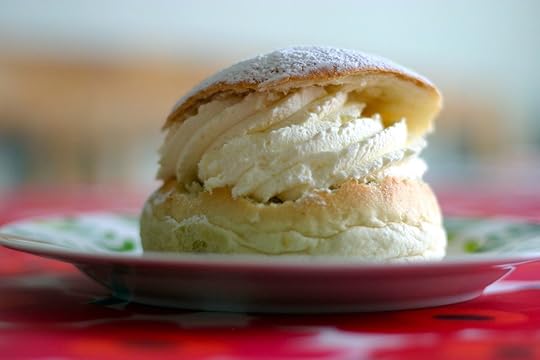
Photo: Frugan
These sweet-ish rolls appear sometime after Christmas — they were originally supposed to be eaten to celebrate the end of Lent, but then everyone liked them so much they started being made on Shrove Tuesday instead, and then earlier and earlier. The base is a cardamom bun and it’s filled with a fluffy mixture of whipped cream, marzipan (almond paste), and chunks of bun left over from hollowing out the base. You perch the top back on like a little hat and then try to cram the whole thing in your mouth. They are beautiful-looking, have a subtle taste, and aren’t so sweet you can’t finish one. Perfect for a weekday fika.
2. Tube cheese
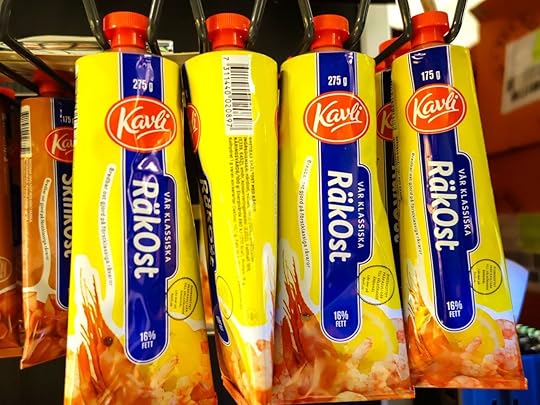
Photo: Brad Hagan
When I first moved here, I was suspicious of tube cheese. It comes in a variety of flavors, including “shrimp” and “blue cheese”, and has a consistency that most people associate with Velveeta. But the stuff is surprisingly tasty and makes a fantastic snack with some knackebrod (crispbread). This is the go-to snack at Swedish preschools, which means one of the first Swedish words my daughter said to me was about squeezy cheese.
3. Biltema körv

Photo: Biltema Sverige
While I don’t eat these because I am vegetarian, I love the idea. When I lived in Australia, it was incredibly common to find a “sausage sizzle”: a small grill set up outside a store selling sausages on buns with condiments, for about a dollar. Australia loves sausages so much they instituted “democracy sausage”, where you can buy a celebratory sausage at a polling place after you’re done casting your vote. The most common location for these sausage sizzles in Australia is outside hardware stores, whereas the most popular place in Sweden is inside Biltema, a home improvement and car parts store. A reward for your shopping experience, it is the Costco pizza of Sweden.
4. Lingonberries

Photo: Visit Lakeland
These tiny tart berries are usually only tastable outside Sweden if you live near IKEA. I first developed a yen for them when I was pregnant, and their sweet sourness was exactly what I wanted. But my love for lingonberries has only grown, and I am always happy to find them in fancy restaurant dishes, or as jam for my breakfast pancakes.
5. Kladdkaka
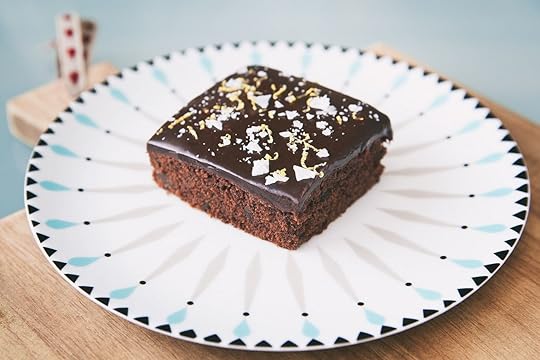
Photo: Helen Alfvegren
The ultimate chocolate cake, kladdkaka is almost a liquid, it’s so gooey. Dusted with icing sugar and occasionally served warm, this cake is the ultimate in chocolate decadence. You can also get it with whipped cream. I have never been able to finish an entire serving, but it’s not for lack of trying.
6. Pyttipanna
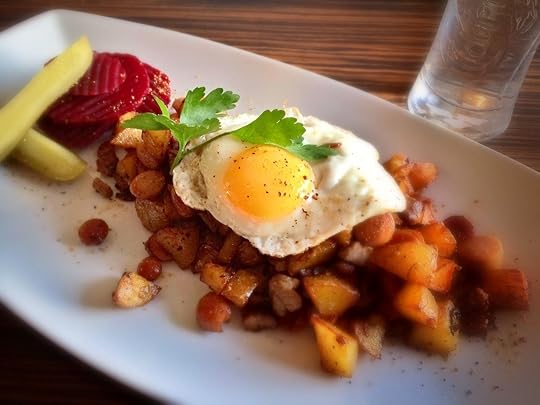
Photo: Sharon Hahn Darlin
The name of this dish means “small pieces in a pan”, and that’s what it is. Usually made from potatoes and onions chopped up small — plus whatever else you have around and want to throw in there — most cultures have a version of this “hmm, what should we do with the leftovers” dish. What makes the Swedish version delicious is the preponderance of potatoes and the addition of things like capers or pickled turnip. Yum.
7. Västerbottensost
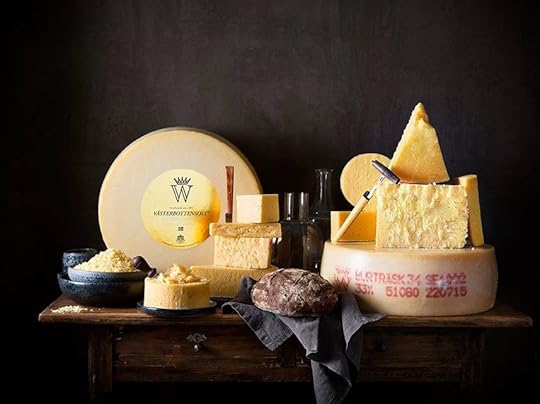
Photo: Västerbottensost
A Parmesan-like hard cheese with a sharp flavor, vasterbottensost is most commonly found in pie (or paj), but I like sprinkling it on pasta or to make macaroni and cheese. You can buy it in huge blocks and grate it yourself, or buy it pre-grated in bags up to 1kg. Before you think “how will I ever use a kilogram of cheese?”, trust me… you will. If you run out of dishes to put it on, you can just put it directly into your mouth.
8. Gröt
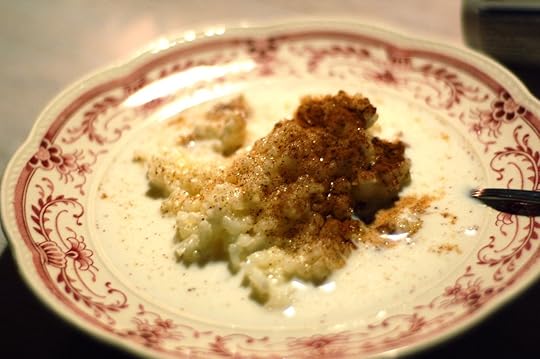
Photo: Erik Forsberg
Swedes eat rice pudding for breakfast — you can spruce it up with nuts or dried fruit, you can put jam on it (looking at you, lingonberries), and eat it warm or cold. This is a fantastic winter day-starter, and you can make it with any kind of milk.
9. Salty licorice
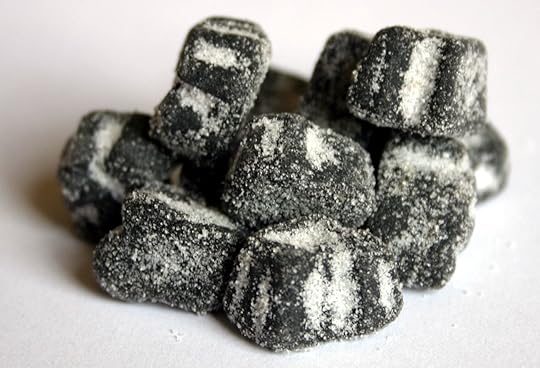
Photo: Marcin Floryan
For years, I hated olives. Everyone told me “they grow on you”, so I kept tasting them even though I hated them, and everyone was right: now I like them. It’s the same with salty licorice. I didn’t like it when I moved here — although I do like black licorice — but I kept trying a few pieces from the copious quantities of pick and mix candy available in every store, and after a year or so, it grew on me. I’m hardly going to buy Supersalt anytime soon, but I’m working my way up.
And I still hate…
1. Crispy waffles
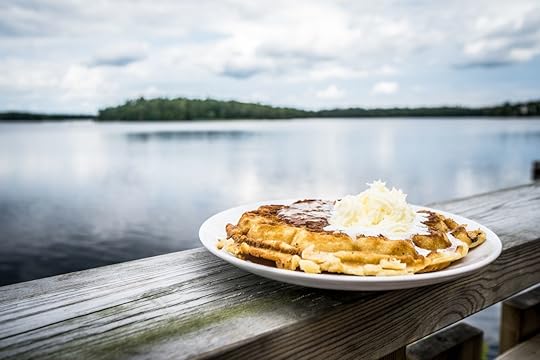
Photo: Erik Starck
I just can’t help it. I like my waffles to be fluffy and with big deep divots in them to stash all my butter and syrup. The crispy waffles in Sweden are more similar to flat ice cream cones than waffles and they are not my favorite, especially if I forget where I am and get excited there are waffles on the menu. No amount of jam can cover up my sadness.
2. Surströmming
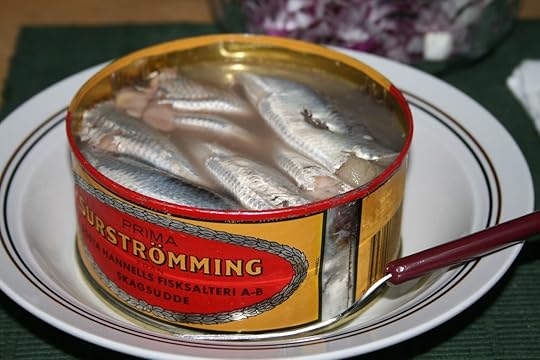
Photo: Mathias Klang
Fermented herring in a can. It rots in the tin and smells like death. I can’t even bring myself to open it, let alone try it.
3. Kalles
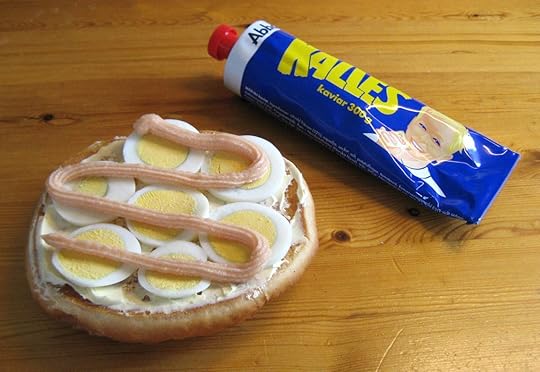
Photo: Petey21
Every Swedish household has a tube of Kalles. It is the thing that emigrant Swedes miss the most about their home country. Ask yourself if caviar-flavored paste the consistency of spreadable cheese, in a sort of revolting greyish-pinkish color is something you want to eat, and I will answer that question for you: it is not.
More like this: 8 American habits I lost when I moved to Sweden
Pack like a flight attendant
When I became a flight attendant, I knew I was going to have to kick my packing game up a notch. It used to be the most dreaded part of any type of traveling — I would procrastinate until the day before my departure and then my suitcase would stay full and abandoned on my bedroom floor for a few weeks after my return. But lucky for me, the flight attendant life requires you to always have a bag packed and ready to go! I’m still perfecting my packing game, but I’ve come a long way in terms of figuring out how and what to pack in a quick and effective way. Here are 8 tips for you to pack like a flight attendant:
1. Bag up those shoes.
I’m not nearly organized enough to use the fancy packing cubes some flight attendants incorporate into their bags, but I’m definitely an advocate for at least tying up your shoes in a plastic bag (or in a hotel shower cap). Sometimes you can’t really tell how dirty those suckers are until they leave prints all over the clothes they’re sitting on top of in your suitcase. It doesn’t take much effort to throw them in a plastic bag — better safe than sorry. No traveler wants a dirt smudge on the only nice shirt they brought. And trust me, if you don’t bag those shoes, they WILL somehow maneuver their way to that cherished shirt.
2. Just keep rollin’.
Roll your clothing instead of folding it. I had never heard of this technique before I became a flight attendant, but it really does save an enormous amount of space — and nothing gets wrinkled!
3. Bring a swimsuit! Or two.
No matter where you’re going or what occasion it is, you never know when you’ll get the chance to go for a dip or soak up some sun. Don’t get stuck without the proper skimpy attire — unless skinny dipping is your thing, then you do you! And swimsuits aren’t too consuming of your precious suitcase space, so you can afford to bring a second one for variety’s sake.
4. Pack a pain reliever and some cold medicine.
I won’t sugarcoat it: planes are pretty nasty. Deep cleaning doesn’t really happen. That nastiness combined with being packed next to 100+ other humans in a metal tube can easily compromise your otherwise rock-star immune system, so be sure to pack something to help you out with that possibility. I got sick with three separate colds this month alone — but even a little headache can put a major damper on your getaway, so plan ahead.
5. Pack outfit pieces that can be layered.
Layering is key! Add a belt to fancy up a simple dress. Add a sweater or flannel for an evening walk. And leggings… because leggings are life. Flight attendants (especially those on reserve) don’t always know what kind of climate they’ll be staying in, so layers are really the only way. You can always shed one or add one depending on how it all turns out. But the same goes for anybody else. Even if you’re going someplace warm, who’s to say you won’t get hit with a gloomy, chilly day? Leggings under the dress to the rescue! Packing clothing that can be worn in different ways or with other items can save you a ton of space and also make it possible to wear things more than once without looking like that kid who refuses to wear anything but his one favorite T-shirt.
6. Bring comfy, lounging-around clothes.
No matter how action-packed your adventure is going to be or how adorable you want to look, there is going to come a point when you just want to take it all off and change into something cozy. Don’t get stuck in skin-tight jeans when there’s a sea of sweatpants out there waiting for you.
7. Bring something to do on the plane.
It will never cease to amaze me just how many passengers know they’re going to be stuck on a plane for several hours and yet bring absolutely nothing to entertain themselves with. Do you expect me to put on a four-hour show for you? Because I can’t hold a tune or dance very well, and your seatmates probably won’t appreciate my attempt. Books are always a good idea, as are newspapers, magazines, and homework/study materials. Then there’s music (with headphones of course), games, crosswords, etc. But be prepared! Or you know, engage in my favorite passenger activity and just take a nap.
8. Use a bag tag.
There are thousands of black rollaboards out there. Yours isn’t special, but you can make it stick out. Get a fun “Hands Off” brightly colored tag to stick on your luggage. It’s pretty likely there will be a similar-looking bag near yours in the overhead bins or on the luggage carousel, so do yourself a favor and slap on a distinguishing characteristic for your prized traveling possession. Better yet, get some luggage in a crazy pattern or color. Flight attendants can’t do that because we all have to be uniform, but there’s nothing stopping regular civilians from going all out! Having said all that — if you take my crew bag, I will chase you.
More like this: 22 things you should never say to a flight attendant
9 memorable stays in the Alps
You might only experience the Alps once, so why stay in a run-of-the-mill place when you can hide away in a centuries-old farmhouse with your own private chef? Or bunk in a tepee that’s part of a wild theme park? These nine overnights go well beyond the average hotel stay, from snoozing in a vineyard, to zipping up a mountain funicular, to sleeping 10,000 feet in the air with views of the Matterhorn. The Alps don’t get much more memorable than this.
Schloss Prielau — Austria
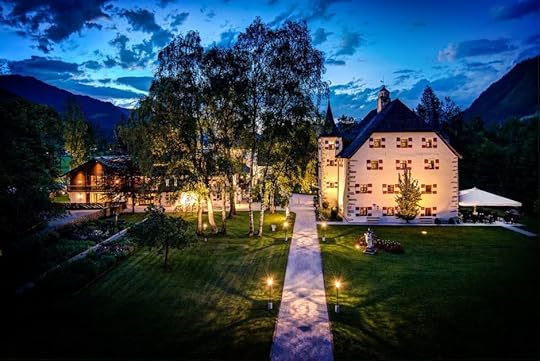
Photo: Klaus Bauer
Originally a castle designed for a 16th-century prince, Schloss Prielau is now an Austrian country hotel with slender turrets, palatial rooms, and modern spa facilities. “Elegant” doesn’t even begin to describe it. Austrian author and Strauss librettist Hugo von Hofmannsthal once called it home, and since 1980, it’s been owned by the Porsche family — yep, that Porsche family. While you’re here, you can also check out the private beach maintained by the family on nearby Lake Zell.
Guest rooms are stately, to say the least — even the more modest are comfy doubles with thick duvets and antique furniture. If you want to up the ante, opt for the wood-paneled Hugo von Hofmannsthal suite, which takes up the entire first floor, or the Fishing Lodge apartment, a stand-alone cabin next to the property’s own fish farm.
Breakfast is served in the castle kitchen, the terrace has views across the grounds, and an indoor sauna and steam room provide an extra dose of chill time. Or if slowing down isn’t your thing, rent a Porsche and explore the winding country roads of the Zell region in style.
Relais-Chalet Wilhelmy — Germany
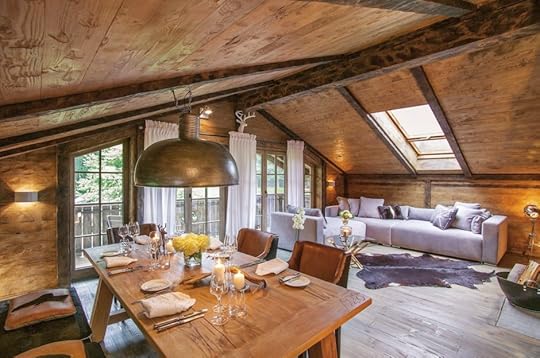
Photo: Auer Markus
Thirty miles outside of Munich, in Germany’s Bad Wiessee, you’ll find Relais-Chalet Wilhelmy — a boutique hotel on the shores of Lake Tegernsee, surrounded by steep, forested mountains. The property is part of the Relais & Châteaux hotel family. Say that name anywhere in the Alps, and people will know what you’re talking about: luxury.
This is a renovated country house, which means rustic-chalet-meets-modern-touches vibes. You’ll find fireplaces in the common areas, making fall and winter a perfect time to visit. Rooms range from standards to suites and full-on apartments with kitchenettes. In other words, if you want to stay here a while, do.
After a day exploring the region on foot or by snowshoe, head straight to the sauna or steam room, or book a massage in the spa. The onsite restaurant serves extra-local specialties (including fish from the adjacent lake), and afterwards it’s always a solid idea to unwind in the lounge or wine bar with your favorite tipple. Bonus points if it’s fireside.
Kulmhotel Gornergrat — Switzerland
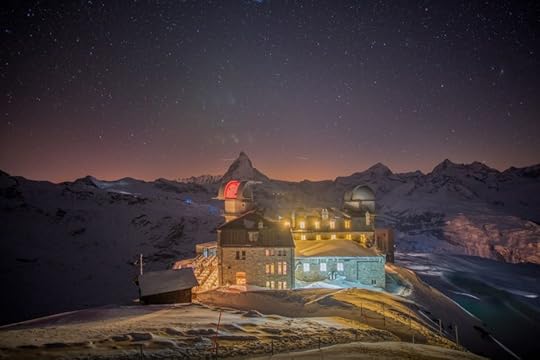
Photo: David Bumann
At 10,170 feet up in the mountains, on a clear night it feels like Switzerland’s 3100 Kulmhotel Gornergrat is neighbors with the stars and constellations — sometimes you can even spot the Milky Way with the naked eye here. This mountaintop hotel, the highest of its kind in the Alps, is surrounded by peaks that are just as spectacular as you’d expect. Its 22 luxury mountain-cabin-style rooms have views of the spectacularly jagged Matterhorn and the soft, snowy curves of the mighty Mont Blanc — the highest peak in the Alps. Here, you walk on air.
The Swiss-pine-lined rooms are named after “four-thousanders” (mountains taller than 4,000 meters, or 13,000 feet) like Monte Rosa and the Matterhorn, depending on which craggy expanse your room faces. You can eat at the elegant Restaurant Vis-à-Vis or the simple self-service restaurant — either way, part of the fun is getting here via the 33-minute (and nearly 5,000-foot) funicular ride up the mountain.
Käth & Nanei — Austria
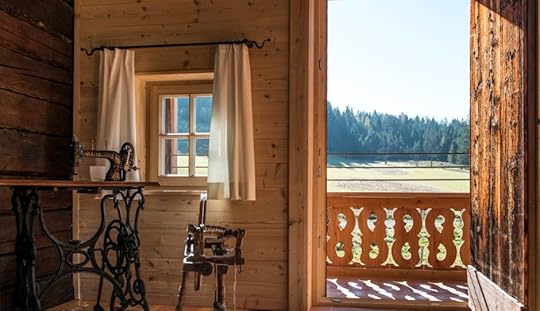
Photo: Wolfgang Stadler
Käth & Nanei is surrounded by meadows in the Lammertal Valley of Austria’s Salzburgerland, a rural region bordered by mountains. The setting is gorgeous, but what makes this stay truly memorable is the fact that the building is actually a 16th-century farmhouse, carefully renovated to many of its original specs (with plenty of luxury touches thrown in, of course). We’re talking hand-painted, 17th-century wooden wardrobes and original wooden walls, which give the whole place a chic-but-snug vibe.
You can cook your own meals in the modern open kitchen, which comes stocked with regional ingredients (think Austrian wines, locally made berry schnapps, and honey produced by the neighbors). And if you’re too tired to cook, you can hire a local chef to prepare a four-course feast in the house or ask the pros to cook and deliver a gourmet meal directly to your table.
Schloss Elmau — Germany
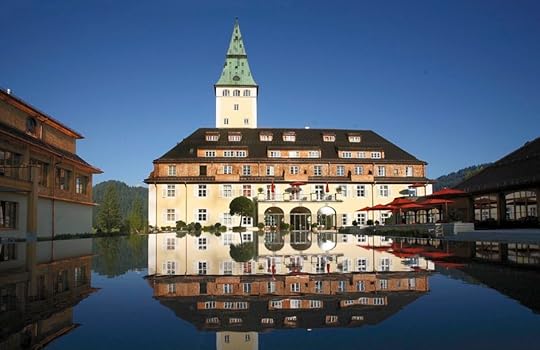
Photo: Schloss Elmau
Built in 1914 and expanded in 2005, five-star villa Schloss Elmau in the Bavarian Alps is a luxury getaway for spa, culinary, and outdoor experiences — whether it’s alpine skiing in the winter or hiking in the summer. It’s an easy drive south of Munich, and yet it’s still folded into a valley in the Alps, hidden by mountains from all but the birds. Many rooms offer floor-to-ceiling windows overlooking the peaks.
If you can tear yourself away from the room view, check out the outdoor spa and sauna at the edge of the Ferchen brook (where the view might be even better). Once you’re sufficiently rejuvenated, head to the villa’s Elmauer Alm Restaurant for local fare in that traditional mountain hut you picture anytime someone says “Alps.” Schloss Elmau also offers regular yoga getaways — like free-floating aerial yoga — and spa retreats. And that’s not mentioning the pilates studio, the gym, the library, the jazz piano bar, the concert hall…
Bürgenstock Resort — Switzerland

Photo: Bürgenstock Hotels AG
Switzerland’s Bürgenstock Resort, the historic hideaway favored by Audrey Hepburn and Sophia Loren back in the day, reopened in 2017 with four luxury hotels studding the Alps. One is the five-star Waldhotel on Lake Lucerne, known for its Health & Medical Excellence program, which offers modern wellness treatments fully incorporated into every stay — not to mention picture-perfect views of the water. Then there’s the Panorama Residence Suites, where fully equipped private apartments with concierge services and in-suite dining options are par for the course.
The property (which comprises all the hotels) features an Alpine spa that sprawls across more than 100,000 square feet with a series of indoor and outdoor pools — including an infinity pool perched over Lake Lucerne — a sauna landscape, and a state-of-the-art fitness center. The entire resort sits on the edge of a mountain 1,640 feet above the lake, surrounded by snowy peaks and sky-blue water.
Area 47 — Austria

Photo: Sergio Martinez
Ziplining, wakeboarding, off-roading, rafting, zooming down waterslides, sleeping in a wooden tepee…all of these experiences merge into one at theme park Area 47. Though “theme park” isn’t really an accurate description — it’s more like one big adrenaline nucleus with the steep Austrian Alps as a backdrop.
And if hopping in your car after a day of being shot out of a water cannon over and over (yes, this really exists here) seems like a lot to ask, this Tyrolean adventure park has sleeping quarters in the form of wooden tepees. Each can fit up to eight people, and comes complete with dorm-style beds and exterior washrooms and showers. Remember to bring your own sleeping bag, along with extra blankets for the colder months — think camping without the pesky putting-up-the-tent business. Other lodging options include rooms in modern-but-woodsy Tyrolean homes and lodges. Either way, you’ll wake up to pure mountain air and jagged peaks.
Weingut am Stein — Germany

Photo: Weingut am Stein
Modern is an understatement at Weingut am Stein’s five-star wine estate. Set in the heart of Germany’s Franconia wine country, the working winery has a solo guesthouse where you can experience wine right from the vine to your glass. This place is committed to bio-dynamic viticulture practices (they don’t use any chemical fertilizers or pesticides), and their passion for wine will definitely be obvious in the tasting room. This is how you become a five-star oenophile.
The three-bedroom space comes with a full kitchen and living area, and the whole thing is tucked behind a limestone façade with views overlooking the vineyard and oak-and-glass winery building. The onsite Michelin-starred restaurant (that’s the level we’re talking) serves Franconian fare with an international edge and offers cooking courses to boot. Essentially, pure class.
Casa Santo Stefano — Switzerland
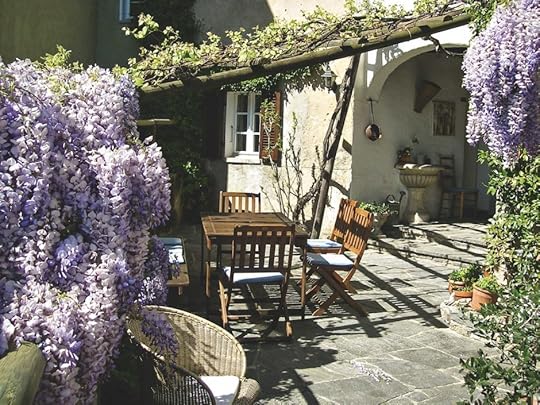
Photo: Casa Santo Stefano
Located at the foot of scenic Monte Lema in the Ticino, Switzerland’s Italian-speaking region, the charming Casa Santo Stefano hotel consists of a pair of 18th-century Ticino houses comprising 15 rooms with cozy, local-style kitchens and plenty of open fireplaces. Consider this the Airbnb of luxury Alpine living.
The houses are surrounded by close to 200 miles of hiking trails (that’s not a typo) in waterfall-filled chestnut forests, and the mountain biking trails that encircle Lake Lugano are excellent, too. You’ll begin each morning with fresh bread and homemade jam that you can enjoy on the sun terrace underneath a grapevine-strewn pergola. This is one you won’t soon forget. 


This post is proudly produced in partnership with the German National Tourist Board, Switzerland Tourism, and the Austrian National Tourist Office.
December 3, 2017
women's slackline record broken
Remember when slacklining was just a way to prove to the other kids in the park that you had leveled up from ultimate frisbee? Well, it has reached new heights. Canadian Mia Noblet just broke the women’s record for the world’s longest slackline crossing. The 500-meter-long line extends from Rectory Tower to Castleton Tower in Utah’s Castle Valley, and was the stage for the world record-breaker in 2015. The line is so long that, when the wind picks up, it blows 30 meters to the side. Not exactly something you want to experience when you are hovering 120 meters above the ground. Good job Mia, both for making the crossing and giving me hair-raising vertigo via computer screen.
Follow Matador on
Vimeo
Follow Matador on
YouTube
More like this: Watch this record-breaking slackline feat in the Utah Desert
December 2, 2017
Best place for South African safari
Millions of visitors flock to South Africa every year to experience the country’s amazing wine and wildlife. Unfortunately, for the most part, the wine is concentrated in the southwest and the wildlife is largely in the northeastern corner of the country. Given that these two regions are separated by over 1,000 miles of rugged terrain, the only reasonable way to experience the wonders of Cape Town and get the safari experience of Kruger is to take a domestic flight with a layover in Johannesburg. At the end of the day, flying across the country really isn’t terribly difficult or expensive, but you’d be surprised how much of a deterrent this is for many tourists. As a result, many visitors feel the need to choose one or the other and many will spend their entire visit on the Western Cape or on safari in the greater Kruger area. Both trips are unforgettable experiences in their own way, but returning from a visit to South Africa without seeing the wildlife or without taking in the breathtaking views in Cape Town would certainly leave something to be desired. This is where the Eastern Cape comes into play.
Relative proximity to Cape Town

Cape Town
Photo: Sharon Ang
If you wanted to drive from Cape Town to Kruger National Park, it would take you close to 20 hours and the majority of the drive would not be particularly scenic. It just isn’t a drive that anyone wants to make. The Eastern Cape, by comparison, is closer to 8 hours by car and the drive is stunning. Eight hours is not a short drive by any stretch of the imagination, but you can realistically make the drive in one day if you’re a road warrior or turn it into a multi-day road trip with stops at multiple destinations along the world-famous Garden Route. You can make a pit stop in Hermanus and watch whales from shore, or stop in some of the quaint coastal towns along the Garden Route such as Knysna, George, Wilderness, or Nature’s Valley. The scenic drive is a destination in itself.
Big 5 safari experience
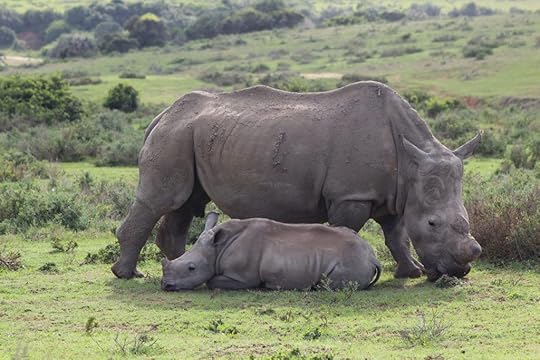
Photo by author
If you decide to go on safari in the Eastern Cape, you will still have the opportunity to encounter South Africa’s Big 5. The Big 5, who received this designation by being the most dangerous animals to hunt on foot, are lion, leopard, elephant, rhino, and cape buffalo. There are several private game reserves in the region that are home to the big 5 as well as dozens of other highly sought-after animals like giraffe, zebra, hippo, and hyena. The primary difference in terms of wildlife viewing is a matter of quality versus quantity. You may not see herds of 300+ buffalo like you might in Kruger, but your sightings will often be from incredibly short distances, and chances are there will be fewer guides competing for the same sighting.
Mountainous landscape
Eastern Cape
Photo: South Africa Tourism
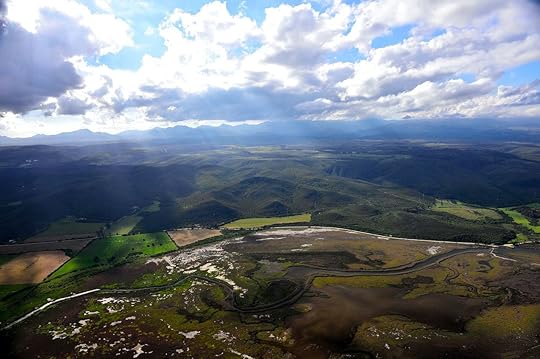
The game reserves on the Eastern Cape are lush, forested, and mountainous in comparison to the flat, dry landscape of greater Kruger. Many of these game reserves would be worth visiting even in the absence of wildlife simply due to the incredible mountain vistas. There’s nothing quite like being surrounded by a herd of elephants as they traverse the mountainside.
Malaria-free

Photo: Mike Mamy
Taking malaria medication is no fun and often comes with side effects that can put a damper on your trip. While Kruger has not had as many malaria cases as other sub-Saharan safari destinations, it’s still strongly recommended to take the necessary precautions in that region of the country. The Eastern Cape, on the other hand, is 100% malaria-free.
Affordability
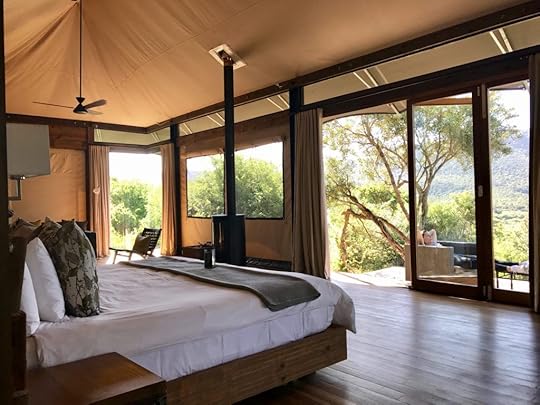
Photo by author
There are ways to do Kruger on a budget, but in terms of bang for your buck, the Eastern Cape has an edge. Lodges in private game reserves are never cheap, but you’ll have to pay a lot more for luxury in greater Kruger than you would on the Eastern Cape.
The beauty of the Eastern Cape is that it prevents the need to make sacrifices while visiting South Africa. Visitors can easily dine on the waterfront in Cape Town, tour the vineyards of Stellenbosch, and get up close and personal with lions, all in a week-long trip. If schedules and timing permit, the greater Kruger region is incredible and is absolutely worth visiting; however, oftentimes it’s not realistic to fit it all into one trip. If you can’t decide between sipping pinotage on the coast or sipping Amarula with the giraffes, then the Eastern Cape is the way to go.
More like this: 5 reasons to visit South Africa now
10 secrets to happiness around world
The search for the secret to happiness has been going on probably since the dawn of humanity, and unsurprisingly we keep coming up with different answers. For me, the secret to happiness is sitting in my lounge chair with a cup of coffee and my cat, and with nothing to do but read graphic novels and eat gummy bears. I’m no intellectual. Hometogo has documented 10 other secrets to happiness according to cultures from around the world. While each “secret” is certainly unique, you might find reassurance in that most people simply want to get away from the digital world, eat with their friends, listen to tasty jams, and just chill for a while. 
Photo: hometogo
More like this: Happiness practices around the world

the adventurous cat model
It seems that everyone is a model these days. What used to be a collection of vacation polaroids withering in a cardboard box now has the potential to earn you a sponsorship from a boutique hotel (which is pretty cool). Alas, the doom of Instagram modeling is upon us. It isn’t that the business has changed, only that humans don’t stand a chance against Suki the Cat.
Mee-ow.
A post shared by Suki The Cat (@sukiicat) on Sep 3, 2017 at 3:21pm PDT
Not only does Suki have the coat of a cheetah and eyes the color of a dying star, this Bengal kitty has the piercing gaze of Grace Jones and the posturing of Gisele.
A post shared by Suki The Cat (@sukiicat) on Jun 6, 2017 at 5:44pm PDT
She and her mom live together in Canada, where the opportunities for canoe photoshoots are plentiful.
A post shared by Suki The Cat (@sukiicat) on Nov 19, 2017 at 1:51pm PST
As a model, Suki can go from wide-eyed in the face of the Universe
A post shared by Suki The Cat (@sukiicat) on Nov 21, 2017 at 4:11pm PST
To playfull
A post shared by Suki The Cat (@sukiicat) on Jul 3, 2017 at 3:08pm PDT
And loving
A post shared by Suki The Cat (@sukiicat) on Nov 23, 2017 at 10:53am PST
To circumspect
December 1, 2017
nations with the most UNESCO sites
With 1,073 UNESCO sites spread across every continent, the World Heritage explorer has a lot of variety to choose from. In a very handy map, Skypark Secure listed where each of these sites are around the world. They also broke the sites down into the UNESCO designation categories of “cultural”, “natural”, and “mixed” significance.
So if you are a world traveler trying to see the most UNESCO sites you can (they do tend to be awesome), it’s not a bad idea to go backpacking in western Europe or on a road trip across China. That being said, it is seriously time for UNESCO to add more sites to its list that aren’t in Europe or China. While the UN extended protection to 23 new sites in 2017, five(!) of them are located in Europe. That’s more than were added in South America and Africa combined. Just saying. 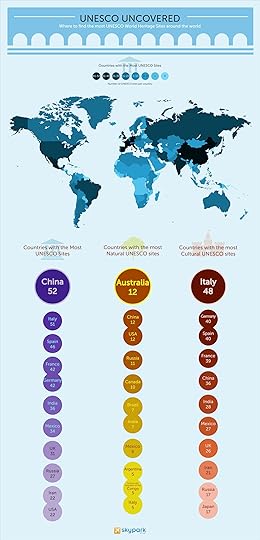
Photo: Skyparksecure.com
More like this: Mapped: The 23 newest UNESCO World Heritage sites

8th continent of the world revealed
We all grew up learning about the 7 continents of the world, but a group of scientists are arguing that a mostly-submerged land mass in the South Pacific is, in fact, the 8th. It’s name is Zealandia, and it rests east of Australia just below the surface of the South Pacific. Fortunately, there are plenty of spots where Zealandia breaks out of its watery grave. The islands of New Zealand, New Caledonia and a smattering of nearby calderas are all remnants of this continent, which is just over half the size of Australia. Some of these isolated islands, like Ball’s Pyramid, are both eery to look at and home to unique species (like the Lord Howe Island stick insect). So if you are planning on setting foot on every continent before you die, be sure to buy a ticket to Auckland.
Follow Matador on
Vimeo
Follow Matador on
YouTube
More like this: This is what Pangea would look like with our current international borders
Matador Network's Blog

- Matador Network's profile
- 6 followers


