
Matador Network's Blog, page 1438
December 5, 2017
Images of Charlevoix, Quebec
Between the majestic Saint Lawrence River and the craggy Laurentian Mountains lies the region of Charlevoix, Quebec. The region is dramatic. It’s part of the Canadian Shield, which is among the oldest rock formations on earth, moved around by volcanic action over millennia. It left the area with fertile soil, peaky hills, flooded basins, craters, rivers, lakes, the aforementioned Laurentian mountains, and much more. These days it’s also dotted with small farms, cottages, rolling hills, and artist hideaways. Best of all, it’s a 90-minute drive from Quebec City. See why I fell in love so fast. 

1
The Saint Lawrence River
The Saint Lawrence River is one of the most captivating rivers I’ve seen. Looking out, one gets the sense of being along the Atlantic coastal shore. The 750-mile-long river flourishes with 13 species of cetaceans, including blue and humpback whales. It's enormous and powerful. Cruise ships drift along the impressive water that provides the Charlevoix region’s waterside villages with fresh seafood and local artists with unending inspiration.

2
Farm to Table Dining
My first meal of the trip was at Le Bercail, one of two cozy restaurants in the hotel Le Germain. Behind the hotel is an organic farm where fruits, vegetables, and herbs are grown and sent straight to the kitchen to be turned into flavorful dishes. The farm also has 15 impressive beehives that produce 600 kilos of honey used in many of the pastry chef’s signature desserts. After filling ourselves with local cheese plates, handcrafted pizzas, and a few decadent desserts we took a stroll through the farm before heading to the pickup station for the Train de Charlevoix - located just outside the hotel.

3
Artisanal Baie-Saint-Paul
The adorable city of Baie-Saint-Paul sits peacefully along the shores of the river. The town is a well-established artist community boasting a large number of galleries as well as the Rêves d'Automne Festival of Painting each Fall. The smell of fresh pastries wafts down the still-thriving main street filled with cafes and shops. This quintessential northeastern town gives the feeling of stepping into another era.
Intermission
Trip Planning
35 of the world’s best places to travel in 2017
Matador Team
Accommodations
The 10 best Airbnbs in Montreal
Katie Scott Aiton
Galleries
Nothing will boost your Instagram feed like a trip to Turkey. Here’s proof.
Jordan Hammond

4
The Charlevoix Crater
15 million years ago, a giant asteroid careened toward eastern Canada at 25 kilometers per second. Upon impact, it left a 34-mile wide crater with a smooth flat base, perfect for human settlement. Half of the crater is exposed just north of the Saint Lawrence and the other half is covered by the river. The full understanding of this amazing landscape is best seen by plane or at the Observatoire de l’Astrobléme de Charlevoix for an incredible informational experience.
5
The Train de Charlevoix
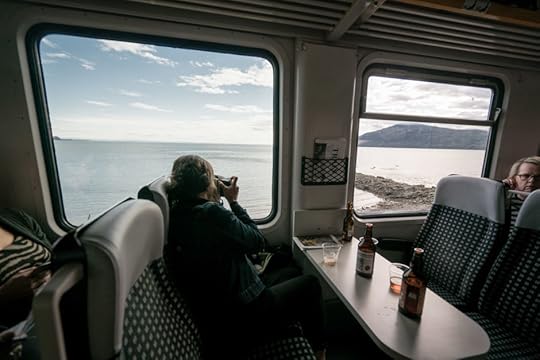
One of the most enjoyable and stress-free ways to see Charlevoix is to board the Train de Charlevoix. The train travels 125 km between Quebec City and La Malbaie, stopping in seven seaside villages along the way. Food and drinks infused with the local terroir are served while the train ambles past dramatic views of the Saint Lawrence.
6
Musée Maritime de Charlevoix
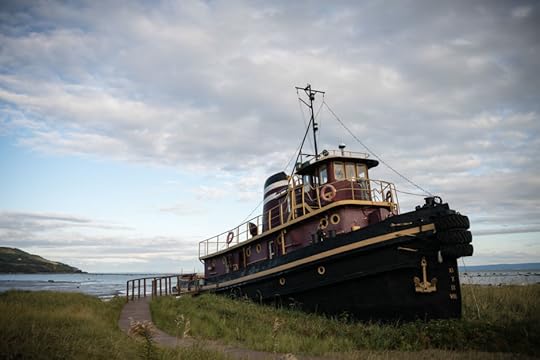
My first stop on the Train de Charlevoix was at the village of St. Joseph de la Rive. The village is surrounded by beautiful trails, old churches, cottages, and the Musee Maritime. The museum is housed in an old shipyard and has wooden schooners dating back to the early 1900’s on display. I found the old relics of once-seaworthy maidens nostalgic and intriguing. The museum has done an exceptional job of preserving these old seafarers, allowing curiosity and stories of their history on the sea to come alive.
7
Isle-aux-Coudres
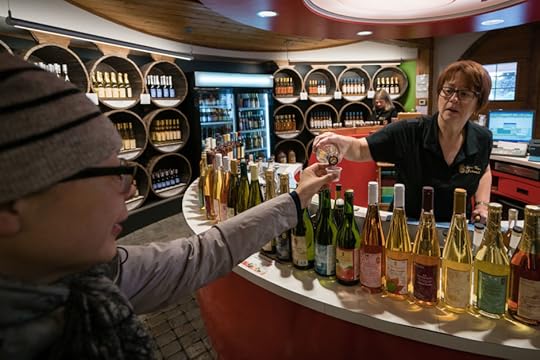
A 20-minute free ferry ride from St. Joseph de la Rive brought me to the beautiful Isle-aux-Coudres. I checked into the historical Hotel Cap-Aux-Pierres for a two-night stay on its serene shorefront property. This friendly island is small enough to bike around on an enjoyable tour of the local cideries and restaurants all in a few hours' time. We visited Cidrerie Vergers Pedneault, a family run cidrerie, producing award-winning ciders, mistelles, and vinegar for nearly 100 years. I made a stop at a Boulangerie Bouchard for some traditional sugar pie before jumping on a bike to loop the island, which is a pleasant and not difficult ride.
8
Auberge La Fascine
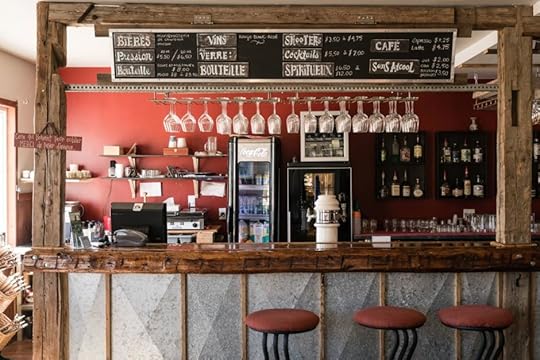
Later that afternoon, on the Isle-aux-Coudres, I stopped in for some local fare at the Auberge La Fascine. This handcrafted eatery doubles as an Auberge - an inn - if you get caught up having too much fun with live music. The whole place carries a laid-back feel that made me want to stay. Seasonal vegetable platters, ample local beers on tap, and the regional staple of poutine (french fries with gravy and cheese curds that turn into melty heaven) are all worth the stop.
9
Parc National des Hautes-Gorges-de-la-Riviere-Malbaie
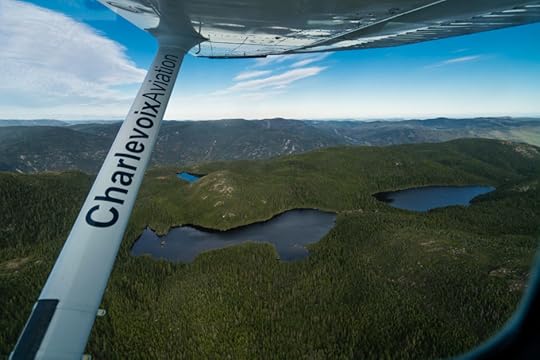
Parc National des Hautes-Gorges-de-la-Rivière-Malbaie is one of two main National Parks that can be found in the region. Enjoying the expertise of local floatplane company, Charlevoix Aviation, I first toured the park by way of sky, skimming past sheer cliff faces, over deep valleys, and the Malbaie River. I took a guided tour on a riverboat up the Malbaie’s dramatic cliff-lined shores the next day, and capped off my visit with a hike on one of the many miles of trails.
Intermission
Culture Guides
7 things Alaskans are total snobs about
Kaitlin Armstrong
Nightlife Guides
The ultimate 7-day nightlife guide to Montreal
Claire Litton-Cohn
Galleries
This is what living without laws in Slab City looks like
Jessica Devnani
10
Beaver Observation at the Domaine le Pic-Bois
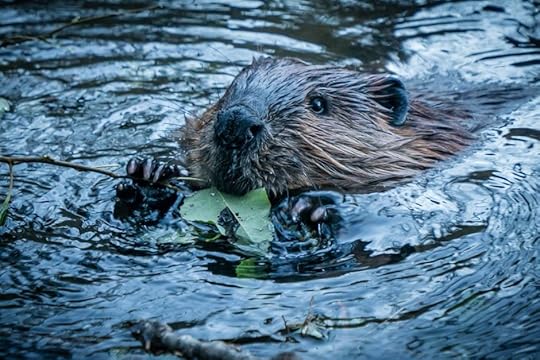
Having heard there was a local outfitter near Parc National des Hautes-Gorges-de-la-Riviere-Malbaie taking visitors on beaver observation trips, I immediately booked a sojourn. Following my knowledgeable guide into the woods to a small pond, I waited patiently to spot one. Le castor, the beaver in French, has been an integral part of the history here as it was one of the largest revenue streams in the 17th and 18th centuries. In fact, beaver were nearly hunted to extinction in the region until demands changed in the early 19th century. With my guide’s expertise, a beaver eventually graced us with his presence and skillfully stripped some birch branches before swimming away.
11
Canyon Sainte-Anne
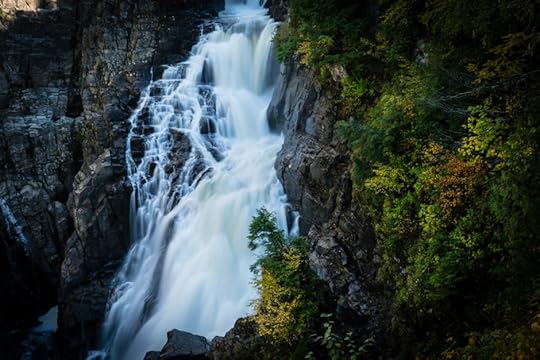
Canyon Sainte-Anne is a large gorge filled with the Saint-Anne-du-Nord River as it makes its way down through a series of magnificent, distinct waterfalls. Visitors are able to meander on well-kempt pathways and a variety of bridges and elevated platforms for amazing views of the waterfall. The canyon also boasts a seated zipline experience.

12
There’s a lifetime of exploration
The Charlevoix region of Quebec left me wanting more. Summer was gone and the crisp smell of autumn was in the air. The color palette of the trees reminded me that winter is coming. Charlevoix is filled with notable winter activities: Mont-Sainte-Anne and Le Massif are just two of the noteworthy ski resorts in the area, while locals and visitors alike can enjoy the 600km of snowmobiling trails, Nordic skiing, dog sledding, and even an ice-hotel nearby. This region is vibrant year-round, which is kind of rare. I am already planning my trip back.
All photos are the author’s.
Note: Jesse was a guest of Tourism Quebec.

More like this: Highlights of a week in Quebec


Big Cat Rescue wildlife sanctuary
Full disclosure: I’m a cat-lover. While some people might find their behavior aloof (or even evil), I’m fascinated by it. Maybe I think they’re so complex and I have an urge to understand them, while at the same time knowing I never will. I’m even more amazed by big cats — the tigers, leopards, and lions of the world. To see domesticated cats’ mannerisms in these incredible creatures (or vice versa) always astonishes me.
I was recently in Tampa, Florida and discovered that there’s a sanctuary that rescues big cats from all over the United States. They find the cats in the most horrible conditions: in tiny backyard cages, in roadside zoos, in traveling circuses. Sometimes they’re used by drug dealers as guards. We were told one story by Susan, our guide on the day we visited Big Cat Rescue, of a serval — a wild cat native to mostly sub-Saharan Africa — whose owner decided that because she was a vegan, her cat would be vegan also. In the wild these cats are carnivores, so you can imagine what that did to it. In many cases, people find that they just can’t care for a big cat so they ditch them. According to Big Cat Rescue, there are an estimated 10,000 to 20,000 big cats living in deplorable conditions in the US, who get abused, neglected, abandoned, and killed for their fur coats.
Big Cat Rescue is accredited
Big Cat Rescue is “one of the world’s most effective accredited sanctuaries for exotic cats” and they’ve been rescuing big cats since 1992. The 501c3 charity is accredited by the Global Federation of Animal Sanctuaries (GFAS) whose goal is to “ensure that these animals receive the highest standards of care during rescue, rehabilitation, and the rest of their life.” The GFAS is the only worldwide accreditation organization and they have strict standards to meet to become certified, which include guidelines on (among many others):
housing
nutritional requirements
veterinary care
safety policies, protocol, and training
education and outreach
There are many places that use “rescue” and “sanctuary” in their names, but this does not necessarily mean that they’re great for the animals. For example, some places will allow visitors to touch or handle animals, or rent them out for specific purposes like a video or photo shoot. An accredited sanctuary will not. At Big Cat Rescue the cats are pretty much left alone except when being fed or for any veterinarian treatments.
What you can and can’t do at Big Cat Rescue
You can visit the sanctuary, but you can’t explore the 67-acre grounds on your own. The cats are contained in large areas by secure fencing but for the cats’ and visitors’ safety and well-being, the staff provides guided tours for small groups (or private one-on-one tours). There’s an onsite gift shop where proceeds go to fundraising efforts, and where you can also make donations (you can also shop and donate online at their website).
Ending exotic cat ownership in the US
Right now Big Cat Rescue is behind efforts to legislate the Big Cat Public Safety Act HR1818, a federal bill that would “end the private possession of big cats as pets, end cub petting, and limit exhibitors to those who do not repeatedly violate the law.” For US residents, this is something you can tangibly do to help by contacting your members of Congress to champion the bill and get it passed. To learn more about helping, go here.
How to visit Big Cat Sanctuary
The sanctuary is located just north of Tampa, Florida, only a 15-minute drive from Tampa International Airport. Before you go you’ll need to pre-book into one of their daily tours. These do fill up so make sure you do so well in advance. You can book tickets on this page. If you can’t visit in person you can visit their YouTube channel where they’re constantly adding educational videos. They also have a livestream that you can access through their website.
More like this: Tasmania’s Bonorong Wildlife Sanctuary: What you need to know to visit
When movies and TV inspire travel
The first time I remember seeing a film and wanting to be transported to its locations was The Lord of the Rings. It took me a decade to make it to New Zealand, but many other people seem to have had a similar idea. After the film series, New Zealand effectively used photos of its stunning natural environments to brand itself as the fictional world of Middle-earth. The country’s tourism campaigns have generated a 50% increase in arrivals since the first film was released.
This kind of tourism resulting from film and television has been called “screen tourism,” and both governments and companies want to make the most of the bond travelers feel with the entertainment they consume. Theme parks making use of beloved characters and worlds are nothing new, but they seemed to have been reinvigorated with Universal’s Wizarding World of Harry Potter, which is now in Orlando, Hollywood, and Osaka. All three broke visitor records on opening and have forced Disney to respond with new lands based on Avatar and Star Wars, the latter of which is generating particular excitement among fans.
Film and television are not the first cultural products to inspire people to travel to particular locations. Books also served this purpose in the past, but there’s an important difference between tourism inspired by books and by screen. Books undoubtedly create an emotional connection given how long the reader spends with the characters, but the connection to particular locations is often not as strong. The visual medium of film and television makes locations more identifiable to the viewer, allowing them to find the exact location they saw on screen when they travel.
Game of Thrones and Star Wars are the entertainment properties currently generating the most tourism, and the data shows they cause significant tourism boosts. Game of Thrones was one of the factors that led Iceland to jump “from approximately 566,000 visitors in 2011 to over 1 million visitors in 2015,” not to mention the numerous productions that followed it to the island nation. TripAdvisor estimates that locations featured on the show experience a 120% increase in tourist interest. Since it started filming in Croatia, the country’s economy has seen a 10% boost due to increased tourism, and Northern Ireland estimates its economy has benefited to the tune of $110 million (£82 million) from the series.
Screen tourism contributes $189 million (£140 million) to the economy of the United Kingdom each year, according to film consultancy Olsberg. It should come as no surprise that movies like the Harry Potter series fuel tourism — the Alnwick Castle, which was used for Hogwarts in the first two films, has had a 230% increase in visitors since 2011 — yet even smaller franchises like 2010’s Alice in Wonderland have boosted tourism in the areas they were filmed.
But why does film and television push so many people to seek out the locations they see on screen?
There’s something particularly magical about watching stories play out for a few hours — or years, in the case of some TV shows — and then stepping foot in that same location. The feeling is hard to describe, but I’ll never forget the ebullient joy I experienced when I walked through the grassy walls of Gandalf’s Cutting to see colorful round doors peeking out from the lush green hills. I had first seen them fourteen years earlier when my father took me to The Lord of the Rings: The Fellowship of the Ring at the cinema and I fell in love with Peter Jackson’s representation of the world that J.R.R. Tolkien had created.
Entertainment may inspire bucket lists, but there’s another element in its relationship to travel. When you see a place you’ve visited show up in a movie or TV show, it adds another layer of depth to the viewing experience. Instead of simply seeing what the director or cinematographer has chosen to show you, you might also think of an experience you had at that location, a restaurant you love that’s just around the corner, or you might simply think it’s cool that a place you have actually visited is on screen in front of you. For many people, that’s a rare occurrence; they don’t live in places where film and television crews tend to flock.
Outside the common desires to achieve a basic standard of living and to be good people, we all find fulfillment in different ways, and it’s worth recognizing that travel and media can work together to create a virtuous cycle of positive fulfillment. Some people may travel first, then see the places they’ve visited reflected back in the media they consume; while others will use media to inspire their own travel. Because they result in positive experiences, both should be cherished as ways we can find more joy throughout both our lives and our travels.
More like this: The 7 best travel movies you haven’t gotten around to seeing yet
Bartender fears
Whether it is the World Cup or the Super Bowl, bartenders dread working game shifts. If you are at the right bar, it can mean great money, but also permanent hearing loss from shouting sports fans ordering their fifth pitcher of Bud Light. And all those air horns.
2. Broken ice machines
Ice machines break down — it’s inevitable. But it always seems to happen on busy summer weekends when guests are chugging ice waters by the pint-full. After a desperate series of calls to the repair company, a bar back is usually sent out to beg for ice from neighboring bars. And it’s always shitty ice.
3. Sticky bottles
It’s just the worst. Bartenders — wipe down that simple syrup.
4. Having to work on Fourth of July.
Every year some bartenders draw the short straw and have to work on Fourth of July. Unless you work in a vacation town, this is the slowest shift of the year. Like watching paint dry slow. Which means plenty of time to look at all those Instagram photos of your friends having the best day ever. The saving grace? A regular might bring you some leftovers from their BBQ.
5. Warm kegs
It’s bartender 101 — if a keg is low, pull a back-up in the walk-in refrigerator to chill. But sometimes, you forget to check. Or the shift before you forgot to check. Either way, it always happens on busy nights when you go to change the keg on your most popular beer and realize the backup keg is warm! Your manager is pissed off, guests can’t get what they want, and you just feel stupid.
6. Shipments of bad fruit
Mottled limes, rock-hard lemons, droopy mint leaves… nothing looks worse than a beautifully prepared cocktail with a sad garnish.
7. The “Are you still open? We’re around the corner!” phone call 15 minutes to close.
Sometimes it is better to not answer the phone.
8. The mid-shift lull
Like the calm before the storm. As soon as you see the bar empty out mid-shift, you begin to brace yourself. You know it’s going to happen. You just don’t know when. But it always happens: a second rush of guests at exactly the same time. You will be in the weeds, there will be no flow or rhythm to the service, you just have to breathe deep and accept it.
9. Cutting twists.
Whether you use a Swiss peeler or a paring knife, you will cut yourself at some point.
10. Your ex walking into your bar with a date.
You’ll play it off like it’s cool, you’ll even buy them a round or two, but it won’t be cool.
11. The Saturday night DOH visit.
Periodically, restaurants and bars must get inspected by the Department of Health. While understandable in theory, a DOH visit means a frantic scramble for bartenders, servers, managers, and kitchen staff. And often a halting of service during the inspection. As inspection time approaches, the anxiety builds because the DOH rarely visits at a convenient time. It always seems to be a packed Saturday night at 9 PM.
12. Full moons
Okay maybe doctors and nurses get this fear too, but full moons combined with alcohol mean a messy night ahead.
More like this: You’re not a true bartender until…
9 ski experiences to have in Idaho
Idaho has all the ingredients for an awesome ski experience: high-elevation peaks and runs, seemingly endless fresh powder, and millions upon millions of acres of untouched backcountry. If you haven’t skied Idaho’s terrain, your bucket list needs an upgrade. Here’s what you’re missing.
1. Skinning the largest contiguous protected area of wilderness in the continental U.S.
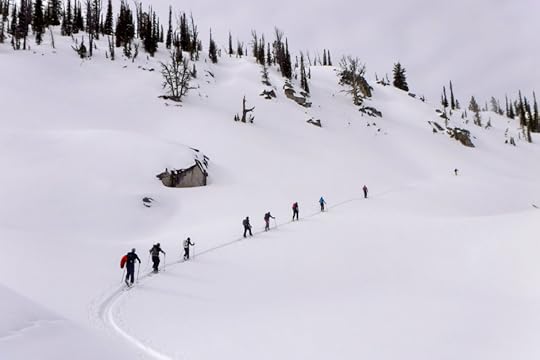
Photo: Payette Powder Guides
The Frank Church River of No Return Wilderness Area is best known for its summer river rafting, but the Idaho landscape doesn’t “close” in winter. If you’re up for an extreme adventure, take your skins into the backcountry and access some of the 2.3 million acres of wilderness area — the largest (and best) contiguous plot of land in the Lower 48. It’s one sure place to ski peaks that may well have never been skied before, but there’s also plenty of wildlife (elk, deer, bobcats), steamy hot springs, and miles and miles and miles of views.
Pro tip: Brush up on your avalanche preparedness beforehand with one of the many guides in the area, such as Payette Powder Guides, and get out there.
2. Skiing on the moon
Where else can you ski on snow-crusted lava fields and glide through an alien landscape? Craters of the Moon National Monument and Preserve is bizarre and otherworldly all year, but the absurdity of the landscape is especially apparent in the winter when the burnt earth is blanketed in snow.
The park encompasses 1,100 square miles of basaltic lava flows, spatter cone volcanoes, and charred forests. During winter months the monument maintains a Nordic ski and snowshoe loop that includes a steep descent down the Inferno Cone. Just talking about it gets you serious cred.
3. Cat-skiing 18,000 acres of backcountry and nearly 3,000 feet of vertical
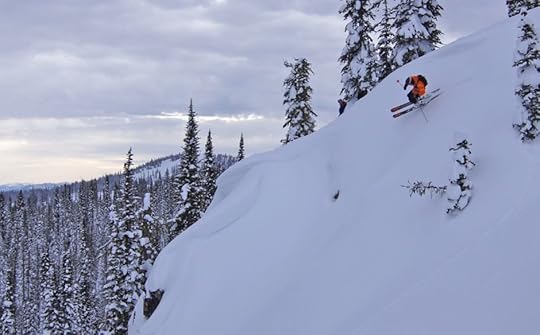
Photo: Bill Wanrooy for Brundage Mountain Resort
Brundage Mountain Resort contains some of Idaho’s most extensive backcountry terrain accessible by snow-cat. The resort — tucked in the Payette National Forest — includes three separate mountain peaks, tree-lined glades, and a 700-acre bowl dubbed “La Casa.”
A better description might be “The Castle,” though. This bowl is like a granite pattern of turrets and walls, and it’s full of chutes and pillow drops that will make you feel like a powder king/queen. There’s nothing like plunging into powder and resurfacing with the biggest smile. Book a full-day outing, and you’ll meet a pro guide at 7:30am (lunch and plenty of snacks included), and you’re off to experience winter at its best.
4. Staying at a ski-in-ski-out yurt in the serene wilderness — for days
For a multi-day Nordic ski experience, Galena Lodge near Ketchum provides access to over 30 miles of immaculately groomed trails and four backcountry yurts. Pack in your backcountry supplies (and favorite treats, obviously), and spend days on end skiing or snowshoeing from the yurt. (They’ll also hook you up with a gourmet meal delivered right to your doorstep.)
Less than an hour by trail from the lodge and fully stocked with basic necessities and firewood, the Star’s Perch Yurt is surrounded by lodgepole pine forest. It sleeps eight and has a wood-fired sauna just steps away. The yurts don’t have electricity (though there is solar lighting), meaning you’ll have bliss-filled days to enjoy the outdoors, the company, and a star-studded sky. No wifi, no work emails, no distractions.
5. Shooting the chutes and couloirs of the Sawtooths
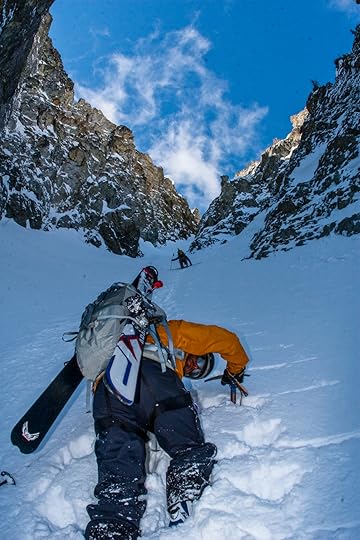
Photo: Cody Doucette
The Sawtooths might just be the most famous Idaho range of the Rockies, notable because of their remarkably steep and sharp peaks reminiscent of the silhouette of a saw blade. They’re also known for their high concentration of couloirs (steep gullies on the edges of a mountain). Here, couloirs cut through the shadows of dramatic spires and pinnacles — it’s some of the best ski-mountaineering terrain you’ll find anywhere.
Stay in the tiny town of Stanley, and you can book a high mountain tour to hit all those powder glades, alpine bowls, and extreme couloirs (including the Sickle Couloir at Horstman Peak, one of the longest and steepest on the continent, dropping close to 1,200 feet with an average pitch around 50 degrees).
6. Skiing family-friendly Bogus Basin
Located 40 minutes from downtown Boise, Bogus Basin Mountain Recreation Area is one of the more accessible ski hills in the state. With the brand new addition of its alpine mountain coaster, a day at Bogus will make the whole family happy — and not just the ski buffs. (Plan for some night adventuring, too, as there’s 165 acres of nighttime skiing available.)
The mountain coaster — Bogus is the first mountain recreation area in Idaho to have one — is made up of 4,100 feet of track that winds and twists through the forest at speeds of up to 25mph and takes you 40+ feet in the air. And when you’re killing time between rides, the heated patio is the place to be.
Bogus will also keep you busy with snowshoe trails, a tubing hill, and terrain parks, along with its front and backside ski terrain that’s home to 91 named runs, 2,600+ acres, and more than 20 miles of groomed Nordic trails (and more for night skiing).
7. Experiencing the old-school charm at America’s original destination ski resort
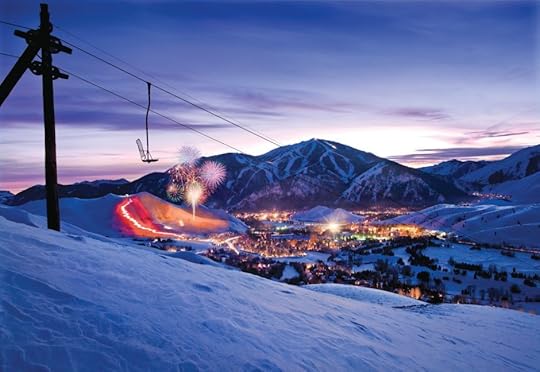
Photo: Kevin Syms for Sun Valley
Home of the world’s first chairlift, Sun Valley Resort was also the first destination ski resort in the United States — you could say that the American ski vacation technically started right here.
A long-time hotspot of old Hollywood, it’s grown into a modern resort that hasn’t lost its character along the way. The lodge was built in 1936, and it still harkens back to its heyday when stars like Clark Gable, Marilyn Monroe, and Ernest Hemingway stayed and skied. Sun Valley remains a favorite celebrity getaway — just take a look at the photos of it lit up at night and try not to think of the Swiss Alps. Even before you take into account the elite athlete training ground where Olympians are made, Sun Valley is one of the most impressive ski resorts on the continent.
8. Heli-skiing the seldom-crowded Selkirks
While there are other places in Idaho to heli-ski, Selkirk Powder has added this extreme adventure to its roster, allowing powder hounds to access an area that was previously untouched. This area of the American Selkirk Mountains is new terrain for most, and on a typical day, you could easily find yourself skiing 14,000 vertical feet among the thousands of acres of backcountry.
On top of that vertical, the Selkirks are notoriously blessed with powder — they average more than 300 inches per season. Heli-skiing lets you get to the spots where no one else can go, without all the effort of skins and slogging up a slope. Talk about fresh tracks.
9. Having an après soak in a natural hot spring
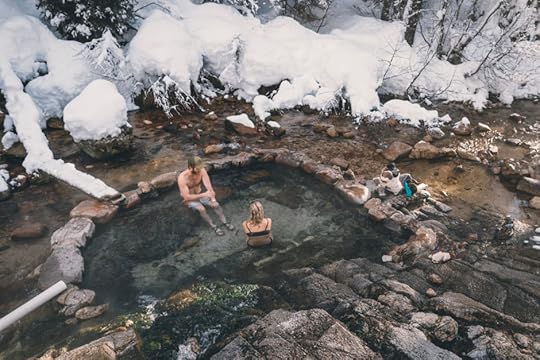
Photo courtesy of Idaho Tourism
Idaho has more soakable springs than anywhere else in the country, so no matter if you’re cruising groomers at Baldy or powder plunging the Smokies, there’s almost always a spring nearby (and no chlorine or foggy windows to kill the mood).
Whether it’s Gold Fork Hot Springs near Donnelly, Trail Creek Hot Springs near Cascade (pictured above), a locals’-secret spot around Sun Valley, or one of many, many others, nothing feels better on beat legs than a hot soak. Just about all of them have pretty killer views, too. 
December 4, 2017
How to stay in style in the Maldives
Deep in the Indian Ocean, Six Senses Laamu is the only resort in the Laamu Atoll, in the thick of the Maldives. It’s an island luxury resort focused on total decompression from day to day life, with a shot of adrenaline if you’re into surfing, diving, snorkeling, wakeboarding, water skiing, dolphins, and sea life. It’s small enough to feel like you’re not on a deserted island but big enough that you feel like you’re on your own solo adventure.
Laamu Resort has its hand on the steady pulse of sustainability and ecotourism; they gauge their sustainability against the targets set by Green Globe Benchmarks and adjust when needed. They have an awesome section on their website that outlines exactly how they apply their self-imposed environmental responsibility.
Located on the Olhuveli Island in the Laamu Atoll — a group of 80 islands — Laamu resort has 97 rooms, of which 73 are villas built over the water. The reefs are pristine, the water is unbelievably clear with so many shades of blue you think you’re looking at paint samples, the wildlife is abundant and undisturbed, and the surf breaks are legendary.
If you ever wanted paradise without the crowds, Laamu is it.
How to get there
From Male International Airport in the Maldives, you’ll take an island-hopping flight and then a short boat ride to the resort. Book your visit to get detailed directions.
What to consider
Accommodations start at over $900 a night.
This is a family-friendly place, bring the kids!
Rooms are loaded with amenities, including air conditioning.
There are six restaurants at the resort.
Laamu can organize all the activities you could ever want: Check out their experiences here.
Much of the resort’s dishes include organic produce from their own gardens.
They have a diving school on site where you can take your PADI Open Water training.
It’s a luxury resort, so just be prepared to spend more than you would at, say, Club Med.
They have Wi-Fi, but you’ll probably be too busy unplugging to go online.
More like this: 10 places to see before they disappear
Matador holiday gift guide 2018
It’s easy to let time get away during the holidays and just turn to Amazon Gift Cards. But if you really want to stoke people in your circle of family and friends, consider a gift that will make their travels — even their everyday — more enjoyable.
The following 20 gift ideas cover a range of prices, but all touch in some way on travel. They’re based not only on what our team is thinking of giving (or dreaming of getting), but also on the companies and individuals we really admire — people creating exceptional things in the world and doing it the right way.
Here’s to grateful gifting this season, and deep travels in 2018.
Tentsile tent
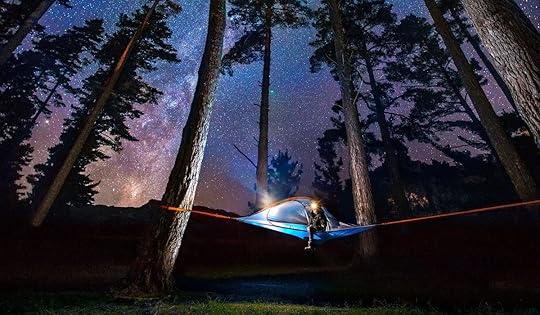
Photo: Tentsile
Why we love this gift:
Tentsile is the ultimate hammock shelter, or in their terms, the ultimate “tree tent.” Their innovative design allows you to sleep off the ground, opening up a whole new world of potential campsites over uneven or rocky terrain, and keeping you drier.
Why we love this brand:
Tentsile’s founder is a conservation-minded architect who had a longtime vision for a shelter built entirely from tension. The company donates three trees for every tent sold and has done some sweet projects setting up unique shelters for eco-settlements.
Embroidered Mexican blouse from Siempre Viva

Photo: Siempre Viva
Why we love this gift:
A flowy Mexican blouse is beautiful and timeless; these are handmade by indigenous women in Oaxaca.
Why we love this brand:
Siempre Viva promotes social responsibility in their work with different indigenous groups in Mexico, providing living wages and sustainable working conditions.
Leatherman Skeletool multi-tool
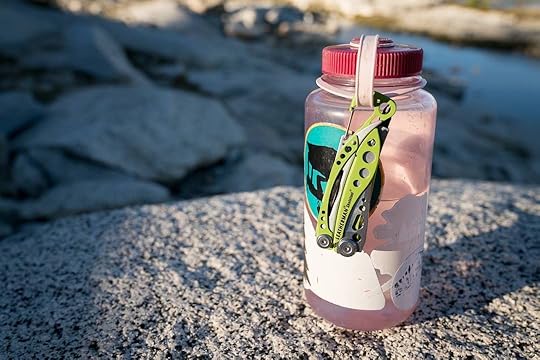
Photo: Leatherman
Why we love this gift:
Most multi-tools are jammed with gadgets that are way too small to use effectively and end up making the handle so fat that you can’t even grip or carry it comfortably. The Leatherman Skeletool is the perfect solution. It’s lightweight, has a good blade, and is a size you can actually use well (particularly the pliers). Just remember to check it in your luggage when you get to the airport.
Why we love this brand:
It all started with a vision Tim Leatherman had in the early 70s while traveling — the need for having multiple tools in one handy place. A decade later he was producing and selling the original American “multi-tool.”
T shirt, hoodie, or beanie from the Parks Project
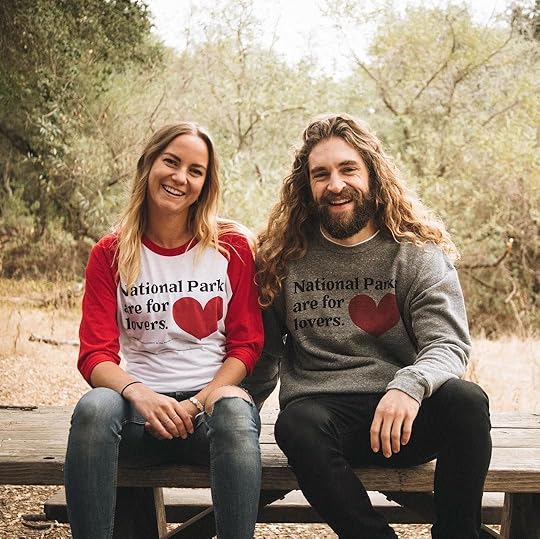
Photo: Parks Project
Why we love this gift:
The Parks Project makes really cool modern casual wear that support the National Parks.
Why we love this brand:
A few years ago, Cofounders Keith & Sevag had a profound experience volunteering in the Santa Monica Mountains. They were able to turn their newfound appreciation for parklands into a successful company that partners today with over 30 park conservancies and is helping provide hundreds of hours for volunteer projects in parklands around the country.
ENO hammock
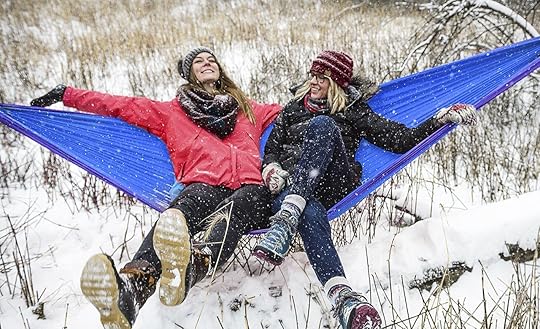
Photo: ENO
Why we love this gift:
If you or your friends don’t have “relaxation gear” in your travel setups, you’re missing out. ENO hammocks have blown up around the US because they’re such a perfect design: a parachute hammock that weighs almost nothing and takes up very little space in your pack. Once set up, it puts your body in such a natural position that it makes any random spot into something gorgeously meditative and relaxing.
Why we love this brand:
ENO started out as two brothers slinging hammocks on the festival circuit and the rest is history. They’ve literally turned the word “hammock” into a verb, and have one of the coolest Instagrams anywhere.
Basecamp Journal from Feral Mountain Co.
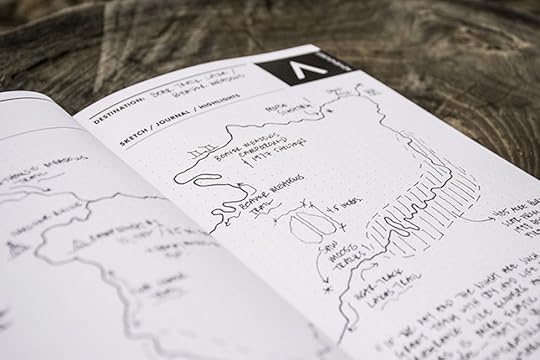
Photo: Basecamp Journal
Why we love this gift:
The Basecamp is basically a traveler’s dream journal, with cool sections (packing lists, National Park checkoff list, etc.) and an awesome layout for documenting your travels. It’s available in December via Indiegogo.
Why we love this brand:
Feral is a rad little indie outdoor store in Denver and this journal is their first in-house product. They’re doing all the work with a small staff of 3-4 people and sourcing Colorado leather and other local materials. The owner, Jimmy, left a corporate job to open the shop, and now lives in a campervan and does endurance races in his free time.
Roark Revival Missing Link drybag backpack
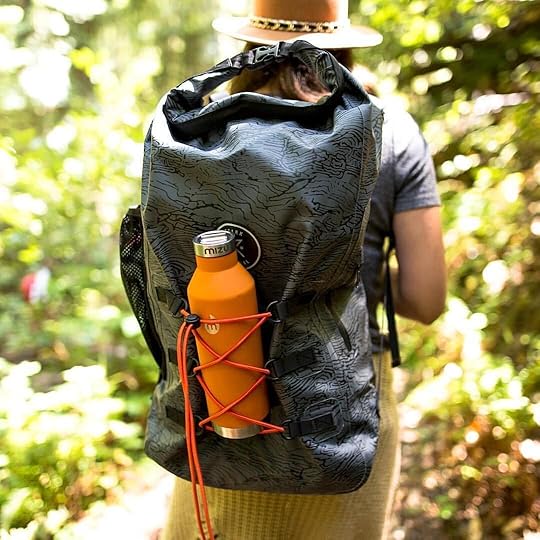
Photo: Roark
Why we love this gift:
Aside from kayakers and bike messengers, most people have never used a drybag and don’t realize what a game changer they are. Having a quick waterproof setup to toss your laptop, phone, sweater, etc. into makes rainy day walks/rides a lot more fun. The Missing Link is a perfect daypack size, and somehow Roark has managed to make a typically ugly piece of gear look cool.
Why we love this brand:
Roark has a rad brand story based around a mythical traveler (Roark) a “bar-brawling adventurer that disappears into Mexico for six months camping, only to surface in Paris drinking Bordeaux…” The story advances each season with a printed book, and two new collections of “clothing, luggage, and trinkets” inspired by the climate and culture of Roark’s adventure.
Street Plant skateboard
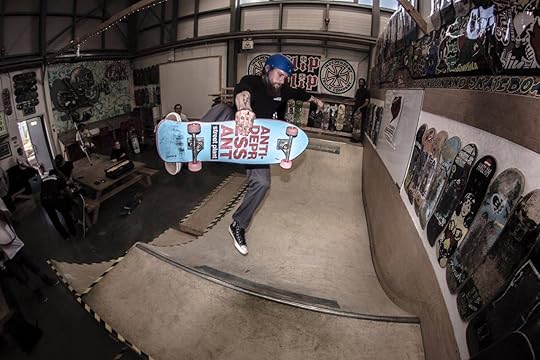
Photo: Joey Jett via Street Plant
Why we love this gift:
Who doesn’t need a skateboard?
Why we love this brand:
Mike Vallely is a legend in skateboarding for shunning all notions about what skating should or shouldn’t be and forging his own original, hard-charging style. Now in his third decade of changing people’s perspectives on skateboarding, his company Street Plant produces boards right from their garage in California and has an awesome “battalion” of skaters from all skill levels and backgrounds around the world.
Chiapan small bags and totes from Yo’on Ixim
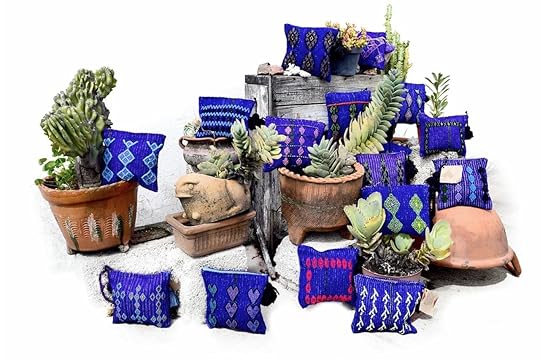
Photo: Yo’on Ixim
Why we love this gift:
As authentic a handmade bag as you can get. Yo’on Ixim notes, “Our totes are woven and embroidered in the traditional style of Mitontic and Tenejapa. Men and women proudly wear these bags in most communities in the Chiapan Highlands.”
Why we love this brand:
Yo’on Ixim benefits indigenous women and their families through an artisans’ cooperative (with fair wage work and training in business development), as well as literacy programs and other educational opportunities at the Yo’on Ixim Community Center School in Puebla.
Astral Designs Rassler
Why we love this gift:
Best water/adventure shoes ever made, and they look cool even to wear to town.
Why we love this brand:
Astral is an indie footwear and outdoor gear company based in Asheville, North Carolina, and beloved by wilderness athletes for their amazing products and approach to conservation. Starting several years ago with their first model — a kind of “skate shoe” alternative to Chacos or Tevas — they’ve perfected the water shoe. They also carry a variety of other trail-running/hiking and casual designs, and their production facilities and innovations with materials are all about reducing environmental impact. If you’re considering any kind of new shoes this season for yourself or as a gift, definitely check them out.
Gerber Gator Combo Axe

Photo: Gerber
Why we love this gift:
This micro-hatchet makes real fire-making much easier in the backcountry. Check here for a proper lesson on using this hatchet.
Why we love this brand:
Gerber has been around since 1939, designing and engineering some of the best knives and tools in the world right from their base in Portland, Oregon.
Outdoor skills classes from We Are Wildness
Why we love this gift:
WAWU offers rewarding experiences that you can do from anywhere, and that will help motivate you to get outside and reconnect with nature in new ways.
Why we love this brand:
WAWU was started by our friend Alissa, who found reconnecting with nature as a way to overcome anxiety and depression. She’s since built a hub for connecting others through simple and accessible experiences and a great online community.
Stanley Classic One Hand Vacuum Mug (16oz)
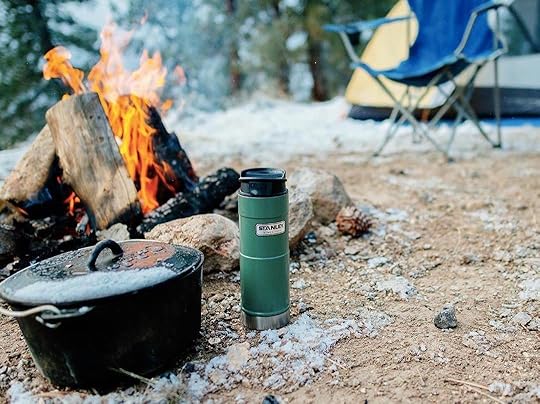
Photo: greggboydston via Stanley
Why we love this gift:
Versatile and rugged, it’s a classic mug for everyday carry and on the road.
Why we love this brand:
Yes, Stanley has been gobbled up by a multinational and had its manufacturing outsourced to China, but it’s a storied brand going back over 100 years that’s rooted deeply in the outdoors and the protection of public lands. Even B-17 pilots flew with Stanley bottles in WWII.
Gnarbox

Photo: Gnarbox
Why we love this gift:
Backcountry travel (ex: river trips) and laptops just don’t mix. But up until now, if you were in there taking pics or shooting video, there was no easy way to backup SD cards and other data from your GoPros, cameras, and drones, other than plugging into your external hard drive via laptop. Gnarbox solved that problem with an inexpensive device that’s water resistant and pretty bomb.
Why we love this brand:
Gnarbox is based out of Santa Monica and has a pretty awesome success story on Kickstarter.
First Ascent instant coffee
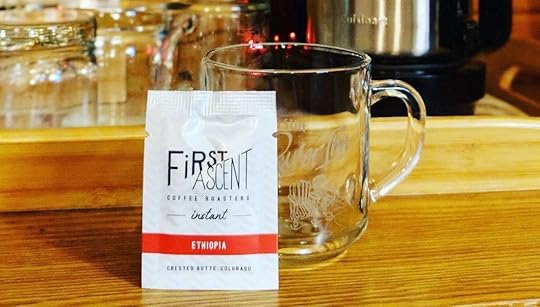
Photo: First Ascent Coffee Roasters
Why we love this gift:
All you need is hot water! It’s locally made and tastes way better than Starbucks Via!
Why we love this brand:
First Ascent is a tiny little coffee shop in Crested Butte, Colorado. The roasters and baristas are all passionate climbers, bikers, and skiers. They roast this product right in the shop, and it’s perfect for travel when you can’t find decent coffee or a backcountry adventure when you don’t feel like bringing a heavier coffee setup.
Echoview Trekker socks
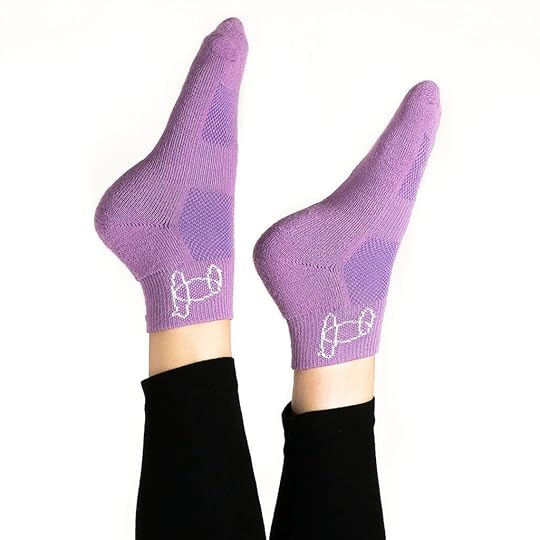
Photo: Echoview Fiber Mill
Why we love this gift:
Alright, socks are boring. And yet, if you’re cheap like most people, there’s no better gift to receive than a really good pair. I scoffed at Echoview’s claim that these socks are “like slipping your feet into a cumulus cloud,” but was quickly hooked. Echoview figured out how to make the perfect alpaca socks by blending in nylon and reinforcing the heel. These things will save you in the winter.
Why we love this brand:
Echoview Fiber Mill is a mom-and-pop spinning-mill-and-knitting operation based out of a Gold LEED certified facility in Western North Carolina. Their whole ethic, from raising animals to dyeing textiles, is based on sustainability and being environmental stewards.
#WOKE: an ebook on travel from Damon and Jo

Why we love this gift:
It’s been epically fun (and not at all surprising) to witness our travel amigos Damon and Jo blow up on YouTube. This year they wrote their first ebook called #WOKE. In their own words: “We wrote this ebook for anyone and everyone who needs a life detox, wake up call, or push in the right direction.” Gift for that traveler or special person in your life here.
Why we love this brand:
Damon and Jo are kind of a brand, actually. In the best way. They represent total fearlessness in travel (Jo was shot in her native Brazil, ok?), and a beautiful ethos of embracing and sharing what they learn about other languages, customs, and ideas wherever they go and wherever they’re at in their lives.
Rumpl down blanket
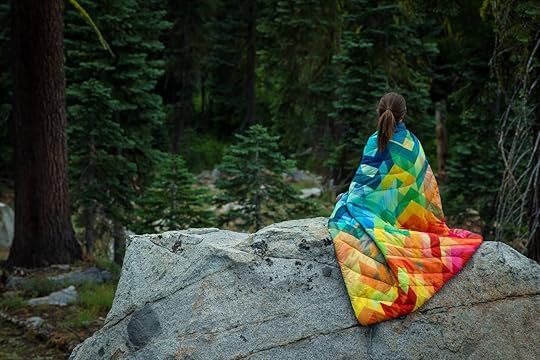
Photo: Rumpl
Why we love this gift:
Rumpl has made the ultimate blanket for snuggling with your kid, partner, or dog. It’s puffy and filled with down. One of the Matador Network editors recently used one by the fire in Moab. With 20 degree temps, they wrapped up their little one and everyone was super cozy.
Why we love this brand:
Rumpl has taken the most basic and overlooked item and turned it into a luxurious, must-have piece of gear. They also have a rad media presence.
Tentree clothing
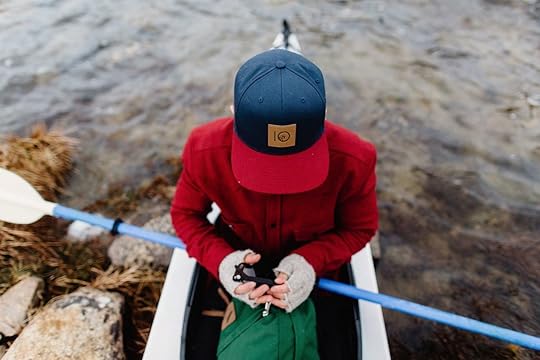
Photo: tentree
Why we love this gift:
Tentree has some of the raddest casual designs (hoodies, sweatshirts, tees, pants) you’ll find anywhere, and great organic cottons and other materials. It’s also very affordable compared to other boutique manufacturers of this quality.
Why we love this brand:
These guys plant ten trees for every item sold, enough said.
Black Diamond Megalight tent
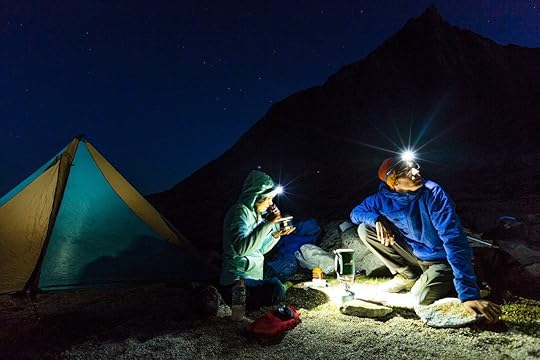
Photo: Black Diamond
Why we love this gift:
The Black Diamond Megalight (aka the “megamid”) is in many ways the ultimate traveling shelter. You can set it up in infinite variations, from a sun shelter to the roof of a snow cave, to a roomy camp kitchen that you can cook in.
Why we love this brand:
While not as well-known outside the climbing and ski world as other companies, Black Diamond is a legacy brand whose designs go back to 1957. They continue to make some of the best designed and highest quality gear on the planet.
American feelings about TSA patdowns
The holiday season is in full swing and lots of Americans are going to be passing through airport security over the next month. Unfortunately, this means that a lot of us are going to be dealing with the most unpleasant aspects of the Transportation Security Administration (TSA), including pat-downs on ourselves and our loved ones.
Many Americans might believe that the safety the TSA gives us is worth the occasional invasion of other’s privacy, but how do we feel when that invasion happens to us? Stratosjets.com surveyed 1,000 people across the country about how they feel when their loved ones are subjected to a TSA pat down. In a series of infographics, they broke their findings down by gender, race/ethnicity, political party affiliation, and religion. Their research also delved into how these groups feel about racial profiling. Brace yourself, there is a lot of American ideological division visible in these images.
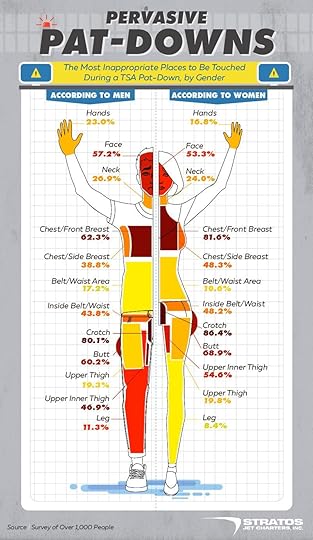
Photo: Stratosjets.com
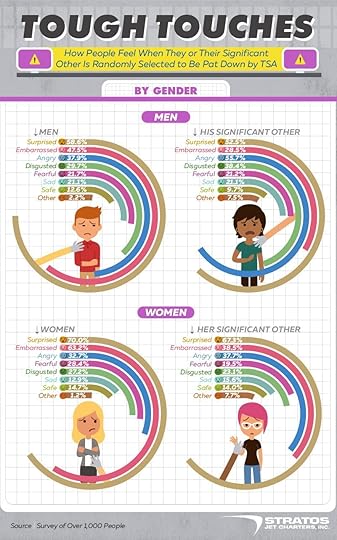
Photo: Stratosjets.com
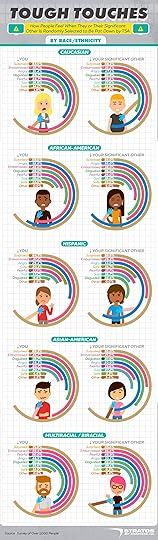
Photo: Stratosjets.com

Photo: Stratosjets.com

Photo: Stratosjets.com

Photo: Stratosjets.com
More like this: The TSA Instagram account is terrifying and hilarious
Best countries for women
The best countries for women in terms of gender equality have been announced by the World Economic Forum in the new edition of its annual Global Gender Gap report.
The 2017 report assesses 144 economies on how well they utilize the female workforce in their country based on economic, educational, health-based, and political indicators. The report can be used as an objective analysis of women’s quality of life compared to male peers, and to thereby rank the world’s best countries for women in terms of gender equality.
Assessing gender equality
To produce the Index, the World Economic Forum analyzes more than a dozen data sets including those produced by World Economic Forum, UNESCO Institute of Statistics, and the OECD.
The rankings are compiled by calculating gender-based gaps in accessing resources such as education, healthcare, and opportunities to participate in political and economic processes.
Assessing the gender gap enables the Index to compare rich and poor countries on an equal footing. It is the disparity between genders that is being measured rather than the baseline quality of living. This creates a ranking of the best countries for women according to the gap between genders.
Best countries for women: insights
Out of the 142 countries covered by the Index both this year and last year, 82 countries have improved their overall gender gap score compared to last year, while 60 have seen it decrease.
The Nordic states are consistently the best countries for women and have been so since the report was first produced in 2006.
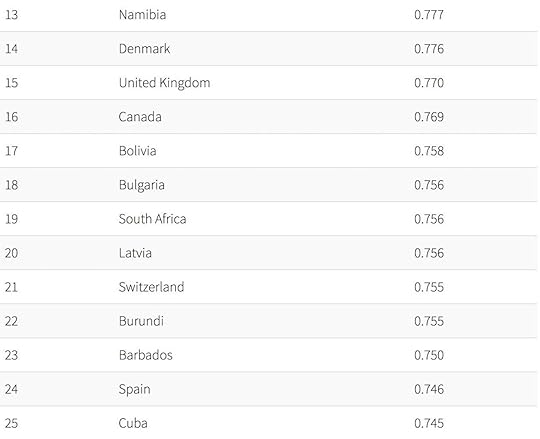
Iceland (1) holds the top spot for the ninth year in a row. Norway (2) overtakes Finland and regains second place, while Finland (3) returns to its 2015 third-place position.

Map: World Economic Forum
Rwanda (4) continues its steady climb since first entering the Index and has now pushed Sweden into fifth. Rwanda is notably the country with the highest share of female parliamentarians in the world at 61%.
Denmark (14) and the United Kingdom (15) both climb several ranks from their position last year. The United States (49) has moved down four spots compared to 2016.
The worst country for gender parity is, as last year, Yemen (144). Making up the rest of the bottom five are Pakistan (143), Syria (142), Chad (141), and Iran (140).










This article originally appeared on Atlas & Boots and is republished here with permission.
More like this: Women sick of catcalling fight back with selfies and #dearcatcallers
Matador Network's Blog

- Matador Network's profile
- 6 followers

