
Matador Network's Blog, page 1433
December 12, 2017
marriage equality worldwide timeline
On December 6th, Australia joined the growing ranks of nations that have legalized same-sex marriage. Starting with the Netherlands back in 2001, Australia is now the 24th nation to legalize same-sex marriage. These countries span every continent and the inclusion of most of Western Europe, South America, the United States, and more means that over 840 million people live in countries where same-sex marriage is legal. To celebrate this, Carvaka Sex Toys made a video showing the timeline of the march of marriage equality. 
Follow Matador on
Vimeo
Follow Matador on
YouTube

More like this: 7 ways travelers can support LGBT communities


Fairytale-worthy European castles
Castles, castles everywhere. Tourists can’t help but flock to castles in Europe. It speaks to childhood wonder and fantasy lands — or at least, our inner Game of Thrones geek. While castles are pretty cool anytime, castles in the winter are where it’s at. There’s nothing quite like it to send you barreling backward to when you were five years old and watching Disney sitting on your carpet, pretending to battle dragons and fending off witches. Here are 16 wintery castles that will do just that.
1
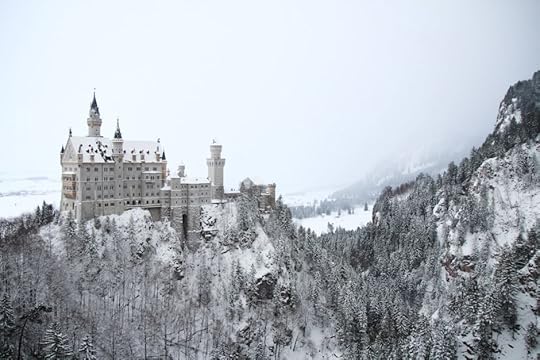
Castle Neuschwanstein
Neuschwanstein Castle towers above the town of Hohenschwangau in Bavaria, Germany. It is actually a 19th-century palace. The difference? A castle is built for defense while a palace is a royal residence. However, this was the site of two castles until King Ludwig II had them torn down to build his ideal abode (many castles were torn down in order to rebuild to "modern standards" of the time). That said, this is one of the most visited castles in Europe, as many as 6,000 people a day in the summer. Just another reason to see it in all its glory in the winter, no?
Photo: Nico Benedickt
2
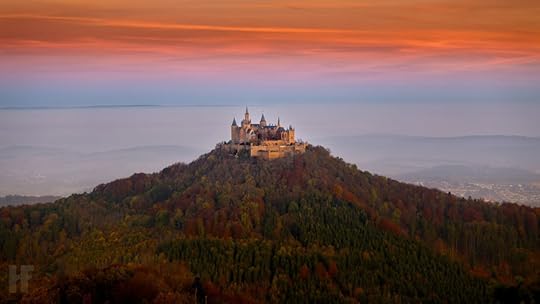
Hohenzollern Castle
This castle is in Baden-Wuerttemberg, Germany. The original site had a fortress as early as the 11th century. A castle was added, destroyed, added again, and fell into ruin. This particular castle was built in the 1800s.
Photo: Uwe Hermann
3
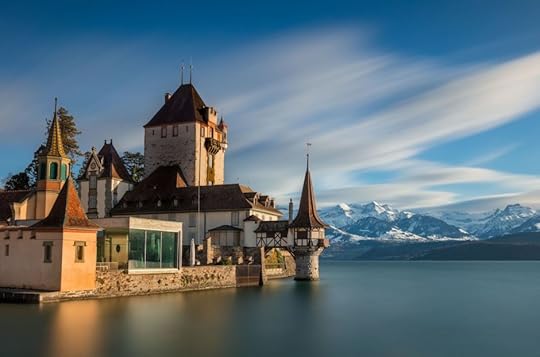
Oberhofen Castle
Leave it to Switzerland to nail old meets new meets beautiful.
Photo: Samuel Ferrara
Intermission
Infographics
Soon, a lot of Americans will need a passport to travel within the US
Henry Miller
Snow
The 21 coolest ski towns in North America – 2018
David Miller
Galleries
Franklin, Tennessee is on point and these photos prove it
Molly Duerig
4
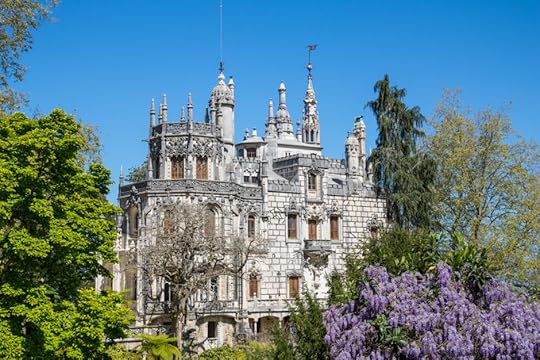
Sintra Castle
Though it never gets particularly snowy here, this castle - which is outside Lisbon, Portugal - is so whimsical I had to include it.
Photo: Susanne Nilsson
5
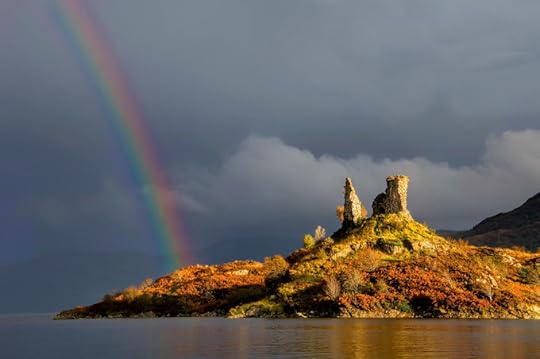
Kyleakin Castle
Caisteal Maol is a ruin on the Isle of Sky, Scotland, just east of Kyleakin. It is the ancient seat of the Mackinnon clan, and it was a fortress protecting the waterways.
Photo: Oliver Clarke
6
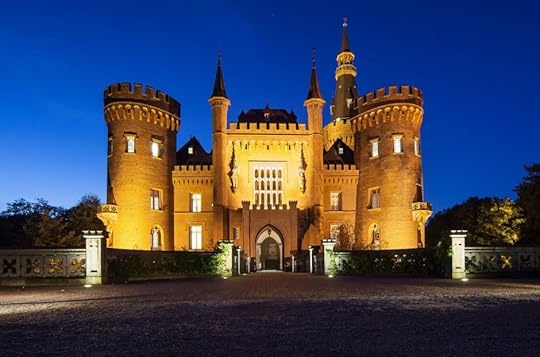
Moyland Castle
This castle dates back to 1307 and is found in the North Rhine-Westphalia region of Germany. In the 17th century, it was updated to the baroque style popular at the time.
Photo: Maarten Takens

7
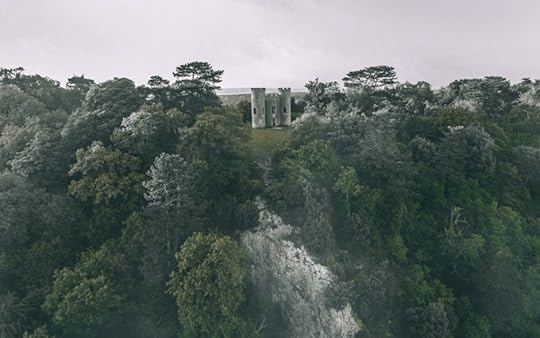
Marienberg Fortress
Around 1000 BC, the Celts had a refuge castle here. It's long gone but archeological finds show it was here. Then, various tribes and kings took over the area, and the Celtic castle was eventually dismantled and a church was built - probably to replace a pagan altar - around 700 AD, and after that the fortifications were added. It towers over Wurzberg with vineyards crawling up the steep hillsides.
Photo: Heribert Pohl
8
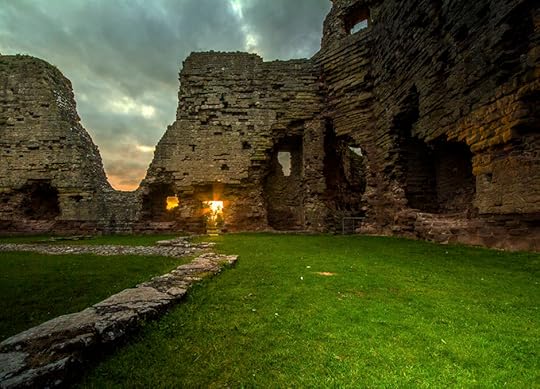
Blaise Castle
This one is in Bristol, England. It's a folly castle - meaning it was built mostly for decoration.
Photo: Rob Potter
9
Rhuddlan Castle
This castle is found in Wales, along the River Clwyd. The land itself was important to pre-invaded Wales, acting as a sort of capital from which rulers oversaw northeast Wales on behalf of Gruffydd ap Llywelyn (the last ruler of Wales). Then the land was fought over, and lost, and regained, before King Edward I conquered it and began work on Rhuddlan Castle in 1277.
Photo: Jonny Williams
Intermission
Infographics
The 45 most disturbing mythical creatures from around the world
Ana Bulnes
Humor
14 signs you’ve been a bartender for too long
Melissa Allen
Galleries
These fall aerials of California are surreal AF
Alexis Coram
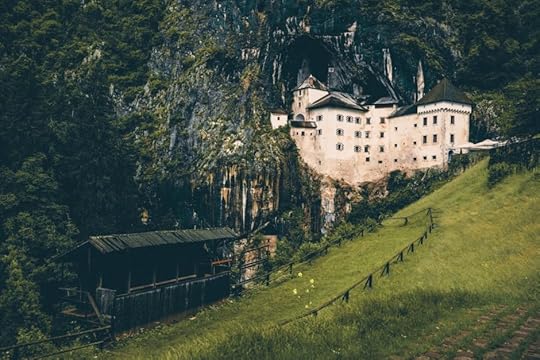
10
Predjama Castle
I first read that this castle was called Pajama Castle and thought I'd finally found my match. But no. However, it's still a pretty epic castle: it's built into, and within, a cave mouth in Slovenia. It dates back to the 13th century, and has hidden passageways.
Photo: Chris Yang
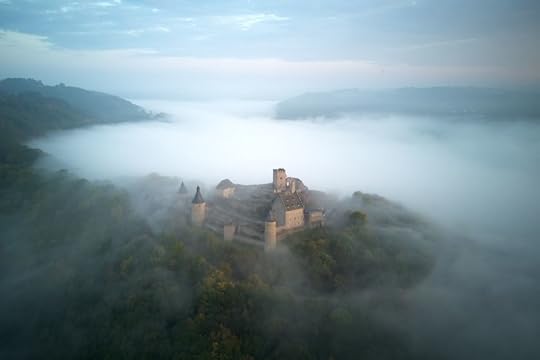
11
Bourscheid Castle
This one's from Luxembourg, looming 150 meters above the River Sure. It dates back to about 1000 AD.
Photo: Marc Marchel
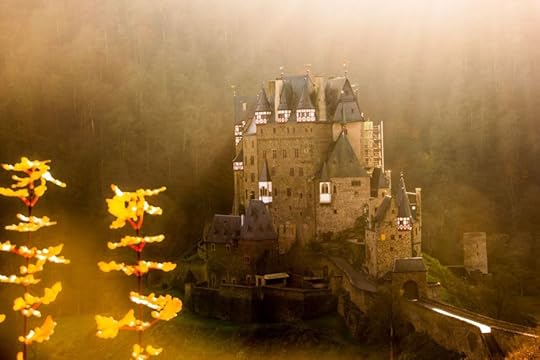
12
Castle Eltz
Another beauty castle from Germany. This one is from the 12th century, but it is still owned by a branch of the same family who lived here over 33 generations ago.
Photo: Désirée Fabian
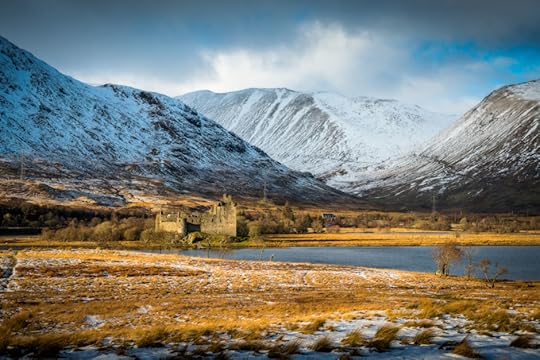
13
Castle Kilchurn
Sitting on the edge of Loch Awe in Scotland, Castle Kilchurn was built in the mid-15th century. It was the base of Clan Campbell, one of the largest Highland clans, until they moved castles. It's been in ruins since the 1770s.
Photo: Chris Combe
14
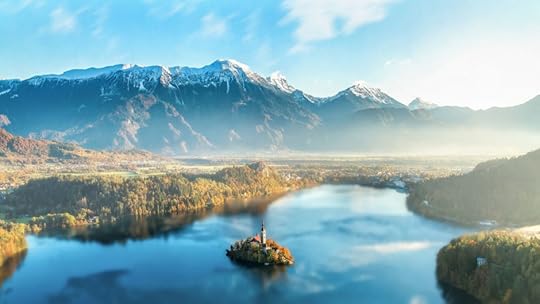
Castle Bled
Okay, so that perfect building on the island is actually a church. But right behind it, on that rocky cliff face rising up, that's Bled Castle. It's the oldest castle in Slovenia, dating back to about 1011 AD.
Photo: Wall Boat
15
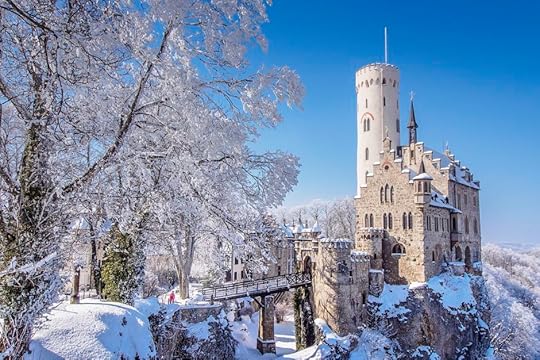
Lichtenstein Castle
Despite the name, it's located in Germany (okay Germany, we get it, you have castles). It overlooks Honau, and the Swabian Alps, and it's recent as far as castles go, as it was built in 1842. As with a few other castles on the list, it sits on the site of an older castle that was destroyed a few times over.
Photo: Janobi
16
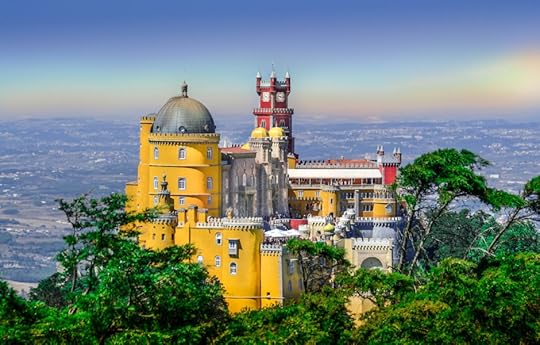
Castle of the Moors and Pena Palace
Sintra, Portugal, has two castles for the price of one in its colorful - and hilly - setting. The Moorish Castle dates back to the 8th and 9th centuries, a classic looking stone castle atop a hill. In the same city is Pena Palace, pictured here, which is a 19th-century Romanticist palace, recently restored in 1910.
Photo: Michaela Loheit
More like this: Photo guide to Ireland’s most incredible castles

13 things only people who spend the winter in Alaska understand
Picture Alaskan winters and images of dog-sledding, polar bears, and blizzards likely come to mind. That isn’t entirely inaccurate — but it doesn’t paint a complete picture, either. Winter in Alaska has its joys; it’s also as much a harsh reality as it is a state of mind. Spending winter up north will teach you a few things about cold, isolation, and survival == and it may also surprise you.
Here are 13 things only people who spend the winter in Alaska understand.
1. It isn’t bitterly cold everywhere.
Despite the perception that Alaskan winters rival the ones in Winterfell, temperatures only average around 25 degrees in most of the state’s coastal areas. While we’re no stranger to blizzards and below-zero cold snaps, many Alaskans enjoy milder winters than our friends in the Northeast and Midwest US.
2. But the -40-degree weather is no joke.
Winters in the state’s interior or above the Arctic Circle fall more in line with the usual stereotypes. October-March (or April, or May) can be tough… even dangerous. At 40 below, eyelashes can get frosty, contact with metal will damage exposed skin, and boiling water can freeze within seconds. Hypothermia and frostbite pose real threats, and windchill can make everything feel colder. So you won’t leave the house without layers, full facial coverage, and possibly a backup set of hand and toe warmers.
3. You have to work at staving off Seasonal Affective Disorder.
If you’re not careful, spending the winter in Alaska can trigger an existential crisis. It’s cold, dark, and lonely; work is usually slow; and if you don’t keep busy, cabin fever can sneak up on you. One study shows that up to 10% of Alaskans suffer from Seasonal Affective Disorder. So it’s important to find your personal formula for keeping the winter blues at bay — whether it’s exercise, a “happy light,” or mid-winter travel to a tropical destination.
4. The sunsets are at their most spectacular.
Alaska’s most dramatic sunsets take place in the wintertime, and they offer a nice contrast to summer’s perpetual twilight. Those stunning alpenglow hues cast over snowy peaks are a decent consolation prize on days when the sun goes down by 3:30 pm.
5. And the northern lights are divine.
The northern lights are just as magical as they appear in any magazine, and they are best viewed on chill, crisp, and clear nights. In addition to checking the weather, we keep an eye on the aurora forecast and don’t mind trading a little sleep to watch their green and bold red hues twinkle across a starry winter sky.
6. Vehicles must be weatherized.
Properly outfitting your vehicle a necessary winter chore. Studded tires must be purchased, along with block heaters to keep your engine insulated. Emergency kits are checked and re-stocked. And since you’ll be starting your car up to 45 minutes before leaving home every day, you may even be tempted to invest in an autostart.
7. Daylight savings is our mortal enemy.
While the rest of the country groans about losing morning hours, daylight savings in Alaska is practically a day of mourning. As we begrudgingly set back our clocks, we feel robbed of that last hour of sunlight we could have enjoyed after work. Suffice to say — we consider the time change to be our personal nemesis.
8. Heating bills are practically criminal.
No matter how hard we try to be frugal by stacking firewood for our wood stove or religiously monitoring the temperature of the gas or electric heater, heating a home through 6 months of winter is never cheap. And skimping is not an option — without heat, pipes will freeze, utilities will stop functioning, and general mayhem will set in.
9. You can’t leave home without ice cleats.
With slick ice threatening pedestrians everywhere, ice cleats are a winter-must. This handy set of spikes fits snugly over your shoes so you can cross the most treacherous street, sidewalk, or parking lot without fear.
10. It’s a great time for a passion project.
How do Alaskans make it through the long winter? Besides frolicking around our winter wonderland, we get to work on personal projects. Winter is ideal for your wood-working or pottery habit, knitting and sewing up a storm, or get started on your novel. And 5 months in, keeping your hands and mind occupied will help you hold onto your sanity.
11. Winter is best spent outdoors.
Alaskans are all about our winter sports — whether sledding, ice skating, skiing, snow machining, or playing pond hockey, we love them all. These pursuits have us praying for snow and freezing temperatures come October, because winter is inevitable, and we might as well enjoy our favorite activities sooner rather than later.
12. The stillness will breed reflection.
Once summer is done and you finally have the time to unwind, something will come over you. When the cold sets in, and everything turns quiet and bleak, sooner or later your mind will start to reflect your surroundings. Winter can provide ample opportunity to regroup and to set new priorities — or it can send you to dark places. But we know that alongside the reflection, there’s always a little bit of renewal. Soon spring break-up will come, the world will start turning again, and we’ll be drawn back out of ourselves — maybe even a little wiser for the wear.
13. Everything slows down.
After the tourists and the snowbirds leave, and shops start to close down, and the snow starts to fall, our instincts to hibernate kick in. In the winter our pace of life slows way down, and we retreat into our homes to tend to our projects and our families. While the days darken and activity starts to lag, we conserve our energy, and focus not just on enduring the next few month, but savoring them the best we can.
More like this: 17 differences between a normal friend and an Alaskan friend

December 11, 2017
Money idioms from around the world
Depending on the culture, talking about money is either considered normal or terribly rude. In some cases, however, if you don’t know the right idioms, your new friend might be talking about how rich or poor someone is and you won’t even notice. What does money have to do with wool, cheese, or hedgehogs?
Fortunately, the guys at GoCompare have put together this handy infographic with some of the most common money idioms from around the world. You won’t be lost in translation ever again.

More like this: Guide to money etiquette from around the world


Zika-free travel in Southeast Asia
Most discussion of the Zika virus epidemic of the last few years has been focused on Latin America and the Caribbean. Yet continental borders, even those separated by vast bodies of water, are no barrier for mosquito-borne diseases, as the southern United States has found.
The Center for Disease Control and Prevention (CDC) has issued travel advisories for dozens of countries in the Americas, but every nation within or close to the tropics remains a potential risk zone — including the nations of tropical Southeast Asia.
Few of these countries have been completely untouched by Zika, yet at the same time, confirmed cases have been extremely rare. This could be down to a somewhat endemic level of Zika present across the region for many years, which may have caused a background level of immunity among much of the population.
But in at least a couple of documented cases, babies have been born in the region with microcephaly which can be directly traced to Zika infection. Travelers with no prior exposure are at minor risk, and the CDC advises all pregnant women to skip the region.
The Zika-carrying mosquito is only found at altitudes below 6,500 feet but the virus can also be transmitted sexually even if the person does not have symptoms at the time. Don’t forget the condoms.
Laos
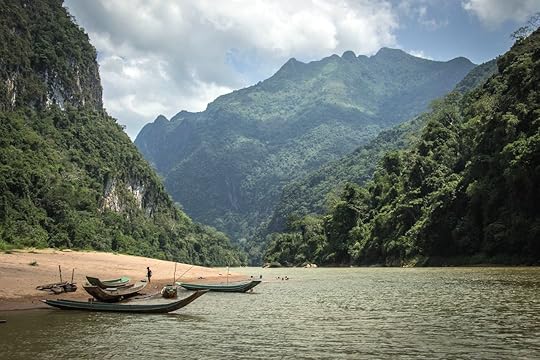
Photo: Ioana Farcas
Bordering northeast Thailand, landlocked Laos has reported very sporadic cases of local transmission. The UNESCO World Heritage city of Luang Prabang and capital Vientiane are popular ports of call on the backpacker trail through Indochina and the once-sleepy village of Vang Vieng has morphed into an unlikely hedonistic hotspot and extreme sports haven, surrounded by incredible scenery.
As in Thailand, travelers can minimize their Zika risk by heading to the hills. The Bolaven Plateau is a craggy landscape of plantations and waterfalls, flowing into the Mekong River. As the great river meanders its way south toward Cambodia, the Laos hinterland turns into a tropical savanna climate which brings more inherent Zika risk.
Vietnam
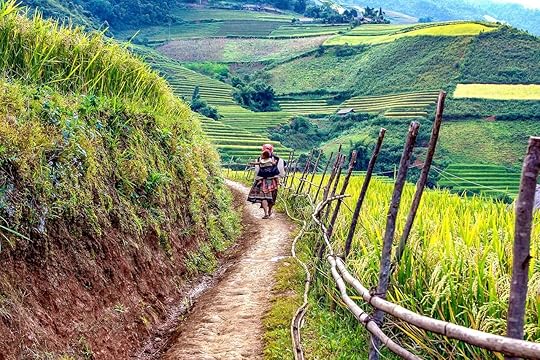
Photo: Huỳnh Mai Nguyễn
As noted by the CDC, there has been an upsurge in dengue fever cases in 2017 across the country. The so-called “hot zones” are the Red River and Mekong Delta and some provincial towns in Central Vietnam. There have been few locally-acquired cases of Zika reported in the country, although both Zika and dengue share the same carrier — the Aedes aegypti mosquito. Beyond the coast, Vietnam’s hinterland is fairly mountainous. Travelers head to the hills for respite from the heat, and in doing so, minimize the risk of contracting Zika. Picturesque Dalat in the Central Highlands and Sapa are the go-to spots for a cool mountain retreat.
Cambodia
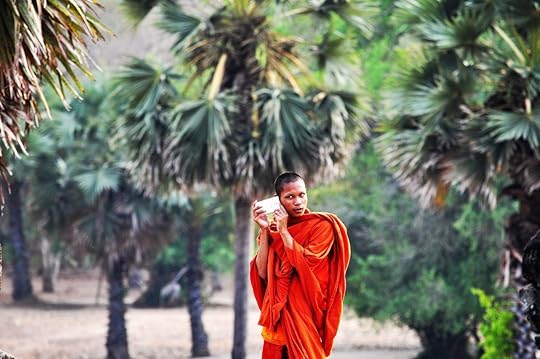
Photo: Amaryllis Liampoti
There have been just a handful of Zika cases reported in Cambodia since 2010 and the CDC cites a moderate risk of Zika transmission. That risk, however minor, is at its peak during the monsoon deluges from June–October when flooding is commonplace and rural dirt roads can simply wash away. The country’s latest destination du jour is the emerging ecotourism hotspot of the high-altitude Cardamom Mountains — another lower-risk area.
Thailand
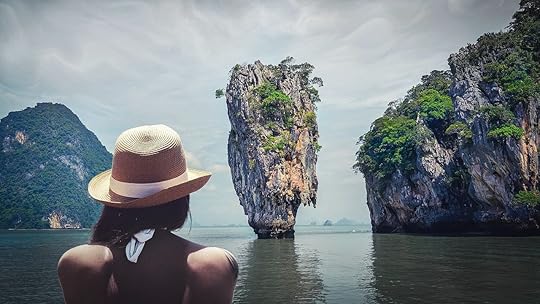
Photo: Walkerssk
Thailand, like the Southeast Asia region as a whole, poses a minimal risk of Zika infection according to the CDC. This falls short of an official travel warning; however, it advises pregnant women to put off any planned trips.
Thailand has a diverse topography, ranging from the island and beach hotspots and perennial favorites like Phuket and Koh Samui. Beyond the beach bum lifestyle, Northern Thailand lures travelers in huge numbers. The northern hub of Chiang Mai is enormously popular and, although sporadic cases of Zika have been confirmed, the higher elevations and somewhat cooler climates mitigate the risk.
Many of Thailand’s towns and heaving cities are susceptible to flooding during the monsoon season, which brings the added hazard of stagnant water, a known breeding ground for the Aedes aegypti mosquito. This just means taking added precautions — long-sleeved shirts and long pants and more liberal use of mosquito repellent.
All information was correct at time of publication but travelers should be sure to check the latest CDC Zika advisories before booking.
More like this: You can’t avoid Zika anymore. Here’s how to travel in Zika zones.
Save money on LA trip
LA can be an expensive place to explore — it’s a sprawling city and the transportation system is less than great. On the flip side, the weather is fantastic, it has one of the most exciting culinary and art scenes in the country right now, and it’s a great city if you love the outdoors. Luckily, there are a ton of ways to save a few bucks so you don’t have to break the bank when traveling to Los Angeles.
1. Ride the LA Metro.
While the transportation system in LA isn’t quite as evolved as other major cities, the LA Metro has made strides in recent years. You can now get across town from downtown LA to the beach and skip the parking lot traffic, i.e. the 405 freeway. Each ride is only $1.75 or you can purchase a daily or weekly pass to save even further. Since most Angelenos have a car, the Metro isn’t as frequently used as it may be in other metropolitan cities but it is a great option for tourists who are looking to get around the city without renting a car.
2. Trade the high-end restaurants for street food.
The food truck movement practically started in LA so it’s no doubt some of the best (and cheapest!) grub in LA is from a food cart or truck. Start with the Kogi BBQ truck, founded by Roy Choi (the Godfather of food trucks), which became famous for their short rib tacos. These delicious little Korean-taco bites became an iconic LA food. The best part? They’re only $3 a pop! If you’re craving Mexican, find Leo’s Taco Truck and run, don’t walk. The tacos al pastor at $1.25/each may be the best tacos you’ll have north of the border. Moral of the story: don’t underestimate the hole-in-the-wall taco stands or street vendors — they are the city’s pride and joy.
3. Take advantage of free museum days.
LA is home to a ton of incredible museums and while some are free of charge i.e. The Broad or Getty Center, others offer free museum days once a month or on weekdays at specific times. For example, Los Angeles County Museum of Art (LACMA) is normally $20 for adults, but free admission after 3 PM Mon-Fri. The Museum of Contemporary Art (MOCA) in downtown LA is typically $15 for adults but free on Thursdays from 5-8PM, so if you plan accordingly, you can get cultured without spending a penny!
4. Download Uber and Lyft.
Ridesharing apps have single-handedly changed the transportation game in LA and they will be your best friend in LA. It’s not unlikely that an Uber ride will be cheaper than the cost of parking in a lot or valet, so ditch the car anytime you’re headed to downtown LA or the Sunset Strip. You can also take an Uber Pool or Lyft Line if you have time on your side. (Some rides can cost as little as $3!) Besides, you never know who you’ll meet and though the city is so widespread, half the time you won’t even get another passenger during the ride.
5. Shop at the farmers market.
California is home to some of the best produce in the country and no matter what neighborhood you’re staying in, there’s likely a farmers market in your ‘hood. Shop the bountiful produce and create your own farm-to-table meal! The Original Farmers Market that’s been around since 1934 is located at The Grove, but the market in downtown Santa Monica on Wednesdays (steps away from the beach) is also a local fave often frequented by chefs shopping for the next seasonal star to feature on their menus.
6. Get outdoors.
The beach is our backyard and the mountains are our playground. With gorgeous weather year-round, there are a ton of (free) things you can do outdoors. You can hike the Santa Monica Mountains at Solstice Canyon, take paddleboarding lessons in Marina Del Rey, or bike ride along The Strand while watching the sunset.
7. Explore the city on bike.
In a city as spread out as LA, riding bikes is a great way to explore each neighborhood. You can rent bikes from the LA Metro Bike Share program or the Breeze program if you’re in Santa Monica, and those bikes will cost you $7/hour. But here’s a little secret: Timbuk2, the travel bag retailer, partnered with Pure City Cycles to offer free bike rentals at their Abbot Kinney location. The only catch is there are only two bikes available on a first-come, first-serve basis but if you’re lucky enough to get there first, they’re yours to ride, all day. You’re welcome.
8. Purchase the SoCal City Pass.
If you’re planning on visiting Disneyland while you’re in LA, consider purchasing the SoCal City Pass which could save you around $145/per person. You’ll get access to Disneyland California Adventure, SeaWorld San Diego, and LEGOLAND so you can park hop and take advantage of FASTPASS which allows you to skip the lines.
More like this: The 10 best cheap-eats in Los Angeles

Know before traveling to Iceland
Iceland is a very trendy destination and because you don’t want to make the same mistakes as everyone else on your trip, we’ve compiled a short list of things you should know before heading that way. Here are 10 things you need to be aware of before visiting Iceland.
1. Skip the Blue Lagoon.
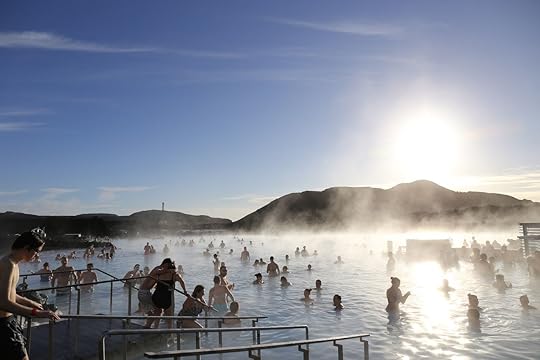
Photo: Gordon Cheung
It’s expensive (over $60 USD per person), you need to book in advance, it’s crowded, and there are so many more brilliant local pools that cost a fraction to enjoy. Check out Sundhöllin in central Reykjavík, the city’s oldest pool, or Kópavogslaug in the nearby Kópavogur — they have what I like to call “bubble beds”, which are exactly what they sound like. If you’re heading out of the city and into the north of the country, be sure not to miss Grettislaug, a natural hot spring located between the mountains and the sea that only costs 1.000 ISK ($10) to enter.
2. Weather shifts dramatically and rapidly in Iceland.
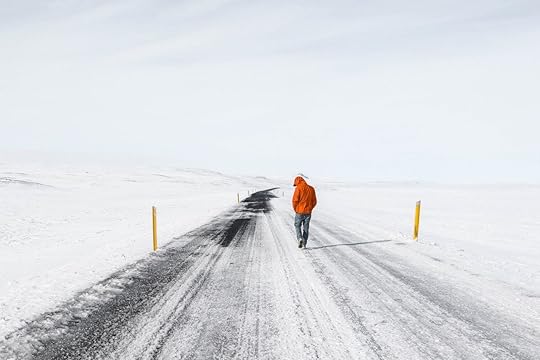
Photo: Jeremy Bishop
Be sure to dress in layers and always expect rain! Also, when driving, remember that weather on mountain passes is significantly different than the weather at sea level. In the winter, even though there may not be ice on the road in Reykjavík, you can bet on it making an appearance once you leave (so be sure that your rental car has “spikes” on its tires!).
3. Don’t go crazy searching for the Northern Lights.
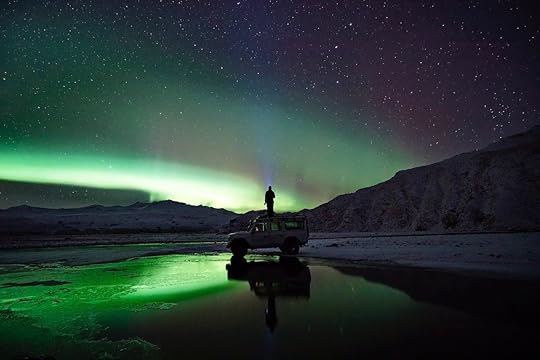
Photo: Jonatan Pie
The Northern Lights are most easily visible in Iceland in the winter, but most people think that they’re visible all the time. This simply isn’t the case. There are a lot of factors that play into whether or not the Northern Lights will show — weather, cloud cover, light pollution, etc. When traveling around Iceland, and especially when driving in Iceland, it’s important to remember to keep your eyes on the road and not up towards the sky. Trust me, if the Northern Lights are out, you won’t be able to miss them.
4. Harðfiskur is the best snack ever.
Harðfiskur is simply codfish that has been dried and lightly salted. It is absolutely delicious and packed full of protein. You can buy large or snack-sized bags at pretty much every grocery store (like Bonús) and gas stations (like N1). It’s a bit on the pricey side (just under $10 USD for a snack bag), but realize that it’s basically a whole fish in a bag, and can keep you full for hours! Though it’s delicious, Harðfiskur is a bit tricky to eat: you need to tear off strips of the fish which takes a surprising amount of gusto. Also, be sure to place a bag on your lap if you’re eating it in the car –Harðfiskur is super flaky! Hot tip: smear a bit of butter on a strip. You’ll see why.
5. Take the weather and road conditions seriously.
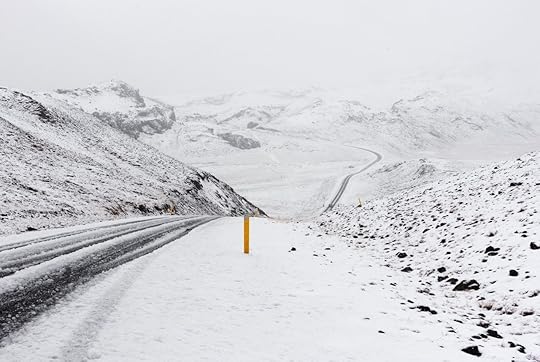
Photo: Gemma Evans
“Low-key hurricanes” are pretty normal here, especially in the winter, and they have a dramatic impact on road and driving conditions. If it’s windy enough, for example, you can be hit by what Icelanders refer to as “the white wall”: a thick bluster of blowing snow that reduces your visibility to zero and forces you to stop driving and wait. There have been countless accidents and even deaths because weather and road conditions were not taken seriously. Iceland has an excellent warning system in place for these things, however, and you can find out all you need to know on vedur.is and road.is.
6. Visit in the winter.
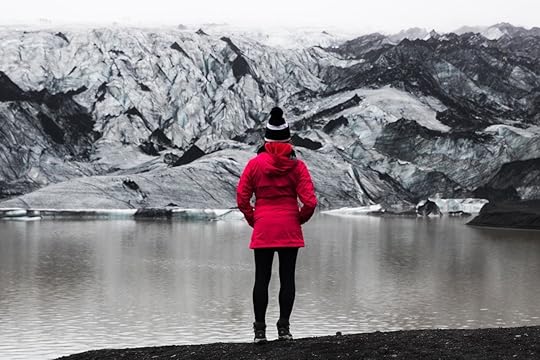
Photo: Alex Iby
Glossy magazines and high-resolution images on the Internet often depict Iceland in the summertime; sweeping mountain vistas of mossy green, bikinied people plunging into steaming hot springs beneath a high sun. Though these images don’t lie (Iceland really is that gorgeous), let us not forget that Iceland in the wintertime is equally, if not more, spectacular. Wintertime is when Iceland is at its most honest, its most unassuming: totalizing whiteness against the dim periwinkle of a midday sky; storms that reveal the resilience of the Icelandic people; and communities that somehow come together despite the dark, the cold, and the often-haunting isolation to celebrate holidays like Þorrablót. Another reason to visit Iceland in the winter is to witness how Icelanders do New Year’s Eve; there is nothing like it. If you’re in Reykjavík, the entire city sky illuminates with thousands of fireworks that people set off from their own driveways!
7. Rent a car, and get the added insurance.
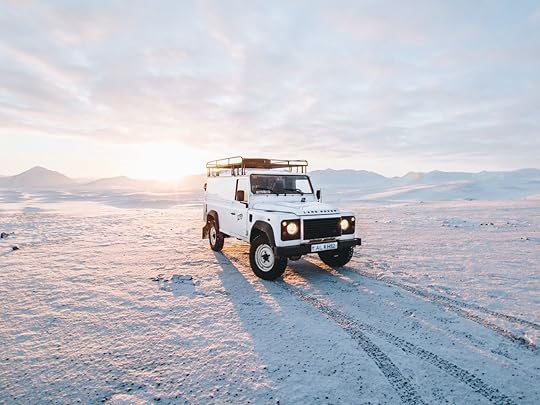
Photo: Grant Ritchie
The rental companies will ask you if you’ll be driving off-road, if you’ll be driving with the windows down, if you’ll be driving on mountains. You will answer yes, yes, and yes. You will take the additional insurance that you are offered, which includes but is not limited to “windshield insurance” that protects you against the accidental high-speed pebble and the dent that will result from it. Iceland has a rugged, often-punishing environment, and many of its roads are unpaved, severely potholed, jagged, and spectacularly beautiful. That being said, it isn’t a place for a leisurely drive; it is a place for adventure, and worry has no place in adventure — so get the extra insurance. You’ll be glad you did.
8. Don’t take a taxi to and from the airport.
Unless you want to drop $100. Keflavík Airport is an extremely well-run facility and their shuttle service is proof. The FlyBus leaves from just outside the main terminal every half hour and makes stops at all of the major hotels in Reykjavík, including the BSÍ bus terminal in the city center. The ride will cost you 2.700 ISK (roughly $25 USD), which isn’t bad considering the drive from the airport to city center is around 45 minutes. The same applies to trips back to the airport once your stay in Iceland has come to an end; the FlyBus picks up travelers every half hour from the comfort of their hotels. Be sure to enjoy the complimentary WiFi onboard!
9. Gas stations don’t take credit cards.
If you remember to bring anything on your trip to Iceland, remember to bring a debit card. Gas pumps here don’t accept cards without a pin code. You won’t have to bring much cash though, as practically everywhere in Iceland accepts cards (even prefers them to cash).
10. Keep your gas tank and snack bag full… always.
A climate like Iceland’s is prone to dramatic shifts in weather, and bad winter storms often reduce visibility on the roads practically zero. The last thing you’ll want is to be stuck on a road somewhere, low on gas and food. A friend once told me to pack a meal before we headed out one blustery, winter day to a nearby town. “But why? It’s only a twenty-minute drive,” I said, a bit surprised. “You never know when we’ll be stuck,” she explained. Two hours later, we were sitting along the side of the road with our hazard lights blinking, and my stomach was beginning to cave with hunger — she’d been right.
More like this: 15 things you didn’t know about Iceland
Dating a Southern Belle
1. You’ve had the sweet tea vs. all other tea conversation.
2. You know what it means to inspire romance at a Cracker Barrel.
3. You now expect to be blessed when you sneeze or cough around anyone.
4. You’re wearing a monogrammed winter hat with pride (and it matches hers).
5. You know “fixing to” do something can mean it will happen in 10 minutes or 10 days.
6. You’ve learned 100 ways of using “y’all” in a sentence, and none are ever wrong.
7. You can discern when she’s using gossip as a weapon, a hobby, or an icebreaker.
8. You know you really screwed up anytime she blesses your heart.
9. You’re learning to like saying “fudged” and “darn”.
10. You know that roughing it can mean camping with champagne and finger foods.
11. You no longer go anywhere without a hostess gift.
12. You find yourself dropping quotes from “Gone with the Wind” in casual conversations.
13. Your social circle is now mostly made of her sorority sisters.
14. You deeply understand that fried okra trumps French fries.
15. You had to learn to read cursive.
16. You’ve started to “sir” or “ma’am” people. Southern manners are contagious.
17. You’re comforted by the fact that there’s room in her purse for anything you bring on a date.
18. You no longer drink a cocktail out of anything but a mason jar.
19. You’ve learned that grits can be served at least 10 different ways at every meal.
20. You don’t worry when she calls someone else darling, honey, or sweetie because you heard her use them all every time she meets a new cat or dog.
More like this: 16 commandments for dating a Southern Belle
Customs to know before going to AZ
Whatever it is, it bites, hisses, stings, and/or burns.
2. It’s not courteous to ask an Arizonan if they’re packing a gun.
They are. Nod and smile, and don’t stare at any holsters.
3. Don’t ask and don’t tell about politics.
Then again, don’t assume. Arizonans defy stereotypes. There are conservative Mexican border patrol agents and liberal Navajo ranch owners, and libertarian peaceniks protesting The Wall. We’re a diverse group of people who all love our state, and we keep the peace by not discussing our voting record.
4. No, you’re not allowed to take the shopping carts home from the grocery store.
Yes, some of us still do. And yes, we consider them functional yard art.
5. If you want to make friends with an Arizonan, offer your truck or install a swimming pool.
6. If you can’t stand the hot food, stay out of the taco joint.
No one wants to gringo-ify your quesadilla or blend your margarita.
7. On Christmas, we don’t go sledding or roast chestnuts over an open fire.
It’s tamales and nature walks and/or naps. And shorts are perfectly acceptable holiday wear.
8. Southern Arizona doesn’t really do Day of the Dead.
Instead, we celebrate our take on All Soul’s Day with a grand-scale procession. It’s a big deal.
9. Don’t use your turn signal.
Why bother? No one here does — they just pass on the right really really fast and do other unexpected car stunts. Keep your foot hovering over the brake and you’ll be fine.
10. It’s technically not illegal to ignore border patrol agents’ questions at inland roadway checkpoints.
But blowing them off is a great way to make enemies. Don’t flex those rights unless you want the local sheriff to stop you for something else up the road.
11. You need to go to the Grand Canyon.
Customarily, a too-cool local will minimize the experience by saying, “Ohhh! What a beautiful hole in the ground!” or something equally snarky. Meanwhile, they’re tearing up at the sight of its majesty.
More like this: How to piss off an Arizonan
Matador Network's Blog

- Matador Network's profile
- 6 followers


.jpg)
