
Matador Network's Blog, page 1430
December 18, 2017
10 experiences in Central Florida
Big theme parks and access to beautiful beaches may be the stereotype, but in Central Florida, you won’t necessarily need mouse ears or sandy toes to keep busy. Think neo-Gothic “singing towers,” wildlife safaris, world-class golf courses, historic botanical gardens revitalized with LEGO bricks — yep, this area is full of surprises, and here are just a few.
1. Listening to incredible architecture
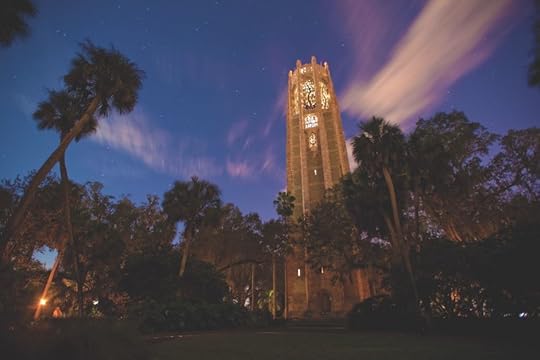
Photo: Bok Tower Gardens
Bok Tower Gardens is a perfectly nice botanical garden — seasonally blooming azaleas, camellias, and magnolias hiding the occasional tortoise or indigo snake, birds adding to the soundtrack in surround-sound. But what’s arguably the most memorable attraction here is decidedly man-made. The 205-foot neo-Gothic Singing Tower (complete with a 60-bell carillon) serves as the centerpiece to these lush gardens, drawing eyes upward since 1929.
Famed landscape architect Frederick Law Olmsted Jr. designed these gardens, a national historic landmark often overlooked by tourists, as a place to relax and slow down. Apart from the tower and the green space, there are also nature trails (the grounds sit along the Great Florida Birding Trail), the 20-room Pinewood Estate, and Hammock Hollow Children’s Garden — a rambling expanse of splashing fountains, boardwalks, and tunnels. But before you leave, be sure to catch one of the Singing Tower’s twice-daily concerts, performed by some of the world’s best carillonneurs.
2. Getting lost in a pile of LEGO bricks

Photo: Ashton Rodgers for LEGOLAND Florida Resort
Less than an hour’s drive from that world-famous mouse, you’ll find a different kind of kingdom. Open since 2011, LEGOLAND Florida Resort is home to 50+ rides (like LEGO NINJAGO World, Flying School, and Project X), a resort and waterpark, and gigantic, hard-to-believe LEGO-brick creations painstakingly constructed by the world’s most genius builders. If you’ve got kids anywhere from the ages of 2 to 12, this is an easy sell — and an awesome day.
Built around the old Cypress Gardens, Florida’s original theme park, LEGOLAND mixes the botanical beauty of its predecessor with the colorful fun of LEGO. The kids will meet LEGO heroes, swim in a pool lined with soft LEGO blocks, wade through rainbow-hued pits of LEGO bricks, and create their own masterpieces.
3. Witnessing life on a dude ranch

Photo: Central Florida VCB
Watch a rodeo, ride real horses and mechanical bulls, learn to shoot a bow and arrow like your favorite fictional post-apocalyptic teen heroine…how sweet does this sound? Westgate River Ranch Resort offers the unplugged entertainment we usually only see on TV — only here, it’s real life.
With cookouts, skeet shooting, and themed accommodations (even luxury tepees), leave your worries at the barn door and get ready for a totally immersive adventure. After all, Florida once was a land of cowboys and cattle ranchers, so this isn’t that much of a stretch. And if keeping it old school isn’t enough, Westgate also has a mini-golf course, nine holes of golf in non-miniature, zip lines, and rock climbing, plus airboat and swamp buggy rides.
4. Going on an actual wildlife safari
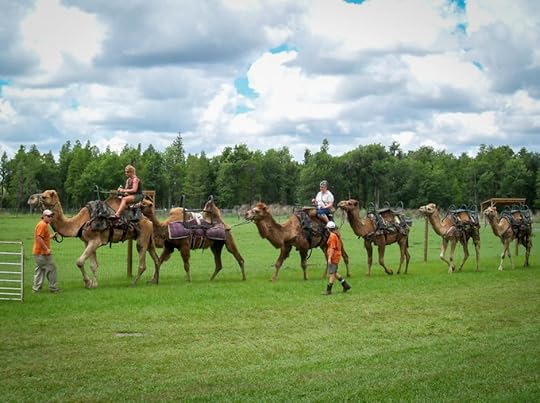
Photo: Central Florida VCB
A slice of Africa in the center of Florida? A safari without the price tag or jet lag, and you can drive there? Welcome to Safari Wilderness, 260+ acres of cypress domes and bay trees supporting some serious wildlife, all surrounded by Florida’s great Green Swamp.
The park isn’t just a one-trick pony, either — you can explore the flatlands via safari truck, kayak, or camelback. Each customized expedition will give you the chance to get up close and personal with zebras, spiral-horned greater kudu, soft-nosed elands, and even a rare species of oryx that’s extinct in the wild. You can feed grapes to the ring-tailed lemurs and watch them tilt their heads back as they savor every sweet drop of juice. You can paddle past defassa waterbuck on your way to Lemur Island (rest assured it’s named so for a reason). Whatever adventure you choose, you’ll definitely forget civilization is just a short drive away.
5. Taking in the best of Frank Lloyd Wright
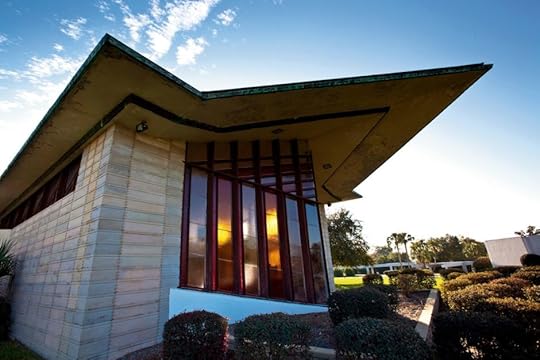
Photo: Central Florida VCB
Florida Southern College is home to the largest collection of Wright structures in a single place. It also has a permanent display of Wright’s photographs, furniture, and drawings, each illustrating his relationship to the Lakeland college.
How did this come to be? In 1938, Florida Southern’s then-president asked Wright to transform the campus. Wright did so by designing 18 stunning examples of his organic architecture, 12 of which were completed during his lifetime. From the crisp lines of the college’s Annie Pfeiffer Chapel to its low and lean Usonian House, you’ll see plenty of Wright’s work here. To get in on the action, Florida Southern offers a variety of FLW tours, from self-guided walks to an in-depth 2.5-hour immersive look inside every Wright structure on campus.
6. Throwing it back, Old-Florida style
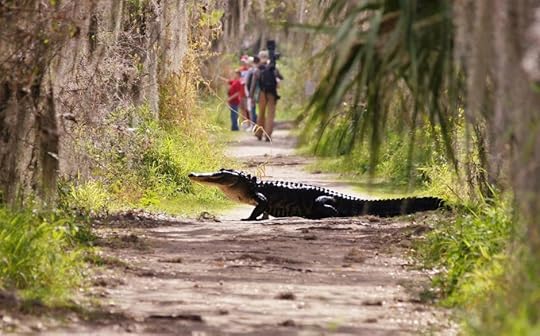
Photo: Ada Durden
This isn’t castles and rollercoasters — Circle B Bar Reserve is a taste of real Florida. Polk County officials have restored this 1,267-acre former cattle ranch to its original marsh state, making it a haven for alligators, waterfowl, and wading birds of all feathers.
Here, you can fish Lake Hancock, cycle miles of paved and unpaved paths, or take a hike along the 2.5-mile Alligator Alley Trail, which winds through the marshlands beneath trees draped in lacy tendrils of Spanish moss. You may not see Mickey, but you’re sure to see squirrels and heron, and maybe even a distant bobcat if you’re lucky.
7. Hitting some of the best golf courses in the world

Photo: Larry Lambrecht for Streamsong Resort
Built from reclaimed phosphate mining land, Streamsong Resort is home to three (that’s right, THREE) world-class golf courses. Golf Magazine awarded its Streamsong Red and Streamsong Blue courses the No. 10 and No. 14 spots, respectively, on its 2016-2017 “Top 100 Courses You Can Play” list. “World-class” isn’t some meaningless adjective here — it’s serious business.
The publication’s praise continued when it named the resort’s freshly minted Streamsong Black course among its “Best New Courses for 2017.” Add to that a full-service spa, sophisticated accommodations, and plenty of outdoor activities (from sporting clay shooting to fishing to archery), and you have the makings of an unforgettable retreat.
8. Putting some swing in your spring
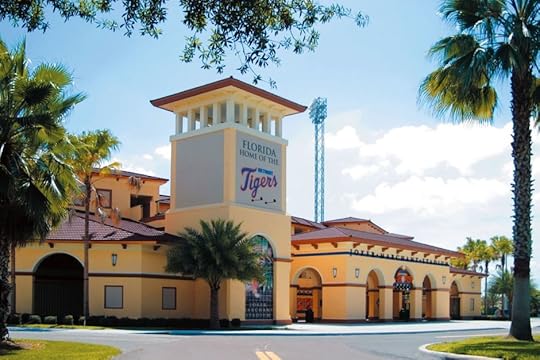
Photo: Central Florida VCB
The peanuts and Cracker Jack start flowing early in Central Florida. You have the Houston Astros’ and Atlanta Braves’ Spring Training home in Orlando, along with the Yankees, Phillies, Blue Jays, and Pirates in the Tampa area. But don’t overlook Lakeland, the Spring Training home of the Detroit Tigers. They’ve called Publix Field at Joker Marchant Stadium, aka Tiger Town, their spring-home-away-from-home for decades, and that’s not going to change anytime soon — the complex completed its most recent renovation in 2017, a $40 million update that will keep the Tigers in Lakeland for years to come.
So schedule your trip to Central Florida sometime in February and March, and you can take your pick of any of the 15 nearby teams. But keep in mind that in 2016, Spring Training attendance broke records — consider downloading the Florida Grapefruit League app to get started planning ahead of time.
9. Revamping your definition of “going to the park”

Photo: Rain 0975
A short walk from downtown Lakeland, Hollis Garden is a tranquil escape within a tranquil escape. It sits within Lake Mirror Park, Lakeland’s crown jewel and the centerpiece of this charming little city. Whatever you’re picturing, up your expectations exponentially — think descending a grand staircase into 10,000 flowers, music escorting your trip down the butterfly trail and to the shores of Lake Mirror.
The park’s neoclassical architecture is another reason this place is so popular. Stroll the palm-lined lakeside promenade, past the ornate loggia that tie the surrounding streets to the lake below. Play and picnic at Barnett Family Park, home to a playground, splash pad, and theater. This may technically be a low-key day…but it certainly won’t feel like it.
10. Taking Florida’s mountains for a ride
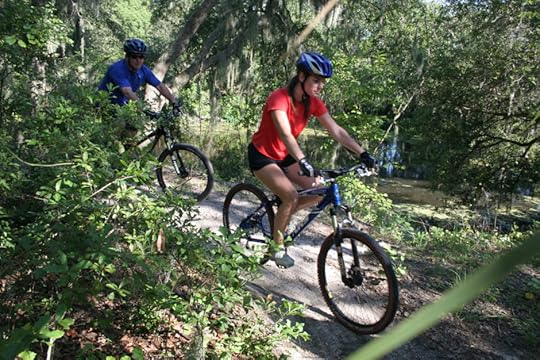
Photo: Visit Central Florida
The miles of dirt and boardwalk mountain-bike trails at Loyce E. Harpe Park in Mulberry offer more than 200 feet of elevation change. If you know anything about the Sunshine State, you know that’s saying something — that’s practically Everest by Florida standards. 200 feet!
The single-track trails wind through old mining lands, offering a unique look at the state’s geography as they crisscross up and around hills, over knotty roots, and under the moss-cloaked limbs of sprawling oak trees. If you forgot your bike, there are plenty of rental companies in nearby Lakeland, and Loyce E. Harpe is also home to a dog park, fishing, and softball, baseball, and soccer fields. What’s more, Lakeland is one of 242 Bicycle Friendly Communities in the country recognized by the League of American Bicyclists. In Central Florida, there’s no excuse not to get outside and get exploring. 


December 17, 2017
11 ways to unwind in Miami
I recently got the chance to spend a weekend in Miami Beach, Florida. I wasn’t sure what to expect but what I got was a whole lot of relaxation, sunshine, hand-crafted cocktails, and space to reflect. I dabbled in some spa treatments, floated in a number of pools, and treated myself to some fine dining. A lot of folks who don’t know better think of Miami as a party city, but I’m here to tell you it’s a great place to breathe, recenter, and unwind.
Note: Jessica was a guest of Nobu Eden Rock Hotel, Miami Beach.
1
Two hotels, one beach front location
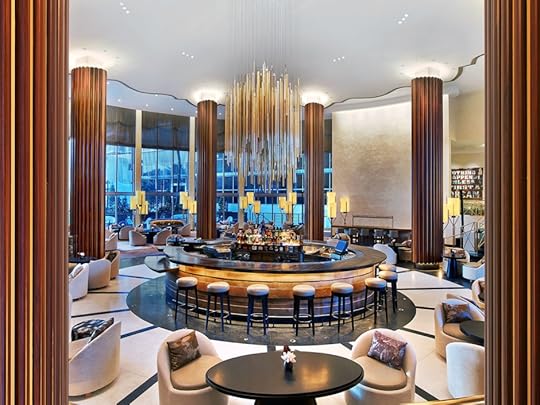
Treat yo’ self to a stay at Nobu Eden Roc Resort. Located in the center of Miami Beach, on the famous Collins Avenue and just across from Millionaire's Row, this is the place to stay if you’re feeling a little extra when planning your next getaway. Both hotels - Nobu and Eden Roc - have atmospheres that are nothing less than luxurious. Eden Roc has a modern, Miami chic style. Nobu has elegance and tranquility with this cool japanese-miami fusion to it. If you can, splurge.

2
Get lost at the spa
I could not pass up the opportunity to zen-out at the Spa Eden Roc. First of all, let me take a moment and tell you to slow down and enjoy the enchanted opportunies you meet along the way to your spa experience. Take time to get to know the scrub bar, cold plunges, sauna, steam rooms, and the relaxation salon. This is all just leading up to spa staples like facials and massages. If you’re going to do it, go all in.

3
Swim by the ocean
Take a dip in one of three pools at Nobu Eden Roc. Soon, Nobu will have a 4th pool on its rooftop.
Intermission
Trip Planning
35 of the world’s best places to travel in 2017
Matador Team
Restaurants
20 foods you have to try while on a trip to Miami
Ana Montano
Photo Essay
A dream trip come true: A journey across Mongolia
Jeff Colhoun
4
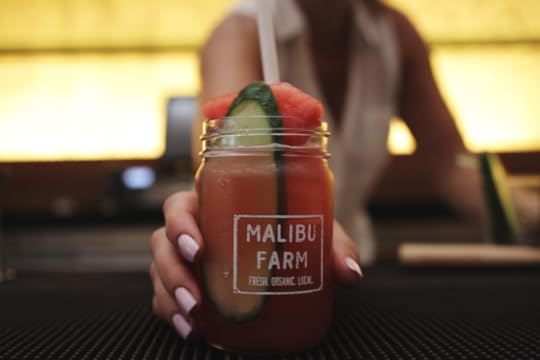
Brunch it up at Malibu Farm
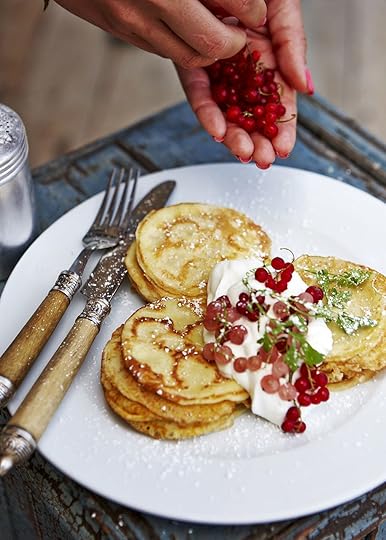
What started with small roots as a pop-up farm-to-table restaurant under a pier in Malibu, California is now a two-fold restaurant and cafe at the start and end of the hotel’s pier. At the start of the pier is the restaurant (which takes reservations) and at the end of the pier is the walk up cafe (no reservation). Both are awesome. Chef Helene Henderson slays with items like sweet corn pancakes, acai bowls, and coconut blackberry baked french toast. This place is also open for lunch, and dinner, but I brunched it up hard at the restaurant and have no regrets.
5
Grab a drink from Malibu Farm while drifting away in the pool
Head back to the pool and grab one of their epic cocktails from the Splash Poolside Restaurant. These drinks are perfection in a glass. I opted for fresh watermelon juice and lime with cucumber infused vodka and organic agave, topped off with a slice of watermelon and cucumber. My runner up choice was the coconut cocktail, Malibu Farm’s take on a pina colada with their own coconut puree, agave, and fresh pineapple juice with rum, garnished with coconut shavings and lime zest. Mmmm.

6
Be amazed by Wynwood Walls
Take some time to dive into some of Miami’s culture by visiting this “Museum of the Streets.” The drive from Miami Beach to the Wynwood district is totally worth it. These walls showcase artwork from over 50 of the world’s best artists representing 16 countries around the world.
7
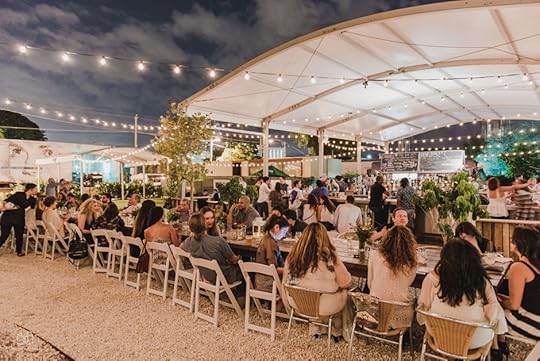
Grab some grub at Wynwood Yard
This permanent food-truck lot is only a short walk away from Wynwood Walls. This is a place where aspiring local entrepreneurs have the chance to test out their menus. If you don’t know which food truck to start with, try The House of Mac which, of course, is famous for their mac and cheese. If you want to feed your inner carnivore, Brazilian Fire is like a churrascaria on wheels. Or try some Caribbean street food at Food Dude. If you’re just in the mood for something sweet, check out Mr. Bing, the shaved ice cream truck. Wynwood Yard is also a great place to catch some live music or participate in other events like Yoga at the Yard, pilate classes, and creative workshops for kids.
8
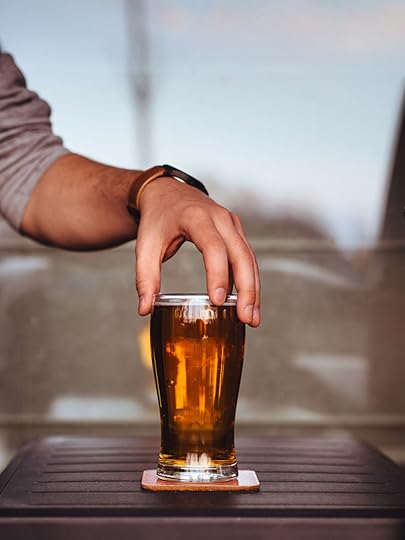
Take a tour through a local craft brewery
While you’re out and about in Wynwood, find time to tour at least one of the local craft breweries. One brewery on your checklist must be J. Wakefield Brewing, a brewery and taproom for the nerds with great taste. The walls, indoor and out, are covered with murals of Star Wars characters. Each fermentation tank in the brewery is named after different planets from Star Wars. Food Trucks set up camp each day at the brewery.
9
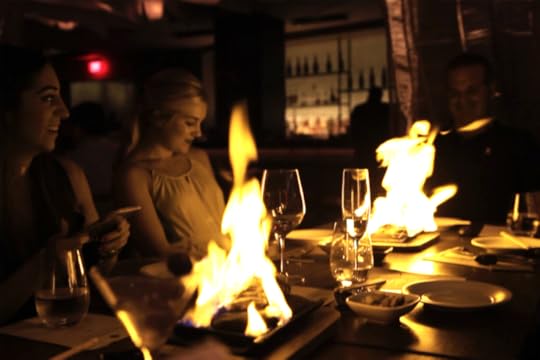
Have an unforgettable dinner at Nobu Restaurant
Pinkies up, because this is one of the hottest places to dine in Miami. Get treated by Chef Nobu Matsuhisa who brings his classically-trained experience of preparing Japanese-fusion dishes to your plate. Four words: Wagyu Hot Stone Dish. This is definitely a foodie bucket list item.
10
Hit the beach!
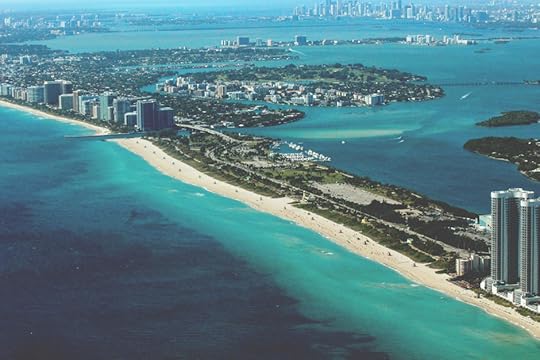
You'd think this is super obvious but sometimes it's easy to get caught up in everything else. Something about sand, sun, and crashing waves really melts any worries away.

11
Watch the sunrise
At least one time, crawl out of bed at dawn and go watch the sun come up. Miami faces east and nothing's in the way: just you and the start of a new day. It will give you perspective, mindfulness, and the beach will be all yours, too.
More like this: 6 amazing things to do in Miami that you won’t find in a guidebook

December 16, 2017
Here's I want to go back to Honduras
Honduras is under the radar for a lot of people, but I had the chance to go and I can say this for certain: it’s excellent. It has mountains, dense rainforests, beaches and scuba diving, diverse ecology, Mayan ruins, a culture all its own, and much more. I understand why it made a bunch of must-visit lists for 2017. I’d return in a heartbeat — here’s why.
Editor’s note: This trip was sponsored by Pica Bonito Eco Lodge.

1
It's incredibly lush
I mean, look at this place. It's carved up geographically, and the biodiversity is off the charts. You can swim with whale sharks on the sandy Carribean coast, then turn around and visit dry forests, rain forest, cloud forests, wetlands, caves, savannas, valleys, and peaks. And that's just the obvious stuff. This is all just a two-hour flight from Texas, people.

2
The Copán Ruins are awesome
Learning about a place through its history is pretty important. So I spent a lot of time at ruins but Copán was one of the most impressive. It was occupied for - historians think - about 2000 years. It has an amazing acropolis as a gateway to the underworld, underground tunnels, skull carvings, crazy stonework all over, and a really good open-air museum on site.

3
And set apart from other Mayan ruins
Copán has a distinctive sculptural style within the tradition of lowland Maya, perhaps to emphasize the Mayan ethnicity of the city’s rulers. Some of the sculptures have been painted to represent what they would have looked like when Copán was still inhabited.
Intermission
Trip Planning
35 of the world’s best places to travel in 2017
Matador Team
Trip Planning
18 things you have to do in Honduras before you die
Henry Leonel Cárcamo Macoto
Photo Essay
A dream trip come true: A journey across Mongolia
Jeff Colhoun

4
I wanted to loiter around these towns forever
The plazas were alive with families, kids, and friends lingering in the shade; they were ringed with food stalls and hole-in-the-wall eateries; and were sprinkled with hostels and BnBs... I could have stayed an awful lot longer.
5
Honduran personality is magnetic
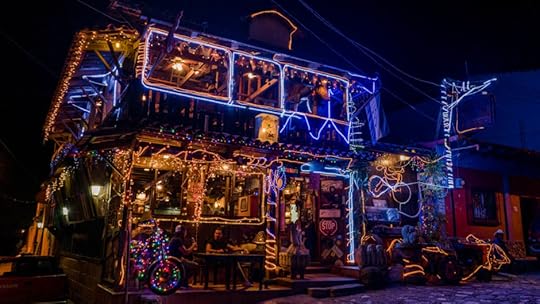
Hondurans are proud, fun people. The country has been through a lot and yet I found the towns approachable and upbeat. This is Carnitas Nio Lola, a funky restaurant in the town of Copán that is covered in Christmas lights and serves delicious Honduran food, like baleadas (refried beans with Honduran-style sour cream, scrambled eggs, avocado, and sometimes a kind of chorizo or beef, in a tortilla).

6
Toucans are the bomb
I was lucky enough to see this Keel-billed Toucan at a sanctuary at McCaw Mountain.

7
The. coffee. is. to. die. for.
Hondurans know their coffee. I visited Welchez Coffee Farm to get a tour and a taste. A cup of this joe will get you wide-eyed, no matter what you did the night before. A lot of the best coffee in Honduras is exported so I had to take time to visit a farm and make sure I got the real deal. It also supports community initiatives at the same time, so it was a win-win. Pro tip: take some home.
8
The eco-lodges are on point
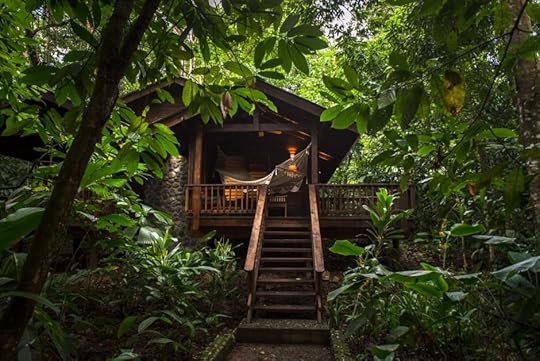
Much of Central America is on the eco-resort train. But I found Honduras to be a great balance between ecotourism and price point. I stayed at Pico Bonito Eco Lodge in La Ceiba, on the Carribean coast. The private cabins are rainforest hideouts. At night the mountain air would downdraft through the forest and cool things off just enough to keep the windows open and listen to the surrounding wildlife.
9
The national parks are diverse and packed with sites
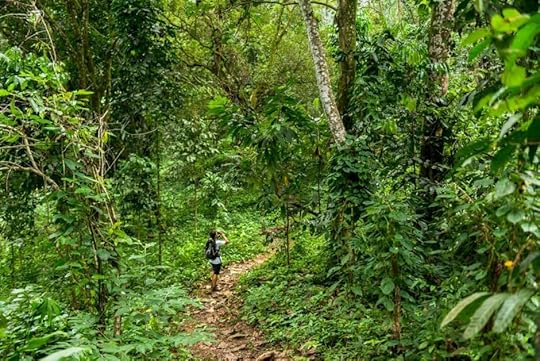
I took a day trip to Pica Bonito National Park. In a day we trekked, climbed up to waterfalls, tried to spot a jaguar, crossed rivers, and back again. I mean, look at all that green. It was refreshing to feel dwarfed, it made me grateful to be a guest in a place like this. I cannot wait to be a guest here again soon.

air travel back in the 1960s
If the Mad Men era is famous for anything other than grotesque displays of male chauvinism, it might be the incredible level of service in its airplanes.
Whereas air travelers today generally loathe every minute between waking up at 4 AM to rush to a crowded airport, to flying in a cramped plastic chair in an overcrowded pressurized room, and finally coming out the terminal doors on the other side, travelers back then seemed to equate the experience to a day at Disneyland. Of course, this could just be a product of the advertising agencies, but look at the photos of airport terminals, interior designs, and gourmet airplane food from the period and tell me you do not wish that some elements of 1960s air travel had lasted.
First, let’s admire the elegantly designed airport terminals of yore before they became a maze of duty-free shops and security checkpoints.
TWA Flight Center at JFK, New York City

Photo: James
Vaughan
PanAm Terminal 3 at JFK, New York City

Photo: MidCentArc
Moisant International Airport, New-Orleans

Photo: 1950sUnlimited
Sure, dealing with harassment probably defined every day at work, but at least flight attendants had outfits if they ever found themselves at a Halloween party in space.

Photo: Archives New Zealand
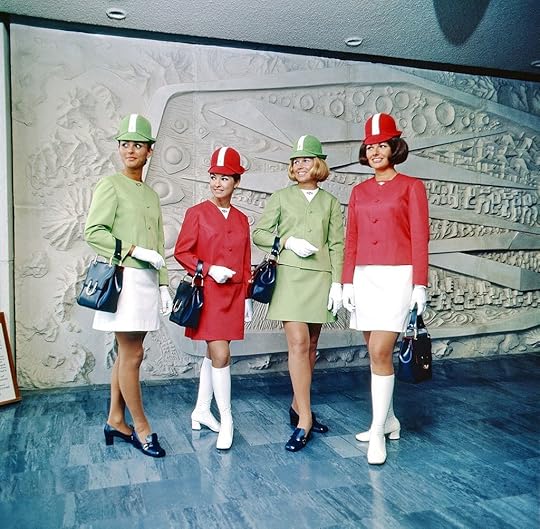
Photo: Archives New Zealand
Yes, the DC-6 Mainliner had seats facing each other.

Photo:
This is what a $21,635 first class airplane seat looks like" target="_blank">
This is what a $21,635 first class airplane seat looks like
ice skating the Alaskan wilderness
For most of us, ice skating is something you do in a circle surrounded by similarly uncoordinated adults, kids, and teens on their first (and probably miserable) date. The view tends to be of the inside of a shopping mall and a pungent scent of Cinnabon and overly-buttered caramel corn hangs in the air.
But folks up north have access to something much better. “Wild Ice” is a video by Paxson Woelber that shows Alaskans skating across frozen lakes, lagoons, glaciers and even through ice caves. It is profoundly epic, and it really makes me wonder if moving to Alaska is the best idea I’ve had all winter.
Follow Matador on
Vimeo
Follow Matador on
YouTube

More like this: Bush pilots of Alaska
December 15, 2017
travel risks over the holidays
A record-breaking 100 million Americans will be traveling for the holidays this month. Considering that a vast majority of them will be using their car to begin a long weekend of social anxiety posing as a holiday, a little information about road safety could go a long way. Using numbers provided by the National Highway Traffic Safety Administration’s Fatality Analysis Reporting System, Avvo produced a series of infographics that show just how dangerous US roads can be over the holidays.
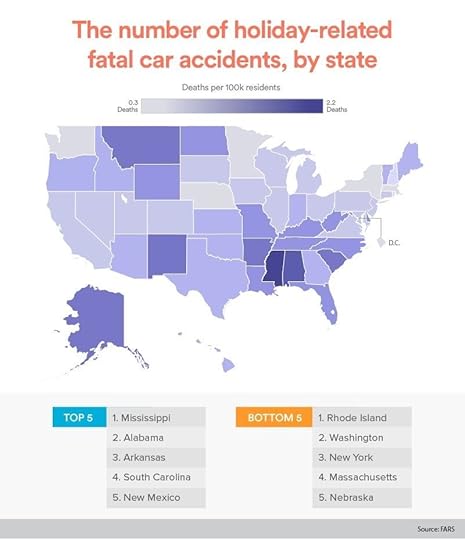

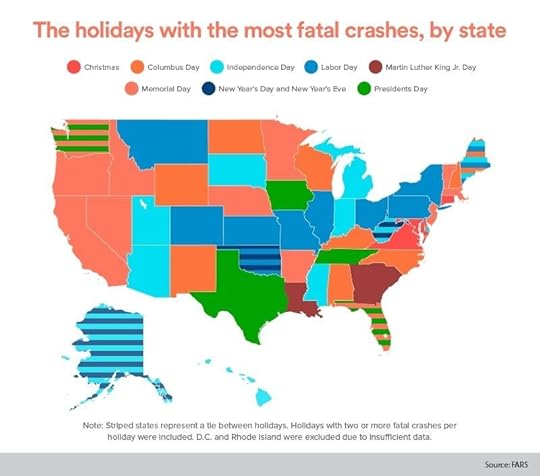
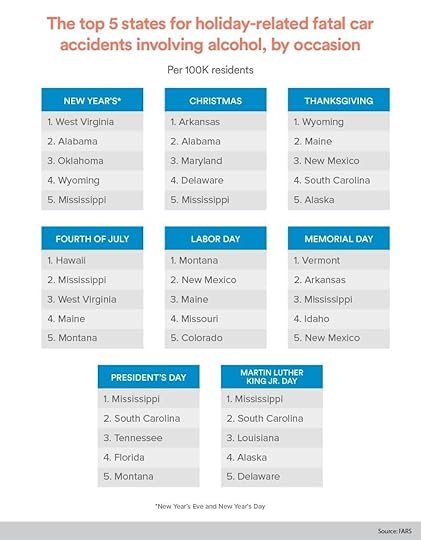
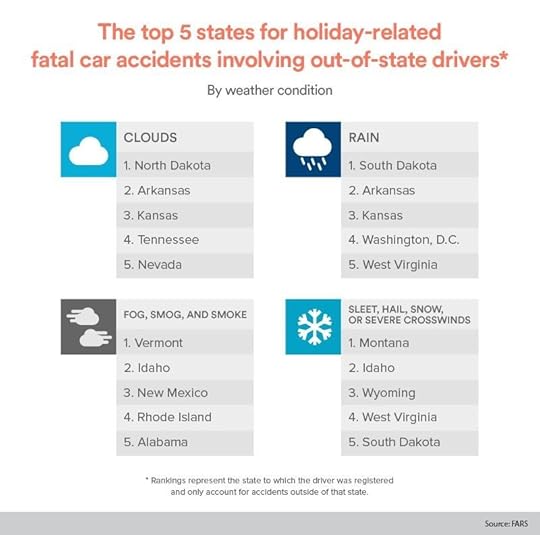
More like this: Traveling over the holidays? Check out these 34 travel hacks.


Flight attendant language
Slam-clicker? Deadhead? Why won’t my flight attendant say it’s OK to use the bathroom?
The terms and phrases flight attendants use with each other or in response to passengers can be quite confusing at first. Here’s a breakdown of six common ones to get you in the know for your next flight:
1. “I have to work, but it’s only a deadhead.”
Deadheading refers to the situation in which a crewmember boards the plane and sits as a regular passenger for the flight but is still technically on duty and needs to be prepared to work said flight if need be. Translation: we get paid to chill or sleep! This happens when the airline needs to move a crew to another city to work the rest of their trip or finish it by returning to their base. Crewmembers can deadhead on their own airline or on other carriers.
2. “She/he is a slam-clicker.”
This term refers to the slam of the door and click of the lock as a flight attendant enters their hotel room for a layover. Many flight attendants cherish this alone time and will often choose not to venture out with the crew or explore the city, instead opting to chill in the privacy of their hotel room. Of course, not everyone’s a slam-clicker on every single trip; a mix of both adventurous layovers and self-pampering, quiet ones is healthy for the flight attendant and their wallet.
3. “What do the loads look like?”
Most commercial flight attendants are awarded with flight benefits and buddy passes they can share with some of their loved ones. But don’t get ahead of yourself with the “marry me fly free” nonsense. “Marry me fly standby” is the real story. If you’ve ever flown standby, you know it can get interesting very fast. Those flights are free, but they’re on a space available basis. If there are empty seats that weren’t purchased by actual customers, you get to go! If not, it’s more waiting in the airport for you (time for a food court crawl!). This process is called non-reving (non-revenue traveling). When flight attendants and those on our benefits engage in this game, we’re constantly checking the flight loads online or with apps. Sometimes the flight is full or oversold by several seats, but sometimes we luck out with a beautifully empty flight that’s easy to hop on! The benefit isn’t always as easy to use as people might think — especially with concrete travel plans or non-flexible schedules — but it’s still pretty darn neat.
4. “This is a full flight.”
Have you ever wondered why, when a passenger asks about moving seats during boarding, your flight attendant almost always indicates that your flight is full? Boarding has slowed down and you can clearly see many open seats! The answer: we don’t want boarding to become a free-for-all. As soon as we tell you it isn’t a full flight, what are you, the passenger, going to do? Sit wherever the heck you want. Then, because of Murphy’s law, whoever actually has that seat will see you sitting there and settle in somewhere else. Then the process repeats itself and results in utter chaos when only middle seats are left and someone’s throwing a tantrum because they specifically booked a window seat. Also — even if the flight is nearly empty, the aircraft requires a certain weight and balance for takeoff that your assigned seats are purposely achieving. Wait until the seat belt sign goes off and move to an open seat if you wish. At that point, no one’s going to stop you.
5. “The seatbelt sign is on.”
You asked if it was OK to go to use the lavatory, so why does your flight attendant respond with this? Because that’s all we can really say! When the seatbelt sign is on, it’s technically unsafe for you to be up and walking around. At that time, we can’t give you permission to go to the bathroom. Just think to yourself — would I get up and move around on a roller coaster? This is surprisingly similar to our situation! But in the same vein, we can’t prevent you from using the bathroom if it’s an emergency. We can’t say yes and we can’t say no, so “the seat belt sign is on” it is.
6. “Do you want to take the cart out?”
Most airlines require their flight attendants to take the beverage/snack/meal carts out during service. But occasionally (especially on budget airlines because most items are for purchase), flight attendants will prefer to take orders and run back to the galley to retrieve the items. Some see it as easier this way; others like having the cart there to quickly grab items while the other flight attendant rings up the order. But in the event of potential turbulence, taking the cart out might not even be a safe option.
More like this: Your flight attendants have a secret language. Here’s what they’re saying.
Save money on trip to Sweden
You may have heard: Scandinavian countries are incredibly expensive. A recent report by the World Economic Forum lists Sweden as number 8 on a top ten list of most expensive countries in the world to visit (Norway and Denmark are on there too). But that doesn’t mean that you can’t enjoy the fika, fjords, and Gävle Goat as much as someone with a much larger savings account. Here are some ways to shave down your costs and enjoy your trip to Sweden on a budget.
1. Budget airlines are your friend.
Budget airlines are getting a lot more popular and flying more routes — you might be able to fly in to smaller Swedish airports at rock bottom prices on Ryanair or Easyjet. Check nearby airports, also; Copenhagen’s Kastrup airport is a 30 minute train ride from third-largest Swedish city Malmö, and a great entry point for many cheap airlines (including my favorite, overly-purple Icelandic crew WOW Air). Check baggage weight limits and get creative — see how light you can travel to avoid extra charges!
Also check price aggregators like Skyscanner or Google flights for deals and to check your options with regards to flexible dates, flying midweek, or skipping holiday travel.
Tip for seat reservations: if you check in as soon as you are able to on bucket airlines, you will always be assigned a middle seat. If you wait until a few hours before your flight, everyone who paid for quality seats will have already paid, and all the middle seats will have been distributed to anyone who checked in earlier… all that will be left is windows and aisles!
2. Book budget hotels and AirBnbs.
This seems like a no-brainer, but if you leave your accommodations booking until the last minute before your trip, you will be stuck with the priciest options. Consider booking outside of the main town areas — an Airbnb in central Stockholm starts at over $100 USD plus fees, while moving to slightly further out Södermalm or Norrmalm regions drops prices by almost half. Public transportation in Sweden is excellent, and you will easily be able to take trains or buses from wherever you are staying to any tourist attraction you can imagine. There are also budget hotels and hostels in all of the major cities, and if you book in advance, you can nail down some good deals.
Out of major cities, you may be more limited in options but don’t give up! Small towns still have budget options, and if you are feeling particularly intrepid, you could consider camping. Allemansrätten (the “right to roam”) is part of Swedish law, and means you can camp for free even on private land, as long as you don’t stay for too long. Remember, though: respect for the environment is paramount in Sweden, so don’t chop down trees, light illegal fires, or leave a bunch of litter around.
3. Limit your alcohol intake or buy from the source.
Sweden has high alcohol taxes — the highest in the EU. A bottle of Bailey’s costs 12 Euro in Germany and almost twice that (the equivalent of 23 Euro) in Sweden. This means markups in bars are extortionate — it is not uncommon to pay 120 SEK (around $13 USD) for a cocktail with a shot or two of hard liquor in it. Government-owned alcohol monopoly System Bolaget is the only place to buy booze over 3.5% (beers below that, usually called “folköl”, can be purchased in a grocery store); it is cheaper to buy there and mix your own drinks than buy in a bar, as long as you are aware of the early closing hours: Systemet closes its doors promptly at 3pm on Saturdays, so get moving for your weekend needs.
If you are in a part of Sweden that is close to Finland, you could join a “booze cruise” out of Swedish waters to enjoy much cheaper alcohol prices — an option enjoyed by many Swedes, which obviously includes the benefit of a little tourism along with your price discount. If you are arriving in Sweden by airplane, you may wish to consider pre-buying alcohol at the Duty Free in the airport for best prices, if you think you won’t mind hauling it around with you.
The cheapest option, of course, is to not drink as much. However, a lot of Swedes find it difficult to loosen up without a drink or two, so if you’re going out clubbing with some new local friends, plan for some pregaming before you hit the dance floor. Happy hours can sometimes yield ferocious discounts on bar drinks also, so consider timing your drinking to earlier in the evening.
4. Avoid sit-down restaurants when possible.
Consider eating in restaurants to be more of a splurge than an everyday occurrence. I have yet to go to a Swedish restaurant that wasn’t 100% delicious, but the meals can easily soar in price, especially if you add in a glass of wine or dessert (they also can take upwards of 4 hours, which taxes even the hardiest of butts). Especially in Stockholm, you’re better off exploring budget-friendlier options.
Buy your own food at grocery stores (cheapest grocery stores are ICA, Netto, and Lidl) and cook at wherever you’re staying; Airbnbs and hostels usually include access to kitchen facilities. Eat at the cheaper takeaway — there is a joke in Malmö that the most Swedish food you can buy is a falafel roll. Enjoy a delicious halloumi tallrik (a fried cheese plate with french fries and a side salad) for around 55 SEK, about $6 USD. A lot of restaurants have breakfast (“frukost”) and lunch buffets for discount prices, and if you are creative, you can fill up your tummy and make a couple of sandwiches to slip into your pockets for later. Frugality is also a very Swedish trait. Don’t ask for a doggie bag, though; most restaurants aren’t allowed to provide takeout containers, by food safety laws. You could bring your own if you were feeling really motivated and thrifty, though!
Definitely bring a refillable water bottle, though — water in restaurants is usually free, but bottled water can cost you 20-30 SEK apiece, and tap water in Sweden is so clean they are actually confused by water filters.
5. Free wifi and/or grab a local SIM.
Most cafes, restaurants, and public places have free wifi access, often with access codes posted prominently. Rather than paying for expensive overage charges, or fancy international roaming, take advantage of public wifi to post Instagram stories of yourself at the Vasa Museum. You can also check out local cheapo SIM providers Comviq or Hallon and ask about temporary pay as you go SIM access. Cell service in Europe is notoriously cheaper than in the United States, and you can get a pay as you go service for quite low prices, without having a Swedish ID number (personnummer).
6. Finagle your public transport.
The Arlanda Express (the airport shuttle from Stockholm’s largest airport) can cost up to 300 SEK while the local bus service Flygbussarna only costs 99 SEK. If you will be in any one city for more than a day, look into multipass cards; for example, in Skåne, you can buy a Jojo card for 20 SEK, which then gets you discounts on all public transit tickets when you load it, much more so than buying individual tickets for every bus trip. These multipass cards can work on local ferries as well. You could engage in the fine Swedish tradition of “plankning”, or hopping the turnstiles, but be warned: the fines for stealing public transit rides can be quite steep, so it will cost you a lot more in the long run.
Many cities are incredibly bike-friendly and have local bike rental services with multiple stations all over the city. Look into your options for whatever city you’re visiting and see if it works for you. You don’t need a helmet, but I warn you: Swedish cyclists are more lackadaisical than North American cyclists. You are more likely to see people cycling with one hand and texting with the other, or using their bike to transport their kids to daycare, than spandex-dressed road warriors.
7. Free stuff to do all day.
Most major cities in Sweden are full of free museums, and even the ones that aren’t free often have access to free exhibits. Stockholm alone offers access to the Nationalmuseum, the Medieval Museum, and the Moderna Museet without paying a single kronor.
Botanical gardens and parks have beautiful walking paths that are open year-round. You can do a self-guided walking tour or a free guided walking tour to catch all the sights you might have missed just wandering around on your own (although that’s fun too).
More like this: When to visit Sweden: 23 stunning pictures of Swedish summers and winters
December 14, 2017
chef shares best Parisian desserts
In a world full of indulgence, the food and fashion of Paris stand out for their luxuriousness. But only the most decadent of these items fall under the lens of graphic designer and pastry chef Tal Spiegel: Parisian shoes and desserts.
Born in Israel, Spiegel left his career as a graphic designer to study the art of sweets at the legendary Ferrandi School of Culinary Arts in Paris. He soon began to Instagram his favorite (and often brightly colored) pastries that he came across in the city. While this might seem ordinary for an IG account, Spiegel’s account, Desserted_In_Paris, livens his images up by including the tips of his shoes in the background, which always match the pastry.
Within a few months, Spiegel’s following exploded with thousands of followers and he soon quit his full-time job at a pâtisserie to work on his book, “Pâtisseries de Paris.” Perhaps the best outcome of this whole venture for Spiegel is what it has done for his wardrobe, which is now loaded with over 200 pairs of shoes.
Une publication partagée par Tal Spiegel (@desserted_in_paris) le 13 Déc. 2017 à 1h18 PST
A post shared by Tal Spiegel (@desserted_in_paris) on Oct 17, 2017 at 2:21am PDT
A post shared by Tal Spiegel (@desserted_in_paris) on Nov 19, 2017 at 2:22am PST
A post shared by Tal Spiegel (@desserted_in_paris) on Nov 28, 2017 at 3:16am PST
A post shared by Tal Spiegel (@desserted_in_paris) on Nov 27, 2017 at 2:28am PST
Une publication partagée par Tal Spiegel (@desserted_in_paris) le 7 Déc. 2017 à 2h33 PST
Une publication partagée par Tal Spiegel (@desserted_in_paris) le 23 Sept. 2017 à 1h25 PDT
Une publication partagée par Tal Spiegel (@desserted_in_paris) le 24 Sept. 2017 à 0h43 PDT
Une publication partagée par Tal Spiegel (@desserted_in_paris) le 6 Avril 2017 à 2h13 PDT
Une publication partagée par Tal Spiegel (@desserted_in_paris) le 10 Janv. 2017 à 1h56 PST
More like this: 10 perfect Instagram shots of Paris

Matador Network's Blog

- Matador Network's profile
- 6 followers

