
Matador Network's Blog, page 1428
December 20, 2017
quit your office job to travel
2. It was the kick-off to your adulthood, to financial independence.
3. “This is just the beginning”, you told yourself, “of something much bigger.”
4. But then things got dark.
5. And now you feel like you are drowning in monotony.
6. And you are starting to wonder if your boss would notice your sudden disappearance.
7. Plus binge-drinking on the weekends just isn’t as rewarding as it was in your early 20s.
8. Also staring at a screen all day has nearly blinded you.
9. And lack of Vitamin D is turning you into some kind of monster.
10. You long for a job where you get to pick your own work hours and outfits.
11. You are desperately craving for something to talk about other than the bullshit you have to deal with at work.
12. And have realized that you were always going to disappoint your parents with your career path (as they would you with their voting decisions).
13. You find yourself staring wistfully at your screensaver, wondering how you were tricked into the illusion of middle-class life.
14. Maybe it’s time you tried something new.
15. And maybe a little risky (like a job that lets you live abroad).
16. Besides, eventually, we are all going to be replaced by robots after the oligarchs take every single last dime for themselves.
17. So get out there and chase a passion that can only be achieved somewhere warm and beach-y.

More like this: Don’t be afraid to quit your job to travel


Start traveling less
For decades, global citizens — those of us who believe humanity is something that transcends nation, race, and creed — have seen travel as a force for good. Travel, we reason, takes us out of our bubbles and comfort zones, it confronts us with other cultures and other ways of living. It forces us to recognize the common humanity we share with groups of people that our culture otherwise depicts as caricatures and stereotypes.
It is, as our favorite Mark Twain quote says, “fatal to prejudice, bigotry, and narrow-mindedness.” “The world is a book,” we say, quoting St. Augustine, “and those who don’t travel only read one page.”
We have a lot of quotes to back us up, and a lot of good science, as well. We know travel makes people more creative. It makes them less racist, more trusting, more humble, and so on and so on.
Likewise, travel and tourism are much-needed sources of income in many parts of the world. Travel can revitalize a flagging economy: take Iceland. After the recession of the 2000’s, Iceland’s finance-heavy economy was in shambles, so it turned to tourism to help pick up the slack. Ten years ago, how many people did you know who had been to Iceland? And how many people do you know who’ve been there today?
In spite of all of this, there’s an argument to be made — if we truly want to be good global citizens — that we should actually be traveling less.
The environmental argument
We’ve known for a long time that travel, particularly by plane, is not good for the environment. A single cross-country or transatlantic flight generates 2-3 tons of emissions. Americans, on average, produce 19 tons of emissions a year. Some modes of transport are greener than others, but in a warming world, it is worthwhile to ask the question: does the damage done to the atmosphere by our travels outweigh the good being done to us when we travel? That may be like comparing apples and oranges, but put it a different way: if everyone could travel exactly as much as they desired, what would it do for the planet?
On top of emissions, a second problem has arisen at the end of 2017: Instagram swarms. The issue is simple: travel Instagrammers post a photo of something amazing out in the wild. They geotag it, and the picture gets liked thousands of times. Another photographer goes there, takes another amazing picture. That photo gets liked tens of thousands of times. And over time, a certain location — like Horseshoe Bend in Arizona, or Trolltunga in Norway — can go “viral,” and suddenly, it is being flooded with tourists.
A post shared by Travel and Destinations (@travelanddestinations) on Nov 25, 2017 at 5:46am PST
But because the flood came suddenly, the authorities had no time to prepare. Horseshoe Bend, a famous travel Instagram spot, used to get 1000 people a year. Now, it gets 4000 a day. Now, they have to put in a new parking lot. Ten years ago, we were all shocked to hear that Machu Picchu, lost to the world at the beginning of the 20th century, was now at risk of being destroyed by floods of tourists. Now, those tourist hordes have basically been weaponized by social media.
Nature, of course, belongs to everyone, and no one should be denied the chance to see the world’s beautiful places. But it serves no one if we enjoy nature to death. There’s an economic and ecological concept known as “the tragedy of the commons” that helps illustrates the problem here. The idea is simple: if everyone acts in their own short-term best interest when it comes to using a finite resource, they actually deplete that resource, which is worse for everyone in the long run. So, say I share a water cooler with everyone else in my office. I need a lot of water, and the best thing for me, personally, is to take as much water as I can, every time I go to the cooler. But everyone else in the office realizes I’m doing this, so they start taking as much as they can whenever they go, too. Very quickly, we run out of water, and, because the company only refills the cooler once in a while, we all end up drinking from the sink with the weird taste.
That example gets much more dire when it’s applied to things like the air we breathe or the fuel we use to power our cars. But it could easily be applied to travel. It is undoubtedly better for you, as a person, to travel as much as you can, to see as much of the world as possible. But if we all do what is only best for us, and don’t consider what’s best for the world as a whole, we all end up worse off. So ancient sites like Machu Picchu fall apart because of floods of tourists. The pyramids are reduced to dust as thousands of travelers chip a piece off of them for souvenirs. The Grand Canyon gets clogged with the garbage of sightseers. And the air is filled with the toxic emissions of a million planes, all taking their passengers to exciting, new, consciousness-expanding destinations.
The cultural argument
Another travel truism for decades has been that tourism helps local economies, so when we travel, not only are we doing a great job in breaking down cultural barriers, but we’re also doing amazing things by injecting some much-needed cash into struggling countries.
There is, undoubtedly, some truth to this — tourism is good for the local economies. But as anyone who has lived in a tourist town knows, travel alters your existence in some pretty frustrating ways. I lived for two years in Asbury Park, an increasingly popular Jersey Shore seaside town, and while our economy was totally dependent on tourist dollars, we, the locals, were also not hugely thrilled when hordes of non-locals came into town. In the summer, bros would have fights and puke on our lawns. They’d overcrowd our favorite bars, they’d blast shitty music on the beach. In the winter, gangs of roving Santa Clauses would binge drink at the SantaCon pub crawl and then puke and defecate in our alleyways.
We depended on them, but we also kinda hated them. Because while Asbury Park has an amazing local culture, that culture is often cannibalized by the tourists. It is hard to have a local event when 95% of the attendants are going to spend a grand total of three days of their lives in your town. I’ve seen this dynamic play out in every other big tourist town I’ve spent a significant amount of time in (London, Washington, D.C., New York, Beijing, Buenos Aires). The places tourists go are cultural dead zones.
Some cities have begun to wage war on tourism, rejecting money in the name of cultural preservation, and none have done it more spectacularly than Barcelona, where young locals have been slashing the tires of bike shares and tour buses, and where massive protests have broken out against sites like Airbnb (the jury’s still out on how true this is, but it appears “sharing economy” sites like Airbnb may play a big role the massive increases in rents in some cities in recent years). We can debate how reasonable these complaints are, but it’s at least worth considering — is our economic benefit the only one that should matter to the places we visit?
David Foster Wallace, in a footnote on his famous “Consider the Lobster” essay, puts it this way: “To be a mass tourist, for me, is to become a pure late-date American: alien, ignorant, greedy for something you cannot ever have, disappointed in a way you can never admit. It is to spoil, by way of sheer ontology, the very unspoiledness you are there to experience. It is to impose yourself on places that in all non-economic ways would be better, realer, without you. It is, in lines and gridlock and transaction after transaction, to confront a dimension of yourself that is as inescapable as it is painful: As a tourist, you become economically significant but existentially loathsome, an insect on a dead thing.”
That might be stated slightly more curmudgeonly than it needed to have been: Wallace was notoriously grumpy about tourism, and one of his other essays, “A Supposedly Fun Thing I’ll Never Do Again” about cruises remains one of the best pieces of travel writing, or possibly anti-travel writing, of all time.
But the point is a valid one — Americans have a tendency to reduce our value to economic measurements, and it’s possible that our lives and presences on this planet are about more than our contributions to GDP growth. In the act of tourism, if our presence is actually diluting the authenticity of a place, if we’re eroding the local culture by becoming ham-fisted, inexperienced participants in it, then maybe it’s not a totally good thing. If locals in places we’re visiting don’t really want us there but feel economically obliged to put up with us, is that really “breaking down barriers between cultures”?
So what should we do?
Tourism is a massive industry, and travel in the US and internationally is shooting through the roof. There are undoubtedly benefits to travel, and all of us want to see as much of the world as we can before we die. But good global citizenship means making some personal sacrifices for the greater good.
Maybe that means foregoing long flights and traveling more locally. Maybe it means putting off short trips in order to take big long ones — say, every time you make a career move, you carve out a 3-month interim period where you’re just gonna do all of Europe. That way you’re not making a dozen trips back and forth over a lifetime.
Or maybe it just means staying at home and working in your own community. Everyone should travel in their lives, it’s true — but maybe, if you’ve already seen a lot of the world, take a few years off and let kids who have never left their hometown go instead.
The fix to the problem of mass tourism, if there is one, will likely have to be a bit more systemic. But we should at least start thinking about what our travel does to the world, and stop thinking of it as a shortcut to world peace. 
More like this: 8 simple things you can do to become a more responsible traveler
Visit Europe in winter
When you think of winter destinations, for most of us the knee-jerk reaction is seeking warmth. Just head south. But Europe actually explodes with brilliant winter scenes that are a) total eye candy b) somewhat devoid of tourists and c) beg for cozying up in a pub or cafe and wrapping your hands around a wintery cuppa. Check out these winter scenes from all across Europe and see if you just might make a change of plans.
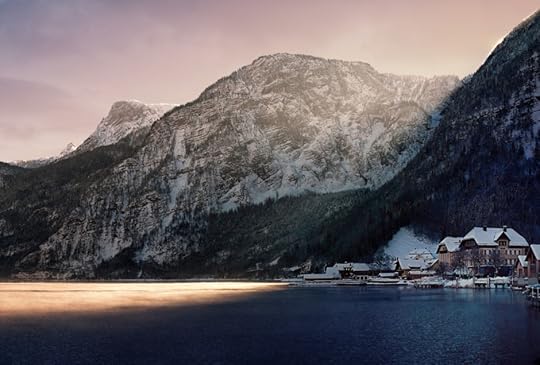
1
The sun peeks through the mountains above Hallstatt, Austria.
Photo: Simon Matzinger
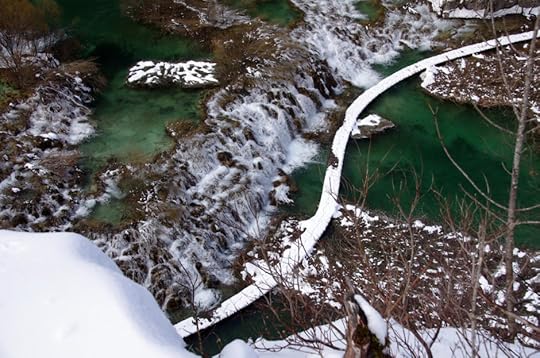
2
Tucked away near Bosnia, the Plitvice Lakes after a snowfall are an incredible sight.
Photo: Donald Judge
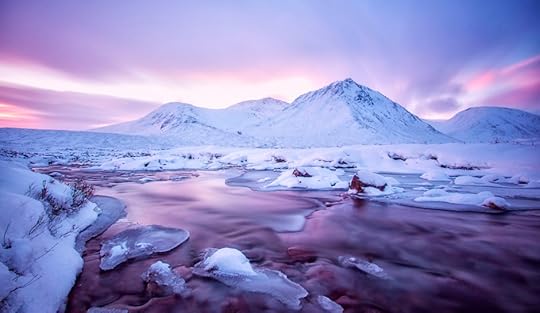
3
Pink winter skies over Glencoe, Scotland.
Photo: John Mcsporran
Intermission
Trip Planning
35 of the world’s best places to travel in 2017
Matador Team
Sponsored
Travel guide to Germany’s historic cities
Jacqueline Kehoe
sponsored
Galleries
Think Seattle is grey in the winter? Think again.
Sigma Sreedharan
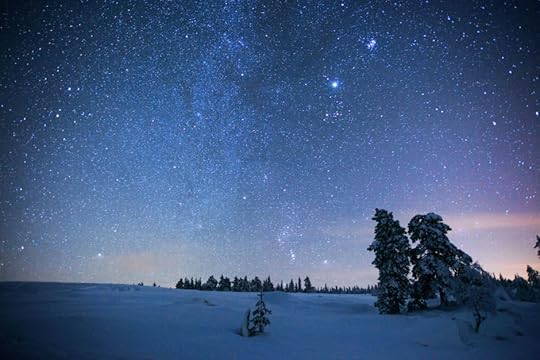
4
The stars and milky way above Lapland, Finland.
Photo: Eddie Yip
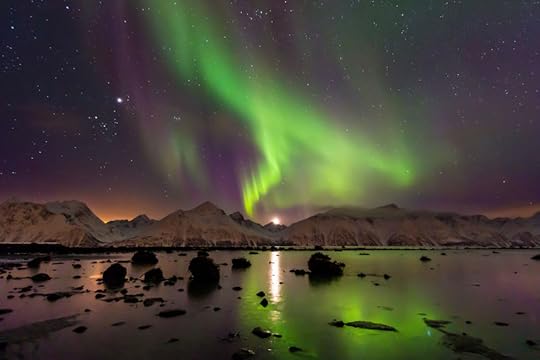
5
The Northern Lights high above the far north of Norway.
Photo:
Protecting Patagonia
AUTHOR’S NOTE: Below you’ll find the documentary Trawen. It’s a story of Patagonia, and the amazing people who’ve dedicated their lives to protecting it.
As a heads up, the documentary runs 24 minutes. For readers interested in more of the backstory, I’ve also included some additional notes, which you’ll find below the video.
Finally, towards the middle of the article, you’ll find some bonus footage of Doug Tompkins discussing his landmark trip with Yvon Chouinard to Patagonia in 1968.
–DM
In 2011, I traveled to Valle Chacabuco in the Aysén region of Chilean Patagonia. I was there to visit the future Patagonia National Park and to see the Rio Baker — among the most powerful and pristine rivers in the entire world — before it was dammed.
There was a sense of urgency at the time. Lawmakers in Chile had just approved environmental permits for HydroAysén, a hydroelectric project of unprecedented scale. Besides calling for five dams on the Baker and Pascua Rivers, the proposal included a 1,200-mile clearcut for transmission lines that would run through seismically active areas, national parks, and some of the most pristine wilderness left in the Americas — eventually sending the power to mining operations in the north.
…the biggest protests and public demonstrations since the era of Pinochet and the military dictatorship.
As the majority of Chileans were against the dams, the decision sparked outrage: the biggest protests and public demonstrations since the era of Pinochet and the military dictatorship.
Meanwhile, literally bordering one of the proposed dam sites in Valle Chacabuco was the future Patagonia National Park. This project was the culmination of decades of conservation work led by philanthropists Kris McDivitt Tompkins, and her husband, the late Doug Tompkins.
Once fully realized — and connected with two bordering national reserves — the plan would create a Yosemite-sized national park in the heart of Patagonia.
Entering this story was like looking at two diametrically opposed ideologies. On one side were people who loved the land and wanted to protect it; on the other were stakeholders such as multinational corporations Colbún and Endesa, who advanced a “mine, drill, and cut” agenda and ultimately had no connection to the place.
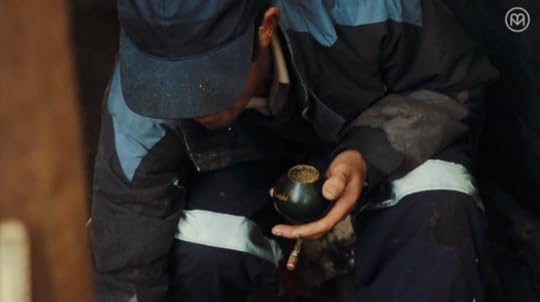
César Parada, a Patagonia Park trail worker from Cochrane, preparing mate.
And yet beneath this battle of ideologies was still another conflict: the very real effects of an economy in transition. The livelihood of the local people of Aysén — a very rural and sparsely populated region — had traditionally depended on sheep farming. Similar to much of the American West, decades of overgrazing had left the lands here worn out.
In creating the future Patagonia National Park, both volunteers and locals helped to build trails and also worked on the process of “rewilding,” or restoring the overgrazed land back to native Patagonian steppe. Miles of fences had to be ripped out so that guanacos and other animals could once again migrate freely. Invasive species had to be eradicated.
For families that once made a living as ovejeros (shepherds), these were huge changes. And so, parallel to the Tompkins’ conservation initiatives was the mission of creating a new economic base — tourism — through which the local people could benefit.
…their monumental work hinged on personal transformations from business leaders to conservationists.
Trawen attempts to pull together these different threads of conservation, travel, and the changing economic face of Patagonia. The centerpiece is a series of interviews with Kris and Doug, and how their monumental work hinged on personal transformations from business leaders to conservationists.
Doug founded The North Face in 1965. Kris was CEO of Patagonia, Inc., and worked alongside founder Yvon Chouinard for decades. In Trawen, they recount their stories of taking their lives in a new direction. Doug talks about one day realizing he was “on the wrong side of the equation.” And for Kris, after years of “spending time at the mountains and at the sea, you realize when you love a place, you want to protect it.”
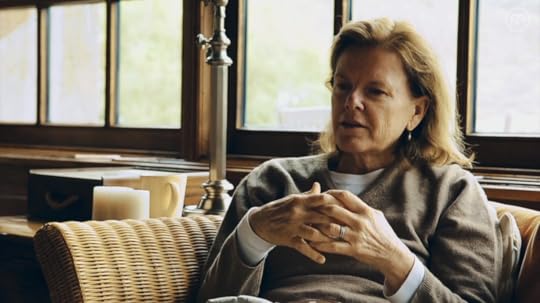
Kris Tompkins: “The big idea of protecting key areas in perpetuity is just essential to civilization.”
Ultimately, this conversation around one’s relationship to place informed every moment of the trip. The scale and beauty of the terrain itself. The possibility of these wild rivers being dammed. Our own personal lives, the actions we took, the work we did: all of it seemed to flow together like a confluence, a meeting point, or, roughly translated from Mapuche, trawen.
Accompanying me on the journey was my longtime friend Adam French, a writer and political ecologist who had spent years researching conflicts between farmers and transnational hydropower/mining firms in Peru’s Cordillera Blanca. Adam and I both felt strongly that our team needed to include someone local, and so we hooked up with Chilean climber and photographer Claudio Vicuña, who had been exploring Aysén for years as a mountain guide.
It’s emotional now, looking back on the footage, as Doug died tragically in 2015 while on a kayaking expedition with his oldest friend and climbing partner, Yvon Chouinard. Among my favorite moments was hearing Doug joyfully reminisce about his journey from California to Patagonia with Yvon nearly 50 years earlier to climb Mt. Fitzroy, where they filmed the classic Mountain of Storms. Check out some of this interview below:
The journey
As Adam, Claudio, and I followed some of the same roads as in their journey, the long overland haul from Santiago to Valle Chacabuco started to feel a bit like a pilgrimage. Along the way, you pass epic volcanoes and paddle country (Volcán Villarica and the town of Pucón), then days of glaciated peaks and ice-fields along the Carretera Austral, or Southern Highway.
We also opted for an overnight ferry which took us through otherworldly fjordlands, places once navigated by native people in open canoes. In terms of exploring untouched places, this area between the Golfo Corcovado and the Canal Moraleda remains the most limitless terrain I’ve ever seen.
Connecting as climbers, paddlers
We were, admittedly, a bit intimidated by Doug at first. Perhaps it was because we idolized him; perhaps it was because we’d heard he was the kind of person who wouldn’t waste time on you if he didn’t like you. Either way, arriving late that first night to a dinner with two dozen influential people, like world-renowned energy expert Amory Lovins, it was difficult to know how to approach Doug at all.
As luck would have it though, later that night we caught him alone for a second, flipping through an album of old climbing photos. One was the smiling, stoked face of Jimmy Chin, an old friend of Adam’s. We started talking about different rivers, climbs — the places we cherished — and from here we broke through the barriers. At heart, we all shared the common language and love of just exploring outside.
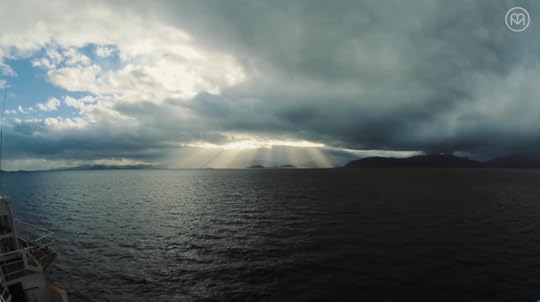
In my lifetime as a traveler, this area between the Golfo Corcovado and the Canal Moraleda remains the most limitless terrain I’ve ever seen in terms of exploring untouched places.
The state of conservation in Patagonia today
In the years since our trip, several important events have taken place. In the face of sustained opposition from locals and activists across the country, Colbún the largest stakeholder in HydroAysén, indefinitely suspended their environmental impact assessment in May of 2012. Then, in 2014, the Chilean Committee of Ministers essentially ended the project by unanimously overturning the original environmental permits they’d granted back in 2011.
As they’re sometimes referred to, however, these “zombie dam” projects have a tendency to keep coming back from the dead when different political parties take office. That said, the environmental movement that emerged in opposition to HydroAysén became the largest in Chile’s history. It’s set a precedent for activism after a generation of Chileans had largely been silenced during Pinochet’s brutal military dictatorship of the 70’s and 80’s.
Since Doug’s death in 2015, Kris has redoubled her work leading Tompkins Conservation. On March 15, 2017, Kris Tompkins and Chilean President Michelle Bachelet made a historic accord to expand Chilean national parks by ten million acres. The agreement included a handover of more than one million acres of land from Tompkins Conservation, including the future Patagonia National Park. Once inaugurated, it will be the biggest national park in South America.
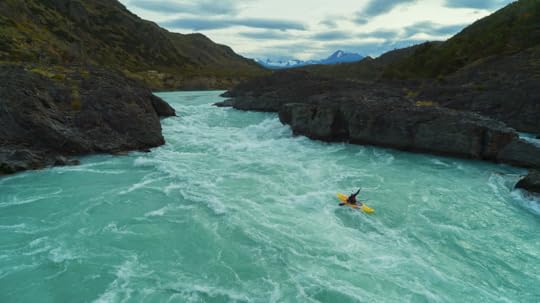
The massive whitewater of the Rio Baker, still wild and free. In 2017, a crew of expedition kayakers helped draw attention to these rivers with a mission to paddle them from source to sea. Photo: Todd Wells/Mountain Mind Collective.
Long term vision
The eventual vision of this accord is to create a “Road of Parks” in Patagonia, which would connect 17 different national parks and protected areas. Speaking from experience, it’s almost impossible to comprehend just how massive of an area this is, how spectacular the terrain is, and how beneficial this road would be in terms of creating a sustainable tourism economy. Once completed, it could serve as a model for the rest of the world, a way for nations to preserve their great ecosystems and wildlife, and benefit the next generation.
Words and video edits by David Miller
Imagery by Claudio Vicuña

Fiji tropical paradise
The South Pacific country of Fiji is an archipelago of more than 330 islands. With white-sand beaches, palm tree-lined shores, and hundreds of dive sites, it’s no wonder that the Fijian people are some of the happiest on earth. Get ready for some serious wanderlust with these 14 photos of Fiji’s idyllic islands.
For more travel advice, follow Collette at Roamaroo.
1
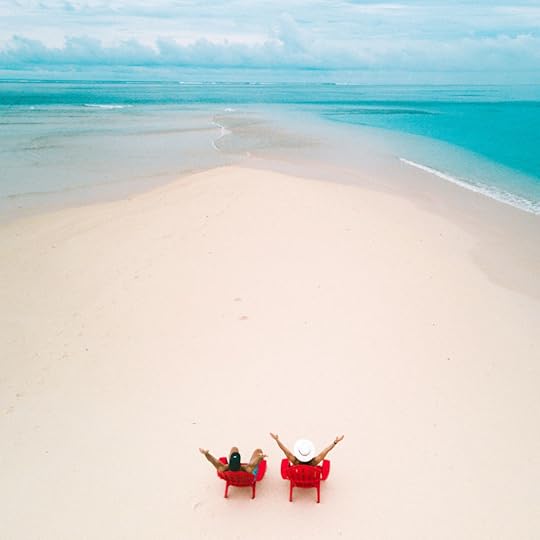
Welcome to Fiji! You’re on island time now. With 333 islands, it’s easy to have your pick of wondrous white-sand beaches.
2
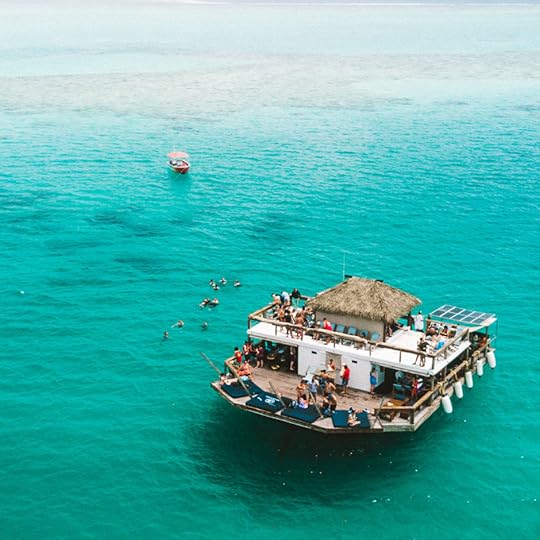
Fiji is home to the world’s only floating pizzeria. Located three miles offshore, Cloud 9 serves freshly-made pizzas and delicious cocktails, all in the middle of the South Pacific.
3
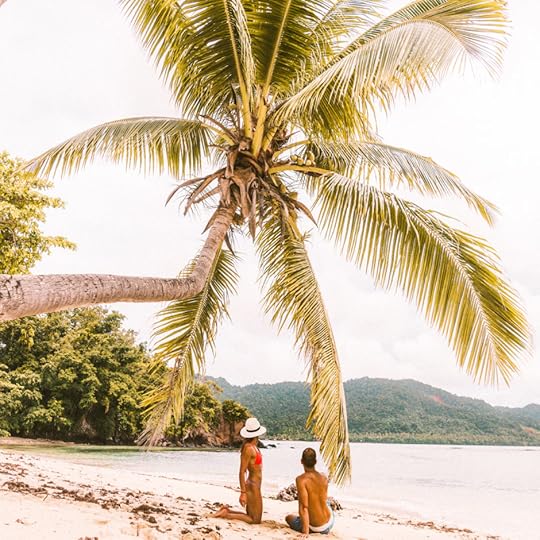
Located close to the International Date Line, the island resort of Qamea is set on 100 acres of lush jungle and white-sand beaches.
Intermission
Sponsored
5 awesome travel itineraries out of Barcelona
Dayana Aleksandrova
in partnership with
More bizarre hotels around the world
Hal Amen
Sponsored
11 gorgeous views you’ll only see in Ireland
Jacqueline Kehoe
in partnership with

4
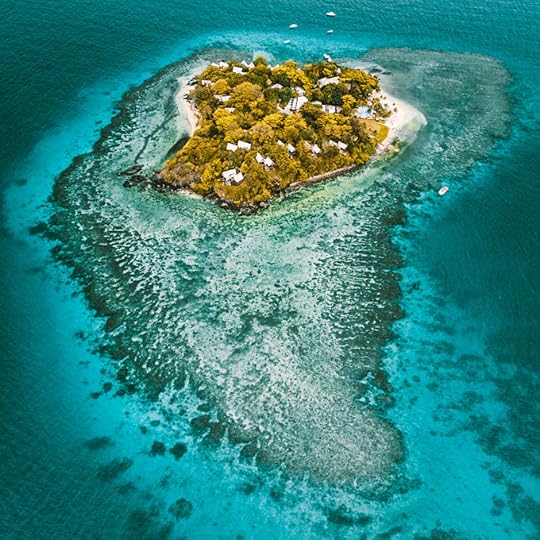
The coral reefs in Fiji are known as some of the healthiest reefs in the world. Under the sea, you can find a kaleidoscope of coral colors, thousands of species of fish, and eight species of sharks.
5
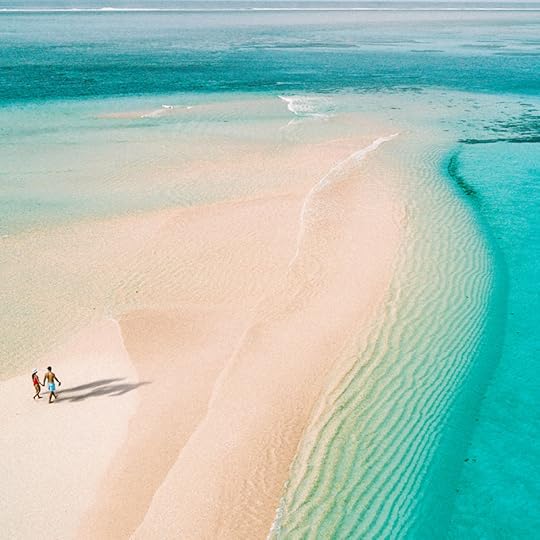
A quick 10-minute boat ride from Royal Davui Resort brings you to the Sand Cay. You can only visit this private island for a few hours of the day due to the tides.
6
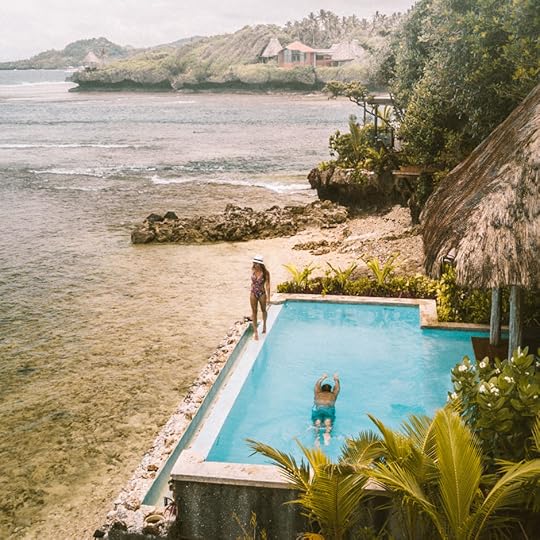
The island of Savusavu is known as “the hidden paradise of Fiji.” The island has some of the best diving in Fiji, famed waterfalls, hot springs, and a rugged coastline.
7
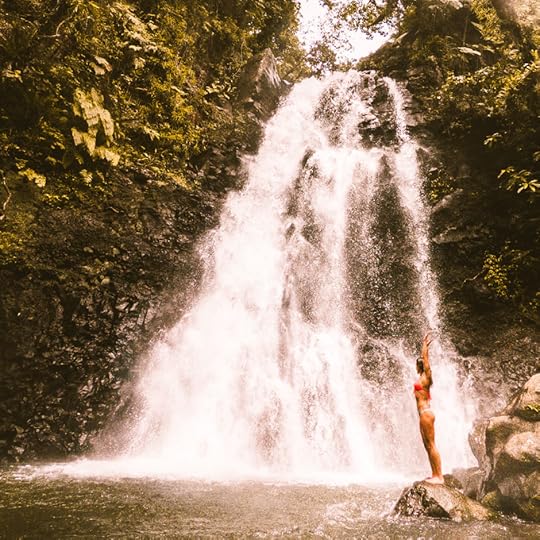
There are three waterfalls in Bouma National Park, located on the island of Taveuni. This jungle hike takes you to the top of the island where you can jump into the powerful waterfalls and cool off with a swim.
8
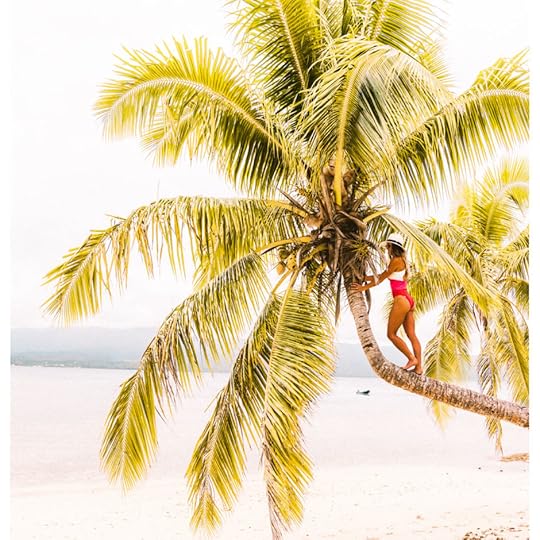
Before the islands were colonized, Fiji was influenced by multiple groups of people including those of Melanesia, Polynesia, and Micronesia.
9
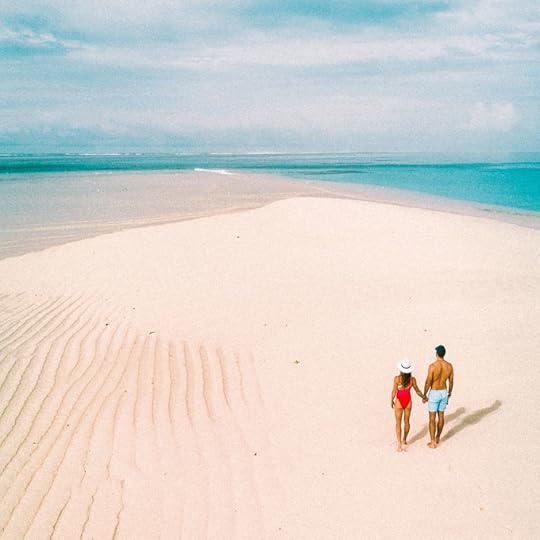
So many islands mean a lot of diversity. Take your pick of white-sand beaches, turquoise waters, or lush jungles.
Intermission
Sponsored
7 awesome ways to enjoy the water in Virginia Beach
Alison Clary
in partnership with

How to travel the Yasawa Islands
Joshywashington
Sponsored
15 images of Wyoming that will get you psyched for winter
Jacqueline Kehoe
in partnership with

10
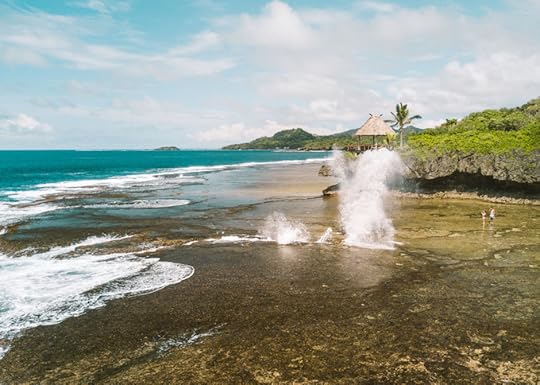
There are endless adventures in Fiji. From scuba diving to hiking, playing in blowholes, or exploring waterfalls, Fiji is an adventurer’s paradise.
11
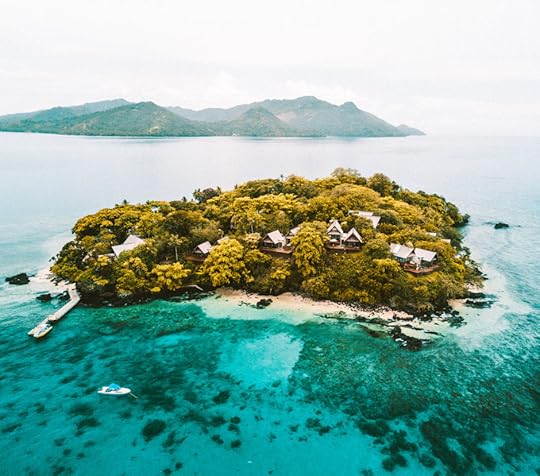
Not all islands are created equal. Some islands in Fiji are over 4,000 square miles and others are just a few acres!

12
All roads lead to the ocean in Fiji.
13
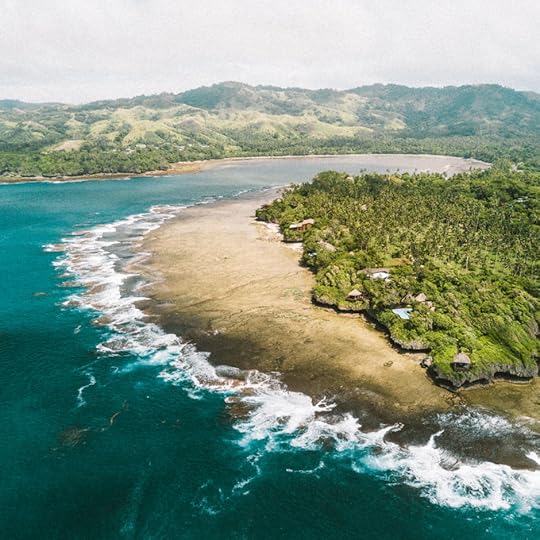
While Fiji is famous for its crystal-clear water, not many people know that it’s also a jungle. For those looking to dry off for a bit, head into the jungle for some hikes and off-road adventures.
14
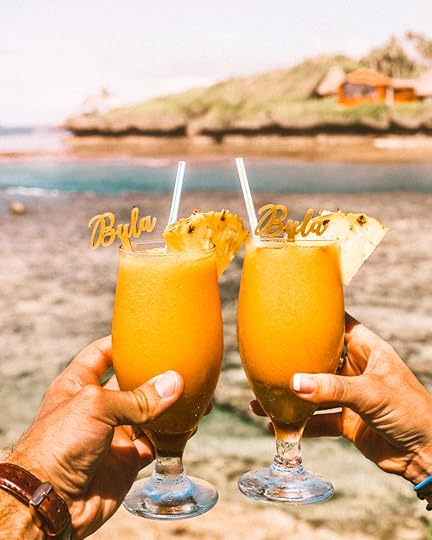
BULA! Bula directly translates to “life.” This is the word that is used most often as a greeting or welcome in Fiji.
More like this: Jaw-dropping aerial shots of Fiji’s Great Sea Reef

Wildlife conservation stories
There’s no sugarcoating it: the future appears grim for the animals of the world. The US is headed by a man with trigger-happy elephant hunters for sons, and it seems like every new policy coming out of the administration is designed to squash one species or another out of pure spite and hatred for the natural world.
But there’s an opposite side to this coin, and not is all as it appears: a growing resistance, scores of good folks recognizing what’s at stake and doubling down on their efforts to conserve the planet’s animals. Every day they remind us that it’s not too late to protect what matters most, which is why we are celebrating the year’s wildlife successes. Wildlife conservation works, even when the system doesn’t, and these stories are proof that if we keep fighting, we’ll keep winning.
1. Instagram changes app to educate on animal abuse.
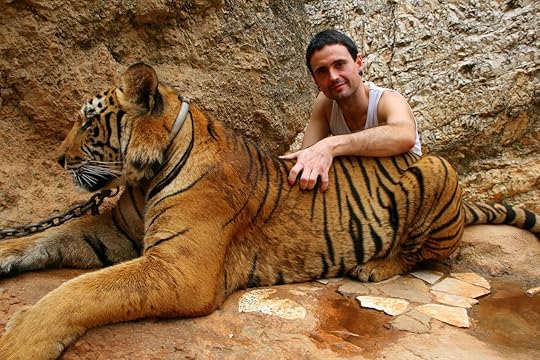
Photo: libargutxi
Instagram’s success lies in its ability to inspire: users see someone post a thing that they want to do, they go do it, they post it, the cycle continues. Unfortunately, wild animals like tigers, dolphins, and sloths have been the victims of this cycle, cruelly forced to pose for selfies with tourists that want to post on Instagram. The Facebook-owned company has ended the year with the announcement that hashtags with an animal and selfie, like #monkeyselfie, will trigger a warning alerting their users that what they are witnessing is animal cruelty. Lack of education on the topic is a huge reason behind its prevalence, and this will hopefully curb the tide of inhumane wildlife tourism.
2. Puppy mills banned in California.

Photo: Duffy Brook
Dogs may be domesticated, but the terrible conditions in which they’re bred is bad for everyone. Factory farms of future pets are no longer getting the go-ahead in California, a state which ranks as the world’s 5th largest GDP. Such an economically important and populated place making this decision will certainly kick off the trend of banning the cruel practice of puppy milling.
3. The Mad Dog Initiative saves lemurs in Madagascar.

Photo: Mathias Appel
I’m biased on this one because I’m a volunteer of theirs, but the work that The Mad Dog Initiative is doing to help the struggling endemic species of Madagascar is a model worth duplicating around the world. They deploy veterinary teams to spay and neuter feral dogs, while running population counts of nearby wildlife, and working with locals to enable conservation leadership. This holistic approach is keeping the impact of dogs on wildlife at bay, and can build easily and sustainably.
4. Saiga Antelope represents success of wildlife conservation efforts.
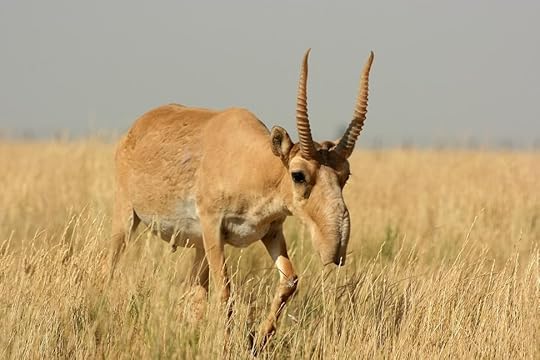
Photo: Ej Milner-Gulland
The Saiga Antelope is a perfect example of how concerted focus on raising species population numbers can result in exactly that. This is why the creature was honored at the Conservation Optimism Summit in London: its success reflects the relentless efforts of conservationists who twice brought the saiga antelope back from the brink of no return, making it clear that hope is plentiful for other species needing support.
5. 2nd breeding population of Indochinese Tigers discovered.
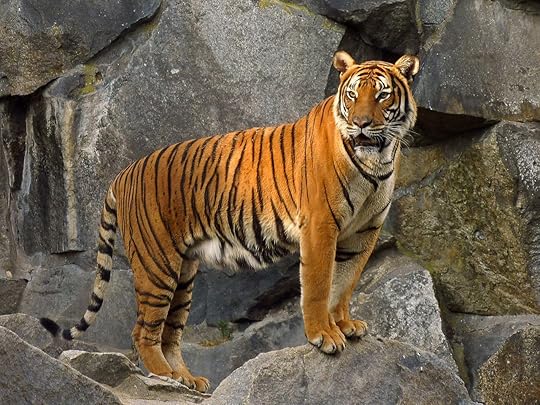
Photo: Lotse
It’s a scary thing when only one breeding population of a species exists: it means numbers are low and with it decreased genetic variation (which is bad news for sustainable survivability). Fortunately for the Indochinese Tiger, a tiger subspecies found in Thailand, a second breeding group of them was discovered, reflecting a rebound in population that can be credited to increased anti-poaching efforts.
6. Belize Barrier Reef is promised protection.
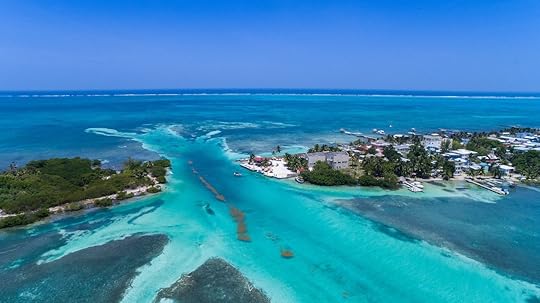
Photo: Falco Ermert
Last year the world’s second largest barrier reef became the target of offshore oil drilling, but thanks to the quick action of the people of Belize and Oceana, the government agreed to put a moratorium on offshore drilling in a bipartisan move that protects the fragile reef. A big victory for the ocean, for Belize, and for anyone needing proof that the people united can turn the hand of their government towards conservation.
7. The orange-breasted falcon is coming back from extinction.
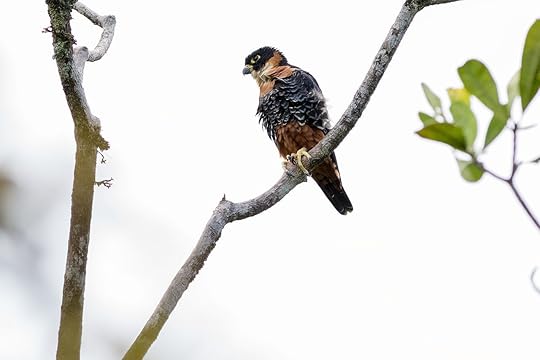
Photo: Simon Speich
Another winning story coming out of Belize can be found in the sky. The endangered orange-breasted falcon has been declining for some time, for no apparent reasons. For ten years, chicks have been hatched in captivity in the US, then brought back to Belize for release. This precarious, involved process takes tremendous effort, and that effort is proving fruitful, as their numbers are picking back up.
8. New species of orangutan identified.
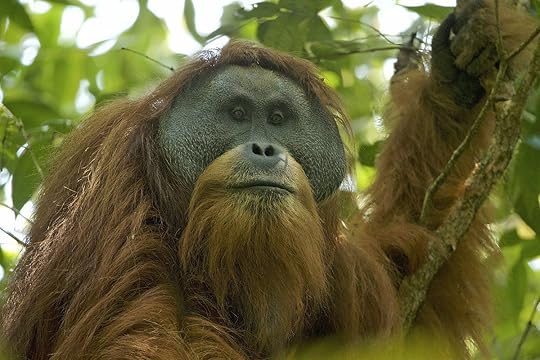
Photo: Tim Laman
These days, undiscovered mammals are rarely brought to the light, so it’s extra exciting to have a new great ape announced. The Tapanuli orangutan lives in North Sumatra and numbers only in the 800s. Though as endangered as its cousin, the discovery of this new species bolsters the mission of conservationists and inspires those invested in the perpetuation of wildlife to keep working at it.
9. Colombia commits to conservation.
With peace between people comes peace in other aspects of the world, and Colombia is embodying that philosophy wholeheartedly with a concerted effort to preserve the country’s natural heritage. This is one of the most biodiverse places on the planet with high mountains, rugged coastline, dense jungle, and urban epicenters hosting life in all its forms. Heritage Colombia was created to increase protected areas, and to keep them safe so they can flourish.
10. Gillnets banned to save vaquita dolphin.
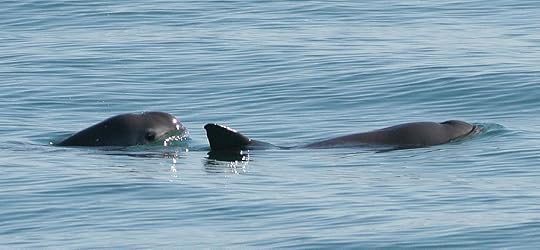
Photo: NOAA
The cartoonish vaquita dolphin became the internet’s sweetheart after going viral online for being freaking adorable, a realization that came paired with the fact that the species is very close to being no more. Taking quick action, the Mexican government banned gillnet fishing which sweeps up the dolphins when aiming for fish. Though it’s believed only 30 vaquitas remain, the willingness of the powers that be to step in gives optimism.
11. Grizzly hunting banned in British Columbia
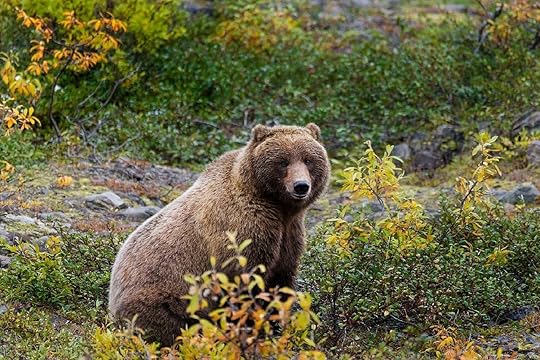
Photo: skeeze
The year is ending with a bang — or rather, the silencing of bangs, thanks to a landmark decision by the Canadian province of British Columbia to ban grizzly-bear hunting in all its forms. At first the ruling only prohibited killing the creatures for sport, but after a month, meat hunting became banned as well. This is great news for the apex predator that has been the victim of senseless slaughter for centuries.
More like this: The 12 best places in the US for checking out wildlife without the crowds

December 19, 2017
SoCal or NorCal girls
Ask a non-Californian to describe our golden state and you’ll get descriptions of star-studded beaches glowing in the sun, but anyone born here knows otherwise. California is more than just the Sunshine Coast; we have snow-capped granite peaks to rival the Alps, barren deserts that see higher temperatures than almost anywhere on Earth, and, of course, some spectacular seascapes.
However, despite our varied landscapes and subcultures, there are two major categories in California: Northern California and Southern California. While the defining lines between NorCal and SoCal are hard to draw (the Central Coast messes things up, but in general anything north of Fresno counts as NorCal), here are a few essential differences between SoCal girls and NorCal girls.
1. Rainbows vs. Birkenstocks
When determining where someone is from in Californian, check her feet first. Rainbow flip flops are a cult in SoCal, but if you hail from the colder reaches of California, you’re more likely to opt for the famed Birkenstocks (which can conveniently, but maybe not fashionably, be paired with socks on a foggy San Francisco morning).
2. Patagonia vs. The North Face
Moving upwards from the feet, you will come to the midsection, where an assessment of said person’s outerwear of choice will tell you much about their heritage. Patagonia, with headquarters in Ventura and origins deep in surf culture, is the brand of choice for Southern Californians looking to overdress for their 60-degree winter. However, North Californians tend to opt for the Alameda-based North Face, a brand famous for fleece jackets that can fight off any marine layer chill.
3. Bikinis vs. wetsuits
Any self-respecting SoCal girl will hit the waves in her favorite bikini, because have you seen the tan lines you get from a spring suit (a short wetsuit meant for warmer waters)? However, her northern counterparts simply cannot forgo the full body wetsuit if they want to ride the icy waves. NorCal surfers are simply a tougher bunch than the fair-weather surfers down south (myself included).
4. Gnarly vs. hella
Apparently, I spent too many years in NorCal and it began to show when hella slipped into my speech. My SoCal friends mock me mercilessly for it, but I have to admit, saying “that party was hella packed” just sounds better than “that party was really packed”. To be fair, I still use gnarly in a non-ironic sense, a speech pattern that will immediately mark you as born south of Fresno. Beware of strange transplants like myself; our excessive use of slang from up and down the coast will make differentiation difficult.
5. Make-up vs. au natural
It is no surprise that the home of Hollywood, Southern California, is less relaxed about beauty standards than the more au-natural north. When I was growing up in SoCal, it was considered social suicide to show up at school without makeup, but after a couple of years at college in NorCal, my make up bag was gathering dust while I happily imbibed hoppy IPA’s at the local pub. Personally, I prefer the NorCal way.
6. Eternal summer vs. seasons
Ah, the ever-present weather talk. Southern Californians love to rub our weather in our northern neighbors’ noses, but if you pry you might get a slightly different answer. While us SoCal girls love our Christmas beach days, we can get jealous of NorCal girls’ ability to wear their ugly Christmas sweaters without sweating. However, if you made us weather an actual winter we’d probably forget our pining for real seasons and run back to the land of eternal summer, tail between our frozen legs.
Now that you know a few differences between SoCal and NorCal, it is important to note that we are really more similar than we are different, just like in any state. Yes, we have our defining quirks, but we are all Californian girls at heart and we all love our beautiful home state, no matter if you hail from L.A. or S.F.
More like this: 10 things the rest of the US can learn from California

time to learn European languages
Learning a new language isn’t easy, but English speakers can rejoice that some languages are much easier to learn than others. Visual Capitalist has mapped out how long it takes to learn different European and Mediterranean languages using information provided by the US Government’s Foreign Service Institute. The FSI assigns every language in the world one of five levels based on how long it takes an English speaker to learn it. Asia and the Middle East are home to most of the Level 5 languages, which will take you at least 88 weeks before reaching proficiency.
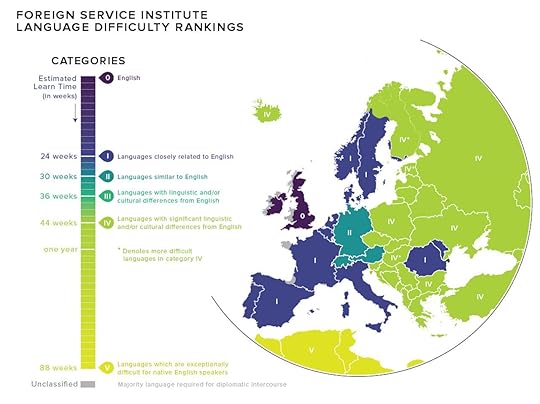
Photo: Visual Capitalist
Some might be surprised to see Romanian as the lone Level 1 language in eastern Europe. This is because, unlike its Germanic neighbors to the West and Slavic neighbors to the North, the area of present-day Romania was occupied for an extended period of time by ancient Roman legions, who left behind a cousin to western Romance languages.
More like this: 9 of the hardest languages for English speakers to learn

Raise a girl who travels
Sometime in the next month or so, I’m going to be a parent. My colleagues at Matador are all travelers, and at the end of every December, we talk about the places we’re going to go and the experiences we’re going to have in the next year. But this year, my answers are a lot different than everyone else’s — newborns can’t travel all that much, so the only new place I’m going to be going will be Costco (for bulk diapers), and the only new experience I’m going to have is touching another creature’s poop with almost hourly regularity.
Settling down is a totally normal thing to do when you’re having a kid, but it runs completely counter to everything I’ve been for the past decade. Travel was a central part of my identity in my 20s. It made me who I am today. But it’s not going to play as big of a role in my 30s. I can’t really justify putting an international plane ticket on a credit card when I should be depositing money into a college fund for my daughter. So, instead, I find myself plotting ways to keep the family wanderlust simmering during this little nesting hiatus. I want, in short, to turn her into a world traveler.
I wanted to travel in part because I read books and watched movies where the heroes were globe-trotters, wanderers, and questers. But my books and movies were all extremely guy-heavy: Lord of the Rings is basically a sausage fest, Treasure Island does not have a single main female character, and Indiana Jones is kind of an alpha-male creep who spends his free time plundering treasures from their indigenous cultures. (Why does it belong in a museum, Indy? Why doesn’t the idol belong in the heavily-guarded, booby-trapped temple you just stole it from?)
So I’ve begun to search for better role models for traveling girls, and that’s meant dipping into kids’ movies for the first time in a couple of decades. And holy crap, the movie I found is perfect: Disney’s 2016 animated feature, Moana.
Disney and girls
Before watching Moana, I was somewhat nervous: Disney, after all, doesn’t have the best track record with its depiction of young women: sure, a lot of the great princesses over the past 30 years have been empowered, strong women, but they’ve also all, without exception, had stories that are driven by their romantic entanglements. While I certainly want my daughter to find love someday, I don’t want her to be immersed in a culture which, from birth, tells her that romance is the only thing that matters for her as a woman and that her value is based on her marriageability.
And, while I loved Disney movies (Aladdin especially) as a kid, I can see some, ah… issues with them now, in retrospect. Like how Princess Jasmine is hypersexualized despite being only 15 years old, or how “A Whole New World” can basically be read as a song about losing your virginity (“Unbelievable sights! Indescribable feeling! Soaring! Tumbling! Freewheeling!” “I can’t go back to where I used to be!”), or how the reward for every male hero is a woman.
But Moana skips all of that latent creepiness and is just about a young girl who wants to travel. There is no boy she’s chasing, there is no boy chasing after her.
Traveling girls
If you haven’t seen it, Moana‘s story is fairly simple: it’s about a young Polynesian girl (named Moana) who lives on a beautiful island in the Pacific. No one ever leaves the island, and no one ever sails beyond the surrounding barrier reef, because the island provides everything they need. Moana, though, has a deep, painful wanderlust, and wants to sail over the horizon and see what’s in the larger world. When the island starts to die, Moana decides to leave by boat and seek help from Maui, a trickster demigod played by the Rock.
I don’t want to give away the ending, because it’s great in the way that all of the Disney classics are — the music is incredible, the characters are lovable and funny, and the art is beautiful. But more importantly to me, as a father-to-be, is that the movie not only portrays travel as something that is central to being a human being, but it also grapples with the age-old traveler question: how can you love your home while simultaneously wanting badly to leave it behind?
Moana is hardly an unknown movie, but I don’t know if we in the travel community have fully grasped just how important it is going to be to future generations of travelers. I want my girl to go out into the world and discover new things, but I also want her to love a home, a family, and a community. And if she grows up with Moana, she’ll have a role model who is able to do both.
More like this: How to raise a traveler
Matador Network's Blog

- Matador Network's profile
- 6 followers


_832-714-(118).jpg)

