
Matador Network's Blog, page 1426
December 24, 2017
the world's booziest countries
The holiday drinking season can be overwhelming. Drinking with your least favorite relatives is one thing, but why are copious amounts of sugar, caffeine, booze, and/or eggs so crucial to every holiday cocktail? It turns out that not every country in the world is as dedicated to alcohol as those in the West (especially Eastern Europe).
Below is an infographic revealing which countries consume the highest number of liters of alcohol per person per year. Light tan indicates 1-3 liters per person, while dark purple indicates 15-18 liters.
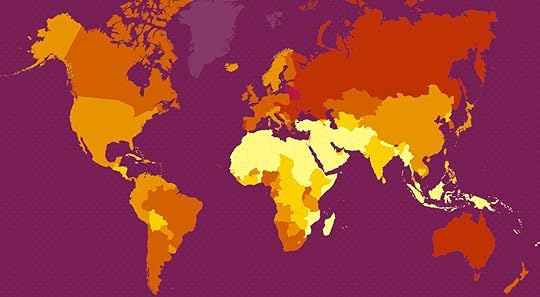
Photo: VoucherCloud
The top 12 “booziest countries”

Photo: VoucherCloud
Since drinking is looked down upon in Islam, it makes sense that the countries with the lowest consumption of alcohol per person are found in North Africa, the Middle East, and Southeast Asia. So maybe we should spend those vacation days on a booze cleanse in Morocco or Malaysia? 

More like this: Mapped: The countries with the worst drinking and driving statistics


December 23, 2017
Cheap, stress-free holiday spots
There’s no shame in admitting you’d rather be nowhere close to home when Christmas, Hanukkah, Kwanzaa, and New Year’s come around. However, unless you’re planning to fly out of the most isolated airport on the planet, you’re probably going to have to deal with insane crowds and lines at the international terminal. Here are a few destinations guaranteed to alleviate the stress of holiday travel by lightening the burden on your wallet and still giving you a taste of home.
1. Angkor Wat

Photo: Igor Ovsyannykov
Flying into Siem Reap may be a bit of a hassle with a stopover in Bangkok or Phnom Penh, but once you arrive there’s nothing but good vibes and wholesome adventures without a hefty price tag. 12 USD is usually enough to hire a tuk-tuk for the day to guide you around the temples, and the most expensive hotel in town, the Park Hyatt Siem Reap, has rooms for about 200 USD/night if you want to treat yourself; other far more reasonable ones can go for 10-20 USD.
2. Bulgaria
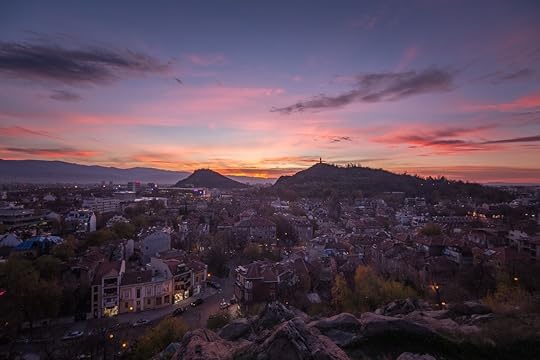
Photo: Anton Atanasov
If you still want to experience a proper winter with old churches, snow, and good beer, then try flying into Sofia first. Unlike its Turkish and Greek neighbors, this eastern European country has a far lower cost of living and is home to a number of popular attractions including Nesebar, a UNESCO World Heritage Site. Because not many tourists are crazy enough to visit in the bitter winter, the crowds and hotel prices drop.
3. Boracay
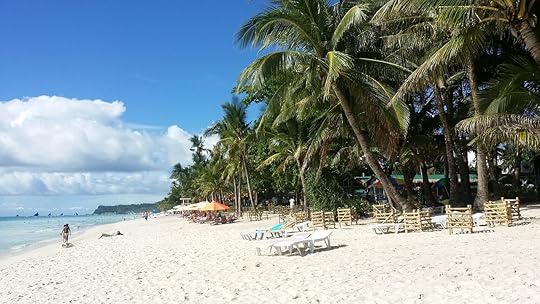
Photo: TTTBoram
Getting to this remote island in the Philippines isn’t exactly the least stressful way to start the holiday season, but once you arrive you’ll be happier knowing there are no cars — only tricycles allowed — fewer people, and nothing but suckling pig and smoothies to eat. Boracay is popular with windsurfers, divers, and beach bums. The limited size available for infrastructure means it’s unlikely we’ll see a chain hotel or a Build-A-Bear anytime soon.
4. Chiang Mai
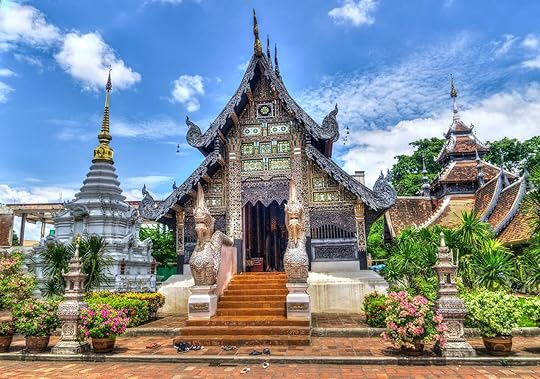
Photo: Maria Michelle
While a lot of Thailand is hit or miss in terms of carefree destinations, with some of us incredibly annoyed by vendors yelling and outright harassing tourists, Chiang Mai is a welcome escape. Maintaining the low costs of Thailand while still having popular attractions like elephant preserves, the only thing in this northern city has to remind you of the routine at home is three Starbucks.
5. Prague
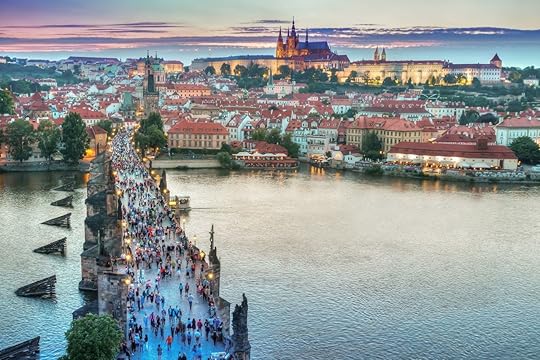
Photo: Jeshoots
A holiday vacation with mulled wine, spiced meat, and history to boot? There’s nothing like walking down the Charles Bridge, eating under the Astronomical Clock, or looking out from Prague Castle in the middle of winter. In addition to beer sold more cheaply than bottled water, there are several free sights like the Lennon Wall and the locations of the three defenestrations.
More like this: How to make holiday drinks from around the world
how to swear in sign language
Learning how to cuss is one of the most formative moments in anyone’s childhood. Thanks to the Youtube channel Cut, you now have the chance to learn new swearwords that your boss will understand through the sheet of glass separating his office (just an idea). Whether it’s telling someone they are an idiot or calling them a bastard, there are a surprising number of variations in how you express your frustration in sign language. So pay attention.
Follow Matador on
Vimeo
Follow Matador on
YouTube
More like this: How to swear in French
December 22, 2017
Traveling needs to be difficult
I’ll be honest with you, I don’t really care about physically traveling.
I don’t care about seeing the Mona Lisa, or the Taj Mahal, or the Great Wall of China someday.
I don’t care about riding a camel in Egypt or taking dumb first-person photographs of girls taking my hand and “leading me into the wilderness.”
I don’t care about all that.
That’s not why I travel.
That’s not even the half of it.
Travel bloggers are selling you bullshit.
Every picture you see on Instagram from your favorite travel bloggers is capturing one moment of an 86,400 second day. It’s not real. It’s real for a moment, sure, but they know full well what they’re actually doing. They’re selling you on the idea that traveling is always this beautiful with absolutely zero setbacks at all. They probably get through customs without a hitch, walk outside to sunshine and rainbows, then get in a cab and speed off (without traffic) to whatever 5-star hotel that’s paying them to stay there. Right? Then they get massages and chill by the infinity pool where they take a picture of the most spectacular sunset anybody could imagine.
*AGGRESSIVE EYE ROLL*
This way to look at traveling is really doing nothing to prepare you for what’s actually going to happen to you on the road.
***
Last summer I went on a road trip from Orlando to San Francisco and back.
One sentence summary: I fell in love with San Francisco.
But let’s not get carried away. I made about 10,000 mistakes while I was out on the road. I mean, I didn’t even get a first-person picture of any girls taking my hand and leading me into the wilderness, and I actually hated traveling on many different occasions.
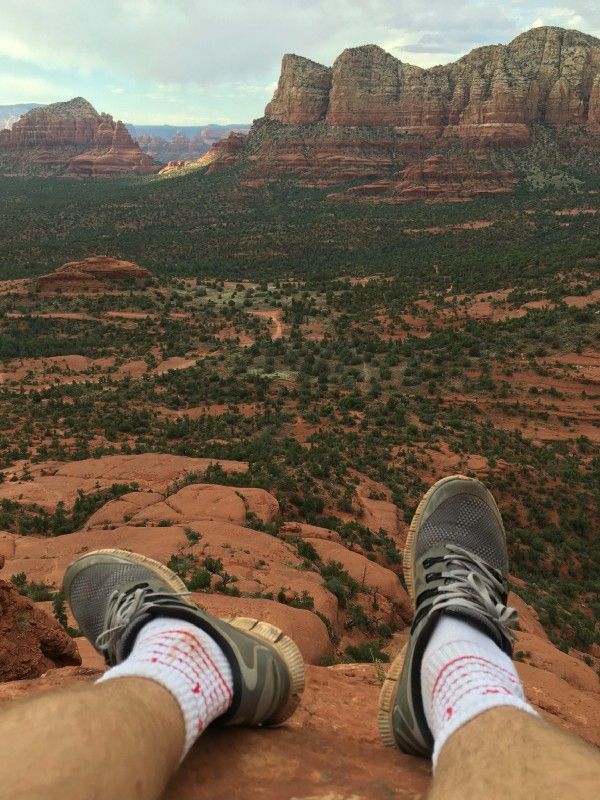
My best picture.
The first night in New Orleans I had to hold myself back from crying big ol’ man tears. I was all alone in a sweltering hostel on a bed that felt like a brick. It was great — exactly what I thought traveling was all about. Then in Arizona, my car’s entire brake system failed. I had to spend $1,000 to get it fixed. Oh, then I quit my remote job in San Francisco and didn’t get paid for two weeks of work because my boss decided to be a total dick.
Sprinkled throughout my trip were a ton of occasions where I despised traveling. I despised turning on my car to drive one more mile. I even despised the people I was with!
Then why did you do it, Tom? Why are you writing this article and totally putting a damper on my day? I can hear you all asking that but let me ask you this: traveling can totally suck, but why is that bad?
The real reason I travel
The other day I was interviewed for a podcast and my interviewer asked me why I like to travel. Contrary to what I just wrote, I do LOVE to travel, but it’s not to snap interesting pictures of myself drinking out of a coconut in a hammock on some island in the Pacific. I travel because it’s challenging.
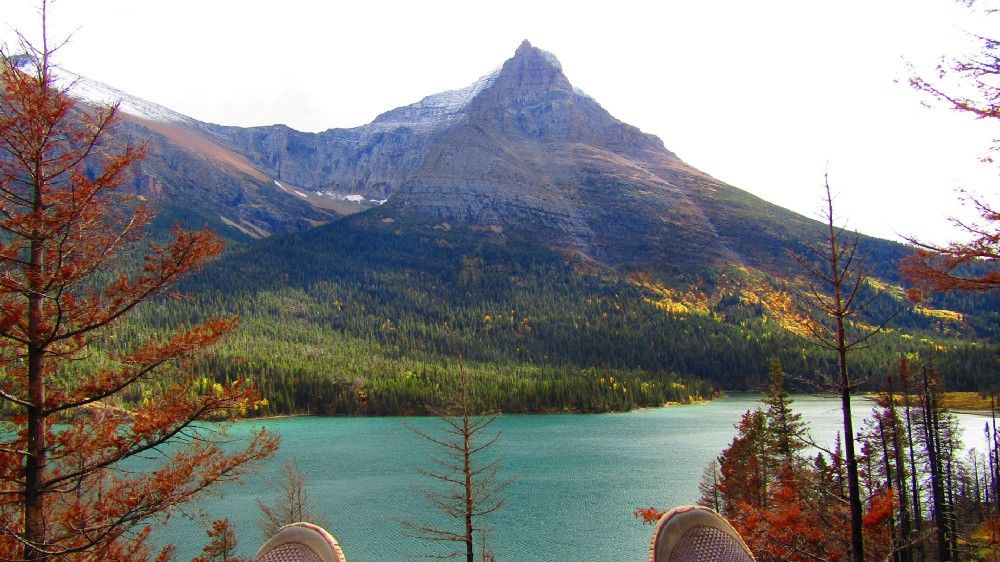
Photo by the author
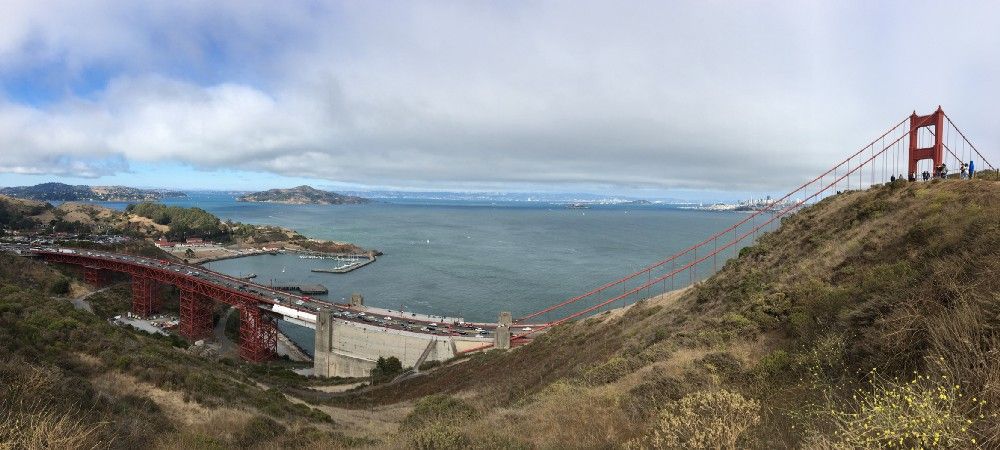
Photo by the author
I travel because I very willingly like to put myself in situations where I have no idea how I’m going to respond.
The biggest lie you’ve ever been told about traveling has never actually been said by anybody. It’s been shown through the Instagram-filtered pictures of the travel blogging legends themselves. Why don’t they ever take a picture of themselves in an airport during the middle of a 26-hour commute back home?
I honestly don’t know. If I was ever some Instagram-famous travel blogger I’d send content like that out all the time.
Traveling means nothing without earning it. That’s why I really want to hike to Machu Picchu one day. It takes 4 days to get there. Would you have more fun looking at Machu Picchu after a quick helicopter ride or after a 4-day hike through the jungle? Would it mean more, at least, if you hiked it? The answer is fuck yeah, and that’s why we travel in the first place.
My aunt keeps telling me to go on a European cruise because then I’ll hit all the most interesting places without having to deal with the logistics. She’s a nice lady, but that’s probably the stupidest thing I’ve ever heard. That’s like the NFL deciding to skip to the Super Bowl and throw the Eagles and Patriots in because, well, they just didn’t want to deal with the logistics, right? It’s stupid.
Traveling is just like anything else. You get out what you put in. If you want to take the shortcut and take it easy because you’re tired, then you’ll get a piece of the pie, but not all of it.
When you’re traveling, expect the bullshit.
Embrace it. Love it. There are supposed to be hitches — that’s what gives your trip a little bit of character. And oddly enough, you’ll remember the tough times from your trip more than anything else.
I loved seeing the sunset in Sabino Canyon near Tucson. It meant that much more because I had to drive 2 hours into the canyon to enjoy it after a full day of driving (and getting my first ticket). I had to earn it.
The true spoils of traveling are only given to the ones who earn it.
Remember that.
Put in some effort, and it’ll make the trip 10,000 times more memorable.
This article originally appeared on The Mission and is republished here with permission.

Visit Palmer, Alaska
When people picture Alaska, they imagine the rocky outcroppings of Kenai Fjords National Park, the giant bears of Kodiak, or the plentiful halibut fishing out of Homer. Palmer, Alaska probably doesn’t show up on most people’s top ten lists. A small town with a population of roughly 6,000 people, Palmer sits in the Matanuska-Valley, surrounded by mountains, just a few minutes off the highway that runs from Anchorage to Fairbanks. Most people heading north bypass Palmer, traveling instead through Palmer’s much larger and better-known sister city, Wasilla, on their way to Talkeetna, Denali National Park, or Fairbanks. But skipping Palmer is a rookie mistake. By exiting right and continuing just a few minutes further down the Glenn Highway, you’re opening yourself up to a whole new and much less populated adventure — with the added benefit that it’s all just 45 minutes from Anchorage.
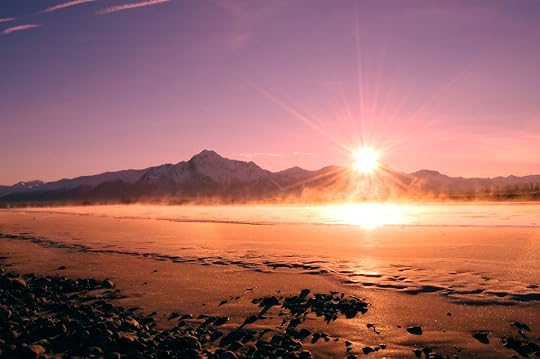
Photo: Cecil Sanders
Local eats
Palmer’s main street is centered around the historic railroad depot, and that’s where you’ll find everything you need to fuel up and explore the surrounding area. Unlike many cities in Alaska, Palmer doesn’t allow chain stores, which means every place you visit will be owned by locals. If you’re hungry, your first stop should be Turkey Red Cafe, which serves delicious Mediterranean food that uses locally-grown ingredients whenever possible.
Wildlife and culture
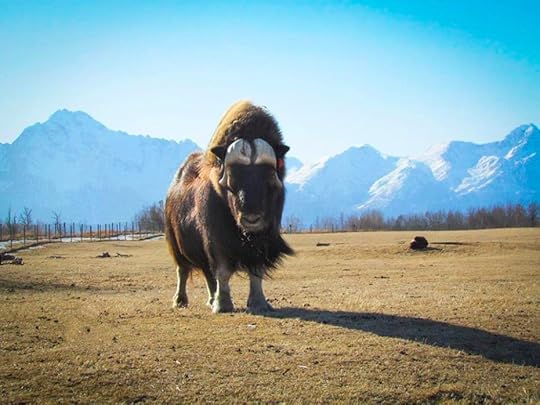
Photo: The Musk Ox Farm
Next, make an appointment to head over to the Musk Ox Farm. What’s a musk ox, you might be wondering? It’s a large Arctic mammal, kind of like a smelly northern buffalo, that was nearly driven extinct by overhunting in the 19th century. They’ve since been reintroduced, and the Musk Ox Farm exists to educate visitors and farm the soft downy wool they produce. A visit to the Musk Ox Farm means an opportunity to interact with these ancient animals close up. It doesn’t hurt that baby Musk Oxen are extremely adorable.
Caffeine
If you’re looking for a boost before you begin your outdoor exertions, head over to Vagabond Blues Café, where you’ll discover the best latte in at least 50 miles. In addition to excellent coffee, they’ve also got wonderful gluten-free treats, usually a challenge to find in The Last Frontier. Vagabond also hosts local and national musicians to entertain visitors and they’ve got board games available if you want to hang out. Alternatively, you can pick up a book from a local author at Fireside Books and bring it over to peruse.
Now that you’re fed, caffeinated, and educated about the life cycle and mating habits of Musk Oxen, you’re in the perfect position to experience the great outdoors!
The wilderness
For people looking to hike, Palmer’s got a number of excellent options. The 900-foot-tall Bodenburg Butte (known to locals as just “The Butte”) offers great views of surrounding mountains and farmland, with a relatively easy 30-minute ascent to the top required. You choose either to scramble up the muddy, rock-strewn southern side or take the more relaxed, maintained northern trail up, depending on your mood and attire. At the top, you’ll find amazing 360-degree views, and occasionally even a yoga class in session.
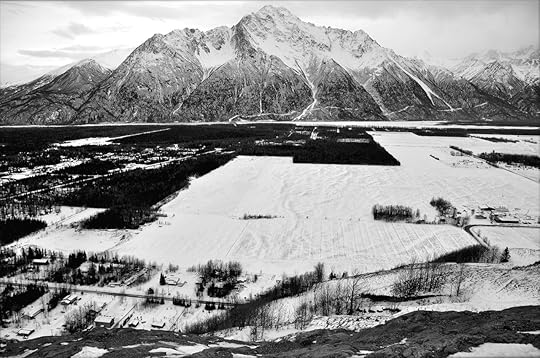
Photo: Cecil Sanders
If The Butte hasn’t thoroughly exhausted you, head up the Glenn Highway to the base of Hatcher Pass State Management Area. 60 miles long, located between the Talkeetna Mountains, it offers visitors the opportunity to explore the Valley’s natural environment, even in winter. Make sure you bring along skis or snowshoes! You can spend a few hours or even the night camping or in a locally-maintained hut (as long as it’s not already occupied when you get there).
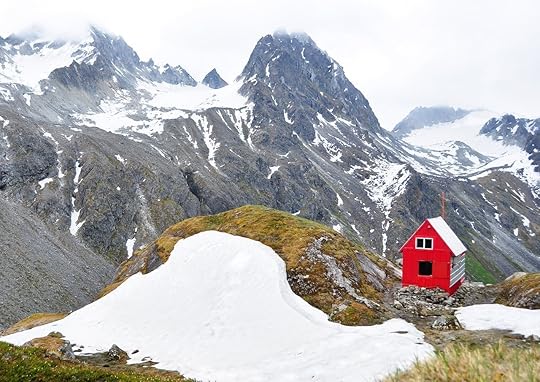
Photo: Cecil Sanders
A favorite trail of locals is Gold Mint Trail, which travels alongside the clear glacial waters of the Little Susitna River. The trail is stunning from the beginning, so even if you don’t feel up to all eight miles, it’s worth a visit.
Guided glory
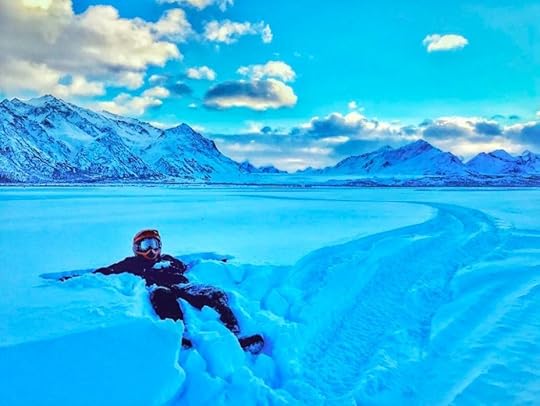
Photo: Alaska Backcountry Adventure Tours
If you’re looking for a guide to take you even deeper into the wild, there are a few excellent guide companies based out of Palmer. Alaska Backcountry runs snow machine tours (which start a little further out of town, in Eureka) through valleys and snow-covered mountains to allow visitors to get up close enough to touch — or even walk inside — some of the last glaciers left on earth.
Relax with a local brew
Stop by Arkose Brewery, the first local craft brewery in Palmer. They have brewery tours and lectures on the science of brewing. They also have nine craft beers on tap (Portland who?)!
Accommodations
One of the challenges and charms of Palmer is its complete lack of hotels. Make this work for you by staying in one of the many local B&Bs, like Hatcher Pass B&B, where you can stay in a log cabin of your very own.
There’s no need to drive for hours to experience the culture and beauty of Alaska. Whether you’re a first-time visitor to Alaska, or just never seem to get out of Anchorage, Palmer’s only a short drive away.
More like this: Bush pilots of Alaska
World's most popular Christmas cakes
Just about every country that has Christmas celebrations also has their own take on Christmas desserts. Thankfully, most of these are not the rock-hard, saccharine fruitcake that I grew up chiseling away at my molars with. Instead, as this list put together by Taxi2Airport shows, the world’s favorite Christmas desserts include a broad palette of sweets and pastries. From the Croatian “Fritule” to Jamaica’s rum cake, you now have plenty of ways to impress your in-laws with your baking skills (or your own belly if you are staying in your apartment all weekend). Click this link for recipes.

Photo: taxi2airport.com
More like this: How to make holiday drinks from around the world

How to navigate culture shock
The act of moving abroad is essentially a chaos of emotions attempting to follow a linear line. The start of the move is often filled with excitement and thrill but eventually, frustration and disappointment will force their way in. What you once found charming will take on the identity of annoyance, a reminder of the differences in your new place. This is called culture shock and it occurs in four stages. It happens to everyone, whether you want to admit it or not, but not everyone experiences it to the same extent.
Your best defense is understanding how culture shock manifests itself in your life. And if you start to notice culture shock snooping around, there are some ways to keep it from ruining your big move.
1. The honeymoon stage
If you think about it, preparing for a move abroad is similar to preparing for a holiday. There is more to it, of course, but the emotions remain the same: pure excitement, high expectations, and anticipation. You’re probably fulfilling a dream, your friends and family are most likely celebrating and supporting you, and you arrive at your new home flushed with pride and ambition.
During the honeymoon stage, everything around you is either unique, adorable, or interesting. When I first moved to Budapest, our entire neighborhood was under construction in anticipation of a new tramline. How exciting! I was entertained by the lack of safety precautions, I adored the workers’ old-fashioned blue overalls, my eyes lit up when a rusty wheelbarrow would steer past me filled with steaming cement, and I couldn’t get enough of the broomsticks made from actual sticks. It was all so interesting.
Of course, this was the norm in Hungary; but for me, it was different. My rose-colored glasses brightened this scene and transformed it into something unique and fascinating. Anything that once posed as an annoyance or inconvenience in my life back home changed during this initial stage. Essentially, you are in love and you cannot see the flaws. Everything is perfect.
Tactic: Embrace the honeymoon stage. Live it up, absorb all there is to love about your new home. The more you can appreciate, the easier culture shock will be. If it helps, start a journal, draw pictures, or snap a lot of photos. Anything that can serve as a reminder of your initial awe will help.
2. The frustration stage
Fast forward a few months (or, for some, even weeks), and that construction zone becomes nothing more than a nuisance. I was annoyed that I had to dodge this ever-changing, open construction zone as I raced to the old, overflowing buses with people constantly fighting to unapologetically squeeze in. I started to detest the steaming wheelbarrows as I choked on the stench. And don’t get me started on those inefficient broomsticks that did nothing but kick up dust!
See what happened there? The honeymoon stage is over and all those interesting, unique, and adorable scenes start to become frustrating. Anyone would get a little annoyed with this situation, but did I see the locals getting overly emotional about it, letting it ruin their days? Nope. It was still normal for them, still different for me, but I no longer had a rose-tinted perspective to paint it interesting.
This stage is especially tricky because it enables homesickness, which can infect your mind and influence your reality. No, not everyone hates you, you just miss home. You miss what’s comfortable and familiar. And if you fall down that rabbit hole, you may never resurface.
Tactic: The best thing you can do is remind yourself that this stage is temporary. And if you can make it through, you will receive a huge gift. When frustration pops up, take deep breaths and ask yourself why it’s so annoying. Is it worth your energy to be angry about it? And every single day, remind yourself that it is not personal. No culture authority is picking on you. Rather than harping on the problem, take time out of your schedule to do the things that bring you joy. Take long walks, sit at a quiet cafe, have wine with new friends. Whatever puts a smile on your face, do that over and over until this stage passes.
3. The adjustment stage
If you can make it through the frustration, you will welcome the adjustment stage. At this point, you start to fully embrace your new culture at a level much deeper than when in honeymoon bliss. Gradually, your mind starts to turn and you see the frustrations differently. I was still trudging out of my apartment, I could still smell the cement, I knew the wheelbarrows were still out and about, and most likely I would miss the bus or I’d have to fight my way through the crowds. But guess what? This was now my norm too. And, day-by-day, I started to adjust.
I left my apartment early, just in case the bus stop was moved down the street or a truck was blocking access. I started to recognize some of the workers and greet them in the morning. I became more aware of the zig-zagging wheelbarrows, easily dodging them. If I had to run to the bus, I actually felt a thrill, like I was alive again. And for the record, I even eventually welcomed back the quirkiness of the broomsticks. I was adjusting.
This stage is challenging because you have to identify the frustrations and actively move past them. But if you can do it, you really allow yourself to experience your time abroad in the most authentic way that you can.
Tactic: Keep doing those little things that make you happy, but also think of ways you can confront those frustrations. There’s a silver lining, you just have to find it.
4. The acceptance stage
You probably won’t be as elated as you were in the honeymoon stage, but welcome to relief! You made it! You have identified the frustrations, understood them, adjusted yourself accordingly, and finally accepted these cultural differences for what they are: out of your control. These deeply-embedded, historic, cultural differences are locked in place. There is no way your presence will make (or should make) any changes.
Before you even realize it, you start to accept the things you cannot change and embrace what you like in this new culture. There may still be annoyances, of course, but if you can chock them up to culture, it’s easy to shrug your shoulders, smile, and move on.
Tactic: Pat yourself on the back. This is really an emotional accomplishment and now you get to reap the benefits. When making such a huge change in your life, like moving abroad, it can be easy to feel disappointed with unmet expectations. Stop it. Stop trying to control something you cannot control. Let it go, embrace these differences, and truly try to join the culture: eat the traditional foods, make local friends, listen to the music, read in the language, take part in holiday celebrations, visit small towns and villages, drink the wine. This is why you moved abroad in the first place, right? It wasn’t ever supposed to be easy.
More like this: 7 fears that only expats understand


Nightlife in Edinburgh
Edinburgh may be an UNESCO City of Literature, and a huge university town, but it still knows how to have a good time. After you’ve seen Edinburgh Castle, the Dungeon, and climbed Arthur’s Seat, there’s plenty of pubs and clubs to keep you busy. Edinburgh’s nightlife scene is a unique blend of old and new, with traditional, dark, subterranean pubs in the Old Town, and trendier, more upscale clubs across the bridge in New Town. The beauty of Edinburgh is how easy it is to get around; you can easily hit two or three pubs in Old Town (or five, or six, if you start early), and then cross the bridge to end your night in New Town. With an endless trove of stressed-out university students, it’s no surprise Edinburgh is one of the most fun places to party in the UK.
1. Frankenstein
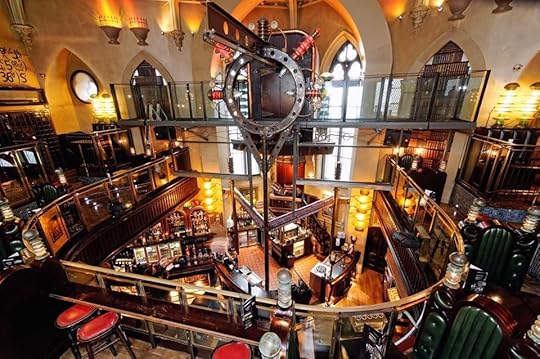
Photo: Frankenstein
Most bars have a gimmick of some kind, but chances are you’ve never seen a gimmick quite like this. Frankenstein is housed in a 19th century church, and in many respects is a pretty typical bar with a dance floor and weekday trivia nights — but it also has a giant TV that plays the original, black and white Frankenstein movie on repeat. Oh, and a massive animatronic Frankenstein monster that descends from the ceiling once-an-hour, with flashing lights and smoke pouring from its body. So if that’s your thing (and why wouldn’t it be?) this bar is definitely worth a try.
2. Three Sisters
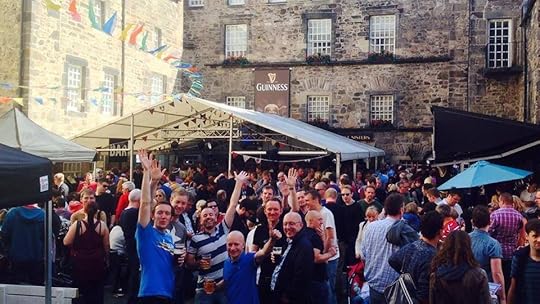
Photo: The Three Sisters
In the middle of Cowgate, a street that cuts through the heart of Old Town, Three Sisters is a popular venue for students, sports fans, and travelers. A spacious Irish pub, Three Sisters is known for its cheap drinks and its large outdoor beer garden, which often hosts food festivals, comedy shows, or major sporting events on a large projector screen. The pub doubles as a hotel, and therefore is always bustling with a blend of tourists and locals.
3. Ensign Ewart
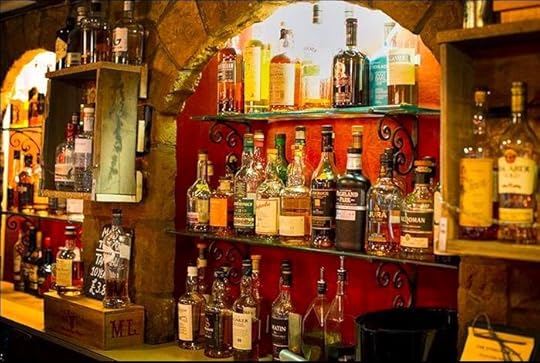
Photo: Ensign Ewart
Located near Edinburgh Castle on the Royal Mile, this traditional pub is perfect for anyone looking for a ton of Scottish charm (and whiskey). Dating back to 1680, the Ensign makes you feel like you’ve gone back in time, especially once the scotch kicks in and you get swept up in their live folk music. There are performances every night, so the Ensign is great for a casual weeknight drink.
4. Ox184
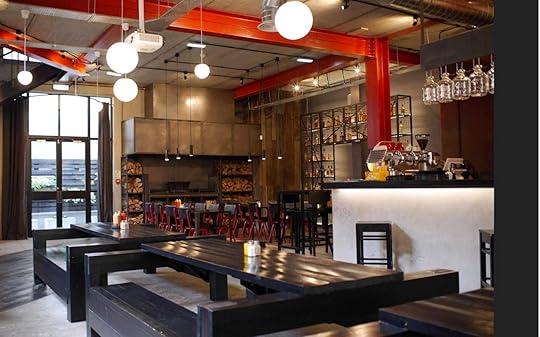
Photo: Ox184
Ox184 flies under the radar because it’s primarily a restaurant. But once the dinner crowd disperses, the place really livens up. One of Cowgate’s classier bars, Ox is incredibly spacious, with an upstairs seating area and one of the latest last calls of any bar in Old Town. Ox’s best-kept secret is that the kitchen doesn’t close until 3am on weekends, making it a great late-night food stop.
5. Beer and Skittles

Photo: Beer and Skittles
Looking for a sports bar that also specializes in fruity cocktails? Who isn’t? Beer and Skittles in New Town has all the trappings of a sports bar, with big TV’s, pool tables, and a dart board, but they’ve also got a selection of totally unique cocktails. Their house special is something called a Skittle Tipple — vodka infused with actual skittles — which is actually worth a try… if you don’t mind the merciless mocking of your friends.
6. Tigerlily

Photo: Tigerlily
This upscale hotel in New Town is known for its huge downstairs bar and lounge. Located on George Street, alongside many trendy bars and clubs, Tigerlily’s atmosphere is modern and eccentric. The drinks are pricy, as the crowd tends to be slightly older, but you’ll always find lively groups of students dressed for a fashionable night out.
7. The Standing Order
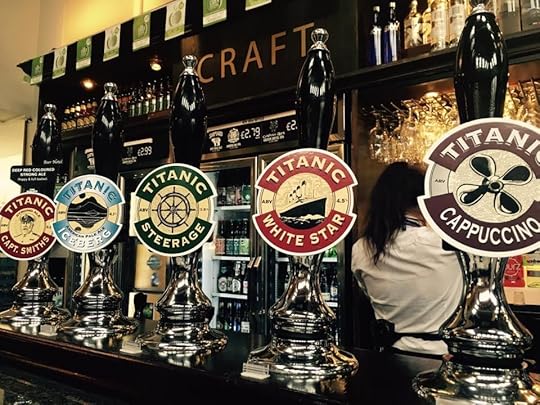
Photo: Standing Order
If you’re looking for casual drinks in a unique environment, you’ll love The Standing Order. An old bank building converted into a bar, The Standing Order has high vaulted ceilings and a small library-themed room filled with books. Located in New Town, it’s the perfect place to grab a few drinks before heading to the clubs on George Street.
8. Bar Tonic
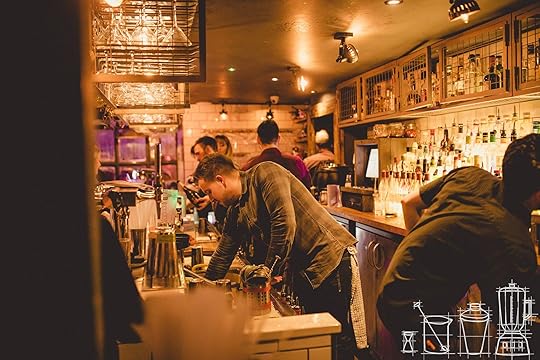
Photo: Tonic Edinburgh
Don’t let its intimate atmosphere fool you. Tonic has the look of a dark, relaxing lounge, but it’s as lively as any club on the weekends, and their cocktails pack a punch. It’s open late every night, with great DJs and live music options, and it’s considered one of Edinburgh’s best hidden nightlife gems.
9. Why Not Nightclub

Photo: Why Not
There are several nightclub options in Edinburgh, and if you asked everyone to pick their favorite, you’ll get a different answer each time. For me, Why Not Nightclub stands above the rest. With a spacious main dance floor playing chart music, LED room usually devoted to hip-hop classics, two bars, a big outdoor patio, and ample VIP seating, Why Not has something for everyone. And you can’t deny they pretty much nailed the marketing on their name choice.
10. Hive

Photo: Hive
In contrast to Why Not’s relatively upscale vibe, Hive is the dive-bar version of a nightclub, and it’s hugely popular with younger university students. DJs play popular chart music, the bar is cash only, and the atmosphere resembles a sparse, high-ceilinged basement. If you’re in Old Town and don’t feel like trekking to George Street to go clubbing, Hive can be the perfect option.
More like this: A quick neighbourhood guide to Edinburgh
Ride the Pipe Mountain Coaster
What do you do when the snow’s gone? Revelstoke Mountain Resort on the slopes of Mount Mackenzie in British Columbia, Canada is known for its verticality — having the longest vertical descent of any ski resort in North America. They put their steep slopes to use for summertime fun when they built the Pipe Mountain Coaster.
To experience this nearly mile-long ride with a 915-foot vertical drop, you’ll first take the Gondola to the top where you’ll be buckled into a cart that’s attached to a single rail which winds its way down the mountain.
The carts can go up to 26 mph — which is quite a clip when you’re bombing down a mountain. But the cool thing is, since the ride operates on gravity and grease, the riders can control their speeds with a hand brake, making it fun for all levels of adrenaline seekers. You can choose a screaming, white knuckled ride, or a summer’s day cruise. Your speed is entirely up to you. The carts hold a single adult, with the option to ride tandem with a child.
The views of the surrounding mountains and the Columbia River as you cruise into the valley are unbelievable.
How to get there
Revelstoke Mountain Resort is just 3 miles outside the town of Revelstoke in British Columbia, Canada. Revelstoke is about 400 miles east of Vancouver and 300 miles west of Calgary. The nearest airport is Kelowna International Airport, a two hour drive from the resort. Alternatively, Greyhound Canada services the town of Revelstoke. Check out their schedule.
What to consider
Single ride tickets will cost you $25 for adults, $18 for kids 6-12, and children under 5 ride free.
You might want to save a few bucks and buy a multi-pass ticket because chances are you’ll want to ride more than once.
Your Gondola ride is included with your ticket price.
During the summer months (the only time it’s open), there can be a wait. So get there early.
It’s excellent fun for all ages from tiny to eighty.
The coaster doesn’t run in the rain or high winds.
You cannot use handheld devices on the ride, so if you want video, strap it to your body.
Check the site for live updates on open and closures.
At the end of the ride(s), stop for a local pint and some food at Rockford, some of the best patio dining in Revelstoke.
More like this: Swiss Alps Cliff Coaster

Matador Network's Blog

- Matador Network's profile
- 6 followers

