
Matador Network's Blog, page 1396
February 24, 2018
Women's travel events
While women-focused gatherings are easy to find within your hometown or among your personal group of friends, women-focused travel events are less so. Women’s History Month begins on the first of March. During the month, there are many women-centered travel deals and experiences that will bring women, adventurers, together.
Here are 7 women’s travel events happening during Women’s History Month.
1. Women’s Travel Fest

Photo: Women’s Travel Fest
While Women’s Travel Fest is less of a vacation and more of a conference, the timing of the event from March 9-11, and its goal — to inspire women to travel more — is far too significant to leave it off the list. While it’s a conference, Women’s Travel Fest isn’t without fun things to do. Set in New York City, it’s offering a pre-party event at Dinner on Ludlow, a full day of travel-focused women speakers and vendors, and a day of workshops for women travelers. Don’t forget that it’s located in the Big Apple, which means plenty of fun in between workshops and at night to suit your travel needs.
2. Women’s Ski and Wellness Week
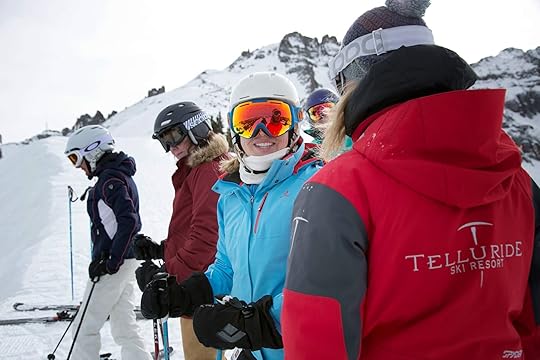
Photo: Women’s Ski and Wellness Week
March may be spring in some places, but in Telluride, Colorado, they’re taking advantage of snow-capped mountains and offering a Women’s Ski and Wellness Week from March 2-4. The Telluride Ski Resort and The Peaks Resort & Spa are partnering to offer women a three-day ski and yoga retreat that includes lift tickets, expert ski instruction by women instructors, yoga, meditation, speakers, and video of your ski technique. What makes this program even better is that it’s inclusive of women with disabilities by offering adaptive equipment and instruction by the Telluride Adaptive Sports Program.
3. Mohonk Mountain House
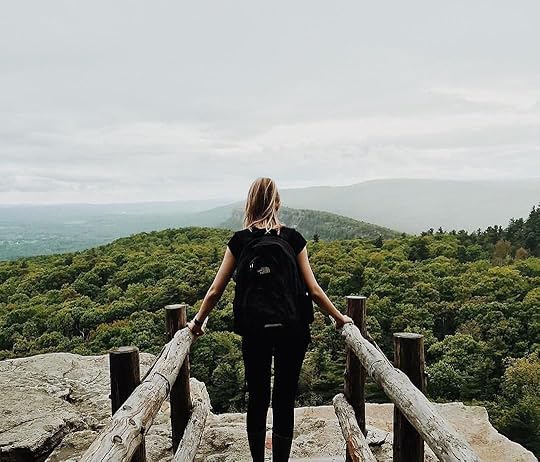
Photo: Girlfriends Getaway Weekend
Mohonk Mountain House looks like a Victorian castle surrounded by the Hudson Valley wilderness. This resort is hosting a Girlfriends Getaway Weekend from March 16-18 with an itinerary of activities, starting the weekend with a Ladies Night dance party. The next day is filled with yoga, a Naturopathica lecture, craft workshop, cocktail demonstration, and a night of live music. The last day includes another crafting workshop. The schedule is flexible enough to allow for time to get involved in mountain and snow activities, indulge in the spa, or take a dip in the indoor pool.
4. Xinalani
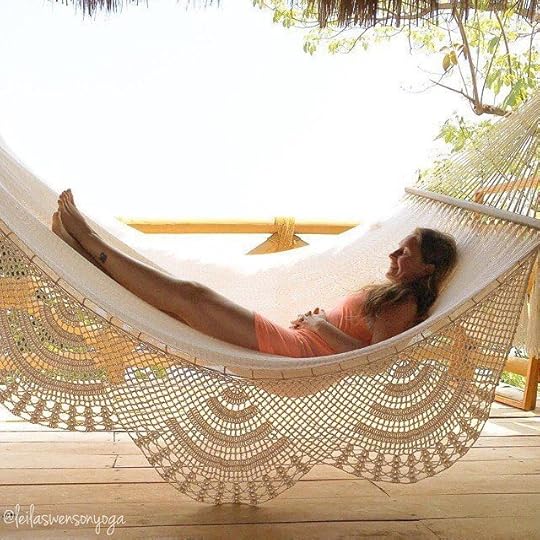
Photo: Inner Wisdom Retreat
Mexico and yoga? You can find both at Xinalani, which will be hosting an Inner Wisdom Retreat for women only from March 10-17. About an hour south of Puerto Vallarta on the coast of Mexico, Xinalani’s women’s retreat will be hosted by yoga and meditation instructor Sara Clark. This experience includes accommodations at Xinalani, meals, two yoga classes per day, meditation, boat ride to the retreat, group excursions, and equipment for kayaking, snorkeling, or jungle treks. Through group discussion, yoga, and meditation, the Inner Wisdom Retreat at Xinalani hopes to help women reconnect with themselves through female fellowship.
5. Patagonia Adventure with Wild Women Expeditions
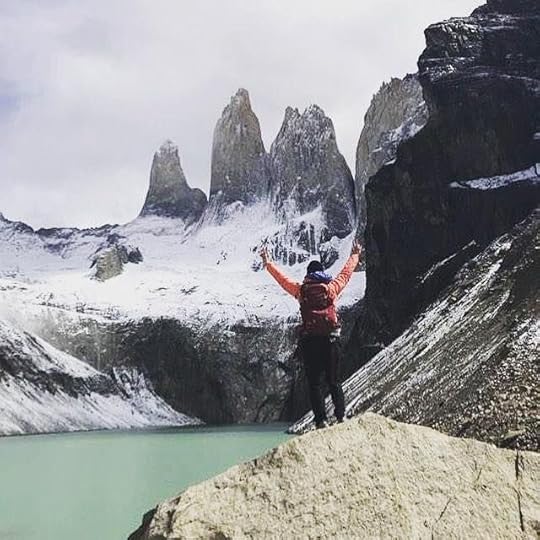
Photo: Wild Women Expeditions
For the outdoor female adventurer, Wild Women Expedition’s Torres del Paine Multisport Adventure in Patagonia from March 12-21 is a great opportunity to celebrate Women’s History Month. This women’s getaway in Torres del Pain National Park, home to mountains, glaciers, and lakes, includes a seven-night stay with shared accommodations, an English-speaking female guide, and all meals. Equipment for outdoor adventures like kayaking, horseback riding, biking, and hiking will also be provided. This trip is best suited to women who can manage day-long hikes and like doing so with like-minded women.
6. Pinehurst Girls Weekend Getaway
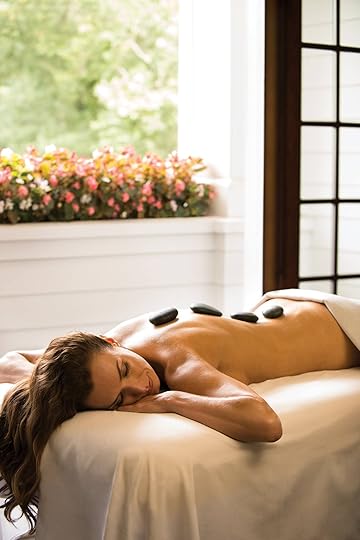
Photo: Pinehurst Girls Weekend Getaway
While the Pinehurst Resort in North Carolina is well-known among golfers, it’s looking to treat women to a relaxing weekend in March. From March 9-11, the Pinehurst Girls Weekend Getaway will be offering a package that includes a two-night stay at The Carolina Hotel, which provides access to a pool, shuttle throughout the resort, and a fitness center. There’s also a special schedule for women attendees that will include a welcome reception, jewelry-making class, Zumba and yoga classes, meals, historic walking tour, spa treatments, and a wine pairing dinner. Being low-key in nature, it allows women to relax and interact in a safe space for a weekend.
7. Free Sunset Sail Excursion for International Women’s Day

Photo: El Mangroove
El Mangroove offers a nature-focused escape on the Gulf of Papagayo in Costa Rica. In honor of International Women’s Day on March 8th, the resort is providing an exclusive, free sunset sail excursion for female guests on the property’s two private boats. Women travelers will be taken on a cruise to Panama Beach to snorkel and enjoy wine and light bites. Plus, there’s a chance that dolphins will be visible at sunset, making for a great experience for women who want to connect with each other and enjoy the best parts of Costa Rica’s ecology. To experience this International Women’s Day Event, female guests should email concierge@enjoyhotel.net, and keep in mind that it’s only available to 10 women. 

More like this: 3 women travel writers who made history


Bitcoin to pay for travels
Editor’s note: Bitcoin and cryptocurrency in general is, at the moment, something of a gold rush. Like all gold rushes, some people in it will make their fortunes, while others will lose their shirts. Matador Contributor Will Hatton is in the former group. Here, he explains how he did it. We urge caution to any traveler who is looking towards cryptocurrency to fund their travels — there are some signs that crypto is a bubble, and even at its best, it is a very volatile investment. So we don’t suggest doing as Will did, and putting all of your money into it. Diversify and keep yourself safe. But, if you’re willing to take some risks, learn from Will: here’s how one traveler made his fortune on cryptocurrency.
Nearly a decade ago, I hit the open road in search of adventure. I traveled on a budget of just $10 a day, and sometimes less, across far-flung lands such as India, Venezuela, Myanmar, and Israel. I was a broke backpacker — I hitched, I slept rough, I picked up work wherever I could, no question asked. I worked behind bars, I herded goats, I sold marijuana on the beaches of Goa, I did whatever it took to keep myself on the road — and to avoid living in England.
That all changed two years ago when I met my wife Esme while I was hitchhiking across Iran. We fell madly in love and backpacked across Iran, Pakistan, Bhutan, and Nepal. At the time, I had a somewhat popular travel blog and was able to pull in about $500 a month from advertisers, but it was a ton of work for not much reward and, as both myself and my wife had no money, we quickly found ourselves sliding into bankruptcy.
I had read about many successful bloggers making a killing online, and I decided the time had come to focus on building a reliable online income. I launched several new online ventures — teaching myself as much as possible about SEO, affiliate marketing, drop shipping and brand partnerships. I launched an SEO agency, a travel gear company, and started running my own backpacker adventure tours to Pakistan — if I sensed an opportunity to make some cash, I went for it.
While I did find all of this incredibly exciting, there was one opportunity which was to turn into a total game changer — cryptocurrency trading.
Turning to Bitcoin
I was aware that cryptocurrency was exploding into mainstream culture and so I took to the interwebs and started researching the best way to get involved in this gold rush. I got chatting to a friend who was an old hand at trading Bitcoin and had turned a few thousand dollars into several million in three years. Encouraged, I decided to put in everything I had, and then some, into cryptocurrency.
One year ago, I piled my last $4000 plus an additional $5000 on credit cards into Bitcoin and I taught myself how to trade cryptocurrency. I made a lot of stupid mistakes: losing money along the way by buying into huge bumps at the very top, and panic-selling falling coins just before they bounced back up again to new all-time highs.
But luckily, the market was on such a strong upwards trend that I quickly doubled my initial investment just by having my foot in the door. Over time, I got better at reading the charts and learned to follow cryptocurrency news on Twitter and in Facebook groups to pre-empt big movements across new coins. Slowly but surely I got more and more confident at identifying good coins to invest in.
I diversified into multiple new coins, I spent hours researching and finding opportunities for crazy growth. Within a year, I had turned $9,000 into $350,000 trading Cryptocurrency.
Spreading out risk
My strategy is pretty simple: I spread my risk across multiple different coins and focused on choosing coins that solve real problems — for example, one of my favorite coins is Siacoin. This is a nifty project which provides users with decentralized cloud storage at a fraction of the price of the Amazon cloud. As the world’s data needs continue to grow, the value of this coin should increase.
Another coin worth mentioning, and one that has been in the news a lot recently, is 2017’s best-performing cryptocurrency — Ripple. Ripple is one of the most cost-effective and fastest ways to send funds across international borders and is being championed by several banks, most notably by Santander. While most cryptocurrencies focus on disruption of traditional financial institutions, Ripple aims to join the crypto world with the traditional banking world.
It’s important to realize that trading cryptocurrency carries a risk and there is a huge amount of misinformation surrounding the market — wise investors should research far and wide before choosing which coins to buy into.
So, how exactly can enterprising backpackers join the crypto-train and invest in Bitcoin and other cryptocurrencies?
What travelers can do to get in
Getting money IN to the crypto market is, unfortunately, not as simple as one would hope. Most trading exchanges do not allow you to buy cryptocurrencies with fiat currency – e.g. Euros, pounds, dollars, etc. — so you must first purchase Bitcoin elsewhere and then send that Bitcoin to an exchange.
There are a few different reputable, and safe, sites out there that allow you to purchase Bitcoin using bank transfer or Paypal, the best-known one is undoubtedly Coinbase. Once you have bought your Bitcoin, you can transfer it to a trading exchange and then use your Bitcoin to diversify into other cryptocurrencies.
If you do choose to invest in cryptocurrency, here are my top tips for happy trading:
Chill out — Perhaps my biggest tip is to simply buy several coins and wait two years — if the crypto market continues at this pace you will make a killing simply by having your foot in the door. Saying that, be sure to properly protect your investment and to take out your initial seed money, and perhaps some profit, along the way so that you reduce your risk.
Always use 2 Factor Authentication — This adds an increased level of security and drastically reduces your chances of getting hacked or phished and having your coins stolen.
Spread your risk across multiple coins — Like traditional stocks and businesses, coins can and do fail: choose several coins so that if one of your coins fail you do not lose your whole investment.
Take profit out — Set a target and when you hit it take out some of your profit. For me, this target was five times my initial investment — once I hit this, I took out double my investment — this meant I was playing with profit and had recouped my seed money (x2) back into my bank account.
Focus on swing trading, not day trading — Day trading is stressful and challenging so I highly recommend you simply create a portfolio of your favorite coins and then wait for a year or two. If you do want to actively trade — i.e. buy coins, sell them at a profit, rebuy them when the price dips and so on — then I recommend trying to catch big movements in the market. This takes longer but it’s easier and safer than day trading.
Foster nerves of steel — There is a huge amount of disapproval of cryptocurrency and media posts bashing Bitcoin as a bubble are pretty common. News DOES move cryptocurrency prices and the volatility in the market is massive — one day the whole market can be up 15%, only to be down again the next day. When the market is down people tend to freak out and act as if the sky is falling. So far, though, crypto has always bounced back.
Open a trading account sooner rather than later — Many cryptocurrency trading exchanges are closing their doors to new members on account of insane demand that is overloading the servers. If you are interested in trading today or even a year in the future, open an account as soon as possible to avoid disappointment. You can see a list of exchanges that are currently taking new members in this post.
What it can mean for travelers
For me personally, $350,000 is a life-changing amount of money and I am unbelievably excited to be living the dream — I love working online and building my businesses while traveling the world with my partner. It doesn’t get much better than that.
If you do choose to invest in cryptocurrency, do not invest money you cannot afford to lose and be warned that this is a waiting game — the market goes up, the market goes down — you need to be able to choose when to take your money out so it’s important that you only put money into cryptocurrency that you will not need to touch anytime soon. Good luck!
More like this: 3 financial principles that will help you turn money into freedom
February 23, 2018
airbnb announces luxury service
Airbnb has announced Airbnb Plus, a new premium service that aims to attract wealthier guests and “exceptional” hosts.
The hospitality company has created a “100+ point quality” system for grading Airbnb Plus rentals, which inspectors will visit in person. The hosts themselves must be rated at least 4.8 (out of 5) before Airbnb grants them the “Plus” badge on their profiles.
With the “Plus” rating comes guaranteed amenities such as fast WiFi, kitchen essentials, bottled water, and extra-comfy beds. The point system also accounts for things that are more difficult to measure on a checklist, such as decoration consistency, manicured outdoor spaces, general tidiness, and “personal character.”
“Beautiful homes. Exceptional hosts. Verified for quality”
Despite the luxury branding, Airbnb Plus locations won’t necessarily have over-the-top prices. CEO Brian Chesky said the average Plus location won’t set you back more than $250 USD per night.
Airbnb hosts will have to fork over $149 USD to join the new service, but they will see benefits on their end as well. Plus hosts will get a higher ranking in Airbnb searches and can charge higher rates.
The announcement of Airbnb Plus in San Francisco was accompanied with previews of “Airbnb Beyond”, which bundles local experiences with rentals, and “Collections”, lists of homes suited for specific kinds of travel, like business trips and family vacations Both services promise new luxury experiences for the kind of traveler Airbnb is hoping to attract with Airbnb Plus.
Explaining the reason for the launch, Airbnb Director of Engineering Surabhi Gupta said, “There are a bunch of guests that aren’t considering us today, they’ve written us off because they think ‘Airbnb doesn’t have a product for me.'”
“We do believe that we have a product for a whole spectrum of travelers, but we haven’t made it easy for you as a guest to find those options.”
At this moment there are over 2,000 Airbnb Plus locations in 13 cities across the globe, from Los Angeles to London to Shanghai.
Here are five freshly minted Plus locations for you to drool over:
In Los Angeles, California
View On AirbnbHilltop Airstream Retreat with Gorgeous Views
In Rome, Italy
View On AirbnbOpulent Renovated Loft near Trevi Fountain
In Cape Town, South Africa
View On AirbnbLuxurious Villa with Beachfront Access
In Melbourne, Australia
View On AirbnbArtistic Apartment in the Heart of the City
In London, England
View On AirbnbChic Victorian Apartment with Fireplace
More like this: 36 epic beach hotels to visit before you die

Why you should walk when you travel
One morning before daybreak, we ventured out on a walk to discover the area around our temporary, but new, “home.” We were staying for a couple months on the outskirts of the small capital city of Kupang, Timor, Indonesia.
The year was 1988. Seems like a lifetime ago. Pre-internet, there are some who cannot even imagine life way back then. But we lived it.
This walk became our morning ritual for this brief season of our life. But the walk – and the stay – etched itself upon our minds. It became a reference point in our unfolding lives as a young married couple.
Before daybreak. This meant leaving the home we stayed in around 5:20 AM, as the rooster (or, shall we say roosters, since it was quite a cacophony!) crows.
As the sun was dropping down into the southern hemisphere for its annual winter solstice appearance, the days were getting longer and longer. This proved quite a contrast to everything my Alaskan-born husband had experienced growing up.
We walked so early to escape the heat of the day. October is the driest and hottest month on the small island. So, if we wanted any exercise, this very early morning time was the time to do it.
We also walked at that time to be “less obvious” in a culture where we clearly stood out like a sore thumb. A welcomed one, but still.
Regardless, the Timorese people often met the day earlier than we did. Along our almost 10-kilometer morning journey, we ran into many people who proffered stares of wonder but also morning salutations.
“Selamat pagi! Good morning!”
Even though we surely looked out of context, we were encouraged by how often people greeted us with a smile – much more so than a look of undisguised skepticism. Especially as they got used to seeing us morning after morning.
Those we met along the way
Out came the fishermen with their long, heavy nets, scrambling to their boats, ready to bring in an early morning catch.
There were the sweet potato, taro, banana and cassava growers out tending their crops. And the coconut pickers, already scaling some of the numerous trees.
Women wrapped in cloth balanced basins on their heads as they took their daily journey out to the local well. Often the balancing act proved spectacular, especially with little ones strapped securely on their front or back – or both.
And then there was Bapak (Uncle) Rafael, a weathered man with whom we would exchange a hearty greeting and sometimes a few other words in our very broken Indonesian.

Photo: Gottsanbeterin
Always cheerful, Bapak Rafael sat on his bench on his porch, usually whittling away at some wood in the early morning hours. There was a story there we wish we could understand. Regardless of the obvious gap in our communication, Bapak Rafael consistently flashed us his near-toothless grin. Somehow we knew we were welcome there.
Sometimes, even today, we wonder if Bapak Rafael is still alive. He was old then, so perhaps not. But he remains alive in our minds.
Our home away from home
We’d return “home” an hour later. Home was the guest lodging at the home of Pastor Eli and his wife, Clara. We had become acquainted with Pastor Eli through a mutual friend. Meeting him, spending time together, taking part in his community outreach programs endeared him to us.
Our friendship lasted for over two decades, until he passed away several years ago. Clara joined him in heaven about a year ago now.
But back then, we would often return home to find Pastor Eli walking back and forth, barefoot, on a small walkway of rocks. “Good for my circulation and health!” he claimed.
And then there was the tea. Brought faithfully to us every morning soon after we returned by little Julietha. She was five or six years old at the time, looking up at us with wide eyes and a smile running from ear-to-ear. “Terima Kasih, thank you,” we’d offer. But it didn’t seem enough.
We wanted to say and learn so much more from her. Eventually, we did, when she “found” us on Facebook. She has been our crucial, living link to these precious memories. And, amazingly, we had the joy and honor of meeting her again last summer – 29 years later. But that’s another story.
This article originally appeared on Redwhale and is republished here with permission.
More like this: How to walk across Europe


Maasai warrior's journey home
The latest Matador Originals is the remarkable story of Jacob Mayiani, a Maasai man living in the US who returns to Kenya for the final ceremony completing his warriorhood — a ceremony that only happens once every 30 years. As filmmakers Blaze Nowara and Josh Morin explain, capturing the story was stepping into the unknown: “We didn’t even know the day or location of the ceremony before we left.”
In the intense overland journey from Nairobi to Maasai Land, we pass Jacob’s childhood Boma (Swahili for “village home”), and he literally crawls into the thatched roof hut to show us where he grew up.
A charismatic and multilingual guide, Jacob excelled as a translator for study abroad groups visiting Kenya, and was eventually offered a scholarship to study in the US, where he married and has been raising a family for the last 15 years.
The return to Maasai Land was deeply emotional. “When I come back from the US to join other warriors in my age group, it makes me have a feeling, a feeling that’s kind of hard to explain,” Jacob said. “I feel like I’m back to where I used to be. I’m back to where I feel comfortable. I’m back to my community. I’m back to my people. I’m back to where I belong.” 
Beginner surf mistakes
Surfing is currently enjoying a renaissance not seen since the pre-missionary days in Hawaii. Never before have such a diverse group of participants enjoyed the sensation of riding waves. As a grizzled veteran who has spent the last four decades roaming our shores, these are ten common mistakes I regularly see aspirant surfers making.
1. The definition of surfing is too narrow.
Shortboard, Longboard, Bodyboard, SUP, Bodysurfing, Kite Surfing, and Wind Surfing are all different ways to connect with and enjoy the energy of breaking waves. If you keep an open mind to what surfing can be you’ll have more ways to go surfing.
Tip: Bodysurfing is the most underrated and overlooked of the wave riding arts.
2. Your equipment is wrong, usually under buoyant.
You can’t ride waves unless you can catch them. If you are not catching seven out of ten waves you paddle for, you don’t have enough volume.
Tip: Don’t be scared to start out with lots of volume and stability, then work backwards to lower volume boards as you progress.
3. You think, “Easy, you go for a surf lesson and you learn how to surf…”
Wrong, you never stop learning to surf.
If you think about point 1 above you’ll see that there are many different dances you can have with the ocean. The trick is to learn which day to do what, and to do this you need to get to know the ocean and her moods.
Tip: Youtube is your friend, there is a ton of informative content on there to watch. If you travel, seek out different instructors, you’ll learn something new from each of them. Watch the WSL Webcasts and open yourself to learning from nature. You’ll be surprised how much you learn from watching a seagull surfing the displaced air of an ocean swell, or a dolphin gliding along inside the wall of a breaking wave.
4. You surf a lot a little, rather than a little a lot.
The more you surf, the more you can surf, but binge surfing, especially when you are starting out, usually leads to fatigue and then injury in that order.
Tip: Shorten your sessions, give yourself recovery time for your body. Also, you need time for your mind to process what you’ve just learned, even if it is only a few hours. Have more sessions and set goals to catch a certain amount of waves per session.
5. You waste money buying new surfboards starting out.
You need something stable and buoyant when you start out, not shiny and new.
Tip: Save shiny and new for your second or third surfboard and spend the savings on a good wetsuit.
6. You try to skimp on buying a good wetsuit.
You need to be comfortable in the water to enjoy the experience of riding waves. The better the wetsuit, the more comfortable and warmer you’ll be. These days wetsuit technology has evolved to an amazing place, making more of the ocean accessible for us to enjoy.
Tip: Too much is usually better than too little, so if you thinking you might be able to get by with a 3:2 Steamer, you might actually want to go for the 4:3 instead. Also, thermal hooded vests (worn inside the suit), as well as gloves and booties, can help take the edge off the frostiest session.
7. You do not understand the basic design principles of the surfboard you are riding or how it is meant to be ridden.
Surfboards are not a case of one size fits all. Different boards go better in different waves for different people.
Tip: If the guy selling you the surfboard can’t explain these to you, don’t buy a board from him. See also point 5 above.
8. You believe the waves are always better somewhere else and spend inordinate amounts of time and money going to places that you are not ready to enjoy properly.
Surf travel is awesome, but don’t overlook what is on your doorstep. The more waves you catch at home, the faster you’ll progress. When you plan a trip do your research and be honest about your ability.
Tip: Always think about return on investment in terms of cost, time spent traveling, and the number of good waves you are likely to catch before actually booking that package.
9. You focus on yourself instead of on the ocean.
Technique is important, but understanding how and why waves break the way they do is even more important.
Tip: Learn to match actual conditions with what the plethora of weather sites tell you. This will save you time in the future from going surfing in conditions that are not suitable for your skill set. Also, time spent simply watching the ocean as she changes her moods with the tides and the winds hour to hour is never wasted.
10. You have absolutely no idea of the environmental footprint of a modern PU/fiberglass surfboard or what a plane ticket to the Maldives is going to be.
The inconvenient truth about most modern surfboard technology is that it is really toxic, doesn’t biodegrade, and doesn’t last long. Flying for pleasure is also not great for the planet.
Tip: Explore greener surfboard options (there are some now) and think about offsetting your flights with carbon credits.
More like this: These guys created a brand new sport: drone surfing
Places to travel in 30s
There are a few things that happen by the time you hit 30. You’ve figured out the delicate balance between work and play. You appreciate the finer things but still have a youthful and bold spirit. There are some places that just better to visit your 30s when you are mature enough (and financially stable enough) to get the most out of the trip.
Here are a few places that are best to visit in your 30s.
1. New Orleans, Louisiana
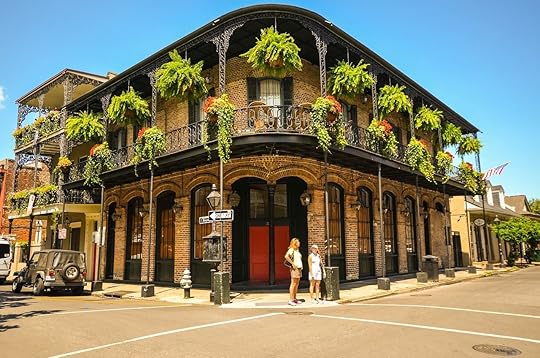
Photo: Simon
Live music, good food, and a laid-back vibe make New Orleans a great place to visit, especially as the city celebrates its 300th anniversary in 2018. The party starts as soon as you walk out the door and lasts until whenever you decide to call it a night. It’s okay to walk down the street with your frozen Hand Grenade, which may explain why Bourbon Street always has a faint smell of vomit. Visiting in your 30’s, you know that Bourbon Street isn’t the only street or even the best street in the French Quarter. Frenchman Street is far less rowdy and a much better look if you prefer live music over DJs. Instead of walking up and down Bourbon Street, take your “go-cup” and just wander the side streets of the French Quarter. There are so many shops, restaurants and buildings with unique stories. New Orleans has a lot of good food options — you have to do Cafe du Monde at least once (it gets busy but is usually okay later in the evening). The Court of Two Sisters and Broussard’s are two upscale restaurants with interesting histories. If you are into celebrity chef’s, Emeril’s restaurant is close to the French Quarter, but it can be hard to get reservations.
2. Las Vegas, Nevada
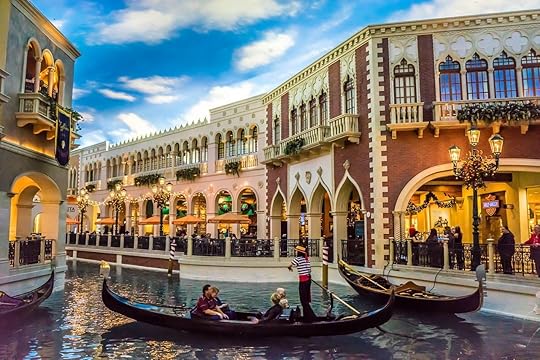
Photo: Maria Michelle
By the time you reach 30, you should be mature enough to understand the importance of “What happens in Vegas…” but young enough to actually do some of the types of things that require such an oath, with or without class. A weekend in Las Vegas will put a dent in your pocket and possibly a hole in your liver. That being said, Vegas has endless entertainment and is a fun place to spend a weekend with friends. The Strip is the most popular part of the city, but it’s worth it to venture to some of the older (less touristy) casinos and bars off the strip as well.
3. Hanoi, Vietnam
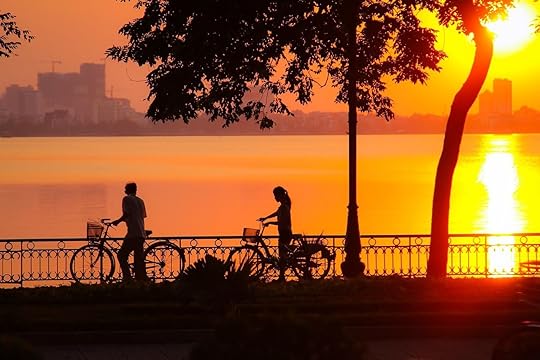
Photo: Haizzzvn
The famous beer corner is perfect for those in your 30s. You are young enough to be excited about cheap street food and 25 cent beers… but wise enough to know that drinking a full $5 worth is a terrible idea. There are a lot of really good food options in the Old Quarter of Hanoi, so it can be hard to figure out which ones to prioritize. Go on a street food tour early in your visit — it’s inexpensive and will take you to really good mom and pop restaurants. The Hoa Lo Prison Museum and the Imperial Citadel are tourist destinations but worth the visit (just go during off-peak hours). Trang Ting Road is a good place to window shop and check out local art boutiques. It’s also a nice break from the chaos of the Old Quarter.
4. Miami, Florida
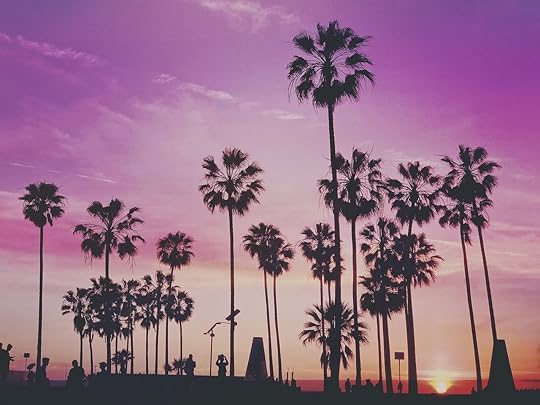
Photo: PublicCo
People may visit Miami for the beach, but they stay for the scene. Nikki Beach has an expensive but really good Sunday brunch. After brunch, walk down to the beach or walk up to Ocean Drive. People watching on Ocean Drive can easily consume hours of your day, but the 18% automatic service charge isn’t worth it. Stop by Wet Willies, the Clevelander, or one of the many outdoor patios just long enough do some people watching, then leave South Beach. Going to Miami in your 30s is great because you are willing to step out of the Ocean Drive bubble to see all of the other exciting areas of the city. The Epic Hotel downtown is a good look (they have daily Happy Hour as well as several restaurants, clubs and a rooftop deck); the Wynwood Art District also has really good restaurants and bars (without the automatic service charge).
5. Disneyland, Anaheim, California

Photo: Park Troopers
Before you roll your eyes, consider this — Disneyland is opening a brewery in 2018! Going as a kid may be cool, but when you go in your 30s, you can spend your hard-earned money on those pricey Disney gifts, ride the Star Wars ride (that you are presumably tall enough to get on) as many times as you’d like, and eat your fill of turkey legs and corn on the cob. As a bonus, you’ll save HOURS not waiting in line to snap pictures of the college girl pretending to be Snow White.
6. Beijing, China

Photo: Pexels
There are over 21 million people living in Beijing, and everything seems a bit bigger and grander. The country has only been open to the Western world for a few decades, which from my experience, can make it difficult for people of color. Despite these challenges, Beijing is a great place to visit in your 30’s. You can afford the plane ticket to get there and have the maturity to handle the potential attention. You will be tempted to go to the Donhuaman Night Market for food, it’s great for the pictures and the experience. Hit up Bianyifang for Peking Duck, it’s one of the oldest in the city. The Badaling section of the Great Wall of China is only a few hours from Beijing and a nice escape from the smog in Beijing. A tour may be an efficient way to get there, but many of them have unnecessary stops/tourist traps at overpriced jade or silk factories. If you must take a tour to the wall, don’t buy anything at the stores you’re forced to visit — you can haggle a much better deal at a flea market.
7. Bangkok, Thailand
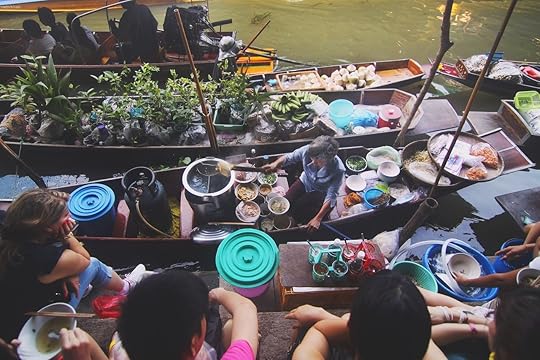
Photo: Harvey Enrile
Most of us know Bangkok by its shortened name, but it actually has the longest city name in the world: Krungthepmahanakhon Amonrattanakosin Mahinthara Yutthaya Mahadilok Phop Noppharat Ratchathani Burirom Udom Ratchaniwet Mahasathan Amonphiman Awatansathit Sakkathattiya Witsanukamprasit. Just like its local name, the city can be can be a little overwhelming. While it is teeming with backpackers, it’s better to go to Bangkok in your 30s when you are open to visiting areas outside of Khao San. Bangkok has an outstanding food scene. Cabbages and Condoms is a socially conscious restaurant and supports organizations promoting family planning and other social issues in an entertaining way. A few other suggestions for dinner, Mr Joe’s, Bann, 80/20bkk. The Grand Palace and Wat Pho are worth the visit, but the Golden Mount is less crowded and a relaxing break from the traffic. The short hike to the top of the Mount is a great place to take pictures of the city. If you’ve been in your 20s, go back with stretchy pants and with a more flexible budget.
8. San Francisco/Bay Area
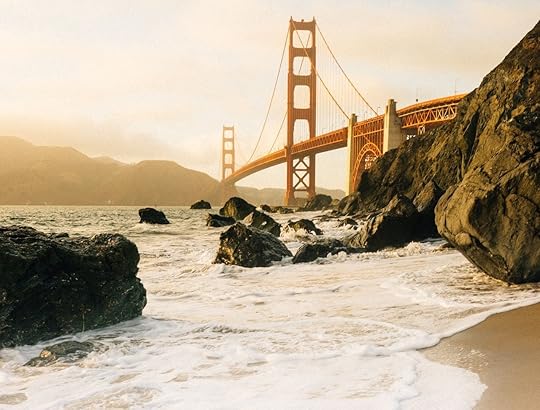
Photo: Sasha Instagram.com/sanfrancisco
Thirty years olds are young enough to appreciate the young tech vibe that San Francisco is known for, yet established enough to afford to visit. It’s crazy expensive. This is the city where we can actually tell you how much it costs to rent a cardboard box ($400 a month) or live in a van ($800 a month, plus mileage). So as you can imagine, going as a visitor can set you back a pretty penny. Despite the price tag, there are laid-back places where you can enjoy a reasonably priced night out. Casanova Lounge in the Mission District has a good happy hour with cheap drinks and eclectic art. Clarion Alley is also nearby where you can see cool graffiti and street art. For dinner, Brenda’s French Soul Food Cafe is a reasonably priced dinner option. The food served is exactly as you would imagine from the title and is worth the wait (they don’t take reservations). Wine country is only a couple of hours away. Peju winery has award-winning wines and beautiful courtyard with flower gardens and ponds. If you’ve got a bit more time, check out the Francis Ford Coppola winery in Sonoma County. It’s a bit farther, but they have enough going on to keep you entertained for the day. In addition to the wine tastings, there is an Italian restaurant on site, a small museum (with Coppola’s Oscars on display), and a pool.
Find some of these spots on our travelstoke map:
More like this: 4 game-changing travel goals for my 30s
free access days for national parks
With the Trump Administration’s minimal appreciation for the National Park system, you may not be surprised to learn that it will not be so cheap to visit your favorite park in 2018.
At the beginning of the year, the National Park Service (NPS) announced that there would be only four free-access days this year, compared to 10 last year and 16 in 2016. One of them, Martin Luther King Day, has already passed.
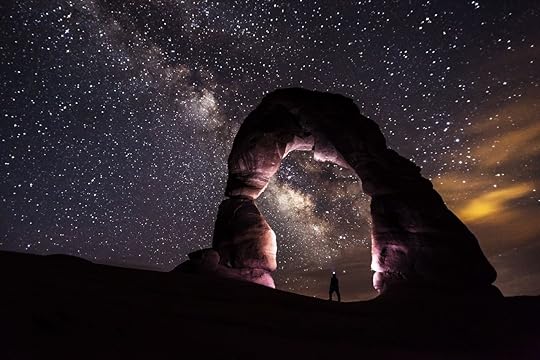
Photo: Pixabay
This is what remains:
April 21st, the first day of National Park Week
September 22nd, National Public Lands Day
November 11th, Veterans Day
Unfortunately free-access means just that. You will be allowed in to parks like the Grand Canyon, Yosemite, the Everglades, and Shenandoah for free on these days, but you might still have to pay for parking and other services.
On top of the limited number of free-access days, the NPS announced last year that 2018 could see substantial hikes in entrance fees for many of its most beloved sites.
Photo: Pixabay
If you are looking to visit multiple parks year, you might want to consider purchasing the $80 annual pass to save some cash. Seniors can get the same pass for $20, while 4th graders can claim free passes for themselves and their family until August 31st. Serving members in the US military can also claim a free annual pass.
Despite public outcry after Trump announced drastic reduction of the Bears Ears National Monument, his administration has not given up on changing the way America treats its public lands. The President’s 2019 budget suggests funding the NPS’s maintenance backlog as well as his proposed infrastructure bill by deregulating oil and gas extraction on public lands, including National Parks.
More like this: How well do you know the US National Park system?

the world's wealthiest cities map
In a world of growing economic inequality between citizens, it makes sense that the wealthiest cities would reveal a similar pattern. A new infographic on the distribution of private wealth among cities from Visual Capitalist shows that money plays favorites. (Private wealth = the amount of money held by all the individuals living in the city).
Just 10 countries are home to 11% of the world’s private wealth, or $24 trillion USD, and most of them are found in East Asia and North America. While the US has the greatest number of top-15 cities (4, with Houston and Dallas just missing the cut), China (3) is catching up mighty fast. The most noticeable thing about this map, however, is that not a single city in Africa, Central Asia, the Middle East or South America made the top 15.
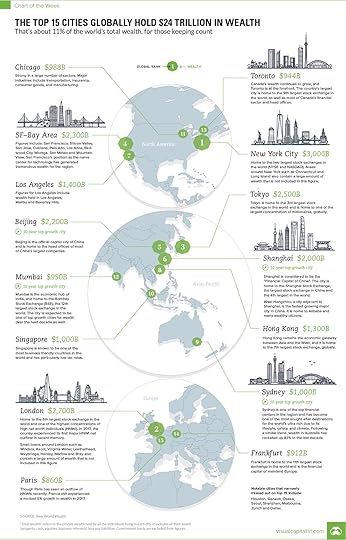
Photo: Visual Capitalist
More like this: Mapped: Where do the world’s millionaires live?

Matador Network's Blog

- Matador Network's profile
- 6 followers

