
Anne R. Allen's Blog, page 62
July 21, 2013
Social Media Secrets Book Marketers Don't Tell You—Part I: How to Avoid Twitter-Fritter and Facebook-Fail
First: many thanks to Indies Unlimited, which named this blog to its 10 Blogs and Websites Every Indie Should Know. If you're an indie, or thinking of going indie (self-publishing or small-press), do follow them for great tips and news from a very savvy team of writers.
Most writers these days know a good book isn't enough to get you successfully published. Any agent, editor, or book reviewer is going to Google you first—often before they'll even read to the end of your query. Certainly before they request a partial or a book to review.
What comes up on that Google search can make the difference between getting an agent, publisher and reviews—or languishing in obscurity.
Yes, of course it's possible to become a successful author without an online presence, the same way it's possible to get hired for a corporate job if you write your resume on parchment and send it by carrier pigeon.
But your chances are a whole lot better if you conform to established standards.
A couple of months ago, I wrote about how authors spend too much time doing meaningless busy work trying to "build platform."
But I didn't say authors can ignore social media entirely. Social media is our most important tool for getting our books discovered.
Being on social media takes you out of the confines of your own backyard and puts you into the global marketplace. It makes the difference between hawking your book on a local street corner and getting it in front of millions of readers all over the world.
Thing is: we need to learn to use this tool effectively.
Unfortunately, a lot of marketers don't seem to know how to do that, so they bully authors into wasting a huge amount of time playing meaningless number games.
Understandably, some authors are getting annoyed. Last week, much-lauded literary author Benjamin Anastas quit Twitter and vented in an eloquent blogpost. It got a lot of cyberink and sparked some interesting pieces by Jane Friedman and Porter Anderson.
Mr. Anastas voiced his many quarrels with Twitter, most of which boiled down to: Twitter is no good for selling books, and therefore a waste of time.
Thing is, he's right on the first point, but not on the second.
To me, it sounded like somebody saying he was going to get rid of his phone because it's not good for selling aluminum siding to strangers who are just sitting down to dinner.
Mr. Anastas is a smart man, so I suspect the problem is he was never told what Twitter is really for. (Maybe because his marketing department doesn't know either.)
So...ta-da!
Here is the big secret about Twitter:
It is not a direct marketing tool. It is a method of communication.
Kinda like a phone. Here's some stuff Twitter IS good for:
1) Quick communications with a large number of people.
Example: When I was in despair trying to get this blog's Feedburner email program to work last week, I Tweeted asking for help. Within minutes, I had several suggestions, plus a step-by-step guide for converting to a free Mail Chimp email service. (Thanks, Molly Greene!) I hope I've done it right. Do tell me if you've subscribed and you're still not getting your email notices, or if it's missing from your rss feed.
2) Getting up-to-the minute news from anywhere on the globe.
Example: When there was a tornado in Tuscaloosa, and I wanted to know if my Tuscaloosa friends were OK, I went to #TuscaloosaTornado and found hundreds of real-time Tweets telling what neighborhoods had been hit.
3) Giving your friends a shout-out (and occasionally yourself.)
Example: When I saw that a friend who's a newly minted agent had been mentioned in Publishers Lunch, I Tweeted it, with a @ message to her. It was the first she'd heard of it, so it was a two-bird stone. I informed her of the good news and at the same time let a lot of people know about her new agency.
And yes, you can toot your own horn occasionally. You can certainly Tweet "my book was just nominated for a RITA" or "I got a rave review from Big Al."
But only do this a few times. Imagine you're phoning your friends with the good news, not cold-calling everybody in the phone book.
However, the most important Tweets might be for a friend's triumph. This week, a Tweep posted a link with an @ message congratulating us on our Indies Unlimited kudos. I thought—"what a nice thing for her to add a special Tweet to me. Who is she, again?" I visited her blog, was intrigued, and bought one of her books.
Yeah. That's how it works.
4) Connecting with people.
Example: Somebody asks a question on this blog. I take some time with the answer and want to let the commenter know there's an answer waiting. If her name leads to a Twitter profile, I tweet her a heads-up. Yes, I could send an email or DM, but a Tweet lets other people who might be interested know the post is there, too. I might add a hashtag like #blogging if that's what it's about.
That way we've made one connection on the blog and another through Twitter. That means we'll take more notice of each other the next time we meet online.
5) Sharing information and talking about it.
This can be anything from Tweeting a tsunami warning for your patch of coastline to links to your own newest blogpost or an article about the new Veronica Mars movie (especially if your tweeps are mystery lovers.)
Example: A few days ago I Tweeted a link to an article about the copy of J.K. Rowling's pseudonymous book that sold for $6000+ and added I thought this thing was getting silly. A few people Tweeted back their responses, including Tweep AJ Sykes who said "Agreed. Or maybe it's ugh-greed."
Clever and funny. And I remember him saying some wise things in a comment on Jane Friedman's blog last week. So now he's on my radar as a clever, funny guy. I see he writes steampunk. Not my genre of choice right now, but I ever make the steampunk plunge I know where to go first.
See how that works?
Notice I did not say anything about telling strangers what you had for lunch. Or hammering them with "buy my book" messages. Or Tweeting endless snippets of text from your opus. (I know marketers love that, but it's so overdone it's all just noise to most of us.) Yes, you can tweet that a great book is free or on sale. And that book can be yours, but don't do it more than three times a day. In between other stuff.
And you can Tweet other people's books, too—but only if you genuinely think your followers will like it. Tweeting books you haven't read may seem to be "friendly" to your fellow authors, but it's not friendly to your Tweeps. And it can backfire if it's not a book you'd recommend to a real life friend. Somebody who writes violent thrillers has no business asking a writer of children's books or cozies for a Tweet. It's OK to say no.
Especially since simply Tweeting book titles at strangers does not sell a lot of books anyway. That's what Benjamin Anastas was right about.
But exchanging information can make connections. It's those connections that will get you known so that somebody might want to buy your books some day.
But you don't have to spend a lot of time on those connections. Mr. Anastas complained of Twitter being a time suck—and it certainly can be. But only if you let it.
And that's another way Twitter is like your phone. A phone can't dominate your life if you don't turn it on. Don't dump the phone, just don't pick up if you don't want to talk.
And those marketers who say you should be adding 20 random Tweeps a day so you can amass half a million followers?
That's like saying you should buy a phone with the numbers of 500,000 strangers programmed into it.
If they don't want to talk to you—what exactly is the point?
For more on Twitter—especially for newbies—see my post on Twitter for Shy Persons.
And for some info on how some clever people are making Twitter more useful for book marketing, check out Julie Valerie's review of BookVibe. It's a new program that analyzes Twitter streams for book discovery. It sounds as if there still are some bugs in it, but it may mean that Twitter will be a better place for direct marketing in the future than it is now.
Now for some Facebook secrets…
I'm not going to pretend to be an expert on Facebook. I'm kind of a Facebook hater. But that's partly because it's taken me so long to learn to use it. For at least a year I didn't post anything but links to my blog, bits of publishing news, and announcements of my book launches (Yeah, I launched 7 in a year, plus 3 anthologies. I guess I didn't have much else to talk about.)
But this year I started posting literary cartoons, inspirational stuff about books, and a few jokes. All of a sudden, I started having fun conversations on FB.
And this week I saw a great post from Kristen Lamb that gave me an a-ha moment.
It solidified all the stuff I've been learning by trial and error for the past six months. (Lots of error.)
1) Don't just "friend" people.
BE a friend. Connect with people in a non-phony way. NOT writer to fan. Person to person.
2) A personal "friend" page is more valuable than a "like" page.
You can stop humiliating yourself begging for "likes." They mean absolutely nothing if people don't make return visits. And why do you want that Christian picture book writer to like your BDSM erotica page, anyway? It will do nothing for you and will signal Facebook to send some very unwelcome advertising her way.
People would rather be your friend than worship at your feet. Don't expect people to "like" you if you don't do anything likeable.
3) Nonstop bragging isn't especially likeable.
How weird is it that I have to say that? But I do. That's because marketers tell us to advertise 24/7. When what we should be doing is joking around and getting to know people.
4) LOLCats, Oprah-quotes, and funny stuff from George Takei will sell more books in the long run than all those "book launch party" pages, pleas for tweets, or those links to Publisher's Lunch. (Yes, I'm seriously guilty of that last one.)
As Kristen said in her post: "People can’t connect emotionally to yet another DBW article about how Barnes and Noble’s stock is tanking. They CAN however connect to kittens, Sharknado, tales of missing socks, superheroes, kid stories, pet stories, Mayhem and Grumpy Cat."
5) Facebook author pages don't get much traffic because you can't use them to interact with people. They just sit there saying "worship me." All most of us do is post news about our books. Which snoozifies pretty much everybody if it's non-stop.
Here's Kristen again. "There are writers who seriously believe that Facebook is out to get them because their fan pages are being hidden. NO. It’s just that, in the Digital Age, there is a steep price for being boring."
I wish I'd read Kristen's post three years ago when I started on Facebook. I've wasted a lot of time being boring. Here's another quote:
"Engage us, talk to us, stop selling to us and guess what? We will like coming to your page. And we will have fun and "Like" stuff, comment and SHARE your content." It's worth reading her whole post.
6) The most important Facebook pages aren't your personal pages or your author page. (Or those endless promotional "event" pages.)
They are your friends' pages.
If you visit your friends' pages and make them feel like equals rather than minions, and encourage them through their triumphs and crises, the way you'd like them do do for you, they will reciprocate.
And they might even be interested in reading your next book.
Yeah. That's how social media works. It's, um, social. And as with all social interactions, the best rule is always the Golden one.
In August, I'm going to post Part 2. I'll be talking about how blogging revived my career, and I'll divulge the #1 blogging secret no blogging guru will tell you.
So what about you, scriveners? Have you been feeling the way Benjamin Anastas does about Twitter? What do you think you could teach marketers about social media? Any tips to add about Twitter and Facebook?
THIS WEEK'S BOOK DEAL
Sale extended! 99 cents for three hilarious mysteries. Thanks everybody, for keeping it in the top 50 in comic fiction on Amazon for five weeks!
Available on Amazon US, NOOK, and Amazon UK
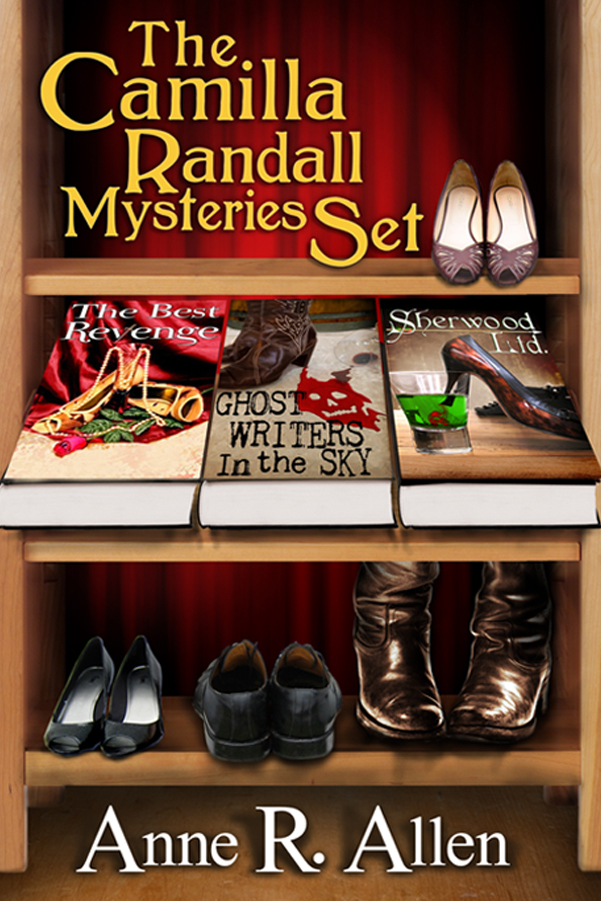
"The Best Revenge, Ghost Writers in the Sky and Sherwood Limited are hysterical. Anne Allen will keep you laughing throughout, but in the meantime she dabbles her fingers in some topics worth some serious thought: sexism, weightism, lechery, murder, duplicity, homelessness & poverty to name a few. If you love to laugh, you'll like these three books. If you love to think, ponder AND laugh, be ready to fall in love"... C.S. Perryess
OPPORTUNITY ALERTS
1) The Alice Munro Short Fiction Contest. Entry fee $25 adult, $10 Teen. $2000 (Canadian) in prizes. 5000 words or less, unpubished work. More info at Alice Munro Festival Short Story Competition Deadline August 1.
2) Quirk Books "Looking for Love" contest. They offer a $10,000 prize for the best quirky love story of 50,000 words or more. Visit the Quirk Books website to download the entry form or for further information. Quirk Books was founded in 2002 and publishes around 25 books each year. Their bestselling titles include Pride and Prejudice and Zombies and Miss Peregrine’s Home for Peculiar Children. Entries close October 1.
3) The Huffington Post's Huffpo50 is now publishing short fiction! The rules: You must be 50 or older to enter. Writers can submit only one story per year, and all pieces must be 5,000 words or less. Send your original submissions, as well as your contact details, to 50fiction@huffingtonpost.com.
4) COMPOSE Literary Journal. Submissions are open for their Fall 2013 issue. This prestigious journal was founded by Suzannah Windsor, of Write it Sideways, and she's put together an amazing editorial staff. They are looking for art and photography as well as poems, literary short fiction, novel excerpts and essays. Must not be previously published (that includes anything that has appeared on your blog.)
We love your comments! If you can't get through Blogger's hoop-jumping, send me an email at annerallen dot allen at gmail dot com and I'll post it personally.


July 14, 2013
Are Your Dreams Standing in the Way of Writing Success? 5 Dreams That Can Interfere With Your Goals
What’s the difference between a dream and a goal?
Short answer: reality.
A dream is a creature of the imagination, full of sparkles and rainbows and magic. It’s our castle in the air where we live our fantasy lives. We all need them. But we also need to recognize them for what they are.
A goal is something doable. Like getting a college degree, saving enough money to go to a writers conference, or finishing that novel.
"I want to be a rich and famous writer" is a dream.
"I want to write a novel and get it published" is a goal.
We need to learn the difference if we're going to succeed at anything.
Here are some common writers' dreams that can stand in the way of writing success.
1) The Travel-Adventure Dream
You know the one—most writers have it at some point. We're going to travel around the country in a camper/sports car/motorcycle—writing our own version of On the Road, Travels with Charlie, or Zen and the Art of Motorcycle Maintenance.
Or we're going to go live in Paris and become the next Hemingway, Fitzgerald or Gertrude Stein.
I plead guilty to this one. When I was a kid, I always pictured myself traveling the world, having romantic adventures and turning them into lovely novels.
Thing is, I got the traveling and adventures part right, but until I was nearly forty, I’d never actually produced one of those novels.
Novelists don't need adventures. They need the talent to sit "alone in a room" as critic Michael Ventura famously said in his classic essay, The Talent of the Room.
And as A. J. Hartley pointed out at Writers Digest's Thrillerfest this week. "Shakespeare didn't ever go to Italy."
I'll never regret any of my own visits to Italy, but they weren't essential to my writing career.
My dream of romantic adventure was standing in the way of my goal of becoming a novelist.
2) The Award-Winner Dream
Who hasn’t had the Academy Award fantasy?
When you were twelve, you probably rehearsed your Oscar acceptance speech in front of your mirror and told your hairbrush that you thanked the Academy, your favorite teacher, and your parents—carefully leaving out your bratty little sister who insisted on watching her stupid cartoons instead of the whole red-carpet lead-in to the Oscar broadcast.
Yeah, a lot of us have been there.
But sometimes we can get snagged on that dream and it holds us back. Whether it’s winning an Oscar, Tony, Pulitzer, or making it to the top of the NYT bestseller list—picturing that kind of rare occurrence as your sole image of success can hold you back from the real thing.
Success comes in increments: baby steps. You need to consider yourself successful when you finish your first novel, send your first query, self-publish your first book, write your first blogpost, get your first royalty check, etc. Otherwise, you’re going to be overwhelmed by the huge leap from where you are now to where you want to be.
I have an old friend who has always wanted to be a playwright. Twenty years ago, she won a scholarship to a prestigious playwriting workshop. Since then, she hasn’t written a word. But she's always talking about the grand, epic, historical play she plans to write some day. The kind that would cost millions to stage.
So when she told me recently she had a new idea for a fun little musical—one that might be possible to put on without first winning the lottery—I suggested we brainstorm and write an outline. While she talked, I jotted down her ideas for scenes, set design, music, etc., hoping I could help her get back on track to her goal.
After a couple of hours, I presented her with the outline and tried to fill her with encouragement. I told her I knew some people at a community theater who might be willing to do it as a readers’ theater, and maybe even stage it. I hoped that would inspire her to sit down at the keyboard and start writing.
Instead, she flew into a rage.
No community theater for her! She wanted Broadway!! Unless this play was going to be a contender for a Tony Award, she wouldn’t bother to write it. It was her life-long dream to stand on that stage and accepting her Tony award from the American Theater Wing. She had it all visualized: what she’d wear, what she’d say, who she’d thank.
How could I be so cruel as to take her dream away!
I put on a fake smile worthy of Camilla the Manners Doctor and ushered her out the door. I knew at that moment that my friend was never going to write a play.
Her overblown Tony-award dreams blocked her from her goal of becoming a playwright.
3) The Literary Kudos Dream
This was one of mine, too. In my dream I was always able to support myself with writing (somebody had to pay those cafe bills in Paris.)
But I didn’t have a clue how to write stuff that might actually make money.
I mostly read literary fiction, and my early work consisted of self-involved, convoluted Alice Munro-wannabe stories and esoteric poems full of classical references.
Yes, I loved reading romantic suspense and mysteries, but I didn’t want to be a pulp fiction writer. Oh, no: I wanted to be reviewed in the New Yorker!
Right. I didn’t take into account that pretty much everybody who is published in the New Yorker has a boat-load of academic credentials and teaches at a prestigious university.
I let my dream of literary acclaim stand in the way of writing the kind of fiction that might give me a professional career.
4) The Rich Writer-of-Leisure Dream
Richard Castle has a lot to answer for.
Don’t get me wrong. I love the TV show Castle (and I’d watch Nathan Fillion read an IRS tax form.)
But do you ever see that guy writing books?
Movies and books are full of characters who are rolling in money they've earned from writing fiction. Some of you may be old enough to remember that author who owned the Hawaiian mansion in Magnum P.I. Yeah. Like that guy. Jessica Fletcher on Murder She Wrote never had any money worries either.
But the truth is, even successful, bestselling authors don’t make as much as the average lawyer, professor, doctor, or accountant (and they don't get benefits.) The J.K. Rowlings and Stephen Kings are very rare indeed.
The reality is the vast majority of writers have day jobs. Either we teach or edit or work at something entirely separate from writing. And we don't have much spare time.
If you want to be in the self-supporting minority, you have to work long, hard hours. To make the kind of money Richard Castle supposedly has, you'd have to churn out titles at the rate of about one a month. Even so, it’s highly unlikely you’d be able to afford Castle’s loft (or all those ex-wives), and you certainly wouldn't have the time to run around solving crimes for the NYPD.
Real writers write. A lot.
Don't let your dream of living like a fictional author keep you from becoming an author in real life.
5) The “I Never Interfere with my Genius” Dream
There’s a quote sometimes attributed to Oscar Wilde, and sometimes to Byron: "I never rewrite. Who am I to interfere with genius?" (I can't find it with a Google search, so I must not have it quite right. Anybody out there know the exact quote?)
Some writers believe their talent is all they need, so they never subject their tender artistic feelings to the tough work of learning the craft of writing.
But writing is like any other skill: you have to learn the rules and practice, practice, practice.
No matter how great your natural golf swing, you have to learn the rules of the game of golf, or you won’t win any tournaments. It’s the same with writing. "Talent" only gets you so far.
But I’ve known writers who spend years churning out unreadable novels—never rewriting—refusing to learn about point of view, or story arc, or pacing. Their work is constantly rejected by agents and editors, which they attribute to various conspiracies or scams, never to their lack of knowledge.
If these authors self-publish, they get dismal sales and scathing reviews that fill them with despair.
I’ve read lots of blogposts by authors who lament the unfairness of the industry/buying public, but when I look at their books, the reasons for their failures jump from the first page: bad grammar, typos, impenetrable prose, clichéd phrases and characters.
First drafts are, by nature, s****y, as Anne Lamott taught us. That’s why we rewrite.
Real genius is learning to rewrite well.
As Richard North Patterson said,
"Writing is rewriting. A writer must learn to deepen characters, trim writing, intensify scenes. To fall in love with the first draft to the point where one cannot change it is to greatly enhance the prospects of never publishing."
If you fall in love with the dream of your own "genius" you'll fail in your goal of becoming a professional author.
***
What are your writing goals? Can you clear your brain of the misty fantasies and figure out what you really want—and then map out a step-by-step path to reach it?
Your goals can change as you mature as a writer, but they need to be clear. Do you want to be self-supporting? Do you want literary acclaim? Those aren’t always mutually exclusive, but you're more like to reach one if you let go of the other for a while.
Concentrate on what's doable, then set a goal. You can have another one after that, and another one after that—and one day, it may result in that big dream actually coming true.
What about you, scriveners? Have you had some of these dreams? Have you let them keep you from your goals the way I did? What other dreams can keep a writer from success?
Book Deal of the Week
If you haven't read any of the Camilla books, this is the one to start with--only 99c this monthAt Amazon US, Amazon UK, and Nook,
.jpg)
A debutante loses everything and is accused of murder. But she proves her innocence with the help of a cast of wacky characters, including a plucky octogenarian, a wise young trash collector, and the hottest newsman since Clark Gable in "It Happened One Night."
"The Best Revenge is part bildungsroman and part picaresque "Perils of Pauline" (Calamities of Camilla?) that while laugh-out-loud funny, carries a message about how we view ourselves and how others' views of us may conflict, yet make us grow."...Richard Alan Corson.
OPPORTUNITY ALERTS
1) Quirk Books "Looking for Love" contest. They offer a $10,000 prize for the best quirky love story of 50,000 words or more. Visit the Quirk Books website to download the entry form or for further information. Quirk Books was founded in 2002 and publishes around 25 books each year. Their bestselling titles include Pride and Prejudice and Zombies and Miss Peregrine’s Home for Peculiar Children. Entries close October 1, 2013
2) A site for KOBO READERS: TrindieBooks.com. This Canadian site is the KindleNationDaily for Kobo. Really nice folks, affordable rates, and their ads are FREE if your book is free for Kobo. Reach some of those voracious Canadian readers. Kobo is the most popular ereader in Canada. Submit your book here.
3) A Room of Her Own contest for women writers. Entry Fee: $15. Four prizes of $1,000 each and publication in Los Angeles Review. Submit a poem of no more than 36 lines, a short short story of up to 500 words, a story of up to 1,500 words, or an essay of up to 1,500 words. Visit the website for complete guidelines. Deadline: July 31, 2013
4) Advertise to British readers with EbookBargainsUK. Listings will be half-price through July and August and anyone listing then will get a credit for a free listing for September onwards (excluding the Holiday period December 20 – January 10). ALSO: They will be launching Ebook Bargains Australia, Ebook Bargains New Zealand, Ebook Bargains Canada and Ebook Bargains India soon, offering authors a chance to target their ebooks at readers through local stores in those countries. Inclusion in these international email newsletters will not cost you anything extra! The one small listing fee will get your ebooks in all five newsletters, reaching five of the biggest English-speaking markets outside the USA. If you're in any of those countries, do sign up for their newsletter. It brings links to free and bargain ebooks—at the bookstore of your choice—in your inbox every morning. You can subscribe here.
5) Murder And Mirth - A Contest: Submissions are being accepted for The Killer Wore Cranberry: Room For Thirds anthology. All stories must be between 1,500 - 5,000 words. Send in .doc, .rtf or .odt format only. Stories MUST be about murder and mayhem happening at Thanksgiving, feature a typical Thanksgiving dish as a vital part of the story (turkey, stuffing, pumpkin pie, etc.) and - most importantly - they must be funny. Says editor Jay Hartman, "This anthology is all about making people laugh while enjoying a great mystery at the same time." Previously published works are fine as long as author has electronic rights. Submit to (and questions): jhartman@untreedreads.com. Deadline is September 1st.
We love your comments! If you're having a hard time jumping through Blogger's hoops, send me an email at annerallen dot allen at gmail dot com and I'll post it myself.
Please note: FEEDBURNER seems to have stopped sending out emails to this blog's subscribers, and the FB "help" page is so full of inscrutable jargon it might as well be written in Klingon. I hope to get MailChimp installed next week (pray for me; I'm a cybermoron.) Or, if you would like to join my new personal email list for simple notifications of new blogposts, send me an email to annerallen.allen at gmail dot com with the subject "subscribe". Thanks much.
July 8, 2013
Blogging for Authors: How I Blogged my Way Out of the Slushpile and Onto the Bestseller List
Short post here. Mostly it's to notify people subscribed via Feedburner that yes, there was a Sunday post, but Feedburner didn't send it out, I think because there are too many links. I've spent an hour messing around with their help pages, but I can't seem to fix the post to their liking.
Do scroll down and give your suggestions in the comments on the post on "How to Get Your Book Published." I really need input from fellow authors.
Also, I forgot to announce that I'll be speaking to the Central Coast Sisters in Crime on Saturday July 13 at the GALA center in San Luis Obispo at 10:30 AM. "Blogging for Authors: Out of the Slushpile and Onto the Bestseller List." Open to the public and FREE. 1060 Palm St in downtown SLO.
So if you're on the Central Coast, come on by and bring your blogging questions!
Do scroll down and give your suggestions in the comments on the post on "How to Get Your Book Published." I really need input from fellow authors.
Also, I forgot to announce that I'll be speaking to the Central Coast Sisters in Crime on Saturday July 13 at the GALA center in San Luis Obispo at 10:30 AM. "Blogging for Authors: Out of the Slushpile and Onto the Bestseller List." Open to the public and FREE. 1060 Palm St in downtown SLO.
So if you're on the Central Coast, come on by and bring your blogging questions!
July 7, 2013
How To Get a Book Published: A Step-by-Step Guide with Links to FREE Information for the New Author
The Interwebz can provide a wealth of information for new writers. In fact you can find pretty much everything you need to know to become a professional, publishing writer here on the Web, absolutely free.
But you'll also find a bunch of time-wasting bad advice that can lead you astray. When you’re a beginner, it’s hard to know who to listen to.
We decided we'd devote a page on the blog to some info for the writer looking to know the basics about how to get published. Thanks much to Janice Konstantinidis, the webmaster of the SLO Nightwriters for the suggestion!
This is not meant to be a comprehensive list: just a jumping-off place.
A new writer has a whole lot of options–and more are springing up daily. Nobody can say which publishing path is right for you. But we can steer you toward some blogs and websites that might help you decide and suggest some posts from our archives you might find useful
We’d love for readers to add their own recommendations to this list in the comments. We’ll incorporate your suggestions into a permanent page on this site.
OK: How do you get a book published?
Follow these steps and click through the links:
1) Learn about the publishing business
First, remember there is nothing wrong with writing as a hobbyist. You do NOT have to get a book published to call yourself a writer. (Do you have to join the PGA tour to call yourself a golfer?)
But if you do decide to publish, you need to be aware you are entering an industry. Whether you self-publish or traditionally publish, it's important to know how the business works.
We recommend reading Galley Cat, the publishing news round-up site. It reports both traditional and indie news, and posts a self-publishers bestseller list.
Publisher’s Lunch, the newsletter for Publishers Marketplace, is the place for up-to-the minute news on what’s going on in traditional publishing. You can subscribe here. It’s free (Publishers Marketplace is not.) No matter how you publish, it helps to know what is selling right now, and who the players are.
We also are avid readers of the Passive Voice, which gives a round-up of some of the most important publishing stories of the day (and occasionally runs excerpts from this blog—thanks Passive Guy!) But be aware the comments tend to be weighted toward indie publishing.
2) Get short pieces published first
Think outside the (full-length) book. If you don’t have any stories, poems, reviews or essays in the archives, start writing them. It’s very, very hard to sell one book when you have no track record, no matter what publishing path you choose.
Then when you're working on your opus—or you’re editing it—you can also be sending stories, poems and essays to journals, local newspapers, blogs, anthologies, contests and websites in order to build your reputation as a professional writer. Again, this is important whether you self-publish or go the traditional route.
A great place to find vetted journals, anthologies and contests is C. Hope Clark’s Funds for Writers. Poets and Writers magazine also has an excellent list of contests, grants and awards.
But do check to make sure you’re not being taken in by bogus contests and fake anthologies. Always check them out at the Writer Beware blog. Bookmark that one. It's a must-read for all writers.
For more info about why you should be writing short pieces, check our archives:
Why You Should Be Writing Short Fiction
Short is the New Long
3) Finish your book
Don't waste time worrying about publishing until you've got something to publish. Preferably several things.
Beginning authors are urged by some marketing people to start marketing long before they’re ready. Some seem to think authors should start “building platform” in the womb.
We think this is dumb. Learn to write, read informative blogs where you can network with other authors, and let yourself build up a body of work before you start trying to market yourself.
When you're starting out, it's better to read blogs than to write frantically on your own. Commenting on high-profile blogs is one of the best ways to get your name known.
Unfortunately, social media is writer’s block’s best friend. Not only is it endlessly distracting, but all the information on writing can also turn you into a perfectionist who keeps rewriting chapter one and never gets on with the story.
There are more great blogs on craft than we have room to mention here. It will depend on your book, genre and writing style which ones will resonate. One of my favorites is Janice Hardy's The Other Side of the Story.
Some of our more popular posts on craft are:
10 Things Your Opening Chapter Should Do: A Checklist
12 Signs Your Novel isn't Ready to Publish
If you’re blocked and having trouble finishing and it’s anywhere near November, try barreling through during National Novel Writing Month (NaNoWriMo.) You can get lots of support from these folks. They help you let go of your perfectionism and get that book onto the page. There are now NaNos in the summertime, too.
4) Get your work critiqued
And polished. And critiqued some more. Then have it proofread. If you can exchange proofing with other writers, that can save you a lot of money.
A real-life critique group is great, because authors tend to be solitary and we need some human contact, but there are excellent critique groups online. We recommend CritiqueCircle.com, SheWrites or networking through My WANA, QueryTracker.net, AgentQuery.com, or Nathan Bransford’s forums.
But take care of yourself as you’re being critiqued. Realize there’s a little bit of the “blind leading the blind” going on with peer critiquing.
Also, your first critiques can feel like going through a meat grinder. For some self-protection techniques you might want to read these in our archives:
Bad Advice to Ignore From Your Critique Group
Should you eliminate “Was” from Your Writing? Why Sometimes “the Rules” are Wrong
5) Visit lots of blogs, online groups and forums to explore your options.
But avoid groups or forums where everybody tells you you’re a moron if you self-publish/Big 5-publish/small press-publish or whatever. People who believe in one-size-fits all are, um, morons.
You need to choose the right path for yourself and your work, and that’s going to be different for every writer.
Start with this post by Jane Friedman on how to get published. Jane is the former publisher of Writers Digest books and one of the most savvy people in the business. This was pretty comprehensive when she wrote it in 2011, and most of the info still stands. Jane doesn’t post as much as she used to, but her blog is still one of the best. I love reading the insider publishing scoop from CNN's Porter Anderson there every Thursday in his Writing on the Ether.
A great blog for writers leaning toward the trad route but wanting to keep options open is agent Rachelle Gardner’s blog
Former agent Nathan Bransford's blog is one of the friendliest and most helpful place for newbies, and his archives are gold.
If you’re pretty sure you don’t want to go with mainstream corporate publishing, you’ll want to read Joe Konrath’s Newbie’s Guide to Publishing and David Gaughran.
If you’re leaning indie, the Writers Guide to Epublishing (WG2E) is friendly and helpful with nuts and bolts issues, and welcomes trad-pubbed authors as well. (And Ruth Harris posts there once a month.)
A free site that's great for Romance writers is RomanceUniversity.
If you’re pretty sure you want to go for that Big Publishing contract, Agent Janet Reid’s blog is great. Ditto Kristen Nelson’s Pub Rants. Also, the archives of Miss Snark are full of valuable information. And if you're looking for an agent, Chuck Sambuchino's Guide to Literary Agents blog is a must-read.
6) Get yourself on social media...slowly
My personal recommendation: start a blog first. But don’t go nuts posting. Once a week or even once a month is OK to start, but the sooner you start one, the better. Search engines take a while to find you and you want Google to know who you are by the time you finish that opus.
A new writer's blog shouldn't be about marketing something you haven't published yet. It should be for networking and making friends. For information on what to blog about you might want to check my post on What Should You Blog About?
For all social media advice, I highly recommend Kristen Lamb's Blog (She also has great info on craft, presented in a fun, humorous way.) Plenty of bestselling authors owe their success to Kristen.
I also love Molly Greene’s blog for social networking tips.
In our archives: How Not to Blog (and the rest of my How to Blog series)
And Twitter for Shy Persons
7) Network with other writers
The writers you meet on your way up are probably also on their way up. This is a business where who you know matters.
A person in your critique group today may be an agent or a bestselling author a year from now. I know many, many successful authors who got their agents through online networking. I know even more who found their designers, publishers, and most avid readers through social media.
You can network on blogs, forums and the many, many booky websites like RedRoom.com, LibraryThing.com, Goodreads.com, Shelfari.com, Reddit.com, Kindleboards.com, etc. and writers groups on LinkedIn and Facebook, plus the hundreds of writing forums.
BUT: Beware any group where you see snark or groupthink. There is horrific bullying going on in some of these sites. The nastiest seem to be the oldest. See my post on Gangs of New Media.
Absolute Write, some LinkedIn and Goodreads groups, and the Amazon forums are NOT recommended for that reason. I especially warn against the Amazon forums. They are rabidly anti-writer. The self-appointed enforcers will punish you for breaking their murky rules of conduct with all the self-righteous sadism of the Taliban slaughtering a schoolgirl. Don't go there.
The Amazon forums are not to be confused with the Kindleboards, where writers are welcome as long as they don't do any promotions.
The most friendly and safe forums are the personally moderated ones like Nathan Bransford’s forums, SheWrites (for women writers) and Kristen Lamb’s WANAtribe
Do NOT join more than two or three forums or groups. If you don’t find simpatico folks, move on. This is for making friends, NOT selling books.
Remember you are looking for friendship, moral support and an exchange of useful information.
8) Cultivate a patient attitude
This is a marathon, not a sprint. I know you’re dying to get published, but believe me, it takes time to learn to be a writer. Malcolm Gladwell said it takes 10,000 hours to learn to do something well, and that sounds about right.
And I’m not just talking craft. You need to learn to take criticism with grace and never let them see you sweat.
If you think your critique group is bad, wait until the Amazon Forum Taliban hits you with 2 dozen one-stars because one of them knows your stalker ex-girlfriend who says you ditched her a week before the prom.
And you DO NOT WANT TO PUBLISH TOO SOON. It's the number one mistake new writers make.
That includes putting your book on your blog. Blogging is publishing. Lots of impatient newbies decide to blog their rough drafts. You don’t want to do that if you have any aspirations to being a traditionally published writer. Here’s Rachelle Gardner with a great post on the subject.
9) Learn to write a great query, synopsis and hook
Whether you want to self-publish or trad-publish, query and synopsis writing are a must. You’re going to be querying reviewers, bloggers, bookstore owners, etc throughout your professional life. You have to be able to tell people about your book in three sentences or less.
Learn this now.
Best place to learn how to query: Janet Reid’s Query Shark blog.
Another is Nathan Bransford’s archives. Here's his great post on How to Write a Query Letter.
For an overview of Hooks, Loglines, Pitches check in our archives.
10) Decide what publishing road you want to take and start your career.
If you want an overview of your choices, check out my post on "Who are the Big 6? Answers to the not-so-dumb questions you were afraid to ask"
Then you can take one of any of a number of paths:
* Send out queries to agents if you want to try for a Big 5 contract. Find the right agent to query through AgentQuery.com and QueryTracker.net. And always, always, always visit the agent's own website to read the guidelines before you query.
or* Query editors at small and independent digital presses if you want a publisher but prefer not to go corporate. You can find a list of literary small presses at Poets and Writers. I'd love to have a list of small and indie digital presses for genre fiction but they pop in and out of business so often it's hard to keep up. If anybody knows of a good list, please let us know!
or
* Submit to digital imprints of the Big 5 that do not require an agent (but before you sign a digital press contract, read Writer Beware on the new digital imprints and their contracts.) or* Hire an editor and get your book polished up to self-publish. For nuts and bolts info on how to do that, read the archives of David Gaughran’s Let’s Get Digital. For a list of vetted editors try the Editorial Freelancers Association.
If you’re not tech-savvy and need help in self-publishing, we’ve heard good things about BookBaby.com and Draft2Digital.
Smashwords is also a great way to get on a number of platforms. And CEO Mark Coker has lots of great info on his blog. He's super-savvy and 100% pro-author.
11) Learn that rejection is part of the process
Scathing critiques, agent and editor rejections, terrible reviews: every single author who's ever lived has had to endure them.
Right now, go to the Amazon bestseller list. How many books do you see that you really, really want to read right now? Be honest.
Not that many, right?
Does that mean the other books aren’t good?
No. It means you personally didn’t feel like reading them today.
That’s what an agent does every time she looks through her queries. She has to choose what she personally likes. You could be the next F. Scott Fitzgerald, but if she’s in the mood for vampire erotica, you're getting a rejection.
From her. There’s always somebody else.
For some great insider info on what rejection really means, check in our archives:
11 Reasons Why Writers Get Rejected—And Why Only 3 of them Matter by Ruth Harris
Rejection: Why it Doesn’t mean What You Think it Means by Catherine Ryan Hyde
If you want more info on the care and feeding of the writers’ soul, as well as lots of in-depth information about the publishing process, you might want to spring for a copy of How to be a Writer in the E-Age by Catherine Ryan Hyde and yours truly. Not free. But a bargain at $2.99 for the ebook.
And don’t forget to have fun. Publishing is a journey. It’s important to enjoy yourself along the way.
Oh, and what can you do right now, this minute? You can write your author bio. It will make you feel like a professional and you can have it ready and waiting the first time one of those stories gets accepted.
Here's our post on How to Write an Author Bio Even if You Don't Feel Like an Author...Yet.
OK, Scriveners: What can you add to our list? Any must-read blogs that helped you on your road to publication? Any forums where you found BFFs? We welcome all your suggestions.
BOOK DEAL OF THE WEEK
Food of Love--a comic thriller about dieting, chocolate, and a small nuclear bomb
Usually $2.99, now only 99c on Amazon , Amazon UK and NOOK
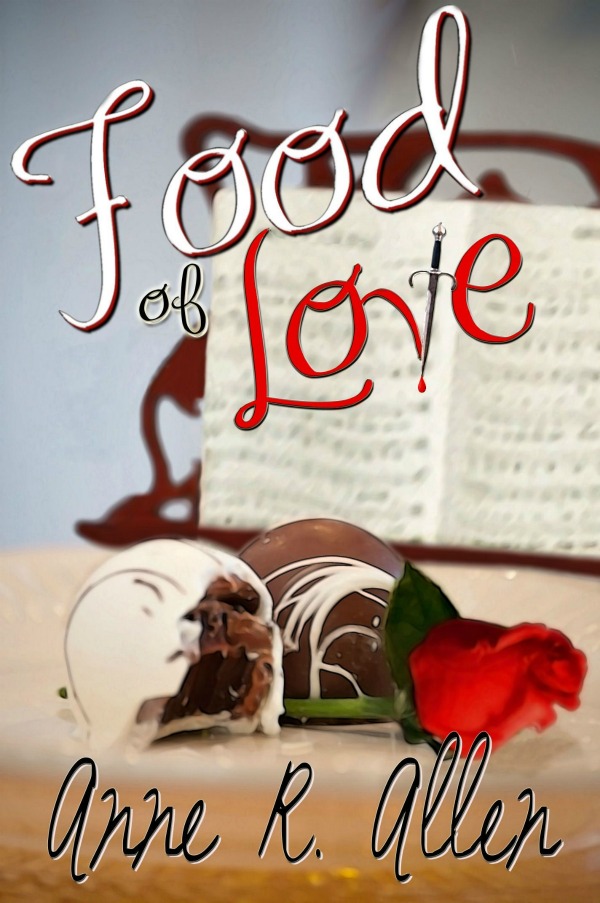
"This hilarious page-turner packs a profound satirical bite. It's a Hollywood romp that provides romance, mystery, and an honest confrontation with the human condition. Food of Love is a funny and powerfully healing book." ...Lucia Capacchione, PhD, bestselling self-help author, Recovery of Your Inner Child
OPPORTUNITY ALERTS
1) Quirk Books "Looking for Love" contest. They offer a $10,000 prize for the best quirky love story of 50,000 words or more. Visit the Quirk Books website to download the entry form or for further information. Quirk Books was founded in 2002 and publishes around 25 books each year. Their bestselling titles include Pride and Prejudice and Zombies and Miss Peregrine’s Home for Peculiar Children. Entries close October 1, 2013
2) A site for KOBO READERS: TrindieBooks.com This Canadian site is the KindleNationDaily for Kobo. Really nice folks, affordable rates, and their ads are FREE if your book is free for Kobo. Reach some of those voracious Canadian readers. Kobo is the most popular ereader in Canada. Submit your book here.
3) Escargot Books is expanding its catalogue and are now accepting submissions. Crime fiction (dark thrillers to cozies), women’s fiction, wealth and fitness, children’s, sci-fi and dystopian. All books will be published in digital format. Some books will be chosen for print and/or audio as well. Escargot Books does not offer an advance, but they offer higher royalties than traditional publishers, especially for direct sales from our website, as well as editing, formatting, promotion, and the company of bestselling authors. They have some big name authors and a good track record. Here’s their online submission form
4) A Room of Her Own contest for women writers. Entry Fee: $15. Four prizes of $1,000 each and publication in Los Angeles Review. Submit a poem of no more than 36 lines, a short short story of up to 500 words, a story of up to 1,500 words, or an essay of up to 1,500 words. Visit the website for complete guidelines. Deadline: July 31, 2013
5) Advertise direct to British readers with EbookBargainsUK. Listings will be half-price through July and August and anyone listing then will get a credit for a free listing for September onwards (excluding the Holiday period December 20 – January 10). ALSO: They will be launching Ebook Bargains Australia, Ebook Bargains New Zealand, Ebook Bargains Canada and Ebook Bargains India soon, offering authors a chance to target their ebooks at readers through local stores in those countries. Inclusion in these international email newsletters will not cost you anything extra! The one small listing fee will get your ebooks in all five newsletters, reaching five of the biggest English-speaking markets outside the USA.
If you're in any of those countries, do sign up for their newsletter. It brings links to free and bargain ebooks—at the bookstore of your choice—in your inbox every morning. You can subscribe here.
We love your comments! If you can't get through Blogger's hoop-jumping, send me an email at annerallen dot allen at gmail dot com and I'll post it manually.
June 30, 2013
Rejection, Rotten Reviews, and Social Media: 7 Ways Writers Need to be Like Rhinos
by Ruth Harris
Writers are always urged to have or develop “rhino skin.”
But let me add a few words about rhino skin.
 When I wrote ZURI, I did lots & lots of research about rhinos. As it turns out, rhinos have thick hides but sensitive skin—quite different from the usual perception.
What rhinos have is, in fact, is exactly what writers need:
1) We need thick hides to help insulate us from rejection, rotten reviews and incoming from the demands of marketing and social media.
2) We also require the sensitive skin that gives us the heightened awareness and sensitivity to others and to our surroundings that result in compelling fiction.
As I was contemplating the misconception about rhinos and their skin and the difference between a thick hide and a thin skin, it occurred to me there are a number of other rhino characteristics that would serve writers well:
1) Good sense of direction.
Although rhinos have no GPS to guide them, they do have a superb sense of direction. Rhinos remember a route they have taken only once. They don’t get lost or distracted.
Writers need to keep from getting lost, too. Whether it’s deep in the thickets of a complicated plot or trying to decide between self-pub, small press or trad-pub, writers need to take a cue from rhinos:
Don’t get distracted and be careful not to get lost, lose sight of the goal or the way to get there.
2) Excellent memory.
Rhinos remember people and places and can distinguish between friends and enemies.
Writers sometimes need to do lots of research (something rhinos can’t do) but writers, like rhinos, need to remember the apt fact, the relevant anecdote, the specific situation and the emotions linked to them. That depth and richness of memory allows us to describe a unique setting, a particular individual, and will contribute potent detail that result in powerful storytelling.
Writers also need to distinguish friends from enemies and, in our plots, the good guys from the bad guys. (Even though sometimes we try to keep it as complicated as possible, especially if we’re writing mysteries!)
3) Bond well with others.
 Although rhinos are nearsighted, they bond well with other rhinos (contrary to the popular perception of rhinos as solitary, in fact they are social and live in small groups). In addition, rhinos bond well with their human friends and keepers.
Writers will find much support from communities of other writers and, of course, writers want to bond well with their editors and readers. ;-)
4) Speed, strength, and resilience.
Despite their size, rhinos are surprisingly fast: they can attain speeds of 35-miles-per-hour over short distances. Writers also have a need for speed: to please readers who are anxiously waiting for the next book and, on deadline, a writer needs the ability to develop high speed over short periods of time as well as strength for the long haul.
It goes without saying that rhinos are huuuge! Rhinos, members of a mammalian class called odd-toed ungulates, are among of the largest creatures on earth. Fully grown, they can be six feet tall and weigh anywhere from 2,500 to 4,000 pounds which makes them very, very strong indeed. Strong enough to withstand rejection or a rotten review? You bet! Can you imagine a rhino sulking over a crappy review? Hardly. Strong enough to power through a block? Plenty strong for that.
Can you see a rhino getting defeated by anything except maybe another rhino if he’s of the male persuasion and they’re fighting over a girl rhino? Nope. Rhinos are like the old Timex commercial: They take a licking but keep on ticking.
Ditto writers: Speed through and get that book finished—some will love it, others will hate it—but the writer keeps on writing.
5) Great listening skills.
The nearsighted rhino is blessed with superior hearing. What s/he can’t see, s/he can hear.
Writers would do well to hone their listening skills because good hearing equals good dialogue. A writer who really listens to what people say and the way they say it, will not burden his/her book with clunky dialogue. People speak in fragments and uncompleted thoughts, not long, well-considered sentences and paragraphs.
6) A nose for news
Rhinos have an excellent sense of smell, a quality that helped me write a triumphant ending for the baby rhino, Zuri.
For writers, a good sense of smell heightens the ability to sniff trends and detect BS in others, in their characters—and, most of all, in themselves.
7) What? You thought I wasn’t going to go there????
***
What about you, scriveners? Can you develop a thick hide over your sensitive writer skin? Do you have a rhino "nose" for news and BS? Do you think you can tell friends from enemies as well as rhinos do? What helped you develop your "rhino" habits?
Anne and I love our readers and, because we want to keep them happy, we are offering special deals every Sunday. This week, in honor of all I’ve learned from and about rhinos and in appreciation of our readers, I’m reducing ZURI to 99c from its usual price of $3.99.
BOOK DEAL OF THE WEEK Only 99c for a limited time! At Amazon US. Amazon UK, NOOK
The kindness of humans. The intelligence of animals. A book that will move you like no other.
ZURI's triggering event is the near-extinction of Africa's black rhino. Rhino horn is more valuable than gold and the illicit global trade in wild animals is third only to the smuggling of drugs and weapons. (Contains no sex or cursing and is appropriate for older YA readers as well as adults.)
NOTE to readers outside the US: We apologize if sometimes our links go to a full-price book. We can't access prices in other countries' Amazon sites, so we have no way of checking. This is yet another reason why we recommend Mick and the gang at Ebook Bargains UK (EBUK) who send you daily book deals with links to UK sites: not just Amazon, but Waterstones, Foyles, etc. (and no, we're not getting kickbacks. We just like them because they're affordable. :-) Now how about doing some more newsletters for our Canadian, European, and Aussie friends, Mick?)
NOTE to followers who've been reading this blog in Google Reader. Google Reader died today. RIP. But don't despair. You can either subscribe by email (in the sidebar, just under the blogfriends widget) or use any of a number or other readers. You can get great suggestions from Suzannah at Write it Sideways or Meghan Ward at Writerland.
OPPORTUNITY ALERTS
1) Iron Writer Insane-a-Thon! The Dreadful Cafe will hold their annual writing marathon on July 13, 2013. There are prizes for the most words written in a 24 hour period and for raising the most money for their charity, St. Jude's Hospital. It's a wild and crazy insane-a-thon for a great cause. More at The Dreadful Cafe. Send in your entry before midnight on July 13 to: submissions@dreadfulcafe.com
2) Quirk Books "Looking for Love" contest. They offer a $10,000 prize for the best quirky love story of 50,000 words or more. Visit the Quirk Books website to download the entry form or for further information. Quirk Books was founded in 2002 and publishes around 25 books each year. Their bestselling titles include Pride and Prejudice and Zombies and Miss Peregrine’s Home for Peculiar Children. (Soon to be a major motion picture) Entries close October 1, 2013
3) Escargot Books is expanding its catalogue and are now accepting submissions. Crime fiction (dark thrillers to cozies), women’s fiction, wealth and fitness, children’s, sci-fi and dystopian. All books will be published in digital format. Some books will be chosen for print and/or audio as well. Escargot Books does not offer an advance, but they offer higher royalties than traditional publishers, especially for direct sales from our website, as well as editing, formatting, promotion, and the company of bestselling authors. They have some big name authors and a good track record. Here’s their online submission form
4) CALL FOR DESIGNERS FROM WRITERS DIGEST BOOKS "We're currently assembling a new Market Book titled the 2014 Guide to Self-Publishing, and it's been great except for one problem-we need more freelance designer listings! It's currently filled with listings for self-publishing companies, freelance editors, and other services of value to self-publishers. But we need more freelance designers. If you are a freelance designer, send an e-mail to robert.brewer@fwmedia.com with the subject line: Freelance Designer and request a questionnaire. It's only one page, and the listing is completely free."
5) Affordable book advertising to British readers from Ebook Bargains UK. All ads half price for the next two months. Lots of authors and publishers have had huge successes with their FREE or SALE books by advertising on BookBub, ENT, KND, POI, etc. But none of those target the UK, and their links go to US sites Brits can't use. But now there’s a newsletter for UK readers only. It links to all the big UK retailers like Apple UK, Waterstones and Foyles as well as Amazon UK. They don’t sell books direct or get paid for clickthroughs, so they don't have any restrictions on how many free books they can spotlight. So it's THE place to tell Brits about your book when it goes free or on sale in the UK. And if you're in the UK, do sign up for their newsletter. It brings links to free and bargain ebooks—at the UK bookstore of your choice—in your inbox every morning. You can subscribe here.
Writers are always urged to have or develop “rhino skin.”
But let me add a few words about rhino skin.
 When I wrote ZURI, I did lots & lots of research about rhinos. As it turns out, rhinos have thick hides but sensitive skin—quite different from the usual perception.
What rhinos have is, in fact, is exactly what writers need:
1) We need thick hides to help insulate us from rejection, rotten reviews and incoming from the demands of marketing and social media.
2) We also require the sensitive skin that gives us the heightened awareness and sensitivity to others and to our surroundings that result in compelling fiction.
As I was contemplating the misconception about rhinos and their skin and the difference between a thick hide and a thin skin, it occurred to me there are a number of other rhino characteristics that would serve writers well:
1) Good sense of direction.
Although rhinos have no GPS to guide them, they do have a superb sense of direction. Rhinos remember a route they have taken only once. They don’t get lost or distracted.
Writers need to keep from getting lost, too. Whether it’s deep in the thickets of a complicated plot or trying to decide between self-pub, small press or trad-pub, writers need to take a cue from rhinos:
Don’t get distracted and be careful not to get lost, lose sight of the goal or the way to get there.
2) Excellent memory.
Rhinos remember people and places and can distinguish between friends and enemies.
Writers sometimes need to do lots of research (something rhinos can’t do) but writers, like rhinos, need to remember the apt fact, the relevant anecdote, the specific situation and the emotions linked to them. That depth and richness of memory allows us to describe a unique setting, a particular individual, and will contribute potent detail that result in powerful storytelling.
Writers also need to distinguish friends from enemies and, in our plots, the good guys from the bad guys. (Even though sometimes we try to keep it as complicated as possible, especially if we’re writing mysteries!)
3) Bond well with others.
 Although rhinos are nearsighted, they bond well with other rhinos (contrary to the popular perception of rhinos as solitary, in fact they are social and live in small groups). In addition, rhinos bond well with their human friends and keepers.
Writers will find much support from communities of other writers and, of course, writers want to bond well with their editors and readers. ;-)
4) Speed, strength, and resilience.
Despite their size, rhinos are surprisingly fast: they can attain speeds of 35-miles-per-hour over short distances. Writers also have a need for speed: to please readers who are anxiously waiting for the next book and, on deadline, a writer needs the ability to develop high speed over short periods of time as well as strength for the long haul.
It goes without saying that rhinos are huuuge! Rhinos, members of a mammalian class called odd-toed ungulates, are among of the largest creatures on earth. Fully grown, they can be six feet tall and weigh anywhere from 2,500 to 4,000 pounds which makes them very, very strong indeed. Strong enough to withstand rejection or a rotten review? You bet! Can you imagine a rhino sulking over a crappy review? Hardly. Strong enough to power through a block? Plenty strong for that.
Can you see a rhino getting defeated by anything except maybe another rhino if he’s of the male persuasion and they’re fighting over a girl rhino? Nope. Rhinos are like the old Timex commercial: They take a licking but keep on ticking.
Ditto writers: Speed through and get that book finished—some will love it, others will hate it—but the writer keeps on writing.
5) Great listening skills.
The nearsighted rhino is blessed with superior hearing. What s/he can’t see, s/he can hear.
Writers would do well to hone their listening skills because good hearing equals good dialogue. A writer who really listens to what people say and the way they say it, will not burden his/her book with clunky dialogue. People speak in fragments and uncompleted thoughts, not long, well-considered sentences and paragraphs.
6) A nose for news
Rhinos have an excellent sense of smell, a quality that helped me write a triumphant ending for the baby rhino, Zuri.
For writers, a good sense of smell heightens the ability to sniff trends and detect BS in others, in their characters—and, most of all, in themselves.
7) What? You thought I wasn’t going to go there????
***
What about you, scriveners? Can you develop a thick hide over your sensitive writer skin? Do you have a rhino "nose" for news and BS? Do you think you can tell friends from enemies as well as rhinos do? What helped you develop your "rhino" habits?
Anne and I love our readers and, because we want to keep them happy, we are offering special deals every Sunday. This week, in honor of all I’ve learned from and about rhinos and in appreciation of our readers, I’m reducing ZURI to 99c from its usual price of $3.99.
BOOK DEAL OF THE WEEK Only 99c for a limited time! At Amazon US. Amazon UK, NOOK
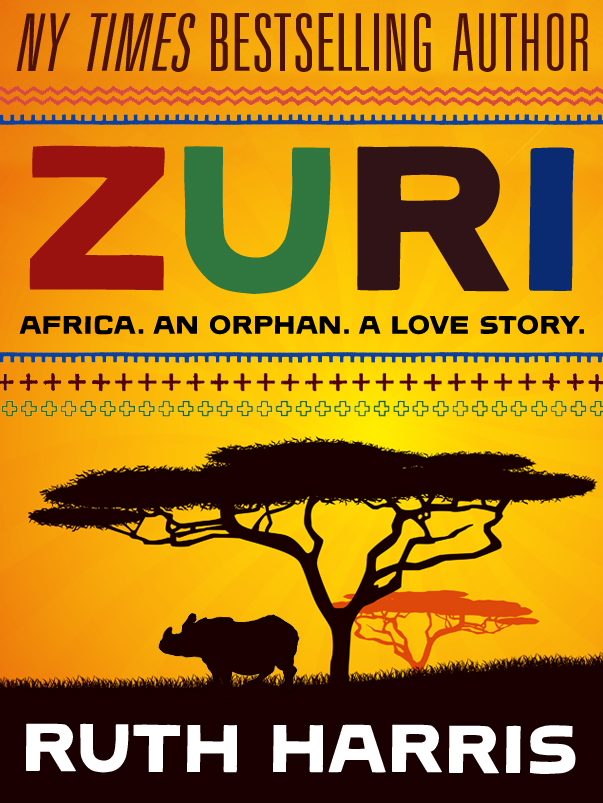
The kindness of humans. The intelligence of animals. A book that will move you like no other.
ZURI's triggering event is the near-extinction of Africa's black rhino. Rhino horn is more valuable than gold and the illicit global trade in wild animals is third only to the smuggling of drugs and weapons. (Contains no sex or cursing and is appropriate for older YA readers as well as adults.)
NOTE to readers outside the US: We apologize if sometimes our links go to a full-price book. We can't access prices in other countries' Amazon sites, so we have no way of checking. This is yet another reason why we recommend Mick and the gang at Ebook Bargains UK (EBUK) who send you daily book deals with links to UK sites: not just Amazon, but Waterstones, Foyles, etc. (and no, we're not getting kickbacks. We just like them because they're affordable. :-) Now how about doing some more newsletters for our Canadian, European, and Aussie friends, Mick?)
NOTE to followers who've been reading this blog in Google Reader. Google Reader died today. RIP. But don't despair. You can either subscribe by email (in the sidebar, just under the blogfriends widget) or use any of a number or other readers. You can get great suggestions from Suzannah at Write it Sideways or Meghan Ward at Writerland.
OPPORTUNITY ALERTS
1) Iron Writer Insane-a-Thon! The Dreadful Cafe will hold their annual writing marathon on July 13, 2013. There are prizes for the most words written in a 24 hour period and for raising the most money for their charity, St. Jude's Hospital. It's a wild and crazy insane-a-thon for a great cause. More at The Dreadful Cafe. Send in your entry before midnight on July 13 to: submissions@dreadfulcafe.com
2) Quirk Books "Looking for Love" contest. They offer a $10,000 prize for the best quirky love story of 50,000 words or more. Visit the Quirk Books website to download the entry form or for further information. Quirk Books was founded in 2002 and publishes around 25 books each year. Their bestselling titles include Pride and Prejudice and Zombies and Miss Peregrine’s Home for Peculiar Children. (Soon to be a major motion picture) Entries close October 1, 2013
3) Escargot Books is expanding its catalogue and are now accepting submissions. Crime fiction (dark thrillers to cozies), women’s fiction, wealth and fitness, children’s, sci-fi and dystopian. All books will be published in digital format. Some books will be chosen for print and/or audio as well. Escargot Books does not offer an advance, but they offer higher royalties than traditional publishers, especially for direct sales from our website, as well as editing, formatting, promotion, and the company of bestselling authors. They have some big name authors and a good track record. Here’s their online submission form
4) CALL FOR DESIGNERS FROM WRITERS DIGEST BOOKS "We're currently assembling a new Market Book titled the 2014 Guide to Self-Publishing, and it's been great except for one problem-we need more freelance designer listings! It's currently filled with listings for self-publishing companies, freelance editors, and other services of value to self-publishers. But we need more freelance designers. If you are a freelance designer, send an e-mail to robert.brewer@fwmedia.com with the subject line: Freelance Designer and request a questionnaire. It's only one page, and the listing is completely free."
5) Affordable book advertising to British readers from Ebook Bargains UK. All ads half price for the next two months. Lots of authors and publishers have had huge successes with their FREE or SALE books by advertising on BookBub, ENT, KND, POI, etc. But none of those target the UK, and their links go to US sites Brits can't use. But now there’s a newsletter for UK readers only. It links to all the big UK retailers like Apple UK, Waterstones and Foyles as well as Amazon UK. They don’t sell books direct or get paid for clickthroughs, so they don't have any restrictions on how many free books they can spotlight. So it's THE place to tell Brits about your book when it goes free or on sale in the UK. And if you're in the UK, do sign up for their newsletter. It brings links to free and bargain ebooks—at the UK bookstore of your choice—in your inbox every morning. You can subscribe here.
June 23, 2013
Is Your Author Website Working Against you? Top 10 Things to Avoid on your Author Site or Blog
I visit a lot of author websites and blogs. Most are delightfully creative. I love how so many of the sites—especially the blogs—express the author’s personality and genre in a unique and clever way.
But then there are the others...
I’m talking about the sites that seem to have forgotten they have a purpose. They don’t offer even basic information. They may have a rant front and center, with no info on who the author is and what he/she writes. Or they may be so hard to read and tech-happy, they scream: “get out now! Save yourself!”
What’s sad is the worst offenders are often the expensive, professionally designed sites.
One of the reasons I suggest that new writers start a blog instead of a static, official-looking website is that a blog is free. But an equally good reason is that free blogs use templates, and templates are harder to screw up.
You have to work harder to make a free Blogger or Wordpress site truly awful because you don’t have the opportunity to make so many bad choices.
What makes a website awful?
Of course it's subjective. What some people love others will hate. I’m not talking about stuff that’s technically “wrong” or out of style with the geekinistas. I’m commenting merely as a frequent Web surfer.
First I should mention some things that work.
There are lots of great websites. A great example of a simple but effective DIY author website is Catherine Ryan Hyde's, and mystery author C. Hope Clark has a lovely professionally-designed site that is friendly, inviting and easy to navigate. Regency romance writer Anne Gallagher has managed to make a free Blogger blog into a gorgeous author website.
My site here is a simple Blogger blog that I’m sure wouldn’t win any design awards. But it’s easy to read and “cozy”—or at least that’s what somebody on Reddit called it when they recommended it a few weeks ago. (Thank you, anonymous Reddit fan!) That’s exactly the tone I hoped to create—a cozy, bookish spot to stop by with a cup of tea on a Sunday afternoon. With a sly hint of dark humor in the books on the shelf.
I created it with a few tweaks to the Blogger Watermark template and a fantastic photo of a shelf in my study taken by the multi-talented Christine Ahern. I chose the green background for the selfish reason that it’s easy on my aging eyes. I tried to choose a green that was pale enough to contrast with the darker text without being too wimpy. It took me a couple of years to figure out that I could make the link text darker by going to the “advanced” menu on the Blogger template. Thanks much to the readers who helped me out with that.
But most of all, I worked on the principle of less is more. That’s when people screw up—when they try to get too creative with things outside their skill set.
And remember: just because you (or your web designer) CAN do something, doesn’t mean you SHOULD.
Hey, we’re writers. We should save our creativity for our books and stories.
I’m talking here about stuff that makes me feel assaulted, unwelcome, or wastes my time when I land on a page.
If you want more professional advice on what makes websites successful or not, check out Vincent Flanders' Websites that Suck.
Here’s my very subjective list of top ten things NOT to do on your website or blog:
1) GIFs
A GIF is a graphic file type invented by Internet pioneer Steve Wilhite. It’s composed of many different images on top of each other, which are compressed, creating the illusion of a mini movie. GIF stands for Graphics Interchange Format. Some people say “jif” like the peanut butter, and others say it with a hard “g.” But at this year’s WEBBY Awards, he Mr. Wilhite announced that it’s “jif” as in “jiffy”...so, mystery solved.
OK, GIFs can be cool. But not on an author’s website. That's because they're distracting and pull the reader away from your text. Sometimes I have to cover a GIF with a piece of paper so I can concentrate on the text long enough to read it.
Remember: you’re a writer, so text should have priority.
They also take a long time to load. Most readers only have a minute or so to spend on your page. If that time is taken up loading the GIF, they’ll be long gone before they read your immortal prose.
2) Lots of warring colors and unpleasant color combos
Like pumpkin and mustard. If they wouldn’t taste good together, they probably don’t look good either. Startling color combos might make people take notice, but not in a good way. Remember the point is to make people want to stay and look around.
And unless you’re writing exclusively for tween girls, go easy on the pink/purple/silver-spangles combo.
Ditto lots of large, multi primary-colored text—the kind cheap bargain sales sites use. Three uniformly bright colors don't just look cheesy, they can make it impossible for readers to find the pertinent information because there’s no place for the eye to rest.
When every word you say is shouted, all you produce is noise.
3) Too many pages to click through to get to the content
I realize it’s very popular these days to have your main page present a menu of your most recent posts. This is great for browsers who have wandered onto your site through a search, but not so good for subscribers who are there to comment on that day's post.
If I really have something to say, I’ll take the extra time to open the current post. But when I then have to click on something else after that to get to the blog… and then to another page…and another… before I get to any actual content, I’m outta there.
One of my favorite bloggers had a site that would to send me into screaming frustration on a regular basis. It could take up to a minute to load and often crashed my computer if I tried to get in at peak hours. (Yeah, I have dorky DSL from the phone company. It’s not cool, but it's cheap when bundled.)
But what's more annoying, once that site finally loaded, all you'd get was a menu. And when you clicked on that...yup, another menu. Then there’d be a link to a whole other site, like a literary magazine. Maybe a great literary magazine—but by then I'd given up a chunk of my morning and never reached the content advertised in her email notification. If she were anybody else, I would have cancelled my subscription. Luckily, she's eliminated some of those endless menus recently. But who knows how many subscribers she lost because of all the hoop-jumping?
Don't limit your audience to the rich and techy. Remember you may have visitors with old computers or who live in places with slow Internet connections. Don't make them spend 10 minutes trying to find your content. They'll give up long before they get to your actual information and you will have lost a reader.
Worst of all—I used to follow a couple of bloggers who put up a separate "teaser" post a few days before they actually posted. This "promise" post had the same header as the real post and went out to subscribers as if it were a notice of actual new content. After at least six visits to the blog only to find a two-sentence teaser for "next Friday's post," I unsubscribed. There is NO reason to do this to your readers. You are not filling them with anticipation for your upcoming post. You are inviting them in for a meal and then serving nothing.
NOTE: "Teasers" in general are a bad idea in this age of instant gratification. Heavily advertising books that aren't available for pre-order is a waste of your readers' time, which will annoy the *@%! out of them. A cover reveal is fine. Ditto a "coming soon" on your book page, but save your major marketing efforts for when you have an actual product to sell.
4) A cluttered home page with too many choices
Beware any design that provides nowhere for the eye to rest. It becomes an unreadable jumble. A visitor can’t find anything because everything is the same and nothing stands out.
I recently was interviewed on a great Internet radio site. The interviewer is savvy and smart and I knew she’d have great questions. But the radio network’s website is so unreadable, I nearly had a panic attack trying to find the button to click to get to her show. There were endless ads, links to numerous shows, interviewer bios, and all manner of irrelevant content, all in text of equal size and intensity in a rainbow of over-bright colors.
It took me several minutes and some deep breathing before I finally found the show, after clicking on everything I could find. It was terrifying. I almost didn’t get on in time for my interview.
There’s no reason to do this to your visitors. Use bolding and larger fonts to point to your most searched-for elements.
5) Big blocks of text
Less is more. On a home page of a website, just offer the basic info, with links to more in-depth information.
And even on your blog, you need lots of white space and headers that draw the reader through the text.
Older writers especially have to relearn a lot of what they thought was “good writing.” If you compose dense, Kierkegaard-wannabe sentences buried in gigantic, impenetrable paragraphs, you’re not going to impress people with your fancy education. You’re going to piss people off.
People who read online are skimmers. They want an overview of what you’ve got to say before they’ll decide to plunge in. You can’t start out with a rambling anecdote and bury your main points in the middle of a 500-word paragraph.
What people are looking for on the Web is information. Give it to them in the easiest possible way to grasp in a glance. Use bolding, bullet points, and lots and lots of white space. Sentence fragments are just fine.
Ditto one-sentence paragraphs.
6) Stuff your web designer thinks is cool
Writers need to avoid flashy gimmicks that show off web designer’s skill at the expense of clarity and ease of navigation.
Weird minimalist designs that involve using teeny tiny fonts for buttons that lead to your actual information aren't clever; they are a big "GO AWAY" sign to any visitor over forty.
And I suggest you avoid what designers call “mystery meat navigation.”
That’s when the links are concealed until you happen to run a mouse over a particular photograph. Or all the information is concealed in a drop-down menu identified by an icon of murky symbolism. Big literary agencies, especially, seem to favor this kind of design. It says “if you’re not cool enough to know the secret code to get into my website, you’re not cool enough to query me.”
And then they complain you didn’t read the guidelines.
This kind of stuff also happens when you ask your nephew who’s studying web design to build your website for you. He’s dying to show off all the FUN!! FLASHY!! stuff he knows how to do, but he has no sense of empathy with the readers who might actually visit your site.
Beware anything that obscures the information your visitors are there to find out, like your name, bio, contact information, and book titles.
7) The pop-up window that says “are you sure you want to leave this site?” and won’t let a visitor close the window
You click on a website and a GIF practically jumps out of the screen to grab you by the collar. Then there's a sudden blast of noise: maybe a fanfare by Richard Strauss, and suddenly an infomercial voice screams at you about how you can CHANGE YOUR LIFE by reading this book!!!
Yikes. You desperately try to close the window to turn off the assault on the senses of the entire office. Meanwhile, your supervisor starts stomping over to your cube to see what the h**! is going on.
That's when this insulting little window comes up. "Are you sure you want to leave this site? You're losing your chance to find out about the miracle snake oil that will cure cancer, get you laid, and make your hair bouncy and shiny!"
All you want is a button that says, “Click here to send the owner of this site to Hades for Eternity.”
It’s usually nonfic writers—ones who hire marketing companies—who do this. The kind who write books with titles like MAKE A BILLION DOLLARS IN REAL ESTATE WITH MONEY FROM YOUR MOM’S COUCH CUSHIONS.
These writers are taking advice from the kind of booksellers who follow widows home from the funeral to push overpriced Bibles. They see customers as prey to be insulted and bullied into buying their products. I hope the Afterlife has an especially dark hot place for them. Don’t join their ranks.
Remember that professional marketers often know nothing about readers or the book business.
8) Centered text
No, it doesn’t make your words look poetic. It makes them hard to read. Readers of most European languages are trained to read from left to right, with a justified left margin. If you make our eyeballs work overtime, you won’t impress us. You’ll make us go away.
9) SOUND!
Sites that launch into loud music or worse, a “webinar” or audio sales pitch as soon as somebody lands on the site should come with a warning label.
Newsflash: People surf the Web at work. And in libraries. And when the baby finally goes down for her nap.
Remember your site is supposed to entice people to buy your books, not put you on a "don't go there" list.
...and the worst offender:
10) Unreadable text!!
Charcoal gray, navy blue or purple text on black is not a website; it’s a black hole. I have visited many sites where I actually have to copy the text and paste it into Word and remove formatting just to read it.
If you don’t want anybody to read your words, why not write them on squares of toilet paper and flush them? That will reach as many people as your unreadable dark text on dark background.
For most readers on a screen all day, light text on dark is hard on the eyeballs. Why make your words hard to read when you don’t have to?
This is one thing that must be pretty easy to screw up, even with a template, because I see an amazing number of sites with dark backgrounds and pale text. It may read all right in some browsers, but it won’t in everybody’s. And reverse black/white is painful for aging eyes.
Remember your primary purpose in having a website is to get people to read your stuff, not impress them with how dark and edgy and cool you think you are. There's nothing cool about sending your visitors away scratching their heads.
***
In short, what makes a website suck is saying LOOK! AT!! ME!!! instead of making people feel welcome and answering their questions.
I also want to remind authors about rants on their blogs. If you’re passionate about something, you may want to share it with your readers, but keep the ranting to a minimum. Especially if it's on a subject a lot of people will disagree about, like politics or religion.
Even if you're not addressing a particularly controversial subject, if the first time somebody hits your blog they see nothing but a series of rants about road hogs and mean people—especially if you use strong language—they could be turned off before they get to any information about your books.
Your website/blog is the face you present to the world. Keep it simple, welcoming, and professional, and save the passion for your books and stories.
What about you? What sends you away screaming from a website? What do you want to see on an author's site or blog? Do you have any pet peeves?
THIS WEEK'S BOOK DEAL
OK, it's the same as last week's but it's a goodie: My publisher has made the Camilla box set ridiculously cheap for beach season.
99 cents for three hilarious mysteries! Thanks you guys, for making keeping it in the top 100 in comic fiction (right between two Evanoviches) all week!
Available on Amazon US, NOOK, and Amazon UK
"The Best Revenge, Ghost Writers in the Sky and Sherwood Limited are hysterical. Anne Allen will keep you laughing throughout, but in the meantime she dabbles her fingers in some topics worth some serious thought: sexism, weightism, lechery, murder, duplicity, homelessness & poverty to name a few. If you love to laugh, you'll like these three books. If you love to think, ponder AND laugh, be ready to fall in love"... C.S. Perryess
This week I'm a guest at Morgen Bailey's award-winning blog, in the glow of her "Author Spotlight". I talk about some of the misadventures that inspired my novels, and that bonfire I made of all my old rejection slips last year....
OPPORTUNITY ALERTS:
1) A site for KOBO READERS: TrindieBooks.com This Canadian site is the KindleNationDaily for Kobo. Really nice folks, affordable rates, and their ads are FREE if your book is free for Kobo. Reach some of those voracious Canadian readers. Kobo is the most popular ereader in Canada. Submit your book here.
2) Escargot Books is expanding its catalogue and are now accepting submissions. Crime fiction (dark thrillers to cozies), women’s fiction, wealth and fitness, children’s, sci-fi and dystopian. All books will be published in digital format. Some books will be chosen for print and/or audio as well. Escargot Books does not offer an advance, but they offer higher royalties than traditional publishers, especially for direct sales from our website, as well as editing, formatting, promotion, and the company of bestselling authors. They have some big name authors and a good track record. Here’s their online submission form
3) The Lyttoniad contest for the WORST first sentence of a novel. This classic Bulwer-Lytton "Dark and Stormy Night" contest makes news every year. Each entry must consist of a single sentence but you may submit as many entries as you wish. E-mail entries should be sent to Scott Rice at srice@pacbell.net in the body of the message, Ariel 12 font. One e-mail may contain multiple entries. Entries will be judged by categories, from “general” to detective, western, science fiction, romance, and so on. There will be overall winners as well as category winners. No prizes that I know of, but lots of admiration from your fellow writers. Deadline is June 30th.
4) The Huffington Post's Huffpo50 is now publishing short fiction! The rules: You must be 50 or older to enter. Writers can submit only one story per year, and all pieces must be 5,000 words or less. Send your original submissions, as well as your contact details, to 50fiction@huffingtonpost.com.
5) COMPOSE Literary Journal debuted last month. Submissions are open for their Fall 2013 issue. This prestigious journal was founded by Suzannah Windsor, of Write it Sideways, and she's put together an amazing editorial staff. I'm so honored to have my poem No One Will EverLove Him included in the debut issue. They are looking for art and photography as well as poems, literary short fiction, novel excerpts and essays. Must not be previously published (that includes anything that has appeared on your
We love your comments! If you can't get through Blogger's hoop-jumping, send me an email at annerallen dot allen at gmail dot com and I'll post it personally.
June 16, 2013
7 Ways Authors Waste Time "Building Platform" on Social Media
Authors are getting hammered with more and more demands on our time. We get escalating pressure to blog more! tweet more!! send more newsletters!!! churn out 12 books a year!!!! And don't query unless your Klout rating is as high as Justin Beiber's !!!!!
It's making us all feel as if what we do is never enough, as Nathan Bransford lamented last week.
"It never feels like there are enough hours in the day, or days in the weeks, or weeks in the months, or months in the year. Time slips away, and with it a chance to accomplish something or edge closer to your dream. Social media only adds to the pressure.
People are completing novels and making New York Times bestseller lists and curing cancer while juggling on a unicycle and it all looks so effortless and who needs sleep anyway??"
I’ve addressed the problem myself in my post Why Are We Running as Fast As We Can to Stay in the Same Place?
Porter Anderson of Writing on the Ether responded to Nathan with a post of his own, where he said,
“Remember the early XM Radio slogan? ‘Everything. All The Time.’ Are we really going to be able to sustain this?”
No. We aren’t.
We are creative human beings, not machines, and creativity is subject to departure without notice, leaving depression and anxiety in its wake. In succumbing to the pressure, we are abusing ourselves—risking physical and mental illness. Plus we’re increasing the pressure on all our colleagues by appearing to be that magic “unicyclist” Nathan talks about.
Thing is: A lot of the pressure comes from misinformation and old news.
The online world reinvents itself at least every two years, and the creaky old publishing business has a hard time keeping up. They’ve jumped on the social media party train, but unfortunately, they sometimes jump on the caboose instead of the engine.
A lot of the things publicists and marketers are asking authors to do are time-wasters that have been overused, are no longer relevant, or have no impact on sales.
If you’re in a master/slave relationship with an agent or publisher, you may be forced to do this stuff. But you can be excused for slipping a link to this post into your next email.
And if you’re an indie, you can ignore it all and do what actually works. (And please, stop trying to manipulate your fellow authors into doing this stuff for you.)
Right now what works is having lots of sales and freebies and—if you can afford it—advertising them on vetted newsletters like Bookbub. E-Reader News Daily or EBookBargainsUK. But next week it will probably be something different. This business is changing by the nanosecond.
The only thing that can be counted on to enhance your visibility as a writer is to interact with readers in a real, honest, and generous way on the social media platform of your choice, as Hugh Howey has showed us. He said he focused on the readers he already had instead of trolling the universe for more. When you create the kind of goodwill and loyal fan base he has, word of mouth spreads news of your books. That way you get those "1000 true fans" instead of amassing pointless lists of numbers.
Here’s stuff that doesn’t work, wastes time, and could lead to serious burnout:
1) Racking up 1000s of Twitter followers
The only followers that matter are the ones who read your books and blogposts and interact with you. Any others are meaningless.
I’m amazed at all the spam I get offering to sell me followers. A "follower" whose identity has been obtained by fraud and sold is not going to be a willing customer.
Buying thousands of Twitter followers and calling it a “platform” is like renting a lot of empty safety deposit boxes and saying you’re rich.
And paying somebody to send out a stream of tweets saying "buy my book" to a bunch of strangers is pointless, too. I don't know anybody who has ever bought a book because they were ordered to in a tweet by a stranger.
An author with fifty engaged fans on Twitter is going to be far more effective than one with a thousand detached strangers , all of whom are purchased and/or are other authors racking up follower numbers, too.
Another thing that publicists and marketers love that will not gain you any readers: automating Tweets, especially auto-responds that say “buy my book, minion!” and asking your Tweeps to do your marketing for you. Auto-responses to a follow usually get an auto-unfollow, and publicists who insist you put one on your Twitter account are clueless.
2) Madly promoting your "Like" page on Facebook
People actually pay for ads on Facebook and give prizes to readers in order to get more "likes" for an author page. But a post on an author “like” page will only get a dozen or so views now—unless you pay extra fees—and you’re not allowed to interact on other pages or groups unless you have a personal page as well. This means a "like" page is far less important than it used to be.
It's probably a good idea to have an author "like" page so you have a Facebook presence—like having an ad in the Yellow Pages—but the number of "likes" has no impact on book sales. (Ditto Amazon author page "likes".)
A personal Facebook page is much more useful, but if you sign up for a personal page, you open a whole new worm-can. You're at the mercy of malevolent fellow authors who mark your blog links as “spam” in order to get you put into FB jail and block people from visiting your blog. There are no humans at FB to contact to report this kind of abuse. Believe me. I have sent at least two complaining emails a week to dozens of addresses. I have never had a response, and they still block this blog as spam.
At the same time, Facebook encourages real spammers, scammers and gamers who try to trick you into giving the personal information of all your friends so they can sell it to marketers.
And as far as privacy goes—you might as well live in a picture window like an Amsterdam hooker. (NSA, eat your heart out: Facebook has been invading our privacy for years in ways governments can only dream about.)
For me, Facebook is only useful to network with other writers in the various FB writing groups and to announce freebie and sale days on pages like Free Kindle and Nook Deals , 99 Cent Kindle Deals. (There are hundreds of these. It’s kind of a crapshoot which ones will work.)
Requiring an author to have a certain number of Facebook likes/friends is even more pointless than the Twitter-follower thing, since you have to pay to have any of these people see your posts.
NOTE: These days I think a writer can do much better finding readers on a smaller social network like RedRoom, SheWrites, or myWANA—sites where both readers and writers congregate and you can engage with people. (Goodreads can be good too, but they have a bully problem, and I find it incredibly hard to navigate.)
Even simply commenting regularly on blogs like this one can help form community and get your name out there. If I see a new book by somebody who's commented on my blog, or Kristen's or Nathan's—yeah, you bet I'm going to check it out. Much more than if I get a notice of a book launch from one of my 600 "friends" on Facebook.
3) Amassing a huge list of email addresses for a newsletter
I’ve resisted the pressure to start up a newsletter. I do send a private email to a few selected friends to announce new blogposts, but that’s it. That’s because I hate newsletters. They’re mostly rehashed content from blogs or websites and chest-beating self-praise.
A lot of spam-blocker programers seem to feel the same way, because most spam-blockers will block anything sent to more than ten addresses.
So I was so glad to run across a post from marketing guru Jon Morrow last week called "Why You Shouldn't Create a Newsletter."
“Newsletters are so 2005” is the way he put it. He says blogs are much more effective, and it’s annoying overkill to have both.
He says, “publishing [used to be] a one-way street. You wrote a newsletter, article, or white paper, sent it to your readers, and they either read it or ignored it. End of story.With social media though, communication now flows both ways.
Yes, we still publish information, but now our readers respond back to us, leaving comments, sharing with their friends, and linking to us from their own blogs and websites. It’s a complete game changer.
Rather than publishing an article you like and hoping your readers enjoy it, now you know what they think within a matter of minutes. You can also compare the response to different articles to see what your readers enjoy most.”
He also points out that blogposts can be tweeted and shared with thousands, instead of forwarded to one person (if you’re lucky.)
In other words: newsletters are old news.
And as for sending them out to everybody who has ever commented on your blog or emailed you: just don’t. No matter how much your marketing department hammers you to do it. Not only is it likely to end up in a spam folder, but mass-marketing to people who are not your fans only annoys them.
Establish an enticing blog and enable email subscriptions to blog updates. It's more interactive and up-to-date than a newsletter and accomplishes the same goal.
4) Participating in expensive, grueling blog tours
I’m not against blog tours. My sales spike when I visit other blogs. And a professional blog tour organizer can be hugely valuable in helping you target blogs where your potential readers congregate.
But those big, month-long “blog tours” are usually too expensive to be cost-effective and often create an unpleasant experience for authors and bloggers alike.
Part of the problem is that the publicist or marketer who sends you on the “tour” is making money, and the tour host is making money—but the bloggers you visit aren’t making a dime. These are the people who are doing the actual work of reading, reviewing and interviewing. It can make for an unbalanced relationship that can cause bad feelings on both sides.
I know for a fact that many blog tour organizers do not do their homework, because they’re always writing asking me to review books.
Um, see any book reviews around here?
Ebooks do not have to be marketed like pbooks with a big splashy launch and a “tour”. You can build readership slowly, since e-retailers have infinite shelf space and your book won’t be returned if it doesn’t make huge sales in its first month.
That means the blog-till-you-drop $2000 blog tour is idiotic.
Instead, you can guest blog once or twice a month throughout the year. And instead of paying somebody to find the bloggers—who may be burned out by the time you show up—network with book bloggers in your genre yourself. Read their reviews and interviews and comment on them. Devoting a few minutes a day to “blog touring” instead of an intense, soul-crushing month will bring you better rewards.
Or visit five or six blogs at the time of your launch instead of fifty. A blog tour service that’s very affordable and allows for small tours is Black, White, and Read Tours, which was formed by three book bloggers who only charge a small amount for their time and have respectful relationships with the bloggers you’ll visit.
5) Blogging every day
If you’re a regular reader of this blog, you know how I feel about frantic, frequent blog-posting. I’m an advocate of Slow Blogging. You can read about the Slow Blog Manifesto here.
Advice to blog every day comes from the Jurassic days of the Weblog, when there were maybe 10,000 of them, not uncountable billions. Your readers can’t keep up. Bloggers who blog every day are likely to 1) Blather-blog, because they run out of things to say 2) Burn themselves out. 3) Have no time to write new books 4) Annoy readers with too many notifications of new posts.
I’m so grateful to bloggers who only have one or two great posts a month. I can enjoy their work instead of tearing through it or feeling guilty I'm skipping it.
A blog is the best place to establish a Web presence, build platform and interact with readers, but you can do that with weekly or bi-weekly posts.
Remember readers have lives. And chances are very good they don’t revolve around you.
6) Blog hopping
Blog Hops are big in the indie author community and can be fun. They're a good way for newbies to meet and network with other writers and get some blog followers when you're starting out.
But when you're a working, publishing author, a blog hop can be a huge time suck that offers little reward. They generally don't reach readers—just other authors, who are not your best audience.
"Hops" often involve a big prize like an iPad to be given in some contest that involves Tweeting frantically and making lots of comments on dozens of blogs. Everybody contributes a chunk of cash and some blocked author with nothing to do but Tweet and comment for a week gets an iPad.
Nice for the blocked author. Pointless for everybody else.
On the other hand, getting together with fellow authors in your genre to do a joint sale or promotion can be very successful, as I found out teaming up with other members of the "Official Chick Lit Group" on Facebook. We all posted an ad for the promo on our blogs, but didn't have to hop around to every blog or write timewasting posts and identical, inane comments. A much better use of everybody's time.
7) Worrying about your Klout, PeerIndex or other social media rating
Social media ranking systems like Klout and PeerIndex show one thing: how much time you spend on the Internet instead of writing books. If you're dealing with marketers who are in love with numbers for their own sake, I hereby bestow a rank of 10 million ARA points on each of you.
When somebody puts you down for not having a Klout rating over 80, just roll your eyes and say "Klout is so over. I have 10 million ARA points." Then get out the smelling salts. Big, meaningless numbers make these people swoon.
***
The best way to sell books is to write more books. Good ones. There may be authors who can actually churn out twelve good books a year, but I sure can’t. None of my favorite authors can either. A good book is thoughtful and reflects life experience.
If you’re chained to your computer, mindlessly Tweeting, blogging about your writer's block, and posting LOL Cat pictures to Facebook, you're not experiencing life, so you're not going to have much to write about.
Yes, we all have to be on social media. An author needs to have a Web presence, be Googleable, and offer fans a way to interact. But we need to be smart about it—and never forget our main job is to write those books.
What about you, scriveners? Do you feel pressured to waste time in frantic busy-work? What do you find sells books right now? Can you recommend a smaller social network where writers and readers can get to know each other?
THIS WEEK'S BOOK DEAL
My publisher has made the Camilla box set ridiculously cheap for beach season.
99 cents for three hilarious mysteries!
Available on Amazon US, NOOK, and Amazon UK
"The Best Revenge, Ghost Writers in the Sky and Sherwood Limited are hysterical. Anne Allen will keep you laughing throughout, but in the meantime she dabbles her fingers in some topics worth some serious thought: sexism, weightism, lechery, murder, duplicity, homelessness & poverty to name a few. If you love to laugh, you'll like these three books. If you love to think, ponder AND laugh, be ready to fall in love"... C.S. Perryess
And if you want to read more of my deathless prose, I'll be visiting Alex J. Cavanaugh's blog on Monday, June 17, to talk about what inspired my latest Camilla mystery, No Place Like Home.
OPPORTUNITY ALERTS
1) Quirk Books "Looking for Love" contest. They offer a $10,000 prize for the best quirky love story of 50,000 words or more. Visit the Quirk Books website to download the entry form or for further information. Quirk Books was founded in 2002 and publishes around 25 books each year. Their bestselling titles include Pride and Prejudice and Zombies and Miss Peregrine’s Home for Peculiar Children. Entries close October 1, 2013
2) The Lyttoniad contest for the WORST first sentence of a novel. This classic Bulwer-Lytton "Dark and Stormy Night" contest makes news every year. Each entry must consist of a single sentence but you may submit as many entries as you wish. E-mail entries should be sent to Scott Rice at srice@pacbell.net in the body of the message, Ariel 12 font. One e-mail may contain multiple entries. Entries will be judged by categories, from “general” to detective, western, science fiction, romance, and so on. There will be overall winners as well as category winners. No prizes that I know of, but lots of admiration from your fellow writers. Deadline is June 30th.
3) The Hidden River Arts Playwright Award: $1000 prize Eligible: Any previously unpublished and unproduced full-length play. (And yes, full-length musical plays are also accepted!) The full script should be submitted, along with a synopsis and character breakdown. Any scripts submitted without the synopsis and breakdown will be disqualified. Musical submissions should include either a sound file, sent to hiddenriverarts@gmail.com, or a CD mailed to Hidden River Arts, P.O. Box 63927, Philadelphia, PA 19147. The music should be clearly marked and identified so that we can attach it to the appropriate submission. $17 entry fee. See website above for details (takes forever to load, sorry.) Deadline June 30th.
4) The Huffington Post's Huffpo50 is now publishing short fiction! The rules: You must be 50 or older to enter. Writers can submit only one story per year, and all pieces must be 5,000 words or less. Send your original submissions, as well as your contact details, to 50fiction@huffingtonpost.com.
5) FREE book advertising to British readers from EbookBargainsUK (This really works. I used them for No Place Like Home after my freebie run, and my bounce was three times higher in the UK than the US because of the ad.)
DEADLINE EXTENDED! Lots of authors and publishers have had huge successes with their FREE or SALE books by advertising on BookBub, ENT, KND, POI, etc. But none of those target the UK, and their links go to US sites Brits can't use. But now there’s a newsletter for UK readers only. It links to all the big UK retailers like Apple UK, Waterstones and Foyles as well as Amazon UK. They don’t sell books direct or get paid for clickthroughs, so they don't have any restrictions on how many free books they can spotlight like BookBub and the others. So it's THE place to tell Brits about your book when it goes free or on sale in the UK. Since Brits have the highest number of readers per capita of any country in the world, this looks like a great idea to me: Plus: the site will be offering FREE book ads until June 30th, on a first come, first served basis. Remember this is for books you have on sale or free.
And if you're in the UK, do sign up for their newsletter. It brings links to free and bargain ebooks—at the UK bookstore of your choice—in your inbox every morning. You can subscribe here.
We love your comments! If you can't get through Blogger's hoop-jumping, send me an email at annerallen dot allen at gmail dot com and I'll post it manually.
June 9, 2013
10 Things Your Opening Chapter Should Do: A Check-List for Self-Editing
Let’s face it: first chapters are hard.
When you’re writing your first draft, you’re writing for yourself—getting to know your characters and their world. You should let everything spill out on the page free of your inner editor’s censorship.
But when you’re revising, it’s a different story. You’ll need to cut a whole lot of info you’ve put into the opening chapters. Don’t delete anything—save it for later to scatter through the book.
You’re going to end up with an opening chapter that’s way different from the one you started with. And that’s as it should be. In fact your entire original Chapter One may end up being one of those darlings you have to kill.
I usually write the final draft of my first chapter last. That’s because I won’t know exactly what needs to be in there until I’ve got the ending all polished up.
An ideal first chapter should do the following things:
1) Introduce the main character.
You want to open with a scene involving the protagonist. Yes, I know the standard opening of every cop show on TV involves random strangers discovering a body or getting killed. This is something that works great in drama but not in a novel.
Whoever we meet first in a book is the character we’ll bond with. If that person gets killed on page five, we feel cheated.
We don’t need to know a huge amount about the MC right away, but we need to know enough to care. You can be very sketchy about looks (all Jane Austen told us about Elizabeth Bennett is that she had “fine eyes”.)
We probably need to know gender, age and maybe social status/work/position in society, but most of all, we need to know the emotions the character is feeling in the scene—preferably something the reader can identify with.
Here’s how I open Ghostwriters in the Sky:
“The subway car was so crowded I couldn’t tell which one of the sweaty men pressing against me was attached to the hand now creeping up my thigh. I should have known better than to wear a dress on a day I had to take the subway, but in the middle of a New York heat wave, I couldn’t face another day in a pants suit.”
I haven’t used any description of the protagonist, but we can tell she’s 1) female 2) a worldly city dweller who takes things in stride 3) not rich enough to take a taxi 4) employed in some way that usually requires wearing a suit 5) way too polite for her own good.
We can also identify with her distress at being groped. She’s in an uncomfortable situation and we hope for her to escape without harm.
2) Make us care enough to go on a journey with that character.
This is trickier than it sounds. What makes us care? There’s no formula and no one thing will work for every reader in every genre.
Agents and editors are always telling us they want a “sympathetic” protagonist, but that doesn’t necessarily mean somebody you’d like to like to have as a friend.
Scarlett O’Hara is shallow and narcissistic, but readers have found her fascinating for nearly a century. Dexter Morgan is a sociopathic serial killer—not exactly a guy you'd want for a BFF. And who’d actually like to spend time with Lisbeth Salander? Even Jane Austen’s Emma is something of a witch.
You don’t have to present us with a protagonist as flawed as those characters. But they do need to have weaknesses. My sleuth, Camilla Randall, is terminally polite, and always believes things are going to be perfectly fine, although the reader can see sure-fire trouble looming.
Some people like a kick-ass-first, ask-questions-later character, and some prefer a more thoughtful, honorable hero. It will depend on genre and tone.
What readers generally don’t find sympathetic is arrogance, whining, or a victim mentality. A hero needs to be brave in some way, so let us see the potential for that right away.
3) Set tone.
You don’t want to start out a romantic comedy with a gruesome murder scene, or open a thriller with light, flirtatious banter. You want to immerse your reader in the book’s world from the opening paragraph. Since novelists don’t have music and visuals to set the scene, we need to use words that convey tone.
Long descriptions of weather or setting aren’t in fashion these days, but broad descriptive strokes can offer a lot in terms of setting the mood of your story.
My above opener is light and humorous. The sticky weather echoes Camilla's sticky situation. In another kind of book, this could be a situation of grave danger, or something that would cause the heroine extreme distress. Then describing the humid weather in terms of darkness or heaviness would convey a different mood.
But you don’t have to use weather or description to set tone. Sharp, staccato dialog can convey danger, or a self-deprecating narrative voice can show we’re going to be in for some laughs.
4) Let us know the theme.
If you’re going to be dealing with a particular theme, you don’t want to hit us over the head with it, but give us some foreshadowing. Great authors can do this in the first sentence.
Look at how William Gibson began Neuromancer, the novel that defined cyberpunk: "The sky above the port was the color of television, tuned to a dead channel.” Gibson lets us know from the get-go this is about the dark side of technology.
I start my mystery Sherwood, Ltd with this paragraph:
“Anybody can become an outlaw. For me, all it took was a little financial myopia, an inherited bad taste in spouses, a recession—and there I was, the great-granddaughter of newspaper baron H. P. Randall, edging around in alley-shadows, about to become a common thief.”
You know right away we’re dealing with a theme of poverty, outlaws and thieves—echoing the Robin-Hoody title.
5) Let us know where we are.
Don’t give us a ton of physical description, but we need to know what planet/historical time period we’re in.
In spite of everything you’ve heard about showing-not-telling, it’s perfectly all right to give the reader some basic information in a straightforward way, as Jeffrey Eugenidies does in Middlesex:
“I was born twice: first, as a baby girl, on a remarkably smogless Detroit day in January of 1960; and then again, as a teenage boy, in an emergency room near Petoskey, Michigan, in August of 1974.”
In SciFi and Fantasy especially, you need to do some world-building, but limit it to the absolute necessities and fill in the details later. Most new writers tend to tell us way too much about their fantasy world up front. You want to tell us just enough to allow us to picture the scene that’s taking place, but not bog down the action.
6) Introduce the antagonist.
An antagonist is someone/something that keeps the protagonist from his goal.
The concept of an “antagonist” is probably the hardest thing for most new writers to grasp.
You may think that if you're not writing a mystery about a sadistic serial killer, or a spy novel where the hero must thwart the evil genius plotting to take over the world, you don’t need an antagonist.
But there’s a difference between an antagonist and a villain.
An antagonist can be a whole society, an addiction, a judicial system, or anything that might thwart a hero from achieving his goal. But you absolutely need one. (I found that out the hard way. I wrote a novel for 10 years that had no antagonist and I couldn’t figure out why it wouldn’t end.) The wonderful Kristen Lamb writes some of the best stuff I’ve seen on the subject of the antagonist, which she calls the Big Boss Troublemaker. Here’s one of Kristen's great posts on the BBT.
7) Ignite conflict.
We need conflict not only in the opening scene, but we need to see an over-arching tension that will drive your plot.
In the Hunger Games, the burning question in the opening scene is who will be chosen for the games. But the larger conflict is with the Hunger Games themselves. When the conflict of the opening scene is resolved, we still keep turning pages because of the underlying tension from a bigger story question—how will Katniss survive?
Conflict does not have to mean an actual battle. In fact, starting in the middle of a battle can be awfully confusing for a reader. It’s better to start with something like the heroine preparing for battle by stealing her brother’s armor after her father forbids her to fight.
8) Give us a goal: tell us what your protagonist wants.
We need to know what he wants right now, which might be for the troll who just killed his companions to stop swiping at him with that pointy sword.
But we also need to know pretty early in the story what your hero really, really wants (apologies to the Spice Girls)—his ultimate goal, like maybe taking a magical jewelry item to Mount Disaster to destroy it forever.
I realize this ultimate goal doesn't always show up in chapter one. But we do need a goal in chapter one that will lead to the ultimate goal.
9) Present an exciting, life-changing inciting incident.
This incident has to cause something to happen that will propel us to the next scene—and the one after that—and through the entire book. Think of it as the explosion that launches the rocket of your story.
This one is easier for some genre writers. If you’re writing a mystery, you can find a dead body and the story is off and running.
Or in a romance, the lovely Griselda can meet Lord Puddlesbury when his horse accidentally knocks down her grandfather’s vegetable cart and she vows to hate him forever.
But in other genres, it may be tough to get the inciting incident close to the opener. Do work on it, though, because everything else will seem like throat-clearing to the reader. Most readers aren’t going to admire your lovely prose until you’ve got a story going.
10) Introduce the other major characters.
“Major” is the key here. Don’t let minor characters upstage the hero in the opener. In fact, you’re better off without any minor characters in the opening scene. We’ve got so much stuff to cram in there, we don't have much room for the maid/sentinel/pizza delivery person character who opens so many dramas.
We need to be introduced to Lord Puddlesbury fairly early on—or at least let us hear about him. Ditto Griselda’s bratty sister whose loose morals threaten to disgrace the poor but honorable family of vegetable mongers, and maybe the stalwart plowboy Jack, who has loved Griselda since childhood. But we don’t need to know about his Lordship’s groom or his tailor unless the bratty sister is going to run off with them in a scandalous ménage a trois in chapter ten.
A lot of new writers tend to clutter up the opener with colorful characters who never appear in the story again. This can irritate a reader, who expects people in the opener to re-appear and play an important role.
***
Hold on there, sez you. I can think of half a dozen bestsellers off the top of my head that don’t do these things.
Yup, I can too. I didn’t say these are hard and fast rules. But they’re something to aim for. If your prose is so mesmerizing the reader doesn’t notice, then more power to you. But for most of us mortals, our readers are happiest when they get as much info as possible in the opener.
If your opener doesn’t do any of this stuff—and most first drafts don’t—try this trick: try cutting off the first two chapters. Does chapter three give you a better beginning? Start there. Then feed us the info from the first two chapters a little at a time later on in the book.
How about you, scriveners? Are there any other things you absolutely want to see in an opener? Do you have hard time cramming all this stuff into chapter one?
Book Deal of the Week
Sherwood, Ltd is 99c for Kindle this month.
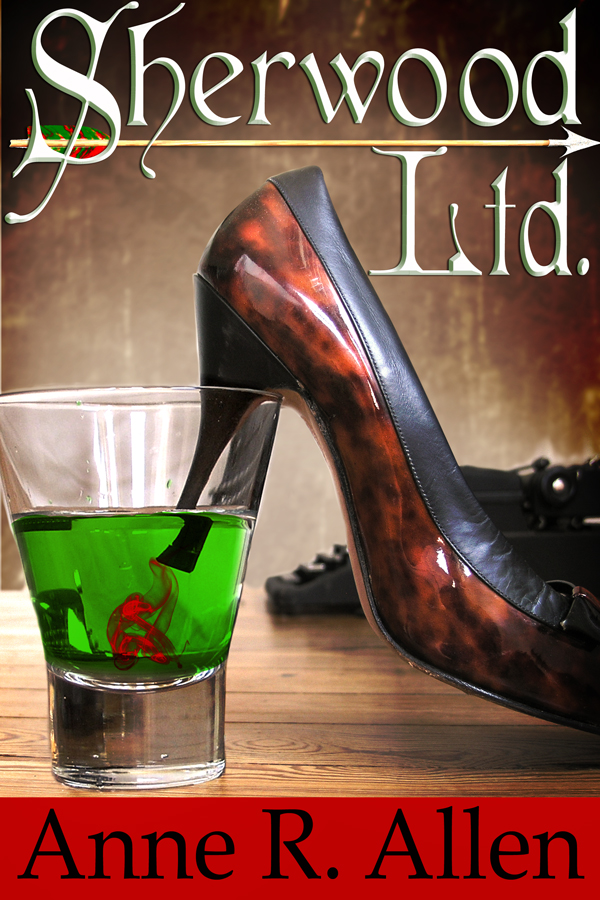
"It's not yer typical whodunnit, nor is the protagonist anything like a cop. Ms. Allen...has crafted a wily tale of murder, deceit, and intrigue that can stand with the best of them. Her characters are all too real and her dialogue took me from laughter to chills to suspicion of everybody in the book"—David H. Keith
OPPORTUNITY ALERTS
1) Escargot Books is expanding its catalogue and are now accepting submissions. Crime fiction (dark thrillers to cozies), women’s fiction, wealth and fitness, children’s, sci-fi and dystopian. All books will be published in digital format. Some books will be chosen for print and/or audio as well. Escargot Books does not offer an advance, but they offer higher royalties than traditional publishers, especially for direct sales from our website, as well as editing, formatting, promotion, and the company of bestselling authors. They have some big name authors and a good track record. Here’s their online submission form.
2) Chick Lit Plus is currently looking for reviewers and contributors to add to the team. If you are interested in joining a popular book and women’s lifestyle blog, and you love Chick Lit, this could be a great opportunity. This is an established site with a big readership. It's a great place to get started as a reviewer. (I personally know two book blog reviewers who have become literary agents. This is a great place to start a career in publishing.)
3) The Lyttoniad contest for the WORST first sentence of a novel. The classic Bulwer-Lytton Contest makes news every year. Each entry must consist of a single sentence but you may submit as many entries as you wish. E-mail entries should be sent to Scott Rice at srice@pacbell.net in the body of the message, Ariel 12 font. One e-mail may contain multiple entries. Entries will be judged by categories, from “general” to detective, western, science fiction, romance, and so on. There will be overall winners as well as category winners. No prizes that I know of, but lots of admiration from your fellow writers. Deadline is June 30th.
4) FREE book advertising to British readers from EbookBargainsUK
(I've had fantastic luck with these guys. I used them after my free run of No Place Like Home and my bounce was three times higher in the UK than the US—I'm sure because of the ad.)
DEADLINE EXTENDED! Lots of authors and publishers have had huge successes with their FREE or SALE books by advertising on BookBub, ENT, KND, POI, etc. But none of those target the UK, and their links go to US sites Brits can't use. But now there’s a newsletter for UK readers only. It links to all the big UK retailers like Apple UK, Waterstones and Foyles as well as Amazon UK. They don’t sell books direct or get paid for clickthroughs, so they don't have any restrictions on how many free books they can spotlight like BookBub and the others. So it's THE place to tell Brits about your book when it goes free or on sale in the UK. Since Brits have the highest number of readers per capita of any country in the world, this looks like a great idea to me: Plus: the site will be offering FREE book ads until June 30th, on a first come, first served basis. Remember this is for books you have on sale or free.
And if you're in the UK, do sign up for their newsletter. It brings links to free and bargain ebooks—at the UK bookstore of your choice—in your inbox every morning. You can subscribe here.
5) Become a CERTIFIED GHOSTWRITER through Cal State Long Beach online courses. Ghostwriter training is now offered by California State University, Long Beach as the "Ghostwriting Certificate Program" (GCP.) The label CERTIFIED GHOSTWRITER has become a Professional Designation. GCP is a life-changing, career-launching course of study. Details and registration at http://ccpe.csulb.edu – search for "ghostwriting". This is only class in existence! Contact instructor Claudia Suzanne at 1-800-641-3936 Class begins June 22.
June 2, 2013
Writer Power: The Rebirth of the American Author
This week Ruth Harris gives us some powerful reasons to be happy about the ongoing changes in the publishing business.
"What?" sez you. "But we see such woeful lamentation and wringing of hands over the demise of the book industry."
It's true about the laments. Scott Turow, bestselling author and president of the Author’s Guild mourned “The Slow Death of the American Author” in an Op Ed the New York Times in April. And James Patterson took it one step further, paying for a full page ad in the NYT to ask for government help to "Save Our Books" and bail out the beleaguered industry.
But not all established, bestselling authors think the upheaval in the book biz is a bad thing. Some, like Ruth Harris, think it's greatly needed.
Yes, the industry is going through epic changes. But it’s not a case of a healthy industry afflicted by a sudden plague of the Big Bad Ebooks. The industry has been unwell for a long time.
The system of returns—where every book in a brick and mortar store is sold on consignment and can be returned for a full refund—has been causing unsustainable financial drain for decades. Up to 40% of books printed are re-shipped, warehoused and then pulped when they don’t sell in an increasingly short period of time. Can you think of any other industry that willfully destroys nearly half its own product, then routinely blames the suppliers for their financial losses?
The book business was already in decline long before the ebook "revolution." In the 1990s the “Big and Nasty” chains like Barnes and Noble, Borders, and Books-a-Million—with their sweetheart deals with the Big 6 Publishers—put 1000s of indie bookstores out of business. Bestsellers were created with boardroom financial deals and paid-for store placement, not word-of-mouth from the wise and dedicated bookstore clerks of yore.
Then along came Amazon to "Kindle" a revolution.... and now the Big Bad Zon is accused of destroying the poor little bookstore chains (formerly known as Big-and-Nasty) and their partners, the supposedly in-need-of-a-bailout Big Six. (Two of which are now owned by Rupert Murdoch.)
But guess what’s happening in some of the old “dying” bookstore buildings? They’re being bought up by independent shopkeepers and bookstore owners. And the indie bookstore is making a comeback.
Yes, as Ruth says: “what goes around comes around.”
Some of the indie stores are selling Kobos and other ereading devices and doing very well with them. It turns out ebooks aren’t incompatible with indie bookselling after all. In fact, there's been a 27% increase in foot traffic to brick and mortar bookstores in the first quarter of this year.
Best of all, the ebook revolution has challenged the master/slave relationship that had been created between the big publisher and the lowly author.
Unlike Rex Pickett—author of the 2004 bestseller (and film) Sideways—today's indie and hybrid authors no longer have to sit in limbo for a decade while their agents and editors conspire to keep them in the dark and treat them with sadistic disrespect. Pickett has documented his tale of abuse in a 3-part series in the HuffPo
Ruth Harris was a New York Times bestseller in those “good old days” of the '80s and '90s—as well as working as an editor at several of the Big Six houses—so she knows what she’s talking about here.
I think you’ll find what she says about those days enlightening. It should make you glad you're living and writing at this moment in publishing history.
Sorry Mr. Turow, American authors aren't suffering a "slow death." We are being reborn—as our own masters.
And big publishers aren't dying either. The "hybrid author" is the future. Publishers who respect their authors will survive. Bookstores who serve their customers, not a distant corporate office, will too. And agents who represent their actual clients, not Mr. Murdoch and co., will thrive.
But some may get a few lessons in Karma. Yeah, it does come back...
POWER SWITCH: Or, What Goes Around Comes Aroundby Ruth Harris
Once upon a time, way back in the middle of the Twentieth Century, thriving bookstores
 dotted the landscape. Wire racks crammed with tempting paperbacks stood in every drugstore, grocery store, supermarket, even in gas stations. Publishers—and there were lots of them, big and small—needed writers and the work they created to fill those bookstores and wire racks.
Lots of markets existed and lots of genres were routinely published. Editors & writers were colleagues who worked together coming up with new ideas or new twists on old ideas.
More contracts were signed, more books were published and sold, more writers were able to make a living. When that massive distribution went away, a power switch occurred: the writer lost and became a beggar shaking his/her alms cup hoping for a crumb, a penny, a kind word.
Over time, the writer was placed in the position of the abused, rejected, criticized and undermined child—even though the parent (the publisher) would aver how much they “loved” you. Out of that unequal relationship a demon’s brew of writer bitterness flowered.
Every book that didn’t sell up to expectations—basically just about every book published—was almost always the writer's fault.
Never mind that the ad/promo/pub budget ranged from miniscule to non-existent. Which is why most writers—at their own expense—hired their own PR reps.
Or that there was maybe a single ad (that’s if you were lucky enough to get an ad) was massively inadequate to the results desired. I can’t tell you how many times I was told “Ads don’t sell books.” With a straight face! And let’s not even talk about coop, lack thereof.Or that the cover had nothing to do with book. Don’t believe me? Then talk to almost any TradPubbed writer and you’ll hear a litany of pain and missed opportunities.Or that books weren't in book stores even as the writer (me & plenty of others) was ruining his/her health touring.Or that no one bothered to use rave reviews to stir up excitement and interest. Those raves were filed away to languish in oblivion, never to see the light of day. Or that suggestions a writer (who you’d think might know something about her/his own book) made about how to sell her/his book were routinely ignored.Or that books—even books for which publishers competed & willingly paid large advances—were published more or less in secret, with little (or no) support from ads, publicity, promo.
Nope. Blame the writer
The book didn't sell so it must have sucked—even if the publisher willingly, eagerly paid a lot of money to acquire it. Even if the reviews were spectacular. Even if book clubs, paperback publishers, foreign publishers, and movie companies spent beaucoup to acquire the rights. In fact, by selling off sub rights and thus recouping the amount of the advance, publishers had even less motivation to aggressively sell the book in question.
The publisher’s solution to the lackluster sales: Move on to the next book, the next writer. Then blame that one, too.
And what did writers take away from the downbeat response, the blaming, the unreturned phone calls, the memos containing suggestions or requesting information that went answered? They began to feel that the criticism was deserved, the disappointment was their fault, and the way to a more rewarding outcome was to write a better book next time. Except, of course, no one knew exactly what a “better book” was.
Except for the time Michael Korda of Simon & Schuster apologized to me for a terrible DECADES cover, no publisher of mine (or anyone else’s that I know of) admitted their publishing effort had been lacking. When several of my books hit the NYTimes bestseller list, the response was not pride or pleasure. It was flowers (sometimes) followed by a pout: “But it didn’t sell as much as we thought.”
With the advent of e-publishing, a second huge switch has taken place, this time, with the power going back to the writer. Now it’s publishers who are feeling threatened, rejected, ignored, undervalued. We hear the howls, we see how much they like it and how desperate they feel—just the way writers used to feel.
****
How about you, scriveners? Have you believed the stories that things were better for writers and bookstores in the "good old days"? Have you ever been disrespected by your publisher or agent?
Book Deals This Week
Ruth's Million-Seller Modern Women is on sale this week for 99c:
Kindle | Nook | Kobo | iBooks
"Author Ruth Harris' rapier wit spices up a coming-of-age-in-the-sexist-'60s story. Funny, sad, vivid, and more than raunchy enough to satisfy the most ribald appetites. Harris seeks to enliven and entertain, and she does it in spades. —The Cleveland Plain-Dealer
"Sharply and stylishly written." —Chicago Sun-Times
Ruth Harris's Park Avenue Box set is only 99c this week, too. Three New York Times Bestsellers for less than a dollar. Includes Ruth's bestselling Decades, which she mentions above. You can buy it here.

"DECADES an emotional blockbuster about three generations of American women, sold millions of copies in hard cover, paperback and ebook editions. Originally published by Simon & Schuster; revised and updated by the author for today's reader.
"Terrific!" --Cosmopolitan "Absolutely perfect." --Publisher's Weekly "Powerful. A gripping novel." --Women Today Book Club
OPPORTUNITY ALERTS
1) Iron Writer Insane-a-Thon!
The Dreadful Cafe will hold their annual writing marathon on July 13, 2013. There are prizes for the most words written in a 24 hour period and for raising the most money for their charity, St. Jude's Hospital. It's a wild and crazy insane-a-thon for a great cause. More at The Dreadful Cafe. Send in your entry to submissions@dreadfulcafe.com before July 14th.
2) Spoonfuls of Stories Contest
For new, unpublished writers of children's fiction. HUGE prizes for the winning stories for children age 2-6. This contest, sponsored by Cheerios, offers a $5000 grand prize and some hefty runners-up prizes too. More info at spoonfulsofstories.com Deadline is July 31.
3) FREE book advertising to British readers from EbookBargainsUK
DEADLINE EXTENDED! Lots of authors and publishers have had huge successes with their free or sale books by advertising on BookBub, ENT, KND, POI, etc. But none of those target the UK, and their links go to US sites Brits can't use. But now there’s a newsletter for UK readers only. It links to all the big UK retailers like Apple UK, Waterstones and Foyles as well as Amazon UK. They don’t sell books direct or get paid for clickthroughs, so they don't have any restrictions on how many free books they can spotlight like BookBub and the others. So it's THE place to tell Brits about your book when it goes free or on sale in the UK. Since Brits have the highest number of readers per capita of any country in the world, this looks like a great idea to me: Plus: the site will be offering FREE book ads until June 30th, on a first come, first served basis.
And if you're in the UK, do sign up for their newsletter. It brings links to free and bargain ebooks—at the UK bookstore of your choice—in your inbox every morning. You can subscribe here.
4) Escargot Books is expanding its catalogue and are now accepting submissions.
Crime fiction (dark thrillers to cozies), women’s fiction, health and fitness, children’s, sci-fi and dystopian. All books will be published in digital format. Some books will be chosen for print and/or audio as well. Escargot Books does not offer an advance, but they offer higher royalties than traditional publishers, especially for direct sales from our website, as well as editing, formatting, promotion, and the company of bestselling authors. This is an indie press with some big name authors and a good track record. Here’s their online submission form.
5) The Huffington Post's Huffpo50 is now publishing short fiction! The rules: You must be 50 or older to enter. Writers can submit only one story per year, and all pieces must be 5,000 words or less. Send your original submissions, as well as your contact details, to 50fiction@huffingtonpost.com. If you want to know what they're looking for, check out this great story by Judy Croome, a long-time follower of this blog.
WE WELCOME YOUR COMMENTS--and apologize that we've had to exclude anonymous comments. Deleting the spam had become a full-time job. If you can't get Blogger to take your comment, email Anne at annerallen dot allen at gmail dot com. Thanks!
"What?" sez you. "But we see such woeful lamentation and wringing of hands over the demise of the book industry."
It's true about the laments. Scott Turow, bestselling author and president of the Author’s Guild mourned “The Slow Death of the American Author” in an Op Ed the New York Times in April. And James Patterson took it one step further, paying for a full page ad in the NYT to ask for government help to "Save Our Books" and bail out the beleaguered industry.
But not all established, bestselling authors think the upheaval in the book biz is a bad thing. Some, like Ruth Harris, think it's greatly needed.
Yes, the industry is going through epic changes. But it’s not a case of a healthy industry afflicted by a sudden plague of the Big Bad Ebooks. The industry has been unwell for a long time.
The system of returns—where every book in a brick and mortar store is sold on consignment and can be returned for a full refund—has been causing unsustainable financial drain for decades. Up to 40% of books printed are re-shipped, warehoused and then pulped when they don’t sell in an increasingly short period of time. Can you think of any other industry that willfully destroys nearly half its own product, then routinely blames the suppliers for their financial losses?
The book business was already in decline long before the ebook "revolution." In the 1990s the “Big and Nasty” chains like Barnes and Noble, Borders, and Books-a-Million—with their sweetheart deals with the Big 6 Publishers—put 1000s of indie bookstores out of business. Bestsellers were created with boardroom financial deals and paid-for store placement, not word-of-mouth from the wise and dedicated bookstore clerks of yore.
Then along came Amazon to "Kindle" a revolution.... and now the Big Bad Zon is accused of destroying the poor little bookstore chains (formerly known as Big-and-Nasty) and their partners, the supposedly in-need-of-a-bailout Big Six. (Two of which are now owned by Rupert Murdoch.)
But guess what’s happening in some of the old “dying” bookstore buildings? They’re being bought up by independent shopkeepers and bookstore owners. And the indie bookstore is making a comeback.
Yes, as Ruth says: “what goes around comes around.”
Some of the indie stores are selling Kobos and other ereading devices and doing very well with them. It turns out ebooks aren’t incompatible with indie bookselling after all. In fact, there's been a 27% increase in foot traffic to brick and mortar bookstores in the first quarter of this year.
Best of all, the ebook revolution has challenged the master/slave relationship that had been created between the big publisher and the lowly author.
Unlike Rex Pickett—author of the 2004 bestseller (and film) Sideways—today's indie and hybrid authors no longer have to sit in limbo for a decade while their agents and editors conspire to keep them in the dark and treat them with sadistic disrespect. Pickett has documented his tale of abuse in a 3-part series in the HuffPo
Ruth Harris was a New York Times bestseller in those “good old days” of the '80s and '90s—as well as working as an editor at several of the Big Six houses—so she knows what she’s talking about here.
I think you’ll find what she says about those days enlightening. It should make you glad you're living and writing at this moment in publishing history.
Sorry Mr. Turow, American authors aren't suffering a "slow death." We are being reborn—as our own masters.
And big publishers aren't dying either. The "hybrid author" is the future. Publishers who respect their authors will survive. Bookstores who serve their customers, not a distant corporate office, will too. And agents who represent their actual clients, not Mr. Murdoch and co., will thrive.
But some may get a few lessons in Karma. Yeah, it does come back...
POWER SWITCH: Or, What Goes Around Comes Aroundby Ruth Harris
Once upon a time, way back in the middle of the Twentieth Century, thriving bookstores
 dotted the landscape. Wire racks crammed with tempting paperbacks stood in every drugstore, grocery store, supermarket, even in gas stations. Publishers—and there were lots of them, big and small—needed writers and the work they created to fill those bookstores and wire racks.
 Lots of markets existed and lots of genres were routinely published. Editors & writers were colleagues who worked together coming up with new ideas or new twists on old ideas.
More contracts were signed, more books were published and sold, more writers were able to make a living. When that massive distribution went away, a power switch occurred: the writer lost and became a beggar shaking his/her alms cup hoping for a crumb, a penny, a kind word.
Over time, the writer was placed in the position of the abused, rejected, criticized and undermined child—even though the parent (the publisher) would aver how much they “loved” you. Out of that unequal relationship a demon’s brew of writer bitterness flowered.
Every book that didn’t sell up to expectations—basically just about every book published—was almost always the writer's fault.
Never mind that the ad/promo/pub budget ranged from miniscule to non-existent. Which is why most writers—at their own expense—hired their own PR reps.
Or that there was maybe a single ad (that’s if you were lucky enough to get an ad) was massively inadequate to the results desired. I can’t tell you how many times I was told “Ads don’t sell books.” With a straight face! And let’s not even talk about coop, lack thereof.Or that the cover had nothing to do with book. Don’t believe me? Then talk to almost any TradPubbed writer and you’ll hear a litany of pain and missed opportunities.Or that books weren't in book stores even as the writer (me & plenty of others) was ruining his/her health touring.Or that no one bothered to use rave reviews to stir up excitement and interest. Those raves were filed away to languish in oblivion, never to see the light of day. Or that suggestions a writer (who you’d think might know something about her/his own book) made about how to sell her/his book were routinely ignored.Or that books—even books for which publishers competed & willingly paid large advances—were published more or less in secret, with little (or no) support from ads, publicity, promo.
Nope. Blame the writer
The book didn't sell so it must have sucked—even if the publisher willingly, eagerly paid a lot of money to acquire it. Even if the reviews were spectacular. Even if book clubs, paperback publishers, foreign publishers, and movie companies spent beaucoup to acquire the rights. In fact, by selling off sub rights and thus recouping the amount of the advance, publishers had even less motivation to aggressively sell the book in question.
The publisher’s solution to the lackluster sales: Move on to the next book, the next writer. Then blame that one, too.
And what did writers take away from the downbeat response, the blaming, the unreturned phone calls, the memos containing suggestions or requesting information that went answered? They began to feel that the criticism was deserved, the disappointment was their fault, and the way to a more rewarding outcome was to write a better book next time. Except, of course, no one knew exactly what a “better book” was.
Except for the time Michael Korda of Simon & Schuster apologized to me for a terrible DECADES cover, no publisher of mine (or anyone else’s that I know of) admitted their publishing effort had been lacking. When several of my books hit the NYTimes bestseller list, the response was not pride or pleasure. It was flowers (sometimes) followed by a pout: “But it didn’t sell as much as we thought.”
With the advent of e-publishing, a second huge switch has taken place, this time, with the power going back to the writer. Now it’s publishers who are feeling threatened, rejected, ignored, undervalued. We hear the howls, we see how much they like it and how desperate they feel—just the way writers used to feel.
****
How about you, scriveners? Have you believed the stories that things were better for writers and bookstores in the "good old days"? Have you ever been disrespected by your publisher or agent?
Book Deals This Week
Ruth's Million-Seller Modern Women is on sale this week for 99c:
Kindle | Nook | Kobo | iBooks
"Author Ruth Harris' rapier wit spices up a coming-of-age-in-the-sexist-'60s story. Funny, sad, vivid, and more than raunchy enough to satisfy the most ribald appetites. Harris seeks to enliven and entertain, and she does it in spades. —The Cleveland Plain-Dealer
"Sharply and stylishly written." —Chicago Sun-Times
Ruth Harris's Park Avenue Box set is only 99c this week, too. Three New York Times Bestsellers for less than a dollar. Includes Ruth's bestselling Decades, which she mentions above. You can buy it here.
"DECADES an emotional blockbuster about three generations of American women, sold millions of copies in hard cover, paperback and ebook editions. Originally published by Simon & Schuster; revised and updated by the author for today's reader.
"Terrific!" --Cosmopolitan "Absolutely perfect." --Publisher's Weekly "Powerful. A gripping novel." --Women Today Book Club
OPPORTUNITY ALERTS
1) Iron Writer Insane-a-Thon!
The Dreadful Cafe will hold their annual writing marathon on July 13, 2013. There are prizes for the most words written in a 24 hour period and for raising the most money for their charity, St. Jude's Hospital. It's a wild and crazy insane-a-thon for a great cause. More at The Dreadful Cafe. Send in your entry to submissions@dreadfulcafe.com before July 14th.
2) Spoonfuls of Stories Contest
For new, unpublished writers of children's fiction. HUGE prizes for the winning stories for children age 2-6. This contest, sponsored by Cheerios, offers a $5000 grand prize and some hefty runners-up prizes too. More info at spoonfulsofstories.com Deadline is July 31.
3) FREE book advertising to British readers from EbookBargainsUK
DEADLINE EXTENDED! Lots of authors and publishers have had huge successes with their free or sale books by advertising on BookBub, ENT, KND, POI, etc. But none of those target the UK, and their links go to US sites Brits can't use. But now there’s a newsletter for UK readers only. It links to all the big UK retailers like Apple UK, Waterstones and Foyles as well as Amazon UK. They don’t sell books direct or get paid for clickthroughs, so they don't have any restrictions on how many free books they can spotlight like BookBub and the others. So it's THE place to tell Brits about your book when it goes free or on sale in the UK. Since Brits have the highest number of readers per capita of any country in the world, this looks like a great idea to me: Plus: the site will be offering FREE book ads until June 30th, on a first come, first served basis.
And if you're in the UK, do sign up for their newsletter. It brings links to free and bargain ebooks—at the UK bookstore of your choice—in your inbox every morning. You can subscribe here.
4) Escargot Books is expanding its catalogue and are now accepting submissions.
Crime fiction (dark thrillers to cozies), women’s fiction, health and fitness, children’s, sci-fi and dystopian. All books will be published in digital format. Some books will be chosen for print and/or audio as well. Escargot Books does not offer an advance, but they offer higher royalties than traditional publishers, especially for direct sales from our website, as well as editing, formatting, promotion, and the company of bestselling authors. This is an indie press with some big name authors and a good track record. Here’s their online submission form.
5) The Huffington Post's Huffpo50 is now publishing short fiction! The rules: You must be 50 or older to enter. Writers can submit only one story per year, and all pieces must be 5,000 words or less. Send your original submissions, as well as your contact details, to 50fiction@huffingtonpost.com. If you want to know what they're looking for, check out this great story by Judy Croome, a long-time follower of this blog.
WE WELCOME YOUR COMMENTS--and apologize that we've had to exclude anonymous comments. Deleting the spam had become a full-time job. If you can't get Blogger to take your comment, email Anne at annerallen dot allen at gmail dot com. Thanks!
May 26, 2013
Short is the New Long: 10 Reasons Why Short Stories are Hot
Ruth Harris will be posting on June 2 instead of today. She kindly switched with me because I'm going to be out of town next weekend, celebrating my Mom's 92nd birthday. Thanks to all of you who downloaded my mom's pioneer saga, Roxanna Britton, and sent it to #1 in Biographies and #1 in Biographical fiction! It's still FREE through Monday!
May is National Short Story Month, so I figured it was time for another post encouraging you to write more short fiction and creative essays. I wrote a piece last year about why we should be writing more short stories that was one of our most popular posts ever.
Since then, short stories and novellas have continued to surge in the marketplace. As marketing guru Penny C. Sansevieri said in a May 23 article in the HuffPo, "If you'd been staying up on trends you'd know that for a variety of reasons short is the new long. Thanks to consumers who want quick bites of information and things like Kindle Singles, consumers love short."
 Thing is, if you’re like me, you left short fiction behind when you decided to become a professional writer. I thought little stories were for college class work and creative writing exercises. When I wanted to write fiction professionally, I "graduated" to novels. I figured short stories were only for obscure literary journals that paid in copies.
Major mistake.
Even back then, in the days of shrinking short fiction markets, I would have been better off if I’d spent more time on the short form. At the end of 10 years, instead of having an unpublishable 1000,000 word novel I’d rewritten 25 times, (yeah—I don't recommend it.) I would have had files full of short fiction and creative essays that could be making money for me now.
Plus, like any other skill, your ability to create short fiction will atrophy if you don’t use it. I find it a lot harder to write a short story now than I did 15 years ago when I wrote them regularly. It’s hard building up those writing muscles again.
I realize that most writers gravitate to one form or the other. I know my ideas generally spool out in about 80,000 words. Shorter is harder for me.
The reverse is true, too. Some great short story writers have a hard time writing good novels. One of our greatest short story writers, Katherine Anne Porter, only wrote one novel, Ship of Fools, which was more like a tapestry of many short stories woven together without a compelling story arc. Critic Elizabeth Harwick said it was " too static" in spite of "the flawless execution of the single scenes."
There's nothing wrong with preferring one form over the other. But these days, it will pay off to work on fiction in a variety of lengths. Right now, I'm experimenting with my first novella. Novellas, once taboo in traditional publishing, are soaring in popularity in the e-age.
It’s funny that most people think of the big novel as the most legitimate type of fiction, since it’s a relatively new form of storytelling. It was perfect for the age of Gutenberg, but perhaps novels won’t maintain such cultural importance in the digital age.
Cervantes is generally credited with inventing the novel with the 1605 publication of Don Quixote, but the form didn’t make it into English until a century later—and for a long time it had to masquerade as “history” as Defoe’s Robinson Crusoe did in 1719. Non-factual narratives were considered frivolous and time-wasting even into the Victorian era. In the 20th century, the novel finally surpassed the play as the most revered form of fictional artistic expression in English.
But who knows what will happen in the 21st century?
What we do know is short stories aren’t just for creative writing classes any more. In February, Leslie Kaufman wrote an article for the New York Times pointing out how smaller stories are “a good fit for today’s little screens.”
After years of fading popularity, the short story is back on an iPhone near you.
Kaufman said “2013 has yielded an unusually rich crop of short-story collections, including George Saunders’s Tenth of September which arrived in January with a media splash normally reserved for Hollywood movies."
And: "Stories are also perfect for the digital age...because readers want to connect and want that connection to be intense and to move on. That is, after all, what a short story is all about."
She also referenced the phenomenal success of the "Kindle Singles" program on Amazon. Indie and trad-pubbed authors alike have had great success self-publishing short stories and essays as ebooks at the online retail sites.
But note: I don't encourage newbie writers to self-publish your very first efforts at story-writing. To succeed in publishing—whether self- or traditional—you need to put in your 10,000 Malcolm Gladwell hours. But you can maximize your efforts by spending more of those hours writing short fiction and creative nonfiction shorts.
When it's time to make your professional debut, you’re going to have some serious inventory. Short pieces are “practice writing” that will hold their value much better than all those-half finished novels languishing in our files. They can allow you to experiment with new genres and play with new ideas while expanding your fan base. Joanna Penn wrote a great post recently at The Creative Penn on the benefits of writing short fiction.
And remember almost all successful authors published short stories before they put out a novel.
Here are ten things that have changed the way we look at short fiction:
1) “Singles” ebooks and other original shorts
By the first decade of the 21st century, short stories had pretty much vanished from any but a handful of mainstream magazines. But it looks as if readers missed them. “Kindle Singles” ebooks launched in 2011 and sold 2 million in the first year.
The short stories in the “Kindle Singles” program sell for between $. 99 and $1.99 and the authors keep a 70% royalty. Many of the top sellers are by name authors, like Lee Child, Stephen King, and Jodi Picoult, but others are by unknowns, according to Kindle Singles editor David Blum. They take both fiction and nonfiction. (The term "short story" usually means fiction, but it can also mean creative nonfiction shorts.)
But you don't have to be accepted into the highly competitive Singles program to self-publish short works successfully. Your royalty will be less than with the official Singles program (If you're not with the KS program, anything sold under $2.99 gets a 35% royalty) but it's probably going to be better than getting paid with a copy of the Northern South Dakota East Campus Community College Review.
Just let people know it's not a novel, and make it at least 10 pages. Any less and a reader feels cheated. Try a collection of five or six if they're ultra-shorts. Or you can make the short perma-free as a teaser for your longer works.
And now exclusive short fiction in showing up in other places. In fact, the airline Qantas is now becoming a publisher, offering fiction works by Aussie authors that are just the right length for a particular flight. The shorter the flight, the shorter the story. I hope this heralds many creative new story venues to come. All lengths of fiction and memoir are finding a market.
2) Smaller screens and shorter attention spans.
We're a multi-tasking world.
As bestselling short story writer Amber Dermont told the NYT: “The single-serving quality of a short narrative is the perfect art form for the digital age…Stories are models of concision, can be read in one sitting, and are infinitely downloadable and easily consumed on screens.”
And Cal Morgan of Harper Perennial said: “It is the culmination of a trend we have seen building for five years…The Internet has made people a lot more open to reading story forms that are different from the novel, and you see a generation of writers very engaged in experimentation.”
Recently I've been approached by a number of websites that cater to moms, babysitters and nannies that provide links to short fiction, like this piece by Olivia Lewis at the Nanny Network News. It's the perfect thing for a nanny taking a kid to the park or a busy mom waiting to pick up a kid at school.
The successes of titles like George Saunders’ means that collections are no longer the unwanted stepchild—even in the traditional publishing world (although you’ll still find it hard to get an agent interested in a collection unless you’ve had them published first in the big-name literary venues. Agents tend to follow trends, not create them.)
3) The success of serial fiction like Hugh Howey’s Wool
Hugh Howey made history (and a nice chunk of change) by self-publishing his sci-fi novel Wool as a series of shorts—like the Saturday matinee cliff-hanger short films of the early 20th century. He put his first episode—a stand-alone that’s also a teaser—perma-free on Amazon, and the fans ate up the succeeding chapters, offered at 99c each.
Now Amazon has a Kindle Serials program like the Kindle Singles. It's highly selective, but I've heard it pays off very well for authors who are accepted. There's an art to writing serial episodes. They need to have the same kind of story arc as a short story, with a cliff-hanger instead of resolution at the end.
4) E-Book Anthologies
Short story anthologies are one of the best ways to increase your visibility. They're inexpensive to put together as ebooks. They usually don’t pay, and often donate proceeds to a charity. But if you can get a story into an anthology with some well-known authors in your genre, you’ll be paid in publicity that would be hard to buy at any price. All those authors' fans will be exposed to your work.
Being in an anthology also gives an unpublished writer some great cred as a professional. Many successful authors I network with were first published by the Literary Lab anthologies.
Another plus for anthologies: Some of the biggies, like the Chicken Soup series, also come out in print and are stocked in bookstores. It’s a great way to get noticed by the old-school reader, too.
5) Online literary journals and showcase sites
One of the important steps on the road to a big publishing contract has always been to place stories in respected literary journals. In fact it’s still pretty much the only way to a publishing contract if you write literary fiction. (Can you name any big name literary writers who haven’t first appeared in The New Yorker, The Paris Review or at least McSweeneys?)
But nobody ever got the first story they wrote published by The New Yorker. First they had to place dozens in small literary journals—those tiny labors of love that used to cost a ton to produce and often had under a hundred subscribers. Often you had to pay $25 or more to subscribe to find out what kind of things they wanted and get the info on how to submit to them.
But these days, most literary journals are available online. They have larger readerships and you don’t have to pay a fortune to read them or find out what the editors are looking for. Online literary journals like Compose (info below) can be a great stepping stone to success in publishing literary fiction.
And if you write genre fiction, you don't have to start your career getting endless rejections from the ultra competitive print magazines that still buy short stories, like Women's World, Ellery Queen and Asimov's.
Now there are showcases for short fiction springing up where you can get critique and start getting fans. Readwave is a story sharing-site that looks like a promising venue for the new writer.
6) Indie films
Stories are easier to adapt for the screen than full-length novels. Cheaper too. They tend to have fewer crowd scenes and more small interior settings. Cost matters in the growing indie film world. Just as indies are revolutionizing the publishing industry, they are also the life-blood of the film industry. While the big studios concentrate on huge comic book spectacles and remakes of old TV shows, the more emotionally rich, award-winning films are coming from small-budget indies.
Some of our most enduring films have come from short stories. Classic films like The Birds; Breakfast at Tiffany's; Don't Look Now; Double Indemnity, Flowers for Algernon—and I’d need a whole post to list the stories of Stephen King and Philip K. Dick that have been made into great films. More recent Oscar contenders like Brokeback Mountain and the Squid and the Whale were originally short stories.
7) Online retail sites favor authors with more titles
The more titles you have in an online bookstore, the more visible you are. You can write and publish a lot of shorter titles and have a bigger presence on Amazon than with one long book. Most writers can’t turn out more than two or three books a year, but they can turn out a lot of short stories and novellas.
8) Contests
Contests are easy to discover and enter in the era of the Interwebz. Hope C. Clark's Funds for Writers and the website Winning Writers are good sources for vetted and free contests.
Entering short story contests is an excellent way to get your career started. A big win for one of your pieces looks great in a query or a bio. Plus you might even win a money prize. A lot of those prizes are bigger than the advances publishers offer on novels these days.
But you do have to be wary. There are a lot of bogus contests out there. Here's a great article by Hope C. Clark at Writer Beware to help you spot the red flags of bogus writing contests.
10) Short stories make money and hold their value
In terms of labor, a short story can make more money for you than a novel. Not only does it take less time to write and often sells for the same price as a novel in an ebook, but it can be re-purposed many times. Kaufman reminds us that "all but one of the tales in Mr. Saunders’s Tenth of December had been published earlier, many in The New Yorker, but that does not appear to have hurt sales."
Forward-looking agents are now encouraging their authors to self-publish shorts to fill in the gaps between novel releases. They especially like shorts that are about characters in your novels. So consider writing a couple of shorts about your main characters while you're working on the novel. It may get you through a tricky spot in the big work as well as giving you a saleable product for later down the road.
The 21st century may become the era of the short story, so it's worth it to work on your short-form muscles. And hey, you might even end up with your story on your very own stamp, like this Irish Teenager.
How about you, scriveners? Do you favor one form of fiction over another? Have you been taking advantage of the new popularity of short stories? Do you find it hard to get back into the short form after writing novels? What about the new popularity of novellas? Have you written one yet?
BOOK DEALS OF THE WEEK
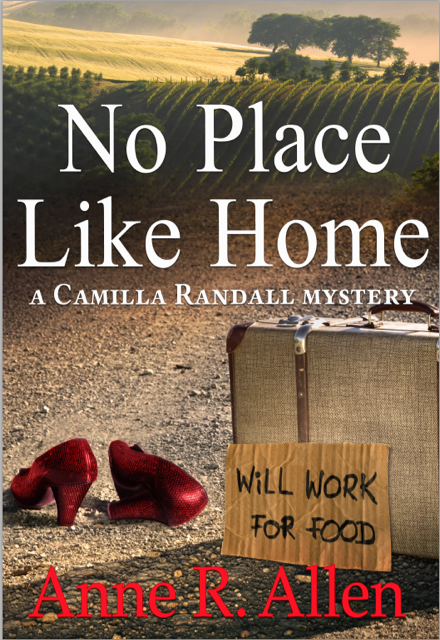
But if you still like reading novels, I happen to have one going FREE this week. NO PLACE LIKE HOME , a mystery with a lot of laughs in spite of the serious theme, will be free on Amazon starting tomorrow. (I hope. It was supposed to go free today, May 26, but it still shows the price at $4.99. There seems to be a glitch at the Zon. I'm keeping fingers crossed for it to go free by tomorrow.)
"A warp-speed, lighthearted comedy mystery, No Place Like Home offers lasting laughs beneath which a message resounds – Being homeless is scary. Bookstore manager Camilla and home fashion maven Doria have been, distantly and very recently, wealthy. But each suddenly finds herself scrambling nightly for a safe place to sleep, with chaotic and often interesting results."–Abigail Padgett
***And if you're a fan of romantic comedy, there's a cornucopia of 99-cent deals for your Summer Beach reading from the Official Chick Lit Group, including my rom-com mystery, THE GATSBY GAME, still 99c until the end of the month. It's at Barnes and Noble, too.
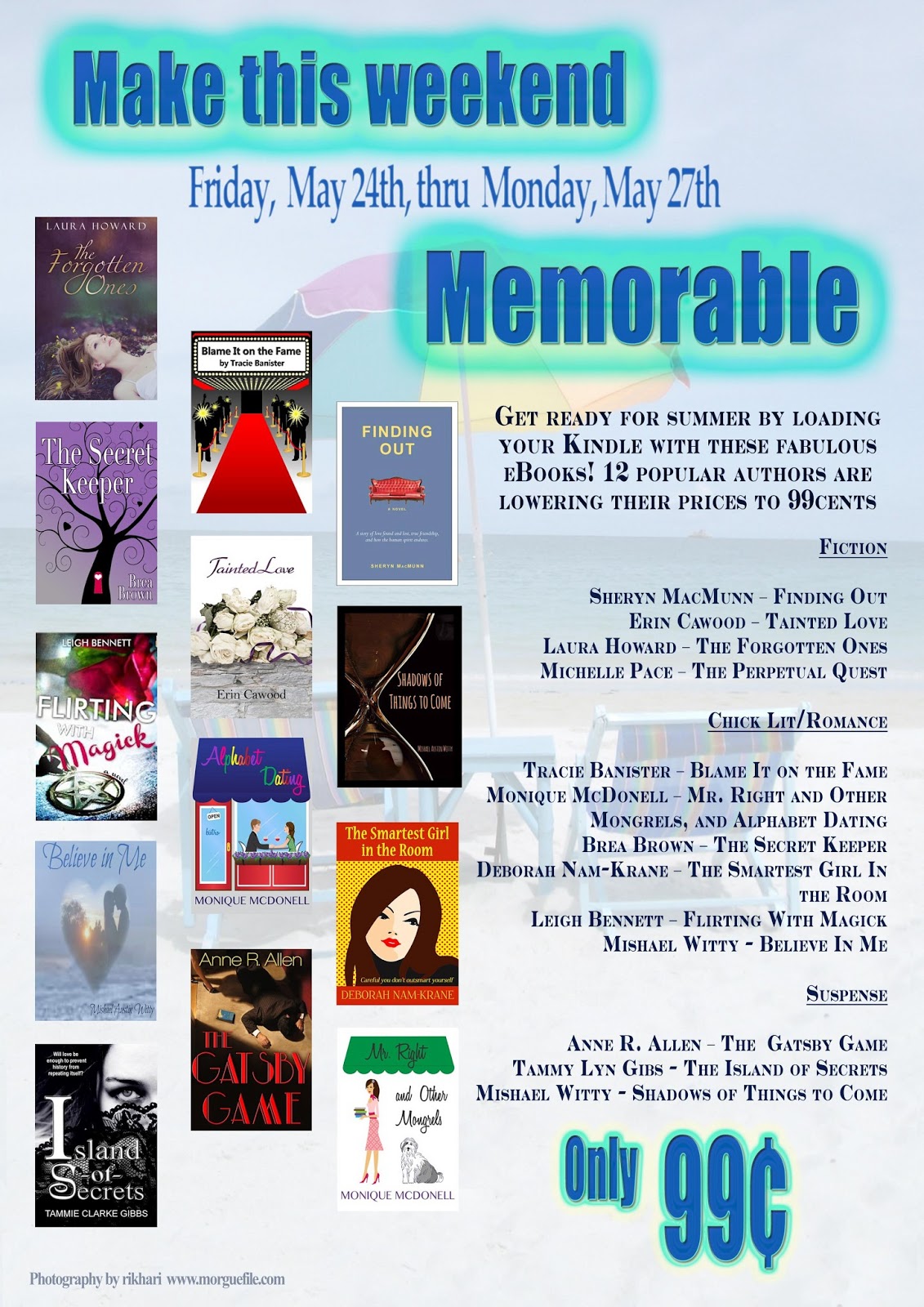
CLICK HERE FOR INFO ON THE MEMORIAL DAY SALE
OPPORTUNITY ALERTS FOR SHORT STORY WRITERS
1) The Saturday Evening Post’s Second Annual Great American Fiction Contest—yes, THAT Saturday Evening Post—is holding a short fiction contest. Could you join the likes of F. Scott Fitzgerald; William Faulkner; Kurt Vonnegut, Jr.; Ray Bradbury; Louis L’Amour; Sinclair Lewis; Jack London; and Edgar Allan Poe? $10 entry fee Deadline July 1, 2013
2) COMPOSE Literary Journal debuts next month with their debut issue. Submissions are open for their Fall 2013 issue. This prestigious journal was founded by Suzannah Windsor, of Write it Sideways, and she's put together an amazing editorial staff. I'm so honored to have my poem "No One Will Ever Love Him" included in the debut issue. They are looking for art and photography as well as poems, literary short fiction, novel excerpts and essays. Must not be previously published (that includes anything that has appeared on your blog.)
3) Readwave: A showcase for short stories: ReadWave is a community of readers and writers who love to discover and share new stories from contemporary writers. Readers can access thousands of stories and read them for free on mobile or desktop—and writers can use ReadWave to build up a fanbase and market their stories online. ReadWave has created a new reading widget, that allows bloggers and website owners to embed stories online in a compact form. The ReadWave widget is the first reading widget to allow readers to "follow" the writer. When a reader follows a writer they are added to the writer’s fanbase and can receive updates on all of the writer’s future stories. ReadWave puts writers in touch with the readers that are right for them.
4) SMOKE AND MIRRORS podcasts. Get your short story recorded FREE for an online podcast! Fantastic publicity if your story is accepted by SMOKE AND MIRRORS. They broadcast about three stories a week. Spooky, dark tales preferred. No previous publication necessary. They judge on the story alone.
5) MIDLIFE COLLAGE is looking for short-short creative nonfiction stories from people at midlife. They offer cash prizes and there's no fee to enter. Submission guidelines here.
6) New Literary Journal, The Puffin Review is looking for submissions of short fiction, (up to 3000 words) poetry and essays. They welcome new writers.


