L.M. Long's Blog, page 28
October 12, 2012
Giveaway: Saving Halloween
Happy October!
This is truly my favorite time of year. I love the change of the seasons. I love the way the light turns golden, the mornings are crisp and foggy, the trees explode with color. I even love when Oregon returns to her natural, rainy state.
Boots.
Pumpkin patches.
Herbal tea warming cold fingers.
Halloween...
I love Halloween so much that I went trick-or-treating every year until I got married. I'm short and a sheet ghost costume easily disguised my too oldness.
That is why I am so happy to introduce to you, Saving Halloween by Lisa Ard. (Remember her?)

When book-smart Anne Parson meets Halloween Spavento, she sees exactly what she wants to see -- a friend. Halloween waves away trouble, magically silences school bullies and offers Anne unfailing friendship. But, when the Spavento family's enchanting exploits are exposed, will Anne face her fears and save Halloween?
A spellbinding tale of outcasts who find acceptance, a girl who discovers the true meaning of family, and characters who are not always what they seem.
2012 Kay Snow Award Winner
I have to be honest, with all the excitement going on in my life the last couple of weeks, I have not had a chance to finish it yet, but what I did read, I was absolutely charmed by. I'm hoping to move it to the top of my stack next week - but you don't have to wait for me. You can get your own copy.
Enter to win an ebook version of Saving Halloween by answering one of the following question:
What was the best costume you ever wore?
or
If you could be anyone else for a day, who would you be?
We'll pick and announce a winner next Friday.
Don't want to wait? Buy a print or ebook copy here.

Lisa Ard
Author
Saving Halloween
Read Now - http://bit.ly/P0hAOy
Twitter - @LisaArd

This is truly my favorite time of year. I love the change of the seasons. I love the way the light turns golden, the mornings are crisp and foggy, the trees explode with color. I even love when Oregon returns to her natural, rainy state.
Boots.
Pumpkin patches.
Herbal tea warming cold fingers.
Halloween...
I love Halloween so much that I went trick-or-treating every year until I got married. I'm short and a sheet ghost costume easily disguised my too oldness.
That is why I am so happy to introduce to you, Saving Halloween by Lisa Ard. (Remember her?)
When book-smart Anne Parson meets Halloween Spavento, she sees exactly what she wants to see -- a friend. Halloween waves away trouble, magically silences school bullies and offers Anne unfailing friendship. But, when the Spavento family's enchanting exploits are exposed, will Anne face her fears and save Halloween?
A spellbinding tale of outcasts who find acceptance, a girl who discovers the true meaning of family, and characters who are not always what they seem.
2012 Kay Snow Award Winner
I have to be honest, with all the excitement going on in my life the last couple of weeks, I have not had a chance to finish it yet, but what I did read, I was absolutely charmed by. I'm hoping to move it to the top of my stack next week - but you don't have to wait for me. You can get your own copy.
Enter to win an ebook version of Saving Halloween by answering one of the following question:
What was the best costume you ever wore?
or
If you could be anyone else for a day, who would you be?
We'll pick and announce a winner next Friday.
Don't want to wait? Buy a print or ebook copy here.
Lisa Ard
Author
Saving Halloween
Read Now - http://bit.ly/P0hAOy
Twitter - @LisaArd


October 11, 2012
How I Got My Agent
If you follow me on twitter, you may have noticed this lovely little gem this morning:
I always enjoy reading "How I Got My Agent" stories, so I thought I would share mine as well (though oh-my-gosh-I-am-suddenly-feeling-very-shy).
HOOK'S REVENGE is my first novel and it took me an outrageously long time to write. I had the idea many years ago - while half-sleeping off the flu, half-listening to my daughter watching a DVD of Hook. When I woke up, there was a character in my head, but I was a busy young mom and not ready to pursue a serious career in writing.
Still, I sketched out the idea and slowly wrote a horrible first draft. In the meantime my family moved back home to Oregon (more than 3000 miles away from where we had been living in Maryland), I began homeschooling my daughter, and my father-in-law passed away. (He actually entered the hospital the same day I wrote "the end" on my first draft.) Though I enjoyed writing, I wasn't at a point in my life where I could make a serious commitment to it. Instead, I played with words on my blog and continued reading and learning.
Last fall, I did some beta reading for a good friend. I was ecstatic when she landed a publishing contract (Little plug: LIBERTY, Rhemalda 2/13 - so good!). I was so inspired by her success.
The timing was right for me to dive in, so I got to work. I started getting up earlier and/or staying up later than everyone else so I could write. I fell in love with my story all over again. I rewrote, I revised, I rewrote some more. In addition, I set about building a support network. One of the best choices I could have made was to join SCBWI. There I found friends and mentors that really helped me to hone and polish my work.
In July, I felt that my manuscript was ready to begin submitting to agents. I read Query Shark and Slush Pile Tales to learn how to write a query letter, then pounded one out. After running it by a couple of friends, I revised a bit and set it loose on the world.
By that I mean, I sent it to five agents, then waited by my inbox.
Two weeks went by with no response. I began to suspect that everyone hated it and/or hated me.
I started a new project anyway.
One day I saw on twitter that Janet Reid (the Query Shark) was offering a personal response to queries sent to her within a specific time frame. This was not to be a critique or query advice, but a non-form response - likely a this-is-why-I'm-rejecting-you response.
The only problem? Janet does not rep middle-grade.
However, I did a little more reading on her blog, and found this bit of advice:
I took her advice and sent in my query. Within 16 minutes (yes I counted) she sent me a lovely reply referring me to Brooks. I not going to lie, that bit of encouragement made me cry really ugly, but happy, tears for at least 10 minutes. My husband thought I had lost my mind. He was likely right.
So, I queried Brooks, and ten other agents. I started getting page requests, along with some rejections. It was all very exciting.
A couple of months after I started querying, I decided to reread my manuscript. I read the first third one evening and when I came to bed, I told my husband, "You know what? It really is good."
The next day Brooks emailed to say he would like to chat. We set up an appointment for a few days later.
That night I read more and my heart sank. I had gotten past the most polished, most recent, best part. Things were not so good anymore, and I had achieved enough distance to see it. My manuscript was nowhere near ready and I was almost certain Brooks was only calling to tell me so. (I know - a phone call is a big deal, but since I was a referral...)
Anyway, he called, and I was so nervous. It turned out that he really did love my manuscript, but he saw the same problems that I did. We spoke for nearly an hour on ways to make things better. I promised him first peek at my revisions and hung up really excited to make changes.
Over the next week I ended up getting four new page requests from a couple of contest I entered - one from an agent that I had had my eye on for a very long time. I worked feverishly to complete revisions so I could give Brooks a first pass and not keep anyone else waiting too long.
When I completed my rewrite, I was so proud of my work. I had ended up adding an additional 5000 words and really loved the way things had changed. Brooks loved it too and quickly offered to represent me. I asked for a week to think it over and alert the other agents that were interested. I ended up with two offers.
One from Brooks who had an incredible passion and enthusiasm for my work, but is still a fairly new agent, and another from the agent I had, at one time, thought of as possibly "my dream agent." You would think that that would have made me happy, but I was miserable. It was hard to choose between Brooks's passion and the other, more established agent. I needed to choose between passion and experience.
I emailed Brooks about where I was in the process and his reply blew me away. I knew for certain that he understood and loved my work. I new we would have a great time working together. The choice was easy. Though the other offering agent truly is fabulous, in my opinion, the best agent is the one that loves your work the most. I am 100% confident in my choice and really looking forward to our working together. I can't wait to see what kind of mischief we'll cook up. Yo Ho!
br />

I am beyond thrilled to announce that @franticsimple has accepted my offer of representation! Middle grade pirate hijinks to ensue!Brooks used all the best words: I am also beyond thrilled.
— Brooks Sherman (@byobrooks) October 11, 2012
I always enjoy reading "How I Got My Agent" stories, so I thought I would share mine as well (though oh-my-gosh-I-am-suddenly-feeling-very-shy).
HOOK'S REVENGE is my first novel and it took me an outrageously long time to write. I had the idea many years ago - while half-sleeping off the flu, half-listening to my daughter watching a DVD of Hook. When I woke up, there was a character in my head, but I was a busy young mom and not ready to pursue a serious career in writing.
Still, I sketched out the idea and slowly wrote a horrible first draft. In the meantime my family moved back home to Oregon (more than 3000 miles away from where we had been living in Maryland), I began homeschooling my daughter, and my father-in-law passed away. (He actually entered the hospital the same day I wrote "the end" on my first draft.) Though I enjoyed writing, I wasn't at a point in my life where I could make a serious commitment to it. Instead, I played with words on my blog and continued reading and learning.
Last fall, I did some beta reading for a good friend. I was ecstatic when she landed a publishing contract (Little plug: LIBERTY, Rhemalda 2/13 - so good!). I was so inspired by her success.
The timing was right for me to dive in, so I got to work. I started getting up earlier and/or staying up later than everyone else so I could write. I fell in love with my story all over again. I rewrote, I revised, I rewrote some more. In addition, I set about building a support network. One of the best choices I could have made was to join SCBWI. There I found friends and mentors that really helped me to hone and polish my work.
In July, I felt that my manuscript was ready to begin submitting to agents. I read Query Shark and Slush Pile Tales to learn how to write a query letter, then pounded one out. After running it by a couple of friends, I revised a bit and set it loose on the world.
By that I mean, I sent it to five agents, then waited by my inbox.
Two weeks went by with no response. I began to suspect that everyone hated it and/or hated me.
I started a new project anyway.
One day I saw on twitter that Janet Reid (the Query Shark) was offering a personal response to queries sent to her within a specific time frame. This was not to be a critique or query advice, but a non-form response - likely a this-is-why-I'm-rejecting-you response.
The only problem? Janet does not rep middle-grade.
However, I did a little more reading on her blog, and found this bit of advice:
Query everyone. Forget that crap about honing a list and researching what agents like. Query everyone. If they say no, so what. Maybe just maybe you'll find an agent looking to branch out, looking for a fabulous new voice, looking for you. The cost of querying right now is damn near zero since you can query almost everyone by email.
I took her advice and sent in my query. Within 16 minutes (yes I counted) she sent me a lovely reply referring me to Brooks. I not going to lie, that bit of encouragement made me cry really ugly, but happy, tears for at least 10 minutes. My husband thought I had lost my mind. He was likely right.
So, I queried Brooks, and ten other agents. I started getting page requests, along with some rejections. It was all very exciting.
A couple of months after I started querying, I decided to reread my manuscript. I read the first third one evening and when I came to bed, I told my husband, "You know what? It really is good."
The next day Brooks emailed to say he would like to chat. We set up an appointment for a few days later.
That night I read more and my heart sank. I had gotten past the most polished, most recent, best part. Things were not so good anymore, and I had achieved enough distance to see it. My manuscript was nowhere near ready and I was almost certain Brooks was only calling to tell me so. (I know - a phone call is a big deal, but since I was a referral...)
Anyway, he called, and I was so nervous. It turned out that he really did love my manuscript, but he saw the same problems that I did. We spoke for nearly an hour on ways to make things better. I promised him first peek at my revisions and hung up really excited to make changes.
Over the next week I ended up getting four new page requests from a couple of contest I entered - one from an agent that I had had my eye on for a very long time. I worked feverishly to complete revisions so I could give Brooks a first pass and not keep anyone else waiting too long.
When I completed my rewrite, I was so proud of my work. I had ended up adding an additional 5000 words and really loved the way things had changed. Brooks loved it too and quickly offered to represent me. I asked for a week to think it over and alert the other agents that were interested. I ended up with two offers.
One from Brooks who had an incredible passion and enthusiasm for my work, but is still a fairly new agent, and another from the agent I had, at one time, thought of as possibly "my dream agent." You would think that that would have made me happy, but I was miserable. It was hard to choose between Brooks's passion and the other, more established agent. I needed to choose between passion and experience.
I emailed Brooks about where I was in the process and his reply blew me away. I knew for certain that he understood and loved my work. I new we would have a great time working together. The choice was easy. Though the other offering agent truly is fabulous, in my opinion, the best agent is the one that loves your work the most. I am 100% confident in my choice and really looking forward to our working together. I can't wait to see what kind of mischief we'll cook up. Yo Ho!
br />

October 10, 2012
Discovering the Writer Within.....
Valerie J. Steimle
Back in July of 2006, I did a writer’s workshop for the American Night Writer’s Association’s annual summer retreat based on a wonderful book I found called The Artist’s Way by Julia Cameron and Mark Bryan.
So without further ado, I am presenting to you: Discovering the Writer Within—a creative way to restore creativity for all artists searching for their best self. Whether you believe it or not, we have all been born with creativity. Not only have we been born with creativity in writing but in other avenues as well. Julia Cameron who wrote The Artist’s Way has had conversations that went something like this……. “When people ask me what I do, I usually answer, “I’m a writer-director and I teach these creativity workshops.” The last one interests them….. “How can you teach creativity?” they want to know. “I can’t,” I tell them. “I teach people to let themselves be creative.” “Oh. You mean we’re all creative?” They ask in disbelief. “Yes.” “You really believe that?” “Yes, I do.”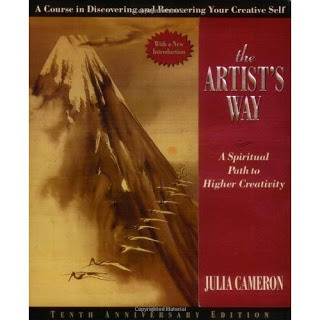
Yes, she really does believe it and so do I. We are the channel for novels, nonfiction writing, young adult stories, children’s stories, inspirational articles and the list goes on and on. We have been chosen by our Heavenly Creator to share with others the inspirations that we receive on all subjects.
Giacomo Puccini once said: “The music of this opera (Madame Butterfly) was dictated to me by God; I was merely instrumental in putting it on paper and communicating it to the public life.”
I have felt that way many times over the course of the 20 years I have been writing to be published. God dictates to me what to say and I write it down. I think many of us do this as well. We are given our stories, our articles, and our writings from God and we dictate it on paper to communicate it to public life.
There are some basic principles to learn in helping ourselves to become our best creative self for all areas of our lives and Julia Cameron goes through step by step to help us recover the creativity we already have within. You do have creativity in you. You just need to learn how to recover it.
Although we are given certain gifts, sometimes we need a little nudge or encouragement to keep our creativity going. There are two pivotal tools according to Julia Cameron that we can use to keep our writing going.
Tool # 1: Morning pages: In Julia’s words: (We are on a first name basis now) “In order to retrieve your creativity, you need to find it. I ask you to do this by an apparently pointless process I call the morning pages. Put simply, the morning pages are three pages of long, hand writing, strictly stream-of-consciousness.”
You have nothing to write, you say??? It doesn’t matter. You can start off writing, “I have nothing to say. I need to do laundry. My curtains are dirty. Blah, Blah, Blah.” This small every day task drains your brain of garbage and is not meant to be art.
Julia says: “These pages are meant to be simply, the act of moving the hand across the page and writing down whatever comes to mind. You shouldn’t read them back and nobody else is allowed to read them either.”
Theodore Roethke says: “A mind too active is no mind at all.” I think we can all relate to that. Julia also says: “All that angry, whiny, petty stuff that you write down in the morning stands between you and your creativity. Worrying about the job, the laundry, the funny knock in the car, the weird look in your spouses eyes—this stuff eddies through our subconscious and muddies our days. Get it on the page”
And it works!!!! I’ve been doing morning pages on and off since I read this book in 2006. I was better at doing it every day from the start but now after 5 filled up notebooks of stream-of-conciseness writings, I try to write in my morning pages notebook at least 3 times a week. It is amazing how it works. The trash and worries of the day are on paper and you are ready to get some real writing work done.
Tool #2: Artist’s Date: An Artists Date is a block of time, perhaps two hours weekly, especially set aside and committed to nurturing your creative consciousness, your inner artist. In its most primary form the artist date is an excursion, a play date that you preplan and defend against all interlopers. Julia suggests you don’t take anyone with you. But with children and husband and our busy schedules I found it was easier to take children or husband with me than to not do it at all. But there were weeks that I found myself a two hour block where I could get away to some artistic time.
“Suggested Artist’s dates: long country walks, expeditions to the mountains or beach, see a concert, opera or play. Go dancing or watch a ballet. Even spending time in solitude with your artistic child is self-nurturing. There are museums, old houses, antique stores—the sky is the limit. You are filling your well and it should be fun. Do not do what you should do, do what intrigues you. Explore what interests you; think mystery not mastery.”
This has helped as well. Although with a busy schedule of children and husband, I don’t get to do this every week but, it does do wonders when you do get to indulge in an artist’s date and creativity will come bouncing out in no time at all. Feel free to find The Artist’s Way, as there are more ideas waiting to be used to restore our creative self. I thoroughly enjoyed this book and refer to it all the time. Happy Writing!!!

Back in July of 2006, I did a writer’s workshop for the American Night Writer’s Association’s annual summer retreat based on a wonderful book I found called The Artist’s Way by Julia Cameron and Mark Bryan.
So without further ado, I am presenting to you: Discovering the Writer Within—a creative way to restore creativity for all artists searching for their best self. Whether you believe it or not, we have all been born with creativity. Not only have we been born with creativity in writing but in other avenues as well. Julia Cameron who wrote The Artist’s Way has had conversations that went something like this……. “When people ask me what I do, I usually answer, “I’m a writer-director and I teach these creativity workshops.” The last one interests them….. “How can you teach creativity?” they want to know. “I can’t,” I tell them. “I teach people to let themselves be creative.” “Oh. You mean we’re all creative?” They ask in disbelief. “Yes.” “You really believe that?” “Yes, I do.”

Yes, she really does believe it and so do I. We are the channel for novels, nonfiction writing, young adult stories, children’s stories, inspirational articles and the list goes on and on. We have been chosen by our Heavenly Creator to share with others the inspirations that we receive on all subjects.
Giacomo Puccini once said: “The music of this opera (Madame Butterfly) was dictated to me by God; I was merely instrumental in putting it on paper and communicating it to the public life.”
I have felt that way many times over the course of the 20 years I have been writing to be published. God dictates to me what to say and I write it down. I think many of us do this as well. We are given our stories, our articles, and our writings from God and we dictate it on paper to communicate it to public life.
There are some basic principles to learn in helping ourselves to become our best creative self for all areas of our lives and Julia Cameron goes through step by step to help us recover the creativity we already have within. You do have creativity in you. You just need to learn how to recover it.
Although we are given certain gifts, sometimes we need a little nudge or encouragement to keep our creativity going. There are two pivotal tools according to Julia Cameron that we can use to keep our writing going.
Tool # 1: Morning pages: In Julia’s words: (We are on a first name basis now) “In order to retrieve your creativity, you need to find it. I ask you to do this by an apparently pointless process I call the morning pages. Put simply, the morning pages are three pages of long, hand writing, strictly stream-of-consciousness.”
You have nothing to write, you say??? It doesn’t matter. You can start off writing, “I have nothing to say. I need to do laundry. My curtains are dirty. Blah, Blah, Blah.” This small every day task drains your brain of garbage and is not meant to be art.
Julia says: “These pages are meant to be simply, the act of moving the hand across the page and writing down whatever comes to mind. You shouldn’t read them back and nobody else is allowed to read them either.”
Theodore Roethke says: “A mind too active is no mind at all.” I think we can all relate to that. Julia also says: “All that angry, whiny, petty stuff that you write down in the morning stands between you and your creativity. Worrying about the job, the laundry, the funny knock in the car, the weird look in your spouses eyes—this stuff eddies through our subconscious and muddies our days. Get it on the page”
And it works!!!! I’ve been doing morning pages on and off since I read this book in 2006. I was better at doing it every day from the start but now after 5 filled up notebooks of stream-of-conciseness writings, I try to write in my morning pages notebook at least 3 times a week. It is amazing how it works. The trash and worries of the day are on paper and you are ready to get some real writing work done.
Tool #2: Artist’s Date: An Artists Date is a block of time, perhaps two hours weekly, especially set aside and committed to nurturing your creative consciousness, your inner artist. In its most primary form the artist date is an excursion, a play date that you preplan and defend against all interlopers. Julia suggests you don’t take anyone with you. But with children and husband and our busy schedules I found it was easier to take children or husband with me than to not do it at all. But there were weeks that I found myself a two hour block where I could get away to some artistic time.
“Suggested Artist’s dates: long country walks, expeditions to the mountains or beach, see a concert, opera or play. Go dancing or watch a ballet. Even spending time in solitude with your artistic child is self-nurturing. There are museums, old houses, antique stores—the sky is the limit. You are filling your well and it should be fun. Do not do what you should do, do what intrigues you. Explore what interests you; think mystery not mastery.”
This has helped as well. Although with a busy schedule of children and husband, I don’t get to do this every week but, it does do wonders when you do get to indulge in an artist’s date and creativity will come bouncing out in no time at all. Feel free to find The Artist’s Way, as there are more ideas waiting to be used to restore our creative self. I thoroughly enjoyed this book and refer to it all the time. Happy Writing!!!
October 5, 2012
Opening Words Contest
Remember that short story contest we had a while ago? Well, we were a bit disappointed in the participation levels, which got all of us a little down here. As the semi-official PR person here at Mommy Authors, I made an executive decision to try again and to make it a little easier. Instead of doing something crazy like requiring you guys to come up with a whole short story, how about we try 25 opening words?
Here's how it's going to go:
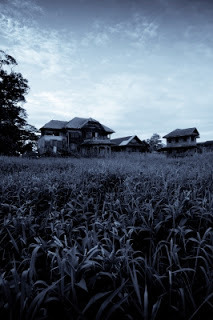 Image courtesy of Witthaya Phonsawat
/ FreeDigitalPhotos.net1. Create the opening lines of a story based on the image above (Happy Halloween this month, btw!). No more than 25 words !
2. Submit those 25 words in a comment on ON OUR FACEBOOK PAGE, under the thread w/ this picture, titled "October Opening Words". (Our facebook page is here.) (If your opening words aren't posted under the right thread, we won't know they're in the contest!)
3. Encourage your friends, family, followers to drop by and "like" your 25 words. The comment with the most "likes" will win a $25 Amazon Gift Certificate. In the case of a tie, the Mommy Author Bloggers will serve as tie-breaking votes.
So spread the word and come win!
Contest closes Monday, October 29th at 12:00am mountain time.

Here's how it's going to go:
 Image courtesy of Witthaya Phonsawat
/ FreeDigitalPhotos.net1. Create the opening lines of a story based on the image above (Happy Halloween this month, btw!). No more than 25 words !
2. Submit those 25 words in a comment on ON OUR FACEBOOK PAGE, under the thread w/ this picture, titled "October Opening Words". (Our facebook page is here.) (If your opening words aren't posted under the right thread, we won't know they're in the contest!)
3. Encourage your friends, family, followers to drop by and "like" your 25 words. The comment with the most "likes" will win a $25 Amazon Gift Certificate. In the case of a tie, the Mommy Author Bloggers will serve as tie-breaking votes.
So spread the word and come win!
Contest closes Monday, October 29th at 12:00am mountain time.
September 28, 2012
An Interview with Joan Sowards...
Today I am interviewing Joan Sowards--one of my favorite LDS authors! Joan has written:
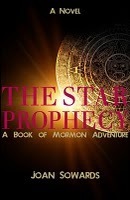
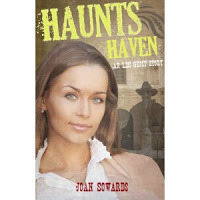
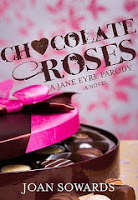
My favorite was The Star Prophecy which is an historical fiction story taken from The Book of Mormon which is so cool!!! Joan is a fellow American Night Writer's Association member (ANWA) and that is how we met.
Interview:
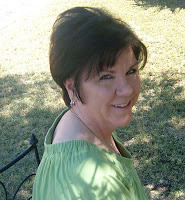 Valerie: Thank you for giving us your time today, Joan. We would love to know more about you and how you feel about writing and being an author.
Why should we read The Star Prophecy?
Joan: The Star Prophecy-a Book of Mormon Adventure is a fun twist on the “search for the Christ Child.” Enoch, a young Nephite, has a life-long dream to sail to Jerusalem, the land of his forefathers. When he hears Samuel the Lamanite preach of the birth of Christ,Enoch knows it is time for his voyage. He invites a few friends and they set sail. They witness the day the sun sets but is light all night, and see the Star and follow it to Jerusalem and Bethlehem.
Valerie: I love that story!! I'm hoping for a part 2. Now when did you first start writing and why?
Joan: After a feeble fourth grade attempt at writing a Nancy Drew wannabe, I wrote lyrics, short stories, and poetry throughout my life. When I became interested in family history, I wrote fictional account of an ancestor. From that I learned that I loved writing the longer tales.
Valerie: I think many authors discover they love to write as they grow from teen years into adults. Okay--How do you find the determination to continue to write?
Joan: Since I love it more than chocolate (and I do love chocolate!) it isn’t hard. There is a lot of joy in crafting a story. I’d rather be writing than watching TV (which can take up a lot of creative time.)
Valerie: Most definitely. I don't watch much TV myself because it sucks so much time out of writing. Now, how do you come up with ideas for your books?
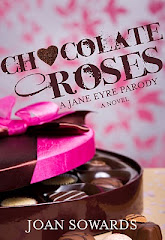
Joan: I attended an ANWA conference class taught by Jennie Grossman. She handed out newspaper articles to prompt writing ideas. I received an article on haunted inns of southern Arizona, thus inspired Haunts Haven . My daughter brought home from Institute class the idea for The Star Prophecy , and I always wanted to write an LDS Jane Eyre—resulting in Chocolate Roses .
Valerie: Wow--I love hearing about the origins of book ideas. It's amazing where authors get their ideas. Did you have a mentor?
Joan: Kerry Blair. She has helped so many authors on the road to publication, but I have the claim that she mentored me before she wrote her first novel.
Valerie: Wow--that is interesting. I didn't know that. What do you love about writing?
Joan: Everything! I love crafting a story and seeing it blossom, working the subplots and developing the characters. Being part of the writing community (such as ANWA and LDStorymakers) is inspiring.
Valerie: Fiction is tougher for me so I can appreciate what you are saying. What do you dislike about writing?
Joan: For sure, it’s promoting my own novels. Though I have a publisher, times have changed and authors have to do their own promoting. Tooting my own horn is a bit out of my comfort zone.
Valerie: Yes--that is very challenging especially when you are not used to marketing. What are your writing habits?
Joan: My sister and I walk early in the morning and then I write until family life takes over. I’ve found, due to health issues, writing in a recliner is best —no fancy office or desk.
Valerie: That sounds comfortable. What do you do when you don't write?
Joan: Genealogy, compose music, and joust with the grandchildren. I am also amazed at how much time social media takes out of our day. I’m also proud to be a cub scout leader.
Valerie: Hey--I'm a den leader too. Well thank you so much, Joan for sharing your life as a writer. Hopefully we will see another one of your books in the works soon.
Find Joan Sowards books on Amazon:
http://www.amazon.com/s/ref=nb_sb_noss?url=search-alias%3Daps&field-keywords=Joan+Sowards
Here is her blog: http://joansowards.blogspot.com


My favorite was The Star Prophecy which is an historical fiction story taken from The Book of Mormon which is so cool!!! Joan is a fellow American Night Writer's Association member (ANWA) and that is how we met.
Interview:
 Valerie: Thank you for giving us your time today, Joan. We would love to know more about you and how you feel about writing and being an author.
Why should we read The Star Prophecy?
Joan: The Star Prophecy-a Book of Mormon Adventure is a fun twist on the “search for the Christ Child.” Enoch, a young Nephite, has a life-long dream to sail to Jerusalem, the land of his forefathers. When he hears Samuel the Lamanite preach of the birth of Christ,Enoch knows it is time for his voyage. He invites a few friends and they set sail. They witness the day the sun sets but is light all night, and see the Star and follow it to Jerusalem and Bethlehem.
Valerie: I love that story!! I'm hoping for a part 2. Now when did you first start writing and why?
Joan: After a feeble fourth grade attempt at writing a Nancy Drew wannabe, I wrote lyrics, short stories, and poetry throughout my life. When I became interested in family history, I wrote fictional account of an ancestor. From that I learned that I loved writing the longer tales.
Valerie: I think many authors discover they love to write as they grow from teen years into adults. Okay--How do you find the determination to continue to write?
Joan: Since I love it more than chocolate (and I do love chocolate!) it isn’t hard. There is a lot of joy in crafting a story. I’d rather be writing than watching TV (which can take up a lot of creative time.)
Valerie: Most definitely. I don't watch much TV myself because it sucks so much time out of writing. Now, how do you come up with ideas for your books?
Joan: I attended an ANWA conference class taught by Jennie Grossman. She handed out newspaper articles to prompt writing ideas. I received an article on haunted inns of southern Arizona, thus inspired Haunts Haven . My daughter brought home from Institute class the idea for The Star Prophecy , and I always wanted to write an LDS Jane Eyre—resulting in Chocolate Roses .
Valerie: Wow--I love hearing about the origins of book ideas. It's amazing where authors get their ideas. Did you have a mentor?
Joan: Kerry Blair. She has helped so many authors on the road to publication, but I have the claim that she mentored me before she wrote her first novel.
Valerie: Wow--that is interesting. I didn't know that. What do you love about writing?
Joan: Everything! I love crafting a story and seeing it blossom, working the subplots and developing the characters. Being part of the writing community (such as ANWA and LDStorymakers) is inspiring.
Valerie: Fiction is tougher for me so I can appreciate what you are saying. What do you dislike about writing?
Joan: For sure, it’s promoting my own novels. Though I have a publisher, times have changed and authors have to do their own promoting. Tooting my own horn is a bit out of my comfort zone.
Valerie: Yes--that is very challenging especially when you are not used to marketing. What are your writing habits?
Joan: My sister and I walk early in the morning and then I write until family life takes over. I’ve found, due to health issues, writing in a recliner is best —no fancy office or desk.
Valerie: That sounds comfortable. What do you do when you don't write?
Joan: Genealogy, compose music, and joust with the grandchildren. I am also amazed at how much time social media takes out of our day. I’m also proud to be a cub scout leader.
Valerie: Hey--I'm a den leader too. Well thank you so much, Joan for sharing your life as a writer. Hopefully we will see another one of your books in the works soon.
Find Joan Sowards books on Amazon:
http://www.amazon.com/s/ref=nb_sb_noss?url=search-alias%3Daps&field-keywords=Joan+Sowards
Here is her blog: http://joansowards.blogspot.com
September 26, 2012
More Questions to (Never) Ask an Agent
I have been knee-deep in revisions over the last week. Earlier tonight I tried to say something like, "That's a strange way of doing business" to my husband and I actually said, "Weird, I think... um... What? Why did...? Never mind." I think I may have actually exhausted my supply of words.
If my life was a video game, my word supply would have been down to maybe half a heart. That is quite possibly the lamest reason ever for posting late, but there it is. I had to power up first.
So, continuing my post from last time, Seven Questions to Ask a Prospective Agent, I thought it might be fun to follow up with some questions you should never, never-ever, ask a prospective agent (or anyone you hope to do business with).

Have you ever considered enrolling in a speed reading course?Do you mind if I call you at home? Can I drop by if I'm in the neighborhood?Have you been saved?Is [insert client name] as [insert negative personality trait] as she seems from her books?If you were an animal, what would your favorite book be?Will you read my Mom's manuscript?If there was a biography about you, what parts would I want to highlight?What's your blood type?Will I be your favorite client?Obama or Romney?What questions can you think up? Invisible trophy to the best (worst) one.

If my life was a video game, my word supply would have been down to maybe half a heart. That is quite possibly the lamest reason ever for posting late, but there it is. I had to power up first.
So, continuing my post from last time, Seven Questions to Ask a Prospective Agent, I thought it might be fun to follow up with some questions you should never, never-ever, ask a prospective agent (or anyone you hope to do business with).
Have you ever considered enrolling in a speed reading course?Do you mind if I call you at home? Can I drop by if I'm in the neighborhood?Have you been saved?Is [insert client name] as [insert negative personality trait] as she seems from her books?If you were an animal, what would your favorite book be?Will you read my Mom's manuscript?If there was a biography about you, what parts would I want to highlight?What's your blood type?Will I be your favorite client?Obama or Romney?What questions can you think up? Invisible trophy to the best (worst) one.
September 24, 2012
Day 31: The Climax
Here we are guys. THE big shebang of the entire novel; the toughest obstacles your character will ever have to face stand looming before her, beckoning her to come and conquer.
 Photo Credit: Katarina 2353Is she ready for it? Are you ready for it?
Recall our Day 3 assignment of filling out the At-A-Glance Outline? Find the part where you described your intended climax and reread it. Will it still apply now that you've written over three-fourths of the book?
If you find your climax needs to change or was just somehow flat, here are a few tips to help ensure the scene holds both interest (excitement) and meaning (character transformation):Be sure your heroine does the heroics. It is vital that your main character face off against her fear or foe - that is, after all, the whole purpose of the climax - but she must fight them alone. Others can be around her, even cheer her on, but the climax is about showing how our recently transformed character will behave in the face of her main antagonist. Will she revert back to her old ways? Will staying true to her new self mean sacrificing her ability to conquer her foe? (Martha Alderson's How Do I Plot a Novel, Memoir, or Screenplay, Step 26).In a Writer's Digest article titled 4 Ways to Improve Plot/Climax in Your Writing, Jeff Gerke discusses the dramatic potential available to us as writers when the character's inner transformation and outer journey dissect at the climax.
Consider a change of scenery. The moment your heroine decides it's time to face her fears and battle her demons is the moment Act III begins. If you're looking for a way to add an extra layer of drama, set the showdown in a place where the elements themselves can play an antagonistic (or at least significant) role. For some excellent examples think of the treacherous Cracks of Doom sequence in The Lord of the Rings, or the island mountaintop sequence in Raiders of the Lost Ark. In his article , Jeff Gerke points to these two dramatic backdrops as not only indicating the start of Act III, but also providing significant interest/drama in and of themselves. He goes on to ask,
For more tips on the Climax, Resolution, or Ending, check out these articles:How to End a Novel with a Punch and The Dos and Don'ts of Novel Endings
Photo Credit: Katarina 2353Is she ready for it? Are you ready for it? Recall our Day 3 assignment of filling out the At-A-Glance Outline? Find the part where you described your intended climax and reread it. Will it still apply now that you've written over three-fourths of the book?
If you find your climax needs to change or was just somehow flat, here are a few tips to help ensure the scene holds both interest (excitement) and meaning (character transformation):Be sure your heroine does the heroics. It is vital that your main character face off against her fear or foe - that is, after all, the whole purpose of the climax - but she must fight them alone. Others can be around her, even cheer her on, but the climax is about showing how our recently transformed character will behave in the face of her main antagonist. Will she revert back to her old ways? Will staying true to her new self mean sacrificing her ability to conquer her foe? (Martha Alderson's How Do I Plot a Novel, Memoir, or Screenplay, Step 26).In a Writer's Digest article titled 4 Ways to Improve Plot/Climax in Your Writing, Jeff Gerke discusses the dramatic potential available to us as writers when the character's inner transformation and outer journey dissect at the climax.
"At this moment in Act 3, probably more than anywhere else in your novel, the inner journey and the outer journey are interconnected. The 'plot' that is the story of your character’s internal transformation here intersects the outer plot that has made that transformation possible. The moment of truth decides it and the climax illustrates what she decides. So it should be in your novel. Your hero’s moment of truth determines her behavior in the climax.
"So think now about your hero’s moment of truth and how it might impact the climax of the novel. You’ve probably decided whether he’ll choose the new way or the old way, so think about how that would look given the big walls-falling-down climax you’re designing. While you’re at it, why not consider what it would look like if he were to choose the other way? If you’ve decided he’ll choose the new way, go ahead and think about how it would go if he were to choose the old way."I considered this advice for a while: to envision how your story would go if the character reverted to his old self. Why, when we know our story isn't going that direction, would he advise us to image it does? I've decided that this method can add a deeper, more realistic layer to your climax, much the same way that knowing all the little details of your character's life (half of which never make it into the book) can give you a richer hero. Whether we know it or not, these unpublished details have a way of coloring our writing and allowing the readers to feel an authentic connection with our characters, much the same as we do.
Consider a change of scenery. The moment your heroine decides it's time to face her fears and battle her demons is the moment Act III begins. If you're looking for a way to add an extra layer of drama, set the showdown in a place where the elements themselves can play an antagonistic (or at least significant) role. For some excellent examples think of the treacherous Cracks of Doom sequence in The Lord of the Rings, or the island mountaintop sequence in Raiders of the Lost Ark. In his article , Jeff Gerke points to these two dramatic backdrops as not only indicating the start of Act III, but also providing significant interest/drama in and of themselves. He goes on to ask,
"What is the ultimate setting for the final conflict in your book? If you’re writing a thriller about a killer who preys on children, could the final standoff occur on a playground? If you’re writing a romance about flirtatious ornithologists, could the final will-he/won’t-he moment take place in the world’s largest aviary? If it’s a pirate story, the climactic scene had better be on the high seas."Ramp up the conflict, tension, and suspense. The climax is never so perspiration-inducing as when there's a clock ticking, reminding us that our hero has only seconds to complete his task. You have a host of outer obstacles and motivators that can keep your climax shooting upward with rocket speed. Those of you with less action-packed stories, don't despair, but internal motivators can have just as much tension even without the threat of imminent death. For example, is your character facing a moral dilemma? Maybe she's forced to choose between two really great guys, or maybe the man she wants to be with is hated by her father. What will she do? Who will she choose? These are the kinds of dilemmas that keep readers' eyes glued to the page. Don't forget the fallout. Just because the foe has been defeated, doesn't mean your climax is inevitably over.
"Many new authors want to end the climactic scene as soon as the villain gets tipped into the bottomless pit, but that’s a mistake. For the reader to get closure on the moment, you need to complete what you’ve started. You need to get the hero out of that dangerous place. Show him grabbing the heroine’s hand and sprinting out of the cavern just as it collapses. Show the hero clambering aboard a fishing vessel to be taken to safety. Show the hero stepping behind a concrete wall just as the house finally explodes. Or, in those softer stories, show the boy finally hitting the home run. Show the woman nailing the high note. Show the man recovering the puppy at long last. Play out the logical end of the scene that contained the climax," (Gerke, 4 Ways to Improve Plot/Climax).What improvements did you decide to make to your climax after reviewing this, and Jeff Gerke's article?
For more tips on the Climax, Resolution, or Ending, check out these articles:How to End a Novel with a Punch and The Dos and Don'ts of Novel Endings
September 22, 2012
An Extra Post: Review, I BROKE MY TRUNK by Mo Willems
Okay, you may have noticed things are not flying as according to usual plan here at Mommy Authors. It's been one of those months. I missed TWO of my scheduled blog posts. My fellows Mommy Author Bloggers assure me that I've been forgiven and they understand, but I need your forgiveness too, followers. :D
So I want to treat you to a review of a book by an author who is fast becoming a favorite in our house.
I BROKE MY TRUNK by Mo Willems Genre: Picture BookAge: 4+
 We have DON'T LET THE PIGEON DRIVE THE BUS, and it's one of those books my boys bring to me over and over and over. And we giggle every time we read it. The best part for me is going all-out-dramatic with the voices. We just ... yeah, love it. So when my six-year-old brought I BROKE MY TRUNK home from school from the library, me and my four-year-old immediately sat down, and voices and all, commenced to LOVE IT as much as DON'T LET THE PIGEON DRIVE THE BUS. This author is a genius. I'm probably late to the show on this one. You've probably all loved Mo Willems from the beginning. Anyway, this book involves a "long, crazy story" about how Elephant broke his trunk, all told in that signature Mo Willems style of dialogue and simple pictures. I adore the way my youngest can tell the story using the pictures. And when he does the voices, it's priceless.
So I need more Mo Willems books. What are your favorites?

So I want to treat you to a review of a book by an author who is fast becoming a favorite in our house.
I BROKE MY TRUNK by Mo Willems Genre: Picture BookAge: 4+
We have DON'T LET THE PIGEON DRIVE THE BUS, and it's one of those books my boys bring to me over and over and over. And we giggle every time we read it. The best part for me is going all-out-dramatic with the voices. We just ... yeah, love it. So when my six-year-old brought I BROKE MY TRUNK home from school from the library, me and my four-year-old immediately sat down, and voices and all, commenced to LOVE IT as much as DON'T LET THE PIGEON DRIVE THE BUS. This author is a genius. I'm probably late to the show on this one. You've probably all loved Mo Willems from the beginning. Anyway, this book involves a "long, crazy story" about how Elephant broke his trunk, all told in that signature Mo Willems style of dialogue and simple pictures. I adore the way my youngest can tell the story using the pictures. And when he does the voices, it's priceless.So I need more Mo Willems books. What are your favorites?
September 18, 2012
It's THE CALL - Seven Questions to Ask Prospective Agents
So you've been querying agents for awhile and have gotten good responses. You have a couple of fulls out and are feeling pretty good about how things are progressing. And then, you open your email and discover that one of your possible agents wants to talk to you, on the phone.
It's THE CALL!

Once you recover from your feelings of awestruck glee, you should take a some time to prepare.
Here are a list of questions you may want to consider asking your prospective dream agent.
Are you a member of AAR?Honestly, you should already know the answer to this one. You did do your homework, didn't you? But just in case you don't know, ask. You really want to hear a yes on this one. If the answer is no, ask why not.Who do you represent? Can I contact them?Remember, as flattered and excited as you will be to have a real live agent want to talk with, and possibly offer to represent you, this is a two way street. While she is scoping you out, you should be scoping right back to ensure that the relationship will be a good fit. Don't be afraid to interview her.What are your strengths? Ideally, your dream agent will be strong in the areas where you feel you need the most help. Do you need editorial input? Marketing advice? Help with career planning? Make sure he has what you need.What do you read for fun?This question may help you discern if you are a style match. That's not to say you should dismiss someone out of hand if she enjoys different genres than you, but this question may help you get a better feel for what (other than your fabulous book) she enjoys, and what she may be hoping for from you as far as future projects.How many deals did you do last year? Who with?Again, this will just help you to get a feel for where someone is in their career. Someone fairly new to agenting will likely have lower sales numbers than someone who has spent years building their career. This is not necessarily a bad thing, but it is good to know.Is this your full-time job?This goes along with the prior question.Do you have a plan for pitching my manuscript? What publishers do you think would be a good fit?If you are certain your work is Big Six quality, but your prospective agent is considering pitching to smaller independent publishers, you should ask why. Perhaps your expectations are set too high, but maybe not. This is a good time to discuss that. Of course you'll also want to discuss commissions (no more than 15%), who handles sub rights and what those commissions are (standard is 20%), and how expenses like postage and copying are handled.
One last thing, remember Yog's Law: Money flows toward the writer. Always.
A reputable agent will only get paid if you do. If he asks for reading fees, admin fees, or other such fees - hang up the phone.
You'll need the line clear for an agent who is a real dream.
Did I miss anything? What should you ask when you get THE CALLl?

It's THE CALL!
Once you recover from your feelings of awestruck glee, you should take a some time to prepare.
Here are a list of questions you may want to consider asking your prospective dream agent.
Are you a member of AAR?Honestly, you should already know the answer to this one. You did do your homework, didn't you? But just in case you don't know, ask. You really want to hear a yes on this one. If the answer is no, ask why not.Who do you represent? Can I contact them?Remember, as flattered and excited as you will be to have a real live agent want to talk with, and possibly offer to represent you, this is a two way street. While she is scoping you out, you should be scoping right back to ensure that the relationship will be a good fit. Don't be afraid to interview her.What are your strengths? Ideally, your dream agent will be strong in the areas where you feel you need the most help. Do you need editorial input? Marketing advice? Help with career planning? Make sure he has what you need.What do you read for fun?This question may help you discern if you are a style match. That's not to say you should dismiss someone out of hand if she enjoys different genres than you, but this question may help you get a better feel for what (other than your fabulous book) she enjoys, and what she may be hoping for from you as far as future projects.How many deals did you do last year? Who with?Again, this will just help you to get a feel for where someone is in their career. Someone fairly new to agenting will likely have lower sales numbers than someone who has spent years building their career. This is not necessarily a bad thing, but it is good to know.Is this your full-time job?This goes along with the prior question.Do you have a plan for pitching my manuscript? What publishers do you think would be a good fit?If you are certain your work is Big Six quality, but your prospective agent is considering pitching to smaller independent publishers, you should ask why. Perhaps your expectations are set too high, but maybe not. This is a good time to discuss that. Of course you'll also want to discuss commissions (no more than 15%), who handles sub rights and what those commissions are (standard is 20%), and how expenses like postage and copying are handled.
One last thing, remember Yog's Law: Money flows toward the writer. Always.
A reputable agent will only get paid if you do. If he asks for reading fees, admin fees, or other such fees - hang up the phone.
You'll need the line clear for an agent who is a real dream.
Did I miss anything? What should you ask when you get THE CALLl?
September 11, 2012
Networking For Writers
Valerie J. Steimle
I am home from my travels around the country. I was blessed to be able to drive to Kaysville, Utah (near Salt Lake City) visit my brother, sister-in-law and father and my niece. We went to Temple Square to see all the visitor centers and Tabernacle which was beautiful. Then I drove to Rexburg, Idaho to drop off my daughter at BYU-Idaho and spend the day helping her get settled in and visit my Alma Marta from 1979 on my birthday. Boy --has it changed a lot.
All that took four days. Then I drove south to Provo, Utah to visit with my sister-in-law and then drove on to Phoenix, Arizona to spend the weekend with my oldest--Sarah and her husband and three children. What a great trip it was. I met a lot of people and listened to President Clark from BYU-I speak about parenting a college student. I went horse back riding, milked a goat and then made goats milk cheese. I even had the opportunity to catch up with some old, old friends from my youth back in New Jersey. I drove home from Phoenix and now I am recovering from all the sleep deprivation and driving.
One thing I did realize on this marvelous trip was how much we network with each other. Whether it's through our daily work careers or church or family--we network together and that is one area writers need to work on.
From SunOasisJobs.com
"Oh, the pains writers go through. It's not enough to write until blood spills all over the page. No, then the precious writer must write query letters, market, and, now, this humiliation of "networking."
So, what's the poor, introverted writer to do? After all, most writers are trained to spy on networks, not to participate in them. For writers, "networking" can be a tricky, peculiar problem.
A writer would network for several distinct reasons. One would be if she were shopping a manuscript around. Or if she wanted to increase exposure of a book she had just published. And, naturally, a writer wants to get known to editors and have a chance at writing assignments. It's all very difficult to do without networking.
A writer's network can be made up of editors, agents, fellow writers, experts in areas the writer writes about, people who have interesting tales to tell, people who are inside sources, and so on."
Author L. Michelle Tullier identifies six categories where networking takes place:
1. One-to-one meetings--Other Writers, Editors, Publishers and Agents
2. Professional groups-- Other Writers, Editors, Publishers and Agents along with professional people in your topic in a group setting. Your Genre topic can also be networked among others who write in the same genre.
3. The Net- Social Networks, Newspaper and book websites, and blogs
4. Education and training- Writer Conferences, Writer's classes
5. Social/ recreational/community Settings
6. and, lastly, what she refers to as Serendipity: Whatever blessings we receive from others in the right place at right time.
So networking is a necessary venture for all authors and can be used in small bits or very large ones. Either way it is a great way to spread your writing. You decide.

I am home from my travels around the country. I was blessed to be able to drive to Kaysville, Utah (near Salt Lake City) visit my brother, sister-in-law and father and my niece. We went to Temple Square to see all the visitor centers and Tabernacle which was beautiful. Then I drove to Rexburg, Idaho to drop off my daughter at BYU-Idaho and spend the day helping her get settled in and visit my Alma Marta from 1979 on my birthday. Boy --has it changed a lot.
All that took four days. Then I drove south to Provo, Utah to visit with my sister-in-law and then drove on to Phoenix, Arizona to spend the weekend with my oldest--Sarah and her husband and three children. What a great trip it was. I met a lot of people and listened to President Clark from BYU-I speak about parenting a college student. I went horse back riding, milked a goat and then made goats milk cheese. I even had the opportunity to catch up with some old, old friends from my youth back in New Jersey. I drove home from Phoenix and now I am recovering from all the sleep deprivation and driving.
One thing I did realize on this marvelous trip was how much we network with each other. Whether it's through our daily work careers or church or family--we network together and that is one area writers need to work on.
From SunOasisJobs.com
"Oh, the pains writers go through. It's not enough to write until blood spills all over the page. No, then the precious writer must write query letters, market, and, now, this humiliation of "networking."
So, what's the poor, introverted writer to do? After all, most writers are trained to spy on networks, not to participate in them. For writers, "networking" can be a tricky, peculiar problem.
A writer would network for several distinct reasons. One would be if she were shopping a manuscript around. Or if she wanted to increase exposure of a book she had just published. And, naturally, a writer wants to get known to editors and have a chance at writing assignments. It's all very difficult to do without networking.
A writer's network can be made up of editors, agents, fellow writers, experts in areas the writer writes about, people who have interesting tales to tell, people who are inside sources, and so on."
Author L. Michelle Tullier identifies six categories where networking takes place:
1. One-to-one meetings--Other Writers, Editors, Publishers and Agents
2. Professional groups-- Other Writers, Editors, Publishers and Agents along with professional people in your topic in a group setting. Your Genre topic can also be networked among others who write in the same genre.
3. The Net- Social Networks, Newspaper and book websites, and blogs
4. Education and training- Writer Conferences, Writer's classes
5. Social/ recreational/community Settings
6. and, lastly, what she refers to as Serendipity: Whatever blessings we receive from others in the right place at right time.
So networking is a necessary venture for all authors and can be used in small bits or very large ones. Either way it is a great way to spread your writing. You decide.