L.M. Long's Blog, page 15
February 10, 2014
Writing Conferences--Why Every Author Needs Them
I love being a mom. I love being an author. Sometimes the two worlds collide and sometimes they merge beautifully. This week presented me with a little of both kinds of experiences as I juggled each role and prepared for one of my favorite parts of being an author: going to a writer's conference. Writing conferences are to authors what Christmas is to children: wondrous, magical, exciting, and when done right … informative and mind blowing. :)
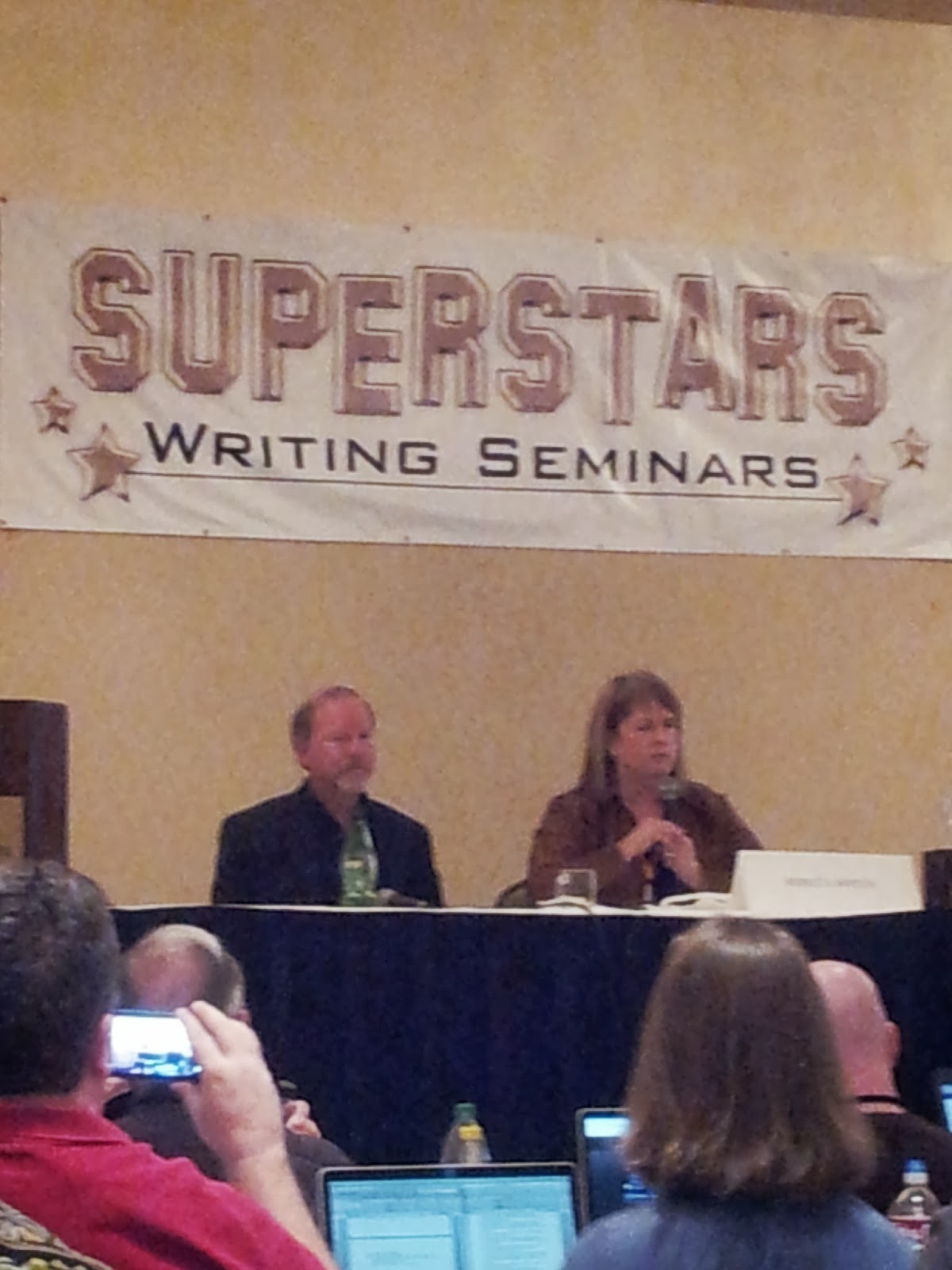
My two favorite conferences are: Superstars Writing Seminars and LDStorymakers. Superstars is a nuts-and-bolts seminar to help the serious author learn how to make a living at writing while LDStorymakers concentrates more on perfecting the craft of writing. Both conferences offer opportunities to network with other authors … as well as with top-notch agents, editors, and publishers. Networking and exchanging helpful information is essential to navigate the ever-changing waters of traditional and indie publication.
Serious writers need to be around like-minded folks for encouragement, training, and networking: three vital parts in the recipe to successful writing careers.
Discovering LDStorymakers a few years ago helped change my dream of becoming an author into a reality. While attending LDStorymakers, I discovered an incredibly gifted, multi-award winning storyteller, David Farland. I loved what he had to say and his willingness to teach others what he has learned. He has taught other New York Times bestselling authors such as Stephanie Meyers (Twilight), Brandon Sanderson (Wheel of Time, Steelheart, and The Mistborn series), and Eric Flint (the 1632 series), Brandon Mull (Fablehaven).
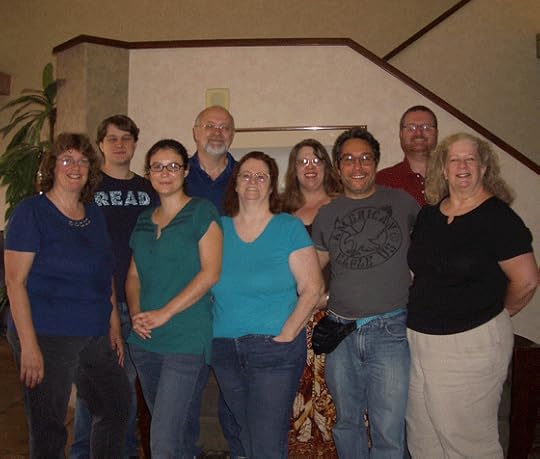
I have attended two of David’s intense week-long writing workshops. While at those workshops, I went on to meet and become good friends with three very talented women, Tina Smith (AKA Tina Gower-winner of last year's Writer's Of The Future's Contest), Kary English and Diann Read, as well as others who were unable to attend Superstars this year.
Through Diann, Dave, and Kary, I discovered Superstars Writing Seminars last year. It was a transforming experience in countless ways. I have just spent the last three days at Superstars doing my best to glean insights into what it takes to be a successful author, (in other words, learn how an author can make a living at what he/she loves to do.)
The leadership of Superstars is second-to-none. Kevin J. Anderson, Rebecca Moesta, Dave Farland, Eric Flint, Brandon Sanderson, and James Artimus Owen are individually six of the most successful authors in the world. Together, they are an incredible think tank of AWESOME. What makes them even more amazing is their willingness to share with their fellow authors how they got where they are today. None of them took the same pathway to success, and none made the journey without overcoming many hardships.
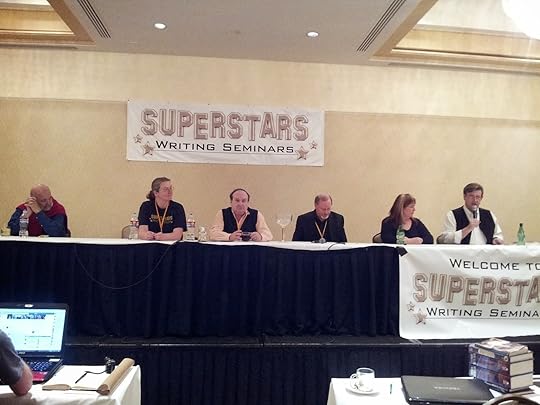
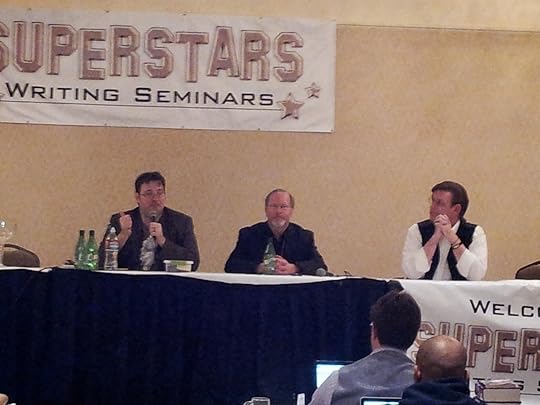
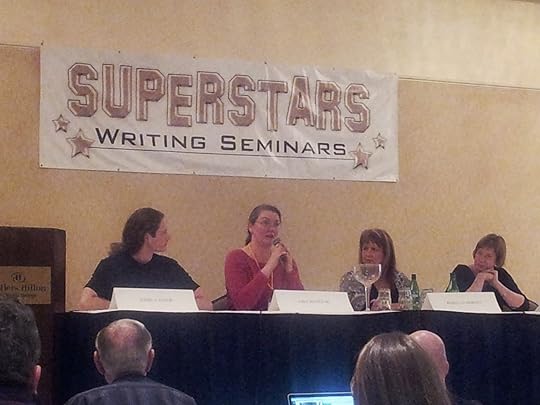
It is inspiring and a great privilege to learn from these amazing instructors, as well as their guest speakers: Lisa Mangum, acquisition editor at Shadow Mountain, Mark Lefebvre, an executive with Kobo books, and Diana Gill, an editor at Harper Voyager. Both women gave great advice to authors who want to leap out of the slush pile and into the hands of an agent--a critical first step to becoming traditionally published. Mark did a great job showing us that Kobo is an author-friendly resource and a great way to get more exposure for your e-books. (and on a side note, all three are super nice people.)
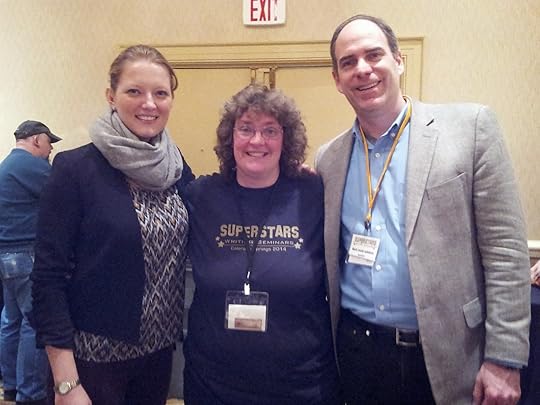
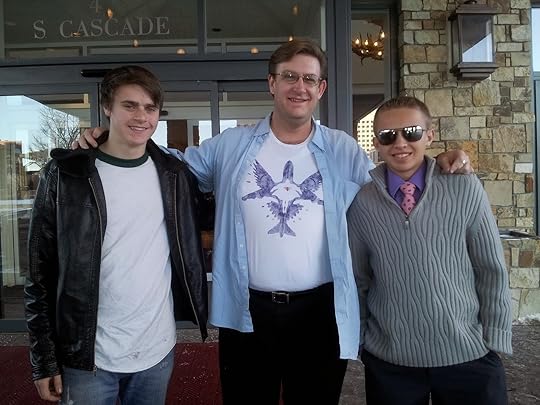
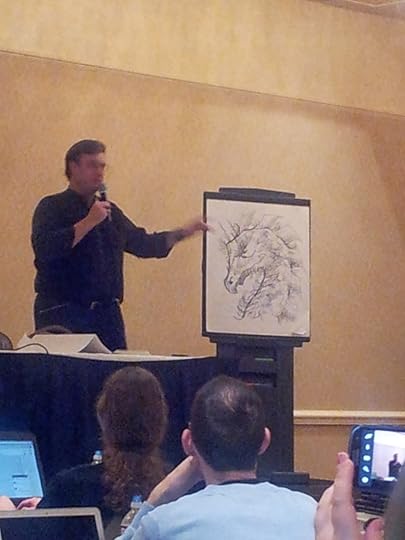
My artist son and his friend were thrilled to tag along when I picked James Owens up from the airport. Since they had read James' book: Drawing Out The Dragon (in which he drew the dragon you see below), it was especially cool for my son to meet a successful artist.
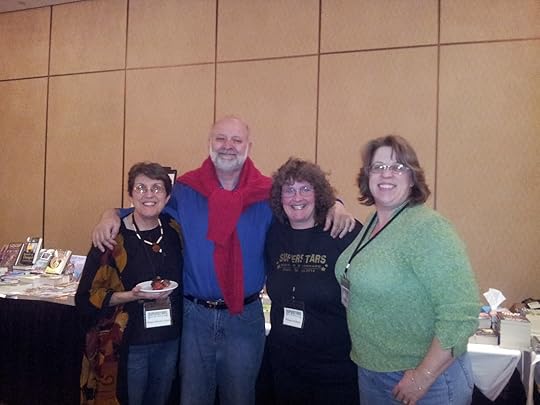
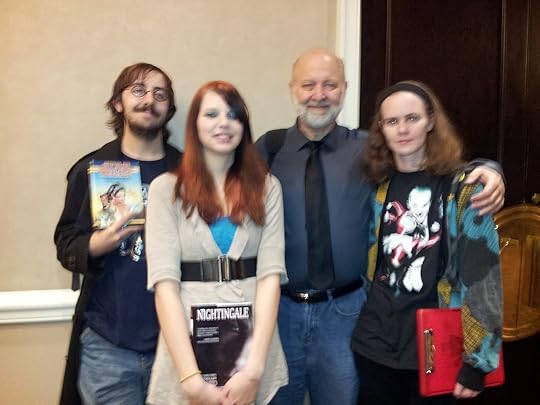
Two of my daughters, and one of their boyfriends, wanted to meet David Farland and James Owen. Each man took time to talk with them, sign books, and answer questions. Then the three kids browsed the stacks of books for sale and found a few more they wanted. I introduced them to the authors of those books.
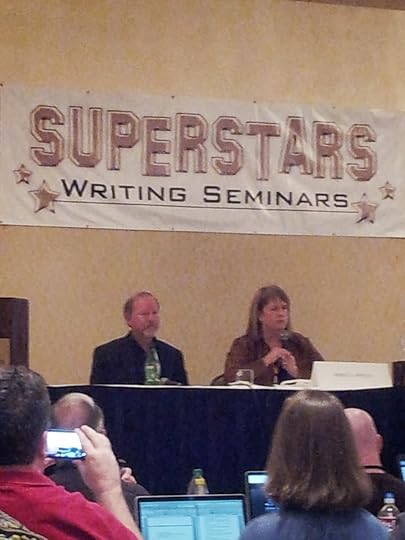
Rebecca Moesta and Kevin J. Anderson graciously discussed a joint love of zombies, vampires, and Star Wars with my kids. Which in turn earned me great ‘mom points' for introducing my kids to the authors. Win/win on both the mommy and the author fronts.
Writing books is a pretty solitary endeavor—except for all of the characters in your head begging you to tell their story. (That part of being an author is phenomenal.) Things like trying to figure out how to improve your craft, market your books, and formatting an e-book can be exhausting and frustrating.
Writing conferences like Superstars and LDStorymakers recharge an author’s creative batteries and sense of purpose. They give you hope, renew your focus, and validate what an author does—which many of the instructors emphasized as: "Being an author is the greatest job in the whole world."
I concur... and furiously scribbled notes of insight as they gave advice on how to make a living at my career of choice, so that one day, I too, can join the ranks of bestselling author and make a living doing what I love.
For those of you who couldn’t attend, here’s the main secrets: Write the best book you possibly can, have it read by several beta readers, get it professionally edited, make the changes that will turn it from a good book into an amazing book, send out queries or indie publish, and move on to the next book.
Keep multiple projects going so that you can be in several stages at once: querying for one book, writing another, doing edits on a third. If you just write one book and stay focused on that one until it sells, you are wasting a lot of time (and that could turn into years). Instead, write more books, perfect your craft, and tell the other stories in your head.
Having multiple projects opens you up to more possibilities as well as opportunities. When you are a known producer of quality projects, other people get interested and may open doors you never dreamed of. And the truth is, when you find a reader who loves your book, they often want to buy another book. If you don't have one to offer them, they will go elsewhere.
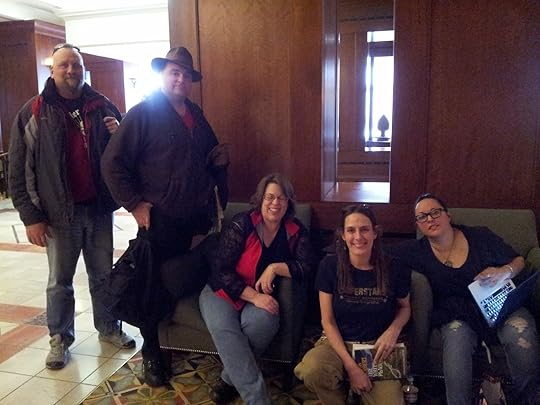
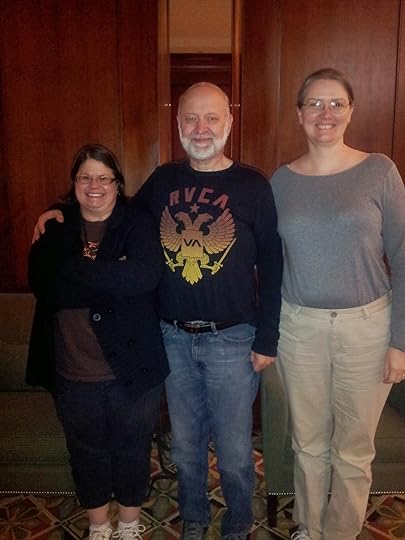
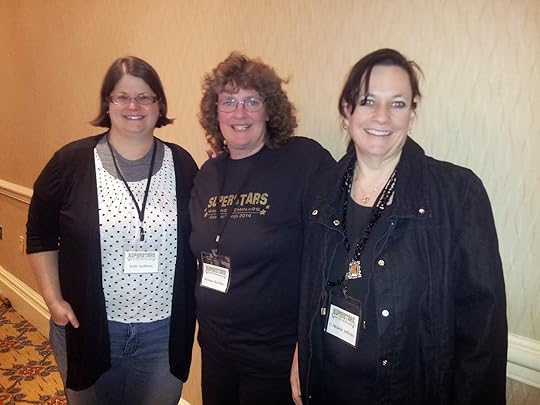
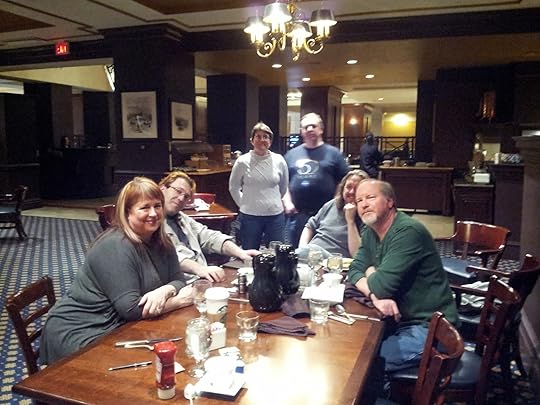 It is equally important to network: learning from and sharing with like-minded individuals. At Superstars, the combined knowledge, resources, and talents of the attendees is mind blowing. We have lawyers who know how to read contracts, marketers who know how to navigate all the many avenues of social media, authors in all stages publication: indie, hybrid, and traditionally, all of which are willing to share the secrets to success and the pitfalls of each path. Superstars attendees range from unpublished newbies in the business to internationally bestselling authors who have been around for decades.
Each has the same goal: to tell a great story and make a difference in the life of their reader. Writing conferences are a wonderful place to make that happen. (Oh, and they sure are a lot of fun!)
Laugh lots ... love much ... write on!
by: Monique Bucheger
For information on next year's Superstars Writing Seminar (Feb 5-7, 2015) stay tuned here.For information on this year's LDStorymakers Conference (April 24-26), click here. (You don't have to be LDS to attend. Orson Scott Card is the keynote speaker on Friday night.)
My two favorite conferences are: Superstars Writing Seminars and LDStorymakers. Superstars is a nuts-and-bolts seminar to help the serious author learn how to make a living at writing while LDStorymakers concentrates more on perfecting the craft of writing. Both conferences offer opportunities to network with other authors … as well as with top-notch agents, editors, and publishers. Networking and exchanging helpful information is essential to navigate the ever-changing waters of traditional and indie publication.
Serious writers need to be around like-minded folks for encouragement, training, and networking: three vital parts in the recipe to successful writing careers.
Discovering LDStorymakers a few years ago helped change my dream of becoming an author into a reality. While attending LDStorymakers, I discovered an incredibly gifted, multi-award winning storyteller, David Farland. I loved what he had to say and his willingness to teach others what he has learned. He has taught other New York Times bestselling authors such as Stephanie Meyers (Twilight), Brandon Sanderson (Wheel of Time, Steelheart, and The Mistborn series), and Eric Flint (the 1632 series), Brandon Mull (Fablehaven).
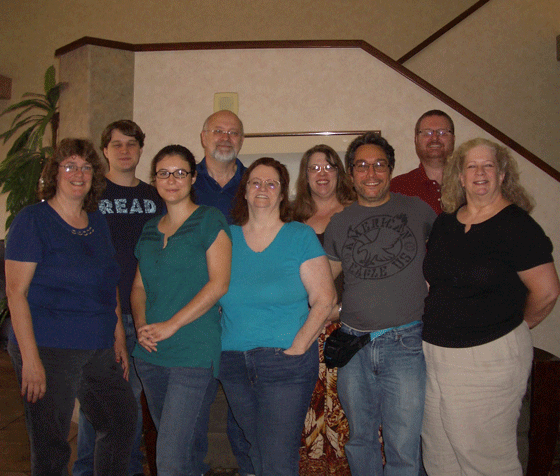
I have attended two of David’s intense week-long writing workshops. While at those workshops, I went on to meet and become good friends with three very talented women, Tina Smith (AKA Tina Gower-winner of last year's Writer's Of The Future's Contest), Kary English and Diann Read, as well as others who were unable to attend Superstars this year.

Through Diann, Dave, and Kary, I discovered Superstars Writing Seminars last year. It was a transforming experience in countless ways. I have just spent the last three days at Superstars doing my best to glean insights into what it takes to be a successful author, (in other words, learn how an author can make a living at what he/she loves to do.)
The leadership of Superstars is second-to-none. Kevin J. Anderson, Rebecca Moesta, Dave Farland, Eric Flint, Brandon Sanderson, and James Artimus Owen are individually six of the most successful authors in the world. Together, they are an incredible think tank of AWESOME. What makes them even more amazing is their willingness to share with their fellow authors how they got where they are today. None of them took the same pathway to success, and none made the journey without overcoming many hardships.
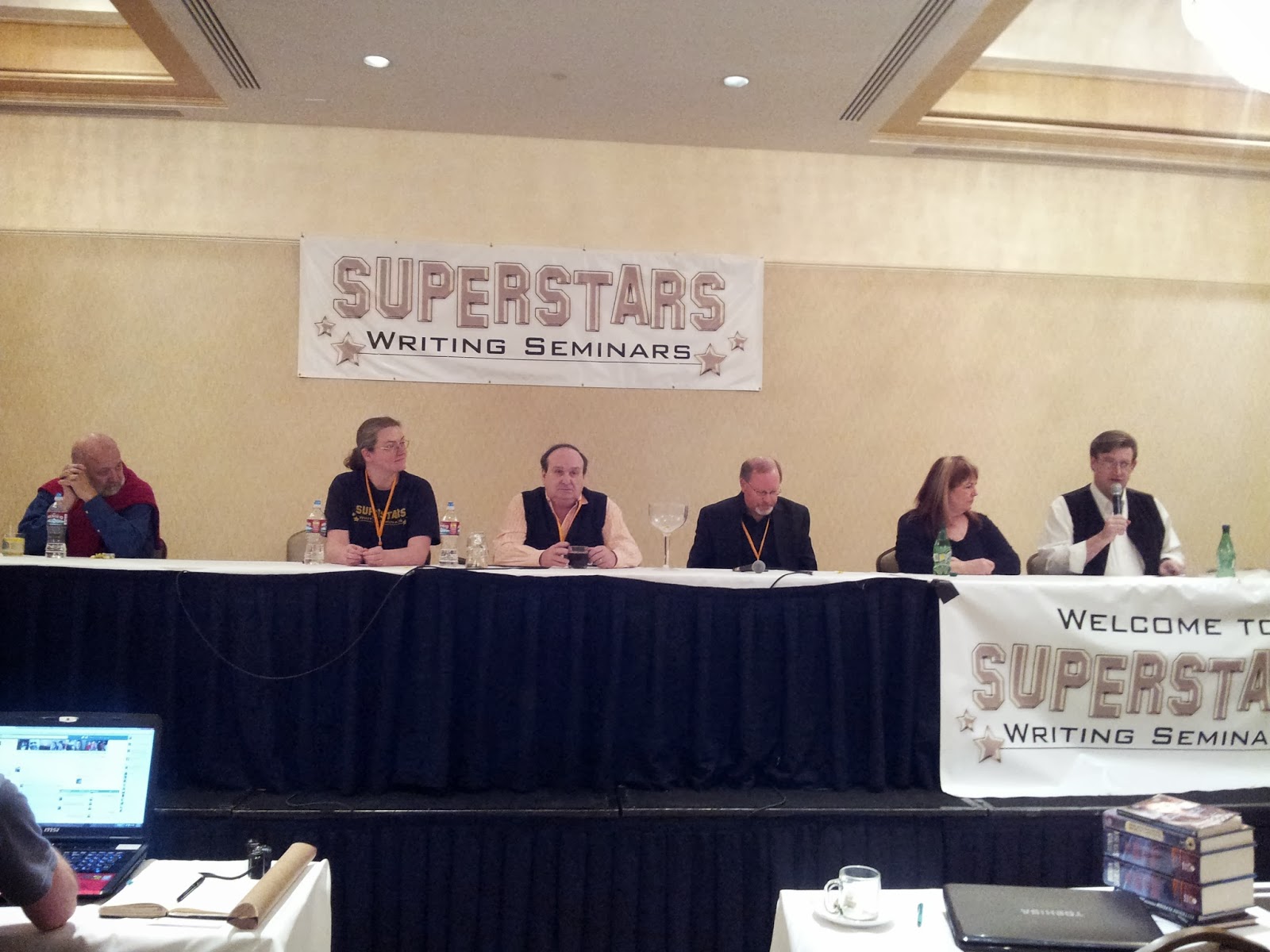

It is inspiring and a great privilege to learn from these amazing instructors, as well as their guest speakers: Lisa Mangum, acquisition editor at Shadow Mountain, Mark Lefebvre, an executive with Kobo books, and Diana Gill, an editor at Harper Voyager. Both women gave great advice to authors who want to leap out of the slush pile and into the hands of an agent--a critical first step to becoming traditionally published. Mark did a great job showing us that Kobo is an author-friendly resource and a great way to get more exposure for your e-books. (and on a side note, all three are super nice people.)


My artist son and his friend were thrilled to tag along when I picked James Owens up from the airport. Since they had read James' book: Drawing Out The Dragon (in which he drew the dragon you see below), it was especially cool for my son to meet a successful artist.


Two of my daughters, and one of their boyfriends, wanted to meet David Farland and James Owen. Each man took time to talk with them, sign books, and answer questions. Then the three kids browsed the stacks of books for sale and found a few more they wanted. I introduced them to the authors of those books.
.jpg)
Rebecca Moesta and Kevin J. Anderson graciously discussed a joint love of zombies, vampires, and Star Wars with my kids. Which in turn earned me great ‘mom points' for introducing my kids to the authors. Win/win on both the mommy and the author fronts.
Writing books is a pretty solitary endeavor—except for all of the characters in your head begging you to tell their story. (That part of being an author is phenomenal.) Things like trying to figure out how to improve your craft, market your books, and formatting an e-book can be exhausting and frustrating.
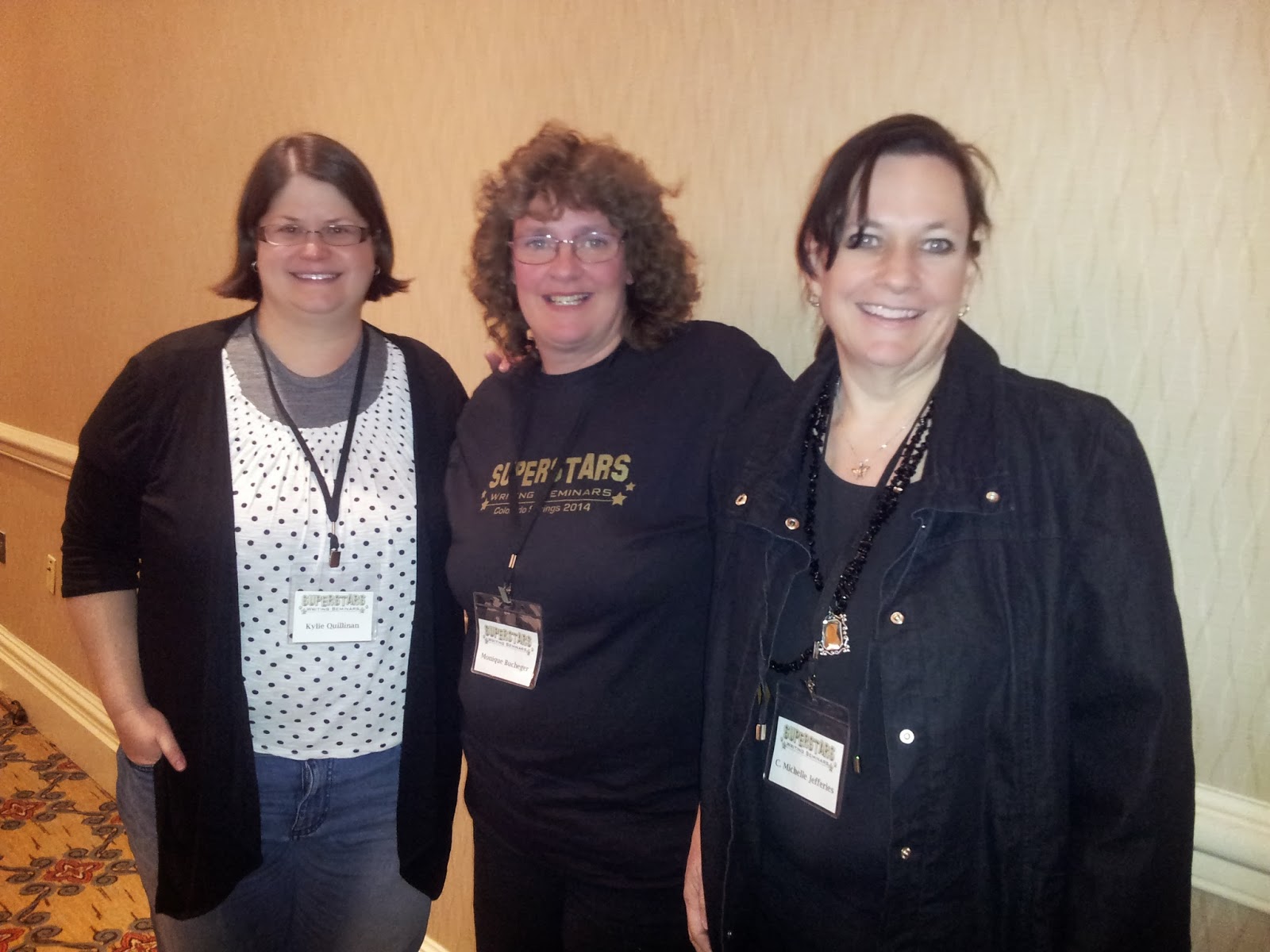
Writing conferences like Superstars and LDStorymakers recharge an author’s creative batteries and sense of purpose. They give you hope, renew your focus, and validate what an author does—which many of the instructors emphasized as: "Being an author is the greatest job in the whole world."
I concur... and furiously scribbled notes of insight as they gave advice on how to make a living at my career of choice, so that one day, I too, can join the ranks of bestselling author and make a living doing what I love.
For those of you who couldn’t attend, here’s the main secrets: Write the best book you possibly can, have it read by several beta readers, get it professionally edited, make the changes that will turn it from a good book into an amazing book, send out queries or indie publish, and move on to the next book.
Keep multiple projects going so that you can be in several stages at once: querying for one book, writing another, doing edits on a third. If you just write one book and stay focused on that one until it sells, you are wasting a lot of time (and that could turn into years). Instead, write more books, perfect your craft, and tell the other stories in your head.
Having multiple projects opens you up to more possibilities as well as opportunities. When you are a known producer of quality projects, other people get interested and may open doors you never dreamed of. And the truth is, when you find a reader who loves your book, they often want to buy another book. If you don't have one to offer them, they will go elsewhere.
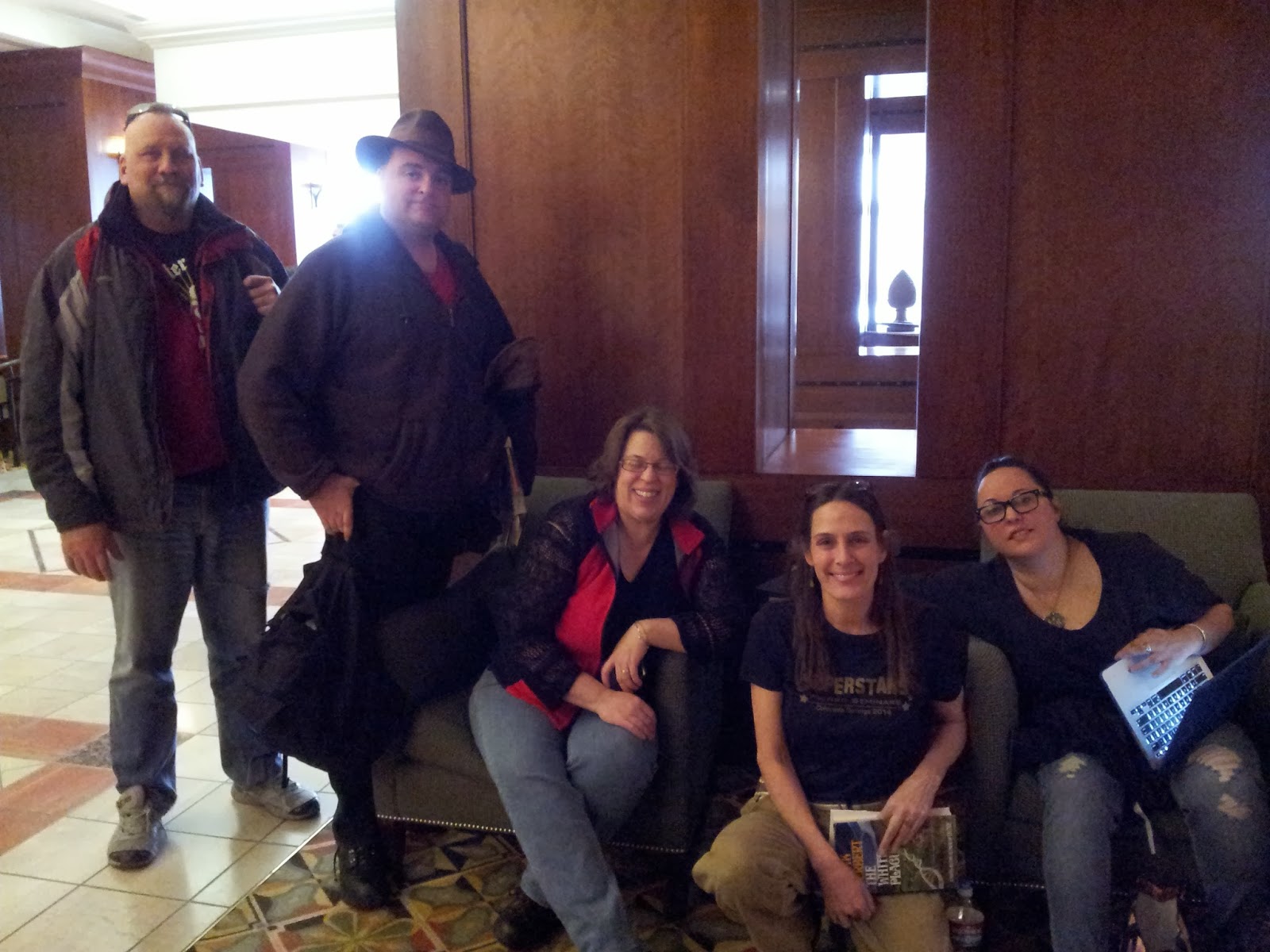
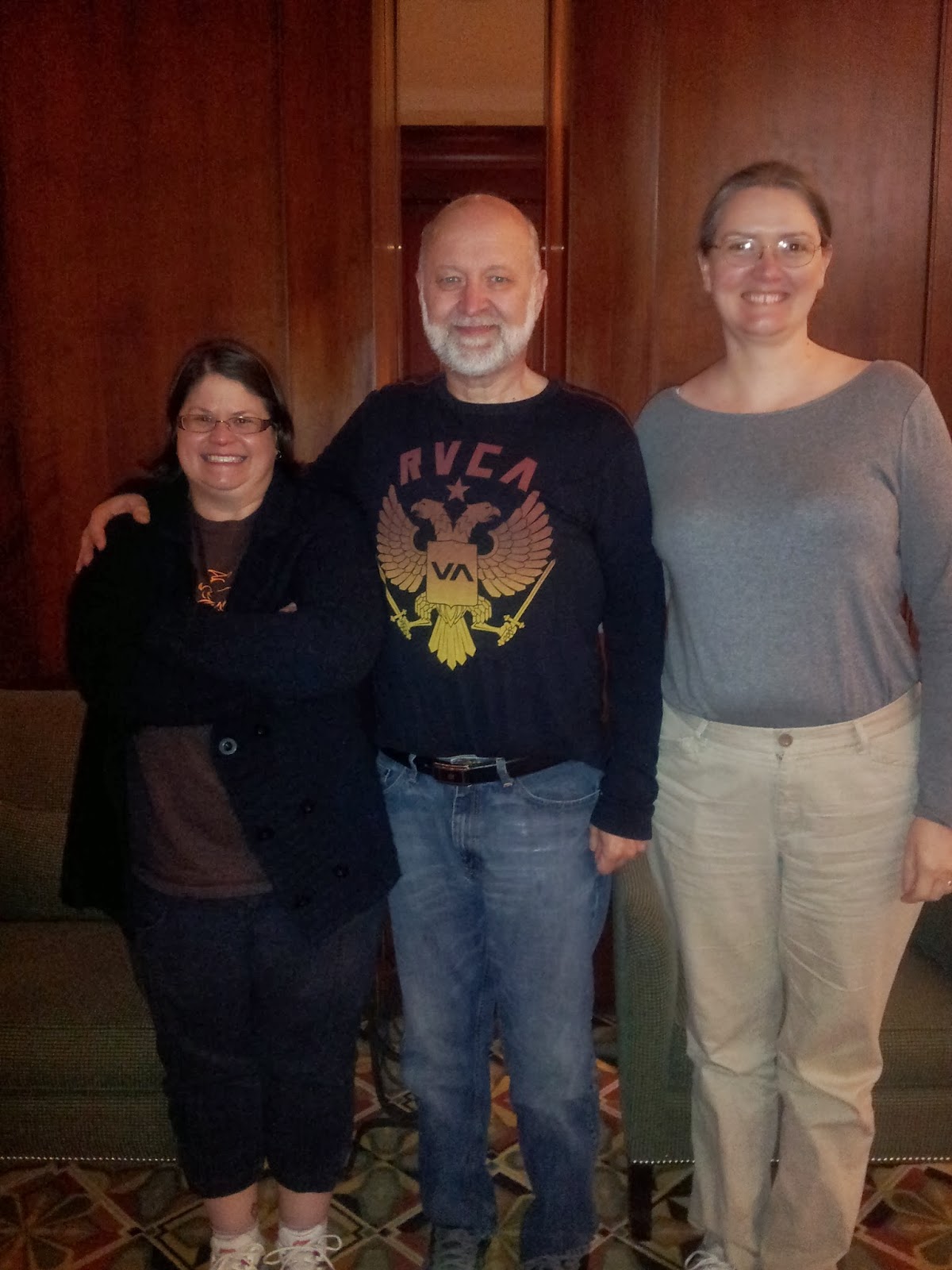
 It is equally important to network: learning from and sharing with like-minded individuals. At Superstars, the combined knowledge, resources, and talents of the attendees is mind blowing. We have lawyers who know how to read contracts, marketers who know how to navigate all the many avenues of social media, authors in all stages publication: indie, hybrid, and traditionally, all of which are willing to share the secrets to success and the pitfalls of each path. Superstars attendees range from unpublished newbies in the business to internationally bestselling authors who have been around for decades.
 Each has the same goal: to tell a great story and make a difference in the life of their reader. Writing conferences are a wonderful place to make that happen. (Oh, and they sure are a lot of fun!)
Laugh lots ... love much ... write on!
by: Monique Bucheger
For information on next year's Superstars Writing Seminar (Feb 5-7, 2015) stay tuned here.For information on this year's LDStorymakers Conference (April 24-26), click here. (You don't have to be LDS to attend. Orson Scott Card is the keynote speaker on Friday night.)


February 9, 2014
A new writer on the block.....
We will say good-bye to Anika Arrington for the wonderful posts we have read from her and say hello to
Monique Bucheger
An amazing mother of 12 and author of some pretty wonderful middle grade adventure books.... We look forward to hearing from you, Monique.....I'm sure it will be great!!!
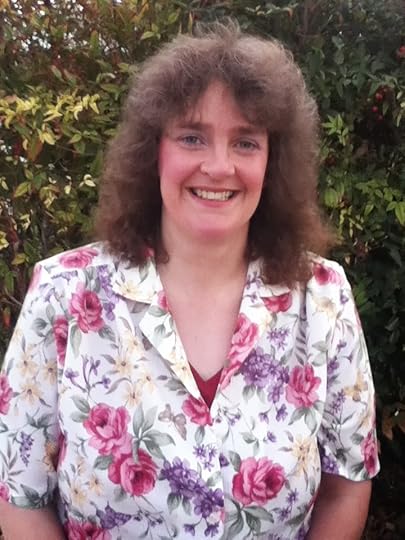
When Monique Bucheger isn’t writing, you can find her playing taxi cab driver to one or more of her 12 children, plotting her next novel, scrapbooking, or being the “Mamarazzi” at any number of child-oriented events. Even though she realizes there will never be enough hours in any given day, Monique tries very hard to enjoy the journey that is her life. She shares it with a terrific husband, her dozen children, 2 sons-in-law, an adorable granddaughter, two cats, and many real and imaginary friends. She is the author of the Ginnie West Adventure middle-grade series: The Secret Sisters Club, Trouble Blows West, & Simply West of Heaven. The fourth book: Being West Is Best, will be published soon. Check it out!!!!
http://moniquebucheger.blogspot.com/http://www.facebook.com/pages/Monique-Bucheger/193789017310198https://twitter.com/#!/MoniqueBuchegerhttp://www.barnesandnoble.com/w/the-secret-sisters-club-monique-bucheger/1109159942?ean=2940014243971&itm=1&usri=secret sisters clubhttp://www.amazon.com/The-Secret-Sisters-Club-ebook/dp/B007IK2WF6/ref=sr_1_1?ie=UTF8&qid=1332081352&sr=8-1
Monique Bucheger
An amazing mother of 12 and author of some pretty wonderful middle grade adventure books.... We look forward to hearing from you, Monique.....I'm sure it will be great!!!

When Monique Bucheger isn’t writing, you can find her playing taxi cab driver to one or more of her 12 children, plotting her next novel, scrapbooking, or being the “Mamarazzi” at any number of child-oriented events. Even though she realizes there will never be enough hours in any given day, Monique tries very hard to enjoy the journey that is her life. She shares it with a terrific husband, her dozen children, 2 sons-in-law, an adorable granddaughter, two cats, and many real and imaginary friends. She is the author of the Ginnie West Adventure middle-grade series: The Secret Sisters Club, Trouble Blows West, & Simply West of Heaven. The fourth book: Being West Is Best, will be published soon. Check it out!!!!
http://moniquebucheger.blogspot.com/http://www.facebook.com/pages/Monique-Bucheger/193789017310198https://twitter.com/#!/MoniqueBuchegerhttp://www.barnesandnoble.com/w/the-secret-sisters-club-monique-bucheger/1109159942?ean=2940014243971&itm=1&usri=secret sisters clubhttp://www.amazon.com/The-Secret-Sisters-Club-ebook/dp/B007IK2WF6/ref=sr_1_1?ie=UTF8&qid=1332081352&sr=8-1
February 7, 2014
Fifty Ways to Hook Your Reader

(Do you remember that hit song by Paul Simon? As a kid, I felt SO ripped off that Paul only actually wrote FIVE ways into the lyrics. Yet here I am, doing exactly the same thing.)
When I posted in December about figuring out where to start your story, the very talented Sarah Dunster asked a good question about hooks. Mark Penny responded--quite astutely--that the first quarter of the book should go thusly: hook/inciting incident/plot turn. I agree completely. Lots has been written analyzing both the inciting incident and the first plot turn, while defining the hook remains a little more hazy. Here's my crack at it.
Your hook should be (or at least start) on page one, and its function is do to exactly what it describes: hook the reader. It raises questions in the reader's mind that the reader wants answered. When I'm reading a book, the hook lets me know I can trust the writer. Once I'm hooked, I have a reasonable certainty of knowing that my time (and money) spent with this writer will not be wasted. I'm safe and relaxed; I'm invested and intrigued.
So, yes, writers. Spending a large amount of time perfecting your hook is very much worth it. Here's a subjective, somewhat overlapping, NOT exhaustive list of ways to hook your reader.
First sentence: This one we all learned in middle school English class, right? It's a classic for a reason: it works. Consider, first from George Orwell:
It was a bright cold day in April, and the clocks were striking thirteen. (1984)And Jane Austen:
It is a truth universally acknowledged, that a single man in possession of a good fortune, must be in want of a wife. (Pride and Prejudice)And C.S. Lewis:
There was a boy called Eustace Clarence Scrubb, and he almost deserved it. (The Voyage of the Dawn Treader)Genius first sentences like the above examples establish voice and world and theme and raise reader questions--all with just a few carefully chosen words.
Here's the first sentence from my work in progress. It came to me out of the blue one day, a pure gift from above, and I think it will sell this book:
I swear: I did not mean to set the squirrel on fire.See? Don't you want to read more? But there are other ways to establish the hook.
Voice: A compelling and unique narrative voice can grab a reader very effectively. Think of The Catcher in the Rye's Holden Caulfield:
If you really want to hear about it, the first thing you'll probably want to know is where I was born, and what my lousy childhood was like, and how my parents were occupied and all before they had me, and all that David Copperfield kind of crap, but I don't feel like going into it, if you want to know the truth.He's a spoiled, angry rich kid, yet his vulnerability and insecurity grab the reader and force us to empathize with Holden, even when we don't ever really like him. (Remember, your reader doesn't have to like your main character, but she does have to care about him.) Holden's skillfully rendered voice allows vulnerability to seep through his petulant bluster, and that vulnerability is key.
The Catcher in the Rye is told in first person, but you don't have to use first person or even your main character to hook a reader with voice. Terry Pratchett is brilliant at creating voice within a third-person narrative. Here's an excerpt from the first page of his book The Wee Free Men:
Miss Perspicacia Tick sat in what little shelter a raggedy hedge could give her and explored the universe. She didn't notice the rain. Witches dried out quickly.Pratchett instantly creates interesting questions for the reader with his wry, authoritative voice. Who is this witch with the wacky name? If she's powerful enough to explore the universe, why is she outside under a raggedy hedge? Why do witches dry out quickly? Using voice, Pratchett has promised a fascinating story in a quirky world.
Flash forward: Many writers choose to drop the reader into the thick of the action, in medias res, as it's formally known. We immediately find our main character(s) reacting to a situation. Margaret Atwood's narrator Offred in The Handmaid's Tale describes being imprisoned with many other women in a smelly gymnasium patrolled by stern female guards. Andrew Wiggin endures having a monitoring device removed from his body as he wonders what will happen next in Orson Scott Card's Ender's Game.
Hooking a reader with action first, backstory later, has been successfully used as far back as Homer writing The Odyssey. Never mind when your character got up in the morning or what she had for breakfast. As Isaac Asimov counseled, "Start your story as late as possible." Which may mean beginning right up near the end, like Harper Lee does in To Kill a Mockingbird, or writing a near-climactic prologue, as Stephenie Meyer does in each of the Twilight novels.
Visualization: But maybe your story isn't action-packed. Maybe it's a pastoral romance or a leisurely memoir, or maybe it's fiction that tends to be more literary/upmarket than commercial. You still need to hook your reader. This can be done in quieter, more contemplative works through visualization--painting a vivid scene for the reader.
Marcel Proust does it gorgeously in Swann's Way. "For a long time, I used to go to bed early," he writes, then goes on to describe in painstaking detail--"the whistling of trains," the "shifting kaleidoscope of darkness"-- the particulars of a young child falling asleep.
Jeannette Walls is no less a master. From her "true-life novel," Half-Broke Horses:
It was late on an August afternoon, the air hot and heavy like it usually was in the rainy season. Earlier we'd seen some thunderheads near the Burnt Spring Hills, but they'd passed way up to the north. I'd mostly finished my chores for the day and was heading down the pasture with my brother, Buster, and my sister, Helen, to bring the cows in for their milking. But when we got there, those girls were acting all bothered.Make sure you have a firm grip on "show, don't tell" if you want this kind of hook to work. (That's true for all hooks, but especially this one.) And make sure there is some question raised and some emotion evoked so the reader is willing to commit to your story. Pretty scenery is one thing, but readers want story above all. See Mark Helprin's Winter's Tale or Susanna Clarke's Jonathan Strange & Mr. Norrell for more fantastic hooks through visualization.
Quote: When I first read Frank Herbert's Dune as a kid, quotes from fictional sources such as the Orange Catholic Bible immediately sucked me into Herbert's deep, vivid, fully-realized world. Quotes are a great communicator of both theme and tone, a shorthand of sorts.
The sleep of reason breeds monsters.– Goya
(Second epigraph from Stephen King's The Shining)Whether it's a quote at the beginning of the story (in which case it's called an epigraph) or a heading for each chapter or section, it can clue the reader into what to expect in the following pages. Note that it's much easier from a copyright standpoint for the writer to use fictional quotes than real quotes--unless the quoted source is in the public domain (or unless you're Stephen King, and your publisher will happily shell out some cash to the original source).
Okay, so I, like Paul Simon, only made it to five. (But here's a bonus: your title itself, like mine, can be an excellent hook.) I'm sure you can come up with more. Hit me with your best shots in the comments.
February 3, 2014
Coming Late To The Party
My mom told me when I was growing up that I lived a life most people would be envious of. I grew up out of town on property with horses and other animals. There was never a lack of things to do, including walking down to the pond and doing nothing but watching the water bugs and skaters in their mini world with the moss green like an underwater grass and the cattails bobbing back and forth in the breeze making shadows like giant trees on the bottom. I remember climbing Russian Olive trees in our pasture and just laying on a branch for hours staring at the mountain in the distance- to my mind one end looked like the face of a camel- watching the color change from velvet green to stony blue as the sun set. My entire life until I got married I had horses. My dad took me riding for the first time when I was two weeks old, tucked in his coat and gave me my first pony, an appaloosa mare named Moonglow, when I was two. Before you freak out, my dad was one of the best fathers ever given children and one of the best horsemen I have ever seen. I had been riding for months on his thoroughbred bay, gelding, Innocence- probably the most incredible horse EVER born, before I got Moonglow.
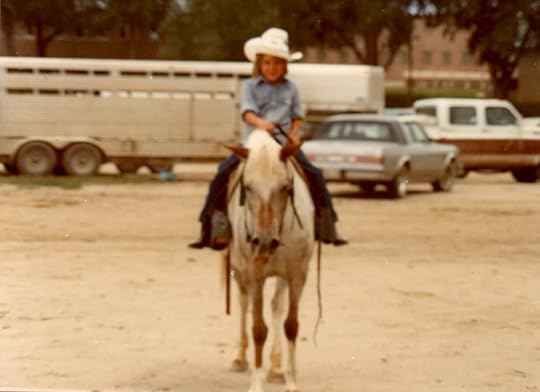 This is my little sister on Moonglow at her first 4-H show.
He gave me a palomino gelding for Christmas when I was ten. I named him Thunderbolt. In between I had a sorrel mare named Terry, a palomino pony I trained by myself named Taffy, his mother an appaloosa pony named Quartermoon and my last horse was my dad's old horse, an appaloosa gelding named Bo-probably the most stubborn horse ever born.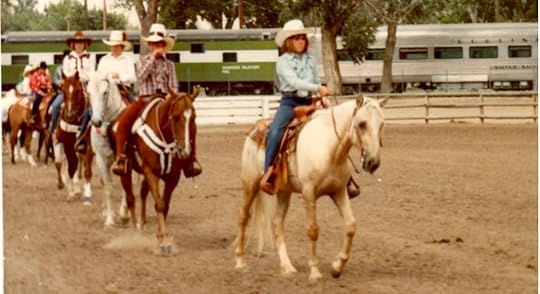 This is me on Taffy at a 4-H show.
I am a horse person by birth, by blood, by whatever it is that stirs that inner ache for horses. It goes beyond that thing girls get for horses around the age of eight. It is not necessarily something non-horse people can understand but I know I am not the only one who feels it- and I don't have anything against non-horse people.
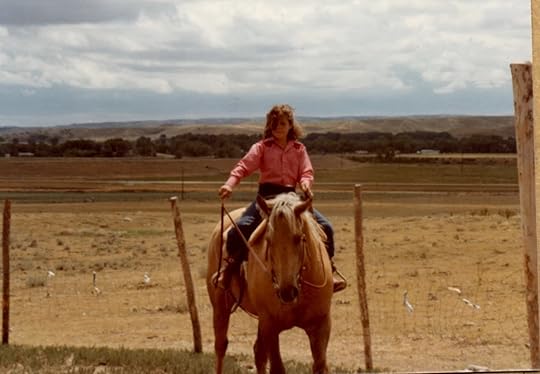 This is me on Thunderbolt.
I have now lived longer without a horse than I have with one. My internal feelings have not changed, just my external realities. My backyard is not big enough for all of my kids much less a horse and we would need more than one. All of that being said, I find myself wondering how I didn't know what was going on with the wild horses here in the United States. For the last few weeks I have been trying to catch up on what the Bureau of Land Management who is responsible for the care and management of the wild herds has been doing or not doing for the last few years. I only found out there was a problem because my sister told me about what they are doing to the herds in Wyoming. I like to look at everything that is being said before I make judgments about things. I try to be reasonable, look at things from as many perspectives as possible because I want to make correct choices and say things that are right and true. Because I have grown up and had to face the realities of budgets and close quarters I realize that sometimes things look like cruelty or just plain wrong but there is no realistic alternative and you do what you have to do.That isn't what is happening in Wyoming. They are deliberately "zeroing out" wild horse herds to appease cattle ranchers who are getting tax-payer subsidized grazing on the public lands. Lands the horses were supposed to be protected on. They have rounded up and gotten rid of over five hundred horses. They are converting the herds to non-reproducing and many of the ones that will be allowed to remain have been sterilized. It may take a few years, but without the ability to reproduce in a healthy way, the herds are effectively eliminated.There are still wild horse herds, but as I looked around the country to find out how things were happening in other states I found the same things have been going on. The herds are being reduced and converted to non- reproducing- zeroed out. Many have asked what the big deal is. The horses don't do anything- they are not profitable. The only value they have is that they are pretty. They might even be destructive to the environment. They are not really wild animals.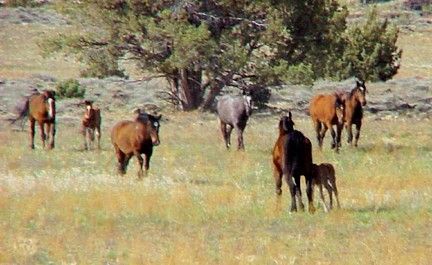 Well, there are a good many species of animals and plants alike that have no practical value and are only pretty- at least if that is how you look at things. Ants are destructive to the environment if the wild horse herds are. For not really being wild they have found a way to adapt and thrive in a wild environment- at least until people get involved. It just seems to me that when people want to justify themselves, they come up with reasons that other people will buy whether or not they are true or legitimate. Our government shut down an entire farming community in California because of a fish. Despite the facts of wolves roaming out of the designated areas in federal parks and destroying ranch animals they were reintroduced into the wild and remain wild. What is it about wild horses that makes them less important than these other species? Why are they not worth saving? If it isn't the profitability angle from the extra grazing the cattle ranchers would get, I can't come up with anything except that they represent an idea, a concept that frightens some people- freedom.I know to many this post may seem pointless, argumentative, maybe even agenda motivated, but I don't have time for petty arguments or political agendas. I love horses. My point is that I think they have value beyond their beauty- they are living creatures that deserve the same respect and concern as any other living creature. Under the laws of our country they are supposed to be being protected. I believe it is wrong that they are not. Where do we draw the line?
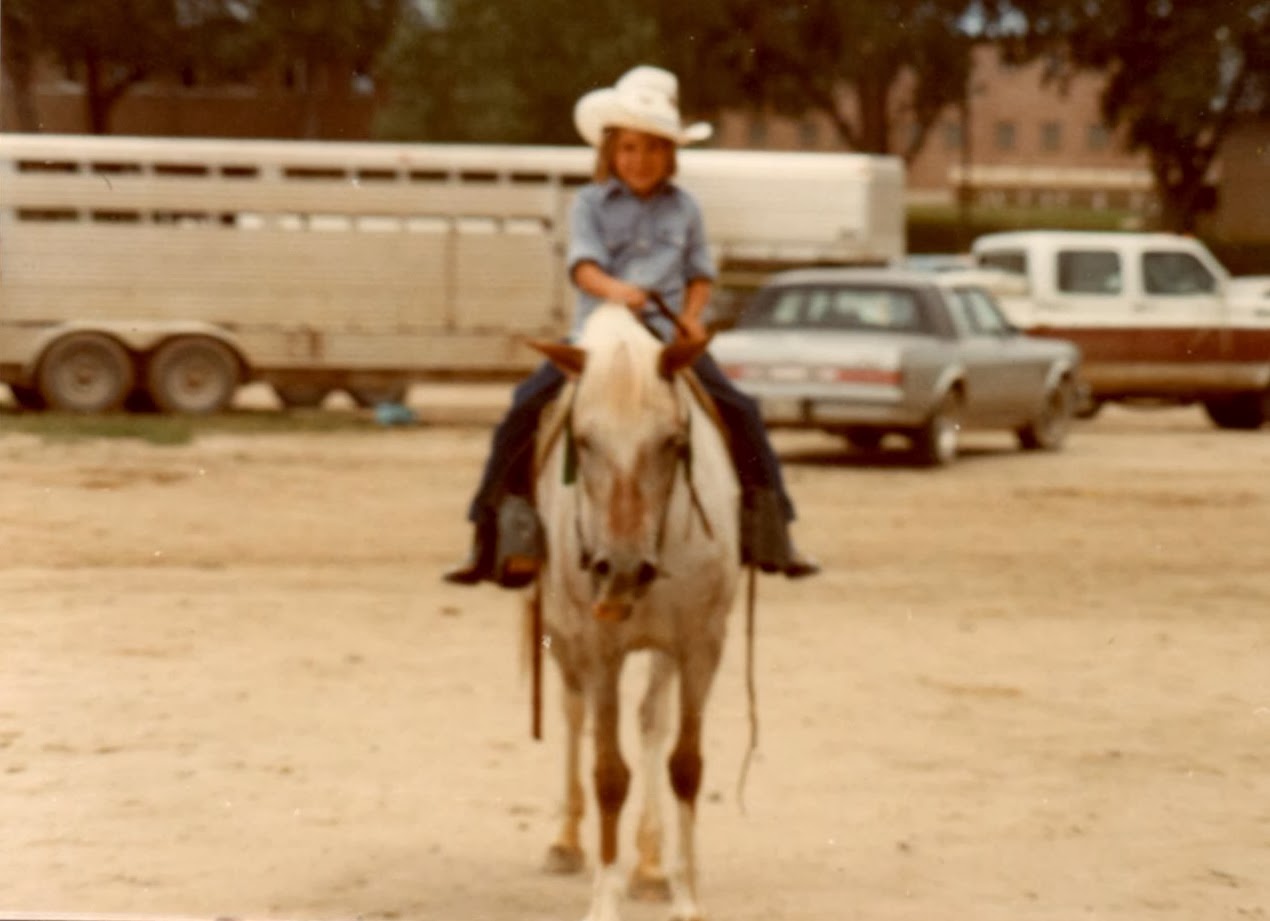 This is my little sister on Moonglow at her first 4-H show.
He gave me a palomino gelding for Christmas when I was ten. I named him Thunderbolt. In between I had a sorrel mare named Terry, a palomino pony I trained by myself named Taffy, his mother an appaloosa pony named Quartermoon and my last horse was my dad's old horse, an appaloosa gelding named Bo-probably the most stubborn horse ever born.
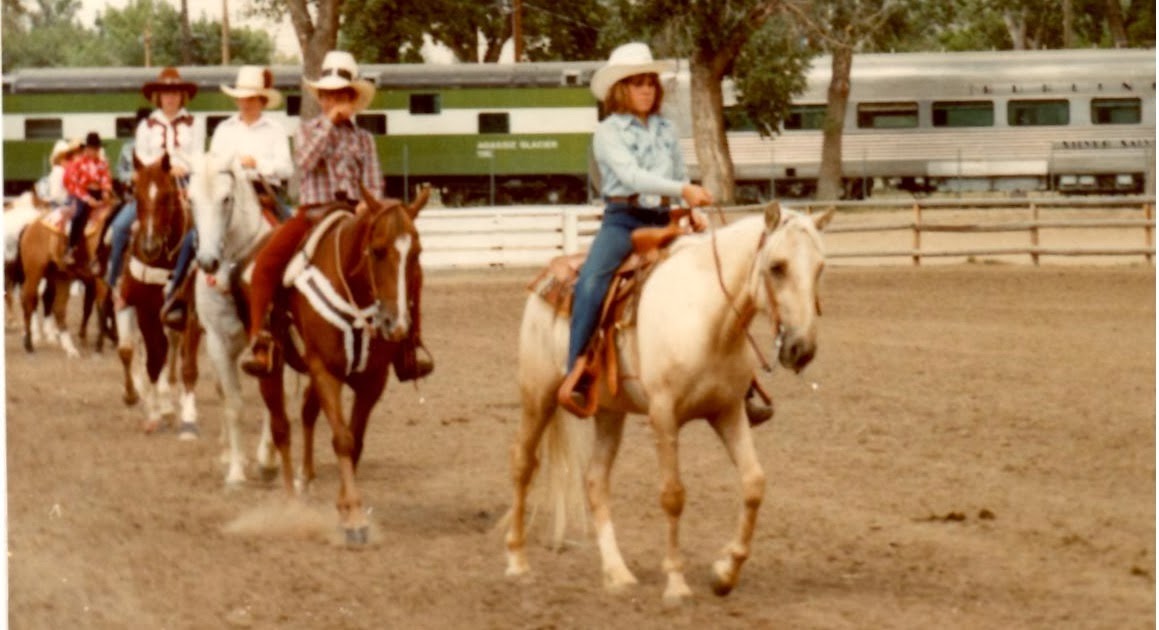 This is me on Taffy at a 4-H show.
I am a horse person by birth, by blood, by whatever it is that stirs that inner ache for horses. It goes beyond that thing girls get for horses around the age of eight. It is not necessarily something non-horse people can understand but I know I am not the only one who feels it- and I don't have anything against non-horse people.
 This is me on Thunderbolt.
I have now lived longer without a horse than I have with one. My internal feelings have not changed, just my external realities. My backyard is not big enough for all of my kids much less a horse and we would need more than one. All of that being said, I find myself wondering how I didn't know what was going on with the wild horses here in the United States. For the last few weeks I have been trying to catch up on what the Bureau of Land Management who is responsible for the care and management of the wild herds has been doing or not doing for the last few years. I only found out there was a problem because my sister told me about what they are doing to the herds in Wyoming. I like to look at everything that is being said before I make judgments about things. I try to be reasonable, look at things from as many perspectives as possible because I want to make correct choices and say things that are right and true. Because I have grown up and had to face the realities of budgets and close quarters I realize that sometimes things look like cruelty or just plain wrong but there is no realistic alternative and you do what you have to do.That isn't what is happening in Wyoming. They are deliberately "zeroing out" wild horse herds to appease cattle ranchers who are getting tax-payer subsidized grazing on the public lands. Lands the horses were supposed to be protected on. They have rounded up and gotten rid of over five hundred horses. They are converting the herds to non-reproducing and many of the ones that will be allowed to remain have been sterilized. It may take a few years, but without the ability to reproduce in a healthy way, the herds are effectively eliminated.There are still wild horse herds, but as I looked around the country to find out how things were happening in other states I found the same things have been going on. The herds are being reduced and converted to non- reproducing- zeroed out. Many have asked what the big deal is. The horses don't do anything- they are not profitable. The only value they have is that they are pretty. They might even be destructive to the environment. They are not really wild animals.
 Well, there are a good many species of animals and plants alike that have no practical value and are only pretty- at least if that is how you look at things. Ants are destructive to the environment if the wild horse herds are. For not really being wild they have found a way to adapt and thrive in a wild environment- at least until people get involved. It just seems to me that when people want to justify themselves, they come up with reasons that other people will buy whether or not they are true or legitimate. Our government shut down an entire farming community in California because of a fish. Despite the facts of wolves roaming out of the designated areas in federal parks and destroying ranch animals they were reintroduced into the wild and remain wild. What is it about wild horses that makes them less important than these other species? Why are they not worth saving? If it isn't the profitability angle from the extra grazing the cattle ranchers would get, I can't come up with anything except that they represent an idea, a concept that frightens some people- freedom.I know to many this post may seem pointless, argumentative, maybe even agenda motivated, but I don't have time for petty arguments or political agendas. I love horses. My point is that I think they have value beyond their beauty- they are living creatures that deserve the same respect and concern as any other living creature. Under the laws of our country they are supposed to be being protected. I believe it is wrong that they are not. Where do we draw the line?
January 30, 2014
Snow Days in South Alabama or Finding More Time to Write
Valerie J. Steimle
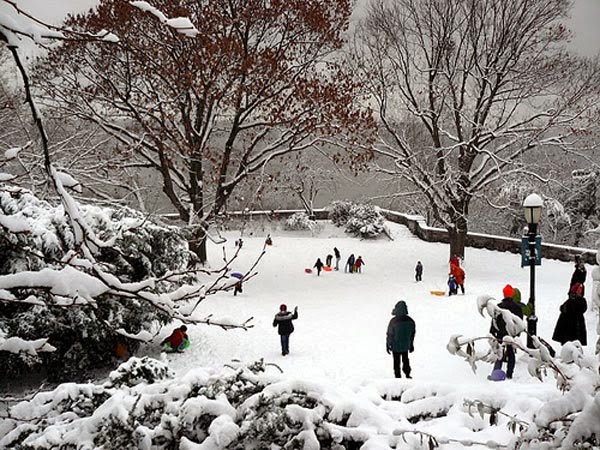 Snow days in South Alabama? What has the world come to? The last time we had a snow day in Southern Alabama was in 1996. This past week the whole south was shut down as it was inundated with the winter storm called Leon and it was quite icy and cold.
This being the case, after playing a bit outside with my two teen sons, I had the opportunity to do some extra writing. No school, no going to work (for now) so I took the opportunity of getting some prime time writing done.
Here is what I came up with……
Writing Against All Odds
By Valerie Steimle
As the mother of nine children, people are amazed when I tell them I have published five books. Back in the old days, when typewriters were being phased out and desk top computers were becoming more popular, I took a pencil and paper and wrote all of my ideas for articles on paper and started organizing manuscripts for books. I wrote at night when all my children were in bed and the house was quiet. This was not only a creative outlet; the time spent also provided emotional support for me as a mother.
Fast forward twelve years and after revisions and more revisions, typing everything on a desk top, I finally had a finished manuscript to submit to publishers which I did. Not getting the response I had liked, (10 rejection notices) I decided I would self-publish this manuscript and did most of the editing myself. I scraped the money together for self-publication and my first book was born. I thought I had done so well and I was on my way to fame and fortune until I realized a year later that marketing my book was much harder than writing it. Yes, I had a few local morning show interviews and I did local book signings but this did not bring the income I had hoped for.
Putting promotions aside, I continued writing and knew my second book’s topic: Homeschool. By that time in my life, I had slept, ate, walked, drove and thought homeschool as we did homeschool all of our children and I had accumulated a lot of information. It didn’t take long to collect my writings about homeschooling and I asked several of my homeschool friends to contribute a chapter to this book as well. Again, time passed quickly and before I knew it, three years had passed by and my husband passed away suddenly.
That put a stop to everything I was doing for at least three months and I had to rethink my whole life goals. I knew I wanted to continue my goal of becoming a best selling author. I knew I had to push forward and publish my homeschool book; which I finally did in 2006 (6 months after he passed). This had been my most successful book to date and I was very happy to hear how I have helped countless families take on a lifestyle which has helped many children in education and life experiences.
That was then and this is now. My present day life consists of only two children at home and I even remarried. My writing time has increased but so has my financial difficulties. With the Gulf Coast Oil Spill, our employment has been cut in half. I am fighting to keep my home of 19 years and I have to deal with menopause, low book sales, broken cars (including one that was consumed by fire with a box of my books inside, ugh!) and a number of other trials too long to explain. So I continue to write against all odds. There is always something that will get in the way of writing. If we don’t decide now, we will never accomplish it.
I try to remember what truly matters in life. When all is said and done in the end, every temporal or earthly possession does not matter. Whatever fame or fortune gained will not count for anything. Whatever frustration, resentments or grudges held towards others will mean nothing in the long run. Whatever score kept of wins and loses won’t be seen on your heavenly scorecard. What matters most is what we share with others and how we have helped make someone’s load lighter. Whatever inspiring, uplifting writings we can promote in story or post will matter the most in life. So I continue and always will write against all odds.__________________________________________
Next time we have a snow day...I'll be encouraged to do a whole lot more writing. In the mean time, pass me another snow ball and let's have at it!
January 26, 2014
What It Means to be a Mommy (Daughter) Author
Basically, it means I've hit a big wall in my writing.
First some background:
My father passed away at the beginning of January and even though my husband and I have just moved to St. George, Utah with our two children, I've spent more time in California this month than in Utah...and feeling guilty about deserting my own family for the one I grew up in.
I would have returned with my husband and kids after the memorial service, but my 87-year-old mother needs me right now. One of my sisters is living with her, but she works long hours and we just didn't think Mom should be left alone at this point during the day...and not only because of the loneliness.
Her eyesight is so bad that she's scheduled for cataract surgery tomorrow and I'm needed to drive her for the procedure, and the two post-op appointments. But even if her eyes weren't an issue, I'm needed right now.
You see, my mother's memory is fast failing her.
This morning, she asked my sister, "Am I 66 or 67?" At least she stopped and realized what she'd said a second or two later (once she noticed the look on my sister's face), but something tells me the day will come, all too soon, when she may ask that question in all earnestness.
It's a strange phenomenon to try to mother your own mother, and believe me, it's a delicate procedure. This is a woman who has prided herself for years on her independence, her driving, and her capacity to care for others. I'm walking a tightrope here...
And not writing.
First some background:
My father passed away at the beginning of January and even though my husband and I have just moved to St. George, Utah with our two children, I've spent more time in California this month than in Utah...and feeling guilty about deserting my own family for the one I grew up in.
I would have returned with my husband and kids after the memorial service, but my 87-year-old mother needs me right now. One of my sisters is living with her, but she works long hours and we just didn't think Mom should be left alone at this point during the day...and not only because of the loneliness.
Her eyesight is so bad that she's scheduled for cataract surgery tomorrow and I'm needed to drive her for the procedure, and the two post-op appointments. But even if her eyes weren't an issue, I'm needed right now.
You see, my mother's memory is fast failing her.
This morning, she asked my sister, "Am I 66 or 67?" At least she stopped and realized what she'd said a second or two later (once she noticed the look on my sister's face), but something tells me the day will come, all too soon, when she may ask that question in all earnestness.
It's a strange phenomenon to try to mother your own mother, and believe me, it's a delicate procedure. This is a woman who has prided herself for years on her independence, her driving, and her capacity to care for others. I'm walking a tightrope here...
And not writing.
January 23, 2014
What It Means to Be a Mommy Author
I like the title of this blog, "Mommy Authors." It clearly states our purpose - we are authors, but we're mommies first. We have kids of varying ages and in different stages of life - I have a seventeen-year-old, a fifteen-year-old, a twelve-year-old, and a nine-year-old. Plus we homeschool. And I run two businesses from home. And we're all very involved in our church assignments. I well remember the days of being a young mother and juggling a newborn and a toddler at the same time, wondering if I would ever again get the time to write and wondering how to make dinner with a child glued to my leg. The time has gone by so fast, it's like it was yesterday.
Being a mommy author means that you become very good at juggling. Some days, you have a sick child, and so you spend the day cuddling and watching movies and making peppermint tea. Other days, the story won't leave you alone and you spend all day at the computer and make corn dogs for dinner. And other days, you frantically clean, trying to undo the damage from the sick days and the writing days. Then you begin the cycle again.
You stay up late to write, or you wake up early.
You scribble notes to self all over the house because that perfect scene came to your head while you were folding laundry.
You endure well-meaning, yet totally off-the-mark comments from friends, neighbors, mothers, and mothers-in-law who just don't get what you do.
You smile patiently when your husband's boss introduces you to his glamorous wife and says that "She wants to write. Isn't that cute? You know, she has twelve children," and you try to correct him that you really only have six, but they look at you like it's all the same to them.
We go through a lot. We put up with a lot. And you know what ... we wouldn't have it any other way.
Who would trade in the sloppy kisses or the late-night hugs or the little voices saying, "Mommy, I love you?"
Who would trade in the finally finished chapters and the satisfaction that comes from completing another project?
And who would trade in the glee on our children's faces when we tell them that we wrote another book? They might not totally understand, but they know we're happy, and that makes them happy, and so we can all be happy together.
Being a mommy author is hard. In fact, sometimes I think that quitting writing would make my life so much easier. But I get to fulfill two life-long dreams at the same time, and truly, I wouldn't have it any other way.
Being a mommy author means that you become very good at juggling. Some days, you have a sick child, and so you spend the day cuddling and watching movies and making peppermint tea. Other days, the story won't leave you alone and you spend all day at the computer and make corn dogs for dinner. And other days, you frantically clean, trying to undo the damage from the sick days and the writing days. Then you begin the cycle again.
You stay up late to write, or you wake up early.
You scribble notes to self all over the house because that perfect scene came to your head while you were folding laundry.
You endure well-meaning, yet totally off-the-mark comments from friends, neighbors, mothers, and mothers-in-law who just don't get what you do.
You smile patiently when your husband's boss introduces you to his glamorous wife and says that "She wants to write. Isn't that cute? You know, she has twelve children," and you try to correct him that you really only have six, but they look at you like it's all the same to them.
We go through a lot. We put up with a lot. And you know what ... we wouldn't have it any other way.
Who would trade in the sloppy kisses or the late-night hugs or the little voices saying, "Mommy, I love you?"
Who would trade in the finally finished chapters and the satisfaction that comes from completing another project?
And who would trade in the glee on our children's faces when we tell them that we wrote another book? They might not totally understand, but they know we're happy, and that makes them happy, and so we can all be happy together.
Being a mommy author is hard. In fact, sometimes I think that quitting writing would make my life so much easier. But I get to fulfill two life-long dreams at the same time, and truly, I wouldn't have it any other way.
January 20, 2014
Happy Birthday, Badger Princess
by H. Linn Murphy
 Canstock As I drop the Badger Princess off at school from Seminary today I tell Her to have a wonderful day. My daughter throws me one of 'those' looks--the ones like little red wagons full of dirty diapers. I can't figure out what I did to enrage Her already, but it must have happened sometime around first grade. I can't figure out if She has something clinical (a possibility) or simply feels that I have burned my Mensa card and shall ever afterwards be relegated to the short bus.
It wasn't always like this. She was born a gorgeous angel with golden curls and a radiant smile. I remember that smile from long ago. When I garnered one, it felt as if Heaven had smiled down at me and I'd done something right. She gave magnificent hugs which warmed a person clear down to their toes. She cried for an hour on the way home when we dropped Her big sister off at the airport to go off to college and again when N. went on her mission. She loved to help in the kitchen, and I let Her.
Somewhere along in there She became the fearless bug-stomper, the clonker-of-brothers (with their own trucks no less), and the student every teacher longed for. The first time my husband and I went to a parent teacher conference, the teacher told us She was their star pupil. The Hubs and I looked at each other and wondered how it was possible for that teacher to have two little girls with exactly the same name in class.
 Canstock
She continues to amaze us with Her tenacity for some things: school, drawing, violin, Her best friend (another badger princess), and a certain boy. To these things She grips with the strength of my high school cafeteria gravy (better than super glue). Her sister can, at times, still get Her to laugh and be sweet, although the same sister still claims that dealing with Her is like poking an angry badger (thus the name). In fact, we draw straws when we have to wake the Badger. Loser has the short straw. If we're not careful, limbs and life are forfeit. Luckily I know first aid.
I bring Her an early birthday present in its shiny bag. She pulls the dress pants out and sends me that same look She has perfected through long years of practice when talking to me. "Are we doing any celebrating other than at B___'s house?" is all She asks. I add the "Thank you, Mom! I love you so much! These are exactly the right size and just what I needed!" speech in my head. I pretend She hugs me with one of those long-ago hugs. It's all I get these days. It's a good thing I have a rich imagination.
I know She's not like this across the board. Her teachers still continue to give Her glowing commendations (except for the stupid ones who have managed to, like me, tick Her off one too many times). She is beloved by her friends. They never call me asking why She keeps pushing the verbal dynamite plunger, blowing up their relationships. They keep coming around, asking Her out with the regularity of mailmen. Canstock
So it must be me. Clearly I've crossed a line somewhere. Her attitude deficiencies don't come without some effort on my part to gently guide Her back into some semblance of a relationship. I don't want Her to grow up thinking She can treat those who love Her like Javert treats the prisoners from Les Miserables. I don't want the heartbreak of a whole string of broken marriages tarnishing Her soul. "At some point," I tell Her, "every husband is going to ask you to do something you find occasionally disgusting or excruciating or miserable (like bearing him children and cleaning up after them). How are you going to treat him?"
She merely gives me her stock dry smile and says, "Well he'll love me and I'll love him."
Yeah, just jab that thing in a little further and give it a good twist or two.
Is it a matter of chores? Because if that's the case, I might just have to be horrendously sick. When I was growing up, I lived on what amounts to a small farm. We hoed fields of potatoes. We had an enormous garden to water, weed, and debug. We had 45 or so rabbits to feed and water. We had a flock of chickens to feed, water, gather eggs from, and clean up after. There were goats to milk, feed, water and doctor. We had a dog to feed and water and clean up after and various other animal pets. Every summer we built something (barn, garage, basement, sidewalks, root cellar etc). Plus we had fields of bindweed to pull first whenever we wanted to go anywhere. I finally told my dad we should forget trying to grow grass and stick with the bindweed since it has pretty flowers and is great on bruises. Of course I lost that debate as well. Pluck pluck pluck. "And make sure you get the four foot long taproot or it'll grow back."
As kids, we didn't talk back on pain of a beating from Dad. We didn't complain to their faces. I turned the air in the barn blue lots of times, but the only beings who heard me stood there placidly chewing their cuds through it. My mom never felt the cutting edge of my tongue.
My children take forced turns filling the dishwasher. And She grudgingly sets the table for a week. I'd say She has to clean her room, but I haven't seen the floor in that room since we tried to find the stuffed animal sheep for the Christmas nativity a couple of years ago. I stopped hounding Her about it for fear that my head would explode from the onslaught of shrieking. So the chores are extremely minimal. To hear Her, you'd think our chores had been switched. She sets up a howl if I even open my mouth to ask Her to do any work at all. She even anticipates my need and snarls at me if I look purposefully in Her direction. Canstock
If I open my mouth to protest such treatment, stand back. There'll be some kind of laser strike coming out of those gorgeous blue eyes, aimed in my direction. At such times it's extremely unhealthy to be within the same county. I'm at a loss as to what to do about this without an elephant tranquilizer or phaser set on stun. I'd love to get back to the angel I once knew--the one who loved me and cuddled up instead of squirming away when I touch Her. Sometimes I simply take Her in my arms and force Her to stand there and drink in my love. Last time She stood there like a garden scarecrow until I manually flopped Her arms around my waist. But after a while She finally tightened the hold. She didn't even moan when I told Her I love Her.
There are more birthday gifts and a cake and games coming, but not because She's been a stellar communicator. They come because we love our Badger Princess and for what it's worth, are glad She joined our family those seventeen long years ago. I just hope we both survive the next seventeen outside of a mental facility.
 Canstock As I drop the Badger Princess off at school from Seminary today I tell Her to have a wonderful day. My daughter throws me one of 'those' looks--the ones like little red wagons full of dirty diapers. I can't figure out what I did to enrage Her already, but it must have happened sometime around first grade. I can't figure out if She has something clinical (a possibility) or simply feels that I have burned my Mensa card and shall ever afterwards be relegated to the short bus.
It wasn't always like this. She was born a gorgeous angel with golden curls and a radiant smile. I remember that smile from long ago. When I garnered one, it felt as if Heaven had smiled down at me and I'd done something right. She gave magnificent hugs which warmed a person clear down to their toes. She cried for an hour on the way home when we dropped Her big sister off at the airport to go off to college and again when N. went on her mission. She loved to help in the kitchen, and I let Her.
Somewhere along in there She became the fearless bug-stomper, the clonker-of-brothers (with their own trucks no less), and the student every teacher longed for. The first time my husband and I went to a parent teacher conference, the teacher told us She was their star pupil. The Hubs and I looked at each other and wondered how it was possible for that teacher to have two little girls with exactly the same name in class.
 Canstock
She continues to amaze us with Her tenacity for some things: school, drawing, violin, Her best friend (another badger princess), and a certain boy. To these things She grips with the strength of my high school cafeteria gravy (better than super glue). Her sister can, at times, still get Her to laugh and be sweet, although the same sister still claims that dealing with Her is like poking an angry badger (thus the name). In fact, we draw straws when we have to wake the Badger. Loser has the short straw. If we're not careful, limbs and life are forfeit. Luckily I know first aid.
I bring Her an early birthday present in its shiny bag. She pulls the dress pants out and sends me that same look She has perfected through long years of practice when talking to me. "Are we doing any celebrating other than at B___'s house?" is all She asks. I add the "Thank you, Mom! I love you so much! These are exactly the right size and just what I needed!" speech in my head. I pretend She hugs me with one of those long-ago hugs. It's all I get these days. It's a good thing I have a rich imagination.
I know She's not like this across the board. Her teachers still continue to give Her glowing commendations (except for the stupid ones who have managed to, like me, tick Her off one too many times). She is beloved by her friends. They never call me asking why She keeps pushing the verbal dynamite plunger, blowing up their relationships. They keep coming around, asking Her out with the regularity of mailmen.
 Canstock
So it must be me. Clearly I've crossed a line somewhere. Her attitude deficiencies don't come without some effort on my part to gently guide Her back into some semblance of a relationship. I don't want Her to grow up thinking She can treat those who love Her like Javert treats the prisoners from Les Miserables. I don't want the heartbreak of a whole string of broken marriages tarnishing Her soul. "At some point," I tell Her, "every husband is going to ask you to do something you find occasionally disgusting or excruciating or miserable (like bearing him children and cleaning up after them). How are you going to treat him?"
She merely gives me her stock dry smile and says, "Well he'll love me and I'll love him."
Yeah, just jab that thing in a little further and give it a good twist or two.
Is it a matter of chores? Because if that's the case, I might just have to be horrendously sick. When I was growing up, I lived on what amounts to a small farm. We hoed fields of potatoes. We had an enormous garden to water, weed, and debug. We had 45 or so rabbits to feed and water. We had a flock of chickens to feed, water, gather eggs from, and clean up after. There were goats to milk, feed, water and doctor. We had a dog to feed and water and clean up after and various other animal pets. Every summer we built something (barn, garage, basement, sidewalks, root cellar etc). Plus we had fields of bindweed to pull first whenever we wanted to go anywhere. I finally told my dad we should forget trying to grow grass and stick with the bindweed since it has pretty flowers and is great on bruises. Of course I lost that debate as well. Pluck pluck pluck. "And make sure you get the four foot long taproot or it'll grow back."
As kids, we didn't talk back on pain of a beating from Dad. We didn't complain to their faces. I turned the air in the barn blue lots of times, but the only beings who heard me stood there placidly chewing their cuds through it. My mom never felt the cutting edge of my tongue.
My children take forced turns filling the dishwasher. And She grudgingly sets the table for a week. I'd say She has to clean her room, but I haven't seen the floor in that room since we tried to find the stuffed animal sheep for the Christmas nativity a couple of years ago. I stopped hounding Her about it for fear that my head would explode from the onslaught of shrieking. So the chores are extremely minimal. To hear Her, you'd think our chores had been switched. She sets up a howl if I even open my mouth to ask Her to do any work at all. She even anticipates my need and snarls at me if I look purposefully in Her direction.
 Canstock
If I open my mouth to protest such treatment, stand back. There'll be some kind of laser strike coming out of those gorgeous blue eyes, aimed in my direction. At such times it's extremely unhealthy to be within the same county. I'm at a loss as to what to do about this without an elephant tranquilizer or phaser set on stun. I'd love to get back to the angel I once knew--the one who loved me and cuddled up instead of squirming away when I touch Her. Sometimes I simply take Her in my arms and force Her to stand there and drink in my love. Last time She stood there like a garden scarecrow until I manually flopped Her arms around my waist. But after a while She finally tightened the hold. She didn't even moan when I told Her I love Her.
There are more birthday gifts and a cake and games coming, but not because She's been a stellar communicator. They come because we love our Badger Princess and for what it's worth, are glad She joined our family those seventeen long years ago. I just hope we both survive the next seventeen outside of a mental facility.
January 16, 2014
The Power of Color
by Michelle Wilson
I have used the same scriptures for years, and they are literally falling apart at the seams. Add that to the fact that I now need 'reader' glasses to see the regular print, and you can imagine my joy when I received a brand new set of scriptures for Christmas!
Until I opened them and saw a sea of black and white
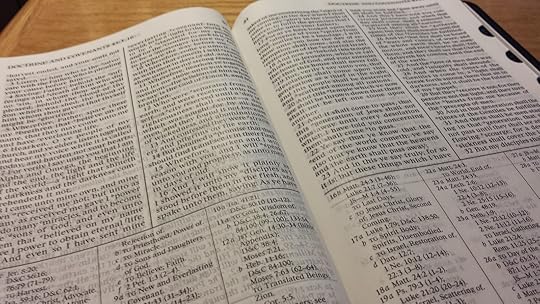
As much as I love the scriptures, these new ones felt like strangers. I shared this with a friend who said she loves new scriptures, that they give her a chance to 'start fresh' each time.
I thought about that for a while and wondered if that's what I should do, just start fresh.
But I couldn't.
So, I embarked on the process of marking my new scriptures. Yes, I sit them side by side and mark the new ones to match the old. My husband thinks I'm crazy. Last night, for just a moment, I wondered if I was.
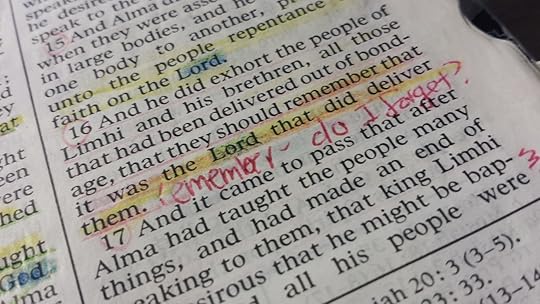 Then I wondered if my color-coding and writing was a crutch. Why couldn't I just start fresh? Why did I need to have everything colored and spelled out for me? I know many people who don't highlight or write in their scriptures, and I'm sure they know their scriptures well and love them, too. So, why do I have this need to color up my new scriptures? Is it my spiritual ADD? Or is it that I my forgetter is becoming stronger than my rememberer?
I know the new scriptures have the same words, the same stories. But I then realized that it's the words which fill the margins and the colors that light up the page that make he scriptures mine.
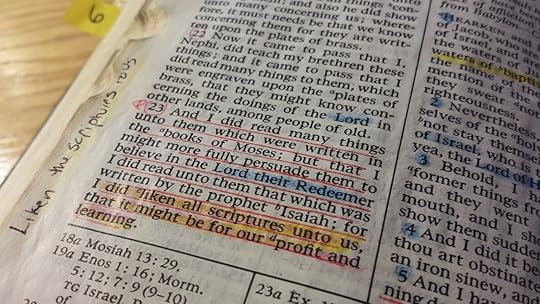 Nephi 'likened all scriptures' unto themselves for their profit and learning. That's what all those colors mean to me. They represent the impressions and inspiration I've received over the years. They are the personal answers and guidance God has given to me when I needed it. The verses are the same, it's the colors and written words where the scriptures become my scriptures.
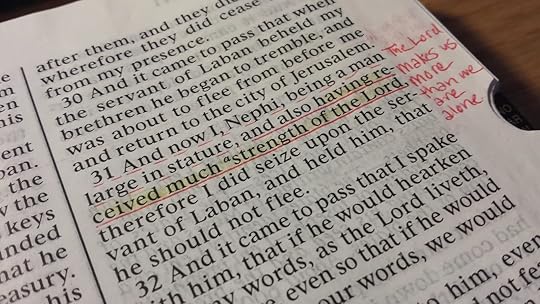 I can't tell you how many times I have asked God about my kids, my family, my career, my life, and found the answers in my scriptures. I have received confirmations of His love and approval; I've learned that the Atonement is for me. Many times I will find the answers to prayers not in the verses, but in the impressions I've recorded in the margins. My scriptures aren't just stories and doctrine, but they are the way I have, and can continue, to hear Him.
Yes, I can start fresh. And I don't judge the people who do. Perhaps they are more spiritual and don't need the constant reminders that I do. Perhaps they can remember where all their favorite verses are (I am a very visual person and most times remember that the verse is 'the red and yellow on somewhere in Alma on the right hand side left column.') Perhaps they don't like to color. If it works for them, I am happy for them!
But for me, I can't start fresh. I don't want.
So, bring on the colored pencils and red pen, because I've got a lot of work to do!
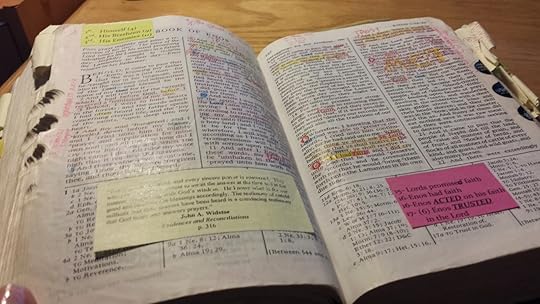
Are you a 'fresh start' kind of person? Or do you color, too?
I have used the same scriptures for years, and they are literally falling apart at the seams. Add that to the fact that I now need 'reader' glasses to see the regular print, and you can imagine my joy when I received a brand new set of scriptures for Christmas!
Until I opened them and saw a sea of black and white
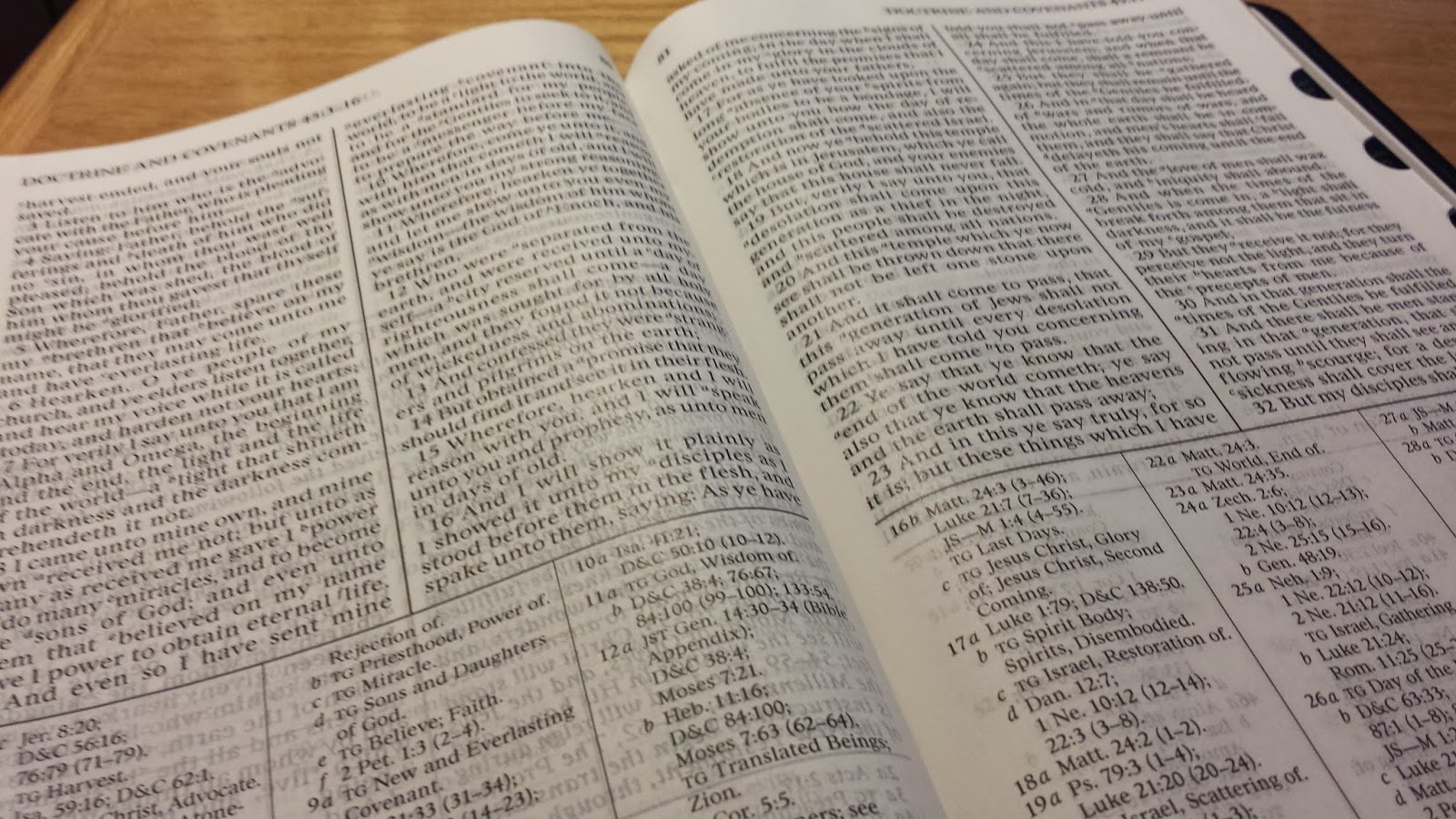
As much as I love the scriptures, these new ones felt like strangers. I shared this with a friend who said she loves new scriptures, that they give her a chance to 'start fresh' each time.
I thought about that for a while and wondered if that's what I should do, just start fresh.
But I couldn't.
So, I embarked on the process of marking my new scriptures. Yes, I sit them side by side and mark the new ones to match the old. My husband thinks I'm crazy. Last night, for just a moment, I wondered if I was.
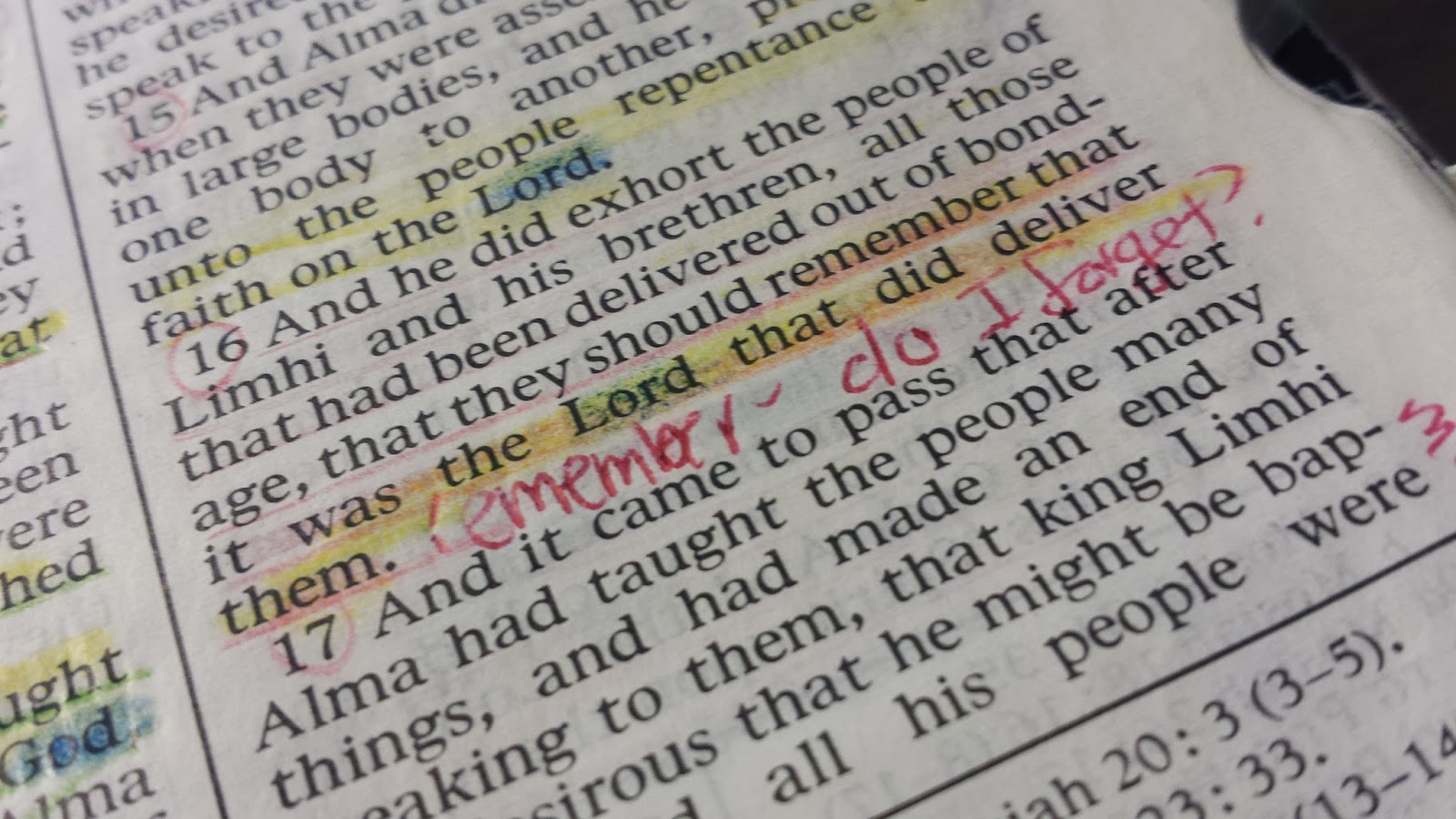 Then I wondered if my color-coding and writing was a crutch. Why couldn't I just start fresh? Why did I need to have everything colored and spelled out for me? I know many people who don't highlight or write in their scriptures, and I'm sure they know their scriptures well and love them, too. So, why do I have this need to color up my new scriptures? Is it my spiritual ADD? Or is it that I my forgetter is becoming stronger than my rememberer?
I know the new scriptures have the same words, the same stories. But I then realized that it's the words which fill the margins and the colors that light up the page that make he scriptures mine.
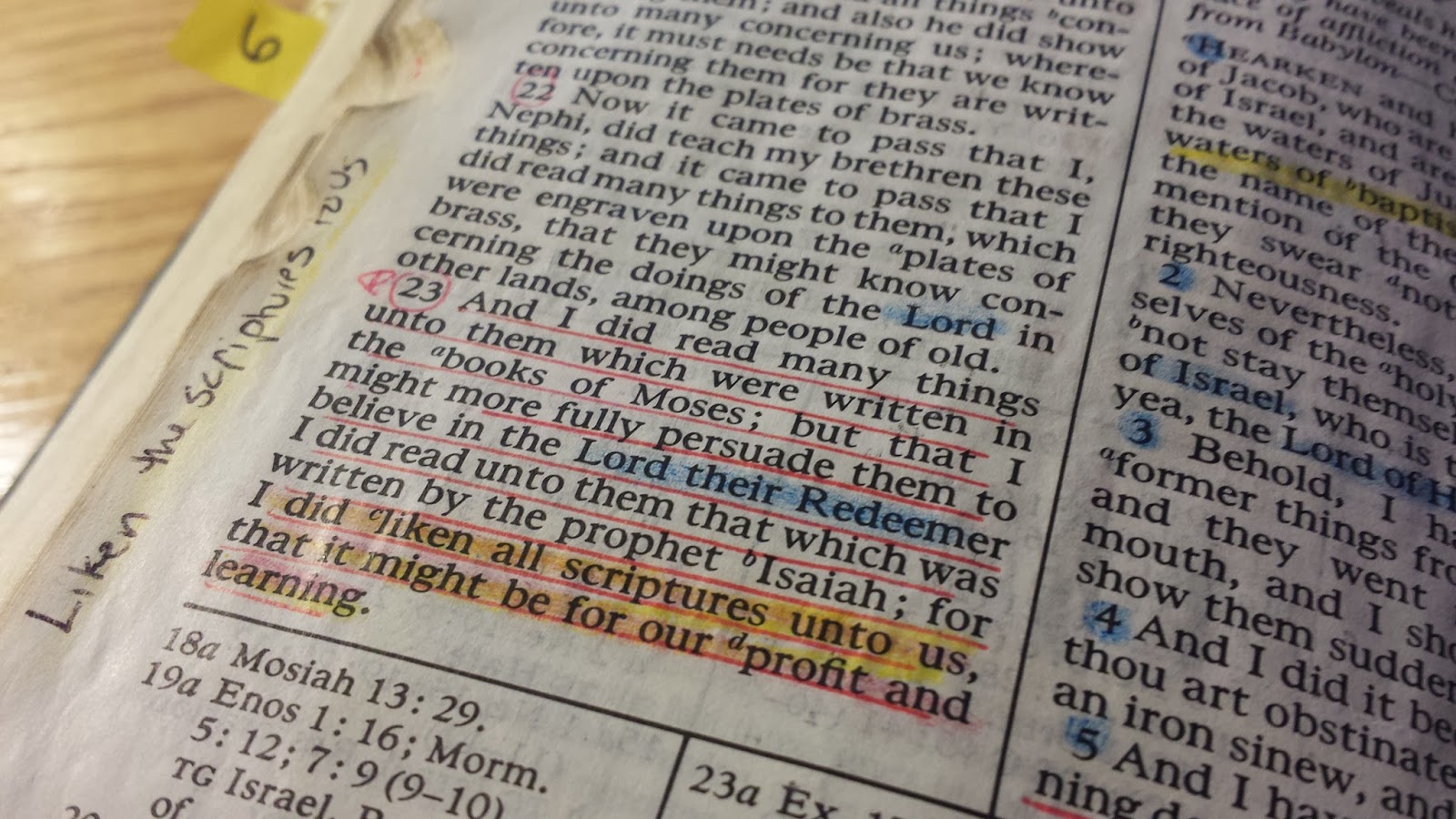 Nephi 'likened all scriptures' unto themselves for their profit and learning. That's what all those colors mean to me. They represent the impressions and inspiration I've received over the years. They are the personal answers and guidance God has given to me when I needed it. The verses are the same, it's the colors and written words where the scriptures become my scriptures.
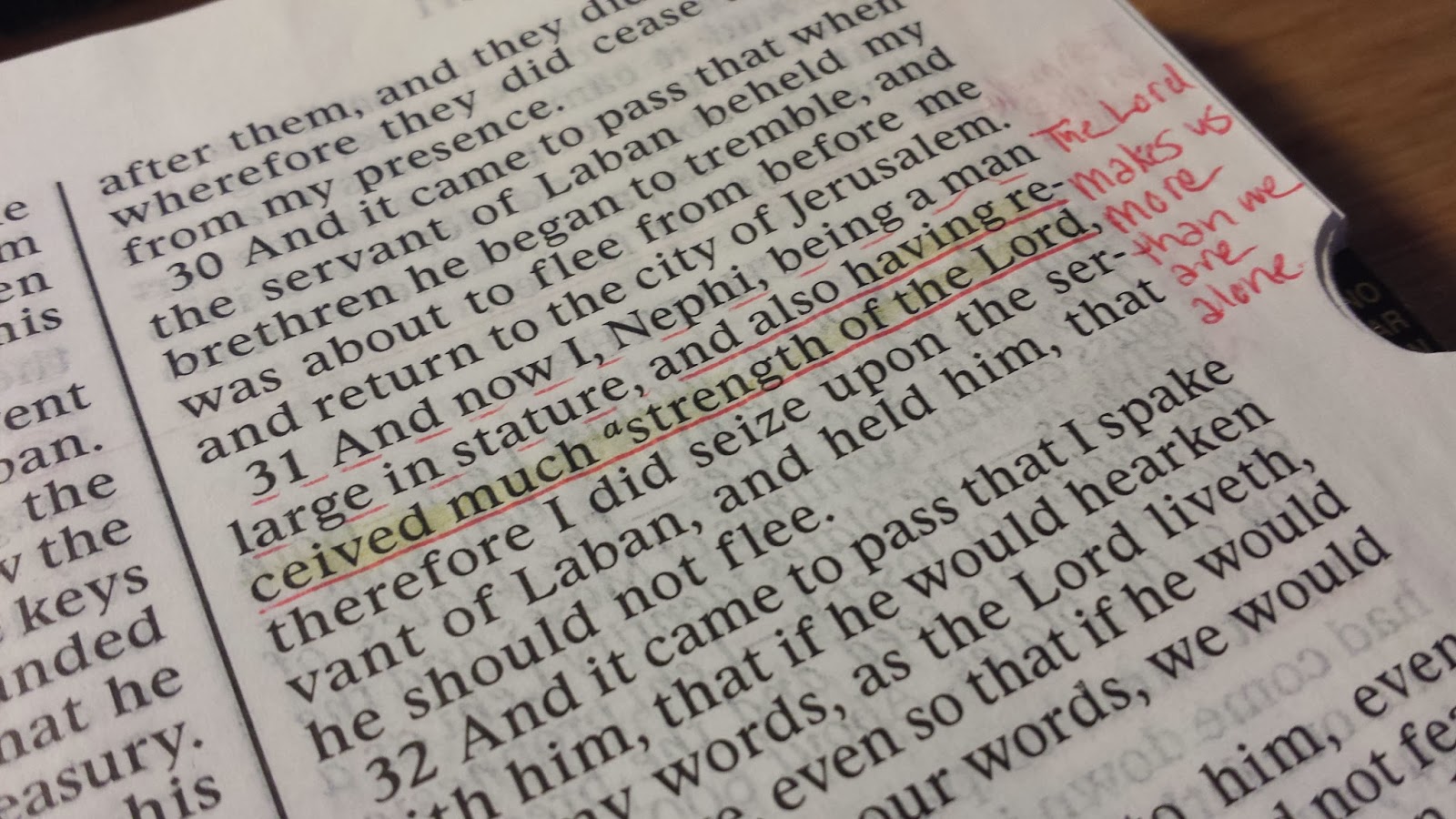 I can't tell you how many times I have asked God about my kids, my family, my career, my life, and found the answers in my scriptures. I have received confirmations of His love and approval; I've learned that the Atonement is for me. Many times I will find the answers to prayers not in the verses, but in the impressions I've recorded in the margins. My scriptures aren't just stories and doctrine, but they are the way I have, and can continue, to hear Him.
Yes, I can start fresh. And I don't judge the people who do. Perhaps they are more spiritual and don't need the constant reminders that I do. Perhaps they can remember where all their favorite verses are (I am a very visual person and most times remember that the verse is 'the red and yellow on somewhere in Alma on the right hand side left column.') Perhaps they don't like to color. If it works for them, I am happy for them!
But for me, I can't start fresh. I don't want.
So, bring on the colored pencils and red pen, because I've got a lot of work to do!
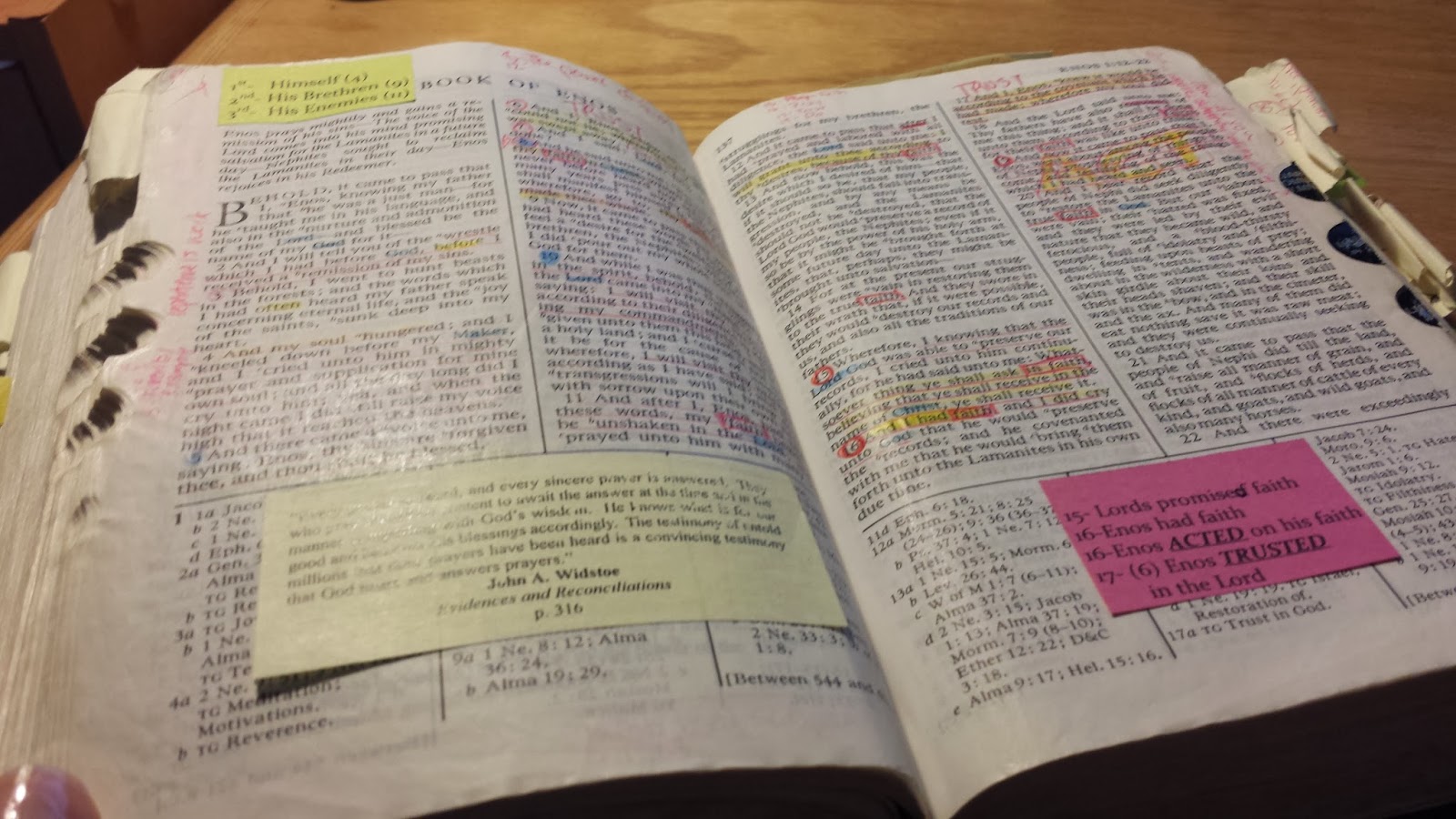
Are you a 'fresh start' kind of person? Or do you color, too?
January 14, 2014
Middle Grade ARC Giveaway!
 book 2
I've got a ton of 2013 middle grade ARC's (advanced reader copies) to giveaway! To enter please fill out the rafflecopter form below. If you don't see it, click 'read more'. Please note, because of the weight of the package, this one is US only.- Dorine
Books include:The Tribe-Homeroom Headhunters by Clay McLeod ChapmanA Tangle of Knots by Lisa GraffIn Search of Goliathus Hercules by Jennifer AngusThe Odd Squad- Bully Bait by Michael FryThe Fairy Bell Sisters 1 & 2 by Margaret McNamaraPlatypus Police Squad- The Frog Who Croaked by Jarrett KrosoczkaStory's End by Marissa BurtOdette's Secrets by MaryAnn MacDonald
a Rafflecopter giveaway