Robyn Paterson's Blog, page 13
July 30, 2017
Review- Manga in Theory and Practice: The Craft of Creating Manga
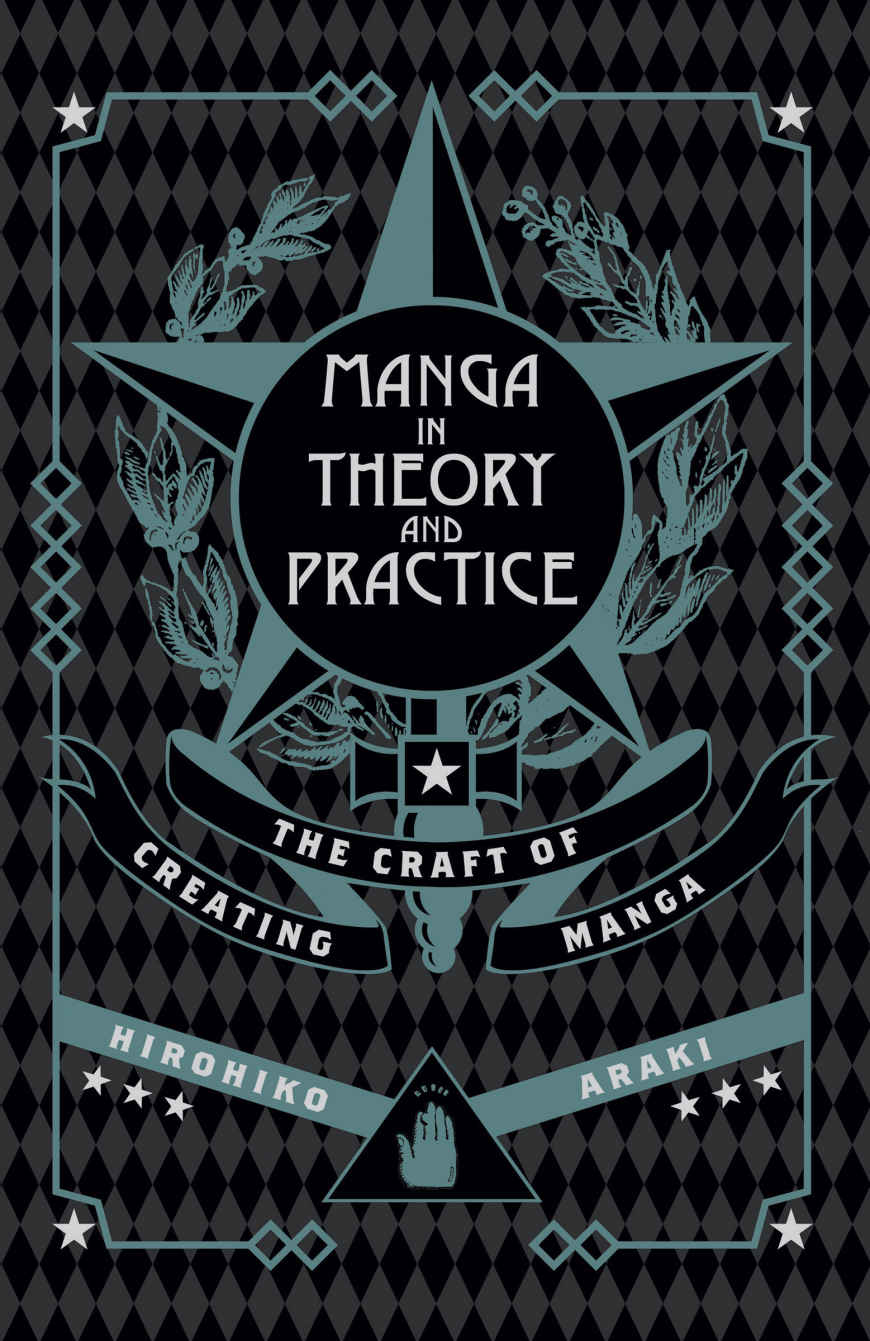
As a writer, writing teacher, and a lover of Japanese comics, I was excited when I stumbled upon Hirohiko Araki’s Manga in Theory and Practice: The Craft of Creating Manga on Amazon the other day. Published in English in June of 2017 (it was published in Japanese in 2015) by VIZ Media, it was of immediate interested because Araki is the writer/creator of the manga epic Jojo’s Bizarre Adventure, which has been running in Shonen Jump and Ultra Jump for over 25 years. So, naturally, I snagged t...


July 29, 2017
DNA Podcast 47 – The History of Manga Part 1

Page from Tagosaku and Mokube’s Big Toyko Adventure
In this episode, Rob and Don journey back into the past of Japanese comic books to explore it from its roots 1300 years ago until the great experimental manga age of the 1970s. They explore the European roots of Manga, how the medium was shaped by the winds of Japan’s history, and the major figures who helped make manga what it is today. All this, and how Go Nagai brought sex and violence to Japanese children’s television, is waiting for...
July 25, 2017
The Shonen Battle Manga Formula
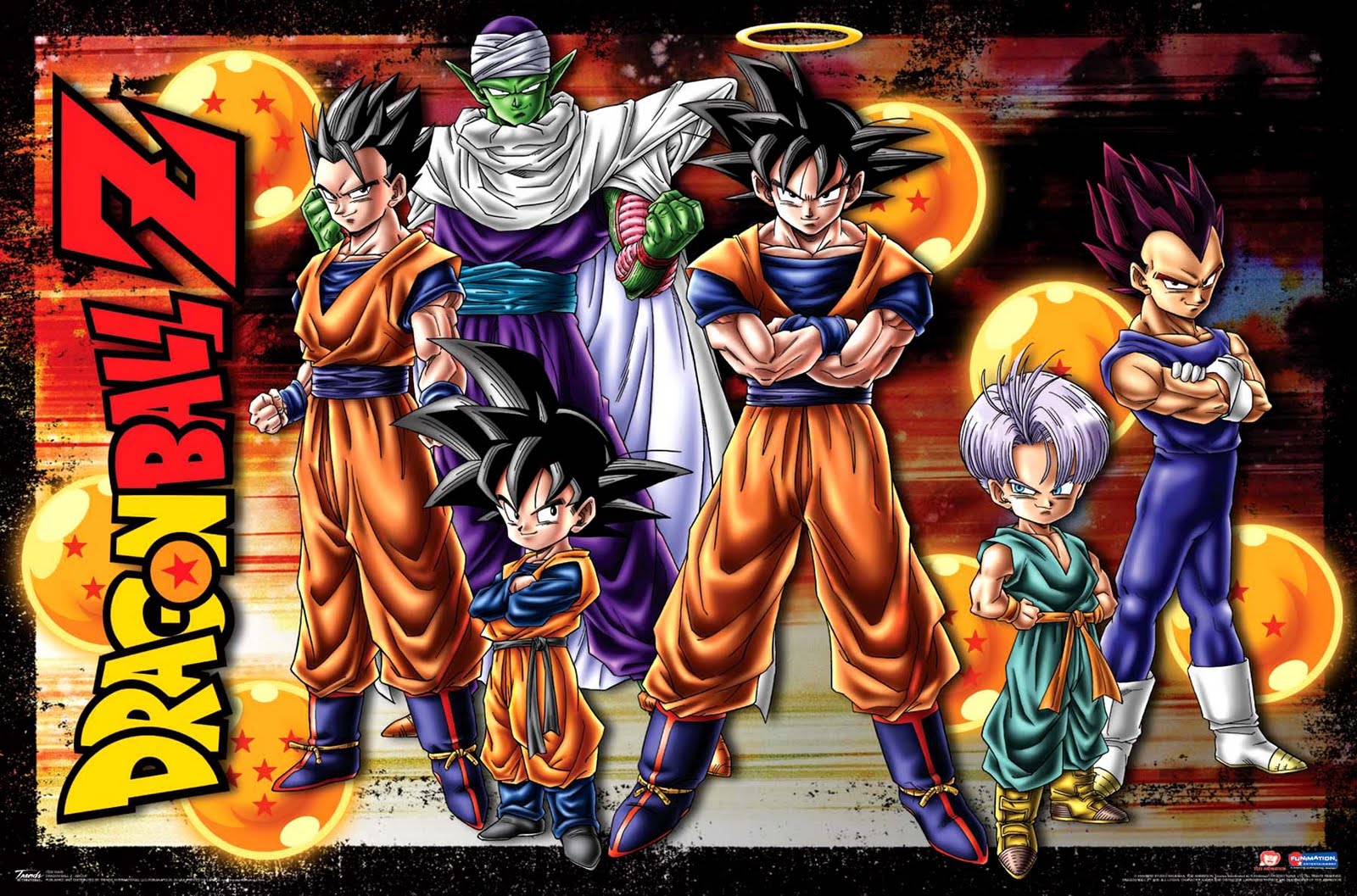
The Japanese produce more comics than anyone else on Earth, and they are a comic reading culture through and through. As a result, just like during the Pulp Era of American magazine fiction, a number of formulas have evolved which Japanese writers rely on when producing comics. These range from formulas related to character design (how to draw eyes, bodies, hair, etc) to story formulas which they use when writing and structuring their comic serials.
Each genre (and subgenre) can have its own...
July 23, 2017
Writing Sports Dramas and other Japanese-Style Activity Dramas
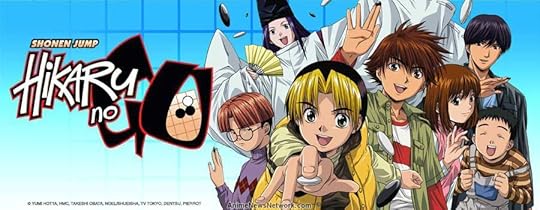
If you’ve ever read more than a few manga, or watched a half-dozen anime, then this storyline will sound familiar- a reluctant youth becomes part of a sport, hobby, or other activity, learning the joys of participating in it, making new friends and allies, overcoming enemies and challenges, and progressing from talented newbie to master of that activity. The activity in question can be anything from sports (Slam Dunk, Prince of Tennis), to boardgames (Hikaru no Go, Yu-Gi-Oh!, Akagi), to draw...
Writing Japanese-Style Activity Dramas
If you’ve ever read more than a few manga, or watched a half-dozen anime, then this storyline will sound familiar- a reluctant youth becomes part of a sport, hobby, or other activity, learning the joys of participating in it, making new friends and allies, overcoming enemies and challenges, and progressing from talented newbie to master of that activity. The activity in question can be anything from sports (Slam Dunk, Prince of Tennis), to boardgames (Hikaru no Go, Akagi), to drawing comics...
July 16, 2017
DNA Podcast 46 – Interview with Larry Houston

In this episode, Don and Rob sit down with Larry Houston, storyboard artist and animation producer, to talk about his history in animation and work on X-men: The Animated Series. The trio discuss how Larry broke into the animation industry back in the 1980’s, what it was like to work with Stan Lee, and his techniques for sneaking things past the TV censors. All this, and how Larry ended up creating the coolest openings in TV animation history, and waiting for you in this episode of the Dep...
July 14, 2017
How to Write a Good Story- Human Needs
All stories are ultimately about humans needs- specifically, a human (or human-like being) trying to meet those basic fundamental needs in some way. No matter what the story is about, or how complicated it is, on some level it’s about people trying to meet their needs.
So, what are the basic human needs?
The concept of human needs was first proposed by Abraham Maslow in his 1943 paper “A Theory of Human Motivation” in Psychological Review. Maslow believed that there are things we fundamentall...
July 12, 2017
How to Write a Good Story – Throughlines
The human brain is a pattern-seeking and pattern-making machine. In other words, we naturally look for patterns in the world around us, and will even make patterns out of things that may or may not have an actual pattern to them. In his book Understanding Comics, author Scott McCloud uses the North American design of a power socket as an example of this phenomena.
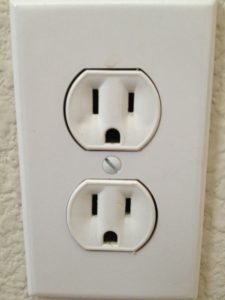
Looking at this image, you couldn’t be blamed for seeing two eyes and a mouth- a human face. We’re built to look for human faces...
June 30, 2017
DNA Podcast 45 – Affluence in the Media

In this episode, Rob and Don delve into the topic of Affluence in the Media. Where do our ideas of wealth come from? How does the media shape our ideas of what it is to be wealthy? And why is Richie Rich a post-apocalyptic warlord? All this, and Sigmund Freud’s Nephew are waiting for you in this episode of the Department of Nerdly Affairs.
June 27, 2017
The Fall of BLEACH and the fate of the Big Three Millennial Manga
YouTube user Super Eyepatch Wolf posted a fascinating video last year about how the manga/anime BLEACH went from being one of the big three to cancellation. It’s a sad but fascinating story that tells you a lot about the manga industry in Japan, and is worth watching even if you don’t like BLEACH. (I’m not a BLEACH fan myself, I tried but never cared for it.)
I’d have to say the reason BLEACH died sounds like it was just a case of Tite Kubo just plain not being a good writer. When you combin...