Robyn Paterson's Blog, page 12
December 31, 2017
My Favorite Manga of 2017
This has been an interesting year for me, not the least of because I spent half of it working on my first major nonfiction book, Write! Shonen Manga. Now, I normally read a lot of manga, and am always looking for new series to check out, but because of the research I was doing I really doubled down on trying new series that might not have appealed to me in the past.
As a result, I found quite a few interesting titles, and I thought I’d share some of these gems with you all. The main rule in s...


December 27, 2017
The Investigation Plot
Summary: The Investigation Plot is a basically a standard detective/mystery procedural story but with a Japanese twist to heighten the drama. A standard of Japanese TV and manga storytelling for decades, it harkens back to the to pulp detective stories of the American 1920s and 30s, but can be found everywhere from 1980s Samurai and Ninja episodic period dramas like Yagyu Conspiracy and Kage no Gundan, Anime like Gatchaman and Sailor Moon, and Tokusatsu shows like Sentai (Power Rangers) and...
December 21, 2017
The Duel Plot

Summary: The Duel Plot is one of the most common types of Battle Manga plots, as the majority of stories in a Battle Manga are based around it. In its simplest form, it is two characters dueling against each other, usually for some (to them) high stakes prize.
Required Characters:
A main character An Opponent Commentators the duel (optional, but useful, see below)Plot Structure
Introduction
The main character(s), the situation (place/time), and their abilities are introduced. Any strengt...December 13, 2017
The Righteous Avenger Plot

Summary: The Righteous Avenger plot is an extremely common plot in manga and anime, and appears from time to time in Western media as well. In short- it’s a story where a powerful hero saves a noble innocent from a true villain.
Required Characters: A powerful Hero (the “righteous avenger”) A virtuous Innocent An irredeemable Villain Plot StructureIntroduction
The powerful Hero and the virtuous Innocent are introduced. The Hero is shown to be strong and capable in some way, or is shown t...November 30, 2017
Write! Shonen Manga!

It’s finally here! Six months ago, I started a “small” project to write a short book on writing Shonen Manga style stories. Now, 310 pages and 90,000 words later it’s finished and available on Amazon, Kobo, iBooks, and most other retailers. It’s even available in print!
If you’ve ever wanted to know how the Japanese put together their amazing comics like Naruto, One Piece, and others, this book unpacks it all for you, and gives you the techniques you need to write your own manga and manga-li...
September 26, 2017
“Linguistics, Style and Writing in the 21st Century – with Steven Pinker”
A brilliant video which changed my thinking about style. All academics should watch it.
August 20, 2017
The Five Pillars of Storytelling- Characters
(The following is a chapter from my upcoming book on storytelling intended for beginning writers. It is a rough draft, so commentary is welcome.)
CharactersThere are many who think that all there is to characters is creating a cool and interesting main character they’re passionate about and everything else will fall into place. Sometimes that is true, and for some writers all they need is that lead character to ignite the fire of their creativity and write volumes of work.
However, in most c...
August 5, 2017
Wonder Woman has opened my eyes.
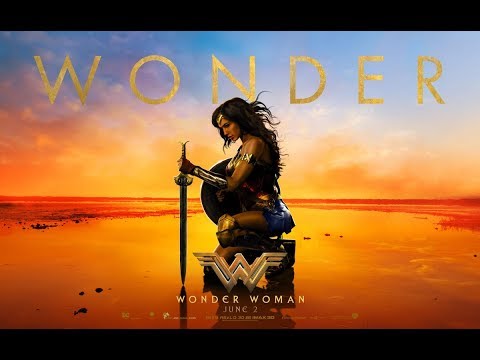
So, I was listening to the Wonder Woman episode of The Story Toolkit podcast, and I have to say it was a major eye opener. The episode itself is about the Wonder Woman movie, and during the show the host Bassim al-Wakil laid out something I had no idea about, but which makes absolute perfect sense.
You see, I found the Wonder Woman movie a mess in terms of storytelling, theme and kind’ve in general, and Bassim not only helped to explain exactly why, but he also taught me something about how...
August 2, 2017
Emotional Emphasis
So, I’m puzzling over this quote from Araki’s book on writing manga.
In Western comic storyboards, panels are laid out with the most importance placed on good drawing composition, and the sketches focus on the characters’ actions. Japanese mangaka, on the other hand, place emphasis on characters’ internal thoughts and emotional reactions. This focus on the internal is what sets Japanese mangaka apart.
First, I think this idea is brilliant. It’s a really interesting take on comic composition.
...July 30, 2017
Ki-Sho-Ten-Ketsu- a Japanese way to structure your stories.
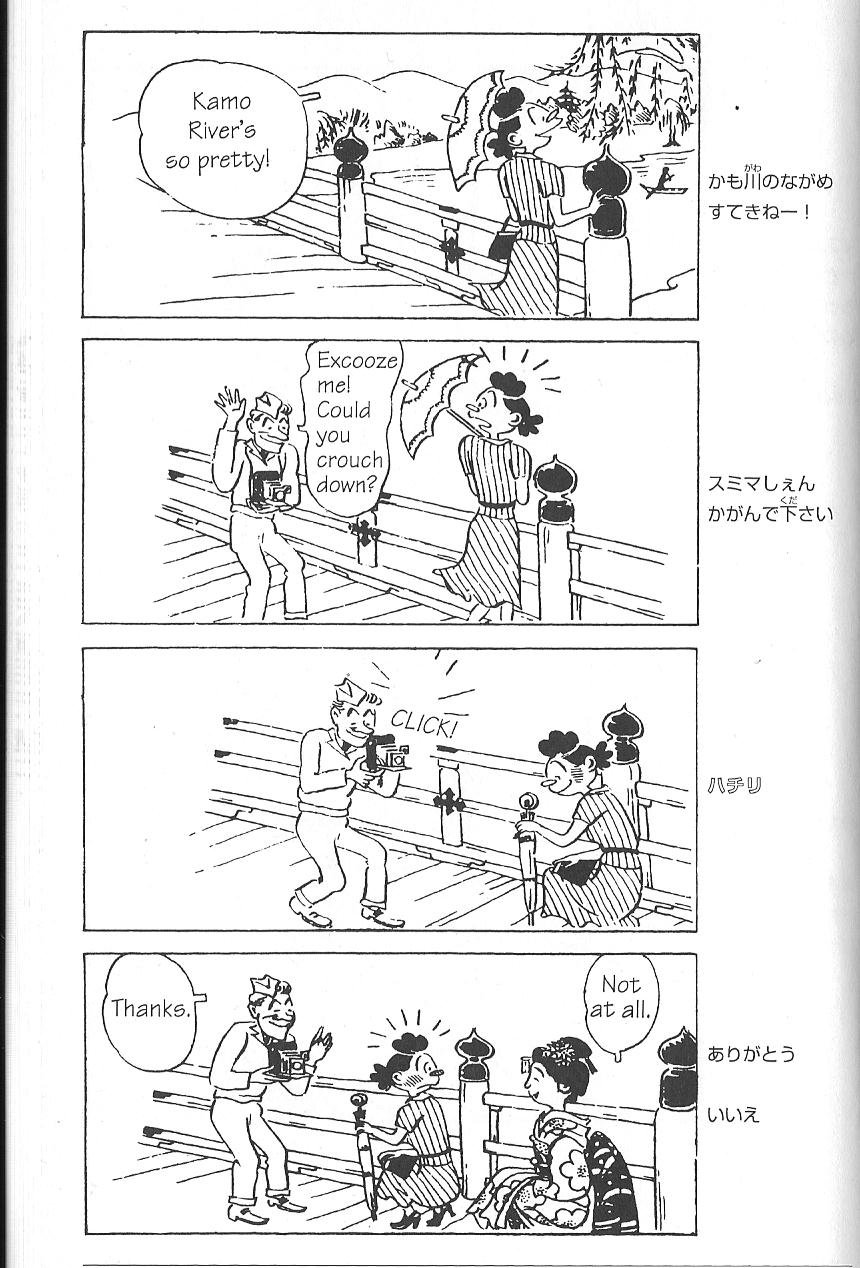
A while back, I blogged about a Japanese story structure called Ki-Sho-Ten-Ketsu (Kee-Show-Ten-Ketsoo), which is normally presented as an alternative story structure which doesn’t revolve around conflict. I found the whole idea fascinating, especially since our normal “western” story structure is generally entirely based around characters in conflict (with others, their environment, themselves, society, etc). Finding the Ki-Sho-Ten-Ketsu (KSTK) format seemed like a great alternative, and tha...