
Moira Butterfield's Blog, page 7
April 10, 2023
Hide and reveal - The irresistible joy of lift-the-flap books - Garry Parsons
It's the Easter weekend and there's nothing more exciting for young children than searching for eggs on an Easter egg hunt. What treasures await behind leaves and in flower pots?
Of course hiding and revealing extends to picture books with great effect. It's almost impossible for children to resist the urge to lift a flap.
So here are a few of my family's personal favourites and books that still delight and stand the test of time.
Starting with the toddler age is Tuck Me In! from Dean Hacohen and Sherry Scharschmidt where young readers can put the animals to bed with a simple but satisfying turn of the half page flap.


Say Hello Like This! from Mary Murphy is a jolly rhyming book of animal sounds where the half page turn reveals how the animals say hello to one another, ending in a loud crescendo where the reader can join in.


In Emily Gravett's The Odd Egg a single page of multiple flaps reveals each of the character's eggs hatching, all except for Duck's.


Flora and the Peacocks by Molly Idle uses flaps to reveal a dance between Flora carrying her fan and two peacocks.


The Rabbit Problem follows the growth of a rabbit population in Fibonacci's Field in the form of a calendar with extra flaps in the form of journals and notebooks.


Do you dare to turn the page in Wayne Andersen's Horrible Book? A gruesome tale with half page flaps revealing ghoulish creatures and leading to a huge fold out poster at the end of the book.


Let me know your recommendations for books with fun flaps in the comments section below or on twitter @icandrawdinos.
Garry Parsons is an illustrator of children's books such as The Dinosaur That Pooped Easter from Tom Fletcher and Dougie Pointer which also includes fun flaps to lift!


***


April 2, 2023
Does a Writer Get Grumpy? Some advice for writers in the wild about being kind (to themselves) Moira Butterfield
In May I have a new book out with illustrator Adam Ming and publisher Bloomsbury. It’s called Does A Monkey Get Grumpy? and it introduces children to specific animal feelings –what we know about them and why we should be as understanding and kind as possible to our friends in the animal world.

But what about writers? When do they get grumpy, sad, excited or scared? Let’s take a sneaky peek at writers in the wild! (And pay tribute to Adam's great art!)
PS: I didn’t spend much time
on the blog text rhyme.
Sorry!
Feeling Grumpy
Grumpy? How a writer feels
when celebs get big fat kids’ book deals!
 Fiddlesticks! Not another celeb book!
 Let it go. It’s the way of the world and there’s nothing to be done.
Instead concentrate on doing the best YOU can.
 Forget it. Chill and do your thing instead!
 Feeling Happy
Got an achievement to celebrate?
Shout about it now! Don’t wait!
 We want to hear the good news! Spread it!
It might be your natural manner not to shout from the rooftops because you’ve always been told not to show off. Well, forget that, I say! If you’ve achieved something in your writing and you’re feeling happy, definitely tell everyone! You deserve praise. If somebody thinks you’re showing off, so what? It’s their problem.
 Show off! Celebrate! Tell everyone!
Feeling Sad
When an idea you worked on fails,
It may feel as if you wasted time.
It’s easy to feel down and sad
and think that all your writing’s bad.
 We all feel this way about our work sometimes.
This a natural and understandable feeling but in fact everything you do leads to everything else you do so it cannot be that you wasted time. You think. You learn. You move forward. In fact success comes from repeated failures almost 100% of the time, and even the most successful creators keep failing as they go forward. It’s a myth to think otherwise. So swear a bit, eat a treat, go out in the sun away from work for a little while…and then dust yourself down for the next stage.
Feeling excited
It’s such a great feeling…Pop, pop, pop…
…when you’re writing well and just can’t stop!
 Feeling like a bouncy guinea pig? Hurrah!
Enjoy! This kind of high is the fabulous reward of being a creative!
Feeling scared
Don’t ever be scared about your work.
Cos , look…
…It’s just a book.
 Always remember. Whatever happens...It's just a book.
Feeling playful
Leave your keyboard sometimes, right?
And play
in a different way.
 Make sure you play!
Go and paint or walk or scribble a silly poem or explore a new street or do some dancing. Whatever. Creatives need to play creatively away from their work. It enriches everything.
Feeling lonely
It’s easy to feel isolated
when you write
day and night.

You are not alone. Network with some writing friends locally or join an online community. There are lots of great ones!
And so....Just before I go...

Moira Butterfield is one of the founders of the Picture Book Den Blog and an internationally-published author of picture book non-fiction and illustrated non-fiction for 7+. Her newest books are out in May: Does a Monkey Get Grumpy, illustrated by Adam Ming and published by Bloomsbury. The Secret Life of Oceans, illustrated by Vivienne Minneker and published by Happy Yak.
twitter @moiraworld
instagram @moirabutterfieldauthor
March 26, 2023
PICTURE BOOK COMP TITLES by Clare Helen Welsh
I often get asked about comparison titles – how to choose them, where to find them and are they needed? So, I thought it might be a good subject to discuss on Picture Book Den.
When I was first submitting and querying, comparison titles weren’t ‘a thing’ for picture books. (If they were, I wasn’t using them!) However, I’m hearing more and more that they are an important part of a query, and therefore deserve serious consideration and research.
What are comparison titles?
When you’re ready to query your picture book, you’ll need to find titles that are similar to include in your submission. These should be successful books that will help to convince an agent or editor that there is a market for your story. They also serve to show industry professionals how you are offering something different - a new angle/tone/subject that they haven’t seen before. Comparison titles are also called comparable titles and comp titles for short.
How do you choose a comparison title?
Firstly, look for a book on a similar subject to yours – if your picture book is about manners, find another picture book about manners. It’s best not to select a book that was published more than a few years ago. Aim for those published in the last five years and avoid any that are out of print. Many older books wouldn’t be relevant to today’s readers, and you want to showcase your awareness of the current market. Try to avoid smash hits too, like The Gruffalo, The Hungry Caterpillar, Room on The Broom, because these could also suggest that you don’t know the breadth of today’s market well enough.
What if you can’t find a comparison title?
Finding a direct comparison title can be a tall order, but don’t panic! It’s not necessarily a bad thing. It might mean you’ve found a niche or something original or a twist on a classic. However, to ensure there is a ready-made market for your idea and to help an agent/editor visualise it, it’s ideal if you can find concrete examples of books it has elements of, and/or to show writers whose styles yours is similar too. Which authors do you think you sit alongside? Do you write bouncy rhyming texts like Lu Fraser and Rachel Morrisroe? Or heartfelt, emotional storylines like Tom Percival and Dr Wendy Meddour? Or accessible non-fiction like Nicola Davies and Isabel Thomas?
You don’t have to find just one comparison - you can use combinations. If you're submitting a picture book, it’s best to use picture books as comp titles. But if there’s a gap in your age group, you could reference another format/age group to justify why yours is a good idea.
Try using the following key phrases:
Thomas the Tank Engine meets Fairytale Hairdresser
For fans of Lu Fraser and Rachel Morrisroe
Shakespeare for picture book readers


Where to find comparison titles:
Bookshops and libraries are a great place to start. You could also look at book lists and reviews on sites such as Books For Topics, Booktrust and Books That Help.
However, if you’re still struggling to find the perfect comparison books, you could also consider TV shows and films.
How to include comparison titles:
If I was submitting my picture books today, I might write something like the below. It is important to include the author/illustrator in your description.
TheTide: Like The Invisible String by Patrice Karst and Dana Wyss, for families living with dementia
How Rude: Mr Men and Little Miss byRoger Hargreaves meets the animated TV series, Pocoyo
Poo! Is that you? For fans ofYou’re called What? by Kes Gray and Nikki Dyson and Poo In the Zoo! By Steve Smallman and Ada Gray.


Why use comparison titles?
In July 2022, agent Lorna Hemmingway ran a picture book SlushpileChallenge for SCBWI writers and illustrators. Lorna asked to “receive one OR two picture book texts per submission with a summary paragraph to describe each text including comps to books on the market/or films.”
Lorna selected Poka Paka’s Colour Quest by Stephanie Cotela as her winner. She sums up the power of good comparison titles:
“This submission really caught my eye from the start where Stephanie used some wonderful comps: For fans of The Christmas Extravaganza Hotel by Tracey Corderoy and The Rainbow Bear by Michael Morpurgo – This instantly grabbed my attention and painted the picture for what I was about to read!”
This sums up nicely the power of good comp titles!
I noticed that in the marketing material for my new book with Ana Sanfellipo, Sunny Side Up, the publisher has included comparison titles. These presumably help gatekeepers such as parents and booksellers match books to readers.
Sunny Side Up: “ Just like Happy by Nicola Edwards and Katie Hickey, The Colour Monster by Anna Llenas and The Worrysaurus by Rachel Bright and Chris Chatterton, Sunny Side Up is the ideal book for exploring difficult emotions.”

To sum up, comparison titles can be tricky to find, but if done correctly, they give agents and editors an idea of where your book would fit in the marketplace, how large would the audience be and an indication of what sales might be like. This helps them to pitch and ultimately, sell, your book. It also gives them a sense of how your book is different to what is currently out there.
Comparison titles aren’t just for submissions – they’re a great way of vetting an idea at the early stages, to make sure your text is offering something new or something in a new way, making it a competitive and credible text for acquisitions.
If you're on submission or soon to be... good luck!
If you've got a new idea that you want to write, what comparative titles would it sit alongside?
Clare Helen Welsh is a children's writer from Devon. She writes fiction and non-fiction picture book texts - sometimes funny, sometimes lyrical and everything in between! She founded the#BooksThatHelp initiative that aims to create honest emotional spaces for children through a love of reading and books. She has published over 50 books since 2015, and she currently has books in development with Little Tiger Press, Quarto, Andersen and Nosy Crow. You can find out more about her at her website www.clarehelenwelsh.com or on Twitter @ClareHelenWelsh . Clare is represented by Alice Williams at Alice Williams Literary.
March 20, 2023
Let's Talk About Death: A doctor and an author on picture books about death, by Juliet Clare Bell and Dr Sarah Mitchell.
Dr Sarah Mitchell (GP) and I met through our professional interest in bereavement. I was researching for, and writing, a fictional picture book about child bereavement, and Sarah was conducting doctoral research on palliative care in children. We were both keenly aware of people's reluctance to talk about death -within medical settings and in society in general, and we both wanted to encourage picture book use as a way to talk about what, for so many people, can be a difficult subject to confront.
Through many searches and leads, we tracked down all the picture books we could find about death and bereavement (including self- and charity- published books, and from many different countries -although only ones that have been translated into English). We found more than forty and from these, we came up with a recommended list of twenty one books (that at least one of us recommends).
 Our final selection from all the books we were able to find.
Sarah, welcome to the blog. Given our different backgrounds, we've chosen books for slightly different reasons. Can you tell us how you made your choices?
Sarah, GP: Yes, my choices are practical in order to help bereaved and pre-bereaved families, and other GPs (in order for them to help bereaved and pre-bereaved families). Even when there were additional books that I liked, the ones I’ve chosen here are those I’m most likely to talk to patients and families about during my work as a GP. As with everything I do in general practice, any recommendations would be tailor-made to the person and family I am speaking to. Some of these books are very sad and hard to read. But what they have in common is a story of hope, that the pain experienced through a bereavement is normal, and that it can get better with time.
Clare: We're going to include these books first in order to make it as practically useful to bereaved and pre-bereaved families and children as possible, and for other doctors and bereavement practitioners who may be interested. I, too, chose each of the ones you included (though sometimes for different reasons). But I've chosen some others, too. There are some wonderful picture books that explore death and I feel that it would be extremely beneficial for these books to be much more widely shared (some with careful parental or adult supervision) with young people who are not bereaved but who may later find death and bereavement less frightening and isolating when they are inevitably confronted with it at some point. If reading these books encourages discussions about death that feel safe rather than terrifying then we as a society and as individuals will do better when dealing with our own bereavements and reaching out to others who are bereaved.
Sarah, GP: I agree. Death and dying are subjects that most of us would rather avoid. The emotions that they bring are tough to face. But death affects us all, and in my work as a GP I frequently witness the impact it has on those who have been bereaved or have a loved one who is dying. When a patient comes in to a GP’s consulting room, it is rarely immediately obvious that the reason for their attendance is the distress associated with death or bereavement. But if we are in a position to take the time and make the effort to look beyond whatever physical symptom is presented, the headache, or the vertigo, or the abdominal pain, we will frequently find death and bereavement lurking in the background with all of the emotions that they bring.
GPs refer to this as “the hidden agenda”. In my experience, the consultation is most effective once the hidden agenda has been found. Only then can we respond in a way that is the most therapeutic and responsive to the patient’s needs. What can be difficult is that there is no easy fix – we cannot prescribe a drug that will relieve a person’s distress related to a bereavement; there is no surgery to take away the part that hurts. What we can do is listen, and if we are able to provide resources to patients and family members, these can be useful not only for people who wish to discuss death and bereavement with children, but also for people who are struggling with it themselves, encouraging reflection and discussion that may otherwise be hard to address.
Clare: Wouldn't it be wonderful if books on death and bereavement were read and discussed widely by children and adults alike, and that it helped break down the 'hidden agenda' because people were no longer so afraid of death itself and could talk more openly about how it is impacting our lives...
Bereavement of a parent:
Is Daddy Coming Back in a Minute? by Elke and Alex Barber and Anna Jarvis (Jessica Kingsley, 2016).

(c) Anna Jarvis 2016Sarah, GP: This book is based on Elke and Alex Barber’s experience of the sudden death of Alex’s father when Alex was three years old. It addresses the permanence of death and the emotions Alex experienced, the questions that he had, and how in time, they came to accept that feeling happy and sad at the same time is possible. This book is followed up by “What Happened to Daddy’s Body?” (Elke and Alex Barber and Anna Jarvis, Jessica Kingsley, 2016)

(c) Anna Jarvis, 2016
which provides a practical account of funeral customs and rituals to help children to understand.
Clare: I feel that Is Daddy Coming Back in a Minute? is so needed. It’s an incredibly frank retelling of the death and what happens after, but the frankness is set within the context of such love between the mother and her child that the book feels extremely comforting at the same time. It’s beautifully written and illustrated and I suspect it’s one that a parent will read many times with their young child after a bereavement. And what I really like about the follow-up, What Happened to Daddy’s Body? is that the practical account of what happens (which is so honest and straightforward) is set against a backdrop of Alex’s life. The end of the story takes place a couple of years after his father’s death and we see that his mother is now with a new partner who “is not my daddy, but he is very funny and I like him a lot”. We see the new blended family as an accepted thing without it being a major part of the story.

(c) Elke Barber, Alex Barber and Anna Jarvis (2016)
The Scar by Charlotte Moundlic and Olivier Tallec (Walker, 2011).

(c) Olivier Tallac (2011)
Sarah, GP: The Scar provides an account from a child’s perspective of the emotions experienced while his mother is dying and after she has died, including sadness, anger, worry and abandonment. He tries very hard not to forget his mother and feels both physical and emotional pain. One day he falls over and grazes his knee, and hears his mother’s voice comforting him, so he keeps scratching the graze to prevent it from healing. As long as there is blood he will hear his mother’s voice. When Grandma comes to visit, she explains that Mum is still in his heart which he can feel beating. In time the pain becomes a bit less bad, and the scar heals. The book is illustrated mainly in red, reflecting the blood and the distress the child experiences.
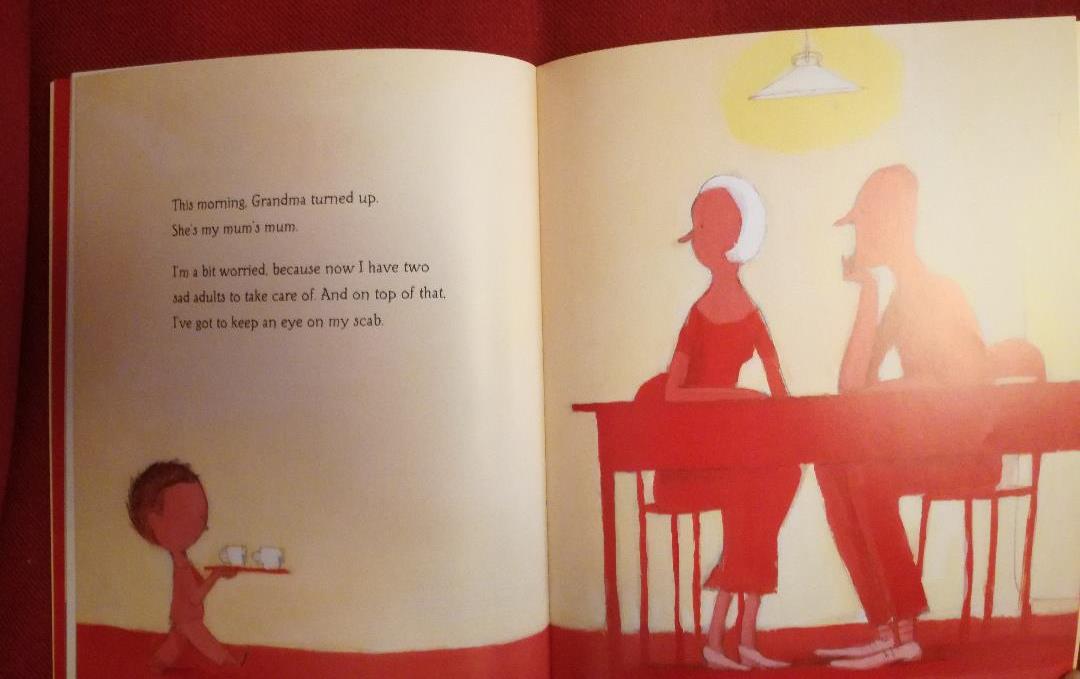
(c) Charlotte Moundlic and Olivier Tallec (2011)
Clare: I love this book (translated from French). With just three characters (the boy, his father and his grandmother) illustrated throughout the book, with a very reduced –but bold choice of- colour palette by the wonderful Olivier Tallec, and with the story told first person present tense, this feels very intimate, and again, full of love.

(c) Charlotte Moundlic and Olivier Tallec (2011)
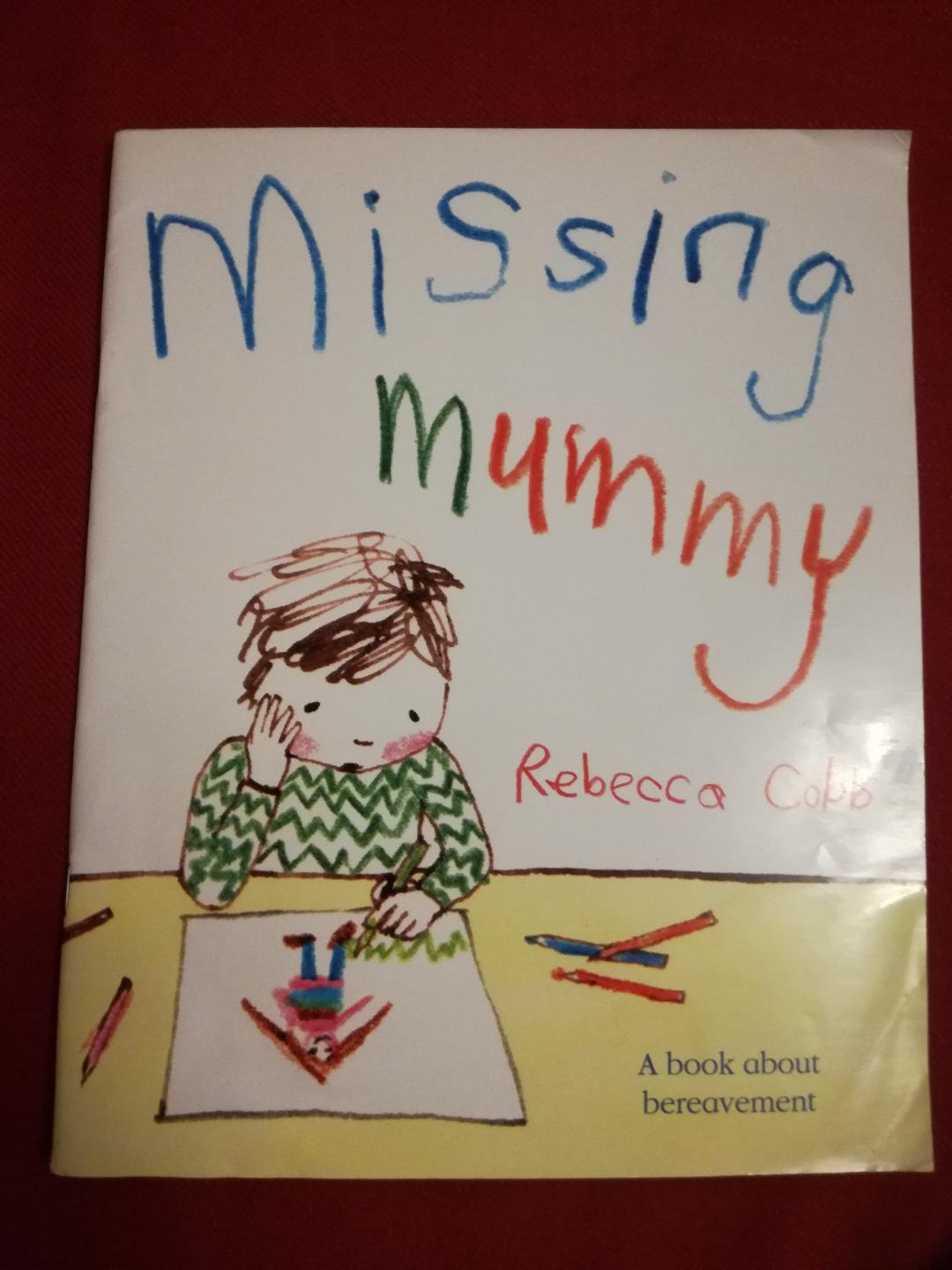
Missing Mummy by Rebecca Cobb (Macmillan, 2012)
(c) Rebecca Cobb (2012)
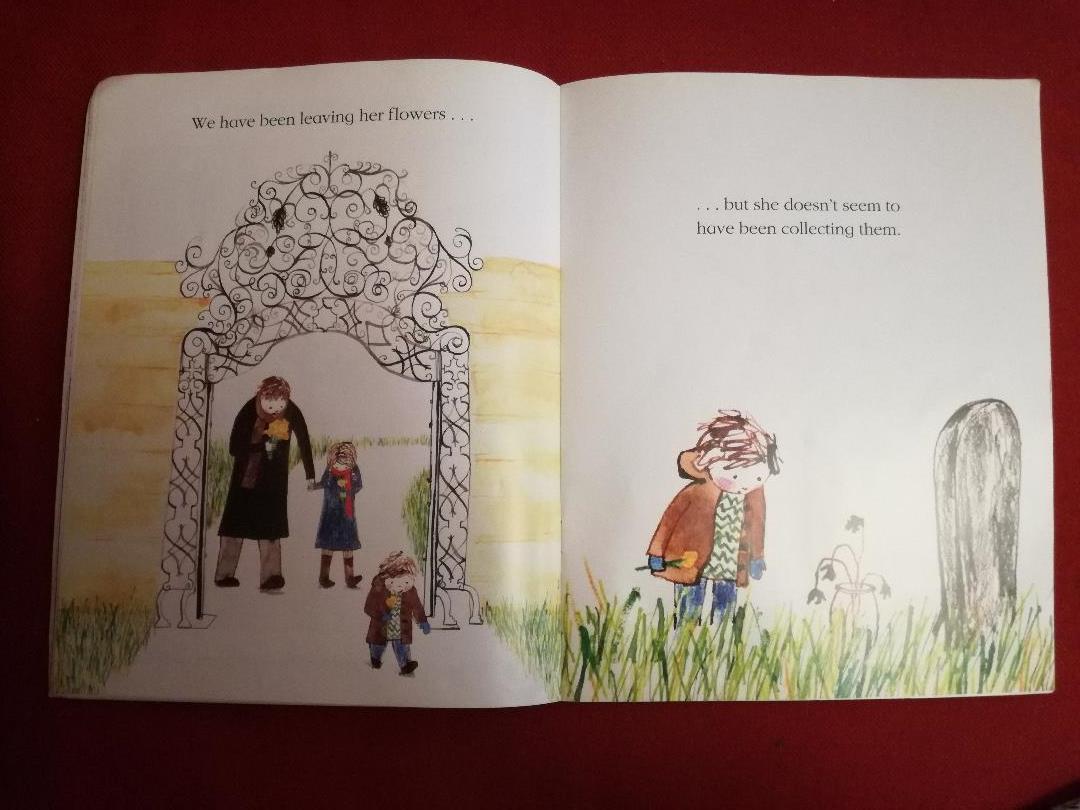
Sarah, GP: Missing Mummy is a shorter, concise and emotional story of the sadness, anger and worry that can be experienced by young children following the death of a parent. Told from the perspective of a young child whose mother has died, it addresses the permanence of death and that the child must not blame him or herself.

(c) Rebecca Cobb (2012)
Clare: The child in the story is very young and the book appears deceptively (though beautifully) simply written and illustrated. But it is really powerful in what is said and not said by the child (once again, as with all the books mentioned so far, it’s told from the first person).
(c) Rebecca Cobb (2012)
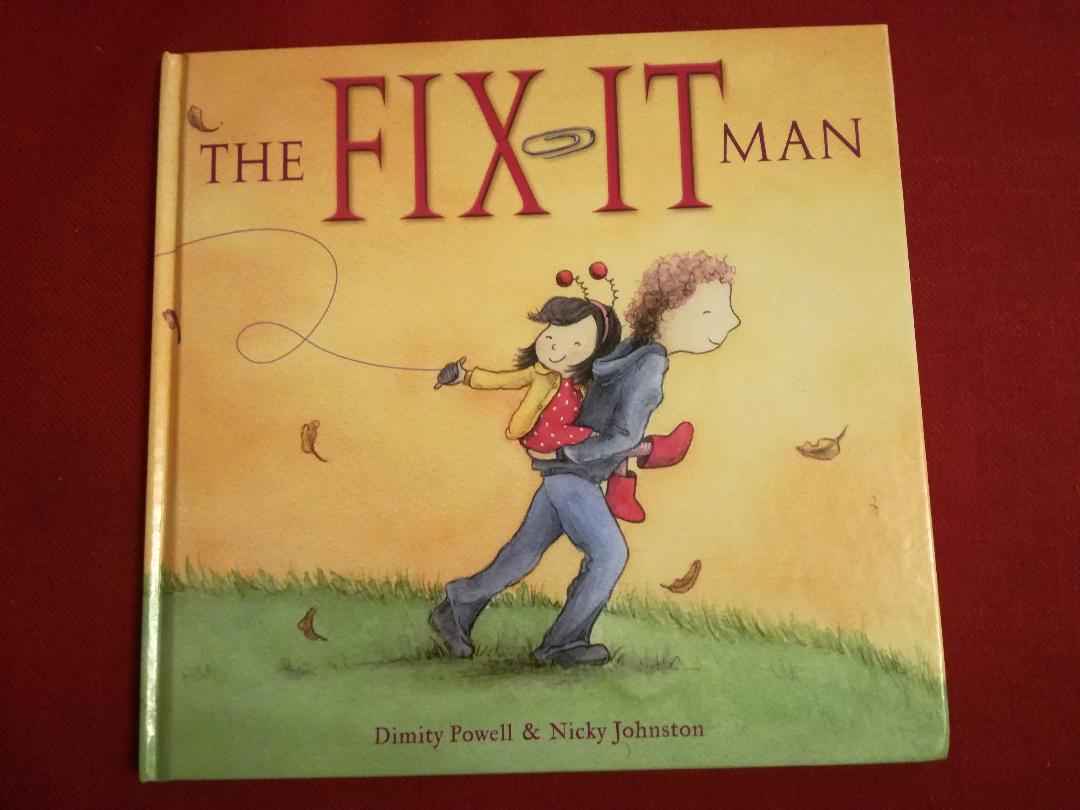
The Fix-It Man by Dimity Powell and Nicky Johnston (EK Books, 2017)
(c) Nicky Johnston (2017)
Sarah, GP: Dad is good at fixing things, but Mama is very unwell and not “fixable”. It’s beautifully illustrated with pictures of family life with Mama at home, and later in bed as she is dying. It is incredibly sad when Mama dies, and the pages of the book become dark and gloomy.
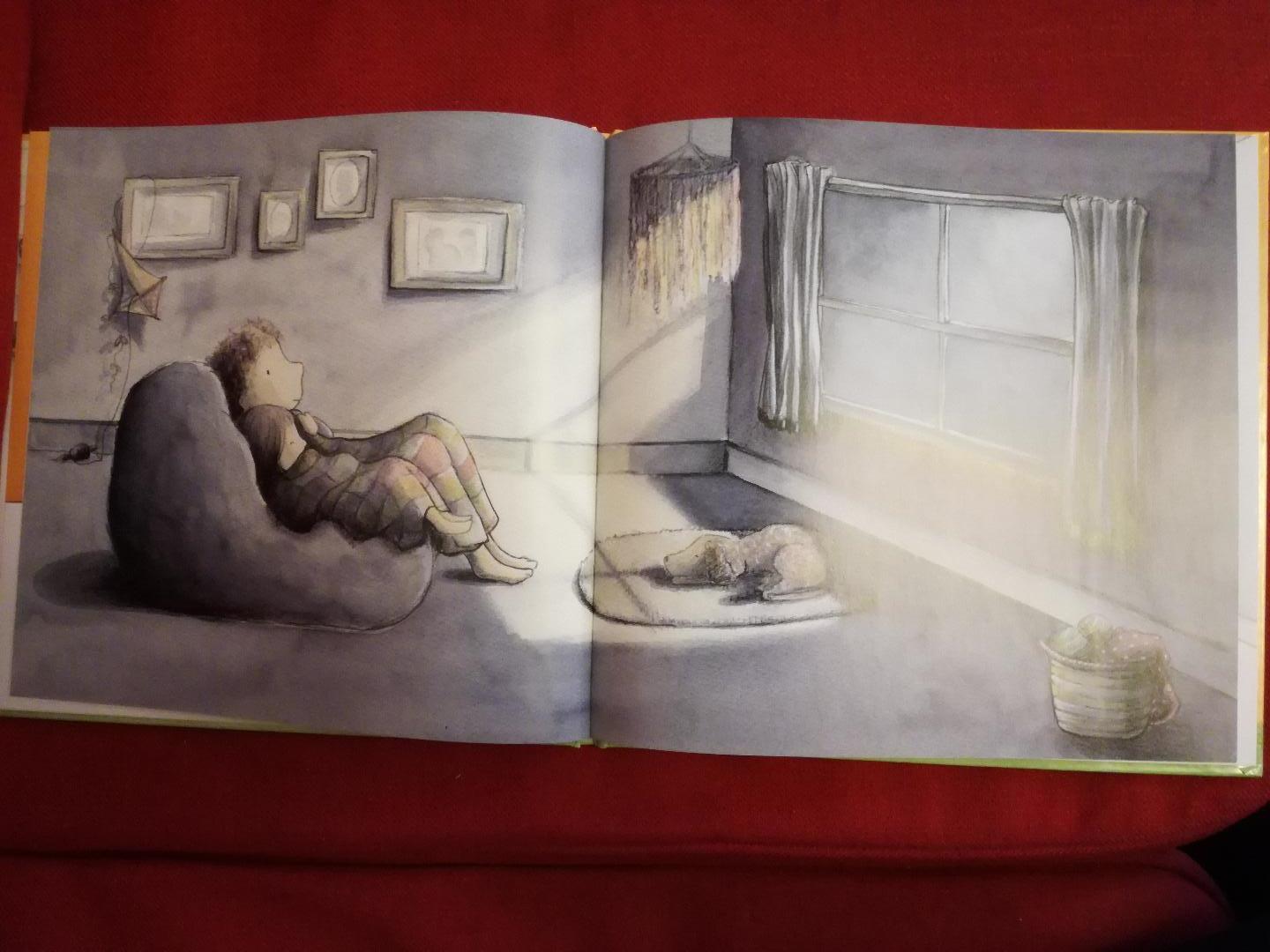
(c) Nicky Johnston (2017)
The daughter worries that her dad is breaking. She has a teddy bear called Tiger who is also broken, but who in the end Dad agrees to help fix. As they start to fix things together again, the illustrations become more colourful.

(c) Nicky Johnston (2017)
Clare: This is a very recent Australian book that I’d never come across on sites about bereavement but I found recently on a Twitter search. I felt that it cleverly focuses on the relationship between the daughter and her father although we can see her mother in the background clearly still a part of a loving relationship between the three of them.
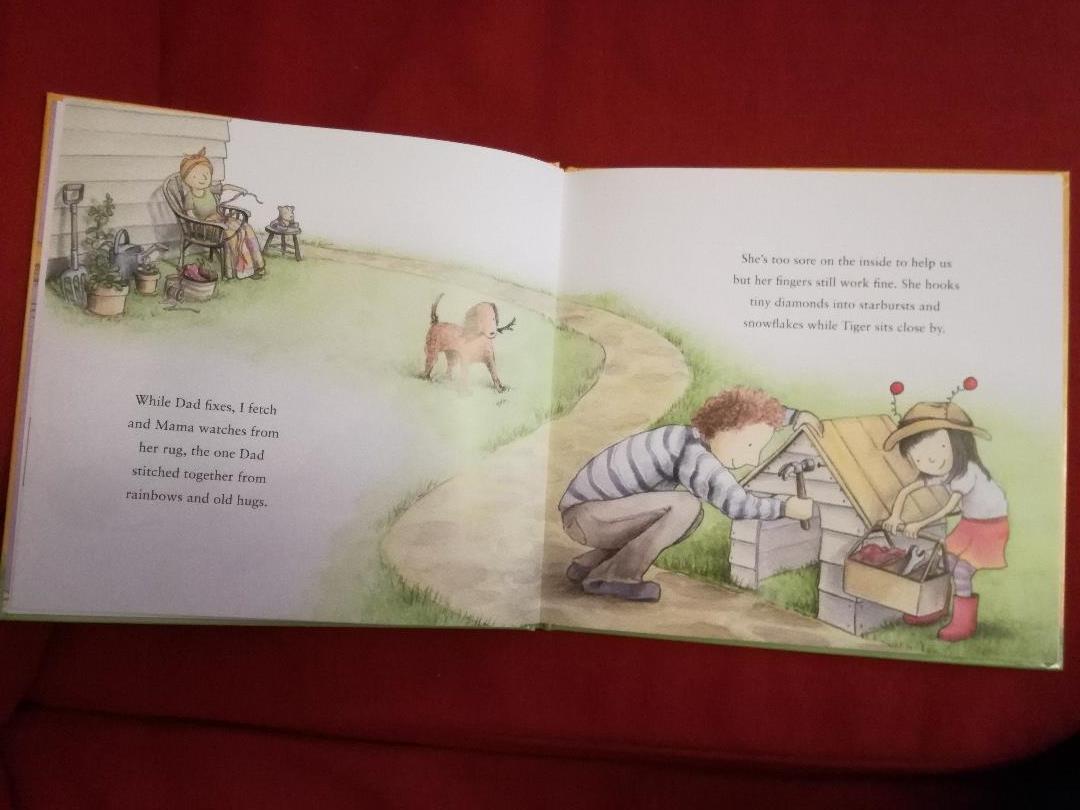
(c) Dimity Powell and Nicky Johnston (2017)
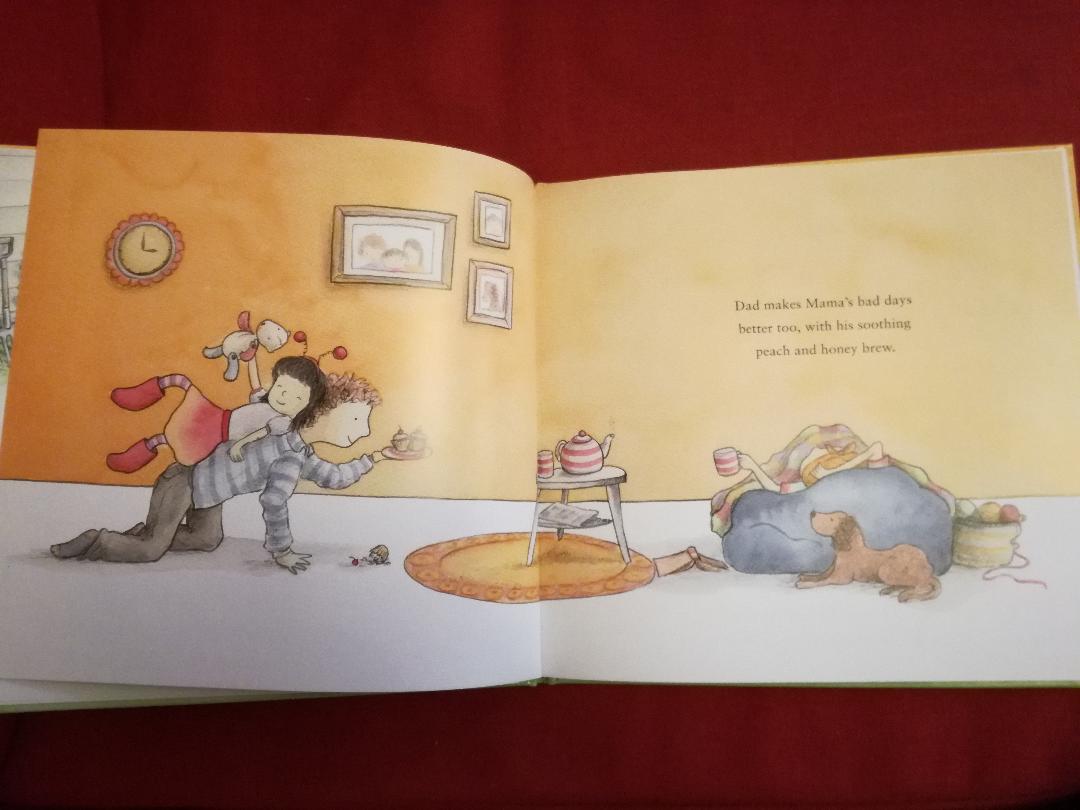
(c) Dimity Powell and Nicky Johnston (2017)
It’s beautiful (the text and the pictures) and uplifting with love bursting through each page, even during a time of desperate sadness.
Samantha Jane’s Missing Smile by Julie Kaplow and Donna Pincus and Beth Spiegel (Magination Press, 2007; part of the American Psychological Association).

(c) Beth Spiegel (2007)
Sarah, GP: Sammy Jane’s father has died and she has stopped smiling. Her neighbour, Mrs Cooper, encourages her to come and pick berries in the garden as she has always done, and tells her that crying is ok. They use a twig floating on a pond to demonstrate how if we try to push feelings down, they rise up again. Mrs Cooper and Sammy write a letter that helps her to talk to her mum about the way she feels. The book is written by bereavement practitioners and published by the American Psychological Association and includes practical notes for parents.
Bereavement of a grandparent:
Cry, Heart, But Never Break by Glenn Ringtved and Charlotte Pardi, translated by Robert Moulthrop (Enchanted Lion, 2016; originally published in Denmark, 2001)

(c) Charlotte Pardi (2001)
Sarah, GP: Death comes to the house where the children live with their grandmother, who is dying. The children try to keep Death away from her through the night by offering him coffee. In order to help the children understand why their grandmother must die, he tells a story about Grief and Joy, and Sorrow and Delight, how they couldn’t live without each other, and how the same applies to life and death. The children aren’t sure they have fully understood but somehow know that Death is right, so are able to say goodbye to their grandmother. The book is accessible to children of all ages.
Clare: I chose this book, too, but as a general book about death that I felt would possibly appeal as much (or more) to adults as to children. But I know that you’ve also used it successfully in discussions with non-bereaved children of mostly junior age (eight to elevens).
Always and Forever by Debi Gliori and Alan Durant (Picture Corgi, 2004)

(c) Debi Gliori (2004)
Dr Sarah: This is a useful book for very young children. Otter, Mole, Fox and Hare are a happy family, but Fox gets old and dies. The others experience sadness but are eventually able to think about all of the happy things that help them to remember Fox.
Clare: I agree. I chose this, too, but again, for the general section. It’s one of the few books with anthropomorphised animal characters that we chose (four of the twenty one books). What I like about this one is that it feels very human. The family (made up of different animal characters) live in a house and do human activities, and they are essentially human. So this is a gentle way of approaching bereavement for young children. This book works in a way that is useful for children whether or not they have been bereaved, and Alan Durant and Debi Gliori fill the book with love and comfort, even when dealing with tricky subjects.
Bereavement of a sibling:
Benny’s Hat by Juliet Clare Bell and Dave Gray (Pomelo Press, 2017)

(c) Dave Gray (2017)
Sarah, GP: Benny is a big brother and the book is written in the voice of his younger sister, Friz. She realises Benny is becoming ill when she starts to beat him at arm wrestling. Benny has to go to hospital but he still loves the things he used to love, including the rain. He becomes increasingly unwell, weaker and in the illustrations, loses his hair. Mum and Dad are tired and there are times when Friz feels ignored. The hospital visits become more frequent, it becomes clear that Benny is not going to get better, and then he dies. The book includes details that I have not seen in other books, including Friz’s tactics to cope with Benny’s deterioration, and the symptoms and signs that he is dying. The book also includes a children’s hospice, where Benny goes to stay and where he eventually chooses to go to be cared for at the end of his life, and there is a description of his funeral. The anguish that the family experience is clear in both the words and the pictures.
Clare: We were able to be more open about aspects of dying and death than some traditionally published books because we'd received Arts Council Funding to research and write the book. The application was based partly on the fact that it would free us up to create something more open than might normally be published traditionally about death. And we got a lot of feedback from bereaved and pre-bereaved young people to ensure that it still felt suitable for children and young people.
Ben's Flying Flowers by Inger Maier and Maria Bogade (Magination Press, 2012; part of American Psychological Association)
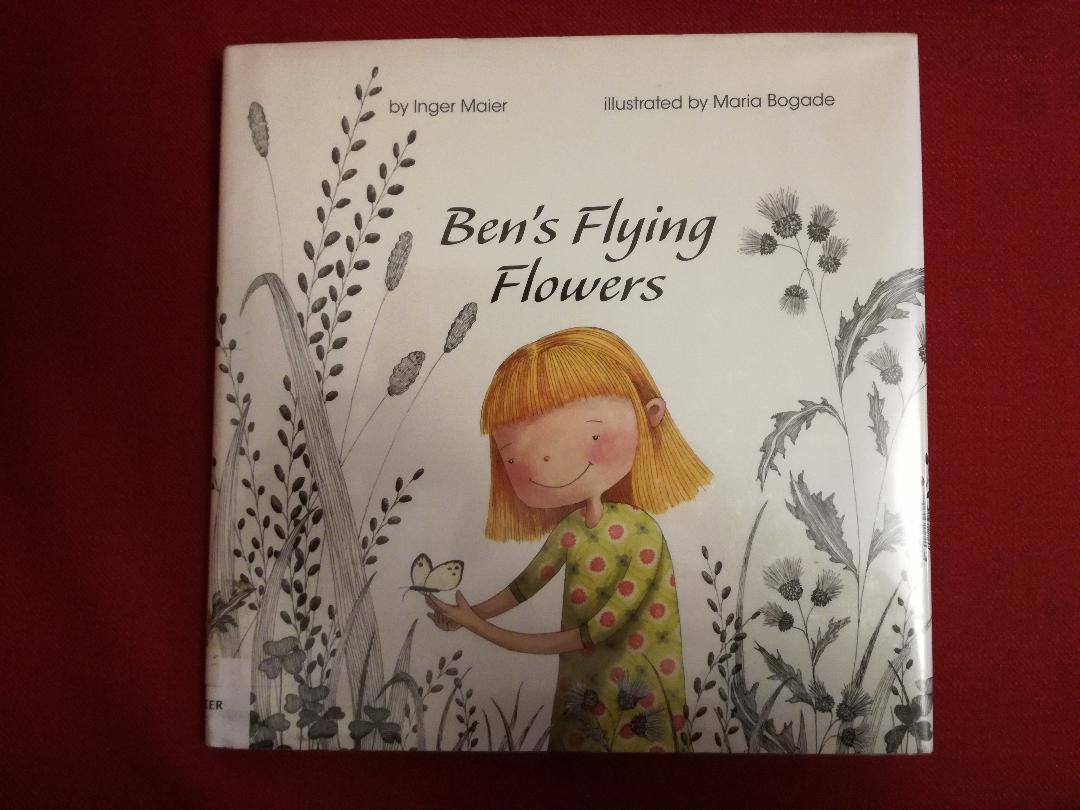
(c) Maria Bogade (2012)
Sarah, GP: Ben is three and is very sick with a serious illness. Emily is his big sister, and she is seven years old. They like to play with butterflies (flying flowers), so Emily makes Ben a butterfly pillow for his fourth birthday and he takes it with him everywhere – his “very own flying flower”. Ben becomes more unwell, sleeps a lot, has to go to hospital a lot and eventually becomes too tired even for hugs. When Ben dies, the family hurt, a lot. Emily feels angry at first, and draws pictures with dark clouds and rain. In time the sad feelings start to grow a bit smaller, but sometimes she still cries and cries. Strategies that help Emily to come to terms with her feelings include snuggles with Mum and Dad and talking to grown-ups. Also published by The American Psychological Association.
Clare: What I like about Ben’s Flying Flowers is that the illustrations show normal happy family scenes even though we know, almost from the start, that Ben is already very sick. And it’s set over quite a long time so we get to see the siblings together before Ben dies and we feel Emily's pain, but then over time we see how she starts to come to terms with Ben's death.
I Miss My Sister by Sarah Courtauld and Holly Surplice (Child Bereavement Charity, 2009)

(c) Holly Surplice (2009)
Sarah, GP: Published by Child Bereavement Charity, this book is designed to help children with the bereavement of a sibling and includes notes for parents. It is based around the death of a child, and describes her sister’s emotional responses, including crying, feeling sick, not being able to sleep and wanting to be far away. Sometimes there are no words that can describe how she feels. There is an emphasis on practical tasks that could help. The family make a memory box and plant a garden on the birthday of the child who has died. Watching the garden grow acknowledges that the child will never be forgotten.
Clare: I like this book, too. It’s simple and shorter (and smaller) than a typical picture book (and is saddle stitch), set over many years to show how she is able to move on in time.
Bereavement of a friend:
Brodie by Joy Cowley and Chris Mousdale (Walker Books, Australia, 2013 –originally, Scholastic, New Zealand, 2001)

(c) Chris Mousdale (2001)
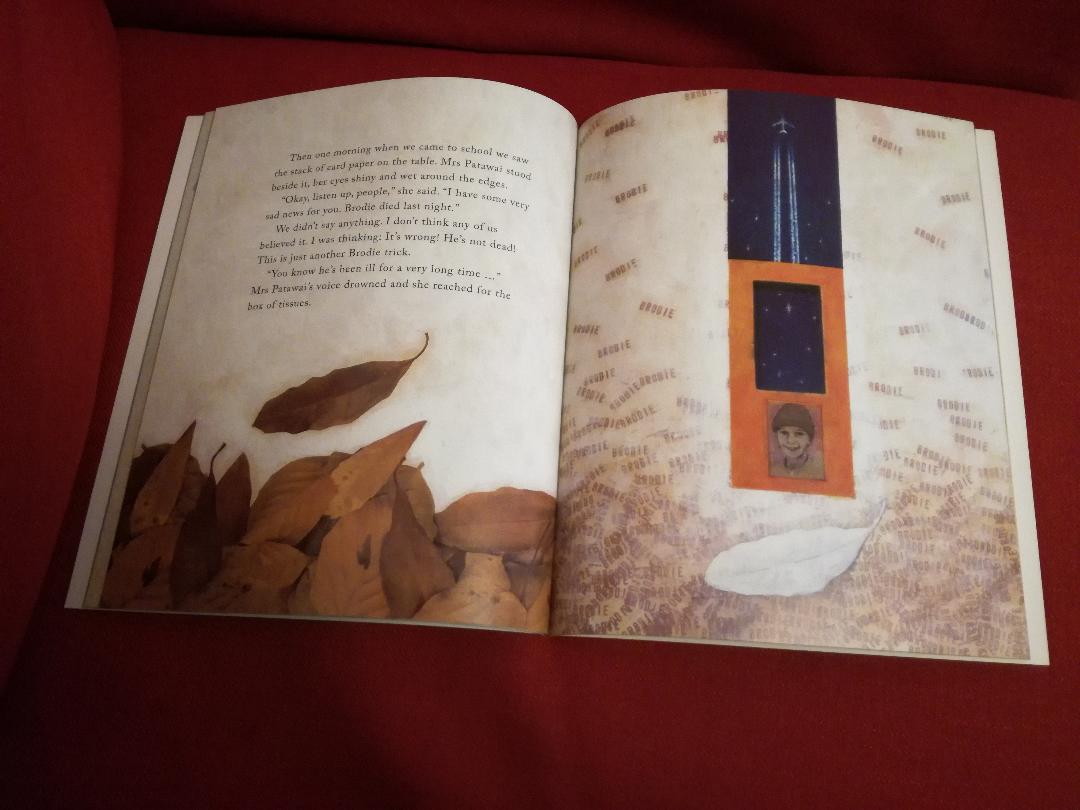
Sarah, GP: This is a helpful book for any child or young person (or teacher) who is experiencing a friend from school becoming unwell and dying. Brodie is sick, but he still likes to draw pictures of planes and helicopters and dreams of becoming a pilot. The class think he will get better, and make cards for Brodie. Brodie tells the child narrator that he might die. Although he manages to return to school, it is not long before he is back in hospital and this time, he dies. The class don’t believe the news at first, but then the teacher starts to cry, some of the class start to cry, some howl, some stare and the narrator says “it seemed I wasn’t crying for Brodie, but for myself because I hurt so much inside”. There are a number of theories about where Brodie has gone and an illustration that refers to different religious beliefs. The class write to the family, and although the hurt doesn’t go away, it does get smaller.
Clare: This is another book that didn’t come up in early searches and I was really pleased to discover it recently. Told in first person (as with the majority of the books we selected that are aimed at bereaved children, rather than a broader market), the story feels authentic and heartfelt, though simple. The illustration style is interesting, too.
(c) Chris Mousdale (2001)
Clare: And if I can just add another practical choice, before we move onto the general recommendations, I’d include The Copper Tree by Hilary Robinson and Mandy Stanley (Strauss House Productions, 2012).

(c) Mandy Stanley (2012)
It’s a story about a class of young children (probably five/six-year-olds) whose teacher gets sick and dies. Teachers often play such an important role in the life of young children and I believe that this would be a comforting book to have in schools where a teacher has died.
General books about death:
Recommended for children and families whether or not the child is bereaved.
The Dead Bird by Margaret Wise Brown and illustrated by Christian Robinson (Harper Collins, International edition, 2016; first published in 1938, illustrated by Remy Charlip)

(c) Christian Robinson
Clare: You know when you discover a book that you feel you should have known all your life and you’re desperate to tell everyone? Well this is one of those books. It was first published eighty years ago (!) and has recently been re-illustrated beautifully and simply, by Christian Robinson. I feel like it should just be a staple of everyone’s childhood and is so matter of fact about the death of the bird and the sadness around it, and yet so beautiful in its simplicity. It starts:"The bird was dead when the children found it."

(c) Margaret Wise Brown and Christian Robinson (2016)
and it tells us how the children gave it a funeral, like adults do. They sing to it and bury it and put flowers on the tiny grave “And they cried because their singing was so beautiful and the ferns smelled to sweetly and the bird was dead.

(c) Margaret Wise Brown and Christian Robinson (2016)
“And every day, until they forgot, they went to sang to their little dead bird and put fresh flowers on his grave.”

(c) Margaret Wise Brown and Christian Robinson (2016)
The “every day, until they forgot” is one of my favourite ever lines in a picture book. It’s a wonderful story of death being a part of life, but in an extremely safe setting. I am very grateful for the foresight of the team who chose to re-illustrate and reissue this book for a new audience.
No Matter What by Debi Gliori (Bloomsbury, 1999. UK version –not the US version or the board book version)

(c) Debi Gliori (1999)
Clare: This has long been a picture book that I love. The story is about unconditional love and Small, who is in a bad mood, keeps challenging Large, his parent, about whether he’d still be loved by Large if he became increasingly scary creatures. The response is the same: “Of course,” said Large “[Bug...or Bear] or not, I’ll always love you no matter what”. And at the end, he asks about whether that love would carry on after death… Large talks about stars and how many of the stars we see are already dead. The story finished with "Still they shine in the evening skies, Love, like starlight, never dies.” It’s a beautifully written and illustrated book and shows so wonderfully the power of unconditional love. It’s a book that we put in the grave with my mother when she died (she had read it many, many times with her numerous grandchildren) and it was a real comfort.
Note, this is the UK version of the book. In the US version, all mention of death has been removed (as with the board book version). So any Americans who are keen to get hold of it need to order the UK version.
Duck, Death and the Tulip by Wolf Erlbruch (Gecko Press, 2008, translated by Catherine Chidgey; originally published in German in 2007)

(c) Wolf Erlbruch (2007)
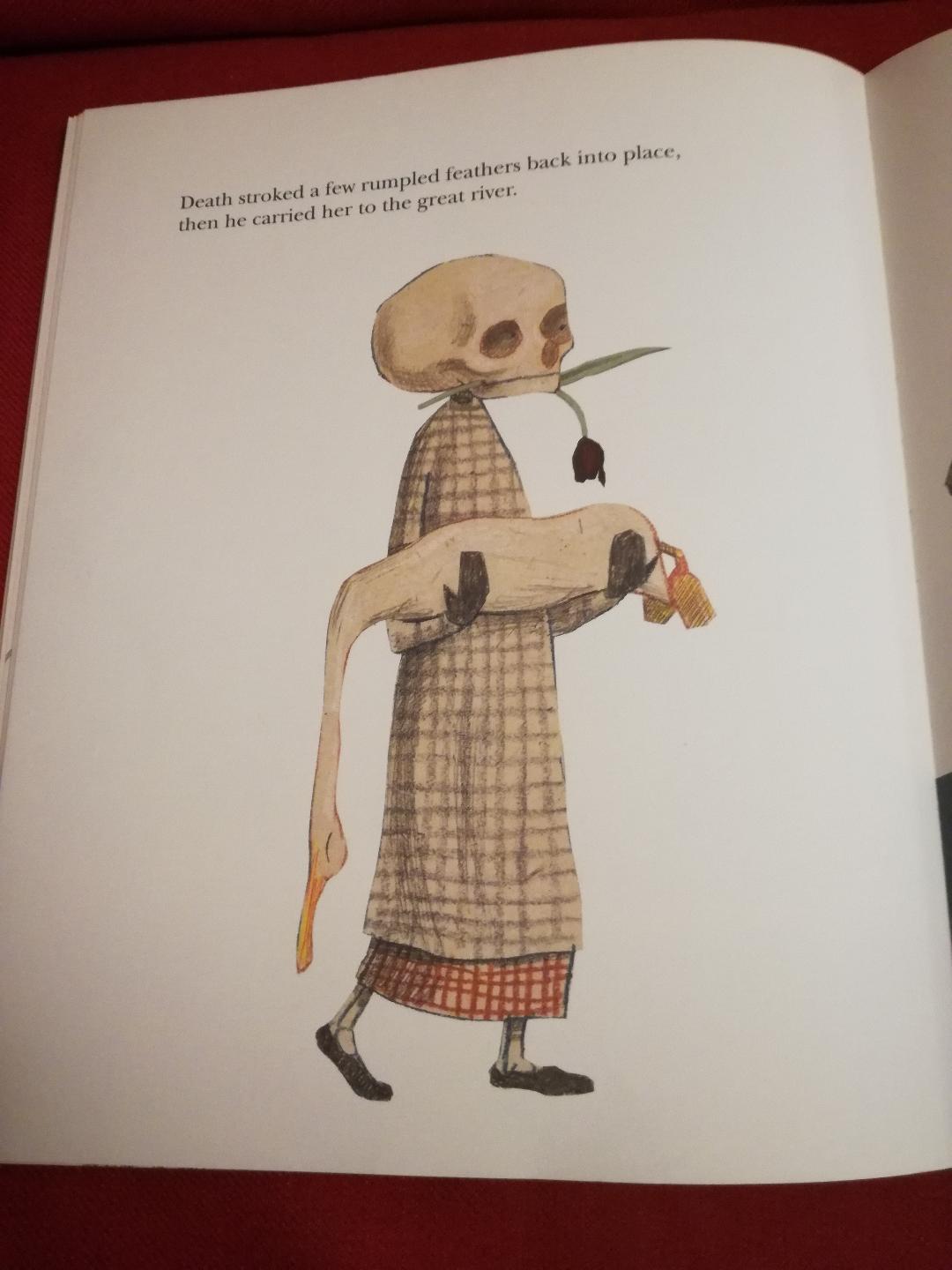
Clare: This book feels like a work of art, and my guess is that it may well appeal even more to adults than it does to children, which I sometimes feel uncomfortable about with picture books, but not here. I am just so glad that this book exists. It’s quirky and poignant, showing the tender relationship between Duck and Death for the last part of Duck’s life. We see Duck trying to warm up Death after they’ve been in the pond...

(c) Wolf Erlbruch (2007)
and a playful side to Death, suggesting they hang out in a tree…

(c) Wolf Erlbruch (2007)
as well as an ‘almost a little moved’ Death after Duck has died…
(c) Wolf Erlbruch (2007)
Definitely one for adult picture book lovers but also good to share with older children.
The Bear and the Wildcat by Kazumi Yumoto and Komako Sakai (translated by Cathy Hirano; Gecko Press, 2011 –New Zealand, but originally published in 2008 in Japan)

(c) Komako Sakai (2008)
After the death of his friend, Bird, and some poor advice from his remaining friends, Bear falls into a depression and stays away from everyone and everything for a long time.

(c) Kazumi Yumoto and Komaki Sakai (2008)
Eventually, he goes out and meets someone new with whom he can share the story of his friendship with the bird. And after having buried the bird, he is able to move on.
This is so beautifully illustrated, and unusual for a picture book, in black and white, with tiny bits of pink added in towards the end, and I think the appeal of this may well be for adults and older children, but I really love it.
Harry and Hopper by Margaret Wild and Freya Blackwood (Scholastic 2009; originally published by an Australian imprint)

(c) Freya Blackwood (2009)
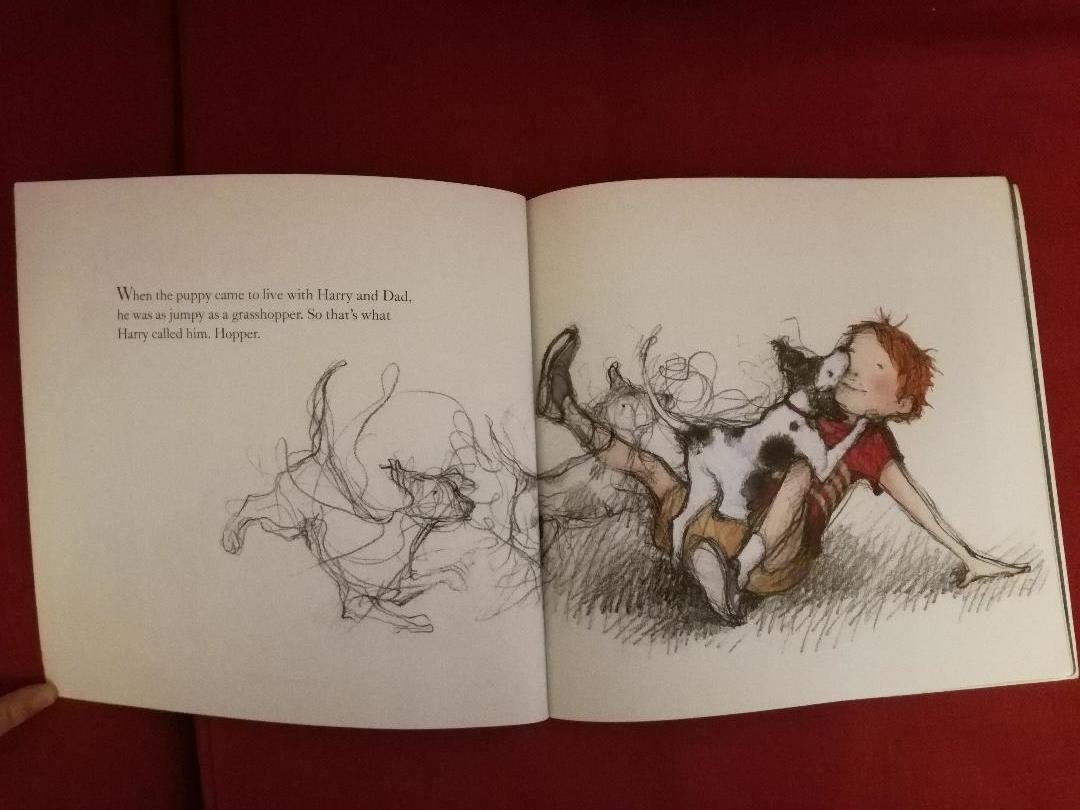
This is a story about Harry, a boy who lives with his father, and Harry’s dog, Hopper. There is an undertone of Harry's loneliness and Harry and Hopper are extremely close.
(c) Margaret Wild and Freya Blackwood (2009)
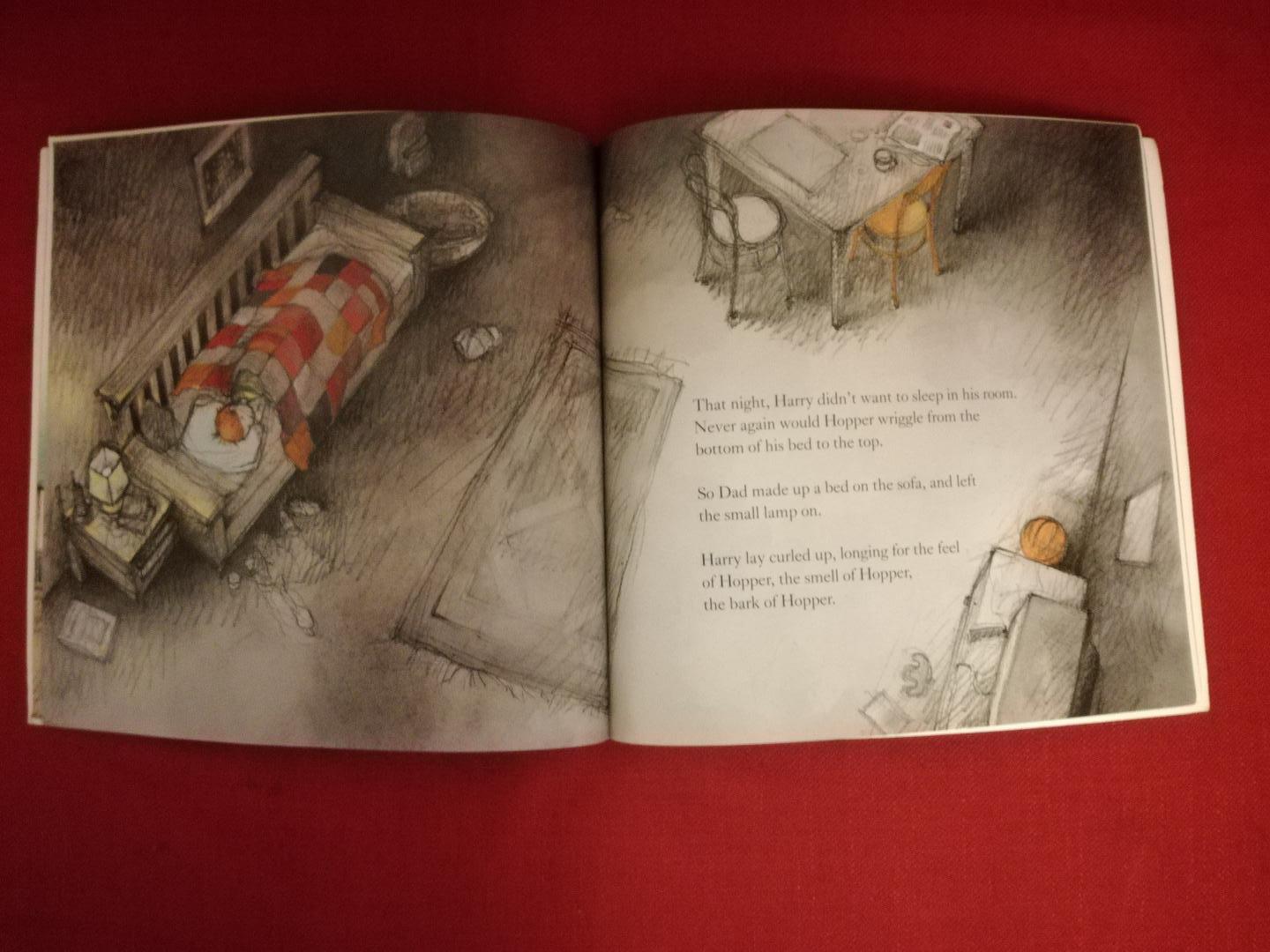
When Hopper dies in a road accident, the suddenness makes it extremely hard for Harry to accept
(c) Margaret Wild and Freya Blackwood (2009)
and it takes a while (and some dream-like encounters with Hopper, and a kind, devoted father) before Harry finally starts coming to terms with Hopper’s death and is able to say goodbye. It’s suitable for younger and older children alike, and for those who have experienced the death of a pet and want comforting, and those who just want to read a story and who are open to other people’s experiences.
The Heart and the Bottle by Oliver Jeffers (Harper Collins, 2010)

(c) Oliver Jeffers (2010)
Told in the same, simple, understated way that Oliver Jeffers books so often are, The Heart in the Bottle tells the story of a curious, engaged and loving girl who shuts herself off after the death of her beloved grandfather. Using expert visual storytelling, the grandfather is never even mentioned and yet we see how fear of exposing herself to the risk of being hurt that badly again means that she lives only a half-life (even into adulthood), until she finally lets herself become close to another person, a small, curious child much like her earlier self. Although the pictures and words are really simple, given the reliance on a metaphor of keeping her heart in a bottle, this may appeal even more to older children and adults (or for younger children who have engaged in discussion about the story with an adult).
Michael Rosen’s Sad Book by Michael Rosen and Quentin Blake (Walker, 2004)

(c) Quentin Blake (2004)
This unusual and heart-breaking picture book became an almost instant classic as soon as it was out. It was written after the sudden death of Michael Rosen’s son Eddie. Quentin Blake was the perfect illustrator for the book, someone who had illustrated Eddie over the years alongside Michael Rosen’s poems about him.

(c) Michael Rosen and Quentin Blake (2004)
I doubt that Michael Rosen wrote this book aiming it at children. It is at times bleaker than almost any picture book I’ve read, and the ending feels bleak, too, almost unheard of in picture books.
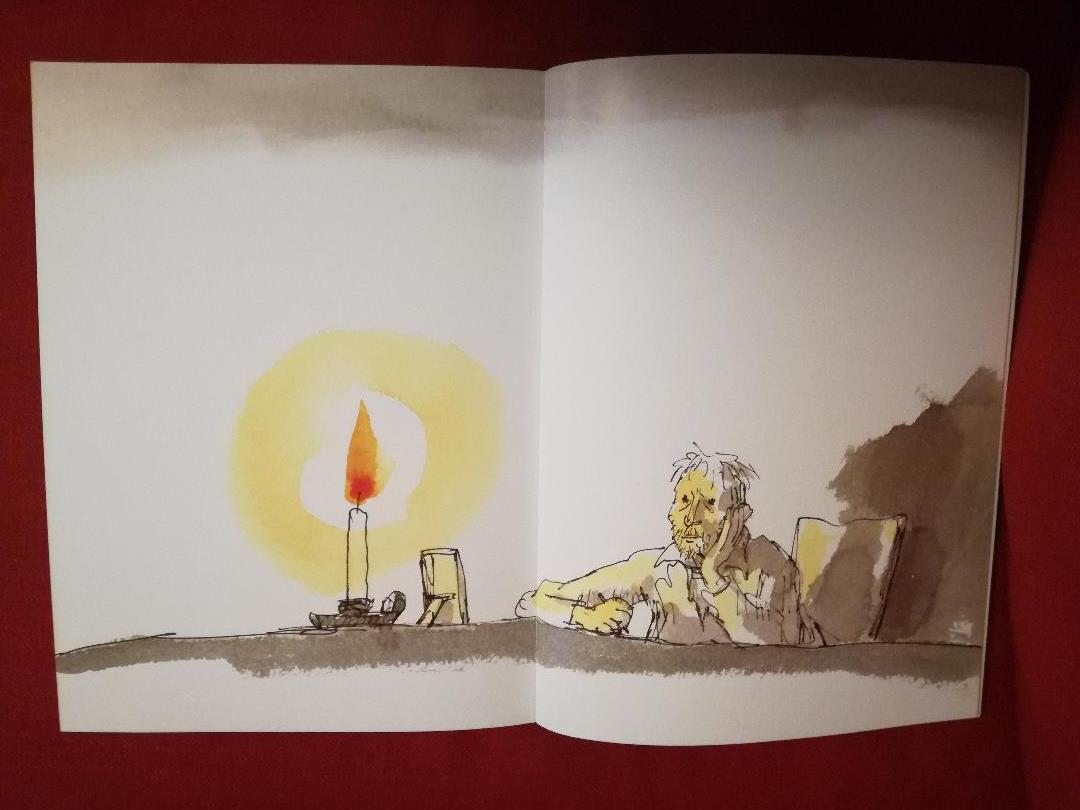
(c) Michael Rosen and Quentin Blake (2004)
It is certainly not without hope but it is a very honest and shockingly personal adult account of the utter desperation felt after a terrible bereavement.
It is hard to read this book as an adult but that should not put anyone off. And likewise, it should not put people off sharing it with an older child. It would be worth reading it carefully first before sharing it though, so you are ready to discuss any aspect of it that might come up. I think it could be extremely useful to read it with an older child who has experienced a parent going through bereavement so that they can talk about how bereavement affects adults as well as children.
My Father’s Arms Are A Boat by Stein Erik Lunde and Oyvind Torseter (Enchanted Lion Books, 2013, translated by Kari Dickson; originally published in Norway in 2008)

(c) Oyvind Torseter (2013)
Clare: This is a book that captures one night in the life of a bereaved son and father, in their isolated house some time after the death of the boy’s mother. Neither of them can sleep and the father carries the boy out into the snow (hence the title My Father’s Arms Are a Boat). This is a poetic book with unusual, arresting images

(c) Stein Erik Lunde and Oyvind Torseter (2013)

(c) Stein Erik Lunde and Oyvind Torseter (2013)
and although it’s written in the first person, the voice sounds older and more sophisticated than a boy of his age is likely to sound. But I am totally willing to suspend my disbelief on this count because of its beauty and the powerful atmosphere it evokes. As with some of the other books, I feel that it is one that adults in particular will be drawn to but I would still recommend it to an older bereaved child (to be read with an adult) as there is definitely a feeling that things will, in time, be ok for them and that they will make it through, together.
Clare: Some books we didn't include even though they could be useful after a bereavement. There are wonderful books that tackle depression or isolation which could be interpreted as being in the wake of a bereavement. For example, I've always assumed that 'The Storm Whale' by Benji Davies is a book about bereavement and it shows beautifully the isolation and parental depression that can follow bereavement, but it never mentions the death of the mother; it is just clear that Noi lives in an isolated place with his father (the mother may have just left). So we didn't include these books (though I would certainly recommend it to children, whether they are bereaved or not). Similarly, there were other books that clearly were about death and coming to terms with it that never mentioned death but only euphemisms (eg 'disappeared'). Since we are interested in breaking down the taboo of talking about death, we deliberately chose only to include books that were clearly acknowledging death whether or not the parent reader chose to articulate it. Sarah, were there any other books that you didn't include that you felt would be helpful?
Sarah, GP: There are a number of books that are more practical that aren't really picture books, unlike What Happened to Daddy's Body? which we included and is practical but also a story. “What Does Dead Mean?” and a workbook entitled “When Somebody Has a Very Serious Illness” are useful resources to help answer questions that children may have. The language is simple and matter of fact. Also, books that I would like to see published are those with illustrations and advice that would be important to people from ethnic minority backgrounds. And so far there are no books about a child dying in an intensive care unit, which is currently the most common place of death for the (thankfully relatively small) number of children who die.
Clare: Sarah, thank you so much for joining me in creating this blog post. I've learnt a lot from looking at these books from the point of view of a medical professional.
I'm sure that there are readers of this blog who would choose to include different picture books on this list and we'd love to hear from anyone about books that they have found useful. Please feel free to leave a comment, below.
Many thanks, Clare and Sarah.
Juliet Clare Bell's latest picture book is Benny's Hat (illustrated by Dave Gray) which follows a young girl, Friz, as her big brother gets sick and then dies. www.pomelopip.com and www.julietclarebell.com. Please note, Dr Sarah Mitchell was not encouraged to include Benny's Hat in the review above. It is one of the books that she recommends to bereaved and pre-bereaved families.
March 13, 2023
REIMAGINING STORIES - FIVE WAYS TO GET STARTED by CHITRA SOUNDAR
As someone who has taught writing picture books and mentored many writers, I meet with aspiring writers – some are teachers, librarians and mums, others are interested in the words and pictures. One of the common queries I’m asked in assemblies by teachers or through DMs by aspiring writers is – Where do I start getting ideas for my picture book story?
Ideas come from everywhere isn’t always helpful. When you’re underpaid and overworked and hardly have time to write, when you actually sit down to write, you don’t want to twiddle thumbs and stare into space and look forlornly at the blank sheet of paper.The following ideas are what I share with those who ask me this question in private. this also works for beginning writers, who need to hone their craft.
1. Pick a nursery rhyme you like and brainstorm ideas of how to change it. You could change the characters or the story, still keeping the rhyme sequence and the tune in-tact.
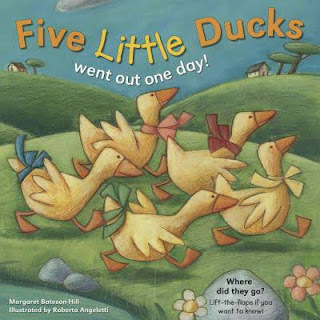
This idea works great for teachers and storytellers whose repertoire of nursery rhymes is boundless. But there are places you can find lyrics for nursery rhymes on the internet and of course you can listen to the tune of nursery rhymes on YouTube endlessly.
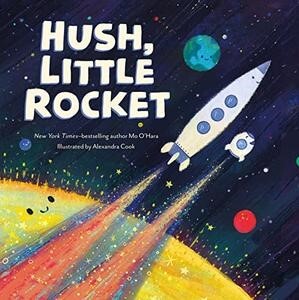
If you play every nursery rhyme video on YouTube consecutively I think the music will keep playing even after our universe will implode.
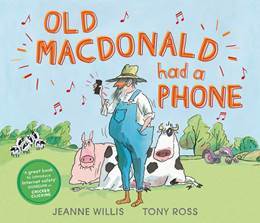 2.
Pick an Aesop fable
or a story from your own heritage. It’s important to pick a popular folktale or fable, one that is easily recognisable by readers and twist it and turn it.
2.
Pick an Aesop fable
or a story from your own heritage. It’s important to pick a popular folktale or fable, one that is easily recognisable by readers and twist it and turn it. Again, you can change the characters, where it is set, and who is telling the story. Make it your own.
3. Adapt a fairy tale to share a message. Most fairy tales are gruesome and/or cautionary.
a. Can we then adapt them to tell cautionary tales about today’s world – social and political.
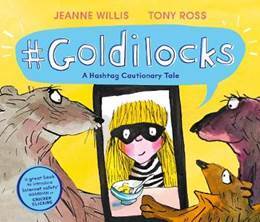

b. Can we flip these stories to be kind and lovely – will that work? What happens if the wolf in Red Riding Hood is actually a forest ranger? And Grandma is the poacher?
c. Can you change the POV of the narrator?
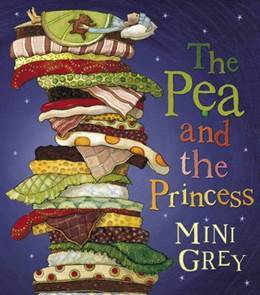
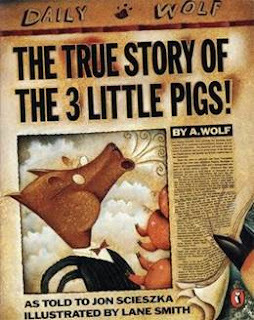
4. Write new stories for characters from fairy tales, fables and history. As long as the characters are recognisable and you don’t have to explain who they are – it will be exciting to create new stories for them.
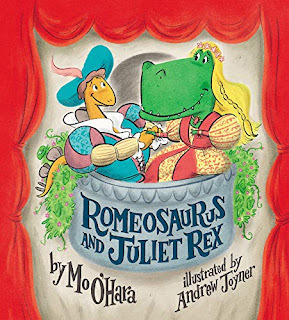
5. Change the genre of the folklore you’re adapting. What happens if Red Riding Hood is a mystery story (and not horror as it is now) or what if it is romantic? What if the story of Cinderella is set in space?
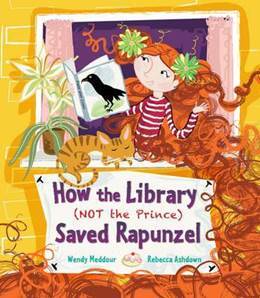
But why are these wonderful starting points to practicing the craft of writing picture books?
1) The structure is already in-built into these timeless tales. So all you need to do is change the dressing of the set, spruce up the characters, add your personal magic, play with words.
2) These are well-known and hence children would know the original and it’s a great way to engage them with a variation.
3) It helps the beginning writer to focus on the words, the craft of the sentence, how to handle description – without worrying about beginning, middle and end (not as much).
Other than the above, I think it is a great exercise to develop your creativity. It is hard to retell an existing fable and make it your own because the original story is deeply embedded into your psyche. So, looking at it from a different angle will make different neurons fuse together to spark creativity.
While the techniques I’ve listed above will solve – what should I write about? Or I don’t have an idea, it is no easy task. It will still be challenging to adapt a timeless tale and make it your own. Don’t believe me? Try it out.
Tip : Google for twisted fairy tales!
Important Tip : Check out the books I've highlighted here and read them - see how they work.
Advanced Tip : If you google for twisted fairy tales, and check out lists of retold fairy tales, you will see that most people have stuck to western tales. So here is an opportunity for writers of colour to retell and reimagine stories from your own culture and make them your own!

Chitra Soundar is an internationally published, award-winning author of children’s books and an oral storyteller. Chitra regularly visits schools, libraries and presents at national and international literary festivals. She is also the creator of The Colourful Bookshelf, a curated place for books for children by British authors and illustrators.
Find out more at http://www.chitrasoundar.com/ and follow her on twitter here and Instagram here.
February 26, 2023
World Book Day's Profound Purpose, by Pippa Goodhart
This is the week of World Book Day when a large portion of the world enables and celebrates reading for pleasure for everyone. YAY! for something really, really good happening across the world.
I wonder if you recognise the fairy tale castle below?

It isn’t from fiction. It’s from real life. It’s The Peace Palace. What better thing to build a palace for?! It’s in The Hague in The Netherlands, and it was purpose built to house The International Court of Justice. (Not the International Criminal Court, also in The Hague, but the International Court of Justice.)
Few people know about the ICJ because its job is to prevent the sort of events that make the biggest frontline news. It works in a similar way to other court. Those who disagree present their cases, and a panel of judges decides the correct legal outcome. But these are international disputes, from boundary quarrels to determining how formula milk should be promoted, and even deciding the law governing Space. Those judgements can prevent potential wars from boiling into reality. I’m proud to say that my lovely Daddy, Robbie Jennings, was an international lawyer working on cases at The Peace Palace for many years. In time he became the British judge on a team of fifteen judges, and then President of the Court.
What is the relevance of all that to World Book Day? Well, I’ve just learned that World Book Day was begun by, and is organised by, the United Nations, as is the International Court of Justice. Both, in their very different ways, share the same vital aims. Secretary-General of the UN, Antonio Guterres, says –
‘In the end, it comes down to values. We want the world our children inherit to be defined by the values enshrined in the UN Charter: peace, justice, respect, human rights, tolerance and solidarity.’
I’m very chuffed to be the author of one of this year’s £1 World Book Day books; You Choose Your Adventure. As with the other, bigger, You Choose picture books, it is Nick Sharratt’s wonderful pictures which most obviously achieve here those aims of us all sharing our world fairly and kindly and imaginatively, at the same time as having fun. The world needs more fun, and it needs young people with fertile imaginations.
So, here is some happy mixing of different kinds of children and different kinds of adventure. Enjoy!


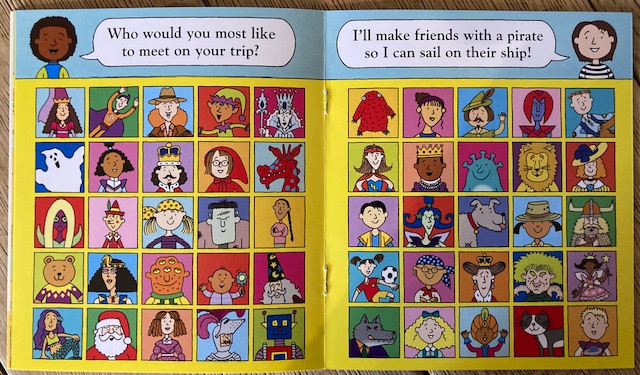


Last year fifty million £1 World Book Day book tokens were given to children in the UK, with over two million books gifted in exchange for them. One in seven the children getting those books didn’t previously own a book.
For full information about all the World Book Day books on offer, and the events and activities also there be enjoyed, see World Book Day 2023
And watch out for further You Choose news to come a bit later this year!
February 19, 2023
WHAT MAKES A SUCCESS? • By Natascha Biebow
Are You Successful? How can you tell?
Who is to say what SUCCESS looks like – your audience?
Your family or your friends? Readers, librarians, parents? YOU?
You are an ARTIST and you must make your ART. You have no choice, because when you make art, you feel fulfilled, joyful even; when you do not, you feel as if an art-shaped hole has opened up. But that little voice niggles – is there more? Have I made it yet?
When weighing up success, a children’s book creator’s narrative might go something like this:

By virtue of its very meaning, success is the shifting sands of life. The word originates from the late 14th century word ‘succeden’, meaning "come next after, follow after another; take the place of another . . .’
So, in words sometimes attributed to Winston Churchill, but which are likely also an amalgamation of other earlier writings:
“Success is Not Final, Failure is Not Fatal:
It is the Courage to Continue that Counts.”
When thinking about whether you are successful as a creator, it is all too easy to look around and compare yourself to others. FOMO can be paralysing!
For me, it’s the authors who are prolific, who already have multiple book deals on the back of their debuts and seem to be thriving, according to their social media posts. Will I ever be like them?
It can be paralysing, and make you breathless. Goals are always shifting – you make one and when you reach it, there’s another goal and that’s the one that you feel you must aim for. And so on . . . You can feel there should be something more, something is missing, sometimes even that perhaps you aren’t enough.
External markers of success are everywhere, but there is a key mindset shift we can choose that will make all the difference. Deep breath . . .
 Don't Believe Everything You Think . . . You can change (and maybe even control)
Your Perceptions of What Success REALLY is!
Re-defining success:
Rather than looking at external markers, we can try to focus instead on the internal meaning of success. Consider: What does success mean for you personally, and what connections can you make with your art and your audience?
ACCEPT: You’ll Never Climb the Last Mountain – there will always be another goal.
When you accept that creating is a series of goals,
and when you’re prepared to redefine these as you go along,
you can enjoy the process and celebrate each achievement. This is success.
 There will always be another mountain, another goal . . .
OPEN YOUR EYES to the World and Create Opportunities: Try and fail and BE BRAVE!
When you try your best, even if it doesn’t result in the end goal, you can feel proud of having tried. This is success.
Connect with others and share your work – whether it’s a rough draft or storytime with an audience, this outreach will bring you joy and fulfilment. This is success.
Give generously. When you help others, they will want to help you. This is success.
Learn new things every day.
Take responsibility for creating opportunities by connecting with others, showing up for your writing or illustrating and being pro-active at learning your craft - you’ll find that you naturally become more successful.
FOCUS ON WHAT MAKES YOU TICK
When you remember your passion, WHY you make art, you can tap into your talent and truth and be grateful for what you can create and share with the world. That is success.
TAKE CARE OF YOURSELF
Saying no is part of establishing boundaries that enable you to create successfully.
Having the courage to focus on yourself and to feed your creativity through self-care (even if it means doing nothing), is an important part of creating space to make meaningful art.
Celebrate small victories. Take time to appreciate your efforts, no matter how small, and yourself. That is success.

WHEN YOU FEEL LIKE QUITTING: REMEMBER the WHY
Perseverance is a crucial part of success. If you Believe You CAN, you are much more likely to succeed.
If you tap into your passions – the reasons only YOU can tell this story – the book you create will resonate with children and shine beautifully. That is success.
CREATE WITH GRATITUDE
Find joy in the things that
are
working, that you have in your life, rather than those that are missing.
If you view life through the eyes of abundance, it will deliver success - perhaps in new, unexpected joyful ways.
<span style="font-family: trebuchet;">@font-face {font-family:"MS 明朝"; mso-font-charset:78; mso-generic-font-family:auto; mso-font-pitch:variable; mso-font-signature:-536870145 1791491579 18 0 131231 0;}@font-face {font-family:"Cambria Math"; panose-1:2 4 5 3 5 4 6 3 2 4; mso-font-charset:0; mso-generic-font-family:auto; mso-font-pitch:variable; mso-font-signature:-536870145 1107305727 0 0 415 0;}@font-face {font-family:Calibri; panose-1:2 15 5 2 2 2 4 3 2 4; mso-font-charset:0; mso-generic-font-family:auto; mso-font-pitch:variable; mso-font-signature:-520092929 1073786111 9 0 415 0;}p.MsoNormal, li.MsoNormal, div.MsoNormal {mso-style-unhide:no; mso-style-qformat:yes; mso-style-parent:""; margin:0cm; margin-bottom:.0001pt; mso-pagination:widow-orphan; font-size:12.0pt; font-family:"Times New Roman"; mso-fareast-font-family:"MS 明朝"; mso-fareast-theme-font:minor-fareast; mso-ansi-language:EN-US;}span.foreign {mso-style-name:foreign; mso-style-unhide:no;}.MsoChpDefault {mso-style-type:export-only; mso-default-props:yes; font-size:10.0pt; mso-ansi-font-size:10.0pt; mso-bidi-font-size:10.0pt; mso-fareast-font-family:"MS 明朝"; mso-fareast-theme-font:minor-fareast; mso-fareast-language:JA;}div.WordSection1 {page:WordSection1;}</span>
_________________________________________________________________
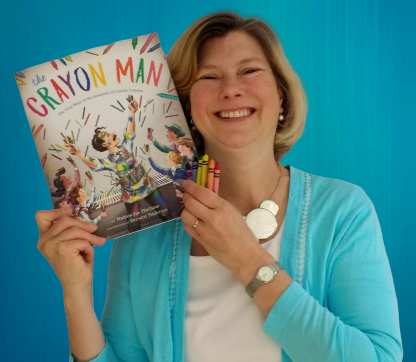 Natascha Biebow, MBE, Author, Editor and Mentor
 Natascha is the author of the award-winning The Crayon Man: The True Story of the Invention of Crayola Crayons, illustrated by Steven Salerno, winner of the Irma Black Award for Excellence in Children's Books, and selected as a best STEM Book 2020. Editor of numerous prize-winning books, she runs Blue Elephant Storyshaping, an editing, coaching and mentoring service aimed at empowering writers and illustrators to fine-tune their work pre-submission, and is the Editorial Director for Five Quills. Find out about her new picture book webinar courses! She is Co-Regional Advisor (Co-Chair) of SCBWI British Isles. Find her at www.nataschabiebow.com
February 12, 2023
Books Are Launch Pads...with Mini Grey
We know that books are masters of disguise and can be many things. And one of them is – a launch pad, a starting place for new things. This week I want to look a little bit at the making-projects in schools that books can inspire.

But first: I’m going to get into my time machine and zoom back to being 6 years old.
What are my strongest memories from primary school?
Well, there is:
µ helping make a lunar command module clad with tin foil with toothpaste tube top controls when I was in Mrs Alexander’s Class (it was big enough for us to sit in);

µ making my own royal crown and being William III in Mrs Wall’s Class (and thus remembering forever the dates 1689 – 1702);
µ and, also I think in Mrs Alexander’s class, making my Christmas Lunch Hat* but not putting my name on it - and then seeing a girl called Karen wearing it at the actual lunch. Which is when I learned a hard lesson about putting my name on things, and also became very suspicious for several years about girls called Karen.
*OK you may be thinking of an amazing hat of piled up sprouts and Christmas pudding but it was just a hat to eat the lunch in.
But what those memories have in common is that they all involve making things.

Response and responding
As a picture book maker/illustrator, what I’m doing a lot is responding; responding to words with pictures, responding to pictures with words., and generally playing with the words & pictures dynamic double act.
As an author who was once a teacher, what I just adore is when teachers in schools use my stories as launch pads for their own projects and investigations.
 Children engaged in outdoors activitied inspired by The Last Wolf.
Books in Schools
Though Twitter has been flagging a bit lately, it is a brilliant way to be in touch with schools, and see what children have been doing and making. Below are some tweets about activities inspired by Egg Drop, The Last Wolf and Traction Man.

Sometimes knowing a story well can gives you a familiar structure to improvise around. It gives you a model to copy but make your own. Claire Williams is an amazing and inspiring teacher who took Hermelin as a starting place. Children used the Hermelin story structure for extended writing with a partner.
 From Hermelin the Sequel - set in a perfect mystery location - on board a cruise ship
 From The story of Pringle the Detective Eagle
 Tiddles the Detective Corgi, set in Buckingham Palace.
 Again - a fantastic setting for a detective story - and we see what's going on in all the rooms - I particularly like the King organising his pants collection.
On the 5th January this year, as the children returned to school at Charles Darwin Community Primary School in Cheshire, they discovered a meteor had crashed in the school playground. And this was the beginning of a whole school project inspired by my book The Greatest Show on Earth. The children responded by making poetry and art, but were picking up the science themes along the way.
 Here's that crashed meteor.
Each year group was given a particular geological era to focus on, and the project culminated in a full-scale exhibition of the work made by the children, including spectacular sculptures of prehistoric plants and animals, artwork and poetry.
 Ice Age animals and a big blue whale
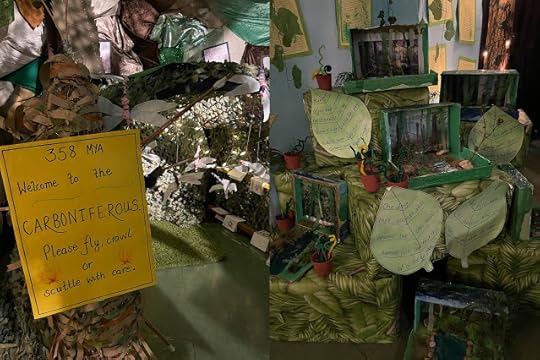 Entering the Carboniferous Era - about 350 million years ago
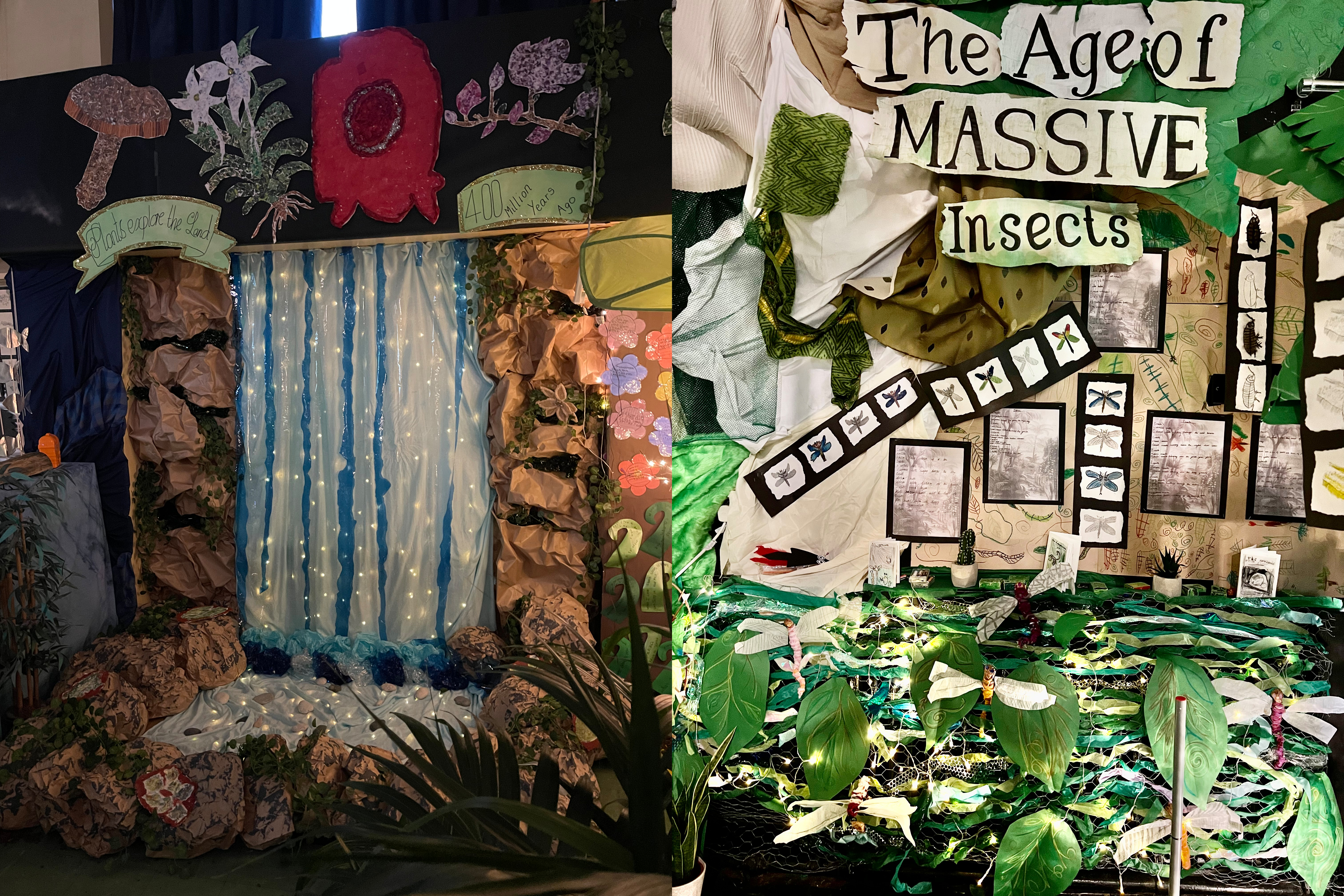 A Carboniferous waterfall where plants explore the land, and insects get to grow big.
 Dino sculptures, DNA, jellyfish and carnivorous plants.
Read all about it in this article in the Northwich Guardian!
Cheshire was too far away for me to be able to visit, but I got to meet the children several times with good old Zoom, and I was given a virtual Zoom tour - it was really like exploring Earth's history phase by phase, and very atmospheric. What an incredible achievement by everyone involved. Speaking to the Northwich Guardian, head Adam Croft said: "I hadn't thought anyone could be more wide-eyed than our children when they first explored the interactive work, but adult visitors were possibly even more blown away."
So it's worth remembering that making things takes persistence and hard work - but the rewards are pride and ownership, and a deeper connection with the content involved.
The satisfaction of having made something.

I was lucky enough to be sent a copy of his book Art Shaped by Darrell Wakelam. Darrell's book draws from his huge experience of 3D making wth children, usually using waste cardboard. There is a guide to core methods for building models – and this gives children a chance to build up a 3D making repertoire and engage in thinking in three dimensions.
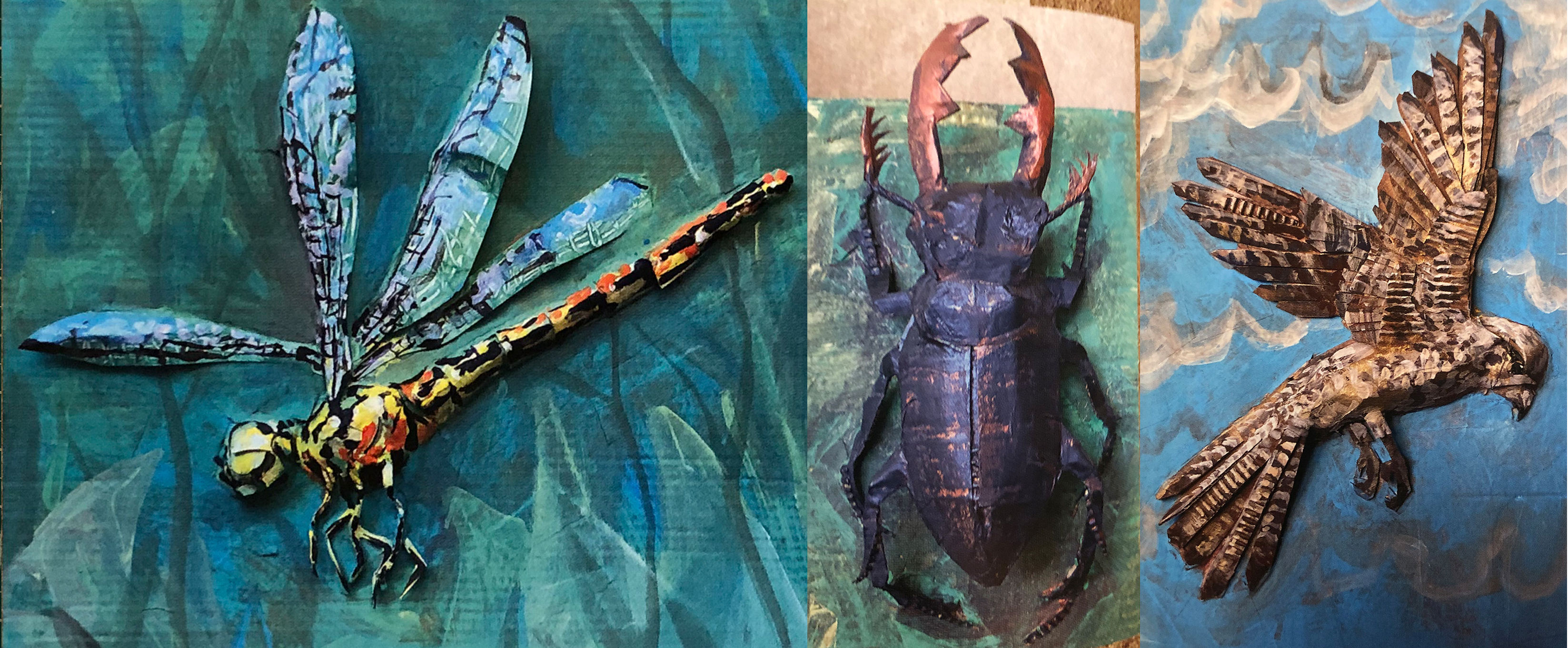 Lovely ideas for science and the natural world projects from Art Shaped.
 Using making to investigate skeletons and ecosystems.
Maybe there aren’t so very many opportunities in school to make longer term messy projects. Immersed in the world of the virtual, we can get out of touch with real materials, and how they’re unpredictable and don’t necessarily do what you want them to the first time. I remember, making a picture with real paint after doing a lot of working on a computer tablet, feeling a perplexed moment when I couldn’t undo the last thing I did, and take that paint away again. The virtual world isn’t messy and sticky and doesn’t involve much tidying up afterwards. But when you make a thing, the satisfaction lasts as a joy you can return to forever.
 Dunkleosteus from The Greatest Show on Earth
And whoaa!! – most brilliant of all – Darrell was inspired by my book to make his own 3D Greatest Show monster armoured placoderm!
 Darrell's fantastic riveted monster fish
Watch Darrell make it here: You make a book and that’s where you think you finish - but that’s where the book’s new life begins: as a springboard, a model, a launch pad, to be used to blast off to new discoveries.
Mini’s latest book is The Greatest Show on Earth, published by Puffin.

February 5, 2023
Starting From Scratch by Lynne Garner
When I submitted my first picture book story, I wasn’t surprised when it was rejected. What I was surprised by was it was a handwritten rejection on a compliment slip. It started with the typical ‘this isn’t for us’ but is also said they liked my voice, and asked if I had anything else I was working on. I was working on a new story, so I completed it and submitted. That second story eventually became my first published picture book A Book for Bramble in 2007. This was quickly followed by The Best Jumper in 2008.
I felt I’d made it and I would now be able to continue to get picture books published on a regular basis. But then I had a reality check. My editor left for pastures news. Then the publisher was purchased by a larger company. I found I’d hit a brick wall. I was either receiving the standard rejection letter or no rejection letter at all. After a few years, I gave up and decided to focus on my short story writing.

I completed my first collection of short stories and started to submit to publishers. After numerous rejections I decided to give self-publishing a go. This change in direction resulted in five short story collections. Around that time I also returned to teaching which meant I had less time to write. So gave up on picture books entirely. Then Covid hit and although I didn’t stop teaching (I taught virtually) I found I was spending less time travelling. So, I decided I’d use this time to revisit the picture book stories that were gathering dust on my laptop.

I revisited the completed and half written stories stored on my laptop and chose four I felt I could improve. I wrote and rewrote and once I was happy I’d got as far as I could without help I found a specialist proof-reader/editor. Together we rewrote, revised and reshaped each story until they were the best we could make them.
This year I’ve set myself a goal. To place at least one of these stories with a publisher. And although I’ve been published before I know I’m starting from scratch. Now, with this is mind I’ve decided to share my journey here on the Picture Book Den. So, between this post and my next I’ve got some researching to do. Wish me luck.
January 30, 2023
A Farewell to Picture Book Greats : Jan Pieńkowski - Garry Parsons
 Jan Pieńkowski
Jan Pieńkowski's illustrative style is immediately recognisable.
From the bright colours and bold shapes of Meg and Mog to the colourful ink washes and marbled backgrounds of his paper cut-outs and silhouettes.

This post is a personal tribute to a childhood favourite illustrator who made a huge contribution to children's literature.
Jan Pieńkowski's life journey gives a fascinating insight into his work as an illustrator.
Born in Warsaw, Poland, Jan was the only child of Jerzy and Wanda Pieńkowski. Living on a farm in rural Poland, Jan describes how he was introduced to the fables of a 'witch' type figure, similar to the Russian fairy tale character, Baba Yaga, by a neighbour who would look after him as a child.
The neighbour would tell him scary stories which gave him terrible nightmares. The stories she told featured a witch who Pieńkowski dreamt was always chasing him and trying to put him in a pot. "I think in a way she gave birth to Meg" he said.

The arrival of the Nazi's in Poland in 1939 forced the family to move to Warsaw and from there the family travelled around Europe, including Vienna, Italy and Germany, often living in extreme hardship and enduring the difficult and challenging experiences of being refugees in war torn Europe.
In his interview on Desert Island Discs with Kirsty Young, Pieńkowski describes how screams and shrill sounds continued to frighten him into adult life.

In 1946 the family arrived in Britain.
Pieńkowski did well at school, learned Latin and Greek and went on to study classics and English at King's College, Cambridge. Whilst studying classics he was also busy illustrating for Granta magazine and designing posters for university theatre productions, his characteristic style shining through.


Pieńkowski's creative career moved into greetings card design, graphics, advertising and even drawing live on the popular BBC children's TV programme "Watch!".

He was soon discovered by London book publishers including Walker Books, first for book covers and then later, children's book illustration where his familiar style became well known to children world wide.
Working with the writer Helen Nicholl, Pieńkowski's Meg and Mog were born. A series of graphically illustrated adventures of Meg, the hapless witch, and her stripy cat, Mog.

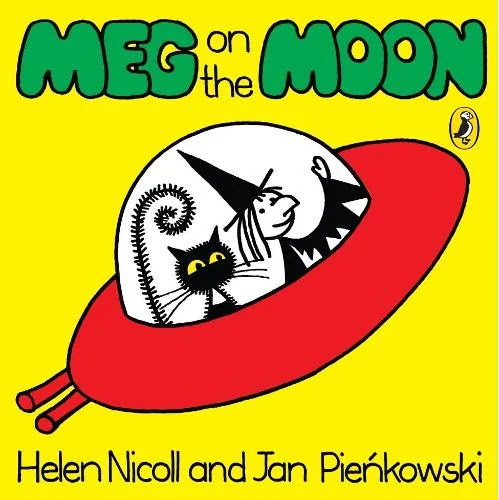
Pieńkowski won the Kate Greenaway award in 1971 with the children's book writer, Joan Aiken for The Kingdom Under The Sea, a book of eastern European fairy tales which featured his silhouettes and marbled backgrounds.


For me, the real prize in Pieńkowski's catalogue of outstanding work is Haunted House. A deliciously scary childhood favourite of mine and pioneering pop-up book, full of quirky illustrations and wonderfully original paper engineering. Haunted House won him his second Greenaway award in 1979.


Jan Pieńkowski published more than 140 books for children and in 2019 Pieńkowski was awarded the Book Trust Lifetime Achievement Award.
A wonderfully original illustrator, writer and designer, thank you from me and the millions of others who have enjoyed and continue to enjoy your fun, daring and inspiring work.
See more of Jan's work including his sketchbooks, poster art and graphics here and listen to his interview with Kirsty Young on Desert Island Discs
Jan Pieńkowski, born 8 August 1936: died 19 February 2022.
Garry Parsons is an illustrator of children's books.
***


