
Maggi Andersen's Blog, page 71
May 8, 2012
Another great review as the blog tour rolls on!
Virtual Book Tour: Murder in Devon by Maggie Andersen I'm so excited to welcome you to my stop on the virtual book tour for Murder in Devon by Maggi Andersen! This my first ever book tour and I was thrilled to be asked to participate.
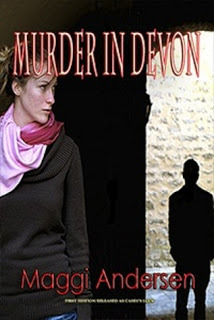 Published by Black Opal Books, Murder in Devon is a romantic/ mystery suspense book set in England.
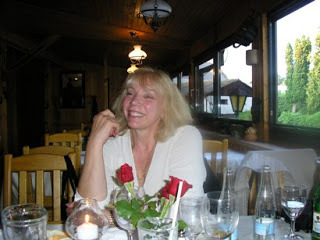 I love to read Aussie authors!
My review:
I found Murder in Devon an entertaining read. The whole American character, in England, written by an Aussie author had me intrigued! Casey's dogged determination to uncover the truth behind the murder of her friend had me both cheering and fearing for her. As for her love interest, Rod Carlisle, I'm a sucker for a Scot! You could feel his frustration as he tried to protect Casey and do his job as well. The story moves along a fast pace, meaning you are never left wondering where it's going. False leads and plenty of characters with something to hide have you on the edge of your seat as you try to work out who did it before Casey and Carlisle do - will you be able to solve it?? (for the record, I didn't!
Murder in Devon is available as an ebook or in print format from Amazon and in print format Book Depository.
I'd like to thank
 for asking me to take part in my first book tour! They are hosting a month of tour dates for Murder in Devon. You can follow the tour here, with more reviews and giveaways!
Tour Hosts and Dates
Book Nook Club May 1 Review
Buried Under Books May 2 Review
Buried Under Books May 3 Giveaway and Guest Post
Little Black Marks May 7 Review
TeacherWriter May 8 Review
The Bookworm May 13 Review
TeacherWriter May 15 Interview
Over Cups of Coffee May 11 Review
Socrates’ Book Reviews May 14 Review and Giveaway
Australian Bookshelf May 15 Review
Australian Bookshelf May 17 Giveaway and Guest Post
Beauty is a Sleeping Cat May 16 Review
Romancing the Book May 17 Review
Romancing the Book May 18 Guest Post
Butterfly-O-Meter May 21 Review
Butterfly-O-Meter May 23 Giveaway and Excerpt
Bags, Books & Bon Jovi May 24 Review
Reviews by Molly May 25 Review
Reviews by Molly May 22 Giveaway and Guest Post

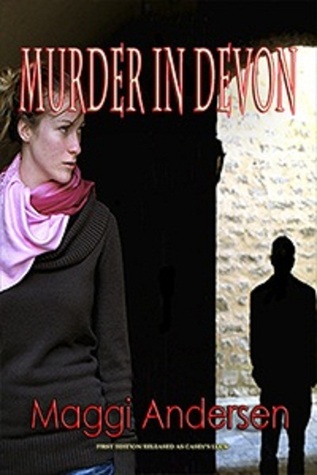 Published by Black Opal Books, Murder in Devon is a romantic/ mystery suspense book set in England.
 An ex-patriot American reporter living in England, Casey Rowan wakes to find one best friend murdered and another seriously injured. Casey is determined to find the killer, despite running afoul of the detective in charge of the case—a blue-eyed Scot named Rod Carlisle, who considers her a prime suspect. As Casey gets closer to the truth, losing her heart to the sexy cop isn’t the only thing she risks. Now her life is danger, too.
Rod has no patience with civilians who interfere in police matters, even hot little numbers like Casey. Though he tries to keep things professional between, Casey’s beauty and spunk are hard to resist. Rod warns her that what she’s doing is dangerous, but she refuses to listen. Can he find the killer before Casey becomes the next victim?
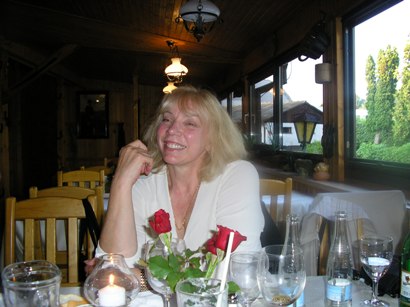 I love to read Aussie authors!
Maggi Andersen and her lawyer husband are empty nesters, living in the country outside Sydney, Australia, with their cat and the demanding wildlife. Parrots demand seed, possums demand fruit, and ducks visit from the stream at the bottom of the garden.
Andersen always felt she was meant to be a writer, but raising three children and studying for a Bachelor of Arts degree and a Master of Arts in Creative Writing degree came first. Georgette Heyer has strongly influenced her historical romances. Her love of romantic suspense came from Mary Stewart and Victoria Holt.
Her current favorite writers are Elizabeth George and Sue Grafton. In her spare time, Maggi enjoys reading and watching movies. She swims and goes to the gym to keep fit.
My review:
I found Murder in Devon an entertaining read. The whole American character, in England, written by an Aussie author had me intrigued! Casey's dogged determination to uncover the truth behind the murder of her friend had me both cheering and fearing for her. As for her love interest, Rod Carlisle, I'm a sucker for a Scot! You could feel his frustration as he tried to protect Casey and do his job as well. The story moves along a fast pace, meaning you are never left wondering where it's going. False leads and plenty of characters with something to hide have you on the edge of your seat as you try to work out who did it before Casey and Carlisle do - will you be able to solve it?? (for the record, I didn't!
Murder in Devon is available as an ebook or in print format from Amazon and in print format Book Depository.
I'd like to thank
 for asking me to take part in my first book tour! They are hosting a month of tour dates for Murder in Devon. You can follow the tour here, with more reviews and giveaways!
Tour Hosts and Dates
Book Nook Club May 1 Review
Buried Under Books May 2 Review
Buried Under Books May 3 Giveaway and Guest Post
Little Black Marks May 7 Review
TeacherWriter May 8 Review
The Bookworm May 13 Review
TeacherWriter May 15 Interview
Over Cups of Coffee May 11 Review
Socrates’ Book Reviews May 14 Review and Giveaway
Australian Bookshelf May 15 Review
Australian Bookshelf May 17 Giveaway and Guest Post
Beauty is a Sleeping Cat May 16 Review
Romancing the Book May 17 Review
Romancing the Book May 18 Guest Post
Butterfly-O-Meter May 21 Review
Butterfly-O-Meter May 23 Giveaway and Excerpt
Bags, Books & Bon Jovi May 24 Review
Reviews by Molly May 25 Review
Reviews by Molly May 22 Giveaway and Guest Post


May 7, 2012


May 6, 2012


The DIAMONDS ARE FOREVER conference.The Romance Writers ...
The DIAMONDS ARE FOREVER conference.The Romance Writers of Australia is proud to bring you a book signing event in at our Diamonds Are Forever conference in conjunction with the Australian Romance Readers Association (AARA). It will be held on Friday, 17th August 2012, from 4.30–6.00pm at the QT Gold Coast.
The event is open to the public.To register for the event, please go to the Registration Page on the ARRA blog. Cost: $7 or $5 for ARRA membersAll those who register will receive a free ticket in the prize raffle to win one of three prize baskets.
The following is the full list of authors participating, and what a line up it is, including the Diamonds Are Forever Keynote Speaker, Eloisa James, and our Friday Workshop Speaker, Alexandra Sokoloff.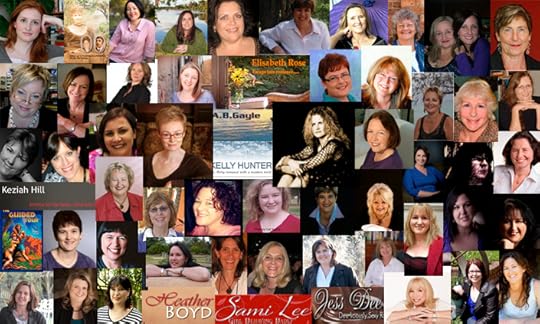 AB Gayle Alexandra Sokoloff (US) Ally Blake Amy Andrews Anna Campbell Anne Gracie Anne Oliver Annie Seaton Annie West Barbara Hannay Beverley Eikli Bronwyn Parry Cathryn Hein Christina Brooke Denise Rossetti Ebony McKenna Elisabeth Rose Eloisa James (US) Emmie Dark Fiona Lowe Fiona McArthur Fiona Palmer Hannah Downing HC Brown Heather Boyd Helen Lacey Helene Young Jess Dee Karly Lane Kaz Delaney Kelly Hunter Keziah Hill Kylie Griffin Leah Ashton Lexxie Couper Lisa Walker Louise Cusack Maggi Andersen Maggie Brooke Maggie Nash Mary Hawkins Melanie Milburne Michelle Conder Michelle Douglas MJ Scott Nicole Murphy Nikki Logan Paula Roe Rachael Johns Rachel Bailey Rhian Cahill Ros Baxter Rowena Cory Daniells Sami Lee Sandy Curtis Shannon Curtis Stella McMillan Sue MacKay (NZ) Tracey O’Hara Trish Morey
A lovely part of the world and a great group of writers. Join us!
AB Gayle Alexandra Sokoloff (US) Ally Blake Amy Andrews Anna Campbell Anne Gracie Anne Oliver Annie Seaton Annie West Barbara Hannay Beverley Eikli Bronwyn Parry Cathryn Hein Christina Brooke Denise Rossetti Ebony McKenna Elisabeth Rose Eloisa James (US) Emmie Dark Fiona Lowe Fiona McArthur Fiona Palmer Hannah Downing HC Brown Heather Boyd Helen Lacey Helene Young Jess Dee Karly Lane Kaz Delaney Kelly Hunter Keziah Hill Kylie Griffin Leah Ashton Lexxie Couper Lisa Walker Louise Cusack Maggi Andersen Maggie Brooke Maggie Nash Mary Hawkins Melanie Milburne Michelle Conder Michelle Douglas MJ Scott Nicole Murphy Nikki Logan Paula Roe Rachael Johns Rachel Bailey Rhian Cahill Ros Baxter Rowena Cory Daniells Sami Lee Sandy Curtis Shannon Curtis Stella McMillan Sue MacKay (NZ) Tracey O’Hara Trish Morey
A lovely part of the world and a great group of writers. Join us!

It will be held on Friday, 17th August 2012, from 4.30–6.00pm at the QT Gold Coast.
The event is open to the public.To register for the event, please go to the Registration Page on the ARRA blog. Cost: $7 or $5 for ARRA membersAll those who register will receive a free ticket in the prize raffle to win one of three prize baskets.
The following is the full list of authors participating, and what a line up it is, including the Diamonds Are Forever Keynote Speaker, Eloisa James, and our Friday Workshop Speaker, Alexandra Sokoloff.
 AB Gayle Alexandra Sokoloff (US) Ally Blake Amy Andrews Anna Campbell Anne Gracie Anne Oliver Annie Seaton Annie West Barbara Hannay Beverley Eikli Bronwyn Parry Cathryn Hein Christina Brooke Denise Rossetti Ebony McKenna Elisabeth Rose Eloisa James (US) Emmie Dark Fiona Lowe Fiona McArthur Fiona Palmer Hannah Downing HC Brown Heather Boyd Helen Lacey Helene Young Jess Dee Karly Lane Kaz Delaney Kelly Hunter Keziah Hill Kylie Griffin Leah Ashton Lexxie Couper Lisa Walker Louise Cusack Maggi Andersen Maggie Brooke Maggie Nash Mary Hawkins Melanie Milburne Michelle Conder Michelle Douglas MJ Scott Nicole Murphy Nikki Logan Paula Roe Rachael Johns Rachel Bailey Rhian Cahill Ros Baxter Rowena Cory Daniells Sami Lee Sandy Curtis Shannon Curtis Stella McMillan Sue MacKay (NZ) Tracey O’Hara Trish Morey
A lovely part of the world and a great group of writers. Join us!
AB Gayle Alexandra Sokoloff (US) Ally Blake Amy Andrews Anna Campbell Anne Gracie Anne Oliver Annie Seaton Annie West Barbara Hannay Beverley Eikli Bronwyn Parry Cathryn Hein Christina Brooke Denise Rossetti Ebony McKenna Elisabeth Rose Eloisa James (US) Emmie Dark Fiona Lowe Fiona McArthur Fiona Palmer Hannah Downing HC Brown Heather Boyd Helen Lacey Helene Young Jess Dee Karly Lane Kaz Delaney Kelly Hunter Keziah Hill Kylie Griffin Leah Ashton Lexxie Couper Lisa Walker Louise Cusack Maggi Andersen Maggie Brooke Maggie Nash Mary Hawkins Melanie Milburne Michelle Conder Michelle Douglas MJ Scott Nicole Murphy Nikki Logan Paula Roe Rachael Johns Rachel Bailey Rhian Cahill Ros Baxter Rowena Cory Daniells Sami Lee Sandy Curtis Shannon Curtis Stella McMillan Sue MacKay (NZ) Tracey O’Hara Trish Morey
A lovely part of the world and a great group of writers. Join us!
May 1, 2012
The History of Dance Cards and Aide Memoirs
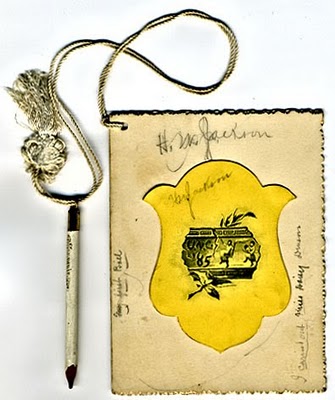
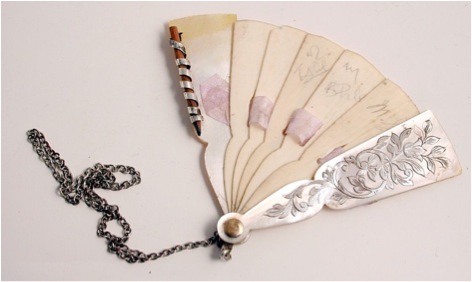
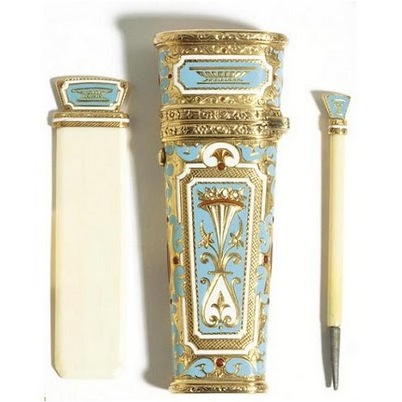
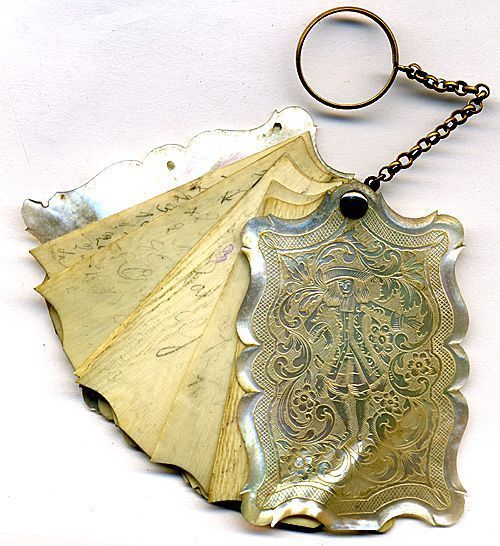
The dance card, programme du bal or Carnet de bal, is a booklet with a decorative cover, listing dance titles, composers, and the person with whom the woman intended to dance. Some were very elaborate, even incorporating precious metals and jewels like silver, ivory or mother of pearl. They had a decorative cord by which it could be attached to a lady's wrist or ball gown, or a ring to slip on a woman's finger as ballgowns didn't have pockets. Often a small pencil was attached by a cord to the card.
They were first used in the 18th Century.
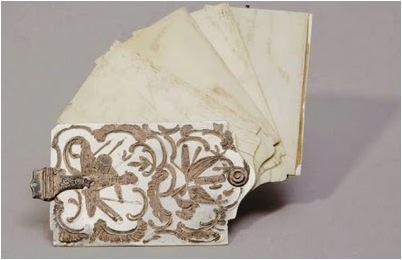 18th Century Dance CardAnd became more widespread in the early19th Century in Vienna and France.
  1800s with pencil at the side
While I can’t find evidence that they were used in England during the Regency era, they were made in Birmingham, England as early as 1803. This one is an ancient leather and silk 'dance card holder' with silver 'guilloché' covers, made in 1835 by Birmingham's silversmith Joseph Wilmore. According to Jackson's he entered his mark in the register between 1803 and 1807. He is an interesting maker as it is believed that he also entered his marks in London. This would allow him to set up a London workshop.
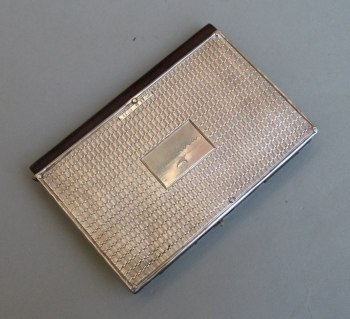 It has a pencil holder on its side and three ivory sheets on the inside. The book was held closed when the pencil was placed through the silk loops. Faint traces of the names written on the ivory still survive. The silver is fully hallmarked with 'anchor' (Birmingham), duty mark (King William IV), date letter (M = 1835) and 'JW' (silversmith Joseph Wilmore).They gained in popularity at balls and assemblies in the early 19thcentury. More formal balls in the previous century had begun with minuets, danced one couple at a time, in a rigidly prescribed order defined by the social rank of the dancers. The first dance would be led off by the highest ranking couple. The man would retire, and the lady would dance with the next highest ranking gentleman. She would retire and he in turn would dance the next minuet with the next appropriate lady, and so on until everyone had their turn. The second half of the evening was given over to more democratic country dances, done in a longways formation. Even so, rank again became important in deciding who lead off the set.
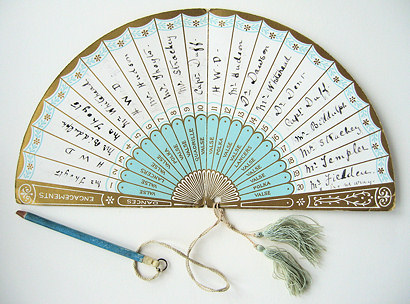 Dance engagements card for 11 January 1887, showing a list of all the dances for the evening - valse, polka, lancers and quadrille; opposite each dance is a space to record the name of the partner for that dance. After the event the card was probably kept as a souvenir of the evening. Here's a variety of Dance Cards and Carnet de Bal:
 Napoleon and Josephine Dance Card
 Victorian Dance Card 1885
 Antique French Palais royal Mop Dance Card Holder
 French 1840 Carnet de Bal
 French porcelain Dance Card from the grand ball of the Philharmonic Society
 Antique French Filigree Aide Memoir
  French Carnet de Bal
 Very rare 1898 Dance Card
 Dance Card or Carnet de Ball Paris 1774-80
Below Louis XV 1774 Dance card holder.
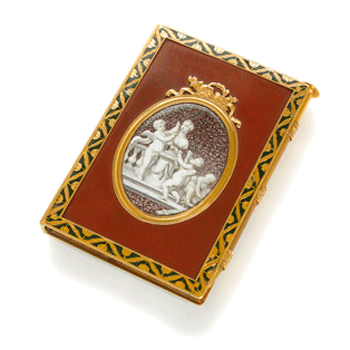
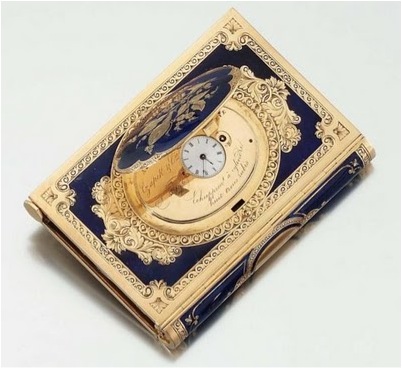 Dance Card 1850
 Dance Card 1894
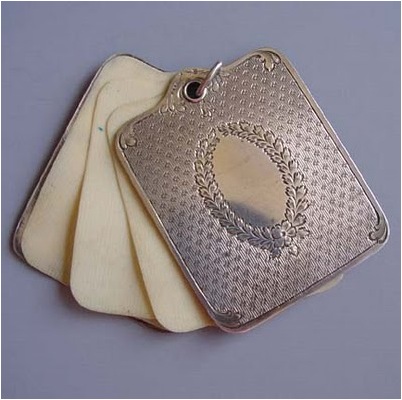 Edwardian Dance Card
The History of Dance Cards
The dance card, programme du bal or Carnet de bal, is a booklet with a decorative cover, listing dance titles, composers, and the person with whom the woman intended to dance. Some were very elaborate, even incorporating precious metals and jewels like silver, ivory or mother of pearl. They had a decorative cord by which it could be attached to a lady's wrist or ball gown. Often a small pencil was attached by a cord to the card.
They were first used in the 18th Century.
18th Century Dance CardAnd became more widespread in the early19th Century in Vienna and France.
1800s with pencil at the sideWhile I can’t find evidence that they were used in England during the Regency era, they were made in Birmingham, England as early as 1803. This one is an ancient leather and silk 'dance card holder' with silver 'guilloché' covers, made in 1835 by Birmingham's silversmith Joseph Wilmore. According to Jackson's he entered his mark in the register between 1803 and 1807. He is an interesting maker as it is believed that he also entered his marks in London. This would allow him to set up a London workshop.
It has a pencil holder on its side and three ivory sheets on the inside. The book was held closed when the pencil was placed through the silk loops. Faint traces of the names written on the ivory still survive. The silver is fully hallmarked with 'anchor' (Birmingham), duty mark (King William IV), date letter (M = 1835) and 'JW' (silversmith Joseph Wilmore).They gained in popularity at balls and assemblies in the early 19thcentury. More formal balls in the previous century had begun with minuets, danced one couple at a time, in a rigidly prescribed order defined by the social rank of the dancers. The first dance would be led off by the highest ranking couple. The man would retire, and the lady would dance with the next highest ranking gentleman. She would retire and he in turn would dance the next minuet with the next appropriate lady, and so on until everyone had their turn. The second half of the evening was given over to more democratic country dances, done in a longways formation. Even so, rank again became important in deciding who lead off the set.
Dance engagements card for 11 January 1887, showing a list of all the dances for the evening - valse, polka, lancers and quadrille; opposite each dance is a space to record the name of the partner for that dance. After the event the card was probably kept as a souvenir of the evening. Here's a variety of Dance Cards and Carnet de Bal:
Napoleon and Josephine Dance Card
Victorian Dance Card 1885
Antique French Palais royal Mop Dance Card Holder
French 1840 Carnet de Bal
French porcelain Dance Card from the grand ball of the Philharmonic Society
Antique French Filigree Aide Memoir Dance Card
French Carnet de Bal
Very rare 1898 Dance Card
Louis De XVI Dance Card or Carnet de Ball Paris 1774-80
Dance Card 1850
Dance Card 1894
Edwardian Dance Card
More on Dance Cards
The dance card, programme du bal or Carnet de bal, is a booklet with a decorative cover, listing dance titles, composers, and the person with whom the woman intended to dance. Some were very elaborate, even incorporating precious metals and jewels like silver, ivory or mother of pearl. They had a decorative cord by which it could be attached to a lady's wrist or ball gown. Often a small pencil was attached by a cord to the card.
They were first used in the 18th Century.
18th Century Dance CardAnd became more widespread in the early19th Century in Vienna and France.
1800s with pencil at the sideWhile I can’t find evidence that they were used in England during the Regency era, they were made in Birmingham, England as early as 1803. This one is an ancient leather and silk 'dance card holder' with silver 'guilloché' covers, made in 1835 by Birmingham's silversmith Joseph Wilmore. According to Jackson's he entered his mark in the register between 1803 and 1807. He is an interesting maker as it is believed that he also entered his marks in London. This would allow him to set up a London workshop.
It has a pencil holder on its side and three ivory sheets on the inside. The book was held closed when the pencil was placed through the silk loops. Faint traces of the names written on the ivory still survive. The silver is fully hallmarked with 'anchor' (Birmingham), duty mark (King William IV), date letter (M = 1835) and 'JW' (silversmith Joseph Wilmore).They gained in popularity at balls and assemblies in the early 19thcentury. More formal balls in the previous century had begun with minuets, danced one couple at a time, in a rigidly prescribed order defined by the social rank of the dancers. The first dance would be led off by the highest ranking couple. The man would retire, and the lady would dance with the next highest ranking gentleman. She would retire and he in turn would dance the next minuet with the next appropriate lady, and so on until everyone had their turn. The second half of the evening was given over to more democratic country dances, done in a longways formation. Even so, rank again became important in deciding who lead off the set.
Dance engagements card for 11 January 1887, showing a list of all the dances for the evening - valse, polka, lancers and quadrille; opposite each dance is a space to record the name of the partner for that dance. After the event the card was probably kept as a souvenir of the evening. Here's a variety of Dance Cards and Carnet de Bal:
Napoleon and Josephine Dance Card
Victorian Dance Card 1885
Antique French Palais royal Mop Dance Card Holder
French 1840 Carnet de Bal
French porcelain Dance Card from the grand ball of the Philharmonic Society
Antique French Filigree Aide Memoir Dance Card
French Carnet de Bal
Very rare 1898 Dance Card
Louis De XVI Dance Card or Carnet de Ball Paris 1774-80
Dance Card 1850
Dance Card 1894
Edwardian Dance Card
April 30, 2012

April 26, 2012
Great 5 star review for The Reluctant Marquess!
 Poor Charity seeks the charity of her godfather when she loses her parents in a carriage accident. Alas for the poor lass, when she arrives she finds that her godfather has too passed away and standing in his place is his good looking nephew - the reluctant marquess (Robert). The reluctant marquess who has to now bear the burdens and take the reins of running his goduncle's numerous estates and to fulfill his goduncle's last riches - which includes marrying Charity! Left with little choice, Charity decides to marry Robert. Would their marriage of convenience evolve into something more? Or is she doomed to be stuck in the country after producing the heir (and maybe a spare)?
Surprisingly engaging as the reader is left to wonder on how the two of them would come together. I read with some initial trepidation as I really dislike reading books with any hint of adultery in them (fortunately, this one doesn't have any, although for plot suspense they have to throw in some distractions). I do like the way that Charity is portrayed - she thankfully doesn't fall into the "annoying troublesome heroine who does stupid things for plot advancement" and she does voice out her unhappiness from robert from time to time (so she also doesn't fall into the "why does she have to suffer in silence and not smack some sense into the hero" category of heroines).
It's a pretty good read and it's nice to read about the romance in the context of a married couple. The author also nicely captures the naunces in a romance between a couple - loved the snippet on if a guy is interested in you, he can't help himself but to take a second look at you. *swoon*
Amazon Kindle

April 22, 2012
Almacks
 London's high society.
 Almack's Assembly Rooms was a social club in London from 1765 to 1871 and one of the first to admit both men and women. It was one of a limited number of upper class mixed-sex public social venues in the British capital in an era when the most important venues for the hectic social season were the grand houses of the aristocracy.
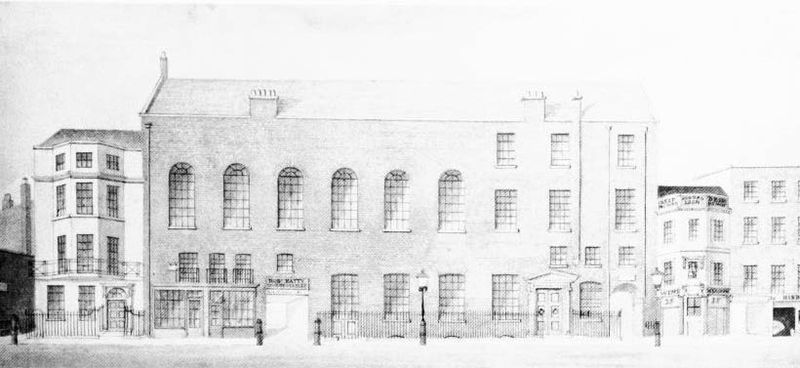
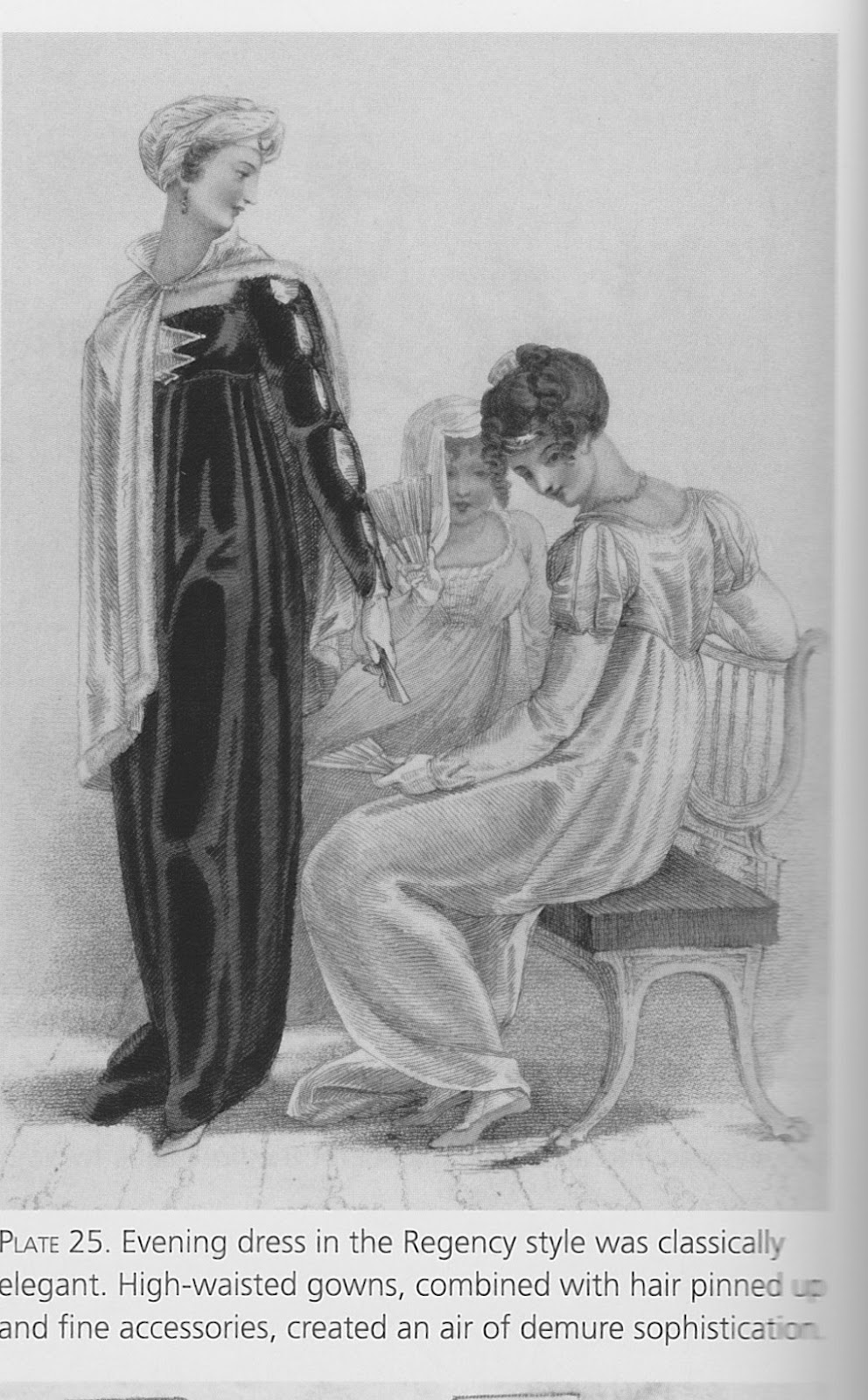 Almacks was situated in King Street. The ballroom was 100 feet by 40 feet wide, with gilt columns and enormous mirrors. During the Regency it was lit by gas in elaborate cut-glass lustres, and considered the most exclusive club in London. Admittance was strictly controlled with a system of vouchers, gifted by seven ladies known as 'patronesses'. Known as ruthless dragons, they reserved the right to blackball anyone they considered would lower the tone of the club, or seen as undesirable. They blackballed Lord March and a Mr Boothby. Even the Duke of Wellington was immune, refused admittance when he arrived wearing black trousers instead of the regulation knee-breeches.
In 1814 the patronesses were: Ladies Castlereagh, Jersey, and Cowper; Mrs Drummond Burrell, and Princess Esterhazy. The membership fee, for the fortunate, was ten guineas.
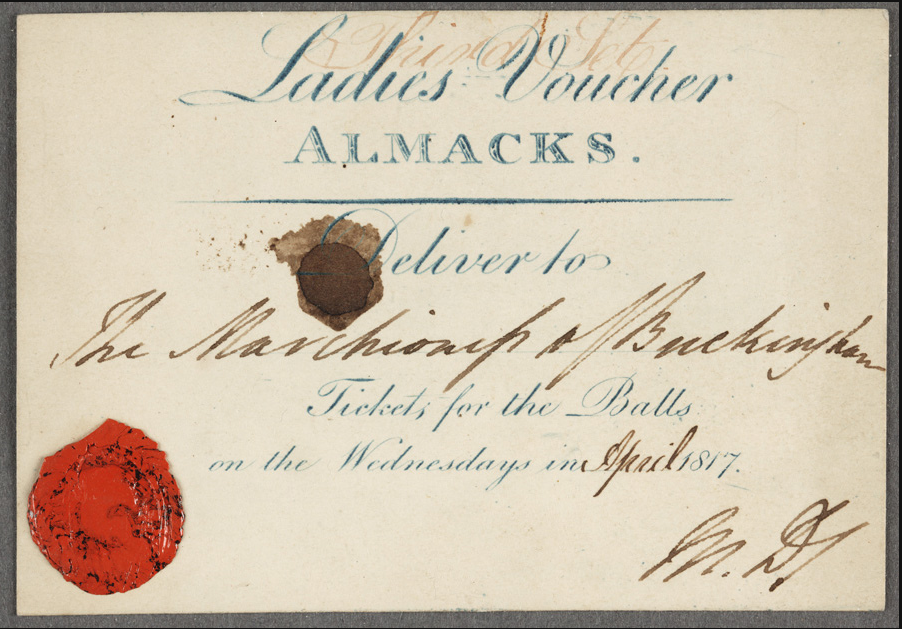 ALMACKS VOUCHER
 AMAZON KINDLE Excerpt from RULES OF CONDUCT:Chapter One
Oxfordshire 1819
The 3rd Duke of Vale, Hugh Beauchamp, propped his polished brown Hessians on the seat opposite, just as the coach hit a deep rut in the road and lurched on its springs. Cursing, he closed his eyes and tilted his hat down over his face. He made a very poor passenger. He much preferred to have his hands on the reins, in control of his destiny.
Hugh was returning to his countryseat in Oxfordshire from a season in London where he’d danced with Felicity twice at Almacks. As one would expect, this caused a flurry of excitement among the dowagers.
Hugh saw no harm in it. It was as inevitable as night follows day that he and Felicity would marry. Already an adept flirt, Felicity’s playful, brown eyes had sparkled up at him from behind her fan. London Society was new to her and seeing how she relished the scene, he suspected she would always prefer town-life to the country. She expressed a desire to have her favorite horses brought to Vale House after they were married.
She planned to ride every day in Regent Park. An agreeable life awaited them both, but somehow this trip left Hugh restless and dissatisfied.
At the urging of concerned friends, Hugh had attempted to smooth
over his disagreement with the Prince of Wales. The meeting was a
dismal failure, as neither he nor the Prince Regent would budge an inch.
Prinny had turned his back on Hugh in the end.
We are a spoiled and arrogant pair, Hugh admitted to himself as he
stormed out of the Prince’s apartments. Leaving St James’ Palace in The Mall, he instructed his coachman to depart London by the Oxford Road.
If the rain held off they would reach home before nightfall.
Now, as he listened to the perfect rhythm of his horses as they raced towards Vale Park, he was determined to put the whole episode with the Prince behind him. Country life seemed far less complicated.
He gave up trying to sleep. Leaning out the window, he filled his
lungs with fresh air. Leafy woods of oak, ash and beech swept by, giving way to fields of russet earth enclosed by thorn hedges, plowed and planted with spring crops. And London, with its depressing smells of decay, coal fires, and the rotten stink rising from the Thames at low tide, slipped from his thoughts.
Resources: An Elegant Madness Venetia Murray
Voices from the World of Jane Austen Malcolm Day
Wikipedia


