Al Tran's Blog, page 9
April 5, 2024
What are The Benefits of a Home Library?
Are you contemplating the idea of having your own home library but feeling unsure about its worth? While having a home library can offer convenience, the question remains: is it truly worth it? Delving into the myriad advantages of cultivating your library reveals an enriching journey, let’s explore these together.
A home library is a sanctuary for knowledge seekers. It offers benefits that go beyond mere book storage. It invites you with its treasure trove of inspiration waiting to be uncovered. Having your own home library can also make it easier to enjoy reading and studying.
1. Mental Stimulation Expansion Your Knowledge from Your own Home Library
The home library is a haven for intellectual growth. With its diverse collection of books, you possess an armory at your fingertips, ready to delve into various subjects from history, science, philosophy, and literature. Each book is a potential catalyst that can expand your understanding of the world. It stimulates not just cognition but broadens horizons too.
Moreover, accessing a diverse range of perspectives in your home library cultivates exposure to various viewpoints and ideas. This immersion not only encourages critical thinking by confronting ingrained notions but also nurtures an extensive comprehension of intricate issues. Whether you plunge into the complexities of quantum physics or probe the subtleties within cultural anthropology, the copious knowledge at hand in your library guarantees an eternal array of discovery and learning.
 Cognitive Benefits
Research demonstrates that regular engagement with books improves cognitive function. Reading not only challenges the brain, but also hones analytical skills, critical thinking abilities, and problem-solving prowess. Furthermore, exploring diverse genres and perspectives cultivates empathy plus emotional intelligence, thereby deepening our comprehension of human nature.
Reading not only enhances cognitive abilities but also boosts memory retention and mental agility. As you immerse yourself in a book, your brain actively processes information. It makes connections, forming new neural pathways. This rigorous mental exercise fortifies cognitive reserves.
Reading even provide defense against the cognitive decline that aging typically accompanies. Navigating complex plotlines or deciphering intricate arguments. Each reading experience offers valuable mental stimulation. This, in turn, enhances overall cognitive well-being.
Stress ReductionA good book’s pages offer a much-needed respite from daily life’s stresses. They create an escape. Immersing yourself in a captivating story or absorbing information on an intriguing topic not only alleviates tension but also promotes relaxation. It cultivates inner peace. Today, amidst our fast-paced world, your home library provides you with more than just books. It serves as a refuge for unwinding and recharging.
Reading functions as a mindfulness practice. It enables complete immersion in the present moment and offers a brief detachment from concerns and anxieties. Immersed within the book’s pages, your focus disengaging from external stressors-, you experience a tranquil effect akin to meditation. This mental escape not only instantly alleviates stress.
Reading also endows you with crucial coping mechanisms applicable to real-life challenges. Cultivating a reading habit and nurturing your home library. These actions are investments in your mental and emotional well-being. You get to enhance it, one page at a time.
2. Personal Enrichment Lifelong Learning
A home library fosters an enduring dedication to knowledge and self-enhancement. It serves as a hub for exploring new hobbies, refining professional skills, and immersing in personal development. Books are indispensable resources for continual growth. They contribute significantly to these pursuits.
Hence, curating a book collection that mirrors your interests and aspirations is paramount. Embarking on this journey of discovery, a journey spanning one’s entire lifetime is both thrilling and enriching.
A home library, indeed, functions as an intellectual sanctuary where curiosity’s pursuit of knowledge knows no boundaries. Accessing a diverse array of subjects and disciplines therein equips one to cultivate expertise in both familiar territories and uncharted domains. Venturing into the intricacies of quantum physics or mastering gourmet cooking art. These are but two examples that demonstrate how exhilarating yet enriching lifelong learning can be.
Inspiration and CreativityBoundless wellsprings of inspiration await within the pages of a book, ready to be tapped. A home library teeming with diverse volumes offers limitless opportunities for creative exploration and artistic expression. Exposure to varying ideas and perspectives, whether you aspire as a writer, artist, or entrepreneur, may stoke your imagination, sparking your creativity.
A home library cultivates an environment of innovation and experimentation, nurturing the growth of creativity in fertile imagination’s soil. As you immerse yourself in works by visionary thinkers, innovators, and artists, you get an insight into their creative process. You can also gain inspiration from both triumphs and tribulations.
Your pursuit to craft a compelling narrative or compose a symphony, even launching groundbreaking startups can all be done at home. All these endeavors can bloom with transformative power when nurtured through your repository for intellectual growth. The seeds for which are sown within your very own home library.
Emotional ResonanceThe power of books lies in their ability to stir a broad spectrum of emotions. They can elicit laughter and joy, provoke introspection, or even incite sorrow.
When you immerse yourself in heartfelt narratives and poignant storytelling, it is then that your emotional intelligence deepens. You cultivate empathy for others. The stories we read possess an extraordinary capacity. They touch our hearts profoundly, leaving us with a lasting impression that enriches life in ways both profound and significant.
A home library indeed operates as a storehouse of collectively experienced humanity. Therein, character narratives transform into mirrors that reflect the vast landscape of our hopes, fears, and dreams. By engaging empathetically with an arrayed variety of voices and perspectives, we not only cultivate profound comprehension of the human condition but also forge connections that transcend temporal boundaries. This is where cultures meet across periods.
The emotional resonance offered by literature, whether it offers solace through triumphant displays or catharsis via confrontations against adversity, is something deeply felt within us all. It shapes our perceptions, illuminating a path toward increased compassion and understanding.
3. Family Bonding Shared Experience
Through shared reading experiences, a home library cultivates meaningful connections among family members. Curling up with bedtime stories engaging in spirited discussions about favorite books, and embarking on literary adventures together, these are ways that reading fortifies familial bonds and engenders enduring memories. This truly is an activity worth investing time and space for within your residence.
Furthermore, sharing stories in the intimate ambiance of a home library not only fortifies familial bonds but also cultivates an inherent feeling of belonging and emotional closeness. The mutual experience, delving into unfamiliar worlds and characters hand-in-hand, forges an exclusive bond that surpasses mere book pages. It nurtures communication skills while enhancing connections among those we hold dear.
Cultivation of ValuesBy surrounding children from a young age with books that foster curiosity, empathy, and compassion. Parents can lay the foundation for a lifetime of learning and personal growth through instilling an early love of reading. This strategy not only imparts valuable lessons but also shapes their character. It molds positive values which subsequently form their worldview.
A home library further allows parents to model positive behaviors and attitudes towards reading. It serves as a reinforcement of the value of lifelong learning and intellectual curiosity.
When parents demonstrate authentic enthusiasm for books, a symbol of knowledge and growth, they inspire their children. This inspiration can ignite a passion in them for reading, viewing it not just as an academic requirement but also as an avenue for pleasure and enrichment. This sets them on track towards both academic success, marked by high achievement levels as well as personal fulfillment. These are two essential elements in shaping one’s life journey comprehensively.
Legacy and TraditionMore than merely a compilation of books, a home library mirrors the history, values, and traditions of its family. The transferal of beloved books from one generation to another weaves continuity and connection. It conserves treasured memories while nurturing an attachment.
With each unfolding chapter, your domestic sanctuary which is your library at home, continues its evolution. It bears witness to literature’s enduring influence and reinforcing the bonds that bind us together.
Moreover, passing down family heirlooms and cherished books practices instills future generations with a sense of pride and identity. This allows them to connect their heritage and cultural roots. Preserving and sharing stories from the past enables families to create a legacy that transcends time, one brimming with knowledge, and wisdom enriching the lives of descendants. It’s an act of strengthening familial bonds for impending eras.
4. Practical Benefits Accessibility and Convenience
A home library offers immediate access, right within the cozy confines of your house, to an abundance of knowledge and entertainment. Trips to the bookstore or library become unnecessary. Your collection in your proximity stands prepared not only to satiate curiosity but also to indulge sudden reading desires.
With the emergence of digital technologies, accessing your home library proves easier than ever before. Digital books and audiobooks facilitate the transportability of your entire collection, whether on a smartphone, tablet, or e-reader. This unmatched convenience guarantees access to quality reading materials at all times, be it during commutes to work or journeys abroad. This ensures an enriched literary experience anywhere life takes you. With a few taps or clicks instantly, you can dive into a literary adventure.
Financial SavingsPursuing a home library often presents itself as an indulgence. However, it proves to be a shrewd venture in the long term. Opting for book purchases over borrowing or renting not only saves you money down the line but also constructs a valuable asset that escalates in both intellective and emotional worth with time.
Moreover, the long-term cost-effectiveness of owning physical book copies often surpasses that of their digital counterparts. Unlike e-books, frequently entailing subscription fees or digital rights management restrictions, physical books offer unlimited enjoyment without supplementary costs. Further reducing expenses is possible by purchasing second-hand books, and capitalizing on book sales and discounts. This enables you to expand your library without straining your financial resources. Essentially, an investment in a home library enriches your mind and soul while concurrently bolstering your financial well-being.
5. Community Engagement Sharing and Collaboration
Your collection, serving as a focal point for community engagement and collaboration in your home library, can host book clubs, and literary events, including author signings. This hub of cultural exchange not only fosters intellectual discourse but also brings people together. It creates an environment that nurtures belongingness.
Moreover, in a home library setting, sharing and collaboration transcend physical meetings. Digital platforms in our interconnected world present possibilities for virtual book clubs; they host online discussions and facilitate social media interactions that revolve around shared reading experiences. By embracing technology, an act that broadens participation and promotes inclusivity, we surpass geographical limits to nurture an international community of literature enthusiasts bound together by their love for books.
Philanthropy and OutreachDonating books from your home library to libraries, schools, or charitable organizations shares wealth that can transform individuals and communities. This act provides not only access to knowledge but also opportunities for personal growth among those with the greatest need. Thus, empowering them to overcome barriers and have a realization of their full potential.
Furthermore, philanthropy and outreach efforts may expand their scope from mere book donations to encompass mentorship programs, literacy initiatives, and educational outreach activities. Investing time and resources in supporting these vital aspects of learning not only enables you to effect a substantial change in the lives of individuals and communities but also nurtures a culture where lifelong education empowers generations.
Advocacy and ActivismThe power of books lies in their ability to educate, enlighten, and inspire change. Your home library can serve as a platform for advocacy and activism. It enables you to engage with diverse perspectives and confront social issues directly, ultimately working towards positive social change. By harnessing the resources that your collection offers, you become not only a catalyst for progress but also an influential force spurring good within your community, even extending this impact beyond its borders.
Advocacy and activism within the context of a home library, extend beyond personal enlightenment to collective action, organizing book drives, fundraising events, and awareness campaigns around pressing social issues. This mobilization allows individuals not only to address systemic inequalities but also to promote social justice, advocating for positive change on local, national, and global scales.
ConclusionConcluding, manifold benefits of possessing a home library include intellectual stimulation, personal enrichment, family bonding opportunities, and practical advantages that foster community engagement. No matter if you are an avid book lover or just starting to appreciate literature’s charm, investing in your unique collection proves worthwhile by yielding dividends in knowledge, inspiration, and fulfillment.
Therefore, there is no need for hesitation. Start now! Begin establishing your home library. You will embark upon a journey characterized by discovery. This pursuit will not only enrich your life but also amplify enrichment in the lives of those within proximity to you.
The post What are The Benefits of a Home Library? appeared first on DS Inspire.


April 4, 2024
Why are Multicultural Books Important for Children?
If you’re unsure whether your child should read multicultural books and think it might be a waste of time, it’s time to reconsider. Multicultural books hold significant importance, keep reading to understand why.
Multicultural books play a pivotal role in shaping children’s perspectives and understanding of the world around them. These books offer invaluable insights into diverse cultures, traditions, and experiences. This creates empathy from an early age. It also nurtures tolerance and acceptance.
1. Understanding Diversity Through Literature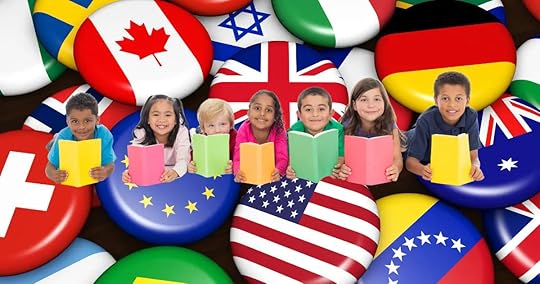 Broadening Horizons From Multicultural Books
Multicultural books, as windows into the world, provide children with glimpses of people from diverse backgrounds. When they immerse themselves in stories that unfold in distant lands or illustrate unfamiliar traditions. These experiences launch them on a discovery journey. Along this path, they engage in new languages, savor exotic foods, and observe unique celebrations tied to various cultures.
Multicultural books create immersive experiences that transcend mere entertainment. They extend children’s horizons. These encounters not only broaden their perspectives but also nurture a profound curiosity about the world around them. As for multicultural literature, it serves as a gateway through which children can cultivate an appreciation for the rich tapestry of human experiences. It enlightens them that while customs may differ, universal emotions such as love, joy, and fear persist across all cultures.
Moreover, when children are exposed to diverse cultures, they often question their assumptions and biased thinking. These young minds meet characters who wrestle with challenges that are different from theirs, and an empathy for struggles and triumphs that surpass cultural boundaries develops within them.
This understanding, rooted in empathy, not only fosters compassion but also paves the way for significant connections with individuals of various backgrounds. Stepping into the shoes of characters who navigate unfamiliar terrain, children cultivate a profound comprehension of human existence’s intricacies; this process fosters interconnectedness and empathy.
 Promoting Empathy
 The vibrant tapestry of multicultural literature exposes children to a kaleidoscope of voices. Each voice provides an exceptional perspective on the human experience. These narratives, serving as pathways for connection, allow them to relate with characters and lives that may starkly contrast their own.
Reading multicultural stories can help children embarking alongside protagonists who grapple with adversity, discrimination or cultural identity instills in children a deep-rooted empathy. It is through this journey that they develop and cultivate such understanding, a testament not only to literature’s power but also its essential role in fostering emotional intelligence. By gaining insight into the joys, sorrows, and aspirations that shape individuals’ lives, they learn to perceive the world through others’ eyes.
Multicultural literature, moreover, dares children to face their own biases and assumptions. It encourages them, through diverse narratives featuring a range of protagonists, questioning stereotypes and misconceptions. In immersing themselves in these stories, kids encounter the boundaries of their perspectives head-on. They understand that the world is indeed more intricate and nuanced than they might have previously thought.
Stories with diversity create critical engagement with diversity-driven narratives that foster an attitude of openness and tolerance. It also importantly equips children with indispensable skills for navigating our contemporary landscape. This is progressively more diverse yet interconnected at every turn. With empathy, children forge deeper connections with characters on the page and develop a meaningful capacity to engage with the diverse individuals they encounter in their daily lives.
 Challenging Stereotypes
A powerful antidote to the pervasive stereotypes and misconceptions shaping children’s perceptions of the world, multicultural literature presents authentic portrayals of diverse characters. These books not only challenge entrenched biases but also offer counter-narratives that celebrate the human experience’s richness and diversity. Stories defying stereotypes while showcasing marginalized communities’ complexity teach children how to question assumptions. Furthermore, they foster recognition of all people’s inherent dignity and humanity.
Exposure to diverse narratives, furthermore, fosters a critical mindset. It incites children to question the media, literature, and popular culture they ingest. When encountering multi-dimensional characters, and identities that go beyond simplistic categorizations, children begin recognizing the peril of pigeonholing individuals into narrow stereotypes. This awareness is crucial.
The critical consciousness from diverse narratives not only equips children with an ability but empowers them to contest damaging portrayals and champion more genuine inclusion both within our mediated environment as well as outside its bounds. Embracing the multiplicity of human experiences, children enrich not only their understanding of the world but also contribute to crafting a society characterized by justice, equity, and compassion.
2. Enhancing Cultural Awareness Representation Matters
Mirrors and multicultural books reflect the experiences and identities of children from minority backgrounds. When characters who resemble them in appearance, as well as share parallel life paths, populate these literary works. Their sense of identity and belonging receives validation.
This holds particular importance for those children who might otherwise perceive themselves to be marginalized or underrepresented within mainstream literature. For instance, a young girl hailing from an immigrant family might derive solace. She could find it in reading about characters who, despite the difficulties they encounter while balancing numerous cultures, manage to assert their identity and preserve their self-esteem.
In literature, representation indeed extends beyond mere visibility. It authentically encompasses the portrayal of diverse experiences. Multicultural books, champions of this concept, offer nuanced depictions. They present characters from various backgrounds in a way that avoids stereotypes and clichés. This authenticity, recognizing the complexity of their identities, allows children to perceive themselves portrayed multifariously.
Consider a narrative that follows the journey of an intrepid young boy, afflicted with disability yet undeterred by its challenges, navigating routine obstacles. This tale not only highlights his resilience and inherent strengths but also confronts societal perceptions. Moreover, it cultivates empathy among readers.
 Celebrating Diversity
Beyond a simple acknowledgment, literature celebrates cultural diversity. It involves an embrace and homage to each culture’s unique contributions. Children set forth on journeys of discovery through stories that feature diverse protagonists. They explore the richness and beauty of various traditions, languages, and customs.
For example, consider a book set in Japan, the reader is immersed in the vibrant cherry blossom festival. It’s an annual event that underscores cultural significance with its exuberant festivities.
Moreover, as we celebrate diversity in literature, a sense of unity and inclusivity among readers blossoms. The appreciation for each culture’s unique similarities and differences instills within children promoting not just global citizenship but also an awareness of interconnectedness.
For instance, when characters from different cultural backgrounds unite to resolve a shared issue. This illustrates vividly the potent forces at work behind collaboration and mutual respect. As children celebrate diversity in literature, they cultivate a profound appreciation for the intricate tapestry of human experiences. It’s an endeavor that significantly enhances their comprehension of the global landscape.
Building Cultural CompetenceMulticultural literature exposure is a potent tool for fostering cultural competence in children. This concept of cultural competence goes beyond basic awareness of diverse cultures. It encapsulates the capacity to traverse and engage effectively with individuals from varying backgrounds.
Diverse story exploration provides children with valuable insights into customs, values, and traditions from myriad cultures. This process consequently bolsters their cross-cultural communication skills. Through exposure to multicultural literature, children build their cultural competence. It’s an ability that transcends simple awareness of different cultures. It equips them with the aptitude to navigate and interact effectively within a diverse society, not only understanding but also appreciating people’s customs, values, and traditions from various backgrounds.
The reading experience of diverse stories offers unique insights into other culture’s customs or practices. This enhances cross-cultural communication skills among these young minds significantly, thus promoting greater intercultural understanding at early stages in life.
Multicultural literature, through its authentic portrayals of diverse characters, actively debunks common myths and fosters a nuanced understanding of cultural diversity in children. This active engagement encourages the young ones to challenge prevailing stereotypes about various cultural groups, enhancing their perception of different cultures. Consider this example: a story that showcases an Indigenous protagonist can not only dispel misconceptions surrounding their lifestyle but also underscore the inherent resilience and wisdom ingrained within their culture.
Exposing oneself to multicultural literature indeed fosters empathy and cultivates respect for cultural differences. It equips individuals, particularly children, with the ability to approach unfamiliar cultures open-mindedly. They start recognizing the richness and complexity inherent in human experiences. This capacity for diversity appreciation lays a foundation that promotes inclusive attitudes and behaviors, thus paving the way toward an equitable society marked by harmony. Building cultural competence equips children to traverse an ever more interconnected world with empathy, respect, and understanding.
3. Fostering Critical Thinking and Global Citizenship Encouraging Critical Analysis
Powerful tools for encouraging critical analysis among children, multicultural books present thought-provoking narratives. They prompt engagement with complex social issues such as discrimination, prejudice, and injustice through their diverse characters and situations. This presentation of diversity stimulates a questioning of societal norms in children while also fostering reflection on personal beliefs and values.
Take, for example, a narrative where the protagonist confronts racial discrimination. This story might prompt children to ponder how prejudice affects individuals and communities. By engaging with these themes, not only do they cultivate their capacity for multi-perspective analysis but also shape their informed viewpoints.
Multicultural literature not only stimulates children’s exploration of social issues’ inherent causes and consequences but also discards simplistic depictions of right versus wrong. Instead, it presents nuanced investigations into complex subjects such as a book examining gender inequality that might underscore identity intersectionality alongside intersections between privilege and power.
These narratives enable children to discern the systemic nature of social issues and grasp the significance of tackling root causes, not just alleviating symptoms. As they actively involve themselves in these stories, children hone their critical thinking abilities. They also enhance their proficiency in navigating through world complexities.
Empowering VoicesMulticultural literature not only encourages critical analysis but also amplifies the voices and experiences of marginalized communities which is a vital role in empowerment. These books provide an important platform for underrepresented narratives to be heard. They validate these often-unheard stories, enabling children from diverse backgrounds to find reflections of themselves within literature. When children encounter characters that reflect their identities and experiences, this provides them with a crucial sense of affirmation, an experience that bolsters both self-esteem and belonging feelings.
Multicultural literature, in portraying narratives of resilience, resistance, and empowerment, not only inspires children but also equips them to be advocates for social change and equity. These stories illuminate the power inherent in collective action. They underscore its critical necessity, simultaneously emphasizing the importance of standing against injustice.
Consider a book that portrays a grassroots movement for environmental justice. Such literature might incite children to act within their communities toward addressing prevalent environmental issues. Children, witnessing their representation as change agents, experience a surge of empowerment. They realize the power of using their voices and leveraging privilege to advocate for societal justice and equity. As such, multicultural literature fosters not only individual empowerment but also instills an awareness for the creation of an inclusive world that is more equitable.
 Cultivating Global Citizenship
Cultivating a global citizenship sense among children hinges critically on the role multicultural books play. They foster an appreciation for cultural diversity and interconnectedness.
Stories from around the world expose these young minds, providing insight into the lives, customs, and traditions of people with diverse cultures and backgrounds. Their worldview expands through such narratives. This encourages them not only to embrace cultural differences but also to deny fear or rejection thereof.
Multicultural literature further instigates in children the recognition of their interconnectedness with people globally, emphasizing our shared humanity. These narratives underscore universal themes like love, friendship, and resilience. Thus, stressing common bonds that outstrip cultural limits.
A book narrating the journey of a refugee family escaping conflict potentially incites empathy within children for such trials while fostering reflection on compassion and solidarity’s significance. These narratives cultivate in children an empathy and responsibility towards others, transcending nationality or background.
ConclusionTo conclude, children’s education and development demand indispensable resources in the form of multicultural books. These literature pieces cultivate empathy, cultural awareness, and critical thinking skills by offering a diverse range of perspectives, cultures, and experiences. A commitment to nurturing compassionate individuals who embrace the richness of our global community is what investing in this type of reading material represents. It goes beyond mere representation, requiring an active involvement in shaping informed socially responsible citizens.
The post Why are Multicultural Books Important for Children? appeared first on DS Inspire.
March 30, 2024
Why You Should Hang Out More at the Local Public Library?
Have you ever had the urge to go to the library because you feel like it might be helpful for your research or studying but think it might end up being a waste of time? You might feel like you can do all your studying and research at home which is true but you might be missing out on a lot of benefits by not visiting your local library.
Spending more time at your local public library can be transformative, offering benefits that extend far beyond merely accessing books. The library is a dynamic community space, a sanctuary of knowledge, and a hub for personal growth. Whether you’re seeking solace, information, or inspiration, the local library holds treasures waiting to be discovered. In this comprehensive guide, we’ll take you through a range of reasons why frequenting your neighborhood library can enrich your life in unexpected ways.
Before we move forward, it’s important to note that the benefits of libraries are also backed by research. According to the American Library Association (ALA), public libraries play a crucial role in promoting literacy, lifelong learning, and community engagement.
1. The Library – A Gateway to Knowledge Access to Diverse Resources
Offering an extensive array of books, magazines, newspapers, and digital resources, public libraries serve as treasure troves of knowledge. They cater to a wide range, from classic literature to contemporary bestsellers, from academic journals even audiobooks. Their offerings are diverse. Armed with your library card, you gain access to this wealth of information and learning opportunities.
Libraries, in their embrace of the digital age, offer more than just traditional print materials. They provide access to e-books, online databases, and multimedia resources. The versatile options available suit every reading preference. Whether you prefer turning pages on a paperback or downloading the latest bestseller onto your e-reader.
Moreover, many libraries form partnerships with digital platforms allowing them to extend services like streaming content and hosting virtual events along with providing online courses, all done purposefully to ensure patrons have unrestricted access whenever it’s convenient for them. It’s a true embodiment of convenience at any time or place!
 Stimulating Environment
The library, unlike the solitude of home or the distractions of a café, offers an environment that is conducive to focused learning and exploration. Its serene ambiance is punctuated by soft page rustles and occasional whispers. This fosters concentration while promoting intellectual engagement. As you surround yourself with centuries of collective wisdom, your curiosity for subjects intensifies, propelling you to delve deeper into them.
Libraries, in their curation of spaces, aim to cater to a diversity of learning styles and preferences. The versatile environments offered by the library allow for various activities. You may prefer cozying up with a book in an isolated corner. Someone else might choose to collaborate with peers within designated study rooms. Yet others could opt for attending lectures held within community spaces.
Through the library is a provision, specifically allocating zones for quiet reading or collaborative work as well as fostering interactive learning opportunities. The library actively adapts its services toward accommodating patrons’ needs and desires. This ensures not only fulfillment but also enrichment across all experiences.
Lifelong Learning OpportunitiesNot merely book repositories, libraries serve as vibrant centers for lifelong learning. They offer an extensive array of educational programs, workshops, seminars, author talks, and book clubs. These are all tailored to cater to diverse age groups and interests. Whether one is honing professional skills, exploring new hobbies, or simply broadening horizons, the library stands out as a hub of intellectual stimulation and personal growth.
Moreover, libraries actively innovate by harnessing technology to bolster learning encounters. They provide patrons with crucial aptitudes for triumph in the digital era, ranging from digital literacy courses to coding workshops.
Further still, libraries forge partnerships with indigenous entities and educational establishments. Together, this alliance tailors specialized programs on a spectrum of subjects including financial literacy and environmental sustainability. Libraries, by fostering a culture of lifelong learning, empower individuals to not only adapt but also grow and thrive in an ever-changing world.
2. Community Connection – Building Social Capital Fostering Community Engagement
In our ever-digitizing world, the library still holds its significance as a physical realm for profound human interactions. It unifies individuals of diverse backgrounds, nurturing not only a feeling of inclusion but also enhancing community unity. The library acts as an amalgamation point where people convene to exchange ideas, share experiences and foster comradeship during activities such as attending local history lectures or participating in children’s storytelling sessions.
Libraries, moreover, frequently function as community event venues where a range of gatherings take place, from author readings to cultural performances. Such events provide more than just entertainment. They cultivate deeper relationships among members of the local area. A book club meeting or poetry slam for instance are shared experiences that not only entertain but also form bonds that surpass societal limitations and enhance the very texture of our communal life.
Promoting Inclusivity and DiversityEmbracing diversity and inclusivity, public libraries cater to the needs of a multicultural society; they offer multilingual collections designed specifically for individuals with disabilities. Their aim is clear, to foster an inclusive environment where every person feels not only welcome but also valued. It’s a testament to their commitment.
Libraries play a important role in championing diverse voices and perspectives, actively promoting cultural understanding and social equity. They incorporate these essential elements into the fabric of community enrichment, serving as integral threads that connect people.
Libraries, in their active engagement with marginalized communities, deploy targeted outreach programs and form partnerships with local organizations. They offer literacy classes for immigrants and furnish resources for disadvantage youth. Thus, ensuring that all individuals have access to the necessary tools for thriving. By championing inclusivity and diversity, a hallmark of library ethos, they cultivate an environment where every community member feels a sense of empowerment as well as belonging.
Empowering Empathy and CompassionThe library, in a polarized and divisive era, stands as an emblem of empathy and compassion. Readers cultivate profound insight into different cultures, beliefs, and perspectives by exploring the human experience over time and across space via literary works. Libraries vitalize dialogue by nurturing empathy. They actively contribute to bridging divides, ultimately cultivating society’s compassion.
Moreover, libraries frequently launch programs and initiatives. These endeavors, ranging from community service projects to dialogues on social justice issues, profoundly incite action. They inspire individuals not only to react but also to instigate a positive change in the world. Libraries, by fostering empathy and compassion, equip individuals as agents of transformation. Together with their proactive engagement, they forge an inclusive society that stands on equitable foundations.
3. Personal Development – Nurturing Mind, Body, and Soul Cultivating Curiosity and Creativity
The flame of curiosity and creativity is ignited by libraries, which in turn inspire individuals to explore new ideas and pursue their passions. Whether delving into a historical biography, experimenting with recipes from cookbooks, or immersing oneself in the world of digital art. These are all experiences that underline an important truth that libraries offer boundless opportunities for self-expression and discovery. Nurturing both curiosity and creativity empowers people to live fulfilling lives richly enriched with knowledge. This is what makes libraries truly indispensable institutions.
Libraries not only offer a diverse range of materials, but they also provide creative spaces and resources that ignite your imagination. Makerspaces equipped with 3D printers and crafting supplies, along with art galleries displaying local talent. These are just some examples of where libraries cultivate limitless creativity. Whether attending a poetry reading or engaging in a writing workshop. It is at the library where you’re encouraged to free your inner artist and express yourself openly.
Supporting Mental Health and WellbeingThe library, in today’s fast-paced world, provides a refuge from the relentless stresses of daily life; it actively promotes mental health and well-being. Whether one seeks solace within its quiet corners, specifically those found within the reading room, or engages with mindfulness meditation workshops. There is always a sanctuary offered for relaxation and rejuvenation at our libraries. Through their provision of resources dedicated to mental health awareness along with coping strategies. They empower individuals not only towards self-care but also emotional resilience, thus underlining that taking care of oneself should be prioritized above all else.
Libraries, in collaboration with local mental health organizations, offer specialized programs and support services that cater to the needs of the community. They provide a safe environment where individuals can seek guidance and solace through activities ranging from therapy dog sessions to group therapy discussions. The vital role libraries play in promoting mental wellness and resilience within communities is evident as they foster a culture of compassion and understanding.
 Inspiring Lifelong Habits
Regularly visiting the library instills habits with the potential to last a lifetime. It cultivates an enduring love for reading in young children, fuels a lifelong thirst for learning among adults, and plays pivotal roles in shaping individual behaviors and attitudes. Accessing free educational resources and programming empowers individuals at libraries. They seize control over their personal and professional development, laying foundations not just for success but also for fulfillment that spans life’s entirety.
Libraries are the catalysts for community engagement and social interaction, actively fostering a sense of belonging as well as accountability. Whether one attends a book club meeting or volunteers at a literacy program, it is through these activities that libraries encourage active participation in and contribution to deep involvement with the local community. Cultivating a culture of lifelong learning and civic responsibility empowers individuals. This is precisely what libraries do, and they enable people to lead purposeful lives. Furthermore, they ensure that each person can make meaningful contributions to society.
4. Technology Access and Digital Literacy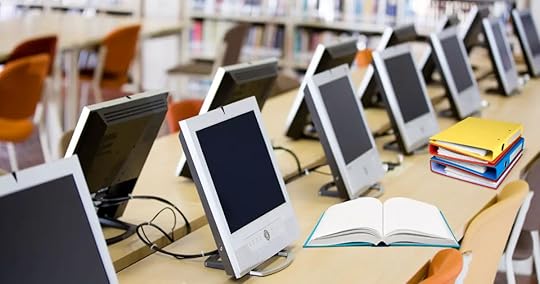 Bridging the Digital Divide
Access to technology and proficiency in digital literacy are imperative for full societal participation in our progressively digitized world. As pivotal hubs, public libraries play a crucial role in bridging the digital divide. They offer free access not only to computers but also internet connectivity, along with technology training programs.
The library provides indispensable support, whether you seek employment opportunities. Aim to master basic computer skills or navigate online resources for flourishing during this era of digitization.
Not only do public libraries provide technology access, but they also tailor their assistance to bridge the gap for people with different levels of digital proficiency. Equipped with expertise in navigating the complexities of the digital landscape, librarians offer personalized support and training to amplify patrons’ skills. The library serves as a welcoming environment where individuals, whether tech novices or those seeking refinement in their digital abilities, can learn at their own pace and surmount barriers to inclusion.
Promoting Digital InclusionOnline job applications, e-government services, and other essential tasks necessitate digital proficiency. Yet not all possess the requisite resources or knowledge for effective navigation of this landscape. Promoting digital inclusion, an imperative role, falls squarely on public libraries.
Public Libraries offer technology workshops, one-on-one assistance included, and provide access to invaluable digital resources. Libraries, in their efforts to empower communities for full participation in the digital economy and society, equip individuals with not only technology skills but also the confidence needed to harness their power.
Public libraries, furthermore, actively collaborate with local community organizations and government agencies. They aim to broaden the scope of digital inclusion initiatives. Through partnerships forged across sectors, libraries address diverse populations’ unique needs ensuring no one gets left behind in this digital era.
By employing targeted outreach efforts and culturally responsive programming, a reflection of their commitment to equity, libraries aim at create an all-inclusive, equitable digital environment where everyone not only participates but also thrives.
Empowering Economic EmpowermentPublic libraries, functioning as catalysts for economic development, equip individuals with the necessary digital skills to thrive in the modern workforce. This underscores that access to technology and digital literacy are not merely conveniences. They also enable economic empowerment.
The library offers a plethora of resources and support services. From resume creation tutorials to online job training programs, all aimed at facilitating your success whether you’re exploring career opportunities or embarking on entrepreneurial ventures. Libraries, through bridging the digital divide and promoting digital literacy, unlock new opportunities. They pave pathways toward financial independence.
Libraries additionally provide tailor-made resources and programming to bolster entrepreneurship within the community, thus catalyzing economic growth. Business planning workshops, along with access to market research databases. These are the tools that libraries equip aspiring entrepreneurs with crucial knowledge for launching and sustaining successful ventures.
Libraries foster a culture of innovation. They instill an entrepreneurial spirit in individuals, empowering them not only to recognize their economic capacity but also to contribute significantly towards their community’s prosperity.
ConclusionIn conclusion, spending more time at the local public library offers a multitude of benefits, from expanding your knowledge and building social connections to nurturing personal growth and well-being. Whether you’re a student seeking academic resources, a professional looking to upgrade your skills, or simply an avid reader in search of literary adventures, the library welcomes you with open arms. Don’t forget if you’re feeling down and don’t feel like heading to the library, you can always enjoy their online service as many libraries have websites for you to rent and read digital books, and maybe other services that can be offered exclusively online.
By embracing the power of the public library, you embark on a journey of self-discovery, enlightenment, and community enrichment. So, why wait? Dive into the world of possibilities that awaits you at your neighborhood library today.
The post Why You Should Hang Out More at the Local Public Library? appeared first on DS Inspire.
March 27, 2024
Can a Good Reading Habit Help Your Career?
Are you worry about your career and wonder if it will get any where? Maybe you are looking for a way to boost your career with a daily habits than let’s dive into the profound impact of a good reading habit on career development.
A cultivated habit of reading not only enriches your knowledge but also enhances various skills essential for career growth. It can also open many new doors for you if you eventually want to switch careers as knowledge is power and will create many opportunities.
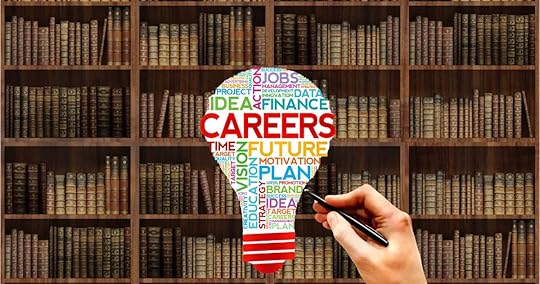 The Power of Reading in Your Career Advancement
In today’s fast-paced moving world, where they’re fierce competition and industries are rapidly evolving, individuals are constantly seeking ways to stay ahead in the game and have every advantage edge they can get. While acquiring technical skills and networking are important, one often overlooked yet potent tool for career enhancement is the simple act of reading books. In this comprehensive guide, we’ll explore how fostering a good reading habit can profoundly benefit your career trajectory.
Understanding the Dynamics of Reading and Career Growth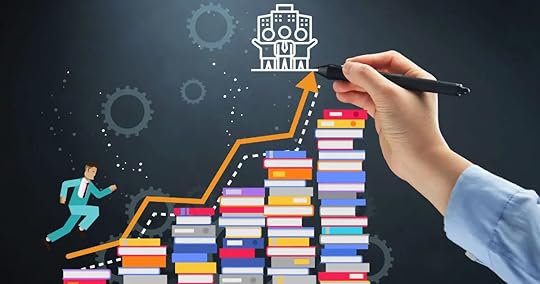 The Link Between Reading and Professional Development
Regularly reading diverse forms of literature serves as a cornerstone for professional development. It broadens perspectives, sharpens critical thinking abilities, and unlocks valuable insights into many fields.
The habit of reading, whether you use it to stay updated on industry trends, explore new methodologies, or gain inspiration from successful leaders, creates continuous learning. Reading is an indispensable tool in fostering growth.
Expanding this connection requires acknowledging that reading equips individuals not only with knowledge but also cultivates empathy and emotional intelligence. When readers engage in the experiences, and perspectives of characters from diverse backgrounds, when they immerse themselves across cultures, a heightened sensitivity emerges towards human behavior nuances as well as societal dynamics. This empathetic understanding enhances team collaboration and sharpens conflict-resolution skills. Importantly though, this approach fosters a more inclusive and culturally competent lens for leadership decisions.
Cultivating Analytical Skills Through ReadingRegular reading habit significantly improves analytical skills and is one of its most pivotal benefits. Immersing oneself in complex texts compels interpretation, evaluation, and synthesis of information is a cognitive process that mirrors the demands inherent in numerous professional roles. From dissecting case studies to deciphering market reports. Through such analytical exercises honed via reading, individuals can navigate even the most intricate business landscapes with unparalleled acumen.
Beyond traditional analytical thinking’s realm, reading actively cultivates lateral thought development, an important element in innovation and problem-solving. Encountering unexpected plot twists, ambiguous narratives, and allegorical messages challenges readers to transcend conventional boundaries. They explore alternative viewpoints in a capacity for divergent thinking. This not only powers creative problem-solving but also nurtures resilience and adaptability in the unpredictable terrain of today’s rapidly evolving business landscape.
Expanding Vocabulary and Communication ProficiencyAt the core of professional success lies effective communication. Communication is an important weapon comprising robust vocabulary. This not only fortifies confidence but also streamlines the conveyance of ideas and concepts. It acts as an intellectual lubricant, facilitating nuanced dialogue with profound impact.
Exposure to diverse literary works propels individuals beyond mere lexical expansion. Rather, it refines their language proficiency, equipping them to communicate persuasively and eloquently. It’s an attribute highly coveted in myriad career domains.
Moreover, individuals gain more than just a vocabulary through reading. They encounter an array of diverse writing styles, rhetorical devices, and narrative techniques. This rich tapestry enhances their effectiveness in communication by providing them with various linguistic tools.
When you study the craftsmanship of master storytellers, it is not merely an academic pursuit. Insights into persuasion’s artifice emerge narrative structure becomes clear, and engagement with audiences becomes essential for crafting compelling presentations or persuasive arguments. These are all vital components for impactful professional communications.
Fostering Creativity and Innovation for Career AdvancementEnvironments that nurture creativity often breed thriving innovation. Reading, possessing the power to ignite imagination and incite reflection, holds a crucial position in cultivating creative thinking. Absorbing narratives, exploring groundbreaking ideas, or encountering diverse perspectives, all these avenues become more accessible for individuals who cultivate a reading habit. This equips them with increased ingenuity and innovation when approaching challenges, an asset amidst today’s dynamic workplace landscape.
Moreover, reading inspires creativity and acts as a repository of timeless wisdom and lessons garnered from past experiences. Immersion in the works of visionaries, innovators, and thought leaders across diverse disciplines, provides individuals with insights into progress’s iterative nature. It underscores experimentation’s value and resilience necessary to surmount adversity. This historical vantage not only ignites innovation but also imparts purposeful perspective, and a compass that steers individuals through the perpetual flux of their professional lives.
Strategies for Adding Reading into Your Career Development Setting Realistic Reading Goals
Begin your journey towards personal and professional growth by establishing clear, attainable goals. Articulate specific reading targets that align with the aspirations of your career. Commit to monthly book quotas. Delve into niche publications within your industry or allocate time for self-directed learning. The key to maximizing the benefits of reading lies in establishing a structured routine.
Embracing Diverse LiteratureThe spice of life is variety, and reading like everything else is no different. Embrace diversity in your reading repertoire. You should explore a wide array of genres. Delve into industry-specific publications, thought-provoking non-fiction, and classic literature. Consider even fiction works that offer allegorical insights into human behavior and societal dynamics. Your cognitive landscape will benefit from the eclectic nature of your reading diet, fostering holistic development.
Harnessing the Power of Audiobooks and Podcasts for GrowthIn our digitally-driven world, convenience is supreme. Therefore, let us harness the accessibility of audiobooks and podcasts for career growth. Seamlessly integrating reading into your daily routine becomes effortless with audio during long commutes, workouts, or household chores–leveraging audio-based content provides an adaptable way to consume knowledge while staying abreast of industry trends. Immerse yourself in audiobooks and podcasts relevant to your professional interests can reduce your downtime.
Joining Reading Communities and Discussion GroupsThe journey of reading is often more enriching when shared with other like-minded individuals. Engage with reading communities, book clubs, masterminds, and online forums to exchange ideas, share recommendations, and gain fresh perspectives on literary works.
Participating in thoughtful discussions not only deepens your understanding of the material but also cultivates a sense of camaraderie. This intellectual stimulation is an important source of motivation on your career development journey.
Impact of Reading on Decision-Making and Problem-Solving Enhancing Decision-Making Skills with Reading
Effective decision-making is a cornerstone of successful leadership and career progression. Reading exposes individuals to different scenarios, complex dilemmas, and nuanced perspectives, fostering the development of critical decision-making skills.
By immersing in narratives that explore ethical quandaries, strategic challenges, and managerial dilemmas, you gain important insights into the decision-making processes of characters, authors, and real-world leaders alike. Drawing parallels between fictional narratives and professional scenarios, you hone the ability to analyze situations, weigh alternative situations, and make informed decisions. This is a competency that holds profound implications for future career success.
Beyond the realm of rational analysis, reading cultivates cognitive flexibility, an essential component of effective decision-making. Engaging with narratives that traverse diverse genres, styles, and thematic complexities challenges individuals to adopt multiple perspectives, entertain contradictory viewpoints, and navigate ambiguity. It’s a cognitive exercise that mirrors the complexities of real-world decision-making.
As readers are confronted with moral dilemmas, ethical conundrums, and psychological conflicts within literary narratives, they develop a heightened capacity to adapt their decision-making strategies to evolving contexts, uncertainties, and competing priorities, an invaluable asset in today’s volatile and unpredictable career landscape.
Decision-making skills are extremely important especially if you want to prove to your boss that you have what it takes to be promoted into management roles which require this skill often. If you are unable to make a decision you might have to settle for taking orders from someone better at it.
Stimulating Problem-Solving Abilities Through Literary ExplorationIn the dynamic landscape of today’s workplaces, adept problem-solving skills are unreplaceable. Reading cultivates a mindset conducive to creative problem-solving by exposing individuals to diverse problem-solving methodologies, inventive solutions, and strategic approaches. Whether unraveling the intricacies of a detective novel, deciphering the allegorical messages of classic literature, or dissecting the strategic maneuvers of historical figures, readers engage in mind exercises that stimulate lateral thinking, pattern recognition, and innovative problem-solving, a skill set prized across industries and organizational hierarchies.
Reading often employs symbolism and metaphor to convey complex ideas and universal truths, a narrative strategy that inspires innovative problem-solving. By deciphering symbolic representations within literary texts, readers exercise their capacity to extract deeper meanings, discern underlying patterns, and generate novel insights applicable to real-world problems.
The process of decoding allegorical narratives fosters creative thinking, lateral problem-solving, and the ability to envision unconventional solutions. It’s an invaluable proficiency that distinguishes agile and adaptable professionals in today’s competitive workplace.
Utilizing Reading as a Tool for Personal Branding Crafting Your Personal Brand Through Reading
In an increasingly competitive job market, cultivating a distinct personal brand is essential for career advancement. Reading plays a pivotal role in shaping your professional identity by influencing your knowledge base, communication style, and thought leadership.
By curating a reading list reflective of your career interests and aspirations, you project expertise, intellectual curiosity, and a commitment to continuous learning. These are attributes that resonate with employers, clients, and industry peers alike. Whether through sharing insightful book recommendations on professional platforms, citing relevant literature sources, or leveraging literary references to bolster your arguments, reading becomes an important tool for cultivating a compelling personal brand that sets you apart from others in the professional arena.
Beyond enhancing your personal brand, reading catalyzes expanding your thought leadership within your career field. By immersing yourself in seminal works, thought-provoking essays, and cutting-edge research, you position yourself as a subject matter expert and someone important in your field.
Actively engaging with influential authors, participating in industry-specific book clubs, and contributing insightful commentary on emerging trends showcase your intellectual prowess and thought leadership potential. As you share your perspectives and insights gleaned from extensive reading, you not only bring up your professional standing but also inspire others within your network to engage in meaningful discourse, further solidifying your reputation as a thought leader.
Branding is extremely important especially if your career involves freelancing or having your own business. It might not be as important if you work for a company but the goal of a growth mindset individual is normally to start your own company or brand.
If you are a personal brand which means when people hear your name they know you’re an expert in the field, being involved in the community for your niches can help you gain businesses, and grow your company at a much faster rate. If no one in your industry knows who you are, they can’t vouch for you and it will be harder to collaborate and grow your business.
 Harnessing the Networking Potential of Reading Communities
Networking is not just about expanding your contact list but fostering meaningful connections rooted in shared interests and values. Reading communities offer a unique platform for forging real authentic connections with like-minded people, thought leaders, and industry insiders.
By actively engaging in group discussions, going to book club meetings, and participating in virtual events, you immerse yourself in a vibrant ecosystem of intellectual exchange and collaborative learning. These interactions not only broaden your professional network but also provide opportunities for mentorship, knowledge sharing, and career advancement.
Whether forging alliances with peers in your field or seeking mentorship from seasoned professionals, the networking potential of reading communities extends far beyond the confines of virtual pages. It can open doors to new opportunities, and create professional growth, and long-lasting friendships.
In addition to expanding your network, participation in reading communities fosters collaborative opportunities that can push your career forward. By joining forces with fellow enthusiasts to organize reading circles or thematic discussion groups, you create platforms for collective exploration of industry-specific niches, trends, and challenges.
These collaborative endeavors not only foster camaraderie and mutual support but also serve as incubators for innovative ideas, collaborative projects, and professional partnerships. Leveraging the diverse expertise and perspectives within your reading circles, you gain fresh insights, refine your thinking, and unlock new tools for career advancement—all while strengthening your bonds within the professional community.
ConclusionThe symbiotic relationship between reading and career advancement is undeniably important. A good reading habit catalyzes professional growth, equipping individuals with the knowledge, skills, and insights needed to thrive in today’s competitive career landscape.
By embracing the special power of reading, you jump on a journey of continuous learning, self-improvement, and boundless possibilities. So, grab a book, ignite your curiosity, and go on a voyage of career-enhancing discovery, one page at a time.
The post Can a Good Reading Habit Help Your Career? appeared first on DS Inspire.
March 14, 2024
Do People Consider Reading Comic Books Childish?
Whether you’re drawn to reading for its benefits or you’re a closet comic fan hesitant to display in public, embracing comic books as an adult shouldn’t be an embarrassment. These vibrant books blend imagery with words, offering a unique storytelling experience. Don’t let societal norms dictate your reading preferences—comics are a legitimate form of literature for all ages. From complex character development to thought-provoking themes, let’s talk about why you should enjoy comic books openly.
Despite the judgmental views of some, comics have a rich history and a significant following among millennials. They’re no more childish than enjoying fiction books, fairy tales, or playing video games—they’re simply another form of entertainment. If you find joy in reading comics, there’s no reason to be embarrassed by it. Embrace your interests openly, recognizing that comics offer engaging narratives and complex themes that can be another way for you to enjoy books.
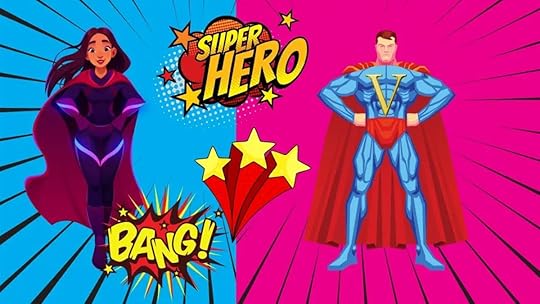 What are The Benefits of Reading Comic Books?
Comic books offer a less stressful reading experience compared to dense chapter books even if it is for entertainment purposes. With fewer words per page, comics create a relaxing feeling and enjoyable atmosphere for readers, making it feel more like entertainment than a chore.
The abundance of pictures in comics is visually attractive and can capture readers’ attention more effectively than words alone. It’s rare for someone to feel stressed while flipping through a comic book due to its minimal words per page. If you do find comic books stressful to read, it might indicate you have laziness issues that need fixing.
Comic books serve as an excellent gateway to creating a regular reading habit, especially for those intimidated by the prospect of diving into thick, text-heavy books. Similar to easing into a workout routine, starting with comics offers a gentle introduction.
By beginning with lighter material and gradually increasing difficulty, readers can steadily build their reading skills. Like building muscle, developing a reading habit takes time, and pushing too hard too fast at the outset can lead to frustration and abandonment. Instead, by taking it slow and enjoying the process, readers can gradually immerse themselves in the world of literature and potentially even become a bibliomania without realizing it.
 Why Did Comic Books Become Popular?
Comic books have remained popular over time due to their nostalgic appeal for many who grew up with them, but their popularity has also continued to grow thanks to a diverse array of interesting characters and storylines. With countless options to choose from, there’s something for everyone within the world of comic books.
The enduring fascination with superpowers and heroism, dating back to ancient tales of gods and mythical beings, also helps contribute to the enduring allure of comics. Throughout history, humans have revered figures with extraordinary abilities, often viewing them as divine or superhuman entities and worshiping them. This ancient fascination with beings possessing incredible powers has persisted across cultures and civilizations and might have carried over into modern forms such as comic books.
With the surge in movie adaptations and video games featuring comic book characters, these iconic figures are becoming more popular than ever. Introducing young children to these characters at an early age ensures they form a lasting bond with them, creating amazing memories that will endure as they grow older. This exposure not only enriches their childhood experiences but also solidifies the place of these heroic characters in their hearts as they grow older.
Why are Comics Frowned Upon?Critics may frown upon comic books for their lower text density, but their negativity shouldn’t deter enthusiasts. Engaging with comics is still a form of reading, and any reading has benefits. Spending hours absorbed in comics is a far more productive activity than mindlessly scrolling through social media and watching meaningless videos.
Furthermore, reading comics requires active engagement and mental effort as readers analyze images and text to understand the storyline and the character’s actions. This process stimulates problem-solving skills akin to solving a puzzle, offering a mental boost. Thus, comic books provide valuable brain stimulation and should be valued for their role in promoting literacy and critical thinking.
Although comic books may not be perceived as valuable as a traditional chapter book, they offer numerous benefits that shouldn’t be ignored. If you find enjoyment in reading comics, it’s time to embrace them openly and without concern for critics who may not understand them. Worrying about others’ opinions is meaningless and detracts from the pleasure of reading. Instead, focus on the positive aspects of comics and find other people who are passionate about them to share your comic collection.
It’s not uncommon to find individuals in their 30s, 40s, and even 50s who still cherish their comic book collections, preserving them in excellent condition. There’s nothing childish about enjoying comic books; it’s akin to preserving cherished memories from our youth, much like keeping old photographs. I regret not holding onto my childhood comic collections, realizing they could be worth a lot of money today, and possibly more as time goes by.
Comic books should not be frowned upon at all; in fact, schools could benefit from introducing them to children as a means of improving engagement with reading. Comics can serve as an effective gateway to instilling a love for reading in young readers, acting as a precursor to developing a broader interest in literature. By incorporating comics into educational settings, educators can tap into their appeal and captivate students’ interest.
 Conclusion
Everyone holds onto cherished childhood memories or items like a teddy bear they used to sleep with or a comic book they love reading, whether others perceive them as childish or not. The opinions of others shouldn’t affect your enjoyment of these treasured possessions.
Comic books often hold fun memories for many of us, and we should be free to enjoy them without fear of judgment. Those who judge others for their interests simply lack understanding of the world around them. It’s important to embrace what brings us joy without concern for outside opinions. So, continue to enjoy your comic book collection without worrying about judgmental people.
By AL Tran
The post Do People Consider Reading Comic Books Childish? appeared first on DS Inspire.
March 1, 2024
How Reading Can Help Children Improve Their Behavior?
Behavioral challenges in child development frequently present a substantial hurdle for parents and educators within the dynamic landscape. The power of reading could potentially serve as the transformative tool necessary for those grappling with managing children exhibiting disruptive conduct. This article explores how reading can significantly impact improving behavior in such struggling children.
Reading books, especially the ones that focus on character relationships can significantly contribute to improving children’s behavior. These stories can provide valuable lessons about how characters’ actions can impact others around them, prompting children to reflect on their own behavior.
Kids can improve their understanding of moral values by envisioning themselves in the characters’ situations in books. This imaginative step supports their personal growth and maturity, helping them comprehend the complexities of the world and apply the lessons learned from stories to their own behavior.
The Cognitive Benefits of Reading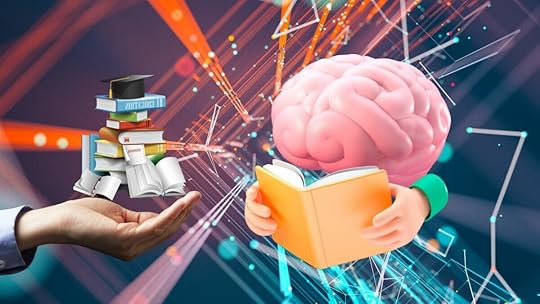 1. Enhancing Empathy and Emotional Intelligence:
A lack of understanding of emotions often forms the core of many behavioral issues. Children can step into the character’s shoes and experience a plethora of emotions by engaging with literature. This vicarious involvement nurtures both empathy and emotional intelligence which are crucial elements in managing social interactions.
Children, as they engage with characters navigating dilemmas, garner insights into the repercussions of diverse actions. This is a process that establishes an initial foundation for thoughtful decision-making.
Building upon this idea, exposure to an array of diverse characters and their respective emotional journeys in literature augments a child’s emotional vocabulary. The enrichment of emotions equips them with the capability not merely to identify and comprehend their feelings, but also sharpens their capacity for empathy in real-life scenarios. As they traverse through the various landscapes of emotion within different character narratives, children cultivate an intricate understanding and a grasp of empathy. It is this understanding that plays a crucial role in fostering healthier interpersonal relationships.
2. Cognitive Stimulation and Problem-Solving Skills:Engaging in reading provides a mental workout that stirs diverse cognitive functions. As children engross themselves within narratives, their tasks extend beyond mere word decoding. They vigorously process and comprehend intricate storylines. This vigorous mental exercise bolsters problem-solving abilities, urging kids to think critically, and draw correlations between plot developments and real-world scenarios thereby enhancing overall comprehension skills. Such cognitive stimulation contributes significantly to the development of self-regulation and impulse control.
Deciphering narratives in literature not only provides direct cognitive benefits but also sharpens a child’s ability to analyze and synthesize information. As they adeptly navigate through plot twists and turns, children cultivate the skills of outcome anticipation, pattern identification, as well as drawing cause-and-effect connections. The act of reading thus cultivates analytical proficiency that extends beyond fiction into offering practical problem-solving tools and facilitating informed decision-making across their multifaceted lives.
The Role of Reading in Shaping Values 1. Learning from Moral Dilemmas to Improve Behavior:
Children experiencing behavioral challenges often grapple to comprehend the repercussions of their actions. Literature frequently portrays characters wrestling with moral quandaries, thereby offering youngsters a chance for introspection on matters of ethics and wrongdoing. Such narratives enable children to internalize moral lessons indirectly, nurturing responsibility and fostering ethical decision-making without confrontation.
Further, exposure to moral dilemmas presented in literature enhances children’s comprehension of intricate ethical decision-making processes. It also fosters critical thinking regarding the stimuli driving character actions. By scrutinizing subtleties inherent within these choices, children subsequently evolve a sophisticated discernment for morality. This broadens their outlooks on what is right and wrong. Consequently, such augmented understanding lays down an empathetic foundation as kids start appreciating the manifold influences that shape real-life decisions by individuals.
2. Developing a Sense of Responsibility:The importance of responsibility, towards oneself and others, shines through in certain stories. As children identify with characters who face the repercussions of their actions, potent role models for promoting accountability can grasp a better understanding of being accountable. This identification allows kids to recognize how deeply their behavior impacts those nearby them. Thus, fostering an overarching sense of responsibility that transcends mere personal boundaries.
Furthering this discourse, literature’s narrative investigation into responsibility surpasses individual actions and encompasses the wider notion of societal accountability. Tales that illuminate characters making positive contributions to their communities provoke children to contemplate their roles within a more expansive social framework. This enhanced viewpoint cultivates a sense of civic duty. It spurs childhood imaginations towards envisioning themselves as responsible society members who actively promote collective well-being.
Reading as a Therapeutic Tool 1. Providing a Safe Outlet for Expression:
Children, who confront behavioral challenges, might encounter difficulty in expressing their emotions. They can use reading as a therapeutic outlet. It enables them to project their feelings onto fictional characters. By identifying with characters experiencing similar struggles, children can indirectly articulate and express themselves emotionally. Thereby, nurturing a sense of catharsis and releasing pent-up emotions.
Projecting emotions onto fictional characters indeed resembles a form of emotional role-playing. Children, as they navigate the complexities of these character’s experiences, subconsciously explore their feelings, thereby engaging in an introspective journey. This not only offers them a secure space for expression but also fosters self-awareness. Importantly, it assists in developing emotional regulation skills gradually.
2. Facilitating Open Communication:Literature engagement not only fosters a relationship between children and caregivers but also establishes an avenue for communication. The shared experience of reading creates a platform where discussions about characters’ actions, feelings, and even their choices take place. This dialogue provides valuable insight into the child’s thought processes, an interactive window into their world.
Open dialogues, characterized by trust-building and emotional bond strengthening, not only guide children but also nurture them effectively. They are pivotal in shaping young minds towards critical thinking and empathy.
Caregivers can indirectly impart valuable lessons through the act of discussing characters’ choices in a story. They address moral dilemmas presented in literature to guide children, without directly confronting their behavior, thus enabling an understanding of right from wrong. This non-confrontational atmosphere fosters a subtle approach to communication that makes it easier for children to absorb important lessons and apply them effectively in their own lives.
Research Insight:A study conducted by the American Academy of Pediatrics revealed that children exposed to an environment abundant in books and reading (a home rich with literary resources) manifested fewer behavioral issues than their counterparts without this exposure. This finding highlighted not just the significant impact of reading on childhood behavior outcomes, but also its potential role as a mitigating factor.
ConclusionTo wrap it all up, the path toward enhancing challenged children’s behavior is intricate. However, integrating reading into their daily routines can serve as an influential agent for positive transformation. Literature, by attending to cognitive, moral, and therapeutic dimensions becomes a comprehensive tool. It fosters empathy, sparks intellectual development, and sculpts values, all while offering an outlet for healing. Caregivers, parents, educators, and mentors possess the potential to exploit this transformative force inherent in reading. They steer children towards futures that are both brighter and better balanced.
The post How Reading Can Help Children Improve Their Behavior? appeared first on DS Inspire.
February 29, 2024
Reading in Front of the Classroom and Its Benefits for Kids
Certain practices in education are timeless and profoundly impactful. Therefore, they command attention. Among them is reading aloud in front of the classroom. This simple yet powerful tool bestows numerous benefits upon children’s intellectual and social development, hence its enduring relevance. In this article, we dive into the multifaceted advantages of this age-old tradition, examining how it contributes not only to cognitive growth but also emotional resilience, coupled with enhanced interpersonal skills for budding young minds.
Reading in front of the classroom offers many advantages for kids, including fostering language development, building confidence and public speaking skills, and emotional intelligence. Although speaking in front of a group can be scary for anyone, including adults, developing this skill at an early age will make it much easier later on in life. Mastering this skill early on lays the foundation for confident and effective communication as an adult.
 Fostering Language Development – A Crucial Foundation
In front of the classroom, educators articulately and expressively read aloud. This action, a cornerstone for children’s language improvement, allows them to not only absorb linguistic nuances but also internalize the cadence and rhythm of spoken language. This immersive experience improves vocabulary, hones comprehension skills, and polishes pronunciation, effectively constructing a robust foundation for effective communication at its core.
1. Enhancing Vocabulary Acquisition by Reading in Front of ClassTeachers significantly help expand children’s vocabulary by exposing them to a diverse range of words and expressions. This linguistic enrichment surpasses textbook limits and introduces students to an extensive vocabulary, one that proves advantageous in academic scenarios as well as real-world situations.
Teachers, in their pursuit of enhancing vocabulary acquisition, can harness the power of multilingual exposure by introducing students to literature in various languages. This not only broadens their linguistic repertoire but also fosters an appreciation for diverse cultures. Moreover, navigating through words across multiple languages amplifies cognitive benefits and subsequently intensifies the overall impact on vocabulary development.
2. Developing Comprehension SkillsTeachers, by actively reading aloud and placing emphasis on comprehension as well as critical thinking, model effective reading strategies. Students who follow along acquire the ability to decipher context and infer meanings. They engage with the material at a more profound level. This serves not solely for academic success but also cultivates an enduring passion for reading throughout their lives.
Teachers further hone comprehension skills by encouraging active engagement through post-reading discussions. They prompt students to articulate their interpretations, ask questions, and express opinions, thus creating an interactive space that transcends the written word. This collaborative approach not only enhances comprehension but also instills a sense of curiosity and inquiry in young minds.
 Building Confidence and Public Speaking Skills
Venturing into the realm of personal development, the act of standing before peers and articulating thoughts extends beyond mere academic proficiency. This is because reading in front classroom enhances self-assurance; it fosters public speaking skills–attributes that prove invaluable throughout a lifetime.
Fostering ConfidenceEncouraging children to read aloud in a supportive environment fosters their confidence-building process. They tackle and conquer the initial hesitations of public speaking, equipping themselves with an invaluable set of skills. It empowers them to express ideas, whether complex or straightforward, with unparalleled poise and conviction.
Reading aloud, furthermore, fosters confidence that opens avenues for diverse expression forms. As children grow comfortable articulating their thoughts. They engage in discussions, share opinions, and actively participate in class activities. This burgeoning self-assurance acts as a catalyst, spurring overall academic engagement and personal development.
Nurturing Public Speaking SkillsReading in front of the classroom not only sharpens essential public speaking skills but also instills confidence. Children cultivate the ability to modulate their voices, sustain eye contact, and express ideas clearly and coherently. These early-developed aptitudes prove advantageous across numerous life areas, from academic presentations to professional pursuits.
Public speaking skills develop beyond the classroom setting. They prove invaluable in real-world scenarios. When one delivers a speech, engages in group discussions, or presents ideas within professional settings, effective communication becomes an asset for life. As students prepare for diverse personal and professional contexts, reading aloud serves as their foundational step toward meeting these communication demands.
 Cultivating Empathy and Emotional Intelligence
Exposure to stories and narratives significantly shapes a child’s emotional development. A unique avenue for cultivating empathy and emotional intelligence lies in reading aloud before the classroom; it forms an essential part of this developmental tapestry.
Connecting Through NarrativesEducators, by bringing characters and scenarios to life through storytelling, prompt students to empathize with others’ experiences and emotions. This empathetic connection, fostering a deeper understanding of diverse perspectives, nurtures compassion that stretches beyond the classroom.
Promoting Emotional IntelligenceWhen children engage with the emotional nuances of narratives, they cultivate their emotional intelligence. They identify and articulate their feelings while comprehending others’ emotions. This elevated awareness fosters a classroom culture that is supportive and inclusive.
A comprehensive study underscores the positive impact of reading aloud on children’s language development and overall literacy skills. This enhances our understanding of the matter.
Fostering a Sense of Community and InclusivityThe practice of reading in front of the classroom not only fosters individual growth but also engenders community and inclusivity among students. It establishes a shared experience that surpasses cultural and social boundaries, thereby promoting coherence within the classroom.
Building a Shared ExperienceEducators, through their reading aloud, forge a collective experience for the entire class. Students, irrespective of individual backgrounds or abilities, unite in an exploration of ideas and narratives. This shared journey fosters not just unity but also camaraderie.
Promoting InclusivityReading aloud inherently embodies inclusivity. It extends a welcoming embrace to an array of diverse perspectives and voices. Educators, with purposeful intent, can choose literature that mirrors cultures, experiences, and identities from various backgrounds, a practice ensuring each student experiences visibility and value. This deliberate inclusivity fosters the growth of open-mindedness. It promotes acceptance as well. All these are critical elements in shaping tomorrow’s global citizens.
ConclusionConclusively, the tradition of reading in front of the classroom emerges powerfully as a catalyst for children’s holistic development. The benefits extend significantly and persistently. They enrich language, build confidence, and cultivate empathy. Fostering a sense of community is also an outcome. By embracing this practice, educators pivotally shape not only their students’ academic prowess but also lay down foundations for lifetime learning and personal growth.
The post Reading in Front of the Classroom and Its Benefits for Kids appeared first on DS Inspire.
Is it Good to Listen to Audiobooks While Walking?
Navigating the optimal equilibrium between physical health and mental stimulation in our relentless existence presents a formidable challenge. As audiobooks surge in popularity, and we intensify efforts to infuse physical activity into our daily routines, an essential question emerges.
Is it advantageous to listen to audiobooks while walking? This article probes this practice’s multifaceted facets. It investigates potential advantages, identifies drawbacks, and assesses its influence on overall physiological as well as psychological health.
Listening to audiobooks while walking is an amazing way to combine exercise with learning. Not only does walking contribute to your physical health, but multitasking by listening to audiobooks adds the extra benefit of learning. This dual-purpose activity allows you to combine two healthy habits simultaneously, making the most of your time efficiently.
The Symbiosis of Walking and Audiobooks 1. How to Listen to Audiobooks While Walking
Walking, a straightforward and potent exercise form, enhances cardiovascular health, bolsters mood, and heightens overall well-being. Audiobooks have recently surfaced as an efficient method of digesting literature. They offer a hands-free and eyes-free experience. The amalgamation of these two activities presents itself with inherent synergy. It not only allows for mental enrichment but also engages in physical activity simultaneously.
This combination strategically leverages the versatility of audiobooks. It empowers individuals to delve into an extensive spectrum of genres and topics during their walks. Whether they are immersing themselves in fiction, exploring historical narratives, or keeping abreast with contemporary non-fiction releases. This synergy offers as much variety as the available genres. It not merely elevates a routine walk, infusing it with knowledge-seeking elements, but also permits individuals to customize audiobook selections according to personal predilections and inclinations.
2. The Positive SidesSeveral studies underscore walking’s positive influence on mental health. Walking mitigates stress. It alleviates anxiety and depression, a truly transformative experience. Further, when one pairs this activity with audiobooks, the enrichment is amplified. This amalgamation of physical exercise and intellectual stimulation fosters an exceedingly rewarding engagement. Motivational or educational content, when listened to, not only elevates mood but also stimulates cognitive functions. This fosters a holistic approach towards personal well-being.
Moreover, the combination of walking with audiobooks correlates to heightened creativity and enhanced problem-solving abilities. While the body embarks on a rhythmic journey, it liberates the mind for exploration that culminates in unforeseen connections. This cognitive liberty ignites novel ideas. Thus, transforming the act of walking into more than just physical exertion but also mental stimulation for creative capacities. Beyond enhancing mood, the positive aspects encompass cognitive benefits. These contribute to overall mental agility.
3. Finding the Right PaceFinding a balance, however, remains crucial. The pace of walking must permit comprehension of the audiobook, yet not compromise exercise effectiveness. It is in striking this equilibrium that we ensure due attention to both physical and mental aspects.
Moreover, individuals might have to tailor their walking pace in response to the complexity of an audiobook’s content. A brisk stroll could suffice for a light-hearted fiction piece. However, one may need to adopt a more leisurely stride when engaging with intricate or educational materials. Adjusting the pace according to auditory complexities guarantees an engaged and receptive mind, thus rendering not just beneficial but also an enjoyable overall experience.
Potential Drawbacks 1. Distractions and Safety Concerns
The symbiotic relationship between walking and audiobooks indeed presents advantages. However, it also introduces potential disadvantages, and safety concerns primarily. The issue of external auditory stimuli, traffic, or other pedestrians, potentially being drowned out by the engaging audio arises as a significant drawback. Moreover, one must not overlook how distractions could impede an individual’s focus on their surroundings. This may result in unforeseen hazards.
In addition, you must consider the impact of environmental factors on this practice’s overall safety such as uneven terrain, unexpected obstacles, and elevation changes. Particularly in outdoor settings, where conditions can demand heightened attention, being mindful of surroundings becomes crucial to navigating potential hazards effectively. Individuals can achieve a safer and more enjoyable experience by incorporating periodic breaks to assess their environment. This strategy enables them to fully enjoy the combined benefits of walking and audiobook consumption without compromising safety.
2. Cognitive LoadEven in the seemingly harmonious combination of walking and listening, multitasking imposes a cognitive load. It challenges individuals to fully absorb audiobook content while navigating their physical environment, an action that diminishes the overall experience.
Understanding the concept of cognitive load, moreover, proves essential to optimizing the benefits of walking and audiobook listening. ‘Cognitive load’ denotes not just a task’s informational processing challenge but also encompasses the mental effort that decision-making demands. Recognizing individual thresholds for this cognitive load is crucial. We must then adjust our approach by customizing audiobook content and tailoring walking pace correspondingly. Individuals can enhance cognitive performance and create a more enriching experience overall by striking the right balance, thereby avoiding overwhelming their mental capacity.
 The Psychological Aspect1.Impact on Mindfulness:
Engaging in mindfulness which is the active practice of residing within the present moment is an integral component to both walking and listening to audiobooks. Yet, amalgamating these two activities can potentially dilute our experience of mindfulness. Thus, it becomes crucial for us to investigate methods that sustain a heightened sense of awareness and connection with our environment even as we indulge in an audio story.
2.Personal Development through Audiobooks:Individuals grappling with personal and life problems can harness the power of audiobooks as a tool for personal development. They should choose content that specifically addresses their challenges to inspire positive changes. This will offer them an unparalleled avenue towards self-improvement.
3.Research Insights:A study underscored the positive impact of combining walking with cognitive activities, such as listening to audiobooks. This research posited an enhancement in older adults’ cognitive performance through this amalgamation. Therefore, it showcased the potential benefits inherent in these practices.
Striking a Balance1. Tips for an Optimal Experience:Choose audiobooks that align with your interests and personal development goals.Opt for a pace of walking that allows for easy comprehension without compromising safety.Use a comfortable pair of headphones that allow ambient sounds for awareness.2. Mindful Walking Practices:Incorporate mindful walking practices into your routine. Be fully present in the act of walking. Focus on each step and breath. This practice enhances the mind-body connection.
ConclusionIn short, we recognize the powerful potential for personal growth and well-being in amalgamating walking with audiobooks. By comprehending the benefits and possible drawbacks of this practice, individuals can customize it to their needs. Thus, establishing a harmonious balance between physical health and mental enrichment.
Ultimately, it’s not solely about engaging in walking or listening activities. Rather, a deliberate effort towards cultivating an experience that enhances one’s overall quality of life emerges as paramount.
Walking can be highly enjoyable so don’t forget to enhance your walking routine by adding variety to your surroundings. Choosing different settings, such as strolling in the park or the beach, while listening to your favorite audiobook can elevate the experience, providing relaxation and contributing to your fitness goals.
The post Is it Good to Listen to Audiobooks While Walking? appeared first on DS Inspire.
February 28, 2024
Is Listening to White Noise Effective for Studying?
Engaging in studies can present daunting challenges, particularly amidst personal and life issues. As you seek effective study aids, you frequently encounter the suggestion to listen to white noise. However, does this truly offer any assistance? This article delves into the effectiveness of white noise as a study tool, examining its impact on concentration, focus, and overall cognitive performance.
White noise can be really effective in aiding concentration and improving study performance. If you’re skeptical, consider giving it a try, as many white noise apps are free and easy to download. Listening to white noise is a simple and non-intrusive method, supported by studies that have shown positive results in enhancing focus during study sessions. Using white noise might be worth the effort especially if it can help you improve your studying.
 The Science Behind White Noise
White noise is a sound type that encompasses all audible frequencies in equal measure. It’s often likened to the static you might recognize from an untuned television channel. The rationale for employing white noise during study sessions hinges on its unique ability to cloak or camouflage distracting sounds. White noise, a constant unvarying sound, can potentially enhance concentration by creating an environment of consistent auditory stimulation.
Research Insight:Let us first explore a noteworthy study on the subject before we delve further into its practical aspects. The Journal of Consumer Research conducted intriguing research, suggesting that moderate ambient noise similar to white noise may enhance performance in creative tasks and amplify one’s propensity for innovative thinking. This finding indeed presents compelling potential benefits of incorporating such background sounds during studying.
White Noise and ConcentrationFacing personal and life problems often presents a significant challenge in maintaining focus on academic tasks. The consistent sound of white noise, however, can serve as an effective buffer against external disturbances. It mitigates the impact of unpredictable noises that could potentially disrupt concentration.
The hum of a distant conversation, or perhaps the clatter of everyday life are elements that compose white noise. This steady auditory backdrop can foster deep focus. It offers an environment conducive to concentration and productivity.
Creating a Distraction-Free Zone:Constant stimuli saturate our world, making it challenging to find a distraction-free zone for studying. However, white noise can act as a sonic shield and assist individuals in carving out an insulated mental space from the surrounding chaos. Offering potential enhancements to concentration and fostering an environment primed for learning. This controlled auditory experience holds significant value.
Improving Attention Span:Maintaining an extended attention span can pose a significant challenge for individuals grappling with personal issues. Some studies suggest that white noise might enhance this focus by offering a consistent auditory stimulus, particularly during long study sessions. Thus, it presents a subtle yet potent method to keep the mind actively involved in learning processes.
White Noise and Cognitive PerformanceWhite noise’s impact, extending beyond mere concentration, significantly influences our cognitive performance. The environment in which we study can profoundly affect our cognitive abilities, memory retention, and information processing.
Enhancing Memory Retention:Studying hinges crucially on memory. White noise, by curtailing external disruptions, enhances the brain’s capacity to encode and store information effectively. Consequently, this may culminate in heightened memory retention. This is a pivotal element for success in academic pursuits.
White noise, beyond minimizing distractions, intrigues with its potential to create cognitive associations. Research suggests that the brain instinctively forms connections between environmental stimuli and processed information. Through consistent incorporation of white noise into your study routine. You might establish, on a subconscious level, a link between the auditory backdrop and learning content. This could potentially amplify memory recall during exams.
Reducing Stress and Anxiety:Heightened stress and anxiety levels often arise from personal and life problems, potentially hindering cognitive function. However, the presence of white noise, functioning as a consistent calming auditory backdrop, may mitigate these heightened stress levels. Consequently, an individual with reduced stress is more apt to excel in academic tasks.
Beyond inducing immediate soothing effects, white noise actively reduces stress by influencing neurotransmitter activity. This influence might be due to exposure to consistent, non-threatening sounds. Particularly, it boosts serotonin production which is the renowned “feel-good” neurotransmitter crucial for regulating mood and anxiety levels. Incorporating white noise into your study environment. This may contribute to a setting neurochemically conducive to optimal cognitive performance.
 Choosing the Right White Noise
The effectiveness of this auditory aid, white noise, varies. It hinges on individual preferences and the specific nature of the study environment. Not all white noise is created equal. Some may derive solace from a fan’s consistent hum while others could be partial to dedicated apps that provide a digital rendition of white noise.
Personalized Approach:Recognizing the unique auditory responses each exhibit, you must adopt a personalized approach. Experiment with an array of white noise types, ranging from natural sounds to synthetic hums. This process empowers people to discern their optimal sound environment. Thereby, creating an atmosphere that minimizes distractions and amplifies focus, all without inducing more stress.
Limitations of White Noise:Acknowledging the limitations of white noise as a valuable tool is essential. We must recognize it may not offer a universal solution. Instead, individuals should remain conscious of their comfort thresholds. If we overly rely on white noise without confronting our intrinsic issues, we may only achieve temporary respite from distractions. Thereby, failing to address them effectively.
 Conclusion
White noise, in the relentless pursuit of effective study aids, presents itself as a valuable ally, particularly for individuals contending with personal and life difficulties. The science underpinning white noise hints at its capacity to bolster concentration and elevate cognitive performance. Therefore, renders it an alluring option for those seeking an environment conducive to learning, a potent strategy on their quest towards academic success.
Understanding your preferences and needs is key, as with any tool. The pursuit of academic success requires the identification not only of effective strategies but also personal challenges. It’s a multifaceted journey. Mindfully employed, white noise can augment the study techniques’ aids. It fosters a harmonious space for learning and growth, an invaluable addition to productive habits.
Pursue academic excellence despite personal and life challenges. Explore incorporating white noise into your study routine. This could offer potential benefits. Experiment, observe, and tailor the approach to foster an environment that enhances focus, and concentration. This will propel you towards success.
The post Is Listening to White Noise Effective for Studying? appeared first on DS Inspire.
Why Do Some Stories Stand the Test of Time?
The ancient art of storytelling transcends generations, captivates minds, and leaves an indelible mark on the human experience. Yet, what infuses certain stories with enduring qualities that resonate across cultures and eras? This exploration plunges into psychological, emotional, and societal aspects which are all contributors to a story’s timeless allure.
Some stories endure the test of time because they are exceptional stories that transcend time. These tales not only captivate with their compelling plots but also teach timeless lessons that remain valuable to this day. Their lasting influence over an long duration has elevated them to a mythical status, further boosting their popularity and contributing to their sustained longevity.
Generally, people have a love for history and enjoy exploring the past. Often, well-loved old stories provide a glimpse into ancient times, sparking curiosity about what life was like in the past. Massive amount of money are spend on building museums worldwide exhibit ancient artifacts and clothing, each narrating its unique story, akin to the enduring tales that have persisted through the ages.
 The Universality of Human Experience
The ability to tap into the universal aspects of the human experience resides at the enduring stories’ core. Such narratives frequently orbit around fundamental emotions including love, fear, joy, and sorrow. These tales address common struggles and triumphs humans face, thus forging a connection between story-teller and audience, irrespective of cultural or temporal boundaries.
1. Emotional Resonance Across CulturesResearch illuminates a significant factor that contributes to the enduring impact of a story which is its emotional resonance. It is suggested that narratives infused with emotionally charged content are not only more likely to persist in memory but also garner increased sharing rates. This study underscores the role played by emotional engagement. It amplifies overall information retention significantly, a vital element for stories destined for longevity amidst time’s relentless test.
Not only does emotional resonance transcend time, but it also effortlessly bridges cultural gaps. Certain emotions possess universality that allows stories to deeply resonate with individuals from diverse backgrounds. Emphasizing this point and underscoring the commonality of core emotions elicited by powerful narratives is an aspect worth focusing on. Despite varying cultural contexts, these responses remarkably remain consistent. A story’s enduring legacy significantly hinges on its ability to foster emotional connections.
2. The Power of RelatabilityRelatable characters, often confronting relatable challenges, feature prominently in enduring stories, be it the classic hero’s journey or a narrative of triumph over adversity. This relatability is an essential quality that enables individuals from diverse backgrounds to identify with and see themselves within these narratives. This not only fosters connection but also imbues the story with increased relevance and memorability across cultures and periods.
Beyond individual characters, relatability encompasses a diverse range of narratives and stories that depict an array of experiences and perspectives. On a broader scale, through this inclusivity, a varied audience can find elements in the story mirroring their own lives. Thus, it reinforces the narrative’s enduring prowess across various cultural and societal landscapes.
The Art of Timeless StorytellingTo craft a timeless story, one must delicately balance elements. Those that appeal to an expansive audience and the uniqueness and the authenticity of their voice. By examining key principles, we gain insights into why certain narratives consistently stand out over time.
 Unforgettable Characters That Stand The Test of Time
A story’s longevity hinges on the pivotal role iconic characters play such as protagonists with unwavering determination and antagonists brimming with complexity. These memorable figures embed themselves in our collective consciousness. To create such resonating personae across diverse audiences, a crucial analysis of archetypes and character development is necessary.
To craft memorable characters, you must transcend stereotypes and embrace the intricate complexities of human behavior. The audience often retains a character who personifies an amalgamation of virtues that inspire and flaws that engender relatability long after concluding the story. A character’s journey depth, encompassing personal growth and evolution, amplifies their connection with the audience. It leaves an enduring impact on their minds.
Enduring Themes and Moral LessonsEnduring themes and moral lessons, which transcend cultural or societal changes, often find incorporation in timeless stories. These narratives address fundamental ethical questions and explore the consequences of specific choices. Thus, providing audiences with insights that consistently hold relevance over time.
Enduring stories, in addition to addressing ethical questions, excel at presenting challenging moral dilemmas that trigger introspection. The complexity of these dilemmas demands audiences to confront their values and beliefs, an experience full of thought-provoking intensity. Storytellers weave these intricate threads into narratives. Not only do they ensure entertainment value but also provide a profound exploration into the human conscience.
Evocative Imagery and SymbolismVivid imagery and symbolism actively contribute to a story’s timelessness by directly appealing to the human imagination. The narrative’s embedded symbols, metaphors, and allegories enable multiple interpretation layers. Consequently, this richness in storytelling engages audiences across various periods.
Evocative imagery and symbolism, beyond their aesthetic appeal, function as potent tools to convey more profound meanings. Storytellers can use carefully chosen symbols, not explicitly stating them, to communicate complex emotions, cultural nuances, or societal critiques. This layering of meaning imbues the narrative with a timeless quality, each succeeding generation unearths fresh significance in presented symbols.
Narrative Structure and PacingHolding the audience’s attention necessitates an effective narrative structure and pacing. Storytellers must meticulously orchestrate the unfolding of events. In doing so, crafting a sequence that engenders anticipation, suspense, and intrigue, guarantees not just engagement but also memorability for their story.
The flow of events and the emotional journey of the audience both hinge on narrative structure. Twists and revelations, strategically placed, sustain interest in a story. Concurrently, well-paced character development deepens connection. Stories that endure over time, captivating audiences from inception to conclusion, distinctly strike this delicate balance between pacing and structure.
Inspiring Change Through Timeless StoriesIndividuals grappling with personal and life problems can find inspiration and guidance in timeless stories. Understanding the components that contribute to a narrative’s enduring quality allows individuals to apply these principles personally, fostering their growth and resilience.
 Empowering Through Reflection
Timeless stories, by presenting characters’ challenges and their achieved resolutions, provoke readers to contemplate their own experiences and choices. This contemplation often yields valuable insights into individual lives. It spurs self-discovery, a process that fosters an empowering sense of empowerment.
Building Resilience and HopeEnduring stories, often replete with inherent optimism, can wield a potent force for individuals confronted by adversity. Readers find solace and inspiration in witnessing characters conquer obstacles to emerge stronger. This instills within them not only a sense of resilience but also hope, crucial elements in navigating their challenges.
Bottom lineConclusively, the lasting quality of specific narratives testifies to their capability of accessing the core human experience. They transcend temporal and cultural restrictions through emotional resonance, and relatable characters coupled with timeless storytelling techniques. Thus, leaving an indelible mark on those who interact with them. As people steer through life’s complexities, insights ingrained in these ageless tales can act as guidance beacons and inspiration catalysts that foster positive change and spur personal growth.
The post Why Do Some Stories Stand the Test of Time? appeared first on DS Inspire.