Al Tran's Blog, page 7
May 16, 2024
How Does Storytelling in Africa Shape Cultural Identity?
Have you ever wondered how the rich tradition of storytelling in Africa creates the fabric of its cultural identity? Let’s explore the profound impact of these stories in preserving heritage, shaping communal values, and creating a strong sense of belonging.
In Africa, storytelling deeply affects and forms cultural identity. In the many different regions of this large continent, telling stories is a strong way to keep traditions alive, pass on knowledge, and create connections within community groups. By using spoken narratives, myths, legends, folktales as well as customs, African societies create complex fabrics of who they are. This is a mirror that shows their past times and future hopes along with beliefs or values held by them.
1. The Rich Tradition of Oral Storytelling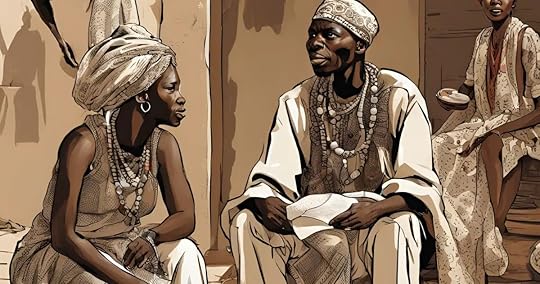 Origins and Significance of Storytelling in Africa
 The African custom of oral storytelling is very old, taking its origin from the continent’s many cultures and languages. The keepers of wisdom – who are elders and griots – transmit stories over time to safeguard memories and collective knowledge.
Cultural TransmissionCommunities often use spoken stories to pass on important knowledge about their culture, which includes history, ways of life, values, and spiritual ideas. Telling stories helps in keeping social unity by making people feel they belong and have a common identity within the community.
Diversity and AdaptabilityAfrican storytelling includes many types and topics, showing the continent’s diverse cultural fabric. Starting from stories about how things were made to great tales of adventure, every narrative tradition mirrors its storytellers’ distinct experiences and views, adjusting with time while retaining essential cultural beliefs.
2. The Power of Myths and Legends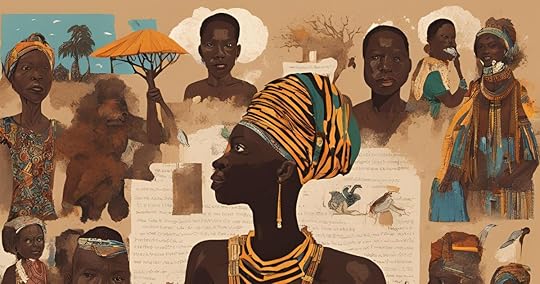 Mythical Narratives
African stories, myths, and legends make up an important part of the continent’s storytelling tradition. These tales provide answers to questions about nature, human life, and the world beyond our understanding. They frequently include heroes with extraordinary powers or abilities as well as creatures from mythology that offer insight into moral values and beliefs shared across different generations.
Symbolism and AllegoryAfrican myths and stories are filled with symbols and hidden meanings. These give messages about the world we live in as well as truths related to human life. They also show how everything is connected within a web of existence. Using metaphors, imaginative tales tell us important wisdom that remains valuable across time.
Ritual and PerformanceStorytelling is a common feature in the ceremonial rituals and performances of many African societies. This brings spiritual importance and community understanding to these events. Storytelling ceremonies, whether presented with dance, music, or dramatic recitation, create a feeling of respect and wonder that strengthens cultural customs and connections to ancestors.
3. Folktales and the Art of Morality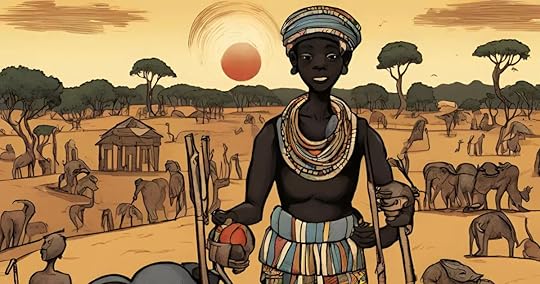 Moral Lessons and Social Commentary
In Africa, folktales function like moral stories, delivering crucial teachings about ethics, fairness, and human actions. They provide advice for dealing with the adventures of smart deceivers, wise seniors, and legends that are mythical.
Cultural Identity and RepresentationThe cultural identity of different communities is shown in folktales, displaying special customs, traditions, and values. They also strengthen a feeling of pride and connection to the place by honoring local heroes along with ancestral characters – this aids in maintaining the culture’s strength over time.
Adaptation and EvolutionEven though they have traditional origins, African folktales change and fit with today’s situations. They talk about new worries while keeping important messages from the past. They stay meaningful through fresh understanding and methods of telling stories.
4. Storytelling as Resistance and Resilience Colonialism and Cultural Suppression
In the period of colonialism, African storytelling was endangered by cultural suppression and wiping out as outside powers tried to make their languages, religions, and ideas dominant. Despite these problems, groups continued to protect their oral traditions, not giving in to assimilation and showing that they had control over their culture.
Revival and RenaissanceIn the last few decades, there has been a new wave of attention towards African storytelling. This is linked to a fresh recognition of local knowledge systems and cultural roots. Efforts are being made to keep and bring this type of tradition alive, giving power to communities to take back their stories and showing cultural control.
Global Influence and RecognitionStorytelling from Africa has gone beyond physical limits, captivating the attention of global audiences with its depth, variety, and imaginative power. African storytellers are using literature, movies, music, and digital media to share their stories in different ways. They keep increasing their voice on these platforms, questioning stereotypes and adding to worldwide conversations with distinct viewpoints from diverse cultures across Africa.
5. Preserving the Legacy for Future Generations Educational Initiatives
The push for storytelling in Africa is reaching educational places as well. This means that lessons are giving more importance to the role of speaking stories, recognizing how it helps people understand cultural identity and heritage through oral traditions. By making storytelling part of official education, those who teach hope to put a sense of belonging and respect in students’ hearts toward their culture’s past.
Digital Archives and DocumentationIn the time of quick globalization and tech progress, there is a rising understanding of the importance of digitalizing African oral traditions for upcoming times. The availability of online platforms along with multimedia resources brings fresh chances to safeguard, distribute, and enjoy the diverse heritage of African storytelling in its various styles.
Community Empowerment and EngagementIn the end, the future of African storytelling is about how much the communities themselves take part in preserving their cultural heritage for upcoming generations. If local storytellers are backed up, intergenerational conversation is encouraged and innovation is welcomed, then these communities can make sure that their stories keep on being meaningful and motivating even after many years.
ConclusionAfrican storytelling is not only a way for amusement but an important part of cultural identity. It helps to form group awareness and pass down old wisdom from ancestors to new generations. With oral narratives, myths, legends, and folktales, African societies show their cultural strength, honor variety, and confirm their position in a world that changes fast. As we travel across the elaborate fabric of African storytelling, it brings back memories about how lasting words can motivate us all, teach us, and bring us together.
The post How Does Storytelling in Africa Shape Cultural Identity? appeared first on DS Inspire.


Literature’s Catalytic Role: How Books Propel Social Change
Have you ever considered how books propel social change or can change the course of history? Let’s dig deep into the transformative power of literature and discover how influential books have been the catalysts for social change.
Literature, with its stories, people, and subjects, is a main force in promoting changes within society. It can motivate people and teach them through the way it presents ideas. Works of literature can also start movements that question accepted rules of behavior, leading toward advancement.
1. Literature as a Mirror of Society Reflecting Realities
Literature can be seen as a reflection of the various facets of society. Writers take their ideas from what they observe around them and make stories that match with readers’ lives. Whether it is about inequality, unfairness, or discrimination; literature shows how complicated human life can be.
Books Propel Social Change by Fostering EmpathyThere is a special power in literature to grow empathy. When people read about the lives of characters from various backgrounds and viewpoints, it stimulates understanding and sympathy. By learning to feel for these imaginary figures, readers can better understand the difficulties encountered by real people in our world.
Sparking AwarenessLiterature, like a mirror, can show us the social problems we face. When writers bring up poverty, racism, or damage to the environment in their stories; it makes people think about these issues more deeply and talk about them seriously. Literature can make readers reconsider what they believe and do through narratives that provoke thoughts.
2. The Role of Literature in Inspiring Change Motivating Action
Literature can greatly motivate people to do something. When we read about historical events, fictional stories of social movements, or visionary tales of perfect societies it can ignite a desire for action within us.
Literature shows the strength found in facing difficulties head-on, encourages bravery when dealing with injustice, and highlights the importance of unity. All these elements inspire those who read them to take a stand and work towards making good changes happen.
Cultivating Critical ThinkingA big part that literature plays is to grow skills of thinking critically. When people read about complex subjects and moral problems, they start questioning what is normal and accepted in society. This helps them form their own opinions by looking at things from different angles or ideas.
Inspiring CreativityLiterature is a place where people get inspiration and ideas for creative expression and innovation. From poetry to prose, plays, or novels, all sorts of literary works can stimulate the mind’s creative process and encourage artistic experiments. By giving readers access to various kinds of narrative styles, literary instruments like metaphors, similes, etc., as well as storytelling methods such as first-person narratives versus third-person tales among others; literature helps individuals discover their distinctive voice which they can use in making contributions towards cultural fabric within society.
3. Literature as a Catalyst for Social Movements Galvanizing Communities
In the past, literature has been a major force in bringing people together for social causes. Books from the 19th century like those about ending slavery and literature from the 20th century that focuses on feminism are examples of this power. Literature helps to express hopes and complaints of groups who are not given much importance in society, setting off united actions while increasing the volume of voices previously hushed down through time.
Challenging InjusticeBy showing unfairness and suppression, literature becomes a strong instrument to question the deep-rooted inequalities in systems. People who write use their imaginative stages to show the structural obstacles that keep inequality going and push for fairness in society. By dealing with problems like racism, sexism, and classism, literature encourages people to face up against injustice not only in the book but also in their own lives or surroundings.
Sustaining MomentumIn social movements, literature helps to keep up the progress. It records the difficulties and achievements of activists, keeping a shared memory of past fights and encouraging coming generations to carry on with the struggle for fairness. In stories about strength and refusal to give in, literature gives hope and firmness to people who are aiming for a society that is fairer and includes everyone.
4. The Transformative Power of Literature Empowering Individuals
The strength of literature lies in its ability to inspire people’s imagination about a different kind of world and motivate them to make real changes for the betterment of society. As literature shows what is possible and what can be, it gives readers the courage to question current conditions and work towards creating a more fair and kind community. By telling tales that show endurance, understanding, and unity, literature motivates people to understand their power and help in making good changes.
Cultivating SolidarityLiterature creates a feeling of togetherness among readers because it emphasizes our common human characteristics and links. When we read about various characters and stories, literature confirms the vast range of human life and promotes understanding across differences. Literature also acts as a source of unity by generating feelings of belonging and community. This can encourage readers to work together towards shared objectives, strengthening relationships between people for collective action to achieve common goals.
Sustaining HopeWhen things are unsure and changing, literature can be a light that shows hope and strength. It does this by telling stories that never get old, teaching us how human hearts can keep going through any difficulty and make the world better for everyone. Literature, with its optimistic view of life’s possibilities combined with an understanding that challenges are part of our shared human experience, helps individuals to maintain hope when times become tough while also inspiring them to take action in creating positive change for tomorrow’s future.
ConclusionTo sum up, literature is crucial for making social changes because it works as a starting point for understanding, motivation, and response. From showing the world’s state to encouraging empathy and binding people together in common goals, literature has great influence in forming movements that seek justice and fairness.
The power of literature can be used by everyone to create change at personal levels as well as in communities, leading us toward building an inclusive world full of compassion for all generations to come. Now, we are readers and writers. So we keep on using literature to inspire good changes in our own lives and the world around us.
The post Literature’s Catalytic Role: How Books Propel Social Change appeared first on DS Inspire.
May 10, 2024
How Does Storytelling in Europe Shape Cultural Identity?
How does storytelling in Europe shape cultural identity? Let’s explore the profound impact of narratives passed down through generations.
Storytelling in Europe greatly impacts cultural identity by assisting in preserving traditions, transmitting significant messages, and generating emotions of community membership. Europeans connect with their heritage by listening to stories passed down from ancestors over time which influences how they perceive themselves and the society they live within.
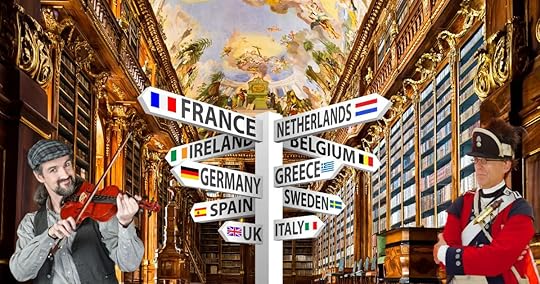 1. The Fundamentals of Storytelling in Europe
The tradition of storytelling is a custom in European culture that has withstood time. This method – from old mythology to present literature, functions as mirrors that display the complexities within society and identity types. We are going to talk about the profound effect it has on cultural identity in this article.
2. Preservation of TraditionPicture this: you’re growing up in a small village in France. You spend evenings gathered around the fireplace, listening to your grandparents recounting tales of knights, dragons, and lost kingdoms. These stories, passed down through generations, not only entertain the listeners but also instill a deep appreciation for cultural heritage in them.
Oral Tradition: In the past, this was how Europe’s history and stories were kept. They would be passed on through word of mouth, making sure that our cultural legacy is preserved for those who come after us. From elder tales told by grandparents to lengthy poems sung by bards, oral tradition has always been deeply rooted in the art of storytelling within Europe. These narratives encompass the essence of a people. Their beliefs and encounters are mirrored in these stories.Folklore and Mythology: Numerous stories in European folklore consist of mythical creatures, tales of great heroes, and moral parables. From Greek myths involving gods and heroes to Arthurian legends talking about chivalry and honor, these narratives give a sense of what Europeans as a whole imagine. When communities repeat these stories, they are confirming their cultural origin and common memory.Cultural Celebrations: Frequently, Europe’s festivals and rituals highlight the power of storytelling to strengthen cultural identity. When we think about Spain’s lively carnivals, Ireland’s mysterious customs, or happy get-togethers in Slavic cultures – all these celebrations are akin to stories that are always being revealed. They connect people with their past and each other.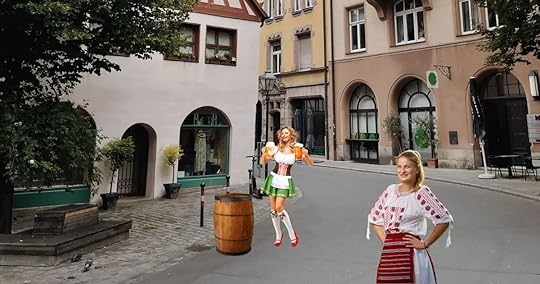 3. Transmission of Values
Children often like it when parents read to them from Aesop’s fables and the stories of the Brothers Grimm. These tales appear basic at first, but they carry important lessons about truthfulness, bravery, and kindness. When children grow up and face life as it becomes more intricate, it seems like an appropriate moment to recall these old storybooks’ wisdom too.
Morality and Ethics: Storytelling is a traditional way, people have used to pass on moral lessons and ethical rules. Fables such as Aesop’s tales or the fairytales from the Brothers Grimm teach virtues like truthfulness, bravery, and compassion. In Europe, societies utilize these stories for imparting values to their young ones; this aids in molding the ethical structure of society.Identity and Belonging: In Europe, literature often delves into matters of identity, belonging, and questions about existence. From Shakespeare’s tragic works to Dostoevsky’s books on being, these artistic creations deal with the human condition by asking who we are as individuals and where we fit within society’s norms. The relationship between people and stories assists in molding their identity within a broader cultural context.Social Commentary: Many stories from Europe are powerful social commentaries, expressing thoughts on today’s issues and challenging current norms. Whether it is George Orwell’s dystopian views or Henrik Ibsen’s disapproval of societal restrictions, these tales promote introspection and conversation that form our shared consciousness. 4. Sense of Belonging
Anyone fortunate to live in many European countries during their life can see and feel the great variety of cultures that form the European tapestry, each with its unique language and customs. Everywhere you go, you discover a common ground.
Any guesses on what this common ground is? It’s storytelling which is a universal thread holding us together and giving us feelings of belongingness as well as shared identity.
Regional Diversity: Europe is filled with many cultures, languages, and customs. These parts mix in a complex way that makes up the entire identity of Europe. The variety can be seen through storytelling, where local tales and literature from different areas emphasize distinct heritage.To give an example, the sagas from Nordic Iceland are not the same as Mediterranean Greek myths or Gothic stories coming from Central Europe. But these types of tales that are specific to local culture still evoke regional pride through storytelling within Europe’s borders.
Interconnectedness: In the tale of Europe, numerous significant occurrences have profoundly shaped cultural identity. These events remain enduring imprints on the memory shared by its inhabitants. Wars, revolutions, and periods of cultural rebirth did not just create history but also offered chances for storytelling to flourish.Adaptation and Innovation: European storytelling, which has a deep history in tradition, is always changing. It accepts new ways and stories as time goes on. Starting with the rise of novels during the 1700s to digital storytelling from the 2000s onwards, European creativity has no limit to its forms. The ability to change makes sure that this art of telling stories stays important and loved by people for many years.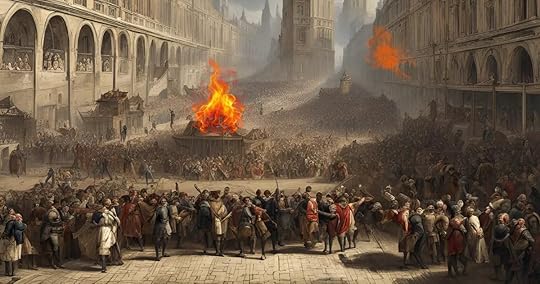 5. Influence of Historical Events
If you’re able to visit historical places such as the Berlin Wall or the battlefields in Normandy, you’ll be reminded of how significant and influential historical events are in defining Europe’s identity. While being present among remnants from past times, you can experience a strong link to narratives about bravery, endurance, and sacrifice that resonate across history.
In the story of Europe, many big happenings have deeply influenced cultural identity. These events remain as strong marks on the collective memory of its people. Wars, revolutions, and times of cultural renaissance not only made history but also allowed storytelling to grow.
An example is the lasting effects of World Wars I and II, still affecting European societies. These have shaped narratives that struggle with trauma, strength, and human price related to conflict. This includes poetry by Wilfred Owen who expressed trench warfare horrors in verse form. Also included are the existential novels from post-war Europe like “The Plague” written by Albert Camus. They both use historical events as powerful settings for tales of bravery, giving up oneself, and enduring life’s challenges.
Cultural Memory and CommemorationIf you are a literature and film enthusiast, you might be able to notice the growth in storytelling methods across Europe. From searching in old books at small bookshops to watching the newest European movies on digital platforms, it is fascinating how technology has changed our way of enjoying stories while keeping their basic elements alive.
The Renaissance and Enlightenment are famous times of cultural awakening. These periods experienced much growth in intellectuality and artistry, giving rise to stories that celebrate human ability and desire for knowledge. The creative works of masters such as Leonardo da Vinci or Michelangelo during the time of the Renaissance demonstrate not just artistic brilliance but also embody innovation and humanism which are characteristic of this period.
In this way, we can comprehend the mutual memories and robustness of European societies. These stories serve as bearers of knowledge, suffering, and triumphs from earlier periods. They safeguard our lessons so that they may be recalled in future eras when people have different feelings, viewpoints, or historical circumstances to deal with.
6. Evolution of Storytelling MediumsIn Europe, the development of storytelling forms displays the flexibility and inventiveness of its inhabitants. This is also influenced by alterations in technology and society from olden times to the current era. From simple oral customs to today’s digital age, Europeans have utilized an assortment of methods to express their stories. Everyone has their benefits and difficulties.
In Europe, the majority of history was not recorded in written form but instead through oral tradition. This custom dates back to periods before history was written and it continued being passed on by griots, bards, and troubadours who narrated stories about heroes, gods along daily life. They attracted listeners with their rhythmic poetry and vivid depictions. This style of sharing stories kept its strength during the Middle Ages and later periods with long poems like “Beowulf” or “The Song of Roland”, which made famous the grand adventures from old legends.
Technological Innovations and Narrative FormsThe printing press stepped onto the stage in the 15th century and changed literature to the mightiest method of storytelling. It allowed everyone to have access to knowledge and thoughts. Shakespeare, Cervantes, and Goethe’s works turned into significant spots in European literature as well as affecting broader culture.
Changes in technology have altered the methods of telling stories, with movies, television, and digital ways becoming more prevalent. People from Europe are open to change and unafraid of trying out various narrative methods – from the silent films at the start of the 20th century till now where virtual reality can transport viewers into storylines.
By this progression, we understand more completely how storytelling still impacts cultural identification within modern Europe. Each medium, literature, theatre, or cinema; digital narrative, offers unique opportunities for involvement and communication. This maintains the tradition of storytelling as a vital part of an evolving world.
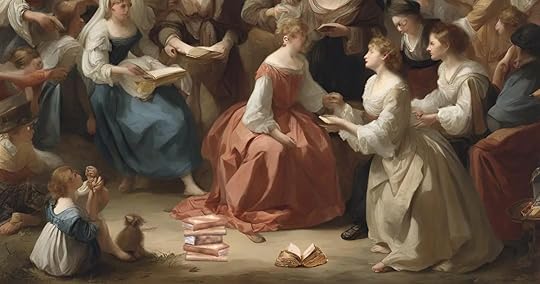 7. Role of Storytellers and Artists
Have you ever gone to literary festivals and art shows in Europe? You might have met storytellers and artists from many different places. Each one has their special way of telling stories or making art that is a gift to the world. They show how important it is to view things from different perspectives, which expands our understanding and love for the ability of storytelling to go beyond borders.
The start of every story is marked by a person who narrates it, an artist who forms it. They give their creative touch, perspective, and lived life into the story. The European way of storytelling comes from many kinds of voices – from old-style poets and playwriters to current authors or movie creators, they all have contributed something special to the fabric that Europe’s culture cherishes.
The Greeks, in ancient times, were the ones who initially made epic poetry. Works like “Iliad” and “Odyssey” from Homer serve as beginning points for this kind of storytelling which still has an impact on today’s storytellers. These big storylines that were either sung by bards or acted out on stages dealt with subjects about heroism, fate, and human nature. They essentially created what literature is in Western culture.
During the phase known as the Renaissance, many famous artists such as Leonardo da Vinci, Michelangelo, and Raphael created unique works that will last forever. These painters represent a time of cultural revival and humanism’s spirit. They depicted the European identity in their art forms like painting (Leonardo), sculpture (Michelangelo) or architecture (Raphael). These works highlighted natural beauty along with the potential for creativity in people’s minds.
Cultural Icons and ArchetypesEuropean storytellers and artists, in more recent years, have kept on being innovative and unconventional. They’ve handled topics such as social issues, politics, or even life’s meaning. The existential novels of Franz Kafka and Albert Camus, along with the cinematic masterpieces from Ingmar Bergman to Federico Fellini. All these show how European individuals deal with complexities in today’s world while providing an understanding of human circumstances.
We appreciate the variety of voices and perspectives that enhance European cultural heritage by studying the part of storytellers and artists. In literature, theater, visual arts, or film – all these fields have people who tell stories from different viewpoints which help to form what is considered typical European storylines.
8. Intersectionality and DiversityAny person who has several intersecting identities frequently looks for stories that mirror my experiences and difficulties. Whether it’s reading about the problems encountered by people who have immigrated or viewing films that highlight LGBTQ+ groups, storytelling provides confirmation and strength to accept yourself.
The storytelling in Europe is similar to a picture with many small pieces, different voices, viewpoints, and experiences. This shows the diverse combination of identities that create its cultural picture across this continent. Storytelling considers intersectionality, or how social categories like race, class, gender, and sexuality are linked together. It does this by expressing stories in subtle ways that highlight details about complex identity issues and power relationships.
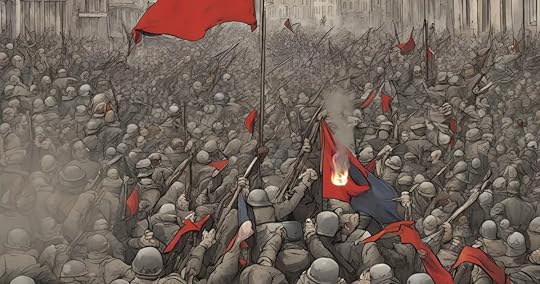 Narratives of Resistance and Resilience
Stories from underrepresented groups such as immigrants, and ethnic minorities are crucial because they provide varying narratives that challenge main cultural norms and widen our understanding of what European identity entails. The literature by Chimamanda Ngozi Adichie, a Nigerian-born writer who explores the immigrant life experience within Europe’s borders could offer us insight on complex matters related to identity, belonging as well as blending cultures.
Communities of diaspora and tales from various lands all over Europe have diversified European storytelling. They introduce transnational narratives that cross place and cultural boundaries. Instances are the Afro-European experience populated by a range of voices and viewpoints that query Eurocentric storylines while appreciating Europe’s multiplicity in culture.
When we think about the link between intersectionality and diversity in storytelling, it makes us realize how single-story narratives have their limits. We start to appreciate the many parts that make up European identity. These stories not only reveal what’s happening in Europe right now but also function as instruments of social change and collective power.
9. Transnational Influences and GlobalizationIf you reside in Europe, you might have witnessed how storytelling in this continent is affected by transnational impacts and cultural interchange. Exposing yourself to American TV series through marathon viewing or participating in multicultural celebrations, you can accept the variety of stories that helped define European culture during this era.
Storytelling in Europe is influenced by the transnational effects and forces of globalization. These changes go beyond the borders of geography and culture. The movement of people, diaspora groups, and cultural interactions have helped narratives to mix, making European cultural identity more diverse while also questioning old ideas about nationalism and pure culture.
It is clear that American pop culture greatly affects storytelling in Europe. Hollywood movies, TV programs, and music have a big influence on the culture of this area and also impact what types of art are created there. You see, from Disney animations that are liked worldwide to superhero groups which you can find almost everywhere. These stories from America have become part of European understanding, showing how linked global media truly is.
Hybrid Identities and Cultural HybridityThe shift of focus to indigenous stories and customs is a response to the impact of globalization. This shows that cultural frontiers are not rigid, and it emphasizes the power of native identity. Storytelling methods such as verbal traditions, myths plus ceremonies from local communities provide different perspectives that challenge Eurocentric narratives while also respecting human experiences as diverse.
By considering the transnational effects, we acknowledge the changing nature of European storytelling. It can adapt and evolve in response to varying social, political, and economic truths. These narratives work as connectors that bring together individuals and societies across borders. They promote sympathy, comprehension, and unity in a world that is getting more fragmented.
ConclusionIn short, storytelling in Europe is not merely a form of entertainment but a powerful force that shapes cultural identity. Through the preservation of tradition, transmission of values, and fostering of a sense of belonging, narratives connect Europeans to their past, present, and future.
In an increasingly globalized world, storytelling serves as a timeless anchor, grounding individuals in their heritage while embracing the complexities of modernity. As we continue to navigate the intricacies of identity and belonging, let us heed the lessons of European storytelling, celebrating diversity, fostering empathy, and embracing the power of narrative to unite humanity.
The post How Does Storytelling in Europe Shape Cultural Identity? appeared first on DS Inspire.
Why is it Meaningful to Edify Others with Books?
Why does discovering books with others hold great significance? Read more if you want to explore how edifying books with others can enrich lives and foster connections within communities.
When you Edify others with books, you help to enlighten them for personal growth and encourage good alterations. By sharing the exchange of knowledge, understanding, and wisdom in books, people can start on changing trips, get fresh points of view, learn useful abilities, and find motivation to conquer difficulties in life.
1. Understanding the Power of Edification The Essence of Edification
Edification is the act of raising other people and enlightening them by giving them knowledge and wisdom. This includes taking care of their intelligence growth, moral progression, and emotional health. When people take part in activities that edify others, they help to enhance society as a whole by encouraging a learning culture and promoting personal strength.
Remember the time when you suggested a book to your friend, and then you saw their eyes shining with excitement as they started reading it? The happiness and motivation that books can give to others shows how much effect learning has in our lives. It’s not only about telling stories but also about helping people grow and making connections. All of this happens every time a page is turned.
Edify Others with Books for Transformative ImpactBooks are powerful tools for learning. They contain lots of information, ideas, and stories that help us understand the world we live in. With literature, people can study many different topics, learn from various cultures, and get a deep understanding of how humans think and feel. Reading helps to broaden one’s perspective and promote analytical thought as well as empathy while also encouraging self-development and understanding of oneself.
Think about a book that changed your viewpoint or encouraged you to do something differently. It may have been an autobiography matching up with your experiences, or maybe it was a novel carrying you off into another universe. These instances of engagement with literature highlight how books can change our view on life and inspire us in our growth process.
Cultivating Empathy and UnderstandingEdifying people with books promotes empathy and comprehension because they show readers many viewpoints and life experiences. When people involve themselves in stories about different characters dealing with difficulties, achieving victories, or feeling emotions, they understand more about the complicated life of humans. The enhanced empathy helps to build understanding, sympathy, tolerance, and acceptance which are essential for forming harmonious relationships.
Think back to a book that changed your understanding of empathy and compassion deeply. It could be a tale that made you question what you believed or one that showed life experiences very unlike yours. Moments, when we empathize, are important, for they show how literature can change things by bringing people from all kinds of backgrounds together and helping them understand each other better.
2. Empowering Personal Growth Knowledge Acquisition and Skill Development
Books serve as invaluable treasures of knowledge. They can show understanding in many subjects, from science and history to philosophy and literature. By reading, people learn more skills, grow their thinking abilities, and get better at solving problems. Be it about learning a fresh language, becoming an expert in craftsmanship, or gaining deep knowledge about something specific – books have what’s needed for personal development and self-improvement.
Think about the skills you have learned or the hobbies you have explored through a book. It could be cooking, improving photography, or studying something that made your curiosity jump. Every reading moment has the power to make personal development happen and give motivation to follow passions confidently.
Inspiration and MotivationNurturing through books enlightens and stirs up people to follow their dreams, conquer difficulties, and aim for greatness. Biographies, autobiographies, and stories of achievement give a view into the lives of outstanding people who have won against obstacles; they show strength, persistence, and decision-making in the face of adversity. Such tales fill hope, spark ambition, and add power to the desire to reach goals – encouraging individuals to bring out their complete potential while following their dreams with confidence.
Recall a book that motivated you to chase after a goal or conquer difficulty in your own life. It could be any story, like a narrative about someone who keeps going despite tough situations, or an autobiography that connects with experiences similar to yours. Stories found in books have an exceptional power to inspire us to achieve our aspirations with resolute perseverance.
Cultivating Resilience and AdaptabilityReading helps people to become more resilient and flexible because they encounter different types of challenges, setbacks, and adversities in literature. When readers come across characters who face obstacles, deal with difficult situations, or show persistence despite adversity, this can inspire them to develop their resilience, strength, and resourcefulness. The experience of encountering adversity depicted in books helps individuals enhance their ability to cope with difficulties. This prepares them with the necessary resilience and adaptability required for handling life’s certain challenges and uncertainties.
Think about the characters who showed resilience and strength in stories you read, especially during tough periods. It could be a main character struggling with impossible situations or a narrative conquering difficulties against all chances. The teachings of enduring from literature tell us about our ability to face problems head-on and come out tougher on the other side.
3. Fostering Emotional Well-being Escapism and Stress Relief
Books become a refuge for the mind, giving peace, ease, and respite from the stress of daily life. Either in the imaginative universe of stories or through contemplative self-examination found in non-fiction works, reading provides escapism from pressures such as worry, unease, and disorderliness. When people involve themselves with interesting tales they can temporarily move beyond their concerns by getting absorbed into an absorbing story which gives them necessary restorative restfulness.
Consider the times in life when losing oneself in a book was like finding tranquility within chaos. Maybe it involved coming home after an exhausting day and relaxing with a novel that transported you to another place or time. Or maybe it was during challenging periods when diving into fantasy worlds provided solace from real-world problems. These instances show how reading can work as therapy for our emotional health by giving us peace and restoring inner serenity when everything seems chaotic around us.
Emotional Resonance and CatharsisEdifying others with books facilitates emotional resonance and catharsis, enabling individuals to explore and process their own emotions in a safe and supportive environment. Characters’ experiences of love, loss, joy, and despair resonate with readers on a profound emotional level, eliciting empathy, validation, and understanding. Through empathetic engagement with fictional worlds and characters, individuals experience catharsis, releasing pent-up emotions, gaining insight into their feelings, and fostering emotional healing and growth.
You probably have read a story at least once that caused you to weep or guided you through a demanding emotional path. It may be a tale reflecting your life events, or perhaps characters whose difficulties struck deep within yourself. The emotional effect literature has on us reminds us that our struggles are not solitary and solace can be discovered in the pages of a book.
Promoting Empowerment and Self-acceptanceBooks help people to be true to themselves, appreciate their specialness, and develop self-approval and self-care. By meeting different persons in stories who are dealing with questions about who they are, where they fit, and how to find themselves, readers get motivated to accept their strengths as well as weaknesses. This leads them on an individual path towards understanding oneself better through exploration or expression of personal identity. The growth from not only appreciating but also loving oneself promotes emotional strength, inner calmness, and a feeling of being powerful which supports handling difficulties in life confidently and gracefully.
Think of the characters who also went on self-discovery adventures similar to your search for genuineness and personal approval. It could be a main character who accepted their uniqueness and flaws, or maybe it was a story highlighting the attractiveness of being different. Those lessons in self-love from books tell us all to love our real selves and be genuine in this world full of variety.
4. Building Meaningful Connections Fostering Communication and Dialogue
Edifying others with books fosters meaningful connections and facilitates open communication and dialogue. When people have a shared experience of reading, it creates a base for conversation where they can talk about the book, exchange thoughts, and consider different viewpoints. Be it through book clubs, literature events, or internet forums – reading promotes interaction that is significant by encouraging intellectual exchange and strengthening social connections.
Remember the discussions you had with friends or family about books that made a big impression? It could be discussing the topics of a storybook or telling your thoughts after reading memoirs, these kinds of conversations show how books can bring together and stimulate dialogue among individuals from different backgrounds.
Strengthening Relationships and EmpathyBooks play a pivotal role in strengthening relationships and fostering empathy by facilitating shared experiences and mutual understanding. Whether reading together as a family, discussing favorite books with friends, or recommending novels to colleagues, the act of edifying others with books cultivates empathy, promotes active listening, and strengthens interpersonal connections. These shared literary experiences deepen emotional bonds, foster empathy, and nurture a sense of community and belonging.
Remember the times when sharing a book with someone made your relationship stronger and improved understanding? Think about bonding with a friend who also loves the same author as you, or how recommending certain books to family members led to important conversations. These experiences show how literature can unite people and create lasting connections.
Promoting Cultural Understanding and DiversityEdifying others with books helps in understanding cultures and embracing variety by introducing people to a wide range of voices, viewpoints, and life adventures. By reading materials from authors of various origins, readers get an understanding of different cultures, customs, and ways of seeing the world which encourages empathy across cultures as well as admiration for other people’s beliefs with respect towards them. The exposure to various stories supports inclusiveness by questioning generalizations or assumptions while creating a fairer society that values all aspects.
Think about the books that led you to know cultures and viewpoints unlike yours. Whether it was becoming familiar with the practices of a faraway place or understanding what life is like for less represented groups, these reading adventures expand our comprehension of the globe. They also encourage us to show empathy and admiration towards various perspectives.
5. Nurturing Lifelong Learning Cultivating a Growth Mindset
Edifying others with books cultivates a love of learning that lasts for life and encourages a growth mentality that is full of curiosity, stamina, and desire for knowledge. When we make people encounter different subjects, types of writing, and ideas through reading, it creates an intellectual interest in them. They are motivated to explore new areas of interest or work on continuous self-improvement. This attitude of growth prepares people to tackle difficulties with open arms, perceive failures as chances for development, and keep trying despite obstacles, all contributing towards lifelong dedication to personal or professional growth.
Think about the times when a book got your interest, initiating a journey of finding. It might be stumbling upon an absorbing subject in non-fiction literature, or getting engrossed in an imaginative story that inspired your mind’s creativity. These memories demonstrate the happiness found in continuous learning throughout life as well as how books provide infinite chances for individual development and investigation.
 Promoting Critical Thinking and Problem-Solving Skills
Books act as a trigger for thinking deeply and solving problems, making readers question things, study various viewpoints, and assess available proof. By encountering different stories, opposing opinions, and moral issues within books, people improve their thought skills. They also enhance their logic abilities while gaining a more detailed comprehension of the world around them. This improvement in critical thinking skills helps individuals handle confusion better. It gives them the intellectual abilities required for making wise choices and dealing with difficulties on a constantly changing planet.
Consider the books that made you question your beliefs and compelled you to think deeply about the world. It might have been an interesting point in non-fiction or a surprising turn of events in a novel that made you reassess your viewpoint. These instances of mental involvement show how literature can change our thoughts and broaden them at the same time.
Empowering Self-directed Learning and CreativityEdifying others with books empowers individuals to become self-directed learners and creative thinkers, capable of generating original ideas, exploring new concepts, and expressing themselves authentically. By providing access to a vast reservoir of knowledge and inspiration, reading stimulates imagination, fosters innovation, and fuels the creative process. Whether through consuming works of literature, engaging with thought-provoking non-fiction, or pursuing independent research, individuals harness the power of books to cultivate their intellectual curiosity, expand their creative horizons, and unleash their full potential as lifelong learners and innovators.
Think about the times when books made your creative side come alive and motivated you to show yourself in fresh ways. Maybe it was writing poems after reading a special author, or trying out an artistic method from a visual story. These experiences show how literature can transform us creatively by letting our imagination loose, giving life more depth through art and expression.
ConclusionIn conclusion, the act of edifying others with books transcends mere information dissemination. It embodies a transformative journey of personal growth, intellectual enrichment, and cultural exchange. From fostering empathy and resilience to promoting lifelong learning and creativity, books serve as catalysts for positive change, empowering individuals to navigate life’s challenges, broaden their horizons, and connect with others on a deeper level. As we embrace the journey of edification through books, let us celebrate the profound impact of literature in shaping our lives, inspiring our minds, and enriching our souls.
The post Why is it Meaningful to Edify Others with Books? appeared first on DS Inspire.
May 8, 2024
Literature as Resistance: Books in Social Movements
In many social movements throughout history, literature has acted as a means of resistance, strength, and societal alteration. Literature in its different forms such as novels or poetry can motivate people to fight against unfairness, encourage them to push for equality, and inspire efforts towards creating a more improved society.
1. Historical Perspective with Literature as Resistance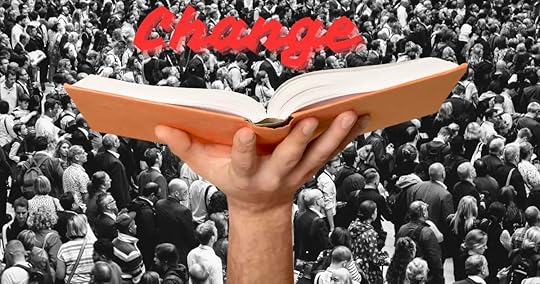 Literature as a Catalyst for Change
In the past, literature has played a significant role in bringing about social change. It has given voice to the underrepresented and illuminated societal unfairness. For example, “Uncle Tom’s Cabin” by Harriet Beecher Stowe boosted anti-slavery feelings during the 19th century while “The Jungle” written by Upton Sinclair revealed terrible conditions within the meatpacking industry.
Empowering Marginalized VoicesIn literature, we see a place where voices that were pushed to the side can find recognition. Writers who come from different backgrounds use their work to question the stories that are commonly accepted and fight for equal rights. Like, in Harlem Renaissance the poetry of Langston Hughes and novels by Zora Neale Hurston gave focus to African Americans’ experiences, creating an awareness of identity and honor within their community.
Documenting Social MovementsBooks, as historical artifacts, are very crucial for capturing the spirit and influence of social movements. The memoirs, diaries, and novels act like time capsules that hold initial descriptions of activism and resistance.
These literary works preserve the stories of people who fought for change in a way only they can tell. They show us what life was like during those times and how they struggled against injustice or inequality, knowledge not found elsewhere but through their eyes alone. Books have a dual role: to educate those who come after us about past fights while also encouraging them to keep fighting until justice prevails again
2. Literature as a Tool for Empowerment Fostering Empathy and Understanding
Literature can inspire empathy and comprehension, as it permits readers to put themselves in other people’s situations. When one engages with various viewpoints and lives, one may gain a more profound empathy for the battles of oppressed groups. This identification is crucial in promoting unity and inspiring group efforts.
Inspiring Critical ThinkingBooks are good for people to think deeply and ponder. They make readers ask questions about power systems and common social rules. Literature has stories that provoke thoughts, with characters who have many layers. This pushes readers to face their prejudices and expectations. Such thoughtful involvement is crucial in creating societal consciousness and driving significant progress.
Cultivating Resilience and HopeIn hard times, literature can bring comfort and motivation, reminding people about their power to endure and bounce back. Stories about conquering troubles or showing toughness while dealing with unfairness give hope and support to those experiencing similar difficulties. Literature can inspire individuals by telling tales of bravery and persistence, encouraging them to continue in their battles for fairness.
3. The Power of Storytelling in Social Movements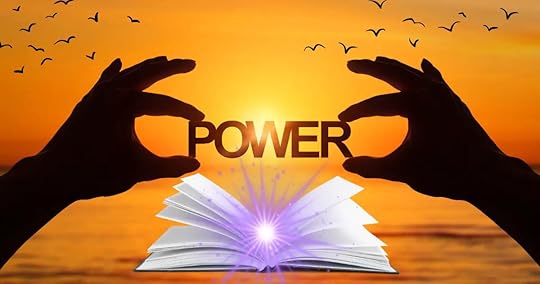 Creating Cultural Shifts
Stories can influence culture and confront predominant ideologies. When writers present narratives that mirror varied experiences and viewpoints, it disassembles stereotypes while encouraging inclusivity. The power of storytelling allows social movements to alter cultural narratives, preparing the ground for substantial social transformation.
Mobilizing CommunitiesStories can bring people together and motivate them to work collectively. When we share tales about opposing forces and strengths, literature has the potential to encourage individuals to join efforts toward shared ambition. Reading poetry, participating in book clubs, or organizing movements from the base community are all ways that literature can be used as a strong force for unity and action in a society.
Sustaining MomentumLiterature is also a way to keep the embers of social movements burning, maintaining a lasting push for change. Writing can be an influential tool in preserving history and cultivating ideas during periods of lessened activism. It helps to retain knowledge from past experiences and carry forward aspirations for societal transformation over time.
4. Challenges and Controversies in Using Literature for Social Movements Appropriation vs. Representation
A difficulty that comes up when employing literature for social movements is handling the delicate boundary between taking over and showing. Even though literature can make stronger the voices of those who are not heard, there is a chance it might use these stories for commercial or political advantage. This could be seen as ‘crafting’ a narrative rather than genuinely representing an experience.
Writers and people involved in activism need to participate in ethical ways of storytelling. This approach give importance to true expression, making sure that communities have power over telling their own stories on their specific conditions.
Censorship and SuppressionLiterature, many times, gets censored or put down by those in power who want to keep things the same and quieten opposing opinions. This kind of suppression can appear as bans on books or severe actions from governments against writers who disagree with them. The risk of censorship is a danger to what literature can do within social movements. People and groups must stand up for freedom of speech, fighting back against attempts to censor or suppress literature that questions power systems and supports changes in society.
5. The Future of Literature in Social Movements Embracing Digital Platforms
With the growth of technology, literature can be seen by more people through digital platforms and social media. Writers and activists can use internet power to share stories, gather communities together, and make marginalized voices stronger. If literature accepts digital platforms, it could become more reachable and influential in pushing social change.
Intersectionality and InclusivityThe coming time for literature in social movements is to understand intersectionality and inclusiveness. This means recognizing how different social justice problems are linked together, giving more space to various voices and experiences. If we put the focus on voices from communities that have less power (marginalized), and include more types of perspectives, literature can become a stronger way to question system-based unfairness and fight for real transformations.
ConclusionTo wrap it all up, literature is a strong element in social movements that can bring about transformation, strength, and opposition. It has deep historical importance, helps to give power to the voices of those who are left out or oppressed, and shapes our cultural stories.
When literature keeps playing its role as an agent for empathy, thoughtful examination, and group participation regardless of the difficulties it faces with appropriation, censorship, or changes brought by digital world development. By welcoming intersectionality, inclusiveness, and ethical methods of storytelling, literature will persist as a crucial force in promoting justice, fairness, and beneficial shifts within society throughout the coming years.
The post Literature as Resistance: Books in Social Movements appeared first on DS Inspire.
May 5, 2024
Unlocking Wisdom: A Guide to Poring Over Books
Engaging in the essential practice of poring over books unlocks wisdom and provides insights into various aspects of life. You can discover valuable lessons, broaden your perspective, and find solutions to personal and life problems by delving deep into a book’s pages.
1. The Power of Deliberate Reading Understanding Deliberate Reading
Engaging in deliberate reading necessitates full immersion within the book’s content, absorption of its ideas, and reflection on its implications. Unlike casual reading, which simply skims through text without much thought or engagement, deliberate readers approach materials with focus and intentionality. They actively question, analyze, and interpret as they progress.
Developing Concentration SkillsTo engage in effective deliberate reading, one must hone the ability to concentrate. Concentration is paramonnunt. In our world filled with interruptions and stimuli, readers who can immerse themselves deeply in a book extract optimal value from their experiences. They employ techniques to curtail interruptions, and allocate dedicated time for reading, thus creating an environment conducive to enhanced focus.
Embracing Slow ReadingSkimming or speed-reading stands as the antithesis to slow reading is a method that involves savoring every word, sentence, and paragraph. This approach permits the mind’s full digestion of content. It allows individuals to delve deeply into a book’s nuances, uncovering layers of meaning often left unnoticed when one employs rapid reading techniques.
2. Digging for Insight Active Engagement with Text
Essential to extracting insights from books is active engagement with the text. This engagement is a process that involves asking questions, making connections and challenging assumptions presented within the material is crucial. Through it, readers not only deepen their understanding but also uncover invaluable insights by actively interacting with content.
Reflective JournalingThe experience of reading can be enhanced through the practice of maintaining a reflective journal. It fosters introspection and self-discovery. By transcribing personal thoughts, and reactions, and even engaging in critical analysis while reading, one gains unprecedented clarity into their own beliefs, values, and experiences. This is not merely an act of recording events but it’s actively integrating new concepts within our existing knowledge framework that makes reflective journaling so potent.
Discussing with OthersParticipating in dialogues with others about our reading materials enriches our comprehension and introduces fresh perspectives. This is an intellectually invigorating practice. Whether it’s via book clubs, online forums, or even casual exchanges, the act of sharing insights and swapping ideas amongst fellow readers nurtures critical thought. It’s a catalyst for intellectual expansion.
3. Navigating Life’s Challenges Drawing Parallels
Often, books function as mirrors. They reflect facets of our lives and experiences. By establishing parallels between the challenges endured by fictional personas or real-life stories and our struggles, we not only garner fresh insights but also formulate novel strategies to cope with adversity.
Seeking GuidanceDuring uncertain or challenging times, one can trust books to serve as guides that offer wisdom, comfort, and solace. Literature, be it through biographies of inspirational figures, self-help manuals, or philosophical treatises, offers a vast reservoir of knowledge and guidance for navigating life’s complexities.
Cultivating EmpathyFostering empathy, reading allows us to inhabit the minds and experiences of others. Through our immersion in diverse narratives and perspectives, we cultivate a deeper understanding of human emotions, motivations, and struggles. This heightened empathy not only enriches relationships but also enhances the capacity for compassion. It amplifies understanding as well.
4. Harnessing the Transformative Power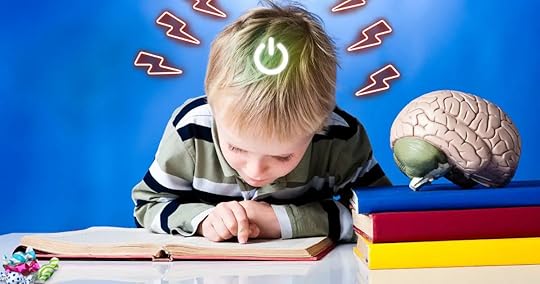 Personal Growth and Development By Poring Over Books
Poring over books catalyzes personal growth and development through continuous learning, a commitment that requires self-reflection, expansion of horizons, cultivation of new skills, and overcoming limiting beliefs. A lifelong dedication to this process unlocks one’s full potential leading them towards a more fulfilling and purposeful life.
Empowerment Through KnowledgeKnowledge is power and books are its carriers. Individuals arm themselves with the information, insights, and ideas they gather from these texts. Through this process, they not only make informed decisions but also challenge conventional wisdom, ultimately effecting positive change in their lives as well as communities.
Cultivating ResilienceDiverse narratives of success over adversity infuse resilience as we engage with them through reading. Individuals, by immersing themselves in stories marked by resilience, perseverance, and courage, learn pivotal lessons on conquering obstacles. They master the art of bouncing back from setbacks and ultimately embrace their own inherent human spirit’s tenacity.
5. The Art of Selecting Books Wisely Defining Your Purpose
Before you embark on your reading journey, it remains crucial to establish the purpose and intention. Do you aim for knowledge, inspiration, entertainment, or personal growth? By delineating these objectives. Not only can one narrow their book selections but also align each subsequent reading experience with one overarching goal.
Diversifying Your Reading ListEmbrace variety and diversify your reading list. Doing so exposes you not merely to a wide range of perspectives, genres, and authors but also allows for an exploration of different cultures and periods. By venturing into uncharted literary territory, and stepping outside your comfort zone, you broaden your horizons. You also enrich the very experience of reading itself.
Curating Your Reading EnvironmentFostering focus, concentration, and enjoyment hinges on the creation of a conducive reading environment. Seek out an inspiring space–be it your cozy home nook; a tranquil outdoor setting or a bustling coffee shop–that invigorates all your reading endeavors. Banish distractions: set the stage with ambient lighting and background music; then immerse yourself completely in the book world.
ConclusionTo wrap it all up, engaging with books goes beyond the world of intellectual pursuit. It is a transformative journey marked by self-discovery, growth, and empowerment. Embracing deliberate reading, mining for insights, and navigating life’s challenges are not just tasks but rather skilled arts that transform book selection from mundane to profound.
By harnessing literature’s transformative power, you unlock wisdom within pages of text, initiating personal and spiritual enrichment in your life. Therefore, diving into the pages of a book can embark you on an illuminating journey that will enrich your mind, nourish your soul, and guide you forward along a brilliantly lit path of understanding.
The post Unlocking Wisdom: A Guide to Poring Over Books appeared first on DS Inspire.
May 4, 2024
Benefits of Telling Ghost Stories During Camping
Have you ever wondered why people tell ghost stories during camping and what is its purpose? Telling ghost stories during camping isn’t just about getting spine-tingling shivers down your spine. In this article, we dig deep into the benefits of sharing eerie tales around the campfire and why it’s a cherished tradition for campers worldwide.
Telling ghost stories during camping can create a shared experience building bonds, and fostering camaraderie among campers. It adds an element of thrill and excitement to the outdoor adventure, making the camping trip more memorable and engaging. It also helps pass the night time with entertainment as there won’t be many other forms of entertainment in the great outdoors when everything is dark. Moreover, confronting fears within a controlled environment can cultivate resilience and confidence, bolstering bravery and making you less cowardly.
1. Building Bonds and Fostering Community with Ghost Stories Strengthening Connections:
Campers gather and share ghost stories around a crackling campfire. This unique ritual fosters an unbreakable bond. The power of these narratives traverses beyond age and background. It unifies all participants in one shared experience.
It doesn’t matter if you are a seasoned outdoors enthusiast or venturing into camping for the first time. A collective feeling of vulnerability and excitement stirs within each individual, propelling them towards friendship. Bonds created during such moments frequently persist long after the camping trip has ended.
Cultivating Trust:The darkness surrounds the campsite. Only flickering flames serve as illumination. In this setting, sharing ghost stories fosters trust among campers. It transforms vulnerability into a shared experience, an act of listening and sharing that creates an atmosphere of openness and mutual understanding. Within this context, campers feel safe enough to express their fears and insecurities, consequently deepening the group’s bonds of trust.
Encouraging Inclusivity:During camping, ghost stories establish an inclusive platform. There, everyone’s voice resonates and garners value. Each camper, unrestricted by their storytelling prowess or background, has a chance to contribute. Thus, weaving together the web of shared narrative. This inclusivity fosters belongingness in each individual, a vital assurance that makes every camper perceive themselves as integral parts of the group dynamic.
2. Igniting Imagination and Creativity Stimulating the Mind:
The engagement in the oral tradition of storytelling stimulates the imagination, whisking listeners away to uncharted realms. Huddled together, campers carefully listen to every word. They paint these tales vividly within their minds. This exercise, rich with imagination, not only enhances cognitive function but also spurs creativity. It’s an encouragement for them all to venture beyond conventional thought patterns and boldly probe into unexplored aspects of their imaginations.
Inspiring Creativity:Ghost stories act as a catalyst for creativity. Campers, inspired by the tales of suspense and intrigue shared around their campfire, discover their voice, unleashing their creative potential. The art of storytelling, whether it involves reimagining classic ghostly encounters or inventing entirely new narratives, fosters self-expression and originality among all age groups at camp.
Fostering Appreciation for Nature:Nature provides the backdrop where ghost stories, together with elements of the natural world, seem to come alive. As campers hear narratives about restless spirits haunting wilderness or encounter eerie phenomena in secluded areas, they cultivate an intensified appreciation for their surrounding environment. Meanwhile, it is not just a one-sided experience but rather, the sights and sounds from nature enhance the storytelling itself. Thus, forging a mutually beneficial relationship between narrative artistry and landscape immersion.
3. Confronting Fears and Overcoming Challenges Confronting the Unknown:
During camping, ghost stories carve out a secure arena for campers to face their fears and anxieties in an environment they control. As darkness envelops them and nocturnal sounds acquire an eerie resonance, we urge the campers to engage with the enigma through narrative. When individuals externalize their fears as spectral tales, they acquire empowerment and control over elements that previously haunted them.
Building Resilience:Engaging with ghost stories cultivates resilience when confronted with difficulties. Campers master the art of maneuvering through uncertain, fearful situations. With each narrative they share, their strength and resilience intensify. Individuals who embrace the enigma and confront their profound fears cultivate inner fortitude. Thus, equipping themselves to conquer challenges in both wilderness adventures and daily life routines.
Promoting Personal Growth:Telling ghost stories during camping is an action that catalyzes personal growth and self-discovery. The shared experience of storytelling allows campers to gain insight into their fears, desires, and motivations. They confront head-on these aspects of themselves. As a result, emerged from such experiences exists a newfound sense of courage coupled with self-assurance. Individuals, in the crucible of a campfire, unearth their resilience depths and harness the power of human connection.
4. Cultivating Reflection and Meaningful Dialogue Encouraging Reflection:
During camping, campers seize the chance to reflect on profound themes and concepts through ghost stories. The supernatural narrations unfurl in front of nature’s grandeur. This prompts contemplation of existential queries, an exploration into life’s enigmas, death is one such mystery. Engaging in this introspective exercise cultivates self-awareness and nudges individuals beneath their surfaces, encouraging them to probe more deeply into their psyche layers.
Fostering Meaningful Dialogue:Around the campfire, storytelling ignites significant dialogue among campers. As each tale unravels, lively discussions take place. They explore the essence of fear, delve into the potency of narrative power, and probe cultural implications inherent in ghostly experience. These conversations transcend superficiality, shunning shallow small talk, and venture to touch upon human existence at its core. They foster connections not merely by chance but carved out from shared values and beliefs.
Promoting Emotional Resilience:During camping, when individuals engage with ghost stories, they cultivate emotional resilience which is a crucial characteristic in facing uncertainty and adversity. Navigating the complexities of human emotion becomes their domain, and courageously confronting fears and anxieties instills fortitude. Participating in storytelling, through this shared experience, forges an emotional intelligence that aids them to cope effectively with life’s challenges. Consequently, each individual emerges stronger and markedly more resilient.
5. Enhancing Cultural Appreciation and Diversity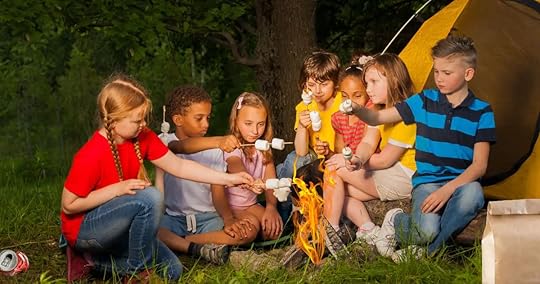 Celebrating Cultural Heritage:
During camping, campers find a platform for celebrating diverse cultural traditions and folklore through ghost stories. As we share tales passed down through generations, our understanding broadens into the rich tapestry of human experience across various cultures and periods. This celebration not only fosters empathy but also promotes inclusivity, nurturing appreciation for the myriad ways humans express themselves.
Exploring Global Perspectives:Ghost stories transport campers across the globe, allowing them to explore unique landscapes and mythologies of distant cultures. Be it the haunted castles in Europe or the spirit-infested forests in Asia, the tales provide glimpses into humanity’s collective imagination spanning continents and civilizations. Such a global perspective cultivates curiosity and nurtures respect for cultural diversity. It profoundly enriches campers’ worldviews.
Building Bridges Across Differences:Ghost stories, acting as bridges, unify people of varied backgrounds and experiences. When campers exchange their cultural customs with supernatural tales, they discover commonalities within their differences. This process forges connections rooted in shared humanity. Amidst a progressively polarized world, the act of storytelling during camping oversteps language barriers, nationalities divisions, or ideological rifts to unite all participants in one collective celebration of being human.
ConclusionIn essence, telling ghost stories during camping offers more than mere entertainment. It nurtures reflection, fosters dialogue, and promotes cultural appreciation. This cherished tradition, from bolstering emotional resilience to constructing bridges across differences, profoundly enhances the camping experience.
The post Benefits of Telling Ghost Stories During Camping appeared first on DS Inspire.
May 3, 2024
Should I Forgive a Backstabbing Friend?
If you’re grappling with whether to forgive a friend who’s betrayed you, it’s unquestionably a challenging situation. I’ve found myself in this situation many times, and I understand how tough it can be. Taken from my own experiences, I hope to offer some insights to help you decide and choose the best course of action. In this article, we’ll dig into the intricacies of forgiveness, exploring its significance, potential benefits, and practical considerations in navigating relationships tainted by betrayal.
There isn’t a one-size-fits-all approach to whether you should forgive a backstabbing friend or not. This can be a challenging decision, accompanied by complex emotions and considerations. While it may seem impossible to reconcile with someone who has betrayed your trust, forgiveness can offer great benefits for your own well-being and personal growth.
It comes down to your friend and how much their friendship means to you. If they’re a close, long-time friend, then it’s worth giving them a few chances to make things right. However, if you notice they’re not willing to change, it’s best to end things before it turns into a toxic situation. On the other hand, if they’re not as significant to you, it’s okay to cut ties sooner rather than later.
1. Understanding Betrayal and Forgiveness What Constitutes Betrayal?
Many forms can embody betrayal, from deceit and dishonesty to the breach of confidence or loyalty. A betrayal is often a trust-dissolving act. It leaves its victims not only hurt and disillusioned but also significantly vulnerable.
Hence, understanding the intricate facets of betrayal is paramount for comprehending its impact on relationships as well as emotional stability. In recognizing these nuances lies our quest towards healing post-betrayal. It’s an acknowledgment that allows us not just to empathize with others who’ve experienced similar wounds but also fosters self-awareness within ourselves, a crucial step in reconstructing shattered trust bonds so integral for healthy human interaction at large.
The Significance of ForgivenessForgiveness isn’t a matter of condoning or excusing the hurtful actions others commit. Rather, it’s an intentional decision to relinquish resentment and anger. This conscious choice not only allows for personal healing but also enables forward progression. By releasing grudges and resentments, forgiveness gains power. Individuals can regain their emotional autonomy, liberating themselves from the clutches of previous wounds.
The Power of EmpathyThe pivotal role of empathy in the forgiveness process enables individuals to insightfully understand the motivations and circumstances that could have precipitated betrayal. By cultivating this crucial trait, one fosters a deeper understanding of relationship complexities inherent within humanity. Consequently, compassion flourishes while reconciliatory pathways are facilitated.
2. The Psychological Dynamics of Forgiveness Healing Wounds – The Psychological Benefits
As indicated by research, forgiveness imparts profound psychological benefits. It diminishes stress, anxiety, and depression. Through the expulsion of negative emotions and the cultivation of inner tranquility, forgiveness not only engenders a healthy psyche but also bolsters resilience against adversity.
Breaking the Cycle of ResentmentChoosing forgiveness breaks the cycle of negativity and personal growth hindrance that harboring resentment, and bitterness towards a backstabbing friend can perpetuate. This choice offers a path to liberation. It empowers one emotionally, crucially boosting their overall emotional health.
Building Trust and Repairing RelationshipsForgiveness, though not an assurance of reconciliation or trust restoration, allows for significant dialogue and healing. Through nurturing open communication and mutual understanding. This is where the foundation lies for reconstructing broken relationships with amplified intimacy and enhanced trust.
3. Practical Considerations in Forgiveness Setting Boundaries
Reconciliation or continued engagement with the individual who betrayed your trust is not a necessity for forgiveness. Essential to this process, setting healthy boundaries safeguards oneself from further harm and cultivates emotional well-being.
Cultivating Self-CompassionNavigating the deeply personal and challenging journey of forgiving a backstabbing friend requires crucial self-compassion practice. One must navigate this process with kindness towards oneself, understanding that healing demands both time and patience.
Seeking SupportTrusted friends, family members, or therapists can provide invaluable guidance and perspective in navigating the complexities of forgiveness. Seeking their support is crucial. A supportive network, composed primarily of these trustworthy individuals, offers solace during times of emotional upheaval. It also serves as an encouraging force.
4. Overcoming Obstacles to Forgiveness Dealing with Anger and Resentment
Betrayal naturally elicits anger and resentment. However, maintaining these emotions obstructs the process of forgiveness. By acknowledging and expressing such feelings healthily, through journaling or confiding in a trusted ally, one can lay a pathway towards emotional healing. This will eventually lead to forgiveness.
Managing Trust IssuesRebuilding trust after experiencing betrayal is a daunting task. It demands patience, honesty, an unwavering commitment to transparency, and consistent effort from all parties involved. However, it’s important not to overlook the time element intrinsic to this process. While forgiveness represents an indispensable step towards restoration of faith, acknowledging that trust may require considerable duration for reconstruction is equally imperative.
Cultivating GratitudeCultivating gratitude for the lessons learned and growth opportunities that adversity presents empowers individuals in their forgiveness process, fostering resilience and emotional well-being. Indeed, practicing gratitude can shift focus away from betrayal’s pain towards life’s positives.
5. Embracing Self-Reflection and Growth Reflecting on Personal Values
Individuals, prompted by betrayal, often reassess their values, priorities, and boundaries. This process can lead to profound insights and personal growth. When they engage in self-reflection, a crucial step towards clarity on relational worthiness, it enables them to set healthy boundaries that align with their self-respect and overall well-being.
Learning from the Experience of Dealing with a Backstabbing FriendEvery experience, even betrayal, provides invaluable lessons for personal growth and self-discovery. Individuals, by seizing the opportunity to learn from such experiences, can foster resilience, and wisdom. They can nurture compassion, ultimately emerging stronger and more adaptable in future confrontations with challenges.
Forgiving YourselfAfter experiencing betrayal, one commonly engages in self-blame or scrutinizes their judgment. Self-forgiveness stands as a crucial component of the overall forgiveness process. It enables individuals to relinquish self-accusation and foster self-compassion. As one acknowledges that mistakes form an inherent part of human existence, one can actively embrace forgiveness. This is a pathway toward both inner peace and self-acceptance.
Navigating Misunderstandings in Friendships
Sometimes, we’re quick to label a friend as a backstabber without viewing the full picture. Take my friend’s situation for example: he thought his best friend stole his crush, but in reality, he may have misunderstood the dynamics. Reflecting on his bad habit of claiming ownership over every girl, it became clear he might be viewing things through a skewed lens. It’s important to introspect and consider alternative viewpoints before casting blame.
Rather than resorting to the blaming game, engaging in open communication, and seeking insights from third-party friends, mature friends who understand interpersonal dynamics can offer valuable perspectives. Involving multiple friends, preferably those trusted for their reliability in such situations, can provide a more comprehensive understanding of the relationship dynamics before jumping to conclusions. This approach promotes personal growth and can prevent you from viewing the world negatively and wrongly. Hosting a group discussion within your circle of friends can also allow for clarification, benefiting everyone involved.
BottomlineIn short, deciding to forgive a backstabbing friend is an intensely personal choice. It demands meticulous consideration and introspection. Although it may not wholly eliminate the pain or reverse the betrayal, forgiveness wields transformative power. It can heal wounds, restore emotional independence, and spur personal growth.
Embracing forgiveness with empathy, self-compassion, and resilience is key for individuals. Through this act of bravery, they embark on a journey filled with healing liberation, and ultimately reconciliation. This path leads to profound enrichment in their lives as well as relationships, an experience unparalleled in its depth and significance.
The post Should I Forgive a Backstabbing Friend? appeared first on DS Inspire.
May 2, 2024
Which Book Genres Should Introverts or Extroverts Read?
Picking the right book genre for your personality type can significantly improve your reading experience, offering insights, comfort, and entertainment that resonate with your temperament. Let’s use this article as a guide to help you decide on your next read.
Which genres introverts or extroverts read shouldn’t always be based on what you affiliate with; there are many other factors to think about, such as personality. Additionally, individuals can be a mixture, like 30% introvert and 70% extrovert, so this classification serves as a guide rather than a hard rule to follow. Ultimately, it’s up to you to decide what to read based on your own experiences. However, if you’re new to reading and seeking guidance, understanding your personality tendencies can be a helpful tool in selecting your next read.
 Understanding The Introvert and Extrovert World
Issolation provides introverts with solace and they draw energy from within. On the other hand, extroverts thrive in social settings, their energy is recharged through external interactions.
Introverts: Introverts typically like introspective activities that allow for deep contemplation and reflection. Introverts often prefer quieter, more solitary pursuits that provide an escape from overstimulation.Extroverts: Extroverts, on the other hand, seek stimulation from an external source. They gravitate towards large social gatherings, lively atmospheres, and activities that involve interaction and excitement.Recommended Book Genres for an Introvert ReaderIntroverts tend to like genres that offer immersive experiences, intellectual stimulation, and opportunities for introspection. As an introvert myself, I’m drawn to books that immerse me deeply in the world in which the book was created, allowing me to lose myself in my thoughts and drift away. Whether fiction or non-fiction, I often find myself daydreaming for a long time about how I would react to situations presented in the book and contemplating how the ideas could be applied in the real world.
1. Fictional Worlds and Character-driven NarrativesDive into richly imagined fictional worlds populated by complex characters. Literary fiction, fantasy, and science fiction offer deep explorations of human nature, society, and morality.
Example: “The Catcher in the Rye” by J.D. Salinger or “The Hobbit” by J.R.R. Tolkien.
2. Thought-provoking Non-fictionEngage with thought-provoking non-fiction that delves into psychology, philosophy, or personal development. These books provide insights into the human condition and encourage self-reflection.
Example: “Quiet: The Power of Introverts in a World That Can’t Stop Talking” by Susan Cain.
3. Slow-paced and Atmospheric ReadsChoose books with a slower pace and atmospheric settings that allow for deep immersion. Atmospheric mysteries, historical fiction, or introspective memoirs can provide a sense of escape and tranquility.
Example: “The Secret History” by Donna Tartt or “Walden” by Henry David Thoreau.
 Recommended Book Genres for Extroverts Read
Extroverts thrive on dynamic narratives, fast-paced plots, and engaging storytelling that captivates their attention and feeds their social energy.
1. Thrilling Adventures and SuspenseEmbark on thrilling adventures filled with suspense, action, and intrigue. Thriller, mystery, and adventure genres offer adrenaline-pumping experiences and keep readers on the edge of their seats.
Examples: “The Da Vinci Code” by Dan Brown or “Gone Girl” by Gillian Flynn.
2. Upbeat and Humorous ReadsSeek out books that embrace humor, wit, and lightheartedness. Humorous fiction, satirical novels, and comedic memoirs provide laughter and entertainment, fostering a cheerful and jovial mood.
Examples: “Bridget Jones’s Diary” by Helen Fielding or “Bossypants” by Tina Fey.
3. Socially Relevant and Contemporary WorksExplore socially relevant and contemporary works that reflect the pulse of society. Contemporary fiction, social commentary, or politically charged narratives offer insights into current issues and foster lively discussions.
Examples: “The Hate U Give” by Angie Thomas or “Normal People” by Sally Rooney.
Why Preferred Book Genres Differ Between Introverts and Extroverts?Understanding the divergent preferences in book genres between introverts and extroverts reveals that personality traits indeed influence reading habits. Picking the right book genres for your personality will get you more excited about reading as it’s something you’re interested in. Picking the wrong genres might waste your time as you won’t know if a book is good or not until you start reading.
If you are unlucky enough to finish reading the book and realize you didn’t like it, you might be upset with yourself. Finishing only half the book might make you feel like you’ve given up, which many people don’t like to do. So picking a book that excites you can help you enjoy while learning at the same time.
 1. Cognitive Processing Styles
Introverts often prefer deep processing, focusing on intricate details and internal reflection. They tend to favor genres with complex characters, subtle nuances, and thought-provoking themes that enable a profound exploration of the narrative.
Extroverts favor external processing, thriving on interaction and external stimuli. Genres with fast-paced plots, dynamic storytelling, and engaging dialogue offer immediate gratification to their active minds. Thus, such genres often attract them.
2. Emotional NeedsIntroverts actively pursue emotional depth and resonance in their reading material, yearning for intimate connections with fictional characters as well as profound insights into the human experience. They gravitate towards genres that elicit complex emotions, and provide peace in solitude, ultimately offering an understanding of and validation for their introspective nature.
Extroverts prioritize entertainment, excitement, and social engagement in their reading choices. They enjoy books that elicit laughter, suspense, or excitement. Through this preference for engaging narratives, a sense of community and friendship is fostered with others as experiences are shared. Genres providing escapism, humor, or thrill directly cater to their need for external stimulation and interaction.
3. Social PreferencesIntroverts, often favoring solitary activities for their introspective and self-reflective qualities, perceive reading as an intimate pursuit. For them, it’s a refuge from social interactions and external pressures. Immersive genres that engender deep introspection resonate with their inherent desire for solitude. They seek such contemplation.
Extroverts thrive on social interactions and external stimulation. They view reading as a means to connect with others and explore diverse perspectives. Often extroverts enjoy sharing their reading experiences. It is not uncommon for them to join book clubs or engage in lively discussions about their favorite books. Their sociable nature finds appeal in genres that foster social connections, and spark conversations, essentially providing entertainment for group settings.
ConclusionTailor your book genre selection to match your personality type. This can enhance your reading experience. It provides not only tailored entertainment but also intellectual stimulation and emotional resonance.
If you identify as an introvert seeking solitude and introspection, or an extrovert craving excitement and social engagement, don’t worry. A vast array of genres awaits your exploration. Each offers meaningful enrichment for every reader. Thus, proceed towards the bookshelf. Choose a book, then set off on the literary journey best aligned with your unique temperament and interests.
The post Which Book Genres Should Introverts or Extroverts Read? appeared first on DS Inspire.
April 28, 2024
Can Reading Books Turn Me into a Billionaire?
Can reading books make you a billionaire? While it’s not a surefire path to turn you into a billionaire, diving into the right knowledge can definitely increase your odds. But remember, success takes more than just reading—it’s about taking action, embracing risks, and seizing the right opportunities. In this article, we’ll explore the profound impact of reading on personal and professional development and how it can contribute to your journey toward financial success.
Reading books alone may not guarantee you become a billionaire, but it can certainly pave the way for success by enriching your knowledge and getting you closer than if you didn’t read. Broadening your perspectives, and honing critical skills essential for entrepreneurial endeavors is a great way to create success.
Did you know? In a study by Steve Siebold, a successful millionaire, he found that reading was the common ground among 1,200 of the world’s richest people whom he interviewed in the past 30 years.
1. The Power of Knowledge Can Turn You Into a Billionaire Expanding Horizons
Reading introduces a wide variety of ideas, experiences, and perspectives that go beyond one’s immediate environment. Diverse cultures, historical events, and revolutionary innovations are all accessible through the exploration of books. This expansive viewpoint fosters creativity. It hones an entrepreneurial mindset crucial to identify opportunities, ultimately leading towards the resolution of intricate problems.
Gaining Insights from MentorsSuccessful entrepreneurs author books that provide invaluable insights into their strategies, challenges, and triumphs. Studying these experiences allows you to learn from their mistakes, follow their successes, and adopt proven principles applicable to your ventures. The guidance they offer through the pages of these books accelerates your learning curve. It propels you forward in the journey towards financial prosperity by providing a clear path for navigation.
Acquiring Essential SkillsA multifaceted skill set, including communication, leadership, critical thinking, and financial literacy is necessary for successful entrepreneurship. Reading enhances your vocabulary, refines your communication abilities, and fosters analytical thinking. It equips you with these indispensable skills.
Exposure to diverse literary genres deepens an understanding of economic principles and is a crucial factor in thriving within the dynamic business landscape. It enhances adaptability and resilience, qualities that are vital for optimal performance in any environment–be it static or constantly changing.
2. Cultivating the Entrepreneurial Mindset Embracing Risk and Failure
Often, billionaires attribute their success to a certain boldness. They are willing to undertake calculated risks. Further, in adversity, these individuals exhibit unwavering perseverance.
Biographies and autobiographies of prominent figures reveal not just tales of triumph but also illuminate the trials. These personalities have braved on their journey towards prosperity. Internalizing such narratives can cultivate resilience which is an unyielding spirit that persists despite setbacks, tenacity which is a fierce determination towards your goals, and most importantly, an appetite for innovation. These are all vital characteristics required in any entrepreneurial pursuit.
Fostering Continuous LearningThe pursuit of knowledge is a lifelong journey integral to personal growth and professional development. Fostering a culture of continuous learning, reading instills not only curiosity but also humility. It cultivates an insatiable growth mindset, one that immerses you in various subjects, from business strategy to psychology, technology, and beyond. This immersion accumulates your reservoir of knowledge, fuel for creativity, problem-solving abilities, and adaptability.
Cultivating Vision and AmbitionOften, visionaries who revolutionize industries and gather immense fortunes ascribe their success to the capacity they possess for envisioning the future and chasing audacious goals. Reading not only stimulates imagination but also ignites ambition while fostering strategic thinking. It is a profound tool in this process. When you expose yourself to visionary thinkers, disruptive innovations, and emerging trends, you actively cultivate your foresight. It’s an ability crucial for anticipating market shifts and capitalizing on untapped opportunities becomes second nature.
3. Practical Application and Implementation Setting Clear Goals and Action Plans
Reading not only offers a theoretical foundation for success but also holds its true value in its application to real-world endeavors. It is an invaluable resource. The process of translating insights garnered from books into actionable strategies involves several crucial steps such as setting clear goals, devising implementation plans, and adopting a results-driven approach.
Additionally, one must break down ambitious objectives into manageable tasks, improvise based on feedback and data, remaining agile in response to changing circumstances. This ensures continued progression towards the desired outcome.
Building Networks and Seeking MentorshipIsolation seldom achieves success. Collaboration, mentorship, and strategic alliances fuel it. Expand your network by leveraging the knowledge you’ve gained from books, forge meaningful connections, and seek guidance from seasoned mentors. To exchange ideas, solicit feedback, and cultivate relationships that propel your entrepreneurial journey forward. Engage in industry events, embrace networking opportunities, and actively participate in online communities.
Embracing a Growth MindsetA growth mindset, characterized by resilience, adaptability, and a commitment to lifelong learning, is at the heart of successful entrepreneurs’ ethos. Embrace challenges as opportunities for growth. Reframe setbacks as valuable learning experiences. Maintain a positive attitude in adversity. Continually push beyond your comfort zone. Embrace new challenges, and you will unlock your full potential inching closer to realizing aspirations for financial abundance.
4. Leveraging Technology and Innovation Embracing Digital Disruption
In today’s rapidly moving digital landscape, technological innovation propels entrepreneurial growth and disrupts markets. Staying informed about emerging new technologies and digital trends through pertinent literature allows you to use innovation as a competitive advantage effectively. Uncover new opportunities and maintain an edge in our progressively digitized world by delving into books on cutting-edge technologies like artificial intelligence, blockchain, and biotechnology.
Navigating the Digital EconomyE-commerce, digital marketing, and online platforms proliferate: this phenomenon democratizes entrepreneurship. It empowers individuals to initiate scalable ventures with minimal resources. As such, one should explore literature that clarifies the complexities of the digital economy, from constructing a robust online presence to optimizing strategies for customer acquisition and retention.
Mastering various digital tools and platforms not only allows you to capitalize on global market reach but also enables operation streamlining. Ultimately, driving sustainable growth in this era defined by its digitization.
Cultivating a Culture of InnovationEntrepreneurial success thrives on the core of innovation, propelling disruptive business models and paradigm shifts throughout industries. Dive into insightful literature that delves into innovation principles, creativity, and design thinking. These are your tools for fostering an innovative culture within your organization. Cultivate a workplace environment where experimentation is encouraged and failure is embraced as a catalyst to success, a space that empowers employees to think innovatively. Nurturing a culture of innovation unlocks the potential for groundbreaking ideas and transformative growth.
ConclusionEngaging in just book reading may not necessarily ensure billionaire status. However, its transformative power undeniably enables the development of crucial knowledge, skills, and mindset required for entrepreneurial triumph. Through continual learning, embracing a growth-oriented perspective, and employing wisdom gathered from literature in practical pursuits, you can navigate toward financial success while realizing your aspiration to join the billionaire club.
Therefore, by choosing the right book and delving into its pages, you can commence an expedition marked by self-discovery and empowerment, potentially directing you towards unprecedented peaks of accomplishment. Each turn of the page becomes a pathway to new insights and opportunities, guiding you toward the billionaire life you seek.
The post Can Reading Books Turn Me into a Billionaire? appeared first on DS Inspire.