Al Tran's Blog, page 5
July 24, 2024
Are Poor People Mentally Stronger Than the Rich?
Ever feel like you’re mentally weak and want to be mentally stronger? Maybe you feel other life experiences have made you soft because you’re spoiled. Let’s compare and see if that’s the case between the rich and the poor.
The mental strength of people, whether poor or rich, is not only determined by their financial situation. It also comes from various elements like individual experiences, the ability to recover fast, and ways of handling difficulties. Both groups have distinct struggles that mold their mental toughness in varying manners.
Understanding Mental Strength Definition and Components
Mental strength, also known as mental toughness or resilience, is managing stress, pressure, and difficulties efficiently. It involves various important elements:
Emotional RegulationThe ability to control and react to emotions in a good way. This means knowing your emotions, understanding how they affect you, and using this knowledge to manage actions and relationships with wisdom and empathy. Good emotional regulation helps people stay calm when facing stress or quickly bounce back after experiencing difficulties.
PerseveranceThe next element is endurance. It means being able to keep on going when faced with difficulties and failures. This quality is very important for reaching goals that take a long time, and it includes continuing with effort and interest over extended periods even if progress stays slow or tough. Staying power needs discipline, resoluteness as well as capacity to tolerate discomfort.
OptimismOptimism is the habit of expecting the best possible result or dwelling on the most hopeful parts of a situation. This mindset might promote resilience by assisting people to discover significance in difficulty and keep up their motivation.
Self-EfficacyConfidence in achieving goals and facing difficulties. When a person has high self-efficacy, it shows they believe they can control their motivation, actions, and social surroundings. This strength of belief may affect how someone tackles objectives or tasks as well as encounters problems, usually resulting in improved performance and more persistence.
How does Mental Strength develop? Early Life Experiences
Adversities in childhood might enhance or diminish mental resilience, depending on how much backing one has and what methods of dealing with it they have acquired. Encouraging events during childhood and supportive bonds can lay a robust basis for resilience, but challenging experiences could test and even improve coping skills if handled well.
Support NetworksMental resilience is also influenced by the connections we have with our family, friends, and mentors. A strong support system gives emotional comfort, practical help, and a feeling of fitting in, all crucial for handling stress or difficulty.
Life ChallengesDealing with different life difficulties aids in the formation of mental strength. Each incident of conquering a hurdle can assist in boosting self-assurance and robustness, providing lessons about staying power, flexibility, and ingenuity.
Measuring Mental Strength Psychological Assessments
Resilience Scale or the Mental Toughness Questionnaire. Tests that have been standardized and are used in schools to measure things like emotional regulation (for example, not easily getting upset), self-confidence, and perseverance can provide a systemized method for evaluating how resilient someone is.
Behavioral ObservationsWatching how people react to stress and difficulties in real-life situations. When a person is dealing with tough times, it might show their coping ways, feelings, and how they solve problems.
Self-ReportsWhat people feel about their mental strength. When people think about how strong they are mentally, self-report surveys and questionnaires let them reflect on their own experiences and evaluate their perceived resilience and mental toughness.
Challenges Faced by Poor People Daily Survival
Poor individuals face a big struggle with financial insecurity, creating daily stress and worry. Not being able to fulfill basic needs like food, housing, and health care. This ongoing battle for survival could lead to chronic stress and make it difficult for individuals to concentrate on long-term objectives.
Future UncertaintyWhen you have no stability in your finances, it becomes hard to plan for the future. Not knowing how much money you will earn if there is work available or housing options can cause stress and make it difficult to set and reach long-term goals.
Social StigmaDiscrimination and social exclusion because of money matters. Social shame can make people feel less confident or cause problems in their minds, as they might be judged and pushed away from society.
Limited Access to Resources Education
Less chances for good education can restrict growth in personal and professional life. Education is a critical factor for breaking the poverty cycle but poor individuals frequently encounter impediments like schools with insufficient funding, scarcity of educational materials, and lack of access to higher education.
HealthcareWhen a person doesn’t have enough opportunities to use medical help, they may suffer from unattended physical and mental health problems. Differences in health can cause bad physical health, long-lasting illnesses, and not taking care of mental health conditions which make the difficulties faced by poor people worse.
Social ServicesThere may be a lack of social support services like counseling and financial assistance. Having access to social services can give essential help in handling stress and getting through tough times, but those who are poor frequently encounter obstacles when attempting to use these kinds of aid.
Environmental Stressors Unsafe Living ConditionsLiving conditions in cramped and dangerous housing can impact mental health. Bad housing situations like no proper water supply, insufficient cleanliness, inadequate toilets, and showers, along with the threat of assault or other types of violence can form an unpleasant setting for life that causes stress and ill health.
High Crime RatesMore contact with crime and violence can cause chronic stress and trauma. People who live in places where there is a lot of crime may always feel scared and not safe, which affects their mental health and wellness.
Poor NutritionDifficulties in obtaining food with good nutrients can create health problems, and thinking difficulties, and lessen a person’s ability to handle stress or tough situations.
Challenges Faced by Rich PeopleFamily PressureExpectations about family achievements. Those who are wealthy might feel the weight of keeping up with their family’s success and maintaining the high benchmarks left by past generations.
Social PressurePressure for keeping up appearances in social settings and lifestyle. The stress linked with maintaining a luxurious way of living and a high social position is mainly caused by the need to always put in effort, and be alert and aware.
Self-pressureInner motivation to succeed and keep up. Persons who do well usually establish big aims for themselves, which can result in self-inflicted pressure and tension.
Lack of Genuine RelationshipsTrust IssuesDoubt about people’s true motives. It can be hard for rich people to know if someone is their real friend or just interested in money, causing a lack of trust and distance.
IsolationLoneliness is also felt when many people are around. The feeling of being used and having only shallow connections can make someone feel alone and disconnected.
Superficial ConnectionsRelationships are driven by money rather than personal connection. When primary interactions are based on monetary influence, it becomes hard to establish significant connections.
Fear of LossEconomic DownturnsWorry over possible monetary setbacks caused by market shifts. Unstable markets could be causing concern about protecting wealth and staying financially secure.
Security ConcernsWorries for personal and family safety. Riches can entice unwanted notice, sparking concerns about the protection and health of dear ones.
Legacy ConcernsConcerns about keeping and handing over money. The pressure to maintain wealth and successfully transfer it to coming generations can be quite intense.
Poor People’s Coping MechanismsCommunity SupportCommunity support networks can offer emotional, physical, and material help. They promote a feeling of being together, enhancing understanding and empathy among members. Additionally, these networks can provide direction in a variety of areas. When people feel connected with their community, it often results in increased contentment and better mental health overall.
ResourcefulnessCreativity in solving financial problems. Poor people usually find unique ways to handle their limited money, showing creativity and practicality.
GratitudeTaking notice and being thankful for small joys and successes. This can assist people in keeping their spirits up and locating signs. finance in what they encounter, and stay positive even when situations are difficult.
Rich People’s Coping MechanismsProfessional HelpTherapists, coaches, and counselors can be accessed. Professional help might offer advice and methods for handling stress, enhancing mental well-being, and building resistance.
Recreational ActivitiesEngaging in hobbies and activities, like doing sports or arts, going for a trip. These all are leisure activities that might bring relaxation and pleasure to help lessen stress.
Financial SecurityUsing money to reduce stress and promote well-being. Wealth can give access to good health care, wellness activities, and other things that help with mental and physical health.
Common Coping MechanismsMeditation to CopeMethods like meditation and yoga for handling stress. Techniques of mindfulness, can boost emotional control, lessen stress and enhance general well-being.
Using Exercise for Mental CopingExercise to improve mental and physical health. Physical activity can lessen stress, boost mood, and increase resilience by enhancing overall health and wellness.
Learn to Be Mentally StrongerResilience TrainingPrograms, workshops, and courses that concentrate on developing resilience. They could be instructed about how to cope with problems, manage stress levels, and acquire abilities for tackling setbacks.
Access to EducationMaking education and its resources available. Education gives knowledge, abilities, and chances to enhance economic position and create strength.
ConclusionMental strength is a complicated quality, not only shaped by economic conditions. People from both poor and rich backgrounds encounter special difficulties that affect their mental toughness in various manners.
For instance, lack of money and resources can be a trial for the mental strength of those who are poor; however, high anticipations and the fear of losing wealth can equally test those who are wealthy. Knowing these difficulties and using good ways to handle them, people from any background can build up their mental strength. In the end, being mentally tough is not only about money but also how someone deals with and conquers life’s hardships.
The post Are Poor People Mentally Stronger Than the Rich? appeared first on DS Inspire.


July 19, 2024
Why is Standing Up for Yourself So Important?
Do you feel like you’re being bullied in life or that people are walking all over you? If you’re experiencing these feelings, it’s important to start standing up for yourself before the situation worsens. Let’s explore some strategies to help you address this issue.
Standing up for yourself is important because failing to do so can lead others to take advantage of your passivity. It’s important not to let people walk all over you, as this can weaken your sense of self and undermine your confidence.
1. The Connection Between Self-Worth and Self-Assertion Enhancing Self-Esteem
Defending oneself has a direct link with self-esteem. When you confirm your needs and privileges, it strengthens your self-esteem. Every instance of speaking out signifies that what you believe and experience holds significance. This method boosts your belief in yourself and strengthens a good self-perception, which is crucial for personal development and health.
Preventing Self-DoubtAlways following what other people say or think can make you doubt yourself. When you stand up for yourself, it fights against negative stories inside and cuts down on self-doubt. This active method assists in building trust in your judgment and choices, resulting in a stronger mindset with more confidence.
Setting Personal BoundariesPersonal space is very important for my mental health and overall well-being. To establish this space, it’s necessary to stand up for myself and make sure that others understand and respect my limits. Having personal boundaries helps prevent feelings of being taken advantage of or overwhelmed, which contributes greatly to maintaining a healthy balance in life.
2. The Impact on Mental Health Reducing Anxiety
Always hiding your needs or viewpoints may result in worry and tension. You can ease this stress by asserting yourself, which enables you to show who you are. Speaking openly regarding your necessities and limits lessens feelings of powerlessness while fostering a feeling of command and steadiness.
Combating DepressionDepression can grow from holding back emotions and not settling conflicts. When you assert yourself, it deals with problems directly, stopping the accumulation of negative feelings. This active method aids in handling and reducing depression indications, thus enhancing mental fitness.
Enhancing Emotional ResilienceDefending yourself promotes emotional strength. It instructs a person on how to deal with disagreements and problems, enhancing their capacity to recover from difficulties. This strength is important for keeping your mental health strong and handling life’s various situations in a hopeful manner.
3. Fostering Healthy Relationships Building Respect
Equilibrium in relationships comes from respect. When you assert yourself, it helps others understand and honor your boundaries and requirements. This shared regard builds up the relationship, creating a more fair and balanced interaction where both sides feel appreciated.
Encouraging Open CommunicationWhen you assert yourself, it helps to establish a culture of sincere communication. This motivates other people to express their emotions and ideas, fostering an environment that is clear and where problems can be discussed constructively. This kind of openness is crucial in settling disagreements and keeping relationships healthy and supportive.
Preventing ManipulationPeople who are not able to make themselves heard can be easily controlled. When you stand up for yourself, it shows that you cannot be manipulated easily or used against your will. Being assertive stops manipulation and makes sure relationships are fair and with mutual respect.
4. Professional Benefits Career Advancement
In the world of work, asserting yourself can bring about progress in your career. Usually, being assertive is considered a quality of leadership and self-assurance. When you speak up for your thoughts and make the first moves, it shows companies how much worth you have and what future possibilities could be beneficial to them. This might result in getting promoted or finding fresh chances for growth at work.
Improving Work RelationshipsBeing assertive at work helps to improve relationships with colleagues and supervisors, promoting a culture of respect and communication that is fundamental for team effort. When you stand up for yourself, it means your input is acknowledged and appreciated, making professional connections stronger.
Negotiating Fair CompensationAsserting yourself is very important in negotiations related to salaries and benefits. By being assertive, you confirm that you are deserving of proper payment for your efforts. This step aids in enhancing both your financial status and personal self-esteem while also underlining the professional significance that you carry with you.
5. Strategies for Effective Self-Assertion Clear Communication
Good self-assertion starts with talking clearly. Speak about your requirements, emotions, and limitations in a straightforward yet respectful way. Listen actively for shared comprehension and to prevent misconceptions. Clear communication is the foundation of effective self-assertion.
Practice Self-ReflectionLooking within oneself assists in comprehending personal requirements and limits. Frequently evaluate how you feel and what you go through to recognize places where you must speak up. By doing this, one can consistently remain aware of their feelings and therefore decide when it is suitable as well as how they should assert themselves.
Seek SupportWhen you have the help of your friends, family, or professionals, it can improve your self-confidence in defending yourself. Talking about what happened to you and getting reactions back can give you useful knowledge and motivation. Support networks are crucial for building up the strength and toughness required for successful self-assertion.
6. Building a Positive Self-Image Reinforcing Personal Values
Defending yourself lets you maintain your values and beliefs. Acting in line with what you think is right strengthens a positive image of yourself. Being authentic boosts self-respect and helps in leading life with a clear moral direction.
Overcoming Negative Self-TalkSelf-criticism is not good for your self-image. When you stand up for yourself, it fights back against this negative thinking. Saying that you have value and skills can change the way you talk to yourself, from being harsh and critical to more positive and supportive. This improves how you see yourself overall.
Celebrating Small WinsEach time you defend yourself, it is a triumph that should be acknowledged. Recognizing and appreciating these little victories has the potential to greatly enhance your self-image. Recognizing your successes, no matter how small they may seem at first glance, helps cement in your mind that you can speak up for yourself, which can lead to a stronger sense of confidence over time.
7. Developing Effective Communication SkillsPracticing AssertivenessAssertiveness is important for effective communication. Being assertive means you speak up about your thoughts, emotions, and requirements in a clear but polite way. This helps to make sure that what you say is heard and comprehended. It’s a fine line: not too aggressive or passive. This balance aids in achieving successful communication.
Active ListeningDoing active listening is very important when you are speaking up for yourself. It means paying complete attention to the person talking, comprehending their point of view, and giving a thoughtful response. This skill develops mutual appreciation and comprehension, enhancing the significance and effectiveness of your communication.
Using “I” StatementsUsing “I” statements is a strong way to communicate, enabling you to express yourself without laying blame on others. When you say, “I feel u.nheard when my ideas are dismissed,” it centers around your experience instead of pointing fingers at the other person. This approach aids in making your message clear and helpful.
8. Enhancing Conflict Resolution AbilitiesIdentifying the Root CauseConflict resolution is improved by finding the real cause of the conflict. When you advocate for yourself, it becomes easier to comprehend and express what is truly at the core of disagreements. This understanding aids in dealing with actual problems instead of merely treating their effects.
Staying Calm Under PressureIn conflicts, it is important to stay calm. This way, you can think clearly and find good solutions. Being calm also helps you communicate better with others. When you learn how to keep yourself composed, it becomes easier for everyone involved in the conflict to work towards a solution that benefits all parties equally.
Seeking Win-Win SolutionsStriving for win-win results should be the goal when ending conflicts. Standing up for yourself is not about ignoring the other person’s needs, but it aims to find solutions that honor each side’s point of view and encourage mutual contentment. This approach builds stronger, more cooperative relationships.
9. Cultivating Personal Growth and DevelopmentEmbracing ChallengesDefending yourself means confronting difficulties and leaving the familiar setting. Meeting these difficulties promotes personal development and toughness. Every instance you stick up for yourself, it’s like training that makes you more skilled in dealing with problems.
Learning from ExperiencesThink about the times when you have stood up for yourself. Every experience gives you a chance to learn and better your skill in being assertive. When you look at what went well and not so well, it assists in making changes that bring more success in future situations.
Setting and Achieving GoalsIt is important to establish definite goals for how you want to assert yourself. This can support your improvement as an individual by providing direction and purpose. These objectives may include being more assertive in meetings, setting boundaries within relationships, or handling conflicts with confidence.
When you have clear aims, it becomes easier to recognize and track your progress. Accomplishing these goals strengthens not only your self-efficacy but also demonstrates dedication toward personal development.
ConclusionTo finish, asserting yourself is a basic part of growth in personal and professional life. It increases self-respect, betters mental well-being, supports good relations, and brings various advantages in career matters. With clear expression, looking inside oneself, and finding help. These ways can assist you to grow the needed abilities for showing assertiveness which will result in a richer life experience.
The post Why is Standing Up for Yourself So Important? appeared first on DS Inspire.
How Do You Decide What Books to Read?
Deciding on books to read may seem like a difficult choice, but picking carefully can improve your life, expand your viewpoint, and help you find answers to personal or life difficulties—so if you want to discover how to make the best choices, keep reading to learn more about reflecting on yourself, knowing what you want, and finding great suggestions.
You can easily choose what book to read by selecting a genre that matches the type of movies you enjoy watching. For instance, if you love sci-fi movies, you should consider picking a sci-fi fiction book.
1. Understanding Your Goals Personal Growth and Development
Books that concentrate on personal growth and development can create a transformative experience. Think about what parts of your life you wish to enhance. Do you want to improve self-confidence, cultivate better habits, or acquire fresh abilities? The books from writers like Dale Carnegie, Stephen Covey, and Brené Brown present real-life guidance and techniques to assist you in your personal betterment trip.
Escaping RealityTo get away from reality, especially reading fiction like fantasy, science fiction, and historical stories can take you to different places and times. This kind of escape is like self-care for relaxing and getting energy back. Sometimes, the most appropriate reason to read is for escapism.
Fiction can take various forms such as fantasy books, science fiction novels, or historical fiction, all these genres allow readers to enter into different worlds and periods. This type of escape might be a method for self-pampering wherein one can unwind themselves to rejuvenate their spirit. Writers such as J.K. Rowling, George R.R. Martin, and Ken Follett can offer essential relief from the pressures of daily life.
Professional DevelopmentIf you want to progress in your career, many books can aid you in acquiring free.sh abilities, comprehending industry changes, or boosting leadership qualities. Think about the specific knowledge or skills that are required by the area where you work. Simon Sinek, Malcolm Gladwell, and Carol Dweck are some authors who have written a lot on topics that can boost your professional life.
2. Identifying Your Interests Genres You Enjoy
Consider the types of books you have liked before. If you are interested in mystery, romance, or science fiction, try finding similar books. Keep in mind that your preferences may change over time so do not hesitate to explore different genres too. Goodreads, a site for book lovers, can assist in finding new books by looking at genres you prefer and suggesting titles from your reading past.
Subjects You Want to Learn AboutThink about areas you have an interest in or want to know more about. It could be anything, from history, science, and politics to cooking, traveling, or art. Books hold the key to information and can give a detailed understanding of any subject you wish to explore. Non-fiction books, in particular, are great for expanding your knowledge base.
Authors You AdmireReflect on the writers you have liked reading previously. If a book from an author was your favorite, probably, their other writings will also be interesting to you. Find out if there are more books by this same writer or others who write like them. A lot of times, authors stick to one genre. If you enjoy reading a book from them, probably, their other books will also capture your interest.
3. Utilizing Recommendations Recommendations from Friends and Family
Books suggested by your close friends and family can be a good choice too. They might suggest ones from different genres or authors that you have not thought about before. These suggestions could be even more helpful because they are customized for what you like and find interesting.
Online Book CommunitiesOnline platforms such as Goodreads, r/books on Reddit, and LibraryThing are good places to look for book suggestions. You can find other readers, read reviews, and explore new books on these sites. Often, you will discover that many of these communities have forums for discussion where members share their most liked books and suggest what they think is suitable for you.
Bestseller Lists and AwardsIf you’re looking for a place to start, bestseller lists and literary awards can be good indicators of quality. For instance, the New York Times Best Sellers list or books that won the Booker Prize, Pulitzer Prize, etc., usually represent works highly appreciated by critics or have found success among readers. Such books are typically of high quality in terms of writing and content. They may spark your interest and add value to what you read.
4. Evaluating Books Reading Reviews
Reviews can give you an idea if a book is suitable for you. Check reviews from various places like Goodreads, Amazon, and literary blogs. Observe both good and bad reviews to understand the overall view. Remember, everyone has different tastes. So a book that someone loves may not be your cup of tea.
Sampling the BookOnline bookstores and libraries usually have sample chapters or parts of books available for reading. When you read a portion, it can help you understand the writing style of the author along with what kind of tone is set in this particular book. Additionally, if it manages to capture your interest and inspires a desire to read further into its story then that signifies the worthiness of your time.
Considering the Book’s Length and ComplexityThink about the time you can give to reading and what kind of complexity feels good for you. Some books are easy to read, while others need more time and concentration because they are dense with information. If you aim to find something light and quick, then maybe select a short novel or book that has one simple storyline in it. If you’re feeling up for a challenge, you can choose to read a longer classic book or one that has intricate ideas.
5. Making a Decision Balancing Variety
It’s important to balance variety in your reading choices. Mixing different genres, authors, and topics can keep your reading experience fresh and engaging. If you’ve just finished a heavy non-fiction book, you might choose a lighthearted novel next. This variety can help prevent reading fatigue and keep you excited about your next book.
Setting Reading GoalsFixing reading targets can keep you motivated and assist in making conscious decisions about what to read next. Your goals could be connected with the number of books you aim to finish in a year, certain types of genres that need exploring, or authors who are on your reading list. Goals can give a feeling of achievement and direct your process of selecting books.
Trusting Your InstinctsUltimately, trust your instincts when choosing a book. If a book catches your eye or a description resonates with you, go for it. Reading should be enjoyable, and sometimes the best choices are the ones that simply feel right. Don’t be afraid to abandon a book if it’s not holding your interest, life is too short to read books you don’t enjoy.
6. Exploring Different Formats E-Books vs. Physical Books
The comparison between e-books and physical books is a constant topic, with every type having its benefits. E-books are easy to carry around, handy, and sometimes less expensive. You can keep a whole library on your device without much effort with e-books, also they are good for reading under dim light conditions.
Books that you can hold and touch offer a different experience altogether. They provide a tactile feeling, and the pleasure of turning pages, and usually give a better sense of being inside the story. Think about your way of life and what you prefer before selecting between these formats.
AudiobooksAudiobooks can be a very good choice for people who are quite busy or like to listen more than read. You can enjoy them while traveling, working out, or doing tasks around the house. One special advantage of audiobooks is that you get to experience the story being told by skilled voice actors, this could give your book a different feeling. Platforms like Audible and public libraries provide extensive collections of audiobooks.
Graphic Novels and ComicsGraphic novels and comics are a special type of book that mixes visual art with stories. If you like tales told through pictures or want something different from regular text-based books, this might be interesting to you. It’s not only for superheroes – there are many genres like memoirs, history fiction, and science fiction in the format too. Graphic novels can be a refreshing way to diversify your reading experience.
7. Leveraging TechnologyReading Apps and DevicesFor an improved reading experience, technology provides many helpful tools. Applications for reading such as Kindle, Apple Books, and Google Play Books give access to a wide library of e-books and audiobooks. These apps frequently have characteristics such as changeable fonts, night mode, and integrated dictionaries that improve the ease and interactiveness of your reading experience.
Devices such as Kindle and Nook, which are called e-readers, are only for reading. Am I correct in saying that? They provide a focused experience with fewer interruptions.
Book Recommendation AlgorithmsOnline platforms often employ algorithms to suggest books by taking into account your history of reading and preferences. Services such as Goodreads, Amazon, and even streaming services like Netflix (for books that have been adapted into movies or shows) can offer tailored recommendations. The algorithms study your past reads and ratings, then recommend books they think you might like; this helps in finding new titles more easily.
Virtual Book ClubsVirtual book clubs can make reading more fun because they add a social aspect to it. Many platforms like Zoom, Slack, and Discord host book clubs where members read books together and talk about them too. These communities give you an area for sharing thoughts, understanding interpretations as well and exchanging views which helps enhance your comprehension of the book. Virtual book clubs can also help you discover different types of literature and writers by suggesting them together.
8. Overcoming Reading ChallengesDealing with Reading SlumpsReading slumps are times when you struggle to be captivated by books. To surmount a reading slump, experiment with changing genres or picking out shorter, simpler reads. Occasionally going back to a book you already enjoy can renew your passion for reading. Setting small, manageable reading goals can also help you get back into the habit.
Time ManagementSometimes, it is difficult to find time for reading when you have many things happening in your day. Develop a plan by noting down the certain times each day that you will dedicate to reading. It could be during your travel, at lunchtime, or before going to sleep at night. If finding time to sit and read is hard for you, try audiobooks instead. You can play them while doing other tasks like driving or cleaning the house. This way, even when there’s no chance of sitting with a book in hand, still enjoy good stories through listening.
Staying MotivatedIt is possible that maintaining motivation to read can be hard at times. But if you become part of reading challenges, set your reading targets, and engage in book talks, this may help in motivating you. Keeping track of your improvement through apps such as Goodreads might give you a feeling of success and inspire more reading. Remember to choose books that genuinely interest you to maintain your enthusiasm.
ConclusionChoosing which books to read is a mix of understanding your aims, recognizing your likes, using suggestions, assessing books, and making deliberate choices. By contemplating your personal and work-related objectives, exploring different categories and topics, and looking for suggestions from others while also believing in yourself – you can create a list of reading materials that not only amuses but also motivates and builds character. Enjoy reading!
The post How Do You Decide What Books to Read? appeared first on DS Inspire.
July 17, 2024
Friend’s Shady Behavior Towards Others a Cause For Concern?
Now, you might wonder if your friend’s weird behavior is something to worry about. Such actions could offer a glimpse into their character and possibly affect how your relationship with them progresses. Now, let’s explore the reasons why this is a worry and the possible solutions you could apply.
A friend’s shady behavior towards others is indeed a worry. This behavior might tell you more about their character and can impact your relationship with them. They might eventually turn on you if they feel you are no longer acting like a friend to them; it’s just a matter of time.
The bond of friendship is a special and intricate part of human life. Ideally, it should bring mutual support, comprehension, and admiration among friends. But sometimes we may observe our friend doing something dishonest or unkind to someone else.
 Understanding Shady Behavior
When friends act with shadiness, it could mean they are dishonest, manipulative, inconsistent, or lack empathy. If these behaviors are directed toward others then this situation becomes alarming.
Reflects Their True CharacterActions speak louder than words. If your friend often does things that make you question their trustworthiness, it might be a sign of a more serious character fault. Regularly having to deal with deceitfulness, manipulation, or lack of respect toward others could potentially imply they could treat you in the same way at some point.
Impact on TrustTrust is a crucial part of every relationship. When you see your friend doing something wrong, it can make you doubt the trust between both of you. You may begin to question their actions and motives, which can put pressure on your connection.
Influence on Your ValuesThe influence works both ways among friends. If you are always seeing bad actions, it is possible that they become normal for you or even join in with these actions. This could affect your ideas about what is good and wrong.
 Signs to Watch For
Understanding shady behavior is not always easy, especially if you have feelings of friendship. But some signs can assist in understanding when a friend’s actions are problematic:
Inconsistency in StoriesIf your friend regularly changes their stories or fibs about small matters, it could imply a more profound honesty problem.
Gossiping or Badmouthing:A person who is always bad-mouthing others when they are not present could be showing signs of disloyalty and disrespect. If they do this about other people, it is possible that they would also do it to you.
Manipulative BehaviorFriends who manipulate situations or people for their gain can be dangerous. This shows a lack of consideration for the feelings and boundaries of others.
Lack of AccountabilityThis is a possible warning sign when someone never accepts fault for anything they do wrong. They always find a way to blame others, showing no interest in self-assessment or improvement.
 Understanding the Roots of Shady Behavior
Understanding the root causes of shady behavior in friends is important to truly grasp why it’s a worry. People are intricate and their actions usually sprout from a blend of individual encounters, psychological elements, and societal impacts.
Psychological FactorsPsychological aspects have a big impact on how people behave. Things like low self-belief, past trauma that has not been resolved and personality disorders can all show up in negative behaviors (for instance, someone who feels bad about themselves might participate in gossip or manipulation to feel better than others or get approval from others). Equally, persons who possess narcissistic qualities could show a lack of empathy and participate in dishonest actions to keep up their self-image.
Social InfluencesThe environment of society where a person is brought up and interacts also has a major effect on their behavior. Individuals who have dealt with toxic relationships, be it from within their family, school, or past friendships may acquire unhealthy methods of coping. This could occur because they learned to manage relationships by using manipulation tactics, dishonesty, or other shady activities that previously proved successful for them.
Personal InsecuritiesWorries can make people do things that are not right or thoughtful. For example, a friend may act shady because they fear being excluded, losing power over something, or not getting accepted. These insecurities might drive them to do actions that hurt others but safeguard their interests. Knowing these driving forces can assist in dealing with the core reasons, not just the surface effects.
 Assessing Your Friend’s Behavior
When analyzing a friend’s suspicious actions, one should think about the behavior critically and contextually. This does not indicate making reasons for them, but comprehending everything that is happening.
Patterns vs. Isolated IncidentsMistakes are common, and people can act in unusual ways because of stress or temporary situations. A single event of shady behavior may not be the defining factor, but continuous patterns display a stronger message. If the conduct repeats itself over time and appears to be an inherent part of how they deal with others, it is more worrisome.
Impact on OthersThink about the effects your friend’s behavior has on other people. Are they causing serious damage, pain, or puzzlement? If their conduct always results in harm to others, it shows a deficiency of compassion and honor. These are very important features for any good relationship. Seeing the effects of what they do to others can give a good understanding of their character.
Your BoundariesThink about the impact your friend’s behavior has on you. Does it make you feel uneasy, worried, or tense? Good friendships are those that provide a sense of backing and admiration. When your friend’s actions start to invade your limits, it becomes very important.
 The Impact on Your Relationship
If a friend displays ill actions toward others, it may bring about multiple direct and indirect consequences in your relationship:
Erosion of TrustAs mentioned before, trust is very important in every relationship. When it gets broken or weakened, building becomes difficult. Always doubting your friend’s actions can create a wall between you two.
Emotional DrainIt’s true, sometimes having a friend who often does bad things can make you tired. It may cause feelings of stress, worry, and not feeling good.
Influence on Your BehaviorFriends have a big influence on each other’s actions and viewpoints. If you keep seeing or being involved in shady activities, it could begin to change your behavior and sense of what is right.
 Addressing the Issue and Navigating Difficult Conversations
Talking about a friend’s shady behavior is not simple. It needs care, clearness, and an authentic aim to maintain the friendship if it can be possible.
PreparationGet ready in your mind and feelings before starting the conversation. Think about what you want to get from this talk and the main things that need addressing. Try to have a calm and open attitude, seeking positive results in the discussion.
Choosing the Right MomentTime and place matter in discussing delicate matters. Select a moment when both of you are relaxed and available for conversation without disturbances. A confidential and cozy location may assist in fostering an open, truthful conversation.
Communicating EffectivelyIt’s very important to communicate effectively. Use “I” statements for expressing feelings instead of sounding like you are blaming someone. For instance, “When I see you gossiping about others, it makes me feel worried because it raises doubts about how much respect you have for our friendship.” Be specific about the behaviors that concern you and provide examples if possible.
Listening to Their PerspectiveAllow your friend to tell their story. By hearing their side, you might understand why they acted as they did and how they felt about it. It also expresses that you care about their thoughts and are focused on comprehending and settling the matter together.
Proposing SolutionsCooperate in finding answers. You might set up definite limits, look for expert assistance, or make an agreement to alter some actions. The aim is to create a friendlier and more respectful atmosphere within your friendship.
When to Walk Away?Despite your attempts, there could come times when the wisest choice is to create some distance from the friendship. Here are several indications that this might be a suitable moment to step back:
Persistent Negative BehaviorIf you have tried to talk about the questionable actions of your friend but they keep doing these things, perhaps it’s now a good moment for you to think again about this friendship.
Impact on Mental HealthIf the friendship is giving you serious stress, worry, or emotional hurt, it’s very important to look after yourself. A good relationship should make you feel better and help you, not make things worse.
Lack of Mutual RespectRespect is a very important element in every relationship. If your friend keeps showing a lack of respect, either towards you or others, it could mean that the friendship is not good for you anymore.
The Long-term PerspectiveAs friendships grow, it is natural for people to change and face new situations. Talking about suspicious actions is one way that this growth can happen. How a friend reacts to this conversation might strengthen the friendship or show more serious problems that need attention.
Growth and ChangePeople can change and grow, especially when they have friends who understand them. Speaking about shady behavior can be a point where things turn around for your friend and they begin to develop themselves. Your friend may understand how their actions are affecting others and want to take steps towards improvement. This process can strengthen your bond and foster a more genuine and respectful relationship.
Maintaining VigilanceKeep watching, even when the issue is settled. Notice if there is a genuine change or if the shady actions continue. Improvement and effort that stay steady are indicators of a healthy, changing friendship.
Self-Reflection and Self-CareAlthough it’s necessary to be there for your friends, you should also think about yourself. Consider the effect of this friendship on your well-being. If the actions of your friend keep causing discomfort, make sure that you care first for your mental and emotional health. Sometimes, distancing yourself or ending the friendship is the best decision for your well-being.
Seeking Professional HelpFor certain situations, it might be helpful for everyone involved to seek professional assistance. Therapy or counseling could offer a neutral place where problems can be examined and better communication as well as relationship skills developed. If your friend is willing, you could suggest getting professional help.
Redefining Your CircleFriendships have a big part in the way we live. They can impact our actions, beliefs, and general joyfulness. It’s very important to be around positive friends, show respect, and give support for your development and good health.
Evaluating Your Social CircleDo a thorough check of your social circle. Ask yourself, are my friends helpful and polite? Do they boost me up and stimulate good progress? Constructing a social circle filled with individuals who appreciate your beliefs and adhere to your limits can lead to a happier, more positive environment.
Building Healthy RelationshipsCreate a foundation of good relationships that are built on respect for each other, trust, and support. Take part in activities that encourage positive interaction and strengthen your bond. Maintain friendships that promote personal happiness and offer assistance during tough situations.
Learning from the ExperienceEvery relationship, even when it ends or becomes distant, has something to teach us. Thinking back on the times you had with dishonest friends can give you an understanding of what is important in a friendship and what you do not want for yourself later on.
ConclusionThe behavior of my friends towards others that’s not nice makes me worry. It can show what they are really like, affect how much I trust them, and change my values and mental health. Understanding the signs of dark actions and dealing with them is important for keeping a good friendship. When you have attempted to address the situation but their behavior is still unchanged, it may be beneficial for your welfare to reevaluate this friendship.
Keep in mind that friendships should make your life better, not more complex. Choose to be with individuals who value, encourage, and inspire you. When you give importance to healthy relationships, this helps in forming a good social surrounding that adds to your happiness and wellness.
The post Friend’s Shady Behavior Towards Others a Cause For Concern? appeared first on DS Inspire.
Friend’s shady behavior towards others is a cause for concern?
Now, you might wonder if your friend’s weird behavior is something to worry about. Such actions could offer a glimpse into their character and possibly affect how your relationship with them progresses. Now, let’s explore the reasons why this is a worry and the possible solutions you could apply.
A friend’s shady behavior towards others is indeed a worry. This behavior might tell you more about their character and can impact your relationship with them. They might eventually turn on you if they feel you are no longer acting like a friend to them; it’s just a matter of time.
The bond of friendship is a special and intricate part of human life. Ideally, it should bring mutual support, comprehension, and admiration among friends. But sometimes we may observe our friend doing something dishonest or unkind to someone else.
Understanding Shady BehaviorWhen friends act with shadiness, it could mean they are dishonest, manipulative, inconsistent, or lack empathy. If these behaviors are directed toward others then this situation becomes alarming.
Reflects Their True CharacterActions speak louder than words. If your friend often does things that make you question their trustworthiness, it might be a sign of a more serious character fault. Regularly having to deal with deceitfulness, manipulation, or lack of respect toward others could potentially imply they could treat you in the same way at some point.
Impact on TrustTrust is a crucial part of every relationship. When you see your friend doing something wrong, it can make you doubt the trust between both of you. You may begin to question their actions and motives, which can put pressure on your connection.
Influence on Your ValuesThe influence works both ways among friends. If you are always seeing bad actions, it is possible that they become normal for you or even join in with these actions. This could affect your ideas about what is good and wrong.
Signs to Watch ForUnderstanding shady behavior is not always easy, especially if you have feelings of friendship. But some signs can assist in understanding when a friend’s actions are problematic:
Inconsistency in StoriesIf your friend regularly changes their stories or fibs about small matters, it could imply a more profound honesty problem.
Gossiping or Badmouthing:A person who is always bad-mouthing others when they are not present could be showing signs of disloyalty and disrespect. If they do this about other people, it is possible that they would also do it to you.
Manipulative BehaviorFriends who manipulate situations or people for their gain can be dangerous. This shows a lack of consideration for the feelings and boundaries of others.
Lack of AccountabilityThis is a possible warning sign when someone never accepts fault for anything they do wrong. They always find a way to blame others, showing no interest in self-assessment or improvement.
Understanding the Roots of Shady BehaviorUnderstanding the root causes of shady behavior in friends is important to truly grasp why it’s a worry. People are intricate and their actions usually sprout from a blend of individual encounters, psychological elements, and societal impacts.
Psychological FactorsPsychological aspects have a big impact on how people behave. Things like low self-belief, past trauma that has not been resolved and personality disorders can all show up in negative behaviors (for instance, someone who feels bad about themselves might participate in gossip or manipulation to feel better than others or get approval from others). Equally, persons who possess narcissistic qualities could show a lack of empathy and participate in dishonest actions to keep up their self-image.
Social InfluencesThe environment of society where a person is brought up and interacts also has a major effect on their behavior. Individuals who have dealt with toxic relationships, be it from within their family, school, or past friendships may acquire unhealthy methods of coping. This could occur because they learned to manage relationships by using manipulation tactics, dishonesty, or other shady activities that previously proved successful for them.
Personal InsecuritiesWorries can make people do things that are not right or thoughtful. For example, a friend may act shady because they fear being excluded, losing power over something, or not getting accepted. These insecurities might drive them to do actions that hurt others but safeguard their interests. Knowing these driving forces can assist in dealing with the core reasons, not just the surface effects.
Assessing Your Friend’s BehaviorWhen analyzing a friend’s suspicious actions, one should think about the behavior critically and contextually. This does not indicate making reasons for them, but comprehending everything that is happening.
Patterns vs. Isolated IncidentsMistakes are common, and people can act in unusual ways because of stress or temporary situations. A single event of shady behavior may not be the defining factor, but continuous patterns display a stronger message. If the conduct repeats itself over time and appears to be an inherent part of how they deal with others, it is more worrisome.
Impact on OthersThink about the effects your friend’s behavior has on other people. Are they causing serious damage, pain, or puzzlement? If their conduct always results in harm to others, it shows a deficiency of compassion and honor. These are very important features for any good relationship. Seeing the effects of what they do to others can give a good understanding of their character.
Your BoundariesThink about the impact your friend’s behavior has on you. Does it make you feel uneasy, worried, or tense? Good friendships are those that provide a sense of backing and admiration. When your friend’s actions start to invade your limits, it becomes very important.
The Impact on Your RelationshipIf a friend displays ill actions toward others, it may bring about multiple direct and indirect consequences in your relationship:
Erosion of TrustAs mentioned before, trust is very important in every relationship. When it gets broken or weakened, building becomes difficult. Always doubting your friend’s actions can create a wall between you two.
Emotional DrainIt’s true, sometimes having a friend who often does bad things can make you tired. It may cause feelings of stress, worry, and not feeling good.
Influence on Your BehaviorFriends have a big influence on each other’s actions and viewpoints. If you keep seeing or being involved in shady activities, it could begin to change your behavior and sense of what is right.
Addressing the Issue and Navigating Difficult ConversationsTalking about a friend’s shady behavior is not simple. It needs care, clearness, and an authentic aim to maintain the friendship if it can be possible.
PreparationGet ready in your mind and feelings before starting the conversation. Think about what you want to get from this talk and the main things that need addressing. Try to have a calm and open attitude, seeking positive results in the discussion.
Choosing the Right MomentTime and place matter in discussing delicate matters. Select a moment when both of you are relaxed and available for conversation without disturbances. A confidential and cozy location may assist in fostering an open, truthful conversation.
Communicating EffectivelyIt’s very important to communicate effectively. Use “I” statements for expressing feelings instead of sounding like you are blaming someone. For instance, “When I see you gossiping about others, it makes me feel worried because it raises doubts about how much respect you have for our friendship.” Be specific about the behaviors that concern you and provide examples if possible.
Listening to Their PerspectiveAllow your friend to tell their story. By hearing their side, you might understand why they acted as they did and how they felt about it. It also expresses that you care about their thoughts and are focused on comprehending and settling the matter together.
Proposing SolutionsCooperate in finding answers. You might set up definite limits, look for expert assistance, or make an agreement to alter some actions. The aim is to create a friendlier and more respectful atmosphere within your friendship.
When to Walk Away?Despite your attempts, there could come times when the wisest choice is to create some distance from the friendship. Here are several indications that this might be a suitable moment to step back:
Persistent Negative BehaviorIf you have tried to talk about the questionable actions of your friend but they keep doing these things, perhaps it’s now a good moment for you to think again about this friendship.
Impact on Mental HealthIf the friendship is giving you serious stress, worry, or emotional hurt, it’s very important to look after yourself. A good relationship should make you feel better and help you, not make things worse.
Lack of Mutual RespectRespect is a very important element in every relationship. If your friend keeps showing a lack of respect, either towards you or others, it could mean that the friendship is not good for you anymore.
The Long-term PerspectiveAs friendships grow, it is natural for people to change and face new situations. Talking about suspicious actions is one way that this growth can happen. How a friend reacts to this conversation might strengthen the friendship or show more serious problems that need attention.
Growth and ChangePeople can change and grow, especially when they have friends who understand them. Speaking about shady behavior can be a point where things turn around for your friend and they begin to develop themselves. Your friend may understand how their actions are affecting others and want to take steps towards improvement. This process can strengthen your bond and foster a more genuine and respectful relationship.
Maintaining VigilanceKeep watching, even when the issue is settled. Notice if there is a genuine change or if the shady actions continue. Improvement and effort that stay steady are indicators of a healthy, changing friendship.
Self-Reflection and Self-CareAlthough it’s necessary to be there for your friends, you should also think about yourself. Consider the effect of this friendship on your well-being. If the actions of your friend keep causing discomfort, make sure that you care first for your mental and emotional health. Sometimes, distancing yourself or ending the friendship is the best decision for your well-being.
Seeking Professional HelpFor certain situations, it might be helpful for everyone involved to seek professional assistance. Therapy or counseling could offer a neutral place where problems can be examined and better communication as well as relationship skills developed. If your friend is willing, you could suggest getting professional help.
Redefining Your CircleFriendships have a big part in the way we live. They can impact our actions, beliefs, and general joyfulness. It’s very important to be around positive friends, show respect, and give support for your development and good health.
Evaluating Your Social CircleDo a thorough check of your social circle. Ask yourself, are my friends helpful and polite? Do they boost me up and stimulate good progress? Constructing a social circle filled with individuals who appreciate your beliefs and adhere to your limits can lead to a happier, more positive environment.
Building Healthy RelationshipsCreate a foundation of good relationships that are built on respect for each other, trust, and support. Take part in activities that encourage positive interaction and strengthen your bond. Maintain friendships that promote personal happiness and offer assistance during tough situations.
Learning from the ExperienceEvery relationship, even when it ends or becomes distant, has something to teach us. Thinking back on the times you had with dishonest friends can give you an understanding of what is important in a friendship and what you do not want for yourself later on.
ConclusionThe behavior of my friends towards others that’s not nice makes me worry. It can show what they are really like, affect how much I trust them, and change my values and mental health. Understanding the signs of dark actions and dealing with them is important for keeping a good friendship. When you have attempted to address the situation but their behavior is still unchanged, it may be beneficial for your welfare to reevaluate this friendship.
Keep in mind that friendships should make your life better, not more complex. Choose to be with individuals who value, encourage, and inspire you. When you give importance to healthy relationships, this helps in forming a good social surrounding that adds to your happiness and wellness.
The post Friend’s shady behavior towards others is a cause for concern? appeared first on DS Inspire.
July 10, 2024
Can Gossip Among Friends Harm Your Relationships?
Are you a big-time gossiper or have a friend who won’t stop gossiping about you? Gossip can sometimes be positive, but more often than not, it’s harmful. So, what can you do to deal with gossip?
Gossip among friends is toxic and may harm your relationships. When you participate in gossip, it can ruin trust and understanding while also hurting reputations which might end up causing strained or even broken connections.
1. Understanding Gossip Among Friends What is Gossip?
Gossip means talking about a person’s personal or private matters without getting their permission. It may include spreading rumors, secrets, or views that are not completely true. Gossip can be mean-spirited, intending to damage someone’s image; alternatively, it may appear harmless when shared playfully. Regardless of the intention, gossip can have significant consequences.
Besides affecting the immediate social situation, gossip spreads stereotypes and strengthens negative actions. It can create an atmosphere where negativity grows, causing friends to lose trust and become suspicious of each other. Gossip’s influence may go beyond the first group it involves, reaching into wider social connections and possibly even affecting someone’s work life. Knowing that gossip may bring about various types of damage is crucial in comprehending its complex nature.
Why Do People Gossip?People do gossiping for different motives. It might be to create a connection, feel part of a group, or get attention. People may also use gossip as an outlet to express their anger and envy. Understanding the motives behind gossip can help in addressing its negative impact on relationships.
Apart from these reasons, gossip could be a way for people to handle their feelings of insecurity or lesser self-worth. When someone talks about other people’s faults or bad luck, it might make them feel temporarily better about their own lives. Yet this effect is only for the moment and doesn’t solve the main problems leading to their unhappiness – rather it helps create a loop of negativity. Understanding these underlying psychological cues might be a move towards encouraging more beneficial and cheerful exchanges.
The Thin Line Between Sharing and GossipingIt is normal to share news or updates with friends. But when you start discussing someone’s private matters without their knowledge, it becomes gossip. Understanding this limit is very important for keeping good relationships.
To handle this line, one must have a mindful approach toward respecting folks’ personal space and self-governance. You need to ponder on the purpose of sharing information: is it for knowledge or to degrade? Also, you must question if the info is yours to share. When friends make an effort to build an environment where everyone is treated with respect and understanding, it reduces the chances of gossip. This kind of attitude not only keeps trust intact but also leads to better, more supportive relationships.
2. The Impact on Trust Eroding Trust
Trust is the key. When friends gossip about one another, it establishes a feeling of disloyalty. The person who becomes subject to gossip might feel defenseless and uncovered, causing the trust to crumble. Once trust is damaged, it can be challenging to rebuild.
The breaking of trust doesn’t only damage the one who is talked about but also harms the group’s general harmony. Other friends might begin to think about those participating in gossip, questioning their honesty and fearing that they could also be targeted. A widespread feeling of mistrust can cause the friendship circle to break apart, as people become more cautious and less eager to share personal details. This weakens bonds within it.
Creating Paranoia and SuspicionGossip might bring about unnecessary fear and doubt among friends. When someone is told that others are speaking secretly about them, it could make that person more watchful or vigilant. This can create an atmosphere of less trust and openness within the group, which would weaken their friendships even more.
In this environment, people can mix up simple actions with hidden motives. This could create more confusion and disagreement among friends. They may start to suspect each other’s intentions and genuine feelings, creating a situation where everyone questions the actions of others. As time passes, this might weaken the feeling of community and help those friendships normally give by changing it into an atmosphere filled with fear and doubt.
Undermining ConfidentialityConfidentiality is significant in cultivating deep and genuine friendships. If friends gossip, it violates this trust. This situation makes it tough for people to communicate their ideas and emotions honestly because they may worry about others talking behind their backs. This lack of trust can impede the bond from growing stronger and more secure.
When confidentiality is not preserved, discussions among friends can become less deep. Those involved may feel hesitant to share their struggles and successes for fear of these stories turning into gossip. This withholding stops friends from offering complete support to one another because they aren’t aware of each other’s genuine experiences and emotions, halting the emotional growth and backing that typically characterize strong friendships.
3. The Ripple Effect Spreading Misinformation
Gossip can include details that are not completely true, and this kind of misinformation may lead to misunderstandings and arguments. When false or exaggerated information spreads, it stirs up extra drama and tension among friends.
Misinformation can also make conflicts last longer. When friends hear wrong or twisted versions of events, they might react based on incomplete or false information and create unnecessary fights that keep problems going. Sharing untruths can make friends choose sides, making the disagreement worse and encouraging a feeling of mistrust.
Damaging ReputationsOne severe consequence of gossip is harm to someone’s reputation. Bad rumors or tales can stain the image of an individual, impacting how they are seen by others. The damage caused may be prolonged and hard to fix.
A reputation that is harmed might not only cause issues in personal connections but also impact professional chances, standing within society, and even self-respect. The person who suffers from such damage could have trouble recovering the respect and trust that were lost. Bad things said about someone can bring social disgrace which may isolate them from others making it hard to create fresh bonds or keep current ones intact.
Creating a Toxic EnvironmentA circle of friends that is filled with gossip can transform into a harmful setting. Frequent gossiping breeds negativity and grudges, making it hard for beneficial and encouraging relationships to flourish. In this type of atmosphere, real connections are usually substituted by surface-level interactions.
When a place is toxic, it might have more focus on negative talk and less on positive interactions or support. In this situation, friends could start to doubt sharing personal details or asking for assistance because they are worried about being talked about next. Such an environment hampers individual progress and mutual assistance, converting what could have been a beneficial social group into one that causes strain and unease.
4. Emotional Consequences Hurt Feelings
To be the topic of gossip is very painful. It brings feelings such as embarrassment, shame, and betrayal which might affect one’s mental health and overall well-being leading them to distance themselves from the group.
The effect of hurt feelings can stretch further than just the close social group. People who undergo this emotional distress might become cautious about making new ties and worried about receiving a similar kind of treatment later on. This caution could result in a cycle of avoidance and suspicion which makes it hard to form intimate relationships with others. With time, these bad encounters can add up to an overall feeling of unease and hesitancy in social situations.
Anxiety and StressGossip can cause anxiety and stress too. The fear of being talked about or judged might create a continuous state of worry. This tension could influence self-confidence and general joy, making it tough to have fun when spending time with friends.
Additionally, the tension caused by gossip can show itself in physical ways too, like giving people headaches or making them feel tired all the time. It might also make it difficult for those experiencing stress to sleep properly at night. Stress that keeps happening due to these social pressures could weaken the immune system of an individual and lead them more easily towards illnesses. The continuous worry and obsession about possible gossip can also damage thinking abilities. This may result in a decreased concentration capacity, decision-making skills as well as performing efficiently in daily activities or work surroundings
Loneliness and IsolationBroken trust and damaged relationships caused by gossip can make people feel lonely and isolated. They may find it hard to trust others after learning about the things said behind their backs. This break in trust can lead to a loss of friendships or a feeling of being alone, which makes forming new connections difficult. The isolation that results from this situation has deep effects on one’s emotional well-being.
Also, being alone can make depression and anxiety worse, forming a loop that’s hard to escape. Those who feel isolated may start thinking they are useless for real friendship or support, leading to a feeling of hopelessness and sadness. This negative self-view could make them hesitant in seeking assistance which deepens their loneliness even more and makes healing from these emotional injuries tougher still.
5. Preventing Gossip Promoting Open Communication
Motivate speaking freely and honestly. One major way to stop gossip is by encouraging friends to share their worries directly with each other, so there’s no need for secret talks. When people communicate openly, it builds trust and honesty in the group.
It is also important to encourage an environment where communication is open. This can swiftly tackle misunderstandings before they turn into gossip. When friends are aware that they can express themselves freely and will be listened to without any criticism, it becomes easier for them to solve disagreements positively. This active method doesn’t just lessen the chances of gossip but also builds up better relationships among the whole group, making it more united and helpful.
Setting BoundariesSetting limits on what can be talked about and what should not be discussed might decrease gossiping. Friends need to honor each other’s privacy by not revealing personal details without consent. This could lead to a more considerate and helpful atmosphere.
Additionally, it sets up a structure for what is considered respectful communication. These boundaries help friends comprehend the extent of suitable conduct, assisting in handling touchy subjects without going into gossiping mode. This shared comprehension strengthens trust and respect among a group as every member feels safe that their matters won’t be spread around carelessly, resulting in an even more favorable and trusting friendship relationship.
Leading by ExampleOne of the most effective ways to prevent gossip is by leading by example. When individuals refrain from gossiping and encourage positive conversations, others are likely to follow suit. Being mindful of one’s behavior can inspire others to do the same.
Leaders who model integrity and respect set a powerful standard for their peers. By consistently demonstrating positive communication habits, such as praising others and addressing issues directly and respectfully, they can influence the group’s overall behavior. This leadership by example not only curtails gossip but also promotes a culture where positive interactions are the norm, encouraging everyone to contribute to a healthier, more supportive social environment.
 Conclusion
To sum it all up, gossiping among friends can damage relationships. It reduces trust, disseminates incorrect details, and creates a poisonous atmosphere. The emotional effects of gossip like hurt feelings, nervousness or even feeling alone can be deep-rooted in hearts and minds.
Promoting open communication, setting limits, and showing empathy and kindness can prevent gossip as well as fix broken relationships. Encouraging positive actions and keeping one another responsible might help in creating a supportive and considerate atmosphere where friendships flourish. At the end of the day, it is up to everyone to build strong bonds with others. Consciously avoiding gossip plays an important part in this process.
The post Can Gossip Among Friends Harm Your Relationships? appeared first on DS Inspire.
July 6, 2024
Simple Mandalas Coloring Book: Patterns With Quotes About Positive Mindset
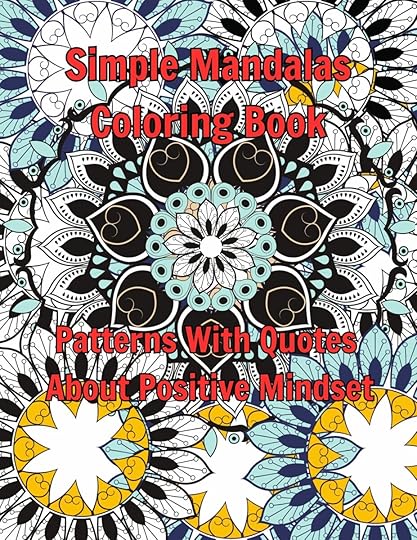 Enjoy This Simple Mandalas Coloring Book
Filled with beautifully crafted mandala designs, this book provides an opportunity to unwind and tap into your creativity. The mandalas range from simple to more intricate patterns, ensuring that each page presents a new and enjoyable challenge. Coloring these mandalas can help reduce stress, improve concentration, and foster a sense of accomplishment as you bring each design to life with your unique color choices.
Beyond its artistic appeal, this coloring book offers numerous mental health benefits. Engaging in the repetitive and rhythmic activity of coloring mandalas can serve as a form of mindfulness, helping to calm the mind and promote relaxation. This can be particularly beneficial in today’s fast-paced world, where finding moments of peace is crucial for maintaining overall well-being.
All ages friendly
Get the Paperback Version below.
PaperbackThe post Simple Mandalas Coloring Book: Patterns With Quotes About Positive Mindset appeared first on DS Inspire.
July 3, 2024
Why Do I Wish I Had Started Reading Earlier?
Did you start reading and enjoying books late? Have you ever wondered what benefits you might have missed out on by not reading books earlier? It’s never too late to start now, but if you have kids and want them to get ahead, you should read this article on why everyone should start reading books regularly as soon as possible.
If you had started reading earlier at a younger age, you would be ahead in academics. Engaging with literature isn’t just about gaining knowledge; it also broadens your horizons, offers diverse perspectives, and facilitates self-discovery through others’ words. Reading at a younger age also gives you more time to build a habit with huge benefits for lifelong learning.
1. Broadening Perspectives Introduction to Broadening Perspectives
When we read, we learn about various cultures, beliefs, and experiences that might not cross our path in real life. It helps us to have a wider view of the world and question what we thought was true before. Every book acts like an open portal into another viewpoint for me, letting me understand diverse characters from various backgrounds and cultures.
Reading books can also help us to understand the link between all people. When we explore stories from different cultures and times, it becomes clear that some universal themes and feelings cross borders. This realization of our shared humanity promotes compassion and unity, closing the distances between individuals and encouraging a feeling of worldwide community.
Exploring New IdeasBooks are an avenue for knowledge. They introduce us to different thoughts and ideas, igniting curiosity and critical analysis. They motivate us to question established norms and investigate other points of view. When we connect with various perspectives, we develop a flexible mindset, which is necessary in a world that constantly evolves.
Reading, additionally, permits us to be updated on what is happening currently and problems within society. This helps us take part in valuable talks and support good alterations. It doesn’t matter if it’s non-fiction providing insight into urgent world difficulties or fiction that makes us consider everlasting subjects, each book broadens our mental boundaries and promotes involvement in the matters of the world.
Empathy and UnderstandingReading helps in creating empathy because it makes us deeply involved with other individuals. When we read, we can comprehend and feel the emotions, problems, and successes of characters. The understanding that comes from this extends from the story’s pages into our lives as well – changing how we interact with people around us. It imparts lessons in kindness and understanding, molding us into finer persons who foster a more caring community.
Furthermore, the empathy that reading develops also helps people to understand themselves better. When we feel for characters who encounter different problems, it makes us think about our feelings and experiences. This can give us more understanding of why we act and react in certain ways. The awareness about ourselves improves how we connect with others as well as promotes personal development, making a ripple effect of empathy and comprehension within our societies.
2. Personal Development Self-Reflection and Growth
Reading supports introspection, it helps to understand and analyze our thoughts, emotions, and principles. It acts as a mirror where we can view our values and ambitions. Through reading, we begin an expedition of self-understanding and advancement. Reading about other people’s experiences teaches us more about who we are and where we stand in the world around us.
Moreover, the empathy cultivated through reading extends to a deeper understanding of ourselves. As we empathize with characters facing diverse challenges, we reflect on our own experiences and emotions, gaining insight into our motivations and behaviors. This self-awareness enhances our interpersonal relationships and fosters personal growth, creating a ripple effect of empathy and understanding in our communities.
Building Vocabulary and Communication SkillsA very useful advantage of reading is its effect on language abilities. When we encounter unfamiliar words while reading, it helps us grow our vocabulary and get better at expressing things. This can improve our communication too, as we become more skilled in explaining thoughts with clearness and accuracy.
Self-reflection through reading can lead to increased self-awareness. By observing characters’ decisions and experiences, we can evaluate our actions and motivations. This heightened awareness empowers us to make positive changes in our lives and strive towards becoming the best version of ourselves.
Stress Reduction and Mental Well-beingReading has been proven to help reduce stress and enhance mental health. Getting lost in an engaging tale can transport us into a different reality, giving us relief from the strains of everyday living. It offers a kind of relaxation and mental exercise, helping us to relax and rejuvenate ourselves.
In addition, another benefit of reading is healing. It gives comfort when times are hard. For example, by dealing with stories that bring good feelings or encouraging life stories we can find in books, our mood may get better and hope can be restored anew. We can briefly forget about problems and feel peaceful inside by getting absorbed in a book’s content.
3. Lifetime Learning Curiosity and Why You Should Have Started Reading Earlier
Reading creates a life-long habit of love for learning and interest in the world. It gives a curiosity that continues even after formal education, making people want to know more about different subjects and ideas on their own. Fiction or non-fiction, every book is a chance to discover something fresh and broaden our intellectual boundaries.
Furthermore, the practice of reading makes us interested in finding different viewpoints and sources of knowledge. When we interact with many authors and types of writing, we get a more complete comprehension of what is happening in our surroundings. This curiosity motivates us to always look for fresh chances to learn, enhancing our existence with abundant understanding and events.
Intellectual Stimulation and Cognitive BenefitsThinking deeply about intricate stories and concepts is beneficial for mental engagement, and maintaining a sharp mind. Reading is like exercise for our brains. It enhances memory, focus, and analytical thinking abilities. It urges us to think carefully and assist in problem-solving, contributing to our cognitive growth throughout life.
When we read, it gives us chances to dive into ideas and situations that might be new or different. This helps in stretching our mind muscles and increasing how much we can understand. Whether dealing with difficult questions of philosophy or figuring out complex storylines, every time you read something it’s like a mental exercise that boosts your cognitive skills and sharpens your intellectual nimbleness.
Inspiration and MotivationReading makes us dream, create, and follow our passions. The tales of heroes who conquer difficulties ignite our own aspirations and competitive spirit. By reading about their journeys, we get motivation to overcome obstacles and seek greatness in our lives too.
Furthermore, storytelling is also capable of stirring up emotions and empathy, connecting with our deepest wishes and yearnings. When we engage in stories about success or strength in the face of adversity, we are drawing from a source of motivation that propels us toward superior performance. These tales become symbols of optimism – they remind us that each person possesses an inherent capacity to conquer difficulties and make their dreams come true.
ConclusionTo wrap it all up, reading has many advantages which are wide and deep. It helps in developing your overall perspective, and personal growth and creating a culture of continuous learning. Even though I regret that I didn’t begin earlier, it’s never too late for me to start the transformative journey of reading.
The post Why Do I Wish I Had Started Reading Earlier? appeared first on DS Inspire.
June 29, 2024
Learning to Accept Cocky People When I Used to Hate Them
Have you ever met someone so full of themselves and cocky that you couldn’t stand them? As you encounter more people like this in life, it’s important to learn acceptance and understanding rather than holding onto dislike. This guide will help you overcome this challenging task.
Learning to accept cocky people requires introspection to understand your biases, cultivate empathy for their insecurities, and embrace diversity in personality. By practicing mindfulness and assertive communication, you can develop resilience and foster genuine connections, ultimately promoting personal growth and creating a more tolerant personality.
1. Understanding the Nature of Cockiness What is Cockiness?
Cockiness, commonly known as being cocky, is often seen as a type of arrogance where there’s an inflated belief in one’s importance or superiority. This attitude includes boastfulness and a lack of humility. People who are cocky have a confidence that can come off as arrogance. They might not show their real talents or abilities because they are too full of themselves.
Cockiness might be connected to different hidden reasons, like feelings of insecurity, being scared of failing, or needing acceptance and acknowledgment. Understanding the main causes of cockiness can give a perspective and sympathetic view towards people who show such behavior. It may help in acknowledging that cockiness could work as a method for dealing with or protecting oneself from deep-seated weaknesses.
Recognizing Your Own BiasesAdmitting and dealing with your prejudices is a very important stage in learning to tolerate cocky people. Think about previous occurrences or individual thoughts that might have added to your bad view of cockiness. By critically assessing your own biases with sincerity and self-awareness, you can start to question and modify the way you think about confident persons.
Empathy is to place yourself in another person’s position and comprehend what they might be thinking, feeling, or experiencing. Try empathy by thinking about the hidden reasons or vulnerabilities that could cause a person to act cocky. If you empathize with someone who is being cocky, it can help you develop more understanding and sympathy towards them even if their actions seem unpleasant outwardly.
Embracing Diversity of Personality TraitsEvery person has their distinct personality traits and actions. Value the variety in human personalities, knowing that confidence and self-assured behavior can be useful when balanced with modesty and regard for other people’s feelings. Look at cockiness not as something always bad but instead try to see the good sides of confident people.
Create a welcoming atmosphere that appreciates a variety of ideas and ways of showing oneself, ensuring everyone feels appreciated and acknowledged for their unique character features. Promote open discussions and empathy, understanding that diverse views make our social tapestry more vibrant.
2. Strategies for Overcoming Aversion to Cockiness Practice Mindfulness and Self-Reflection
Mindfulness is about being aware of the current moment and noticing your thoughts and feelings without any judgment. Practice mindfulness often, such as doing meditation or writing in a journal, to develop self-awareness. Think about how you react to cocky behavior. Recognize and accept these feelings without condemning them. This may help you move towards a more balanced view of things.
Question the assumptions you hold about what it means to be cocky and ask yourself where they come from. Explore if these beliefs are based on personal experiences, societal norms, or other influences that might not always reflect reality accurately.
Foster Positive InteractionsFind chances to engage with self-assured people in a good-natured and useful way. Instead of evading or brushing off cocky individuals, interact with them respectfully and candidly. Look for shared territory or similar hobbies that can become a foundation for valuable conversation and link up. When you go into interactions with an open and curious mindset, it’s possible to find similarities that reduce the feeling of separation from others.
When you are talking with someone who acts cocky, it is important to show active listening. Instead of preparing your answer, concentrate on understanding their view. Pay full attention to what they say and how they use their body language. Try to feel what emotions and motivations underlie their actions. By showing real interest and empathy, you can create a sense of mutual admiration even in tough conversations.
Cultivate Humility and OpennessDeveloping humility could start by acknowledging your skills and boundaries, and having an attitude of always learning and evolving. Stay ready to accept feedback or useful criticism, seeing them as chances for self-betterment instead of threats to your ego. By holding onto humility, you can create a feeling of welcoming and receptiveness towards others even if they seem confident in themselves.
Build appreciation for the various viewpoints and life experiences that make your existence more vibrant, even if they come from self-assured people who question what you believe. Value the distinctive roles each person plays in your social groups and society. By nurturing thankfulness, you can create a more favorable and comprehensive outlook towards others which promotes better relationships and comprehension.
3. Embracing Growth and Transformation Cultivate Empathy and Compassion
Develop feelings of empathy and compassion for people who act cocky by understanding their human characteristics and value. Think about the difficulties and lack of confidence that could be hidden beneath their external boldness, then show sympathy and kindness to them. If you apply empathy and compassion, it will help to create more connection and unity in your social groups which makes for a supportive community that welcomes everyone.
Perform consistent self-evaluation to inspect your attitudes and actions towards cocky people. Think about the way you communicate and observe, understand how this might influence others, and pinpoint places for personal enhancement. By growing self-understanding and responsibility, you can help encourage good social interactions as well as a culture that values respect and approval.
Foster Authentic ConnectionsFirst and foremost, always focus on being real and true in your dealings with others – even if they seem arrogant. Remain genuine to yourself, communicating openly and honestly by expressing thoughts and emotions with authenticity while maintaining respectfulness. Concentrate on forming real relationships that grow from shared understanding instead of quick judgments or stereotypes.
Be a proponent for diversity and inclusion in your personal and work life, supporting equivalent chances and admiration for people from all ethnicities, genders, religions or beliefs, ages as well as different personality types. Confront stereotypes or biases that lead to unfair treatment or exclusion, and strive to establish surroundings where everyone feels appreciated and encouraged to express their true selves.
4. Nurturing Emotional Resilience Developing Emotional Awareness
You may develop an understanding of cocky persons by recognizing your feelings and responses towards them. Pay attention to any regularity or cues that bring about powerful emotional replies, then inquire about why these reactions exist. When you grow in emotional knowledge, it helps you to comprehend the real reasons for your dislike and find methods that are good for handling reactions positively.
Control and handle your emotions. When you feel frustrated, angry, or uncomfortable due to the behavior of a cocky person, try emotional regulation techniques. You can take deep breaths, imagine a calming picture in your mind, or do some physical activities like exercising or relaxation exercises to let go of tension and get back emotional equilibrium. When you learn how to regulate your emotions, it helps you approach interactions with more clearness and composure.
Building Resilience to CriticismConstruct a shield against criticism by altering your perspective and seeing feedback as a chance for development. Construct a viewpoint of growth that perceives difficulties and failures as beneficial learning encounters, and accept constructive critique as an avenue to better yourself. If you develop resistance towards criticism, you can handle interactions with overconfident people confidently and with self-belief.
Ask for help from people you trust, like your friends, family, or mentors. Talk openly about your experiences and feelings with them. Listen to their views and get advice on how to handle hard situations. You can make a group of supportive people who understand and show empathy towards these kinds of interactions.
5. Practicing Assertive Communication Asserting Boundaries
Set and maintain boundaries with cocky people in an assertive but polite manner. Clearly express what you require, like, or can tolerate and if these requests are not honored then speak up for yourself confidently. Use “I” statements to convey your thoughts and emotions without pointing fingers at others, while ensuring that you consistently stick by these limits.
Listen actively when dealing with cocky people, attempting to comprehend their viewpoints and worries. Acknowledge their emotions and experiences without necessarily accepting them, showing sympathy and appreciation for their perspective. Paying attention with empathy can promote common comprehension and ease potential clashes.
Resolving Conflict ConstructivelySee conflicts with cocky persons as chances for conversations and solutions. Concentrate on searching for win-win answers that tackle deep issues, maintain mutual respect, and encourage teamwork. Don’t let the conflict get bigger by remaining calm and not allowing it to grow too much. Attempt to reduce any tension through careful listening, and understanding feelings from both sides without showing judgment or anger.
Try to find common ground or shared interests that can form a foundation for positive interaction and teamwork with cocky people. Look for chances to link apparent disparities and create good relationships understanding of each other and showing admiration. By locating shared areas, you are cultivating a feeling of connection and cooperation that goes beyond superficial variations in personality or mannerisms.
6. Cultivating Self-Confidence and Self-Esteem Building Self-Confidence
Strengthen your self-confidence by acknowledging and appreciating the unique abilities, skills, and successful moments you possess. Concentrate on what you have accomplished and the good qualities that define who you are. Combat any mistrust in yourself or unfavorable talk with affirmations and encouraging thoughts. With more self-confidence, you can deal with people who are excessively confident from a position of inner power and belief in yourself.
Fix sensible goals for personal and professional progress that match your values and aims. Divide bigger objectives into smaller parts, and celebrate the improvements and accomplishments you make towards them. Establishing and reaching significant goals can increase your self-confidence as well as develop a feeling of purpose and contentment in life.
Practicing Self-CompassionGive yourself compassion. Be kind and understanding towards yourself, mainly when things are difficult or cause stress. Recognize and accept that you have humanity and flaws too. Show yourself the similar compassion and feeling of understanding that you would provide to a friend who is dealing with alike struggles. By doing this, you can improve resilience inside yourself along with inner strength for facing tough situations in life.
BottomlineTo sum up, the process of accepting cocky types when you once disliked them is a path that changes your way of thinking. This journey involves looking inside yourself, understanding others’ feelings, and being ready to question your prejudices. By knowing about the character of cockiness, realizing one’s dislikes, and adopting methods to encourage good exchanges, more acceptance and sympathy can be developed toward people having confidence.
Accept the chance for personal growth and connection that comes from welcoming different personality traits in your life. Make efforts to create communities where all individuals feel appreciated no matter how they seem outwardly.
The post Learning to Accept Cocky People When I Used to Hate Them appeared first on DS Inspire.
June 26, 2024
How to Inculcate Study Habits with Varied Reading?
How can varying your reading material change your learning experience? In this article, we will examine why varied reading is crucial for effective study habits, as well as offer advice on how to include diverse reading materials.
To inculcate study habits with varied reading, one should diversify their reading materials to include different genres, formats, and perspectives. This approach enhances critical thinking and creativity but also broadens comprehension and communication skills. By setting clear goals, creating structured schedules, experimenting with various reading formats, and engaging in discussions, students can maximize the benefits and overcome challenges to maintain effective study habits.
1. Understanding the Importance of Varied Reading The Connection Between Reading and Learning
Reading is the foundation of education and self-improvement. It provides an entry point to fresh ideas, views, and facts. When you connect with varied reading materials, you open yourself up to various concepts and perspectives that can enhance your comprehension of what’s happening in our world.
When you increase the range of what you read, it also brings in various writing styles and language subtleties. This improves your ability with languages and how well you communicate. Getting familiar with different kinds of texts helps in adjusting to varied ways of expression, making one a more adaptable and efficient communicator in scholastic or work-related situations.
Enhancing Critical Thinking SkillsReading different things makes you think more critically. It pushes you to question your assumptions and extends your skill at analyzing. When we meet with varied views and opposing ideas, it compels us to assess and examine information on a deeper level, promoting intellectual development along with cognitive adaptability.
Secondly, when you read different types of writing materials with complicated and detailed arguments, helps to sharpen your skill in spotting logical mistakes, assessing proof, and forming strong logic. These abilities of critical thinking are very important for not only academic purposes but also for making decisions and solving problems in real-life situations.
Stimulating Creativity and ImaginationVarious reading experiences inspire creativity and imaginative thinking by introducing a range of stories, persons, and places. Being involved in different types and forms of literature encourages creative thought processes, motivating fresh ideas that can be utilized in many spheres such as studies or personal life.
Additionally, if you enjoy thinking about ideas and concepts, reading can help you broaden your mental capacity by exposing you to different perspectives and viewpoints. This aids in developing critical thinking skills and a more nuanced understanding of the complex issues we face in today’s world.
Moreover, traveling through imaginative worlds and connecting with varied characters nurtures emotional intelligence and empathy. Key elements for building better interpersonal relationships as well as understanding diverse cultures. The capability to think creatively and sensitively is extremely vital for dealing with the intricacies of the present period plus discovering inventive answers to worldwide problems.
2. Strategies for Incorporating Varied Reading Routine Set Clear Goals and Objectives
When you start your journey of reading, make sure to set goals and objectives that will help guide how you study. You should recognize certain areas that are interesting or subjects for investigation and generate a reading list comprising different types of topics, genres, formats, etc.
Besides making goals about the subject matter, think about having a more diverse portfolio of reading. Select materials that confront your presumptions or provide new perspectives entirely. When you purposely choose a wide variety of reading materials, it helps you broaden your mental scope and promotes an all-encompassing comprehension of the world around you.
Create a Structured Reading ScheduleMake a plan for how you will read, including different types of reading materials in your daily or weekly study schedule. Set specific times for reading and arrange tasks according to their importance and connection with your academic targets.
When you make your reading plan, mix in-depth and wide-ranging subjects. Allow enough time for examining intricate topics or texts, and include lighter readings that are more diverse to keep interest high.
Experiment with Different Reading FormatsTry out various reading materials, like books, articles, essays, podcasts, and online resources to make your reading experience more diverse. By trying different formats you can interact with information in distinct manners and it helps you match the form of learning that suits you best for yourself.
Think about how various formats interact with your senses and thinking methods. For instance, audiobooks present aural delight and are simple to use when doing many things at once; those who learn better with visuals might favor printed items that include pictures or charts. By mixing different formats in your reading habit, you can enhance the way you understand things and remember them later on.
3. Maximizing the Benefits of Varied Reading Take Notes and Reflect on Your Reading
Interact with the material, making notes, marking important parts, and thinking about your reading. Use active strategies for reading like summarizing chapters, linking ideas together, and posing questions to improve how much you understand and remember the content.
Think about how the readings relate to each other, not just in their own right. Compare differing views on a certain topic, find recurring subjects or patterns, and ponder over what various authors bring to the bigger discussion. When you combine information from different sources, it helps you to create a more detailed comprehension of complicated matters.
Engage in Discussion and DebateJoin in conversations, book discussions, or study clubs to pass around thoughts, give views, and take part in intellectual talk. Talking with fellow students helps you understand various perspectives and question your assumptions, creating a learning setting of teamwork.
Apart from just talking about the readings, make use of chances to teach or clarify ideas to other people in your study group. When you instruct something to others, it solidifies your comprehension and encourages more profound involvement with the subject matter. Additionally, this cultivates communication abilities that are crucial for doing well academically as well as professionally.
Apply What You Learn to Real-Life SituationsConnect the ideas and understanding obtained from your diverse reading materials with practical scenarios and academic activities. Try to apply fresh concepts, tactics, or viewpoints to coursework, tasks, and daily life situations.
Find methods to use ideas from your reading material in various situations outside of school. The capacity to transfer knowledge obtained through reading into real-life scenarios, whether it involves solving practical issues, dealing with interpersonal relations, or making informed choices, is an important characteristic of effective learning and critical thinking.
4. Overcoming Challenges and Building Consistency Identifying Common Obstacles
Understand and solve typical difficulties that might appear while mixing different types of reading into your study schedule. These issues can involve a lack of time, interruptions, trouble concentrating, and a sense of being overwhelmed. By recognizing possible hurdles, you can create techniques to surpass them and form regularity in your reading habits.
Besides tackling particular obstacles, emphasize the development of resilience when encountering difficulties. Understand that sometimes having problems or experiencing setbacks is normal, and these can provide chances for progress in learning. By acquiring a mindset of resilience, you can handle challenges more smoothly and continue moving towards your reading targets.
Time management and PrioritizationFor making a habit of reading stick, it is crucial to manage time effectively. You can designate certain periods for the activity of reading and give them priority in your everyday schedule. Also, split up your aims for reading into little tasks that you can handle easily and establish practical due dates to guarantee continuous advancement. Utilize productivity methods like the Pomodoro Technique or time-blocking to increase attention and decrease interruptions.
Create a perfect reading environment. Select a calm, cozy place that is without disturbances. Take away things like electronic gadgets or noise so you can concentrate better on the reading task at hand. Enhancing the setting for reading could help you to focus more and improve your comprehension of the material, increasing efficiency in this activity.
Cultivating Discipline and MotivationDevelop discipline and motivation to keep to your reading goals, even if there are difficulties or interruptions. Create a straightforward purpose for why you want diverse reading and think about the advantages it will bring in the future such as better learning, improving how well you can analyze things critically, and personal development. Make a system of rewards that can make you feel motivated to maintain regular habits of reading and also assist .in marking milestones during the process of achieving your goals.
Hold yourself responsible. Set deadlines, get a partner to check on you, or use systems for tracking. If you tell other people about your goals and keep checking how far along you are, this can help to maintain motivation and responsibility. This boosts the chances of sticking with your reading plan.
5. Leveraging Technology for Enhanced Reading Experience Exploring Digital Resources and Tools
Make use of digital resources and instruments to make your reading experience better, as well as easily reach a wide variety of material. Check out e-books, audiobooks, internet libraries, and digital platforms that present different reading possibilities in many types from fiction to non-fiction subjects. Use functions such as highlighting, saving a place, and making notes on what you read for active participation with the content as well as orderly organization of your study notes.
Use adaptive learning platforms and individualized suggestion systems. These are tools that employ algorithms to study your reading habits and suggest new materials, adjusted to your interests and how you prefer learning. They can assist you in finding relevant content to expand the range of what you read regularly.
Incorporating Multimedia LearningWelcome to the world of multimedia learning methods, which mix text-based content with visuals, sound, and interactive elements for better understanding and remembering knowledge. You can try different types like video lectures or educational podcasts as well as simulations that are interactive; there are also online courses offering an engaging immersion experience into learning. Try out various styles of multimedia to identify what aligns best with how you learn and your goals.
Consider interactive annotation tools and platforms that provide collaborative reading experiences, encouraging deeper involvement with the content. This kind of tool lets users make notes on texts, exchange knowledge, and participate in live conversations with classmates or teachers. It promotes a feeling of community and shared learning.
Harnessing Social Learning NetworksBe part of internet communities, forums, and social learning networks that are focused on reading, education, and personal growth. You can connect with people who have similar interests as yours there. You could share suggested readings with others or take part in group learning activities like virtual book clubs, discussions among peers online, and reviews from friends on these sites. Use the combined information and help from the community to improve your reading range, exchange thoughts with others, and keep up motivation when you are studying something new.
Consider examining crowdsourced learning resources and platforms. These are locations where users can contribute and curate reading lists, annotations, as well as study materials. These places make use of the combined knowledge of the community to form large collections of educational content. They allow users to find new reading materials and participate in group learning efforts.
 Conclusion
To sum up, teaching study habits with diverse reading is very beneficial for personal and educational development. It helps in understanding why different types of reading materials are important, and how to use good methods for bringing them together and getting the most from varied reading. This can improve your learning process, help you think critically, and encourage creativity as well as imagination. Accept the path of continuous learning by investigating a range of ideas, viewpoints, and knowledge resources.
The post How to Inculcate Study Habits with Varied Reading? appeared first on DS Inspire.