Al Tran's Blog, page 13
January 8, 2024
Can Watching Cartoons Help Kids Learn English Faster?
Allowing your kids to watch cartoons may seem like a time-waster, but it can benefit them. Parents worry about their kids spending too much time in front of the television, but what if it accelerates their learning?
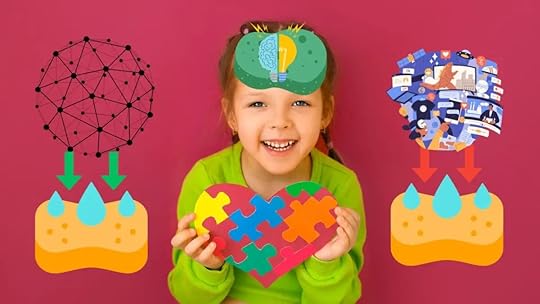
Watching cartoons can help kids learn English or a new language, as young kids’ minds are like sponges, effortlessly absorbing information—especially when deeply engaged in something they love, like their favorite cartoon show.
Cartoons like Looney Tunes feature uncomplicated sounds, making it easy for kids to grasp, especially those designed for younger audiences with straightforward language and repetitive scripts. Characters like Bugs Bunny often repeat simple words, making it both entertaining and beneficial for language learning in kids.
While many of us may be too old for cartoons, iconic lines like Bugs Bunny’s “What’s Up, Doc?” remain in our memory, highlighting the lasting impact of simple and funny phrases—a great starting point for kids learning a new language like English.
What Will Make a Child Learn a Task Quicker?Whether it’s a kid or an adult, engaging in activities they enjoy enhances performance and speeds up learning, unlike tasks perceived as dull, leading to a lack of focus. Watching and enjoying cartoons is a prime example, as the enjoyment factor not only aids in learning but also speeds up the process.
Children typically have less patience than adults, making maintaining their focus a crucial factor in helping their learning process. The more child-friendly a cartoon is, the more beneficial it is for kids to learn.
As a child immigrating to the United States around the age of 5, I quickly learned to speak English within a few months just from watching cartoons. Surprisingly, while it took me a short time, other family members, particularly my mom, struggled with English her whole life.
It appears that the older you are, the more challenging it becomes to learn a new language like English. Despite my mom attending ESL classes for a long time, my language learning through cartoons surpassed her progress in a short span, emphasizing the potential impact of age on learning a new language.
While kids learn English in school, parents at home might lack the time or proficiency to teach their kids English. Hiring a tutor might seem unnecessary at a young age, considering the high costs of a tutor.
Although parents may be reluctant to have their kids spend hours in front of the television daily, for those new to the country where learning English is important, allowing some cartoon binge-watching until proficiency improves can be a reasonable approach, the parents can place restrictions over time as their kids get better at English.
 What is The Use of Cartoons in Teaching English?
While some may argue that kids’ brains are like sponges, capable of learning anything, and attribute English learning to many factors, from my own perspective my English only improved when I started watching cartoons. Despite watching English-speaking television from my old country, it wasn’t until I came to America and started daily watching cartoons that my English skills significantly spiked.
Prior exposure to American music and popular movies didn’t have the same impact, highlighting the unique role that cartoons played in enhancing my English language proficiency. I believe kids may not grasp movies made for adults because they aren’t tailored to their understanding, and they aren’t able to absorb the information as well.
It’s crucial for parents to monitor what their kids are watching to avoid violence or harmful content. Opting for educational programs like Dora the Explorer is a good choice, but it’s important that the content is not only educational but also enjoyable for the child to stay focused and learn.
Forcing them to watch something they have no interest in could be counterproductive and expose them to unnecessary screen time. In today’s television landscape, even cartoons may not be as kid-friendly as they were in the early ’90s when I was growing up.
Don’t forget to choose age-appropriate content for your kids, as some cartoons may be more suitable for older children. Cartoons like The Simpsons and Family Guy might be among the least suitable for young kids.
 What Are The Negative Effects of Watching Cartoons?
Although cartoons can aid in faster English learning and offer benefits, it’s crucial to recognize that excessive cartoon-watching can be harmful to kids. Setting healthy daily limits is essential, ensuring children have time for outdoor play and maintaining their overall health.
This approach helps encourage kids to go outside and play and improve their social interaction with their peers, preventing the risk of becoming antisocial. Balancing screen time with outdoor activities is key to fostering a healthy and balanced development for kids.
Another negative about cartoon watching by kids is violence, even seemingly harmless shows can lead kids to imitate certain behaviors. For example, in cartoons like Tom and Jerry, where a cat chases a mouse with a hammer, younger kids who may not fully understand the context might attempt to mimic such actions, unintentionally engaging in potentially negative behaviors.
Another drawback in cartoons is the portrayal of unrealistic body shapes of some of the characters. Cartoons like Aladdin, featuring princesses with slender and conventionally attractive bodies, can potentially contribute to negative self-confidence in kids who don’t align with these beauty standards.
This distortion may lead to adverse effects as they mature, causing some kids who grow up to become young teens that starve themselves to get the ideal body push at an early age than later on by Hollywood. That’s why focusing on animal characters, which are more fictional and unrealistic, can help mitigate this issue.
 Conclusion
After reading this would you consider giving your kids an extra hour of cartoon time to enhance their English learning skills more quickly? Or does the concern about potential harm from excessive cartoon watching scare you?
The good thing is that kids learn very rapidly, so if you opt for using cartoons as a learning tool, they can become fluent in no time. As they progress, you can gradually cut their viewing hours to maintain a healthier balance. If watching cartoons doesn’t convince you then check out some of our books here, which is always a more healthy alternative to watching content on a digital device.
The post Can Watching Cartoons Help Kids Learn English Faster? appeared first on DS Inspire.


January 5, 2024
Why Do We Enjoy Seeing Images More Than Reading Words?
When deciding on a book, the choice towards ones with more pictures rather than the hefty ones brimming with text might not simply be a result of you being lazy, but is it something else, or are you simply just making excuses for yourself?
The human brain can process visual information at an incredible 60,000 times faster than text. This could serve as a compelling explanation for why our brains naturally lean towards books with images rather than those focused more on text.
In the digital age, the prevalence of visual content has skyrocketed. From social media platforms to websites, advertisements to news articles, images have overtaken text in our daily lives. We are bombarded with beautiful visuals that demand our attention and often overshadow the written content accompanying them.
This article aims to explore the fascinating phenomenon of why we, as individuals, are inherently inclined to enjoy seeing images more than reading words. By exploring the unique power of visual stimuli, evolutionary factors, attention span and engagement, psychological and cultural influences, and various implications, we can gain insights into the allure of images and their impact on our perception and interaction with information.
Our preference for visual content stems from a combination of deeply ingrained evolutionary factors, cognitive tendencies, and the changing landscape of communication which is now dominated by our smartphone rather than old-school letter writing.
Power of Visual Stimuli Explanation of Visual Processing
The brain is remarkably adept at processing visual information. Visual processing occurs in specialized regions of our brain, such as the occipital lobe, which is responsible for visual perception. This wiring allows us to quickly and effortlessly interpret and make sense of the visual world around us at an incredible speed.
When we encounter an image, the brain rapidly analyzes its various elements, such as color, shape, and spatial relationships. This process occurs in parallel, allowing us to grasp the overall meaning and context of an image within milliseconds. In contrast, reading and comprehending written text requires sequential processing, as we must decode individual letters and words to understand the message.
 Affect Our Emotional
 Visual content possesses a unique ability to evoke our emotions and create an immediate impact. Images can bypass our rational thinking and directly tap into our emotions, often eliciting strong reactions. Whether it’s a breathtaking landscape, a heartwarming moment, or a poignant image capturing human suffering, visuals have a way of stirring up our emotions and fostering a deep sense of connection and empathy.
Moreover, images can convey complex emotions more effectively than words alone. Facial expressions, body language, and visual metaphors can communicate nuanced emotions that might be challenging to express solely through text. By engaging our emotions, images have the potential to leave a lasting impression and forge a stronger connection with the viewers.
Have you ever experienced thinking someone was upset with you through text, only to discover later that they weren’t upset at all? This is another reason why people lean towards images over text; a picture of a sad face can instantly show someone’s emotions.
A plain text saying “I am sad” doesn’t quite capture the same emotional nuance, unless the person uses strong language to describe their feelings. However, most people don’t text that way regularly, and putting in that much effort every time is hard work compared to a simple image.
Cognitive EaseProcessing images requires less cognitive effort compared to reading and comprehending text. The human brain is wired to process visuals holistically, allowing us to grasp the meaning of an image very quickly. This cognitive ease stems from the brain’s ability to process images in parallel and make use of visual patterns.
On the flip side, reading involves the step-by-step decoding of letters and words, making it a slower process compared to quickly absorbing information from a vibrant image. It requires more cognitive resources, concentration, and mental effort, especially when dealing with new complex, or unfamiliar concepts.
If you’re reading in a new language, it can be extremely challenging. The simplicity of grasping information from visuals enables us to process it more efficiently and with less strain on our cognitive capacity.
Additionally, images have the advantage of being able to convey information concisely and compactly. They can encapsulate complex ideas, data, or narratives into a single visual image, making it easier for viewers to absorb and retain the information.
The combination of efficient visual processing, emotional impact, and cognitive ease contributes to our enhanced enjoyment and preference for seeing pretty images over reading words. Even if you use fancy fonts and play with different font colors, it might catch your eye initially, but it still doesn’t truly compare to the impact of viewing an image. By tapping into our cognitive and emotional processes, visual stimuli influence our perception, engagement, and understanding of information.
Evolutionary Factors Visual Evolution
Humans have evolved to rely heavily on visual cues for survival for a long time. Throughout our evolutionary history, our ancestors relied on visual perception to quickly identify and interpret their surroundings, assess potential danger, and locate resources for use. This reliance on visual stimuli allowed for quick and effective decision-making and increased our chances of survival.
Our visual system has evolved to prioritize the processing of visual information due to its critical role in our environment, but that’s not to undermine the importance of text words—they also play an important role in the development of the human race.
However, it’s essential to recognize that when we’re born, we don’t inherently know how to read and write; these skills are learned from our teachers or parents. While text-based words have their significance, there’s a time and place to use them.
If we had to choose between the text and images, the clear winner for survival would undoubtedly be images. This prioritization is evident in the brain’s allocation of neural resources to visual processing regions, enabling us to detect and respond to visual stimuli with remarkable speed.
Visual StorytellingVisual storytelling has played a significant role in human communication for a long time. Even before the development of written language, early humans used visual symbols and cave paintings to tell stories, and experiences, and to pass down cultural knowledge. Visual narratives were an effective means of passing down information across generations, facilitating learning, and strengthening social bonds.
The power of visual storytelling continues to resonate in our modern society. From ancient murals and tapestries to contemporary films and television advertisements, visuals can engage audiences like no other, transcending language barriers and many cultural differences. Visual narratives tap into our innate ability to interpret and derive meaning from visual cues, creating an interesting and immersive storytelling experience.
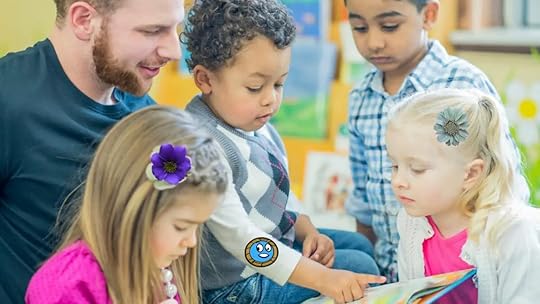 Improve Memory Retention
Research consistently shows that visuals are more memorable than written words. The brain has a remarkable capacity to keep and recall visual information due to the way it processes and stores memories. Research has shown that people remember visuals with greater accuracy and for a longer period compared to written words alone.
The phenomenon, known as the picture superiority effect, shows that our memory systems are inherently biased toward visual stimuli. Visual information is more likely to be encoded into long-term memory and retrieved a lot easier compared to textual information. This improved memory retention can be attributed to the brain’s ability to store visual details, spatial relationships, and emotional associations alongside the visual stimuli.
When images and words are presented together, they create a dual coding effect, where both visual and verbal representations reinforce each other, leading to higher memory recall. This can be a learning strategy to use the next time you are studying for a test or something important.
By tapping deep into our evolutionary predisposition for visual information, visual storytelling, and the inherent memorability of visuals, we come to better understand why we enjoy seeing images more than reading words. These evolutionary factors contribute greatly to our preference for visual content and highlight the enduring power of visuals in capturing our attention.
Psychological and Cultural Influences Aesthetic Appeal
Images possess an inherent aesthetic appeal that can greatly impact the user experience. Humans are naturally drawn to visually pleasing elements, such as amazing landscapes, and symmetrical patterns. This preference for aesthetics extends to books as well, where visually appealing images in a book can enhance the overall appeal and engagement of content over a boarding book with little images.
Numerous book publishing gurus emphasize a common point—the cover of a book is the most important factor in driving sales. While the textual element, like the book description, holds significance, it is the cover which is imagery that is the most important for sales. This underscores the idea that the first thing catching a reader’s attention is an image, not text.
Visual aesthetics is extremely important as different colors on an image alone can make a person feel a certain way, as they can evoke positive emotions, create a sense of pleasure, and foster a more enjoyable interaction. Well-designed visuals can elicit feelings of satisfaction, delight, and even intrigue.
Can you picture a book cover that’s red and uses brown text as the title? The mere thought might already be a turn-off unless you have a particularly unique taste. While personal preferences can vary, it highlights the importance of visual aesthetics in capturing people’s attention.
 Cultural Influences
Our preference for visual content is influenced by cultural factors. Different cultures place varying emphasis on the visual arts, resulting in diverse aesthetic sensibilities. For example, some cultures on this side of the world may value intricate and detailed visuals, while other cultures on the other side of the world may prioritize minimalism and simplicity.
Cultural norms and traditions can also shape our understanding and interpretation of images. Symbols, colors, and visual metaphors carry cultural meanings, which can affect how we perceive images. Additionally, cultural practices and traditions may influence the types of images that are considered appropriate or desirable.
Social Media and Visual CultureSocial media platforms have significantly contributed to the dominance of visual content consumption in modern society. Social media platforms, such as Instagram, and TikTok, prioritize visual communication and provide users with a platform to share images. Images we take on holidays and on our vacations.
These platforms have created the proliferation of visual culture, where individuals and brands can curate and share visually appealing images to gain attention and engagement. The emphasis on visual aesthetics, storytelling with images, and the use of image editing tools has further solidified the role of visual content in shaping our online experiences.
These powerful social media platforms have created a feedback loop where users are constantly exposed to visually appealing content, leading to an increased expectation for visually stimulating experiences.
Psychological factors like the inherent aesthetic appeal of images and the impact is have, combined with cultural influences and the rise of social media, have greatly contributed to our inclination towards images over reading words. Understanding these psychological and cultural factors helps us appreciate the power of visuals in shaping our perception, and communication in today’s world.
Attention Span Shortening Attention Spans
In today’s digital world, maintaining readers’ attention has become increasingly difficult due to the abundance of information and constant distractions like our smartphones. The rise of social media, and the internet has led to a constant stream of things vying for our limited attention. As a result, our attention spans have shortened over time, making it more difficult for written text alone to stand out and hold our interest.
The fast-paced nature of the digital world has conditioned all of us to seek instant gratification and quick bursts of information. Long paragraphs of text can be daunting, leading to decreased engagement and a higher likelihood of us abandoning the content altogether.
Visual EngagementVisual content has a huge advantage when it comes to capturing attention and keeping readers engaged. Images, videos, infographics, and many other forms of visual elements have the power to grab our attention instantly. The brain is naturally drawn to visually stimulating content, as it stands out over the sea of textual information everywhere we turn.
Image can convey information rapidly, allowing readers to grasp key ideas or concepts at a glance. Images break up the monotony of text, providing visual relief and stimulating our senses.
The dynamic nature of visual content, with its vibrant colors, and interactivity, creates a multisensory experience that interests the audience. This increased engagement can result in enjoyment, better information retention, and a higher likelihood of readers staying engaged longer.
 Multimodal Communication
Combining visuals with text in a multimodal approach offers numerous benefits for comprehension and engagement. By incorporating visual elements such as images, charts, and diagrams alongside written text, information can be presented in a more accessible and engaging manner.
Visuals can serve as anchors for understanding complex concepts, providing visual context, and aiding in the interpretation of textual information. They can simplify intricate ideas, illustrate relationships, or present data in a visually digestible format. This multimodal approach enhances comprehension by leveraging the strengths of both visual and textual communication.
Furthermore, the combination of visuals and text increases the overall appeal of the content. It caters to different learning styles and preferences, accommodating those who are more visually oriented or require visual aids to reinforce their understanding. By offering a diverse range of modalities, multimodal communication fosters a richer and more inclusive reading experience.
The challenges posed by shortening attention spans and information overload necessitate the use of visual engagement strategies. Visual content has a unique ability to capture attention, sustain engagement, and enhance comprehension. When combined with text, visuals create a powerful multimodal communication approach that appeals to a broader audience and facilitates a more immersive and impactful reading experience.
EndingWe’ve explored the many aspects of visual content and its impact on engagement, comprehension, and communication, and why it is so powerful compared to reading words. In an era of information overload, getting readers’ attention is a big challenge. Visual content helps capture and sustain attention better than text alone.
Visuals have an inherent aesthetic appeal that attracts users, and they break the monotony of text and stimulate the senses. Visuals have an intrinsic aesthetic appeal that contributes to a positive experience, and cultural factors shape our inclination toward visual content. Knowing all of this, should we give up reading text and just look at books with images?
Both images and text have their place, and utilizing them together proves to be the most effective. It’s worth noting that a book with only images might be confusing in storytelling, whereas a text-only book can narrate an entire story without confusing the reader.
So, while the appeal of images is undeniable, reading remains crucial in our society. Imagine if your schools taught biology solely through images; that might pose a problem. Reading will continue to play a vital role in our society, even if images are more visually pleasing, so please keep reading.
Visual content provides a powerful form of communication, catering to diverse learning styles, and fostering a more immersive and enjoyable experience, but if you are tired of reading text and want to take a break with a nice free coloring book full of nice images then click here.
By AL Tran
The post Why Do We Enjoy Seeing Images More Than Reading Words? appeared first on DS Inspire.
How Do I Stop Obsessing Over Someone I Hate?
Hate is a potentially overwhelming force that dominates our thoughts and actions within the expansive terrain of human emotions. Directed towards an individual, this negativity instigates a toxic cycle of obsession. To break free from the cycle, you need self-reflection and understanding, and take intentional steps for personal growth.
Steps to Overcome Hatred and Obsession Acknowledge Your Hatred
Acknowledging your emotions is the initial step towards conquering hatred, obsession, anger, resentment, or frustration is permissible. However, if you suppress these feelings, they might culminate into an unwholesome obsession. Hence, pause for a moment of reflection. Differentiate what stirs within you and probe its origins.
Trapped in a relentless cycle of hatred towards my former colleague, every interaction stoked the embers of resentment. I distinguished its detrimental impact not just on my work but also on the overall state of well-being.
Identify The Root CauseDeeper issues, such as past experiences or personal insecurities, often spawn hatred. When you identify the root cause of your animosity towards a person, a process that may require substantial introspection and self-analysis, it can unlock valuable insights into why this fixation persists.
Delving into my feelings of hatred, I discovered that unresolved issues from my past were rooted in the resentment I harbored toward my colleague. This understanding enabled me to address the core problem.
 Practice Empathy
In breaking the chains of hatred, harnessing empathy as a potent tool proves pivotal. Attempt to perceive the situation from an alternate perspective and put yourself in the shoes of the other person. Comprehending their motivations and struggles helps you to humanize them. As a result, letting go of hatred becomes easier.
Practicing empathy, as studies indicate, enhances interpersonal relationships and boosts personal well-being by decreasing stress levels and fostering emotional intelligence.
Set BoundariesSetting healthy boundaries is crucial for halting the obsessive thoughts about someone you hate. Limit your interactions with this person in both online and offline environments. Doing so not only averts additional conflicts but also provides indispensable space for healing.
I established clear boundaries with my colleagues, creating a buffer zone that reduced the intensity of our interactions. This step proved pivotal in disrupting the cycle of hatred.
This same approach can also apply to friends or a lover you’ve grown to hate due to personal issues that have developed over time as the relationship deteriorates.
Focus on Self-ImprovementDirect your energy away from hatred and towards personal growth. Identify the areas in your life that require improvement. Subsequently, concentrate your efforts on sculpting a superior version of yourself, and your hatred will slowly fade.
Engaging in self-improvement activities: psychological studies suggest this endeavor positively impacts the mental health and overall life satisfaction of a person.
Seek Professional HelpIf your hatred and obsession overwhelm you with their intensity, seeking professional help becomes important. Therapists offer not only guidance and support but also coping mechanisms specifically tailored to address your unique situation.
Proven effective, therapy manages and overcomes intense negative emotions. It provides a safe space for individuals, an arena where they can courageously explore their feelings. They can reflect on themselves and gradually heal from past experiences.
Practice Mindfulness MeditationEngaging in mindfulness meditation can effectively disrupt the relentless cycle of obsessive thoughts. When you actively remain present and focus on the current moment, it allows detachment from negativity tethered to your feelings towards that disliked individual.
Mindfulness meditation is a valuable tool for overcoming hatred, mindfulness practices demonstrate their efficacy in reducing stress, enhancing emotional regulation, and improving overall well-being. These are just a few of the many benefits of mindfulness meditation, placing it in a league of its own with numerous advantages.
Cultivate GratitudeTransformative shifts occur when you redirect your focus from despising aspects of a person to cultivating gratitude for elements in your own life. Fostering this sense of appreciation not only nurtures a positive mindset but also weakens the grip that hatred can have over us.
Appreciating the positive aspects of my life, I noticed a loosening grip of hatred. An attitude of gratitude empowered me to shatter the shackles negativity had placed on me. Gratitude is a potent tool that can also keep you humble and grounded in life.
What Not to Do When Overcoming Hate and ObsessionWe must actively pursue liberation from the clutches of hatred and obsession. To achieve this, it’s vital to be mindful of our behaviors that might inadvertently amplify negativity or hinder personal growth. Let’s recognize and try to avoid these possible pitfalls:
 Isolating Yourself
 While isolation might appear an appealing remedy, the act of withdrawing from your friends, family, and support networks could escalate feelings of loneliness. It may also amplify negative emotions and increase hatred. So, instead of opting for isolation, actively seek positive connections for emotional support and an expansive perspective.
Seeking RevengeThe powerful emotion of revenge rarely yields the satisfaction you desire. It often incites more harm than good. Only by avoiding vengeful actions can you break free from and prevent the perpetuation of the cycle of hatred. Revenge is a course filled with serious consequences.
Directing your energy towards personal growth and self-improvement, are the constructive ways you should focus on instead. The more hate and revenge you seek, the deeper the hole you will dig yourself.
Once, I entertained the idea of seeking revenge on my detested colleague. However, I soon recognized that such an action would merely intensify our negativity.
In contrast, opting for a path toward personal improvement proved significantly more rewarding. It was a choice laden with fulfillment and growth. Pursuing revenge reflects an immature mindset, one that you should outgrow.
 Rumination and Obsessive Thoughts
Endlessly cycling into obsession may result from constant dwelling on negative thoughts about the person you hate. Instead of fixating on grievances, redirect your focus towards the positive aspects of life with active intent. Breaking this pattern of rumination is possible through mindfulness practices and engagement in stimulating activities.
Persistent rumination, as studies have shown, can escalate stress levels and induce mental health issues. Thus, breaking the cycle of obsessive thoughts becomes imperative for emotional well-being. If you no longer have to encounter the person causing you pain and hatred, focus on the relief that it is over and the opportunity to move forward.
Denying Your EmotionsSuppressing or denying your feelings of hatred potentially inflicts harm. Acknowledging and comprehending these emotions serve as crucial steps toward the effective resolution of such feelings.
Understanding is paramount before any progress can be made. If you choose to disregard your sentiments, unresolved issues may inevitably reemerge in the future.
Engaging in Gossip or Negative TalkNot only does sharing your feelings of hatred in a negative or gossipy manner perpetuate the cycle of negativity, but it can also inflict damage on your reputation. Instead, opt to express these emotions constructively and privately, possibly with a trusted friend or therapist.
Moreover, by not passing on the hatred, your friends or family will sympathize with you and potentially adopt the same negative feelings towards that person. This helps perpetuate a larger cycle of hatred and negativity.
Idealizing a Quick FixTo break free from obsession and hatred, you must embark on a gradual process that demands time and effort. There are no quick fixes or shortcuts to be found. Engaging in true personal growth requires introspection, self-reflection, and a dedication to positive change.
Initially, I pursued a swift remedy for my feelings of hatred. However, embracing the journey and dedicating myself to long-term self-improvement ultimately yielded better progress.
 Ignoring Professional Help
Should your overwhelming feelings of hatred and obsession start to become unmanageable, seeking professional assistance is not an admission of weakness. Therapists offer valuable insights and coping strategies. They create an environment that supports you as you navigate through complex emotions.
Professional therapy is effective in engaging intense negative emotions and nurturing emotional well-being. Professionals are highly qualified with degrees and experience in the matter. They can assist you in gaining a deeper understanding of the situation beyond what you might know on your own.
Navigating the Waters of ForgivenessThe intricate process of conquering hatred and obsession unveils the powerful, transformative force of forgiveness. This is a perspective that allows liberation from negativity.
 The Power of Forgiveness
 Research consistently highlights the mental and emotional advantages of forgiveness. Studies suggest that an act of forgiving does not inherently condone another’s actions.
Instead, it serves as a potent catalyst for improving your mental health. This process actively reduces stress and concurrently lowers anxiety, ultimately contributing to an overall sense of well-being.
Contemplating my journey, I recognize the pivotal role forgiveness played. It did not involve absolving the person who provoked my hatred from their actions.
Rather, it entailed freeing myself from the emotional chains that held me bound. Upon accepting and embracing forgiveness, a new sense of peace and liberation enveloped me.
Understanding the Role of Self-CompassionTo conquer hatred, we must necessarily expand the principles of compassion towards both others and ourselves. Self-compassion encompasses recognizing our suffering without passing judgment. It prompts us to respond with kindness. This is an aspect that is frequently overlooked but significantly alters personal growth pursuits.
In the quest for personal growth, acknowledging your suffering without judgment and responding with kindness can be a game-changer. This often-overlooked aspect is essential not only toward others but also an extension of compassion toward yourself.
Studies demonstrate that individuals who actively practice self-compassion exhibit enhanced emotional resilience and possess superior abilities to maneuver through challenging situations. Self-compassion, moreover, functions as a buffer against negative emotions; it cultivates not only a positive perspective on yourself but also towards others.
I broke the cycle of self-blame and criticism by integrating self-compassion into my journey. Treating myself with equivalent kindness to what I aspired to offer others, I unearthed an inner strength that drove me forward.
The Art of Letting GoReleasing yourself from the clutches of hatred and obsession fundamentally necessitates letting go. This allows you to witness the liberating nature of surrendering control and embracing uncertainty.
Psychological studies emphasize the connection between letting go and mental well-being. Holding onto resentment and hatred can instigate chronic stress. However, releasing these negative emotions promotes a profound sense of freedom, even resilience.
In my journey, I consciously chose to let go. This choice entailed relinquishing control and allowing the natural process of healing to unfold, In this act, I unearthed the beauty inherent in embracing each present moment, a potent catalyst for positive change.
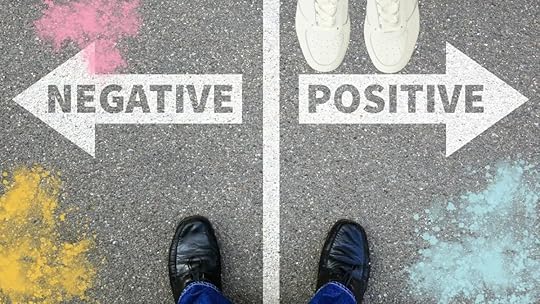 Cultivating Positive Habits for Lasting Change
Not only must you relinquish negativity to break free from obsession, but you also need to actively cultivate positive habits. By introducing this element of practical guidance, we empower our readers and spur them toward taking actionable steps for lasting transformation.
Studies in behavioral psychology underscore the influence of habits on your holistic well-being. Positive habits not only foster a sense of purpose and satisfaction but also bolster long-term emotional resilience.
My journey’s cornerstone involved incorporating positive habits into my daily routine such as mindfulness practices and gratitude fostering. These habits not only stabilized my emotional state but also paved the way for sustained personal growth. They served as vital anchors.
ConclusionAcknowledging your emotions, understanding the root cause, practicing empathy, setting boundaries, and focusing on self-improvement all form part of overcoming an obsession with someone you hate. This challenging journey can transform into a path of personal growth by incorporating mindfulness and gratitude into your daily life. Seeking professional help when necessary is also crucial for breaking free from a toxic hate cycle.
Bear in mind that the journey to relinquishing hatred is unique for each individual. It is a process that requires patience. Commemorate small victories, and welcome the positive changes unfolding as you loosen your grip on obsession. By doing this, you pave the way for an enriched future, brighter and more fulfilling than ever before.
If you enjoy reading this, please subscribe to our blog at the bottom of this page to stay updated.
The post How Do I Stop Obsessing Over Someone I Hate? appeared first on DS Inspire.
December 27, 2023
13 Benefits Of Singing Karaoke With Friends And Family
In the late 1960s in Japan, karaoke first started to appear on the scene. Thereafter, the karaoke trend started spreading throughout Asia, Europe, and North America, where it became common to see karaoke-specific establishments and even private karaoke rooms.
Singing to pre-recorded songs is no longer the only aspect of karaoke. It’s a kind of entertainment that promotes community building, and self-expression, and draws everyone together. Karaoke has become a popular activity for people of all ages and backgrounds, whether they are attending birthday parties or business gatherings or only spending time with family members.
Many individuals find singing karaoke to be an enjoyable and popular pastime. Almost all of us have probably visited a karaoke bar at least once in our lives, whether it was with a lover, family, or even coworkers.
However, did you know that there are a lot of social, and health benefits of karaoke singing? We’ll go over some of the incredible benefits of karaoke with your loved ones in this article, and if you haven’t already tried karaoke, we highly recommend giving it a try.
 1. Karaoke Boosts Mental Health
It’s commonly known that music impacts our emotions. Singing joyful, energetic tunes can automatically improve your mood and give you an energy boost. You may process and let go of bad feelings with upbeat songs or even sad songs based on your personal preference.
There is evidence linking music to less depression, according to a 2017 peer review published by the Royal Society for Public Health. The systematic analysis examined the well-being outcomes for music and singing in adults. It has been demonstrated that singing lowers cortisol levels, the stress hormone, and increases endorphins, the neurochemicals linked to pleasure, and oxytocin.
So don’t be scared to pick up the microphone the next time you get the need to let out your inner rock star. You may improve your mental health unexpectedly and enjoyably by participating in karaoke. Just keep in mind that having fun, embracing the off-key moments, and letting your voice soar are important.
 2. Singing Improves Your Confidence
Singing karaoke has the benefit of boosting your self-esteem. Dopamine and serotonin, neurotransmitters that control motivation and mood, can be released when you sing. Your mental health and general well-being can be enhanced by singing as a means of expressing your feelings and emotions. As you face your concerns and share your abilities, singing in front of an audience may also help you gain more confidence and feel good about yourself.
It’s not necessary to nail every note precisely when singing karaoke. Regardless of ability level, the joy of singing is more important. Hence, you can learn to let go of perfectionism and accept yourself with all of your defects when you embrace the off-key times and laugh at your own mistakes. Gaining acceptance of oneself can lead to more confidence in other spheres of life.
By consistently pushing yourself beyond your comfort zone, you develop resilience and gain the self-assurance to face life’s obstacles head-on. The next time you need to make a speech or go in for a job interview you won’t feel so nervous when you are already used to singing and making a fool of yourself in front of your friends.
 3. Improve Communication and Social Interaction
You can also improve your communication and social skills by singing karaoke. Because you have the same interest and enthusiasm, singing with others may foster a sense of bonding and connection. As you listen to the music of others, you may also develop empathy and understanding via singing. While singing along with others, you may also improve communication and interaction by exchanging jokes, praises, and comments.
In a new setting, singing along to karaoke songs may be a terrific way to meet new people and form new friendships. You may meet other singers and music enthusiasts by attending karaoke events or by joining a karaoke club or organization. You may come across individuals who can provide you with opportunities, support, or guidance, or who share your interests, hobbies, or aspirations. Along with creating memories and having fun, singing karaoke song strengthen your bonds with current family and coworkers.
 4. Enables Reconnection
Singing brings back memories of our carefree youth. Many old songs from the past bring back good memories from your earlier days, which will bring back fond memories. You will enhance your memories and reconnect with old friends in case you haven’t seen them in a long time.
Also, it is possible to come together and enjoy pastime like karaoke as a shared experience during the holidays. Friends from work or college can make new memories and deepen their relationship by doing things together like singing their favorite songs and giving each other emotional support in hard times.
Singing with friends fosters a secure environment for individual expression, deeper discussions, and a greater comprehension of one another’s personalities and interests may result from this.
Coordination and collaboration are necessary while singing duets or harmonies. This may be an enjoyable task that motivates friends to cooperate, reconnect, and see each other more often.
Learning something new about people you haven’t seen in a long time becomes possible with an activity like karaoke. Your friends or families’ musical preferences or undiscovered abilities may surprise you. Engaging in karaoke may help people get to know one another better because each song has its meaning, the way you sing and the emotion you hold in your voice give it a unique expression only you can give off at that moment in time.
5. Karaoke to Solve Family ProblemsRelationships are also enhanced by a lovely karaoke singing sensation. Sometimes you might not get to see your family for a whole year and they only come around during the holiday. You might have had personal problems with them in the past and haven’t spoken in a long time but a good karaoke song might get you talking and singing together and bring the possibility of forgiveness once emotions open up and old wounds are healed.
You don’t need a karaoke machine or bar to sing karaoke. You can sing karaoke at home from your computer or phone, they sell portable microphones now and a quick login to YouTube and pick a song with a karaoke lyric for you to read from is easily found.
Asking a family member to join in the fun and create more quality time is a great way to boost family relations after a fallout. A sad song about family can make you sad and help you to think and forgive the ones you love and realize how important family is. Music has the power to bring you into the moment, hopefully, this moment will make you think deeper and solve any problem you might have with a family member.
The song “Dear Mama” by Tupac Shakur holds a special place in my heart as it never fails to bring back memories of my lovely mom. She passed away when I was 16, and whenever I listen to this song, it’s like a journey back to the past with her. It stirs up a deep longing for the family members I miss and makes me reflect on our relationship. It often prompts me to reach out, either with a call or a text, just to check in to let them know I’m thinking of them.
6. Great IcebreakerKaraoke has this amazing ability to break the ice, especially in situations where you’re meeting new people or finding yourself singing on stage. When you sing, the emotions and expressions conveyed through the song can act like a window into your soul. It’s like a non-verbal introduction that lets others see who you really are inside by the vibe you’re putting out.
This vibe, in turn, encourages people to strike up a conversation, maybe compliment your singing skills, and potentially pave the way for new friendships or even unexpected romantic connections. It’s a unique way for connections to blossom where you least expect it.
 7. Improves Your Understanding and Appreciation of Music
Your understanding and appreciation of music may be improved in several ways via karaoke singing. You expand your musical horizons and interests by singing and being exposed to various genres, styles, performers, and songs. Understanding the composition, structure, and methods of music, including melody, harmony, rhythm, speed, pitch, tone, and dynamics, may also be achieved by singing.
Discovering a new song through a friend’s or stranger’s karaoke performance can spark a curiosity that leads you to explore music outside your normal preferences. It happened to me when I met a random girl at a bar singing karaoke solo, and we invited her to join our group. What amazed us was her ability to sing in ten different languages, unveiling a world of songs we didn’t realize existed.
The delightful revelation of all those amazing songs in different languages made me appreciate the beauty of diverse cultures and the richness of global music. Karaoke, at that moment, became a gateway to understanding and embracing the diverse sounds and languages that make our world so unique.
 8. Easy and Cheap Fun
It is a fantastic method to entertain yourself and have fun with your friends and family. You can experience happiness and pleasure when you sing along to your favorite tunes or learn new ones.
When money is tight and you’re aiming to save, karaoke becomes a go-to option. If you already own a karaoke machine, you can skip the expenses of going out and enjoy singing right at home. Even if you don’t have a machine, a portable microphone paired with your phone is a budget-friendly option. Karaoke offers an affordable way to have some fun without breaking the bank—it’s a top pick for those seeking a cheap thrill.
9. Improve Physical WellnessThere are several reasons that karaoke singing is good for your physical well-being. Because singing improves blood circulation and oxygen supply to your organs, it can also help you maintain better cardiovascular health. Singing helps to open up your airways and increase lung capacity, which is beneficial for respiratory health.
If running on the treadmill feels like too much effort, consider singing as an alternative—it’s surprisingly effective for cardio. You rarely see professional singers run out of breath on stage, especially when hitting those challenging high notes. Their vocal prowess is a testament to the cardio benefits of singing, offering a unique and enjoyable way to enhance your cardiovascular health the lazy way.
10. Reduce Stress LevelsKaraoke singing also aids in lowering tension and stress. For many people, listening to music is a great way to reduce stress. Perhaps karaoke singing is just as good if not better for reducing stress. After a challenging day, picture coming home to your cherished house, and singing a nice calming song to relax.
While many individuals prefer quiet, there are moments when we might want to sing along to karaoke to destress. When some of us surrender our soul to upbeat tunes sing along with the words, and experience the passion of the music, that’s when we feel most at our finest.
11. Singing to Overcome ShynessGetting over shyness and encouraging emotional expression can be accomplished by participating in karaoke sessions with loved ones because singing with loved ones makes it easier to feel confident, supported, and safe emotionally. People feel more at ease moving beyond their comfort zones and expressing themselves when they are among supportive and nonjudgmental friends and relatives.
Singing karaoke is an expressive art form in and of itself. People can connect with the lyrics and melody of a song when they sing karaoke, which enables them to access and express their emotions therapeutically and openly. This might be especially helpful for timid people who might find it difficult to convey their feelings in public.
Karaoke with friends and family frequently creates a sense of encouragement and support for one another. When people are praised, applauded, and encouraged for their performances, it perpetuates the notion that showing emotion is okay and appreciated. Shy people can overcome it and learn to feel more at ease expressing their feelings with the support of this positive reinforcement.
12. Improve Your MemorySinging is a type of auditory stimulation that stimulates the brain’s memory, language, and emotion centers, among other areas. You may improve your verbal and musical memory by singing, which also demands you to remember lyrics, melodies, and rhythms.
One excellent approach to experiencing the benefits of singing is to practice karaoke regularly. With karaoke, you may sing along to a recorded song while viewing the lyrics on a screen. At the same time, the process will introduce you to a variety of musical genres, languages, and cultures will help you learn new things and keep your mind active.
 13. Karaoke Overcomes Language Barriers
Have you ever moved to a new city or nation and felt lonely or isolated? Do you find it difficult to fit in or establish friends in the area? If so, you might want to consider using karaoke songs as a fun and ice-breaking activity.
It facilitates language and cultural learning. By singing along to karaoke songs, you may expand your vocabulary and improve your pronunciation by being exposed to a variety of accents and phrases. Through the songs, you may also learn about the region’s history, values, and customs. Singing a traditional folk song in Ireland, for instance, might teach you about the highlights and challenges faced by the Irish people.
Memorizing words in a new language is a helpful learning strategy, and singing can enhance pronunciation by requiring accurate vocalization to sing the song. Interestingly, many individuals can sing in another language proficiently but struggle to speak it fluently, which is quite puzzling.
 Wrap Up
To sum up, there are a lot of advantages to singing karaoke with loved ones that go hand in hand with improved relationships and personal well-being. Karaoke facilitates reconnection and fortifies relationships between people by fostering a shared experience. It offers a secure and encouraging space for self-expression, making it a useful tool for overcoming shyness, and many other problems.
By singing together, you and your loved ones express your feelings, gain self-assurance, and develop a sense of sincerity and vulnerability by singing. Also, you might feel more empowered to express yourself freely during karaoke sessions because of the encouragement and positive reinforcement.
In addition, engaging in karaoke with close friends and family fosters happiness, joy, and social interaction—all of which are necessary for preserving wholesome relationships. If you enjoy spending more time with friends and families, then check out our free activity books section where you and your loved ones can enjoy a fun activity book together.
By AL Tran
The post 13 Benefits Of Singing Karaoke With Friends And Family appeared first on DS Inspire.
December 22, 2023
What Happens When I Replace Social Media With Books?
Ever find yourself questioning if you’re spending too much time on social media and contemplating a change to more productive activities? Consider picking up a book—it has the potential to transform lives. Before social media and television, books were a primary source of knowledge and entertainment. Is it still worthwhile to spend time reading books?
By replacing social media with books, you’re shifting from time-wasting to a more productive use of your time. While you can become hooked on books, they may not be as addictive as social media, and they also undoubtedly bring more benefits.
Whether you’re reading for entertainment or learning, books contribute positively to your skills—enhancing writing and grammar. While social media has its purposes, and educational content can be found there, the reality is that many people get easily distracted, spending hours on endless and often meaningless videos like cute cat clips or pranks, lacking real value.
While we shouldn’t judge others for spending countless hours watching meaningless videos, as many of us are guilty of the same behavior, it’s wise to consider limiting social media use altogether. In today’s society, social media has become a significant issue for many, impacting our daily lives in ways that aren’t always positive.
 How much of your time per week do you spend on social media?
People, on average, spend approximately 2.5 hours per day on social media. Despite recognizing the potential wastefulness of this time, the addictive nature of social media often prevails, leading individuals to continue their daily addiction. The awareness of bad time mismanagement doesn’t always deter habitual scrolling and engagement with social platforms.
Opting out of social media for a year could free up approximately 912.5 hours a year, a substantial amount that can be redirected toward productive activities. This time could be invested in pursuing higher education, such as earning a degree or indulging in intellectually enriching activities like diving into captivating books. Redirecting time spent on social media towards constructive activities holds the potential for personal and intellectual growth.
By utilizing the 912.5 hours saved from abstaining from social media, you can acquire valuable new skills, potentially leading to real financial gains and personal improvement. I experienced this transformative process when I acquired my real estate license.
From attending classes to dedicated study sessions and completing the license exams, it all fell within the 912.5 hours you could gain by steering clear of social media. This highlights the tangible benefits of investing time in skill development rather than spending it on social media.
If real estate isn’t your thing, some numerous degrees and skills can be pursued within or near the 912.5 hours saved by skipping social media. For example, becoming a Cosmetologist typically requires around 1000 hours of training, and so does a Barber.
Similarly, other professions like Esthetician and Electrologist require around 600 hours each, while becoming a Manicurist typically involves only about 400 hours of training. Certainly, there are numerous other licenses and certifications that you can pursue, all fitting within the 912.5 hours saved annually by skipping social media.
 What happens if we read books every day?
 If you’re a fast reader, reading a book in less than 3 hours a day is achievable and aligns closely with the time many people waste on social media daily. Envision the transformative impact on your mind—akin to giving your brain a steroid boost. Adopting a habit of reading a book a day could place you in the company of some of the wealthiest and most intelligent individuals in the world, such as Warren Buffet, Mark Cuban, and Bill Gates.
If some of the most successful individuals in the world dedicate their time to reading books, why spend your days on social media? Step away from the social media platform and grab a book if you aspire to make significant changes.
If you’re familiar with the famous Oprah Winfrey, you probably admire her success and wealth. She didn’t achieve greatness by squandering time on trivial activities like watching prank videos. Instead, she invested her valuable time in reading a lot of books. Her renowned quote, “Books were my path to personal freedom,” is a profound message that many individuals seeking success and a more fulfilling life should take seriously.
Could you dream of reading 365 books if you seldom engage with them? Picture yourself completing 365 books in a year—contemplate the immense power and knowledge you could acquire. The thought is both daunting and exhilarating, sparking a mix of fear and excitement at the same time.
 How does social media impact our lives?
Though a small dose of social media now and then isn’t much harm, it could be optimal to eliminate it if it doesn’t serve a purpose to you. Social media has the potential to create various issues, some of which might be unknown to the world.
Presently, children of today are grappling with challenges that their parents may not have encountered in the past. Social media can contribute to children becoming more hypersensitive, presenting a notable concern. Another well-documented concern is social media addiction, which most people are aware of.
Another significant concern, often overlooked, is the issue of cyberbullying. I’ve encountered instances where individuals have tragically lost their lives to cyberbullying, a disturbing trend that is sadly echoed in similar stories found easily online. If you have young children and you want to teach them about cyberbullying then check out my free audiobook for Audible about cyberbullying here.
 What is better books or social media?
After reading this article, if you remain uncertain about why choosing books is preferable, then I strongly recommend deleting all your social media accounts. Embrace the commitment to immerse yourself in reading for a few months if possible. Witness the transformative impact it can have on your life and understand why social media is highly disruptive to your life.
If you enjoy this article please have a look around our website as we have more for you to see. Enjoy some free activity books on us here.
By AL Tran
The post What Happens When I Replace Social Media With Books? appeared first on DS Inspire.
December 20, 2023
Does Coffee Play an Important Role During Exam Studies?
Coffee is a devoted friend, popular among students to help them get through long hard study sessions and all-nighters. Exam season frequently turns the library into a second home for many students with sleep often becoming a distant but cherished memory.
When you are surrounded by a mountain of notes, textbooks, and flashcards, that caffeine rush almost seems like a lifeline, but can coffee make a big difference in helping you study for exams? Or have the gods of capitalism duped us all?
Coffee can play an important role in studying, especially if you enjoy drinking coffee. It can improve focus and concentration, giving you that extra boost as needed. However, it’s crucial to be mindful of your caffeine intake, as excessive coffee, especially at night, can disrupt your sleep and leave you feeling more tired the next day before your exam.
Adequate sleep is essential for staying alert and focused during exams, so it’s wise to avoid cramming and space out your studying. If you choose to use coffee as a study aid, limit it to daytime hours and find a balance that won’t interfere with your night’s sleep.
 What is The Science Behind Coffee?
To understand how coffee works, you must also understand your sleep-wake cycle. Your body functions the way it does thanks to your circadian rhythm.
This is your body’s internal clock that regulates when you feel sleepy or awake. Adenosine is a neurotransmitter that promotes sleep. Adenosine levels rise as day turns to night, signaling to the brain that it needs to rest.
Caffeine is a naturally occurring stimulant found in coffee. Once consumed, caffeine enters your bloodstream and travels to your brain. Consequently, caffeine blocks the sleep-promoting neurotransmitter, adenosine, and its effects. This makes you more alert and focused.
Although useful for studying, this interruption of your circadian rhythm might come with its problems. If overindulged, it might upset your body’s normal circadian rhythm and affect the time and quality of your sleep.
How Helpful Is Coffee to Students? Enhances Your Focus and Alertness
According to numerous research, caffeine increases alertness and focus. For example, studies that were published in the “Journal of Nutrition” have shown that caffeine can improve cognitive functions such as attention, vigilance, and reaction time.
Additionally, a study published in the “Journal of Psychopharmacology” demonstrated how caffeine improves focus and attention, which is helpful for tasks needing extended periods of concentration. These results suggest that coffee functions as a stimulant. It increases alertness and improves concentration during rigorous study sessions, and can therefore benefit students when confronting challenging academic content.
Improves Your MemoryAccording to a study published in the “Journal of Alzheimer’s Disease,” caffeine may help with memory retention. Furthermore, a study published in the “Journal of Nutrition, Health and Ageing” indicates that a modest amount of coffee may be able to slow down the deterioration of memory that comes with aging.
These studies demonstrate how caffeine may improve memory. This is important during exams since students will be able to remember and retain important knowledge when it counts most.
Boosts Your MoodResearch published in the “Journal of Psychopharmacology” emphasizes how caffeine might improve mood. This is explained by how it affects neurotransmitters such as serotonin and dopamine. Dopamine boosts your energy and happiness levels, while serotonin promotes contentment and calmness. These neurotransmitters make you feel happier.
Additionally, a study published in the “Journal of Food Science” showed that caffeine may improve mood and cognitive function. Thus, a moderate amount of coffee may provide a much-needed emotional boost throughout the demanding process of preparing for an exam.
Increases ProductivityExams period find students buried in notes and textbooks with stress levels at an all-time high. Coffee has a productivity-enhancing effect that makes it easier for students to get through all-nighters.
Caffeine, for instance, has been shown in a study published in “The Journal of Psychopharmacology” to improve focus, attention, and memory. These are all essential components for studying successfully and ensuring high-productive learning.
Enhances Mental StaminaCoffee increases your mental stamina, enabling you to study for extended periods with concentration and effectiveness, without feeling tired. Studies published in several journals, such as the “Journal of Applied Physiology”, link this to caffeine’s effects on the central nervous system. Caffeine lowers perceived exertion and thus boosts your mental stamina.
Improves Your Overall Well-BeingResearch published in the “Journal of Nutrition” and “Molecular Nutrition and Food Research” shows that coffee contains a variety of antioxidants in addition to caffeine. According to a study published in the “European Journal of Neurology,” these antioxidants also fight oxidative stress, which may reduce the incidence of Type 2 diabetes, Alzheimer’s, and Parkinson’s disease.
Moreover, research published in the “Archives of Internal Medicine” indicates a link between drinking coffee and a lower incidence of depression. These results demonstrate coffee’s many beneficial effects on general health and well-being, which go well beyond its ability to keep you awake during exam season.
 What is The Ideal Coffee Intake?
Despite coffee’s many health benefits, it’s crucial to drink in moderation. Overindulgence, on the other hand, can make your study routine turn into a chaotic, caffeine-fueled mess. Experts advise limiting your daily caffeine intake to between 200 and 400 mg, an equivalent of one to two cups.
Individual tolerance may differ, therefore, pay attention to your needs and refrain from taking too much coffee. Although coffee can be a loyal companion during exam preparation, taking excessive amounts of it can also have negative effects. Thus, maintaining a balance while mastering your studying is still the best course of action.
What is The Downfall of Drinking Coffee?Failure to maintain a balance will lead to overconsumption of coffee. While it can be a helpful study aid, too much of it can ruin an otherwise effective study session by turning you into a jittery mess. Overindulgence has its share of disadvantages, including:
 Disturbed Sleep and Insomnia
Caffeine inhibits the neurotransmitter adenosine, which promotes relaxation, and therefore disturbs the natural sleep cycle. As a result, there is a reduction in the duration of deep sleep duration and delayed sleep onset. Caffeine’s effects on sleep quality have been recorded in several published research, where it has been shown to extend sleep latency and interfere with the structure of sleep.
Coffee consumption, especially right before bed, might cause you to struggle with insomnia. An exam-focused student may find that coffee can be a powerful enemy as it disrupts their sleep. This is because sleep disturbances negatively impact memory retention, cognitive function, and general academic performance. Therefore, overconsumption could make your studying counterproductive rather than improve your capacity to retain important information.
Increases AnxietyA massive overindulgence in coffee might cause jitters and increased anxiety. An adrenaline rush caused by too much caffeine raises your heart rate and causes jitteriness and restlessness. Exams are already a major source of stress, and drinking too much coffee can exacerbate the already-present anxiety.
A study published in the “Journal of Psychopharmacology” relates elevated levels of caffeine to heightened feelings of nervousness and anxiety. These effects can produce a brief but intense spike in alertness, which can quickly turn into a distraction that impairs your focus and makes it difficult to have productive study sessions.
Dependency and Caffeine WithdrawalsExcessive caffeine use leads to dependency, and with it comes withdrawal that leaves you fraught with headaches, exhaustion, and agitation. Dependency poses a serious risk for students, especially during exam periods. Abrupt withdrawal symptoms, such as headaches and exhaustion, can throw off your concentration, making study sessions a struggle.
Digestive ProblemsCoffee might not always be gentle on the stomach. It may result in the production of stomach acid, which can lead to discomfort and acid reflux. Additionally, it may make pre-existing gastrointestinal issues worse.
Indigestion will quickly become an unwanted distraction for students who are deep in exam preparation. This creates an uneasy and distracting environment during study sessions that draws attention away from academic content.
Effect on Cardiovascular HealthCaffeine overconsumption can raise blood pressure and speed up your heart rate. This is especially concerning for those who already have hypertension or a cardiac problem. This caffeine-induced cardiac reaction may make students studying for their exam feel even more anxious and put even more strain on their hearts.
Since caffeine affects adrenaline (the fight-or-flight hormone), research published in the “American Journal of Clinical Nutrition” demonstrated its ability to raise blood pressure. These detrimental effects on heart health may increase stress levels before exams, which could be dangerous for students who already have cardiovascular problems. Such students, therefore, require moderation when consuming coffee during critical study periods.
 Effects on Dental Health
The dark side of coffee extends beyond its taste to include even your teeth. Over time, its pigments may adhere to dental enamel and discolored teeth. Coffee also frequently comes with sugars, which creates an environment that is conducive to dental decay.
A discolored smile and other dental issues create unnecessary stress for students who are studying for exams. Long-term coffee consumption can harm dental health, undermine self-esteem, and possibly divert attention from the task at hand during long study sessions.
How Long Does the Coffee Effect Last During Exams?As soon as you take a sip of coffee, your brain seems to go into countdown mode. After 30 to 60 minutes, the caffeine peaks and gives you a boost that lasts for three to six hours. However, timing is everything.
When you need to focus, schedule your coffee breaks strategically and avoid having them close to bedtime. With strategically-timed coffee breaks, you can enjoy the effects of coffee during intense study periods without insomnia.
How Can You Maximize Your Coffee Intake When Studying For Exams?Coffee is an ally to many students deep in the exam trenches, but you can take that study brew to the next level. Here are some revolutionary strategies to enhance your study sessions and reach your maximum potential, beyond the effects of caffeine:
Scheduled Coffee BreaksYour secret weapon for using coffee to its fullest potential while studying is timing. Identify the moments when your concentration starts to wane from studying and mark them as your coffee break. You may keep your alertness consistent by timing your intake with these lulls.
This guarantees that the burst of caffeine reaches you right when you need it, keeping you focused and alert during those extended study periods. Furthermore, by taking regular breaks, you can avoid the negative effects of coffee, such as insomnia.
 Keep Yourself Hydrated
To avoid falling victim to dehydration, balance your coffee intake with plenty of water. Water helps you stay focused and alert without making you feel thirsty, replenishing the energy that coffee could take away. It may be easy to forget to take water during your coffee refills.
Minimize the Use of Sugar and CreamerWatch out for added sugar and creamers, as they can counteract the health benefits of coffee. Use healthier alternatives such as almond milk or a dash of cinnamon, to make it pleasant and healthy while preventing cavities and tooth decay.
Getting Enough SleepCoffee helps when studying for exams but it can never replace sleep. Sleep should also be a top priority when preparing for exams. More information is absorbed and retained by a well-rested brain compared to one that is high in caffeine.
Moreover, extended periods of sleep deprivation are associated with negative health outcomes, such as delirium. Your grades will appreciate you for striking a balance between caffeine intake and a restful night’s sleep.
 Is It a Good Idea To Have Coffee Before an Exam?
Coffee gives you the energy and focus you need to study for examinations. It can provide a much-needed boost in attention and alertness during long study sessions, which can be a lifesaver.
However, like with everything, moderation and planning are essential to avoid negative effects like insomnia, teeth staining and decay, and digestive and cardiac health issues. Coffee’s health benefits, such as its ability to improve memory and productivity, become even more apparent when combined with wise choices like timing, hydration balance, and use of healthier additives.
When taken in moderation, coffee can be a useful tool for improving focus and endurance while studying. Embrace the grind, maintain your resolve, and ace your exam. If you enjoy reading this article then enjoy a similar article here.
By AL Tran
The post Does Coffee Play an Important Role During Exam Studies? appeared first on DS Inspire.
Does Coffee Play an Important Role During Exams Studying?
Coffee is a devoted friend, popular among students to help them get through long hard study sessions and all-nighters. Exam season frequently turns the library into a second home for many students with sleep often becoming a distant but cherished memory.
When you are surrounded by a mountain of notes, textbooks, and flashcards, that caffeine rush almost seems like a lifeline, but can coffee make a big difference in helping you study for exams? Or have the gods of capitalism duped us all?
Coffee can play an important role in studying, especially if you enjoy drinking coffee. It can improve focus and concentration, giving you that extra boost as needed. However, it’s crucial to be mindful of your caffeine intake, as excessive coffee, especially at night, can disrupt your sleep and leave you feeling more tired the next day before your exam.
Adequate sleep is essential for staying alert and focused during exams, so it’s wise to avoid cramming and space out your studying. If you choose to use coffee as a study aid, limit it to daytime hours and find a balance that won’t interfere with your night’s sleep.
What is The Science Behind Coffee?To understand how coffee works, you must also understand your sleep-wake cycle. Your body functions the way it does thanks to your circadian rhythm.
This is your body’s internal clock that regulates when you feel sleepy or awake. Adenosine is a neurotransmitter that promotes sleep. Adenosine levels rise as day turns to night, signaling to the brain that it needs to rest.
Caffeine is a naturally occurring stimulant found in coffee. Once consumed, caffeine enters your bloodstream and travels to your brain. Consequently, caffeine blocks the sleep-promoting neurotransmitter, adenosine, and its effects. This makes you more alert and focused.
Although useful for studying, this interruption of your circadian rhythm might come with its own problems. If overindulged, it might upset your body’s normal circadian rhythm and affect the time and quality of your sleep.
How Helpful Is Coffee to Students?Enhances Your Focus and AlertnessAccording to numerous research, caffeine increases alertness and focus. For example, studies that were published in the “Journal of Nutrition” have shown that caffeine can improve cognitive functions such as attention, vigilance, and reaction time.
Additionally, a study published in the “Journal of Psychopharmacology” demonstrated how caffeine improves focus and attention, which is helpful for tasks needing extended periods of concentration. These results suggest that coffee functions as a stimulant. It increases alertness and improves concentration during rigorous study sessions, and can therefore benefit students when confronting challenging academic content.
Improves Your MemoryAccording to a study published in the “Journal of Alzheimer’s Disease,” caffeine may help with memory retention. Furthermore, a study published in the “Journal of Nutrition, Health and Ageing” indicates that a modest amount of coffee may be able to slow down the deterioration of memory that comes with aging.
These studies demonstrate how caffeine may improve memory. This is important during exams since students will be able to remember and retain important knowledge when it counts most.
Boosts Your MoodResearch published in the “Journal of Psychopharmacology” emphasizes how caffeine might improve mood. This is explained by how it affects neurotransmitters such as serotonin and dopamine. Dopamine boosts your energy and happiness levels, while serotonin promotes contentment and calmness. These neurotransmitters make you feel happier and more joyful.
Additionally, a study published in the “Journal of Food Science” showed that caffeine may improve mood and cognitive function. Thus, a moderate amount of coffee may provide a much-needed emotional boost throughout the demanding process of preparing for an exam.
Increases ProductivityExams period find students buried in notes and textbooks with stress levels at an all-time high. Coffee has a productivity-enhancing effect that makes it easier for students to get through all-nighters.
Caffeine, for instance, has been shown in a study published in “The Journal of Psychopharmacology” to improve focus, attention, and memory. These are all essential components for studying successfully and ensuring high-productive learning.
Enhances Mental StaminaCoffee increases your mental stamina, enabling you to study for extended periods with concentration and effectiveness, without feeling tired. Studies published in several journals, such as the “Journal of Applied Physiology”, link this to caffeine’s effects on the central nervous system. Caffeine lowers perceived exertion and thus boosts your mental stamina.
Improves Your Overall Well-BeingResearch published in the “Journal of Nutrition” and “Molecular Nutrition and Food Research” shows that coffee contains a variety of antioxidants in addition to caffeine. According to a study published in the “European Journal of Neurology,” these antioxidants also fight oxidative stress, which may reduce the incidence of Type 2 diabetes, Alzheimer’s, and Parkinson’s disease.
Moreover, research published in the “Archives of Internal Medicine” indicates a link between drinking coffee and a lower incidence of depression. These results demonstrate coffee’s many beneficial effects on general health and well-being, which go well beyond its ability to keep you awake during exam season.
What is The Ideal Coffee Intake?Despite coffee’s many health benefits, it’s crucial to drink in moderation. Overindulgence, on the other hand, can make your study routine turn into a chaotic, caffeine-fueled mess. Experts advise limiting your daily caffeine intake to between 200 and 400 mg, an equivalent of one to two cups.
Individual tolerance may differ, therefore, pay attention to your needs and refrain from taking too much coffee. Although coffee can be a loyal companion during exam preparation, taking excessive amounts of it can also have negative effects. Thus, maintaining a balance while mastering your studying is still the best course of action.
What is The Downfall of Drinking Coffee?Failure to maintain a balance will lead to overconsumption of coffee. While it can be a helpful study aid, too much of it can ruin an otherwise effective study session by turning you into a jittery mess. Overindulgence has its share of disadvantages, including:
Disturbed Sleep and InsomniaCaffeine inhibits the neurotransmitter adenosine, which promotes relaxation, and therefore disturbs the natural sleep cycle. As a result, there is a reduction in the duration of deep sleep duration and delayed sleep onset. Caffeine’s effects on sleep quality have been recorded in a number of published research, where it has been shown to extend sleep latency and interfere with the structure of sleep.
Coffee consumption, especially right before bed, might cause you to struggle with insomnia. An exam-focused student may find that coffee can be a powerful enemy as it disrupts their sleep. This is due to the fact that sleep disturbances negatively impact memory retention, cognitive function, and general academic performance. Therefore, overconsumption could make your studying counterproductive rather than improve your capacity to retain important information.
Increases AnxietyA massive overindulgence in coffee might cause jitters and increased anxiety. An adrenaline rush caused by too much caffeine raises your heart rate and causes jitteriness and restlessness. Exams are already a major source of stress, and drinking too much coffee can exacerbate the already-present anxiety.
A study published in the “Journal of Psychopharmacology” relates elevated levels of caffeine to heightened feelings of nervousness and anxiety. These effects can produce a brief but intense spike in alertness, which can quickly turn into a distraction that impairs your focus and makes it difficult to have productive study sessions.
Dependency and Caffeine WithdrawalsExcessive caffeine use leads to dependency, and with it comes withdrawal that leaves you fraught with headaches, exhaustion, and agitation. Dependency poses a serious risk for students, especially during exam periods. Abrupt withdrawal symptoms, such as headaches and exhaustion, can throw off your concentration, making study sessions a struggle.
Digestive ProblemsCoffee might not always be gentle on the stomach. It may result in the production of stomach acid, which can lead to discomfort and acid reflux. Additionally, it may make pre-existing gastrointestinal issues worse.
Indigestion will quickly become an unwanted distraction for students who are deep in exam preparation. This creates an uneasy and distracting environment during study sessions that draws attention away from academic content.
Effect on Cardiovascular HealthCaffeine overconsumption can raise blood pressure and speed up your heart rate. This is especially concerning for those who already have hypertension or a cardiac problem. This caffeine-induced cardiac reaction may make students studying for their exam feel even more anxious and put even more strain on their hearts.
Since caffeine affects adrenaline (the fight-or-flight hormone), research published in the “American Journal of Clinical Nutrition” demonstrated its ability to raise blood pressure. These detrimental effects on heart health may increase stress levels before exams, which could be dangerous for students who already have cardiovascular problems. Such students, therefore, require moderation when consuming coffee during critical study periods.
Effects on Dental HealthThe dark side of coffee extends beyond its taste to include even your teeth. Over time, its pigments may adhere to dental enamel and discolored teeth. Coffee also frequently comes with sugars, which creates an environment that is conducive to dental decay.
A discolored smile and other dental issues create unnecessary stress for students who are studying for exams. Long-term coffee consumption can harm dental health, undermine self-esteem, and possibly divert attention from the task at hand during long study sessions.
How Long Does the Coffee Effect Last During Exams?As soon as you take a sip of coffee, your brain seems to go into countdown mode. After 30 to 60 minutes, the caffeine peaks and gives you a boost that lasts for three to six hours. However, timing is everything.
When you need to focus, schedule your coffee breaks strategically and avoid having them close to bedtime. With strategically-timed coffee breaks, you can enjoy the effects of coffee during intense study periods without insomnia.
How Can You Maximize Your Coffee Intake When Studying For Exams?Coffee is an ally to many students deep in the exam trenches, but you can take that study brew to the next level. Here are some revolutionary strategies to enhance your study sessions and reach your maximum potential, beyond the effects of caffeine:
Scheduled Coffee BreaksYour secret weapon for using coffee to its fullest potential while studying is timing. Identify the moments when your concentration starts to wane from studying and mark them as your coffee break. You may keep your alertness consistent by timing your intake with these lulls.
This guarantees that the burst of caffeine reaches you right when you need it, keeping you focused and alert during those extended study periods. Furthermore, by taking regular breaks, you can avoid the negative effects of coffee, such as insomnia.
Keep Yourself HydratedTo avoid falling victim to dehydration, balance your coffee intake with plenty of water. Water helps you stay focused and alert without making you feel thirsty, replenishing the energy that coffee could take away. It may be easy to forget to take water during your coffee refills.
Minimize the Use of Sugar and CreamerWatch out for added sugar and creamers, as they can counteract the health benefits of coffee. Use healthier alternatives such as almond milk or a dash of cinnamon, to make it pleasant and healthy while preventing cavities and tooth decay.
Getting Enough SleepCoffee helps when studying for exams but it can never replace sleep. Sleep should also be a top priority when preparing for exams. More information is absorbed and retained by a well-rested brain compared to one that is high in caffeine.
Moreover, extended periods of sleep deprivation are associated with negative health outcomes, such as delirium. Your grades will appreciate you for striking a balance between caffeine intake and a restful night’s sleep.
Is It a Good Idea To Have Coffee Before an Exam?Coffee gives you the energy and focus you need to study for examinations. It can provide a much-needed boost in attention and alertness during long study sessions, which can be a lifesaver.
However, like with everything, moderation and planning are essential to avoid negative effects like insomnia, teeth staining and decay, and digestive and cardiac health issues. Coffee’s health benefits, such as its ability to improve memory and productivity, become even more apparent when combined with wise choices like timing, hydration balance, and use of healthier additives.
When taken in moderation, coffee can be a useful tool for improving focus and endurance while studying. Embrace the grind, maintain your resolve, and ace your exam. If you enjoy reading this article then enjoy a similar article here.
By AL Tran
The post Does Coffee Play an Important Role During Exams Studying? appeared first on DS Inspire.
December 16, 2023
How to Accept Failure and Stay Inspired?
Struggling to stay inspired after a major failure? Don’t let it hold you down. This article is here to offer guidance, aiming to help you not only accept failure but also emerge from it more inspired than ever.
The first step is acknowledging that failure is a normal part of life, and everyone faces it, especially in their first attempts. Understand that even the most accomplished individuals have encountered failure, but they persevered and emerged stronger. Repeat this affirmation daily to yourself until it becomes ingrained in your mind.
If repeating self-affirmation alone doesn’t reignite your inspiration, take small, daily steps toward your goal or dreams. Build momentum gradually as you see results, and soon you’ll feel the inspiration flowing through you again. Repeat this process persistently until you reclaim your inspiration, eventually, your inspiration will come back to you.
 Is It Important To Embrace Failure?
Acknowledging and embracing failure is an important part of personal growth. It serves as a catalyst for learning and self-improvement. I’ve observed instances where overconfident individuals, once faced with failure, struggled to cope with the blow to their egos. This difficulty to failure led them into prolonged periods of decline.
This lesson is evident in the world of sports, where undefeated athletes, may face mental breakdowns and premature retirements once they lose. While some athletes may struggle to recover after facing defeat, the resilient ones come back stronger than ever. Strong individuals use failure as a stepping stone to learn and grow. This ability to bounce back distinguishes a true champion from a quitter.
 Can Affirmations Rewire Your Brain?
Self-affirmations absolutely can be a powerful tool for inspiration. Take Mike Tyson, for example; even in his later years, stepping back into the ring, he relied on self-affirmation to boost his ego and motivation. If you’ve faced a setback, using positive affirmations daily can be a key strategy to shift your mindset and regain inspiration, paving the way for you to work towards your goals again.
Many renowned brands, like Nike, leverage famous quotes such as “Just Do It” as repeating this can be self-affirmation. These simple yet impactful slogans have become widely recognized, and just reading them can evoke inspiration. The effectiveness lies in the resonance these words create with people, contributing significantly to Nike’s rise. It emphasizes the potency of self-affirmation as a tool—you just need to incorporate it into your daily routine consistently.
If setbacks are getting you down, consider incorporating daily affirmations into your life. Stand in front of the mirror, speak them out loud, and share your goals with as many friends and family as possible. By vocalizing your commitment, you not only avoid appearing inconsistent but also build a strong support system.
Regularly expressing your intentions reinforces belief in yourself, gradually rewiring your mindset for success. This consistent practice can be a powerful catalyst for regaining inspiration.
 How Does Taking Action Lead To Success?
Success requires more than just affirmations; it demands real action. While self-affirmations are fantastic for motivation, simply repeating them daily won’t lead you anywhere if not coupled with actionable steps.
It’s important to take that initial step and initiate action promptly. The sooner you start taking action, the quicker you’ll build momentum towards your dreams. Remember, it’s the combination of positive affirmations and proactive steps that propels you towards a success goal.
If you’re having trouble taking action, consider placing yourself in challenging situations that compel you to act. For example, when struggling to wake up early, I would set two alarms and even use a light alarm to illuminate my room. Taking it a step further as I was a heavy sleeper, I downloaded an action app that required me to scan a barcode in the bathroom to turn off the alarm.
Placing the barcode in my bathroom near my toothbrush made it easier for me to wash my face and brush my teeth. By creating situations that demanded action, I increased the likelihood of achieving my goals and found the inspiration to stay on track.
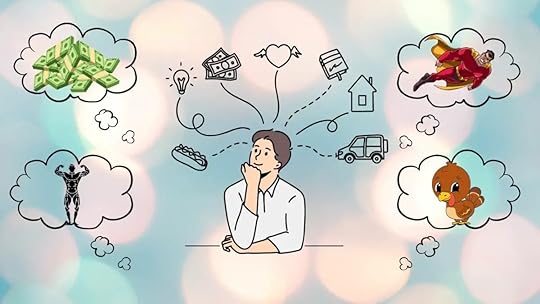 Should I Follow My Dreams or Be Realistic?
While chasing your dreams is commendable, it’s crucial to recognize that some dreams may be unrealistic, leading to a life of misery. When faced with failure, it’s wise to reevaluate the feasibility of your goal. Not every dream is achievable or suitable to pursue.
If you’ve been relentlessly chasing a dream without progress, it might be worth considering a more realistic goal. For instance, if aspiring to be a top athlete seems unattainable, becoming a coach in the sport you love could be more achievable. Accepting failure and redirecting your efforts towards a more realistic goal can be a great step in moving forward with your life.
Becoming a coach may not be your initial preference, but it can be equally rewarding if you find success in it. Take Michael Jordan, for example; his dream was to be a baseball player, but he ended up becoming the greatest basketball player ever. While his first goal wasn’t realized, being the NBA’s best player is still impressive. So, don’t lose hope entirely—there’s a chance to discover new inspiration in unexpected paths.
ConclusionIf you’ve encountered failure in life, I trust this article has provided valuable insights to help you rebound and avoid lingering in defeat too long. Failure is a natural part of life, and each experience builds resilience for future success.
By following the steps outlined in the article, you can bounce back with renewed inspiration, inching closer to your dreams—especially when those dreams are grounded in realistic and reasonable expectations. Remember, setbacks are stepping stones to strength and future success.
If you found this article enjoyable, consider exploring two related articles that could offer further assistance: “Embracing Harsh Realities Without Succumbing to Pessimism” and “Discovering a Fresh Perspective in Life After Facing Tragedy.” These articles aim to provide additional insights and guidance, please enjoy it.
The post How to Accept Failure and Stay Inspired? appeared first on DS Inspire.
December 13, 2023
Why People Are Scared That AI Will Take Their Jobs?
Are you among the people worried that AI might take over the world? You shouldn’t be worried as embracing AI is crucial. AI has the potential to enhance our lives and bring about positive changes. If you’re wondering about why we should welcome AI, read on.
The fear that AI might replace jobs is a valid concern, especially when considering the cost-effectiveness of AI performing tasks for free or at a fraction of the cost. This concern is particularly pronounced among older individuals and those from developing countries.
Learning a new skill and starting over in a new industry becomes more challenging for older individuals, intensifying their concerns when AI can now perform their jobs. Similarly, people from developing countries can face similar issues as AI has the potential to replace their affordable labor, adding to the extent of their worries.
For the rest of us, embracing these changes is essential, as such transformations are not new and have been occurring for a long time. Just like those who raised horses had to adapt when the automobile was invented, it’s important to recognize that such shifts bring about new opportunities and advancements.
While jobs may evolve, it’s important to remember that technological advancement, like the advent of the automobile, not only displaces but also creates new employment opportunities, ultimately enhancing our lives in significant ways.
 Is AI Going to Take My Job?
The potential for AI to take jobs is already happening in some industries to an extent. Let’s look at a few sectors affected by AI currently and assess the magnitude of its impact from the list below. It’s essential to note that the opinions and experiences shared below are purely personal and based on my perspectives. Predicting the future remains uncertain, and these insights reflect my viewpoint rather than definitive forecasts.
Art – If you’re an artist, chances are you’re familiar with Midjourney—an application that transforms text into stunning drawings and art. It’s just one of several applications, including Adobe, Creative Fabrica, and Canva, that offer the power of AI to effortlessly generate artwork from simple text. The ease with which these tools create art is a testament to the growing influence of AI in the art industry. Faced with the AI revolution, artists may need to explore unique ways to ensure the survival and relevance of their skills in the changing creative landscape. Writing – As a fellow blogger heavily engaged in content creation, I’ve noticed the rise of AI-generated writing across the internet. Despite its prevalence, I remain optimistic, considering that current AI still produces content often with significant errors. I anticipate it might take another five years for AI to consistently generate high-quality content without requiring constant correction. I don’t envision a scenario where AI overtakes original written content, especially as lazy writers utilizing AI may end up generating duplicate content as all the other lazy writers. I believe the day AI can write original content is the day it gains consciousness, and we may have something bigger to worry about.Voice – If you’re a narrator, chances are you’ve encountered AI as a competitor in the job market. Many are opting for AI-generated voiceovers to cut costs, given the expense of hiring a human narrator. I confess to using AI voices myself, feeling uncertain about my voice. While I sense that AI might take over about 90% of basic narration tasks, where emotional depth and voice flexibility are less critical, more advanced projects may still demand the nuanced touch of a human narrator. Although this sector might face a significant impact, I don’t foresee it being entirely wiped out by AI.Videos – AI-generated videos are becoming increasingly common on YouTube, Instagram, and TikTok. Currently, AI seems limited to producing only basic videos, posing no imminent threat to human video creators. The outcome in this field remains uncertain, as seamlessly combining video and voice is still a challenge. Those in the industry may have ample time before serious concerns arise, but given the unpredictable nature of the future and technology, it’s wise to plan accordingly.Music – If you haven’t come across AI-generated music, it’s worth keeping an eye on, especially if you’re a singer. While it’s not as widespread as other AI applications, it’s gradually gaining attention. Some AI-generated songs are surprisingly decent, but as a non-singer, I imagine the emotional depth in AI singing might fall short compared to a real performer. It’s akin to getting financial advice from someone who has no money—it just doesn’t resonate the same way. This might be one reason why big brands often prefer celebrities in their advertisements, relying on genuine human emotion to make a real connection.Driving Service – Among the various AI services, self-driving technology is notably the most anticipated, and many are eager for its arrival sooner rather than later. I hold the belief that once autonomous driving is here, it will eliminate the necessity for human drivers. For those currently in the transportation industry, it might be time to acquire new skills. This way, when autonomous driving is fully implemented, individuals can seamlessly transition.The industries mentioned above are either already affected or anticipated to be impacted by AI, but it’s important to note that AI can also benefit us. While some sectors face challenges, there are opportunities for certain industries to benefit from AI, especially in tasks that might be less desirable for humans and more labor-intensive.
 Will AI Replace The Human Workforce?
 It’s highly unlikely that AI will completely replace the human workforce, as new jobs typically emerge alongside advancing technology. The historical pattern has been one of the old jobs disappearing while new ones appear to replace them. The more pressing concern lies in specific industries affected by AI and whether the workforce within those industries can adapt quickly enough to secure new employment opportunities or risk being left behind.
AI is a permanent part of our new reality, akin to the automobile replacing horses. Embracing this inevitable change is crucial, as there’s no turning back, just as we wouldn’t return to commuting on horses due to impracticality. This shift is a catalyst for propelling humanity forward at an accelerated pace.
With the potential for reduced working hours and maintained living standards, AI might lead us towards a 20-hour work week from our 40-hour work week. Historical precedent shows that technology has consistently improved human life, improving our lives rather than being a burden. Let’s welcome the arrival of AI, and cheer for the positive step toward humanity.
 Conclusion
The continuous advancement of AI is inevitable, and the most pragmatic approach is to accept and explore how we can leverage it to benefit ourselves. Rather than resisting or boycotting AI, which may leave individuals lagging, it’s wise to embrace the technology and evolve. Learning new skills, especially if your industry is susceptible to AI impact, is recommended.
I hope this perspective provides a sense of reassurance, emphasizing that AI is not inherently harmful to humanity and, more likely than not, will contribute to making our lives easier. If you enjoy reading this please subscribe to our newsletter at the bottom below.
The post Why People Are Scared That AI Will Take Their Jobs? appeared first on DS Inspire.
Reverse Alphabet with Rhymes: Critical Thinking for Toddlers
Give your toddlers a challenge with “Reverse Alphabet with Rhymes: Critical Thinking for Toddlers.” This book offers an engaging twist to traditional alphabet learning. Dive into the world of letters in reverse, accompanied by delightful rhymes, to unlock a host of benefits for your little one.
Why should you choose this book? Firstly, it goes beyond the ABCs, boosting your child’s cognitive skills. Learning the alphabet backward creates a new and exciting challenge, stimulating their memory, problem-solving, and analytical abilities playfully and enjoyably.
The incorporation of rhymes adds an extra layer of linguistic fun. The rhythmic flow not only makes learning enjoyable but also contributes to language development, setting the stage for robust literacy skills.
Additionally, “Reverse Alphabet with Rhymes” transforms learning into a family affair. Join the adventure with interactive rhymes and activities, creating lasting memories and strengthening the parent-child bond.
Lastly, this book not only prepares your child for academic success by developing critical thinking early but also contributes to overall cognitive development by introducing a novel and exciting challenge.
Explore added family fun with our special bonus challenge at the end of the book! Crafted for parent-toddler bonding, this unique feature brings shared laughter, learning, and joy. Elevate your family’s learning adventure with this bonus challenge, making “Reverse Alphabet with Rhymes” a cherished experience for both parents and toddlers.
Reader Age: Baby – 9
The post Reverse Alphabet with Rhymes: Critical Thinking for Toddlers appeared first on DS Inspire.