Al Tran's Blog, page 10
February 23, 2024
Why Do Some People Dislike Reading?
Reading is a fundamental skill that opens doors to knowledge, yet for some individuals, it remains an unexplored realm. In this article, we delve into the intricacies of why certain people harbor dislike to reading. Understanding these reasons can potentially inspire change and encourage personal growth.
Not everyone finds joy in reading because reading is often associated with homework or classwork. Typically, people prefer leisure and enjoyment over any form of work. People can shift their views of reading as a source of entertainment, akin to flipping through the pages of a comic book. Embracing this pleasure mindset of reading can lead to the discovery of a fulfilling and engaging activity that extends beyond academic obligations.
1. Lack of Interest in Subject Matter Cause Dislike for ReadingMany people’s disinterest in reading can stem from a lack of engagement with the subject matter. The world overflows with diverse interests, and not everyone joyfully immerses themselves in conventional reading materials. A misalignment of personal interests or an inability to connect with the material may make it difficult for individuals to dedicate time to reading when they find that the content does not resonate with them.
Contrarily, the discovery of an appropriate genre or topic that harmonizes with personal passions can significantly alter one’s trajectory. The act of exploring diverse genres and broadening literary horizons has the potential to unveil a multitude of possibilities. Reading transcends mere perusal. It involves locating that elusive intersection where curiosity intersects content, thereby transforming not just into enjoyment but also personal significance.
 2. Time Constraints and Busy Lifestyles
Time is a precious commodity in our fast-paced world today. People continually juggle work, family, and personal commitments, leaving little room for leisure activities, reading is one of them.
The notion that significant time investment is required to read may dissuade individuals from engaging with books. To foster a reading habit, one pivotal step could involve exploring methods of integrating reading into busy schedules.
Indeed, embracing a “micro-reading” approach offers an accessible solution for individuals with busy schedules. Rather than perceiving reading as an exclusively comprehensive activity, one can enhance their engagement with literature by incorporating shorter sessions during breaks or commute times. This strategy acknowledges that even minimal time allocations significantly enrich the overall reading experience, effectively dispelling any notion that it is solely reserved for leisurely moments.
3. Negative Reading Experiences in EducationNegative experiences with reading in their formative years can indeed cast a lengthy shadow on some individuals. The struggle against dense academic texts, the endurance of tedious assignments, or the pressure from exams might have indelibly marked them. They may need to rediscover the joy of reading through more enjoyable and self-selected materials as they overcome these negative associations with literacy.
On the other hand, one can reshape their relationship with literature by creating positive reading habits early. The introduction of engaging and age-appropriate books during childhood often instills a lifelong love for reading.
Educational institutions have a pivotal role to play in fostering positive experiences with reading. They should integrate diverse, interesting materials into their curriculum, creating an environment where pleasure is associated with more than chores when it comes to picking up books.
 4. Overwhelm in the Digital Age
In an era where digital stimuli dominate, individuals may struggle to concentrate on extensive written content. The ceaseless information bombardment via social media, videos, and other online platforms can shorten attention spans. Exploring strategies for navigating this digital overload is crucial. It fosters a conducive environment essential for sustained reading.
Furthermore, one must recognize the significant impact of periodic unplugging from digital devices on their reading habits. By designating specific “digital detox” periods, individuals can disconnect from the online world and immerse themselves in a slower, more contemplative pace of reading. A balanced approach that incorporates quality reading alongside screen time leads to enhanced focus and reinvigorates appreciation for the literature’s depth.
Breaking the Barrier – Inspiring a Love for ReadingTo address these challenges, we must adopt a nuanced approach. It necessitates the recognition of individual preferences and the promotion of an amiable reading environment. Encouragement towards developing a love for reading is vital. Here’s where the following practical steps come into play:
 1. Personalized Reading Lists
Curating personalized reading lists can transform the experience. By tailoring recommendations to individual interests, we enhance the likelihood of finding books that deeply resonate with our passions. The result? An enjoyable and rewarding reading journey.
Additionally, explore niche genres or lesser-known authors. Unconventional places can sometimes hide literary gems. Embrace diverse voices and unique perspectives to broaden your reading horizons. This will infuse depth and richness into the journey of reading.
2. Time Management StrategiesEmpowering individuals with effective time management strategies enables them to devote dedicated reading time. They can make reading a manageable and enjoyable activity by allocating a specific time each day or incorporating it into their existing routines.
Moreover, a practical approach involves integrating short reading sessions throughout the day. By breaking down the overall reading time into smaller segments, it becomes less overwhelming and more achievable. Actively seeking those pockets of available time during commutes, lunch breaks, or pre-bedtime moments. Significantly contributes to cultivating a consistent habit of reading.
3. Redefining Reading in the Digital AgeWe must redefine the notion of reading, acknowledging the challenges that arise from the digital era. By incorporating audiobooks, podcasts, and other audio-based formats into our reading repertoire, we can revolutionize accessibility to literature for individuals with demanding lifestyles.
Embracing interactive and multimedia elements in digital reading platforms enhances the reading experience. Annotations, discussion forums, and multimedia content create a dynamic way to consume written material, an engaging method that bridges traditional with digital reading.
4. Fostering Positive Reading AssociationsTo overcome negative associations with reading, one must create positive experiences. Encouraging the establishment of book clubs and initiating reading circles or discussions are actions that foster a sense of community and shared enthusiasm for literature, transforming it into an enjoyable social activity.
Moreover, harnessing technology to engage with global readers can intensify the community spirit. Virtual book clubs, literature-focused online forums, and social media platforms offer pathways for people. They share their experiences in reading, and recommend insightful pieces of text, thus creating a virtual realm where joyous participation in reading becomes not just an individual act but also a collective celebration.
ConclusionConclusively, we must understand the reasons behind some individuals’ aversion to reading to initiate positive change. Addressing personal preferences, time constraints, negative past experiences and the challenges posed by the digital age allows us to embark on a journey of rediscovering joy within literature. Embracing this transformative power of books can then inspire an unconditional love for reading that transcends all barriers.
The post Why Do Some People Dislike Reading? appeared first on DS Inspire.


How Does Accepting My Weakness Help with Confidence?
Individuals often pursue personal growth and development, grappling with the concept of accepting their weaknesses. The emphasis society places on strengths and success can create a counterintuitive perception towards acknowledging and embracing your limitations. Nevertheless, when individuals confront their weaknesses, accepting them triggers profound transformation, surprisingly boosting confidence as a result.
Delving into the transformative process’s intricacies, this article explores its psychological underpinnings and practical strategies. It emphasizes acceptance’s profound impact on an individual’s journey toward heightened confidence.
Recognizing and accepting your weaknesses is a crucial step toward understanding your strengths. By understanding where your weaknesses lie, you gain the insight needed to focus on strengthening those weaknesses. Simultaneously, this self-awareness also reveals your strengths.
Knowing your strengths allows you to recognize and embrace your expertise giving you the confidence needed in areas where you feel strong or knowledgeable. As you work on developing your weaknesses and become more well-rounded, the confidence gained in one area can positively carry over to other aspects of your life, allowing you to be a super confident person.
 Understanding the Psychology Behind Acceptance
 One does not equate the acceptance of their weaknesses with resignation or defeat. Rather, it symbolizes an intricate comprehension of oneself. This form of acceptance is fundamentally based on self-awareness, a pivotal element within emotional intelligence from a psychological perspective.
By acknowledging and accepting their limitations, individuals can lay the foundation for self-compassion, an essential ingredient in fostering confidence. Research conducted by Dr. Kristen Neff emphasizes a positive correlation between self-compassion and overall health. It establishes an empowering foundation for boosted confidence.
Neurologically, studies indicate self-awareness triggers activation in the prefrontal cortex which is a brain region linked to decision-making and emotional regulation. This not only amplifies emotional intelligence. It also fosters a deeper comprehension of personal strengths and weaknesses. Embracing this awareness empowers individuals. They navigate life’s challenges with heightened resilience and bolstered confidence.
Neurological Impact: Self-awareness, a result of acceptance, activates the prefrontal cortex, fostering better decision-making and emotional regulation.Holistic Understanding: Acceptance goes beyond acknowledging weaknesses; it involves a holistic understanding of oneself, integrating both strengths and limitations.The Liberating Power of VulnerabilityOften, vulnerability bears a negative connotation. Yet, embracing it can indeed serve as an impactful catalyst for personal growth. Acknowledging one’s weaknesses allows one to expose oneself to the transformative power inherent in vulnerability. This openness not only fosters connections with others who endure similar trials but also creates a supportive community, a crucial aspect of individual development at any level.
Not only does sharing vulnerabilities diminish the stigma often linked to perceived weaknesses, but it also underpins the notion that everybody encounters challenges. This mutual human experience cultivates empathy. This is a factor that propels an individual’s confidence even further.
Psychology research suggests a compelling shift in perspective. Vulnerability, contrary to common perception, is not merely a sign of weakness. It’s indeed an embodiment of courage. Embracing this courageous manifestation can lead not only to enhanced emotional resilience but also to the forging of robust interpersonal relationships. Thus, redefining vulnerability as more than just a liability becomes a strength itself.
Courageous Vulnerability: Research highlights that embracing vulnerability is a courageous act linked to increased emotional resilience. Strength in Shared Experience: Opening up about vulnerabilities fosters empathy and connection, turning shared challenges into sources of strength. Building Resilience Through Acceptance of Weakness
An empowering act, not a passive one is accepting weaknesses fuels resilience. When individuals courageously confront their limitations, they initiate an invigorating journey toward self-improvement. This proactive approach cultivates the crucial skill of resilience, enabling them to rebound effectively from setbacks.
Resilience, indeed, constitutes a vital element of confidence. It is the acknowledgment that setbacks form an intrinsic part of our human experience that equips us to confront challenges with positivity and ultimately enhances self-assurance.
Accepting weaknesses not only fosters individual resilience but also contributes to a resilient community. This community embraces diversity, recognizing and valuing the unique strengths and weaknesses of each other. Such communities demonstrate increased adaptability. They are better equipped for collective challenges.
Community Resilience: Acceptance within communities fosters collective resilience, allowing diverse strengths and weaknesses to contribute to shared growth.Proactive Adaptability: Acknowledging limitations proactively allows individuals and communities to adapt and thrive in the face of challenges.
Kazushi Sakuraba, one of the greatest Japanese fighters, faced three defeats against Wanderlei Silva. Despite setbacks, he displayed remarkable humility by acknowledging his weaknesses. In a pursuit of improvement, Sakuraba made a noteworthy decision—he chose to train at Wanderlei Silva’s fight camp, demonstrating a commitment to enhancing his skills and learning.Empowering Self-Talk and Positive Affirmations
Internal dialogue reshapes its form, transforming from self-criticism to self-compassion as one accepts their weaknesses. The confidence levels we possess significantly depend on the language we internally use.
When individuals accept and reframe weaknesses as growth opportunities, they cultivate a more positive self-narrative. Further reinforcing this shift incorporates positive affirmations. It creates a mindset that not only embraces challenges but also perceives them as opportunities for growth. The profound ripple effect of empowering self-talk extends beyond just confidence and significantly influences overall health.
The transformative power of self-talk aligns with Cognitive-behavioral therapy (CBT) principles. It identifies and challenges negative thought, and promotes a shift towards more constructive, affirming internal dialogue. Integrating these principles into daily life enhances effectiveness and consequently boosts confidence in building lasting confidence.
CBT Integration: Principles of Cognitive-behavioral therapy can enhance the effectiveness of positive self-talk in building lasting confidence.Daily Practice: Consistent integration of empowering self-talk and positive affirmations is key to establishing a resilient and confident mindset.Navigating Personal Growth Without ComparisonThe saturation of our world with social media and incessant comparisons makes accepting weaknesses a potent tool for combating comparison’s detrimental effects. When we recognize that each person possesses unique strengths and weaknesses, this disarms the toxic practice of evaluating self-worth against others.
The transition to self-acceptance propels us into cultivating more authentic, enduring confidence, one free from external validations. Embarking on the journey towards personal growth fosters an authentic, personalized experience. This in turn cultivates a profound sense of accomplishment and self-worth.
Research reveals that constant comparison often triggers a negative effect on mental health. Here lies the paradox. However, embracing individuality and accepting one’s unique journey serve as potent forces to counteract these pitfalls of comparison. This promotes not just healthier self-perception but also fosters positivity within us.
Individual Authenticity: Embracing individuality fosters a sense of authenticity, steering personal growth away from the pitfalls of constant comparison.Mental Health Impact: The negative impact of constant comparison on mental health emphasizes the importance of self-acceptance.ConclusionConclusively, the path to confidence intricately weaves through accepting one’s weaknesses. Rather than hindering it, admitting limitations propels profound personal growth.
Understanding the psychology of acceptance, embracing vulnerability, constructing resilience, and nurturing positive self-talk all contribute toward navigating personal growth without comparison. This paves the way for unshakable confidence in individuals. Not in denying weaknesses, but leveraging them as stepping stones towards a more empowered and confident self, that’s where the transformative power of acceptance truly resides.
The post How Does Accepting My Weakness Help with Confidence? appeared first on DS Inspire.
February 22, 2024
Why Quitters Never Win?
Perseverance, in the grand tapestry of life, serves as the common thread that binds success and fulfillment. The core of human achievement resonates with the saying “Quitters never win”. Indeed, it embodies an enduring principle that no matter your pursuit, be it personal growth, overcoming life’s challenges, or chasing professional goals, this steadfastness remains unchanged. In this exploration, we delve into the profound reasons that underscore persistence as a triumphant key and elucidate why individuals opting for resilience frequently unearth success.
Winners reach the finish line by persevering and completing what they started. Quitting before reaching the end make you a quitter, and the saying “Quitters never win” emphasizes the idea that success comes to those who face challenges head-on and stay committed until they achieve their goals. In essence, the key to winning is resilience and seeing things through to the end rather than giving up.
The Power of Endurance 1. Understanding the Essence of Perseverance
A profound web weaves life’s journey with moments of triumph and tribulation, often compared to a marathon. It does not consist merely of sprinting toward a finish line but involves continuous evolution. Perseverance fundamentally acknowledges that success is not an overnight affair. Instead, it unfolds potential gradually.
Not just enduring adversity, perseverance involves committing to the entire process and embracing its ups and downs. This mindset views setbacks as instrumental for growth rather than failures. Understanding the core of perseverance truly demands an appreciation for the journey’s beauty, where each challenge presents a unique opportunity to discover and improve oneself.
2. Why Quitters Need to Embracing ChallengesChallenges, often catalysts for personal and professional growth, riddle the path to success. Those who avoid these obstacles miss out on invaluable opportunities to unearth their true potential. Indeed, challenges do not act as insurmountable roadblocks. Instead, they serve as invitations that push individuals beyond their comfort zones.
They provide a platform through which one can acquire new skills, hone pre-existing ones, and importantly cultivate resilience. Circumnavigating challenges may offer a shortcut to success. However, it is merely an unnecessary detour, ultimately leading away from the desired destination of triumph.
3. The Psychology Behind PerseveranceSuccessful individuals, characterized by a resilient mindset of grit and determination, navigate their way through the complex landscape of the human psyche where interplay among thoughts, beliefs, and actions often determines success.
This mindset propels them forward despite adversity. It equips them to overcome obstacles that could potentially derail others. A growth mindset, the belief that abilities and intelligence evolve through dedication and hard work, forms the essence of perseverance’s psychology.
The Domino Effect of Quitting 1. Unraveling the Consequences
Merely abandoning a task does not equate to quitting. Rather, it instigates a chain reaction that impacts multiple aspects of life. When one decides to quit, it typically results in an immediate blow to their self-esteem. The emotional toll from recognizing an unconquered challenge often breeds doubts about personal capabilities. The effects, moreover, do not remain limited to the individual’s sphere.
They echo through relationships and social circles. The act of quitting can be interpreted by others as a signal of an absence of commitment or reliability. This perception subsequently shapes one’s personal and professional image. It carries significant weight in determining how others view us on both fronts.
2. Impact on Mental Well-beingOften, quitting precipitates a detrimental effect on mental health. The relentless cycle of surrendering fosters feelings of inadequacy and diminished self-worth. Each instance of abandonment significantly burdens one psychologically. It adds another layer to their narrative, perceived as failure.
A deep connection exists between mental well-being and our sense of accomplishment. It is this very nexus that underpins progress. If individuals consistently discard their pursuits, they may unleash a pattern of self-sabotage. Ultimately, their overall mental health will bear the brunt.
3. Missed Opportunities and RegretEach time you surrender, potential transformative opportunities elude you at a risk. Shouldering the burden of regret often results from an unexplored path due to premature abandonment. Unquestionably, missed opportunities beyond instigating immediate remorse profoundly influence one’s life trajectory. Challenges often masquerade as opportunities. Yet, conquering them serves as the gateway to personal and professional progress.
The Anatomy of Success Stories 1. Stories of Triumph Over Adversity
A narrative of conquering challenges and persisting in adversity underpins every success story. These are not fairy tales; rather, they represent real-life sagas where individuals brave storms and emerge fortified. Consider the example of J.K. Rowling, illustrious author of the Harry Potter series. Her journey signifies this truth profoundly.
Multiple publishers rejected Rowling before her books turned into a global phenomenon. Persevering in adversity, she eventually created one of history’s most beloved literary franchises. Rowling’s journey powerfully reminds us that enduring setbacks often pave the way for success.
2. Real-Life ExamplesDelving into more real-life examples reveals individuals who conquered seemingly insurmountable odds through sheer determination. Nick Vujicic, is an international motivational speaker born without limbs. His message of hope and resilience has inspired millions. Vujicic’s journey exemplifies the remarkable strength embedded within the human spirit. It triumphs over physical limitations when bolstered by unwavering resolve.
3. Lessons from LegendsWe dissect the journeys of legends across diverse disciplines, revealing recurring threads of resilience and determination. Take Albert Einstein, a titan of historical intellectualism. Yet, he encountered manifold academic failures during his formative years. Far from impeding his trajectory toward success.
These struggles only stoked an unquenchable thirst to untangle the universe’s enigmas. The narrative of Einstein instructs us that setbacks are not merely roadblocks, but rather catalysts for growth and innovation.
The Path to a Resilient Future 1. Cultivating Perseverance in Your Life
The intricate web of modernity intertwines with our lives, necessitating the intentional cultivation of perseverance as a fundamental necessity. We must take a proactive approach to develop resilience in navigating the complexities that contemporary existence presents. Embracing challenges involves more than simply reacting to external stimuli. It requires us to consciously view obstacles as opportunities rather than impediments.
Transforming setbacks into growth opportunities requires learning from failures, an invaluable skill. The intentional cultivation of perseverance mirrors the nurturing process in a mental and emotional garden. Here, we sow resilience seeds, provide them with care, and allow for their flourishing even amidst adversity.
2. Practical Tips for PerseveranceThe cornerstone of this approach is setting realistic goals. By breaking down long-term objectives into smaller, more achievable milestones, individuals forge a roadmap that navigates them through the journey of persistence. Another crucial pointer is to cultivate a growth mindset. It underscores the significance of perceiving challenges as catalysts for personal and professional development. Fostering a perpetual desire for learning and adaptation, this shift in perspective reinforces the concept. Every obstacle presents an opportunity to hone character traits as well as skills.
3. The Role of Support SystemsWe acknowledge the profound impact of support systems, actively exploring how one can become resilient by strategically surrounding oneself with positive influences. This is our linchpin. In persistently tackling challenges, human connections prove to be a potent force. Friends, family members, mentors, and colleagues all contribute significantly to weathering storms. Thereby, demonstrating their essential role in any resilience-building endeavor.
Not only does a supportive network encourage, but it also offers a shared pool of experiences and insights. Choosing to engage with individuals who inspire and uplift us represents an astute strategy in the pursuit of perseverance.
ConclusionConclusively, “Why Quitters Never Win” transcends mere cliché. It embodies a profound truth reverberating within achievement’s corridors. Understanding the power of perseverance empowers individuals to navigate life’s twists and turns with resilience. They emerge on the other side not only stronger but more accomplished. As you ponder this exploration, a grand game called life, bear in mind that winners are those who choose undeterred persistence over quitting allure.
The post Why Quitters Never Win? appeared first on DS Inspire.
February 21, 2024
Should I Give Up On An Almost Impossible Dream?
Dreams, those elusive aspirations that dance on the periphery of our consciousness, sometimes seem within reach, and at other times, absurdly distant. We grapple with a profound question: whether to persist in chasing an almost impossible dream or not. This pursuit is fraught not only with internal conflict but also with external pressures. This exploration will unveil complexities inherent in such dilemmas, examining psychology underlying dreams, societal expectations’ impact, and narratives from those who defied the odds.
If you believe your dream is impossible to achieve, it’s wise to pursue it as a side hobby while maintaining other aspects of your life. Avoid giving up everything for your dream, as failure could leave you in a tough spot. However, never fully abandon your dream, as dreams provide inspiration and motivation in life, keeping us alive and strong while moving forward. Balancing your aspirations with practicality can lead you away from complete failure.
Understanding the Nature of Dreams Embracing the Vision
A vision, an ethereal yet compelling force that surpasses the mundane aspects of daily life, nestles at the heart of every dream. It is not merely a whimsical desire. Rather, this profound source of inspiration ignites fervent passion within individuals. With its transformative power, ordinary existence ascends into an extraordinary journey. Dreamers, immersing themselves in this vivid mental imagery, begin to perceive a profound purpose, one that transcends the current obstacles and setbacks.
Moreover, embracing the vision acknowledges its profound impact on your life. It symbolizes a deliberate choice to allow the dream to shape and direct actions, thereby cultivating direction and clarity in life’s frequently chaotic journey; this is not a passive procedure. It requires actively engaging with the dream by aligning values and future actions.
In essence, embracing the vision entails committing to pursue a goal greater than oneself. This commitment, capable of fueling resilience and determination even when confronted with seemingly insurmountable odds, is indeed profound.
Strategic Alignment: Aligning personal values with the dream’s vision enhances motivation and fosters a sense of purpose.Sustainable Motivation: Embracing the vision provides a sustainable source of motivation, crucial for enduring the ups and downs of the journey.The Psychological TapestryDr. Carol S. Dweck’s groundbreaking research on the ‘growth mindset’ enriches our understanding of this complex tapestry. It delves into the intricate threads of psychological fabric, weaving dreams with human motivation, a landscape brimming with cognitive processes.
Beyond mere surface-level whimsy, dreams anchor deeply in the human psyche to tap into fundamental aspects such as identity and purpose. A belief in the development of abilities through dedication and hard work characterizes this mindset. It serves as a crucial element in chasing down an audacious dream, one that may seem nearly impossible to achieve.
The psychological tapestry, indeed, stretches past personal aspirations; it weaves into societal narratives and cultural influences. The collective psyche not only shapes but is also shaped by a community’s dreams, highlighting the interwoven nature of individual and communal ambitions. When one recognizes the psychological underpinnings of dreams, this realization empowers individuals to comprehend their motivations. Furthermore, it fosters empathy and deepens understanding towards others’ aspirations.
Cultural Influence: Societal and cultural factors play a significant role in shaping the psychological tapestry of dreams.Community Impact: Understanding the psychological landscape of dreams promotes empathy and shared understanding within communities.Navigating the External Challenges Societal Expectations vs. Personal Fulfillment
The pervasive influence of society frequently shapes individuals to align with its established norms and expectations. This pressure to conform has the potential to overwhelm personal ambitions, manifesting in subtle yet potent ways. Your career choices may be dictated by the prestige that society assigns certain professions. Likewise, cultural norms often define significant life milestones, a clear illustration of this pervasive societal sway.
When external expectations clash with the pursuit of personal fulfillment, conflict emerges. Striking a balance between societal conformity and individual authenticity demands introspection and courage. It becomes a delicate art.
Individuals must navigate this delicate balance by recognizing the dynamic nature of societal expectations. They evolve over time and with shifts in society; the cultural landscape, too, is constantly changing. What may have seemed unconventional in previous eras could now be warmly embraced.
When you embrace the fluidity inherent within societal norms, it enables an authentic navigation toward personal fulfillment. To embark on the path to personal satisfaction, you need not entirely forsake societal expectations. Instead, a meticulous evaluation is necessary. Determine which of these expectations harmonize with your values, and identify those that impede the pursuit of your authentic dreams.
Consideration: Evaluate societal expectations critically, distinguishing between constructive norms and those that may hinder personal growth.Caution: Strive for a nuanced approach, recognizing that complete rebellion against societal expectations may lead to isolation. Finding common ground can foster understanding and support.The Stories of ResilienceResilience stories, shining as beacons of inspiration, stand out in the tapestry of human achievement. These narratives often hold more than just tales of setbacks and failures behind their glamorous façade. They are laced with a threadbare yet relentless perseverance.
Early on in her career, Oprah Winfrey confronted adversity and rejection, but it was precisely this resilience that catapulted her to media mogul status. With ventures like SpaceX and Tesla, Elon Musk embodies an unyielding spirit in the face of skepticism; his stories underscore a significant truth. Realizing nearly impossible dreams does not follow a linear trajectory. It involves navigating through numerous peaks and valleys.
However, resilience does not adhere to a universal template. It unfurls uniquely for each individual per their specific circumstances. Adversity may serve as potent fuel for ambition, a source from which some draw strength. Others, on the other hand, might cultivate resilience through strategic adaptation, modifying approaches and tactics in response to challenges. Individuals can cultivate their unique brand of tenacity in pursuing their dreams by understanding the diverse ways resilience manifests.
Consideration: Resilience is not synonymous with stubbornness. Flexibility in adapting to challenges is a key component of enduring resilience.Fact: Resilience is a learned skill that can be developed over time through experiences and intentional efforts.The Decision-Making Dilemma Weighing the Pros and Cons
You must engage in a meticulous assessment of the situation when confronted with the decision. Either persist in pursuing an almost impossible dream or yield to reality’s pressures. This engagement involves conducting a comprehensive analysis, weighing potential advantages against forthcoming disadvantages inherent within our chosen path. Crucial to this process is considering each aspect’s intricate nuances, from immediate challenges to long-term implications.
Personal fulfillment, self-discovery, and the potential for monumental achievement may constitute some advantages. However, sacrifices in personal life, financial instability, and even encountering unforeseen obstacles could encompass potential disadvantages. We must intricately weigh these factors to gain a holistic understanding of the journey ahead. This will enable us to make informed decisions effectively.
Undertaking life’s journey with the weight of uncertainty necessitates a deeper approach than merely listing pros and cons. It calls for an intensive introspection into personal values and priorities. Not just focusing on tangible aspects, but also considering emotional, even psychological, facets.
The short-term sacrifice one makes might serve as an investment in long-term happiness. This introspective approach reshapes the decision-making process into a nuanced exploration of our inner compass, we navigate intricately through maps filled with desires and responsibilities.
Consideration: Recognize that some sacrifices may be temporary, leading to long-term gains.Caution: Be mindful of the emotional toll of certain decisions; emotional well-being is a crucial factor. The Role of Realism
A pragmatic dose of realism must coexist with the powerful force that is optimism, propelling individuals toward their dreams. This confidence-instilling and ambition-fueling trait does not signify surrender when one acknowledges the nearly impossible nature of a dream. Rather, it paves the way for an approach, strategic and well-informed.
Realism, like a compass, steers dreamers through their journey’s unpredictable terrain. It necessitates an honest assessment of challenges and potential setbacks and discerns the necessary resources to overcome them. Understanding this landscape empowers individuals to navigate with efficacy. Thus, they can transform seemingly improbable scenarios into achievable possibilities.
Realism’s embrace doesn’t imply the abandonment of lofty aspirations. Instead, such a perspective fosters balance. When we acknowledge challenges, that’s when proactive problem-solving becomes catalyzed. Contingency plan development, a product of realism, fosters resilience against adversity in individuals. The bridge interfaces ambition and practicality, guaranteeing the pursuit of dreams with not only fervor but also an astute recognition, and a clear-eyed awareness of potential obstacles.
Fact: Acknowledging challenges does not diminish the dream but empowers strategic planning.Noteworthy: Realism is not a deterrent but a guide, enhancing the likelihood of successful outcomes.Embracing Change and Evolution Adaptability in the Pursuit
Like life’s journey, dreams unfurl in unpredictable manners. The first vision serves as a guiding light; however, it is not an inflexible script but rather a flexible roadmap. Upon embarking on the pursuit of an almost impossible dream, one realizes that the path evolves—this dawning recognition brings new perspective and understanding.
Just as the wind pivots its course, a dream’s trajectory also transforms. Embracing this dynamism proves vital; it is not merely a concession–rather, it signifies strategic recalibration. Adapting to unforeseen challenges, tweaking strategies, and even considering alternative routes: are manifestations of adaptability. Those who successfully navigate the complex terrain of almost impossible dreams possess a hallmark ability – to pivot and adjust without losing sight of the overarching goal.
Within the labyrinth of ambition, each unforeseen turn presents a growth opportunity. Every deviation from the predetermined path provides an opening to gain new skills, insights, and perspectives.
The flexibility demanded in chasing an aspiration that seems almost unattainable transcends external circumstances; it embodies internal evolution. Not merely a survival tactic, embracing change represents the pathway to thriving amidst uncertainty. This journey involves cultivating resilience, honing problem-solving skills, and fostering an outlook that perceives challenges as stepping stones rather than stumbling blocks.
Consideration: The journey towards an almost impossible dream is inherently uncertain. Consider building contingency plans and maintaining a flexible mindset to navigate unforeseen challenges.Caution: While adaptability is crucial, it’s essential to discern between adjusting strategies and compromising core values. Maintaining integrity in the pursuit ensures the journey remains true to one’s authentic vision.Redefining SuccessIn a world that frequently fixates on predetermined ideas of success, pursuing an aspiration nearly deemed impossible requires a drastic change in perspective. In this instance, success extends beyond achieving one particular goal; it surpasses the result. To redefine success necessitates recognizing that the journey alone is indeed transformative.
The evolution of character, the development of resilience, and the acquisition of wisdom are at stake. Success is far from a static destination. Rather, it manifests as an ever-changing landscape sculpted by our continuous pursuit of growth.
Each milestone in the unfolding journey towards an almost impossible dream represents a personal triumph. To redefine success is to celebrate these small victories, acknowledging their substantial contribution to the overarching narrative. This signifies a paradigm shift from focusing on destinations to appreciating the ongoing journey’s significance. Within this redefined framework, success blossoms as a perpetual state of evolution rather than an endpoint. It’s a recognition, indeed, an affirmation of continuous improvement.
Consideration: While external recognition is gratifying, consider placing equal importance on intrinsic motivations. The joy derived from personal growth and self-discovery adds depth to the redefined notion of success.Caution: In redefining success, avoid falling into the trap of comparing your journey to others. Each path is unique, and success is a highly personal and subjective concept.The Power of Personal Transformation Beyond the Dream: Personal Growth
The transformative power of personal growth resides at the core of pursuing an almost unattainable dream; it extends beyond mere tangible outcomes. The journey acts as a catalyst for resilience, determination, and even courage.
The pursuit of dream is in essence a crucible where individuals are honed and refined into versions capable of not just facing life’s challenges but approaching them directly. The metamorphosis extends beyond the pursuit, permeating multiple aspects of life. It influences personal relationships and enhances professional endeavors, ultimately bolstering overall well-being.
Navigating a maze of self-discovery is analogous to embarking on the path of personal growth through pursuing an almost impossible dream. The challenges one encounters offer opportunities for introspection and self-improvement. Each setback acts as a crucible that refines character, instills patience, and nurtures a deeper understanding of strengths as well as limitations.
Internal evolution remains a relentless, ongoing process that bears the hallmarks of triumph and introspection. Eventually, this leads to an intense sense of self-awareness. This transformation culminates in empowerment.
Caution: It’s essential to strike a balance between ambition and self-care during this journey of personal growth. Overextending oneself without recognizing the need for rest and rejuvenation can lead to burnout, hindering the very growth one seeks to achieve.Consideration: Embracing discomfort is an integral part of personal growth. The willingness to step out of one’s comfort zone, face challenges, and learn from failures accelerates the transformative journey.Inspiring Others Through the JourneyPursuing an almost impossible dream sends ripples that extend far beyond individual growth and create an inspiring narrative. The stories of resilience and audacity serve as beacons, offering hope to those grappling with their challenges. Through shared experiences, a collective narrative emerges, one filled not just with possibility but also empowerment. This story transcends mere individual circumstances to resonate broadly with its audience.
Not merely in the triumphs, but also within the authenticity of struggles does one possess the power to inspire others. A relatable narrative that resonates with a diverse audience forms when individuals openly share their challenges, setbacks, and moments of doubt. Recognizing that remarkable achievers too encounter obstacles nurtures unity and a shared sense of humanity.
Note: Authenticity is key in inspiring others. It’s important to share both successes and failures, providing a realistic portrayal of the journey.Fact: Research suggests that stories have a profound impact on human psychology, and narratives of overcoming adversity can trigger a sense of resilience and motivation in listeners. Conclusion
Conclusively, giving up on an almost impossible dream constitutes a profoundly personal journey. You must grasp the psychological underpinnings, navigate external challenges, and make nuanced decisions; embracing change is crucial. Recognizing the transformative power inherent in this journey becomes non-negotiable. Stand at your crossroads of possibility and doubt with this understanding.
Pursuing a dream transcends mere destination-reach, it entails self-transformation, becoming that individual capable not only of envisioning their aspiration but also of accomplishing it. Your almost impossible dream, in the grand tapestry of life, may serve as a thread. It weaves a story, one marked by resilience, growth, and ultimately triumph of the human spirit.
The post Should I Give Up On An Almost Impossible Dream? appeared first on DS Inspire.
Is Reading While Eating Bad for You?
Multitasking, a norm in our fast-paced society, often sees individuals juggling various activities concurrently. One such common scenario involves enjoying a meal while being engrossed in an engaging book. However, do you ever ponder the potential health implications of this habit? This in-depth article delves into the potential effects of reading while eating: is it merely a harmless habit, or could it be a habit worth reconsidering?
Although some individuals may think they’re saving time by eating and reading simultaneously, the negatives outweigh the benefits. There’s a significant risk of dropping food on your books, and the potential for distraction can hinder the retention of information from the reading. In essence, the negatives associated with eating while reading far outweigh any positives you can gain from it.
 The Art of Mindful Eating
First, we must grasp the concept of mindful eating before exploring the potential drawbacks of combining reading and dining. Mindful eating transcends simple regulations; it’s a comprehensive strategy for engaging with our meals. This approach necessitates developing an understanding of the entire gastronomic journey, from ingredient selection to post-bite sensations, and places emphasis on each step along this path.
Focusing on the present moment allows individuals to forge a profound connection with their food, and subsequently, their bodies. This habit goes beyond mere eating. It fosters an attentive consciousness of hunger and satiety cues, thus paving the way for superior self-regulation in terms of food intake.
Mindful eating, in addition to yielding physical benefits, has shown an association with positive psychological outcomes. Research establishes a compelling argument. Individuals who engage in mindful eating demonstrate decreased levels of food-related stress and anxiety.
People can liberate themselves from unhealthy guilt or shame accompanying their dietary choices by adopting a non-judgmental stance towards eating. The art of mindful eating ultimately transcends mere food consumption. It evolves into a lifestyle characterized by mindfulness, fostering a positive relationship with nourishment and well-being.
Cultivating Awareness Beyond the Plate: Mindful eating extends to the entire process of food consumption, from choosing ingredients to recognizing hunger cues.Psychological Well-being: Embracing mindful eating has been linked to reduced stress and anxiety related to food choices.The Downside of Divided AttentionA study found an interesting correlation that when individuals divide their attention between tasks, such as eating and reading, they tend to overeat. This suggests potential negative implications for our overall well-being due to multitasking. Indeed, participants who undertook this type of multi-tasking consistently reported diminished meal satisfaction. Consequently, they subsequently consumed more food than necessary.
The impact of divided attention, however, extends beyond the quantity of food one consumes. It also affects the quality of the eating experience.
Dividing attention with reading compromises individuals’ ability to fully register sensory aspects in their meals, a crucial element for an enriched dining experience. One might overlook the flavors, textures, and aromas that enhance food enjoyment. A dearth of sensory awareness diminishes overall satisfaction derived from a meal. Thus, turning it into an experience with lesser gratification.
Quality of Eating Experience: Divided attention may lead to overlooking the sensory aspects of meals, diminishing overall satisfaction.Long-term Consequences: Habitual multitasking during meals could impact one’s relationship with food, potentially affecting long-term health. The Impact on Digestion
Reading while consuming a meal may extend its impact beyond our eating habits. It could influence the digestive process. The physiology of digestion is complex, requiring coordinated efforts from various organs. Divided attention might hinder the optimal allocation of resources to the digestive system. This can potentially result in issues such as indigestion or bloating.
The digestive process, moreover, operates not solely as a mechanical function. It responds to external stimuli, including mental states. Research indicates that stress and distraction during meals impede the release of digestive enzymes and gastric juices. This hampers efficient food breakdown. Consequently, habitually multitasking while eating compromises nutrient absorption and can contribute to digestive discomfort.
Psychosomatic Influence on Digestion: Stress and distraction impact the release of digestive enzymes, potentially leading to discomfort.Nutrient Absorption: Habitual multitasking may compromise the body’s ability to efficiently absorb nutrients from food.Cognitive Effects of MultitaskingMultitasking, besides its physical impact, can also influence cognitive functions. A study underscores the decrease in overall performance when individuals attempt to carry out multiple tasks simultaneously. Thus, reading while eating might compromise not only your meal enjoyment but also impede text comprehension and retention.
Moreover, multitasking’s cognitive effects transcend the immediate experience of mealtime. Over time, habitual multitasking might induce cognitive fatigue that hampers focus and concentration in diverse life aspects. This emphasizes the significance that we must construct dedicated spaces for different activities, enabling a fully engaged mind with each task independently.
Cognitive Fatigue: Habitual multitasking can lead to cognitive fatigue, impacting overall focus and concentration.Creating Dedicated Spaces: Designating specific areas for different activities enhances cognitive performance. Striking a Balance
Considering the potential drawbacks of reading while eating proves essential. However, we must acknowledge that moderation is key. It’s not every combination of these activities that will yield adverse effects. For instance, savoring a book over a leisurely weekend brunch contrasts sharply with hurriedly devouring its pages during a swift desk lunch.
In the pursuit of balance, you must crucially acknowledge the importance of conscious decision-making. By evaluating context and purpose, aspects that underpin amalgamating activities, individuals can discern if these choices enhance their overall well-being.
Striking equilibrium requires intentional selection in various scenarios. This balance requires intentionality in all areas. Making thoughtful meal choices, selecting a tranquil space for concentrated reading, or simply indulging in a distraction-free dining experience without external interruptions. Ultimately, creating a harmonious blend that elevates the reading and dining experiences is paramount.
Intentional Decision-making: Striking a balance involves being intentional about choices made during meals and reading.Creating Harmonious Blends: Combining activities should enhance both the reading and dining experiences, not compromise either.Practical Tips for Mindful EatingFrequent multitaskers during meals can cultivate a more mindful approach to eating by adopting simple strategies. They should set aside dedicated time for their meals, minimize distractions, and savor each bite. These practices will enhance the overall dining experience.
 Avoid Damaging Your Book
Be mindful of your books because eating while reading has a high risk of damaging your book as food can accidentally drop onto fresh pages. If your book is expensive, the financial pain of potential stains on your book can make you sad. Dry snacks might not be as problematic, but wet foods that leave stains can quickly ruin a good book. Constantly buying new books can become a hassle, so it is strongly recommended to finish eating before reading to avoid ruining your book.
Creating a Distraction-Free ZoneDesignating specific areas for different activities effectively promotes mindful eating. By establishing a distraction-free zone specifically dedicated to meals, you can encourage focused attention on the food and thus foster an enhanced, more satisfying dining experience.
To create a dedicated space for meals, one must do more than simply select a physical location. It requires the establishment of an ambiance that fosters relaxation and engagement with food. Consequently, consider the lighting in your designated area. Opting for soft, warm illumination can significantly enhance the overall pleasantness of this setting.
Incorporating elements such as comfortable seating, soothing background music, and a vase of fresh flowers. These can indeed enhance the overall dining experience. Paying attention to these details not only sets the stage for a distraction-free meal but also transforms it into an enjoyable ritual. This elevates the act of eating from mere sustenance to a mindful and pleasurable event.
 Mindful Eating Apps
Technology in the digital age can leverage mindfulness promotion as well. Numerous apps, designed to lead individuals through mindful eating practices, foster healthier relationships with food, and liberate them from mealtime multitasking habits serve a significant role in this process.
Convenient and accessible, mindful eating apps integrate mindfulness into your daily routine. These applications often feature guided eating meditations. They prompt reflective journaling about meals, providing reminders to engage in mindful practices.
Furthermore, some apps employ visual and auditory cues. These encourage slower consumption while heightening awareness of portion sizes. These tools’ versatility empowers individuals to customize their mindful eating journey, thereby facilitating the integration of mindfulness into their demanding lives. Harnessing technology’s power allows you to transform your smartphone into a valuable ally that promotes an intentional and mindful approach toward eating.
Cultivating a Mindful LifestyleAdopting a mindful approach to life, beyond just mealtime habits, yields far-reaching benefits. Incorporating daily routines with mindfulness practices like meditation or reflective journaling contributes not only towards an overall sense of well-being but also naturally extends into more conscious eating habits.
Recognize the interconnectedness of various facets in your daily routine to cultivate a mindful lifestyle. Expand your incorporation of mindfulness beyond meditation into activities like intentional, focused steps during mindful walking and awareness towards sensations arising from movement.
Actively engaging with this mental state throughout each day can trigger ripple effects that influence not only how you approach meals but also shape your overall mindset and behavior patterns. Approaching life intentionally and with awareness, this is how you lay a foundation for mindful decision-making, even in terms of your body’s nourishment. The adoption of an all-encompassing mindfulness approach transcends specific practices. It becomes, instead, the guiding principle that steers you toward balance and fulfillment in your life journey.
Social Aspects of Dining – Building ConnectionsSharing a meal is a simple, everyday act that bears profound social and cultural significance. It serves as the bedrock of human connection. However, when we make reading while eating a common practice, we put the social aspect of dining at risk. Thus, engaging in meaningful conversations during meals becomes not just important but necessary for it is through these exchanges that connections are fostered and relationships profoundly strengthened.
Individuals may sacrifice the quality of interactions that enrich personal and social well-being through multitasking. Emphasizing the broader impact on communal experiences around a dining table underscores that we must cultivate mindfulness in our approach to shared meals.
Moreover, dining’s social dynamics transcend simple conversation. Shared meals enable bonding, foster collective memories, and fortify social ties. Be it a family dinner or an amiable assembly. The ritual of uniting for nourishment surpasses personal predilections. It is both cultural and communal.
Consideration: Mindful eating isn’t just an individual practice. It can shape the dynamics of social interactions during meals, influencing the overall atmosphere.Caution: Constant multitasking during shared meals may lead to a sense of disconnection and hinder the nurturing of meaningful relationships. Children and Role Modeling
Reading while eating indeed impacts not just adults, but also influences the habits of children in a household. Children observing those around them, particularly parents or caregivers is how children learn.
Besides the nutritional aspects, modeling mindful eating habits benefits adults and establishes a positive example for their younger family members: an act that transcends mere nourishment into holistic wellness education. It teaches the next generation to prioritize self-care through conscious consumption strategies. At home, a culture of mindful eating potentially establishes lifelong habits for children. Thus, it forms an early-age foundation, a healthier relationship with food.
Incorporating educational elements into mealtimes can indeed amplify children’s learning experience. Explaining the nutritional value of diverse foods, involving them in meal preparation, and fostering mindful awareness during meals are practices that collectively contribute to a more holistic understanding of nutrition and overall well-being.
Consideration: Children are highly receptive to environmental cues; a mindful eating environment can positively influence their dietary habits.Caution: Balance is key; while mindful eating is beneficial, it’s essential to allow children to enjoy meals without creating unnecessary restrictions. Culinary Enjoyment – A Multisensory Experience
Meals transcend the basic function of nourishment, providing a decadent multisensory affair. Taste will always reigns supreme, yet visual will allure. Aroma and texture equally enhance dish enjoyment.
Engaging in mindful consumption fosters an environment where individuals wholly savor these sensory components. Consequently, transforms every meal into a gastronomic pleasure. A gratifying experience emerges when one explores the intricate flavors and textures of a well-prepared dish: each bite becomes more fulfilling and more satisfying.
Moreover, the sensory delight derived from meals transcends high-end cuisine. It is not restricted to such exclusive experiences. Engaging in mindful eating permits individuals to extract pleasure out of everyday foods. This practice nurtures a heightened recognition of various culinary adventures, their diversity and richness alike. When individuals decelerate and actively involve their senses, they can transform even basic meals into episodes brimming with gastronomic ecstasy.
Consideration: Mindful eating isn’t about restricting certain foods but rather savoring them with awareness, bringing a new level of enjoyment to everyday meals.Caution: Paying attention to sensory cues doesn’t mean indulging mindlessly; it’s about finding a balance between pleasure and mindful choices.ConclusionIn conclusion, a definitive one-size-fits-all answer does not exist to the question: “Is reading while eating detrimental?” The issue primarily hinges on striking an equilibrium that caters to your lifestyle and individual preferences. It’s about being cognizant of your eating habits, and relishing meals, all while occasionally luxuriating in the pleasure of engrossing book. Moderation and self-awareness, as with numerous aspects of life, play a crucial role in cultivating an enriching and pleasurable relationship with food and literature.
So, the next time you reach for a book during a meal, consider the potential impact on your well-being but also relish the joy that comes from combining two simple pleasures. After all, life is about finding a balance that allows you to savor every chapter, both on the plate and on the page.
The post Is Reading While Eating Bad for You? appeared first on DS Inspire.
February 16, 2024
Is There Such a Thing as Reader’s Block and How to Cure It?
Reading has long been celebrated as a powerful tool for personal growth and enrichment. Its benefits extend far beyond the mere acquisition of knowledge. Venturing into different worlds, notably, those meticulously crafted by skilled authors offers not only an escape but also serves to broaden perspectives.
It cultivates empathy through understanding diverse viewpoints. Yet, despite these myriad advantages associated with reading, a phenomenon often overlooked is that which afflicts both writers and readers alike, what we term as “reader’s block.” This article delves into the concept of reader’s block, investigates its potential causes, and most importantly presents strategies to overcome it.
Reader’s block is a real phenomenon. Similarly to writer’s block, it refers to a temporary difficulty or inability to engage with reading. People experiencing reader’s block may find it challenging to concentrate on a book or lose interest in reading quickly. This can be created by various factors such as stress, distractions, or a lack of connection with the chosen material. To cure reader’s block you can try reading different genres, setting aside dedicated time for reading, and creating a comfortable zone to enhance focus.
 Understanding Reader’s Block
While not a frequently used term, many indeed experience the palpable effects of Reader’s Block. This is an overarching disinterest or lack of motivation to engage in reading, even those individuals who typically revel in this activity. The reasons for encountering such an obstacle can vary. However, common factors often implicated are stress, and mental fatigue, both daunting adversaries that impede one’s literary pursuits and the overwhelming array of choices presented by our ever-expanding world of literature.
Causes of Reader’s Block Overwhelm in the Literary Landscape
An unprecedented array of reading materials characterizes the modern era, from timeless classics to cutting-edge contemporary novels, thought-provoking non-fiction works, and a vast expanse of digital content. Endless possibilities are offered by this sheer variety, but it also presents a double-edged sword effect. Overwhelming readers with choices. Fear may grip individuals as they confront the task of making selections, potentially leading them into decision paralysis.
Overwhelm reader can be tangled in an unproductive cycle marked by indecision. Choosing what to read extends beyond mere selection. It involves adeptly navigating through a myriad of diverse formats and platforms, from traditional books to e-books and audiobooks. Such abundance necessitates a discerning approach, curating an individualized reading list that harmonizes with unique preferences and interests.
Delving further into the intricacies of the literary landscape requires us to acknowledge the essential truth that all reading options are not equal. Every genre, author, or literary movement introduces a unique flavor. Readers should ponder on what resonates with them, not merely popular choices.
Embracing variety can break monotony, and it also opens doors to new perspectives and voices: engaging with diverse genres enriches your overall reading experience. This offers you a broader understanding of the human experience. Importantly, it fosters an unbreakable connection with literature that transcends time and culture boundaries.
Consideration: Take time to curate a personalized reading list that aligns with your interests and preferences.Quality Over Quantity: It’s not about the number of books you read but the depth of the connection you establish with each piece.Stress and Mental FatigueThe demands of life, along with its stressors, often overshadow the joy reading brings. In an incessantly active world, finding comfort in a book appears as though it is a far-off luxury. The pressures inherent to daily existence can induce mental fatigue that poses significant obstacles when attempting to engage with written material. These challenges may seem insurmountable at times.
In periods of escalated stress, the mind might grapple to concentrate. The prospect of immersing yourself in a book may appear as an extra burden. Acknowledging and understanding the influence that stress exerts on reading habits marks not only awareness but also serves as our initial stride towards reaping literature’s therapeutic advantages again.
Viewing reading as a form of self-care and not merely a task on the to-do list is crucial for overcoming the challenges of stress and mental fatigue. One can establish this perspective by dedicating even brief periods to reading; such routines serve as refuges from external demands.
Prioritizing mindfulness techniques like deep breathing or meditation before immersing in a book creates an optimal mental environment, one that is conducive, receptive, and engagingly prepared for insightful absorption. Readers, through the conscious creation of tranquil moments, can liberate themselves from stress’ clutches and re-immerse in literature’s immersive world.
Mindful Reading: Integrate mindfulness practices before reading to create a calm mental environment.Self-Care Approach: Consider reading as a form of self-care, prioritizing it as a valuable activity for mental well-being.Unrealistic ExpectationsIndividuals frequently chase personal development through reading, setting ambitious goals, or subscribing to unrealistic expectations. Although their intention is mental enrichment, the burden of meeting these high standards may culminate in failure and disappointment. Striving for an unattainable reading pace or aspiring to conquer complex literary works within a tight timeframe can warp the joy of reading into a stressful obligation.
Redefining the purpose of reading is crucial to alleviating unrealistic expectations’ burden. Rather than solely viewing it as a goal-oriented activity, one should embrace reading as an ongoing journey toward exploration and growth. You must set flexible, achievable goals that align with your lifestyle and interests.
The objective of reading is not to hurriedly navigate through books. Rather, it’s about relishing each reading experience, letting the narrative naturally unfurl. By releasing oneself from the strain of unattainable benchmarks, readers can foster an authentic passion for literature that stretches past external expectations’ confines.
Holistic Reading Journey: Embrace reading as a lifelong journey of exploration and personal growth.Flexible Goal-setting: Set realistic and flexible reading goals that align with your individual preferences and pace. Monotony in Reading Material
Readers often find comfort in familiarity, which can result in a repetitive reading pattern as they stick to one specific genre or content type. While this preference is natural, it may contribute to the reader’s block by stifling the excitement and novelty that comes from exploring diverse literary landscapes. Monotony thus proves detrimental. To reignite the joy of reading, breaking free from routine confines becomes an essential step.
Expanding your reading repertoire involves more than just abandoning your preferred genres; it primarily encompasses broadening horizons. You should contemplate exploring sub-genres, niche topics, and authors with diverse perspectives within the realms of familiar genres.
Engaging in a blend of fiction and non-fiction, or oscillating between novels and short stories, introduces an invigorating layer to the overall reading experience. Readers, by consciously embracing variety, infuse freshness into their literary pursuits and rediscover the thrill of the unknown within even their comfort zones.
Genre Exploration: Dive into sub-genres or niche topics within your preferred genres to broaden your reading experience.Dynamic Reading Habits: Alternate between different literary forms and genres to maintain a dynamic and engaging reading routine.Breaking the Shackles – Overcoming Reader’s BlockHaving identified potential causes, we shall now delve into practical strategies for overcoming reader’s block and rekindling a passion for reading.
 Diversify Your Reading List
More than merely choosing books from various genres, broadening your literary horizons necessitates an embrace of diverse voices, perspectives, and cultural narratives. Endeavor to explore works by authors hailing from varied ethnic backgrounds, countries, or periods. This is where the true enrichment lies.
Immerse yourself in genres that defy your preconceived notions and unveil unique storytelling techniques. Exploring a variety of literary worlds enriches not just your reading experience, but also deepens your understanding of the human experience.
Embarking on this literary journey might unveil hidden gems, that resonate profoundly with your soul. Pursue books acclaimed for their cultural representation and immerse yourself in literature translated from unexplored languages. The realm of literature, vast and vibrant, is populated by a multitude of voices yet unheard. Embrace the unknown, and let the tapestry of diverse stories expand your horizons.
Cultural Context Matters: Consider the cultural context of the books you choose. Understanding the background and influences can enhance your appreciation of the narrative.Award-Winning Recommendations: Look for books that have received accolades for promoting diversity and inclusivity in literature.Create a Reading RoutineMore than simply a scheduling technique, creating a dedicated time for reading represents an influential commitment to personal growth and mental well-being. Not only should you select a specific period, but also curate an environment conducive to focus and relaxation through actions such as designating your cozy reading nook, eliminating distractions, and ultimately transforming the act of reading into ritualistic practice. Actively engaging with literature intentionally can evolve into a sanctuary, a refuge from daily life’s chaos.
A well-established reading routine not only enhances cognitive engagement and reduces mental fatigue, but also serves as a form of self-care. Integrate mindfulness practices into your reading time. Engage in deep breathing or reflection. Such integration transforms your reading sessions. They morph into moments of tranquility that allow you to fully immerse yourself in the worlds crafted by authors.
A study published in the Journal of Applied Research in Memory and Cognition found that establishing a regular reading routine enhances cognitive engagement and reduces mental fatigue.
Mindful Reading Practices: Incorporate mindfulness techniques into your reading routine to enhance the overall experience.Curate Your Reading Space: Designate a specific place for reading that is comfortable and free from distractions. Set Realistic Reading Goals
Unrealistic reading goals often cause reader’s block. So avoid overwhelming yourself with lofty objectives. Instead, adopt a measured approach. Set achievable targets and align them to your schedule and preferences. Committing to a set number of pages daily or completing a book within stipulated time frames may be involved.
Realistic goals foster not only an exhilarating sense of accomplishment but also sustain reading’s enjoyment as a leisure activity. This is where the magic happens when you can immerse yourself in literature without feeling pressured for productivity.
To achieve your goals, take the practical step of establishing a reading routine. Designate an exclusive time slot in your weekly or daily schedule for this purpose. The key to success, whether it be early morning, during lunch breaks, or before bedtime, is consistency. You must maintain regularity in your reading habits. Incorporate reading into your routine. This establishes a habit, a natural engagement with books throughout the day, thereby overcoming resistance.
Consideration: Setting realistic reading goals doesn’t mean conforming to external expectations. Tailor your objectives to your own pace and preferences, ensuring an enjoyable reading experience.Caution: Everyone’s reading journey is unique. Avoid comparing your reading speed or the number of books you finish to others. Focus on your enjoyment and growth through each reading experience. Embrace Shorter Reads
Embrace shorter reads when the daunting task of conquering a lengthy novel overwhelms you. Engaging with essays, short stories, and even poetry collections, can offer an enjoyable reading experience that circumvents committing to an entire book. Swiftness in completing these condensed reads provides a sense of accomplishment. This achievement fuels momentum and aids in overcoming the reader’s block more easily.
Engage with a diversified array of shorter reads to infuse variety into your literary diet. Explore uncharted genres or formats. This action, beyond merely disrupting monotony, introduces you to myriad writing styles and perspectives, thereby enhancing the totality of your reading experience at large.
Consideration: Shorter reads come in various formats. Experiment with essays, novellas, or anthologies to find what resonates with you and keeps your interest alive.Fact: Research suggests that incorporating shorter reads into your routine can enhance cognitive engagement, as these materials often require focused attention within a condensed timeframe.Join a Book Club or Reading CommunitySometimes, the isolation accompanying reading may contribute to the reader’s block. However, sharing your journey with others often proves a powerful motivator. Join a book club or participate in an online reading community. These platforms not only facilitate discussions about books. They also provide valuable recommendations and foster connections among fellow readers who likely harbor similar interests.
Engaging with a community action not only introduces one to diverse perspectives but also exposes them perhaps for the first time to books they might never have encountered independently. The collective enthusiasm that pervades within the book club can reignite a person’s passion for reading. It transforms an otherwise solitary act of turning pages into a shared experience.
Research found that individuals who participate in book clubs or reading communities are more likely to experience increased motivation and enjoyment in their reading habits.
Consideration: Explore different book clubs or online communities to find one that aligns with your reading preferences and comfort level. A supportive and understanding community can enhance your reading journey.Fact: Studies indicate that the social aspect of reading, such as participating in book clubs, can contribute to improved mental well-being and a sense of belonging. Conclusion
Overcoming the reader’s block is a temporary hurdle that requires thoughtful strategies and a shift in approach. Diversify your reading choices, establish a routine, set realistic goals, embrace variety, and connect with fellow readers. These are the keys to reigniting joy in reading.
Always bear in mind that your objective is not to compel yourself into reading, but rather, it’s a quest to rekindle the joy and enrichment that literature can infuse into your life. Liberating yourself from the limitations of reader’s block. Allow the vast world of books to serve as an inspiration for growth once more. Happy reading!
The post Is There Such a Thing as Reader’s Block and How to Cure It? appeared first on DS Inspire.
February 15, 2024
Why Read Children’s Books Series to Your Children?
Various forms of entertainment, from flashy gadgets to interactive games, saturate our fast-paced world. In this context, a good old-fashioned children’s book series may appear devalued. Yet, delving into the pages of an expertly crafted series can transform not only parents but also their young ones. It offers them more than meets the eye. This blog post probes deeply into these transformative benefits, unearthing the educational, emotional, and developmental advantages that literary adventures impart on family life through reading children’s book series.
Introducing your kids to book series can be a great way to make them passionate about reading. Unlike standalone books that might be hit or miss, a book series can build a strong connection between your child and the characters. Take, for instance, the widely beloved Harry Potter book series. Investing in a series can be a smart choice as if your child enjoys one book, there’s a big chance they’ll love the others. This can create a lasting enthusiasm for reading, making it a worthwhile and engaging activity for both you and your child.
 Creating Lasting Memories Through Shared Stories
Investing time in reading children’s book series holds a fundamental reason, the power of narrative immersion. These stories, woven across multiple volumes, captivate not only young minds but also forge indelible memories for parents and children alike. As a parent, sharing with your kids an adored book series from your childhood fosters not just nostalgia but also creates a unique bond. It’s like taking them on that sentimental journey down memory lane you once walked yourself.
These shared stories, moreover, transform into cherished milestones within the parent-child relationship. Every book they read together, akin to a chapter in their collective memory, weaves an experiential tapestry that one can revisit and celebrate. As enthusiasm permeates from turning over its first page through either shared laughter or moments charged with poignancy. These narratives engrave themselves as integral parts of family history, thus fortifying emotional bonds across generations.
Building Language Skills and Cognitive DevelopmentA rich literary environment’s early exposure consistently correlates positively with enhanced language skills, as research shows. Engaging in a series of books exposes children to diverse vocabulary, sentence structures, and storytelling techniques. This significantly contributes to their cognitive development. Consequently, they can grasp complex ideas more adeptly and improve their communication skills effectively.
Discussing characters and plotlines interactively with parents enhances language development. As parents actively engage in story conversations, children not only absorb new words but also master the art of effective communication. This dynamic exchange stimulates cognitive functions, fostering an environment that allows children to express themselves with clarity and confidence.
Fostering a Love for ReadingEarly introduction to book series in childhood stages a lifelong love of reading. Recurring characters, evolving plots, and the anticipation for subsequent installments instill excitement and curiosity. This emotional connection with literature transcends mere storylines. It fosters an affirmative attitude towards reading as a wellspring of joy and enrichment.
Moreover, this passion for reading ventures past home boundaries. Children who develop into enthusiastic readers often share their love with peers. Thus, they instigate a ripple effect fostering a culture of reading within social circles. The adoration towards literature perpetually gives back. It transforms individual lives and augments the intellectual and cultural progression of the wider community simultaneously.
Educational Benefits of Book Series Exploration Encouraging Critical Thinking and Problem-Solving
Children’s book series, meticulously crafted, frequently introduce characters to challenges and dilemmas demanding creative problem-solving skills. As young readers traverse the intricacies of a plot, they cultivate an ability for analysis of situations and a prediction-making capacity. Understanding choice consequences is another facet sharpened during this process. Their critical thinking abilities undergo enhancement through these processes, a preparation for real-world challenges ahead.
These narratives, moreover, function as a crucible for intellectual expansion. The series’ intricacies, its twists and turns, provoke readers to explore multiple viewpoints. This process nurtures an outlook that esteems complexity, one that willingly accepts ambiguity. By wrestling with characters’ choices and their ensuing outcomes, children forge an acute comprehension of decisional complexities. This keen insight is indeed a priceless proficiency in steering through life’s convolutions.
Moreover, these narratives serve as a playground for intellectual growth. The twists and turns within the series encourage readers to consider multiple perspectives, fostering a mindset that values complexity and embraces ambiguity. By grappling with characters’ decisions and their consequences, children develop a nuanced understanding of the intricacies of decision-making, an invaluable skill in navigating the complexities of life.
Expanding Cultural Awareness and EmpathyDiverse settings, cultures, and perspectives become the exploration grounds of many children’s book series. These narratives offer a window into an unfamiliar world. Exposure to such varied backgrounds cultivates not only cultural awareness but also empathy.
It instructs children to appreciate diversity and understanding that which connects us all despite our differences. This global perspective thus serves as valuable capital for the development of open-mindedness and compassion in individuals.
Moreover, exposure to the myriad characters and settings in these book series fosters a wide-ranging worldview. As children follow the journeys of various protagonists, they glean insights into traditions, customs, and societal norms that differ from their own. This exposure expands not just their global comprehension but also implants profound empathy by enabling them to empathize with characters hailing from diverse backgrounds; this nurtures an inclusively understanding of society.
Strengthening Academic FoundationsResearch substantiates that consistent exposure to literature in early childhood positively shapes later academic success. The structured nature of book series, providing a steady foundation for literacy skills such as reading comprehension, vocabulary acquisition, and the ability to discern associations within stories, establishes these fundamental abilities. They consequently underpin achievements across various academic subjects.
Beyond language arts, strengthened academic foundations yield further benefits. Book series’ complex plotlines and character developments frequently reference multiple academic subjects, thereby augmenting a child’s grasp of history, science, and even mathematics. This approach spans disciplines. It not only deepens their pool of knowledge but also nurtures a comprehensive method of learning that transcends mere rote memorization.
Navigating Emotional Landscapes Through Children’s Books Developing Emotional Intelligence
Children’s book series, through their exploration of a diverse emotional spectrum, enables young readers to identify and comprehend their feelings. The characters in these narratives not only face trials but also experience elation; they confront adversity. Thus, mirroring the range of emotions one may encounter in real life. Such involvement fosters emotional intelligence development. It aids children not just with understanding but also with effectively managing their emotions towards healthful constructive outcomes.
Moreover, when children experience a variety of emotions through literature, it amplifies their ability to empathize with others. They connect with characters grappling with various emotional situations and, in this process, develop a nuanced understanding of human feelings. This increased emotional intelligence not only enriches their interpersonal relationships. Simultaneously, it establishes the foundation for an infinitely more compassionate and empathetic society.
Addressing Life’s Challenges Through Fictional NarrativesA children’s book series, where characters triumph over obstacles, offers a secure realm for children to delve into and grasp life’s intricacies. The narratives, addressing friendship dilemmas, conquering fears, or comprehending the repercussions of actions, function as tender signposts that guide kids through their challenges. They present invaluable life lessons in an engagingly familiar format.
Fictional narratives in children’s book series not only impart valuable life lessons but also stimulate creativity and problem-solving skills. As young readers watch characters devise creative solutions to their predicaments. They feel inspired to think innovatively within their own lives. This imaginative problem-solving helps significantly in overcoming challenges. It fosters a mindset of resilience, an adaptability crucial for navigating the uncertainties of the future.
Practical Tips for Choosing and Enjoying Children’s Book Series Selecting Age-Appropriate Series
Essential considerations in selecting a children’s book series include your child’s age and developmental stage: opt for series that resonate with their reading abilities and ignite interest. Ensure you chart an engaging, enjoyable reading experience by segueing gradually from simpler narratives to more complex ones.
Furthermore, note the thematic elements inherent in each series. Some underscore friendship. Others delve into adventure or problem-solving. By aligning these prevailing themes with your child’s present interests, an approach that intensifies their engagement, you can indeed enrich their experience of reading.
You are the architect of your child’s literary inclinations, lay a foundation including a selection process guided by resonance with their developmental stage and captures their interests. By choosing age-appropriate series in this way, you instill not just current fascination but also potential passion for literature that may span a lifetime.
Creating a Cozy Reading EnvironmentContributing to the overall enjoyment of a book series is the establishment of a dedicated, comfortable reading space. A designated area for reading, be it an exclusive nook in your bedroom, a cozy corner within the living room, or even fortified with blankets, amplifies both ritualistic and anticipatory feelings towards this activity.
Consider the auditory atmosphere in addition to the physical environment. Incorporate sensory elements such as soft background music or soothing sounds of nature. These can create a serene ambiance that enhances storytelling experiences. Make your reading space visually appealing and stimulate your child’s senses. This will render their journey into the world of book series more immersive and delightful.
 Engaging in Discussions and Activities
Engage your child in discussions about the book series to enhance their reading experience. Pose open-ended queries regarding characters, plot twists, and parts they favor most. Moreover, blend related activities like crafting, drawing, or playing imaginatively inspired by the stories for a multi-sensory dimension of this literary adventure.
Consider, furthermore, diversifying your discussion strategies. For example, alternate with predictions of forthcoming story developments. Elicit from your child their viewpoint on potential methods to address character-confronted scenarios. These interactive dialogues serve a dual purpose. Not only do they deepen comprehension of narratives but also cultivate critical thinking and creativity. This approach transforms the reading experience into a dynamic collaborative endeavor.
 Exploring Series with Educational Extensions
Seek out children’s book series with educational extensions or companion materials. Certain series augment the storyline and provide further learning opportunities through activity books, workbooks, or online resources. These enhancements, by reinforcing pivotal concepts from the narrative, transform simple reading experiences into enriching educational adventures.
Leverage technology to amplify the educational aspect. Consider integrating interactive apps or websites, offering games, quizzes, and supplementary content into some book series. When you blend traditional storytelling with these modern educational tools in your child’s reading routine, it adds a dynamic dimension to their learning experience.
Building a Series Library Over TimeConsider the strategy of gradually building a series library over time, rather than introducing multiple series simultaneously. Begin with one or two meticulously selected series. This approach will enable your child to deeply engage with the characters and narratives. Upon completing each successive series, slowly unveil new ones, thus cultivating anticipation and excitement for their upcoming literary ventures.
Design a specialized space for your expanding series library. This could involve having an allotted bookshelf or storage area. Not only does such a designation maintain the collection’s organization, but it also visually portrays the literary voyage undertaken by your child. This curated strategy towards constructing a series library promotes deeper engagement with each book set and nurtures an achievement-driven attitude as the collection grows.
 Incorporating Multicultural Perspectives
Actively pursue children’s book series integrating multicultural perspectives and diverse voices. Read narratives that exalt various cultures, traditions, and experiences. This will expand your child’s worldview, fostering values of inclusivity while enhancing their appreciation for diversity.
Delve into a series showcasing characters of diverse backgrounds and settings. This immersion fosters an appreciation for various cultures in your child, culminating in a sense of global citizenship. Intentionally opting for multiculturalism-embracing narratives not only enhances your child’s reading experience but also augments their development as empathetic and broad-minded individuals.
ConclusionConclusively, choosing to share a children’s book series with your offspring transcends mere pastime; it becomes an investment in their intellectual, emotional, and social growth. The immersive power of narratives within these series offers educational advantages whilst also fostering insightful emotions, all contributing towards an integrated approach to parenting. Parents who delve into the enchanting universe of book sequences therefore afford their kids not only the groundwork for enduring passion for learning but also a robust mental attitude that courageously confronts life’s trials.
Keep in mind that the magic is not solely confined to those inked words resting on a page. Rather, it manifests itself vibrantly during shared moments of exploration and discovery between parent and child. Therefore, pick a book series. Embark on your literary adventure and observe with wonder as each turn of these children’s series unfolds an entire world brimming with potential for both you and your precious little one.
The post Why Read Children’s Books Series to Your Children? appeared first on DS Inspire.
February 14, 2024
Top Self-Help Books for Emotional Control
Emotional control, a beacon of resilience, stands firm in life’s complex challenges. Numerous individuals wrestle with personal and existential problems as they navigate their way toward self-improvement, a journey that typically commences through the consumption of insightful literature offering guidance, support, and practical strategies. This comprehensive article delves into the top self-help books for emotional control. It offers guidance to achieving a more balanced and fulfilling life.
 Emotional Intelligence: Why It Can Matter More Than IQ by Daniel Goleman
Not merely a book, but rather a transformative guide, Daniel Goleman’s ‘Emotional Intelligence’ exposes our emotional landscape’s intricate details. Goleman sheds light on the five pivotal components of EI which are self-awareness, self-regulation, motivation (an intrinsic force driving us towards goals and aspirations), empathy (a capacity for understanding others’ feelings), and social skills (the aptitude for effective interaction in various contexts).
Each component in this exploration, far from being ornamental or optional, fulfills vital functions. They collectively underpin our ability to navigate the labyrinthine complexities of emotions. Delving into Goleman’s insights, readers acquire a profound understanding. Emotions not only shape our lives but also profoundly influence, with their pervasive impacts, our interactions.
Goleman’s real-world examples and case studies, in addition to these foundational elements, offer a nuanced understanding of emotional intelligence at work. He weaves together stories about individuals who have used their emotional intelligence to conquer challenges. This creates a rich tapestry that illustrates how these principles are more than theoretical concepts. They serve as practical tools for real-life application.
Key Points :
The Five Components of Emotional IntelligenceDeveloping Empathy and Social SkillsPractical Strategies for Self-RegulationThe Power of Now: A Guide to Spiritual Enlightenment by Eckhart Tolle“The Power of Now” by Eckhart Tolle invites readers to deeply investigate the present moment. Venturing beyond mere philosophy, Tolle’s teachings explore neuroscience-related facets of mindfulness and elucidate how immediate living influences our brain functions and emotional reactions beneficially. He underscores that not only is embracing the current instant a spiritual exercise but also a cognitive maneuver for attaining emotional equilibrium.
Tolle actively encourages his readers to engage in practical exercises for a full understanding of mindfulness’ significance. These activities enable individuals to directly experience the transformative power of grounding themselves within the present moment. In this way, Tolle combines spiritual wisdom with tangible practices. Thereby, ensuring that their journey towards emotional control is not only insightful but also actionable, an approach marked by both depth and utility.
If you’re unfamiliar with Eckhart Tolle, I suggest checking out his YouTube channel where he shares valuable advice. His channel is filled with insightful wisdom that you might find beneficial.
Key Points :
Importance of Mindfulness in Emotional StabilityTechniques for Overcoming Negative Thought PatternsCultivating a State of Presence Feeling Good: The New Mood Therapy by David D. Burns
“Feeling Good,” authored by David D. Burns, serves as an introduction to the realm of cognitive behavioral therapy (CBT). In this work, D. Burns not only explains CBT’s theoretical underpinnings but also delves extensively into its practical applications. He underscores the pivotal role that automatic thoughts and core beliefs play in molding emotional experiences. With its interactive exercises designed for readers’ self-guided exploration of their cognitive landscapes, this book emerges as a valuable therapeutic ally.
Burns powerfully advocates for readers to embrace CBT not only as a clinical intervention but also as their personal therapy tool. He equips them with worksheets and step-by-step guides, effectively guiding the journey of self-discovery and healing. Through active engagement in these exercises, readers amass practical tools for demolishing barriers that impede emotional well-being; this makes “Feeling Good” an all-encompassing roadmap toward emotional control.
Key Points :
Recognizing and Restructuring Negative ThoughtsBehavioral Activation for Mood EnhancementTools for Overcoming Procrastination and PerfectionismAtomic Habits: An Easy & Proven Way to Build Good Habits & Break Bad Ones by James Clear“Atomic Habits” by James Clear transcends the superficiality of habit formation. With intricate dissection, Clear reveals our behaviors’ neurological and psychological underpinnings through a detailed exploration of the habit loop of cue, craving, response, and reward. He demonstrates that minute atomic changes can catalyze massive shifts in emotional control.
Introduces the concept of habit stacking and implementation intentions, complementing these insights. This provides readers with actionable strategies. They embed positive habits into their daily lives. Embracing the science of habit formation, as it is a potent force, readers can proactively shape their emotional responses through intentional, incremental changes.
This book is among my favorites and is widely recognized by many reader. If you haven’t come across it yet, you’re missing out, and I recommend rereading it multiple times. Rereading a good book can be a great way to enchant your understanding and absorption of the information it offers.
Key Points :
Habit Loop: Cue, Craving, Response, and RewardPractical Strategies for Habit FormationBreaking the Chains of Unwanted Habits The Four Agreements: A Practical Guide to Personal Freedom by Don Miguel Ruiz
“The Four Agreements” by Don Miguel Ruiz serves as a vessel for imparting timeless Toltec wisdom. It presents readers with an invaluable code of conduct tailored towards personal freedom. Beyond mere intellectual comprehension, Ruiz extends his discourse to encourage embodiment, challenging individuals to integrate these principles into their daily lives. This is where emotional resilience begins its cultivation.
Ruiz promotes the use of reflective practices to seamlessly integrate these agreements into daily life. By engaging in journaling and self-inquiry, readers can detect and confront limiting beliefs, thereby allowing the wisdom inherent in those pacts to infuse their thoughts and actions. The profound internal shift fostered by Ruiz’s guidance goes beyond mere intellectual comprehension. It establishes a solid foundation for enduring emotional resilience at its core.
Key Points :
The Four Agreements: Be Impeccable with Your Word, Don’t Take Anything Personally, Don’t Make Assumptions, Always Do Your BestOvercoming Limiting BeliefsNavigating Interpersonal Relationships with GraceMan’s Search for Meaning by Viktor E. Frankl“Man’s Search for Meaning,” authored by Viktor E. Frankl, presents a poignant investigation into the resilience capacity of the human spirit. As a Holocaust survivor, Frankl draws on his personal experiences to explore how uncovering meaning within suffering can dramatically transform one’s life. Offering guidance in emotional regulation, this book underscores that individuals can nurture purpose even amidst their most daunting trials.
Frankl, in a bid to enhance the resonance of his narrative, introduces logotherapy. It’s an approach rooted firmly within the search for meaning, a central tenet of psychotherapy. This philosophy offers readers not only theoretical edification but also practical guidance.
The principles in this book can be integrated into readers lives and use as compasses during emotional trials. Through this lens of purposefulness provided by a logotherapeutic application, affliction metamorphoses from mere hardship into fertile ground where personal growth thrives. This is an empowering perspective.
Key Points :
Discovering Meaning in AdversityThe Importance of Purpose in Emotional Well-beingResilience through Finding Purpose The Gifts of Imperfection by Brené Brown
“The Gifts of Imperfection” by Brené Brown, invites readers to venture on a path studded with self-compassion and authenticity. Dismantling societal expectations, Brown propels vulnerability into the spotlight as an undeniable strength. The book leverages an exploration of wholehearted living’s power. Thus, becoming a catalyst for self-acceptance-driven emotional control.
Brown complements her insights by introducing the guideposts of wholehearted living. She provides actionable steps for readers to integrate vulnerability and authenticity into their lives. Individuals, shedding societal expectations (a weighty burden nonetheless), can embrace imperfections. This leads them on a path towards emotional mastery.
Key Points :
The Impact of Vulnerability on Emotional Well-beingCultivating Self-CompassionAuthenticity as a Pillar of Emotional Resilience Radical Acceptance: Embracing Your Life With the Heart of a Buddha by Tara Brach
“Radical Acceptance,” by Tara Brach, guides us to release ourselves from the grip of self-judgment and embrace life with open-heartedness. Drawing from both Western psychology and Eastern spiritual traditions, Brach offers her teachings about a holistic approach to emotional control. She places significant emphasis on practicing radical acceptance as a transformative tool that enables liberation from emotional suffering.
Brach not only guides readers through the principles of radical acceptance but also introduces mindfulness practices. These serve as anchors to ground individuals in the present moment. Readers, by cultivating a compassionate awareness of their thoughts and emotions, can foster emotional resilience. They can simultaneously break free from and disrupt the cycle of self-criticism.
Key Points :
The Concept and Practice of Radical AcceptanceCompassion as an Antidote to Emotional PainIntegrating Mindfulness in Daily LifeDaring Greatly: How the Courage to Be Vulnerable Transforms the Way We Live, Love, Parent, and Lead by Brené Brown“Daring Greatly,” a work by Brené Brown, delves into the transformative power of vulnerability across multiple life domains. She builds upon her previous book “The Gifts of Imperfection” to explore not only what it takes to embrace vulnerability but also its profound impact on relationships, creativity, and leadership. Encouraging readers towards emotional regulation becomes possible through this text as she urges them to courageously step into their life arenas with authenticity and bravery. Thus, creating an insightful roadmap for personal growth.
Brown enhances the practical application of her insights by introducing actionable strategies for cultivating resilience through vulnerability. She reframes vulnerability, traditionally seen as a weakness, into a source of strength. This shift empowers individuals. They can now navigate emotional challenges with unprecedented courage and authenticity.
Key Points :
The Link Between Vulnerability and CourageVulnerability as a Catalyst for ConnectionOvercoming Shame through Daring Greatly The Untethered Soul: The Journey Beyond Yourself by Michael A. Singer
“The Untethered Soul” by Michael A. Singer guides readers through a profound voyage of self-discovery and liberation. It delves into the concept of an “inner roommate”, the relentless internal dialogue that frequently impedes emotional wellness. The roadmap Singer offers enables you to untether yourself from limiting beliefs while fostering emotional control via a liberated mind.
Singer supplements the theoretical framework with practical exercises and meditation techniques, facilitating readers to observe their inner roommate’s influence and release its grip. By nurturing mindfulness and detached awareness, individuals gain a liberated mindset that enables them to traverse emotional challenges. This fosters an impactful sense of emotional freedom.
Key Points :
Understanding the Inner Roommate and Its Impact on EmotionsThe Practice of Conscious DetachmentAchieving Emotional Freedom through Self-Realization Conclusion
The transformative books within the realm of self-help literature illuminate our journey toward emotional control. Daniel Goleman’s “Emotional Intelligence” provides foundational insights, while Michael A. Singer’s “The Untethered Soul” offers profound teachings. Each book adds a unique perspective to this discourse and equips readers with a comprehensive toolkit for navigating emotional complexities.
Reflecting on the key takeaways from each recommended book, we discern a mosaic of principles. Emotional intelligence forms the bedrock for understanding. Mindfulness acts as a potent tool, providing stability. Cognitive behavioral therapy unravels thought patterns while habit transformation facilitates sustainable change. We draw upon ancient wisdom to foster modern resilience and mustering courage and embrace vulnerability for authentic living.
Viktor E. Frankl enriches this tapestry with his exploration of purpose amidst adversity. Brené Brown adds a call to embrace imperfections and vulnerability, while Tara Brach contributes her holistic approach through radical acceptance. In “Daring Greatly,” Brown advocates for transformative courage. Similarly, Michael A. Singer’s contribution in “The Untethered Soul” propels us on a journey towards achieving emotional freedom. It presents the liberation of our minds from limiting beliefs as its core theme.
Conclusively, these self-help books profoundly impact beyond mere intellectual understanding. They call readers to venture on an introspective journey. They offer more than knowledge, actionable strategies for nurturing emotional resilience abound within their pages. As we integrate the outlined principles into our daily lives, a path toward enduring emotional mastery begins to form. It is through this process that we can truly wield control over our feelings and responses.
Navigate the maze of life. May these literary companions guide you like beacons toward a balanced, fulfilling existence. Embrace literature’s transformative power. Let self-help books serve as steadfast allies on your journey to emotional well-being and personal growth.
The post Top Self-Help Books for Emotional Control appeared first on DS Inspire.
February 13, 2024
How to Force Yourself to Learn New Things?
Engaging in new paths of knowledge presents a lifelong journey, often challenging yet rewarding. Acquiring fresh skills, comprehending complex concepts, and accepting diverse perspectives all contribute to this continuous process of learning. This article explores pragmatic strategies for motivating you and guiding you through the adventure that is acquiring novel information and abilities, an essential approach in our ever-evolving world.
Remind yourself that without learning new things, there’s no progress in life. Learning new things is similar to committing to a workout; it requires initiative. Just take that first step and delve into unfamiliar territories. Experiment with various methods to push yourself to learn. Establish achievable goals and infuse an element of fun into your learning process.
 Understanding the Psychology of Learning New Things
Research revealed the inherent resistance of our brains to change, illustrating how learning is indeed a complex cognitive process deeply rooted in various psychological factors. This resistance creates an organic barrier. Therefore, stepping outside our comfort zones becomes challenging, almost like navigating through uncharted territories. To conquer this challenge, we must first recognize and acknowledge the resistance. By understanding the psychological elements of learning, we can devise customized strategies that empower us to tackle potential obstacles in acquiring new knowledge.
Cognitive psychology, delving deeper, significantly influences the learning process. It investigates mental processes such as perception, and attention, a crucial factor in effective learning, memory retention, and problem-solving. When we apply these principles to our methods of instruction, we can shed light on why certain techniques prove more effective than others. For instance, comprehending the operations of memory can provide us with insights into optimal information retention techniques. Further, as we deconstruct the complexities of the human mind, we amass invaluable knowledge for fine-tuning our learning encounters.
Neuroscientific Insight: Recent research suggests that neuroplasticity, the brain’s ability to reorganize itself, plays a vital role in learning.Cognitive Psychology Impact: Exploring cognitive psychology reveals the science behind memory, attention, and problem-solving in the context of learning.Embracing the Growth MindsetAdopting a growth mindset represents an effective approach to nurturing a positive learning experience. Through this shift in perspective from fixed traits towards continuous development, challenges metamorphose into growth opportunities. Thus, rendering every step in the educational journey not just affirmative but also empowering.
The concept of self-efficacy, a belief in your ability to succeed in specific situations or accomplish tasks, complements the growth mindset. Embracing both the growth mindset and strong self-efficacy engenders an exceedingly potent synergy for unceasing learning and development.
Self-Efficacy Boost: Embracing a growth mindset enhances self-efficacy, fostering a belief in one’s capability to overcome challenges.Positive Learning Spiral: The growth mindset sets in motion a positive feedback loop, reinforcing the enjoyment of the learning process.Setting Realistic GoalsDecomposing the learning process into achievable goals. This is a pivotal strategy for achieving success. Such an approach, not only renders the journey more manageable but also instills a constant sense of accomplishment with each milestone reached. This proves crucial to our sustained motivation. By setting realistic expectations and forestalling overwhelming feelings, we bolster confidence, thus creating that positive cycle so paramount in maintaining drive.
The SMART criteria, Specific, Measurable, Achievable, Relevant, and Time-bound provide a structured approach to goal-setting. One that ensures clarity, attains attainability, and aligns with your overarching learning objectives. In applying these standards, a crucial step in effective planning, you guarantee not only the feasibility of your goals but also their relevance in propelling personal growth.
SMART Goal Framework: Applying the SMART criteria ensures that goals are well-defined, achievable, and time-sensitive.Positive Reinforcement Loop: Setting and achieving realistic goals establishes a positive feedback loop, reinforcing motivation.Overcoming ProcrastinationPsychological factors such as fear of failure or perfectionism often root procrastination, a prevalent obstacle in the learning process. To combat this issue, you must break tasks into smaller and more manageable parts. It’s an approach that promotes productivity. The Pomodoro Technique, a method involving short bursts of focused work interspersed with brief breaks, proves effective not only for enhancing productivity but also for conquering procrastination.
Understanding the psychological triggers of procrastination, such as the Zeigarnik Effect, offers insights into interrupting its cycle. The Zeigarnik Effect posits that our thoughts tend to prioritize unfinished tasks over completed ones. This prioritization consequently engenders a persistent loop of procrastination. Recognizing and acknowledging this effect empowers individuals to actively intervene and refocus their attention accordingly.
Zeigarnik Effect Awareness: Recognizing the Zeigarnik Effect helps in interrupting the cycle of procrastination.Pomodoro Technique: Implementing the Pomodoro Technique enhances productivity and mitigates procrastination tendencies. Creating a Learning Environment
One cannot overstate the impact of surroundings on learning. Hence, it is crucial to design a dedicated learning space that minimizes distractions. Be it, a corner in your home, an inviting nook within a café, or perhaps even just the tranquil confines of a library, the environment decisively influences focus and fosters positive associations with academic pursuit.
Incorporating elements of environmental psychology, such as color psychology and spatial arrangement, can optimize the learning environment further. Understanding nuances like warm colors’ association with creativity and energy, for example, yellow or orange, may make spaces suitable for learning. This understanding empowers individuals to customize their learning environments maximally effectively. It puts them in control of their educational journey.
Color Psychology Integration: Applying color psychology enhances the learning environment, with warm colors promoting creativity and energy.Spatial Arrangement Impact: Strategic spatial arrangement in the learning environment contributes to a more conducive and effective study space.Exploring Diverse Learning Methods Leveraging Technology
In the digital age, a plethora of learning resources is offered by technology. Online courses, educational apps, and interactive platforms, all provide not only flexibility but also accessibility. Therefore, identify the medium that aligns most with your learning style and preferences.
Renowned institutions and experts often host online courses, which have emerged as a cornerstone of education in the digital learning realm. These offerings cover an extensive array of subjects, presenting not just accessibility advantages but also providing unparalleled flexibility. Learners possess the capacity to determine their own pace. This is an ideal arrangement for individuals burdened by busy schedules or fluctuating commitments.
Moreover, specially designed educational apps catering to diverse subjects promote a significantly more interactive and engaging learning experience. When you embrace technology, they are essentially tapping into these resources, customizing their unique learning journey to align with individual needs and preferences.
Adaptive Learning Platforms: Some online courses use adaptive learning technology, tailoring the content based on individual progress and understanding.Tech-Driven Skill Assessments: Many educational apps incorporate skill assessments that help learners identify areas for improvement, offering targeted learning experiences.Collaborative LearningLearning need not remain a solitary pursuit. You can join study groups, engage in online forums, or attend workshops. Each of these activities cultivates a sense of community. Active participation with others offers more than just diverse perspectives. It also presents an opportunity for support and encouragement.
Beyond traditional classrooms, collaborative learning thrives such as online forums, specifically dedicated to subjects and established virtual communities. Learners from across the globe actively contribute their insights and questions. These platforms foster a dynamic exchange of ideas and perspectives that enriches the overall learning experience. Attending workshops or webinars provides more than just a chance to deepen your understanding of complex topics through real-time interaction with experts.
It also broadens your knowledge base and establishes connections and a supportive network for the educational journey. The significance lies not merely in expanding your learning horizons but fostering relationships with similarly driven individuals.
Virtual Study Sessions: Organize virtual study sessions with peers to discuss challenging concepts and share different approaches to problem-solving.Global Learning Networks: Online forums often connect you with learners worldwide, exposing you to diverse cultural viewpoints and study techniques. Practical Application
Apply your knowledge in real-life situations by practicing a language you’re learning out loud, use coding language to create a video game, or play an instrument. The practical application of these skills not only solidifies understanding but also imbues the learning experience with greater meaning.
Enhancing the relevance of learning occurs when you apply knowledge to real-world situations, just like language acquisition. Rather than just memorizing vocabulary, actively participate in dialogues with native speakers or immerse yourself in music from the target culture. This strategy can significantly boosts linguistic proficiency.
The same can be said for mastering a coding language, which requires more than just theoretical knowledge, it demands active engagement. Engage in small coding projects or contribute to open-source initiatives as an application of your learning process.
These practical application are similar to the principle involved with musical instruments. Engage in collaborative play and create compositions as a form of practical application. Practical application not only strengthens theoretical understanding but also hones your skills in a tangible way. This underscores the significance of actively interacting with concepts and ideas in the real world.
Project-Based Learning: Undertake projects that align with your learning goals, applying theoretical knowledge to solve real-world problems.Cross-Disciplinary Application: Explore how skills from one area of study can be applied in unexpected or cross-disciplinary ways, fostering a holistic understanding.Learning from MistakesEmbracing failure as a crucial component of the learning process, we should not perceive mistakes merely as setbacks. Rather, view them with an intelligent perspective, as opportunities to enhance our understanding. Actively engaging in this approach will enable us to harness lessons learned from failures for continual improvement and progressive advancement.
Mistakes are not roadblocks, and they serve as stepping stones towards mastery. New concepts often unearth areas in need of deeper understanding through the lens of errors. Rather than feeling discouraged, regard these missteps as invaluable diagnostic tools.
Analyze the errors, identify misconceptions, and then, correct them. This iterative process serves not only to solidify your understanding but also to build resilience. Embrace failure as an inherent part of the learning journey. Through this, foster a growth mindset, a critical attribute for continuous improvement.
Feedback Loop Integration: Actively seek feedback on your work, creating a continuous improvement loop that accelerates the learning process.Mistake Journaling: Keep a journal noting down mistakes, the lessons learned, and strategies for improvement, turning setbacks into proactive learning opportunities. Make Learning Entertaining
Learning new things doesn’t need to feel like a chore; in fact, it can be incredibly enjoyable and entertaining. Take learning how to draw or playing basketball, for example. These activities can be both fun and educational, providing your brain with the boost and confidence it needs to grow faster as you learn the new thing.
When you engage in learning something you genuinely enjoy, the process becomes faster and easier. Once you’ve mastered one skill, your brain adapts and becomes more adept at learning other things quickly. Learning doesn’t always have to be forced; it can be a source of joy and entertainment.
Educational Fun: Learning doesn’t have to feel like a task; try exploring things you enjoy, such as learning to sing karaoke.Stressful Learning: Avoid learning things that is too stressful especially if it not require in your life. Maintaining Motivation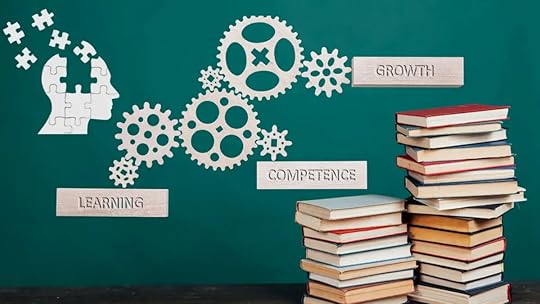 Connecting with Passion
Identify your true interests and integrate them into your learning journey. Aligning them with your passions makes the process of education more enjoyable. When you cultivate a passion for a subject, motivation becomes an innate part. It springs forth naturally.
In learning, passion wields a formidable force. Connecting your educational endeavors to your passions elevates the journey beyond mere tasks. It metamorphoses into an enriching experience. Exploring historical events, delving into artistic expressions, or comprehending scientific phenomena, aligning your learning with these pursuits fosters intrinsic motivation.
Passion Mapping: Identify your passions and map out how they intersect with various subjects, creating a personalized learning roadmap.Intrinsic Motivation Boost: Passionate learners often find motivation intrinsically, reducing the reliance on external rewards or pressures.Celebrating AchievementsAllocate time for acknowledging and celebrating your achievements, regardless of their magnitude. Recognizing these successes not only fortifies positive behavior but also establishes a feedback loop that fosters motivation to persist on your educational voyage.
When pursuing knowledge, you must not overlook the vital aspect of acknowledging and celebrating achievements. The completion, be it a challenging module or the mastery of complex concepts, even achieving personal learning milestones merits recognition. By celebrating these accomplishments, confidence receives an essential boost while simultaneously creating a positive feedback loop.
These celebration achievements are crucial elements in any academic journey. Recognizing your progress fills you with joy and satisfaction, subsequently, acting as fuel for further progress. These potent emotions act as robust motivators, urging you to persist despite challenges. They bolster resilience in the face of setbacks.
Micro-Celebrations: Break down your learning goals into smaller milestones and celebrate each achievement, fostering a continuous sense of accomplishment.Positive Reinforcement: Actively recognize your efforts, reinforcing the idea that learning is a series of accomplishments, not just a final destination. Seeking Support
Engage a support system. Communicate your learning objectives to friends, family, or mentors, individuals capable of offering guidance and encouragement. The presence of an active network can transform the journey, from daunting to enjoyable thus enhancing overall progress in education.
Learning thrives in a supportive environment that is not solitary. During challenging times and when faced with obstacles, the external support system functions as both a motivation source and a guidance provider. This provides invaluable insights into our educational journey.
Knowing you possess a community to rely on fosters an enhanced sense of connection, a crucial element that makes the learning journey not only more enjoyable but also collaborative. Furthermore, it mitigates the overwhelming aspects, reducing them significantly.
Accountability Partnerships: Form partnerships with others pursuing similar learning goals, creating mutual accountability and encouragement.Diverse Perspectives: Seek support from individuals with diverse backgrounds and experiences, enriching your learning journey with varied perspectives.ConclusionCommitting yourself to the transformative process of learning new things requires resilience and a strategic approach. Understanding the psychological aspects of learning, exploring diverse methods, and maintaining motivation are all factors that contribute significantly. They enable you not only to navigate challenges but also embark on an enriching journey. Keep in mind that, the relentless pursuit of knowledge propels your life as a perpetual adventure where every step taken inches closer towards personal growth and self-discovery.
The post How to Force Yourself to Learn New Things? appeared first on DS Inspire.
February 11, 2024
How to Overcome Shiny Object Syndrome?
Amidst a universe teeming with diversions and infinite prospects, one can easily succumb to the Shiny Object Syndrome (SOS). This complex condition manifests as an unending chase for novel experiences or opportunities, potentially impeding personal and professional advancement.
To overcome shiny object syndrome, start by recognizing what it is and how it impacts you. Once you get a grasp on its effects, set clear goals for yourself. Be self-aware, and understand when the syndrome arises and may distract you. Establish a routine to stay focused, embrace the strength of saying no to new distractions, and keep your eyes on the goals you’ve set.
In this exhaustive guide, we will probe into the origins of SOS, and examine its effects on individuals, emphasizing our focus on strategies to conquer it. Let us delve into the profound depths of self-awareness, exploring practical strategies to liberate ourselves from this relentless cycle.
Understanding Shiny Object Syndrome The Allure of Shiny Objects
The allure of novelty and excitement fuels the thriving Shiny Object Syndrome, permeating myriad facets of our lives. Whether in workplace endeavors or personal pursuits, we find the persistent allure of new ventures irresistibly captivating. Human nature deeply ingrains a desire. It craves change and it yearns for improvement, always chasing after what could be the next big thing. The discourse transcends the mere aesthetics of objects. It delves into the potential they embody, a promise for an enriched, more gratifying existence.
Moreover, the allure of shiny objects transcends mere material possessions. It embraces novel experiences, burgeoning relationships, and promising opportunities. The mind, titillated by the promise of newness, actively pursues these metaphorical ‘shiny objects,’ as though they encapsulate a perpetual satisfaction key. However, this continual pursuit often paradoxically transforms into the very obstacle that thwarts fulfillment.
Balancing Desire with Discernment: While the allure of shiny objects is natural, it’s crucial to balance the desire for novelty with discernment. Not every new opportunity or trend holds the transformative power it promises.Long-Term Satisfaction vs. Instant Gratification: Reflect on the difference between instant gratification and long-term satisfaction. The allure of shiny objects often provides immediate pleasure but may lack the substance required for lasting fulfillment.The Impact on Personal GrowthPersonal growth profoundly underestimates the impact of Shiny Object Syndrome. As we continually shift our focus from one pursuit to another, our capacity for skill mastery or long-term goal achievement diminishes. Instead of catalyzing personal development, chasing new endeavors creates a cycle characterized by dissatisfaction and unrealized potential.
Furthermore, personal growth’s impact transcends the individual level. It affects relationships, shapes career trajectories, and ultimately determines overall life satisfaction. Failing to commit and persevere through challenges obstructs not only the deepening of expertise but also the cultivation of resilience. These are two crucial elements for meaningful personal and professional growth.
Establishing Priorities and Commitments: To mitigate the impact on personal growth, individuals should establish clear priorities and commitments. Identify core areas for development and resist the temptation to constantly shift focus.Embracing the Learning Process: Instead of viewing each pursuit as a means to an end, embrace the learning process itself. Recognize that the journey of mastering a skill is as valuable as the destination.The Psychology Behind Shiny Object Syndrome FOMO and Its Influence
The Fear of Missing Out (FOMO) powerfully catalyzes the development of Shiny Object Syndrome. This fear, rooted in the possibility that you might overlook a life-altering opportunity, drives impulsive decision-making. Individuals frequently veer from deliberate and focused paths due to their prioritization of potential regret avoidance over strategic choices. It is often such fear-propelled behavior that guides them.
Moreover, the Fear of Missing Out (FOMO) actively drives individuals to pursue opportunities. It concurrently influences their perception of success. Comparing your experiences with others fosters a mentality in which the grass perpetually appears greener on another’s side, thus sustaining an unending cycle, of seeking fresh and ostensibly superior prospects.
Defining Personal Success Metrics: Instead of succumbing to external benchmarks, define personal success metrics. Understand that success is subjective, and the fear of missing out dissipates when aligned with individual aspirations.Emphasizing Contentment in the Present: Combat FOMO by emphasizing contentment in the present. Recognize that every choice involves trade-offs and that the pursuit of every opportunity may not lead to genuine fulfillment. Dopamine and Instant Gratification
Dopamine powers the brain’s reward system, a pivotal player in Shiny Object Syndrome. The surge of this pleasurable neurotransmitter upon anticipating novel discoveries initiates an ingrained cycle. It drives continuous stimulation seeking and immediate gratification. Consequently, by wiring to associate pursuit with pleasure–the brain reinforces behavior that perpetuates this cyclic pattern.
Shiny objects indeed often provide instant gratification, which frequently conceals a deeper need for sustained and meaningful fulfillment. However, the transitory pleasure one derives from acquiring something new rapidly diminishes. This leaves individuals in an unending pursuit of the subsequent source that releases dopamine, a perpetual quest indeed.
Practicing Delayed Gratification: Intentionally practice delayed gratification to rewire the brain’s reward system. Understand that true fulfillment often comes from sustained effort and achievement over time.Cultivating Mindfulness in Consumption: Bring mindfulness to consumption by actively reflecting on the impact of acquiring shiny objects. Consider whether the pursuit aligns with long-term values and goals.Overcoming Shiny Object Syndrome: A Practical Guide Cultivate Self-Awareness
To conquer Shiny Object Syndrome, one must initiate the first step by exploring self-awareness deeply. It goes beyond simply recognizing the tendency to pursue shiny objects; a more reflective approach is crucial. Start probing into your motivations and patterns. Ask penetrating questions that will unearth their roots. Your past experiences, values, and even fears may influence the allure of new opportunities. Understanding these underlying factors can empower you to align conscious choices with your authentic self.
As you embark on this journey of self-discovery, furthermore, consider keeping a journal. It’s a tool to document your thoughts and observations. Regularly review, and analyze even, your entries. It’s crucial to identify recurring patterns or triggers that provoke a shift in focus. This elevated sense of self-awareness acts as an unwavering compass. It steers you away from distractions with precision. Engage in this ongoing self-reflection actively. You will not only uncover the underlying motivations behind your actions but also pave a path towards pursuing with more intent and purpose.
Set Clear, Achievable GoalsCreating a roadmap that guides one away from the allure of shiny objects is comparable to establishing clear and achievable goals. One should break down their overarching objectives into smaller, manageable tasks rather than merely harboring broad aspirations. This detailed approach offers not only a step-by-step guide for success but also reduces the appeal of unrelated shiny objects. As each smaller task assumes the role of a building block, it bolsters your commitment to the overarching goal and reduces any temptation to stray your attention.
Consider incorporating the SMART criteria: Specific, Measurable, Achievable, Relevant, and Time-bound into your goal-setting process. This strategic framework guarantees not only clarity but also realism and achievability of your objectives. When you delineate specific milestones with attached deadlines, a structured path emerges thereby enhancing productivity and focus on accomplishing tasks. Enhancing your focus on the immediate task at hand and instilling a sense of accomplishment upon completion. These actions fortify your resilience against shiny-object distractions.
 Embrace the Power of Saying No
Mastering the art of declining is an indispensable skill for laser-focused goal pursuit. It transcends simple rejection, encompassing a discerning assessment of new prospects in line with pre-set objectives. A polite refusal to engage in ventures that veer off your trajectory acknowledges that one should not chase every opportunity. Adopting this strategic approach enables you to preserve your time and energy for ventures that genuinely foster your long-term progress.
Moreover, asserting a “no” does not reject possibilities. Instead, it confirms your priorities. Contemplate the establishment of a criteria framework, one that dovetails with your values and objectives. This may incorporate factors such as relevance, impact, and alignment with your overarching vision. Adopting a systematic approach to evaluating opportunities not only streamlines your decision-making process but also reinforces your commitment amidst the myriad distractions vying for attention.
Develop a Consistent RoutineCrafting a daily routine, one that allows dedicated time for your primary goals. This is the cornerstone to mastering Shiny Object Syndrome. Such structuring not only establishes rhythm in your journey but also serves as an intentional stabilizing force. It minimizes the likelihood of being swayed by fleeting distractions and engenders a habitual focus on your core objectives.
Moreover, implement time-blocking techniques in your routine. Assign specific blocks of time for varied tasks and pursuits. This guarantees each aspect of your day garners sufficient attention. Not only does it amplify productivity, but it also fortifies the necessary discipline to conquer the allure of shiny objects. Your daily schedule’s consistency acts as a psychological anchor. It grounds you in your purpose and shields you from the erratic winds of distraction.
The Role of Mindfulness in Breaking the Cycle Mindfulness Practices
In breaking the cycle of Shiny Object Syndrome, one can find mindfulness practices instrumental. Meditation and deep breathing techniques, by centering the mind, foster a heightened sense of focus and clarity. Moreover, regular mindfulness exercises cultivate an elevated awareness of thoughts and emotions. Meditation, in particular, actively trains the mind to observe thoughts without judgment. This creates a shield against the impulsive allure of shiny objects, heightening awareness and allowing for more intentional decision-making. Individuals thus detach from fleeting distractions. They maintain a clear mental landscape.
Beyond formal practices, you extend their journey into mindfulness. Everyday activities, mindful eating, or walking, for instance, offer opportunities to ground oneself in the present moment. Actively savoring each bite and attentively observing and being aware of the sensations felt during a walk, the practice therein reinforces full engagement. The integration of mindfulness into everyday life solidifies its impact, transcending a mere set of exercises to become a holistic approach to living with purpose and intention.
Consideration: Mindfulness is a skill that develops over time. Be patient with yourself and embrace the gradual progress.Caution: Avoid approaching mindfulness as a quick fix. Authentic mindfulness requires consistent practice and a genuine commitment to self-awareness. The Power of Present Moment Awareness
Cultivating present-moment awareness allows individuals to recognize the value of their ongoing pursuits. This mindset shift devalues alluring distractions. It underscores full engagement and commitment to the present. Acknowledging and accepting current reality without excessive preoccupation with future possibilities constitutes an individual’s state of present-moment awareness. Individuals, encouraged by this mental state, seek joy and fulfillment in the journey instead of fixating on the destination. As they attune to their present’s richness, it diminishes their constant need for external validation. Thus, fostering a more contented and focused mindset.
Gratitude serves as a potent ally in our quest for present-moment awareness. We cultivate a positive mindset by recognizing and articulating appreciation for the elements of our lives, thereby diminishing the urge to incessantly chase happiness from outside sources. This change in viewpoint not only assists us in conquering Shiny Object Syndrome, but it also bolsters overall well-being through nurturing contentment with prevailing circumstances.
Consideration: Embrace imperfections in the present moment as opportunities for growth and learning.Fact: Practicing present-moment awareness has been linked to reduced stress and increased overall life satisfaction.ConclusionIn conclusion, you must overcome Shiny Object Syndrome through a combination of self-awareness, strategic goal-setting, and mindfulness, understanding the psychological factors at play, and implementing practical strategies. This approach enables individuals to dismantle the cycle of constant distraction, paving the way for meaningful personal growth and professional advancement.
Embarking on the journey towards a more purposeful path. You must remember that genuine fulfillment often does not lie in constantly chasing new opportunities. Rather, it resides within mastering and dedicating yourself to those aligning, truly, with your aspirations.
The post How to Overcome Shiny Object Syndrome? appeared first on DS Inspire.