Gretchen Rubin's Blog, page 3
March 17, 2025
Gretchen Rubin’s Recommendations: Archiving and Saving the Things That Matter
Struggling with items that don’t have a place? Learn how to create simple, effective storage solutions to keep sentimental keepsakes, papers, and odd-shaped items organized—without adding clutter.
This post includes products that I believe in and love myself. It also includes affiliate links , meaning I will receive a commission if you decide to make a purchase from these links. This never comes at any cost to you.
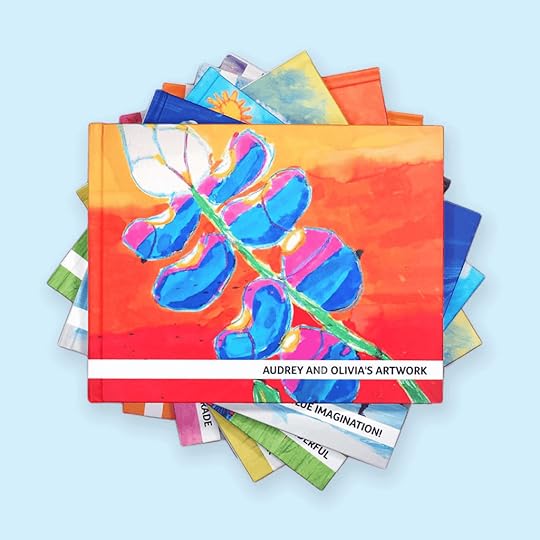 ArtKive keepsake book
 I wish this was around when my girls were younger. What a cool way to save their masterpieces. In fact, I might need to do this with some of my watercolors.
 Shutterfly photo album
 I am an avid Shutterfly user for my photo albums.
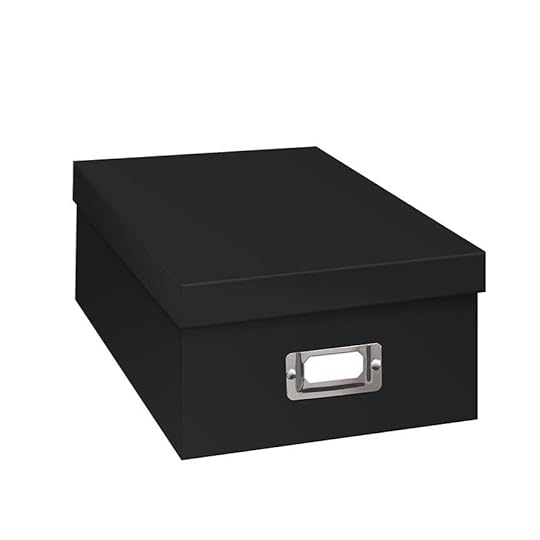 Memory box
 Store photos, small souvenirs, and other keepsakes together in a sturdy (labeled!) box.
 Compact paper cutter
 If you haven’t used one since your school days, it’s still just as satisfying to zip through papers and photos as you trim them down to size.
 Laminator
 This laminator is small, quiet, and efficient. Perfect for preserving paper mementos.
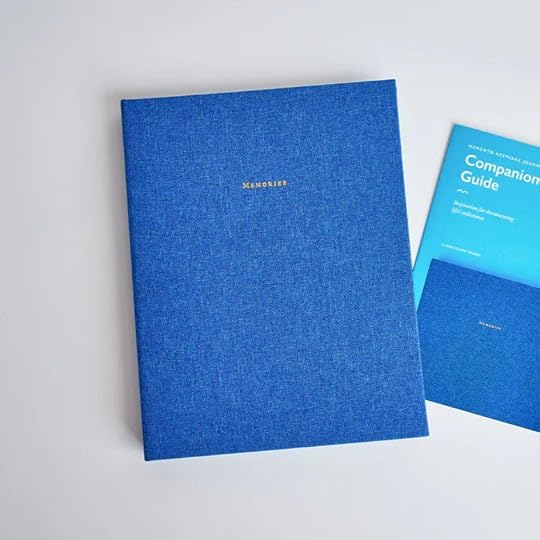 The Memento Journal
 I created this for a reason!
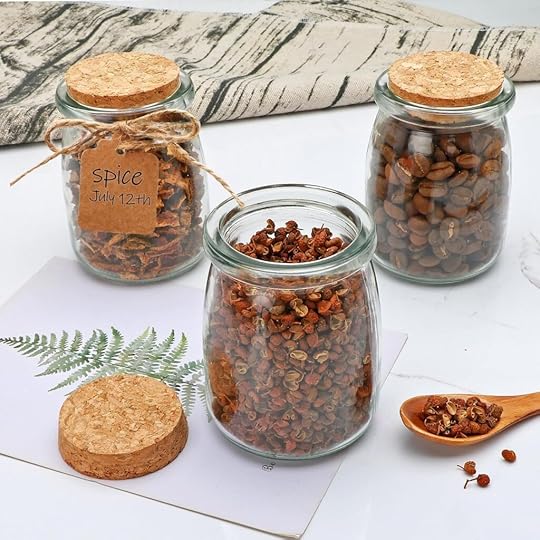 Apothecary jars
 These fun little jars make odds and ends look great, and festive, too.
The post Gretchen Rubin’s Recommendations: Archiving and Saving the Things That Matter appeared first on Gretchen Rubin.


March 11, 2025
Aphorisms and the Power of Big Truths in Small Packages
My next book, Secrets of Adulthood: Simple Truths for Our Complex Lives, will be published on April 1. In this book, I’ve distilled the lessons I’ve learned (and often re-learned) the hard way. To express these “secrets,” I’ve written more than two hundred aphorisms.
People have asked me, “Why write in aphorisms?”
For my whole life, I’ve loved the literary form of the aphorism. An aphorism is a concise statement that contains an expansive truth. Unlike the folk wisdom of proverbs—“A stumble may prevent a fall” or “You can’t push a rope”—aphorisms can be attributed to a particular person.
Brief and sharp, aphorisms distill big ideas into few words; by saying little, they manage to suggest more. The clarity of their language promotes the clarity of our thinking.
As a child, I collected aphorisms in my “blank books”—books with blank pages that I filled with quotations illustrated by magazine cuttings. Once I became a writer exploring human nature, my admiration for the form grew, because the greatest aphorists grapple with the same fundamental questions I explore in my own work: How can we live happier, healthier, more productive, and creative lives?
The right aphorism, recalled at the right time, can shift our perspective instantly. When my family debated whether to get a dog, I was stuck in an endless pro/con analysis—until I remembered, “Choose the bigger life.” Decision made. We got the dog.
My bookshelves overflow with works by great aphorists: La Rochefoucauld (“It is much easier to stifle a first desire than to gratify all those that follow it”), Samuel Johnson (“All severity that does not tend to increase good, or prevent evil, is idle”), and Sarah Manguso (“Failure is good preparation for success, which comes as a pleasant surprise, but success is poor preparation for failure.”) Fiction, too, is an unexpected source of aphorisms, such as Iris Murdoch’s “Curiosity is not the same thing as a thirst for knowledge.”
These days, the aphorism is a mostly neglected art—though sometimes it pops up in its lesser forms, like the self-improvement cliché on social media or the office poster’s reminder about the value of teamwork.
This ancient discipline, however, still has tremendous power to communicate.
Because we must decide whether we agree or disagree, aphorisms provoke our reflection. We can also compare how different aphorists express a similar idea, as they often do, or contemplate how they contradict each other. For instance, Publilius Syrus observed, “No man is happy who does not think himself so,” while Vauvenargues wrote, “There are men who are happy without knowing it.”
The discipline of the aphorism forces precision of thinking. In my own writing, I’ve found that I can express a big idea in a few words only if I truly understand what I’m trying to say.
And, as demonstrated by the haiku, the sonnet, and the thirty-minute sitcom, imagination is often better served by constraint than by freedom.
For years, I’ve refined my own aphorisms, weeding out observations that lack broader truth (such as “The tulip is an empty flower”). My book Secrets of Adulthood gathers my best aphorisms—guidance for those just entering adulthood and those still grappling with its challenges. Some aphorisms stand alone, others benefit from brief stories.
At the end, I also include practical hacks that, while not deeply philosophical, improve everyday life (for instance, “If you can’t find something, clean up”).
What a joy it has been to work on my Secrets of Adulthood, to distill my observations and experiences into general truths! After all, work is the play of adulthood.
The post Aphorisms and the Power of Big Truths in Small Packages appeared first on Gretchen Rubin.
February 24, 2025
3 Reasons to Give Up Your New Year’s Resolution
Every year, millions of people set New Year’s resolutions with great hopes, and every year, most of those resolutions get abandoned–quickly. There’s even a discouraging name for it: Quitter’s Day, the second Friday in January.
Sound uncomfortably familiar? If so, here’s a surprising (and perhaps comforting) suggestion: Maybe you should give up your resolution. Not because you’re lazy, unmotivated, or incapable, but because the resolution you’ve set might not be the right one for you.
Why do so many resolutions fail?To stick to a resolution, we need to set ourselves up for success, which requires that we understand who we are and what we want to accomplish. It’s all too easy to set a resolution that sounds good, but doesn’t suit ourselves and our aims.
Consider these signs that your resolution might not be right for you:
1. You picked a resolution you think you should do–not one you want to do
Research suggests that when we have conflicting goals, we don’t manage ourselves well. Clarity eliminates ambiguity and internal conflict, making it easier to follow through. Ask yourself, Do I actually care about this, or do I just think I should? If your habit isn’t something you’re truly committed to changing, consider re-framing it to better align with your identity…or dropping it altogether.
Maybe you’ve resolved to start exercising because your family tells you to exercise. Maybe you’ve resolved to learn to play bridge because your friend wants to learn and play (even though, like me, you don’t really enjoy playing games). These kinds of resolutions are very hard to keep.
2. Your aim isn’t clear–you’re missing your “why”
To make sustained progress on a resolution, it helps to understand why you’re working toward it in the first place. If you’ve resolved to “Connect more with friends,” do you want time for deeper conversations? Opportunities to explore a shared interest? Do you want to make new friends or get back in touch with old friends? Your resolutions would look very different, depending on your answer.
In other words, identify the problem.
3. Your aim is too big or too vague
A resolution like “Read more” or “Get organized” is hard to measure, which makes it hard to identify progress and build momentum. Phrase your resolution with as much specificity as possible, such as “Read for 25 minutes a day” or “Declutter one closet each weekend.”
A resolution such as “Learn Italian” is too big. Find a way to articulate an aim that’s more attainable, such as “Learn enough Italian so that I can have a basic conversation with a stranger.” Once you’ve achieved that resolution, you can raise the bar.
How to design a resolution that works for youRather than forcing yourself to stick with a resolution that doesn’t fit–or feeling guilty about failing it–give yourself permission to let it go.
Instead, focus your energy on setting aims that are actually sustainable. Here’s how:
Know yourself. Understanding how you work best is key. Do you need external accountability? (So many people do!) Do you prefer small steps or big, intense efforts? Are you someone like me, who–perhaps counter-intuitively–finds it easy to keep a resolution every day rather than some days?
Get specific. Define clear steps: “Connect with one friend a day” is easier to track than “Get better about staying in touch.” Also, resist the temptation to set super-ambitious aims; instead, be realistic about what you’re asking of yourself. As Napoleon observed, “To impose excessively harsh conditions on someone [including yourself] is to exempt them from fulfilling them.”
Expect and plan for missteps. A stumble isn’t a failure–we’re all human. If something isn’t working, adjust and move forward instead of quitting completely. Research shows that people who show compassion for themselves when they mess up are more likely to try again with a resolution than are people who are very harsh on themselves.
Use “if-then” planning and the Strategy of Safeguards to help you deal with challenging situations.
I often recall the words of one of my favorite proverbs: “A stumble may prevent a fall.”
Determination DayI love to use the calendar as a catalyst for reflection. (If you want to see my Calendar of Catalysts, with dates such as Halfway Day and March Forth, it’s here).
In 2022, I created Determination Day on February 28, as a date to remind us to reflect on our aims.
If your New Year’s resolution isn’t working, February 28 is a time to change it, replace it, or even let it go in favor of an aim that’s truly right for you.
Need help figuring out your next step? Take the “Habits for Happiness” Quiz to get a personalized answer to the question, “What habit should I tackle to give me the biggest happiness boost?”
Remember, there’s no one right way to build a habit–only the way that’s right for you. It’s one of my Secrets of Adulthood: “The bird, the bee, and the bat all fly, but they use different wings.”
The post 3 Reasons to Give Up Your New Year’s Resolution appeared first on Gretchen Rubin.
January 10, 2025
How to be happier in 2025, and the Question Everyone Forgets to Ask
The start of a new year brings fresh possibilities—a chance to reflect, reset, and focus on what matters most.
When it comes to happiness, however, research shows that we’re not always good at predicting what will make us happy. Studies have found that people often overestimate how much external achievements or material gains will boost their well-being, while underestimating the importance of daily habits, relationships, and personal growth.
How to be happier in 2025The truth is, happiness isn’t one-size-fits-all. What brings joy and fulfillment to one person may not work for another. So before you can figure out how to be happier in 2025, there’s another question you should try to answer first: Who am I? By understanding yourself—your priorities, tendencies, and habits—you can create a plan tailored to your unique nature.
Discover your “what to do next” for happinessWhen it comes to creating a happier life, the first step is understanding what will make the biggest difference right now. Many of us try to tackle everything at once—health, career, relationships, hobbies—but spreading yourself too thin can lead to frustration and burnout. By narrowing your focus to the area that will most improve your happiness, you set yourself up for success.
What areas of your life feel out of balance? Is it your relationships, your career, your health, or something else entirely? Taking the time to reflect on this question can help you identify what matters most.
If you need help answering this question–and many people do!–give the Habits for Happiness Quiz a try.
Once you’ve identified your “what to do next,” you can move forward.
Design your year around your aimsThe next step after identifying your “what” is to make a plan. New year’s resolutions work for some people, but certainly not for everyone. Over the years, I’ve developed the Design Your Year approach as a flexible, less intimidating way to make progress toward my aims–while still leaving room for whimsy and fun.
Design Your Year includes three tools:
A one-word theme to sum up what you want to get out of your yearA list of aims you’d like to make progress toward, based on the year (e.g., “25 for ’25)A year-long challenge, based on the year (e.g. “Read 25 in ’25–read for 25 minutes each day in 2025)Breaking down your aims into specific themes and actions makes it easier to take consistent, meaningful steps.
Whatever approach you take, the important thing is to make sure it works for you. It’s one of my Secrets of Adulthood: You’re unique–just like everyone else.
Consider your TendencyEven the most carefully crafted plans can fail if they don’t reflect what’s true about you. Are you a morning person or a night person? An abstainer or a moderator? Do you need accountability–or resist it?
Most importantly, understanding how you respond to expectations can make all the difference.
In my book The Four Tendencies I identified four personality types:
Upholders respond readily to outer and inner expectations.Questioners will meet an expectation if they think it makes sense.Obligers meet outer expectations but struggle to meet inner ones.Rebels resist all expectations, inner and outer alike.Once you’ve identified your Tendency (take the free Four Tendencies Quiz if you aren’t sure), you can adapt your strategies to work with your nature instead of against it.
For example, if you’re an Obliger who struggles to stick with personal goals, finding an accountability partner can help keep you on track. Similarly, a Rebel who hates rigid plans might thrive with a more flexible, choose-your-own-adventure approach. Find an approach to building habits that works for you.
Your happier yearHappiness isn’t something that happens by chance—it’s something you can cultivate with self-knowledge and thoughtful planning. By discovering what matters most to you, designing a plan around your priorities, and aligning your approach with your unique nature, you can create meaningful progress toward a happier life.
This year as you think about how to be happier in 2025, take the time to reflect on what kind of life you want to lead.
Whether it’s strengthening relationships, improving your health, or finding more balance, remember that what we do every day matters more than what we do once in a while.
The post How to be happier in 2025, and the Question Everyone Forgets to Ask appeared first on Gretchen Rubin.
January 1, 2025
Tips for writing your “25 for 25” list
The start of a new year offers a terrific opportunity to reflect on what we want from the next twelve months.
Making a New Year’s resolution is a popular way to set those aims, but it’s not the only way. Resolutions don’t work for everyone.
Each year on the Happier with Gretchen Rubin podcast, my sister Elizabeth and I follow three exercises to set ourselves up for the year ahead:
Choose a one-word theme–this year, my theme is “Door”Take on a yearly challenge–this year’s challenge is to Read 25 in ’25 Create a “25 for ’25” list–a list of aims I want to work toward (the number is based on the year, for a bit of whimsy)This trifecta of tools helps me to fill my year with growth, accomplishment, and happiness. Making this yearly list is one of my favorite ways to think creatively about designing my year–it’s so energizing to consider what items I want to add to my list.
Download a template to make your own list.
Focus on actions, not outcomesMy biggest tip for creating your own “25 for ’25” list is to focus on actions, not outcomes. “Learn three new Italian words each day” works better than “Learn Italian.” “Watch a classic movie every Sunday night” works better than “Have more fun.” Actions are concrete, achievable, and help us make progress toward the more distant outcomes.
Take into account whether you’re an Upholder, Questioner, Obliger, or Rebel. (Don’t know? Take the free quiz here.)
Obligers—find an accountability partner for tackling the “25 for ’25” list, or find a form of accountability for individual items; also, the “25 for ’25” list may itself serve as a form of accountabilityQuestioners—consider tracking your aims, customizing a plan, or articulating clearly why you’ve decided to put something on the listUpholders—spell out your items clearly and add them to your calendar, if possible (I find that I do much better with an item when it actually appears on my schedule)Rebels—remember, this list isn’t a “to-do” list but a “could-do” list, and it’s meant to help you do what you want, when you choose, to put your identity into the worldLeave room for fun and whimsyMany people fill their lists with things they should do and don’t include items they want to do. But feel free to add fun items to the list–in fact, some people choose to make a list of only fun things! (Obligers, in particular, can use their “25 for ’25” list to create outer accountability for making time for enjoyable activities.)
For example…
Plan a whimsical adventure, like “Visit five quirky roadside attractions”Have fun with the number of the year—”Listen to 25 new songs” or “Try 25 new hikes”Include things you’ll stop doingMake your list in the form of “bingo”—2025 makes for a great bingo card of aims, with a 5×5! Gamifying the list makes it more fun to tackle. Download a blank bingo card for your list here.Choose a mix of big and small itemsCrossing things off your list always feels great, and it helps build momentum toward the more challenging ones. I always include one item I can cross off right away (this year, it was “Watch Die Hard“), plus a few more easy items, like “Visit The New York Earth Room” to balance out more difficult ones, like “Catch up on photo albums.”
Keep your list visibleTo achieve your aims, it’s useful to keep your list somewhere where you see it often—and some people enjoy decorating their lists in imaginative ways.
I keep my list posted on the cork-board beside my desk. A friend uses her list as the screensaver on her phone.
If you want a template, print out the free “25 for ’25” template.
Adjust as neededIf you try and fail to cross items off your list, don’t be hard on yourself. Never once have I managed to achieve every item on my list.
I’ve had many items repeat year after year until I finally managed to achieve them. (Ask Elizabeth how many years she included “Make a will” on her list!) I’ve had items that I’ve crossed off, because I decided I didn’t, in fact, want to do them. I’ve had items that ended up being impossible to do. I had one item shift from my 2024 list to my 2025 list because of a mistake; I had the wrong date for the anniversary of my children’s-literature reading group.
As Voltaire said, “Don’t let the perfect be the enemy of the good.” With a “25 for ’25” list, or anything else.
Good luck with your list, and happy new year!
The post Tips for writing your “25 for 25” list appeared first on Gretchen Rubin.
December 17, 2024
Join us for Read 25 in ’25
Every year on the Happier with Gretchen Rubin podcast, my sister Elizabeth and I invite our listeners to join us in an annual challenge.
For a bit of whimsy, we use the calendar year to frame the habit. So for instance, in 2020, the challenge was to “Walk 20 in ’20.” In 2023, it was “Go Outside 23 in ’23.”
This year, we’re bringing back a listener favorite with “Read 25 in ’25”: Read for 25 minutes every day in 2025.
With this challenge, we aim to give people a practical way to achieve an important aim. And we’ve discovered that framing a habit as a yearly challenge makes it feel more fun (and more manageable).
Imagine how much reading we can all do over the course of a year, in our 9,125 minutes—that’s more than 152 hours of reading time!
The “Read 25 in ’25” ChallengeI absolutely love to read. It’s one of my very favorite things to do–in fact, it’s probably my very favorite thing to do.
And I’ve learned that many people share this love of reading, and have a desire to read more, but for various reasons, find it tough to keep up the habit.
Especially if you benefit from accountability, signing up for the “Read 25 in ’25” challenge can help you get started and keep your momentum.
We’re thrilled to be partnering with Bookshop.org to bring you curated content, recommendations, and practical tips all year long.
Design Your ApproachThere’s no one-size-fits-all approach to building a reading habit. We suggest a variety of strategies and tools so you can find one that works well for you.
Read what you like, how you likeSometimes, we feel like like we “should” be reading certain books. Maybe everyone is talking about a certain book, or we’ve received the book as a gift, or it feels like a subject we “should” be interested in.
I’ve found that when I read books that I enjoy, I read far more. I used to feel obligated to finish every book I started; no more. Too many great books to read!
What counts as reading?Audio-books and e-books countRe-reading countsReading to your children (including picture books) counts Make it easier and more pleasantResearch shows that we’re more likely to stick to a habit when it’s convenient and pleasant to keep that habit. (That’s the Strategy of Convenience.)
As you embark on the “Read 25 in ’25” challenge, try to find ways to make reading more convenient and enjoyable:
Create a cozy, well-lit space in your home for readingUpgrade your e-reader or earbudsJoin or start a book groupDelete a time-sucking app from your phone and replace it with a reading appGet a library card and appKeep a running list of books you’d like to readGet reading recommendations from sources like Bookshop.org or a podcast like Backlisted or The Secret Life of BooksBuy a clip-on light so you can read in bedTrack your habitTracking is a powerful tool for building habits; it brings clarity and accountability to our efforts.
It can also help us build momentum and reinforce a habit by creating a record of success.
A few ideas:
Track a reading streak with the Don’t Break the Chain worksheetTrack titles, number of pages, or notes using the One-Sentence Journal in the Happier appLog the books you read in a notebook or appList each book you read on the back of a paper bookmark and use it throughout the yearThe challenge to “Read 25 in ’25” is concrete. It’s measurable. And even for a busy person, 25 minutes of reading is realistic.
Remember, whenever it is, and wherever you are, there’s always a book waiting for you.
The post Join us for Read 25 in ’25 appeared first on Gretchen Rubin.
December 4, 2024
Your One-Word Theme for 2025
For many years, my sister Elizabeth and I have started each year by choosing a one-word theme to sum up what we want the next twelve months to hold.
For 2025, my theme is “Door.”
Why do it? While for many people, New Year’s resolutions feel intimidating or draining, there are other effective ways to set our intentions for the next twelve months.
In contrast to a New Year’s resolution, a one-word theme leaves room for creativity, whimsy, and fun.
Over time, I’ve found that a one-word theme works best when it’s a word with multiple meanings and associations. For instance, my 2024 theme of “Wave” carried many thought-provoking associations: ocean waves, light waves, waving hello and good-bye, Under the Wave off Kanagawa by Hokusai.
It’s a creative task to summarize your aspirations in a single word or phrase: “Harvest,” “Allow,” “Fresh.”
Also, compared to a list of resolutions, a one-word theme is easier to keep uppermost in your mind, so it can guide your actions throughout the year. To help me keep my theme top of mind, I write my word on an index card and post it above my desk; my sister makes her theme into her phone’s background.
My 2025 theme of “Door” works on several levels.
I’m entering the “open door” phase of parenting, so a door is an appropriate symbol for my new stage of life, which is a time of transition and expectation. I love to read, and literature is full of significant doors. And of course, a door is an actual physical object, so it lends itself to a visual symbol.
To pick your own one-word theme, try brainstorming a list of possibilities, or just pay attention to a particular word or concept that resonates with you.
To get started, you might ask yourself a few Know Yourself Better questions:
What do you want more (or less) of in your life? (Peace? Satisfaction? Movement?)What are you curious about? (Adventure? Mystery? Pathways?)What’s a specific aim you’d like to take on? (One year, my sister chose “Hot Wheels” to help conquer her fear of driving.)What word has special power or significance? (Peacock? Rally? Bounce?)
Your word might be a noun, a verb, or an adjective. There’s no wrong way to pick as long as it’s meaningful to you.
Here are some of Happier listeners’ one-word themes:
JuicyMagicNestThreadsMirrorResilienceSeasonDaily“Stick to the plan”“Part of the hive in 2025”ColorNoHealRetirementLiberationOasisDissentGlimmer
Are you going to choose a one-word theme for the year? It’s a surprisingly fun way to reflect on what we want from the coming year, and to generate ideas to meet those aims.
The post Your One-Word Theme for 2025 appeared first on Gretchen Rubin.
November 25, 2024
By giving, we gain
As research and everyday experience shows, acting with generosity makes us happier.
When we’re caught up in our day-to-day routines, it’s easy to lose track of how we’re spending our time, energy, and money.
But when we mindfully invest these resources in the causes that are important to us, we know we’re putting our values into the world in a concrete and meaningful way.
Research shows that generosity can foster a sense of community, give us the knowledge that we’re supporting something larger than ourselves, and boost our happiness. Do good, feel good! It really works.
Also, action is often an antidote to anxiety. When we’re feeling overwhelmed by events, we often feel better when we take action, in our own individual ways, to address the challenges and pain we see.
In my study of happiness, my Second Splendid Truth is:
One of the best ways to make yourself happy is to make other people happy;
One of the best ways to make other people happy is to be happy yourself.
The first half of this statement is absolutely true–and it’s one of the nicest things about human nature. One of the best ways to make yourself happy is to make other people happy.
Some people believe that the fact that you get “credit” for a worthy act somehow minimizes its worth, and along the same lines, some people argue that you can never act with true altruism, because performing good acts bring the pleasure of happiness. My view: all the better!
The fact is, the sight of someone performing a generous or kind act always makes me feel happy. Especially if it’s me! The spectacle of virtue inspires the feeling of elevation—one of the most gratifying pleasures that the world offers. As Simone Weil observed, “Imaginary evil is romantic and varied; real evil is gloomy, monotonous, barren, boring. Imaginary good is boring; real good is always new, marvelous, intoxicating.”
Yes, one of the best ways to make yourself happy is to make other people happy.
And the second part of the Second Splendid Truth is equally important: One of the best ways to make other people happy is to be happy yourself. Happier people tend to make people happier. You can’t make someone be happy, but your own happiness often rubs off on other people.
People often imagine that we must choose one course or the other, but in fact the two parts don’t contradict each other, they reinforce each other.
One of the most common and effective ways to contribute to the happiness, health, and opportunities of others is to donate to causes we believe in.
But something that can be done at any time is often done at no time. It’s so easy to intend to donate to an important cause–but then forget to follow up, or neglect to do the research to figure out how to support that cause.
That’s why I love the annual day of GivingTuesday! And I’m thrilled that I’ve joined the board of GivingTuesday.
It’s such a simple and powerful idea: Given the intense focus on buying during Black Friday and Cyber Monday, take a day to focus on giving. (Black Friday always falls on the Friday after Thanksgiving, Cyber Monday is the following Monday, and GivingTuesday is the next day.)
GivingTuesday is now a global movement that unites people in generosity.
Asha Curran’s excellent TED talk, “How acts of kindness sparked a global movement,” provides a good explanation.
Where & how to start:The approach of GivingTuesday also reflects the fact that there’s no one-size-fits-all answer to the question, “What cause should I support?” Each of us must decide that question for ourselves–on GivingTuesday and every other day. Here are some questions to consider:
What values are important to you–and how might you use your time, energy, or money to support them? For instance, if good health is an important value to you, you might donate money to Doctors Without Borders, donate blood, and sign up to be an organ donor.What aspect of your life fills you with the most purpose? What organizations have served you most in your own life? For instance, I donate to libraries because libraries have played an enormous role in my life, and I want to safeguard those opportunities for others.As you consider the issues facing the world, what need do you perceive to be most urgent?
Remember, even the smallest actions add up over time. Also, while you’re being generous yourself, you’re also encouraging others to be generous through your example.
Each year, GivingTuesday is a great reminder to find new ways to be generous–donating, volunteering, small acts of kindness–as we move through the world
The post By giving, we gain appeared first on Gretchen Rubin.
How to Turn Acquaintances into Friends
Ancient philosophers and contemporary scientists agree: close relationships are a key—maybe the key—to a happy life.
As part of our circle of associations, we have friends, and we also have friendly acquaintances.
With friends, we have close, long-term bonds; we can confide; we feel like we belong; we give and receive support; we trust.
With acquaintances, we may enjoy seeing them very much, but our relationship never progresses past the particular situation or moment that brings us together. To be clear, that kind of relationship is hugely valuable, but it’s not the same as having a friend.
When we’re younger, our networks tend to grow, but when we get older, our networks may shrink, so it’s important to continue to cultivate friendships.
However, it can be hard to make a new friend, especially as an adult.
We can also misjudge the nature of relationship—for example, we might consider someone a “friend,” but in fact, we’re just friendly acquaintances—which means that the relationship will dissolve when, for instance, we no longer work together or when our children leave for college.
To turn a friendly acquaintance into a friend, consider following these steps.
Note, too, that if you haven’t taken at least a few of these steps, you probably have an “acquaintance” relationship with someone, not a friendship. (Again: acquaintance relationships are very valuable! It’s just useful to distinguish the difference.)
Steps to consider:
Plan an activity together that’s unrelated to why you know each other—co-workers go to a concert.Invite them into your home or to a social gathering.Socialize together with your spouses or sweethearts.Ask for a favor.Confide a secret. Trust is an important marker for friendship.Make a thoughtful gesture on their birthday or important milestone. This shows you’re paying attention and care about what’s going on in their life. Along the same lines…Remember important details about their life and follow up about ongoing issues.Start a group with them around a shared interest or regular activity. It’s easier to see someone consistently in a group, and consistency is important for friendship.Give them a nickname or title. Show or tell that you consider someone a “friend.” We tend to like people more when we know we like them!Start an inside joke. Sharing special moments or callbacks can help build a feeling of intimacy.If possible, don’t rely on social media to stay connected. Technology can provide useful tools to help you stay up to date, but generally they aren’t replacements for spending time together in person.Take advantage of the “triadic closure” phenomenon–it’s often easier to befriend the friends of our existing friends. So if you have a friend in common, make an effort to get to know that person better too.Send a text about something unrelated to the context in which you know this person.Send this person a direct text separate from a group text.During our discussion on the Happier podcast, Elizabeth and I asked listeners for their suggestions, and here are some additional ideas:
Be patient; friendship takes timeMake overtures to people instead of waiting for them to reach out to youBe upfront—say something like, “It’s great to have you as a work friend—let’s be real friends!”Don’t rush to share your life story or to connect too deeply; too much, too soon might scare someone awayRemember that some people warm up slowlyDon’t take it personally if someone isn’t interested; sometimes it’s just not the right time or someone isn’t interested in making new friendsDo a “walk and talk” where you have a conversation while walkingUse books as conversation-starters and offer to lend your booksFor more tips, read Quick, Easy Ways to Build Friendships.
The key is to put in the time and effort. Prepare to be the one to to reach out, to suggest plans, to make the first move toward friendship.
Making this kind of gesture can feel awkward, but remember, research shows that people tend to welcome an overture toward friendship; they value it and tend to respond warmly.
As Francois de La Rochefoucauld observed, “A true friend is the greatest of all possessions, and the one that we give least thought to acquiring.”
It’s worth giving friendship a great deal of thought.
The post How to Turn Acquaintances into Friends appeared first on Gretchen Rubin.
November 18, 2024
Gretchen Rubin’s Gifts for the Home
I always feel better and happier when my home is organized and filled with beautiful things – especially in the kitchen where it feels like we always end up congregating. Here are some of my favorite items from over the years that also make great gifts.
Note: This post includes products that I believe in and love myself. It also includes affiliate links, meaning I will receive a commission if you decide to make a purchase from these links. This never comes at any cost to you.
 Balmuda Toaster
 You might ask, “Can one particular brand of toaster be that much better than an ordinary toaster?” Turns out–yes.
 Paper flowers
 I love flowers, and I love paper flowers. I have paper flowers in my apartment entryway as well as in my office.
 Waffle maker
 How I love to make a chaffle (cheese+waffle). We talked about the chaffle in episode 241.
 Anything and everything John Derian
 John Derian’s designs are absolutely delightful. I particularly like the trays and plates.
John Derian for Target
John Derian for the Met
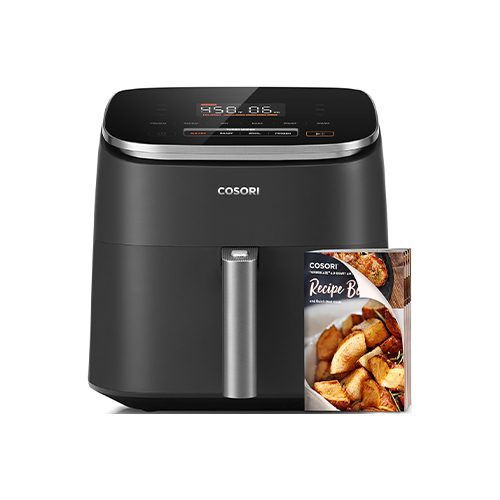 Air fryer
 I gave Jamie an air fryer for his birthday a few years ago, and it’s one of the most successful gifts I ever picked out for him. He uses it constantly.
shop the list See Gretchen’s Other Gift Guides GIFTS FOR REST GIFTS FOR FAMILY GIFTS FOR GEN Z GIFTS FOR READERSThe post Gretchen Rubin’s Gifts for the Home appeared first on Gretchen Rubin.