Anna Jones Buttimore's Blog, page 3
April 29, 2018
Book Review: The Reformation of Lady Elinor
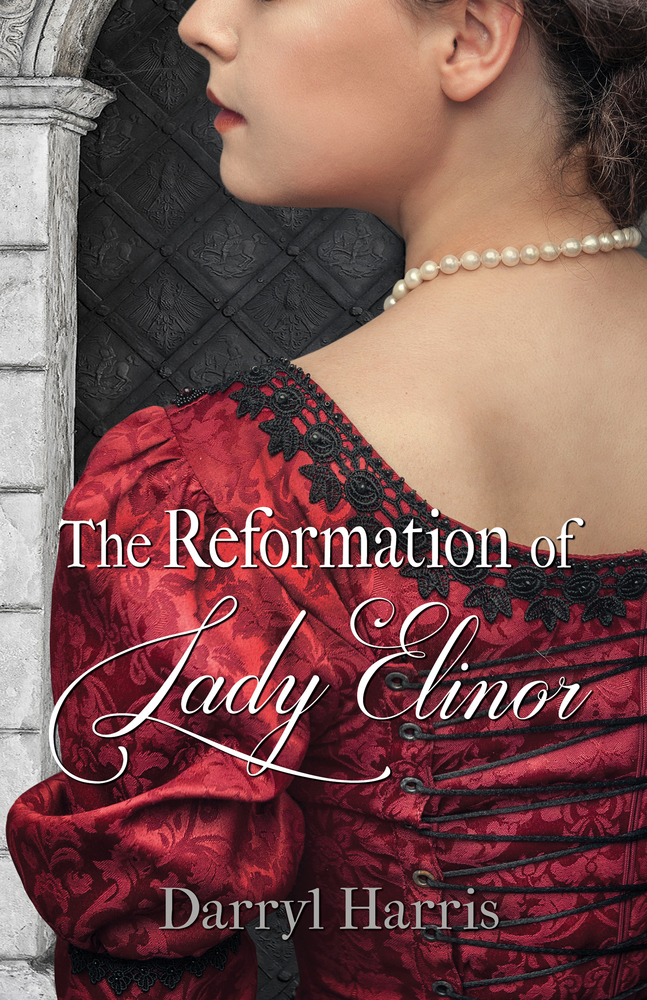 Several years ago I reviewed The Shack by Wm. Paul Young.* I hated it. It seemed to me that it was little more than a theological treatise wrapped up in a novel, and not a particularly good novel at that. Of course, it's a hugely popular bestselling book and has since been made into a film, so I'm in the minority - although one friend admitted that she liked it but was under the impression that it was a true story (it isn't) so is reassessing it in the light of this new knowledge.
Now, I'm not going to say that religion and fiction shouldn't mix, because several of my books (The Haven series, Easterfield, Honeymoon Heist and especially The Saved Saint) do just that. My issue with The Shack was that it appeared to me that the author had some pretty unusual and personal religious views that he wanted to make known, but knowing that others would be unlikely to buy his book if he titled it "My views on God, reality, and the purpose of life" he dressed it up as a novel instead, about losing a child and having an epiphany as a result.
So it was with some trepidation that I embarked upon reading The Reformation of Lady Elinor, because it is probably the most religion-heavy book of fiction I have ever read, right up there with The Shack. However, there the similarity ends. For one thing, in this case the theology isn't one person's offbeat theories but the historical reality of the Catholic church and the reformation. Also, reading it in the context of a novel is actually helpful, because it enables the reader to understand the viewpoints of those involved at the time. We can get into the mindset of a trusting and devout Catholic woman, and also see the courage of the reformers. The story part was also well woven, if a little predictable. In other words, this is how to mix theology into a novel.
It's a heavy read, quite apart from all the details about Catholic and Lutheran theology - which is no beach reading either. I found the descriptions of cruelty to animals, and people, really difficult, but I suppose it is a true illustration of the brutality of the period. It's not a nice book, but it is a good book. I give it four stars, and if you are interested in theological history, it's one not to miss.
_____________________
*A couple of years later, when I was at the height of my regular book review blogging, Young's publishers graciously sent me a hardback ARC of his new novel, Crossroads, to review. I hated that too.


April 6, 2018
How my Fictional Village got its Name
 My new book is now available for Kindle in the UK! Click here to download it. (It doesn't yet seem to be available elsewhere in the world, but I'll let you know.)
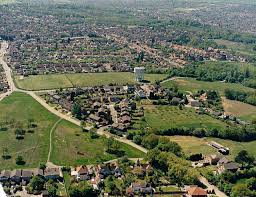
I've already had my box of ten free author copies, and started giving them away. I quite forgot to warn local friends that the village where the book is set is called Thundersley. This was quite an oversight, given that the village where I live is called Thundersley so it may have come as a surprise to them to see my home town detailed in the pages of my novel.
I didn't deliberately name my fictional village after the place I grew up as any kind of sentimental tribute (although I do love where I live). Neither is the fictional village of Thundersley in the same place as the real village: the real village is in south Essex, whereas the fictional version is in Suffolk.
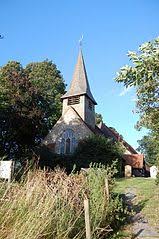 Originally the village in my book was called Easterfield, a name plucked entirely from my imagination. Readers of my previous books will remember that my 2008 novel was called Easterfield, and in fact Fields of Glory is set in the same village, with some of the same landmarks--for example, the heroines of both live in a house called Westleigh, Catherine Waters in 1850 and Eleanor and Patricia Field in 1942.
My publishers didn't want the village to be called Easterfield because that tied it too much to my previous book which is now out of print. They didn't want anyone thinking they couldn't buy this book because they hadn't read the previous one, for example. They're both standalone novels, although readers may have a wry smile as they recognise characters from the previous one - Alex Farrell has portraits of his ancestors on his walls, for example, and those ancestors are characters in the first book.
So I sent a list of possible village names to my editor, including Witnesham which is the actual village which stands where my fictional village does. From that she picked Thundersley as being an evocative, appealing and typically British name, and I was quite pleased to honour the place where I have been so happy for so many years. The real Thundersley is nothing like my little Suffolk farming community, but it is a beautiful, historic and characterful large urban village, and I'm glad it can be honoured in print.
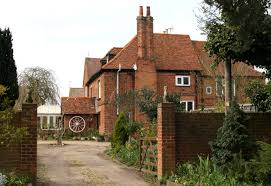 In the book, Thundersley Hall is a grand manor
house which is bombed. This is the nearest we have to
a "real" Thundersley Hall.
April 4, 2018
Why I Donate my Royalties to Heart Mothers
 My new book, Fields of Glory, will be released on 19th April. As with previous books, all my author royalties from this book are being donated to a charity I support, Heart Mothers.
What is Heart Mothers?
Heart Mothers was started by a good friend of mine, Ruth Williams, who read an article about the work of Somaly Mam in rescuing children trafficked into the sex trade in Cambodia. Touched by what she read, Ruth contacted Somaly to ask how she could help. At the time Somaly's work was well-funded by a French charity, but Somaly told Ruth that what these young girls really missed and needed was a mother. Most of them had never really known a loving mother, and many had been sold to the brothels by their own families. Although they were well cared for at the centre where they lived - provided with food, clothing, education and counselling - they each craved the love of an adult woman who would take a special interest in just them. A "Heart Mother".
Ruth got to work drumming up the support of 80+ women who could commit to writing a letter to their child each month, sending photographs and gifts and taking an interest in them, even though it's very one sided - the girls only write back once a year when Ruth and some Heart Mothers visit them.
 The Cambodian New Year (the year of the dog)
 card I made for my Heart Daughter last monthI'm one of those Heart Mothers. I'm now on my third "Heart Daughter", the first two having grown up and moved out of the centre into higher education or a career. I can't tell you much about any of my Heart Daughters, but I will say that the current girl is 15 years old and I have been writing to her for two years now. Let that sink in for a moment. She was rescued from a brothel when she was 13. Here's another thing: there are many children much younger than her at the centre. It's a real honour to be able to show these girls some much-needed love and be part of their recovery.
Why does Heart Mothers need money if it's just about letters?
The letters, gifts, etc. are sent to Ruth each month, who checks that they are all there (so that no girl is ever left out) puts them together in one big parcel and ships them to Phnom Penh. This costs money, especially if we're sending dresses or shoes for all 80 girls.
Heart Mothers also supports the centre and the girls in other ways: it has helped to stock the library and rebuild the toilet block.
Why donate your royalties rather than just send money?
Donating my royalties to Heart Mothers, rather than making a direct and personal donation, make sense for me for several reasons:
My publishers are based in the USA, and so is Heart Mothers. (Ruth is an old school friend of mine, but now lives in Wyoming.) Having Walnut Springs donate my author royalties directly to Heart Mothers means that I don't have to worry about losing money in currency conversion, and it's much easier for Walnut Springs than an international payment tooIt also means that I don't have to worry about filling in a UK or US tax return for royalties. Big winIt helps create publicity for Heart Mothers - there's information about the charity in the bookFinally, it might help shift a few extra copies of the book if indecisive buyers realise that a percentage of what they pay goes to the charity. So support Heart Mothers! Buy my book! And click here to go to their official website.
March 26, 2018
Fields of Glory Cover Reveal
My latest book, Fields of Glory, went to press last week, so today I'm thrilled to be able to reveal the cover.

I love it. I think it conveys the era perfectly, and the colours are both bright and harmonious.
And here's the text from the back cover:
Thundersley, Suffolk, 1942: A young man named Jim Walker shows up at Westleigh Farm, home of the Field family, demanding to be taught how to be a farmer but reluctant to reveal anything about himself.
When Thundersley Hall is bombed by a German spy, and Violet Field is taken into custody by the Ministry of War, it is up to her daughters, Patricia and Eleanor, to work out the connection between their new farmhand and the spy.
But suspicions in wartime run deep. Everyone seems to have a secret, even the Hall’s owner, the aristocratic and handsome Alex Farrell. If his romantic intentions toward Patricia are sincere, why is he so unwilling to help her discover the truth? And can Eleanor trust her growing fondness for the taciturn Jim, or is her affection for him because he reminds her so much of the brother she has lost to the war?
She smiled at Jim. He was hiding something, but then most people were these days. The anguish of loss, or fear of the future, or suspicion of their friends and neighbours, or secrets that could cost lives if known. The war meant everyone painted on a stoically smiling face, just as the women painted on stockings with gravy browning.
It's available in shops and online from 19th April, and I'll be sure to post a link here.
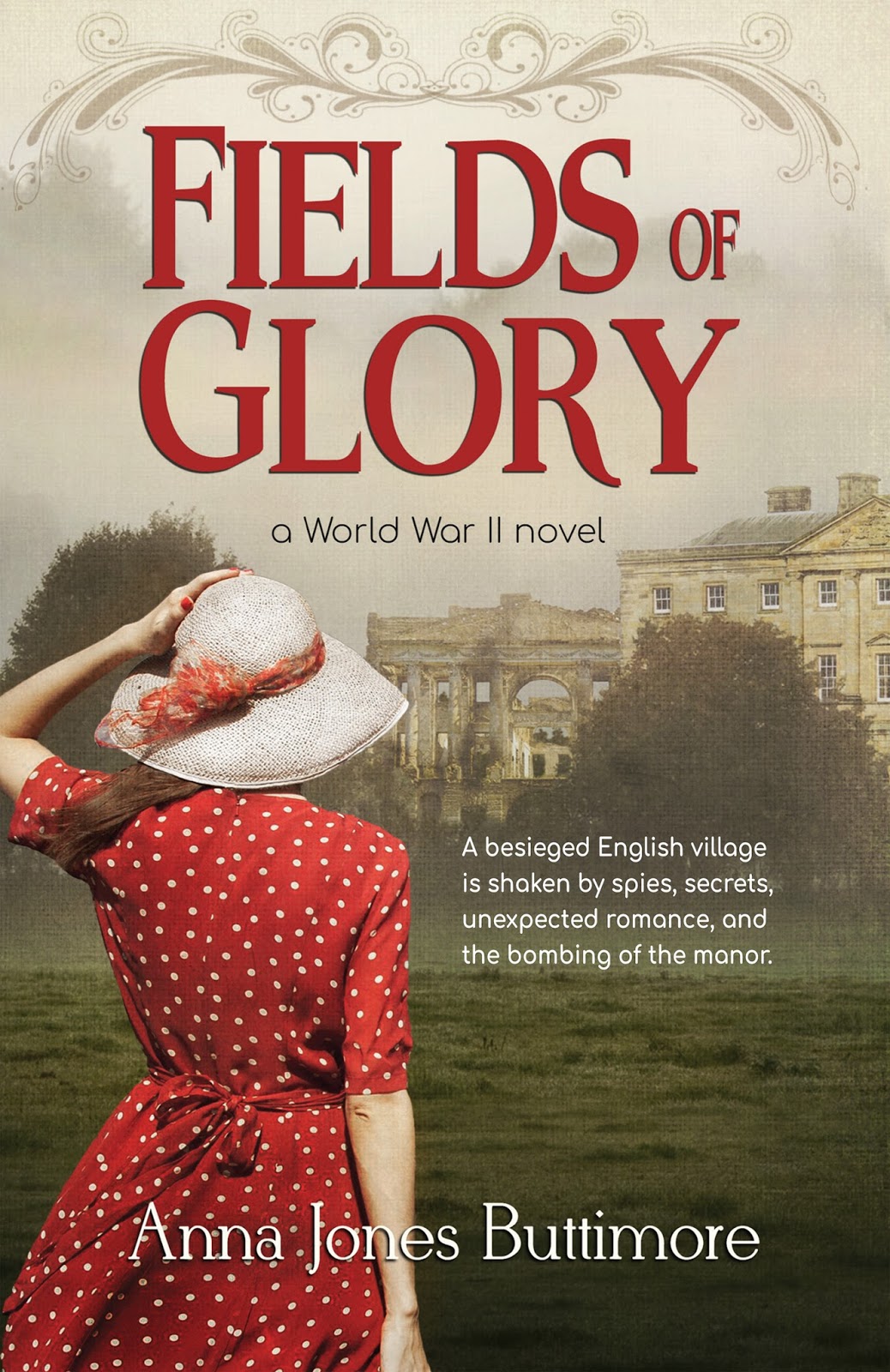
I love it. I think it conveys the era perfectly, and the colours are both bright and harmonious.
And here's the text from the back cover:
Thundersley, Suffolk, 1942: A young man named Jim Walker shows up at Westleigh Farm, home of the Field family, demanding to be taught how to be a farmer but reluctant to reveal anything about himself.
When Thundersley Hall is bombed by a German spy, and Violet Field is taken into custody by the Ministry of War, it is up to her daughters, Patricia and Eleanor, to work out the connection between their new farmhand and the spy.
But suspicions in wartime run deep. Everyone seems to have a secret, even the Hall’s owner, the aristocratic and handsome Alex Farrell. If his romantic intentions toward Patricia are sincere, why is he so unwilling to help her discover the truth? And can Eleanor trust her growing fondness for the taciturn Jim, or is her affection for him because he reminds her so much of the brother she has lost to the war?
She smiled at Jim. He was hiding something, but then most people were these days. The anguish of loss, or fear of the future, or suspicion of their friends and neighbours, or secrets that could cost lives if known. The war meant everyone painted on a stoically smiling face, just as the women painted on stockings with gravy browning.
It's available in shops and online from 19th April, and I'll be sure to post a link here.
Battle Fields Cover Reveal
M y latest book, Battle Fields, went to press last week, so today I'm thrilled to be able to reveal the cover.
I love it. I think it conveys the era perfectly, and the colours are both bright and harmonious.
And here's the text from the back cover:
Thundersley, Suffolk, 1942: A young man named Jim Walker shows up at Westleigh Farm, home of the Field family, demanding to be taught how to be a farmer but reluctant to reveal anything about himself.
When Thundersley Hall is bombed by a German spy, and Violet Field is taken into custody by the Ministry of War, it is up to her daughters, Patricia and Eleanor, to work out the connection between their new farmhand and the spy.
But suspicions in wartime run deep. Everyone seems to have a secret, even the Hall’s owner, the aristocratic and handsome Alex Farrell. If his romantic intentions toward Patricia are sincere, why is he so unwilling to help her discover the truth? And can Eleanor trust her growing fondness for the taciturn Jim, or is her affection for him because he reminds her so much of the brother she has lost to the war?
She smiled at Jim. He was hiding something, but then most people were these days. The anguish of loss, or fear of the future, or suspicion of their friends and neighbours, or secrets that could cost lives if known. The war meant everyone painted on a stoically smiling face, just as the women painted on stockings with gravy browning.
It's not yet available in shops or online, but I'll be sure to let you know when it is.
I love it. I think it conveys the era perfectly, and the colours are both bright and harmonious.
And here's the text from the back cover:
Thundersley, Suffolk, 1942: A young man named Jim Walker shows up at Westleigh Farm, home of the Field family, demanding to be taught how to be a farmer but reluctant to reveal anything about himself.
When Thundersley Hall is bombed by a German spy, and Violet Field is taken into custody by the Ministry of War, it is up to her daughters, Patricia and Eleanor, to work out the connection between their new farmhand and the spy.
But suspicions in wartime run deep. Everyone seems to have a secret, even the Hall’s owner, the aristocratic and handsome Alex Farrell. If his romantic intentions toward Patricia are sincere, why is he so unwilling to help her discover the truth? And can Eleanor trust her growing fondness for the taciturn Jim, or is her affection for him because he reminds her so much of the brother she has lost to the war?
She smiled at Jim. He was hiding something, but then most people were these days. The anguish of loss, or fear of the future, or suspicion of their friends and neighbours, or secrets that could cost lives if known. The war meant everyone painted on a stoically smiling face, just as the women painted on stockings with gravy browning.
It's not yet available in shops or online, but I'll be sure to let you know when it is.
March 15, 2018
Essex Book Festival
 I'm excited to announce that I'll be appearing as part of Author Day at Essex Book Festival on Saturday 17th March. Come to Chelmsford Library to hear me read a chapter of my upcoming book, Days of Glory, at 10.20am, after which I'll be answering questions and chatting about my books in a "meet the author" session.
Further details via this link. I hope to see you there!
March 6, 2018
Eight Things I Wish I'd Known When I Started Running
I've been running for about three years. As an overweight middle-aged woman, I'm often asked why I started. Quite simply, I don't know. I think I just woke up one morning and decided I wanted to be a runner. I do remember asking my super-fit neighbour for tips for a beginner, and she didn't have any to suggest. So, a few years down the line, here's what I wish I had when I started.
1. You don't need lots of expensive equipment, but you do need the right equipment. You can run in anything comfortable, light, and weather-appropriate, but a good sports bra (if you're a girl!) and a decent pair of trainers are essential. Trainers have to be replaced regularly according to how many miles they've done. I did not know this when I started, and only found out when I started having serious pain in my foot--pain which put paid to my running--and a sports shop assistant showed me that the cushioning on one of my trainers (the one corresponding to the bad foot) was broken.
2. You don't need water or special food. If you're running 5k or less you don't need to take a bottle of water with you. Provided you're well hydrated before you start, and there's a drink waiting for you when you finish, there's no need to figure out how to carry a drink around. Similarly, there's no need to carb-load, or add extra protein, or anything. Just don't run when you're full or starving, and you'll be fine. (If you're running more than 5k then you may need to think about having water with you.)
3. Run slowly. You’re not trying to break any records, here. If it’s hard work, don’t stop or give up, just slow down. Even if you’re jogging at a pace barely faster than you can walk, you’re still running. Even if you’re walking, you’re still moving. Don’t stop, just slow down. (Oh, and having to slow to a walk every once in a while to recover isn't called failing at running, it’s called interval training.)
4. Running outdoors feels completely different from running on a treadmill. I find the treadmill much harder, and somewhat boring, but it is measurable, only has hills where you want them, is safer than running alone at night (if you're a woman) and is handy on cold, rainy or icy days. Or hot days, apparently, not that I remember what those are. The treadmill has its place, but running outside will give you better times and feel more fun.
5. Don’t expect it to get easier quickly. Getting fit is a very long, slow process. Don’t get discouraged if improvement is a long time in coming. It will come, but not overnight. It may also come in unexpected ways. The first improvement I noticed when I started running wasn't my times getting faster, but my lung capacity getting bigger. I have always suffered with asthma, but the lessening of my symptoms was one of the first benefits I found to running. A little bit later I noticed how much quicker I was recovering after each run. To start with it would often take over fifteen minutes before I was no longer beetroot-red, panting, sweating and gasping for a drink. Within two months I was feeling back to normal within two minutes of finishing my run.
6. There's more than one way to learn. I've done two different Couch25k programmes. The first was the NHS one, and the second was Zombies Run which worked better for me and was a lot of fun. My problem is that I tend to run less in the winter (because it's cold so I'm restricted to the boring treadmill) so often have to restart my training in the spring by doing a programme again. If Couch25k isn't for you, try just running for an extra minute each time you go out. That's worked for me too.
7. Get support. It's really great to be able to compare notes and tips with other runners, and know that others are experiencing exactly what you are. The running community is incredibly supportive and friendly, and there isn't any judgement or comparing of times. I belong to a running club, the fabulous Castle Point joggers, have a running buddy, and I enjoy parkrun too.
8. You will eventually come to enjoy it. When I started running I didn't enjoy it - in fact, I was so apprehensive I'd get the "running runs" before going out. (TMI?) Others assured me that I would one day come to love it, and they were right. It was once something I dreaded, then it became something I was ambivalent about, and now it's something I look forward to. I'm not sure whether it's the sense of achievement, the endorphins, or simply the fact that when all your effort and energy is put into just keeping moving all the day's other worries fade away.
I'm still very much a beginner (5k PB 37:10) but I'm a runner, and I'm really seeing the benefits.
1. You don't need lots of expensive equipment, but you do need the right equipment. You can run in anything comfortable, light, and weather-appropriate, but a good sports bra (if you're a girl!) and a decent pair of trainers are essential. Trainers have to be replaced regularly according to how many miles they've done. I did not know this when I started, and only found out when I started having serious pain in my foot--pain which put paid to my running--and a sports shop assistant showed me that the cushioning on one of my trainers (the one corresponding to the bad foot) was broken.
2. You don't need water or special food. If you're running 5k or less you don't need to take a bottle of water with you. Provided you're well hydrated before you start, and there's a drink waiting for you when you finish, there's no need to figure out how to carry a drink around. Similarly, there's no need to carb-load, or add extra protein, or anything. Just don't run when you're full or starving, and you'll be fine. (If you're running more than 5k then you may need to think about having water with you.)
3. Run slowly. You’re not trying to break any records, here. If it’s hard work, don’t stop or give up, just slow down. Even if you’re jogging at a pace barely faster than you can walk, you’re still running. Even if you’re walking, you’re still moving. Don’t stop, just slow down. (Oh, and having to slow to a walk every once in a while to recover isn't called failing at running, it’s called interval training.)
4. Running outdoors feels completely different from running on a treadmill. I find the treadmill much harder, and somewhat boring, but it is measurable, only has hills where you want them, is safer than running alone at night (if you're a woman) and is handy on cold, rainy or icy days. Or hot days, apparently, not that I remember what those are. The treadmill has its place, but running outside will give you better times and feel more fun.
5. Don’t expect it to get easier quickly. Getting fit is a very long, slow process. Don’t get discouraged if improvement is a long time in coming. It will come, but not overnight. It may also come in unexpected ways. The first improvement I noticed when I started running wasn't my times getting faster, but my lung capacity getting bigger. I have always suffered with asthma, but the lessening of my symptoms was one of the first benefits I found to running. A little bit later I noticed how much quicker I was recovering after each run. To start with it would often take over fifteen minutes before I was no longer beetroot-red, panting, sweating and gasping for a drink. Within two months I was feeling back to normal within two minutes of finishing my run.
6. There's more than one way to learn. I've done two different Couch25k programmes. The first was the NHS one, and the second was Zombies Run which worked better for me and was a lot of fun. My problem is that I tend to run less in the winter (because it's cold so I'm restricted to the boring treadmill) so often have to restart my training in the spring by doing a programme again. If Couch25k isn't for you, try just running for an extra minute each time you go out. That's worked for me too.
7. Get support. It's really great to be able to compare notes and tips with other runners, and know that others are experiencing exactly what you are. The running community is incredibly supportive and friendly, and there isn't any judgement or comparing of times. I belong to a running club, the fabulous Castle Point joggers, have a running buddy, and I enjoy parkrun too.
8. You will eventually come to enjoy it. When I started running I didn't enjoy it - in fact, I was so apprehensive I'd get the "running runs" before going out. (TMI?) Others assured me that I would one day come to love it, and they were right. It was once something I dreaded, then it became something I was ambivalent about, and now it's something I look forward to. I'm not sure whether it's the sense of achievement, the endorphins, or simply the fact that when all your effort and energy is put into just keeping moving all the day's other worries fade away.
I'm still very much a beginner (5k PB 37:10) but I'm a runner, and I'm really seeing the benefits.
The Songs I Cannot Sing
I love singing hymns. I don't have a good singing voice, but that doesn't stop me belting out some of my favourites. I particularly like "I Stand All Amazed", "Guide Me O Thou Great Jehovah","How Great Thou Art" and "There is Sunshine in my Soul".Many hymns have stirring tunes, poetic and meaningful words, and contribute greatly to our worship.
But there are three hymns in our current LDS hymnbook which I don't join in with.
1. Praise to the Man (27)
Because of my background (read my conversion story here) I seem to spend a lot of time speaking to anti-Mormons, online or in person. That's fine, I'm happy to help, and I love to put myths to rest and clarify things among our (generally) Christian brethren who are labouring under misunderstandings about Mormons.
I can't begin to calculate how many times I have insisted to people that Latter-day Saints do not worship Joseph Smith (admire and respect, maybe, but not worship) only to have them point to this hymn.
"Praise to the man who communed with Jehovah ... great is his glory and endless his priesthood."
The whole thing is a hymn of praise to Joseph Smith. I don't worship Joseph Smith, so I refuse to sing it. (The tune is lovely, however.)
2. Oh my Father (292)
I dislike this song for pretty much the same reason - because it fuels anti-Mormon propaganda. Anti-Mormons get a lot of mileage from claiming that Mormons believe weird and wacky things like, for example, God being married to a "Heavenly Mother". Again, I've never specifically been taught this in twenty years in the church, and I don't really know what to make of the concept. Checking Wikipedia doesn't reveal much. It states that Church Historian Linda Wilcox said that Heavenly Mother "is a shadowy and elusive belief floating around the edges of Mormon consciousness". It also says "there is no clear record of Joseph Smith teaching of Heavenly Mother."
I know many Mormons, especially Mormon feminists (and I consider myself a feminist) believe in a heavenly mother, and priesthood leaders--and documents as official as the Proclaimation on the Family--talk about "heavenly parents", but the scriptures are entirely silent on the issue of whether or not we have a heavenly mother as well as a Heavenly Father, and my generally rule of thumb is not to accept something if it's not in the scriptures.
For this reason I've generally considered the heavenly mother doctrine to be somewhat apocryphal. Yet here it is openly stated in a song:
In the heav'ns are parents single?
No, the thought makes reason stare!
Truth is reason; truth eternal
Tells me I've a mother there.
When I leave this frail existence,
When I lay this mortal by,
Father, Mother, may I meet you
In your royal courts on high?
3. If You Could Hie to Kolob (284)
This is the song I like least in the entire hymnbook.
First off, there is no end to this song! It is four slow verses long, and twenty lines consist of "there is no end to..."
Second, there is a line which says "There is no end to race." Race? Really? What is that supposed to mean? Is there racial segregation in heaven, because if there is, I don't want to go there.
The third reason I dislike this song is that, as with Praise to the Man, it's seized upon by anti-Mormons to demonstrate how weird and crazy we Mormons are. And they have a point. For those who don't know, Kolob is the name given to the place where God lives. It's all a bit sci-fi (I love sci-fi) and a whole peripheral urban myth type doctrine has grown up around it as people speculate wildly about where exactly Kolob might be, and what it might be like, and so forth. I've never actually been taught any doctrines about Kolob in my twenty years in the church, so I tend to assume, as with the heavenly mother doctrine, that it's a bit apocryphal. And yet here it is immortalised in a beloved and very perplexing hymn, one which missionaries often groan to see on the hymnboard on a day when they've brought investigators to church.
The fourth and final reason I dislike this hymn is because I grew up singing very different--and very beautiful--words to that same tune. For me, that particular tune (Kingsfold) will always belong to "I heard the voice of Jesus say."
I heard the voice of Jesus say,
"Come unto Me and rest;
Lay down, thou weary one, lay down,
Thy head upon My breast."
I came to Jesus as I was,
Weary and worn and sad;
I found in Him a resting-place,
And He has made me glad.
I heard the voice of Jesus say,
"Behold, I freely give
The living water; thirsty one,
Stoop down and drink and live."
I came to Jesus, and I drank
Of that life-giving stream.
My thirst was quenched, my soul revived,
And now I live in Him.
I heard the voice of Jesus say,
"I am this dark world's Light.
Look unto Me; thy morn shall rise
And all thy day be bright."
I looked to Jesus, and I found
In Him my Star, my Sun;
And in that Light of Life I'll walk
Till traveling days are done.
How gorgeous are those words! Why, oh why, do we have to sing about some planet and there being no end to race instead?
Our hymnbook was compiled and published in 1985. I think it may be due an overhaul, and I'd very much like to see these hymns dropped.
But there are three hymns in our current LDS hymnbook which I don't join in with.
1. Praise to the Man (27)
Because of my background (read my conversion story here) I seem to spend a lot of time speaking to anti-Mormons, online or in person. That's fine, I'm happy to help, and I love to put myths to rest and clarify things among our (generally) Christian brethren who are labouring under misunderstandings about Mormons.
I can't begin to calculate how many times I have insisted to people that Latter-day Saints do not worship Joseph Smith (admire and respect, maybe, but not worship) only to have them point to this hymn.
"Praise to the man who communed with Jehovah ... great is his glory and endless his priesthood."
The whole thing is a hymn of praise to Joseph Smith. I don't worship Joseph Smith, so I refuse to sing it. (The tune is lovely, however.)
2. Oh my Father (292)
I dislike this song for pretty much the same reason - because it fuels anti-Mormon propaganda. Anti-Mormons get a lot of mileage from claiming that Mormons believe weird and wacky things like, for example, God being married to a "Heavenly Mother". Again, I've never specifically been taught this in twenty years in the church, and I don't really know what to make of the concept. Checking Wikipedia doesn't reveal much. It states that Church Historian Linda Wilcox said that Heavenly Mother "is a shadowy and elusive belief floating around the edges of Mormon consciousness". It also says "there is no clear record of Joseph Smith teaching of Heavenly Mother."
I know many Mormons, especially Mormon feminists (and I consider myself a feminist) believe in a heavenly mother, and priesthood leaders--and documents as official as the Proclaimation on the Family--talk about "heavenly parents", but the scriptures are entirely silent on the issue of whether or not we have a heavenly mother as well as a Heavenly Father, and my generally rule of thumb is not to accept something if it's not in the scriptures.
For this reason I've generally considered the heavenly mother doctrine to be somewhat apocryphal. Yet here it is openly stated in a song:
In the heav'ns are parents single?
No, the thought makes reason stare!
Truth is reason; truth eternal
Tells me I've a mother there.
When I leave this frail existence,
When I lay this mortal by,
Father, Mother, may I meet you
In your royal courts on high?
3. If You Could Hie to Kolob (284)
This is the song I like least in the entire hymnbook.
First off, there is no end to this song! It is four slow verses long, and twenty lines consist of "there is no end to..."
Second, there is a line which says "There is no end to race." Race? Really? What is that supposed to mean? Is there racial segregation in heaven, because if there is, I don't want to go there.
The third reason I dislike this song is that, as with Praise to the Man, it's seized upon by anti-Mormons to demonstrate how weird and crazy we Mormons are. And they have a point. For those who don't know, Kolob is the name given to the place where God lives. It's all a bit sci-fi (I love sci-fi) and a whole peripheral urban myth type doctrine has grown up around it as people speculate wildly about where exactly Kolob might be, and what it might be like, and so forth. I've never actually been taught any doctrines about Kolob in my twenty years in the church, so I tend to assume, as with the heavenly mother doctrine, that it's a bit apocryphal. And yet here it is immortalised in a beloved and very perplexing hymn, one which missionaries often groan to see on the hymnboard on a day when they've brought investigators to church.
The fourth and final reason I dislike this hymn is because I grew up singing very different--and very beautiful--words to that same tune. For me, that particular tune (Kingsfold) will always belong to "I heard the voice of Jesus say."
I heard the voice of Jesus say,
"Come unto Me and rest;
Lay down, thou weary one, lay down,
Thy head upon My breast."
I came to Jesus as I was,
Weary and worn and sad;
I found in Him a resting-place,
And He has made me glad.
I heard the voice of Jesus say,
"Behold, I freely give
The living water; thirsty one,
Stoop down and drink and live."
I came to Jesus, and I drank
Of that life-giving stream.
My thirst was quenched, my soul revived,
And now I live in Him.
I heard the voice of Jesus say,
"I am this dark world's Light.
Look unto Me; thy morn shall rise
And all thy day be bright."
I looked to Jesus, and I found
In Him my Star, my Sun;
And in that Light of Life I'll walk
Till traveling days are done.
How gorgeous are those words! Why, oh why, do we have to sing about some planet and there being no end to race instead?
Our hymnbook was compiled and published in 1985. I think it may be due an overhaul, and I'd very much like to see these hymns dropped.
June 24, 2016
Mood of the Moment
As I write this Britain has just voted to leave the European Union. It's a historic day; we've been in the EU (and its predecessor, the EEC) for almost my entire life, so breaking relations with our neighbours feels like a Big Deal.
No one is really certain what the future will bring. It's a little scary, and a little exciting at the same time. I admit that I was terrified when I awoke to the news this morning, and I'm still reeling somewhat. (For the record, I voted to remain.)
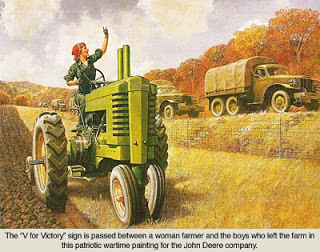 I'm now hoping to hang on to that feeling, though, because it's really helpful for the book I'm currently writing. Battle Fields is set in Suffolk during World War II and it's the story of a farming family struggling with an uncertain future amidst confusing events in their community. It's tricky to write about World War II from the vantage point of 2016 because I know how it ended. We won.
I feel a little foolish trying to compare my mild anxiety about what Brexit may bring to the terror of an unknown future those who lived through World War II experienced on a daily basis but it does give me a small glimpse at how they might have felt. It also reminds me that my novel needs to be infused with that sense of disquiet and apprehension to be authentic.
As I settle down to write tonight I'll make the most of the mood of the moment by trying to draw on it to bring out that unease and help readers understand what it really means to fear for the future of your beloved country.
No one is really certain what the future will bring. It's a little scary, and a little exciting at the same time. I admit that I was terrified when I awoke to the news this morning, and I'm still reeling somewhat. (For the record, I voted to remain.)
 I'm now hoping to hang on to that feeling, though, because it's really helpful for the book I'm currently writing. Battle Fields is set in Suffolk during World War II and it's the story of a farming family struggling with an uncertain future amidst confusing events in their community. It's tricky to write about World War II from the vantage point of 2016 because I know how it ended. We won.
I feel a little foolish trying to compare my mild anxiety about what Brexit may bring to the terror of an unknown future those who lived through World War II experienced on a daily basis but it does give me a small glimpse at how they might have felt. It also reminds me that my novel needs to be infused with that sense of disquiet and apprehension to be authentic.
As I settle down to write tonight I'll make the most of the mood of the moment by trying to draw on it to bring out that unease and help readers understand what it really means to fear for the future of your beloved country.
January 21, 2015
Book Review: Haven Waiting by Tifani Clark
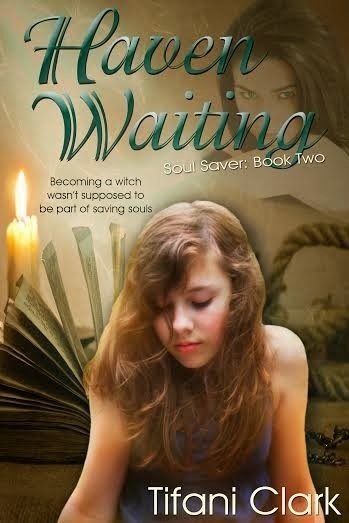
I'm going to take an unusual step in reviewing this book. I'm going to recommend that you buy another book. Specifically, Shadow of a Life by the same author. It's the first book in this teen series, and I felt very disadvantaged as I read through Haven Waiting for not having read it. Haven Waiting doesn't really work as a stand-alone book; there are too many references to previous events and characters, and the mythology is difficult to understand if you haven't already got to grips with it in the first book.
Having said that, Haven Waiting is a great book for teenagers. There's plenty of action and intrigue, a bit of history education disguised as story, and the fairly simple style is appropriate to the age group. I found that I really couldn't like the character of Haven. She made some very poor choices, acted selfishly, and was, at times, quiet menacing and malevolent. This added to my desire to read the first book; I deduced that Sophia, the ghost character in Shadow of a Life, was a kind and sweet character. There's an interesting juxtaposition there, and a moral question. It's all very well saving the soul of a ghost you like, but what about when it's someone selfish and foolish, like Haven?
The developing romance between Jamie and Peter was sensitively handled given their ages, and I think this is something which will be interesting to follow across other books in the series. There is certainty plenty of scope in this original and well-handled concept of ghosts who need a particular teenage girl to help them move on, and there were enough intriguing hints dropped that I think readers will come back to follow Jamie's story.
I very rarely give five star reviews - and this isn't one of those times - but I think the two books, read together, merit a very firm four stars.