Anndy Lian's Blog, page 9
September 19, 2025
Anndy Lian urges crypto users to adopt cold wallets
Anndy Lian
Anndy Lian urges crypto users to adopt cold wallets

Anndy Lian, a recognized figure in the cryptocurrency industry, emphasizes the importance of using cold wallets to ensure security.
He suggests that crypto investors should store their digital assets in air-gapped hardware wallets such as Trezor and Ledger rather than keeping significant funds in hot wallets or on exchanges. Lian also highlights the necessity of enabling a strong passphrase for added security, advising users to create a hidden wallet within these hardware devices. The approach aims to protect cryptocurrency holdings from potential online threats and unauthorized access, offering a robust defense strategy to stay safe in the crypto world.
Lian’s emphasis on robust security measures in crypto management aligns with his broader advocacy for industry innovation and accountability. His prior commentary on the financial motives driving increased crypto exchange listings highlights the need for integrity alongside advancement. Additionally, his distinctive perspective on the intersection of personal branding and the digital asset sphere emerged in his discussion of fashion parallels with Tom Lee, underlining the multifaceted nature of the crypto sector.
Source: https://tradersunion.com/news/market-voices/show/532992-cold-wallet-advice/

The post Anndy Lian urges crypto users to adopt cold wallets appeared first on Anndy Lian by Anndy Lian.


September 18, 2025
Liquidity dreams meet reality: How the Fed’s 25-basis-point cut is (and isn’t) changing everything
Anndy Lian
Liquidity dreams meet reality: How the Fed’s 25-basis-point cut is (and isn’t) changing everything

Global risk sentiment demonstrated resilience on Thursday, September 18, following the Federal Reserve’s anticipated 25 basis point reduction in its benchmark interest rate during the FOMC meeting that concluded the previous day. The decision passed with an 11-1 vote, a move that aligned with market expectations amid signs of a softening labour market in the US. Investors absorbed the news without much disruption, as the central bank navigated a delicate balance between supporting economic growth and guarding against persistent inflation pressures.
This adjustment brought the federal funds rate target range down to 4.00 per cent to 4.25 per cent, marking the first cut in the current easing cycle. The lone dissenter, Stephen Miran, whom President Donald Trump recently appointed to the Federal Reserve Board, pushed for a more aggressive 50 basis point reduction instead. Miran’s position reflected a bolder approach to monetary policy, one that prioritised quicker stimulus to bolster employment and consumer spending in the face of recent job market weaknesses, such as the unemployment rate ticking up to 4.2 per cent in August data released earlier in the month. His vote highlighted internal divisions within the Fed, particularly as Trump’s influence shapes the board’s composition with appointees who favour looser policy to align with the administration’s pro-growth agenda.
Fed Chair Jerome Powell addressed the media in a press conference after the announcement, and his remarks carried a subtly hawkish undertone that tempered immediate enthusiasm for further easing. Powell emphasised the economy’s underlying strength, pointing to robust consumer spending and a solid corporate sector as reasons to proceed cautiously with rate adjustments. He avoided committing to a rapid series of cuts, instead stressing the need for data-dependent decisions amid uncertainties like potential trade tariffs and geopolitical tensions. This stance contrasted with more dovish expectations from some analysts who anticipated a clearer path toward sub-3 per cent rates by mid-2026. The Fed’s updated economic projections reinforced this measured approach, forecasting two additional quarter-point cuts by the end of 2025 and just one more in 2026, a trajectory that fell short of the market’s hopes for deeper relief.
Participants in the Summary of Economic Projections median outlook saw the federal funds rate ending 2025 at 3.875 per cent, with inflation projected to hover around 2.5 per cent, slightly above the central bank’s long-term target. In my view, Powell’s comments serve as a prudent reminder that the Fed prioritises stability over knee-jerk reactions, even if it disappoints those betting on aggressive easing to fuel asset rallies. This hawkish lean could cap upside in equities and commodities in the near term, but it also prevents the kind of overheated markets that led to past bubbles.
Wall Street wrapped up trading on Wednesday, September 17, with a mixed performance that reflected the nuanced Fed outcome. The Dow Jones Industrial Average climbed 0.57 per cent, buoyed by gains in cyclical sectors like industrials and financials that stand to benefit from lower borrowing costs. In contrast, the S&P 500 dipped 0.10 per cent, while the Nasdaq Composite shed 0.33 per cent, dragged down by technology stocks sensitive to interest rate shifts.
Big tech names such as Apple and Nvidia posted modest declines, as investors rotated out of high-valuation growth plays toward value-oriented sectors. This rotation underscores a broader market dynamic where the Fed’s tempered guidance prompted a reassessment of risk premiums, with the VIX volatility index easing slightly to 15.2, indicating subdued fear levels. Overall, the session’s close suggested that while the rate cut provided a tailwind, Powell’s hawkish signals introduced caution, preventing a broad rally.
US Treasury yields moved higher on Wednesday, signalling that bond investors viewed the Fed’s path as less accommodative than hoped. The 10-year Treasury yield rose four basis points to settle at 4.07 per cent, while the two-year yield also increased by four basis points to 3.54 per cent. This uptick flattened the yield curve slightly, with the spread between the 10-year and two-year notes narrowing to 0.53 percentage points, a level that hints at lingering concerns over future growth without aggressive policy support. Higher yields typically pressure equities by raising the cost of capital, but they also attract foreign inflows to US debt, bolstering the dollar. In this context, the modest rise appears justified, as it aligns with the Fed’s projection of slower rate convergence to neutral levels.
The US dollar index advanced 0.25 per cent to 96.87, gaining ground against a basket of major currencies as the Fed’s decision reinforced the relative strength of the American economy. The dollar’s uptick came despite the rate cut, driven by expectations of shallower easing compared to peers like the European Central Bank, which has signalled more cuts ahead. This resilience in the greenback could weigh on exporters and emerging markets, but it also curbs imported inflation, giving the Fed more room to manoeuvre.
Gold prices pulled back 0.2 per cent to US$3,681.39 per ounce after touching a record high earlier in the session, as the dollar’s strength and higher yields diminished the metal’s appeal as a safe-haven asset. Despite the retreat, gold has surged over 40 per cent year-to-date, fueled by central bank purchases and geopolitical risks. The Fed cut typically supports non-yielding assets like gold by improving liquidity, but Powell’s cautious tone introduced profit-taking. I see gold’s pullback as temporary, with its long-term bullish case intact given ongoing uncertainties around elections and trade policies.
Asian equities showed strength on Wednesday, rallying on anticipation of the Fed’s rate cut, with Hong Kong’s Hang Seng Index leading the charge by jumping 1.78 per cent to its highest level since November 2021. This surge is tied directly to Chief Executive John Lee’s policy address, where he outlined ambitious initiatives to invigorate the economy. Lee pledged enhanced support for artificial intelligence development through tax incentives and R&D funding, alongside measures to stabilise the property sector via relaxed stamp duties and increased land supply targets for the next decade. He also accelerated plans for the Northern Metropolis project, aiming to create a tech hub with improved infrastructure and talent attraction programs. These announcements addressed key pain points like high housing costs and sluggish innovation, boosting investor confidence in Hong Kong’s post-pandemic recovery. Mainland Chinese stocks followed suit, with the CSI 300 up 1.2 per cent, while Japan’s Nikkei 225 gained 0.8 per cent on export optimism.
In early trading on September 18, Asian markets traded mixed, with some profit-taking after the prior day’s gains. Tokyo’s Nikkei edged up 0.6 per cent to a fresh record, driven by real estate and tech advances, while Shanghai Composite held flat amid caution over US-China trade rhetoric. Hong Kong’s HSI dipped 0.3 per cent initially, consolidating after the policy boost. US equity index futures pointed to a higher open, with S&P 500 contracts up 0.4 per cent and Nasdaq futures rising 0.5 per cent, signalling renewed risk appetite as traders digested the Fed’s move.
The cryptocurrency market climbed 0.97 per cent over the last 24 hours, extending a seven-day uptrend of 3.56 per cent, as institutional interest and macroeconomic tailwinds propelled digital assets higher. Bitcoin hovered around US$96,000, while Ethereum pushed toward US$4,000, reflecting a risk-on rotation that favoured altcoins amid Fed rate cut optimism. Surging inflows into exchange-traded funds played a pivotal role, with Bitcoin and Ethereum ETFs absorbing US$642 million and US$405 million, respectively, this week, pushing combined holdings to substantial levels. The SEC’s approval of Grayscale’s multi-asset ETF further amplified sentiment, channelling regulated capital into the space and creating sustained demand that offsets typical sell pressures from miners or long-term holders.
This institutional demand via ETFs carries profound bullish implications for crypto’s maturation. With Bitcoin ETF assets under management reaching US$152 billion and Ethereum’s at US$24.23 billion, these vehicles democratize access for traditional investors wary of direct wallet management. The week’s US$1.04 billion in combined inflows underscores a structural shift, where pensions and endowments allocate to crypto as a portfolio diversifier. Looking ahead, the September 17 FOMC meeting’s outcome could spark even more inflows if markets interpret the cuts as liquidity-enhancing. In my opinion, this trend solidifies crypto’s place in mainstream finance, reducing volatility over time and attracting trillions in eventual capital, though regulators must balance innovation with consumer protections to avoid setbacks.
Fed rate cut speculation added fuel to the crypto rally, with markets pricing a 96.4 per cent probability of the 25 basis point move via tools like Goldman Sachs’ models and the CME FedWatch. Traders anticipate a US$1.9 trillion liquidity injection across the system, correlating strongly with crypto’s performance, as evidenced by the 0.78 correlation coefficient with the Nasdaq-100 over the past day. Lower rates diminish the opportunity cost of holding high-volatility assets like Bitcoin, while a softer dollar historically boosts crypto prices by making them cheaper for international buyers. Past cycles show Bitcoin gaining an average of 25 per cent in the month following initial Fed cuts, a pattern that aligns with current dynamics. However, the hawkish elements in Powell’s speech introduce risks; if future meetings signal pauses, crypto could face sharp corrections. I view this as a net positive for the sector, as easier money encourages speculative flows, but investors should brace for amplified swings tied to macro news.
The acceleration of altcoin season presents a mixed bag, with the Altcoin Season Index climbing to 72, up 10.77 per cent weekly, indicating alts outperforming Bitcoin. Ethereum led with a 5.63 per cent gain, Solana surged 57 per cent on DeFi momentum, and BNB rose 10.8 per cent amid exchange ecosystem growth. Decentralised exchange volumes jumped 25.11 per cent, as capital rotated away from Bitcoin, whose dominance slipped to 56.91 per cent. This shift signals broadening market participation, with low-cap tokens drawing retail frenzy.
The rally’s fragility shines through in its reliance on liquidity; a hawkish Fed pivot or regulatory crackdown could reverse gains swiftly, especially for speculative alts lacking fundamentals. Derivatives activity amplified the move, with perpetuals volume hitting US$434.48 trillion, up 8.61 per cent, and funding rates spiking 91.68 per cent, pointing to leveraged exuberance. From my perspective, altseason fosters innovation in areas like AI-blockchain integrations and layer-2 scaling, but it also breeds excess. Prudent investors should focus on established alts with real utility, like Ethereum’s staking yields or Solana’s speed, rather than chasing memes, to navigate the volatility inherent in this phase.
In wrapping up this market panorama, global assets exhibit cautious optimism post-Fed, with equities poised for gains, commodities consolidating, and crypto thriving on institutional bets. The interplay of central bank actions and policy initiatives, from Washington’s rate path to Hong Kong’s reforms, shapes a landscape ripe for opportunity yet laced with uncertainties.
As a journalist tracking these flows, I remain bullish on risk assets over the longer horizon, convinced that easing cycles historically reward patient capital, but I urge vigilance against overextension in the face of evolving Fed rhetoric and geopolitical crosswinds. This week’s developments affirm that while the Fed’s hand guides the market, diverse catalysts like ETF momentum and regional policies add layers of complexity to the narrative.

The post Liquidity dreams meet reality: How the Fed’s 25-basis-point cut is (and isn’t) changing everything appeared first on Anndy Lian by Anndy Lian.
Binance Founder Changpeng Zhao North Korea’s $1.34B Crypto Theft Tactics
Anndy Lian
Binance Founder Changpeng Zhao North Korea’s $1.34B Crypto Theft Tactics

Binance co-founder Changpeng Zhao (CZ) has warned that North Korean hackers are using increasingly advanced methods to infiltrate cryptocurrency companies. In a recent X post, CZ explained:
“They exploit trust, creativity, and patience to breach platforms and steal user funds.”
According to Chainalysis, North Korean hackers stole around $1.34 billion in crypto in 2024, with both the U.S. and U.N. confirming that the stolen money is being used to help finance North Korea’s weapons program.
Job Applications as a Trojan Horse in Crypto Security BreachesOne of the most common tactics involves posing as job candidates. CZ wrote:
“Hackers often apply for developer, finance, or security positions. Once hired, they have insider access — a long-term foot in the door for future attacks.”
This strategy allows them to embed themselves in organizations and quietly prepare for larger hacks.
Fake Employers and Malware Hidden in Coding TestsAnother tactic is impersonating employers. During fake interviews on Zoom, attackers create staged technical issues and trick employees into downloading malicious “updates.”
CZ explained:
“In some cases, they send ‘sample code’ for a coding test. That code is secretly malware.”
This turns routine recruitment tasks into high-risk entry points.
Customer Support Exploits in Crypto ExchangesHackers also pretend to be regular users seeking help. They send links that look legitimate but redirect to infected pages.
Insider Bribery and Outsourced Service Vulnerabilities“Once an employee clicks, attackers can steal data or even gain direct access to exchange systems,” CZ warned.
Some hackers bypass technical firewalls altogether by bribing employees or targeting third-party vendors.
CZ pointed to a recent case:
Social Engineering Attacks: From Screen Sharing to One-Click Hacks“In India, hackers breached a major outsourced service provider. Critical data from a U.S. exchange leaked — users lost over $400 million.”
Crypto investor Anndy Lian added his warning on X:
“Hackers don’t always need files for you to click. Just sharing your screen can give them the access they need.”
CZ agreed, adding that even one-click hacks — like the rumored Jeff Bezos phone breach — prove how dangerous a single link can be.
Community members echoed these concerns. One investor wrote:
“I lost my Instagram account after clicking a link. The hackers took over instantly.”
Lian himself revealed he permanently lost his original Instagram account this way, underscoring how hard recovery is once control is lost.
North Korea’s Lazarus Group and Global Crypto TheftThe Lazarus Group, North Korea’s state-backed hackers, has been behind billions in stolen crypto over the past decade. According to Chainalysis, they stole nearly $1.7 billion in 2022, with hundreds of millions more in 2023 and 2024.
Reports suggest 2025 is already on track to see massive thefts linked to these groups.
CZ ended his post with a clear reminder:“Stay SAFU. Awareness and discipline are still the best defenses against these persistent threats.”
Source: https://coinpedia.org/news/binance-founder-changpeng-zhao-north-koreas-1-34b-crypto-theft-tactics/

The post Binance Founder Changpeng Zhao North Korea’s $1.34B Crypto Theft Tactics appeared first on Anndy Lian by Anndy Lian.
September 17, 2025
The Fed at the crossroads: Rate cuts, political pressure, and the fragile balance of global markets
Anndy Lian
The Fed at the crossroads: Rate cuts, political pressure, and the fragile balance of global markets

The global financial landscape is at a critical turning point, with central banks poised to adjust monetary policies amid evolving economic data and mounting political pressures. Markets are gearing up for the Federal Reserve’s expected 25-basis-point rate cut, a decision shaped not just by inflation trends but also by external influences, including from political figures such as Donald Trump. His newly confirmed economic adviser, Stephen Miran, now sits on the Federal Reserve Board, highlighting the growing friction between independent monetary policy and political agendas aimed at aligning interest rates with electoral or economic goals.
This Fed announcement does not happen in a vacuum. It comes against a backdrop of robust US retail sales in August, which rose 0.6 per cent month-over-month, well above the 0.2 per cent consensus estimate. This consumer strength led the Atlanta Fed to boost its Q3 GDPNow forecast to an annualized 3.4 per cent, underscoring the economy’s resilience even as easing measures loom.
The data’s implications cut both ways: strong spending hints that aggressive stimulus might not be necessary, yet cooling inflation, a softening labor market, and global demand challenges support a cautious rate reduction. The Fed faces a tightrope walk, where over-easing could reignite inflation or under-easing might choke off growth. Investors will parse every detail, from the dot plot projections to Chair Jerome Powell’s press conference, for clues on future moves.
A dovish dot plot suggesting multiple cuts ahead could spark rallies in risk assets and weaken the dollar. A more guarded tone, however, might fuel short-term volatility and bolster the greenback. This anticipation already weighed on equities Tuesday, with the Dow Jones falling 0.27 per cent, the S&P 500 dipping 0.13 per cent, and the Nasdaq edging down 0.07 per cent.
Bond yields showed restraint, with the 10-year Treasury steady at 4.03 per cent and the two-year note slipping two basis points to 3.51 per cent. The US dollar index dropped 0.69 per cent to 96.63, signaling bets on looser policy, while gold, a classic safe haven amid uncertainty, rose 0.2 per cent to US$3,687.67 per ounce, buoyed by central bank buying and a softer dollar.
In commodities, Brent crude jumped 1.53 per cent to US$68.47 per barrel, driven by supply fears from Ukrainian drone strikes on Russian refineries. Though targeted, these incidents add volatility to energy markets already strained by Middle East tensions and OPEC+ output controls. Asian stocks rallied early ahead of the Fed but pulled back by Wednesday morning, reflecting regional caution. US equity futures, in contrast, pointed higher, betting on a market-friendly outcome.
Other central banks are moving in tandem, or not. The Bank of Canada is set to trim its rate by 25 basis points to 2.50 per cent, mirroring the Fed’s response to easing inflation and domestic slowdowns. Bank Indonesia, however, is likely to hold steady at 5.00 per cent, focusing on rupiah stability amid political unrest and outflows. This policy divergence underscores a fragmented global cycle: advanced economies lean toward easing, while emerging markets battle currency risks and imported inflation.
Shifting to digital assets, Bitcoin broke through US$117,000 after weeks of consolidation, propelled by a high-profile lobbying push in Washington, D.C. Crypto leaders such as Michael Saylor of Strategy Inc. and Fred Thiel of MARA Holdings met lawmakers to advance the Strategic Bitcoin Reserve bill, aiming to create a national Bitcoin stockpile similar to the Strategic Petroleum Reserve.
This reflects the industry’s push for mainstream integration. Yet the surge wasn’t without drama: over US$175 million in positions liquidated in 24 hours, with longs hit hardest at US$107 million. Bitcoin’s open interest climbed 2.54 per cent, signaling fresh speculation, while Ethereum’s fell 1.64 per cent, keeping it stuck between US$4,430 and US$4,530. XRP edged up 1.53 per cent above US$3, but subdued volumes hinted at tempered enthusiasm.
Crypto sentiment stays balanced, with the Fear & Greed Index in neutral territory, no wild swings of greed or fear. Still, fragility lurks: Binance traders are net bearish on Bitcoin, with over 52 per cent of positions short per the Long/Short ratio, bracing for a potential retreat. Amid this, BNB shone, rising to over $957 and nearing its 52-week high of $963. This strength ties to reports of Binance nearing a deal to lift its US Department of Justice compliance monitor, a regulatory win that could ease operations and draw more investment. A push past US$1,000 could spark broader altcoin momentum.
In my view, this blend of policy pivots, geopolitical tensions, and crypto advocacy brews a volatile but opportunistic mix. The Fed’s cut, though anticipated, matters most for its forward signals: a path of steady easing could fuel equities, gold, and risk assets by easing recession worries. A data-dependent stance, however, might come off as hawkish, prompting sell-offs and dollar gains.
Politics adds unpredictability. Miran’s board seat, courtesy of a president prone to Fed critiques, could test the institution’s independence. If he pushes for aggressive cuts timed to midterms, it risks undermining credibility and roiling bonds. In commodities, oil’s climb signals escalation risks from Ukraine-Russia clashes; more strikes could sustain price pressures, hindering global inflation fights. Gold’s steadiness affirms its hedge value, especially as emerging-market central banks stockpile it against dollar swings and sanctions.
Crypto’s rally, while buoyed by lobbying, faces hurdles: the Bitcoin reserve bill’s fate is uncertain amid skepticism, and liquidations highlight leverage’s dangers. A Fed letdown or regulatory snag could trigger cascading sell-offs. BNB’s rise shows how clarity boosts value. Shedding oversight could attract institutions and ignite altcoins, yet Ethereum’s rut reveals uneven benefits from macro shifts.
Ultimately, we are entering a phase of acute market sensitivity, where central bank moves, political maneuvers, supply shocks, and regulatory shifts collide. Success hinges on balancing growth, inflation, and stability in a polarized world. For savvy investors, the upside is real; for the unwary, the ride could be rough.

The post The Fed at the crossroads: Rate cuts, political pressure, and the fragile balance of global markets appeared first on Anndy Lian by Anndy Lian.
September 16, 2025
The dovish inflection: Fed cuts, TikTok truce, and crypto crossroads set stage for market repricing
Anndy Lian
The dovish inflection: Fed cuts, TikTok truce, and crypto crossroads set stage for market repricing

The Federal Reserve’s meeting on Tuesday and Wednesday stands out as the centerpiece, with widespread expectations that the central bank will deliver its first rate cut of the year, potentially by 25 or even 50 basis points, to support economic growth amid lingering inflation concerns.
This move aligns with a broader global trend where policymakers grapple with balancing growth and price stability. The Bank of England wraps up its deliberations on Thursday, likely holding rates steady at 4.0 per cent while signaling future adjustments based on incoming data.
Over in Japan, the Bank of Japan continues its gradual normalisation path, and the Bank of Canada faces similar pressures to ease if economic indicators weaken further. These meetings dominate the calendar, and traders watch closely for any hints of coordinated action that could ripple through currency markets and equity valuations. This synchronised focus on monetary policy reflects a maturing global economy that prioritises data-driven decisions over knee-jerk reactions, which bodes well for sustained risk appetite in the coming months.
Amid this backdrop, a breakthrough in US-China relations added fuel to the positive sentiment. Negotiators from both sides hammered out a framework agreement to restructure TikTok’s ownership, transferring control to a US-dominated entity while addressing national security worries that have loomed over the app for years. Treasury Secretary Scott Bessent confirmed the deal during talks in Spain, noting that President Trump and President Xi Jinping plan to make a direct call on Friday to iron out the final details.
This development marks a significant step in thawing trade tensions, as it ties into larger discussions on tariffs, technology transfers, and supply chain resilience. China acknowledged a basic consensus on the ownership shift, which could prevent an outright ban on TikTok in the US and open doors for similar resolutions in other contentious areas like semiconductors and electric vehicles.
From where I sit, this agreement signals pragmatic leadership from both leaders, who recognise that escalating disputes hurt businesses on all sides. It could pave the way for broader trade pacts, boosting investor confidence and potentially lifting export-oriented sectors in both economies. The market’s initial reaction underscores this, with shares of tech firms tied to social media and advertising perking up on the news.
Wall Street captured this upbeat mood right from the opening bell on Monday. The Dow Jones Industrial Average climbed 0.11 per cent, reflecting steady gains in blue-chip names like industrials and financials that stand to benefit from looser policy. The S&P 500 pushed higher by 0.47 percent.
In comparison, the Nasdaq Composite led the pack with a 0.94 percent advance, driven mainly by technology giants such as Apple and Nvidia, which continue to ride the wave of AI enthusiasm and anticipated lower borrowing costs. These record closes for the S&P and Nasdaq highlight the resilience of US equities, even as valuation concerns linger in some corners.
Tech stocks, in particular, thrived on the combination of the TikTok news, which alleviates regulatory overhangs, and the broader expectation of Fed easing that would reduce the cost of capital for growth-oriented companies. Investors rotated into these names, shrugging off minor profit-taking in overbought areas. I believe this performance sets a strong tone for the week, as any dovish tilt from the Fed could propel these indexes to new highs, though we must remain vigilant for any surprises in the dot plot or forward guidance that might temper the rally.
Fixed income markets told a complementary story, with US Treasury yields dipping slightly as participants bet on imminent rate relief. The benchmark 10-year Treasury note yield fell three basis points to settle at 4.03 per cent, while the two-year yield eased two basis points to 3.53 per cent, narrowing the yield curve inversion that has plagued markets for so long. This softening reflects bets that the Fed will act decisively to prevent a deeper slowdown, pulling longer-dated yields lower in anticipation of multiple cuts through year-end.
The curve’s steepening, with the 10-year minus two-year spread widening to 0.51 per cent, suggests growing comfort that recession risks are fading. These movements validate the market’s forward-looking nature, where bond traders often price in policy shifts before they occur, providing a buffer against volatility. Lower yields support equity valuations by making stocks more attractive relative to fixed income, and they ease mortgage rates, which could stimulate housing activity down the line. The US dollar followed suit, weakening against a basket of major currencies as the Dollar Index dropped 0.25 per cent to close at 97.30. This pullback stems from the softer yields and the prospect of a less hawkish Fed, which diminishes the greenback’s safe-haven appeal.
Meanwhile, gold seized the opportunity to shine, surging 1.1 per cent to reach US$3,680.80 per ounce, its strongest level in months. The metal benefits from the dollar’s retreat and the flight to quality ahead of policy uncertainty, with central banks worldwide adding to their reserves at a brisk pace. Brent crude oil also edged up 0.67 per cent to 67.44 dollars per barrel, as geopolitical tensions in Eastern Europe, including Ukrainian drone strikes on Russian refineries, raise supply disruption fears.
These commodity moves illustrate the interconnectedness of global risks, where energy security concerns amplify inflationary pressures that central banks must navigate. I see gold’s rally as particularly telling, not just a hedge against uncertainty but a bet on persistent loose policy that could erode fiat currencies over time.
Shifting to Asia, equities presented a mixed picture at the start of the week, building on Friday’s positive close but showing some divergence in early trading on Tuesday. Japan’s Nikkei index opened higher, supported by exporter gains from a weaker yen, while Australia’s ASX climbed on commodity strength. South Korea’s Kospi joined the uptrend, buoyed by semiconductor demand, though Hong Kong’s Hang Seng lagged slightly due to property sector woes.
Overall, the MSCI Asia-Pacific Index hovered near record territory, reflecting spillover from Wall Street’s strength and optimism around global growth. US equity futures pointed to a mixed open stateside, with Dow contracts down marginally while Nasdaq futures held flat, suggesting traders await Fed cues before committing fully.
In my assessment, Asia’s resilience demonstrates its decoupling from pure US dependency, with domestic factors such as China’s stimulus hints playing a larger role. This regional buoyancy could be sustained if central bank outcomes align with expectations, fostering cross-border capital flows.
Turning to the cryptocurrency space, Next Technology Holding Inc., traded under the ticker NXTT, made headlines by filing a US$500 million shelf registration with the SEC to issue common stock over time. The company explicitly stated that a portion of the proceeds would fund Bitcoin acquisitions, aligning with a growing trend among public firms to diversify into digital assets as a treasury reserve. This move follows similar strategies by companies such as MicroStrategy, which have seen their stock prices correlate closely with Bitcoin’s performance. NXTT’s announcement sparked an immediate reaction, with shares dropping nearly three per cent in after-hours trading, likely due to dilution fears from the potential stock issuance. However, management emphasized that Bitcoin remains central to their long-term strategy, viewing it as a superior store of value amid inflationary environments. The filing allows for flexibility in one or more offerings, giving the board discretion over timing and allocation.
From my perspective, this step by NXTT underscores the mainstreaming of corporate crypto adoption, where firms leverage public markets to build substantial holdings. While short-term volatility is inevitable, such initiatives could drive Bitcoin’s price higher by increasing institutional demand, especially if regulatory clarity improves under the current administration.
Ethereum’s narrative offers a contrasting yet intriguing angle, trading around US$4,520 on Monday after a 2.01 per cent decline that underperformed the broader crypto market’s 0.96 percent drop. Standard Chartered’s global head of digital asset research, Geoffrey Kendrick, argued in a recent note that digital asset treasuries focused on Ethereum hold the highest probability of long-term success compared to those piling into Bitcoin or Solana.
Kendrick points to Ethereum’s staking yields, which provide passive income streams that enhance sustainability for these corporate holders, unlike the more static holdings in Bitcoin. He warns of a potential shakeout among digital asset treasuries, where market capitalization compresses relative to net asset values, squeezing out weaker players. An mNAV above one indicates trading at a premium, signaling investor trust, but Ethereum’s ecosystem advantages, including layer-two scaling and DeFi dominance, position its treasuries for outperformance.
Kendrick maintains ambitious price targets, forecasting US$7,500 for Ethereum by year-end and US$25,000 by 2028, calling recent dips a prime entry point. I agree with this outlook, as Ethereum’s utility beyond mere speculation gives it an edge in a maturing crypto landscape, where yield generation becomes key for institutional viability.
Delving deeper into Ethereum’s challenges, the price breakdown below the US$4,500 support level triggered a cascade of stop-loss orders and invalidated the short-term bullish setup. The token slipped under the 100-hourly simple moving average and now tests the 50 per cent Fibonacci retracement at US$4,509.35. This technical fracture amplified selling pressure, with 24-hour trading volume spiking 41.34 per cent to US$39.26 dollars, confirming the bearish shift through heightened liquidity.
Algorithmic traders and leveraged positions exacerbated the move, leading to liquidations that fed the downward spiral. Looking ahead, a decisive close above US$4,509 might halt the bleeding and restore stability, but persistent failure could drag prices toward the 78.6 per cent Fibonacci level at US$4,255, opening the door to further downside. These patterns remind us that crypto markets remain prone to sharp reversals, driven by sentiment and technical triggers more than fundamentals in the near term. Ethereum’s robust mid-term prospects, anchored in network upgrades like Dencun and growing adoption in real-world assets, suggest this dip represents a temporary setback rather than a trend reversal.
Compounding the technical woes, Ethereum exchange-traded funds experienced significant outflows, with US$152.3 million pulled on August 1, marking the largest single-day exit in recent weeks according to SoSoValue data. BlackRock’s ETHA fund bore the brunt of these withdrawals, erasing some of the bullish momentum from July’s US$5.43 billion in net inflows.
This profit-taking by institutions highlights short-term caution, even as Ethereum boasts a 79 per cent gain over the past 90 days. Despite the outflows, ETF issuers collectively hold ETH6.3 million, valued at around US$26 billion, which speaks to underlying long-term conviction. Broader stablecoin supply hit all-time highs, indicating ample liquidity in the ecosystem. Still, it has not yet translated into aggressive Ethereum buying, possibly due to awaiting clearer regulatory signals or Fed outcomes. In my estimation, these ETF flows reveal the growing pains of crypto’s integration into traditional finance, where volatility tests investor resolve. However, the sheer scale of prior inflows demonstrates Ethereum’s appeal as a portfolio diversifier, and I expect renewed accumulation once macroeconomic headwinds ease.
Ethereum’s story intersects with larger themes in the digital asset world, where corporate treasuries, such as NXTT’s Bitcoin pivot and Standard Chartered’s Ethereum endorsement, highlight diverging strategies. Bitcoin remains the undisputed king for its simplicity and scarcity, but Ethereum’s yield-bearing features could attract more sophisticated players seeking returns beyond holding. The recent ETH price action and ETF dynamics underscore the need for patience amid bearish signals, yet the fundamentals point to resilience. Stablecoin liquidity at record levels signals latent capital ready to deploy, potentially fueling a rebound if technical supports hold. Geopolitical factors, such as the US-China deal, might indirectly benefit crypto by stabilising global trade and reducing uncertainty that drives safe-haven flows into assets like gold and Bitcoin.
In reflecting on this week’s developments, I see a market at an inflexion point, where central bank actions could unlock fresh upside across asset classes. The TikTok framework deal exemplifies how diplomacy can swiftly alter risk perceptions, much like how corporate crypto moves challenge traditional finance norms. While Ethereum faces near-term headwinds from technical breaks and outflows, its structural advantages position it for outsized gains in a rate-cutting environment favouring growth assets.
Overall, global sentiment leans positive, with equities, commodities, and cryptos aligned for potential advances if policymakers deliver as anticipated. Investors should focus on diversification, monitor yield curves and ETF flows, and trade headlines for cues. This convergence of events reminds us that markets thrive on clarity, and with major decisions imminent, the stage is set for a dynamic week ahead.

The post The dovish inflection: Fed cuts, TikTok truce, and crypto crossroads set stage for market repricing appeared first on Anndy Lian by Anndy Lian.
September 15, 2025
S&P at record highs, Bitcoin at US$115K: Why this convergence signals a new market era
Anndy Lian
S&P at record highs, Bitcoin at US$115K: Why this convergence signals a new market era
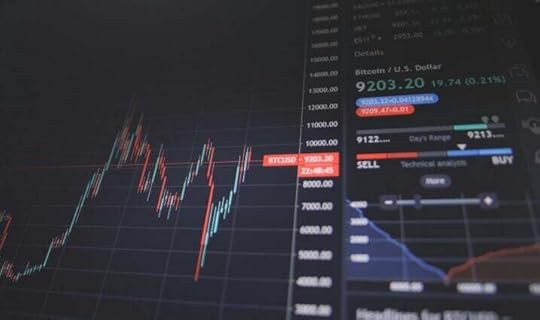
As markets wrap up the weekend on September 15, investors face a pivotal moment that blends traditional equity strength with cryptocurrency resilience. The S&P 500 sits near record highs around 6,584, a level that reflects robust corporate earnings and lingering optimism about economic policy shifts, yet technical indicators hint at an impending pullback. Bitcoin hovers steadily at about US$115,000, recovering from a brief dip after touching US$116,800 last Friday, and analysts such as Fundstrat’s Tom Lee fuel speculation of a surge to US$200,000 by year-end.
I see this convergence as a sign of maturing markets where risk assets increasingly move in tandem, driven by shared sensitivities to Federal Reserve actions. While the broader economy shows signs of cooling inflation and steady growth, the interplay between Wall Street giants and digital currencies underscores the need for thoughtful positioning. Households build cash reserves, bond markets price in rate relief, and global trends favor the United States, but short-term volatility looms large. In my view, this setup rewards patient diversification over concentrated bets on high-flyers, as corrections could test even the strongest performers.
The S&P 500 has delivered impressive gains through much of 2025, climbing over 14 per cent year-to-date and pushing past 6,500 in recent sessions. Companies in the index continue to surprise on the upside during earnings seasons, with the second quarter of 2025 marking the 15th out of the last 16 periods where results exceeded analyst forecasts.
Earnings growth hit around 7.6 per cent for the quarter, led by technology and financial sectors that capitalised on resilient consumer spending and easing macro pressures. Tech firms, in particular, drove much of this momentum, with cloud computing and artificial intelligence investments paying off in higher revenues. I find this pattern encouraging because it demonstrates corporate America’s adaptability in a high-interest-rate environment that persisted longer than many anticipated. However, the index’s concentration in a handful of names raises red flags for sustainability.
The so-called Magnificent Seven stocks, including Nvidia, Apple, Microsoft, Amazon, Alphabet, Meta, and Tesla, now account for over 30 per cent of the S&P 500’s total weight, up sharply from just 12 percent eight years ago. These leaders propelled nearly half of the index’s returns in 2024 and continue to dominate in 2025, with Nvidia alone serving as a cornerstone for many portfolios due to its explosive growth in AI chip demand.
Nvidia’s role stands out as both a boon and a cautionary tale. The company reported stellar quarterly results that reinforced its position in the AI boom, with revenues surging due to increased demand for data centers. Investors flock to it for its momentum, but I advocate spreading exposure because over-reliance on one stock amplifies risks from sector-specific headwinds like supply chain disruptions or regulatory scrutiny on tech monopolies. The Magnificent Seven’s profit growth, while strong, has not matched their market cap expansion, creating a valuation stretch that could unwind in a downturn.
Enter the “Next 20” stocks, the subsequent largest companies in the S&P 500 by market cap, which span more balanced sectors such as industrials, healthcare, and consumer goods. These names have lagged the top tier but offer compelling alternatives with steadier earnings profiles and lower volatility. For instance, firms in utilities and materials beat earnings expectations at rates above 70 per cent in the recent quarter, signaling broad-based health.
In my opinion, shifting some allocation here makes sense for long-term stability, especially as AI adoption remains nascent among S&P 500 companies. Surveys show only about 11 per cent of these firms plan to implement AI tools in the next six months, leaving room for gradual productivity gains but also highlighting that the hype has outpaced reality in many boardrooms.
Technically, the S&P 500 appears overstretched after its rally, with moving averages and momentum indicators flashing warning signs. The index trades in a rising channel on medium-term charts, but negative divergence in the MACD suggests weakening upside momentum relative to price action. Key support levels cluster around 6,144 and 6,000, near the 200-day moving average, where buyers could step in during a correction.
Recent sessions show a slight pullback of 0.05 per cent to 6,584, but broader patterns point to a five to 10 per cent dip as funds rebalance and profit-taking intensifies. Historically, September ranks as the weakest month for the index, averaging negative returns since 1950, often exacerbated by fiscal year-end adjustments and seasonal liquidity drains.
I expect this tradition to hold, particularly with the Federal Open Market Committee meeting just two days away on September 17. Traders price in a near-certain 25 basis point cut, lowering the federal funds rate to 4 to 4.25 percent, followed by two more reductions in October and December.
Such moves typically spark initial volatility, as markets digest the “sell the news” reaction before embracing looser policy. US households, flush with cash from prior savings, position well to weather any turbulence, and widening bond spreads indicate that much of the anticipated relief already factors into prices.
Defensive sectors face heavy short interest as capital chases growth and momentum plays, but I believe a rebound awaits if drawdowns materialise. Investors pile into technology and consumer discretionary, where AI and e-commerce thrive, yet utilities and staples trade at discounts that could attract value hunters.
Globally, the US asserts dominance in equities, bolstering the dollar’s strength against peers and drawing inflows from emerging markets grappling with slower recoveries. AI’s low penetration rate among S&P firms tempers the narrative of an immediate revolution, but projections from analysts such as those at Morgan Stanley suggest it could unlock nearly US$920 billion in annual value through efficiency gains and innovation. Tech giants plan to pour US$371 billion into data centers this year, a figure that underscores the sector’s forward momentum.
Still, broader adoption lags, with only 20 per cent of S&P 500 boards featuring AI expertise, per recent disclosures. In my assessment, this gradual rollout favours diversified portfolios that capture upside without betting the farm on unproven technologies. The US equity market’s primacy reinforces a pro-risk environment, but global themes, such as European energy transitions and Asian manufacturing shifts, offer complementary opportunities beyond the Magnificent Seven.
Turning to Bitcoin, the cryptocurrency maintains poise around US$115,000, a level that reflects institutional maturation amid traditional market parallels. After peaking at US$116,800 on Friday, it settled with minimal fluctuation over the weekend, underscoring stability in a high-volatility asset class. Technical charts reveal solid support at US$114,000, tested but held firm, while resistance looms at US$116,200 and US$116,500.
The relative strength index hovers overbought at 81.7, signaling potential consolidation as traders book profits from the seven-day rally. I view this as a healthy breather in an otherwise bullish setup, especially with the broader crypto market up 5.25 per cent weekly despite a 0.9 per cent daily dip. Institutional interest surges, evidenced by robust inflows into Bitcoin exchange-traded funds, which saw US$642 million net additions on Friday alone and over US$2.3 billion for the week.
This marks the largest weekly haul in two months, contrasting with earlier outflows and highlighting a rotation toward Bitcoin from other assets. Ethereum ETFs, meanwhile, pulled in US$624 million, but Bitcoin dominates the narrative as companies add it to balance sheets and forecast higher allocations for 2025.
Tom Lee’s bold call from Fundstrat captures the optimism swirling around Bitcoin. In a recent CNBC appearance, he linked the asset’s trajectory to monetary policy, noting its sensitivity to rate cuts and its historical strength in the fourth quarter.
Lee predicts Bitcoin could double to US$200,000 by December, a move he deems feasible given easing Fed actions and supply dynamics from the halving cycle. I appreciate his data-driven approach, drawing on past rallies where Bitcoin gained 20 to 35 per cent in Q4 bull years, but tempering enthusiasm with realism. Profit-taking pressures mount, as derivatives volume drops 27 per cent, and events like the YU stablecoin depeg to US$0.20 after a US$30 million hack inject caution across the sector. Macro jitters ahead of the Fed decision could trigger a “sell the news” event, even with 93 per cent odds of a cut.
Institutional rotations exhibit nuance, with US$3.8 billion in Bitcoin ETF outflows over 30 days offset by gains in Ethereum, suggesting diversified crypto interest. Yet, Bitcoin’s correlation to the S&P 500, around 0.3 to 0.6, implies shared downside risks in a correction. Social media buzz on platforms such as X echoes this sentiment, with traders eyeing a US$110,000 to US$130,000 range by month-end but warning of September’s historical weakness, during which Bitcoin has averaged five to seven per cent losses in seven of the last ten years.
Structured products linked to select Magnificent Seven names remain attractive for targeted exposure, offering leveraged upside with defined risks. Investors should diversify into the Next 20 and global equities to mitigate concentration dangers, as no major black swans lurk but sharp corrections persist.
Key events demand attention: the FOMC on September 17, where Chair Powell’s tone could sway sentiment, and the Bank of Japan meeting on September 19, potentially influencing yen flows and carry trades. From my perspective, the macro tailwinds favor risk assets, but overextension in equities and crypto calls for prudence. US dominance and AI’s promise sustain the bull case, yet low adoption rates and seasonal patterns urge balance.
Households’ cash hoards provide a buffer, and rate cuts, largely priced in, set the stage for volatility followed by relief. Bitcoin’s institutional embrace cements its role as a portfolio diversifier, potentially catching up to gold and stocks in a catch-up trade. Overall, I remain constructively optimistic, viewing dips as opportunities to build balanced positions that weather near-term storms and capture year-end rallies. Markets evolve, and those who adapt thrive.

The post S&P at record highs, Bitcoin at US$115K: Why this convergence signals a new market era appeared first on Anndy Lian by Anndy Lian.
September 14, 2025
回顾 Bitcoin Asia 2025|Chainmedia在香港见证Web3生态的多元交汇
Anndy Lian
回顾 Bitcoin Asia 2025|Chainmedia在香港见证Web3生态的多元交汇

在夏末的香港,全球比特币与区块链行业的目光再度聚焦于此。为期两天的 Bitcoin Asia 2025 于香港会议展览中心隆重举行,吸引了超过万名参会者和数百家机构代表,共同探讨比特币在制度、市场、文化之间的全新可能性。作为媒体,Chainmedia也在现场见证了这场全球级盛会,走访了多个展区,与来自不同领域的项目团队进行了面对面的交流。
大会的整体氛围既热烈又务实。穿梭在展览大厅的人群中,不难感受到行业已经从早期的“投机叙事”,逐步转向对“建设能力”的重视。主舞台区轮番登场的演讲者、展区内的技术演示与艺术展览,以及专为高层设立的企业交流空间,共同构成了一幅多维的行业缩影。
重磅嘉宾发言,勾勒行业宏观脉络
Eric TrumpCZ 赵长鹏本届大会的一大亮点,是多位全球知名行业人物带来的高分贝声音。美国总统特朗普的儿子 Eric Trump 登上主舞台时,现场座无虚席。他直言特朗普家族“热爱并相信比特币社区”,甚至大胆预测比特币未来有望突破百万美元大关。这番言论迅速登上财经媒体头条,也引发了与会投资者关于宏观资产配置的激烈讨论。
币安创始人赵长鹏(CZ) 同样吸引了大量关注。他在论坛上强调,合规化与用户教育是推动加密行业长期健康发展的关键环节。他指出,亚洲市场已经在用户普及与制度探索方面展现出巨大的潜力,未来将有望成为全球加密经济的中心节点。
与此同时,Animoca Brands 联合创始人 Yat Siu 也从数字产权和文化的角度提出了自己的观察。他认为,比特币的意义不仅是作为金融资产存在,更在于它可以成为未来虚拟世界中“数字所有权”的基础设施。来自 BitGo、Hex Trust、DMND Pool 等机构的代表也相继上台,分享了他们在托管、安全、合规与矿业基础设施方面的最新实践。这些发言共同勾勒出一个信号:比特币行业正逐步完成从“叙事驱动”到“制度驱动”的转变。
政策、机构与文化并进的会场生态
走进会场,不仅能看到技术和资本的较量,也能感受到文化与艺术的存在。今年大会继续保留了颇受欢迎的 Ordinal 艺术画廊,来自多个国家的数字艺术家将链上艺术作品带到现场,展现比特币在收藏与审美领域的潜力。展区另一侧,机构展台上展示的是冷钱包、多重签名托管、审计系统等合规方案,成为金融机构和企业用户驻足最多的区域。
在多个论坛上,嘉宾们一致指出,随着机构资金的加速涌入,合规、安全和透明度已成为项目能否获得信任的关键门槛。BitGo 亚太区负责人 Abel Seow 提到,机构在选择合作方时,最先关注的已经不再是增长曲线,而是托管安全与风控机制的完整性。Hex Trust 联合创始人 Alessio Quaglini 也表示,亚洲市场正逐渐形成一套与传统金融体系相接轨的合规标准,为加密资产的主流化铺平道路。
媒体现场采访:从政策到文化的多元视角
The Chinsanity ShowChainmedia记者也在大会现场采访了多家展区项目与行业人士。在接受 The Chinsanity Show 采访时,长期活跃于政策与投资圈的 Anndy Lian 表示,亚洲各地正在从过去的观望态度,转向更积极的政策支持,香港尤其在监管体系上展现了灵活与前瞻。他指出,政策明确性与企业会计、风控、税务等制度建设,将决定比特币能否真正被主流金融体系接纳。
我们也走访了多个初创团队展台,感受到今年大会对“实用性”的强调明显增强。一位来自新加坡的区块链公司代表告诉我们,投资人与合作伙伴如今更关心的是“你是否合规、是否安全”,而不再只是“你是否热门”。另一位 Ordinal 艺术创作者则分享,他们选择比特币网络作为创作媒介,是因为“这不仅是金融技术,也是文化表达的新土壤”。
CBB CrybabyXONE / Xone Labs在展览区的走访中,我们也采访到了来自 CBB Crybaby 的团队。他们介绍,团队正在尝试把潮流玩具文化与 Web3 结合,希望通过视觉设计与社区互动,吸引更多年轻用户接触区块链。团队坦言,目前仍处于开放和前期发展阶段。他们强调,这次来到大会,更多是希望从行业前辈和潜在合作方处汲取经验,理解如何在合规框架内逐步搭建属于自己的生态。
同样在展览区,记者也采访到了 XONE / Xone Labs 团队。作为今年展区中极受开发者关注的项目之一,他们正在现场向访客演示跨链互操作(Cross-chain Interoperability)与行为价值挖矿(Behavior Value Mining,BVI)模块的运作逻辑,并介绍他们规划中的生态网络蓝图。
XONE 团队成员表示,XONE 是一条结合 EVM 与 Cosmos 架构的 Layer-1 公链,目标是降低开发者与用户接入 Web3 的门槛,同时通过 BVI 模型与真实资产(RWA)结合,鼓励生态参与者将行为价值转化为网络贡献。他们也提到,目前正与 TokenUp、SwapX、DexOne 等伙伴展开渠道合作与城市大使计划,希望在亚洲多个主要城市建立本地开发者与节点社群。
结语:从叙事走向建设的节点
Bitcoin Asia 2025 的落幕,为比特币生态注入了一股务实的新风向。无论是 Eric Trump 与 CZ 带来的宏观讨论,还是 BitGo、Hex Trust 等机构的技术分享,都显示行业正快速走向制度化与成熟化。而展区中的 Crybaby 与其他小型艺术文化项目,则让我们看见生态仍然保有探索与创意的空间。
作为媒体,我们不仅记录台上的声音,也记录台下的脚步。我们看到,这个生态已不再只靠价格故事维系,而是正在搭建真正能够支撑未来的制度与文化根基。这或许正是 Bitcoin Asia 2025 最值得被铭记的意义。
Source: https://www.jinse.cn/news/blockchain/3721045.html

The post 回顾 Bitcoin Asia 2025|Chainmedia在香港见证Web3生态的多元交汇 appeared first on Anndy Lian by Anndy Lian.
回顧 Bitcoin Asia 2025|Chainmedia在香港見證Web3生態的多元交匯
Anndy Lian
回顧 Bitcoin Asia 2025|Chainmedia在香港見證Web3生態的多元交匯
 在夏末的香港,全球比特幣與區塊鏈行業的目光再度聚焦於此。為期兩天的 Bitcoin Asia 2025 於香港會議展覽中心隆重舉行,吸引了超過萬名參會者和數百家機構代表,共同探討比特幣在制度、市場、文化之間的全新可能性。作為媒體,Chainmedia也在現場見證了這場全球級盛會,走訪了多個展區,與來自不同領域的項目團隊進行了面對面的交流。大會的整體氛圍既熱烈又務實。穿梭在展覽大廳的人群中,不難感受到行業已經從早期的「投機敘事」,逐步轉向對「建設能力」的重視。主舞台區輪番登場的演講者、展區內的技術演示與藝術展覽,以及專為高層設立的企業交流空間,共同構成了一幅多維的行業縮影。重磅嘉賓發言,勾勒行業宏觀脈絡Eric Trump本屆大會的一大亮點,是多位全球知名行業人物帶來的高分貝聲音。美國總統川普的兒子 Eric Trump 登上主舞台時,現場座無虛席。他直言川普家族「熱愛並相信比特幣社區」,甚至大膽預測比特幣未來有望突破百萬美元大關。這番言論迅速登上財經媒體頭條,也引發了與會投資者關於宏觀資產配置的激烈討論。CZ 趙長鵬幣安創始人趙長鵬(CZ) 同樣吸引了大量關注。他在論壇上強調,合規化與用戶教育是推動加密行業長期健康發展的關鍵環節。他指出,亞洲市場已經在用戶普及與制度探索方面展現出巨大的潛力,未來將有望成為全球加密經濟的中心節點。與此同時,Animoca Brands 聯合創始人 Yat Siu 也從數字產權和文化的角度提出了自己的觀察。他認為,比特幣的意義不僅是作為金融資產存在,更在於它可以成為未來虛擬世界中「數字所有權」的基礎設施。來自 BitGo、Hex Trust、DMND Pool 等機構的代表也相繼上台,分享了他們在託管、安全、合規與礦業基礎設施方面的最新實踐。這些發言共同勾勒出一個信號:比特幣行業正逐步完成從「敘事驅動」到「制度驅動」的轉變。政策、機構與文化並進的會場生態走進會場,不僅能看到技術和資本的較量,也能感受到文化與藝術的存在。今年大會繼續保留了頗受歡迎的 Ordinal 藝術畫廊,來自多個國家的數字藝術家將鏈上藝術作品帶到現場,展現比特幣在收藏與審美領域的潛力。展區另一側,機構展台上展示的是冷錢包、多重簽名託管、審計系統等合規方案,成為金融機構和企業用戶駐足最多的區域。在多個論壇上,嘉賓們一致指出,隨著機構資金的加速湧入,合規、安全和透明度已成為項目能否獲得信任的關鍵門檻。BitGo 亞太區負責人 Abel Seow 提到,機構在選擇合作方時,最先關注的已經不再是增長曲線,而是託管安全與風控機制的完整性。Hex Trust 聯合創始人 Alessio Quaglini 也表示,亞洲市場正逐漸形成一套與傳統金融體系相接軌的合規標準,為加密資產的主流化鋪平道路。媒體現場採訪:從政策到文化的多元視角The Chinsanity ShowChainmedia記者也在大會現場採訪了多家展區項目與行業人士。在接受 The Chinsanity Show 採訪時,長期活躍於政策與投資圈的 Anndy Lian 表示,亞洲各地正在從過去的觀望態度,轉向更積極的政策支持,香港尤其在監管體系上展現了靈活與前瞻。他指出,政策明確性與企業會計、風控、稅務等制度建設,將決定比特幣能否真正被主流金融體系接納。我們也走訪了多個初創團隊展台,感受到今年大會對「實用性」的強調明顯增強。一位來自新加坡的區塊鏈公司代表告訴我們,投資人與合作夥伴如今更關心的是「你是否合規、是否安全」,而不再只是「你是否熱門」。另一位 Ordinal 藝術創作者則分享,他們選擇比特幣網路作為創作媒介,是因為「這不僅是金融技術,也是文化表達的新土壤」。 CBB Crybaby在展覽區的走訪中,我們也採訪到了來自 CBB Crybaby 的團隊。他們介紹,團隊正在嘗試把潮流玩具文化與 Web3 結合,希望通過視覺設計與社區互動,吸引更多年輕用戶接觸區塊鏈。團隊坦言,目前仍處於開放和前期發展階段。他們強調,這次來到大會,更多是希望從行業前輩和潛在合作方處汲取經驗,理解如何在合規框架內逐步搭建屬於自己的生態。XONE / Xone Labs同樣在展覽區,記者也採訪到了 XONE / Xone Labs 團隊。作為今年展區中極受開發者關注的項目之一,他們正在現場向訪客演示跨鏈互操作(Cross-chain Interoperability)與行為價值挖礦(Behavior Value Mining,BVI)模塊的運作邏輯,並介紹他們規劃中的生態網路藍圖。XONE 團隊成員表示,XONE 是一條結合 EVM 與 Cosmos 架構的 Layer-1 公鏈,目標是降低開發者與用戶接入 Web3 的門檻,同時通過 BVI 模型與真實資產(RWA)結合,鼓勵生態參與者將行為價值轉化為網路貢獻。他們也提到,目前正與 TokenUp、SwapX、DexOne 等夥伴展開渠道合作與城市大使計劃,希望在亞洲多個主要城市建立本地開發者與節點社群。 結語:從敘事走向建設的節點Bitcoin Asia 2025 的落幕,為比特幣生態注入了一股務實的新風向。無論是 Eric Trump 與 CZ 帶來的宏觀討論,還是 BitGo、Hex Trust 等機構的技術分享,都顯示行業正快速走向制度化與成熟化。而展區中的 Crybaby 與其他小型藝術文化項目,則讓我們看見生態仍然保有探索與創意的空間。作為媒體,我們不僅記錄台上的聲音,也記錄台下的腳步。我們看到,這個生態已不再只靠價格故事維繫,而是正在搭建真正能夠支撐未來的制度與文化根基。這或許正是 Bitcoin Asia 2025 最值得被銘記的意義。
Source: https://news.cnyes.com/news/id/6153553

The post 回顧 Bitcoin Asia 2025|Chainmedia在香港見證Web3生態的多元交匯 appeared first on Anndy Lian by Anndy Lian.
September 12, 2025
The great divergence: How US inflation, jobless claims, and crypto charts are clashing ahead of the Fed’s big decision
Anndy Lian
The great divergence: How US inflation, jobless claims, and crypto charts are clashing ahead of the Fed’s big decision

As the calendar flips to September 12, 2025, financial markets around the world hum with a mix of optimism and caution, driven by recent economic data that has solidified expectations for the Federal Reserve’s upcoming policy moves.
Global risk sentiment remains broadly positive, with Asian equities edging close to all-time highs in early trading sessions, buoyed by encouraging signals from US inflation figures and labour market indicators. Hong Kong and mainland Chinese markets have taken the lead in this upward push, reflecting renewed investor confidence amid hopes for monetary easing.
Meanwhile, US stock futures point to a flat opening, suggesting a pause after the previous day’s gains, where the S&P 500 climbed 0.9 per cent, the Nasdaq advanced 0.7 per cent, and the Dow Jones surged 1.4 per cent. This rally in US equities stems largely from growing anticipation that the Fed will deliver an interest rate cut at its September 17 meeting. This move could inject fresh liquidity into risk assets and extend the current uptrend.
Looking into the latest US economic releases, the August consumer price index revealed a nuanced picture of inflation dynamics. Core prices, which strip out volatile food and energy components, increased by 0.3 per cent monthly and 3.1 per cent year-over-year, aligning closely with economist projections and signalling that underlying inflationary pressures remain contained but persistent.
Headline CPI ticked up by 0.4 per cent in August, marking an acceleration from prior months and pushing the annual rate to 2.9 per cent, the highest since early 2025. This uptick can be attributed in part to businesses preemptively passing on costs related to anticipated tariffs under the Trump administration’s trade policies, which have begun to ripple through supply chains and consumer goods pricing.
Concurrently, weekly jobless claims surged to 263,000, the highest level in nearly four years and exceeding market forecasts, highlighting emerging softness in the labor market. This jump in unemployment filings, combined with a slight rise in the jobless rate to 4.2 per cent in August, underscores a weakening employment landscape that has pulled the Fed in conflicting directions: persistent inflation argues for caution, while labor market fragility demands stimulus.
Despite these tensions, the data has cemented bets on a rate reduction, with markets pricing in a 100 per cent chance of at least a 25 basis point cut next week, and roughly 50 per cent odds of a more aggressive 50 basis point move.
Bond markets have reacted accordingly, with US Treasuries posting gains overnight. The 10-year yield dipped 2.5 basis points to 4.02 per cent, while the 2-year yield edged down 0.2 basis points to 3.54 per cent, reflecting investor flight to safety amid the mixed economic signals. The US Dollar Index consolidated with a modest 0.3 per cent decline, as traders weighed the implications of looser policy on currency strength.
Commodities presented a more varied picture: gold slipped 0.2 per cent, maintaining its role as a hedge against uncertainty, but Brent crude tumbled 1.7 per cent below US$67 per barrel, pressured by ongoing oversupply fears from OPEC+ production and sluggish global demand. These movements illustrate a market in transition, where the promise of Fed easing supports equities and bonds, yet commodity weakness hints at underlying economic headwinds that could temper the enthusiasm.
Turning to the cryptocurrency space, Bitcoin has captured particular attention with its 1.55 per cent rise over the past 24 hours, outpacing the broader crypto market’s 1.83 per cent gain. This daily uptick aligns with a weekly advance of 3.82 per cent, though it trails behind monthly and quarterly averages, down 3.1 per cent and 3.6 per cent, respectively.
As of September 12, 2025, Bitcoin hovers around US$114,290, having rebounded from recent lows near US$111,500 but still testing resistance at US$115,000. This price action occurs against a backdrop of several bullish catalysts. Foremost among them is the heightened probability of Fed rate cuts, which historically boost risk-on assets like cryptocurrencies by lowering borrowing costs and encouraging investment in high-growth sectors. Markets now assign 50 per cent odds to a 50 basis point cut on September 17, a scenario that could flood the system with liquidity and propel Bitcoin higher.
Additionally, regulatory tailwinds from the SEC’s proposed generic listing standards for crypto ETFs promise to streamline approvals for altcoin products, potentially accelerating inflows and broadening market participation. The agency has already greenlit in-kind creations and redemptions for crypto exchange-traded products in August 2025, aligning them with traditional commodity funds and reducing operational frictions. Complementing this, stablecoin reserves on exchanges have swelled to a record US$70 billion, indicating ample dry powder for buying but also raising concerns about potential selling pressure if sentiment sours.
However, beneath this surface buoyancy lurk technical signals that suggest Bitcoin’s uptrend may be faltering. The cryptocurrency has formed a rising wedge pattern on its charts, characterised by two ascending and converging trendlines that often precede bearish reversals. As these lines approach their apex, the risk of a breakdown intensifies, with analysts warning of a potential drop below US$100,000 if support levels give way. The Average Directional Index, a key trend strength indicator, has retreated from a year-to-date peak of 60 to around 24, pointing to diminishing momentum in the current rally.
Compounding this, the Relative Strength Index exhibits a bearish divergence, where the oscillator forms a descending channel even as prices climb, a setup that frequently heralds strong downward breakouts. Recent analyses highlight this divergence on weekly timeframes, with RSI flashing triple bearish signals that echo historical fragility points in equities, such as the 1998 LTCM crisis or the 2008 financial meltdown.
Moreover, Bitcoin’s price action mirrors patterns from past cycles, including a potential double top reminiscent of 2021, which preceded a 77 per cent correction. September’s historical underperformance, averaging negative returns since 2013, adds another layer of caution, with some projections eyeing a dip to US$108,802 or even US$88,000 in a deeper pullback.
Sentiment on social platforms like X reflects this dichotomy, with users debating the Fed cut’s implications. Some warn of a “sell the news” event, where Bitcoin rallies in the lead-up to the announcement only to crash afterward, as the cut, whether 25 or 50 basis points, may already be fully priced in by participants.
Posts highlight JPMorgan’s caution that easing might not trigger a uniform risk-on surge, potentially sparking a broader market dump. Others point to whale selling pressure, with over 100,000 BTC offloaded recently amid frozen corporate buys, and miner outflows turning bearish post-halving.
Bullish voices counter with observations of institutional accumulation, including 1,417 entities holding over 1,000 BTC each, and daily corporate purchases averaging 1,400 BTC, signaling long-term confidence. Threads discuss Bitcoin’s resilience, noting hidden bullish divergences in RSI near oversold levels and a flattening MACD, which could catalyse a rebound if liquidity flows resume. One prominent analyst frames the setup as a consolidation phase, with the Network Value to Transactions ratio at 1.51, well below overvaluation thresholds, suggesting sustainable growth driven by utility rather than speculation.
In my view, while the bearish technical indicators and historical September weakness pose genuine short-term risks, Bitcoin’s trajectory remains fundamentally upward over the longer horizon. The Fed’s impending cut, even if it triggers a knee-jerk selloff, will ultimately enhance liquidity in a way that benefits high-beta assets, such as cryptocurrencies, especially as dollar weakness from policy easing drives capital into alternatives like Bitcoin, often referred to as “digital gold.”
Regulatory progress on ETFs, coupled with surging stablecoin reserves, underscores growing institutional adoption that could absorb any temporary dips. Historical parallels, such as post-halving Septembers leading to Q4 surges, suggest this correction might be a buying opportunity rather than a prelude to collapse.
That said, a failure to hold US$113,500 support could accelerate downside toward US$100,000, validating the wedge breakdown. Investors should monitor the Fed’s decision closely: a 50 basis point surprise might ignite a rally to US$120,000, as some inverse head-and-shoulders patterns imply, while a cautious 25 basis point trim could extend the choppiness.
Overall, the interplay of macro easing and crypto-specific tailwinds tilts the scales toward optimism, provided global growth holds steady amid tariff uncertainties. This moment feels like a pivotal inflection point, where patience and data-driven positioning will separate winners from those caught in volatility’s grip.

The post The great divergence: How US inflation, jobless claims, and crypto charts are clashing ahead of the Fed’s big decision appeared first on Anndy Lian by Anndy Lian.
September 11, 2025
Anndy Lian urges innovation in crypto exchange listings over money grabs
Anndy Lian
Anndy Lian urges innovation in crypto exchange listings over money grabs

Anndy Lian, a prominent figure in the cryptocurrency space, raises concerns over the recent trend of exchanges listing more projects. Lian argues that even highly regulated exchanges are joining this list frenzy, primarily driven by financial motives.
Lian hopes to see regulations as a catalyst for innovation rather than merely a means for monetary gain. His comment reflects a sentiment shared by many in the crypto community who seek a balance between regulatory oversight and innovation.
Lian’s perspective on balancing regulation with progress resonates with his earlier analysis of the growing threat stablecoins pose to the dollar’s dominance in global finance. His influence on the sector has also been recognized through his top rank on Binance Square, further underscoring the significance of his commentary amid the current listing surge.
Source: https://tradersunion.com/news/market-voices/show/508299-crypto-listing-innovation/

The post Anndy Lian urges innovation in crypto exchange listings over money grabs appeared first on Anndy Lian by Anndy Lian.