Ruth Holroyd's Blog, page 25
January 14, 2021
Nitrile gloves for contact allergies
Today I’ve got a guest blog post for you and as someone with a latex allergy this one really appealed to me.
I always have latex free gloves in the house for a variety of uses; peeling potatoes particularly and other vegetables when my hand eczema is bad, doing the cleaning and dusting, refilling the bird feeders, gardening and other household chores.
They are also vitally important also to help avoid the spread of the covid-19 virus if you are working or shopping in any environment where you might be at risk of contact with the virus.

So here you go, Nitrile gloves for contact allergies:
Whether you have an existing skin condition, such as eczema or psoriasis, or have experienced irritation from using disposable gloves in the past, it can be tough knowing which products you can turn to when you need or want to protect your hands. Especially if you work in an environment that requires you to handle corrosive materials, or in a sterile environment such as a hospital.
This is where nitrile gloves come in!
Where can nitrile gloves be used?Nitrile gloves are a popular choice in an incredibly wide range of industries, and for various uses. Some of their most popular uses include for cleaning and janitorial work, in hospital and clinical settings including dentists, in the hair and beauty industries, and for the handling and manufacturing of chemicals.
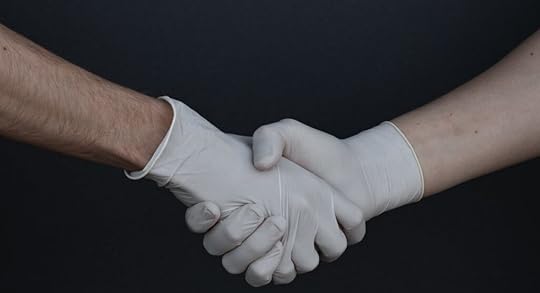
 Most doctors, nurses and dentists now use nitrile gloves instead of latexWhy are they particularly beneficial if you have allergies?
While all disposable gloves can be beneficial for people with a contact allergy or sensitive skin, whether you wear them due to food or specific material allergies, nitrile gloves are the best choice. This is because nitrile is a hypoallergenic material, and therefore the least likely material to cause any kind of reaction.
As well as any existing allergies that people may be aware of, such as latex, wearing disposable gloves also carries the risk of causing contact dermatitis. If you’ve ever experienced this when wearing gloves previously, then nitrile gloves could be the solution for you.
Can you develop an allergy to nitrile gloves?It is incredibly rare to develop an allergy to nitrile gloves. However, if you do think you may be allergic it’s a good idea to get a test – as you could be allergic to something else, such as your own sweat or another allergen in your environment.
 What do nitrile gloves protect against?
We’ve already established that nitrile gloves are ideal for protecting your hands against irritation, but what else will they protect you from?
Nitrile gloves can protect you against bacteria, fungus and viruses, and are also resistant to a wide variety of chemicals and acids. If you do wish to wear them to protect against chemicals, it’s best to check with the manufacturer first, to ensure they’re resistant to whichever chemicals you’ll be handling. The gloves are also puncture resistant, meaning they can protect you from scratches and small cuts when handling sharps.
As well as protecting your hands, nitrile gloves can also protect the surface or material you’re working with – including glass, metal or delicate electronics.
How often can they be worn?Knowing how often you’ll need to change gloves really depends on many factors. If you’re wearing them in a sterile or highly hygienic workplace, then you’ll probably want to dispose of a pair after each ‘use’. As soon as you’re finished with them, you’ll want to pop them in the bin and reach for a fresh new pair when you begin your next task.
If you’re wearing them to protect your skin from irritants, bacteria or viruses, then you might be tempted to wear them more than once. This is a possibility, however, you’d have to be incredibly diligent about how you safely remove the gloves and store them before their next use. To achieve minimum transferral of bacteria and viruses, we recommend disposing of gloves after use. When it comes to allergies it’s just not worth taking the risk!
If you’d like to try nitrile gloves for yourself, Pronto Direct offer a wide range of affordable disposable nitrile gloves. Click here to discover their range.
This is a Sponsored Post.
Do you have a latex allergy? Or sensitive skin that is irritated by a lot of chores? Do you wear nitrile gloves or non-latex, latex free gloves?
The post Nitrile gloves for contact allergies first appeared on What Allergy Blog.

January 13, 2021
CBD for allergies and eczema
I’ve thought about this a lot and I have tried a bit of CBD oil last year but I don’t think I got the right stuff or the correct dose. But I’ve read a lot about it and I do think CBD could have a very real place in helping those with allergies and eczema.
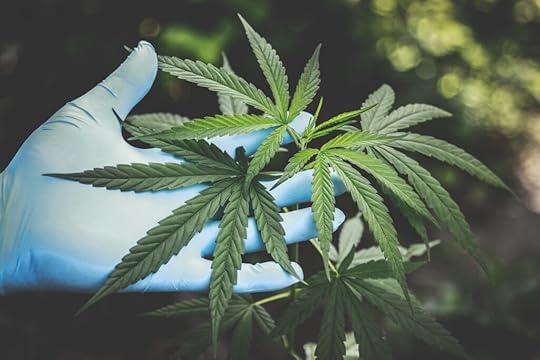 The Cannabis plantHow could CBD oil help eczema
I’ve read so many good things about it, including the following:
It can help to reduce inflammationMicrobial qualities to help fight infectionReduce rednessHelp alleviate itchingReduce flakiness of skinReduce painReduce anxietyHelp promote better sleepI did find a few studies about CBD for eczema and there do seem to be early indications that it’s worth a try. See below for further reading and some studies you might like to read.
How does it work on skin?I’m not a scientist of a skin expert but our skin produces its own cannabinoids so using natural CBD could help by reducing inflammation and relieving dry skin. Because cannabinoid receptors are also present in the nervous system, CBD can also help to soothe eczema symptoms such as itching and pain. Check out the WayofLeaf website for more information.
How could CBD oil help allergies?Allergies are more complex but there do seem to be many ways that CBD could help those with allergies too, including:
Relieve pressure in the nose and the sinuses, making it easier to breathe and easier to expel any mucus that’s stored in these areas. Helping to manage pain, which can be a problem with people suffering from allergies.Studies on mice have shown that animals lacking these cannabinoid receptors have a greater allergic response compared to controls. This finding is supported by a further study which found that dogs with atopic dermatitis had greater immune reactivity at cannabinoid receptors compared to their healthy counterparts. Source: WayofLeaf
How is it taken?You can take it sublingually, with a few drops under your tongue, which you hold there for 30 seconds to allow it to absorb.
It can also be applied directly to the skin to help alleviate itching.
You can buy CBD gummies or sweets but I’m not sure how beneficial these are.
Are there side effects of CBD oil?As far as I can tell there aren’t any side effects, although it can cause drowsiness – something I’m hoping is the case as I’d like to see if it helps me sleep.
It should also NOT be given to growing children.
 Further reading
If you’re interested in this subject, I found the following resources useful:
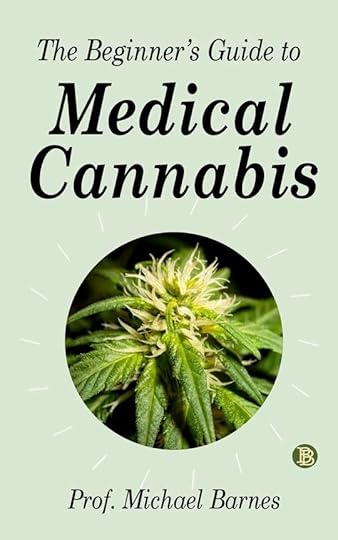
This book is a great starting point. Check out ‘ The Beginner’s Guide to Medical Cannabis’ by Prof Michael Barnes. CBD Oil for eczema – how it worksThe Endocannabinoid System and Its Role in Eczematous DermatosesTherapeutic Potential of Cannabidiol (CBD) for Skin Health and Disorders.An Observational Study of the Application of a Topical Cannabinoid Gel on Sensitive Dry SkinSo what’s next?I’ve been looking for a good product to try and hope to start very soon, when my samples arrive. I’ll keep you all posted but am working how I track my progress to see if it is indeed helping. I will make a note of my sleep quality and keep a diary while using it to note down my mood, mental health, itch levels, where my eczema is and what my skin is like, how my TSW is going.
Have you used CBD for eczema, allergies, pain, anxiety or something else? I’d love to hear from you.
Image source: Photo by Aphiwat chuangchoem from Pexels
The post CBD for allergies and eczema first appeared on What Allergy Blog.January 12, 2021
You are not anaphylactic!
You might be reading this thinking, yes I am! What does she mean?

Well you’re not. At least not most of the time anyway.
It’s a lesson I learnt from Frans Timmermans, President and CEO of the European Anaphylaxis Task Force, who I met many years ago in Copenhagen at the The European Academy of Allergy and Clinical Immunology (EAACI ) annual conference.
 Interviewing Frans Timmermans of The Anaphylaxis Strategy Task Force
He told me that I needed to reframe how I viewed myself. To completely rethink how I perceived this condition that I had.
This Anaphylaxis!
He said, “You’re not anaphylactic, you’re just at risk of anaphylaxis if you eat certain foods, the two statements are very different.”
And he’s right!
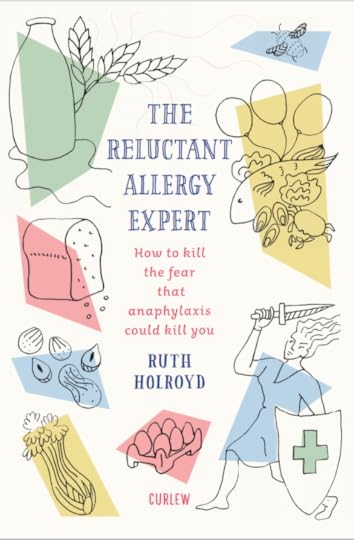
It’s something I discuss in my book, The Reluctant Allergy Expert – How to kill the fear that anaphylaxis could kill you.
99.9999% of the time I’m successful at avoiding my trigger allergens. My last serious reaction was in November 2018 and I hope I can avoid having another ever again.
100% of the time I’ve been successful at surviving the reactions I’ve had and only a fraction of my life has been spent having these reactions.
Yet I’ve spent far too many hours, months and even years feeling fearful, angry and confused about how to live with what often felt like a life sentence and a terrifying prospect.
It’s all about reframing things. About seeing them differently.
It really does help to put them into perspective, for me anyway.
He went on to say. “You do live with restrictions, but your life is not restricted!”
By taking control back and reframing life, it becomes easier to deal with.
I could be feeling down that I can’t just eat out anywhere without planning… Instead I choose to believe that I can afford to buy fresh, exciting ingredients locally and cook myself safe, healthy meals. It’s taught me to explore in the kitchen, to be adventurous, try new things and get creative. It’s also given me a much greater understanding of nutrition and what my body needs to be healthy.
I could be cross and depressed that I can’t eat certain foods… instead I am excited to try all the thousands of different fruit, vegetables, grains and pulses out there. There is a whole rainbow of foods just waiting to be discovered.
I could bemoan that there is never a holiday from allergies and that’s a big one for me. Even holidays can mean extra stress. But for now, for me, I choose to believe that there are many, many places that I can visit, with careful planning, and taking as much safe food to fall back on if needs be. I choose self catering because that gives me back the control.
And right now no one can go on holiday anyway! So let’s embrace the staycation and self care at home, which can feel like you’ve had a mini holiday if you do it right!
I love this life. It’s challenging at times and especially at the moment, but it’s amazing. It’s incredible. There is so much to learn, see and explore.
I am not going to let me allergies hold me back. I can do anything… just not eat a snickers bar!
The post You are not anaphylactic! first appeared on What Allergy Blog.
January 8, 2021
Vegan-ish for Veganuary
So many people think I’m vegan and some days I am, but I’m torn with this.
Because I really want to be vegan for so many reasons, I’ll share those below shortly. I’ve given a lot of thought though and basically, I can’t do it, it’s impossible – for another list of completely different reasons… see below. So this is my post for Veganuary – about why I’m only going Vegan-ish.
Reasons I’d like to go vegan
Animals – I love animals and would love to see a world where we don’t eat them, take their young and treat them like animals. You only have to listen to the cows in the fields behind where I live when their calves are taken away to know that they suffer. They bellowed appallingly for days, weeks even. You could hear the terrible anguish in their cries for their children.Save the planet – We know it would better for the planet, reduce greenhouse gases and be more sustainable if we all ate less meat. Farming livestock is an expensive and highly intensive industry.Better skin health – My skin is better when I eat less meat. Would it be even better if I ate no meat at all? I don’t know why this is for sure bit I think it’s due to the fact that meat is harder to digest and eating a fruit, vegetable and plant based diet causes less inflammation and is easier to digest.Cost – Meat is expensive! When I do buy meat I get organic, fair farmed and the best quality I can and it’s not cheap! A trip to my local greengrocers and I can come home with two bagfulls of fruit and veg for a tenner!Reducing waste – Waste from cooking meat is harder to manage. It smells awful and needs to go in the food bin, which is great in cold weather but in the summer can lead to a maggot situation! When I eat any meat or fish I try to leave as little waste as possible, so if I buy a chicken to roast I’ll also make stock from the bones and pick over the carcass for as much meat as I can. I have a compost heap at the end of my garden and all my plant based food wasted goes on there so I often have no food waste to put of for collection.
Reasons I can’t go vegan
Too many life threatening allergies – I am allergic to milk, soya, wheat and most nuts so am already cutting out a lot of food from my diet. Obviously I’m already avoiding milk which is half way to being vegan but the vegan options often contain wheat, soya and nuts so this can make finding safe food difficult. It’s probably a step too far for me to manage.Vegan label checking – Ditto checking labels it would be very difficult when shopping to make sure I was avoiding all meat and animal based ingredients.Eating out – This would be very difficult. I often end up with Steak and chips or Ham, egg and chips and the Sunday Roast is such an easy safe option or me, with the only questions being about butter on the joint and veggies and the gravy. If I lost these often safe go to items I’d really struggle to eat out.Protein in my diet – This could be a problem too. I would worry I was getting enough protein without being able to include nuts, tofu and other vegan safe protein options. Eggs, fish and meat are an easy protein solution for me, although I have greatly reduced my consumption and only buy eggs from a friend or free range.I love meat! There, I’ve said it. Roast dinners, bacon butties, poached eggs, meringues, honey, I wear leather shoes and love my leather satchel… I’m being honest here, I really love these foods and my leather belongings. However, where I can I’m experimenting. I have a recipe for meringues using Aquafaba (chick pea water) which I cannot wait to try.

So whilst a lot of people think I’m vegan already, I’m only a little bit vegan.
This January I will continue to experiment with my baking, making cakes and cookies without eggs, so that one day, when we can see friends again, I can make my vegan friends tasty treats. It’s easy to replace eggs in most cake recipes by using ground flax, mashed banana, puréed apple, chia seeds etc. There are so many egg free recipes out there.
Those meringues using Aquafaba! They look amazing and I’m going to try this in January. Follow my social media channels to follow!
Since the covid virus arrived I’ve not eaten out much at all for a year, like most others, and I realised that I have gone months without eating any meat. I need to do some research into protein rich foods that I CAN eat as there could be loads!
I love cooking curries, stir fries and roasted vegetable dishes and have been enjoying experimenting with flavours over lockdown.
So in the hopes that I do not offend all my vegan friends and vegans everywhere, I’ll be joining you this month of #Veganuary by going Vegan-ish! and doing my best to go a little bit more vegan whenever and wherever I can!
Are you vegan?
The post Vegan-ish for Veganuary first appeared on What Allergy Blog.
January 7, 2021
#20 in the Top 60 UK Health Blogs
I am so proud to discover that my humble little blog has been ranked 20th in the Top 60 UK Health Blogs!
Get in!
I feel that I maybe need to do a quick round up what my blog has achieved in 2020 so that will be coming soon.
For now let’s just give What Allergy a huge round of applause.
You can see all the other Health Blogs here in, Top 60 UK Health Blogs
Thank you all for supporting me through thick and thin, through the quiet times when I couldn’t blog to the better times when you can’t shut me up.
I have so many ideas for blogs that I’d like to share in 2021.
But I’d love to hear from you guys. What do you want to hear about?
What keeps you up at night worrying?
What can’t you find on the internet but wish you could?
What I can tell you is that there will be lots more posts to help those living with anaphylaxis, allergies and intolerances. There will also undoubtedly be lots on eczema and topical steroid withdrawal and also asthma which I really want write more about.
I also want to share more about how I’ve slowly been removing allergen risks from my home. There are so many things you can do that don’t cost much and also loads of things you might not have thought about.
So thank you. This just had to be shared.
Number 20 in the top 60! I’ll take that.
Next time, Number one?
The post #20 in the Top 60 UK Health Blogs first appeared on What Allergy Blog.
January 5, 2021
My Skincare Wishes for 2021
This is inspired by a blog from The British Skin Foundation, written by Consultant Dermatologist Dr Anjali Mahto. Anjali also wrote The Skincare Bible (I’ve just been inspired to buy a copy).
She gives her predictions on skincare trends for the coming year as follows:
Less is moreMultipurpose productsRepresentation of Skin of ColourImproving sunscreen technologiesThe ‘expert’ influencerGrowing market for injectablesBody careOnline retail for prescription strength anti-ageing skincare
You can read the full review here in Skincare Trends 2021
And for anyone who does read the above article and isn’t familiar with Tretinoin – also known as all-trans retinoic acid, is medication used for the treatment of acne and acute promyelocytic leukemia. For acne, it is applied to the skin as a cream, gel or ointment. For leukemia, it is taken by mouth for up to three months. OR it could be something for acne and sun damaged skin. A product like this worries me when acne and leukemia are in the same sentence!
I loved some of her suggestions, such as using less to save the environment, buying products that have more than one use and representation of skin of colour. We can all do so much better on all of these three I’m sure.
The skin care industry is currently built around making us feel we are not good enough without this, that, makeup, cleanser, toner, moisturisers, face masks etc. etc. You could spend hundreds in a week if you bought everything you were told you needed to be beautiful enough.
We all need to look at what we buy and assess whether there is waste and whether we really need to buy it all. Not only will we save money, we will reduce waste and I don’t think our skin will suffer for it.
Body Care is a great one too because there is so much you can do to improve your skin health from eating clean healthy fresh meals, reducing inflammatory foods consumed, cutting down on meat, self care, reducing stress, drinking less alcohol and being more active. Yes to all of that!
Some of the trends are spot on, but worrying, like the rise in expert influencers, and by this I mean the stream of dermatologists we see on Tik Tik and Instagram pushing different products and treatments, most worrying being cortisone creams as beauty products. It’s dangerous, irresponsible and very scary to think people might use steroids for pimples, shaving or very mild rashes. I really hope we don’t see this trend coming into the UK. US dermatologists seem to be able to promote drugs and even sell their own brands! We’re talking about you Dr Sandra Lee and your Super Cortisone+
Read this blog, Ban Super Cortisone + here to find out more.
Things like injectables really worry me, I don’t understand why we can’t just age gracefully and rarely think botox looks good, although perhaps the only images I’m seeing are those that have gone wrong or look very obvious. That’s just my opinion but it is definitely now seen as a much safer option as more and more women turn to it to reduce fine lines and wrinkles.
Being able to buy prescription strength skincare online is also a worrying trend if it’s true. You know what I’m going to say here; I really worry about the over prescription of topical steroids and trends like this are only going to make this worse.

My Skincare wishes for 2021
Thanks to Anjali for inspiring me to write my own take on what I’d like the trends to be this year. They’re very biased and focused but for the sake of this blog, we’re talking TSW because it really does really need reform and change.
Here are the Skincare Trends I’d love to see happening in 2021 although I’m not going to hold my breath. I think we all have a long fight before people hear, listen and take us seriously:
TSW being recognised by the medical profession as a real conditionTSW being recognised by the National Eczema Society and other skincare charities in all countriesMore awareness of the condition in mainstream mediaReview in the way Topical Steroids are prescribedWarnings on Corticosteroids made clearer to let people know they are addictive and can lead to a horrible withdrawalProper research into TSW to understand why it happens for some of usProper research into ways to alleviate suffering and length of time for those going through it.Support on the NHS and Privately to help people through TSWPsychological counselling for people with chromic skin conditions available on the NHS and privately. I’m talking here about therapy created for people with life limiting skin conditions like eczema, psoriasis, rosacea etc. We know these conditions cause huge anxiety, depression and reduction in quality of life and yet no help is available.More natural skincare, understanding the power of nature to heal us e.g. Epsom salts, honey, cider vinegar, oats, Vitamin D
If my journey with Topical Steroid Withdrawal has taught me anything it’s that you are not your skin and the way you look should not define you.
When the largest organ in your body is sick and struggling it does take over your life, but you CAN find a way to love yourself and find happiness in life without skin perfection.
We all want and crave good, clear skin and I’d be lying if I said I wasn’t still on a journey to find that, but right now, as my skin flares, crisps and flakes off in a continuous painful spiral, I can see worth in my life. I can still do good, help others and enjoy the little things in life.
I can still run, walk, read, write and enjoy audio books and podcasts. I can still enjoy nature and being outside and take comfort from my amazing family and friends who I will one day be able to hug again.
And one day, maybe not this year, maybe not next year, but one day, I will write the blog about finally being healed from topical steroid withdrawal.
Watch out for my own more personal goals for 2021 in a future blog. These are my goals for all of you, for the world, for the TSW and eczema community. What would you add to the above?
The post My Skincare Wishes for 2021 first appeared on What Allergy Blog.
December 22, 2020
TSW Update – 23 months steroid free!
I stopped using topical steroids on the 21st January 2019 and used Protopic for the last time on the 30th March 2019.
That’s 701 days or 23 months and 1 day Topical Steroid Free (at the time of writing)
And 633 days or 20 months and 22 days Protopic Free (at the time of writing)
These figures go up every day.
And every day I am so glad I took this decision.
I stood up. I said NO.
And I quit.
Quit the steroids and the immuno-suppressants and any other drugs offered me by my doctor and dermatologist to heal my skin. I’m doing this my way. It has been horrible, brutal and relentless and it’s still going on, but it’s my choice. It has also been an incredible journey, I have seen a lot of healing and learnt so much about myself, my resilience, my strength and my courage to keep going.
It would be easy to get some steroids. God knows my dermatologist would love it if I went back to using them, but I honestly don’t want to. I don’t crave them. I don’t for one second want to go back to that. Every instinct in my body makes me continue with withdrawal, hoping that I’m doing the right thing.
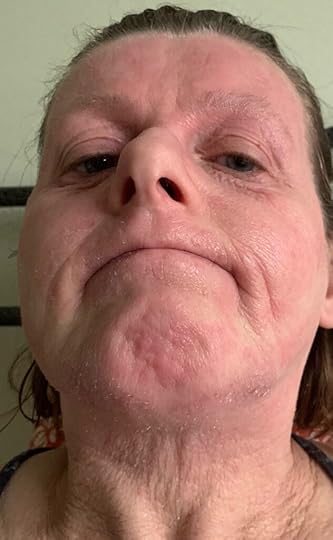 22nd December 2020 – healing crisis
I’m happy with the progress and can see that I am healing.
What’s healed? – symptoms that have gone
Back – 100% healedChest – 100% healedBackside – 100% healedCalves – 99% healedFeet – 100% healedAnkles – 100% healedKnees – 100% healedElbows – 100% healedUpper Arms – 100% healedLegs – Mostly healedConstant sweating and over heatingOozing and lymph drainage – this has practically stopped. I used to get large itchy lumps that oozed a kind of clear liquid. This hardly happens now.The most intense kind of itch, that I had to regularly resort to solid objects to scratch with, has stopped.
On the mend
Scalp – almost there! Recently some flaking in this recent flare but has been almost healedMy neck is pretty good. Slightly crepy and wrinkled but continuing to healLeft hand – almost healedZingers and nerve pain are intermittent now, only happening occasionally.Sleep is so much better. I regularly get over 4-5 hours sleep now which I can function on quite happily. I need more, and sometimes I get more, but for some reason a lot of healing goes on at night and this seems to leave me wide awake and restless. I tend to drop off at around 4-5am and so have a late start when I can and don’t set an alarm. If I do this I wake at 11ish and so get a good chunk of sleep as the sleep I do get is broken, waking often, hot and uncomfortable.
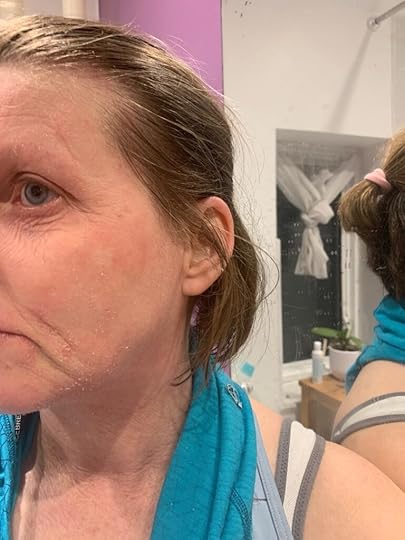 Inflammation, itching and flaking along jaw line
Still healing…
Face – Still going through TSW. Most issues on forehead, under chin, cheeks and crease from nose to cheeks, around mouth and chin. Heal and flare on a cycle. This feels like the places most affected are those where Protopic was rubbed in; the regular actions and places that I would have focused the cream on, are the places where withdrawal is worst.Right hand – for some reason slower to heal than the otherBacks of knees – hives, itchy but feels like eczema and is manageableLower arms – Flaring, hives and itchy. Heal and flare on a cycle. I regularly wear a tubular bandage or use bandages to dress and protect my arms so they can heal.
Where am I now?
I certainly feel better, but I have just gone into a new period of flare, inflammation, itchiness and then crusting and flaking. It’s nowhere near as bad as it was before but it’s still painful and it’s a bit relentless. There isn’t a period of feeling healed in between at the moment.
And it’s exhausting. I feel constantly tired when I’m flaring like this.
The cycles start with a feeling of heat, redness and inflammation and intense itching, like nothing you have ever experienced before. Sometimes it’s so itchy I can’t eat, make food, work, even read a book. All I can do is sit with an ice pack on my face. This can last hours.
Work is hard because my concentration is shot. but it isn’t as bad as it has been in the past. So I cling to the fact that I am healing. I am getting better. I am still itchy but it’s mostly just my face and it will heal. It will pass. When I think of the things I could achieve if I had all my energy for just daily life! The world better watch out!
Perhaps having a Covid Christmas in Tier 4 restrictions will give me extra time to heal again, take more time out, be more still, and concentrate on healing.
My mental health is good. I feel strong, I feel happy (most of the time). I’m a little lonely, not helped by the continuing spread of the virus and all the isolation that causes, but I enjoy my own company and have lots of daily practises that help to keep on an even keel.
Thank you to everyone who has supported me and continues to do so. It means so much. I will get through this and am hoping that 2021 will be a year of continued healing.
And to all those going through this, it is OK to feel lonely, lost and angry during this journey. It’s OK to not be OK. But promise me you will explore ways to let go of that rage. Be kind to yourself, practise self care and self love. Take time out to heal. Just be a human being… and one day we will all have one massive healed party!
When I publish my two years in withdrawal update I hope it will document more healing and progress made since this blog.
Are you using topical steroids or protopic? Are you cutting out steroids and going through withdrawal? How are you doing?
The post TSW Update - 23 months steroid free! first appeared on What Allergy Blog.
December 21, 2020
Absolutely Fabulous with allergies
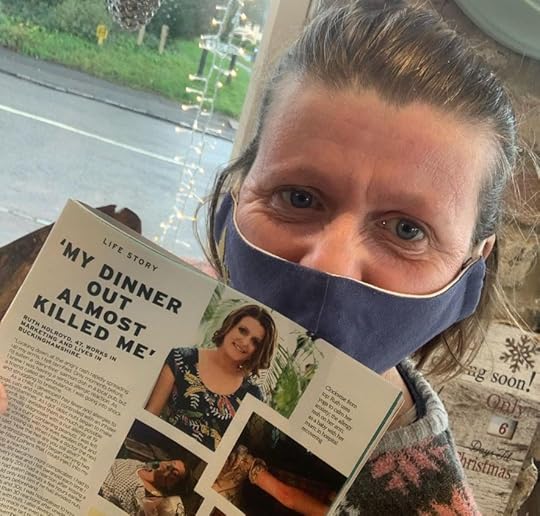
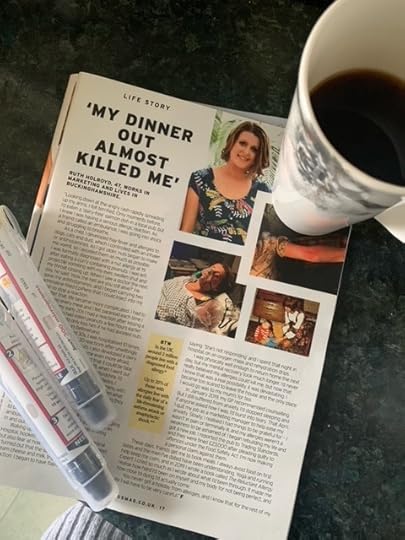
This weekend I was in The Sun on Sunday, Fabulous magazine with a full page spread and some fantastic coverage for allergies, anaphylaxis and eating out with allergies.
You can read the article here: ‘My Dinner out almost killed me and left me too scared to leave the house!’
It’s a very serious subject and easy to let the focus slip when we are living through a Pandemic with many food establishments closed and most with a reduced offering.
I certainly haven’t eaten out much over the whole period until the last few weeks and boy am I glad now that I feasted on a breakfast (at Rowans Garden Centre) and Christmas Turkey dinner (three courses at the Three Oaks GX) because now I have some memories to see me through until we can go out again!
Rowans Garden Centre free from breakfast
The breakfast was delicious and I hadn’t planned to eat out at this garden centre; I did have my adrenaline and my one safe snack in my bag but had thought we would be just grabbing a coffee. When my friends ordered snacks I thought I’d just ask what they had to offer. The breakfast I had was really good! Bacon, eggs, gluten free sausages, gluten free buns and poached eggs. It was so tasty, and felt so good to be eating out with friends.
 Breakfast in a Box at Rowans
Three Oaks for Christmas lunch
This is one of my favourite restaurants and is just up the road from my house. I had to search for hours for my Medicalert bracelet because I’ve not had to wear it for so long.
It was also a bit different because I let my Mum book this. She told them about my allergies and I let her take control. I didn’t speak to them until I arrived. This is not the normal way of things for me, but it felt really good to have someone else take control, to trust them and to let them look after me.
I have eaten out at The Three Oaks many times before and trust them. They have quite a few options that are available. The chef always goes through the menu, marks up what I can have and then the waitress discussed what was safe. The roast dinner was my choice and it was so tasty.
 Turkey Rooast with all the trimmings
So, to end this little blog about the coverage in The Sun, it is possible to eat out with allergies. There are lots of establishments who understand about allergies and have procedures in place and can put your mind at rest but please take care and be careful.
Always phone ahead, check what is safe and don’t ever take any risks. Also take your adrenaline with you whenever you go out!
I am now living in Tier 4 so the only place I’ll be eating is my own house and my Mum’s for Christmas dinner, which I’m looking forward to! We have a feast of roasted veggies planned and a chicken in the slow cooker. The rest of the time we will be going for a walk and playing games and drinking.
Happy Christmas everyone. What is your allergy safe Christmas going to be like? Did you see this article in The Sun on Sunday Fabulous magazine?
See you all in 2021.
The post Absolutely Fabulous with allergies first appeared on What Allergy Blog.
December 18, 2020
Is it allergy, OAS or LTP?
I recently attended an online webinar entitled “When plants and allergies collide”, organised by the Anaphylaxis Campaign with Dr Isabel Skypala of the Royal Bromsgrove Hospital presenting.
To say it was an eye opener would be an understatement. I know all about allergies and I thought I knew quite a bit about Oral Allergy Syndrome (OAS) but I’d never even heard of Lipid Transfer Protein (LTP) allergies.
I’m hoping they will make the video of this seminar available to watch back so fingers crossed. If they do I will share the link here.
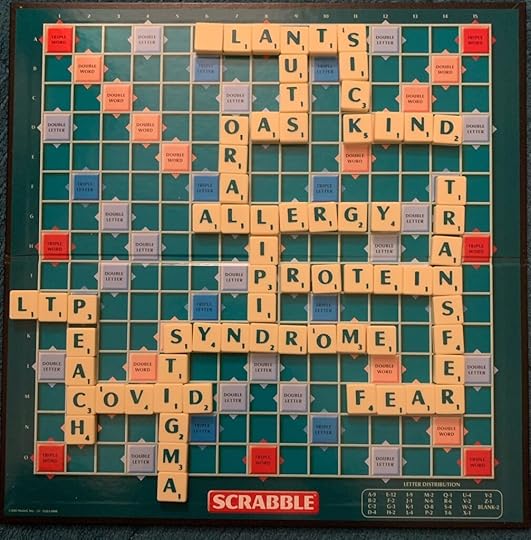 Allergies vs Oral Allergy Syndrome vs Lipid Transfer Protein allergies! But which?
What is an allergy?
An allergy happens when a person has become sensitised to the protein of a certain food e.g. nuts, milk, wheat. There are 14 allergens listed in the UK that must be labelled on shop bought food and most people understand what allergies are. They can be mild or they can be life threatening. People with anaphylactic reactions to allergens carry adrenaline auto injectors.
We can all get our heads around that. We understand allergies even if we don’t know why the body reacts to these perfectly harmless foods.
What is (OAS)?
Oral allergy syndrome (OAS) occurs when a person is sensitised to pollens e.g. birch and then become sensitive to certain foods which the body confuses with the pollen as they have similar protein make up. This can apply for many fruits, nuts and vegetables and causes usually mild reactions around the mouth, lips and contact allergy reactions on the skin. It does not usually result in an anaphylactic reaction but in rare cases people can have very serious swelling of the throat and breathing difficulties, and will be prescribed an adrenaline auto injector.
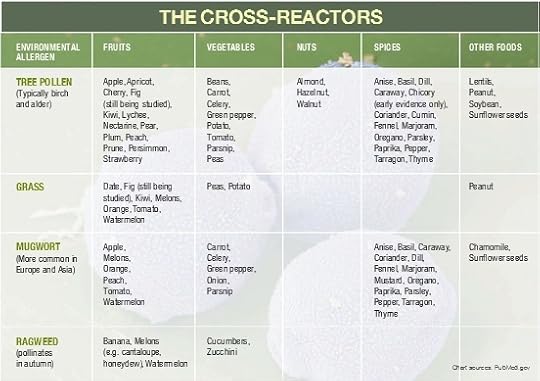 Oral Allergy: Plants, Foods That Cross-React chart from Allergic Living
What is LPT?
Lipid Transfer Proteins (LTPs) are found in plants and foods that contain plants. Lipid Transfer Protein Syndrome is an allergy affecting people who have become sensitised to LTPs. They may thus react to vegetables, fruits, nuts and/or cereals. It is not known how many people have this allergy and it can be very confusing working out which related foods a person might react to. It can also be very serious and some people can have anaphylactic reactions. Testing for allergies would come back negative. There are sophisticated tests that can be done for LTP allergy but these are not readily available or well understood.
So how on earth do you work out what it is you have?
Confused?
Yes. Yes I am!
Visit the Anaphylaxis Campaign website to read their Lipid Transfer Protein allergy handout to find out more.
I’m fascinated by all this and feel it could be the reason so many people slip through the cracks, knowing something is wrong but not being able to get a diagnosis.
Are you confused about whether you have an allergy, an intolerance, oral allergy syndrome or a lipid protein transfer allergy?
Further reading
The post Is it allergy, OAS or LTP? first appeared on What Allergy Blog.
December 14, 2020
Am I allergic to almonds?
Imagine having allergic reactions and not knowing what’s causing them?
Imagine these reactions are so bad that you are prescribed an adrenaline injector but you’re still not 100% sure what has been causing these reactions. Sounds a bit scary right? This is Sarah’s story. She has just had another anaphylactic reaction and still doesn’t know what’s causing it!
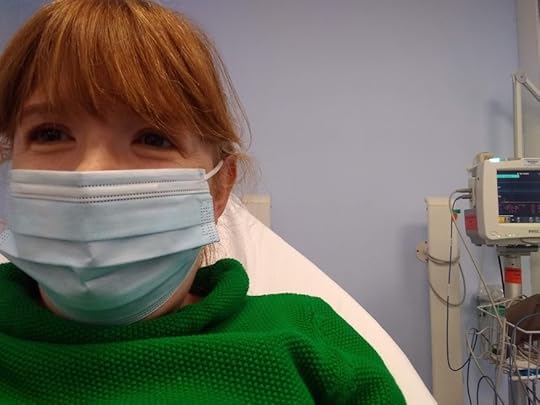 Sarah at hospital recovering from her anaphylactic reaction. 8 hours after being admitted!
This is Sarah’s story.
This is the message I got from Sarah a few months ago, it’s the kind of message you dread getting, that a friend has been rushed to A&E, especially with anaphylaxis, but she was thankfully OK. Here’s her story:
“I had my first epi pen and trip in an ambulance yesterday. I’ve always had allergic reactions to red things: red cocktails, red sauces on veggie dishes, curries & tapas infrequently (eat curries all the time) – I usually only have reactions when drunk and never used my epi pen, just double piriton. I can remember you telling me that alcohol means your body is weaker and more likely to react.
Yesterday I ate almond cake and carrot cake (no alcohol!) and half an hour later when walking (I remembered you said keep still) my allergy came on much quicker. I couldn’t swallow and my lips were huge. My wonderful friend I was with took me to her neighbour who has an Epipen
(I didn’t have mine, big lesson there) and she advised we use it. I know that because of your blog I was much happier to do it too. The adrenaline really helped and the ambulance was there in five minutes and they were great.
So thankyou, it was scary enough when it all went as well as it could.
The almond cake I ate was 40% ground almond as the recipe was gluten free, so used almond instead, but it’s so strange as I make my porridge with almond milk!
They’ve prescribed steroids for three days but I feel fine.“
Thank goodness this story had a happy ending, a quick thinking friend and well placed allergic neighbour with an EpiPen. Thanks go out to that kind soul! You probably just saved a life!
Sarah hadn’t been carrying her adrenaline because she had only ever had reactions while drinking alcohol and this was in the daytime with no drinking involved. A stark lesson that allergic reactions can change, suddenly and without warning.
This must have been a very scary experience. Always carry your adrenaline wherever you go and preferably take two as the first one may not work!
Now Sarah faces the detective journey we are all familiar with, unpicking meals, checking ingredients labels and trying to fathom exactly what caused the reaction. She was beginning to suspect almonds after this recent anaphylactic reaction as the cogs in her brain began to turn and the memories came flooding back.
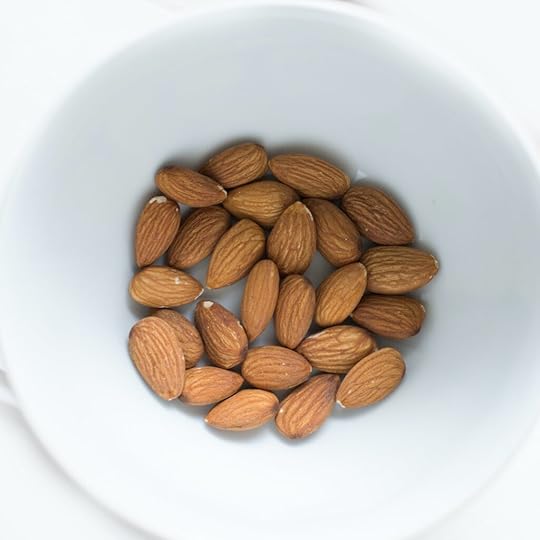
So how could Sarah have had some mild reactions to almonds but not bad enough to raise serious alarm bells, be eating porridge with almond milk fine and yet react to the cake containing almonds later that day?
Reactions can change over time…
It just goes to show that allergies and allergic reactions can be fickle things. No two reactions are the same, and mild ones can turn into much more serious reactions.
I remember discovering my chestnut allergy and I’d been fine, eating up a whole cake I’d baked with chestnut flour. It was on the final day, eating the last piece of cake while out in a pub garden, drinking some beer and walking up a steep hill that my body decided enough was enough. That was a scary reaction in the middle of nowhere but I recovered after sitting very still for a long time, getting colder and colder, holding an adrenaline injector ready, but in the end not needing it.
More from Sarah…
We chatted about what might have caused her reaction and next steps, like allergy testing to pinpoint and confirm her allergy.
“I have had an allergy since I was 15, I just never known what it was! I have probably always had it, I had food phobias as a child and only ate cheese and potatoes!
“I had allergy tests done 20 years ago and nothing came up, but then all I could say was red sauce or cocktail, so now I can be more specific, red sauce and cocktails could both have almonds I guess. I ate a magnum with almonds last month and thought my tongue felt a bit tingly but nothing to raise alarm bells.
“And I just found peach is in the same family as almond, I had a reaction to peach snaps! I Feel like I finally know what’s going on after 30 years!“
It took Sarah years to piece together all the separate incidents that finally pointed towards what she now suspected to be an almond allergy.
There were some clues:
Magnum with almonds – made tongue feel tingly (2020)Bad reaction to Peach Schnapps – which is a cross reacting fruit with almond allergy.Swedish cake at a Eurovision party – It was marzipan! I not a fan marzipan but thought I should try it! I thought it was the colouring… (2016)The wedding cake at her cousin’s wedding 9 years ago – When I had my allergy and thought it was the red sauce on my main meal, it was probably Battenburg! (2011)On holiday in Greece as a teenager – when you have the free shots when you enter a bar! Taboo (showing my age – ha ha!)Curry and Tapas (can’t remember when)A set meal at a company do – I can’t remember what it was (I’m a vegetarian so often includes nuts I guess)
On average Sarah has about one anaphylactic reaction every year which is quite frightening. I’ve been the same in the past but have lasted two years without one! Fingers crossed both of us can avoid them for the foreseeable future!
The tests and the future…
To be sure of this suspected almond allergy, Sarah booked some allergy tests but when she spoke to the doctor’s receptionist they told her the tests came back negative.
So what happens next? Sarah is waiting for a referral to the Allergy Clinic, to find out more. To examine those tests to see what they tested for. Did they even test for almond at all?
What if the test for almond did come back negative? What then?
It’s important to note that the tests can be misleading but would normally show up if an allergy was present. They can often show false positives and show an allergy when there isn’t one, but would normally pick up real allergies.
Sarah is left wondering…. what next?
As I discovered in another recent blog about almond allergy, if the reaction is Oral Allergy Syndrome and not an IgE Mediated allergic response it would not show up in blood tests. OAS reactions are normally much less serious but can, in some rare cases, cause more severe reactions. Is this what Sarah is experiencing?
I wanted to share this story because it’s so true of many of our lives, the detective work. The wondering, when will the next one be? The fears that you might not be avoiding the right foods because you’re not 100% certain what is even causing reactions.
It’s so confusing! And then the waiting, because there are not enough allergy specialists to go round.
Stay safe this Christmas Sarah! No almonds, peaches or plums and carry that adrenaline at all times!
The post Am I allergic to almonds? first appeared on What Allergy Blog.