Simon Rose's Blog, page 50
January 27, 2022
Copywriting for Business
 I offer a number of writer services for business. The way in which you communicate with your customers is a vital component of your business and well written content can be the difference between success and failure.
I have extensive experience in writing for a wide range of industries and market segments and offer a variety of copywriting services including website content, blogs and newsletters, social media including Facebook and Twitter, brochures, direct mail, sales letters, press releases, newspaper and magazine advertising and more.
For more details, visit https://simon-rose.com/copywriting/
The post Copywriting for Business appeared first on Simon Rose.


January 21, 2022
People plotting: Creating unique characters – Part three
 A good exercise is to invent two characters based on pictures. Creating a facial description is relatively simple, although you also need to determine if the people are tall or short, their body type, approximate age, and so on.
You then need to add as much information as possible about each person – personality, mannerisms, jobs, career path, friends and family, likes and dislikes, hopes and dreams, hobbies, pets, favourite foods and drinks, what part of the world they live in, the type of house they have or the car they drive, even where they went on holiday last year – in short, anything that makes them come to life. The characters in your stories will also need names, which usually conjure up certain images for the reader. This topic is covered in detail in the first installment of The Children’s Writer’s Guide.
You might then imagine a situation in which the two people you have invented might meet. They could be stuck in an elevator for ten minutes and have to strike up a conversation or have a minor car accident on a deserted road, then have to exchange information. It could be anything, entirely based on whatever you think the characters might be like, from the impression you received from the photographs. Then to make it particularly interesting, at the end, have the two people discover that they have an unexpected connection. They learn that they are long lost siblings, have the same type of dog, are both looking for the same treasure or whatever idea you come up with.
The post People plotting: Creating unique characters – Part three appeared first on Simon Rose.
January 17, 2022
People plotting: Creating unique characters – Part two
The best writers create characters that you instantly feel that you’d recognize on the street if they came to life. So what kinds of things make us different? Everyone doesn’t like the same food and some are allergic to certain things. People are sometimes described as dog people or cat people but some might be neither or be allergic to dogs, cats, or both, affecting their choice of pets. We all have different likes and dislikes, or specific hopes and fears, things that help to determine our personality.
People’s voices are often distinctive, stereotypical male villains might stroke a beard thoughtfully, some people hug when they meet, others shy away from such close personal contact, some people have firm handshakes and some very weak. These things, and countless others, make up our personalities, differentiate us from others, and make us who we are.
However don’t be tempted to make a character too different. Assuming that you’re not creating a wacky cartoon character, don’t invent someone with bright orange spiky hair, an eye patch, two facial scars in unusual shapes, a hooked hand, a wooden leg, and an unintelligible dialect, since this will not only seem ridiculous to the reader but also risk detracting from the telling of the story.
Any yet you also can’t go too far in the opposite direction and make people too perfect, no matter how tempting that may be. After all, now many of us know any perfect people? Characters need problems, flaws, phobias, whether it’s about spiders, heights, crowds, closed spaces, or indeed anything that makes them more believable.
The post People plotting: Creating unique characters – Part two appeared first on Simon Rose.
January 12, 2022
People plotting: Creating unique characters – Part one
Let’s imagine that you’ve thought of a great premise for a story and even crafted a general plot. You then need to develop some characters to inhabit the world you’re intending to create. So where do ideas for characters come from? How do successful authors invent people for their stories, those imaginary men, women, children, and even animals that are a perfect fit for the story?
Let’s be honest, ideas for characters can come from just about anywhere – on the train, street, plane, TV, movies, pictures and photographs, historical figures, or they can even be a composite of different people such as friends, family, neighbours, or work colleagues.
However, if you’ve described a person in terms of their height, weight, general body type, hair and eye colour, age and clothing, this isn’t really creating a character. All you have are the mere basics without any real meaning. This might as well be a life-size cardboard cutout rather than a character that appears to be a real person. Characters have to come alive so that the reader will identify with them.
It also helps if the character is grounded in reality and has friends and family, pets, homework, annoying siblings, parents and grandparents, likes and dislikes, and so on. The people in the story might embark on extraordinary adventures but if they have an ordinary life it makes them more plausible to the reader. Harry Potter’s school at Hogwarts may not be like the kind of educational institution that most kids attend but the author made Harry a less than perfect student that struggles in certain classes. Most children don’t attend boarding schools where they only go home in the winter or summer holidays and they certainly don’t aren’t educated in the ways of magic. Yet Harry’s struggles make him more authentic as a character.
The post People plotting: Creating unique characters – Part one appeared first on Simon Rose.
January 8, 2022
The Many Benefits of a Writing Coach
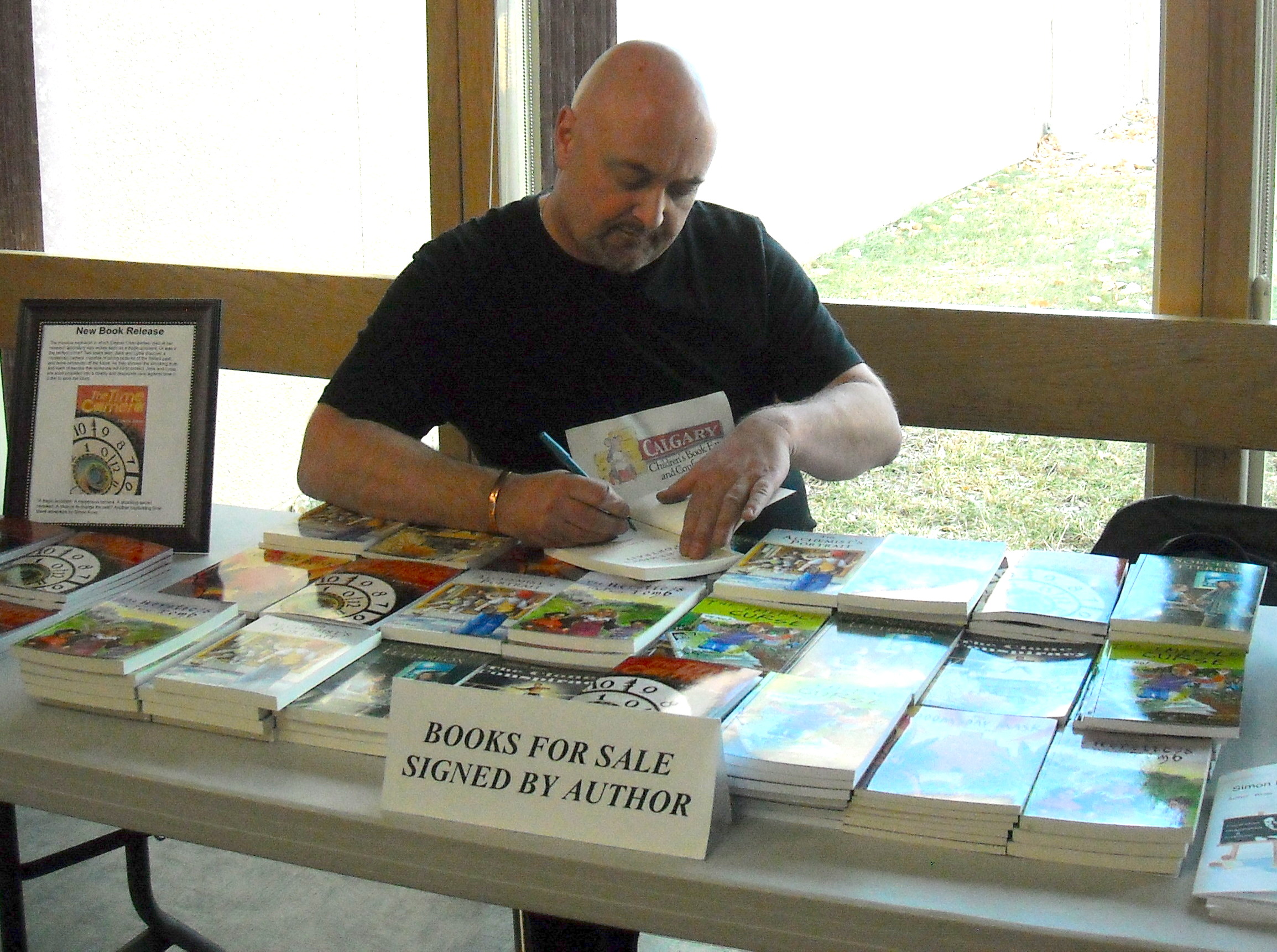 A professional writing coach is someone with whom you can consult, ask questions and receive constructive feedback. They act as a guide as you build your career as a professional writer. A coach can help you conquer a stumbling block, regain momentum or make a start on a new project.
My program helps you progress as a writer. You decide what you want to work on during a personalized, one on one relationship. I can be your coach for just one month or we can establish a month-to-month arrangement, depending on your schedule and expectations.
I’m very flexible regarding your own unique requirements in areas where you feel that you need the most help, but examples of topics that can be covered include character development, dialogue and format, editing and revision, story structure and plot, pacing your story, realistic settings, dramatic beginnings, and cliffhanger endings. We can also examine submitting work, the publishing world, and marketing and promotion.
You can also learn more about the writing and publishing process, including where ideas come from and how writers turn them into stories, choosing names for characters, the importance of historical research if your novel is set in a different era, the role of editing and revision, marketing and promotion, and more, in The Children’s Writer’s Guide, The Working Writer’s Guide, The Children’s Writer’s Guide 2, and School & Library Visits for Authors & Illustrators.
The writing of time travel stories and historical fiction is covered in The Time Traveler’s Guide, and fantasy and magic in Exploring the Fantasy Realm. The study guides for my novels are featured in Where do Ideas Come From?
The post The Many Benefits of a Writing Coach appeared first on Simon Rose.
December 29, 2021
Seeing the Light: Writers and Seasonal Affective Disorder – Part Six
 Regular physical exercise can help with stress relief and prevent the onset of SAD. Feeling more fit makes you feel better about yourself overall and generally improves your mood.
Giving in to those winter blues can also be stressful and lead to overeating, overindulgence in alcohol or other unhealthy pursuits, so you need to take care of your body, watch your diet and get enough sleep. Make time to relax and get away from your writing once in a while, especially if you work at home.
And even if you do suffer from cabin fever, make sure you invite people into that cabin for a tea or coffee on occasion during the winter or at least go to visit their cabin instead. Writing is a solitary and often lonely profession and staying connected with your friends and acquaintances, and not just online, is vital if you are to get through the winter.
SAD may be a fact of life for many people out there, but it doesn’t have to be a sad part of your life during the darker winter months, so keep writing and get that book finished. After all, there may be someone in a sunnier place beating you to it.
For help with your writing at any time of year, check out my coaching and editing programs.
The post Seeing the Light: Writers and Seasonal Affective Disorder – Part Six appeared first on Simon Rose.
December 21, 2021
Seeing the Light: Writers and Seasonal Affective Disorder – Part Five
 Many people are adversely affected each year by the winter blues and writers are no exception. There are many ways to combat SAD, including antidepressants and other medications, but bright artificial light treatments are common as a means to give the body more exposure to the light that is lacking once winter approaches.
For SAD sufferers, shorter days and long nights can initiate depression, excessive fatigue and other issues. Not simply the ‘winter blues’, Seasonal Affective Disorder is recognized as a form of depression, which can have serious consequences.
However, you don’t have to mourn the passing of summer by looking ahead with a sense of impending doom and there are many ways to cope with feelings of lethargy and mood shifts in fall and winter. Make your home or writing workplace brighter by opening blinds, perhaps even adding extra windows and trim tree branches or bushes close to the house that block sunlight. If a trip to warmer latitudes isn’t in your budget, get outside as much as you can, taking advantage of sunshine even on cold winter days. Take more long walks and if its not too cold, simply sit peacefully on a bench in a park and soak up the sun.
For help with your writing at any time of year, check out my coaching and editing programs.
The post Seeing the Light: Writers and Seasonal Affective Disorder – Part Five appeared first on Simon Rose.
December 18, 2021
Seeing the Light: Writers and Seasonal Affective Disorder – Part Four
In ancient Greece and Rome, the works of Plato, Aristotle, Virgil and others may have been composed at night, with very little illumination. Monks in the Middle Ages would also have worked all year round and such works as Beowulf or the Anglo Saxon Chronicle would never have been written if everyone in the scriptorium had SAD.
Did Shakespeare only write in the spring and summer? Candlelight was his only option if he chose to write his plays and sonnets after the sun had set. The same applied to Samuel Pepys, who we can assume wrote at least a portion of his diary entries in the evening, as he recorded his reflections on the day, in all four seasons. And of course Charles Dickens was a prolific writer for twelve months of each year, with only candlelight, oil or gas lamps to enable him to write.
For help with your writing at any time of year, check out my coaching and editing programs.
The post Seeing the Light: Writers and Seasonal Affective Disorder – Part Four appeared first on Simon Rose.
August 30, 2020
The Princes in the Tower 1483
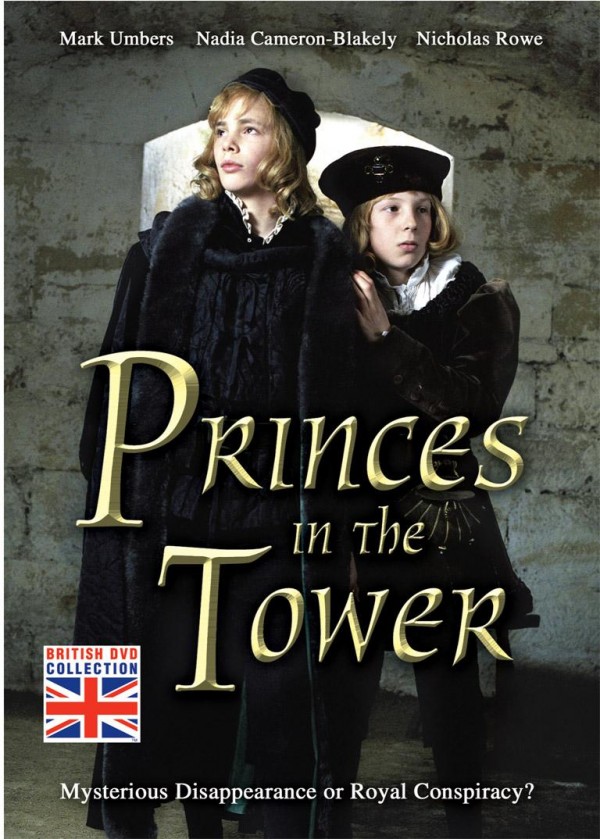 The Princes In The Tower 1483 is a movie based on the events surrounding the disappearance of the young king, Edward V, and his younger brother, Richard, Duke of York, from the Tower of London in 1483.
Their uncle seized the crown for himself as Richard III and is widely suspected as being responsible for the murder of the princes. Richard III was himself killed only two years later at the Battle of Bosworth in 1485 and was succeeded as king by Henry VII, who founded the Tudor dynasty.
After the death of Richard III, there were always rumours that one or both of the princes had survived or escaped and imposters surfaced to lead rebellions against Henry VII. The most famous of these impostors were Lambert Simnel and Perkin Warbeck, who both appeared in England during the reign of Henry VII.
The movie focuses on the claims of Perkin Warbeck to be the younger of the two princes, Richard, Duke of York. Warbeck was captured, interrogated and eventually executed in 1499.
Although highly fictional, the movie is based on the historical events of the time and the mystery surrounding the fate of The Princes in the Tower, the inspiration, of course, for my novel, The Sorcerer’s Letterbox.
You can learn more on my website about the historical background to the novel and about the enduring mystery of The Princes in the Tower. You can watch the full movie here on YouTube and learn more about the cast members, plot and read some reviews here.
The post The Princes in the Tower 1483 appeared first on Simon Rose.
August 25, 2020
The Brutal Death of Richard III
 Richard III of course appears in The Sorcerer’s Letterbox, based on the well-known mystery of the Princes in the Tower.
A forensic study on the bones of the monarch reveals that he died a brutal death at the hands of his enemies. Everyone knows that medieval warfare was a very violent and vicious business, but the report is still very enlightening. It also fits in with contemporary stories of the king’s death. To some degree it also fits with Shakespeare’s play. Although the playwright’s account of the king and his reign is often dismissed as heavily influenced by Tudor propaganda, Shakespeare does mention that Richard III lost his horse before he was killed. The forensic report indicates that the king was probably on his knees when he was killed by his assailants.
A skeleton found beneath a Leicester car park was confirmed as that of English king Richard III in early 2013. Experts from the University of Leicester said DNA from the bones matched that of descendants of the monarch’s family. Back then, lead archaeologist Richard Buckley, from the University of Leicester, told a press conference that “beyond reasonable doubt it’s Richard.” You can check out the full story here on the BBC website.
The post The Brutal Death of Richard III appeared first on Simon Rose.