Deedee Cummings's Blog, page 5
September 19, 2024
Celebrate National Open the Magic Day By Reading to Your Kids
There are so many literacy events in September! September 8th was International Literacy Day and September 25th is National Open the Magic Day. Open the Magic Day is a time to celebrate reading aloud, instilling a love of reading in our kids, and supporting students who struggle to find their reading voice.
Here are some ideas to help you celebrate Open the Magic Day with your kids:
Celebrate The Magic of Reading

It’s never to early to start reading with your kids!
Reading to a baby introduces them to the patterns of language. They start to see how we physically read books (from left to right) and what it means for a book to be right-side-up versus upside down.
Most importantly, reading to a baby (and continuing to read as they grow), makes kids feel safe and loved by a caregiver. Holding a baby or small child in your lap and snuggling close while reading together associates a feeling of safety and love to books. No wonder so many of us love reading!
As children grow older, reading to them continues to build their literacy skills. They are exposed to new vocabulary and ideas through books. The conversations that go along with reading books together can also help them learn the fundamentals of stories, like character development and plot.
Reading also helps people of all ages to develop curiosity, empathy and compassion toward the world around them. Through books, we can all be exposed to other cultures, lifestyles, and beliefs.
People of all ages love to have stories read to them. Just look at the popularity of audiobooks, the fastest growing type of book in the publishing world! Before people wrote down stories, they listened to them shared aloud. Deep down, we all still love listening to a good story. That is the magic of read aloud together.
How to Celebrate Open the Magic Day with Your KidsIf you have a child in your life, take time on September 25 (and really, everyday) to read aloud to them or even have them read aloud to you. As you read and pause, ask some questions to help build your children’s literacy skills. Ask them:
What do you see here? Who is this character? Why do you think this character did that?Is this the beginning, middle, or end of the story?What do you notice in this picture? What could that image mean?Who is the author of this story? Who is the illustrator? What does an author do? What does an illustrator do?What colors do you see in this story? Which colors do you like?What is the funniest part of this story? Why did it make you laugh?By taking the time to read slowly, pause, and really take in the story, you are helping your kids absorb more of the tale and the magic of reading.
If your child struggles to answer any of these questions, stay positive and encouraging. The best way to instill a love of reading in our kids is to make sure reading together is a pleasant experience. The point isn’t necessarily to get the answers “right” but to explore the ideas together. Make your main goal to have fun together and the rest will fall into place.
Some Magical Books to Read TogetherIf you’re looking for some good book recommendations for National Open the Magic Day, here are a few of our favorites:
The Kayla: A Modern-Day Princess Series

These books are great for kids ages 6-11. Throughout this series, you watch young Kayla grow up and overcome adversity to achieve her dreams of becoming a Broadway star.
These books are inspired by my daughter, Broadway star Kayla Pecchioni. Her story will inspire children of all backgrounds, interests and ages to fearlessly pursue their dreams. Your child will also benefit from learning new coping skills that are modeled throughout the series.

This beautiful book models the language of peace. It’s breathtaking illustrations and simple yet profound message make it a great read for kids of all ages.
In the Nick of Time and In the Nick of Time Too

In my opinion, it’s never too early for the holidays! In this Christmas-themed series, Nick Saint learns powerful lessons about giving, acceptance and the reality that love and hope can come in all shapes, sizes and colors.
I wrote this series at a time when books about Black Santas were essentially non-existent because I wanted my kids to be able to ready Christmas stories about people who looked like them.
How to Dream

My upcoming book, How to Dream is my first book dedicated to adults. It won’t be available for purchase until October 2024 but you can get a sneak peek of the book and a sample of the beautiful workbook that goes along with it to help you find your passions, reignite your dreams and become unstoppable in the pursuit of the fulfilling life you know you deserve.
#mc_embed_signup{background:#fff; false;clear:left; font:14px Helvetica,Arial,sans-serif; width: 600px;}<br /> /* Add your own Mailchimp form style overrides in your site stylesheet or in this style block.<br /> We recommend moving this block and the preceding CSS link to the HEAD of your HTML file. */<br />Get a Sneak Peek of How to Dream!* indicates requiredEmail Address *(function($) {window.fnames = new Array(); window.ftypes = new Array();fnames[0]='EMAIL';ftypes[0]='email';fnames[1]='FIRSTNAME';ftypes[1]='text';}(jQuery));var $mcj = jQuery.noConflict(true);
I hope that you enjoy reading and exploring National Open the Magic Day with your kids!
The post Celebrate National Open the Magic Day By Reading to Your Kids appeared first on Make A Way Media.


September 12, 2024
Daring to Dream: How to Handle Feedback
One of the hardest things about making a dream come to fruition is hearing feedback when it isn’t glowing. Sometimes feedback is constructive in nature (and that is a good thing). Other times, it is downright cruel. Do you know how to handle feedback objectively so it doesn’t discourage you from pursuing your dreams? If not, these tips are valuable insights you won’t want to miss.
How to Handle Negative FeedbackIf we receive feedback we don’t like, the first thing we need to do is take a look at the motivation behind the feedback. Is this feedback meant to help you improve? Or is it laced with cruelty and disrespect? If the feedback feels like a personal attack, it probably isn’t worth your mental space or energy.
Even if the negative feedback doesn’t offer anything you can use for your personal and professional development, you don’t need to react defensively. Instead, take a step back and think about the person giving the feedback.
As I mention in my upcoming book How to Dream, often negative feedback is more of a reflection of the person giving the feedback than it is of you and your dream.

Many times, people give critical feedback because they gave up on their own dreams. Your goals remind them of their own feelings and disappointments.
Other times, the person providing negative feedback may genuinely have good intentions. They might think they they are protecting your well-being or keeping you from making a mistake by giving specific examples of how things might not work out.
Regardless of how noble the intention may be, if the feedback isn’t anything you can use to keep moving forward, it is best to just ignore the criticism. Stay calm and respond to the negative feedback respectfully by thanking them for their advice and then moving the conversation in a different direction.
After that, you move on toward your dreams with the confidence. Stay focused on your own personal growth and remember that their story isn’t your story. Soon, you’ll prove them wrong by continuing to take steps forward and making progress toward your goals.
How to Handle Constructive CriticismThe other type of feedback we often get is constructive criticism. Although this kind of feedback can be helpful, it is still sometimes hard to hear.
Any time you are receiving feedback, you want to think about it as objectively as you can. Listen attentively and ask questions to help you better understand their perspective. Then, express gratitude for the person giving you feedback and their willingness to provide insights into your dreams, performance, or goals.
After the conversation, take notes on your thoughts and feelings.
Questions to ask yourself when receiving feedback: Is the person offering feedback in good faith? Do they have my best interests in mind?Is this person an expert in this field? Do I value their advice?Did they provide any positive feedback? What was that feedback? Did they offer any negative feedback? How did that make me feel?How can I approach this criticism with a growth mindset?Does any of this feedback make me think differently about my dream or how to achieve it? Can I use any of this feedback for my personal or professional growth?
Then, make a plan to do something with the feedback. Knowing how to handle negative feedback, or constructive criticism, in the moment is one thing. Responding to feedback with action is what really helps you grow.
Why We Need Feedback for Continuous ImprovementSometimes a dream means so much to us that it feels like our baby. We have nurtured the idea and cared for it over weeks, months, or even years. We say we want feedback, but we really only want positive feedback and praise. Any negative feedback feels like a personal attack. Yet, if we aren’t willing to approach feedback with a growth mindset, then we aren’t really wanting to grow.
Criticism doesn’t have to be an attack. It can be a part of your process, a valuable tool to help you keep moving forward.
I’ve never met anyone who was able to accomplish a dream alone. We need feedback from others to help us make progress. So the next time someone gives you feedback that makes you want to give up, remember that it is part of the process. Listen to the feedback. Take any pieces you can learn from and use it for growth and fuel. It’s not a barrier. It’s a building block.
If you are struggling to stay motivated toward your dreams, my upcoming book How to Dream is for you. This inspiring and practical book is fill of:
Practical strategies to overcome self-doubt in a world filled with rampant negativityPowerful affirmations to fuel your successActionable steps to put your dreams in motionTechniques to help you develop a growth mindset and become unstoppableIf you’d like a sneak peek of the book, and to be the first to know when it comes out, just add your email to the box below.
Don’t let another day pass without pursuing your true potential. It’s time to make your dreams a reality—starting now!
#mc_embed_signup{background:#fff; false;clear:left; font:14px Helvetica,Arial,sans-serif; width: 600px;}<br /> /* Add your own Mailchimp form style overrides in your site stylesheet or in this style block.<br /> We recommend moving this block and the preceding CSS link to the HEAD of your HTML file. */<br />Get a Sneak Peek of How to Dream!* indicates requiredEmail Address *(function($) {window.fnames = new Array(); window.ftypes = new Array();fnames[0]='EMAIL';ftypes[0]='email';fnames[1]='FIRSTNAME';ftypes[1]='text';}(jQuery));var $mcj = jQuery.noConflict(true);
The post Daring to Dream: How to Handle Feedback appeared first on Make A Way Media.
September 5, 2024
Self-Improvement September
September is more than just the start of the academic year. It’s a prime time for transformation. This isn’t just my opinion. Did you know that September is National Self-Improvement month is the US?
To celebrate, self-improvement September, I’m giving you some of my favorite tips to help you achieve new goals and become your best self.
Self-improvement gets a bad rap. A lot of people view it as a fluffy genre where everyone just regurgitates the same information over and over again. Although there are a lot of similarities in self-improvement books, that doesn’t mean you should ignore all of the advice.
We genuinely should all strive to learn and grow each day! Plus, self-improvement has been proven to reduce stress, help you gain new habits, and improve your relationships.
Here are a few of my favorite benefits of regular personal development:
Boost Your ConfidenceAchieving personal goals can significantly boost your self-confidence. Whether it’s learning a new skill or adopting a healthier lifestyle, each small win will inspire you to work toward bigger goals.
Enhance Your Mental HealthEngaging in self-improvement activities can have a positive impact on mental health. Activities like journaling, meditation, and exercise release endorphins, reducing stress and anxiety.
Professional GrowthSelf-improvement isn’t limited to personal life. It can also help with your professional life! Learning new skills or enhancing existing ones can open doors to new career opportunities.
Tips for Making the Most of Self-Improvement SeptemberReady to take the plunge? Here are some practical tips to help you make the most of Self-Improvement September:
Set Clear Goals
Setting clear, achievable goals is the first step in any self-improvement journey. Use the SMART criteria (Specific, Measurable, Achievable, Relevant, Time-bound) to set your goals.
Specific : Define what you want to achieve. Measurable : Make sure you can actually track your progress. Achievable : Choose a goal you can reach—set yourself up for success. Relevant : Align your goals with your broader aspirations. Time-bound : Set a deadline to keep yourself accountable.Write it DownIf you write it down, it makes it real. Plus, visual motivation can be incredibly effective. Use a colorful calendar, a pretty print out, or something else that is visually appealing to remind you of your goal.
You could even use it to help you mark your progress. You could set milestones and mark them off as you go. Or, you could have boxes for each day of the month that you check off as you work toward your goal each day.
Celebrate Along the WayDon’t wait until you’ve achieved your ultimate goal to celebrate. Recognize and celebrate each milestone along the way to keep you motivated and inspired. Small wins matter just as much as the big ones!
Try Something New!Why not use national self improvement month to motivate you to be bold? Whether it’s taking a class, attending a workshop, or signing up for online courses, continuous learning and growth is great for your well being. You could explore a new hobby or even start new relationships.
Personal development isn’t as complicated as we make it out to be. Just do something that helps you step out of your normal routine.
You could:
Practice MindfulnessMindfulness practices can help you stay grounded and shake off negative things that happen during the day. If you can dedicate a few minutes each day to mindfulness, you’ll have mental clarity like never before!
Explore New HobbiesTrying new hobbies can be both fun and rewarding. Whether it’s painting, gardening, or cooking, new activities can reignite your passion and creativity. Check out local community centers, libraries, and educational institutions for classes and workshops to see what they have to offer.
Revamp Your DietYou could use this self-improvement month as motivation to adopt healthier eating habits. Try new recipes, eat more fruits and vegetables, or make it your goal to stay hydrated.
Exercise RegularlyRegular exercise is great for both physical and mental health. Whether it’s joining a gym, taking up yoga, or simply going for daily walks, find an activity that you enjoy and stick to it!
Read Inspiring Books
Books can be a great source of inspiration and knowledge. Create a reading list of self-help books that resonate with you and aim to read a few pages each day. Here are some of my favorites:
You’re a Badass Atomic Habits 7 Habits of Highly Effective People Don’t Believe Everything You Think Set Boundaries, Find PeaceAnd last but definitely not least, my upcoming book How to Dream. (More about that at the end.)
Keep a JournalJournaling can help you track your progress, reflect on your experiences, and stay motivated. Write down your goals, challenges, and achievements to stay focused on your self-improvement journey.
Make the Transformation LastSelf-Improvement September gives us all time to reset and refocus. What will you do to celebrate this self-improvement month?
If you’re not sure where to start, grab a sneak peek of my upcoming book, How to Dream.
The reality is, we’ve all be lied to. Dreams aren’t a waste of time. They are the fuel you and I both need to thrive.
Sure, self-improvement goals are great but they will only take you so far. You need a purpose that will propel you out of bed in the morning and make you too excited to go to bed at night.
If your dreams have been hijacked and you’re finding yourself wondering if this is really all there is, get a sneak peek of How to Dream so that you can start pursuing your true potential.
#mc_embed_signup{background:#fff; false;clear:left; font:14px Helvetica,Arial,sans-serif; width: 600px;}<br /> /* Add your own Mailchimp form style overrides in your site stylesheet or in this style block.<br /> We recommend moving this block and the preceding CSS link to the HEAD of your HTML file. */<br />Get a Sneak Peek of How to Dream!* indicates requiredEmail Address *(function($) {window.fnames = new Array(); window.ftypes = new Array();fnames[0]='EMAIL';ftypes[0]='email';fnames[1]='FIRSTNAME';ftypes[1]='text';}(jQuery));var $mcj = jQuery.noConflict(true);
The post Self-Improvement September appeared first on Make A Way Media.
Self-improvement September
September is more than just the start of the academic year. It’s a prime time for transformation. This isn’t just my opinion. Did you know that September is National Self-Improvement month is the US?
To celebrate, self-improvement September, I’m giving you some of my favorite tips to help you achieve new goals and become your best self.
Self-improvement gets a bad rap. A lot of people view it as a fluffy genre where everyone just regurgitates the same information over and over again. Although there are a lot of similarities in self-improvement books, that doesn’t mean you should ignore all of the advice.
We genuinely should all strive to learn and grow each day! Plus, self-improvement has been proven to reduce stress, help you gain new habits, and improve your relationships.
Here are a few of my favorite benefits of regular personal development:
Boost Your ConfidenceAchieving personal goals can significantly boost your self-confidence. Whether it’s learning a new skill or adopting a healthier lifestyle, each small win will inspire you to work toward bigger goals.
Enhance Your Mental HealthEngaging in self-improvement activities can have a positive impact on mental health. Activities like journaling, meditation, and exercise release endorphins, reducing stress and anxiety.
Professional GrowthSelf-improvement isn’t limited to personal life. It can also help with your professional life! Learning new skills or enhancing existing ones can open doors to new career opportunities.
Tips for Making the Most of Self-Improvement SeptemberReady to take the plunge? Here are some practical tips to help you make the most of Self-Improvement September:
Set Clear GoalsSetting clear, achievable goals is the first step in any self-improvement journey. Use the SMART criteria (Specific, Measurable, Achievable, Relevant, Time-bound) to set your goals.
Specific : Define what you want to achieve. Measurable : Make sure you can actually track your progress. Achievable : Choose a goal you can reach—set yourself up for success. Relevant : Align your goals with your broader aspirations. Time-bound : Set a deadline to keep yourself accountable.Write it DownIf you write it down, it makes it real. Plus, visual motivation can be incredibly effective. Use a colorful calendar, a pretty print out, or something else that is visually appealing to remind you of your goal.
You could even use it to help you mark your progress. You could set milestones and mark them off as you go. Or, you could have boxes for each day of the month that you check off as you work toward your goal each day.
Celebrate Along the WayDon’t wait until you’ve achieved your ultimate goal to celebrate. Recognize and celebrate each milestone along the way to keep you motivated and inspired. Small wins matter just as much as the big ones!
Try Something New!Why not use national self improvement month to motivate you to be bold? Whether it’s taking a class, attending a workshop, or signing up for online courses, continuous learning and growth is great for your well being. You could explore a new hobby or even start new relationships.
Personal development isn’t as complicated as we make it out to be. Just do something that helps you step out of your normal routine.
You could:
Practice MindfulnessMindfulness practices can help you stay grounded and shake off negative things that happen during the day. If you can dedicate a few minutes each day to mindfulness, you’ll have mental clarity like never before!
Explore New HobbiesTrying new hobbies can be both fun and rewarding. Whether it’s painting, gardening, or cooking, new activities can reignite your passion and creativity. Check out local community centers, libraries, and educational institutions for classes and workshops to see what they have to offer.
Revamp Your DietYou could use this self-improvement month as motivation to adopt healthier eating habits. Try new recipes, eat more fruits and vegetables, or make it your goal to stay hydrated.
Exercise RegularlyRegular exercise is great for both physical and mental health. Whether it’s joining a gym, taking up yoga, or simply going for daily walks, find an activity that you enjoy and stick to it!
Read Inspiring Books
Books can be a great source of inspiration and knowledge. Create a reading list of self-help books that resonate with you and aim to read a few pages each day. Here are some of my favorites:
You’re a Badass Atomic Habits 7 Habits of Highly Effective People Don’t Believe Everything You Think Set Boundaries, Find PeaceAnd last but definitely not least, my upcoming book How to Dream. (More about that at the end.)
Keep a JournalJournaling can help you track your progress, reflect on your experiences, and stay motivated. Write down your goals, challenges, and achievements to stay focused on your self-improvement journey.
Make the Transformation LastSelf-Improvement September gives us all time to reset and refocus. What will you do to celebrate this self-improvement month?
If you’re not sure where to start, grab a sneak peek of my upcoming book, How to Dream.
The reality is, we’ve all be lied to. Dreams aren’t a waste of time. They are the fuel you and I both need to thrive.
Sure, self-improvement goals are great but they will only take you so far. You need a purpose that will propel you out of bed in the morning and make you too excited to go to bed at night.
If your dreams have been hijacked and you’re finding yourself wondering if this is really all there is, get a sneak peek of How to Dream so that you can start pursuing your true potential.
#mc_embed_signup{background:#fff; false;clear:left; font:14px Helvetica,Arial,sans-serif; width: 600px;}<br /> /* Add your own Mailchimp form style overrides in your site stylesheet or in this style block.<br /> We recommend moving this block and the preceding CSS link to the HEAD of your HTML file. */<br />Get a Sneak Peek of How to Dream!* indicates requiredEmail Address *(function($) {window.fnames = new Array(); window.ftypes = new Array();fnames[0]='EMAIL';ftypes[0]='email';fnames[1]='FIRSTNAME';ftypes[1]='text';}(jQuery));var $mcj = jQuery.noConflict(true);
The post Self-improvement September appeared first on Make A Way Media.
August 29, 2024
Gaining Mental Flexibility
It can be difficult to change as we grow older. We’ve become set in our ways it all just feels comfortable. Why bother changing?
Why Mental Flexibility Matters
The reason we need to take risks and be willing to change is because, while routine provides structure and comfort, they can also make us weaker.
Think about your knees after you’ve been sitting or lying down too long. They creak and pop and often hurt when you try to move them again.
Doctors and physical therapists say it is important to the muscular system to be flexible as a person ages to improve balance and prevent falls. Our mind and mental flexibility work the same way. If we never challenge ourselves to try new things, it will get harder and harder to break out of the day-to-day routine.
What is Mental Flexibility?Mental flexibility is the ability to change your thinking about something. Maybe you learned something as a child or young adult and have since been given new information. Do you stick with the beliefs you had as a child or do you try to understand the new information and adapt your thinking accordingly?
The opposite of mental flexibility is mental rigidity, which is a struggle or inability to change one’s thinking or behavior given new circumstances or information. Mental rigidity makes it almost impossible to continue your development and commitment to being a compassionate person who is capable of self-reflection and empathy.
5 Tips to Gain Mental FlexibilityEmbrace a Growth Mindset
Start by deciding you want to approach life with an open mind. Shift from a fixed mindset to a growth mindset. View challenges as opportunities for learning and growth.
Stay Positive
When you encounter obstacles, try to see them as opportunities rather than problems. Instead of saying “I can’t do this,” try “This is a chance to learn something new.” This tweak in your self-talk can instantly make you more adaptable.
Make it Fun!
Unexpected twists and turns are part of life. Try to make them fun! Let’s say your car breaks down on a road trip. Instead of sulking and complaining, play explore the scenery around you or play a game to pass the time. Laughing and finding joy even in hard moments instantly cheers you up. (It’s scientifically proven!)
Take Breaks to Untangle Your Thoughts
When you feel stuck, don’t force yourself to keep going. Instead, take a short break. Even just five minutes can be enough to help you untangle your thoughts and figure out your next steps.
Seek Different Perspectives
Don’t hesitate to ask for help or seek input from others. Getting support can introduce you to new viewpoints and broaden your understanding of a situation. Collaborating with someone else can give you new ideas and help make problem-solving more dynamic and flexible.
If you your mind is feeling just like those creaky joints, resistant to change and progress, it might be time to reignite that fire within you with a dream. If you’ve convinced yourself that you’re too ______ (choose your adjective) for dreams, my new book How to Dream (coming soon) is for you. Once you’re hooked on a good dream, you’ll find yourself diving over mental obstacles right and left.
#mc_embed_signup{background:#fff; false;clear:left; font:14px Helvetica,Arial,sans-serif; width: 600px;}<br /> /* Add your own Mailchimp form style overrides in your site stylesheet or in this style block.<br /> We recommend moving this block and the preceding CSS link to the HEAD of your HTML file. */<br />Get a Sneak Peek of How to Dream!* indicates requiredEmail Address *(function($) {window.fnames = new Array(); window.ftypes = new Array();fnames[0]='EMAIL';ftypes[0]='email';fnames[1]='FIRSTNAME';ftypes[1]='text';}(jQuery));var $mcj = jQuery.noConflict(true);

The post Gaining Mental Flexibility appeared first on Make A Way Media.
August 22, 2024
Using Repetition in Parenting to Help Kids Learn New Routines
It doesn’t take too long on the road of parenthood to realize that kids want and need repetition. Kids will ask their parents to read the same storybook over and over. Kids will want to watch the same movie a thousand times. They will want to eat the same food every night. They may have a favorite outfit that they want to wear every single day. Repetition provides both structure and a sense of control to children.
Why do children need and crave repetition?Sometimes we forget that children’s brains aren’t fully developed until their mid-20s, which means that as parents we need to repeat things for many years longer than we might want to. 
As mind-numbing as it is to watch Frozen for the 200th time, repeating, “You need to put your socks in the dirty clothes bin” for the 200th time (or 2,00th) is just as painful. Unfortunately, it still needs to be done.
You may assume that your 13 year old should know that the socks go in the dirty clothes bin. After all, you’ve been telling them that since they were two. However, between teenage hormones and the fact that we’ve all got a lot going on in our heads, they may genuinely just forget.
As we all know from our resolution adoptions in January, it takes a long, long, LONG time for new things to become a habit. Forming new habits is even more difficult for children. Executive functions like self-control and self-discipline are much harder for kids to master because those parts of their brain are still forming. That is why we have to provide structure, consistency and lots of reminders for our kids.
Repetition is a Good ThingJust like kids crave the repetition of their favorite games, outfits, foods, and books, repeating expectations and habits for our children gives them structure and a sense of control. Repetition helps them know what to expect.
Even if their hormones are all over the place, they are starting a new school, learning to drive or getting their first job, they know that certain routines and habits are in place. If they forget, they know that their parent is there to help remind them.
This is especially important to remember this time of year as we try to break the inconsistent routines of summer and vacation.
Using Repetition to Help Kids Learn New RoutinesAlthough it’s tedious, repetition is necessary to help kids learn new routines and structures. Here are a few tips to use repetition to help your kids learn new routines and expectations:
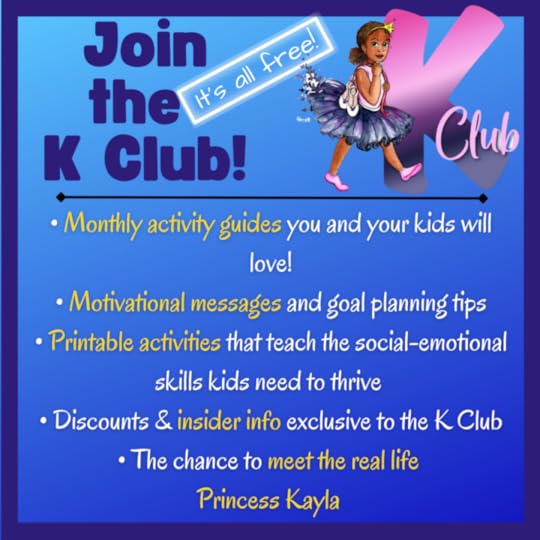
Decide what you want them to do ahead of time. Inconsistent rules, expectations and routines can be incredibly confusing for kids. (Remember, they like structure and predictability.) So if there is a part of the day that drives you crazy, decide what you want it to look like instead. Literally plan it out step-by-step.Make a list. You can give your kids a checklist or a visual schedule for younger kids but having some kind of list that outlines the steps or expectations will help you all remember what the routine is supposed to look like. Sure, you will still have to repeat yourself from time to time, but at list you’ll have a list to back you up.Stay consistent. The easiest way to make a new routine stick is to stick with it. Don’t say you’re going to make a change and then forget about it the next day. Stay the course! Your efforts will all add up and eventually it will stick.Reframe the repetition. No one likes repeating themselves. However, if you can remind yourself that your kids aren’t trying to drive you nuts by forgetting to put their socks in the dirty clothes basket for the millionth time, it might be easier to stay patient and repeat it one more time. They genuinely still need your help to remember the steps. Their brains don’t work the same way yours does quite yet. They are still developing. This mindset shift may help you have a little more empathy and patience for the endless repetition that comes with parenting kids of any age.If you’d like even more ways to help your kids learn the social-emotional skills they need to thrive, join the K Club!
In the K Club, you get free monthly guides that teach skills, like empathy, goal setting, dealing with friendship struggles and more. The guides are full of fun printable activities that you and your kids can do together. All you have to do to get yours is put your email in the box below!
#mc_embed_signup{background:#fff; false;clear:left; font:14px Helvetica,Arial,sans-serif; width: 600px;}<br /> /* Add your own Mailchimp form style overrides in your site stylesheet or in this style block.<br /> We recommend moving this block and the preceding CSS link to the HEAD of your HTML file. */<br />Join the K Club!* indicates requiredEmail Address *(function($) {window.fnames = new Array(); window.ftypes = new Array();fnames[0]='EMAIL';ftypes[0]='email';fnames[1]='FNAME';ftypes[1]='text';fnames[2]='LNAME';ftypes[2]='text';}(jQuery));var $mcj = jQuery.noConflict(true);
The post Using Repetition in Parenting to Help Kids Learn New Routines appeared first on Make A Way Media.
August 15, 2024
Fear and Frustration at the Start of a New School Year
The start of school is always a stressful time for parents and children. Children are nervous about what teachers they will have, whether their friends will be in classes with them, and how difficult their new classes will be.
Parents share similar worries for their children but also worry about uniforms or new school clothes and supplies, transportation and time management, homework and grades, and more.
Open and compassionate communication between parents and children is a great way to help everyone work through their anxiety about the upcoming school year. Parents can start by asking their children, “What are you nervous about or concerned about for this school year?” Even if their children don’t want to respond at that moment, parents can use this time to express some of their concerns and anxieties and consider aloud how they might handle those feelings.
This conversation opportunity, if nothing else, models for children how to think about and consider their fears and concerns for the future. Seeing a parent model working through these things calmly and openly sets a tone that children can emulate as they grow up.
While every school year is a new start, it is not always a welcome start since not everyone loves school. Even if students like school, they don’t like everything about it. It is important to talk about these things, too, and consider a plan for dealing with the things they don’t like. Parents, too, will have to contend with things they don’t like as the school year approaches. Is it working on homework with one’s child or simply nudging an unmotivated child to get work done? Or maybe it is a new transportation issue that is going to be a headache in your life and you’re not looking forward to that?
While a new school calendar in August can be exciting, it can also feel daunting, so take the time to talk with children about the fears, concerns, likes, and dislikes that come with every new educational year.
The post Fear and Frustration at the Start of a New School Year appeared first on Make A Way Media.
August 8, 2024
National Relaxation Day
 Hard work has always been an important part of our society. When authors write about “The American Dream,” it always includes employment and the desire to get ahead, to get a foot in the door. Hard work is how we have been taught to make a way for our dreams to rise to the forefront of our lives. Of course, sometimes in novels protagonists work so hard they forget what they were working for or their lives develop all sorts of new conflicts as a result of excessive work.
But somewhere along the line, hard work morphed into what we might call “the grind,” and grind it does. You may have also heard it called “hustle culture.” The grind is more extreme and doesn’t seem to allow any rest for the weary. The grind for some means turning their beloved hobby into a business, which may take the joy and fun out of the hobby completely. The grind means being “on” all the time online to promote and sell and network.
There is nothing inherently wrong about “the grind” at least in the short term, although longer term it can have some serious adverse health impacts. Even I, the one who preaches self-care daily have struggled with the balance between hustling and enjoying life while also taking care of myself. If you’re struggling with coming down off the grind in your life, consider making August 15, National Relaxation Day, your day to start slowing down.
But how should you do this?
Start with making sleep a priority. If you are staying up too late working, make it a priority to get to bed earlier most nights of the week. Remove all work-related items and tools from your bedroom; that is only a place for rest and relaxation. Sleep, and I’ll add here: good sleep, is one of the most important foundations for everything else we do. You have to have it!
Slowly start making exercise a priority and fight the urge to make exercise your “new grind.” Begin taking a 10-minute walk every day if you’ve not been doing any exercise. Slowly increase the time over a period of weeks and months. Focus not on the word exercise, and more on the word movement.
Add something you just enjoy back into your life and don’t monetize it. If you like painting, then paint (but don’t think about selling your painting). If you like to write, then write (but don’t tinker with the idea of freelancing). If you like sports, watch or play sports (but don’t think about developing a podcast and trying to find sponsors to underwrite it).
Use National Relaxation Day as your starting point for slowing down, if you have not made this a practice already. Relaxing is an important part of being able to show yourself and your family compassion. Dreams are a beautiful thing, but they mean less when you have forgotten how to actually enjoy your life.
The post National Relaxation Day appeared first on Make A Way Media.
August 1, 2024
Benefits of Boredom
Do people even get bored anymore now that we have our little rectangular computers that we carry in our pockets everywhere? YES–we even sometimes get bored with scrolling and commenting on our friends’ social media posts (but this only comes after spending a whole lot of time doing these things).
And certainly by the dog days of August, we’re all feeling a little bored with the heat. Kids are a little bored from being on summer break. Parents are bored of listening to their kids fighting or trying to entertain them during the summer break.
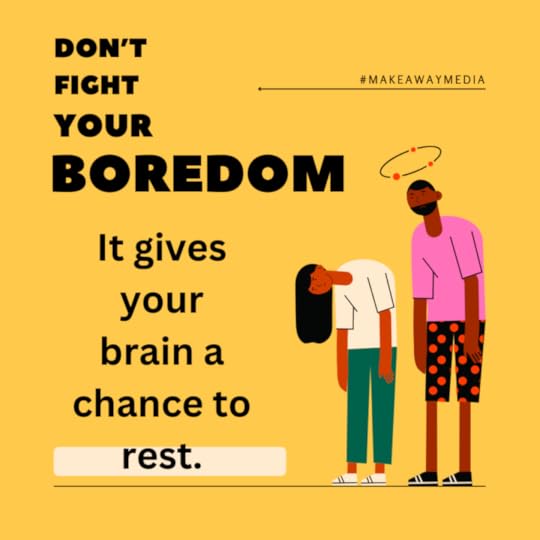
Boredom gets a bad rap, but it is really beneficial to our mental health and intellectual development. When we’re bored, our brains wander and this actually relaxes our brains (even though we might feel a little anxious at the idea of just doing nothing). Our brains get an opportunity to reset.
But how do we allow ourselves to be bored when we have games, videos, and songs at our fingertips at all times? It isn’t easy since these things give our brains little hits of dopamine over and over again. But scrolling for hours online tires our brains out, so we need to periodically give ourselves a break.
Here are some boring suggestions to help you benefit from boredom:
Turn off the radio or audiobook while driving. Your mind will wander. If you have children in the car, make some of the driving times with them “device-free” events so that they can just look outside, pay attention to the world, and daydream.Take a walk in nature without plugging in. (Keep your phone for safety and security, but don’t access it while you walk.)Sit and stare at a tree or watch a bird for 10 minutes. If 10 minutes is too much, try for five, or three. Engage in a physical activity that doesn’t require thought. Dig in your garden, stuff envelopes for an organization, or dust your miniblinds. Take a shower or a bath and stay for an extra few minutes. Remind yourself that boredom is not a waste of time. It is where dreams come from. Boredom allows space for dreams to float to the tops of our minds and the confidence to take action.Whatever you do, give yourself the gift of boredom if only for a few minutes every day.
The post Benefits of Boredom appeared first on Make A Way Media.
July 25, 2024
Develop Curiosity
Believe it or not, curiosity can be developed. It isn’t just something that children have and adults lose. Rather, it is a skill or way of being that anyone can foster and strengthen in themselves. Developing curiosity is an essential part of how you develop a growth mindset.

Some people are naturally more curious than others. If you’re the type of person who likes to go to new places and try new foods, you’re probably a little more curious than an individual who likes to go to the same vacation spot year after year or orders the same food at a favorite restaurant.
One thing to consider before any attempt to develop curiosity is to think about how it makes you feel to encounter something new. Do you feel excited or threatened? Do you feel scared or uncertain? Once you’ve considered how you feel, think about why you feel that way.
It is important to remember that at one time, going to your favorite vacation spot or restaurant was new; you had never gone there before. Over time, though, these locations or activities have become synonymous with comfort. Sometimes it helps to remember that we can and do adjust to lots of things all the time.
Something else to consider when we think about developing our curiosity is whether any fears we have related to trying new things or meeting new people are based on experience or whether we are just letting our “What ifs” get the best of us. If you think “What if I don’t like the new vacation spot?,” turn the idea on its head and ask, “What if I like this new vacation spot better than my old one?” Realistically, there is no perfect vacation locale or restaurant so you will like some things and dislike others, but sometimes we’re not even aware of how much the “What If” part of our brains is talking.
If you tend to not be very curious about trying new things, maybe consider just practicing thinking about visiting new places or trying new things before you actually do them. This will give you the opportunity to think about how the prospect of a new restaurant makes you feel and what kinds of “What If” thoughts you’re having.
Becoming more curious doesn’t have to be something you do quickly, especially if you tend to be more traditional and not generally eager to try new things, but it should be something that you strive to continuously work on. Take your time and think and feel your way to becoming more curious about things that are new or unique around you. Put the fun back into life by adding more curiosity to your day!
The post Develop Curiosity appeared first on Make A Way Media.