
Arthur Janov's Blog, page 2
December 20, 2017
On Curing a Symptom
(Originally published July 27, 2008)
Let us start out by saying that no all symptoms are caused by repressed emotions but a good deal of them are. The question then poses itself, “What does it take to cure the symptom?” Can counseling do it? Yes, but with reservations. You see each level of consciousness--brainstem, limbic system and neocortex, contribute its specific kind of pain to the system. And they contribute the most when survival is at stake. That is why the most pain lies deep in the neuraxis where insult can affect whether we live or die.
Now let us suppose that a migraine takes a level of 10 for it to be manifest. And we take away current stress that brings the pain level to eight. Have we cured it? No, we have taken away just that valence that originally put the system over the top and into a symptom. But we still have deeper levels of pain. We can only say we have “cured” it when we arrive at the very heavy valence pain that was at the origin of it all.
In depression there are levels of hopelessness that finally result in overt depression. But until we arrive at the intrauterine trauma of a heavily drugged mother, for example, we cannot be said to have cured the problem.
What too much of current psychotherapy does is manipulate the current burden, leaving the heavy-duty pains untouched. But that manipulation may have been enough to keep the symptom from manifesting itself (biofeedback, hypnosis, cognitive therapy, etc.). That might lead to the false notion that this method of manipulation is curative of such and such symptom. It is the same as in alcoholism. Enough support and warmth in the present can take just enough of the pain load away to snuff the habit. The reason that there is always a tendency toward the illness is that the underlying pain waits in its cage. When the system is weak and vulnerable again the symptom may spring forth. Cure is always tied to original causes. When the symptom is matched through feeling to its advent we have succeeded.


December 12, 2017
The Inheritance of Acquired Characteristics: Epigenetics
(Originally published July 27, 2008) In the early nineteenth century a French scientist named Jean Baptiste Lamarck decided that we acquired characteristics from experiences that our parents underwent. Russian communists applied this to agriculture but, no matter, it was a widely discredited theory…..until recently. Now this avowed Marxist position may have been resurrected a bit. There is a new field called epigenetics that states pretty much what Lamarck believed. So what is the evidence? And what exactly is it? What Lamarck said was that individuals acquire characteristics as a result of their environment, and now, these characteristics can be passed on to the offspring.
Much of the work in epigenetics has to do with diet; a mother’s diet influences the offspring’s physiology. Epigenetics has to do with how genes are regulated and influenced by the experience of the baby. I believe it has more to do with the fetus who resides in the womb; that his experience is influenced forevermore by the mother’s diet but also by her moods, her anxiety and depression. Has the genetic switch been delayed or was it premature? This can happen without making a radical change in the gene itself but rather in how it is expressed, whether it is shut off or on. What we are discussing is how a mother’s interaction with her environment can pass this on to her offspring. I think we need to understand that a fetus in the womb is always trying to adapt to his environment and that how genes will evolve and be expressed depends on that adaptation. For example, a mother who is anxious and who has depleted much of her serotonin supplies cannot fulfill the young fetal need for his own serotonin supplies. He may well grow up deficient in inhibitory or repressive capacity and be an anxiety case forevermore; this evolves into attention deficit in his youth and his continued inability to have a cohesive cognitive ability. I think it is extremely important that all this occurs while the fetal brain is rapidly developing and needs proper input to evolve normally. An anxious mother is so agitated that the neuronal input into the baby she is carrying is so extreme that he cannot adapt and integrate this input. Thereafter, this is the kind of person who cannot accept too much stimulation because the internal input is so great that anything from the outside, just two terms papers, can be overwhelming.
I have discussed the work of Michael Meaney of McGill University who has worked with mice and found that very early neglect by the mother results in lifelong alterations. In thirteen men who had committed suicide, all of whom suffered from child abuse, there were epigenetic effects. Abuse has many forms but to me those most deleterious is the abuse of a mother who smokes, drinks or takes drugs during pregnancy. Abuse means adversely affect a child’s development. Meaney found the same changes in thirty five people who suffered from schizophrenia. Here, several of the genes involved with the unfurling of key neurotransmitters (which ordinarily help to repress pain or noxious stimuli) where affected. New work has related epigenetics to the occurrence of cancer. What has been called the effects on epigenetic settings I call changing the set-points of many biologic states; this includes the set-points of the neurotransmitters that w
Ill later make us chronically comfortable or uncomfortable. Not feeling good in our skin is one way to state it. What is very new is that experiences of the mother affects the sperm of the offspring, and that may affect how the grandchildren develop. It may be that smoking or drug taking in while the embryo is just forming can later affect sperm production. The meaning of all this is that what happens in the womb while the organism is getting organized can affect the baby for a lifetime. It is so important that we not neglect this period when we attempt to understand and treat those with emotional problems. The more remote the imprint the more widespread the later effects, in my opinion. When a carrying mother is under stress her stress hormone level is high. When the levels remain high for a long time the immune system is compromised, and that might well affect the immune status of the offspring. And as I note elsewhere, a strong immune system (natural killer cells) is needed to stay on the lookout for newly developing cancer cells. It is not that a deficient immune system can lead to cancer, it is that a weak maternal immune system does not impart a strong immune capability to the baby; and the same dislocated physiology of the mother can also affect the fetus, setting the stage for later catastrophic disease. Womb-life has largely been neglected in the psychological literature. It is time to reorient ourselves.
SMALL FEET AND SMALL BREASTS: CANCER?
Are small feet and small breasts desirable? Is it good or bad? It’s more serious than that. It is neither good nor bad but whether that size has arrived at its genetic destination. That is, due to heredity has the size fulfilled the genetic intention? If not, there can be serious repercussions. What it means to me, and now we leave the arena of strict science, is that repression has interceded to slow down or inhibit growth. How do I know? Some of my patients have reported foot growth, chest growth, breast growth and other kinds of growth after about a year of therapy. (We have a letter of a former patient who reported foot growth of several sizes after therapy). All that has happened in my therapy is lifting repression and liberating pain. If we reason backward we might say that repression prohibited proper growth from taking place. That means to me constant pressure in key sites against growth; against genetic destinations. And that again can mean the possibility of serious illness, possibly cancer. Pressure on the cells to stop this unfolding can be enormous. Until one has seen the liberation of pain it is difficult to comprehend.
So we can only say that one’s breasts are too small when we see if they grow as a result of this liberation. And I believe that will only happen when the patient arrives at deeply implanted pain, at birth and before, when so many hormones are affected; where so many set-points are dislocated and fixed. I think that, in this sense, the therapy may have an anti-cancer effect. Can you imagine the pressure our biology exerts to fulfill its genetic promise? That pressure continues against a constant pressure to hold it back. The result too often can be disease as the cells become deformed and dislocated. It is not only the obvious breasts and feet, which are, after all, measurable, but there my be so effects we cannot measure; for example, the kidneys, heart or liver. We see that wherever we have looked, (serotonin/impramine: natural killer cells) there are significant changes. We would expect the same with key organ systems. In other words, pain and repression are laid down as total experience, which means that just about every system is involved in the imprint of the memory. So we would expect that all key organ systems would be affected. That remains to be studied. But we would also expect that those systems, which are inherently weak and vulnerable, would be seriously affected by that repression. The answer? Have a good gestation and birth and infancy. Failing that, relive the key pains set down and undo the massive repression.
There are effects we cannot measure; for example, the kidneys, heart or liver. We see that wherever we have looked, (serotonin/impramine: natural killer cells) there are significant changes. We would expect the same with key organ systems. In other words, pain and repression are laid down as total experience, which means that just about every system is involved in the imprint of the memory. So we would expect that all key organ systems would be affected. That remains to be studied. But we would also expect that those systems, which are inherently weak and vulnerable, would be seriously affected by that repression. The answer? Have a good gestation and birth and infancy. Failing that, relive the key pains set down and undo the massive repression.
In writing about the imprint, I will note again that one way we know that very early imprinted pain endures is that many entering patients have high stress hormone levels which normalize after one year of the therapy. What this may mean is that the imprint endures, is a constant danger, and must be fought against. That danger is signaled by the high cortisol (stress hormone) levels. Why is it, then, that the levels come down to normal after a time? Because the imprint is no longer a force; It is now simply a memory. The force of the pain has been felt and integrated. It is not as though there is a reliving of the memory and then we find changes in the imprint; it is that the way the memory is held and engraved is through these various changes such as in stress hormone levels. The danger is no longer in evidence; the system can relax. The battle is over. As all systems normalize it means that there is no longer an irrevocable memory to deal with. The imprint as a total physiologic event no longer exists. Can we become neurotic again? Not in the same way because the harmful memory is gone. What we often cannot change are the secondary changes already in evidence due to the damage inflicted beforehand.
Much of the work in epigenetics has to do with diet; a mother’s diet influences the offspring’s physiology. Epigenetics has to do with how genes are regulated and influenced by the experience of the baby. I believe it has more to do with the fetus who resides in the womb; that his experience is influenced forevermore by the mother’s diet but also by her moods, her anxiety and depression. Has the genetic switch been delayed or was it premature? This can happen without making a radical change in the gene itself but rather in how it is expressed, whether it is shut off or on. What we are discussing is how a mother’s interaction with her environment can pass this on to her offspring. I think we need to understand that a fetus in the womb is always trying to adapt to his environment and that how genes will evolve and be expressed depends on that adaptation. For example, a mother who is anxious and who has depleted much of her serotonin supplies cannot fulfill the young fetal need for his own serotonin supplies. He may well grow up deficient in inhibitory or repressive capacity and be an anxiety case forevermore; this evolves into attention deficit in his youth and his continued inability to have a cohesive cognitive ability. I think it is extremely important that all this occurs while the fetal brain is rapidly developing and needs proper input to evolve normally. An anxious mother is so agitated that the neuronal input into the baby she is carrying is so extreme that he cannot adapt and integrate this input. Thereafter, this is the kind of person who cannot accept too much stimulation because the internal input is so great that anything from the outside, just two terms papers, can be overwhelming.
I have discussed the work of Michael Meaney of McGill University who has worked with mice and found that very early neglect by the mother results in lifelong alterations. In thirteen men who had committed suicide, all of whom suffered from child abuse, there were epigenetic effects. Abuse has many forms but to me those most deleterious is the abuse of a mother who smokes, drinks or takes drugs during pregnancy. Abuse means adversely affect a child’s development. Meaney found the same changes in thirty five people who suffered from schizophrenia. Here, several of the genes involved with the unfurling of key neurotransmitters (which ordinarily help to repress pain or noxious stimuli) where affected. New work has related epigenetics to the occurrence of cancer. What has been called the effects on epigenetic settings I call changing the set-points of many biologic states; this includes the set-points of the neurotransmitters that w
Ill later make us chronically comfortable or uncomfortable. Not feeling good in our skin is one way to state it. What is very new is that experiences of the mother affects the sperm of the offspring, and that may affect how the grandchildren develop. It may be that smoking or drug taking in while the embryo is just forming can later affect sperm production. The meaning of all this is that what happens in the womb while the organism is getting organized can affect the baby for a lifetime. It is so important that we not neglect this period when we attempt to understand and treat those with emotional problems. The more remote the imprint the more widespread the later effects, in my opinion. When a carrying mother is under stress her stress hormone level is high. When the levels remain high for a long time the immune system is compromised, and that might well affect the immune status of the offspring. And as I note elsewhere, a strong immune system (natural killer cells) is needed to stay on the lookout for newly developing cancer cells. It is not that a deficient immune system can lead to cancer, it is that a weak maternal immune system does not impart a strong immune capability to the baby; and the same dislocated physiology of the mother can also affect the fetus, setting the stage for later catastrophic disease. Womb-life has largely been neglected in the psychological literature. It is time to reorient ourselves.
SMALL FEET AND SMALL BREASTS: CANCER?
Are small feet and small breasts desirable? Is it good or bad? It’s more serious than that. It is neither good nor bad but whether that size has arrived at its genetic destination. That is, due to heredity has the size fulfilled the genetic intention? If not, there can be serious repercussions. What it means to me, and now we leave the arena of strict science, is that repression has interceded to slow down or inhibit growth. How do I know? Some of my patients have reported foot growth, chest growth, breast growth and other kinds of growth after about a year of therapy. (We have a letter of a former patient who reported foot growth of several sizes after therapy). All that has happened in my therapy is lifting repression and liberating pain. If we reason backward we might say that repression prohibited proper growth from taking place. That means to me constant pressure in key sites against growth; against genetic destinations. And that again can mean the possibility of serious illness, possibly cancer. Pressure on the cells to stop this unfolding can be enormous. Until one has seen the liberation of pain it is difficult to comprehend.
So we can only say that one’s breasts are too small when we see if they grow as a result of this liberation. And I believe that will only happen when the patient arrives at deeply implanted pain, at birth and before, when so many hormones are affected; where so many set-points are dislocated and fixed. I think that, in this sense, the therapy may have an anti-cancer effect. Can you imagine the pressure our biology exerts to fulfill its genetic promise? That pressure continues against a constant pressure to hold it back. The result too often can be disease as the cells become deformed and dislocated. It is not only the obvious breasts and feet, which are, after all, measurable, but there my be so effects we cannot measure; for example, the kidneys, heart or liver. We see that wherever we have looked, (serotonin/impramine: natural killer cells) there are significant changes. We would expect the same with key organ systems. In other words, pain and repression are laid down as total experience, which means that just about every system is involved in the imprint of the memory. So we would expect that all key organ systems would be affected. That remains to be studied. But we would also expect that those systems, which are inherently weak and vulnerable, would be seriously affected by that repression. The answer? Have a good gestation and birth and infancy. Failing that, relive the key pains set down and undo the massive repression.
There are effects we cannot measure; for example, the kidneys, heart or liver. We see that wherever we have looked, (serotonin/impramine: natural killer cells) there are significant changes. We would expect the same with key organ systems. In other words, pain and repression are laid down as total experience, which means that just about every system is involved in the imprint of the memory. So we would expect that all key organ systems would be affected. That remains to be studied. But we would also expect that those systems, which are inherently weak and vulnerable, would be seriously affected by that repression. The answer? Have a good gestation and birth and infancy. Failing that, relive the key pains set down and undo the massive repression.
In writing about the imprint, I will note again that one way we know that very early imprinted pain endures is that many entering patients have high stress hormone levels which normalize after one year of the therapy. What this may mean is that the imprint endures, is a constant danger, and must be fought against. That danger is signaled by the high cortisol (stress hormone) levels. Why is it, then, that the levels come down to normal after a time? Because the imprint is no longer a force; It is now simply a memory. The force of the pain has been felt and integrated. It is not as though there is a reliving of the memory and then we find changes in the imprint; it is that the way the memory is held and engraved is through these various changes such as in stress hormone levels. The danger is no longer in evidence; the system can relax. The battle is over. As all systems normalize it means that there is no longer an irrevocable memory to deal with. The imprint as a total physiologic event no longer exists. Can we become neurotic again? Not in the same way because the harmful memory is gone. What we often cannot change are the secondary changes already in evidence due to the damage inflicted beforehand.
December 4, 2017
On Reliving
(Originally published July 15, 2008) Primal therapy involves a careful procedure – paced by the patient – toward bringing sensations and feelings from trauma in one's early history safely into a conscious experience. The apex of this procedure is total reliving of a traumatic experience. Primal therapy avoids distracting or interrupting the patient in this process. We seek to draw attention to sensations and feelings, and allow the patient, when he and his body is ready, to go into the pain, and fully relive it. This time, in contrast to the time of the original trauma, the patient can finally experience the feelings, and finally be relieved of their neurotogenic energy.
The reliving that occurs in primal therapy may be hard to imagine by those who have not seen it. In reliving incest, for example, not only are the vital signs exceptionally high, often into near-lethal levels, but the physical posture reflects what happened in the original event, the wrists bound together behind the back, for example. Why, one would question, do we allow these dangerous levels to exist in therapy? The patient, on the lip of feeling a great trauma, runs a fever. One hundred three degrees is not unusual. We don’t desire it except that without it there is no healing. Secondly, these elevated levels were the reason for the repression, in the first place. Sustained blood pressure in hypertensive regions would have killed the newborn. What the neuroinhibitors such as serotonin/endorphin do is keep reactivity within survival bounds and thereby save one’s life; a key function of repression. Now as an adult the individual is stronger, and may begin to relive the trauma, if only in small titrated doses.
Post session vital signs indicate some degree of integration and resolution after a reliving episode (known as a “primal”). They usually drop below baseline after the session. If they move either up or down sporadically we are dealing with abreaction—the discharge of the energy of a trauma without proper connection. This is never curative.
Reliving yields insights and cognitive changes automatically. Reliving never being touched as a child makes immediately clear the reason for one’s nymphomania. It puts the need for touch in the past so that it is no longer acted-out in the present. The patient does not need to be told how to appreciate the trauma; everything is understood within the feeling, provided it is a full reliving.
Discussing the past trauma is, by and large, a cortical operation that remains in the area of thought. It is the inordinate pain portion that is stored in the brain's limbic system and brainstem that is the culprit to be relived. And that is what constitutes the unconscious. It is that portion of pain that must be relived. If one could see the amount of pain engendered in a primal she would understand right away how important reliving is to the therapeutic process.
Primal Therapy differs from most other therapies extant in approach of reliving past traumas rather than discussing them. The patient seems to be in the grip of an ancient brain during the reliving which results in an integration of the feeling. In the reliving, the whole system will be engaged as it was when the memory was registered. This is why in our research we found an average 24-point drop in systolic readings in our high blood pressure (hypertensive) patients after six months of therapy. It is why in a parasympathetic dominant patient (often, a depressive) who enters a session with a radically lowered body temperature, we will see rises of two or three degrees after the session, as feelings normalize the system. Normalizing blood pressure is very important if we want to avoid cerebral strokes later on. We can “normalize” with medication but the force is still inside doing its damage elsewhere. There is a major difference between normalizing the symptom and normalizing the system. The latter has great import for longevity. If we normalize one aspect of the system, the rest of the body must compensate, and that is the danger with medication. It achieves apparent results, but not profound effects. So long as the generating source of the problem stays active it is forever a threat...a stroke is not the least of the consequences. Again, if we try to “cure” high blood pressure with pills we are depriving the patient of one aspect of the memory; and she needs the totality of response to the memory in order to fully relive and get better. That is, if we suppress part of the memory there can never be a full reliving because the whole memory is not completed.
Why We Must Relive As A Total Experience
A reliving of preverbal imprints will evoke the exact same reactions as at the time of the original trauma. In the absence of a reliving, the reactions or fragments of the memory will persist, such as a fast heart rate or high blood pressure. When we relive a complete early birth memory of which a high blood pressure was a part, then in the total reliving, that fragment of the memory will also be included, and the patient should consequently see relief from the intrusive symptoms. If aspects of the original reaction are missing the reliving is not complete and therefore not curative. When patients relive enough of their painful history, they no longer need alcohol, drugs, cigarettes, or painkillers. Less pain, less pain-killers
When a patient relives early terror, then ceases to compulsively check the locks on his doors twenty times a day, he has solved a key mystery. This, without any prolonged discussion of the obsession. He felt unsafe, profoundly unsafe early on; the obsessions controlled the terror that he didn’t even know he had. The left frontal cortex was saying, “I’d better check the locks. It makes me feel more comfortable.” Since the terror is there he never can feel safe for long, the obsessions go on. The feeling of being unsafe was seeping up in small increments from the right brain. It was immediately staved off by the obsession on the left. “I’ll be safe if the house is locked.” If we were to prevent the obsession we would see terror, which is what we do in our therapy. But it must be done in a safe, controlled atmosphere. In order to feel deeply unsafe one has to feel totally safe in the present. That safety, dialectically, turns into its opposite.
Reliving means to be in the grip of the child’s or infant’s brain; it is different from discussing childhood pain with the adult brain. It means to be immersed totally in an old traumatic memory; it also involves connection of lower forces to top level brain tissue, as well as right brain feeling information to the left prefrontal cortex. There should be brain changes as a result of connection, which is what we want to discover.Email This
The reliving that occurs in primal therapy may be hard to imagine by those who have not seen it. In reliving incest, for example, not only are the vital signs exceptionally high, often into near-lethal levels, but the physical posture reflects what happened in the original event, the wrists bound together behind the back, for example. Why, one would question, do we allow these dangerous levels to exist in therapy? The patient, on the lip of feeling a great trauma, runs a fever. One hundred three degrees is not unusual. We don’t desire it except that without it there is no healing. Secondly, these elevated levels were the reason for the repression, in the first place. Sustained blood pressure in hypertensive regions would have killed the newborn. What the neuroinhibitors such as serotonin/endorphin do is keep reactivity within survival bounds and thereby save one’s life; a key function of repression. Now as an adult the individual is stronger, and may begin to relive the trauma, if only in small titrated doses.
Post session vital signs indicate some degree of integration and resolution after a reliving episode (known as a “primal”). They usually drop below baseline after the session. If they move either up or down sporadically we are dealing with abreaction—the discharge of the energy of a trauma without proper connection. This is never curative.
Reliving yields insights and cognitive changes automatically. Reliving never being touched as a child makes immediately clear the reason for one’s nymphomania. It puts the need for touch in the past so that it is no longer acted-out in the present. The patient does not need to be told how to appreciate the trauma; everything is understood within the feeling, provided it is a full reliving.
Discussing the past trauma is, by and large, a cortical operation that remains in the area of thought. It is the inordinate pain portion that is stored in the brain's limbic system and brainstem that is the culprit to be relived. And that is what constitutes the unconscious. It is that portion of pain that must be relived. If one could see the amount of pain engendered in a primal she would understand right away how important reliving is to the therapeutic process.
Primal Therapy differs from most other therapies extant in approach of reliving past traumas rather than discussing them. The patient seems to be in the grip of an ancient brain during the reliving which results in an integration of the feeling. In the reliving, the whole system will be engaged as it was when the memory was registered. This is why in our research we found an average 24-point drop in systolic readings in our high blood pressure (hypertensive) patients after six months of therapy. It is why in a parasympathetic dominant patient (often, a depressive) who enters a session with a radically lowered body temperature, we will see rises of two or three degrees after the session, as feelings normalize the system. Normalizing blood pressure is very important if we want to avoid cerebral strokes later on. We can “normalize” with medication but the force is still inside doing its damage elsewhere. There is a major difference between normalizing the symptom and normalizing the system. The latter has great import for longevity. If we normalize one aspect of the system, the rest of the body must compensate, and that is the danger with medication. It achieves apparent results, but not profound effects. So long as the generating source of the problem stays active it is forever a threat...a stroke is not the least of the consequences. Again, if we try to “cure” high blood pressure with pills we are depriving the patient of one aspect of the memory; and she needs the totality of response to the memory in order to fully relive and get better. That is, if we suppress part of the memory there can never be a full reliving because the whole memory is not completed.
Why We Must Relive As A Total Experience
A reliving of preverbal imprints will evoke the exact same reactions as at the time of the original trauma. In the absence of a reliving, the reactions or fragments of the memory will persist, such as a fast heart rate or high blood pressure. When we relive a complete early birth memory of which a high blood pressure was a part, then in the total reliving, that fragment of the memory will also be included, and the patient should consequently see relief from the intrusive symptoms. If aspects of the original reaction are missing the reliving is not complete and therefore not curative. When patients relive enough of their painful history, they no longer need alcohol, drugs, cigarettes, or painkillers. Less pain, less pain-killers
When a patient relives early terror, then ceases to compulsively check the locks on his doors twenty times a day, he has solved a key mystery. This, without any prolonged discussion of the obsession. He felt unsafe, profoundly unsafe early on; the obsessions controlled the terror that he didn’t even know he had. The left frontal cortex was saying, “I’d better check the locks. It makes me feel more comfortable.” Since the terror is there he never can feel safe for long, the obsessions go on. The feeling of being unsafe was seeping up in small increments from the right brain. It was immediately staved off by the obsession on the left. “I’ll be safe if the house is locked.” If we were to prevent the obsession we would see terror, which is what we do in our therapy. But it must be done in a safe, controlled atmosphere. In order to feel deeply unsafe one has to feel totally safe in the present. That safety, dialectically, turns into its opposite.
Reliving means to be in the grip of the child’s or infant’s brain; it is different from discussing childhood pain with the adult brain. It means to be immersed totally in an old traumatic memory; it also involves connection of lower forces to top level brain tissue, as well as right brain feeling information to the left prefrontal cortex. There should be brain changes as a result of connection, which is what we want to discover.Email This
November 28, 2017
Womblife and Serotonin. The Origins of Mental Illness
(Originally published July 9, 2008)
Let’s begin with the poor lonely mouse. Regarding its womb-life: it is only after several months of gestation that the fetus produces adequate amounts of inhibitory/repressive chemicals such as serotonin. A mouse fetus does not make its own serotonin until close to the third trimester. It seems like the mother supplies what is needed until the baby can take over. But when the mother is low on supplies, she cannot fulfill what the developing baby lacks. Now if we extrapolate a bit to human mothers. But first a caveat: it seems to me that the principles or laws of biology apply pretty much across many species so that what is true in the physiologic evolution of mice might also be true in our own biologic evolution, as well, and as the following discussion indicates, it is true; the lag between the ability to experience pain and the ability to repress it can be considerable.
Whereas the beginnings of serotonin production in mice are sometime in the third trimester, in humans it seems to begin slightly earlier. Research on a fetus seems to indicate that it can experience pain after thirteen weeks from conception but that it really fully experiences pain after 20-24 weeks of gestation--bout five months of life in utero. It is fully sensitive to adverse events at this time. (see Paul Ranalli, “The Emerging Reality of Fetal Pain in Late Abortion.” www.nrlc.org) My guess is that it begins even earlier. What is critical here is there is a time during gestation when the fetus can not produce repressive/ inhibitory chemicals and must “ask” for help physiologically from his mother. When the fetus does begin manufacturing is own neuro- chemicals it sends some of it to the mother. It says, “I can soothe myself now. Thanks for the help.” Above all, serotonin is a soother.
Allthough the pain-killing aspects of serotonin are well known, less is known about its role in affecting appetite, gastric symptoms and heart function. In short, it has a role in normal development and evolution. In particular, new evidence points to its role in actually shaping some brain structures early in fetal life. (see Cote. F. et al. “Maternal Serotonin is Crucial for Murine Embryonic Development.” 2006 National Academy of Science.) Traumas very early on, before the secretion of serotonin is evident in the fetus, impact later serotonin output and can change who and what we are significantly. One reason we see serious mental illness arising during adolescence is that the hormonal turmoil going on and the weakening of defenses permits some of the fetal pain to rise and affect thought processes. Hence delusions and hallucinations.
Interestingly, in its early secretory life serotonin functions to control and shape anatomic structure. Later on, it carries on as a pain controller. It too evolves and changes. Thus, we as humans may have a significant delay in secreting serotonin during gestation. And we rely on our mother to pitch in before we start making our own. She needs to have an adequate supply for both herself and her baby. If she is chronically depressed she is apt to have low levels of serotonin, used up in the fight against her pain. In this way the mother cannot fulfill the fetal needs for a way to blunt the impact of adverse events; i.e,. of pain. Thus, the fetus has developed a residue of unblocked, free floating pain and terror early in his gestation. This makes him much more vulnerable to trauma at birth and in infancy. He is defective in coping mechanisms. Any later trauma can have double the impact on the relatively undefended system.
The low serotonin output is an imprint that remains pretty much the same throughout our life, making us not up the task of everyday living. That is why we so desperately need serotonin enhancing medication later in life. (Prozac. Zoloft) The medication is blocking pain that happened before we set foot on this planet.
We know from current research that an imprint during gestation remains pristine pure for all of our lives, whereas an imprint from after birth can produce compensating secretions that blunt the impact of trauma during infancy. My very notion of the imprint means events that they create irreversible dislocations of function in the neurobiologic sysems. The only way it can change is if we return to the origin of the dislocation and right the ship. It needs a push from below not a cry from above.
It seems to be another biologic law that whatever happens during gestation can alter basic physiologic set points, which is rarely the case after birth where there can be compensatory mechanisms to make up for the dislocation of function associated with the original trauma.
So we have a developing fetus who has no effective repressive mechanisms trying to borrow some of mother’s serotonin to help out, but to no avail. A completely naïve physical system has no frame of reference that tells it that basic physiologic processes are deviated. During gestation the system deviates and then considers that deviation as normal. So the baby is born with inadequate serotonin/gating capacity, and that deficiency follows him throughout life. But it is an already wounded organism, a wound that almost no one can see or even imagine. He will grow up chronically anxious, unable to concentrate or focus. He may well be ADD and be unable to sit still because the activation goes on incessantly. It shows itself in the panic attacks that happens when the system is vulnerable and gating weak; the imprint from gestation rises to the top and shouts out its message which almost no one can decipher. It is such a mystery because its origins are so arcane.
An example: a girl is born in wartime to a mother who is chronically anxious because her husband has been sent to war and left her all alone. The anxious mother transmits some of that to her baby who is then considerably weakened. He cannot fully repress to hold down pain. By the time infancy happens there is already a weak, vulnerable baby who is chronically agitated. This may be the beginnings of serious mental illness. It is not obvious to the human eye but the damage is done.
Too often this is ascribed to heredity because no one can imagine what has already happened in the womb. It is kind of a free- floating anxiety that seems to have no specific time of origin. Remember, this is a purely physiologic reaction originated at a time when there was no higher brain centers to process the event. To recapture it we must retreat to that primitive brain.
What we may see many decades later are panic and anxiety attacks, and then much later a cerebral stroke. This imprint would militate against cancer because for cancer to develop we often need massive repression; and for that we need massive secretions of neurojuices such as serotonin. What would exacerbate the risk of cancer is events later in infancy and childhood with unloving, stern parents. The result is a person who never had outlets for his pain. What further shuts down the person is growing up with a violent father or mother, a strict religious household, and no one to turn to. The force of the imprint may well affect the brain when the person is in his sixties. How on earth can we access such remote experiences, a time when there were no ideas to help out?
We do know that each high level of brain function can incorporate the previous lower level. That is, early memories become elaborated on higher levels of brain function and are incorporated into those levels. So when we relive a non-verbal pain or trauma in infancy we are at the same time reliving the residue from earlier in womb-life. The events are united under a resonance factor that makes a higher level of brain function trigger off a deeper and more remote feeling. To put it differently, each early preverbal imprint is ramified on higher levels so that feeling fully on the higher level automatically has us feeling the earlier aspects of the feeling. Because of this we can over-react to events in adult life. As we see in our therapy, it may be one cause of erectile dysfunction—the feeling of being overwhelmed because of even slight pressure to function in the present. Or the inability to get going at work.
So to summarize: there seems to be a time in gestation when pain or noxious stimuli impinge, but we are not yet able to produce our own gating chemicals, such as serotonin and endorphin, resulting in un- gated pain. When I refer to gating, I refer to electrochemical process that blocks the transmission of the pain message across the synapse. This residue will continue and may lead to bouts of anxiety later on in life. It becomes free-floating, unbound fear or terror. It can then be focused on elevators and a phobia is born. This is not due to heredity but rather to experience in the womb. Part of our in-utero life, therefore, takes on hurt at a time when the system can do nothing about it; nevertheless, it affects all later development. At 30, we may suffer from panic attacks that began its life in the very early months of our mother’s pregnancy. It is pristine, ready to spring forth whenever we are vulnerable. No talk therapy can make a dent in it because it involves a vegetative primitive nervous system which was adequate to register pain and terror during womb-life. This is a nervous system impervious to words; it doesn’t understand them and does not respond to them. So insights leave it absolutely indifferent. The womb experience leaves us fragile for a lifetime so that any insult or lack of love in infancy and childhood weakens us all the more. That is why we need drugs that work on lower brain centers below the intellectual in order to suppress these imprints for a time.
So much severe mental illness has its causes so early in our lives; and then nature later provides us with useless intellectual tools to address them. When all we have to do is let the primitive nervous system take charge and lead the way. It knows the path to liberation.
November 21, 2017
Thank you...
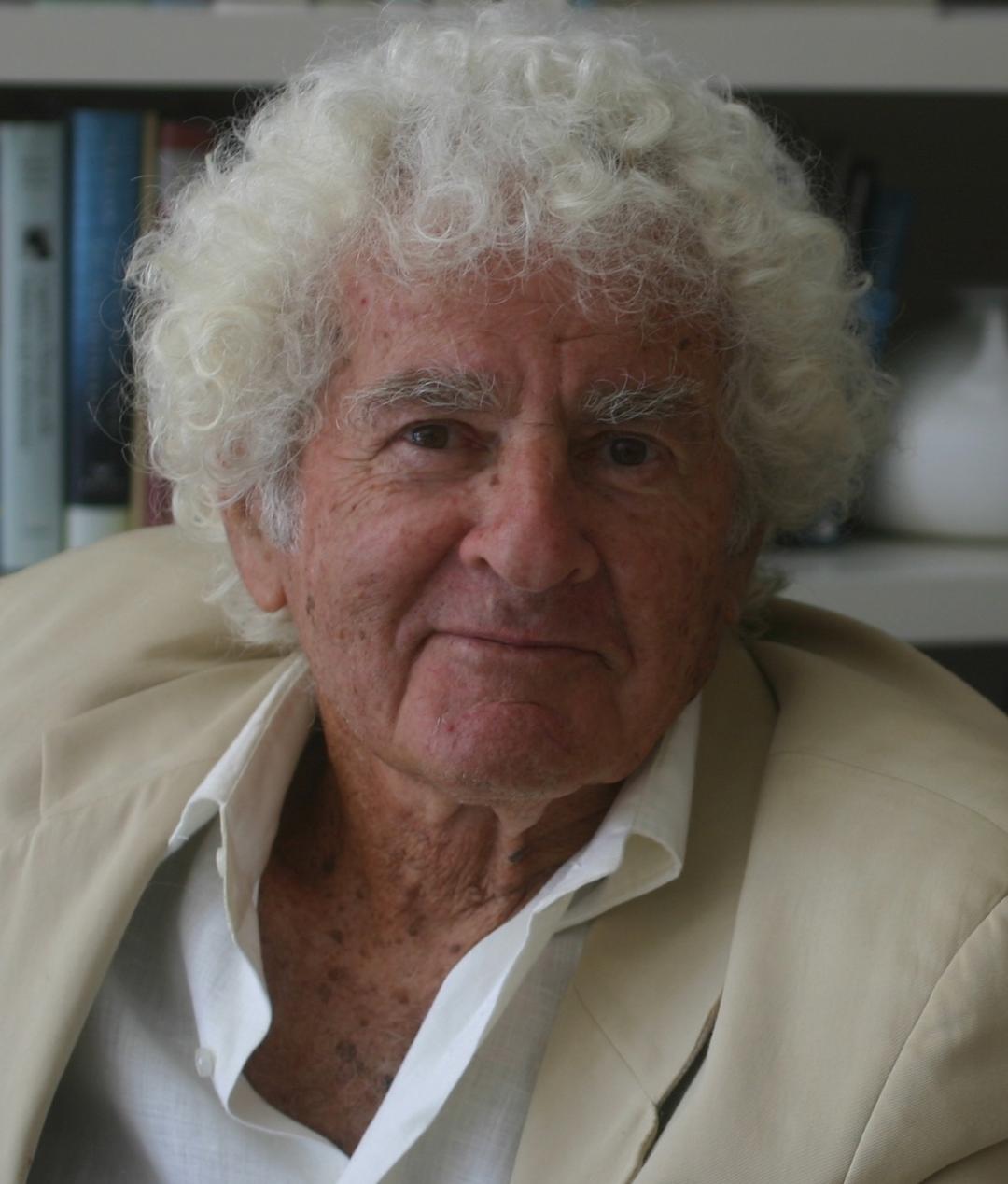
I would like to thank each and every one of you for your kind words that touched me deeply. It is comforting to see Art was able to touch so many lives.
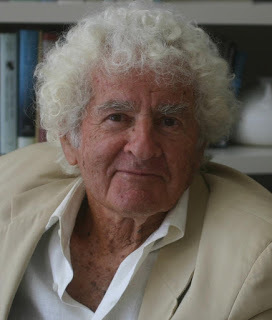
He was indeed an extraordinary man and his development of Primal Therapy is one of the most important discovery in psychology as it is the only treatment that addresses pain from all stages of life, starting at birth, helping and allowing the patients to feel that pain, freeing them forever from its lifelong consequences.
Some of you have expressed curiosity as to what will happen to the blog. Unfortunately it will not go on as Art was the only one to write articles, but it will remain online so that people can go back to the old posts. You may not be aware that Dr. Janov started the blog in 2008 and you may not have read all the posts! We will be bringing older articles back up in the current blog.
My best,
Dr. France Janov
He was indeed an extraordinary man and his development of Primal Therapy is one of the most important discovery in psychology as it is the only treatment that addresses pain from all stages of life, starting at birth, helping and allowing the patients to feel that pain, freeing them forever from its lifelong consequences.
Some of you have expressed curiosity as to what will happen to the blog. Unfortunately it will not go on as Art was the only one to write articles, but it will remain online so that people can go back to the old posts. You may not be aware that Dr. Janov started the blog in 2008 and you may not have read all the posts! We will be bringing older articles back up in the current blog.
My best,
Dr. France Janov
October 1, 2017
The Passing of A Great Man
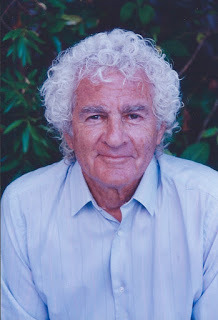
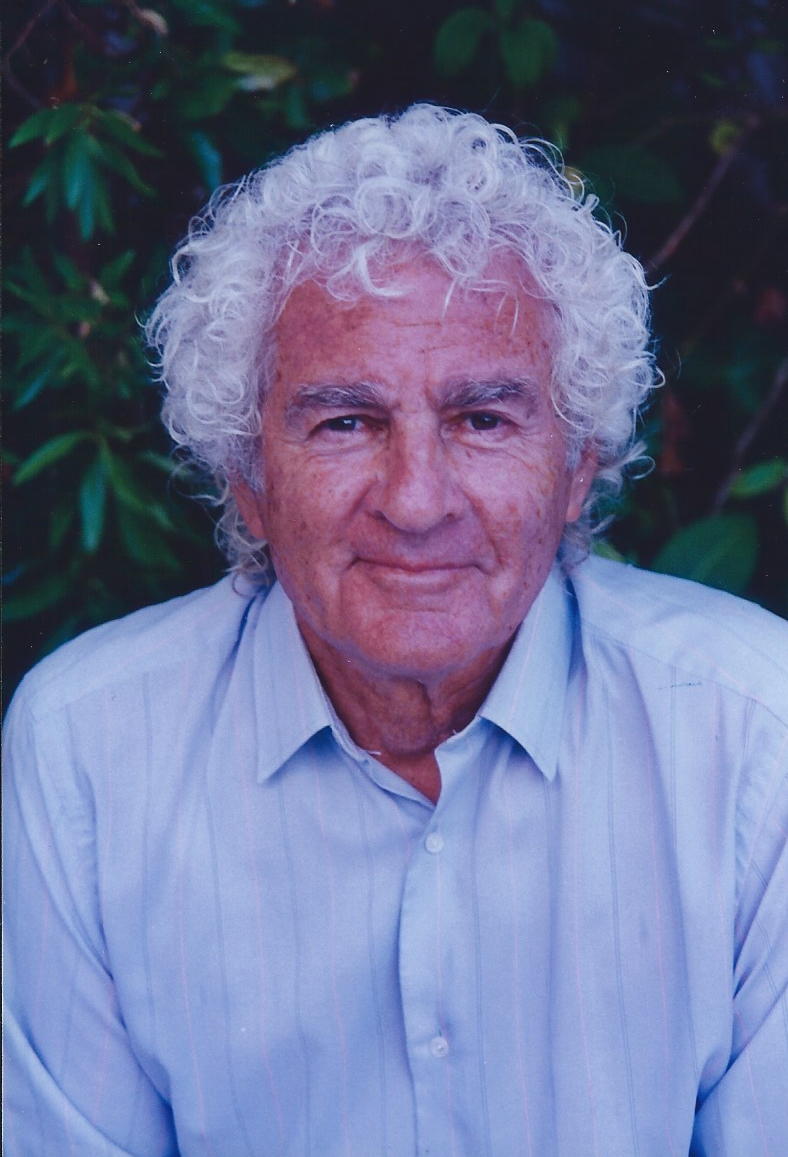
It is with great regret and deep sorrow that we write to you of Dr. Arthur Janov's passing today. He died peacefully in his sleep, surrounded by his loved ones. He was 93.
June 3, 2017
I Promise I Will Be Faithful: No You Won’t
Now why can’t some men and women keep that promise? Well there are many reasons but if we ignore the imprint then we are forced to look at the present for all the answers; whereas the current situation may provide only a few elements.
So what does that mean, the imprint? It means, say, for a man, that he needed love from his mother but all he got was indifference. That lack is imprinted, sealed by the unfulfilled need permanently. It lies on a lower strata so that no matter how loving the girlfriend is, he needs more. Why? Because the nagging, “I am not loved” lies below, agitating him to go elsewhere. And he will become known as a womanizer because he needs to seduce many women, all for the same ending, more infidelity. That, “I am not loved,” drives him every day.
With a woman who was never wanted by her father; that is, who left her feeling unwanted because he was so bound up in his own pain, she is a “sucker” for anyone who really shows he wants her. That need, “I am not wanted,” drives her and makes her give in immediately when a man looks at her and says he finds her beautiful. And yet, no matter how much a man wants her, she needs to seek out other men because “I am not wanted” continually drives her. She needs constant reassurance and assuaging.
A promise is a top level cortical expression; never a match for a deep-lying survival force. How do we know? Because when patients feel that need in all of its agony, they no longer have to promise anything; their body will do it for them. And when we see the huge amount of pain/force involved in experiencing the feeling we know how big a motivator it is.
None of this is conscious. The old need remains pristine pure but the person is never aware of it. The “promise to be faithful” sits on top of, “I can’t be faithful until my mother loves me.” After a sexual encounter, there is that nagging feeling of malaise, not being satisfied. And the person won’t be until he or she feels the real need in its exact early context. Every so-called fulfillment, every affair, after the time of the critical emotional window when need had to be fulfilled is, by definition, a symbolic fulfillment. That is why it is not really satisfying. Remember, that need in the first months of life meant survival as an intact human being. It had to be gated and repressed. Meanwhile, the feeling/need circulates in a sort of reverberating circuit seeking connection and never making it. If it were not symbolic, then one love affair should be satisfying.
That is why all compulsive behavior has to be repeated time and again. It doesn’t matter if its food, pain-killers or sex. Need dominates. It is a way of papering over pain. And because it is a temporary palliative, like a tranquilizer, it has to be done ad infinitum. Of course there are any number of other reasons. But many marital guide books cover those. It is just the imprint that is missing.
So what does that mean, the imprint? It means, say, for a man, that he needed love from his mother but all he got was indifference. That lack is imprinted, sealed by the unfulfilled need permanently. It lies on a lower strata so that no matter how loving the girlfriend is, he needs more. Why? Because the nagging, “I am not loved” lies below, agitating him to go elsewhere. And he will become known as a womanizer because he needs to seduce many women, all for the same ending, more infidelity. That, “I am not loved,” drives him every day.
With a woman who was never wanted by her father; that is, who left her feeling unwanted because he was so bound up in his own pain, she is a “sucker” for anyone who really shows he wants her. That need, “I am not wanted,” drives her and makes her give in immediately when a man looks at her and says he finds her beautiful. And yet, no matter how much a man wants her, she needs to seek out other men because “I am not wanted” continually drives her. She needs constant reassurance and assuaging.
A promise is a top level cortical expression; never a match for a deep-lying survival force. How do we know? Because when patients feel that need in all of its agony, they no longer have to promise anything; their body will do it for them. And when we see the huge amount of pain/force involved in experiencing the feeling we know how big a motivator it is.
None of this is conscious. The old need remains pristine pure but the person is never aware of it. The “promise to be faithful” sits on top of, “I can’t be faithful until my mother loves me.” After a sexual encounter, there is that nagging feeling of malaise, not being satisfied. And the person won’t be until he or she feels the real need in its exact early context. Every so-called fulfillment, every affair, after the time of the critical emotional window when need had to be fulfilled is, by definition, a symbolic fulfillment. That is why it is not really satisfying. Remember, that need in the first months of life meant survival as an intact human being. It had to be gated and repressed. Meanwhile, the feeling/need circulates in a sort of reverberating circuit seeking connection and never making it. If it were not symbolic, then one love affair should be satisfying.
That is why all compulsive behavior has to be repeated time and again. It doesn’t matter if its food, pain-killers or sex. Need dominates. It is a way of papering over pain. And because it is a temporary palliative, like a tranquilizer, it has to be done ad infinitum. Of course there are any number of other reasons. But many marital guide books cover those. It is just the imprint that is missing.
May 16, 2017
Can I Find a Partner?
It occurred to me that there are ways to find out if we can fall in love, whether we can sustain a relationship and how close we can be to others. We can enter into our physiology for answers to these questions; for in that physiology lies our history, our emotional past that can help predict the future. We can slice into the problem from many different perspectives but for now I will choose only one: oxytocin. I call it the hormone of love. When we make love our oxytocin levels mount; if we rub an animal’s belly levels rise. Making love tells us the importance of oxytocin since that act is the origin of life.
Oxytocin is a neuro-hormone that is a key hormone of love. When the level of oxytocin is low there is less emotional attachment, less interest in social engagement, less caring and bonding, and less touch ... in short, less love. "Less love" has a physical base. Less love early in our lives can be found in an imprint, which affects many systems. These effects are measurable. In some respects, love is a measurable entity. The imprint affects sexuality, particularly how key brain structures such as the amygdala and hippocampus translate pain into sexual behavior.
Oxytocin is found only in mammals. When it is high, one experiences a sense of relaxation, rest, and growth, repair and healing, loving behavior and emotional-attachment. Love and nurturing early in our lives are necessary for optimum health, and healthy brain development cannot take place without it. It isn’t just that low oxytocin levels are an indicator of early neglect and lack of touching, it also indicates a dysfunction of the entire system, and serves as a prognosticator of our later mental and physical health. Its presence says, "I was loved and could develop normally,” its lack says, “I was unloved and my system is skewed.” It is one of the key indices of how much love we received in infancy and around birth.
In the same way that we may increase sexual drive in males with testosterone injections, it may well be that we can "inject love" into people, or at least inject a hormone that encourages it – give people a shot of love, so to speak. This shot may help us attach to others and bond with partners, allows us to feel close to someone else, to feel and empathize with their feelings and pain. Bonding is a strong emotional attachment that helps us want to be with one another, to help and protect one another, and to touch and become sexual with one another. High levels of oxytocin encourage and strengthen bonding. Because early trauma and lack of love affect the output of this hormone, the ability to relate and have good sex later is determined even before birth and just after.
Someone can swear she is full of love, only to find herself very low in the essential hormone of love – oxytocin. It is actually good news that "less love" has a physical base, for there may be something we can do chemically to alter that state, and there is certainly something we can do psychologically to change it, as well. At sometime in the future we may be able to determine what proper love from a parent to a child is through the measurements of various hormones, not the least of which is oxytocin, which, as I state, has been in wide use to help birth along, affecting contractions in the mother. (Pitocin).
Early parental love is a permanent painkiller. Rats who were able to self-administer painkillers by pressing a lever did not do so when given oxytocin. Oxytocin (OT) inhibits the development of a tolerance to drugs such as morphine, and also decreases the painful withdrawal symptoms that occur when one is taken off these drugs. The degree of addiction can be measured by the severity of one’s withdrawal, yet oxytocin reduces the severity of these symptoms. Love will do the same thing; early love calibrates the system for life. A current shot of love, such as someone hugging and kissing us, may well change the levels temporarily. If we rub the belly of an animal the oxytocin levels will rise immediately, but once the initial critical period of the system’s development has passed, every change we can effect will be transient. Once we arrive at adulthood, oxytocin levels are fairly set. One can be given a shot of it, but it will not have a permanent effect, for once low levels of oxytocin or high levels of stress hormones are registered early in life, it is difficult to re-establish normal set points. After the critical period to receive love is over, the only way to normalize the system is to neuro-chemically relive the early events that dislocated the set points. The “critical period” is the time when a need must be fulfilled. It can never be recaptured. After that period all we can do is play catch-up.
If we are to ever have any chance at normalization we must feel again "unloved." That enables us to go back to the point of deviation or dislocation and rewrite the scenario and return the body to its correct set-points. . In that way only can we right the ship and return to the original biologic settings. It is that agony with all its concomitant biochemical components, that, when fully experienced, helps normalize the system. And when I mention “normal,” it seems to me that one of the key indices of normality is the ability to give and receive love. This is what patients should expect out of a psychotherapy.
We do know that in our measurements of the salivary cortisol (the stress hormone) there was a return to normal levels after one year of Primal Therapy. (see Primal Healing for a full discussion). In various other avenues we find the same phenomenon. True of heart rate and blood pressure. We assume it will be true with oxytocin levels. We make that assumption because our patients state over and again how they finally could relate to a partner and feel comfortable in an emotional relationship after the therapy.
There are many kinds of hormones that play into love and sex; I am extracting these for discussion and to show how early experience affects adult behavior. Many years ago we studied testosterone in our male patients. We also classified those who were low on testosterone as parasympaths – those dominated by the passive, reflective, healing nervous system. Those, who were high in testosterone, tended to be sympaths, meaning they were more aggressive, goal seeking, optimistic and ambitious (looking ahead, an analogue of the birth process). After one year of Primal Therapy, those who were low on testosterone tended to rise, while those who were very high tended to come down a bit; in brief, their systems would normalize.
When it comes to love, however, oxytocin is by far the most important hormone. The question we now face is what came first: lowered oxytocin and then the inability to love and to bond, or the lack of early love, which lowered the set points of oxytocin? I would choose the latter. Because hormones are so sensitive to early trauma, we must take care not to blame high or low levels to genetic factors. We must never forget the critical nine months of life in the womb.
Bonding is the most positive aspect of human relationships. We learn how to bond emotionally in adulthood through early bonding in childhood, as simplistic as that sounds. It cannot be taught! And it certainly cannot be taught in later life. Attachment is pretty well set in our childhood. It is not something we learn; it is something we feel. It is also something biochemical. Those who did not bond very early on with their parents may well be condemned to a lifetime of broken, fragile, tenuous relationships. It may be in large part due to deficits in the hormonal wherewithal such as oxytocin. Oxytocin researcher Thomas Insel has remarked that, "Many of the affectional ties to the mother observed post-natally (after birth) could be laid down by pre-natal experience." Life in the womb may determine life outside the womb for decades to come. If the early relationship with one’s parents was distant, alienated and glacial, it may be a harbinger of the love relationships we have or don't have later in life. The earlier the alienation from one's parents, the more trouble there may be in relationships later on. I have seen it in hundreds of my patients. It approaches a biologic law – if my sampling of our patients is any index.
In certain mountain rodents such as the mountain vole, a species that lives an isolated life (as differentiated from the prairie vole, which is more social), a shot of oxytocin proved to encourage bonding and pairing between voles. After repeated injections there was a long-acting anti-stress effect, which calmed overall behavior and gave rise to a strong tendency to bond. This again indicates that early love supports calmness and serenity. Those humans who are able to bond with others have high levels of oxytocin. Love seems to be the ultimate painkiller and a permanent one. It prepares us for the challenges of life and is the ultimate survival tool.
Need a good sex life? Be loved early on by your parents. That means, inter alia, right after birth and for the few months afterward. By that I mean plenty of hugging and kisses. Touch is ne plus ultra. Suffer from perversion? It may be because early in life, you were twisted by your parents in the quest for love. Parents whose personalities made implicit demands on the child to be someone else—non-coomplaining, passive, listening never speaking.
There is enough evidence to show that a newborn's heart rate, body temperature, and respiration rate are governed by the mother; when she is loving and nurturing towards the baby she carries, there is a positive affect on the baby and the set points of heart rate and blood pressure become normal. Any neglect she inflicts changes the biochemistry of the baby, perhaps permanently. Her anxiety and depression during pregnancy may very well alter the offspring's sex hormone levels. We know, for example, that anxiety in the mother can and does alter the sex hormone level of the fetus and can feminize infant males. So what we see is that once a male is feminized he is vulnerable, more vulnerable to a lack of love during infancy and childhood. He may become homosexual as a result of a cold, distant father, while the one who is not vulnerable will remain heterosexual. We need to understand that at certain levels of vulnerability, stress, trauma or pain can produce an overload and channel them into a symptom. In this sense, homosexuality could be considered a symptom, in the sense that there is a latent tendency, a feminizing, which only becomes overt homosexual behavior due to trauma; i.e., the lack of a father’s love. If the father’s love is there, it remains a latent tendency.
The female prairie vole, when treated soon after birth with steroid/stress hormones, showed an increase in masculine behavior, such as mounting. Most of us don't have to be injected with stress hormones; stress in the womb and just after birth accomplish the same thing, and may indeed masculinize females.
Although we may think that an injection is something special, the same chemical process takes place naturally. We can inject oxytocin, or we can massage the animal, and increase oxytocin levels that way. We can create stress for a pregnant woman, or inject her with steroids – the psychological effect is precisely the same as from a needle. A mother can be kind and loving and raise the serotonin levels in her offspring so that he can better handle adversity or a doctor can inject serotonin into the offspring and produce a temporary calming effect that is no different than that created by a loving look from the mother. A mother can "inject" oxytocin into her baby through her milk, which contains high levels of the hormone. Love, or what looks like it, can be injected. When "injected" naturally and at the proper time it will produce a loving human being.
Oxytocin means "quick birth." A synthetic oxytocin known as Pitocin, is given to mothers who need stimulation for contractions. I surmise that some mothers who need oxytocin to expedite the birth process may have had a history of pain that lowered their levels so as to make giving birth difficult. Statistics indicate those mothers who give birth by cesarean have lower levels of oxytocin. Additionally, when oxytocin is given to mothers to facilitate the birth process, it also enhances the love they feel for their child; they nurse better and are more relaxed with the baby. Conversely, a chronically anxious mother may leave her offspring with low oxytocin levels, which will contribute to the child having trouble later in life with bonding and forming attachments, as well as harboring a latent tendency to addiction. Thus, lack of early love translates into inadequate chemicals with which to bond, creating a vicious cycle of misery – unhappy relationships, poor sexual function, and failed marriages with suffering, abandoned children who bear the brunt of something that had its root causes in the infancy of the mother.
Loving feelings are transmitted to the fetus through the biochemistry and oxytocin levels of the pregnant woman, and then later through physical contact, which again raises oxytocin levels. If we were not loved early on, looked at, touched, listened to, nuzzled and adored, those biological changes, subtle though they may be, follow us throughout our lives. Yet a mother who takes good care of herself, is not depressed or anxious, does not take drugs, and eats properly, will produce a loving child.
If the traumas of birth, pre-birth and early childhood are inundating the system there will be an eventual overload and breakdown of the neuro-inhibiting, suppressing systems – serotonin, as well as oxytocin. There are many chemicals that live in the gaps between nerve cells, neurons; some push back and while others facilitate the message of pain. They are either information blockers or enhancers. Supplies of neuro-inhibitors will be used up over time in the fight to keep pain down. These supplies are not inexhaustible. It is the very earliest pains that have the highest valence and require the greatest amount of inhibition. These biochemicals will be used in the battle against emotional deprivation. The system will eventually be less sexual as the hormones of love become transmuted into the job of holding down pain.
A therapist can ask us, "Were you loved?," and we may insist, "Absolutely," yet we are betrayed by our oxytocin levels, which are far too low, and by our stress hormone levels, which are far too high, and also by our hormone levels which may be quite deviated. They speak too. The body and its physiology do not lie. Indeed, we may have been loved after birth, but suffered severe traumas in the womb of which we remain completely unaware. Our physiology will tell us the truth.
Oxytocin is a neuro-hormone that is a key hormone of love. When the level of oxytocin is low there is less emotional attachment, less interest in social engagement, less caring and bonding, and less touch ... in short, less love. "Less love" has a physical base. Less love early in our lives can be found in an imprint, which affects many systems. These effects are measurable. In some respects, love is a measurable entity. The imprint affects sexuality, particularly how key brain structures such as the amygdala and hippocampus translate pain into sexual behavior.
Oxytocin is found only in mammals. When it is high, one experiences a sense of relaxation, rest, and growth, repair and healing, loving behavior and emotional-attachment. Love and nurturing early in our lives are necessary for optimum health, and healthy brain development cannot take place without it. It isn’t just that low oxytocin levels are an indicator of early neglect and lack of touching, it also indicates a dysfunction of the entire system, and serves as a prognosticator of our later mental and physical health. Its presence says, "I was loved and could develop normally,” its lack says, “I was unloved and my system is skewed.” It is one of the key indices of how much love we received in infancy and around birth.
In the same way that we may increase sexual drive in males with testosterone injections, it may well be that we can "inject love" into people, or at least inject a hormone that encourages it – give people a shot of love, so to speak. This shot may help us attach to others and bond with partners, allows us to feel close to someone else, to feel and empathize with their feelings and pain. Bonding is a strong emotional attachment that helps us want to be with one another, to help and protect one another, and to touch and become sexual with one another. High levels of oxytocin encourage and strengthen bonding. Because early trauma and lack of love affect the output of this hormone, the ability to relate and have good sex later is determined even before birth and just after.
Someone can swear she is full of love, only to find herself very low in the essential hormone of love – oxytocin. It is actually good news that "less love" has a physical base, for there may be something we can do chemically to alter that state, and there is certainly something we can do psychologically to change it, as well. At sometime in the future we may be able to determine what proper love from a parent to a child is through the measurements of various hormones, not the least of which is oxytocin, which, as I state, has been in wide use to help birth along, affecting contractions in the mother. (Pitocin).
Early parental love is a permanent painkiller. Rats who were able to self-administer painkillers by pressing a lever did not do so when given oxytocin. Oxytocin (OT) inhibits the development of a tolerance to drugs such as morphine, and also decreases the painful withdrawal symptoms that occur when one is taken off these drugs. The degree of addiction can be measured by the severity of one’s withdrawal, yet oxytocin reduces the severity of these symptoms. Love will do the same thing; early love calibrates the system for life. A current shot of love, such as someone hugging and kissing us, may well change the levels temporarily. If we rub the belly of an animal the oxytocin levels will rise immediately, but once the initial critical period of the system’s development has passed, every change we can effect will be transient. Once we arrive at adulthood, oxytocin levels are fairly set. One can be given a shot of it, but it will not have a permanent effect, for once low levels of oxytocin or high levels of stress hormones are registered early in life, it is difficult to re-establish normal set points. After the critical period to receive love is over, the only way to normalize the system is to neuro-chemically relive the early events that dislocated the set points. The “critical period” is the time when a need must be fulfilled. It can never be recaptured. After that period all we can do is play catch-up.
If we are to ever have any chance at normalization we must feel again "unloved." That enables us to go back to the point of deviation or dislocation and rewrite the scenario and return the body to its correct set-points. . In that way only can we right the ship and return to the original biologic settings. It is that agony with all its concomitant biochemical components, that, when fully experienced, helps normalize the system. And when I mention “normal,” it seems to me that one of the key indices of normality is the ability to give and receive love. This is what patients should expect out of a psychotherapy.
We do know that in our measurements of the salivary cortisol (the stress hormone) there was a return to normal levels after one year of Primal Therapy. (see Primal Healing for a full discussion). In various other avenues we find the same phenomenon. True of heart rate and blood pressure. We assume it will be true with oxytocin levels. We make that assumption because our patients state over and again how they finally could relate to a partner and feel comfortable in an emotional relationship after the therapy.
There are many kinds of hormones that play into love and sex; I am extracting these for discussion and to show how early experience affects adult behavior. Many years ago we studied testosterone in our male patients. We also classified those who were low on testosterone as parasympaths – those dominated by the passive, reflective, healing nervous system. Those, who were high in testosterone, tended to be sympaths, meaning they were more aggressive, goal seeking, optimistic and ambitious (looking ahead, an analogue of the birth process). After one year of Primal Therapy, those who were low on testosterone tended to rise, while those who were very high tended to come down a bit; in brief, their systems would normalize.
When it comes to love, however, oxytocin is by far the most important hormone. The question we now face is what came first: lowered oxytocin and then the inability to love and to bond, or the lack of early love, which lowered the set points of oxytocin? I would choose the latter. Because hormones are so sensitive to early trauma, we must take care not to blame high or low levels to genetic factors. We must never forget the critical nine months of life in the womb.
Bonding is the most positive aspect of human relationships. We learn how to bond emotionally in adulthood through early bonding in childhood, as simplistic as that sounds. It cannot be taught! And it certainly cannot be taught in later life. Attachment is pretty well set in our childhood. It is not something we learn; it is something we feel. It is also something biochemical. Those who did not bond very early on with their parents may well be condemned to a lifetime of broken, fragile, tenuous relationships. It may be in large part due to deficits in the hormonal wherewithal such as oxytocin. Oxytocin researcher Thomas Insel has remarked that, "Many of the affectional ties to the mother observed post-natally (after birth) could be laid down by pre-natal experience." Life in the womb may determine life outside the womb for decades to come. If the early relationship with one’s parents was distant, alienated and glacial, it may be a harbinger of the love relationships we have or don't have later in life. The earlier the alienation from one's parents, the more trouble there may be in relationships later on. I have seen it in hundreds of my patients. It approaches a biologic law – if my sampling of our patients is any index.
In certain mountain rodents such as the mountain vole, a species that lives an isolated life (as differentiated from the prairie vole, which is more social), a shot of oxytocin proved to encourage bonding and pairing between voles. After repeated injections there was a long-acting anti-stress effect, which calmed overall behavior and gave rise to a strong tendency to bond. This again indicates that early love supports calmness and serenity. Those humans who are able to bond with others have high levels of oxytocin. Love seems to be the ultimate painkiller and a permanent one. It prepares us for the challenges of life and is the ultimate survival tool.
Need a good sex life? Be loved early on by your parents. That means, inter alia, right after birth and for the few months afterward. By that I mean plenty of hugging and kisses. Touch is ne plus ultra. Suffer from perversion? It may be because early in life, you were twisted by your parents in the quest for love. Parents whose personalities made implicit demands on the child to be someone else—non-coomplaining, passive, listening never speaking.
There is enough evidence to show that a newborn's heart rate, body temperature, and respiration rate are governed by the mother; when she is loving and nurturing towards the baby she carries, there is a positive affect on the baby and the set points of heart rate and blood pressure become normal. Any neglect she inflicts changes the biochemistry of the baby, perhaps permanently. Her anxiety and depression during pregnancy may very well alter the offspring's sex hormone levels. We know, for example, that anxiety in the mother can and does alter the sex hormone level of the fetus and can feminize infant males. So what we see is that once a male is feminized he is vulnerable, more vulnerable to a lack of love during infancy and childhood. He may become homosexual as a result of a cold, distant father, while the one who is not vulnerable will remain heterosexual. We need to understand that at certain levels of vulnerability, stress, trauma or pain can produce an overload and channel them into a symptom. In this sense, homosexuality could be considered a symptom, in the sense that there is a latent tendency, a feminizing, which only becomes overt homosexual behavior due to trauma; i.e., the lack of a father’s love. If the father’s love is there, it remains a latent tendency.
The female prairie vole, when treated soon after birth with steroid/stress hormones, showed an increase in masculine behavior, such as mounting. Most of us don't have to be injected with stress hormones; stress in the womb and just after birth accomplish the same thing, and may indeed masculinize females.
Although we may think that an injection is something special, the same chemical process takes place naturally. We can inject oxytocin, or we can massage the animal, and increase oxytocin levels that way. We can create stress for a pregnant woman, or inject her with steroids – the psychological effect is precisely the same as from a needle. A mother can be kind and loving and raise the serotonin levels in her offspring so that he can better handle adversity or a doctor can inject serotonin into the offspring and produce a temporary calming effect that is no different than that created by a loving look from the mother. A mother can "inject" oxytocin into her baby through her milk, which contains high levels of the hormone. Love, or what looks like it, can be injected. When "injected" naturally and at the proper time it will produce a loving human being.
Oxytocin means "quick birth." A synthetic oxytocin known as Pitocin, is given to mothers who need stimulation for contractions. I surmise that some mothers who need oxytocin to expedite the birth process may have had a history of pain that lowered their levels so as to make giving birth difficult. Statistics indicate those mothers who give birth by cesarean have lower levels of oxytocin. Additionally, when oxytocin is given to mothers to facilitate the birth process, it also enhances the love they feel for their child; they nurse better and are more relaxed with the baby. Conversely, a chronically anxious mother may leave her offspring with low oxytocin levels, which will contribute to the child having trouble later in life with bonding and forming attachments, as well as harboring a latent tendency to addiction. Thus, lack of early love translates into inadequate chemicals with which to bond, creating a vicious cycle of misery – unhappy relationships, poor sexual function, and failed marriages with suffering, abandoned children who bear the brunt of something that had its root causes in the infancy of the mother.
Loving feelings are transmitted to the fetus through the biochemistry and oxytocin levels of the pregnant woman, and then later through physical contact, which again raises oxytocin levels. If we were not loved early on, looked at, touched, listened to, nuzzled and adored, those biological changes, subtle though they may be, follow us throughout our lives. Yet a mother who takes good care of herself, is not depressed or anxious, does not take drugs, and eats properly, will produce a loving child.
If the traumas of birth, pre-birth and early childhood are inundating the system there will be an eventual overload and breakdown of the neuro-inhibiting, suppressing systems – serotonin, as well as oxytocin. There are many chemicals that live in the gaps between nerve cells, neurons; some push back and while others facilitate the message of pain. They are either information blockers or enhancers. Supplies of neuro-inhibitors will be used up over time in the fight to keep pain down. These supplies are not inexhaustible. It is the very earliest pains that have the highest valence and require the greatest amount of inhibition. These biochemicals will be used in the battle against emotional deprivation. The system will eventually be less sexual as the hormones of love become transmuted into the job of holding down pain.
A therapist can ask us, "Were you loved?," and we may insist, "Absolutely," yet we are betrayed by our oxytocin levels, which are far too low, and by our stress hormone levels, which are far too high, and also by our hormone levels which may be quite deviated. They speak too. The body and its physiology do not lie. Indeed, we may have been loved after birth, but suffered severe traumas in the womb of which we remain completely unaware. Our physiology will tell us the truth.
May 8, 2017
The Difference Between Romantic Love and Sex
Romantic love exists. Emotional attachment exists. Yet they involve different brain structures and different biochemistry than what drives pure, lustful sex. Once there is attachment or love, a separation can cause pain. Oxytocin helps to quiet this pain and can function very much like other neurotransmitters and inhibit suffering. To listen to my patients is to understand the terrible pain of a child separated from his parent; the cry of separation is an attempt to bring that parent back close again; it is true in nearly all animal forms.
There is a structure within the brain known as the cingulate cortex, which is responsible for that cry. This cortex is like an arc overlaying the limbic/feeling area and also deals with aspects of emotion. This area plays a role in maternal care and loving. The cingulated cortex is responsible for making the chemicals of comfort, and is also involved in inducing a sense of empathy, the ability to feel what others are feeling.
The cingulate cortex is endowed with endorphins, internally produced painkillers. When animals cry (as a result of separation from their mothers), these painkillers surge forth to ease the pain. When such a separation is abrupt and goes on for a long time, the baby’s pain becomes imprinted in the brain and remains. It is more pain than what a young body can tolerate.
Mother Nature knows that a baby needs two parents to care for him. Pair bonding is the result of two adults becoming attached, having sex, having a child, and loving that child. With the love these parents themselves received early in their own childhoods, they have the oxytocin and vasopressin that enables them to love their own child. Love is the foundation, therefore, for survival because when it is lacking, the child does not get the love he needs and he suffers, and the system becomes skewed and dislocated. Later, there may be disease and premature death as a deviated system is forever out of whack. A baby needs to be caressed and feel the sense of touch, which is the baseline of love. Without it, the brain changes and is less adaptive.
Alterations inside a pregnant woman, who does not want her baby, can affect the brain development in the womb so that the frontal cortex of the fetus becomes impaired. This has implications for later learning and adaptation. The mother's attitude, if not loving, adversely affects her fetus. It is one reason that we cannot be taught to love later on, though we can be taught to behave in a sociable manner. Love is not something to be taught. It is something we learn through our experience.
When the stimulating hormone, dopamine, and the repressive hormone, serotonin, are both at proper levels, there can be feeling and love. When serotonin is too high, there is too much repression and the ability to love is less. When dopamine is too high there is too much agitation and not enough cuddliness to allow love. A proper balance is needed among all the hormone systems. This is particularly true with oxytocin in females and vasopressin in males. After sexual orgasm, both of these levels rise by hundreds of percent in both parties, as if to say that attachment and closeness are part of sex or perhaps "should be," according to nature. It's nature's way of saying that sex should be taken seriously and is part of the syndrome of romance.
Constant random sex has nothing to do with love and is more or less a release of tension. It actually contradicts nature. However, there are two different brain/biochemical systems involved – one for pure sex and the other for attachment. We can be attached to someone and still have sex with someone else without love. There is evidence that in the latter case – sport-sex – the oxytocin and vasopressin levels are lower.
What are we to make of all this? That love exists and it is has physical effects. It can sculpt our brains early on. It is an intimate part of sex, and it ensures healthy development, both physically and mentally. Love is not an ethereal entity, but something we can measure. It may be a more accurate gauge of our state of being than all the protestations of love we might make. Love really does make the world go round.
There is a structure within the brain known as the cingulate cortex, which is responsible for that cry. This cortex is like an arc overlaying the limbic/feeling area and also deals with aspects of emotion. This area plays a role in maternal care and loving. The cingulated cortex is responsible for making the chemicals of comfort, and is also involved in inducing a sense of empathy, the ability to feel what others are feeling.
The cingulate cortex is endowed with endorphins, internally produced painkillers. When animals cry (as a result of separation from their mothers), these painkillers surge forth to ease the pain. When such a separation is abrupt and goes on for a long time, the baby’s pain becomes imprinted in the brain and remains. It is more pain than what a young body can tolerate.
Mother Nature knows that a baby needs two parents to care for him. Pair bonding is the result of two adults becoming attached, having sex, having a child, and loving that child. With the love these parents themselves received early in their own childhoods, they have the oxytocin and vasopressin that enables them to love their own child. Love is the foundation, therefore, for survival because when it is lacking, the child does not get the love he needs and he suffers, and the system becomes skewed and dislocated. Later, there may be disease and premature death as a deviated system is forever out of whack. A baby needs to be caressed and feel the sense of touch, which is the baseline of love. Without it, the brain changes and is less adaptive.
Alterations inside a pregnant woman, who does not want her baby, can affect the brain development in the womb so that the frontal cortex of the fetus becomes impaired. This has implications for later learning and adaptation. The mother's attitude, if not loving, adversely affects her fetus. It is one reason that we cannot be taught to love later on, though we can be taught to behave in a sociable manner. Love is not something to be taught. It is something we learn through our experience.
When the stimulating hormone, dopamine, and the repressive hormone, serotonin, are both at proper levels, there can be feeling and love. When serotonin is too high, there is too much repression and the ability to love is less. When dopamine is too high there is too much agitation and not enough cuddliness to allow love. A proper balance is needed among all the hormone systems. This is particularly true with oxytocin in females and vasopressin in males. After sexual orgasm, both of these levels rise by hundreds of percent in both parties, as if to say that attachment and closeness are part of sex or perhaps "should be," according to nature. It's nature's way of saying that sex should be taken seriously and is part of the syndrome of romance.
Constant random sex has nothing to do with love and is more or less a release of tension. It actually contradicts nature. However, there are two different brain/biochemical systems involved – one for pure sex and the other for attachment. We can be attached to someone and still have sex with someone else without love. There is evidence that in the latter case – sport-sex – the oxytocin and vasopressin levels are lower.
What are we to make of all this? That love exists and it is has physical effects. It can sculpt our brains early on. It is an intimate part of sex, and it ensures healthy development, both physically and mentally. Love is not an ethereal entity, but something we can measure. It may be a more accurate gauge of our state of being than all the protestations of love we might make. Love really does make the world go round.
May 1, 2017
On Why We Can't Express Our Feelings
Having feelings and expressing them are two different animals; and I choose those words carefully because having feelings means having access to the feeling structures of the limbic system in the brain. Expressing feelings means access to the thinking neocortex. The only time expressing feelings is important is if the state of having feelings precedes the expression of them. Then the comprehension is an evolutionary outgrowth of those feelings.
Unfortunately, when I was doing insight/psychoanalytic therapy I thought that expressing feelings in a session was tantamount to having them. Not the case. In fact, too often expressing feelings can act as a defense against experiencing them; smothering feelings in a flurry of abstract ideas. When I say “it is two different animals,” it literally is: the primate (monkey) feeling brain versus the human thinking one. Animals feel even when they have no means to expressing them.
I have been writing about this for the last forty years, and just now, new research is coming to the fore to verify this. Early on I posited the notion that one aspect of expressing feelings was the proper connection between the right and left brain hemispheres. Now it turns out that this is basically true; (see Science Daily, May 27, 2008. “Why Are Some People Unable to Express Their Emotions.”) Italian investigators have found that there is a deficit in interhemispheric transfer with those who cannot express their feelings. What that means is that the feelings lying on the right lower brain do not make the trip across the corpus callosum (where emotional information is transferred from one side to the other) to the left understanding, comprehending verbal side. Since eighty percent of all emotional information cross the corpus callosum from one side to the other, it seems logical that there is one key locus for the problem of alexithymia, or the inability to express emotions. It seems obvious now that for help in expressing true feelings one needs access to right side lower brain sites. It does not help to engage oneself in a therapy that is primarily intellectual; an interaction through the realm of ideas. Expressing feelings in words is not feeling those feelings. One can express feelings precisely but cannot necessarily feel them. What is required is a therapist who has access to her feelings and who can know when someone has access or not. So we need a therapy of feeling; one that takes feelings into account, and just as important, a psychological theory based on need.
What seems to be the problem is a dysfunctional cortical frontal-limbic circuits. In particular, the orbitofrontal area. As I have written elsewhere the right orbitofrontal area (behind the orbits of the eye) contains a map of our emotional life and emotional history. It is internally oriented. The left, on the other hand, is externally focused. It is interesting that panic attacks often accompany this condition (alexithymia). These attacks usually emanate from deep in the brain (the brain stem) and are associated with trauma in the first few months of gestation.
A new study (Brain’s Gray Cells Appear to be Changed by Trauma of Major Events. Science Daily June 4, 2008) indicates something I have maintained for decades: “ This suggests that really bad experiences may have lasting effects on the brain.” I believe that the earlier the trauma, (especially during gestation) the more widespread and long-lasting the effects. It seems that the set-points for many physiologic functions are established in gestational life. These dislocations of function remain fixed and unalterable; whereas trauma after birth can often be compensated for. In short, there is a permanent deficit in gray matter when traumas occur while we are being carried in the womb.
We can’t get well just expressing our feelings; we can only get well by experiencing them.
Unfortunately, when I was doing insight/psychoanalytic therapy I thought that expressing feelings in a session was tantamount to having them. Not the case. In fact, too often expressing feelings can act as a defense against experiencing them; smothering feelings in a flurry of abstract ideas. When I say “it is two different animals,” it literally is: the primate (monkey) feeling brain versus the human thinking one. Animals feel even when they have no means to expressing them.
I have been writing about this for the last forty years, and just now, new research is coming to the fore to verify this. Early on I posited the notion that one aspect of expressing feelings was the proper connection between the right and left brain hemispheres. Now it turns out that this is basically true; (see Science Daily, May 27, 2008. “Why Are Some People Unable to Express Their Emotions.”) Italian investigators have found that there is a deficit in interhemispheric transfer with those who cannot express their feelings. What that means is that the feelings lying on the right lower brain do not make the trip across the corpus callosum (where emotional information is transferred from one side to the other) to the left understanding, comprehending verbal side. Since eighty percent of all emotional information cross the corpus callosum from one side to the other, it seems logical that there is one key locus for the problem of alexithymia, or the inability to express emotions. It seems obvious now that for help in expressing true feelings one needs access to right side lower brain sites. It does not help to engage oneself in a therapy that is primarily intellectual; an interaction through the realm of ideas. Expressing feelings in words is not feeling those feelings. One can express feelings precisely but cannot necessarily feel them. What is required is a therapist who has access to her feelings and who can know when someone has access or not. So we need a therapy of feeling; one that takes feelings into account, and just as important, a psychological theory based on need.
What seems to be the problem is a dysfunctional cortical frontal-limbic circuits. In particular, the orbitofrontal area. As I have written elsewhere the right orbitofrontal area (behind the orbits of the eye) contains a map of our emotional life and emotional history. It is internally oriented. The left, on the other hand, is externally focused. It is interesting that panic attacks often accompany this condition (alexithymia). These attacks usually emanate from deep in the brain (the brain stem) and are associated with trauma in the first few months of gestation.
A new study (Brain’s Gray Cells Appear to be Changed by Trauma of Major Events. Science Daily June 4, 2008) indicates something I have maintained for decades: “ This suggests that really bad experiences may have lasting effects on the brain.” I believe that the earlier the trauma, (especially during gestation) the more widespread and long-lasting the effects. It seems that the set-points for many physiologic functions are established in gestational life. These dislocations of function remain fixed and unalterable; whereas trauma after birth can often be compensated for. In short, there is a permanent deficit in gray matter when traumas occur while we are being carried in the womb.
We can’t get well just expressing our feelings; we can only get well by experiencing them.
Arthur Janov's Blog

- Arthur Janov's profile
- 63 followers
Arthur Janov isn't a Goodreads Author
(yet),
but they
do have a blog,
so here are some recent posts imported from
their feed.

