Dave Reed's Blog, page 4
January 27, 2022
Divination in the Grimdark
The fault in our stars. Defying the gods. Changing our fate. Star-crossed lovers. Everywhere you look, you find humans struggling with prophecy. We’ve been obsessed with predicting our futures since the dawn of time. The essential question is … can we really? Is there such a thing as Fate to fight against?
In the waking world, astrology and other forms of divination have gone mainstream. Granted, I think this says more about our times than anything. We’re navigating through uncharted waters. Just look around! Anything that can answer the unanswerable is going to comfort a lot of people.
On the other hand, I’ve been promised the end of the world since I was old enough to pay attention. (I was reared in a fundamentalist sect, but that’s a story for another day.) How many doomsday scenarios have I lived through? Mutually Assured Destruction? The election of ______? (It doesn’t matter what name or political party you insert.) Y2K? The end of the Mayan Calendar? The Large Hadron Collider at CERN? Yet, we’re still here … or are we?
Let’s put a pin in physics theories about us living in a simulation (for now) and turn back to literature. Predictions abound in fantasy. Prophecies are a pillar trope in epic fantasy. They’re like assholes: everybody’s got one and most of them stink.
The Prophecy ProblemEvery writer and reader on the planet is familiar with the Prophecy trope. Turn the pages of any fantasy novel, grimdark or not, and there’s going to be some vague saying or rhyme about a future event, a chosen one, or doomsday. If it’s central to the plot, especially if there’s a Chosen One trope also in play. Prepare to yawn, if it’s done poorly, because you know what’s going down.
Done wrong, the prophecy trope can be a lazy spoiler, letting the reader know that Perfect Protagonist (usually the author’s Mary Sue stand-in), will win the day because it’s ordained from heaven or something equally stupid. Maybe the hero is reluctant about it or something, but…


The best prophecies are completely turned on their head. They don’t unfold smoothly, or in a way that the reader’s led to expect. Prophecies in my world are deconstructed, subverted, or outright lies. And you’ll never be quite sure which.
The Red CometMad props to George R.R. Martin. One of the best and most infamous examples of prophecies and predictions, and how much bullshit they actually are, is the red comet at the beginning of A Clash of Kings.

Basically, every character sees the comet sailing over the sky and interprets it to fit what they’re doing at the moment they see it. Maester Luwin sees the comet after receiving word that Eddard Stark’s been beheaded; obviously, he takes it as a sign of doom. Dany sees it the night her dragons hatch and interprets it as a sign of her coming. People in Camp Lannister take it as a sign that their new king Joffrey is blessed (ugh) and meanwhile, Melisandre, the red priestess from Asshai has her own theories.
As for me, I imagine George chuckling to himself as he writes everyone and their pet grandmother spawning a theory that suit their own little lives and their small scheme in the cosmos. When in actuality, the red comet is probably just some natural phenomenon. Granted, there’s a little symbolism thrown in: comets in our world are associated with dragons, and they’re balls of ice that burn up as they pass over our atmosphere. Fire and ice, anyone? (That’s my theory on the name of the series anyway.)
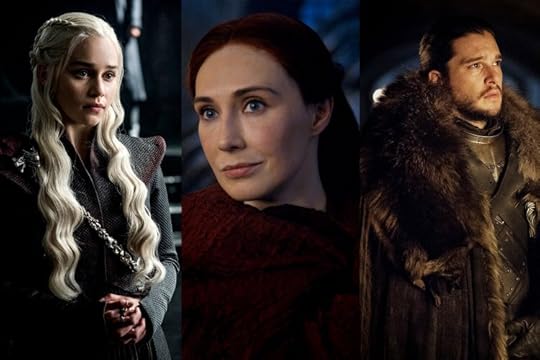
The thing is: all of these signs work because of correlation, not causation. The passages about the red comet expose how people interpret the cosmos and use it to find meaning in their lives. It’s magical thinking at its finest. It works, it’s real, only because you believe it is. Whichever competing theory wins becomes a self-fulfilling prophecy.
Same goes for the Azor Ahai prophecy. I won’t go into how this was fucking butchered at the end of the HBO show, but I will say I’ve been eagerly awaiting Winds of Winter for a decade now (any time, George!) to give me some more clarity on how the Azor Ahai prophecy came about. Maybe we’ll get hints in the prequel? (If George has even figured it out for himself by then.)
For now, it seems like we’re getting close, but as Martin subtly points out, prophecies and predictions are so vague that can be applied to whatever you want them to be.
I’d argue there’s a catch though. Going back to the comet, the associations weren’t out of nowhere. Red is associated with blood and war. A lot of the people interpreting the comet’s meaning were about to go to war or were already fighting one. Again though, correlation and causation, or some deliberate sign from the universe, aren’t the same thing. People see what they want to see.
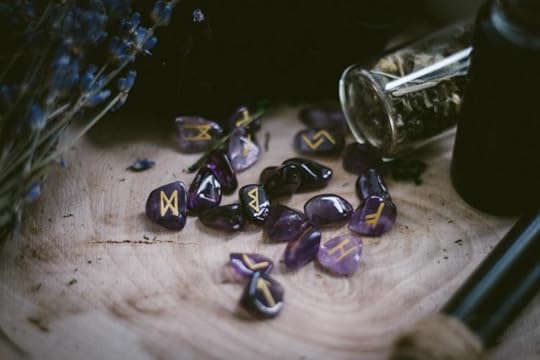 Photo by Ksenia Yakovleva on UnsplashIs there a system?
Astrology, tarot, runes, soothsayers, take your pick. There’s an arsenal of divination tools in the waking world that can easily be borrowed in fiction.
But, there’s a reason grimdark fantasy characters don’t run up to each other and ask, “What’s your sign?” Information is power. As Goerranu says to Illyria, “I tell no secrets for free.”
Grimdark often takes place in a second world or constructed world totally unlike our own contemporary Earth. This means that unless the author has the time or the inclination to come up with their own zodiac wheel and cosmology, that’s not going to happen. (Spoiler Alert: I did. You get to see some of it revealed in Raven Queen, Arise. There will be more coming.)
And there’s a lot that goes into building a system like this. Forget the sun sign bullshit you read in newspapers. It’s complicated. Real astrology has to do with ellipsis, aspects, houses, times of both, horary charts, ephemeris tables galore, and a bunch of minutiae that covers books, courses, blogs, and a host of other writing dating back thousands of years. (What if, like the Litanies in Illyria’s world, these are not divinely inspired, but lies perpetrated by mad gods and false prophets?)
What about tarot or runes? Tarot is a card system going back to the Middle Ages consisting of seventy-two cards. Runes are a system of twenty-four letters (twenty-five runes if you count wyrd) with their own distinct meaning. You could spend a good chunk of your time creating your own runes and tarot, or even an oracle card system, or just use what exists. It’s in the public domain and fun to learn! (When the Temple of Vengeance quadrilogy is complete, I’ll be taking up this project for Illyria’s cosmology. Watch for it coming to a crowdfunding site near you.)
Let’s go back to a grimdark question: Who can make prophecies, doomsday or otherwise? Can anyone pick up a pack of tarot cards and find the Chosen One? Or chop open a hapless sheep and suss out a doomsday prophecy that could come true?
 Every Day is Doomsday in the Grimdark
Since most people’s belief about divination in the waking world is that it’s bunk, that’s often the cynical take that grimdark fantasy goes with (see Martin’s prophecies above). If any boob can read signs, then prophecies don’t mean anything. At best, they’re an ego stroke for those who interpret them in their favor. Misinterpretations can lead to wars and much worse.
In a lot of fantasy, the bearers of prophecies are priests, wizards, and other people or creatures in tune with the will of the gods. But, the “How do you know?” question still comes into play.
Can you really trust the people making the prophecies?Don’t they have their own biases and motivations that are being played out rather than this intangible truth of what’s really happening?Even if they’re sincere and relaying messages from beyond, how do we know that the gods don’t have their own agendas?And that’s why I love grimdark fantasy. A lot of critical thinking goes into these worlds that’s not just explained with a “because I said so” or “a wizard did it.”
In a world where the gods claim complete authority over everyone’s fate, is their will the only valid truth?Do your creators have the right to whatever whims they wish to impose upon you?What’s the right course of action when you refuse to obey the will of the gods?Can you defy heaven without destroying the world in the process?Raven Queen, Arise explores the collision of competing prophecies, the lies beneath false divination, and one dead woman’s fight against her unwanted fate.


January 20, 2022
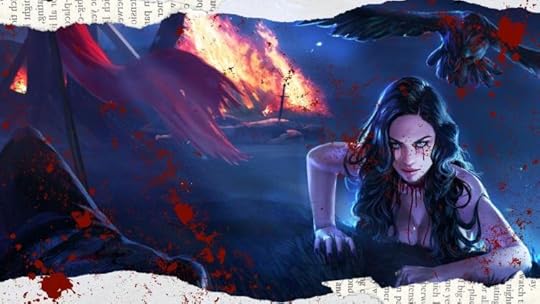
Ravens: Portents of Evil, And So Much More
In celebration of my new release Raven Queen, Arise, and Edgar Allan Poe’s 213th birthday week, here are some fun facts about the often-misunderstood raven.
IntelligenceRavens are very, very smart. Scientists guess that ravens are some of the smartest animals in the kingdom, next to dolphins and primates. Ravens can remember thousands of locations for stashed food—their own and other animals’ caches. In fact, ravens are so good at pilfering that they will pretend to stash food just to throw other ravens off their track, then stash the real food somewhere else. They remember not only faces but also behaviors. In one study, scientists took turns either pilfering food from a raven’s stash or just examining it but not stealing anything. After watching this behavior, ravens felt free to go get stashed food only around the human who didn’t pilfer. Scientists theorize that they use these skills to determine which animals pose a threat to their caches.
Ravens have also been observed to have logic and problem-solving skills, which are extremely rare in animals. When faced with obstacles they must solve to get food, most animals learn through trial and error. In a test to see if the bird could get a treat attached to a long string tied to their perch, ravens examined the problem for several minutes before coming up with the right answer: the bird figured out to pull up a loop of string with its beak and step on it, repeating the gesture until it had succeeded in pulling up the food. Many birds succeeded in their first try, in less than 30 seconds. Ravens also seem to be able to communicate location over distance and time, which is often only seen in bees and ants. Ravens will find a carcass or stash of food that is being guarded, fly home to its community and communicate where the carcass is, returning later with a flock big enough to chase away their competition.
 Community
Ravens have strong bonds with other birds. Ravens flock with other young, immature birds only until they mate—and then they mate for life. They tend to travel in much smaller groups of 2-4 for the rest of their lives, usually in a fixed territory. Ravens have been observed to reach out and try to console birds they like with calls and gestures. (They are the only other creature besides primates observed to use gestures to communicate with other animals.) And they can recognize a friendly bird face as long as 3 years later (of course this means they can also hold grudges for just as long ;).
MischiefRavens love to play. Ravens are mischievous and sneaky: they will imitate other animals’ calls to lure the predators to crack open a carcass for them and then wait for the leftovers. Many of the darting, playful behaviors they use to tease bigger animals like dogs or foxes is to test how much of a threat the predator might be and analyze their skills. Ravens have also been known to play dead next to a carcass just to scare off other birds who might be interested in swooping in. Ravens are some of the only animals known to create toys for themselves (and friends!) out of pinecones or sticks. And they sometimes like to roll down snowy hills or roofs just for the fun of it, apparently.
CommunicationRavens can mimic human speech. Ravens are actually amazing imitators, as good as parrots or mockingbirds, capable of sounding exactly like human voices. (They could actually say “nevermore.”) They can make a wide range of calls and sound effects, mimicking other animals, cars, doorbells—whatever they’re listening to. They’ve been observed to have as many as 20 distinct vocal patterns that can taunt, warn, comfort, or threaten other birds.
 Stunt Birds
Ravens are master fliers. While not winning any awards for top speeds, ravens are extremely dexterous in the sky. They can dive, spin, roll, and glide with the best of them—and they can even fly upside-down for extended periods!
A Tale of Two SpeciesRavens are often confused with crows. Though both are part of the same corvid bird family, look similar, and are both very intelligent, the two birds behave in different ways and have several traits that can help you distinguish between them.
Crows are smaller (about the size of a pigeon) than ravens (about the size of a hawk).Crows have straight beaks, while ravens have a slightly hooked beak.Crows have smooth neck feathers, while ravens have longer, shaggy neck feathers that resemble a beard.Crows flap their wings as they fly, often cawing as they do; ravens tend to soar silently.Crows have a nasal, raucous CAW-CAW call, while ravens make softer and deeper calls, mixed with throaty GROK-GROK noises and croaks.Crows tend to approach humans much more than ravens do. Crows will often gather in populated areas, while ravens are more cautious and prefer rural areas with cover, like forests and mountains (though both will venture into human territory to scavenge for roadkill or food waste).Crows tend to travel in large flocks, while ravens prefer to travel alone or in small groups of 2-4.Although both birds are mischievous, think of the crow as the outgoing partier, while the raven is the broody loner who keeps you guessing.
 True Antiheroes
While the raven has often been considered a signal of evil (because of their tendency to eat from carcasses, most likely), these wily and wise birds are just incredibly suited to survive, evade predators, and adapt to new environments. Just like their Queen.
January 13, 2022
The Highlands Are Grimdark: How Scotland Influenced My Raven Queen
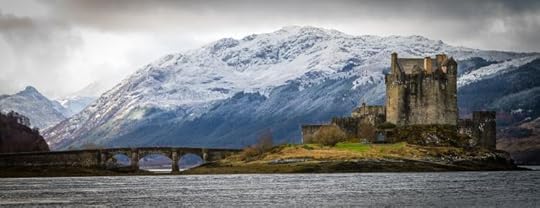
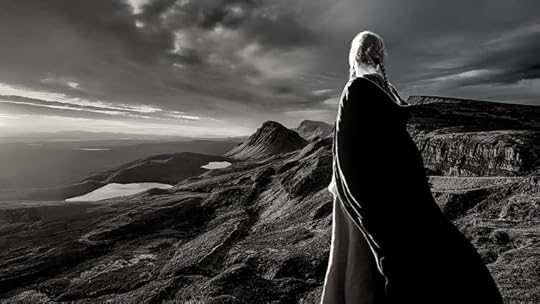
Scotland is a beautiful country. The mountains, rivers, forests, and lakes are really something to behold. The entire country looks like it was molded straight out of a fantasy world. A grimdark fantasy, that is.
Everything about Scotland, the Highlands in particular, screams grimdark. From the frightful weather to the systems of governance, the mythos to Scotland’s long, bloody history of invasion and violence, it certainly inspired my playground for The Raven Queen. There were other inspirations, to be sure, but Scotland was first among many. I’ll tell you about all the others someday.
[Spoiler Alert: I come from a long line of Scots-Irish hillbillies who still haunt the Highlands and Appalachia. Scotland the Brave will always be dearest to my heart, and most especially when played on the scalded cats.]
 Cold and Rainy
Scottish standup comedian Billy Connolly put it succinctly in one of his older bits, “From Scotland with Love.” He regaled his audience with how many people come up to him and tell him that they went to Scotland (the few who did) and say they were disappointed because it rained their entire vacation. His response?
“OF COURSE, IT WAS FUCKING RAINING! WHAT D’YE THINK SCOTLAND IS, THE FUCKING PYRENEES?! TAKE A RAINCOAT YE STUPID FUCKER!”
Billy Connolly
And that pretty much sums up the Scottish experience. It’s cold. It’s rainy. No, the locals aren’t happy about it, but they make do. Stereotypically, they’re as grim as dour as the weather is, but you can find that the locals are hardy with a good sense of humor at best. Of course, this good-humor and endurance can make it all the more heartbreaking if these more likable characters die in vicious, terrible ways.
On the flipside, a grim climate can create hardened characters. Do I need to explain how weather can set the scene? From grizzled antiheroes to sadistic villains, the Scottish-inspired weather can highlight darker shades of grey in morally ambivalent character – or explain ambiance without ever having to actually say “it was a dark and stormy night.” In Scotland, that’s would be redundant.
And to really hammer in Scotland’s weather patterns, look up haar when you get a chance. Haar is a thick fog that rolls in from the freezing North Sea, brought in by the warmer weather during what passes for summer on the cool British Isles. It looks like a cloud overtaking the entire landscape, blanketing it in thick mist where the unthinkable lurks.
 Strange Weather, Stranger Landscape
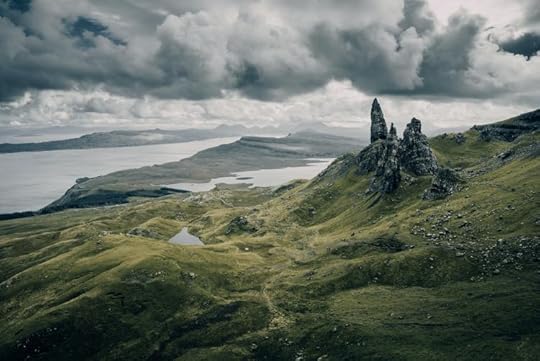
If you think the weather in Scotland is unforgiving, and can be downright spooky, wait until you see the landscape. From deep lochs to rocky soil, icy mountains to old, gnarled forests, Scotland’s terrain can be the stuff of deep, dark legends.
That tracks when you think about it. The Scottish Highlands are an ancient terrain, going all the way back before the dinosaurs. Them, the Appalachians (another spooky inspiration, especially if you’re into cryptids and cosmic horror), and the fjords in Scandinavia used to be part of the same mountain range on the supercontinent Pangea. In all these landscapes today, legends abound about trolls, monsters, and other creatures going bump in the night.
On a less supernatural note, Scotland’s peat bogs are full of creepy wonders, from carved idols and dolls to the infamous peat bog mummies. These bog mummies have been found elsewhere in Europe, including Denmark and Ireland. But their existence offers a unique treasure trove of ideas: were these human sacrifices like my protagonist in Raven Queen, Arise is? Were they executed criminals? Both?
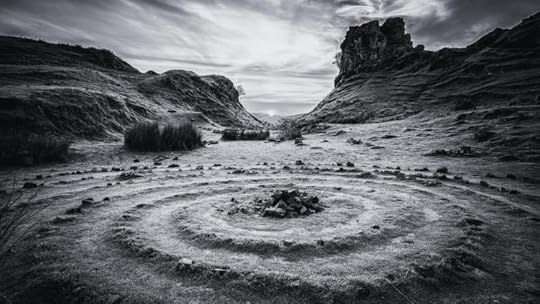 The Clan System
Speaking of executions, every society needs a system of government, even in grimdark fantasy settings. These often give way to the political intrigue we love so much about many grimdark fantasy works, from Joe Abercrombie to George R. R. Martin.
Monarchies are boring though. They’ve been done to death in nearly every fantasy work known to man. So why not spice things up a bit and deliver another power system? Maybe a smaller, nuclear system where ascending to the top is supported by birthright, but not necessarily guaranteed by it?
Enter the Scottish clan system. Clan comes from the Gaelic “clan” meaning children and describes a close-knit kinship system (the similarly sounding ‘Chlann” means family). While chiefdom is handed down like a monarchy now, back in the day, it’s said that any male who was related to the clan chief could throw in his lot for the chiefdom. Fodder for line of succession drama, anyone?
Many old Scottish clans claimed ancestry from the gods. Even later, during the many wars in Scotland, the right to rule was often considered divine, or it was claimed to be by the chiefs and kings trying to press their claim on territory.
Speaking of territory, the clan system as it was in Scotland brings us feuds, feuds, and more feuds. There are feuds that happened in Scotland that put the Hatfield-McCoy feud to shame, and they feature all the delicious drama: betrayal, massacres, and cruel starvation. One feud got so bad that people on the Isle of Skye couldn’t have food imported and had to eat cats and dogs to stay alive.
 Witch Trials
Scotland had at least five witch trials. Beginning in 1594, a few women were accused of trying to curse the king and his wife. The king inspected them personally and wrote about his “discoveries” in a treatise called Daemonologie. This king was James VI of Scotland, James I of England who brought us the King James Bible, and the following translation of Exodus 22:18: “Thou shall not suffer a witch to live.”
Before that, “witch” could’ve been poisoner. Either way, it kicked off a few more witch trials through the seventeenth century. Exacerbated by the Protestant Reformation, Scotland’s witch trials had all the gruesome works that can inspire grimdark plots and subplots: torture, burning at the stake, public humiliation, and ghosts. The Spanish Inquisition simply had a better PR department.
I could go on and on. In fact, I did. Magic is capital-F Forbidden in the world that gave birth to my Raven Queen. Witchcraft is powerful and terrible and costly.
 Homage Due the Queen
On a final note, I borrowed somewhat from Celtic Mythology as well as drawing inspiration from Scotland’s climate and history. One of my other genetic kin, the Irish, share many qualities with the Scots, though neither will admit it sober. (Which reminds me of my favorite bagpipe joke—but I’ll save that one for another time.)
The Morrigan, Celtic goddess of death, fate, and war, is a powerful figure and a member of the Tuatha de Danann, a race of gods. Numerous stories exist about her, and she figures quite heavily in Irish folklore.
While she’s not generally considered Scottish in the least, the Morrigan and the symbology of corvids play heavily in Raven Queen, Arise. Specifically, the power of the feminine, death, and crows and ravens acting as guides to the underworld. Because Highlanders are of Celtic stock, I still tend to think they’d be huge fans of the Morrigan.
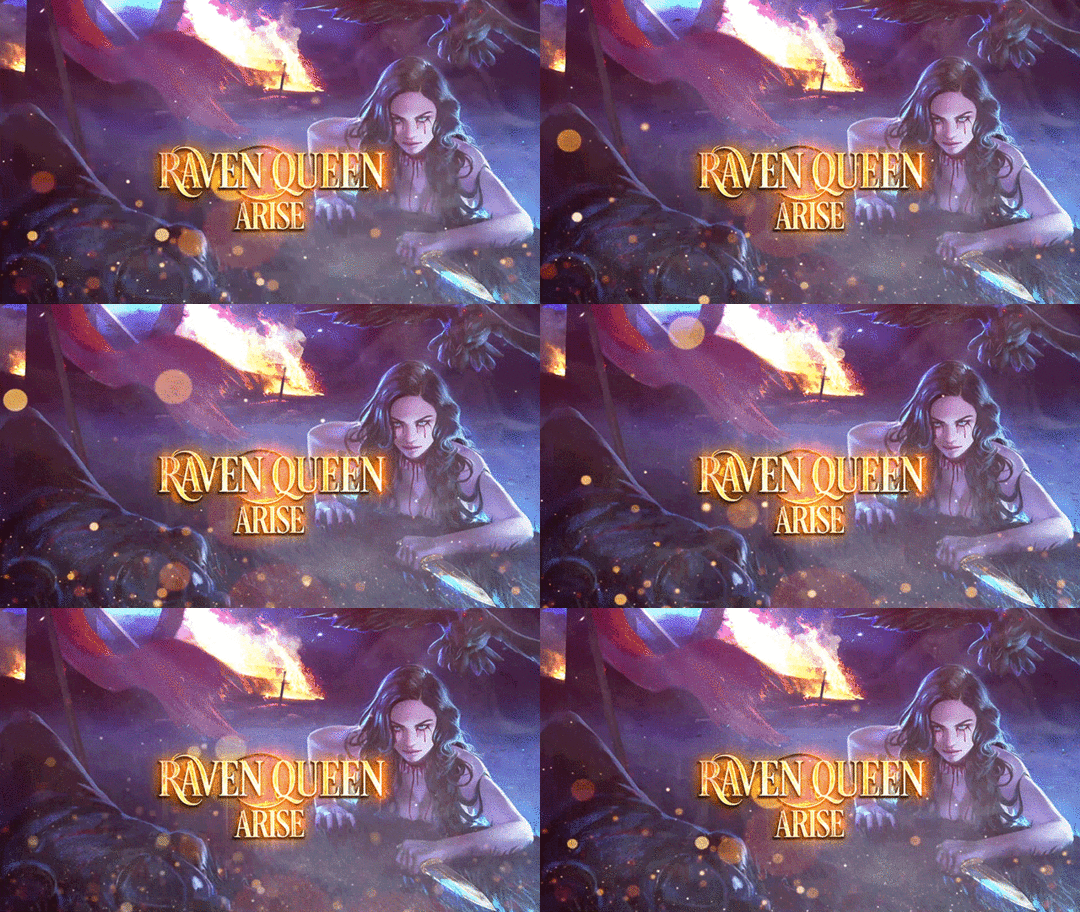
If you want to see the end result of my inspiration for Raven Queen, Arise, check out the book today!
January 6, 2022
Violence: The Antihero’s First Resort
I was watching a new movie the other day, and since I don’t want to spoil anything, I’m leaving the movie nameless. The point isn’t the movie anyway, it’s about the hero’s tactics. Or rather, their ultimate goal.
You see, these heroes’ goals don’t involve killing the dangerous, maniacal villains that threaten their world anymore. No. Their stated strategy was to “cure” or “save” the villains.

To be fair, I wasn’t watching a grimdark movie. It was highly entertaining (with fan service galore), there were stakes, there was violence too, but violence was seen more as a last resort. Violence was treated as a “save it for when a peaceful, more humane solution isn’t available” sort of thing.
It got me thinking about how grimdark characters, especially our antiheroes, don’t have the luxury, time, or inclination to walk a peaceful path. In vanilla fantasy, only mercenaries, assassins, and torturers choose violence first. Whereas violence often must be the first resort of our antiheroes simply to survive. Ruthlessness is not evil. In a grimdark world, it’s simply necessary.
The dark nature of the world may even warp our protagonist so much, they take a cruel pleasure in inflicting violence on their enemies.
High Stakes, Necessary EvilThe difference between grimdark and most other types of fiction are the stakes. Whereas shades of grey exist everywhere in fiction (and the real world), the landscape of grimdark is a hellscape. Antagonists will show no mercy to their prey, social systems also support immeasurable cruelty, so what’s a protagonist to do?
Antiheroes have to match their environment if they want to stay alive. Trust no one. Strike first. Be calculating. No mercy.
It’s common sense. There’s no 911 to call. No hue and cry for the weak and powerless. No cavalry is coming. If there is any sort of authority (as Paul Darling said), “my idols are dead, and my enemies are in power.”
The crapsack environment common to grimdark fiction also makes motivation different. If there’s no justice in the world as it is, there’s no one else but our protagonist to hold others accountable to the standards they set.
If it’s evil but it works, it’s not evil.
Honor’s for SchmucksTherefore, the motivation of grimdark protagonists is different. If there’s no justice to be served, you can’t fight for justice, can you? If righteousness flees the field or hides out of sight, there’s just nothing Good or Right to fight for.
If a character does fight for honor, integrity, or any sort of sense of right or wrong, in grimdark fantasy, they’re kicked in the teeth. Witness Ned Stark. In a grimdark land, being a good person is bad for your health.
More specifically, being pacifist and choosing nonviolence will get your happy ass killed. Giving your enemies warning, only engaging in fair fights, letting them escape so you can save the hapless villagers, or other half-measures and weaknesses pave the road to the executioner’s block.
Affable Sadists
Speaking of the executioner’s block, characters that would be considered villains in vanilla fantasy are often the protagonists of grimdark tales. Executioners, soldiers of fortune, and assassins. Dirty deeds are not done dirt cheap. (Sorry, AC/DC.) Sometimes they’re very, very expensive. And sometimes they’re done for free.
Writing a character who chooses violence first is hard. Are they affable enough that we like the bastards? Do we just hate the guys on the chopping block more? Is there just so much suspense and fascination that the reader can’t look away from the horror?
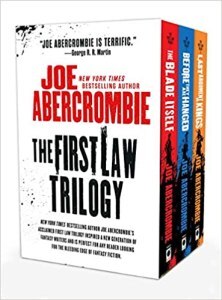
Joe Abercrombie’s character Sand de Glokta is a prime example. Despite being a torturer, he’s often cited as the driving force being what makes Abercrombie’s First Law trilogy epic.
After earning renown as a fierce warrior, this guy is captured, tortured, and put through the ringer. When he emerges a broken man, he becomes an inquisitor, torturing other people himself to extract a confession from them. The political intrigue’s the clincher, but also the mystery: I couldn’t tell which way Sand de Glokta was going to turn until the end, and that kept me hooked.
Sympathy for the DevilOf course, violence can be addicting. The rush of glee you feel when you see some bastard getting what he deserves is the reason I’m here, writing dark revenge fantasy.
It’s no stretch that a character can enjoy the violence they’re committing, especially if they’re dishing it out to some vile fuck who definitely deserves it. But what if the antihero’s victims aren’t awful? What if they’re actually *gasp* innocent bystanders?
Protagonists and good aren’t synonyms. Duh. Having some character who mows down innocents can fit a bunch of different categories and honestly, this topic will be its own post in the future.
Going back to professional violence, others hurt innocent people because it’s their job. Crime victims sometimes just don’t cooperate with muggers. Do assassins ask about their victims before they take them out? The innocent are casualties of war all the damn time. Collateral damage is a fact of life.
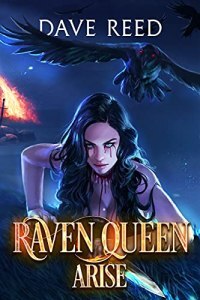
To serve their mission, some protagonists choose violence against the innocent because they’re in the way. Need that tome of forbidden magic and the stalwart angel guarding the library won’t let you in? Stab him through the base of his skull when he’s distracted by your companion and take his soul to feed your power.
The Raven Queen herself will tell you, it’s better to be the hammer than the nail.
December 27, 2021
Betrayal: Just Another Weapon in the Antihero’s Arsenal
“So many vows…they make you swear and swear. Defend the king. Obey the king. Keep his secrets. Do his bidding. Your life for his. But obey your father. Love your sister. Protect the innocent. Defend the weak. Respect the gods. Obey the laws. It’s too much. No matter what you do, you’re forsaking one vow or the other.”
Jaime Lannister, A Clash of Kings by George R.R. Martin
Antiheroes like Jaime Lannister understand the necessity and the practicality of betrayal well. Through Machiavellian scheming and pragmatism, antiheroes often use the chaos of the conflict around them to go for the throat, crippling their enemies, and often leaving their allies betrayed. Some, like Jaime, see it as unavoidable, and throughout A Song of Ice and Fire, it seems to be his primary modus operandi.
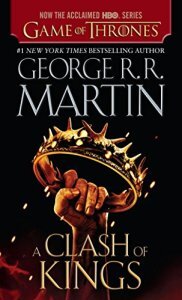
It goes without saying: betrayal is a common weapon in the villain’s arsenal. It’s also a blunt instrument in the antihero’s toolkit. Noble heroes may betray others for some noble cause, avenging the death of a friend or saving a village. It’s never about them. All too often, the betrayals they inflict get tossed under the umbrella of revenge literature and society will forgive the noble hero for deceiving the villains. Like Jaime, most antiheroes don’t care whether they’re forgiven or not. Antiheroes always have a reason for turning traitor, but they’re not limited to ideals other’s might find high-minded.
Often, betrayal and revenge are linked in our minds. One doesn’t necessarily beget the other, but there’s a reason that treason is a capital crime: selling out your allies, friends, or family, is considered so morally low, it can be considered as bad as murder, especially with life-or-death stakes at play.
By its nature, betrayal is a shock. It doesn’t matter if the betrayal is for revenge, pragmatism, or some petty slight. Friends and allies are people you expect to trust, so when that trust is broken in literature, it often begets an exciting plot twist – or it kicks off a revenge plot.
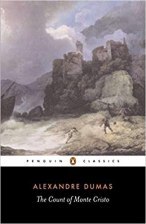
Making it hardly uncommon. Revenge arcs for heroes go way back in literature. I can name a metric fuckton of classics off my head right now where the protagonist operates by getting revenge: The Count of Monte Cristo, Titus Andronicus, the list goes on.
Typically, though, the people they’re stacked against are irredeemable assholes. Otherwise, the revenge is about someone else. Often, the protagonist will be someone coming back from a stint in exile, or jail. Unrecognizable to their old enemies, they befriend the bastards with every intention of double-crossing them once they get the chance. In many of these works, over the hundreds of pages you read, the hero agonizes over their decision to act, wondering if this makes them “just as bad” as the villains they face. Then, the story climaxes in the satisfying downfall of whoever did the protagonist dirty in the first place. The justifications are clear. The morality of the “good guys” and “bad guys” is spelled out, supposedly leading to a satisfied reader and a happy ending.
Besides the moral taboo, there’s another reason that betrayal is often in the villain’s wheelhouse. Apart from our social taboos against betrayal, it hits the hardest when it takes the protagonist, and thus the reader, by complete surprise. By the nature of most novels (apart from ones with multiple PoV characters), the reader is nearly exclusively following what’s going on the head of the protagonist.
Does the protagonist get taken by surprise? Good. So should the reader. Unless, of course, the protagonist is the one doing the betraying.
The Cask of AmontilladoAs far as straight-up betrayal with no rhyme or reason, Edgar Allan Poe’s short story “The Cask of Amontillado” is probably one of the most classic examples of a protagonist doing the morally unthinkable and betraying someone.
From the opening line, we know what’s what: “The thousand injuries of Fortunato I had borne as best I could, but when he ventured upon insult, I vowed revenge.”
The protagonist even calls his hapless prey his “friend” in the opening paragraphs. But while there are hints aplenty that scholars are still picking apart today, it’s unclear to the casual reader why the antihero seals up his so-called friend in a silent tomb. What insults and injuries were so extreme that he’d entomb his own colleague alive?!
Rules and Exceptions“The Cask of Amontillado” works. It engages the reader with an intriguing story that makes the reader suspend disbelief. Why? One, it’s a short story, so the reader doesn’t expect as much information to be parsed and fleshed out. Two, it’s in the horror genre; like horror’s sodomizing cousin, grimdark fantasy, here be villain protagonists and antiheroes aplenty. If you can distinguish the heroes from the monsters, it’s not grimdark in my not-so-humble opinion.
In most other genres, protagonists need to have some sort of moral relatability in order to be believable to readers. If the reader doesn’t understand why a protagonist is crossing a giant moral line, they’re more likely to toss the book aside. Of course, this is barring other factors that can make a morally irredeemable character interesting (intrigue, the anticipation of plot points, pure fascination, whatever).
We live in a messy world. There are no clear-cut good guys and bad guys, and in the real world, meteing out your vengeance after a betrayal often becomes a two-way street. They strike. You strike. They strike back. On and on until one of you dies. And even if death’s involved, some ally or descendent is waiting in the wings to scoop up the banner and continue the blood feud.
Betrayal Is PragmatismAnd of course, sometimes, betrayal has nothing to do with revenge at all. The target is simply in the way of the antihero’s goals. Much like the villain in a traditional story, they’ll stop at nothing to complete their goals, especially if their goal is just surviving.
Bringing us to The Temple of Vengeance series. I have no qualms about adding betrayal, for any reason, to my characters’ arsenals. I’ll admit though, it can be a challenge to make the protagonist relatable. An unfair, crappy world that the protagonist has to navigate helps.
With Raven Queen, Arise, I started out with a the traditional-seeming revenge story. My protagonist Illyria has already suffered betrayal at the hands of purported allies for their own ends: human sacrifice. She’s dumped into a mass grave along with the other sacrifices to appease gods that have forsaken the highlands. This is not her carefree past as a sheltered highland warden—full of bedding people and selling stolen Elysian cattle—catching up to her.
This is a pogrom.
Which means there’s more betrayal than the inciting incident. In the face of genocide in the highlands, Illyria chooses to use any and all weapons at her disposal to avenge herself and protect those she holds dear from a similar, horrible fate.
Betrayal is a weapon Illyria wields just as she does her sword, Grievance. As an antiheroine, she betrays at least four people along the way who trust her with their lives in order to earn her revenge. I won’t spoil the surprises for you, but let me know if you can’t spot them. 
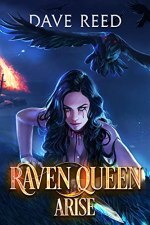
Of course, if she double-crosses those who’ve wronged her, all is fair in love and war. If she’s capable of betraying those closest to her to achieve her ultimate goals, then others, too, can and will destroy or thwart her.
If you’re ready to read a grimdark fantasy where betrayal is on the table for antiheroes and villains alike, look no further.
December 22, 2021
Weird Real, Grimdark Schools
If you like to escape by jumping headfirst into a dark fantasy read, you’ll know that your trip to faraway lands is always too short. Far sooner than you’d like, you’re back to the prosaic reality of dishes in the sink, yardwork you’ve been postponing, and the knowledge that tomorrow will be exactly the same as today.
But what if there was a way to bring the fantastical into your everyday life?
What if, instead of dealing with dismal real-life problems, you could don a beard and some fur and battle monsters in the woods? Don some clamshells and a tail and learn how to be a real mermaid? Get sorted into a house and start learning divination, alchemy, and the dark arts?
Sadly, fantastically, amazingly—you can. And grown people do.
These institutions see no reason why we should keep the supernatural to the confines of fiction. If you would like to bring even more fantasy into your life, there are some very real and bizarre ways to do so.
 Photo Credit: MichelleLouring.comWitcher School
If you’d love nothing more than to escape your morning commute to go monster hunting in the dark woods of Poland—now you can. The unofficial “Witcher School” takes place over 3-4 days in actual castles in lower Silesia, and thousands of LARPers show up to ditch their humdrum identities and role-play characters from Andrzej Sapkowski’s novels. Here, you can learn archery and fencing, flirt with Filippa Eilhart, or make a demonic pact or two…wherever the Witcher spirit takes you. Tickets include costumes and makeup, as well as photos to prove how far gone you are.
 Photo Credit: MarkBerePeterson.comElf School
If you’ve always believed that elves and Hidden People really exist (as 54% of Icelanders apparently do), then Elf School in Reykjavik, Iceland may be more for you. Headmaster and Elfish lore expert Magnús Skarphéðinsson will reveal not only the history of the mythical beings but also how friendship between the elves and humans continues to this day. He will train you how to keep your eyes open for the Hidden People and can even take you to the main elf place in Reykjavik, so you can start an elf friendship of your very own. Lectures are delivered along with delicious pancakes and coffee, to fill both your heart and your stomach with warmth.
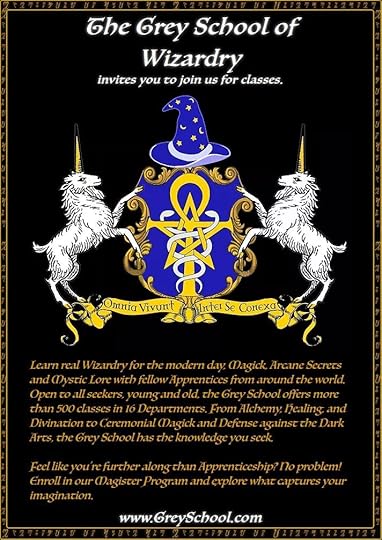 Photo Credit: The Grey School Facebook GroupWizard School
Inspired by the world of Harry Potter but very much filled with a real curriculum is the Grey School of Wizardry in Whitehall, NY. It was founded by Dumbledore Oberon Zell-Ravenheart, a strange visionary who, long before Harry left his cupboard, was making his own unicorns out of goats and searching the seas for proof of mermaids. In 2004, he opened the Grey School and helped compile The Grimoire for the Apprentice Wizard to guide its students to magical mastery. If you are admitted, you will be sorted into your house—Society of the Four Winds, Order of the Dancing Flames, Coterie of the Flowing Waters, or Circle of the Standing Stones—depending on your sun sign. (One can only imagine that students must introduce themselves by simply saying they belong to “fire” or “earth.”) Your course of study may include up to 450 classes in 16 different departments, including psychic arts, herbalism, mathemagicks, healing, beast mastery, and lore. Graduates are presented with certification as a Journeyman Witch or Wizard (though it should be noted that one can learn about magic without the ability to practice and earn a Muggle Magister certification instead.) No information is available on whether you will need to battle Voldemort as a final exam.
 Image Credit: DraperUniversity.comSuperhero School
If you long to fight back against the injustices of the world and release your inner superhero, then the Draper University Hero Training program may be just what you’re looking for. Founder and “Riskmaster” Tim Draper runs a 5-week intensive for startup hopefuls in Silicon Valley, where you can learn how to push past the fears that stop most people and innovate real change. Participants learn vital entrepreneurial skills and get to jump-start their networking, while also being trained in the mindset of the Riskmaster himself. Each morning, participants must pledge a superhero oath to protect freedom at all costs, while also pursuing progress and change…and protecting their image…and making reparations…and having fun. (Be aware that there is a Superhero Clause as well: participants must accept a lifelong obligation to hone their Superhero powers and use them only for good.)
 Photo Credit: AquaMermaid.comMermaid School
If you’ve ever wondered how to become a professional mermaid, wonder no longer. AquaMermaid is here to make your sparkly-tailed dreams a reality (note: underwater breathing not included). You can book mermaid parties, lessons, earn mermaid certification (you must recertify every four years), and work to become a mermaid ambassador, sharing the benefits of mermaiding with the world. If you’re truly more skilled under the sea than on land, coaches can even train you to compete in the North American Mermaid Championship. Which does apparently exist. The main location is in Montreal, Canada (though participating instructors can also be sent to the US as well).
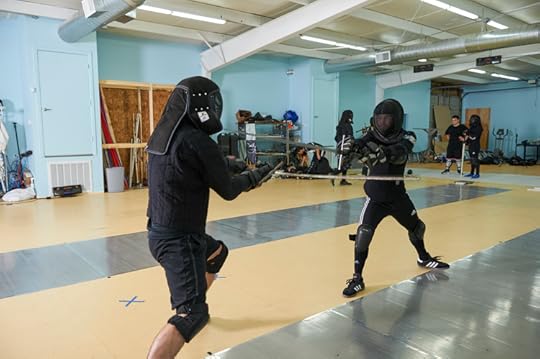 Photo Credit: SwordToSword.netSword School
Sword to Sword is located in Houston, TX but is exclusively dedicated to the practices of 14th-17th century European sword fighting. If you’ve every dreamed of parrying as lightning-fast as Inigo Montoya, this is the place that can get you there. While their specialty is the German Longsword and the Italian Rapier, you can also learn equestrian combat, the poleaxe, the military sabre, the dussak, the dagger, the quarterstaff and more. Level up your skills before your next LARP or Ren Faire and knock the stockings off your medieval buddies!
 Photo Credit: Mooseburger Clown Arts Camp YouTube ChannelClown School
If dragging around a heavy longsword is really not your style, you may be more intrigued in the role of the lighthearted jester. Mooseburger Clown Arts Camp in Buffalo, MN offers a clowning intensive that features all the best of the clown arts, including makeup, costuming, performance skills, puppets, character development, and comedic instinct. Founder Priscilla Mooseburger is the resident expert, with a background with both the Ringling Brothers and Barnum & Bailey Circus, and the intensive features staff performances throughout the week-long camp. At the end of the week, you’ll really get to put your skills to the test and perform in the world’s largest annual clown show! (How you translate these skills into your everyday life afterwards is entirely your problem.)
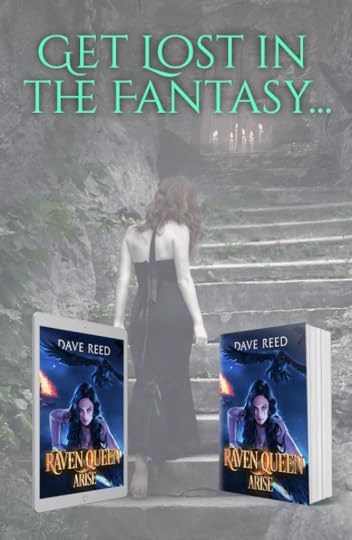
No School RequiredIf you’re thinking that mayhaps we’ve gone a little too far into the absurd, and you prefer to keep your fantastical getaway to your next dark fantasy read, then try my new release Raven Queen, Arise. It has all the high fantasy swords and sorcery of Michael Moorcock’s Elric Saga, all the magic and monsters of The Witcher Saga, and more necromancy, murder, and mayhem than all of J.R.R. Tolkien’s Lord of the Rings books combined.
 AMAZON
KINDLE KOBO
BOOKS APPLE
BOOKS AMAZON PAPERBACK GOOGLE
PLAY B&N
NOOK
December 17, 2021
Real Faeries Are Grimdark
There’s a reason the Irish curse the “fucking Fairies” under their breath. Forget everything Disney told you about these creatures. Human treasures are not what fae value. They don’t grant wishes (at least, not for cheap) and they don’t serenade you on your way to the ball.
But that doesn’t mean the fair folk are essentially evil. No. Their morality is incomprehensible to humans, based on largely incomprehensible laws and edicts from another, alien realm. Baffling, perhaps, but there are rules.
Mere mortals can understand that forgetting to invite a VIP to a birthday party is bad manners, but fairies take that as the ultimate insult and will curse you for generations for it. If you want to get into their good graces, you must perform seemingly mundane, but impossible tasks to gain, or regain, their favor. Otherwise, your head may as well be on the chopping block. Just leave the saucer of milk on the stoop, if you know what’s good for you.
But who exactly are fairies? What do we mean by the term? Since they’re so varied, could any European folk creature be considered a fairy?
Myths & LegendsFairies are mythological spirits that inhabited Europe (or still inhabit according to believers). For a more formal definition, here’s Merriam-Webster’s: “a mythical being of folklore and romance usually having diminutive human form and magic powers.” This tracks with the popular image of fairies as little, pretty sprites with butterfly wings who sing songs.
However, those Disney-fied fae aren’t necessarily the fairies of old: the grimdark fairies.
Fairy legends are found all over Europe, but they mainly crop up in French, German, and Scandinavian folklore. In the latter, they’re often called elves, trolls, or more specific names. The cream of the crop for fairy stories, at least the gruesome ones, can be found in the British Isles.
The Irish believe in two fairy courts: the Seelie Court, who comes out at twilight, and the Unseelie Court, who comes out at midnight. Take a wild guess on which one’s comprised of the good fairies, and which one’s made up of evil bastards. Whichever one you guessed, is wrong.
Each court would often travel in processions, or troops. A Seelie Court procession was respected for its beauty, but would often engage the unwary in contests or riddles with dire consequences. Just spying or eavesdropping upon a Seelie court could lure the unprepared away from the mortal realm for countless ages, if they ever returned at all.
An Unseelie procession was feared for good reason for their lack of beauty and malevolent mein. Woe betide any traveler, alone at night, who was whisked away by a mob of unseelie fairies. If they made it out alive, the horrors they experienced were too unspeakable to relive.
Ghastly solitary fairies were also common. Besides the banshee, the wailing woman who foretells death in Scotland and Ireland, another fairy woman would lurk in the woods. A lone woman wandering the wilds is likely to be the most dangerous.
Deadly Temptress
Pronounced Bah-vin Shee, the Baobhan Sith is a beautiful succubus-like fairy in Scottish folklore. Closely related to the vampire and the banshee, she appears in Seanan McGuire’s October Daye series as a true vampire, a vampire who feeds on the blood of their victims; this is opposed to psychic vampires and their ilk who feed on energy, or vampires who don’t need to feed on human blood. If these vampires don’t feed, they become feral, they’ll stop at nothing to capture their next victim and suck them dry!
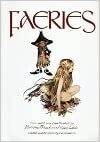
The bean nighe was another woman you needed to watch for on the road. An old washerwoman, the bean nighe was either a fairy who washed the bloody clothes of men she slayed or men who had died in war. In other retellings, like Brian Froud’s Faeries, she was said to be the ghost of a woman who died in childbirth. This poor soul was fated to wash the clothes of the dead until the day she would have normally died.
If you got close enough, you could tell she wasn’t an ordinary woman because she only had one nostril. But if you got close enough to see that tiny detail, it was too late.
They Mostly Come Out At NightAs I said, not all grimdark fairies are evil. In fact, some can be guardians who protect the mortal realm from darker, more evil forces. That doesn’t mean being protected will be comfortable or fun. This number one self-published bestseller (They Mostly Come Out At Night by Benedict Patrick) takes the concept of fairies as guardians of the forest and spins it into a Brothers-Grimm and Neil Gaiman inspired world full of otherworldly helpers and terrible monsters.
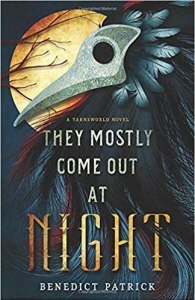
Our protagonists share a prince-and-pauper dynamic. For the prince, we have Adahy, son of the Magpie King who will take his place as protector of the forest one day. And now that the wolves are about to ravage the forest and destroy everyone he’s duty-bound to protect, Adahy must rise up, bear the weight that’s already on his shoulders thanks to his birthright, and try (or fail) to save his people.
Meanwhile, Lonan is an outcast who’s hated by his village. Why? They believe he let the monsters in, decimating a good chunk of the town. His family is dead. His childhood sweetheart hates him, and now Lonan must find a way to win the trust of his village back…and save it from the wolves.
Lonan has an ace up his sleeve. At night, he has dreams that he’s seeing through the eyes of the prince. Does this mean he could have insight to save his village? Can he, through his dreams, help Adahy banish the monsters once and for all?
I loved this read. It was quick, and I loved how it incorporated traditional fairies and how archetypal they can be. Check out the interlude chapters, chock-full of stories the villagers tell their kids. These include tales about the titular Magpie King and they’re enough to satisfy any fan of dark fairy tales.
The Usual Suspects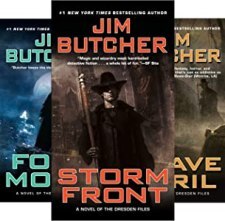
Can we touch on fairies in grimdark fantasy without going to one of the most obvious examples? The Dresden Files is chock-full of fairies. If I went into the number of fairies in this series, I could write an entire month of newsletters about them.
Since a lot of you have already picked up Dresden, I’m not going to bog you down with a synopsis. I will say this: I love how they honor the variety of fairies in folklore. I also enjoy how they stick to the original beats: fairies are from a supernatural realm called Nevernever (in a lot of older tales, Fairy Land is called Elfland). Nevernever is a perfect name for the fairies, as it highlights the rules-lawyering and weasel words that are found in their contracts and manners of speech.
A completely different, 2,000-year old hero struggled with his own faeries (when he wasn’t pissing off the gods from every pantheon on Earth). Atticus, known by many names including the Iron Druid, spent most of of his two millennia in hiding from faeries. He goes through great lengths to hide from the fae who pursue him.
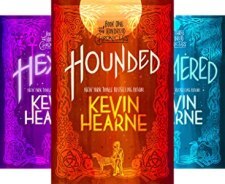
Even the “good faeries” and gods who rule over the fae that sometimes aid Atticus became sources of antagonism for Atticus. They may never lie, but the truths they tell always get Atticus into even deeper trouble when he gets desperate enough to ask them for help.
My Future Fae?Will grimdark fairies ever appear in the realm of The Raven Queen? Have they already?
Would you consider the outsiders who threaten her world to be fairies? I call them demons, but in many ways they’re no different from eldritch fae. Could the old gods be considered faeries? I drew some of their inspiration from Celtic and Greek traditions and recordings of human sacrifice for The Raven Queen, Arise. Should be obvious: expect fae mischief in future installments.
Read The Raven Queen, Arise, out now, and ponder whether a tricky fairy, or a bloodthirsty troop, will wreak havoc in my world.
December 9, 2021
A Last-Minute Dark & Weird Holiday Gift Guide
‘Tis the season, and no matter your chosen religious or pagan winter festivities, it’s “about that time” to wrap up—pun intended—your online shopping if you want those gifts to be delivered relatively on-time.
I’ve noticed so many dark and offbeat gifts out there on the internet—thanks, ad sense —I thought I’d put that to good use with four places and themes to help you usher in a very scary Christmas, and nerdy New Year.
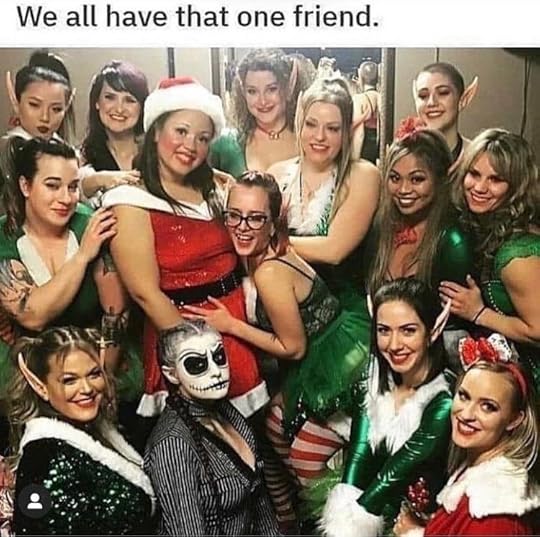 These are for you, Friend.Ho, Ho, Ho, Merry Hexmas
If you’ve never heard of Killstar.com, you’re about to enter the darkest reaches of the holiday and year-round gifting underworld.
They’ve got an entire section dedicated to the holidays—just hit Hexmas on the super-menu. Their selection ranges from evil-cute to downright evil, and you can find some really fun and weird gifts for less than $10.
I wouldn’t be able to say how the quality is, but I do notice many an online Goth dress in Killstar gear, so I’m willing to bet on Krampus that they’ll be a cool place to shop for “That One Friend” or family member we’ve all got. 
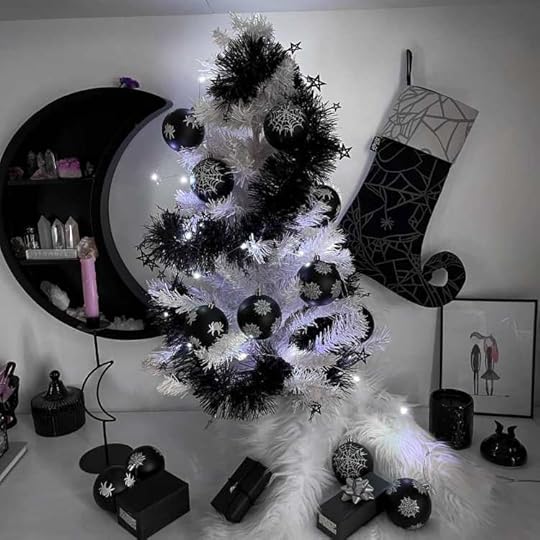 Photo Credit: @Killstar on InstagramClassic Family Fun with a Fantastical Spin
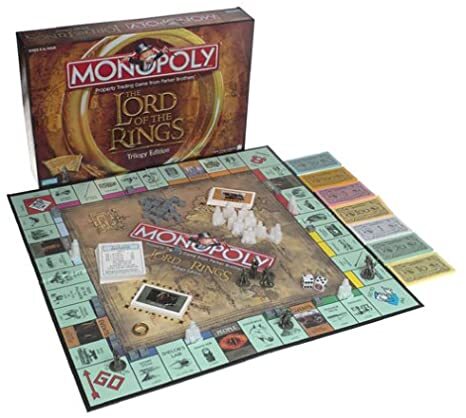
Bring back the board game, I say. Oh, I know, table top gaming is still all the rage with we fantasy folk. But can you say you’ve played a rousing game of Middle Earth Monopoly? Capitalism isn’t dead in Rivendell, my friends. It’s also nice to take a break from the intense table top gaming, and get in some classics that still have the vibe of epic world-building, but without the up-til-dawn story arcs. #AintGotNoTimeForThat
How about a new family tradition of gifting a classic game with a genre spin every year?
These stand-out selections are from Amazon, so fast shipping ahoy!
Lord of the Rings Monopoly (Trilogy Edition)
 Classic/Collectors’ Edition
The Nightmare Before Christmas Monopoly
Star Wars Rebellion Board Game
LOTR Battle for Middle Earth Chess Set
Funko Disney The Haunted Mansion: Call of Spirits Board Game
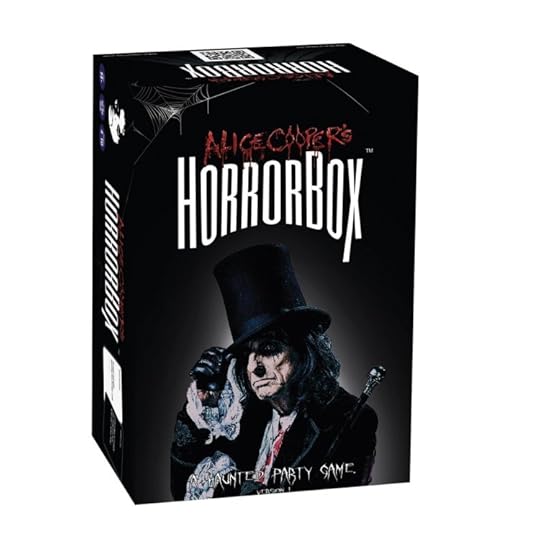
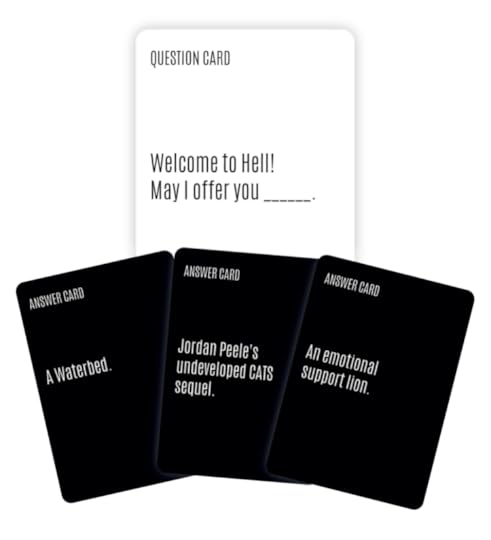
Cards Against *Scream Face*And not from Amazon, but sure to bring your household shrieks of delight, is the official game of Alice Cooper, HorrorBox.
It’s a lot like Cards Against Humanity or Apples to Apples, but all horror-themed. Sure to keep even the most hardcore horror nerds in your dark brood guessing!
 Gruesome Yule Gruel
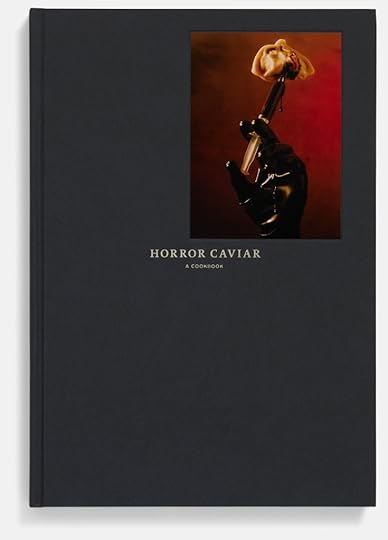
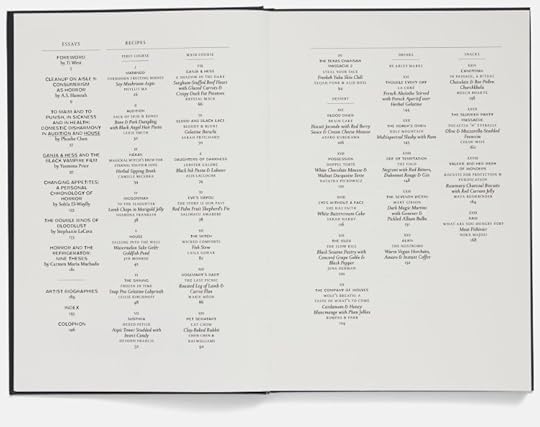
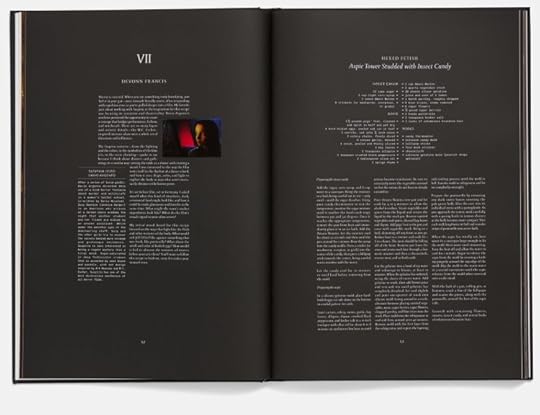
For the truly adventurous kitchen witches and warlocks in your family, this uniquely inspiring cookbook, Horror Caviar by A24 Films (Hereditary, The VVitch) is a celebration of horror, a cookbook, and quite the coffee table book!
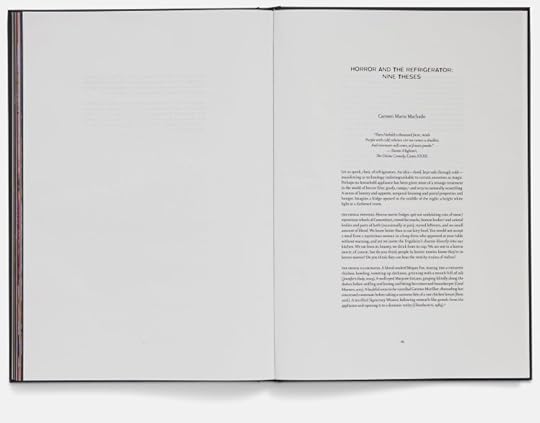
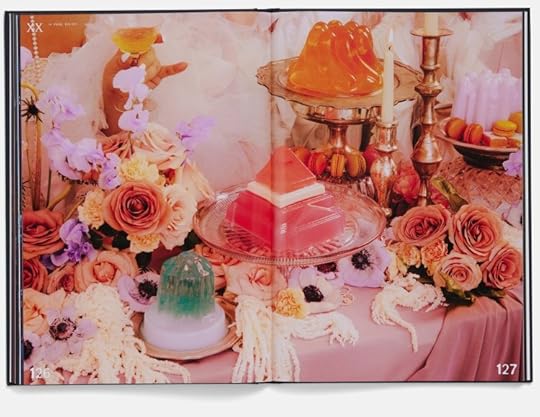
About the book:
Got a taste for horror?
Feasts, delicacies, and drinks inspired by 29 horror movies from cult to canon, including Audition, Suspiria, Possession, Ganja & Hess, Midsommar, Trouble Every Day, The Shining, The Witch, and many more.
Featuring culinary contributions from 25 celebrated food artists, stylists, and chefs, original essays by A.S. Hamrah, Phoebe Chen, Yasmina Price, Sohla El-Waylly, Stephanie LaCava, and Carmen Maria Machado, and a foreword by director Ti West.
Photography by Justin J Wee.
In the tradition of Iceland’s Jolabokaflod, where families stay up all night reading books and consuming chocolate on Christmas Eve, how about “leveling up” your gifted reads with pop-up books? They’re a bit more laid-back, easy to read in a night, fun to collect, and super fascinating to read together, no matter your age.
Alfred Hitchcock: The Master of Suspense: A Pop-Up Book
Star Wars: The Ultimate Pop-Up Galaxy
Encyclopedia Mythologica: Gods and Heroes Pop-Up Book
Harry Potter: A Pop-Up Guide to Hogwarts
The Walking Dead: The Pop-Up Book
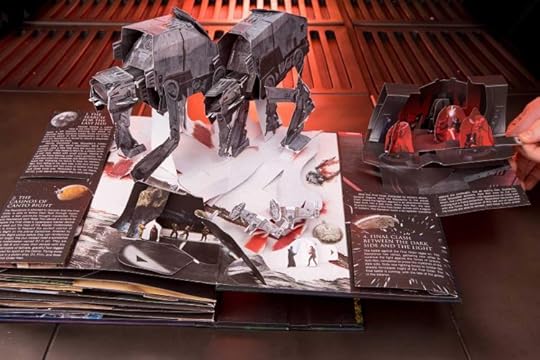
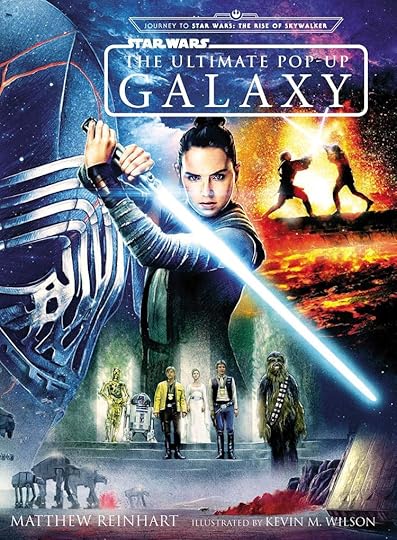
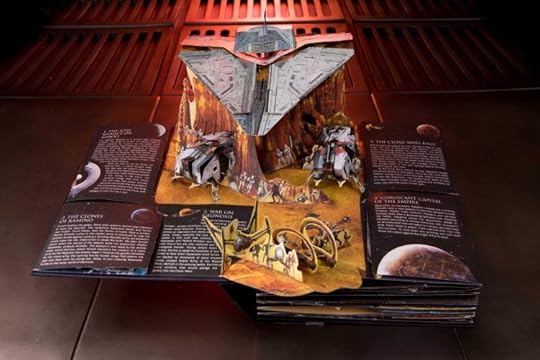
I honestly could go on with even more, but I don’t want to send you into the nightmare-grip of option paralysis!
Just remember the reason for the season: togetherness. You Time. Family Time. It’s not about presents, it’s about Presence. But if you’re still looking for presents, I hope this little guide of misfit toys inspired you, got you unstuck, or… bolstered your own wish lists. 
December 8, 2021
Enter My Grimoire #TBR Giveaway
ICYMI in my Dark Tidings newsletter and out on social media, I’m giving away an eBook copy of Raven Queen, Arise and a $25 Amazon eGift card to one lucky winner this holiday season.
There are many ways to enter. The more ways you enter, the more your chances of winning. Click here to use Rafflecopter, or enter through the portal widget below.
Good luck, and have fun! 

December 2, 2021
Trauma as Power: A Dark Epic Fantasy Trope
If I had to pick one and only one defining difference between vanilla high fantasy and dark [chocolate—sorry!] high fantasy, it’s in the core modus operandi of the protagonist. Heroes in vanilla fantasy grow to overcome their trauma, or at least succeed despite their inner wounds. Not so in dark fantasy: antiheroes embrace their trauma (willingly or unwittingly) and conquer their foes by wielding it like the weapon it is.
Part of the reason for this is that vanilla fantasy does not often permit our heroes to suffer greatly due to their traumas. Vanilla heroes rarely acknowledge the violence they give or receive as emotionally traumatic. Because they are righteous!
Yes, vanilla heroes need to face an irredeemable evil or nearly impossible odds in order to succeed. Thus, there’s trauma galore, both in the backstory and in the pages you read. But in vanilla fantasy, only villains and victims are portrayed as the weak-minded who cannot overcome, forgive, and forget. Heroes ride off into the sunset, and if they’re particularly shiny, they get a happily ever after.
Conversely, in dark fantasy, the world they navigate itself is fantastically horrible. The stakes are merciless. When the world is out to get you, the best you can win is to fight the unbeatable odds to a draw at the cost of buckets of blood, sweat, tears, and loss. Survival itself must be earned.
VasilisaThese dark fantasy stakes even go back to stories originally meant for children. In the folktale Vasilisa, the protagonist is abused by her stepmother and sent into the woods as food for a hungry witch. After completing impossible tasks for the witch, the infamous Baba Yaga, she earns Yaga’s blessing, a fiery skull that she takes home. With it, she torches her evil stepmother and stepsisters and burns their house to the ground. Booyah!
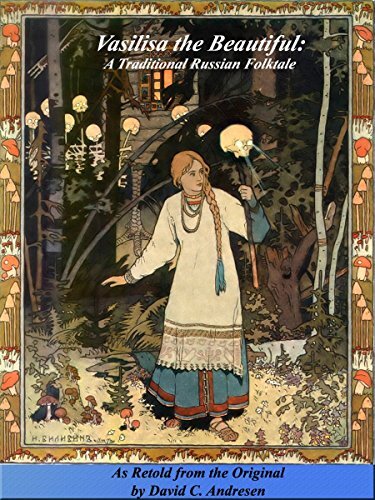
In a more nuanced reading (perhaps), Vasilisa’s austere upbringing gives her the resilience to rise to Baba Yaga’s challenges. Vasilisa is conditioned by deplorable circumstances to rise to Baba Yaga’s impossible-sounding demands. Her traumatic upbringing empowers her to think outside the box when Baba Yaga tells her to sort seeds in an hour or Baba Yaga will eat her – trivial tasks with deadly consequences for failure.
In contrast to the sanitized media of today, original tales for kids were dark. However, the darkness of fairy tales was due to one part metaphor and another part reassurance. In the words of theologian and literary critic G.K. Chesterton, “Fairy tales do not tell children the dragons exist. Children already know that dragons exist. Fairy tales tell children the dragons can be killed.”
Dragonslayer or Dragontamer?As a metaphor for the evils the protagonist has to navigate, dragons are among our oldest and most ubiquitous in English literature. Metaphorically, the dragon could be anyone or anything: an incestuous uncle, a wickedly abusive stepmother that would put Elizabeth Bathory to shame, or a tyrannical regime hell-bent on enslaving the world under deplorable conditions.
In a vanilla fantasy, the dragon might be slain in glorious battle or won over to friendship when the feckless hero overcomes his prejudice against dragonkind. That’s lovely, either way, but that’s not how it goes in my kind of world. In a dark fantasy, the antiheroine is the dragon herself wounded and rejected by the world, driven to render the world safe for herself…even if it all must burn! If not the dragon, she’s up against armies far too advanced and powerful to be beaten or escaped: all the she can hope for is to survive to fight another day.
Speaking of DragonsNo modern mention of these magnificent creatures is complete without Daenerys, the self-proclaimed Mother of Dragons. (We’ll stick to the books, if you don’t mind, for Reasons .) It is Daenerys’ fugitive and abused childhood which powers her meteoric rise to bride-slave into savior of slaves and (maybe someday, when the book is written) empress of all she surveys in Westeros.
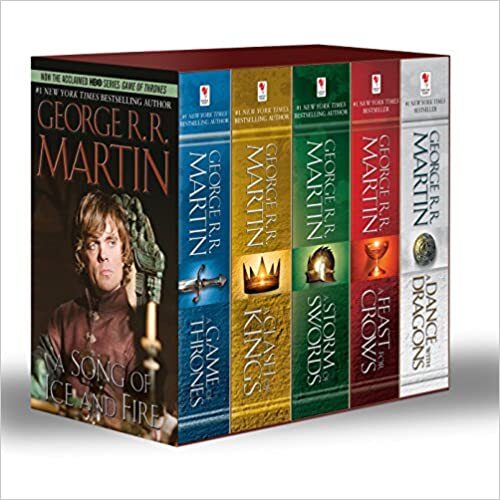
Similarly, George R.R. Martin establishes all of his protagonists’ trauma clearly in The Song of Ice And Fire. And none more clearly than Arya Stark. In the first book, she not only must watch her father beheaded, but loses her home and any protectors at a very young age. Her drive for vengeance born of that trauma becomes a chant: a litany of the names upon which she prays for death. Her future profession as an assassin is inevitable.
I, Monster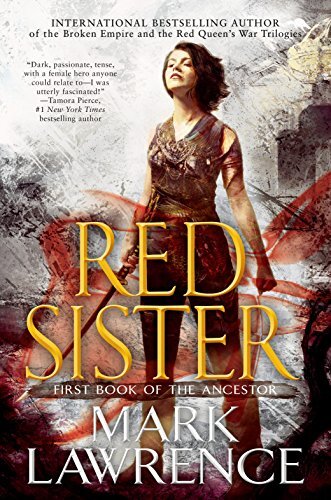
One of my favorite recent reads (listens, actually, in this case) was Red Sister by Mark Lawrence. Nona Grey does more than survive her childhood manifestation of monstrous power, betrayal by her parents and village, and being sold into slavery, she fights for the opportunity to thrive.
Nona finally comes into her own and finds her own way to walk The Path of the Ancestor when she embraces her rage and taps the power boiling in her soul.
Mark does an amazing job of portraying Nona’s struggle against the outside world and against her own self-loathing and doubt.
Revenge Fantasy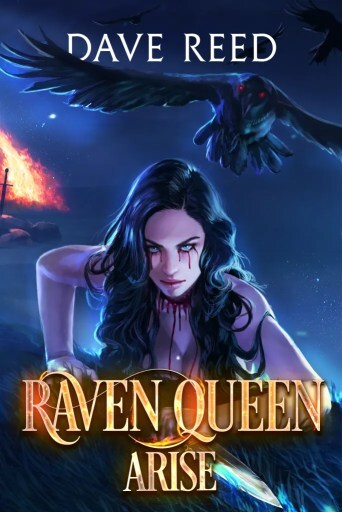
I’ve already gushed about revenge plots. Whether it’s the gritty underbelly of New York City or a demon-infested fantasy world where the gods have forsaken their charges, revenge fantasy is the ultimate realization of trauma as power. After all, power can be the motivation to keep going and right the way you were wrongs. And unlike in Middle-Earth, sometimes, rewards have to be seized, and that’s where the power comes in.
Ready to read a revenge fantasy that speaks to trauma as power? Look no further that Raven Queen, Arise. Illyria is torn from her sheltered life as a highland warden where her two biggest worries might have been which man or woman to bed next, and how much stolen Elysian cattle might bring at market.
Illyria’s journey only truly begins when she is brutalized and murdered… Read it today.