Dave Reed's Blog, page 3
May 13, 2022
Trust in the Grimdark
There are neither traditional heroes nor villains in the grimdark. One-dimensional bad guys are boring in any genre. Forget one-dimensional good guys. No one buys pure heroes anymore, and the grimdark tends to chew honorable actors up and spit them out for their naivety.
Grimdark characters, like in real life, are shades of grey and often act for their own interests rather than serving a greater good. Also, if they serve an organization, ideal, or some higher authority, expect it to be greater, but not necessarily good. Here be fanatics, blind followers, and zealots.
Considering that most people act out of self-interest, who can you really trust? Is it as simple as whose interests align with yours? Usually, but let’s take a deeper dive into alliances in the grimdark.
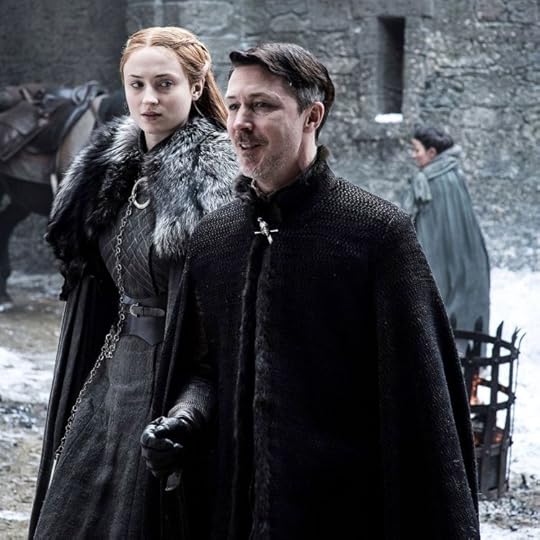 Image Source: HBOCommon Enemies
The enemy of my enemy is rumored to be my friend. A great way to ally an antihero with another character is to put them on the same side of the field, opposing a regime, person, or part of the social order. Even if these characters would never get along in a million years, pitting them against a common enemy is enough to have them set aside their petty differences and work together.
Speaking of, you know what a great way to get people to work together is? Make them hate a common enemy. On a small scale, this is used by drill instructors or perverse teachers to get their squad/students to work together as a team. On a more massive geopolitical scale, you have people committing all sorts of atrocities against an “other” that they’re all riled up to hate. We see this all through real life, not just in the grimdark. I don’t even have to invoke Godwin’s Law.
A mastermind doesn’t always have to pull the strings, but the manipulation is always fun to read. It’s also a fun twist when the people who are being played turn on the player, creating a “common enemy” situation where the manipulator gets hoisted. Always a good time.
 Image Source: HBOSelf-Serving Truces
What if someone was previously an enemy, but they have to work with you now? Well…why? What’s the reason for the truce? Could be common enemies as above, but it’s always called between the parties. If there are outside forces making them call a truce, it’s acknowledged by the parties burying the hatchet.
But is burying the hatchet really the start of a beautiful friendship? Or is it a means to an end? It can blossom into a sort-of friendship, like Arya Stark and Sandor Clegane in A Song of Ice and Fire. But this type of alliance can deteriorate quickly, especially if push comes to shove. Especially if you need to leave the other ally for dead so you won’t be eaten by wolves or killed by marauders.
What about love? Love and hate are, after all, opposite sides of the same coin. If two previous enemies have to call a truce, and there’s bounds for attraction, well, the hate to love thing is universal in literature. Lots of people swoon for the enemies-to-lovers trope. Will the happy couple live happily ever after? In the grimdark, you never know.
Especially considering the sociological themes. In grimdark, true love doesn’t conquer all just because. External circumstances, like birth station, cultural lenses, customs, and laws all influence the story just as much as dragons, magic, and gods do. These aren’t always obstacles that the hero can just overcome with pluck and luck. Like in our world, they just are, and no matter how much a stink you make, they’re still there.
That said, if characters have to make an alliance, and then return home to the social customs, norms, and laws that will keep them apart, do they break up, do they decide not to return, or do they think that true love might prevail and then suffer the harsh consequences of their actions, up to torture, execution, dismemberment, possible castration? Oof!
 Image Source: NetflixTreachery
And of course, with all these alliances rearing their heads, there’s the real possibility of treachery. Like love growing from hate, treachery is a big, big focal point in literature going all the way back to the fucking Bible and Gilgamesh.
In grimdark, treachery is so expected that if a character is true to your protagonist through the end and doesn’t die, it should come as a shock. Hidden enemies (like enemies in the open) are everywhere.
The best grimdark books don’t tell you that. They just show you. That nice but smarmy guy who was your wife’s friend when they were kids looks like he’s helping you out, right? You don’t figure out no until you’re being hauled away by the guards. The vizier who was raised alongside you like a brother plunges his knife in your back. The woman you fell in love with sells you into slavery. From your perspective, you don’t see it until the moment of treachery.
If the traitor is a point of view character, get ready for some juicy internal conflict leading up to the eventual backstabbing. Or, none at all if the traitor really, really hates their victims’ guts.
 Image Source: New Line Cinema / WIngnut FIlmsCan you really trust anyone?
Of course, this leads us to the million-dollar question above. A fundamental cornerstone of all human relationships is trust. However, in circumstances where that trust can be broken, when you’re in a high stakes situation, that trust isn’t guaranteed. Paraphrasing Squid Game, “I don’t trust you because you’re trustworthy; I trust you because I have no other choice.” Sometimes, you just need to build alliances with whoever you can. But beware: even if your radar for reading people is spot-on, they can still surprise you.
Alliances in the grimdark are less tribal and more fluid, usually. There are exceptions, especially where external circumstances come into play, like family, nationality, occupation, etc. And this in itself can be rife with conflict, especially if family ties get in the way of an alliance, organizations get in the way of love, and so on and so on. Sometimes the only one you can trust is your arch nemesis—at least you know where they stand!
It just goes to show that in the grimdark, the social order and the web of relationships through the story aren’t there just for the sake of the protagonist to overcome. They’re just there to navigate. Learn to play by the unwritten, ever-shifting rules, including being careful about who you trust, or you’ll lose.
What betrayal in grimdark stories do you think was the most well-written? Which were the most unexpected? Which inevitable betrayals still hurt the most?
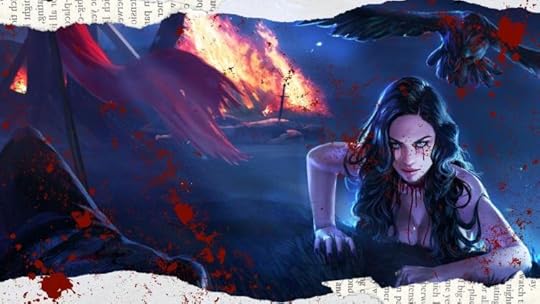
As a fan of the grimdarkest kind, you might enjoy (vicariously) living in a world where not even the gods and their priests can be trusted. Read Raven Queen, Arise in Kindle Unlimited, paperback, or hardcover and see for yourself that our timeline on Earth isn’t the worst possible world.
If you’d like a free read, you can get the novella Death Descends for free just by joining my newsletter and navigate through the underworld with Z’nnek as he struggles to rescue his dead wife from the three demon lords of the underworld.


May 5, 2022
St. Olga: Saint of Revenge
Well, goddess would be a stretch. But close. She’s a patron saint, and she kicks ass. If there were any patron saints right now that I’d ascend from canonization to godhood, it would be her. And my spiritual little heart has to believe she’s watching over Ukraine.
It’s timely. Since needless bullshit is being waged in Ukraine by a country with nukes that can therefore annihilate us with a push of a button, we need some comfort in the darkness. The hope that St. Olga of Kyiv gives us is more of the grimdark variety, fueled by a relentless desire for revenge and then acting on it. Plus, “Puppet History” on YouTube did an episode about her, so…
Without further ado, here’s the tale of St. Olga, the mistress of vengeance who set out to conquer (or destroy) the entire tribe who killed her husband.
 The Honeymoon Years (we presume)
As “Puppet History” points out, once upon a time, in the land of Kievan Rus (modern day Russia, Finland, and northern Ukraine) the Finns and Slavs couldn’t get along, so instead of killing each other, they enlisted the most powerful military in their region to do the ruling, negotiating, etc. for them. That powerhouse was the Vikings, who established their base in Kyiv (also spelled Kiev).
Their king’s name was Riurik and he had a son named Igor. Coincidentally, the leader of Kyiv named Oleg had a daughter name Olga. Since Riurik had a son and Oleg had a daughter, they joined their houses grimdark fantasy (medieval history) style, via marriage.
St. Olga was married off to her husband when she was a teenager, about fifteen when she was wed to Igor I. Think of her as a Daenerys Targaryen without the dragons. Although, to be fair, she didn’t need dragons to exact her revenge.
 The Inciting Incident (or Always Listen to Your Wife)
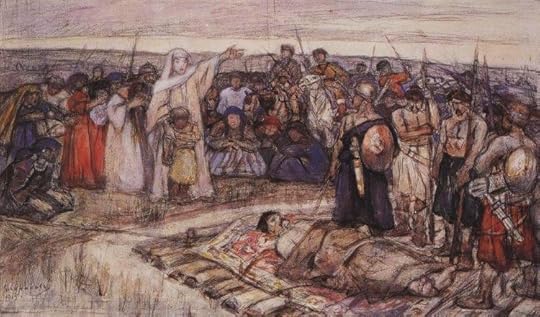
In 945 AD, a tribe under Riurik, and later Igor’s rule, the Drevlians, refused to pay tribute. They had paid tribute to Oleg, Olga’s father, but when Igor became the head honcho, they stopped paying. To remedy this disrespect/breach of fealty, Igor marched there himself to demand his tribute. Now, first, he marched his army there and the sight of a bunch of guys with spears was enough to cow the Drevlians into paying, but then in 945, Igor got cocky. Whoops. He should’ve listened to Olga. (I think it’s safe to assume, given my own marital experience, Olga coulda/woulda/shoulda advised Igor take a couple of the “boys” with him, just in case.)
He thought he could collect extra tribute just by showing up himself to collect more. So, the Drevlians taught him a lesson. In true grizzly, grimdark fashion, the Drevlians didn’t just go, “Oh, gee, sorry we missed a few payments. Here ‘ya go. Here’s a few extra goats for the trouble…”
No. They brutally tortured Igor to death. Per one Byzantine chronicler, “They had bent down two birch trees to the prince’s feet and tied them to his legs. Then they let the trees straighten again, thus tearing the prince’s body apart.” They literally tore him in half with trees.

At the time, Olga was only 20 with a three-year-old son at home. The Drevlians probably thought she’d just be a helpless little girl crying at home because her husband was killed in battle. Well, that was their second (fatal) mistake. Since her son wasn’t old enough to rule, she was named Regent of Kievan Rus. And she had a thirst for vengeance. As Regent of Kievan Rus, she could make that happen.
 Richly Deserved War Crimes
At the beginning of her trek to vengeance, the Drevlians gave her an opening. They assumed that the widow of the man they just killed would want to marry the Drevlian chief. Big mistake. You can imagine a few choice things she might have said, but…
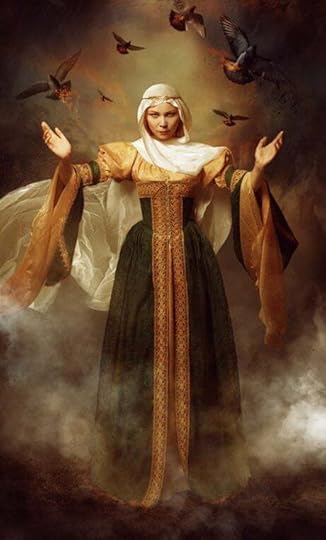
Rather than telling them to drop dead, Olga laid a trap. She accepted the invitation of twenty ambassadors from the Drevlians. Before they arrived, she ordered her soldiers to dig a big ditch in anticipation of their visit.
She even told said ambassadors that she’d have a big, big party in their honor to announce whether she was going to marry their prince. Yay! Cake for everyone! Except… The cake was a lie. Instead, Olga’s men carried the ambassadors in their boats to the ditch they dug, threw the boat in, and buried the poor saps alive.
Was that the end? Nope! Thanks to the wonders of super-slow communication, The Drevlian prince had no clue that his ambassadors had been buried alive in their own boat. He actually thought the engagement was still on. So, he sent some men to escort Olga to him to marry him. Of course, this was at Olga’s behest so she could burn the best men alive in another ruse.
She didn’t stop there. She went to the Drevlian’s fortress, held a party for them, and slaughtered them all when they were too drunk to fight.
And you thought the Red Wedding was creative!
St. Olga was canonized about 500 years later by the Russian Orthodox Church as the Patron Saint of widows and converts. Why converts? She was pagan, but later, when she went to Constantinople to form alliances, she converted to Christianity.
Fact vs LegendGranted, the boat story may have been exaggerated. What, do they have a bunch of Incredible Hulks waiting around to throw a bunch of Vikings in a ditch they dug the night before? Please. And I didn’t even mention the pigeons!
In order to “secure peace and show mercy,” St. Olga demanded a tribute of pigeons and doves as a so-called act of mercy. But when she received the fowl, she allegedly tied Sulphur to their feet, lit them on fire, and then released these homing pigeons into the Drevlian’s home base, torching the place to the ground. Did that happen either? Maybe, but probably not with pigeons that had literal fiery stones tied to their fucking feet—they’d have died before they got there. But it sounds sexy and terrifying.
However, the story of St. Olga made me think about a couple of things. Truth can sometimes be stranger than fiction, so getting creative with plot points as long as they’re technologically accurate to the time can make for some engaging storytelling.
It’s my considered opinion that we need dark heroes to inspire hope. St. Olga won with dark, brutal vengeance, but she also won within the scope of her talents, by using cunning and good rulership to achieve her goals. She also used a technological deficit, slow communication, to her advantage to pull all this off. It’s a good example of how you can have a character win but keep it in the realm of gritty realism that is grimdark.
I’m rooting for the spiritual descendent of St. Olga to rise up in Ukraine. 
Which historical event do you want to see recreated in grimdark fantasy? Have you seen one that made you gasp when you read it on the page? Ping me on your favorite social platform and give me your grimmest dark ideas.
If you find St. Olga fascinating in some way, you might like to meet the Raven Queen. Illyria di Alamar Forte will never be canonized as a saint, but she began her own bloody trek toward building her Temple of Vengeance in Raven Queen, Arise.

April 15, 2022
Heaven or Hell: The Afterlife in Grimdark Fantasy
“Dearly beloved, we’re gathered here today to get through this thing called life.” In the words of Prince, I think that’s why we read.
Or write or do anything that sparks joy because at the heart of it, life sucks ass. The world can be a cruel, dark place. Grimdark offers us a catharsis for that; yes, the world’s unfair and you’re not the only one suffering the injustices of a cruel world. But there’s something else.
The AfterworldUnlike Prince’s opening monologue of “Let’s Go Crazy” (and by proxy, the opening of the film Purple Rain), life certainly doesn’t mean forever in grimdark fantasy. It’s nasty, brutish, and short. And typically, in our world and in many worlds of fiction, there’s a glowing hope that peace, happiness, and reward for our needless suffering in life will come after the sweet release of death.
And maybe some characters cling to that hope in the pages of your texts. But in the crap-sack worlds of grimdark fantasy, their puny hope is often seen as naivety, or an unhealthy coping mechanism in the face of so much suffering and injustice.
But as a reader, with all the death in these books, sometimes I wonder, is there anything after the author gives them the ax on the page? With so much death, do we ever ponder where these characters go when they die? Is death the end? Is there a judgment system – a heaven or a hell? Knowing grimdark, if there is, is it as unfair as the world our characters inhabit?
At this, I can imagine some pastiche of sin and damnation: “You ate a rock three days before you died and that’s forbidden!” St. Peter bellows. “Go straight to Hell you heathen!”
So let’s explore the possibilities and dive into where we can go with this perennial literary question: where do grimdark fantasy characters go when they die?
 Beyond Grimdark
First, I’m taking some time to acknowledge that the big questions aren’t exclusively grimdark. Shocker! However, the lens grimdark views the world in is what it says on the tin: grim, and dark. Thus, the way this literature views the afterlife is most likely through the same grim reality the entire book series sets up.
But… grimdark fantasy is fantasy. Thanks to the vehicle of a secondary world (or extra knowledge people can gain about the afterlife in our primary world because magic), the author isn’t as bound by reality to create a plausible afterlife. It only has to be plausible to the reader in the context of the pages, so they can suspend disbelief and keep engaging in the world.
Ironically, you can create an entirely new system, but what engages readers’ suspension of disbelief the most is what’s been done before. Bringing me to the possibilities of grimdark afterlives.
Death as a RepositoryIn this version of the afterlife, you’re not here because you’re good or bad. You’re here because you’re dead. This version of the afterlife is more common than a lot of people think. Greek, Hebrew, and Norse mythologies all have a variation of this. In Ancient Greece, the asphodel fields awaited most mortals. People who were neither remarkable nor remarkably wicked wandered around a grey wasteland with only the memories of their previous lives to comfort them.
Valhalla aside (and like the Greek counterpart Elysium, you went there if you were a warrior or did something heroic), most people in Norse beliefs would go to Niflheim, a cold, dark realm where they would await Ragnarök, the Doom of the Gods and the epic battle of the end of the world.
In The Old Testament, Sheol is a wasteland deep in the earth, a repository where both the righteous and unrighteous dead go. The silver lining is that there, you’re reunited with your family and tribe, which … for some people, that’s not a silver lining at all!
 Everybody Goes to Hell
Ah, eternal damnation. Reserved for the truly wicked … or so we think.
This is supposed to be reserved for the irredeemably heartless: a small comfort for the masses to believe that the bastards who wronged them, did them dirty, will be held accountable in the afterlife.
This is an especially appealing hope in Grimdark Land. After all, in a world where might makes right and people get fucked over all the time, having faith that there’s justice after you die can put anyone to sleep at night. However, there are two possibilities that blow this faith out of the water.
The first is this gnawing question: how perfect are you?
Have you ever fucked someone over and escaped accountability? Lied, cheated, stolen, killed someone? Did you sneak twelve items through the ten items or fewer checkout line? Really? How can you be so sure that your soul is spending eternity in bliss, or even a grey wasteland respite that’s dull if not torment?
Few, if any souls, are perfect enough to go through the afterlife with this worldview. Nearly everyone ends up going to Hell, because no one can measure up to the creator’s sky-high standards. Nobody’s perfect, so aren’t we all doomed anyway?
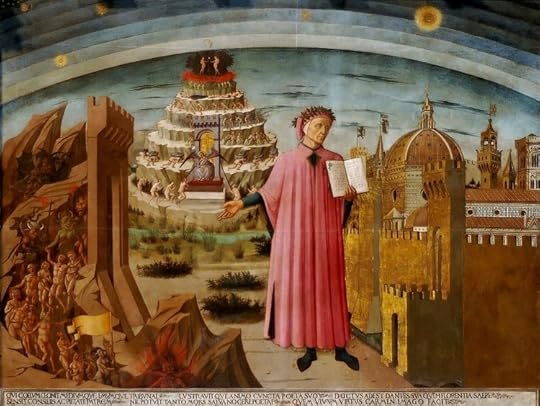
This grim, dark version of the afterlife is more present in comedies than tragedies. South Park and The Good Place both come to mind. The king of this literary version of the afterlife is, of course, The Divine Comedy. Dante’s opus is full of ironic punishments for many transgressions. Fortune tellers must always look backwards. Greedy bastards have to carry sacks and sacks of stuff on their backs through the desert. The deepest circles of hell are reserved for traitors, who are frozen in a lake of ice, or devoured by Satan personally.
Don’t like grey wastes and torment? Well, there’s another alternative:
NothingThat’s it. Life is all there is, and your consciousness ceases to exist after you die. As Gene Wilder in Willy Wonka put it: “You get nothing. You lose. Good day, sir!”
In this scenario, the false hope of justice in the afterlife is only a means to control the masses, an “opiate of the people” to sedate them out of holding their authorities accountable. Or it’s just a nice hope to get people through their daily, miserable lives.
Either way, in my humble opinion, it’s the most in-line with the grimdark worldview. It works for fantasy pieces where magic, if it exists, is low-powered and unreliable. It also works for books, games, and movies where the afterlife doesn’t come into play. After all, has anyone even come back from the dead?
Resurrection and LifeWhen it’s near the end of a series, resurrecting a character can seem like a cop-out. Plot armor that makes a moral point at best or a lazy way to save your darlings at worst. If resurrection is done well, not so the good guys can win the day or your favorite character can live until the end of the series, it can open up a dark, engaging series of questions.
In a world where gods are in control of your soul and eternal fate, resurrection can be a salacious inciting incident. It can also be a great point of deconstruction: why was the protagonist given a second chance at life? What does the protagonist owe their resurrecting god? How can the protagonist be exploited by said gods, or more intriguing, will they use their powers to betray their benefactor and take their place once they’re done with their mission?
If you want to read a book with a juicy afterworld and a bit on intrigue, Raven Queen: Arise is the first book in a series that delves into dark afterworlds. Pick it up on Amazon today!
April 8, 2022
Beyond Lovable Rogues: Making Evil Characters Likable
It’s delicious as hell to root for a wicked character. That’s why the lovable rogue archetype lives on in literature and pop culture, from Han Solo to Aladdin.
It’s fun to break the rules once and a while. Add a tyrannical force making the rules to the mix, and you can find yourself cheering for a character, who lies, steals, and kills their way through the pages.
But since we’re in the realm of grimdark fantasy, we have to ask: how far can the rogue go before they become unlikable? How bad can someone be and we’re still identifying with them and (maybe) hoping they succeed? But first …
 Credit: TriStar PicturesWho is this “likable rogue”?
I’d say the likable rogue is someone who breaks the laws or mores of society, but in a book, you can relate to them, identify with them, or some other version of “I can’t put my finger on why, but despite all the horrible things this character has done, I really like the bastard.”
The likable rogue character doesn’t necessarily have to be a thief or a career criminal. A likable villain, or villainous character, can be a politician, noble, or soldier. They can even have a more unsavory job like a torturer or executioner – a literal professional asshole with a job that requires them to kill or harm others in the government’s name automatically puts them into the “villain camp” in genres with more “conventional” ideas of good and evil.
All this character has to be is someone who we’d consider to be a royal piece of shit in real life, but as you turn the page, you can’t wait to see what they do next.
Now you’re probably asking: doesn’t that make them the same as an antihero? Not necessarily. An antihero is a protagonist who uses the same tactics as the villain (or damn close) to reach the same ends that the hero would. These characters aren’t necessarily the protagonist. In fact, they can be a minor character, a sidekick, or even an antagonist. They can even be the villain of the series if it’s done right.
 Credit: HBODo you want to have a beer with them?
I consider characters in a book to be like friends. Maybe I’m biased because I’m an author and a reader, but I digress. There are two types of friends according to a meme going around the internet: people you’d have a beer with, and people who you’d let watch your puppy for a weekend. People can be both or neither, but whichever camp they fall into depends on what type of “friend” or likable person they are to you, if at all.
The four combinations in a nutshell:
If you’d have a beer with them, but wouldn’t let them watch your puppy, they’re likable, but not reliable.If you’d let them watch your puppy, but wouldn’t have a beer with them, they’re not likable. Most likely, they’re a self-righteous jerk. However, they’re useful and dependable.If it’s neither, you don’t want them within a ten-yard radius of you.If it’s both, these are the friends you make that you don’t let go of.Most likable rogues fall into the first category because they’re often loose cannons. Not because they wouldn’t take care of your puppy per se; they’re so unpredictably cruel that you don’t know if you’re walking home to a smiling, happy puppy or a puppy corpse that may or may not have been made into a hat by the dog sitter.
Sure, puppy watching isn’t the only requisite of responsible behavior. It can be a metaphor for any responsibility. Can you trust the likable rogue not to run the kingdom into the ground or go half-cocked on their own and foil the entire mission?
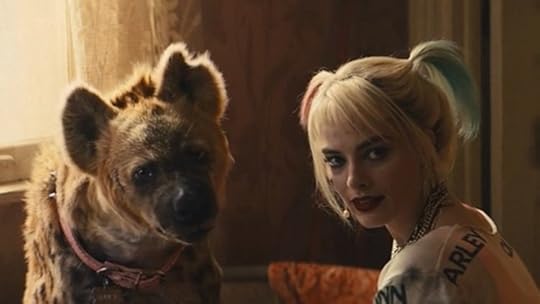 Credit: DC Films / Warner Brothers
If you can, they’re dependable, making them a rare breed. That doesn’t mean they’re likable. However, while they might be affable IRL, reading about them from the comfortable distance of your home could be a treat. The other three types manifesting as characters we like are rarer but can work. The second type is the villain that’s a saint in their own minds. Often, these are the characters we love to hate because not only are they cruel – they’re sanctimonious asshats when they dish out pain and torment. They can maybe be likable if they’re conflicted about it, but still. Love to hate.
The “neither” camp is harder to write. It’s textbook unlikable. Like the second example, they can be “love to hate,” but their likability often boils down to intrigue. The “both” camp is self-explanatory for likability, IRL and in books.
 Credit: Warner BrothersBeware Moral Event Horizons
The site TV Tropes coined the term moral event horizon, describing the point when a character goes from doing redeemably bad things, being likably evil, and then crosses a line. There are certain no-gos as far as likably evil characters are concerned. Like a black hole, once this character crosses the moral event horizon, there’s no going back.
Yes, for the record, I’m aware of moral relativism. Yes, some people object to things that others don’t find distasteful. Some people juggle geese! I’m just talking about people within two standard deviations of the imaginary mainstream.
That doesn’t mean it’s not impossible to have a likable character who crosses these lines. It just makes it harder if these characters cross certain boundaries. Harming children, for instance. Or killing a puppy and turning them into a hat. One instance of a character crossing one of these lines can make them unlikable for the rest of the series, so treading carefully is advised. Don’t just make your character do evil things for shits and giggles.
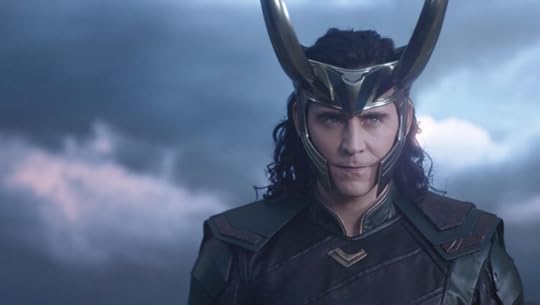 Credit: Marvel Films / DisneyLikability Is Abstract, Not Lazy
It may be easier, though, to imagine if a character is likable if they fly the same flag as the protagonist, right? Wrong. Something adulthood teaches us early is that someone can fly the same flag as you, have the same goals and mission as you, but can still be a horrible or horribly unlikable person.
Let’s face it. It’s easier to root for an evil or a morally unsavory character if they’re allied with our protagonist. But just having a so-called likable rogue be on the team we’re supposed to root for and expecting the reader to like them is lazy writing. It also doesn’t make for an engaging read.
What makes a character likable is more abstract than we’d like to think. Do you want to have a beer with them, setting aside whether they’d kill you first?
If you want to see how characters can be likable while still being deliciously, wickedly evil, I wrote a few in my book, the first in a series. See who you’ll be cheering for in Raven Queen: Arise despite their morally questionable deeds.
View this post on InstagramA post shared by David Reed (@davereedme)
April 1, 2022
Lovers in the Grimdark
Every fucking book, grimdark or not, has some love plot. Of course, people fall in love often enough that we have a day to celebrate it! 90% of pop songs? Talkin’ bout love. 99% of stories you read? Same. There’s something sickly-sweet and enticing about whether a couple will or won’t. What obstacles will our lovebirds face? Which sparkly loser is our protagonist going to choose?
Love is such an interesting and universal plot point, theme, whatever, that it’s even in the grimdark. Like other things in grimdark though, there’s a caveat…
This ain’t Disney. Love at first sight usually doesn’t bode well for any character in the grimdark. Singing birds aren’t dancing while our heroes happily waltz down the aisle after knowing each other for three days! Happy endings far from guaranteed, and they have to be earned.
Meet-cutes, “I love yous” and even countless, high-stakes obstacles don’t translate to a happy ending automatically. Since grimdark is grounded in realism, acting on the idea that love at first sight will work out, and blithely going on like nothing bad will happen (or if it does, things will work out) is treated like the naivety it is. Then, it’s given some consequences. Deadly consequences.
We’re not getting too deep into examples in this entry. All I need to say is “The Red Wedding” and you know what I mean. When Robb Stark marries Jeyne Westerling, going against the promise he made to the Freys to marry one of their daughters, he’s in for it. And all for love that happens off the pages of the book (unlike the show where they develop the romance between Robb and Talia of Volantis; in the books, Robb shows up and basically tells Catelyn: “Hey … so I married this girl … “).
 Robb & Jeyne: A New Definition of “Fated” Lovers?
Bonus points: the consequences it has are far-reaching and so world-shattering, readers are still talking about it.
Fan Theory: Almost everyone who dies in GoT seems to find the root of their downfall in having inappropriate sex. Just sayin’.
I personally think it would be a million times more tragic, albeit boring, to show characters falling out of love with each other throughout a series. Like, they get married in Book 2, and by Book 4, someone is a serial cheater and someone else is left to pick after the house and kids. That tends to happen in real life when people run head-first into a committed relationship, hence the whole 50% divorce rate. Speaking of…
Bad ArrangementsAlso, since we’re often dealing with historical settings in the grimdark, we’re also looking into less savory “romantic” institutions, like arranged marriage, forced marriage, super restrictive social norms on who can love who… I can go on and on.
If you’re writing a book based on medieval norms, understanding that marriage was seen more like a job and a business relationship rather than a romantic commitment. You got married to secure an alliance if you were rich. In peace times, you got a little bit more say in your partner, but if your family was in a pinch and needed to secure an alliance fast, you were getting married to whoever was most politically convenient for your family.
If you were from one of the upcoming merchant classes, your marriage was a business partnership; your supporting partner, usually your wife (because sexism), would help you run your business, so good luck picking someone smart, or someone who wouldn’t ruin you long-term.
All of these historical tidbits make for great plot points outside of grimdark, too. The main difference between these plot points in grimdark and elsewhere is that they’re going to inform your characters’ backstories, not predict a happy outcome.
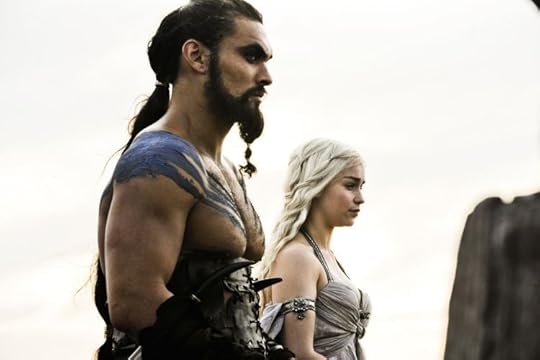 It Worked Out Well for Dany, Mostly??Love at first sight… or first punch?
Love at first sight is a recipe for disaster in grimdark fantasy, but what about the other fantasy cliché of love at first punch or love at first loathing? Personally, I think this trope came from Star Wars and Han and Leia’s feisty relationship more than anything else. While Star Wars is the farthest thing from grimdark this side of the galaxy, I think the amount of people those films reached probably inspired some speculative fiction writers, including some grimdark fantasy ones. Hello #Reylo enemies to lovers fan fiction?
Conflicts the characters have with their feelings drive tension way more than external anything. You can have the grimmest, darkest plot points, but if the character doesn’t feel something about it, it doesn’t drive the tension in the story. When you introduce a character that a character connects with, in a positive or negative way, that creates an opportunity for the character to feel conflicted about it. If you add dark stakes, like “my boyfriend will be killed in a gruesome way in front of the tribe if anyone finds out about the relationship,” or “I fell in love with my torturer,” and it’s written in a realistic, enticing way, the possibilities are endless.
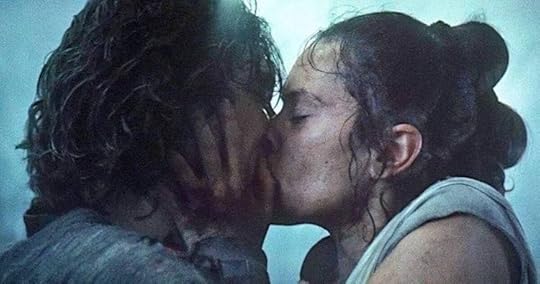 Reylo Forever?
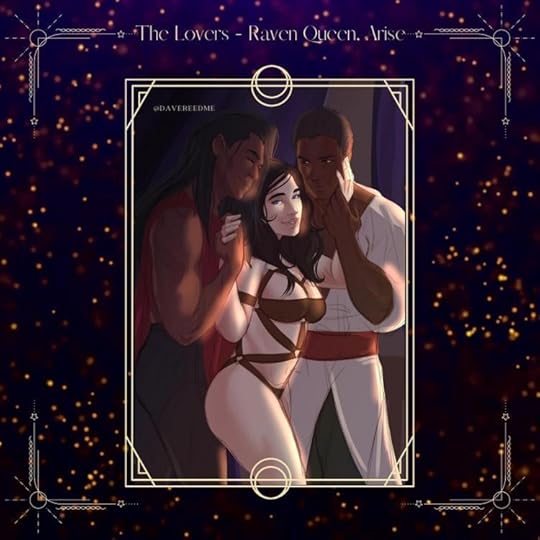
At the beginning of Raven Queen, Arise, my protagonist has a conflict-fueled conversation with a trickster god. Antagonistic relationship, or the start of a beautiful friendship? Read more to find out.
March 25, 2022
Women in Horror, Fantasy & The Oscars™
When it comes to the Academy Awards , there’s an annual elephant in the room for grimdark nerds like us:
Will any horror, sci-fi or fantasy films get Oscar noms/wins outside of the obligatory costume, sound, and visual effects categories this year?
You don’t need to tell us that fantasy, science fiction and horror all deserve a fair shot at the Academy Awards. But for the vanilla world, it’s a different story. Therefore, every single nomination and win is a huge boost for genre filmmaking to receive the support it deserves to create quality films alongside mainstream and arthouse movies.
With the 94th Academy Awards happening on Sunday, March being International Women’s Month, and Women in Horror Month, let’s celebrate four women (and a few highly honorable mentions) who’ve taken fantasy, sci-fi and horror to the Oscars.
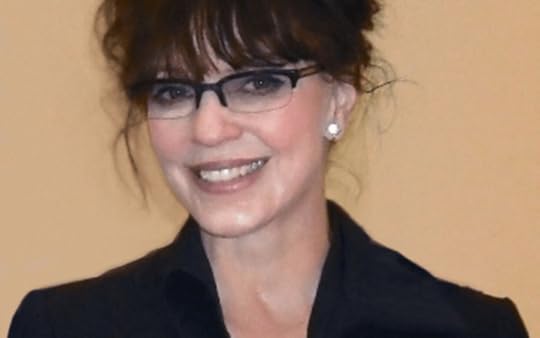 Photo Credit: RNZ
Sometimes it feels like Peter Jackson is given more credit than Fran, but only because she has chosen to be the more private one in this genre filmmaking power couple.
Along with best direction and best adapted screenplay, did you know that Dame Fran Walsh also won an Oscar (alongside Howard Shore and Annie Lennox) for the award-winning song, “Into the West?” Now you do.
The Lord of the Rings: The Return of the King was not only the first ever fantasy film to win Best Picture, it remains the only fantasy film to win. It also has the highest number of perfect wins, with 11/11 Academy Awards that historic year.
2. Kathy Bates: Misery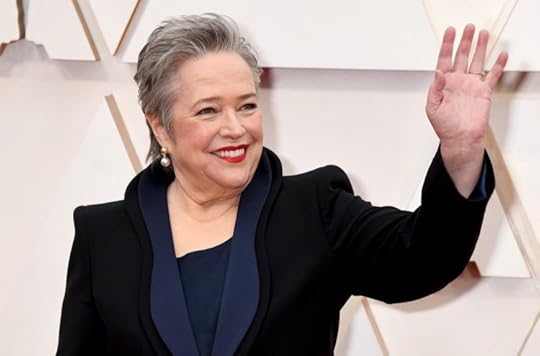 Photo Credit: Showbiz Cheat Sheet
As I’ve been featuring Academy Award-winning or nominated genre films in my newsletter over the last couple of months (shameless plug: sign up, because we have a lot of fun in there!), it hasn’t surprised me to discover that many an adapted Stephen King novel turns to Oscar gold.
Enter Kathy Bates as the iconic Annie Wilkes in Misery. Kathy was the first woman to ever receive the Best Actress Oscar for a horror film, paving the way for more women in horror to get a seat at the table alongside the likes of Dame Judi Dench and Meryl Streep.
3. Octavia Spencer: The Shape of Water Photo Credit: The Los Angeles Times
Speaking of Oscar gold, Guillermo del Toro, nominated this year for Nightmare Alley, is another genre filmmaker that gets a lot of love at the Academy Awards, and for this, we “stan” the man.
A multiple Academy Award nominee herself, the role of Zelda in The Shape of Water was written specifically for Octavia Spencer. Guillermo del Toro created this powerful supporting character as a mashup of Spencer’s two prior Oscar-nominated roles, Hidden Figures and The Help.
Spencer has said in interviews that she “would have walked the entire Earth” to work with Guillermo. (Same, Octavia, same).
She has also spoken about how with the main characters in The Shape of Water being mute, it was groundbreaking to make the supporting characters—a closeted gay man and a Black woman—literally be their voice, especially in the 1960s, a time when LGBTQ and Black people experienced incredibly harsh oppression.
4. Natalie Portman: Black Swan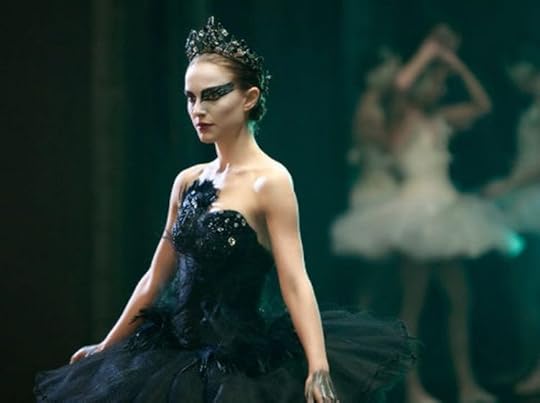 Photo Credit: NY Daily News
Black Swan has that superb Darren Aronofsky trademark combination of horror, psychological thriller, and depending on your sense of cinematic wonder, fractured sexual fairytale.
If you feel like Natalie Portman’s dancing is incredibly convincing, that’s because Natalie is indeed doing the lion’s share—85%—of the ballet sequences.
She absolutely threw herself into the role, earning all of that year’s awards circuit for Best Actress, including the Oscars. Working like a leading lady in an epic fantasy film with tons of battle scenes, Portman dislocated a rib, sustained a concussion, took on The Ballerina Diet (aka starved herself), and kept injuring her left toe, which the cast and crew nicknamed Natalie’s “Portmantoe.”
Ballet is grimdark, y’all.
Highly Honorable Mentions:Ellen Burstyn, nominated for Best Actress – The Exorcist
Linda Blair, nominated for Best Supporting Actress – The Exorcist
Sissy Spacek, nominated for Best Actress – Carrie
Piper Laurie, nominated for Best Supporting Actress – Carrie
Linda Dillon, nominated for Best Supporting Actress – Close Encounters of the Third Kind
Ruth Gordon, won Best Supporting Actress – Rosemary’s Baby
Jodi Foster, won Best Actress – The Silence of the Lambs
Toni Collette, nominated for Best Supporting Actress – The Sixth Sense
Sandra Bullock, nominated for Best Actress – Gravity
Sally Hawkins, nominated for Best Actress – The Shape of Water
Vanessa Taylor, nominated for Best Original Screenplay (co-writer) – The Shape of Water
March 18, 2022
2022 Production Schedule
In the interests of getting this out there for my own motivation and accountability, here’s The Plan for this year. The next novel in the Temple of Vengeance series, is Raven Queen, Avenge. I expect her to be about 100k words when she ships, just like the first volume.
MarchThe Editrix receives the prequel novela Death Descends.Finish Beginning Hook (25%)Order cover paintingAprilDeath Descends goes out to Kickstarter backers and newsletter subscribers (free) before it goes on sale.Finish Middle Build 1 / Midpoint Shift (50%)MayFinish Middle Build 2 / All Is Lost (75%)Cover proofLaunch preorder for Raven Queen, AvengeJuneFinish Ending Payoff (100%)JulyThe Editrix gets the manuscript.Beta readers get an early version.AugustFinal covereBook and print LayoutCover typographyFull, final rereadSeptemberProof and masterOctoberLaunch 01 OctoberNovemberKickstarter for the limited edition hardcover of Raven Queen, AvengeDecemberRevise foolscap and plot for Raven Queen, Ascend.Caveat: This schedule is tentative and subject to change. We’re relocating back to Texas from Seattle this year (long story) and landing in Dallas this time. What can I say, I come from a long line of hillbillies, wanderers, nomads, and pirates.
February 24, 2022
Diversity in the Grimdark
The denizens of my fantasy realm are essentially color and genderblind. I don’t think having a society where this is possible is a further stretch than magic. Nor is having a diverse cast.
Think about this: the potato was introduced to Europe in the Age of Exploration, about a century or two after the Middle Ages ended. Spuds are indigenous to the Andes in South America. More fun facts: they were originally used as pig feed, and in some places in Europe, they weren’t eaten by humans until the late 1700s. However, they appear more in medieval-inspired fantasy than diverse casts do, and Medieval Europe was more diverse than most fantasy literature gives it credit for.
People do horrible things to other people regardless, but powerful villains don’t need the crutch of racism or sexism to give them an excuse. Granted, having a bigoted antagonist and a marginalized protagonist can help emphasize who you’re supposed to root for, but on its own, it’s lazy writing IMHO.
I never thought heroes needed to be “woke” and villains needed to be bigoted to tell a compelling story. However, prejudice and discrimination can be part of a compelling grimdark fantasy story. Like rape, murder, poverty, etc., it’s part of the grisly human landscape that grounds grimdark into that cynical realness we all love about it.
That said, I’m hardly an expert in race, colonial, or other schools of thought on how diversity is supposed to be handled in literature. I’m just a guy writing entertaining nightmares. All of this is just my humble opinion as a writer, not “gospel” from some scholarly “expert”. But I’ve observed a few things, and I hope you can come along for the ride as I dive into diversity in the grimdark.
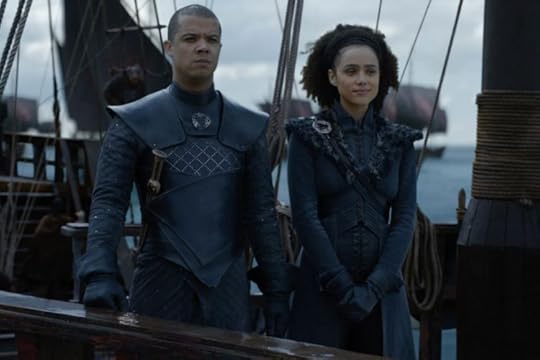 Image Credit: Vox.comDiverse Worldbuilding
When I was looking for more diverse writers to point you to, the pickings are slim. Until recently, fantasy had a bad rap for lacking representation, and as I’m diving into below, had some pretty problematic tropes.
This lack of representation comes in two flavors: authors, and worldbuilding. A lot of authors representing “diverse” landscapes and characters, a.k.a. not European, not predominantly white, are crafted by an overwhelming majority of white, male authors. (Yes, just like me.)
I don’t have a problem with white, male authors creating diverse landscapes and building worlds that don’t reflect their culture. And we can go on and on about cultural appropriation, privilege, “default vs. other”, etc. But this isn’t a scholarly paper. This is just me, spouting my observations and opinions.
Basically, medieval Europe is boring. It’s stale. Again, we can get into default vs. other and orientalism and exoticization all we want, but in my opinion, medieval fantasy has gone stale … at least, on its own.
Some worlds like Westeros incorporate other cultures into its landscape and blend them into one another. Some POV characters traverse the East, or Essos, like Daenerys Targaryen. We get treated to a broader world full of cultures expanding beyond European feudalism.
Other worlds take place completely in African or Asian-inspired fantasy worlds. The Nickelodeon TV shows Avatar: The Last Airbender and Legend of Korra come to mind—I love them, even though they’re not grimdark.
As far as fantasy books go, the pickings can be a little slim when it comes to grimdark worldbuilding that takes place outside of Europe. The Poppy War is a good example that spurns both European and Medieval settings to tell a kickass story. I went into detail about that book earlier, but here are a few others. Word of warning: this can be a stretch since as I said, diverse authors and worldbuilding in grimdark are sparse, but here are some works you should check out.
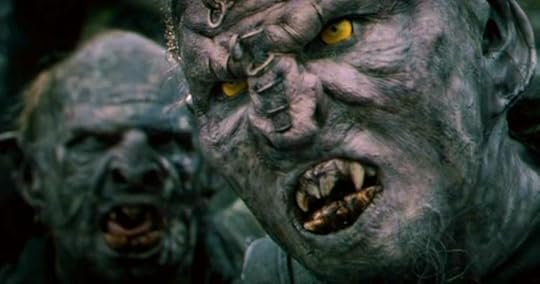 Orcs and Unfortunate Implications
First off, getting the elephant in the room out of the way: Orcs in fantasy have had some… unfortunate implications that have been pointed out in academia and online. It’s my own personal belief as a lifelong tabletop RPG gamer that “races” exist in Dungeons & Dragons and other games to make it “safe” to be racist against imaginary species—whether you’re a gnome supremacist or an elitist Silvan elf.
Maybe people “need” groups of others to hate on or just to define “us vs. them” but… I dunno. It feels lazy to me. (Of course, this is the place where the demons’ rights advocates will pipe up and call me a hypocrite for casting demons in an evil light in my own books.  )
)
As I’ve I said before, I enjoy tropes turned on their heads. I’m all for people writing the stories they want to read instead of just complaining. Both Lot Lands Trilogy by Jonathan French and Orcs by Stan Nicholls address this by making orcs the protagonists. They’re not the only fantasy authors to do this.
Orcs follows a warband caught between two factions who need to gain the upper hand to survive. The Lot Lands casts orcs and half-orcs as grueling soldiers who are trying to get to the bottom of the mystery of their homeland, dealing with conspiracies and dark magic along the way.
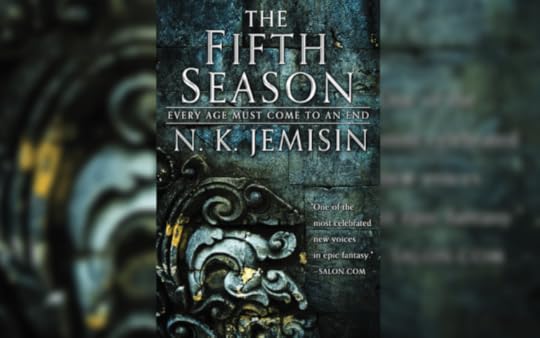 Image Credit: Science Friday
Fifth Season
by N.K. Jemisin
Image Credit: Science Friday
Fifth Season
by N.K. JemisinThis is hands down one of my favorite dark fantasy novels. And I cringe to think that I almost DNF’d this book at the first POV shift! I had recently read a bunch of ensemble cast books that had not done multi-POV well, and I almost didn’t keep reading. But I’m so glad I did.
The cultures and races she creates feel fresh and inspired, and yet all-to-human in their oppression of one another for very believable reasons.
No spoilers. The scale and creativity of what she accomplished is breathtaking. I will always be in awe of the skill it took to pull that off. I bought the sequels, but I haven’t had the time to get to them yet. I’m really looking forward to the rest!
 Image Credit: Tor.com
Children of Blood and Bone
by Tomi Adeyemi
Image Credit: Tor.com
Children of Blood and Bone
by Tomi AdeyemiThis amazing African-inspired YA novel is much darker than I expected when I began listening to the audio book. I was pleased to find that Tomi did not shy away from the grimdark in the slightest.
While I was a expecting magic and a typical coming-of-age plot that is obligatory in YA, I was not expecting a beautiful blend of rebellion, war, and torture. Adult fantasy writers can learn a lot from Tomi.
And the narrator! Bahni Turpin is so fabulous. Her characterizations and voice acting are wonderful. I would listen to her read me the phonebook. (Do kids these days still have phonebooks?)
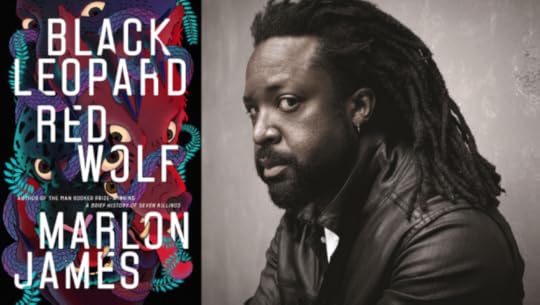 Image Credit: Electric Literature
Black Leopard, Red Wolf
by Marlon James
Image Credit: Electric Literature
Black Leopard, Red Wolf
by Marlon JamesI came across this series by Jamaican author Marlon James, whose main bread and butter is historical fiction. However, from the first line, “The child is dead. There is nothing left to know,” you’re hooked.
The story follows Tracker, a hunter with a super-sniffer who hunts alone. He’s renown far and wide for his hunting skill. He breaks his rule of working alone to join a fellowship of other hunters to track down a boy for a slaver.
If you’re into postmodern works of literature, non-linear storytelling, themes of Machiavellianism, and an unreliable narrator, this one’s for you.
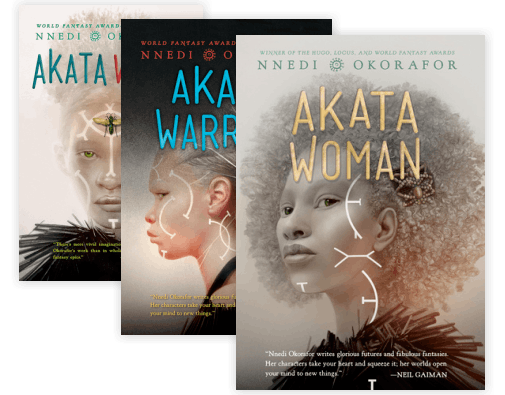 Image Credit: Penguin Random HouseThe Nsibidi Script Series by Nnedi Okorafor
This series is a stretch, but these books have one thing going for them in the grimdark fantasy category: a terrifying villain and unbeatable odds. A great page-turner for me is always when the antagonists are ready to run a marathon and the heroes haven’t even put on their shoes yet.
This book follows Sunny, a Nigerian teenager who doesn’t feel like she belongs anywhere. Partly due to her albinism, she feels different from her peers. Then, she discovers she has magic powers and she’s off to magic school. Although she’s barely into her studies, she’s asked to track down a dangerous criminal. If you like Harry Potter and are looking for a similar page-turner, or want to read lighter fare for once, this is one to check out.
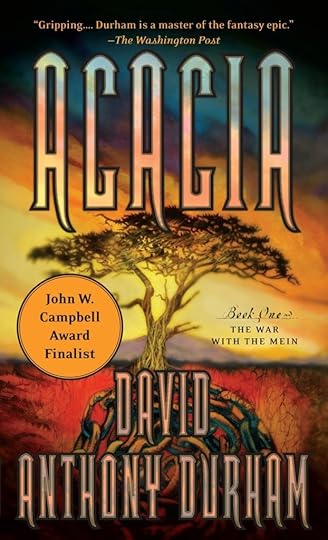 Acacia
by David Anthony Durham
Acacia
by David Anthony DurhamThis book got high praise from George R.R. Martin himself. Durham weaves a rich landscape and an intricate world set in an African-inspired world. Leodan Akaran has inherited a land full of riches and prosperity, only his world is built on a foundation of trafficking, suffering, and other injustices. However, when invaders from the frozen North come calling, it will be up to Akaran’s children to restore the world based on better values.
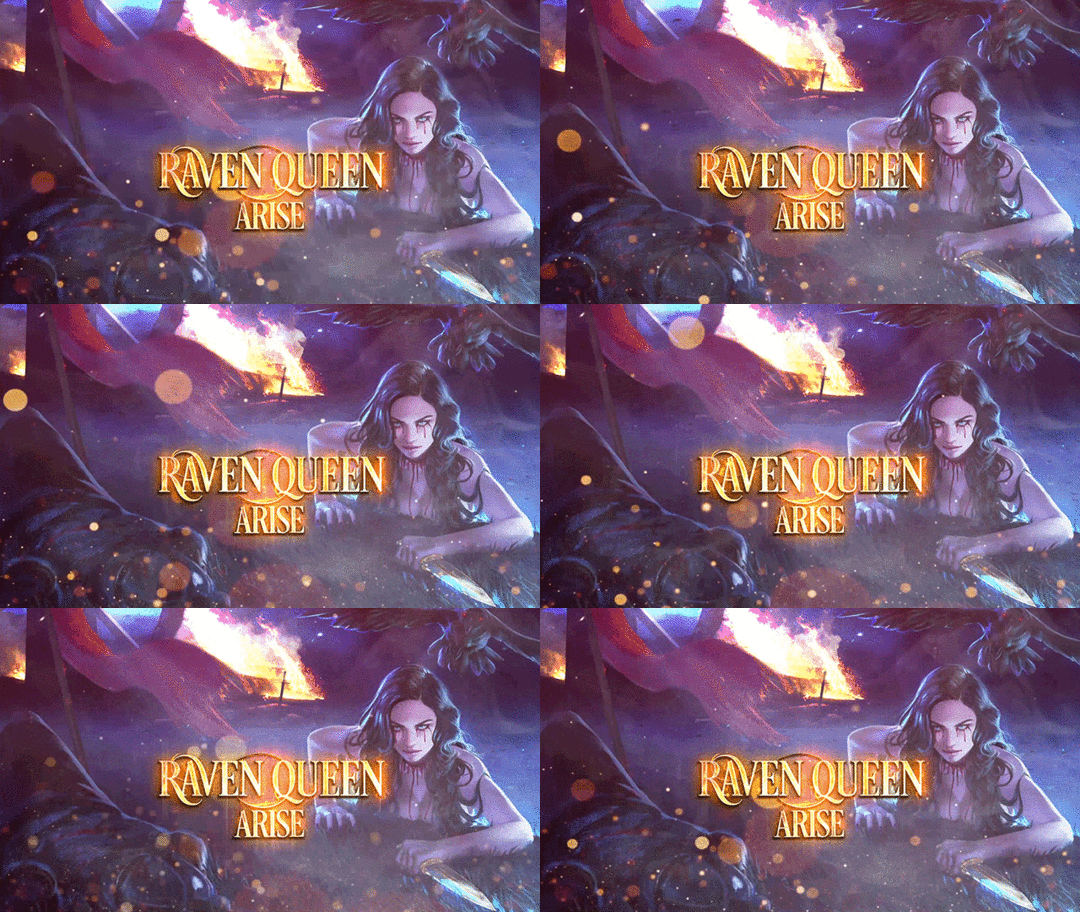 Raven Queen, Arise by Dave Reed
As I said at the beginning, one of the conceits of my fantasy world is race and gender are omnipresent, but they are never the crutch an oppressor uses to choose their victims. My titular, olive-skinned heroine hails from a cultural fusion of Rome, Greece, and the Scottish Highlands. The three gods of death, magic, and crime are black and all three from distinctive cultures of their own. The god of creation is nonbinary and multi gendered, father to some of the gods and mother to others. And the variations go on…
If that sounds like a fascinating world to explore, give it a read or a listen.
February 10, 2022
Women in the Grimdark: Surviving a Cruel World
In a world where might makes right, you’d expect the protagonist to survive if he’s brawny, muscular, and can outfight and out-Machiavelli his opponents. But … what if the protagonist isn’t a brawny beefcake that can cleave anyone in twain with a battle axe or a claymore? What if they’re not in the position to be a hero? What if, because patriarchy, they’re expected to stay home and raise the kids at best, or be sacrificial pawns and slaughter fodder at worst?
The strong female protagonist needs no introduction in 2022. (I will say that I dislike the term, because I believe female already connotes strong—it’s redundant to me, but I use it for the sake of audience familiarity.) The femme protagonist has come a long way, and we’ve been along for the ride. In fantasy before the ’70s, heroines were often princesses or little girls: Cinderella, Alice, and Dorothy were great, but they were certainly more demure than the typical badass heroic men you’d encounter from Tolkien or Lord Dunsany. (Although, Tolkien did give us Éowyn.  )
)
It’s become more socially acceptable and even expected to have a sword-wielding heroine, antiheroine, and female villain. Since grimdark evolved in the ’80s and ’90s, strong female characters are expected, protagonist or not.
Obviously, the nonchalance about strong female characters is a product of our era. Stories are for readers, and we live in a world where women want and can have the same professions as men. From a purely selfish authorial perspective, more women than men read a book last year according to a poll from Statista. Since it’s human nature to want a protagonist that you can see yourself in, a badass female protagonist makes sense from a reader’s perspective in 2022. (Also, I adore them.  )
)
That said, if the story takes place in the Middle Ages, as most grimdark fantasy series do, it has to be more believable. Many people believe grimdark fantasy has to suspend your disbelief with real stakes and real historical conditions. Meaning, women are fighting against the odds to be taken seriously and be a strong character in the first place. Not only that, but they’re also trying to survive an unforgiving world like everyone else.
Spoiler Alert: I reject the notion that grimdark fantasy must perpetuate the myths underpinning misogyny and patriarchy. It’s fine for Martin et al to dismantle or deconstruct it in their own way. For me and my world, one of the central conceits is that the cultures I create is that they are colorblind and genderblind. It’s certainly no less believable to me than necromancy or gods meddling in mortal affairs. That doesn’t mean cultural or socioeconomic prejudice doesn’t exist—it just means that people don’t need the false crutch of sexism or racism to be evil.
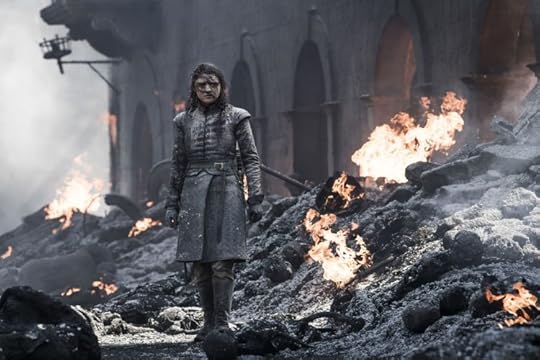 Photo Credit: Esquire.comStereotypical Grimdark
When you think of a strong female character in fantasy, you’re most likely going to think of the badass action girl who can skewer their enemies with a sword as soon as they look at them. Since women are often stereotyped to be physically weaker than men, they’re usually in a more roguish position, like an assassin or an archer (though ironically, being a good archer takes a lot of upper body strength, unless crossbows or short bows are involved).
The poster child for this stereotype is Arya Stark. This kid has everything: tragic backstory, revenge list to order, expert sword-level skills, and in later books, assassin’s training. However, powerful queen Daenerys has a more feminine role, and no one would call her a weak character. Similarly, Cersei wields a tremendous amount of power but in a feminine way. Dig deeper into Martin’s work and most of his female characters are traditionally feminine than not. Brienne is the exception, not the rule.
Being a strong female character should be way broader than sword-wielding badass. (But sword-wielding is beautiful!) She can actually be really feminine but have the smarts to outwit her enemies in the political arena. Or she can be a mage, or even a bard. (I have a story coming in a future series in Illyria’s grimdark world where the heroine is a badass bard. Patience. I’m not the world’s fastest writer. Yet.)
Beyond the stereotypical strong female who can skewer you with her sword, a strong female character is someone who can hold their own against her foes and doesn’t need a man to save her. Although guys may help her from time to time, she carries her own, and ultimately, can save herself. I love a self-rescuing heroine.
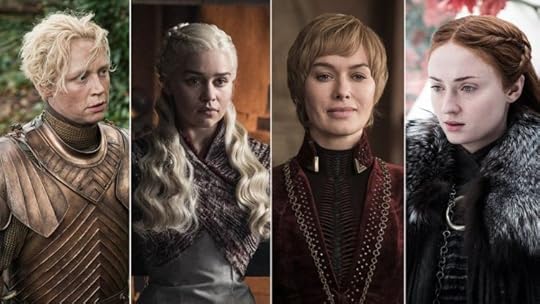 Image Credit: BBC.com
That said, more strong female protagonists in grimdark fantasy are the sword-wielding roguish types. Usually, they come from scrappy beginnings and build their skills to make money or avoid traditional female roles. Understandably, these were suckier than they are now: marriage for nobles was about political alliances and dying in childbirth was way too common.
Here are a couple books featuring strong female characters that aren’t A Song of Ice and Fire, plus why you’ll love them.
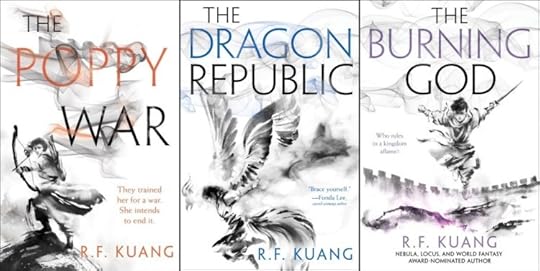 Image Credit: Tor.comThe Poppy War by R.F. Kuang
Inspired by real historical events, mainly the 1930s Japanese invasion of China and the Second Sino-Japanese War (part of World War II for you non-history buffs). If you want a more modern grimdark fantasy set in the 20th century, this is for you.
The Poppy War follows Rin, an orphan who’s selected to train at an elite military school. There, she discovers her gift for shamanism, which turns out to be both a blessing, putting her ahead of her peers, and a curse. Rin’s gift for shamanism is the reason she’s sent into war.
Certainly, it’s one of the most unique books I’ve read, full of page-turning suspense and a lust for revenge that had me hooked. If you’re into deconstruction, the horrors of war are also taken apart and explored in a thoughtful, heartbreaking way that makes this story tragic. As the book says, “War doesn’t determine who’s right. War determines who remains.”
Granted, a lot of the plot reads like a YA novel. Case in point: Rick Riordan, author of the Percy Jackson series, gave it a glowing review on Goodreads. And even though it’s dark, some of the beats can put people looking for a more realistic fantasy off. For instance, Rin can feel a little too competent, leading to plot armor that can break the realism in the story. But don’t let that stop you from enjoying a great tale!
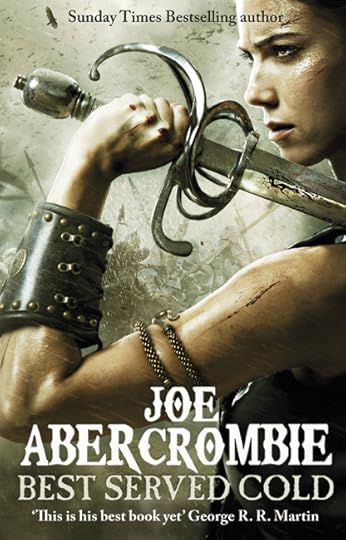 Best Served Cold by Joe Abercrombie
Joe Abercrombie’s an entertaining writer, for sure. And if you’re looking for a book full of political intrigue and some rag-tag misfits adventuring their way through a dark fantasy world, Best Served Cold won’t disappoint. Fourth in his First Law series, this book leaves off where the third book ended, with the kingdom in civil war and power-hungry nobles vying for power.
Springtime means wartime in the world of Styria. Dark, secretive powers keep the land locked in battles and blood. Meanwhile, our strong female protagonist is Monza Murcatto, the Snake of Talins, Duke Orso’s favorite employee … until she got too popular. After being thrown off a mountain and left for dead, Monza vows revenge against her ruthless old boss. (You may have noticed that I adore a good revenge story. My shrink wants me to work on that. )
Her allies are a gaggle of misfits including a drunk and a serial killer. It’s them against half the nation who side with Orzo … and a new, dangerous bounty hunter tasked to take her out.
If you liked the original First Law trilogy, you’ll like this continuation. From Abercrombie’s wordsmithing and sense of humor to a cast of familiar characters, it’s a fun read full of action, intrigue, and some surprises.
The Raven QueenMy antiheroine begins trying to negotiate with a trickster god in the underworld. For the rest of the novel, she claws her way back to life and has to continuously fight to stay alive—well, less dead anyway.
I write the Temple of Vengeance series with women in mind who feel differently (and the men who love them). Women who reject convention or artificial constraints and the expectations of others. Women who believe life should be fair and the gods should be just—and are willing to put their blood, sweat, and steel where their beliefs are.
If this describes you, and you’re looking for a character to relate to, I invite you to check it out. Given Raven Queen, Arise a read.
February 4, 2022
Six Magical & Monstrous Winter Movies to Watch
That fuzzy Omen Punxsutawney Phil has declared we’ve got six more weeks of winter ahead. Whether you believe in groundhog shadow magic or not, February can be a little… blah. So let’s escape together with a movie marathon in the Grimdark. 
Note: I’m not including The Thing or The Shining in this lineup, because it is cannon that these are two of the best horror films to watch in winter.
A Lighter, Fantastical StartThe Chronicles of Narnia: The Lion, the Witch, and the Wardrobe is no Lord of the Rings, but Jackson’s work on that iconic trilogy raised the bar to stratospheric heights in fantasy filmmaking.
Nevertheless, the 2005 adaptation of the beloved C.S. Lewis novels is a visual treat. This Narnia feels like a Lord of the Rings/Harry Potter movie mashup, with gorgeous, wintry cinematography, Academy Award-winning makeup, and Oscar-worthy special effects.
The cast is also genuinely likeable, with Tilda Swinton’s White Witch fearsomely dominating her icy kingdom, and James McAvoy portraying Mr. Tumnus the faun with a memorably mischievous gleam.
All in all, Narnia is a good, wintry popcorn fantasy to watch with the whole family, while saving the darker stuff for later when the kids have gone to bed.  We won’t mention the second and third installments of these movies for Reasons.
Snow White and the Huntsman is a darkly atmospheric twist on the classic fairytale.
Charlize Theron is both grandiose and nuanced as Queen Ravenna, and of course, I can always get behind a gorgeous, raven-shifting queen. 
Whether you like Kristen Stewart’s stoic acting style or not, it’s refreshing to see Snow White turn the tables and be an ass-kicking heroine. Add an ax-swinging Chris Hemsworth to the mix, and it’s good, winter, fantasy fun.
Dimming the Lights…Saturn award-winning Edward Scissorhands was the legendary Vincent Price’s last ever role. Although lung cancer and Parkinson’s disease kept his screen-time in Scissorhands short, his performance as the lovably strange Inventor was perfect for Price, who was known as one of horror’s most dastardly on-screen performers, but also a tender, kind soul in real-life.
In that classic Tim Burton way, this film is both whimsically magical, and deeply somber. It’s like Frankenstein meets Mean Girls, in a sense, dealing with what it’s like to be a dark creature in a vanilla world, with bullies and toxic parents to boot.
Edward Scissorhands was also the gateway to Johnny Depp’s transition out of Tiger Beat teen heartthrob status to king of total character transformations. The Danny Elfman score is pure magic, as is the stellar cast. The sense of nostalgic wonder mixed with snowy scenes makes this a quintessential winter fantasy film.
If you don’t mind subtitles, Troll Hunter is a Nordic gem of a mockumentary, conjuring up a wicked mix of movies like Spinal Tap, The Blair Witch Project and The Dark Crystal.
With a dry-ice sense of humor – just like any true Norwegian – Troll Hunter has a likeable ensemble cast of characters, a truly unique central hero, and remarkably believable creatures that would make the late Jim Henson proud.
You’ll laugh, you’ll jump, you’ll have a rollicking good time, and then that twist ending will leave you breathless.
It’s Getting Dark & Cold in HereCrimson Peak is a paranormal monsterpiece set in a haunted mansion on a remote mountain with snow that “bleeds” when the red earth beneath rises to the surface. Perhaps a metaphor for the deep secrets that lie within?
Guillermo del Toro’s epic work of art draws a bit from Victorian steampunk, but not too heavy-handedly. A Gothic horror story through and through, this supernatural tale is filled with ghostly mysteries, sexual taboo, flowing gowns, forbidden rooms, and a sweeping romance gone awry.
(Bonus points for one of the most incredible closing titles sequences in fantasy horror).
A Blood-Curdling FinaleBack in my Yuletide winter folklore newsletter series, I wrote about a terrifying monster of legend and myth called the Kallikantzaros, or the Christmas Vampire. Legend has it that this creature may have been the inspiration for the graphic novel, 30 Days of Night, and I wouldn’t be surprised.
The 30 Days of Night film adaptation is a blood-splattered fright fest, with some of the most memorable scenes and monsters you’ll likely see in a winter horror movie.
If you think Jack Torrance gets cranky when cooped up, just wait until you see what a pack of hungry, goblinesque vampires will do to an Alaskan town whose winters give them far more darkness than a vampire should be allowed to have.
More Where This Came FromWant to keep the weekend movie marathons running until spring? Check out Rotten Tomatoes’ Snowed In: Our Favorite Winter Movies to chase your blues away.