
Bob Joseph's Blog, page 8
September 20, 2021
National Day of Truth & Reconciliation, September 30
Orange is the New Symbol of Truth & Reconciliation


June 2, 2021
215 - A poem by Bradley Crawford
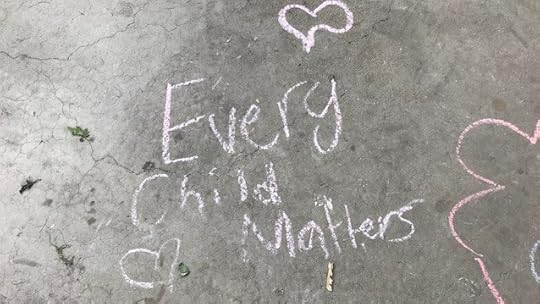
Written in response to the 215 unmarked graves discovered in BC in May 2021.

June 1, 2021
10 Things You Can Do: Kamloops Indian Residential School
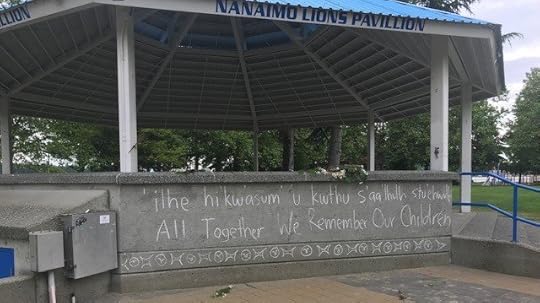
Trigger Warning: This article includes information about Residential School experiences

May 17, 2021
Hereditary Chiefs versus Elected Chiefs
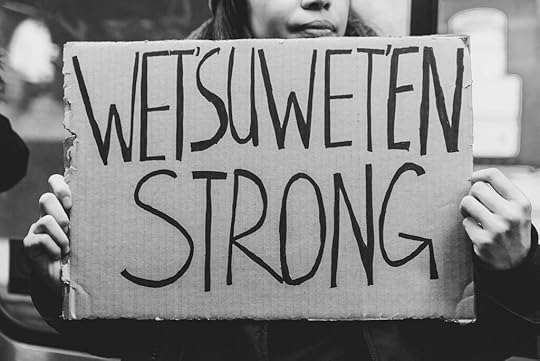
The Wetʼsuwetʼen protests in 2019 and 2020 were widely reported on and sparked public interest around one of many misconceptions of Hereditary Chiefs and Elected Chiefs, and what differences they have in an Indigenous community. When the elected chiefs voted TransCanada, now known as TC Energy, to allow Coastal GasLink to begin construction through their territory, the resulting reactions from the traditional hereditary chiefs, an Indigenous governance that pre-dates colonialism pushed back the project, causing costly delays for the company.

March 17, 2021

November 6, 2020
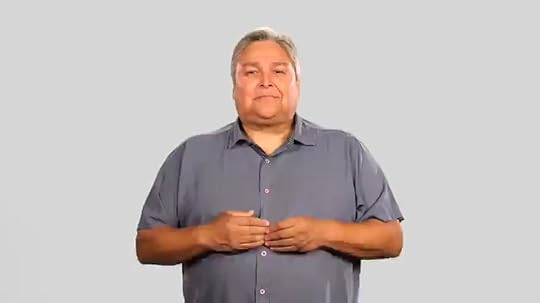
What is the Moccasin Identifier?
Guest contributor: Moccasin Identifier Team
Initiated, designed, and led by Carolyn King and the Mississaugas of the Credit First Nation, the Moccasin Identifier is a teaching tool and public awareness-building program for Treaty relationships between Indigenous and Non- Indigenous Canadians.

November 5, 2020
Canadian Indigenous Code Talkers Remain Unacknowledged
The ability to send encrypted, unintelligible messages is crucial for keeping the wraps on military campaigns. The Germans, in the 1920s, developed the Enigma machine which scrambled messages using a letter substitution system and variable rotors. Decoding the messages required knowledge of the exact settings of the wheels. The Germans believed the Enigma code was unbreakable and used it extensively for transmitting communications during WWII. The British, with input from Polish engineers, were eventually able to decipher the messages. And the Germans were able to break the British naval codes. The weak links in coded messages were the reliance on recognized language and numerical systems.

November 2, 2020
Indigenous Veterans: Equals on the Battlefields, But Not at Home
Indigenous Peoples in Canada have fought on the front line of every major battle Canada has been involved in, and have done so with valour and distinction. It is estimated that 7,000 First Nations People served in the First and Second World Wars, and the Korean War; an unknown number of Métis, Inuit and non-Status Indians also served. However, it was not until 1995, fifty years after the Second World War that Indigenous Peoples were allowed to lay Remembrance Day wreaths at the National War Memorial to remember and honour their dead comrades.

Indigenous War Heroes - More Than a Few Good Men
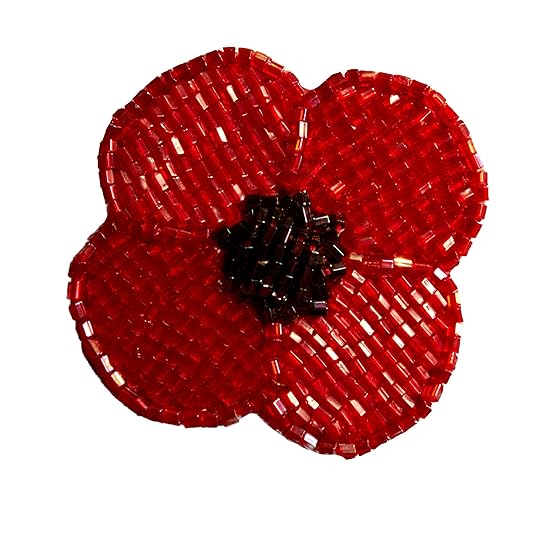
When we think of Aboriginal war heroes Tommy George Prince immediately and justifiably jumps to mind. But, there are many other Indigenous heroes who fought on the front lines of every major battle Canada has been involved in.

October 22, 2020
What’s the Difference Between Historic and Modern Treaties?
We have received requests to provide a description of the difference between historic and modern treaties. This article attempts to answer the question plus provide some additional background.
For terms of reference, historic treaties were made between 1701 and 1923. Historic treaties were marked in Ontario, Manitoba, Saskatchewan, Alberta and parts of British Columbia; the first modern treaty was signed in 1975.

Bob Joseph's Blog

- Bob Joseph's profile
- 81 followers

