
Bob Joseph's Blog, page 3
May 22, 2024
The Indian Act & The Politics of Exclusion
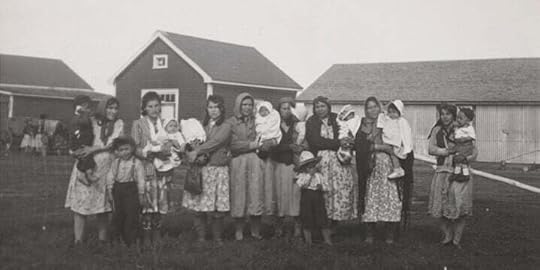
Indigenous nations enjoyed full autonomy over every aspect of their lives for millennia. But, that all began to change in 1867 with the introduction of the Constitution Act, 1867, which, under section 91(24), gave exclusive jurisdiction over “Indians and lands reserved for Indians” to the federal government. In 1876, the federal government introduced the “Act to amend and consolidate the laws respecting Indians,” which became known as the Indian Act, which marked the beginning of the end of Indigenous autonomy.


April 30, 2024
Climate Change and Emergency Management for Indigenous Communities
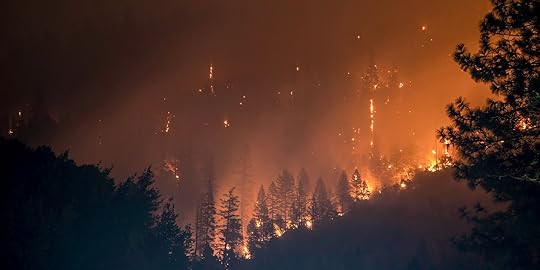
The impact of climate change has been felt across Canada as unprecedented heat domes, atmospheric rivers, and forest fires ravage the landscape. It’s predicted that the coming decades will feature more extreme weather events as air and ocean temperatures increase, rainfall patterns change, and sea levels rise. Extreme weather events that trigger floods and fires cause significant, long-term disruption in the lives and livelihoods of impacted communities.

April 3, 2024
Pretendians and the Indian Act

When we prepare an article for our blog, Working Effectively with Indigenous Peoples®, we put considerable thought into the title - how will it resonate with readers, and how will it perform in search engine optimization? Our goal with the blog and the articles is to help change the world, one reader/learner at a time, so we want to reach as many people as possible (we are making progress as the blog just celebrated a milestone of ten million views).

February 12, 2024
Heritage Conservation Act (HCA) Transformation Project

"cultural heritage resource" means an object, a site or the location of a traditional societal practice that is of historical, cultural or archaeological significance to British Columbia, a community or an aboriginal people; [1]
When BC led the country by passing the Declaration on the Rights of Indigenous Peoples Act in 2019, it signed on to align its laws with the United Nations Declaration on the Rights of Indigenous Peoples. One of the laws in need of alignment deals with protecting and conserving heritage property.

January 21, 2024
Thank You for the Journey: Celebrating 10 Million Blog Views

As we embark on a new year, Indigenous Corporate Training Inc. (ICT) is humbled to share that our Working Effectively with Indigenous Peoples® Blog has amassed over 10 million views. This volume of viewership is representative of the public need for understanding and connection to the culture and history of Indigenous Peoples and is a reminder to us at ICT of the importance of our mission to facilitate that connection for people across Canada and beyond. Join us for a brief history of how we got here, including the topics and themes that have resonated most with viewers over the years and the milestones in Indigenous relations that continue to drive readers to learn more.

January 12, 2024
Indigenous Self-Government Clarification
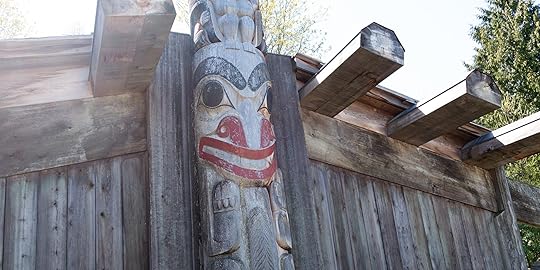
“Indigenous self-government” is a term that carries some misunderstanding. And as we’re likely to be hearing about it more frequently as Indigenous nations increasingly move away from the Indian Act, it seems like a good time to provide some clarity on what it is and what it isn’t.

September 14, 2023
The Impact of COVID-19 on Indigenous Cultural Continuity
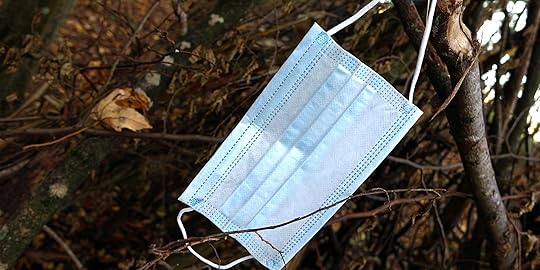
The COVID-19 pandemic could be the single greatest threat in this generation to the continuity of Indigenous cultures and the preservation of languages. The danger of infection has put on hold countless cultural activities and collective ceremonies around the world. Indigenous peoples in both urban and rural locals account today for over 476 million individuals spread across 90 countries, accounting for 6.2% of the global population, according to the Permanent Forum on Indigenous Issues.
Indigenous communities are nearly three times as likely to be living in extreme poverty, and thus more prone to infectious diseases. Many indigenous communities are already suffering from malnutrition and immune-suppressive conditions, which can increase susceptibility to infectious diseases. [1]

6 Tips on Meeting with Indigenous Leaders

If you are planning to schedule a meeting with Indigenous leaders of the community you want to work with, here are some suggestions you should keep in mind. These tips are in addition to what you learn in your due diligence on whether or not to shake hands, make and hold eye contact, how to dress and other respectful cultural considerations.

6 Tips on Meeting With Indigenous Leaders
If you are planning to schedule a meeting with Indigenous leaders of the community you want to work with, here are some suggestions you should keep in mind. These tips are in addition to what you learn in your due diligence on whether or not to shake hands, make and hold eye contact, how to dress and other respectful cultural considerations.
September 12, 2023
Higher Rates of Suicide - #8 of 8 Key Issues

The suicide rate among First Nations people was
three times higher than in non-Indigenous populations between 2011 and 2016 in Canada. Among First Nations people living on-reserve, the suicide rate was about
twice as high as that among those living off-reserve. The suicide rate among self-identifying Métis was approximately
twice as high as the rate among non-Indigenous people. Among Inuit, the rate was approximately
nine times higher than the non-Indigenous rate. Suicide rates were highest for youth and young adults aged 15 to 24 years old among First Nations men and Inuit men and women. [1]
A note of caution: the topic of suicide in any demographic can be emotionally disturbing. Our goal in writing about the higher rates of suicide amongst Indigenous people is to inform and hopefully generate empathy and understanding, not blame or guilt. Awareness of the key issues for Indigenous Peoples in Canada, of which suicide is one of the most distressing, is part of the learning journey as Canada and Canadians move along the reconciliation path.

Bob Joseph's Blog

- Bob Joseph's profile
- 81 followers

