
Bob Joseph's Blog, page 2
February 12, 2025
Indian Act and the Right to Vote
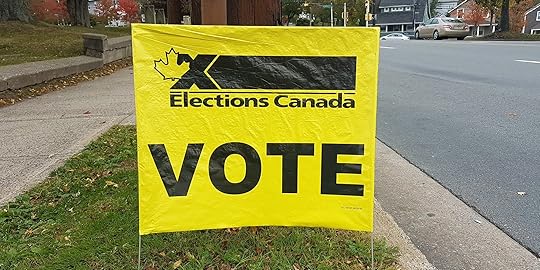
The right to vote, which most Canadians take for granted, was a hard-fought battle for Indigenous Peoples. In most parts of Canada, First Nations were offered the right to vote at the time of Confederation - but only if they gave up their treaty rights and Indian status. Understandably, few were willing to do this. Métis People were not excluded from voting as few were covered by treaties, therefore there was nothing to justify disqualifying them. Inuit were excluded and no steps were taken to include them as most communities were geographically isolated so, in the absence of special efforts to enable them to vote, they had no means of exercising their rights. (Inuit were given the right to vote in federal elections in 1950).


January 10, 2025
5 Things to Know When Working with Indigenous Communities
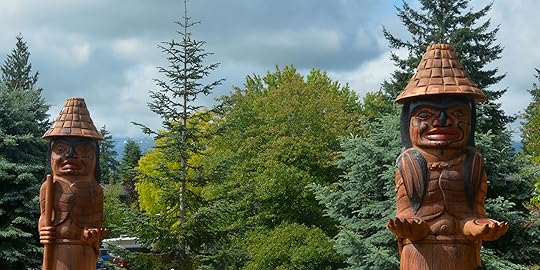
It is essential when working with some of the hundreds of First Nations, Inuit, and Métis communities across Canada on industrial, social, and procurement projects that non-Indigenous individuals, companies, or organizations approach collaborations with acknowledgment, information, and good intentions.

December 3, 2024
Handling Tough Questions About Denialism
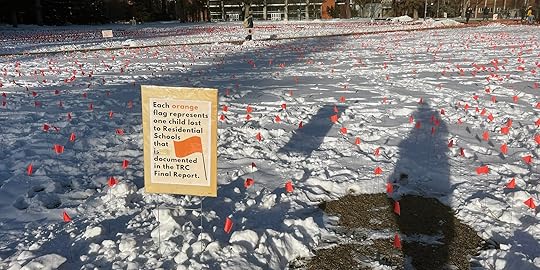
There isn’t a single public school in Canada or in the United States that features a graveyard out back next to the football field. [1]
Grand Chief Stewart Phillip, president, Union of BC Indian Chiefs
My personal and professional goal has always been to “change the world, one person at a time.” When I initially began delivering Indigenous awareness training for a large utility company in my home province of BC in the late 1990s, I was up against a certain level of intolerance towards Indigenous Peoples that was the norm for the era. While visiting some towns to deliver a training session, my sense of vulnerability was acute. I represented change to the status quo coming down the pike. I persevered, and after a few rough sessions, I noticed a shift in attitude.

November 6, 2024
7 Posts to Read on National Indigenous Veterans Day
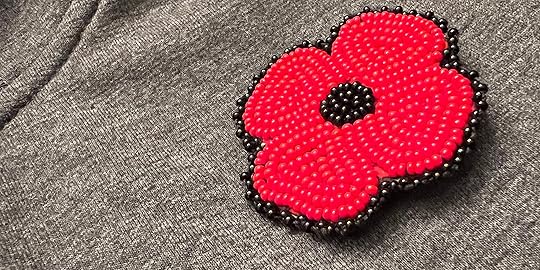
First commemorated in 1994, National Indigenous Veterans Day, November 8th, is a day to remember and recognize Indigenous contributions to military service in Canada. In recognition of National Indigenous Veterans Day, we are sharing 7 articles that highlight the significant contributions Indigenous veterans made during times of war, from the vital role of Code Talkers and Indigenous war heroes to the challenges they faced upon returning home.

October 9, 2024
Honourary Chief J. Wilton “Willie” Littlechild
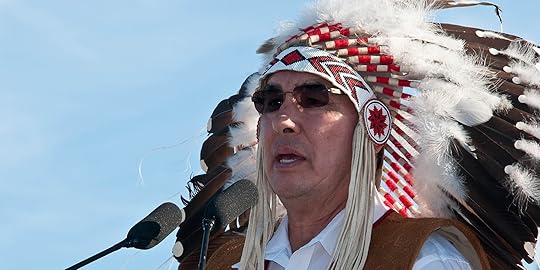
Anyone aware of the work, life, and growing legacy of J. Wilton Littlechild will know that he is a significant leader in international Indigenous law and the pursuit of reconciliation between Indigenous peoples and the country of Canada.

September 17, 2024
The Significance of IRSSA-Recognized Schools in Indigenous Relations
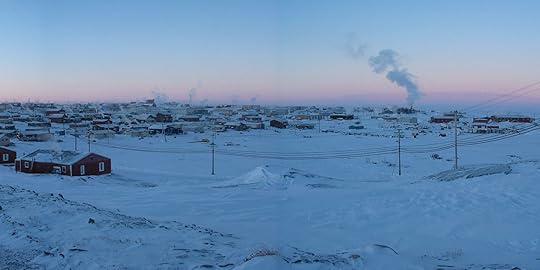
Many educational programs and documents that recount the history of Indian Residential Schools in Canada will state that 1996 was the year that Canada’s last residential school (BC’s Gordon Reserve Indian Residential School) closed, which isn’t accurate for a few reasons.

September 4, 2024
The Role of Indigenous Procurement in Economic Reconciliation
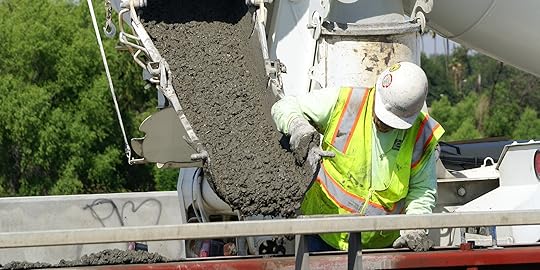
In 2025, it will be a decade since the release of the Truth and Reconciliation Commission (TRC) Summary Report (June 2015) on the horrific experiences of residential school survivors. The Summary Report included 94 calls to action, which have shaped the reconciliation journey of Canada and Canadians. The report and calls to action resonated with Canadians and instigated a significant breakthrough in reconciliation.

August 7, 2024
Susan Robertson: Building Indigenous Relationships with RESPECT™
Simply crafting vision and mission statements isn't sufficient for an organization; they must ignite a powerful sense of purpose and steer efforts toward a unified goal. At Indigenous Corporate Training Inc., our commitment goes beyond passion for our mission of guiding, training, and supporting learners to work effectively with Indigenous Peoples. Our vision is to be a beacon of trust for those on their journey toward reconciliation, aiming to enrich the world for future generations.

July 3, 2024
Indigenous Membership vs Citizenship: What's the Difference?
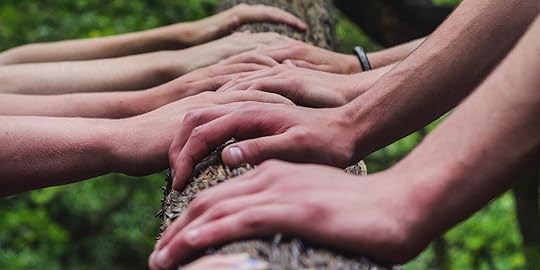
Long before the arrival of Europeans, confederation, and the imposition of the Indian Act, Indigenous communities were self-determining. They decided who their people were based on cultural protocols, clan and kinship systems, and family structures, among other considerations.

May 22, 2024
The Indian Act & the Politics of Exclusion
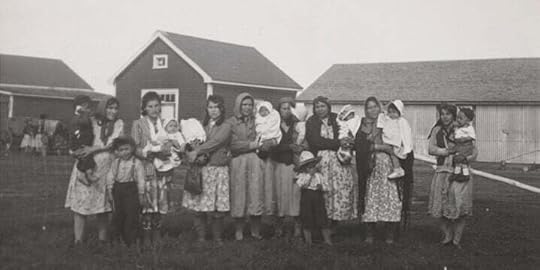
Indigenous nations enjoyed full autonomy over every aspect of their lives for millennia. But, that all began to change in 1867 with the introduction of the Constitution Act, 1867, which, under section 91(24), gave exclusive jurisdiction over “Indians and lands reserved for Indians” to the federal government. In 1876, the federal government introduced the “Act to amend and consolidate the laws respecting Indians,” which became known as the Indian Act, which marked the beginning of the end of Indigenous autonomy.

Bob Joseph's Blog

- Bob Joseph's profile
- 81 followers

