Cynthia Chapman Willis's Blog, page 7
September 14, 2011
Stick a Fork in It?
In a back and forth email discussion about our works in progress, a writer
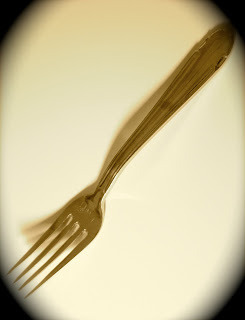 friend wrote this about her novel: "I'm sure there are at least fifty more things I could change, but at some point you just have to stick a fork in it." I love this line because I get her point. And I relate to it. Plus it made me laugh. When it comes to the little fixes in a manuscript, revising could be a lifelong process.
In Writing Magic, Gayle Carson Levine writes: "There is no such thing as a perfect book or a perfect story. Every book in every library on this planet has something wrong with it." Her point is that perfection is unattainable. And it doesn't matter. Readers want a story that they can be involved with. Most people probably care less about a description that goes on a bit too long than they do about the characters and the plot. What do you think?
I never feel like my work is perfect. Never. But, as my friend wrote, I know that there comes a time to "stick a fork in it." For me, this is usually when I can't stand to read the story any more. I feel like someone has stuck a fork in me.
Do you feel you've reached perfection when you have finished revising a manuscript? If not, do you itch to keep fixing or do you let it go?
And when you are reading, do you notice minor issues that need fixing? Or do you tune out the imperfections and swim in the world of the story with the characters?
P.S.: A big THANK YOU to Maeve at http://lollipopscottage.blogspot.com/ for the Versatile Blogger Award! : )


September 7, 2011
What Grabs You?
By that, I mean what hooks your attention when you start reading a book? What compels you to turn pages and read on, dive head first into a story? Action on page one? A teaser of some tension or incident to come? A compelling character? Something that is happening or about to happen? Or, maybe an opening line snags your interest. What pulls you into the story, whether you are reading it or writing it?
In my opinion, a good hook often plunges a protagonists into trouble and changes his world—right out of the starting gate. I love novels that give me a sense of something that is happening or about to happen. If this is ominous, the hook is around my neck and tugging. Also, if a character is in a disturbing situation and is about to take action, I am interested. This doesn't have to be a tornado blowing through the protagonist's life on page one. A small event such as a telephone call can grab me, depending on the call and the character's reaction to it.
I recently finished Beauty Queens by Libba Bray. It begins with a plane crash where teen beauty queen contestants are the only survivors. I was hooked.
The opening line of The Graveyard Book by Neil Gaiman immediately snagged me: "There was a hand in the darkness, and it held a knife." And then the next paragraph: "The knife had done almost everything it was brought to that house to do, and both the blade and the handle were wet." Gasp! Cancel all appointments—I must read on.
Here is the beginning of a more quiet novel, The Underneath by Kathi Appelt: "There is nothing lonelier than a cat who has been loved, at least for a while, and then abandoned on the side of the road." Not long after this, the reader learns that this kitty is expecting kittens. Where are the tissues? I'm in. *Sniffs*
As writers and readers, we know that the hook at the beginning of a story is very important. So, what grabs you? Has an especially sharp hook snagged you recently?
* Also, a HUGE thank you to MG Higgins at http://mghiggins.blogspot.com for the "Appreciated Follower Award." I am most grateful both for the award and her fabulous blog.

August 31, 2011
When Do You Consider Audience?
During her surprise presentation at the SCBWI conference in L.A., Judy Blume shared this bit of advice, which I think is wonderful: When an idea hits you, write it. Do not worry about the audience. Do it your way and the story will find its way and its audience.

This inspired great conversations among my friends. Most of us agreed that we do consider the audience before we write. Thinking about audience may even influence our writing more than we'd like. Some (and I'm not dropping names) admitted that considering the audience too much or too soon has been a major distraction from the story at hand.
How liberating to not worry about the audience, at least during the first draft. Frankly, I have enough to fuss with while I'm trying to get a story idea pinned down to a beginning, a middle, and an end.
And each story does seem to find its own way. By the time I've etched out a first draft, for example, my protagonist is naturally of a certain age and a he or a she. The problems and situations are clear enough to determine the audience.
What do you think? When you are writing, or even reading, do you consider the intended audience before the story? Or do you consider the story before the audience?

August 24, 2011
What's In Your Survival Kit?
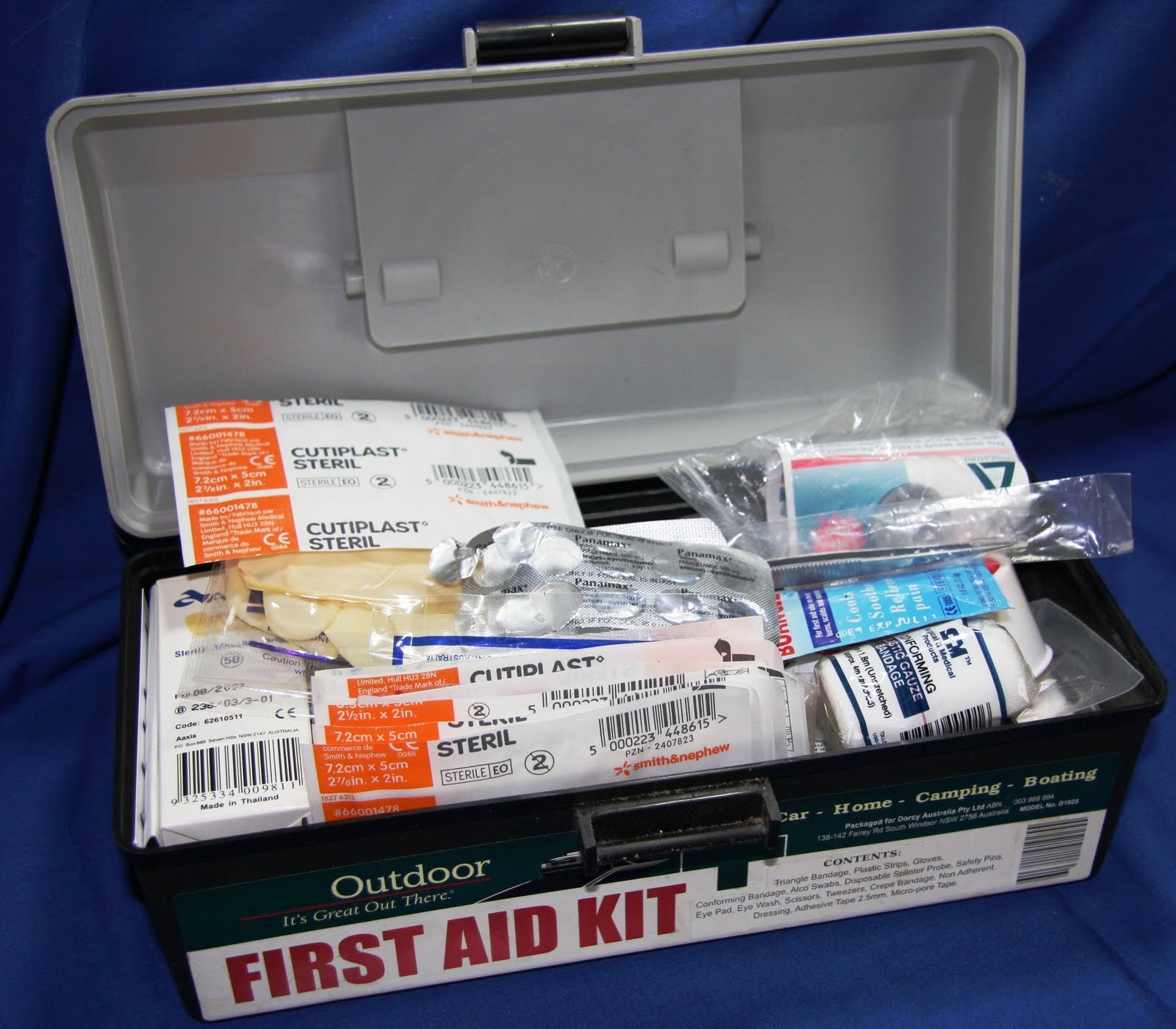
Survival kits are not just for outdoor enthusiasts. Life can be tough. We all need things to get us through the rough spots, whether these be first drafts (pause to shudder), the marshy middles of our writing projects, unexpected bad news, or those days when everything goes wrong. Here are some of the items in my survival kit:

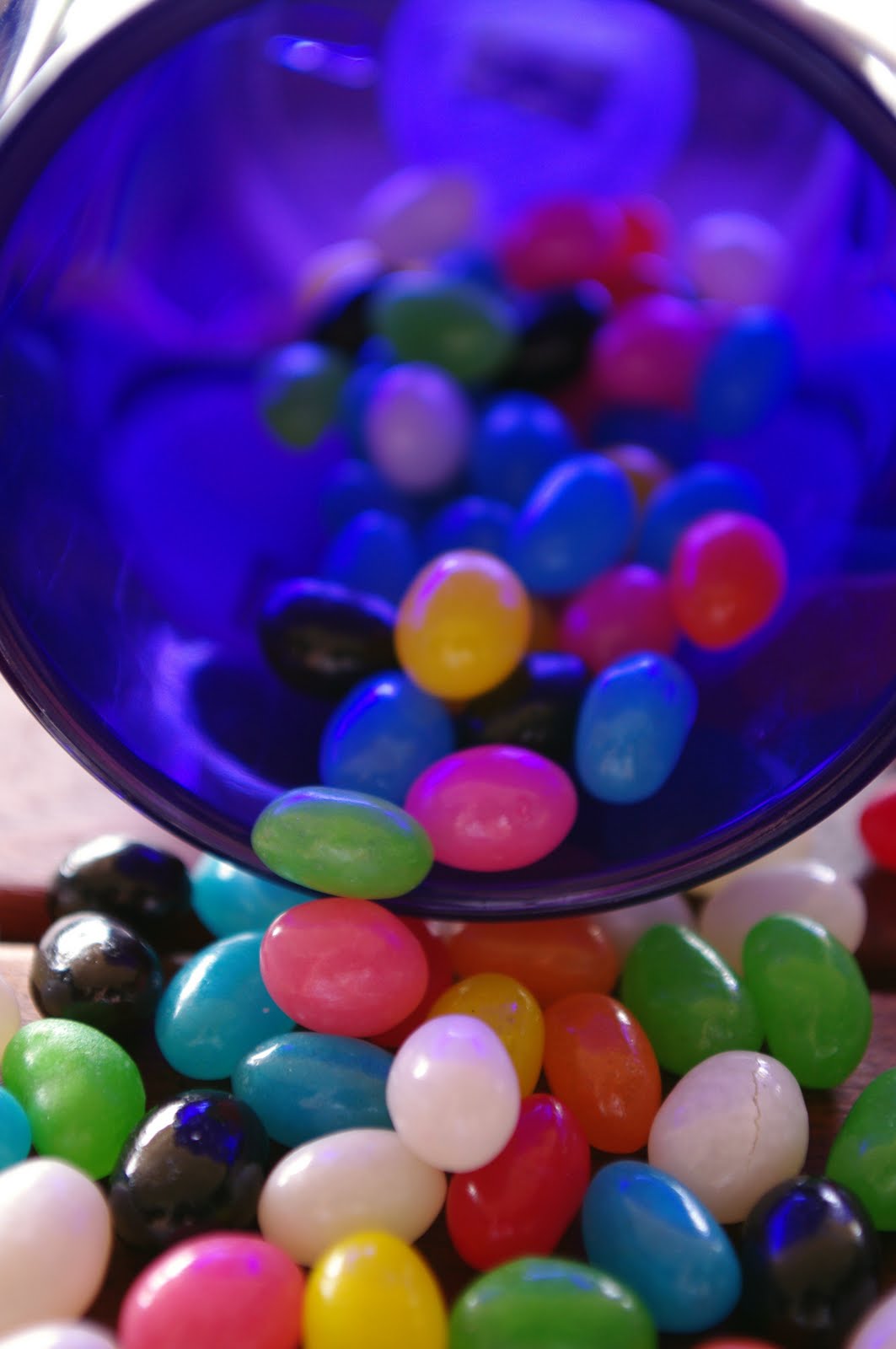
Sustenance. Sure, protein bars are great when hiking, but when I'm at my desk and thrashing through a first draft (which I've been doing this summer), I go for jellybeans. Jelly Belly jellybeans, to be specific. I find they are great sustenance during tough writing times. They heal. I'm pretty sure this a scientific fact. When the times get tough, the tough pop jellybeans.
First Aid Supplies. I don't know about you, but I can be my own worst enemy. When I am writing, I can wallow like a water buffalo in pools of self-doubt. That's when I apply a hearty dose of reality as if it were antibiotic cream. I remind myself that what I am working on does not need to be perfect. I can always revise. Revisions are first aid for broken and bruised, scratched and messy writing.
Water. It soothes. It hydrates. It is a necessity for survival. So is music. Unlike water, it inspires. When I am writing, it can help me get through the toughest parts of the process (another shudder as I consider the first draft). When I am having a bad, bad day, music is therapeutic.
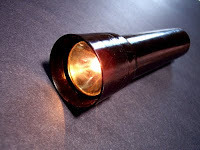
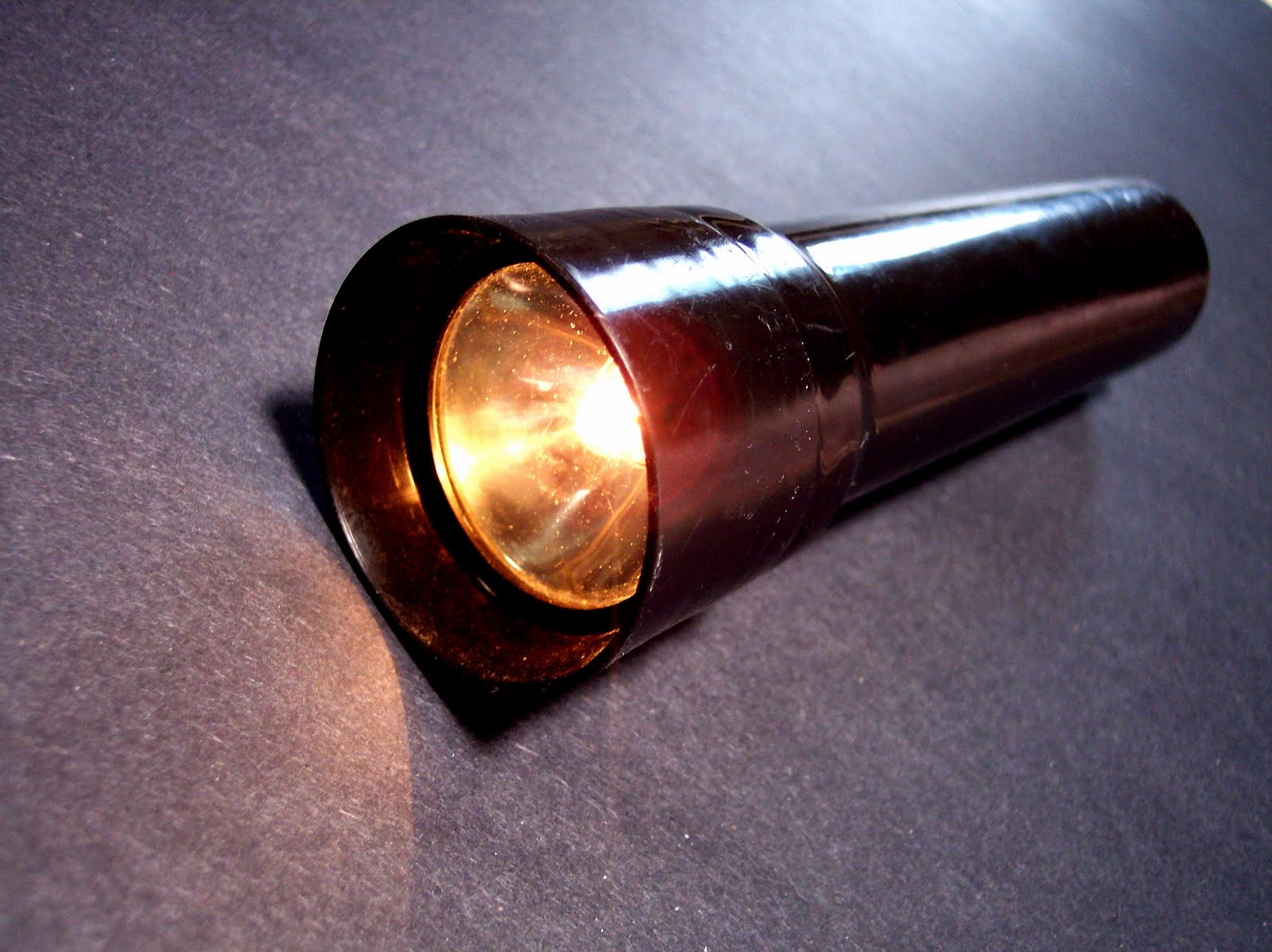
Flashlight . . . or a Good Book. When out in the wilderness at night, a flashlight could be really helpful to a lost hiker. Anyone who reads knows that a great book is also helpful for finding a way out of a rotten day or rough period. Call it escapism. Reading is fabulous, too, I think, for writers needing some breathing space away from an ornery manuscript. Reading feeds writing. Not only does a writer get a break, but she (or he) refuels and recharges.
What's in your survival kit? I bet it's interesting!

August 17, 2011
The Butterfy Effect
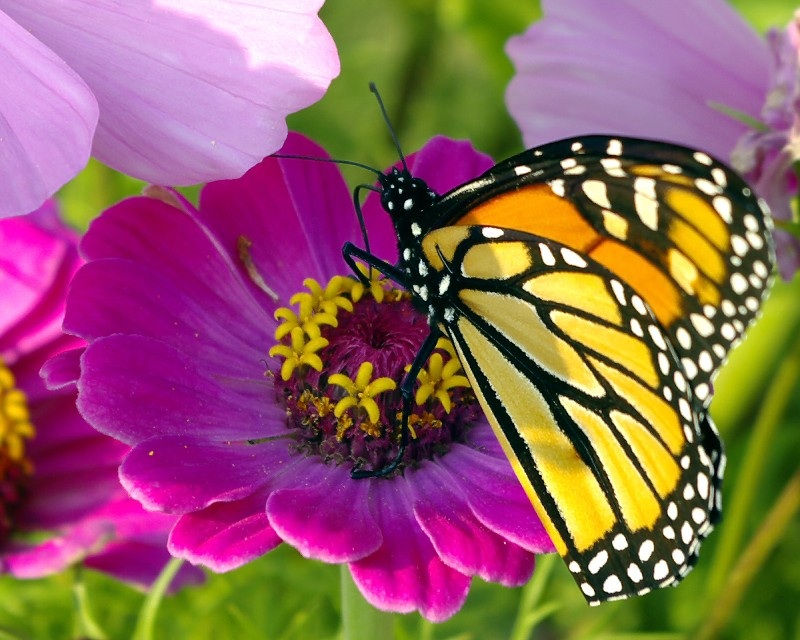
You probably know that the butterfly effect is, very simply, a small happening or alteration that can result in larger changes. For example, a butterfly flaps its wings which leads to the creation or absence of a hurricane. Bruce Coville opened the SCBWI conference in L.A. with an inspiring keynote address in which he talked about how what writers and illustrators do often ripples out and affects others. I love this idea, especially since it's not exclusive to being published.

What we do, whether it be writing, illustrating, bagging groceries, or even driving down a road, can make a difference when there is an opportunity to offer support, kindness, or some form of grace. I know someone who stops his car when he sees a turtle inching across a road. He gives the critter a lift (literally) to the side. I love this. Simple acts of kindness can be respites of relief in a world that is often too harsh. Sometimes just a smile can make a difference, even between strangers.
Maybe I'm biased, but I do believe that writing and illustrating gives those of us who indulge in one or the other or both a special opportunity to send out ripples. Consider the people who share their time and creativity for the benefit of others. Maybe by blogging, tweeting, or posting on Facebook; maybe by supporting the blogs of others; maybe by sharing guidance and wisdom in critique groups; maybe by sharing knowledge with a new writer. We creative sorts tend to be sensitive by nature. Having the support of kindred souls makes a huge difference, I think.
So, cheers to those who act with a good heart and a desire to make a difference in a positive way. Great things can and do result. As Bruce Coville said, we can start a ripple with even the smallest gesture.
What do you think? Have you seen the butterfly effect in action? Do tell! : )

August 10, 2011
Interior Monologue
I'm still spinning from the 40th anniversary SCBWI conference in L.A. I had a blast. I caught up with lots of writer and illustrator pals, was dazzled by speakers such as Richard Peck, Judy Blume, David Small, Gary Paulsen (WOW, was his life story ever amazing), Laurie Halse Anderson, Libba Bray, and Norton Juster [who I chatted with during an elevator ride while fawning shamelessly over his The Phantom Tollbooth]. These people are not only amazing writers (some illustrators, as well), but also incredible speakers. How is it possible that some people are graced with so many talents? They enlightened, entertained (not kidding when I say I laughed, I cried….), and mesmerized 1,342 attendees. Seriously amazing.
I'll be sharing lots of information once my brain solidifies again (it's p
 retty much pudding at this point). Today, though, I thought I'd post about interior monologues since coincidently my head is still buzzing with conference chat.
In a great workshop on voice, editor Krista Marino discussed interior monologue—the often unspoken thinking of a character. Inner thoughts can reveal what a character is considering, feeling, processing, and valuing. Because it can show back-story, attitude, and information about the character, interior monologue opens the door to reader empathy by allowing the reader to get to know a character's true heart. The novel Speak, Krista reminded us, is a great example of interior monologue.
But how much interior monologue is overkill? Too much can lead to excess telling (and, of course, too much telling rather than showing can ruin a good story). Sometimes interior monologue can not or should not be revealed (the reader may not need to know everything). Sometimes too much interior monologue can get confusing or boring or weigh a story down. Interior monologue is sort of like seasoning—a heavy handed application can ruin the deliciousness.
When you're writing or reading, what is your take on interior monologue? How much is too much?
I'll leave you with that question as I go to refill my mug with something caffeinated (I'm still on California time).

August 3, 2011
Recharging the Batteries
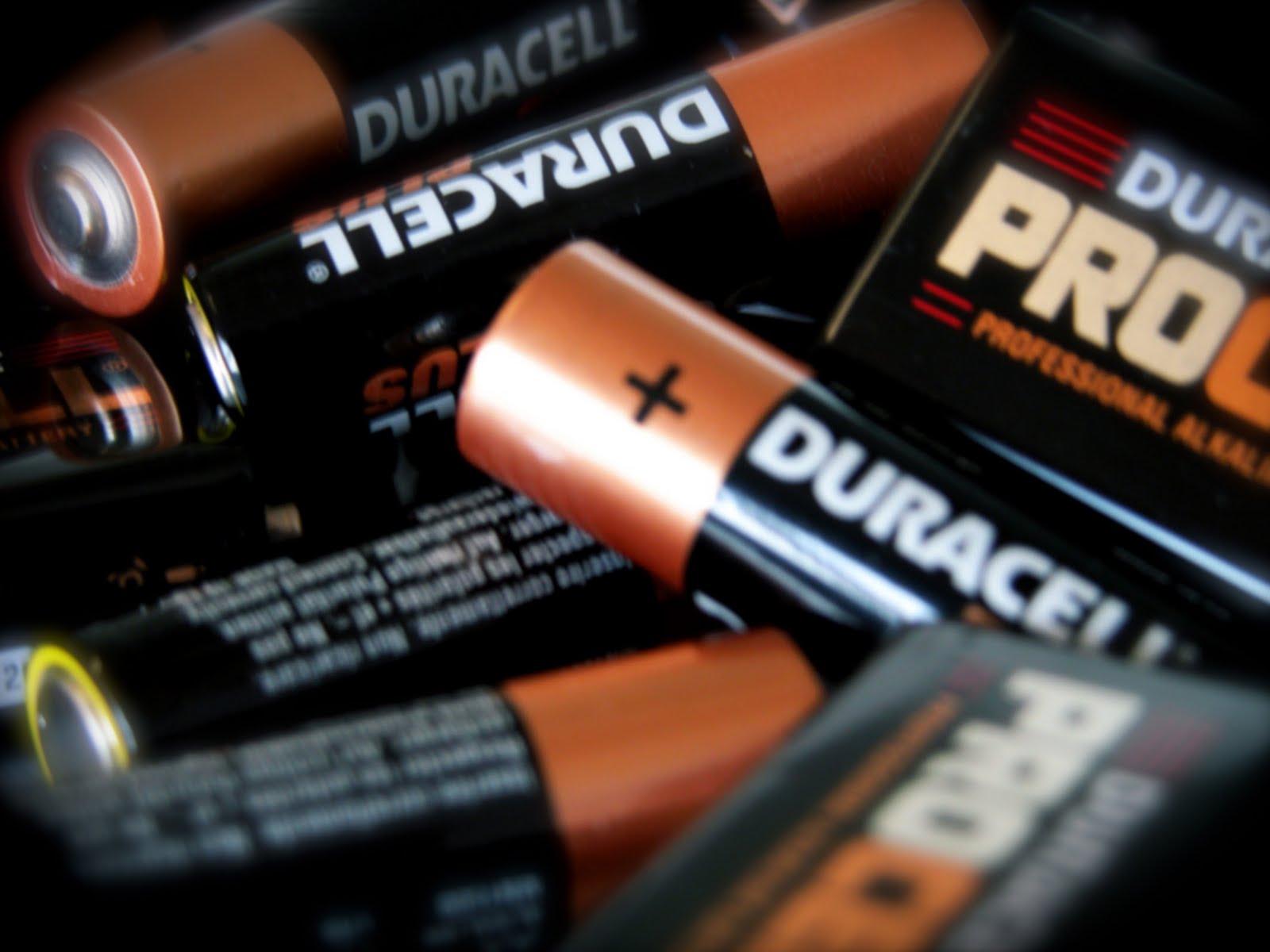
There is nothing like a great conference to recharge the batteries that power creativity.
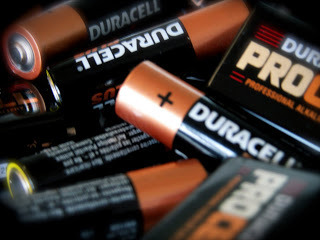
Do you have a favorite conference or retreat that you find inspiring and energizing? I love the annual SCBWI conference in LA. This year is the 40th Anniversary Conference, which means an extra sprinkling of celebration and excitement. I'll be flying out to LA tomorrow. I am buzzing about this event for a bunch of reasons.
To begin with, this conference is promising keynotes and workshops by best-selling authors such as Laurie Halse Anderson, Libba Bray, John Green, and Norton Juster, just to name a few of the talented people that will be sharing their wisdom and insights. And, of course, there is the poolside party on Saturday night and the Golden Kite Awards Luncheon on Sunday. Fun!
Want to be part of the excitement even if you can't make it to the conference? Here are a few ways you can join in:
You can follow the conference on Twitter by using the hash tag #LA11SCBWI .
You can also read the conference blog. SCBWI'S TEAM BLOG will be blogging live from the conference. Here's the link: http://scbwiconference.blogspot.com/
If you happen to be at the conference and spot me (don't be surprised if it's in line at the hotel lobby Starbucks), please elbow me and say "hi"! It would be great to meet face to face (not that there's anything wrong with blog to blog).
That's a bit about my most delicious get-away. I'd love to hear about your favorite conferences or retreats or ways that you recharge your creative batteries. Do tell!

July 27, 2011
Manuscript Vacations
I would love to know why taking a break from writing and revising a manuscript gives fresh perspective of that work. It is one of those miracles of writing. A writer sends a manuscript away to a cozy drawer or corner hide-away on the computer for a bit and somehow the brain breathes and revives (or something) so that when it's time to reunite with the manuscript, there is often magic. There is a fresh perspective that smells a lot like clarity. For me, it's kind of like putting in fresh contacts. This works especially well when I'm not happy with something I've written—when things are not working and I'm ripping out way too much hair.

How long a break? I've read that a healthy break for a book-length manuscript is a month, which is about right for me. Here's the rub, though: I am really impatient. I mean, REALLY impatient. A month might as well be a year. With that in mind, here are some things that I do to distract myself while my manuscript vacations:
Go on my own vacation. I wish. Unfortunately, escaping to some tropical paradise for a month break doesn't usually work out for me, but it's a nice fantasy.
Get organized. While I'm finishing a novel, I put off tons of life stuff. A manuscript vacation is the perfect time to catch up on everything. This includes cleaning my office, which usually has dropped books and magazines, too many pages, pens, notes, and all kinds of scary miscellaneous stuff in a bizarre semi-circle around my desk by the time I type "The End." Finding the floor and getting back to some level of organization is therapeutic.
Start a new novel. This is my agent's favorite way for his clients to take their minds off of finished projects. I agree. Immersing in a new project is very distracting. The only catch is the necessity of taking a break from the new project when it's time to revisit the one that's been on vacation.
Revisit life. This includes retail therapy (a.k.a. shopping), meeting pals for lunch (and probably picking up the bill since I've been ignoring them), exercising, and generally indulging in treats that I put off for the sake of the work in progress.
Do you put your manuscripts away for a while after you've finished them? If so, how do you distract yourself during manuscript vacations?

July 20, 2011
Never?
"Your protagonist must never act in a way that lowers her status below that of the antagonist."
I read this line in the July/August Writer's Digest, in an article titled "Raise Your
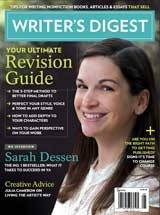 Characters Above the Status Quo" by Steven James. A great article, by the way, but what do you think about that statement?
Status, as described in this article, is a character's need or attempt at having a dominant role in social interactions. Body language, dialogue, and, of course, behavior illustrate status. Interesting characters undergo shifts in status and a protagonist must have areas of weakness or low status to be multi-faceted. That makes sense, right?
However, as the quote seems to be saying, a protagonist shouldn't be submissive to an antagonist. Hmmm . . . interesting. Because readers would have more respect and affection for characters that show strength and courage and confidence? Okay. But must a protagonist always be heroic when confronted with the antagonist? I mean, Harry Potter got his butt kicked more than once by Lord Voldemort and his minions. Just sayin'. However, Harry did maintain his strength and dignity and confidence through the worst of circumstances, didn't he? I never considered him wimpy when up against Voldemort. Did you?
Do you agree that a protagonist must never act in a way that lowers her status below that of the antagonist? I'd love to hear your thoughts as I think about this.

July 13, 2011
Twist-er
What is almost as much fun as Twister (the game, that is)? How about a good plot twist? Okay, maybe two good plot twists? (Insert ba-da-dum drum beats here.) I've got plot twists on my mind because I've recently finished reading Popular by Alissa Grosso, which has a stunning (that's STUNNING, people) plot twist. And that's all I am going to say about Alissa's novel as I do not want to give away anything about her plot and that surprise twist.
Do you enjoy a change in the expected outcome or direction of a story? It can be startling and thought provoking and fun (at least I think so). Tell me you didn't gasp when Darth Vader announced that he was Luke's father. Seriously. Personally, my favorite plot twists happen when I am sure that I know what's going on. Yeah, sure I know. That's the fun of a good twist, right?
Writing twists, though, can be tricky. Timing and the proper placement of clues really matter. Too much information and a reader could see the twist coming and be unimpressed with the big reveal. Not good. Yet, if the twist isn't properly set up, the reader could become confused. Twists, like many writing techniques, require balance and patience. Writing them, it seems to me, becomes a lot like walking a tight rope.
So, what are some of your favorite plot twists? Or, are you unimpressed with plot twists? Do tell!