Cynthia Chapman Willis's Blog, page 4
April 17, 2012
She Did What?
You’re happily reading along and BLAM, you stop dead because something does not ring true. Maybe there is a coincidence that isn’t feasible. Or a situation makes no sense. Or a character
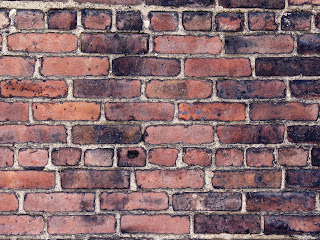 does something bonkers and out of the range of expectations. Someone or something is not believable. Hitting something unbelievable while reading is like running into a brick wall.
If you’re a writer, you want everything about your story to be believable, right? Writers are on the lookout for anyone or anything that seems improbable. Yet, creating believable characters, situations, scenarios, and so on can be easier said (or typed) than accomplished. I know. Not so long ago, a valued reader questioned the believability of the actions of one of the characters in my work in progress. Yup, this reader face-planted against a wall.
What to do? Here are a few tips:
1. If there is a believability problem, try pointing it out. When characters note that something seems improbable,that situation may be defused. It may no longer be the great ape in the room.
2. Nix any coincidences. If something seems too convenient or easy, it probably is. Try foreshadowing the scene or coincidental element. Set ups usually erase coincidences.
3. Use back-story to legitimize a character’s behavior. A past experience or experiences might justify or provide an understandable reason for a character’s actions.
Have you ever come upon something unbelievable while reading? Did this feel like hitting a wall?
Writers, have you had a brilliant reader pick out something that he or she couldn’t buy into? If so, how’d you fix the believability issue?
photo by mconnors, www.morguefile.com


April 10, 2012
Grabbing Attention
Consider this line from the March/April 2012 issue of
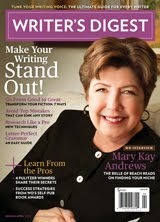 Writer's Digest, in a wonderful article titled "5 Story Mistakes Even Good Writers Make" by Steven James: "Too many times a writer will grab readers' attention early on with a scene that's clearly been contrived just for that purpose. . ." This stuck to me like fly paper (and if you've ever dealt with fly paper, you know what that means). I've read more than one manuscript that included a big event at the beginning that felt sort of contrived and not in keeping with the body of the story. And yes, these have been my own first drafts, but never mind that.
The beginning of a novel sets up readers for what is to come, so it must be true to the whole of the story. Makes sense, right? At the same time, though, it's important to hook readers. The big, dramatic opener can be tempting for writers. Exciting scenes give immediate pay off and lure readers into a plot. An explosion (for example) can be exciting and riddled with tension and intrigue. It will probably snag readers attention and make them turn pages. However, if a novel begins with a bang, readers will expect the following pages to have lots to do with this boom. Even the tone and the pace of the novel may seem set. So, if the story turns out to be a quiet romance, there's going to be some serious head-scratching going on. Maybe even reader disappointment and frustration at the realization that the explosion had been contrived. Sure, some sort of romance could bloom between those involved in the explosion, but the writer may have to do all kinds of construction to build the bridge between the explosion and the quiet romance. And readers may still be left disappointed. Sooner or later, a contrived scene is going to stick out.
For readers: Have you ever read a story with a contrived beginning scene? How did that work for you?
For writers: Have you ever written or been tempted to write in a big event at the beginning of a story to pull readers into it, even if the fit was awkward? Were you able to make the contrived scene compatible with the main thrust of the story?

April 3, 2012
Fillers—Blech!
Maybe it's me, but I cringe and gag a little when I hear that "fillers" and "by-products" have been added to food. Don't get me going on the "pink slime" that's been in the news. In case you
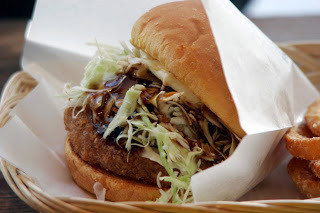 haven't read or heard about this loveliness, pink slime is the result of beef trimmings mixed with ammonium hydroxide. It's said to be safe, but mixed into foods such as hamburgers and served at some fast food restaurants and schools. Ick. Blech. Nasty.
Anyway, there are fillers in writing, too. And readers may have a similar reaction of ick, blech, nasty. Although, maybe without as much gagging. What are fillers in writing? Wordiness that doesn't contribute to meaning. Last week I wrote about beautiful writing that can be distracting. This filler stuff isn't pretty. It's excess language that often signals a writer struggling to find what he or she is trying to say. Believe me, I know about this. I've written pages trying to corner an elusive point.
Here are some examples of fillers:
Qualifiers such as very, most, hopefully, practically, and really (to name a few of my favorites) are signs of wordy writing. Once they are deleted, sentences are more direct. Very few people will usually argue that kittens are, generally, really adorable is not as strong as Few people will argue that kittens are adorable.
Using two words that convey the same meaning is another example of wordiness. In the sentence Gwen worked hard to achieve her hopes and dreams, hopes isn't necessary.
Stock phrases are also fillers that can sneak into writing. The fact that Lee had a crush on Jules bothered everyone is clunky. Lee had a crush on Jules, which bothered everyone is better.
What are your thoughts on fillers in what you are reading and writing? And, okay, feel free to share your thoughts on pink slime, as well. But I warn you—I may gag.
Photo by dantada at www.morgefile.com

March 27, 2012
Got Weeds?
It's springtime. Insert happy dance here. In my part of the world, this means that flowers are popping through dirt and bringing explosions of color back into the world. Unfortunately,
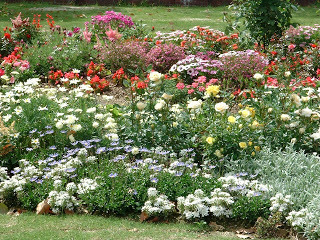 the weeds are busting loose, too. Which reminds me that weeding isn't just for gardens.
I love beautiful writing. So much that it has kept me reading many a novel that I would have (should have) put down had the writing not been poetic and gorgeous. However, from a writing point of view, lovely prose for the sake of its beauty is like the pretty weed that adds nothing to the garden and may even take from it. Readers should not be admiring the writing alone. They should be engaged in the story. And let's face it, sometimes sparkly writing detracts from a plot or pulls the reader out of a moment. Sadly, a writer must sometimes cut or dig out the gorgeous sentences with all their poetic symbolism simply because these lines do not serve the story.
So, as I grab my spade and head for the garden where all kinds of weeds, some of them pretty, are growing roots, I'll be thinking about all the hard core weeding that I'll do when I come back inside and revisit my work in progress.
When reading, how do you react when you stumble upon beautiful weeds? Do you mind being pulled out of a story for the sake of gorgeous prose?
Writers: Are you able to pinpoint and uproot the weeds in your own work?
* A big thank you to Carol at www.carolriggs.blogspot.com for tagging me with the Lucky 7 Meme Award. I have the best of intentions for playing along—really, I do. Stay tuned.
* The beautiful garden photo is by Chamomile at www.morguefile.com

March 20, 2012
Amazing
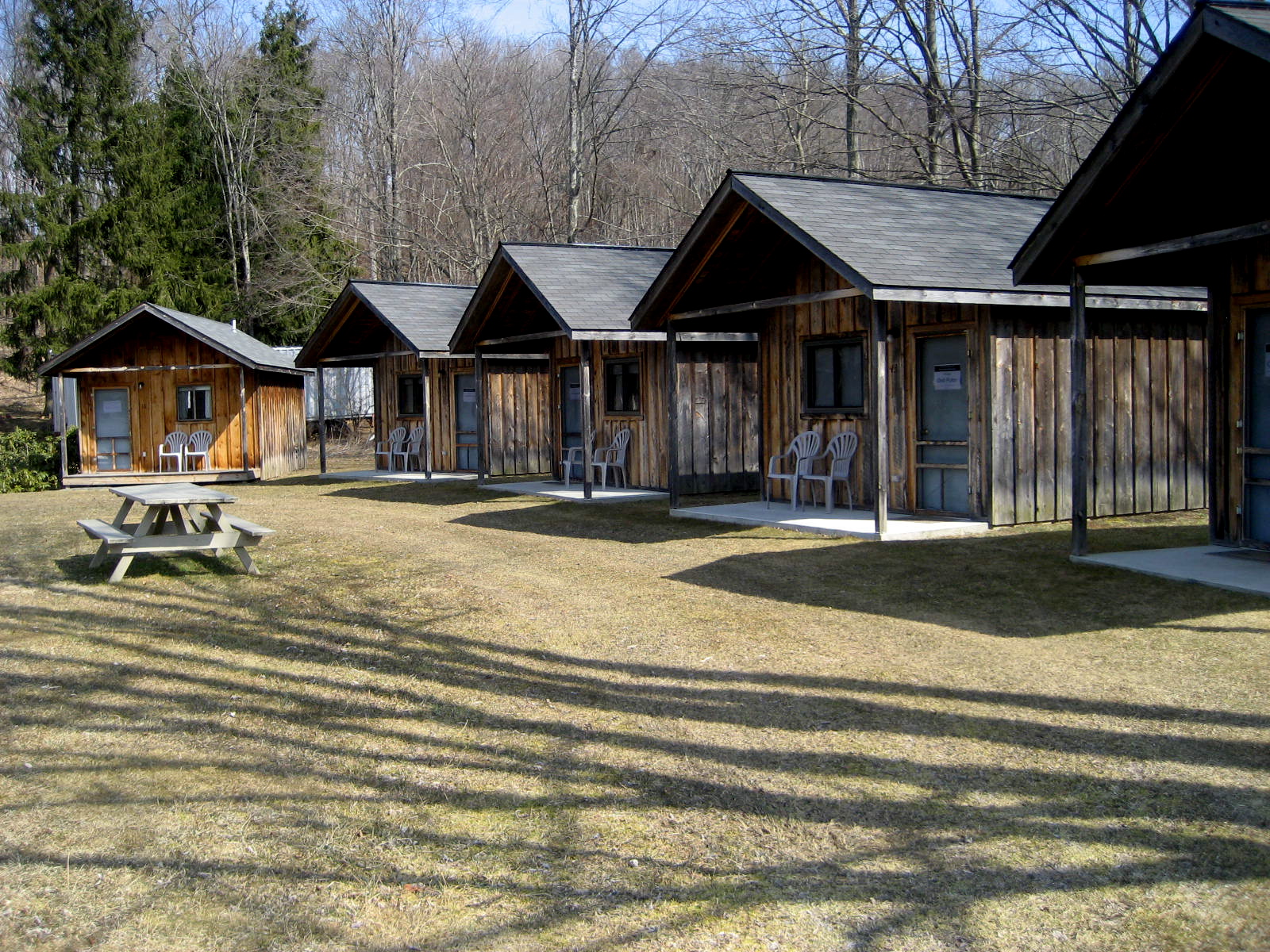
Those of you nice enough to follow my blog know that I was missing in action last week. I had the opportunity to attend the Highlights Novel Workshop at the Highlights Foundation in the Pocono Mountains of Pennsylvania. I didn't know what to expect, but the week was . . . Amazing!
Amazing and interesting participants with amazing stories guided and mentored by amazing teachers (well-published authors as well as an editor). We met for the first time on Sunday afternoon and spent the following five days getting to know each other and helping each other work through structure problems, plot snags, character issues, pacing situations, etc. with the novels we submitted to the workshop. Each person turned out to be supportive and encouraging of everyone else from the first moment of that very first meeting. Amazing.
The days included one-to-one mentoring for each of our novels, workshops on craft, time to apply what we learned to our novels (helping each other along the way), group critique sessions, group time where we wrestled with each other's novel problems, and a few hours here and there for quiet writing in our cozy cabins. As an added bonus, we all had a blast together laughing and sharing our lives beyond writing. In summary: A week of writing and revising and talking shop and life with kindred souls. Pure bliss. As I might have mentioned—amazing.
As if all of this didn't make for a spectacular week, the staff of Highlights was amazing, too--friendly and eager to please. The kitchen crew in particular spoiled everyone rotten with delicious meals and snacks. And all of this amazing-ness took place in a rustic, wooded setting complete with trails for hiking and random,
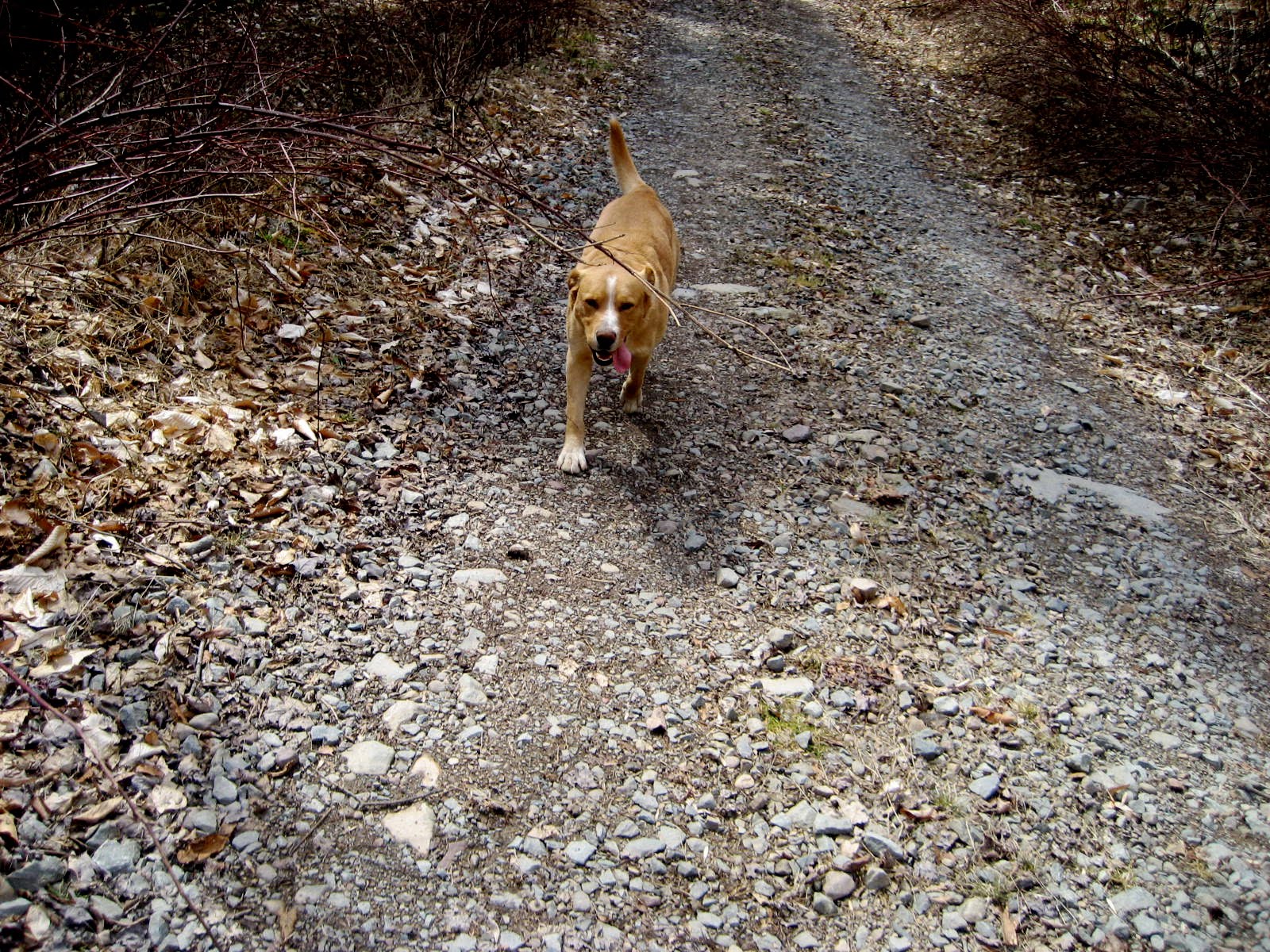
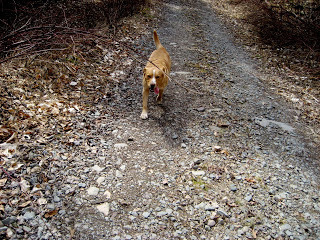 happy dogs ready and willing to join a long trek through the woods. What more could a writer ask for?
The novel that I brought (the one that had me boggled and blinded) now has a focus and is back on track. I have a sense of knowing and confidence about what it is and what it is meant to be, in addition to new insights to apply to the rest of my work. Thank you to everyone involved in the Whole Novel Workshop at the Highlights Foundation.
If you'd like more information about The Highlights Foundation workshops, here's a link to what is being offered at this point: http://www.highlightsfoundation.org/fw-sched-preview/ If you have any questions, I'd be happy to answer them, either here or via a personal message (you can find me on Facebook, Twitter, or via my website).
Anyway . . . Enough about me and my week. How was your week?

March 7, 2012
Recharges and Tune Ups
Do you ever wonder if your creative batteries could use a recharge? Or perhaps your creative engine could use a tune up? I've been feeling in need of something. My writing motor is grinding
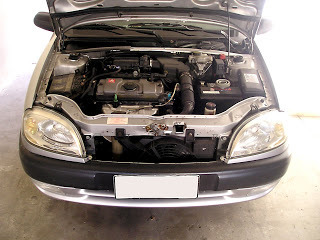 and I suspect that it could use some fresh oil. I still bubble over with the love for writing and stories, but something is not clicking in one particular novel and this is keeping the whole from working in smooth conjunction. Critique pals and others have read this novel, delivered golden feedback, and pronounced it ready. . . but I'm not convinced (ARG—I reach for my hair to start ripping it out). I know in the deepest depths of my writer's gut that something about this novel isn't working well enough yet. But what?
Since grabbing fistfuls of hair is sort of painful and does not solve writing dilemmas, I applied for admission to the Highlights Foundation Whole Novel Workshop, a week-long mentorship program that promises guidance for each participant's novel, group discussions and feedback, seminars, and lots of quite writing time. Could this be the tune up my writing self and my novel need?
So, I leave this coming weekend for a week of writing and mentoring seclusion. I hope you don't mind that I will be absent from the blog world, but when I get back, hopefully I'll have lots of great information to share.
Tell me, do you ever feel the need to recharge your creative batteries? Has a project ever left you baffled (and pulling at your hair) about what it needs?
Have any of you ever attended a Highlights Foundation workshop? Or some other writing retreat?
Happy writing and reading!

February 28, 2012
Digging for Gold
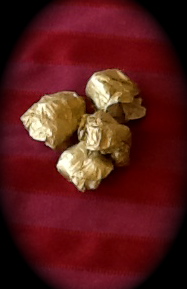
In an odd coincidence or bizarre sign from the universe, I keep coming upon articles and books that discuss how important it is for writers to ask questions about characters and pl
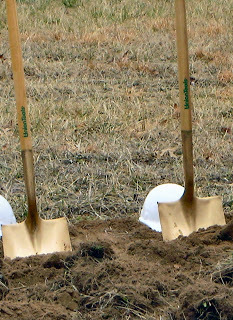 ot, yet (here's the twist) not accept the first answers. In other words, the emphasis is on digging deeper, going for the gold.
In Character & Viewpoint, Orson Scott Card writes: "Never let an idea pass through your mind without giving it the third degree." Is the idea compelling? Important? Why? What will happen to make the story more relevant? Why is this important to the characters? Why should the reader care? According to Orson Scott Card (and others), chances are the first answers to these questions will be cliché, too obvious, or too easy. To find the best answers, the ones that are surprising and unique, a writer must excavate and burrow down below the surface.
Let's be honest: It's easy to go with the first answer, to think that it's golden and glittery and perfect for the story. At least it is for me. Sometimes it takes time, a big step back, and contemplation to realize that the shiny first answer might be fool's gold. Maybe the real gold, the best stuff, requires more mining.
What do you think? When you are crafting something new or reworking part of a work in progress, do you become enamored with the first answers that come to you? Or do you push, dig deeper, try to find a twist or something unique—the gold?
When you are reading, do you recognize when a writer hasn't gone deep enough? Does this make a difference to you?
Photo credit for top photo: shovelshats.JPG by: taliesin at www.morguefile.com

February 21, 2012
To Read or Reread?
Do you ever finish a great book and swear that you're going to reread it? I do this all the time. I have lists and piles of never-been-touched books waiting to be cracked open and read, books I can hardly wait to read. But I also have lots of great novels that I am itching to reread. One pass is not good enough for a fabulous book. There is so much more that can be harvested. Yet, other than rereading To Kill a Mockingbird countless times, I haven't gone back to all the wonderful novels that I want to reread. I already know that I love the plots and characters. And I know that I'll learn more, as a writer, by rereading. Every time I revisit To Kill a Mockingbird, I close the novel with deeper insights into character and character development, motivation, voice, subplots . . . So why haven't I reached for The Help, The Harry Potter books, Speak, The Book Thief, (and more) a second time? Because I'm always tempted by the fresh, new reads. Also, there are only twenty-four hours in a day, which is really inconvenient. Sigh.
Last weekend an article on this very topic snagged my attention. According to "Why Books and Movies Are Better the Second Time," by Natalie Wolchover, research reveals that people like to reread books to find deeper layers of significance in the material while also reflecting on their own growth through the already familiar book. Apparently rereading a book or revisiting a movie is often a search for new meaning in a therapeutic sort of way because the readers self-reflect. Revisiting enables them to achieve an understanding of their past and present situations. Okay, but I would add that revisiting great novels also enables writers to learn more about an author's style, technique, and expertise.
By the way, here's a link to that article if you'd like to read more: http://bodyodd.msnbc.msn.com/_news/2012/02/17/10437789-why-books-and-movies-are-better-the-second-time
Do you reread your favorite novels? If so, how does the reading experience differ the second and even third time?

I'm off to revisit my bookshelves. If I can somehow make it past that pile of shiny new books.

February 14, 2012
Do You Keep Secrets?

Happy Valentine's Day, everyone! Some say that in the world of romance and significant others, there shouldn't be any secrets. That's a debate for another time and another blog. I'm here to chat about the secrets that writers should keep.
Secrets and unanswered questions can turn up the volume on tension, which is almost always a good thing, right? Secrets, big and small, plant questions in readers' minds and make those readers wonder and perhaps read on in search of answers. Why is that character limping? Where did that scar come from? Why does she have a crazy fear of trains? Who is that lurking, shadowy figure?
While I was revising Buck Fever, my amazing and gifted editor advised me to hold back on one particular "big reveal" for another chapter or two. I did and what a difference this made. Instead of giving away too much explanation too soon, I dropped hints like crumbs. I tried to let the audience enjoy the intrigue and the mystery while also giving them the chance to discover things for themselves.
I think about this editor's advice when I am reading a novel with secrets or information that is held back. And I think about this advice every time I'm about to reveal information in a story that I am writing. I ask myself: Can this wait? Will the plot benefit from keeping this secret a little while longer? What other plot developments might sprout from not sharing everything with the reader until absolutely necessary?
What do you think about secrets? If you're a writer, do you keep secrets as long as possible from your readers?
When you're reading, do you feel the tension of a lingering secret or unanswered question?

February 7, 2012
Talent or Passion?

The Super Bowl this past weekend has rocked much of New York and New Jersey. Since this is home turf for me, it inspired me to think about (and blog about) talent and passion.
People often refer to talent as a gift when talking about athletes, writers, artists, musicians, and others with a skill or area of expertise. Sometimes I wonder whether talent is a gift or whether it is something earned. Dictionary.com defines talent as "a special natural ability or aptitude." Okay, but is this a little too simple? Most often where there is an ability or aptitude, there are also countless hours of hard work and dedication—blood, sweat, and tears--that go into nurturing, training, and honing that ability or aptitude. Yes, there are child prodigies such as Wolfgang Amadeus Mozart, who was composing at six years of age, but history tells us that he worked long and hard before he reached a level of extraordinariness. So, I question the ratio between the "special natural ability or aptitude" and the passion, dedication, hard work, and perseverance it takes to create something amazing or perform at a high level. Could it be that
 when someone is labeled as having a gift or talent, what that person really has is a great and mighty passion and dedication to do whatever is necessary to create or perform well? To, say, win a Super Bowl? Or write an award-winning novel? Maybe the passion is the gift.
What do you think? Are some people born with a natural ability and aptitude? Or, are they born with a burning desire and drive to create and/or perform to an extra ordinary level? Or is this all crazy talk that comes from too many nachos and chicken wings downed during a very exciting football game?