Jamie Parsley's Blog, page 49
January 5, 2018
The Requiem Mass for Earldamae "Mame" Jones
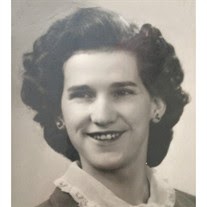 Earldamae "Mame" Jones
(September 2, 1922 - December 31, 2017)
Gethsemane Cathedral
Fargo, North Dakota
January 5, 2018
Isaiah 25.6-9; Revelation 7.9-17; John 6.35-40
+ It is a true honor to be a part of this service in which we give thanks to God for the wonderful life of Mame Jones. But, I do have to admit this afternoon, that it does not escape me that we gathered together one year ago this month to also say good-bye to someone we loved dearly. Last year in January we said good-bye to our beloved Gretchen. I remember very clearly how deeply Gretchen’s passing affected Mame. As well as all of us course.
And today, sadly, we say goodbye as well to Mame. When Kathy contacted me on Sunday to tell me Mame had passed, she shared with me that, as sad as it was to say good-bye to Mame, it was very different than when we said good-bye to Gretchen. With Gretchen, there was still so much ahead. There was—and is—still so much that was not accomplished.
But with Mame, what we find today is a real thanksgiving. We are thankful today for a long and truly wonderful life. We are thankful for all that was accomplished, all that was so good, all that she gave and continued to give. Today, we are sad. But we are also so grateful.
I personally knew Mame for many years—longer than I knew Kathy or Bruce and Gretchen or any of the Carlsons. I shared this story last night at the Prayer Service at Korsmo Funeral Home. I remember Mame clearly when I first started working here at Gethsemane Cathedral almost twenty years ago, when she very faithful attended what was then the 8:00 Mass on Sunday morning (it’s not now an 8:30 Mass). She would always be there, no matter what kind of weather. And she would always attend that Mass with her dear friend Clint Stacy.
Now, of course, at the time, I have to admit: I thought they were a couple. Certainly, they made a very nice looking couple. Later, Iwas so disappointed to find out that they were not a couple. And that Clint was so happily married to his wife Erna.
But, as I got to know her over the years, I have to say: I was amazed by her. She was a truly amazing person, as we all knew. One of the things that always amazed me was, of course, her Sunday dinners. Those dinners were legendary! I think most of are still shocked and awed by the fact that she could pull off what she did. And still—still!—come to church for that 8:00 service. Of course, in typical Mame-style, she took no credit for such a feat.
“God cooked those meals for me,” she would say.
And as self-effacing as she was, she was a vibrant woman, full of grace and strength and dignity. She was a nurturer. She embodied in so many ways what it means to be a true Christian. She cared—legitimately cared—for others. Of course, she cared—literally nursed—many of her family through their last years, including her husband Bob, her father, her mother, her sister, her younger brother.
And she legitimated cared for all those hundreds and hundreds of students at Riverside School over the years. As we have heard said again and again, Mame Jones WAS Riverside School! The stories I heard from former students were incredible! I wish I had known her when I was that age!
And, as if that wasn’t enough, she had one more wonderful and incredible attribute: she was a good listener—and a good keeper of secrets. And she kept a few secrets herself. For many, many years, few of us ever knew how old Mame really was. And Mame was just fine with that!
But, above all, she was an incredible daughter, wife, mother, grandmother, great-grand-mother and friend. And her faith was incredible too! The Church was essential to her, whether it was worship or teaching Sunday School or confirmation at St. John the Divine in Moorhead, where her husband Bob was long-timed and deeply beloved organist. And one of the great ministries—a ministry that I appreciate so much and so did Mame—was Altar Guild. It takes a truly dedicated person who loves God and service of others in such a ministry. It’s very much an unsung ministry. But it is a ministry of beauty and grace that perfectly suited such a devoted person as Mame Jones.
She had strength. She had determination and, as I said, she had grace. And although we are sad today, although it is hard to believe that after 95 years we now live in a world in which Mame Jones is not present, we do leave here this afternoon with something tangible. We are reminded that those attributes of strength and dignity and grace are not gone, by any sense of the word.
They are still here. They are with her daughters. They are with her grandchildren and great-grandchildren. They were definitely with Gretchen. And they are with all of us who knew Mame and loved her. And I am very, very grateful for that today.
Mame was also a private person in many ways. We know she had faith. But… she was not always the person to make a fuss about her faith. She was an Episcopalian after all. Most Episcopalians don’t feel the need to go on too strongly about their faith. But I can assure you, her faith was strong.
She never wavered, throughout all of those trials in her life. And yes, she had trials. She knew pain in her life. She cried her share of tears in her life. But she was never one to complain. And, I can tell you, she never once lost her faith. She was always, to the very end, a good Episcopalian and a faithful follower of Jesus.
More specifically, Mame loved The Book of Common Prayer. Now, people often ask me, “so, what is it you Episcopalians believe?”
And I say, “We believe what we pray.”
We’re not big on dogmas. But we are big on prayer and worship. Our liturgy—the services of worship we find contained in our Book of Common Prayer—encompasses our beliefs very well. And, I can tell you, that it certainly did for Mame.
If you asked her, “Mame, what do you believe?”
I am sure she would be quick to point to the scriptures and to the Book of Common Prayer.
Our service this morning, here in this Cathedral, in so many ways reflects what Mame believed in her own life. Certainly, in the hymns that we sing today. And certainly we hear her faith in the words of the scripture readings we have just heard her friend Mark Harvey read. If you notice, those scriptures have many references to food and eating.
In our reading from Isaiah this morning, we hear:
On this mountain the Lord of hosts will make for all peoples
a feast of rich food, a feast of well-matured wines,
of rich food filled with marrow, of well-matured wines strained clear.
In our reading from Revelation, we hear that those who are before the Throne of the Lamb,
will hunger no more, and thirst no more;
And, finally, in our Gospel, Jesus himself tells us,
I am the bread of life. Whoever comes to me will never be hungry, and whoever believes in me will never be thirsty.
All of that is encompassed beautifully in this liturgy, in the words of this service.
I am always grateful when we celebrate Holy Communion in our funeral liturgies. In so many ways, like Mame’s Sunday dinner, it is a way for us to come together, to BE together, to celebrate together.
Now, I’m no mystic. But, for me, the Eucharist is a holy time. It is a time in which I truly believe the very thin veil between this world and the next is, for one very sacred moment, lifted. And those who are there, in the nearer Presence of God and those of who are here, are together in some wonderful mysterious way.
A few years my brother died very suddenly. I hadn’t seen him for several years. And shortly after hearing the shocking news, I was at the altar at St. Stephen’s here in Fargo (where I serve as priest) on Sunday morning, celebrating the Eucharist. And all of sudden, for one moment, I realized that in that Holy Communion, my brother was there. He was there celebrating Communion right with me and with everyone else who was gathered there. And, in that moment, he was young and he was healthy. And it was an incredible moment.
It is something that Mame would’ve understood and appreciated. Mame who knew how important meals are—how important food and drink were for us.Mame, who allowed God to make her Sunday dinner for her.
This meal we share today is also a meal prepared for us by God. And in it, the veil is lifted. And those who are there, and we are we are here—we are one together.
Mame is here with us in this afternoon meal. And she is healthy and beautiful and happy.
Yes, we are sad today that Mame is gone from us. But she is still with us in so many ways. She is with us in all those lessons she taught us. She us with us in the grace and strength she taught her loved ones. And she is here with us as we gather together to eat and drink and celebrate her life.
I will miss Mame. We will all miss her and will feel her loss for a long time to come. But, on this day in which we bid her this temporary goodbye, let us also be very, very thankful.
Let us be thankful for this person whom God has been gracious to let us know and to love. Let us be thankful for her example to us. Let us be thankful for all that she has taught and continues to teach us. And let us be grateful for all she has given us in our own lives. Let us, like Mame, be examples of dignity and strength and grace.
Into paradise may the angels lead you, Mame. At your coming may the martyrs receive you, and bring you into the holy city Jerusalem.
Amen.


January 4, 2018
I bought my tickets to Florida today
 I bought my tickets to Florida today
December 31, 2017
1 Christmas
 December 31, 2017
Galatians 3:23-25; 4:4-7; John 1:1-18
+ I don’t usually mix my two vocations here in the pulpit very often. For the most part, here at St. Stephen’s, I am a priest. I celebrate Mass with you. I preach (not always so profoundly maybe). I make my visitations. I talk with you. I am available for you. I pray for all of you every single day in my daily prayers.
As you have heard me say many, many times: I love being a priest. And I really do!
But…I am not just a priest of course. I am also, as you know, a poet. Meaning, poetry isn’t just a little hobby I do on the side. I have a Master’s Degree in it. I have published a couple books of poetry (my 13th book is being published in a few weeks). I have received a bit of praise for my poetry by people who know a few things about poetry. Yes, I am even an Associate Poet Laureate for the state, something I take very seriously.
And the poet doesn’t always make his way into this pulpit. And I am very careful about not inflicting my poems on you. And, mind you, I am not going to do so today either.
But I am going to share with you one of my poetic influences. I have a few poets that have influenced me as few others have. There is a personal pantheon of poets I return to again and again in my life. The list if a short one—a fairly simple one.
In no particular order they are:
George Herbert, the great Anglican priest and poet; the American poets Elizabeth Bishop, Walt Whitman, Marianne Moore, William Carlos Williams; Rainer Maria Rilke, the great Austrian poet and, of course, the Chilean poet Pablo Neruda.
But one poet I find myself always drawn to and coming back to and relating to on many levels is a fairly contemporary poet—a poet not a lot of people in the United States know about.
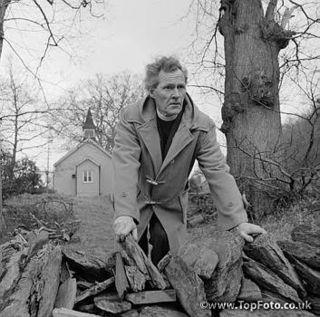 R.S. Thomas.
Thomas was a Welsh poet. He was an Anglican priest who served at small, rural parishes in Wales. And although on the surface it might not seem like it, he was very much a maverick. A maverick priest And definitely a maverick poet. Which is another reason why I love him so dearly.
Thomas died in September of 2000 and in the years since, the full wealth of his poems have only begun to start being revealed. In fact, poems by him are still being discovered here and there.
Although his parishioners never really knew this about him because he never really let on it about, he was actually very unorthodox in his beliefs as a Christian and as a poet. Thomas struggled with some of the intricacies of orthodox Christian belief.
For example, he had problems with belief in Christ as a personal savior and with “convictions about the “afterlife.” But, strangely, he never let those doubts come into his sermons, according to his parishioners.
“I don’t know how many real poets have ever been orthodox,” he once said.
For Thomas, he was able to make sense of the intricacies of Christian belief and theology by maintaining that we need to look at it all from a poetic perspective. In fact, he once got in a bit of trouble for saying that he had difficulty believing in a supernatural Christ by saying “At times [Christ’s] divinity, in its unique sense, seems to me a product of mythopoetic imagination.”
There’s the word of the day for you for today: “mythopoetic.” It’s a great term, actually.
And certainly, for all of us who may have struggled with some of these spiritual issues in our own lives—and I know you have—and I have as well as you also know—you have heard me say the same thing over the years. We Anglican Episcopalians are not fundamentalists. The way to maneuver and steer the sometimes complicated waters of our faith is sometimes by seeing it all with the eyes of a poet.
Because I, like Thomas, firmly believe that God is a poet. In fact, God is the Master Poet—the Uber-Poet, dare I say. And we, God’s creation, are the Poem. And it is all good.
If you don’t believe me on this, you need look no further than our Gospel reading for today. I love this reading from the first chapter of John. It’s absolutely beautiful. But, I love it not only for its theological statement (which, for some might seem a bit “out there”).
I love it because, let’s face it, it’s poetry. It’s beautiful poetry. It is poetry, plain and simple. You don’t believe me? Then, listen again, closely.
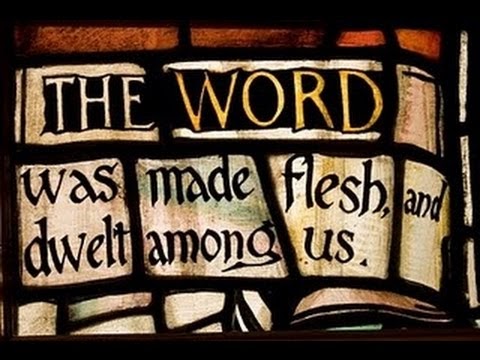
In the beginning was the Wordand the Word was with God,and the Word was God.All things came into being through him, and without him not one thing came into being. What has come into being in him was life, and the life was the light of all people. The light shines in the darkness, and the darkness did not overcome it.
Or how about,
But to all who received him, who believed in his name, he gave power to become children of God, who were born, not of blood or of the will of the flesh or of the will of man, but of God.
Poetry!
As you’ve heard me say over and over again, if we stop looking at our scriptures and our faith from a poetic perspective, we miss the real beauty of our faith. Our faith becomes cut and dry—black and white. It becomes a burden. It gets drained of it subtlety and beauty and nuance.
Our faith is full of poetry. And if you ever forget that, you need to look no further than this scripture from the First Chapter of the Gospel of John.
Of course, it’s also a great summary of Christian faith and theology. And there are just layers and layers of thought and sentiment in this passage from John.
The beginning we experience today in our Gospel reading is a bit different than the beginning we read about in Genesis. The beginning we encounter today even harkens back further than the creation of Adam and Eve. It goes back to before those creation stories to what God was doing initially.
“In the beginning…” we hear at the beginning of St. John’s Gospel, just like at the beginning of Genesis. And they are certainly the most appropriate words if ever there were any. Especially on this New Year’s Eve. As 2017 ends and 2018 begins, our thoughts turn to beginnings.
We think about that New Year and how important a new year is our lives. It heralds for us a sense of joy—and fear—of the future. All of a sudden we are faced with the future. It lies there before us—a mystery.
Will this coming year bring us joy or will it bring us sadness? Will it be a good year or a bad year? And we step forward into the New Year without knowing what that year will hold for us.
But, the fact is, at the very beginning moment, we can’t do much more than just be here, right now. We need to just experience this beginning. And we can’t let that anxiety of the future take hold. We just need to be here, right now, and take part fully in this new beginning.
That’s what beginnings are all about, I guess. That one moment when we can say: “Right now! This is it! We are alive and we are here! Now!” And we all know that just as soon as we do, it’ll be past.
In our reading from John this morning, it’s also one of those moments. In that moment, we get a glimpse of one of those “right now” moments. It seems as though, for that moment, it’s all clear. At least for John anyway.
We encounter, the “Word.” Now, for many of us, raised as we were in a traditional Christian understanding of what the “Word” is, we might think it means the Bible. The Word of God is the Bible, we have heard said so many times.
But C.S. Lewis, our great Anglican treasure (and a poet himself), wrote in a letter in 1952:
It is Christ Himself, not the Bible, who is the true Word of God.
Yes, the Bible contains the Word of God. But Christ is the Word of God. Christ is the Word of God incarnate in the flesh. Christ is the Voice of God spoken to us. And to take it a step further: Christ is the incarnate Poem of God.
This is an appropriate way to begin the Gospel of John and to begin our new year as well. It is a great beginning. It sets the tone for us as followers of Jesus. God was speaking in the Word there in the beginning. And God is still speaking in the Word here, now, with us in our current beginning. And in God, we experience a beginning that doesn’t seem to end.
In Christ, God’s Word comes forward and becomes present among us in a way we could never possibly imagine. Christ as the Word of God says to us that God speaks to us in a very tangible way. Not as God spoke in the Hebrew Scriptures, cloaked behind pillars of fire or thunderstorms or wind or booming from a mountain top.
Instead, in Christ, God’s Voice speaks to us, with a voice like our own voice. God’s word, God’s voice, God’s poem became flesh. The Word spoken to us in this beginning moment, is a Word of Love. The commandment this Word tells us of is a commandment to love. Love God and love one another as you love yourselves.
But let’s take it yet one more step further: It is not enough that we recognize Christ as God’s Word incarnate in this world. We too must be incarnations of God’s Word, as Jesus was. We too must speak with the voice of God, speaking again and again God’s love and acceptance to others We too must be God’s Poem here and now, in the flesh.
We can do these because, as we heard in our reading from Galatians, we, through our baptism, have become adopted children of God. And as loved children of God, we are able to cry out to God
“Abba! Father!"
Maybe the true message of the Word is that, in God’s Kingdom, that kingdom of which we are heirs, that beginning keeps on and on, without end.
In God’s Kingdom there is constant renewal. In God’s Kingdom it is always like New Year’s Day—always fresh, always full of hope for a future that does not end or disappoint.
As we prepare to celebrate 2018, this is a great way to live this beginning moment. In this beginning moment, let us think about beginnings and how important they are for us personally and for our spiritual lives. With this encounter with God’s Word, we, like John, are also saying in this moment, this is holy.
This moment is special. This moment is unique and beautiful, because God is reaching out to us and speaking to us in love. Unlike how we might feel at the New Year—full of both hope and apprehension—in this instance, in our grasping of it, it doesn’t wiggle away from it. It doesn’t fall through our fingers like sand. Or snow. It stays with us.
Always new.
Always fresh.
Always being renewed.
We’re here. Right now.
We’re alive!
The future is happening right now.
The Word of God has come to us and is still speaking through us.
We are the poem of God.
It’s incredible, really. This moment is a glorious and holy one. So, let us, in this holy moment, be joyful. Let us in this holy moment rejoice. And let us, in this holy moment, in this holy beginning, look forward to what awaits us with courage and confidence. Amen.
December 25, 2017
Christmas
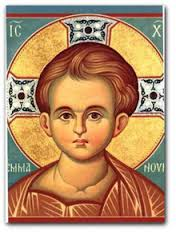 John 1.1-14
+ Last night at Christmas Eve Mass I mentioned that I am a church nerd. You know how you know I’m a church geek? Because one of my greatest pleasures in life is doing the Christmas morning Mass.
Yes, I know. Christmas Eve is beautiful. Really beautiful.
But Christmas morning. I don’t know. It’s just just…something special.
I think that is what Christmas Day is all about. This sense of it all being just…a bit more holy and complete.
The great Trappist monk and poet, Thomas Merton, once wrote this poem. I love it so much:
Make readyfor the Christwhose smile,like lightningsets freethe Songof everlastingglorythat now sleepsin your paperflesh likeDynamite.
For me, that captures perfectly this strange feeling I have experiencing this morning how I LOVE a Christmas Day mass
Christ’s smile like lightning has settled upon us.
And now—this morning— Christmas is here. Christ’s smile is here! This morning, we celebrate that smile. And we celebrate the Light.
And we celebrate the Word.
Our Gospel reading for today is one of my favorites. In it we hear:
In the beginning was the Word, and the Word was with God, and the Word was God.
In the beginning, God was at work in our lives. God was speaking to us from the beginning. And God continues to speak to us.
We celebrate this Word and the Light that has come to us in our collective and personal darkness. We celebrate the Light that has come to us in our despair and our fear, in our sadness and in our frustration. And we celebrate this Word that has been spoken to us—this Word of hope.
This Word that God is among us.
We celebrate this “Christwhose smile,like lightningsets freethe Songof everlastingglory
When we think long and hard about this day, when we ponder it and let it take hold in our lives, what we realized happened on that day when Jesus was born was not just some mythical story. It was not just the birth of a child under dire circumstances, in some exotic land. What happened on that day was a joining together—a joining of us and God.
God in Jesus met us half-way. God came to us in our darkness, in our blindness, in our fear—and cast a light that destroyed that darkness, that blindness, that fear.
God didn’t have to do what God did. God didn’t have to descend among us and be one of us. But by doing so, God showed us a remarkable intimacy.
I often quote at this time of the year a quote from the great Dominican theologian, Meister Ekhart:
“What good is it if Mary gave birth to the Son of God [two thousand years ago]? I too must give birth to the Son of God in my time, here and now. We are all meant to be the mothers of God. God is always needing to be born.”
I love that quote and I think it’s very true. We need to be the people through whom God is born again and again in this world. We need to bring God into reality in this world again and again.
Why?
Because God is a God of love.
Because we are loved by God.
Because we are accepted by God.
Because we are—each of us—important to God.
We are, each of us, broken and imperfect as we may be some times, very important to God.
Each of us.
And because we are, we must love others.
We must give birth to Christ our God so others can know this amazing love as well.
Knowing this amazing love of God changes everything. When we realize that God knows us as individuals, that God loves us and accepts each of us for who we are, we are joyful. We are hopeful of our future with that God. And we want to share this love with others.
That is what we are celebrating this morning. Our hope and joy is in a God who comes and accepts us and loves us for who we are and what we are—a God who understands what it means to live this sometimes frightening uncertain life we live.
This is the real reason why we are joyful and hopeful on this beautiful morning. This is why we are feeling within us a strange sense of longing. This is why we are rushing toward Christ our Savior who has come to visit us in what we once thought was our barrenness.
Let the hope we feel this morning as Christ our Savior draws close to us stay with us now and always. Let the joy we feel this morning as Christ our Friend comes to us in love be the motivating force in how we live our lives throughout this coming year.
God is here.
God is in our midst today.
God is so near, our very bodies and souls are rejoicing.
And God loves us.
The great Anglican poet Christina Rosetti put it more eloquently:
Love came down at Christmas,love, all lovely, love divine;love was born at Christmas:star and angels gave the sign.
That is what we are experiencing this day.
Love came down.
Love became flesh and blood.
Love became human.
In Jesus, God’s love became real. And tangible. And in the face of that reality, we are rejoicing today. We are rejoicing in that love personified in Jesus. We are rejoicing in each other.
So, let us rejoice. Let us be glad this Christmas morning.
God is with us.
And it is very good!
December 24, 2017
Christmas Eve
 December 24, 2017
+ I hope this doesn’t come as a huge surprise to many of you, but I am a HUGE church nerd. Now, you may think: of course he is. He’s a priest. He should be a church a nerd.
Ah…you’d be surprise how many priests and pastors I know who are not church nerds.
But I most definitely am. The minute the church opens, usually I’m there (I’m the one who usually opens the church after all). And, while some clergy may complain about the fact that they have to work on Christmas Eve and Christmas Day, I definitely do not complain about such things.
I LOVE celebrating this Christmas Eve Mass. (I also really love celebrating the Christmas Day Mass tomorrow)
Because, let’s face it: here it is.
This is what it’s all about.
This is why we celebrate.
This is why we do what we do at Christmas.
This is what we hope for.
It might be dark and bitterly cold outside, but here, tonight, we celebrate Light. And that is what I really love about this night!
We celebrate the Light that has come to us wherever we might be in our lives. We celebrate the Light that breaks through into our darkness, in the darkness we might have in our own lives. We celebrate the Light that has come to us when we’ve been sad or frustrated or fearful.
And as it does, no doubt most of us are feeling two emotions tonight—the two emotions Christmas is all about: hope and joy.
Hope that God has come to us in Jesus as a glorious and wonderful gift. And now that Gift is here among us
And Joy—at the realization of that reality.
As we come forward tonight to meet with joy and hope this mystery that we remember and commemorate and make ours this evening, we too should find ourselves feeling these emotions—hope and joy—at our very core.
And it is a mystery. We will never fully understand how or why God has come to us as this little child in a dark stable in the Middle East, but it has happened and, because it happened, we are…different. We are better as a result of it.
God in Jesus has reached out to us.
God—this God who truly does love us, who truly does know us, who truly does care for us---has reached out to us.
Just think about that for a moment. God loves us enough to actually reach out to us. And by doing so, we know tonight—without a doubt—that we are loved, we are accepted, we are truly known by our God.
Knowing that, what do we feel?
Hope!
And joy!
Because God knows us, loves us, accepts us, our lives are different because of what happened that evening when God sent us a sign of that love and acceptance. Yes, we may have known fear before, we have known dread before, but tonight, with God so close and so near, everything we feared and dreaded has been driven away. When we look at it from that perspective, suddenly we find our emotions heightened. We find that our joy is a joy like few other joys we’ve had. We find that our hope is more tangible—more real—that anything we have ever hoped in before.
And that is what we are celebrating this evening.
Our true hope and true joy is not in brightly colored lights and a pile of presents until a decorated tree. Our true hope and joy is not found in the malls or the stores. Our true hope and joy does not come to us with things that will, a week from now, be a fading memory.
Our hope and joy is in a God who has come to us as a Baby who, as he comes to us, causes us to leap up with joy at his very presence.
Our hope and joy is in that almighty and incredible God who would come to us, not on some celestial cloud with a sword in his hand and armies of angels flying about him.
Our hope and joy is in a God who reaches out to us right now, where we are, and stays with us in this innocent child, born to a humble teenager.
Our hope and joy is in a God who gives us love in very concrete terms—love that has a face like our face and flesh like our flesh—a God who allows love to be born, like we are born.
Our hope and joy is in a God who comes to us and accepts us and loves us for who we are and what we are—a God who does not leave us alone in our hurts and our pains.
God loves us.
God knows each of us by name.
Each and every single one of us.
We are each precious and loved by our God.
That is what this night and this season of Christmas is all about. This is the real reason why we are joyful and hopeful on this beautiful night. This is why we are feeling within us a strange sense of longing.
God is here.
God is in our midst.
God is so near, our very bodies and souls are rejoicing.
So, let greet God tonight with all that we have within us. Let us reach out to the God who is reaching out to us. Let us welcome our God and the gift our God has given us with true hope and true joy. And let us welcome our God into the shelter of our hearts, so that we can share God with others. Amen.
December 23, 2017
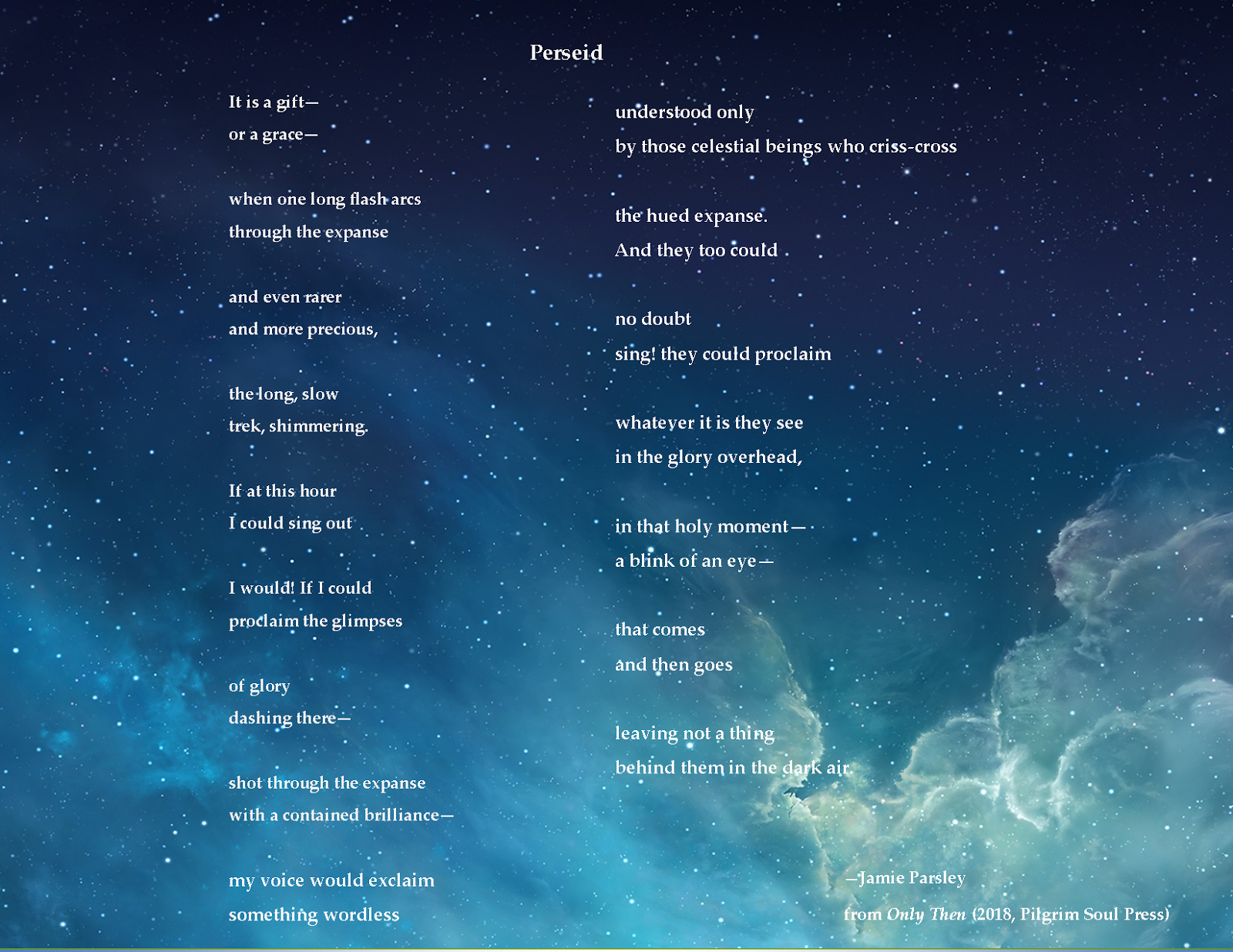
A poem from the new book
Merry Eve of Christmas Eve to All! Here is a poem from the new book (due out in early January)
December 17, 2017
3 Advent
 Gaudete Sunday
December 17, 2017
Isaiah 61.1-4, 8-11;1 Thes. 5.16-24; John 1.6-8, 19-28
+ Today is, of course, Gaudete Sunday. Or Rose Sunday. It is always a special Sunday here at St. Stephen’s and for the Church as a whole. Today is just a bit more special for us here at St. Stephen’s.
Of course, we are dedicating our brand new Sts. Benedict and Scholastica window. I am especially happy about that. Traditionally, on Gaudete Sunday, we light the pink candle on the Advent wreath.
And Gaudete for us at St. Stephen’s always seems to be a special Sunday. It was on Gaudete Sunday two years ago that we as a congregation voted to seek Delegated Episcopal Pastoral Oversight (DEPO), which was a great decision on our part, and very much a part of who we are and what we do here of welcoming all people and accepting all people.
And today, we commemorate our ministry of radical acceptance and welcoming with this
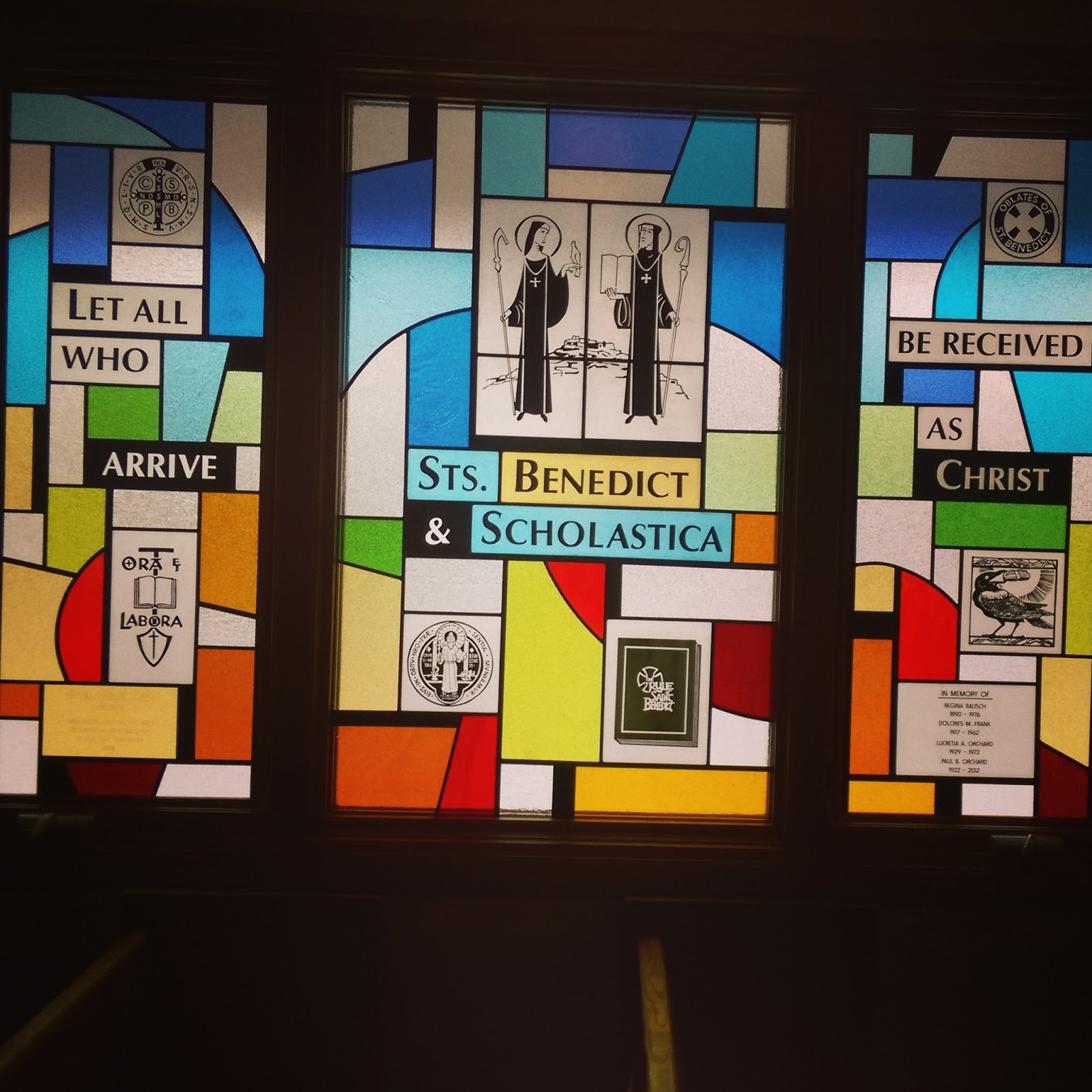 window dedicated to Sts. Benedict and Scholastica. The message emblazoned on the window is:
Welcome all who arrive as Christ
And that is certainly what our ministry of acceptance does. I think that all ties in so well to what this Sunday represents.
Lighting the pink candle is a sign to us that the shift has happened. Now there are more candles lit than are unlit on the wreath. The light has won out and the darkness, we are realizing, is not an eternal darkness.
But most importantly, Gaudete means “rejoice.” And that is exactly what we should be doing on this Sunday. We should rejoice in the light that is winning out. We should rejoice in the fact that darkness has no lasting power over us. We should rejoice in all that God has done for us and continues to do for us in our lives, in our ministries and her particularly at St. Stephen’s.
This Sunday sets a tone different than the one we’ve had so-far in Advent. We find this word—rejoice—ringing out throughout our scriptural readings today. It is the theme of the day. It is the emotion that permeates everything we hear in the Liturgy of the Word on this Sunday.
In our reading from the Hebrew Bible, in Isaiah, we hear
I will greatly rejoice in the Lord, my whole being shall exult in my God;
In our Epistle, we find even Paul—who seems a bit, shall we say, dour at times— rejoicing.
“Rejoice always,”
he writes to the church at Thessalonika.
And, although the word “rejoice” cannot be found in our Gospel reading for today, the sentiment is there. John the Baptist, we are told, was not the light, but came to testify to the light—that light being, of course, Jesus. Again, something about which to rejoice.
This emotion of joy is something we oftentimes take for granted. Let’s face it, joy doesn’t happen often enough in our lives. It certainly doesn’t happen enough in my life. I wish it did. It is a rare occurrence for the most part. And maybe, just maybe, it should be. It is certainly not something we want to take for granted.
When joy comes to us, we want to let it flow through us. We want it to overwhelm us.
But we often don’t think about how essential joy is to us. Joy is essential to all of us as Christians. It is one of those marks that make us who we are as Christians. Or it should anyway.
We should be joyful. We have a God who loves us, who knows us, who wants the very best for us. We have a God who reaches out to us in the Light of Jesus that we celebrate at this time of the year. That alone is a reason to be joyful.
But, sadly, as we all know, there aren’t always that many joyful Christians. We have all known those dour-faced Christians, those Christians who are angry or bitter or false. There are those Christians for whom a smile is a chore.
That is not what God intends for us. We all should be joyful Christians. Shouldis the word.
Still, as we all know, there are moments. There are moments when we simply cannot muster joy. No matter how many parties we might plan or host or go to, no matter how much we try to break the hold the hard, difficult things of life have placed on us, it is hard sometimes to feel joy. Cultivating joy in the midst of overwhelming sorrow or pain or loneliness or depression can seems overwhelming and impossible.
That’s why joy really is a discipline. When things like sorrow or pain or loneliness or depression descend upon—and they descend upon us all—we need, in those moments, to realize that joy might not be with us in that moment, but—and here’s the important thing—joy always returns.
Joy always returns.
We need to search deep within us for that joy that we have as Christians. And when we search for it, we will find it, even when life seems so miserable and so overwhelming. That joy often comes when we put our pains into perspective. That joy comes when we recognize that these dark moments that happen in our lives are not eternal.
They will not last forever. Darkness never lasts forever. That, I think, is where we sometimes fail.
When we are in the midst of those negative emotions in our lives, we often feel as though they will never end. We often feel as though we will always be lonely, we always be sad, we will always mourn. As Christians, we can’t allow ourselves to be boxed in by despair. As followers of Jesus, we are forced, again and again, to look at the larger picture—at God’s larger picture. We are forced to see that joy is always there, just beyond our grasp, awaiting us.
Joy is there when we realize that in the midst of our darkness, there is always light just beyond our reach. And when it comes back into our lives, it truly is wonderful… Because that is what God wants for us.
Joy not always something one is able to identify in a person. Joy doesn’t mean walking around smiling all the time. It doesn’t mean that we have force ourselves to be happy at all times in the face of every bad thing. If we do that, joy becomes false and forced.
True joy comes bubbling up from within us. It is a true grace. Remember last week when I talked about grace? Last week, I defined grace in very simple terms:
Grace is a gift we receive from God we neither ask for nor anticipate.
In that way, joy is a gift we are given that we simply don’t ask for. Rather, it comes from a deep place and it permeates our whole being, no matter what else is going on in our lives or in the world around us. It is a joy that comes from deep within our very essence—from that place of our true selves.
And, let me tell you from my own experience, joy can still be present in times of mourning, in times of darkness, in times of despair. It might not be joy at its greatest effect, but there are glimmers of joy even in those dark times.
Advent is, as I said on the first Sunday of Advent, essentially, a penitential season. It is a time for us to recognize that we are slugging through the muck of our lives—a muck we are at least, in part, responsible for. But Advent is also a time for us to be able to rejoice even in the midst of that muck. It is a time for us realize that we will not be in that muck forever. The muck doesn’t win out.
God wins out. God’s light in this world is more powerful than any darkness. And God’s light always wins out.
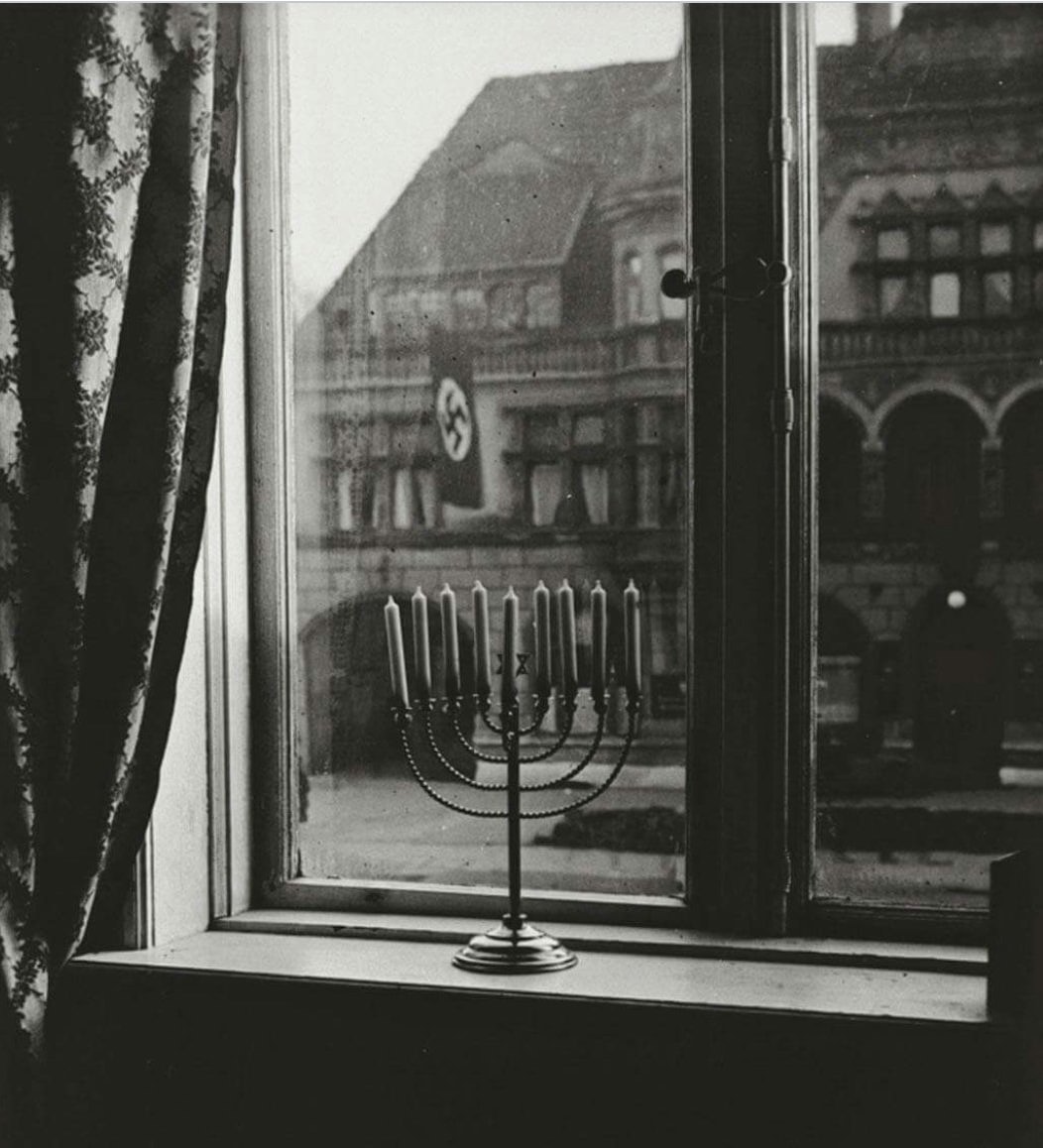 As you may know, we are also now past the half-way point of the Jewish season of Chanukah. During this season, I always like to revisit a very famous photo from 1930s Germany showing a menorah in a window, while in the background, there is a building across the street from which hangs a Nazi flag with a swastika. It is a powerful photo. But, what some people don’t know about that photo on the back of it a Rabbi wrote:
 “Our light will outlast their flag.”
That is true resistance. That is defiance in the face of what seems to be overwhelming darkness. And that is our message as well right now, in the Advent (and Chanukah) season of hope and joy. Our light—God’s light—will outlast whatever darkness we are experiencing right now in our own lives, in our nation or in the world.
See, even in the face of darkness, we find hope and we can find joy. The joy we carry deep within is too powerful to die. This powerful joy will win out and outlast any darkness.
So, as we gather together this morning, and as we leave here this morning, let us remember the joy we feel at seeing this pink candle lit. Let us carry the spirit of this rose-colored Sunday with us. Yes, I will say it: let us look at life with rose-colored glasses (we can legitimately do that today!) We have made it this far. The tide has shifted. The light is winning out. The dawn is about to break upon our long dark night.
As we ponder this, as we meditate on this, as we take this with us in our hearts, let us pay special attention to the emotion this causes within us. Let us embrace that welling up of joy from deep within. And let it proclaim with our lips the words we, along the prophet Isaiah, long to say:
I will greatly rejoice in the Lord, my whole being shall exult in my God!
December 10, 2017
2 Advent
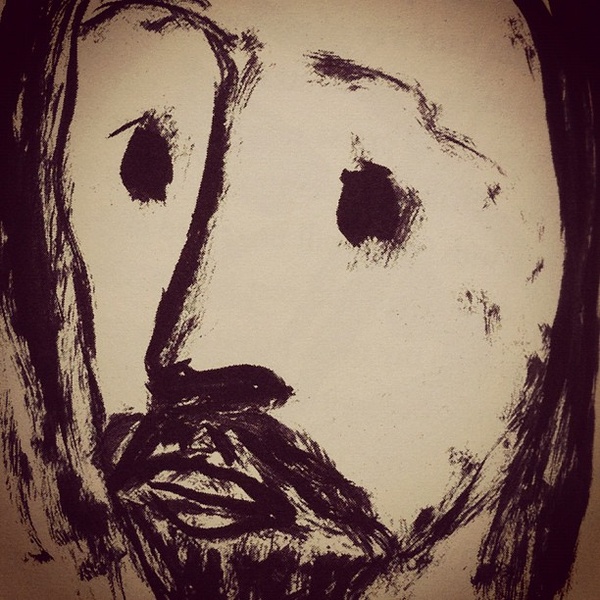 "John the Baptist" by Thomas Merton, who died on this day,
 Dec. 10, 1968December 10, 2017
Isaiah 40.1-11; Mark 1.1-8
+ When I was a kid, my beloved aunt was a member of the First Assemblies of God. The First Assemblies, for those of you who might not know, is very different than the Episcopal Church. It’s very Evangelical.
But occasionally, I would find these terrible little cartoon tracts at her church when I went with her, little booklets put out by an evangelist by the name of Jack Chick. Jack Chick was the perfect example of a Christian hatemonger. He hated everyone who didn’t accept Jesus Christ as his or her personal Lord and Savior. Everyone was going to hell except those who had made one simple confession of faith.
All one had to do to gain heaven and glorious eternity, according to Jack Chick, was make this simple statement: I accept Jesus Christ as my personal Lord and Savior. The rest of us, who didn’t make this statement, were in deep trouble.
Catholics, for example, were going to hell because they were being led astray by the Pope, whom Jack Chick saw as the Antichrist on earth.
For example he blamed Catholics even for the Assassinations of Abraham Lincoln (he said that was John Wilkes Booth was a Jesuit priest—I guess he never knew that Booth was in fact an Episcopalian).
 Protestants that belonged to churches other than “Bible-believing,” “Holy spirit-inspired” churches—the Episcopal Church was lumped into this group—were going to hell because they were being led stray by liberal Bible Scholars who polluted the scriptures with false interpretations.
The only interpretation to follow, Jack Chick said, was the KJV and none other. It truly was the inspired and unerring Word of God.
Now, as you know, I LOVE the KJV. I think it is one of the most beautiful translations of scripture. But it’s not perfect, and it’s not without error.
He also believed that there were Satanists everywhere, seeking to destroy true Christians. They were in our schools, they were in our seminaries, they were even in the White House.
But for the most part, these awful little books would tell the story of some person or another who led a destitute life and who had died without accepting Jesus Christ as their personal Lord and Savior. Of course, they ended up in hell—usually pictured as a cavernous place full of fire and disgusting devils.
The moral of these stories revolved around the main character crying out in anguish:
“If only I had accepted Jesus as my Personal Lord and Savior, I wouldn’t be here.”
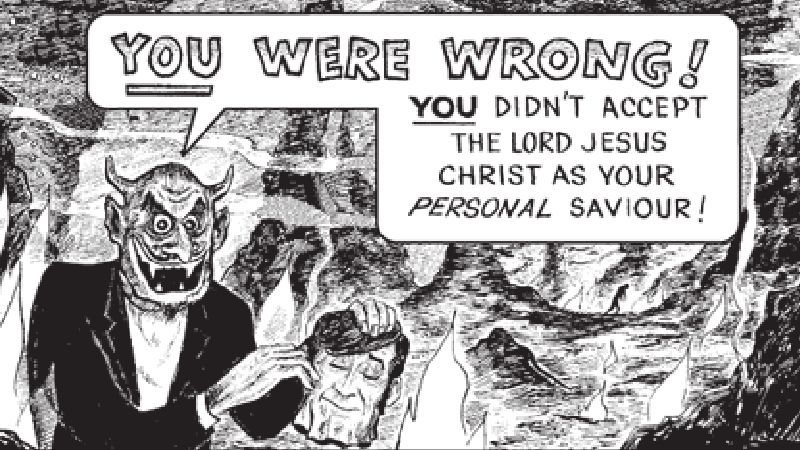
At the time, as a teenager, these stories made sense to me. It was simple. Christ shouldturn his back on those who didn’t accept him. I would turn my back on those who would not accept me. And there should be a place where we had to pay for the wrongs we did. We simply can’t sin and expect not to pay for it in some way, right?
But as I grew older, as I grew into my relationship with Christ and as I started to look long and hard at everything I had believed up to that point, I realized there was one thing Jack Chick and all those people who believed that way missed. It was one simple little word:
Grace.
Now, my very simplistic definition of grace is this: Grace is a gift we receive from God that we neither ask for nor necessarily deserve.
In the Gospel we heard this morning, we hear the echoing words of John the Baptist.
The one who is more powerful than I is coming after me;
He is that lone voice calling to us in the wilderness. It is a voice of hope. It is a voice of substance. It is a voice of salvation.
More importantly, John’s message is a message of Grace.
This powerful One is coming! There’s no avoiding it. God is coming to us. This is the ultimate grace in a very real sense. Although we have been hoping for God to come to us and save us, it is not something that we have necessarily asked for or deserve.
God comes to us in God’s own time.
It is this one fact—grace—that makes all the difference in the world. It is what makes the difference between eternal life and eternal damnation.
Jack Chick and those who believe like him are very quick to say that there is an eternal hell. And if you’re not right with God, they say, that’s exactly where you’re going.
The fault in this message is simple: none of us are right with God. As long as we are on this side of the veil, so to speak, we fall short of what God wants for us. We have all sinned and we will all sin again. That’s the fact.
But that’s where grace comes in. Grace is, excuse my language, the trump card. Grace sets us free. Grace involves one simple little fact that so many Christians seem to overlook. And this is the biggest realization for me as a Christian:
Just because one doesn’t accept Christ doesn’t mean that Christ doesn’t accept us.
Christ accepts us. Plain and simple. Even if we turn our backs on Christ. Even if we do everything in our limited powers to separate ourselves from Christ, the fact of the matter is that nothing can separates from Christ. Christ accepts every single person—no matter what we believe, or don’t believe, no matter if Christ is some abstract concept to us or a close, personal friend.
That’s right, I did say “personal.” Because, yes, it’s wonderful and beautiful to have a personal relationship with Christ. Our personal relationship with God is essential to our faith, as you have heard me say many, many times.
But the fact is, Christ isn’t the personalsavior to any one of us in this place. He saves all of us, equally.
That is grace. That is how much God loves us.
Now, I have preached this message my entire adult life as a Christian, and certainly as priest. And, as you can imagine, there have been, shall we say, a few critics. And some of these critics—actually quite a few of these critics—have been quite vocal.
In fact, I once preached this very same message one evening not long after I was ordained to the priesthood in a very diverse venue of what I thought were somewhat progressive Lutherans. Later, I learned, I was essentially blackballed from that venue for that sermon.
I also preached it once at another congregation, at which I was a guest. After I preached it, the presider at the service actually got up and “corrected” my sermon in front of everybody.
Critics of this message say that what I am talking about is cheap grace.
Cheap grace?
No, I counter. And I still counter! Again and again.
No, not cheap grace. It’s actually quite expensive grace. It was grace bought at quite a price.
And no, I’m not being naïve or fluffy here. Trust me, I have known some truly despicable people in my life. I have been hurt by some of these people and I have seen others hurt by these people. The world is full of people who are awful and terrible. Some of them are running for office in Alabama, for example. And sometimes the most awful and terrible person we know is the one staring back at us in our own mirrors.
But the fact is, that even when we can’t love them or ourselves, when we can’t do anything else but feel anger and hatred toward them, Christ does love them.
Christ accepts them, just as Christ accepts each of us. Christ doesn’t necessarily accept their actions. Christ doesn’t accept their sins, or their failings, or their blatant embrace of what is wrong.
But, not even their despicable nature can separate them from Christ’s love.
Nothing can separate us from Christ’s love and from Christ’s promise to eternal life. That is how God works in this world. That is why God sent Christ to us.
I believe in that image we hear from our reading from the prophecies of Isaiah today:
[God] will feed his flock like a shepherd;
he will gather the lambs in his arms,and carry them in his bosom,
We will be gathered up by our God, and we will be carried into our God’s bosom. I love that image! Because it conveys God’s true and abiding love for us. It’s a hard concept for those us who were taught otherwise. It was a hard concept for me, who read those Jack Chick tracts, to accept.
But I do believe it. I believe it because of the personal relationship I have with Christ. The Christ I have come to know and to love and to serve is simply that full of love.
So, do I believe we’re all going to heaven when we die? I don’t know. It’s not up to me. But I sure hope so. And I lean toward the direction of “yes,” we do all get to go.
Why?
Because, the love of Christ is just that big. It is just that wonderful and just that all-encompassing. It is just that powerful. If one person is in some metaphysical, eternal hell for being a despicable person, then, you know what? the love of Christ has failed. Something has, in fact, come between that person and Christ. I do not believe that hell or Satan or sin or anything else is big enough to separate us fully and completely from Christ. Not even we, ourselves, can turn our backs on Christ because wherever we turn, Christ is there for us.
So, listen. In this Advent season of hope, John’s voice is calling to us from the wilderness. He is saying,
Christ is near.
Christ is coming to us.
Let us go out, in grace, to meet him!
Come, Lord Jesus!
December 4, 2017
4 years Vegan
Four years ago today, I gave myself an early birthday present and went vegan. The best part of being vegan: my health. I never thought I would this great at my age. The worst part: all the people who suddenly become nutritionists and experts in protein and vitamins (uh…yeah..I’ve actually seen what most of those people eat on a regular basis).


December 3, 2017
I Advent
 December 3, 2017
1 Corinthians 1.3-9; Mark 13.24-37
+ In case you haven’t noticed, it is the first Sunday of Advent. It is a beautiful time in the Church, and here at St. Stephen’s. This morning, we have the beautiful Sarum blue frontal on the altar made by Gin Templeton. I get to wear the beautiful blue vestments. We have the first candle lit on the Advent wreath. It is a time in which we, as the Church, turn our attention, just like the rest of the world, toward Christmas.
But…we need to be clear: it is not Christmas yet for us Christians. Christmas starts on Christmas eve, on the evening of December 24.
For now, we are in this almost limbo-like season of Advent. All the major Church feast days—namely Christmas and Easter—are preceded by a time of preparation.
Before Easter, we go through the season of Lent—a time for us to collect our thoughts, prepare spiritually for the glorious mystery of the Resurrection.
Advent of course is similar. We go through Advent as a way of preparing, spiritually, for Christmas, for the birth of Jesus.
What a lot of people don’t realize is that Advent is as much of a penitential time—a time in which we should spend time fasting and pondering about our place in life—as Lent is, to some extent.
In this way, I think the Church year reflects our own lives in many ways. In our lives, we go through periods of fasting and feasting. We have our lean times and we have our prosperous times.
And with the latest Tax Bill just passed by Congress on Saturday morning, it looks there are lean times coming for many people. An aside about this Tax Bill: this is one of the most un-Christians I have seen recently by our government (and there have been a lot in this past year). It is absolutely appalling.
But, my hope is that it will all somehow balance out in the end. Because there is a balance to our lives in the world and there is a balance, as well, to our church lives. We will feast—as we do on Christmas and on Easter—but first we must fast, as we do during Advent and Lent.
Do you ever notice how, when you know you’re going out to eat with friends at a nice restaurant, you cut back on your food during the day? You maybe eat a little less at breakfast and only a very light lunch. Or if you’re like me, you just don’t eat at all. You avoid snacking between meals, just so you can truly enjoy the supper that night (even if you are a bit lightheaded) .
That is what Advent is like. We know this joyous event is coming, but to truly enjoy it, we need to hold back a bit now.
Advent then is also a time of deep anticipation. And in that way, I think is represents our own spiritual lives in a way other times of the church year don’t. We are, after all, a people anticipating something.
Something.
But what?
Well, our scriptures give us a clue. But what they talk about isn’t something that we should necessarily welcome with joy.
In our reading from Isaiah this morning, we find the prophet saying to God,
O that you would tear open the heavens and come down,
so that the mountains would quake at your presence--as when fire kindles brushwood
and the fire causes water to boil--to make your name known to your adversaries,
so that the nations might tremble at your presence!
That doesn’t sound like a pleasant day to be anticipating. Even Jesus, echoing Isaiah, says in our Gospel reading: In those days, the sun will be darkened,
and the moon will not give its light,and the stars will be falling from heaven,
and the powers in the heavens will be shaken.
Then they will see “the Son of Man coming in clouds” with great power and glory. Well, that’s maybe a bit better, but it’s still pretty foreboding.
However, it doesn’t need to be all that foreboding. Essentially, all of this is talk about “the day of the Lord” or the day when the Son of Man will come in the clouds” is really all about waiting for God, or for God’s Messiah.
It is all about God breaking through to us.
That is what Advent (and Christmas) is all about.
God breaking through to us.
God coming to us where are we are.
God cutting through the darkness of our lives, with a glorious light.
For the Jews before Jesus’ time, waiting like we are, for the Messiah, they had specific ideas of what this Messiah would do. Oppressed as they were by a foreign government—the Romans—with an even more foreign religion—paganism—, they expected someone to come to them and take up a sword. This Messiah would drive away these foreign influences and allow them, as a people, to rise up and gain their rightful place. And for those hearing the prophet Isaiah, the God who came in glory on that day would strike down the sinful, but also raise up those who were sorry.
The fact is, as we all know by now, God doesn’t work according to our human plans.
God isn’t Santa Claus.
We can’t control God or make God do what we want.
And if we try, let me tell you, we will be deeply disappointed.
The Messiah that came to the people of Jesus’ day—and to us—was no solider. There was no sword in Jesus’ hand. The “Son of Man” that came to them—and to us--was a baby, a child who was destined to suffer, just as we suffer to some extent, and to die, as we all must die.
But, what we are reminded of is that Jesus will come again.
It is about what happened then, and what will happen. This time of Advent is a time of attentiveness to the past, the present, and the future.
Attentiveness is the key word. Actually, in our Gospel reading for today, we get a different way of stating it. We get a kind of verbal alarm clock. And we hear it in two different ways:
“Keep alert.”
“Keep awake.”
Jesus says it just those two ways in our reading from Mark: It seems simple enough.
“Keep alert” and “keep awake.”
Or to put it more bluntly, “Wake up!”
But is it that simple?
Our job as Christians is sometimes no more than this. It is simply a matter of staying awake, of being attentive, of being alert, of not being lazy. Our lives as Christians are sometimes simply responses to being spiritually alert.
For those of us who are tired, who are worn down by life, who spiritually or emotionally fatigued, our sluggishness sometimes manifests itself in our spiritual life and in our relationship with others. When we become impatient in our watching, we sometimes forget what it is we are watching for. We sometimes, in fatigue, fail to see.
For us, that “something” that we are waiting for, that we are keeping alert for, is none other than that glorious “day of our Lord Jesus Christ,” that we hear St. Paul talk about in his epistle this morning. That glorious day of God breaking through to us comes when, in our attentiveness, we see the rays of the light breaking through to us in our tiredness and in our fatigue.
It breaks through to us in various ways. We, who are in this sometimes foggy present moment, peering forward, sometimes have this moments of wonderful spiritual clarity. Those moments are truly being alert—of being spiritually awake. Sometimes we have it right here, in church, when we gather together.
I have shared with each of you at times when those moments sometimes come to me. There are those moments when we can say, without a doubt: Yes, God exists!
But, more than that. It is the moments when we say, God is real.
God is near.
God knows me.
God loves me.
And, in that wonderful moment, in that holy moment, the world about us blossoms!
This is what it means to be awake, to not be lazy.
See, the day the prophet talks about as a day of fear and trembling is only a day of fear and trembling if we aren’t awake. For those of us who are awake, who truly see with our spiritual eyes, it is a glorious day. For us, we see that God is our Parent. Or as Isaiah says,
O Lord, you are our Father;
We are God’s fully loved and fully accepted children. And then Isaiah goes on to say that
we are the clay, and you are our potter;
we are all the work of your hand.
Certainly, in a very real sense, today—this First Sunday of Advent— is a day in which we realize this fact.
Advent is a time for us to allow God to form us and make us in God’s image. It is a time for us to maybe be kneaded and squeezed, but, through it all, we are being formed into something beautiful.
The rays of that glorious day when God breaks through to us is truly a glorious day!
In this beautiful Sarum blue Advent season, we are reminded that the day of God’s reaching out to us is truly about dawn upon us. The rays of the bright sun-lit dawn are already starting to lighten the darkness of our lives. We realize, in this moment, that, despite all that has happened, despite the disappointments, despite the losses, despite the pain each of us has had to bear, the ray of that glorious Light breaks through to us in that darkness and somehow, makes it all better.
But this is doesn’t happen in an instant. Our job as Christians is somewhat basic. I’m not saying it’s easy. But I am saying that it is basic.
Our job, as Christians, especially in this Advent time, is to be alert.
To be awake.
Spiritually and emotionally.
And, in being alert, we must see clearly.
We cannot, when that Day of Christ dawns, be found to lazy and sloughing.
Rather, when that Day of our Lord Jesus dawns, we should greet it joyfully, with bright eyes and a clear mind. We should run toward that dawn as we never have before in our lives. We should let the joy within us—the joy we have hid, we have tried to kill—the joy we have not allowed ourselves to feel—come pouring forth on that glorious day.
And in that moment, all those miserable things we have been dealt—all that loss, all that failure, all that unfairness—will dissipate like a bad dream on awakening.
“Keep alert,” Jesus says to us.
“Keep awake.”
It’s almost time. Keep awake because that “something” you have been longing for all your spiritual life is about to happen. It is about to break through into our lives.
And it is going to be glorious.