
M.C. Frank's Blog, page 143
April 18, 2020
Obsessed with these book covers
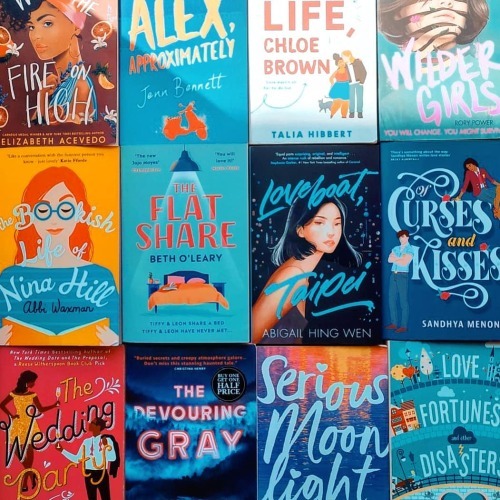
Obsessed with these book covers


Obsessed with these book covers
Obsessed with these book covers
April 16, 2020
There is nothing to writing. All you do is sit down at a...
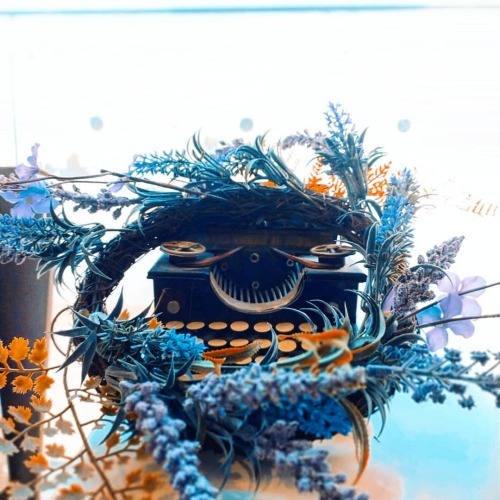
There is nothing to writing. All you do is sit down at a typewriter and bleed. -Ernest Hemingway
April 15, 2020
Happy release day to this Titanic mermaid novella today, on the...
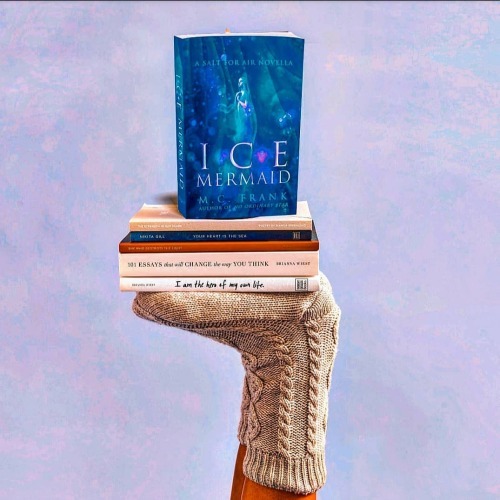
Happy release day to this Titanic mermaid novella today, on the anniversary of the great ship’s sinking
April 11, 2020
mcfrankauthor:
Every Wrong Right by M.C. Frank is a new book...

Every Wrong Right by M.C. Frank is a new book and it descended on the world of books on April 7th.
What is it about?
Girl disguised as a boy tries to assassinate Robin Hood, but falls in love with him instead. Survival: doubtful.What can I find in it?
owlmylove:pls drink a lot of wine and be extraordinarily well read and buy too much perfume and...
pls drink a lot of wine and be extraordinarily well read and buy too much perfume and write a few too many love letters and spread affection and poetry wherever you go
April 9, 2020
mcfrankauthor:
Every Wrong Right by M.C. Frank is a new book...
Every Wrong Right by M.C. Frank is a new book and it descended on the world of books on April 7th.
What is it about?
Girl disguised as a boy tries to assassinate Robin Hood, but falls in love with him instead. Survival: doubtful.What can I find in it?
Every Wrong Right by M.C. Frank is a new book and it descended...
Every Wrong Right by M.C. Frank is a new book and it descended on the world of books on April 7th.
What is it about?
Girl disguised as a boy tries to assassinate Robin Hood, but falls in love with him instead. Survival: doubtful.
What can I find in it?
Dialogue Puntuation
– Here’s a quick guide to punctuating dialogue in your story, since quite a few of you have expressed confusion surrounding the subject. A question about this subject was asked by @sakurahiwatari and I decided to make it into its very own post. Happy grammar-ing!
New Speaker ~ When there is someone new speaking, start a new paragraph. Always.
Multiple Paragraphs Of Dialogue From One Speaker ~ Sometimes there are multiple paragraphs of dialogue without a pause from a single speaker, so to punctuate these paragraphs, end each one with a terminal mark before continuing onto the next. Start the next paragraph of continuing dialogue with a new quotation mark, but don’t add one to the end of the last to let the reader know the speaker isn’t finished, or they’ll assume it’s somebody else and get confused.
Paragraph With Multiple Lines Of Dialogue ~ Insert your dialogue tag of choice or description of action following the first sentence, then continue with what the current speaker is saying. There are exceptions, but this helps the reader keep track of who is saying what.
Names In Dialogue ~ If there is a name in a piece of dialogue, or a nickname for that matter, enclose it with punctuation. If it is at the beginning or end of a sentence, put a comma between it and the rest of the line. If it is in the middle, put a comma before and after it.
Elipses ~ Use this when a character trails off. Don’t overuse this though. It truly shouldn’t show up very often and get’s quite distracting to the reader’s own narration when it keeps popping up.
When The Speaker Is Interrupted ~ Use an em dash where the speaker is interrupted, then where they continue their line.
When The Speaker Is Cut Off ~ Use an em dash, then close the quotation. This is mostly used when the speaker is cut off right in the middle of a word, such as “help m—” or “enou—”.
Quote Inside Dialogue ~ When a speaker is quoting someone or something else, the part they’re quoting should be enclosed in single quotation marks (”He is weak. ’Stop it son, stop it!’ Right, not doing that.”). When the single quotation marks end or begin next to the double quotation marks, put a space between them.
Dialogue Stopped By Action Or Thought Instead Of Dialogue Tag ~ When dialogue is interrupted to describe what a character is doing or narrate what a character is thinking, you pause the dialogue without a terminal mark, enclose the action or thought between two em dashes, then continue. For instance: “You wanted a ring”—she played with the little loop on her finger—”but you never cared enough to ask for one.” This rule applies to narration interrupted by action or thought as well.
Questions In Dialogue With A Dialogue Tag ~ The question mark is enclosed in the quotation, the dialogue tag is not capitalized because it is part of the same sentence.
Dialogue Interrupted By Dialogue Tag ~ Commas go at the end of the first quotation and at the end of the dialogue tag. This applies to splitting the dialogue into two sentences, but the dialogue tag would end with a period and the second sentence would begin with a capital letter.
One Line With A Dialogue Tag And Action ~ Dialogue is within quotation, tag follows and is separated from the action by a comma. This is also the case when the action and dialogue tag come before the dialogue, but the dialogue tag is always between the action and dialogue.
When A Dialogue Tag Is Before The Dialogue ~ A comma is put outside the quotation, between it and the tag.
Dialogue Tag After Dialogue ~ Line ends with a comma, then quotation mark, then dialogue tag, uncapitalized. This is because it is all one sentence.
Single Line Of Dialogue, No Tag Or Action ~ Line ended with terminal mark inside of quotations.
Direct & Indirect Dialogue ~ Direct dialogue is when someone is speaking, indirect dialogue is when someone is described as saying something. Indirect dialogue doesn’t require quotation marks, and an example would be: She told him that she was sorry.
If you want to learn more and get more detail about punctuation in dialogue, here is a helpful article where I got a lot of my information.
Support Wordsnstuff!
If you enjoy my blog and wish for it to continue being updated frequently and for me to continue putting my energy toward answering your questions, please consider Buying Me A Coffee.
Request Resources, Tips, Playlists, or Prompt Lists
Instagram // Twitter //Facebook //#wordsnstuff
FAQ //monthly writing challenges // Masterlist
April 7, 2020
10 Ways to Jerk Your Reader Out of Your Fantasy World
Use a modern word in a medieval fantasy.
Modern feminism transported back in time. (Lots of kinds of feminism in lots of time periods.)
Modern politics in the future.
Pontificating characters when action should be moving forward.
Sexiness when we should be planning for battle.
Revealing your ignorance about how gravity and other basic principles of physics work.
No other languages in your fantasy (sf) world. (Ditto other cultures, myths, religions)
Megapowerful beings who intervene to protect humans just when things turn for the worse.
Changing your rules of magic when it is convenient to the plot.
Characters who believe in everything that modern people believe in, and who sneer knowingly at the common misconceptions of the past.
this tho


