Patrick O'Duffy's Blog, page 20
September 23, 2012
Pension Day
Hey, remember last week when I dropped some flash fiction on you?
Well, the fiction train continues to roll out of the station this week, with the release at Smashwords of a new short story, ‘Pension Day’, which is TOTALLY FREAKIN’ FREE to download in whatever format you desire!

(As usual, the MOBI and EPUB versions on Smashwords are good, but the PDF doesn’t include the cover; I’ll do my own PDF version and put it on the Downloads page in a couple of days.)
‘Pension Day’ is… well, I pitched it as a crime story, and it is about a criminal and his enterprise, but there’s also a bit of horror and suspense in there. It’s pretty nasty stuff, in its own way, but hopefully some of you little droogies like that sort of thing. If you do, I hope this story works for you! Feel free to tell others about it, to send the file on to potential readers, to share it to your heart’s content and to spam social media with your wild, unrepressed love for my genius. (Ditto for any of my free downloadable stories, of course.)
For the curious, ‘Pension Day’ is pretty damn new, written only a couple of months ago. I wrote it as a submission for a local crime fiction project, but the editors passed on it – which is perfectly cool and not something that bothered me. So I thought I’d submit it to some other avenues, but to be honest I couldn’t think of any, and didn’t have the time (or, to be honest, the inclination) to do the research. So this piece was gathering virtual dust on the hard drive for a while, and last week I decided that it would be better to release it into the wild than just forget about it. Which is a decision that I imagine more and more short fiction authors make these days; you might not make any money from a epub story like this, but at least it’s out there and doing its job (entertaining readers), and that may be more important than getting fifty bucks for it.
Or I could just be lazy. Always a possibility.
So that’s two short stories on two consecutive Sundays. Can I make it three for three? No promises, but let me see how the next few days pan out – because there’s a short piece about a certain Kendall Barber that I’ve started writing…
–
[image error]In other news, my Freeplay panel was today and it was great fun! Our ‘Sex and Death’ panel looked at how those themes are treated in video games (short answer: not that well most of the time), why those themes appeal to us, whether ‘mature themes’ had to mean ‘darkness’ and how indie game developers might approach those themes in different, more creative ways. We didn’t get to cover all the ground we might have liked – it’s more difficult to discuss ways of approaching sex and sexuality in games than it is to discuss death and/or violence – but the audience seemed engaged and the Twitter chatter was primarily very positive.
So that was terrific, and the capstone of what’s been a big festival-involvement year for me. I wonder if I’ll do more next year. Time will tell.
–
In other, other news, this racking cough that I’ve had for two weeks CAN FUCK RIGHT OFF.


September 16, 2012
Flash fiction – Murder, She Rocked
The coach pulled into a rest stop so Those Assholes (they’re a band) could stretch their legs, and that’s when they discovered that Izzy, the drummer, had died at some point in the night.
‘Far fuckin’ out,’ said Tombstone Pete. ‘This is some heavy shit for Izzy to pull, y’know?’ As lead singer, Pete was prone to a) blame other people for messing up, and b) be fucked up pretty much all of the time.
‘Someone cut his head off with a sharpened cymbal,’ said Zeandra (bass and ironic tattoos), ‘so I don’t know if it’s fair to blame Izzy for being murdered.’
‘Yeah, well, you always stick up for him’, sulked Pete. ‘Maybe if you weren’t banging him you’d admit that this is totally his fault.’
‘Guys, guys, come on,’ said YOLO Tengo (keyboards and mediation). ‘Can we maybe agree just this once to focus on what’s important, which is getting to LA for this gig? Once we’re back on the road we can work out who murdered Izzy.’ After some muttering and grumbling and tequila body shots, everyone agreed that YOLO was right (sigh, like, again) and they got back onto the coach and then back onto the highway.
Lead guitarist Gar Artfunkel was the first to speak up. ‘I put it to you,’ he said, ‘that the murderer is someone on this very coach.’ Which would have been more impressive if he’d said it louder, or while facing the rest of the band, or in English, but in his defence Gar was really freakin’ drunk.
‘What did you say, Gar?’ asked Lisa-Marie Presley (rhythm guitar, real name, total coincidence).
‘Tämä hyvin valmentaja,’ muttered Gar in bad Finnish before falling asleep.
‘He’s right,’ said Zeandra. ‘Izzy was alive when we left Portland yesterday, and no-one else has been on the coach. One of us must have killed him.’
An ominous chord hung in the air. ‘Sorry,’ said Lisa-Marie, and put her guitar away.
‘I still think he just did it to fuck with us,’ Tombstone Pete said sullenly.
Zeandra held up Izzy’s severed head to face Pete. ‘Say that to his face, Pete’, she said, shoving the head at him, ‘Say it to his face!’
Tombstone Pete turned away. ‘Jeez, fine, don’t have to make such a big fuckin’ deal about it, so he was murdered.’
‘But it still couldn’t have been one of us,’ said YOLO Tengo. ‘None of us would have killed him.’
‘You were always threatening to kill Izzy,’ said Lisa-Marie. ‘You said just yesterday that you hated him and wanted to see him dead!’
YOLO turned red. ‘Okay, yes, that’s true,’ he said, ‘but I couldn’t have cut his head off with a cymbal. You know I can’t bring myself to touch a drum-kit, not since… since The Incident.’
No-one said anything. The memory of YOLO’s drum-related shame was still too fresh.
‘Look, no matter who killed him, we have a gig to get to,’ said Lisa-Marie. ‘We need another drummer.’
‘And we need to do something about the body,’ said Zeandra.
There wasn’t any time to stop again before the gig, so while YOLO called ahead to the agent to arrange a replacement drummer, Tombstone Pete conducted a funeral for Izzy at the back of the coach. ‘Viking style, yeah,’ he told the group. They all bowed their heads and relived their fondest memories of Izzy – doing coke with the Stones, doing coke with the Peppers, doing coke at the Lilith Festival, trying to do coke when there wasn’t any coke and just snorting Pepsi instead until one of his eyeballs turned black.
Good times. Better times. Times when Those Assholes were more than just a band; they were a family.
Then they drenched the corpse in butane and lit it up. Izzy’s body slowly burned to ashes, along with his drum kit, his signed photo of Hulk Hogan and half the seats in the coach. The black tour bus continued to cruise down Highway 5 to Los Angeles, smoke streaming from the windows, real flames licking at the ones painted on the sides, and the last bodily remains of Isaac ‘Izzy’ Molkowicz drifting off on the Californian breeze to get recirculated into the airconditioning systems of passing SUVs.
As the fire died down and the sprinkler system kicked in, the mood of Those Assholes turned tense once again.
‘Maybe Lisa-Marie killed him,’ said YOLO.
‘That’s impossible,’ said Lisa-Marie. ‘I’m a Buddhist and a vegan.’
‘Yeah, but you killed that guy in Winnipeg,’ YOLO said, ‘and those two dudes in Chicago.’
‘Why do you always have to bring up Chicago and Winnipeg?’ Lisa-Marie sobbed. ‘That was different!’
‘I don’t know how any of us could have killed him without someone else noticing,’ said Zeandra. ‘This is some impossible locked room shit.’
‘I’ve got it!’ yelled Tombstone Pete, so loudly that everyone else screamed and the coach nearly drove into a billboard. ‘I know who killed Izzy!’
‘Who?’ said Lisa-Marie Presley.
‘Who?’ said YOLO Tengo.
‘Who?’ said Zeandra.
‘Hmm? What?’, said Gar Artfunkel, who had been woken by the noise.
‘Ghosts!’ exclaimed Pete. ‘Invisible killer Highway 5 ghosts!’
It was the only possible explanation. ‘Nice work, Miss Marple,’ said Zeandra. ‘We’ll get a press release out tomorrow and tell his family. Now let’s ROCK AND ROLL!’
And so they did.
Oh, and it was the coach driver who killed Izzy. Midnight cymbal frisbee game, total accident. He felt really bad about it afterwards. Especially once Those Assholes set fire to his fucking coach.
–
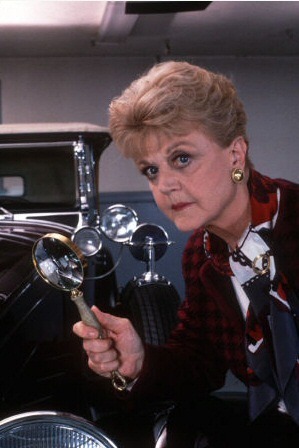 As usual, you can blame Chuck Wendig (see image to the right) for this one, thanks to his current Flash Fiction Challenge. This one involved picking three story aspects from lists of ten, and while it would have been fun to use a randomiser, the appeal of setting both a murder mystery and a funeral within a vehicle on the highway struck an instant chord.
(I could have had them all as separate events, but where’s the sport in that?)
As usual, this gets added to the list of stories that will become the cheapo anthology Nine Flash Nine, available once I have nine good flash stories to stick into a single EPUB file. Surely that will happen any day now.
And that’s all I have time for tonight, folks; I’m still feeling pretty lousy, and I think I’ve done well to knock out a flash story today rather than spending the day in bed coughing and watching Doctor Who reruns.
I do it for you. Always for you.
September 13, 2012
Far added agreeable
Some words of wisdom from a spam comment trapped lovingly by Akismet:
Thank you for the auspicious writeup. It in fact was a amusement account it.
Look advanced to far added agreeable from you! However, how can we communicate?
Indeed. How can we communicate? If only we could add our agreeable, perhaps then our writeups would at last be truly auspicious.
I can but dream that one day we can come together, humans and spam, to make a better tomorrow.
But that day is not today, or indeed tonight, ‘cos I’m not feeling well.
So I’ll leave you with that thought – and with a link to the second part of my massive conversation about books and writing with Hugh Grimwade – and then go back to bed.
Goodnight.
Look advanced.
September 10, 2012
Rekindled
So the big news this week… well, okay, there were lots of big news items this week, good and bad, and the following doesn’t really qualify. I’ll start again.
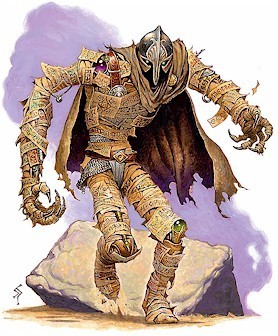
So the news this week that’s only of interest to a limited number of people (God bless you one and all) is the announcement of new Kindle models from Amazon, including bigger, better, 142% more awesome versions of the Kindle Fire that still can’t be bought or used in Australia, and the Kindle Paperwhite that features integrated front-lightning for better visibility and a portmanteau name that sounds like some kind of 4E Dungeons & Dragons monster.
Plus, if that’s not exciting enough, there are new Kobo tablets coming out (which presumably can be used in Australia), new mini-iPads that have e-reader apps and the iBookstore, and presumably a system where an adorable kitten follows you around and projects a book from its luminescent eyes onto the nearest wall for your reading pleasure is just weeks from a beta release.
The upshot is this – more ereaders, more ereader-readers, more ebooks, something something, I get all the moneys and Hugos. Well, okay, probably not that last bit. But for all us writers and readers that embrace the E, our numbers are growing and will continue to grow as hardware gets better and cheaper. Yay!
So what does that mean in terms of the way we read books, the way we approach reading books? Do ebook readers have different habits, desires and needs than regular book readers? Does the Kindle change our very nature as human beings?
Well, maybe not. But speaking as someone who’s owned a Kindle for about 6 months, it’s definitely affected the way I approach finding and reading books, largely in three ways:
Impulse buyer is me
 It used to be that I bought maybe 4-5 books a year, if that. For a long time I’ve only purchased books that I’ve known (or been very sure) that I would like, and that I would either read more than once or want to lend to friends. For everything else, I would hit up one of the three library networks where I’m a member and borrow what I wanted.
These days? If it’s priced anywhere up to about $3, I’ll grab nearly any damn ebook that hits my eye, even if I have no idea what it’s about. If an author spruiks a sale or special or giveaway on Twitter then there’s a good chance I’ll just grab it on the chance it’s good – and if it’s a freebie, I won’t even care about that. Sure, I end up leaving many of those books fallow in the Kindle’s memory for weeks or months until I remember they’re there, and I delete some of them within four pages ‘cos they’re terrible, but the important thing is that they got my money.
If an ebook is somewhere between 3 and 6 dollars, I’m not quite as impulsive; I’ll hem and haw and think about it and then I’ll buy it anyway because fuck it, it’s five bucks, and you can’t even get drunk in this country for five bucks. (You can in Fiji, if you’re curious.) It’s only when we start heading towards the ten dollar mark that the brakes kick in and I start thinking ‘well, maybe this is a library book after all’. And then if it’s from an author I really like and want to support there’s a pretty good chance I’ll get it. But probably not right away.
 More judgey than ever
You might think that getting so many books so cheaply, my standards would relax to accommodate different levels of ability, formatting and editing, especially for those plucky independent authors much like myself.
And you would be wrong, because THE IMPERFECT MUST BURN.
If anything, the recurring issues of formatting and layout that pop up in many ebooks – random italics, too-small fonts, unclear paragraph separation – annoy me more than ever, because I know that they’re fixable, and obvious, and it means the publisher hasn’t bothered to go through the finished file to check the details and make corrections. It says to me that they don’t respect the e-market, and in turn I find it hard to respect them back. So flaws that I might ignore in a printed book – because printer errors happen and they’re not the publisher’s fault – rankle me much more in an ebook that can be instantly repaired if someone gave a fuck.
(If you’re thinking ‘well fuck, man, your ebooks aren’t perfect either’, you’re right, and I need to do more to improve them. When I do I’ll let y’all know.)
And, of course, I give up on a book if it’s badly written. But that goes without saying, surely.
Goodbye attention span
[image error]I’ve always been one of those people who would have 3 or 4 or 8 books on the go all at once, reading one for a bit and then switching to another. The Kindle amplifies that tendency one billionfold, because at least in the old days I’d normally only have one book (okay, maybe two) with me at a time. Now I have 30-plus with me all the time, and as soon as I start reading one I begin thinking ‘maybe I should read something else’ and I can and I do and oh god I have a problem.
So yeah, I find it really hard to stay on track to read one book at a time, even when I really enjoy the book in question. I’m not sure this is a bad thing, because the writer still gets paid and I (eventually) still read the book. But on the other hand, skipping between books willy-nilly like a meth-addled toddler in the kindergarten library makes it hard to maintain a constant grip on what I’m reading, which makes it harder to consider and review it at the end. And as we know, I think reviews are a Good Thing.
–
Okay, so what?
Well, working from the entirely warranted assumption that every ebook reader is EXACTLY LIKE ME, it seems to suggest that they’re folks who snap up books on impulse but don’t get around to reading them until later, that they read many books at a time and will jump from one to another at the drop of a hat, that they are quick to anger and slow to forgive (or maybe that’s wizards, I forget) and that they like books that are less than five or six bucks.
So should writers work towards that market? Should we write ebooks that are inexpensive, that compartmentalise easily, that can stand being picked up and put down again, that have OMG KEEP READING hooks every 2-3 pages?
Well, um, that’s kind of what I am writing or trying to write, more or less by coincidence.
But no, I don’t think we should do that; I think we should write the books we want, the way we want, the length we want, and put them out at the price we want. I think we should make them as good as we possibly can, both in content and presentation, so that readers should keep coming back once they’re read something else for a bit. I think we should be aware of buying habits and price books at a level that reflects their quality but doesn’t discourage readers.
And I think we should accept the horrible fact that even after someone buys your book they may not finish reading it for months or even years – so you’re possibly not going to get reviews and word-of-mouth sales quickly. And all you can do is shrug and accept it and keep going. Because with luck, they’re tell you you’re great eventually. Before the stars grow cold.
–
In other news, I’ve been feeling the occasional urge to write about roleplaying stuff, but I don’t feel that this blog is the appropriate place for it.
So I’ve set up a Tumblr called Save vs Facemelt, which I’m going to use to post occasional thoughts, reviews and hilarious bon mots about gaming, as well as meeting the quota of animated GIF traffic that you have to agree to under Tumblr’s terms and conditions.
I’ve kicked it off with some entries about Evil Hat’s upcoming Atomic Robo RPG, which we playtested last night (which is why this Sunday night blog post is coming out on Monday night). Go check it out if you’re interested and simply cannot get enough of me.
God knows I can’t.
September 6, 2012
Spring has sprung and I have too
Holla folks,
It’s going to be one of those annoying broundup-of-stuff-I’ve done-or-am-going-to-do posts, because I’ve been busy being AMAZING WRITER GUY lately, in that way that you can be AMAZING WRITER GUY without doing much in the way of actual writing.
You know, like this guy.
What have I been doing?
I was a guest on the Romance Writers of Australia email list for a few days, answering questions about ebooks because people keep asking me such things. That was great fun! The email format gave me room to explore answers in more depth, and the questions pushed me to do some reading and research so I could get things right. Romance writers are great to work with; they’re really focused on the business of writing while still loving their genre and their stories. If only my heart wasn’t a lump of coal.
On the subject of ebooks, I had a bit of a chinwag with the guys at The Crime Factory about Kindle formatting and file conversion. They paid me with beer. I heartily endorse the alcohol-based economy that is at the heart of the small press publishing industry.
 There was the Melbourne Writers Festival! But I didn’t really attend, because writers’ festivals of this kind don’t do a lot for me. I made an exception for Twelfth Planet Press’ launch of their Twelve Planets range of anthologies, which was great. It’s a terrific series, with work by an amazing variety of Australian writers including Margo Lanagan, Deborah Biancotti, Cat Sparks, Kirstyn McDermott and many others. Plus the launch included a reading by Jason Nahrung from his novella
Salvage
, which I’m very keen to read. Plus plus I got to say hello to people I’d met at Continuum and then drink Sam Adams in the downstairs bar.
There was the Melbourne Writers Festival! But I didn’t really attend, because writers’ festivals of this kind don’t do a lot for me. I made an exception for Twelfth Planet Press’ launch of their Twelve Planets range of anthologies, which was great. It’s a terrific series, with work by an amazing variety of Australian writers including Margo Lanagan, Deborah Biancotti, Cat Sparks, Kirstyn McDermott and many others. Plus the launch included a reading by Jason Nahrung from his novella
Salvage
, which I’m very keen to read. Plus plus I got to say hello to people I’d met at Continuum and then drink Sam Adams in the downstairs bar.I got royalty payments from both Amazon and Smashwords, plus a nice big tax refund, all of which makes me feel a bit better about writing. Well, the tax refund was because I didn’t do much writing this year, but let’s not quibble.
I made pulled pork in the slow cooker. It was pretty boss.
And I’m still trying to work out why someone stole our front gate.
Have I been talking about myself?
Fuck yeah I have.
I mentioned last week that I was on the Read@UTS site talking about crime stories with Sean Riley and Pam Newton. And now I’m mentioning it again, because it was a really fun interview.
But not as much fun as the massive interview that I’ve been working on with Hugh Grimwade for the last few months. We’ve been trading emails and bon mots for ages, and now that we’ve finally finished he’s put the first instalment up on his blog, where we talk about when you decide you’re a writer and what the hell that means in the times you’re not writing. This was a hoot and a half, and there’s something like 5000 words in the three instalments – so if you read this blog but think that it just doesn’t have quite enough talk about me, well, get you hither to Mister Grimwade’s pad.
Read anything good?
I read Volumes 4 and 5 of Locke and Key and the fact that I now have to wait for Volume 6 makes me want to scream and drink bleach in frustration. Jesus fuck, this series is so amazingly good.
I’ve just started Hari Kunzru’s Gods Without Men, and I mean that literally; I’m like four pages in. But so far they’re good pages.
There’s a very good review of The Obituarist over at Crime Fiction Lover. I read that a few times.
What next?
[image error]The big thing on my to-do list is this year’s Freeplay festival! I’ve attended this independent video games festival a couple of times, but this year I’ll be on a panel, talking about Sex and Death. Granted, I am not a writer or creator of video games, but I play them and have opinions about them and occasionally blog about when they say fucked-up things about gender and sexuality, so they asked me to come on the panel. I think I’m going to talk about Assassin’s Creed. Sort of.
Tomorrow night I’m going to the launch of Jay Kristoff’s new book Stormdancer, which is shaping up as the MONSTER hit of 2012. If you like your fantasy YA, Japanese-inspired, steampunk and really fucking well written, you need to read this book. And if you’re in the Melbourne CBD tomorrow night, the launch is at Dymocks. Come along! I’ll be the second-tallest guy in the room for once.
To fend off the tide of requests for an Obituarist sequel – it’s coming, I swear – I’ve started work on a stand-alone short story about Kendall Barber. No idea what to call it; I was toying with ‘Person of Pinterest’ but that doesn’t really work. Anyway, hoping to have that finished in the next couple of weeks, after which I’ll be giving it away COMPLETELY FREE on this blog and via Smashwords.
Also, playtesting the upcoming Atomic Robo RPG hells yeah this is going to be awesome DINOSAUR TO THE FACE

September 2, 2012
Why do we love the superhuman?
As our month of talking excitedly about superheroes winds to a close, I just want to take a moment to ask a final, simple question – what is it that attracts us to these stories, to the idea of the superhero? The success of The Avengers and the other Marvel films tells us that there is something engaging here; the fact that people tattoo their bodies with Superman and Batman symbols tells us that something powerful within these stories resonates deep within us.
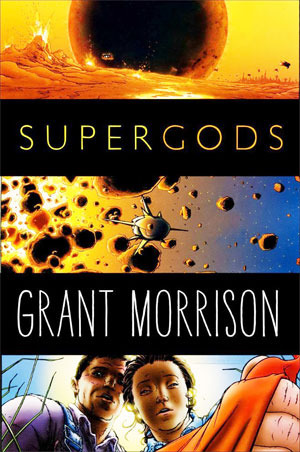 It’s a big question with big answers, and many have tried to answer it, including Grant Morrison in the uneven-but-nonetheless-interesting Supergods. (Quick review: the parts where Morrison tries to explore the concept of the superhero are better than the parts where Morrison tries to explore the concept of how awesome he is.) I’m certainly not the one to provide the last word.
But if you pressed me on it – or if I had to write a blog post on the subject to finish up my month of talking on the subject – I’d say that there are five aspects to good superhero stories, five things that light the fire in our blood and make lightning quicken our pulse.
Spectacle: Nothing can match the colour, movement and raw kinetic energy of a superhero comic, although a good superhero movie or prose story comes close. It’s a genre of fantastic costumes, giant robots, gods and monsters on downtown streets, universe-in-the-balance battles and casts of thousands that still pick four or five dudes out as being The Ones to Watch. For raw visual captivation, there is truly nothing like it.
Possibility: All that spectacle comes into play by offering a world/universe of unlimited possibility, a place where nothing is off limits. Superhero stories can offer up sentient worlds, men made of fire and lightning, battles inside the Id, legions of time-travelling posthumans, subatomic cities of octopus people, dragons, Jesus, I don’t know, everything. Everything. Superhero stories blow the lid off, and when they do it right you never stop to think that there had been a lid there in the first place.
Action: There is a place for introspection, discussion and philosophy in a superhero story. That place is after the end of a big-arse action scene, with the explodings and the eyebeams and the robot-on-robot, oh yes. This is a genre of action, which is why Action Comics came first. That doesn’t have to mean fighting and it certainly doesn’t have to mean killing or explicit violence; action can be all ages and still effective. But it’s a genre built on conflict, on striving and on actively overcoming obstacles, and all the visceral thrill that provides.
Themes made manifest: Batman is a reaction to madness, and so he fights villains that personify types or aspects of madness. Spider-Man is an animal avatar, and so he fights villains that personify various animals. Wonder Woman is an embodiment of feminine power, so her villains seek to corrupt, capture or question that feminine power in some way, usually in a way that lets her hit them in the face with a bus. Superhero stories take the themes and underlying questions of a premise and make them real entities, so that the moral questions of good and evil or principle versus necessity can be about galactic-scale entities or two people in funny pyjamas, and the conflict becomes real and understandable and immediate. And there’ll be punching.
Heroism: And in the end, this is what separates the genre from fantasy, SF, pulp adventure and others – the sense of an underlying moral order to the stories, a world where there is right and wrong. Even when the line between the two is fuzzy, the line is still there somewhere, and stories revolve around the need to defend what is good from what is bad. For some people, that kind of underpinning is simplistic and trite and drives them away. That’s cool. For me, and for many, many others, it makes these stories about something that matters.
When superhero stories are badly done, they tend to only focus on spectacle and action, and so everything is a big fight scene full of robots and guns and grimaces and thigh pouches and shouting and oh goddamnit Rob Liefeld just jizzed on my foot.

But when they’re done well, when they compress an entire technicolour universe down to two dimensions and 24 pages, when they capture the beauty and excitement of things that cannot be, when they give us something to dream about and maybe even aspire to in some way… well, then those stories are wonderful.
In every sense of the world.
–
That’s it for Superhero Month, folks. Have you had fun? It’s been a really interesting exercise for me – a chance to write a variety of lengths/styles of posts on the one topic, speak to something I don’t usually focus on and plain ol’ geek out about how much I love dudes in spandex.
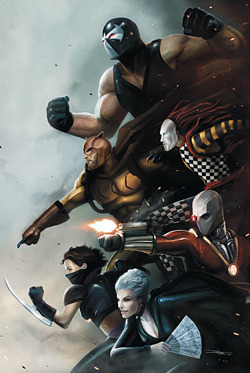 It’s also been a disaster as far as getting actual goes-into-a-book-someone-pays-to-read writing, though. I got absolutely nothing done this last month, not a single word on any story or creative project, because every time I had the energy and opportunity to write, I wound up working out a 1000 word essay on why Secret Six was so damn baller.
Hang on, wait, I didn’t write that one. Damn. Look, just go read Secret Six already, okay?
That said, this isn’t the last time I’ll come back to this particular topic; I’m still writing Raven’s Blood (or going back to writing Raven’s Blood, to be more accurate), so YA fantasy superheroics will be a going concern for the next few months. And I still have a few post ideas in my head or half-written, including a big long diatribe on how not to write comics that I simply couldn’t be fucked finishing tonight. (It’s long and shouty and a bit draining to write.)
So anyway, huge fun, worth the time, but not something I can repeat too often, because I need to put some energy back into my fiction. If (when) I do another month-long special on another topic/genre, it’ll be after I put the next book to bed and need to change things up for a few weeks without feeling too guilty about neglecting my Very Important Art.
Now if you’ll excuse me, I’m going to spend the rest of the evening reading the playtest files for the Atomic Robo RPG.
PRIORITIES.
August 30, 2012
Six-pack of power
Okay folks, I know I’ve been slack on the posts lately, but this week has been CRAY CRAY and I have to shoot up to QLD tomorrow morning for meetings and liquor and stuff. There’ll be a long post on Sunday – well, probably – well, maybe – but I don’t have time to finish it tonight.
So as Superhero Month slouches towards Bethlehem, here’s a very, very quick roundup of six superheroic things you should check out if you haven’t already.
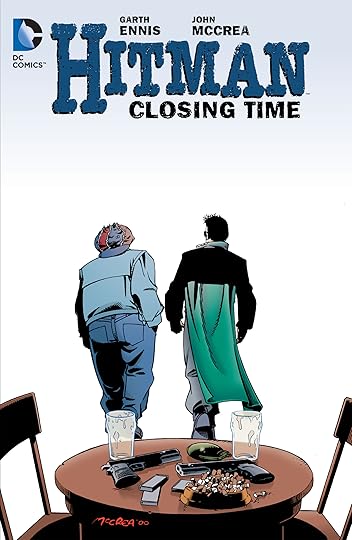
Hitman: The last volume of Ennis and McCrea’s DC series from the nineties finally got released this month. Hitman was one of DC’s best – a smart, funny, moving tribute to hitman movies and stories with occasional appearances by zombie penguins. If the ending doesn’t make you cry then you are a soulless monster.
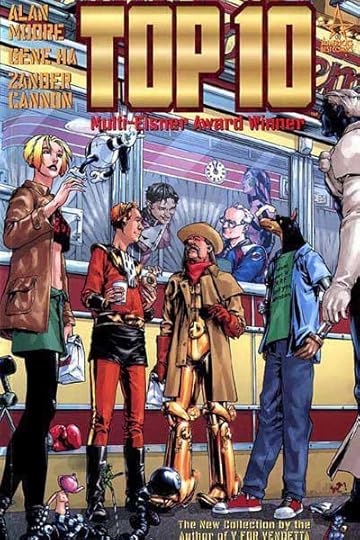
Top Ten: Alan Moore proved that despite being a hairy pessimistic curmudgeon with no faith in human nature, he could still write one of the most fun, engaging superhero stories ever, the story of a precinct of super-cops in an impossible cross-genre city populated solely by superheroes. And Gene Ha’s art is, as ever, incredible.
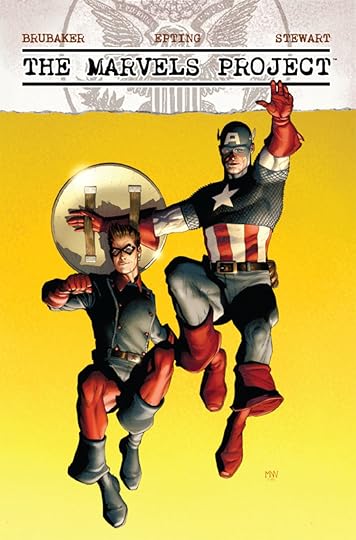
The Marvels Project: This side project from the Captain America team of Ed Brubaker and Steve Epting explored Marvel’s World War II history, with equal parts retelling of existing tales and bringing in new ideas. It’s a nice, thrillerish take that still has room to be a stirring war story, and I do love me some Angel (not the X-Men one, the cool vigilante with a moustache one).
Knight and Squire: The side characters from Grant Morrison’s Batman stories get their own miniseries collection, showing a very British side to the DC Universe that’s mostly built on 1970s pop culture references and jokes that Americans aren’t supposed to get. But if you know about The Goodies and The Beano, then Paul Cornell and Jimmy Broxton have a great superhero comic for you.

Seven Soldiers of Victory: What the DC Reboot should have been. A tour-de-force of mad ideas and ambition from Grant Morrison and various artists poking at all the corners of the superhero genre, and the way the world can reshape itself around them, to stitch together a patchwork quilt of awesome. Frankenstein lives.

Avengers: Earth’s Mightiest Heroes: I’m finally getting around to buying this cartoon series on DVD, having seen a handful of really engaging episodes the last time I was in the US. Looking forward to it.

–
Also, as an aside, you can find me on the Read@UTS blog right now, talking with Sean Riley and author Pam Newton about detective and crime stories. This was a super-fun interview and it helped me sort a few things out in my head about the genre. Go check it out!
And with that, I gotta go pack.
August 27, 2012
Superprose!
Hi folks,
I know I keep saying I’ll write short posts, but it’s painfully obvious that even my short posts are far too long. And when I actually set out to write a substantial piece – like the one I’m working on now – it’s easy to clock in at 2000 words.
But this is actually a short post, partially because I’m knackered, partially because I’m hoping you will do the work for me in the comments.
Tonight’s topic: superhero prose fiction! What’s out there? What’s worth reading?
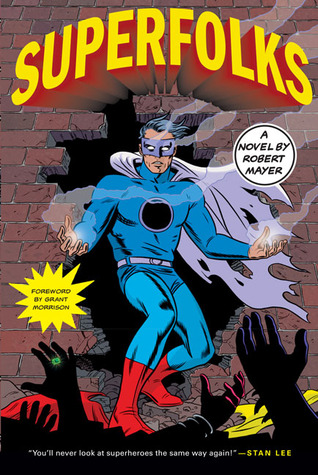 There have always been superhero novels out there – well, ‘always’ isn’t true, but certainly since Superfolks in the 70s and the Wild Cards series in the 80s – but there’s been a definite increase in the number of them on the market in the last few years. Obviously there are plenty of DC/Marvel novelizations and tie-in stories out there, most of them for young readers but a few for grown-ups (Greg Rucka’s Batman: No Man’s Land novel is one of the best of them), and now there are a lot more to choose from.
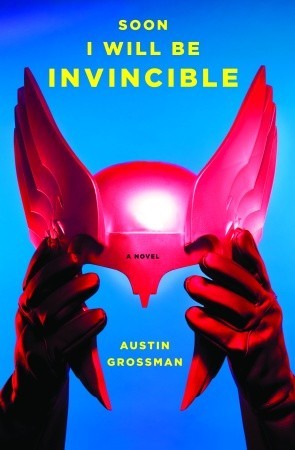 I’ve read a few of these books, good (Soon I Will Be Invincible), mediocre/uneven (the Masked anthology) and bad (Black and White). And I’ve had the chance to read Greg Stolze’s new work-in-progress, which is going to smash people’s faces in with awesome when it’s published. But I’d like to read more. Checking out the usual sources of lists (Goodreads, Wikipedia and Amazon) throws up a bewildering number of titles, with little to guide me in the way of quality.
So I’d like to put the question to the group. Have you read any of these? Are there any that have been missed? What was worth the read? What was terrible? Any thoughts on why superhero prose always seems to have a deconstructive element? (I have some ideas on that one, but I’m tired; maybe I’ll write on that another time.)
The mic is yours. Step up and share your findings on Alpha-Man’s secret identity with the class!
August 25, 2012
Quick recommendation – WAR ROCKET AJAX
I plugged Kieron Gillen’s podcast Decompressed earlier in the month, and I’m liking it a lot. But it’s not my favourite comic podcast, or indeed favourite podcast full stop.
That honour (I should have an award graphic) goes to War Rocket Ajax, the world’s most destructive comics and pop culture podcast, which is the highlight of my listening week.
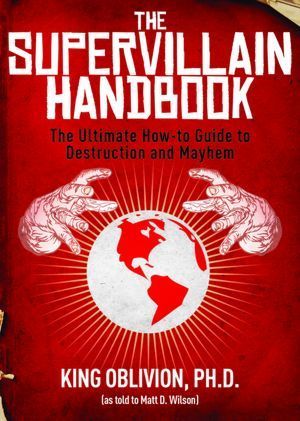
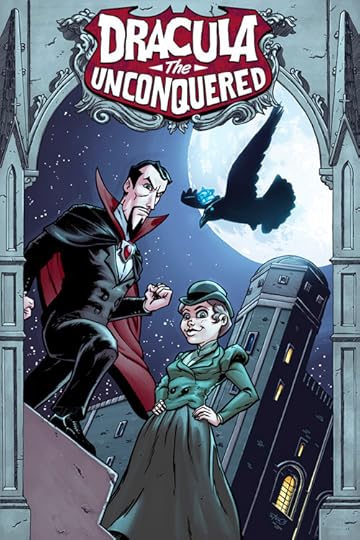
WRA is hosted by Chris Sims and Matt Wilson, comics journalists and humour writers in the service of Comics Alliance. They are smart, funny guys in print and in pod, and both good indie prose/comics writers to boot. Wilson writes the webcomic Copernicus Jones and the recently released Supervillain Handbook (which I just bought for my wife); Sims has a number of free e-comics at Action Age Comics and has released two issues of the super-cheap (and really worthwhile) e-comic Dracula the Unconquered.
 So they can walk the walk when they have to, but the main point of a podcast is to talk the talk, and they’re great at that too. A typical WRA episode has recommendations of stuff they’ve seen/read/played, reviews of 3-4 recent comics (usually superhero stuff), an interview with a comics creator (usually either an independent creator or one of the writers at Marvel), complete with questions from fans on Twitter, and then some general fuckin’ about to close things out.
Perennial topics include video games everyone else played 4 years ago, nerdcore music, the beat poetry that is Thrasher Magazine, the awfulness of Geoff Johns’ Justice League and the joys of Carolina barbecue, which inspired me into cooking pulled pork for the first time today. (It should be ready to eat about an hour after I post this; I’ll let you know how it turns out.) More than anything else, both these guys recognise that superhero comics should be fun, even when they’re sort-of serious, and that’s the lens through which they judge, enjoy and recommend stuff.
And when Nichole and I got married, they gave us a shout-out for the event. That made us pretty happy.
 WRA’s been going for a while, but it’s pretty easy to jump right in wherever you like. A good hook is to scroll back through the archives until you find an interview with a creator you like. Two of my favourite episodes are the Dan DiDio Employee Evaluation (part 1 and part 2), which rip into the DC Co-Publisher’s list of his favourite projects; it’s a smart, critical look at those titles and what they say about DC’s current approach to the genre and the business of comics publishing.
Or just listen to last year’s Christmas episode, with guest starts Matt Fraction (writer of Iron Fist and Hawkeye) and nerdcore rapper Adam Warrock, where the four of them analyse the songs on the Insane Clown Posse/Psychopathic Records album Holiday Heat. I nearly blew a blood vessel in my head within the first 10 minutes of this episode from laughing, and it just ramped up from there. The editors in the adjoining desks probably thought I was having a seizure. It’s fucking funny, is what I’m trying to tell you.
War Rocket Ajax. Ask for it by name. Check it out. Download the destructiveness. Tell ‘em I sent you.
August 24, 2012
Roll to hit Galactus in the purple helmet
I am a superhero nerd, as you all know.
I am a roleplaying nerd, as you probably all know, and if you don’t then I’m sorry to spring it on you so suddenly like this.
 And I have explored the overlapping part of that Venn nerdagram for many years (oh Christ, it’s like decades), playing many a superhero RPG. If you meet me in a bar and get me really drunk, I may entertain you with stories of the Champions game I ran in the early 90s and how it drove me to hard drugs and despair. And I’ve played, run and read many more, from Aberrant to (erk) Super Squadron and everything in between.
Which brings us to the topic of tonight’s post, one that will interest only a few of you readers, certainly more than the wordcount can justify – the new Marvel Heroic RPG from Margaret Weis Publishing, which is kind of terrific and also a very interesting barometer of changing narrative styles in commercial superhero comics.
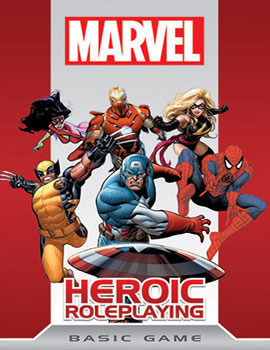 No need to explain the premise – you play Marvel superheroes and you fight Marvel supervillains in the Marvel Universe. I think we’re all clear on that. Dig into the system and you find a very interesting beast – a narrative game with little granularity that’s nonetheless got plenty of room for tactical play. It aims to emulate the flow and feel of comics, rather than provide any kind of ‘physics engine’; characters are defined very loosely and abstractly but with easily understood traits and significant customisability. A lot of gameplay hinges on directly engaging with the dice – adding more of them, making them better, spreading them among different targets and setting them up for future rolls. It’s all pretty abstract, which isn’t a problem if the players maintain a strong connection to the fiction and don’t start thinking about the dice first – but there’s nothing baked into the rules to help with that. On the other hand, manipulating dice pools is fun, both on a mechanical level and in terms of narrative and character.
But look, enough about the system; I could talk about that longer but I risk driving all y’all away to one of those more popular blogs. If you want to learn more about it, check some of the or download some of the free demo files. Go on, it’s fun. Let’s talk instead about the way it structures play to fit Marvel’s narrative style, specifically modern Marvel comics. Because those are different beasts to what we were reading when Villains & Vigilantes came out.
A key element is how strongly the game is married to its source license. You almost always play existing Marvel characters, rather than home-grown heroes, and you fight bad guys in customised versions of major Marvel storylines. The game allows for your own characters and plots, of course, but all the support is aimed at using Marvel properties, and any kind of tools to change that (like a character creation system, rather than just eyeballing things) come second or third if at all.
One underlying message is that to be a superhero fan is to be a Marvel fan, and to bolster identification with the company’s output. But the second core message is that the individual characters aren’t as important as the Marvel Universe itself. Players are encouraged to swap characters between stories, acts or even scenes, and the material often places more emphasis on locations and plot events than the characters in them. It’s the Marvel Universe that is the star of the game, with the players experiencing it through the lens of their characters, rather than the other way around.
And that strongly matches the modern MU, where big crossover storylines have become not just annual events but tools for major changes in direction, where some books exist just as ‘continuity porn’ to summarise and communicate those changes, and where readers discard comics because they’re seen as ‘not important’ in the lead-up to the next big event. Developing the setting is often (not entirely, sure, but often) more important editorially than developing characters and their personal stories, and Marvel MHR reflects this.
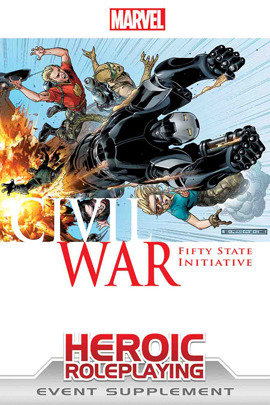
It also reflects it in its campaign model, which is based on existing storylines – Events, in game parlance. Rather than create their own stories, all the support is for exploring a major Marvel event (Civil War, Annihilation and Age of Apocalypse are the ones on the schedule). The material explores the Event through largely discrete scenes, nearly all of them based on specific comics from those crossovers. (And in the case of the Civil War supplement, making them into a better story than the actual comics.)

This is a huge departure from the traditional campaign models of pretty much every superhero RPG, or indeed every gaming group, which have been solidly emulating Claremont’s X-Men for something like 30 years – a broth of long-term plots, multi-session plots and character-focused subplots that move in and out of focus as part of an indefinitely-ongoing game with a high degree of player-PC identification and the GM solidly in the driver’s seat. Once again the focus is on the setting rather than specific heroes, and the play of events that are bigger than they are (one of the things that tends to distinguish from DC, where heroes are often bigger than events). The subtext is that exploring the setting and the Event is where the fun is, for both GM and players, rather than tying yourself to a single character or coming up with your own story scenes.
You can also see this in the presentation of NPCs; most get a paragraph of definition/description next to their rules, rather than the full-page write-ups that tend to be the norm in something like Mutants & Masterminds. The assumption is that you probably know who they are already, but it’s also that these characters aren’t meant to be used by GMs to create stories around them; instead, they’re tools to be slotted into the pre-developed event. They’re not interchangeable – the GM’s choices will matter – but the emphasis remains on bringing the Event to life, rather than creating original storylines.
 In case any of this seems overly negative, I want to say that it’s not – I really like the game and I think the change in narrative emphasis makes for fun play. There’s real attraction in saying ‘I want to be Wolverine and I want to fight Apocalypse!’, rather than just approximating those characters and stories. But it’s a big change from the gameplay that older RPGs encourage, and I think the key is that superhero stories have changed, and that the interests and expectations of superhero readers have changed – and Marvel MHR is the first RPG to change in accordance with that.
So anyway, it’s another overly long post that many readers will have skipped. If you made it to the end, take comfort in that I edited out a good 500 more words talking about specific systems and sourcebooks. And give Marvel MHR a whirl – it’s really engaging, well-produced and has an interesting stance on what elements matter in the superhero genre.
I bags playing Iron Fist. Or Daredevil. Or Iron Fist as Daredevil COME ON IT’S TOTALLY IN CONTINUITY