Patrick O'Duffy's Blog, page 18
December 30, 2012
12 plus one is 13
New Year’s Eve already.
Damn.
I meant to do more, I really did.
But at least I can finish the year with a commemorative blog post.

Ring out the Old
2012 was a pretty good year for me in a lot of ways. I got to speak/get involved with Continuum and the Emerging Writers Festival, I was able to provide advice and help to a few groups of writers on e-publishing, I got promoted at work and I went to Fiji with my wife. I wrote some half-dozen short stories. I reached 600 Twitter followers – that gets me some kind of award, right?
And, of course, it was the year of The Obituarist, which I published back in May. I was really happy with the way the novella turned out, the various places I got to go talk about it and the critical reception it received. Pretty much everyone who read it liked it, and that’s the fundamental aim for me and pretty much any writer.
But that critical reception hasn’t really turned into commercial success. As of today I’ve sold 135 copies of The Obituarist in its various forms, and gained about $230 in royalties, which means I’m still about $100 in the red from editing, design and marketing costs. While I was never under any illusions as to this book being a smash hit or making me rich, I can’t deny that I wish it had done better and that it was finding a wider audience. That may still happen, sure, but it’s a bit disheartening nonetheless. And that has, in turned, sapped away some of my energy and enthusiasm for the next project, Raven’s Blood, and left me dragging my heels through the manuscript. It’s a book that I think could appeal to a lot of readers, but if I have no more luck at finding them this time, is there a point in writing it?
…yes. Yes there is. There always is.
Any way you slice it, the good things about 2012 outweigh this one less-than-good bit. So rather than whinge about not being appreciated, I’m going to do what I can to break through that malaise, pull my finger out and generally get cracking on this book – and then come up with new ideas for getting the finished version in front of people.
Which is where next year comes in.
Ring in the New
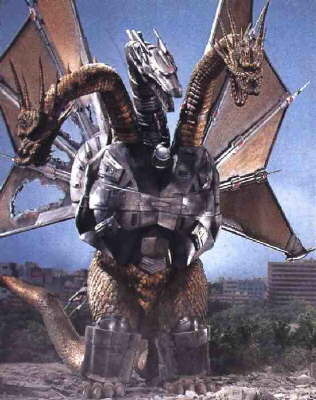 Since the Mecha-Oxlahuntiku did not in fact emerge from the long-buried Mayan Apocalypse Ziggurats to lay the world to waste during their kaiju ulama league games, we all now have to face the daunting prospect of doing something with our lives for the next 12 months (or even longer). And traditionally, we celebrate the New Year by acknowledging this and then resolving to do specific things.
The thing is, New Year’s Resolutions are bullshit, a way of setting vague goals that we’re then allowed to give up on a few weeks later because everyone else does. Couching your goals as ‘resolutions’ is just writing a ticket to failure.
Instead, decide on things you want to do – not feel you should do, want to do – and put the work into achieving them. Action, not resolution (which is probably a good tip for plotting as well).
So as this is a writing blog and the majority of the few readers are writers of some stripe, I’m laying down some goals for you to think about and take on board, just as I’m doing myself.
In 2013, I want you to:
Set aside a block of time every day or week (depending on circumstances) in which to write. That might be an hour, it might be the time it takes to write 1000 words, it might be the space between getting home and having dinner. Find a structure for your writing efforts and make it work for you.
Take that working structure and change it significantly. Try something different and see which approach was more useful.
Write a short story that you’re really happy with and then try to sell it to a journal/magazine/website or whoever else will pay you for it. And pay in actual money, not just comp copies or nudity exposure.
Write a short story that you’re really happy with and then just give it away for free. Compare how the two stories move through the readership and decide which approach made you more satisfied.
Ask someone to edit and criticise a piece of your writing (an entire work, not an extract). Get them to be as honest and constructive as possible and take what they say on board – think it over, then decide if you agree.
Edit and criticise someone else’s work, being as honest and constructive as possible. Work out what works and what doesn’t, and why, and make suggestions as to what might improve it.
Write something in a format that’s completely new to you – an epic poem, a screenplay, a graphic novel or something else. It doesn’t have to be perfect, but get outside your comfort zone and find out what the geography is like out there.
Go to a convention or festival that’s connected to your writing, whether in terms of genre, form or stage of development. Go to sessions and learn things. Ask questions. Have fun. Meet other writers and become part of a community.
Sleep with another writer – or, if that’s not appropriate given your current relationship status, convince your current partner to write something, then sleep with them.
I’ll be doing all of these things in 2013 – you can hold me to it – and ideally a lot more. And I’d like it if all of you came along for the ride.
Now, if you’ll pardon me, I gotta go get ready for a party.
See you on the flipside.


December 23, 2012
A Q-and-A with Tor Roxburgh
Earlier this year I was on a panel at the Continuum convention talking about small press and independent publishing. Another panelist was author Tor Roxburgh, who’d self-published her epic fantasy novel The Light Heart of Stone as a hardcopy book. And this news floored me, because I’d seen the book on display at other events and writing festivals and assumed it was from a well-established, well-funded independent press. But no, Curious Crow Books is one woman’s determined effort to publish her own work in the most polished, professional way possible and to manage the entire production process herself.
I was also impressed by how smart, likeable and canny Tor was, and by her willingness to not only discuss her own process but to ask questions and learn from others who are doing things differently, such as small presses and indie e-publishers. And on top of all that, I’ve read some of The Light Heart of Stone (although I haven’t had the time to do more than start it) and it’s a fine, thoughtful and (here’s this word again) polished work.
So with all that in mind, I decided to ask Tor a few questions about her writing, her aims and how she came to take on board all the weight of not just writing but publishing and managing her work.
 I always like to start with the big one. Why writing? Why do this rather than some other creative outlet, or indeed some kind of regular job that pays better?
I love this question. There are so many different answers I could give. I’ll try two: one about my mother and one about me.
My mother wanted to be a writer but was largely unpublished. Watching her as a child, I had the impression that being a writer was the ultimate achievement. Interestingly, my brother Rod Usher (Poor Man’s Wealth, Harper Collins, 2012) is also a writer, so he might have experienced the same vicarious longing.
On the other hand, I might have become a writer because I was – and am – a rather childish fantasist. As a teenager, my fantasies included becoming the first female Prime Minister, a genius medical researcher, a great sculptor, a renowned film director, the richest woman in the world, an Olympic gold medallist (show jumping) and discovering that I was the bastard daughter of the queen of England. At 52, my heroic fantasies include becoming a political activist, a brilliant scientist, a member of the first off-Earth colony, a successful publisher, a famous artist and, certainly, a best-selling writer.
What drove you to self-publish The Light Heart of Stone , rather than going through a publisher?
The Light Heart of Stone was rejected by Harper Collins (Voyager), Hachette (Orbit) and Penguin. It also drew a blank in Allan and Unwin’s ‘Friday Pitch’ process. I could have continued submitting, but the thought of months of waiting on publishing houses and never knowing whether my manuscript had been read was repellent. My partner suggested self-publishing. I was about to reject the notion, but found myself agreeing with him. I guess I had an instinct that the novel was worth publishing.
That was one thing. There were other factors that tipped me over the line: I’d already had 14 books published and I knew that traditional publishing is a hit and miss process; I’d been working in the visual arts where artist-run-initiatives are more likely to be seen as innovative than self-indulgent; and I liked the idea of doing something that didn’t require anyone’s approval.
Independent self-publishing is big right now, but it’s almost entirely ebook-focused, while you published your novel as a hardcopy, hardcover book. What kind of tasks and processes were involved in that? Was there any element that surprised you?
Making a book isn’t any different from manufacturing anything else. For those of us for whom books are special, almost sacred objects, comparing them to yogurt or T-shirts or houses or any other fabricated object seems preposterous. But the comparison is valid. A story might be an alchemical thing, but a book isn’t. It’s less complicated to produce than a house. Much like a T-shirt, it probably has to be manufactured overseas. Sadly, its shelf life is comparable to yogurt.

Publishing The Light Heart of Stone (a 640-page paperback) was a project management task that I really enjoyed. When I worked on publishing the book I wasn’t being a writer: I was being a publisher. I had to keep those roles separate in my mind. And as a publisher, I commissioned and briefed an editor; I visited bookstores doing cover research; I wrote a design brief and a marketing plan; I researched book titles, domain names and search terms; I created a budget and a schedule; I worked collaboratively with a graphic designer on the cover, commissioned a book designer to design the layout and found a typesetter; I pitched to distributors and got quotes from printers; I wrote media releases and organised three launch events; I checked proofs, shipped books and dealt with customs.
There were surprises and delights and scary moments. Seeing Michele Winsor’s cover emerge from my brief was astounding. I was shocked by the amount of physical space that one thousand, fat epic fantasy novels take up. I was scared by the amount of money I was investing in my career (happy to say, I’m getting close to breaking even). I was surprised by how nervous I was before the launches (I couldn’t sleep in the weeks before the local regional events and I couldn’t sit still in the car when my partner drove me to the Melbourne launch).
The best surprise of all was the unexpected contact with readers. Until I self-published, I’d only ever met a handful of my readers. I now know hundreds and their feedback has made me a much more confident – and less neurotic – writer.
Is there an aim for you in your writing – something you want to achieve through your work, over and above creating good stories that people want to read?
I guess I want to share my thoughts. I feel I’m always saying, ‘What about this? Should we look at the world like this?’ I don’t think I’m a message-driven writer: it’s much more a matter of exploring questions. If I’m driven by anything, it’s a desire to try and illuminate complexity.
The Light Heart of Stone has been noted for its Australian themes. What exactly do you see as ‘Australian’ themes, and why did you decide to reflect those in your fantasy novel?
The Light Heart of Stone was written with Australia in mind. I focused on themes that I’m interested in. They include colonialism; Indigenous and non-Indigenous relations; the plight of refugees; ownership and control of land and other natural resource; cultural divisions between the city and the country; social duty; adoption; gender barriers; and truth in history. Clearly, these aren’t exclusively Australian themes, but in combination – for me – they do evoke contemporary and historic Australia.
Looking at your blog, you’ve done a number of speaking engagements – bookstores, libraries, local radio – and we met when we were both speaking on a panel at Continuum. Do you enjoy that speaking/teaching aspect to writing? Do you have any advice for readers who’d like to become more involved with that kind of activity?
Speaking, reading, talking and teaching are essential activities for contemporary writers who want to have readers. For self-publishers, these sorts of public activities are even more important. Not easy, though. Quite anxiety-inducing, really. But essential.
A few years ago, I thought that I couldn’t ‘perform’ as a writer. I’d taught non-fiction writing at the University of Melbourne and Victoria University and while I loved giving the classes, I experienced lots of anxiety in the lead up to each class. When I decided to self-publish, I knew I’d have to get over that anxiety. I figured a combination of preparation and practice might do the trick so I contacted lots of festivals and approached libraries and bookstores and organisations… and off I went.
My advice for anyone wanting to get involved in these kinds of activities is: be bold and give everything a try. Specifically:
a) Share your opportunities by collaborating with writers and other professionals. This year, I’ve worked with writers, librarians, a kitchen garden specialist, teachers, an agricultural scientist, an Indigenous elder and a linguist.
b) Ask and offer. Contact festivals. Offer to do author talks. Approach organisations. Invent events. This year, I’ve presented in bookstores, invented events at libraries, spoken to members of a book club, presented at Rotary and participated in panels at writers’ festivals.
c) Always say thank you when someone gives you an opportunity.
Who would you say are your three biggest influences as a writer?
It’s hardly original, but two of my English teachers had a huge influence. And other writers? Thomas Hardy (The Mayor of Casterbridge), Ursula Le Guin (The Dispossessed) and Orson Scott-Card (Enchantment) are just a few.
What are you currently working on?
I’m writing a young adult novel. It’s a science-fiction story that’s set in Ballarat, eight generations in the future. It’s about a boy who is planning to amputate his augmented hands. Events intercede and he ends up investigating a death, solving a murder, finding a profession, making a friend and accepting his genetic inheritance.
In relation to my self-published epic fantasy series, The Promise of Stone, I plan to start writing volume II in March of 2013.
–
You can find more about Tor at her blog and at the Central Highlands Arts Atlas. You can also follow her on Twitter as @TorRoxburgh.
As for The Light Heart of Stone, it has its own website (again, very organised approach) and you can find more details and reviews over at Goodreads.
–
Oh, and have a good Christmas, okay?
…yeah, I know that’s not very festive, but it’s 30 degrees at 10pm. Gimme a break.

December 16, 2012
Pants, plots, join the dots
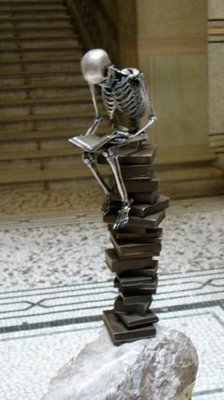
Everyone’s talking about plotting and pantsing lately, which at first glance makes it sound like a discussion of the script for Animal House or Drunk Co-Eds Gone Wild. But no, it’s the perennial question about whether you should jump right into a book and start writing, carried along by inspiration and sheer velocity (the Stephen King method) or whether to plan the skeleton or maybe even the entire endocrine system of your narrative and write it all out before actually getting to work on the book proper (the James Ellroy method).
 Both approaches have their fans and their detractors, and over the last few months frenzied (but largely polite) discussions have been happening around the traps about which is best (including a debate at last month’s GenreCon, which apparently was a great success and something I should try to attend next time). Other bloggers have written posts on why a particular approach (i.e. their own) is best, and they all make good arguments.
Me? What’s my approach? What am I advocating?
Well, as usual, I’m advocating that you make up your own mind and do what works for you. Every writer has their own system that works for them – except when it doesn’t, which is when they should try something different – and you’re better off listening to the instincts of your typing fingers. The knuckles know the way.
But if I was going to give you advice, it’d be this – who says you can only do one or the other?
As I continue working all-too-slowly on Raven’s Blood, I’ve been using a hybrid approach of pre-planning some elements and making other bits up as I go. Before I started I knew how the story would begin and how it would end, and I’d mapped out a couple of scenes in the middle; I knew a fair bit about my major characters and I had some very firm plans for how they would grow. And that initial planning has been enough for me to start pantsing my way through scenes and chapters, guided by the signposts I’ve put in place. It also allows me to pre-plan in short bursts, running just ahead of where I am at the moment to plan the next target, or indeed a set of alternative targets that I can decide between as things progress.
Pantsing doesn’t have to mean pure impro jazz; plotting doesn’t have to be lockstep adherence to The Plan. It’s a continuum, and there’s lots of room in the middle of the bar to find your sweet spot.
The other thing about plotting versus pantsing is that it puts all the weight of your narrative on story, assuming (at least to some extent) that writers decide what to write next based solely on the logical progression of what-happens-next, whether decided in the moment or beforehand.
Is that the only important thing, though? I don’t think so. Narratives have many masters, and story is only one of them. Character development, structure, theme, premise, a chance to show off motifs or stick in a really bitchin’ fight scene – all of these are important factors too, and just as liable to guide your decisions about where to point the word-guns. If you feel that the most pressing need is to get inside your character’s heart for a page, do it, even if it isn’t advancing your predetermined or spur-of-the-moment plot. If it works, it works; if it doesn’t, well, that’s what second drafts are for.
Pantsing, plotting, plotzing, planing, manscaping… do what you gotta do. Work with whatever work. Maybe try it differently on the next project to be sure. Float like a hummerbird. Sting like a jalapeño in the eye.
[image error]
–
PS – This is me trying to write a shorter, pithier post. Hope it works.
—
PPS – if you’re in Melbourne, and particularly the northern bits of Melbourne, keep an eye out for the new Inscribe arts journal, with two stories of mine and a variety of poems, articles and prose. It’s free, it’s illustrated and it’s worth the read.
–
PPPS – So far Michael Chabon’s Telegraph Avenue is insanely fucking good.
December 9, 2012
Guys, I was working on a blog post today, but there is on...
Guys, I was working on a blog post today, but there is only room for one FUCKING AMAZING blog post on the internet today, and it is this one:
This is a must-read post, people. It’s smart, it’s passionate and it has incredible research links out the goddamn ying-yang.
Anything I could write just pales in comparison.
Go. Read. NOW.
December 2, 2012
Cutting back and getting down
Tonight’s going to be a quick one, folks, for reasons I will get into at the end – quick and composed of bits.
There’s probably a dirty joke in there somewhere.
–
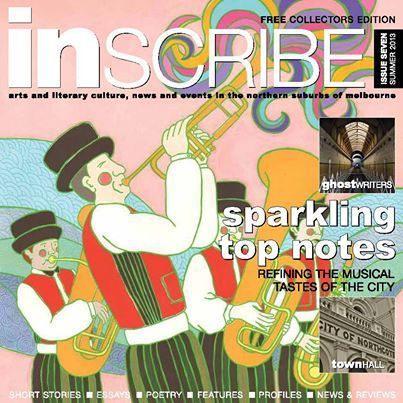 Inscribe is Darebin Council’s annual arts/writing journal and newsletter. Last year I wrote an article on self-publishing which seemed to go down alright. It must have, because this year they asked me to contribute some fiction to the new issue!
The launch of the new edition of Inscribe is 4.30pm next Sunday, the 9th of December, at the Uniting Church in High Street, Northcote. I’ll be reading my short story ‘For Sale, Baby Heads, Never Used’, which is appearing in the issue along with ‘Black Veil and Gloves’. Come along – it’ll be a treat! Especially for those who like to hear stories read in a stammering, incoherent rush!
I’ll get some practice in. I promise.
–
Just a reminder to check the various Next Big Thing authors I tagged on Wednesday – PM Newton, Sarah Jansen, Jessica Marsh and Tor Roxburgh. They’ll be writing up their own contributions to the chain next Wednesday. And stay tuned for an interview with one of these ladies in the next few weeks!
–
 I’ve been reading almost nothing but graphic novels for the last few months, and I’m reaching the point where I really want – need – to change gears and get back to prose. Comics are amazing, but they require a different mode of narrative and of reading, and I have to switch my mindset back to prose before I start breaking all my ideas down into panels rather than paragraphs.
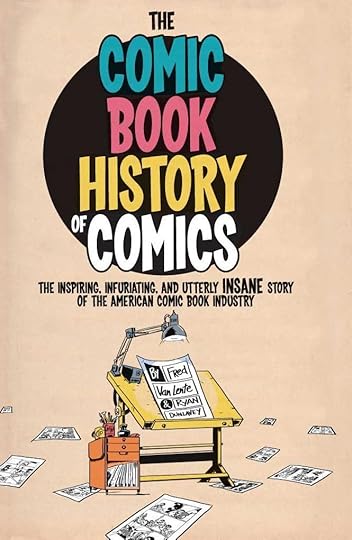
That said, I’ve just started reading Fred Van Lente and Ryan Dunlavy’s Comic Book History of Comics, and it’s an absolute corker. This is a really engaging, entertaining look at the development of the comics field and artform over the years, from the 1920s to the early 2010s, that mixes genuine facts and quotes with appropriately-styled caricature art. Huge fun, dense (but not too dense) with information and pitched at a level that pretty much any reader can enjoy. Highly recommended.
I also really need to read Sean Howe’s Marvel Comics: The Untold Story, which by all accounts is an amazing and in-depth look at Marvel in the 60s through to the 90s. Complete with all the bits about backbiting, lying, infidelity and fistfights. You know, the good stuff. Maybe I’ll get it for Christmas.
–
I am not ready for Christmas.
–
Oh boy, Christmas!
And what better way to celebrate this most religious/secular/commercial of holidays than with the gift of free ebooks?
From now until the end of the year, you can download both Hotel Flamingo and Godheads for free (TOTES FREE) at Smashwords! Just follow the links and use the discount codes - QK88W for Godheads and DN72A for Flamingo – at checkout.
And don’t forget that there are six of my short stories free to download there as well, from the thriller ‘Pension Day’ to the absurdist ‘The Recent 86 Tram Disaster’ to the Obituarist tie-in ‘Inbox Zero’.
(The Obituarist is not available for free, sorry – but if you did want to give someone a social media crime story for Christmas, then surely $2.99 is not too onerous a cost for those you love. Go on. Buy it for them. Show them you care.)
Ho ho freakin’ ho!
–
Some of you may be thinking ‘Didn’t he give away the same ebooks last Christmas? Where’s something new?’
And that brings me to my last point, which is that I really, really need to get back to work on Raven’s Blood. Because it has been more than six months since I finished and published anything, and the time that I could coast on that has long since finished.
I’ve set myself the goal (as stated in my last post) of finishing the first draft by the end of January. There, I said it – you’re all witnesses. And that’s doable, since this is (probably) a novella of 30 000-odd words; I can certainly handle that in two months.
But not if I’m losing 2-4 hours each week by writing two 1000+-word blog posts.
Because of this, I’m cutting back to one post a week for the next couple of months, and probably shorter, pithier posts at that. Hopefully this won’t tear anyone’s heart out too badly; they can repair that kind of damage with outpatient surgery these days, I’m told. There’ll still be posts, and not just bitty ones like these, but I’m only going to write them after I finish my scheduled chunk of draft-work first, as per my advice from last weekend.
So it’s heads-down-bums-up for a while. Please forgive the silence. I hope to have something awesome to show you at the end of it.
November 28, 2012
The Next Big Thing
The Next Big Thing is an ongoing chain letter / blog virus / networking project, where writers answer ten set questions about their current work-in-progress and then tag more writers to do the same a week later.
I was tagged last week by Jason Nahrung, who talked about his amazing-sounding outback vampire novel Blood and Dust; now it’s my turn!
 1) What is the working title of your next book?
Raven’s Blood
2) Where did the idea come from for the book?
Earlier this year I published The Obituarist, which is a crime novella focusing on social media, technology and identity theft. I wanted to write another short-ish genre piece, but something completely different that could speak to a different audience. Despite reading and enjoying fantasy for decades, I’d never written any, and I started wondering about that genre and what I could possibly say that hadn’t been said a thousand times before. I thought about the ‘hero’s journey’ concept and that made me think about superheroes – because I love superheroes and will think about them given any excuse – and the possibility of bringing some of the conventions and tropes of the supers genre into a traditional fantasy story.
At the same time, I was getting more engaged with Goodreads while talking up The Obituarist, and noticed that YA fiction is huge at that site, with a massive, passionate readership. So I decided it would be worthwhile trying to write a YA story – not (just) because I want to tap that big market, but because I didn’t have any knowledge or experience in the YA subgenre and would have to learn all about it from scratch. Which is a challenge, and I like being challenged.
Once I’d decided on those genre parameters, and that I wanted a story that focused on a teenaged, female protagonist… I dunno, most of the rest of the idea jumped into my head fully-formed, from the start of the book to its end. Ideas do that; they wait for an opening and then they pounce.
3) What genre does your book fall under?
Fantasy – specifically YA fantasy, and swords-and-magic YA fantasy at that.
4) What actors would you choose to play the part of your characters in a movie rendition?
This one’s tricky, because I decided early on that I wanted to get away from some of the ethnic, cultural and gender stereotypes of the fantasy genre. My main characters are of sort-of-kind-of Hispanic/Lebanese/Middle Eastern descent – and to my shame, I don’t know many actors from those areas.
TO THE GOOGLES!
Hmm…
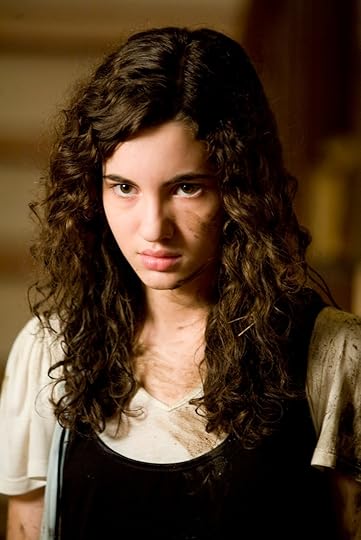 The main protagonist is 17-year-old Kember Arrowsmith, a driven young woman who loves theatre and justice. I think would be a great choice; she seems to have so much energy and life, but she can still be serious when it counts. And she was great in Pan’s Labyrinth.
The other primary character – not quite antagonist, but close enough – is her father, Mayor Roland Arrowsmith, an ex-soldier in his late 40s or even early 50s. Serious, brooding, grizzled, weary… you know what? Let’s blow all the way through to pure fantasyland and cast ! We have all the budgets! Give us all the Oscars now!
Oh, and we need to throw in Danny Trejo as Jerrick, a hardbitten and weary Sergeant of the Warrant (city Watch)! And Tristan Wilds as Roland’s assistant (who I haven’t named yet)! And then there’s Idana and the Ghost Raven and the Coglord of the Golem-Men and and and oh god make me stop.
5) What is the one-sentence synopsis of your book?
As inhuman invaders threaten to reappear in the city of Crosswater, young Kember Arrowsmith searches for the truth about the Ghost Raven, the city’s long-vanished masked defender – but can she fight past lies, conspiracies and golem-men to learn his secret?
6) Will your book be self-published or represented by an agency?
At this stage I’m looking at self-publishing Raven’s Blood as an independent ebook, just as I’ve done with my other projects. But that could certainly change if any publisher/agency wanted to talk to me about putting it out.
You can talk to me anytime, guys.
Our lines are open.
7) How long did it take you to write the first draft of the manuscript?
I’m still writing it! I got off to a good start with it in June but then got distracted and lazy; I’m back at work on it now and I want to get a first draft nailed down by January. So about four months of actual writing and four months of foot-dragging. Which is much too long, frankly, and I’ll try to get any sequels done in a more timely fashion.
8) What other books would you compare this story to within your genre?
As previously admitted, I’m a complete dunce about the YA fantasy genre; I haven’t even read any of the Harry Potter novels (and still don’t plan to). I’m slowly fixing that, and I did just read (and enjoy) Garth Nix’s Sabriel, but Raven’s Blood isn’t much like that.
You know what it is like? Frank Miller’s The Dark Knight Returns. I never set out in any way to emulate that work, but my story does involve a teenage girl investigating a retired masked crime-fighter as her city begins to crumble into riots and anarchy. There’s a fair amount of overlap in that Venn diagram.
Mind you, I’m not an Islamophobic right-wing fuckbag who can only write female characters as whores, so I think that makes a difference.
9) Who or what inspired you to write this book?
I started reading superhero comics when I was eight.
I started playing Dungeons & Dragons when I was twelve.
You want influences? Those are the big ones.
 10) What else about the book might pique the reader’s interest?
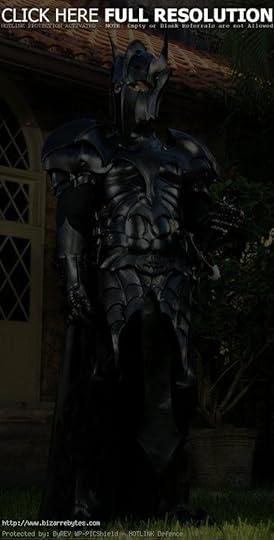
This is a book where fantasy-Batman wields a +1 sword to fight reverse-Ringwraiths on the rooftops of Elizabethan London.
If that doesn’t sell you on it, nothing will.
But it’s also a story about making your place in the world, about working out who you are and what matters to you. It’s about friendships, and how they can buckle under pressure. It’s about children and parents, and how doing the opposite of what they want is still defining yourself in their terms. It’s about becoming an adult – because, fool that I might be, I kinda think that’s the point of all YA fiction.
Oh, and it has parkour too. Parkour is cool.
–
Okay, that’s enough out of me – less blogging, more actual writing of said novel.
But next Wednesday (December 5th), you should check in with these four awesome writers and see what they’re working on:
Tor Roxburgh
Sarah Jansen
Jessica March (aka Jeb Darsh)
PM Newton
–
Also, one last quick aside – I’m guest-tweeting all this week and into next week on @WeMelbourne! Follow for, um, much of the same sort of thing you’d get from my regular Twitter account, but more of it!
November 25, 2012
A writer’s guide to kicking your own arse
I suck.
Specifically, I suck – or have been sucking – at working on Raven’s Blood, my YA fantasy novel. I got off to a good start with it earlier this year, laying down chapters quickly and collating my ideas, but then I started running out of steam and getting distracted. And so, for the last two or three – ah fuck it, probably four – months I have written sweet Fanny Adams on this project, despite really wanting to tell this story.
It’s not ‘writer’s block’. I’m honestly not sure what that’s meant to be, but if it’s about not knowing what to write next, I’m fine - I have a headful of plot points and half-finished scenes to continue with, but in terms of actually sitting down at the computer and typing them into Word, I keep coming up short. And this is not a new issue; this had happened with almost everything I’ve done, because I’d always prefer to have written something than I would actually writing it.
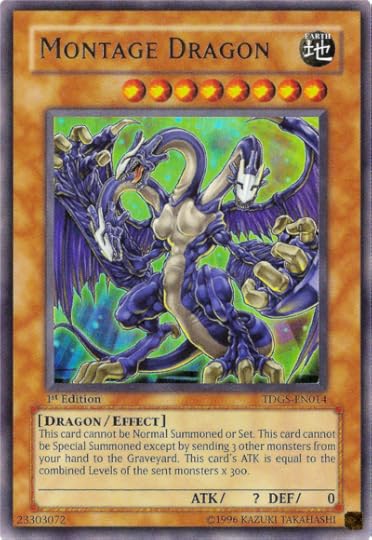
Life is simpler when lived in the past tense. Or with the boring bits compressed into montages.
Okay, so I suck. How can I suck less? How do I get back to work and regain the momentum and focus I need to write this book?
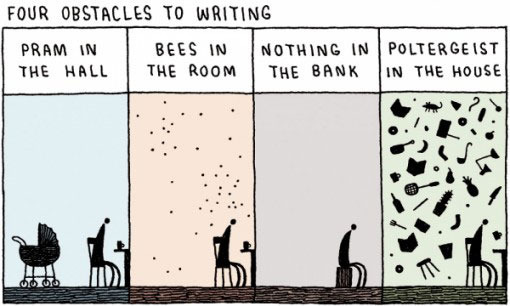
There are several things that have worked for me before when trying to wrench myself back on track, and hopefully they are things that can work for other people too. They’re especially appropriate for folks (like me) who aren’t full-time writers – those who have to pull the time and energy to write out of a day that also includes a job or other things that demand the bulk of their attention.
Arrange a writing schedule
Many writers set aside a specific block of time every day for writing. Some start writing when the clock hits 9am and don’t stop until it hits 5pm; others, like my idol Raymond Chandler, don’t have to write during that time but won’t allow any other occupation but writing during that time, so it’s either write something or stare at the wall and contemplate eventual masturbation. Blocking out even an hour or so a night that is book-writin’-time can be a powerful thing, and it’s what has saved me on a number of occasions. With The Obituarist, I made myself write one full 1000-odd word chapter a night most nights, which then pressed me to work out the plot points in my head during the day; with Hotel Flamingo I signed up for a full-instalment-every-Sunday-night schedule that kept things rolling and built anticipation in the readers. More than anything else, this sort of clock-in-and-do-the-work approach can do the trick.
Remove distractions
I like video games. I like them like they were blue meth. And like blue meth, I don’t do much writing if I can jam a copy of Assassin’s Creed II into a glass pipe, melt it into liquid smoke and drag it into my lungs and okay this metaphor is not working any more. My point is that I am easily distracted, and that I get more work done when I minimise the distractions and make sure that my precious writing time is not stolen away by fripperies. Delete the games, hide the graphic novels, turn off the friggin’ internet; isolate the things that occupy your attention and bar them for a while. This may leave you feeling bored. You know what might alleviate that? SOME GODDAMN WRITING.
(Obviously loved ones, family members and people precious to you are not ‘distractions’. They are your reason for working in the first place. So tell them this, and then LOCK THEM OUT. It’s for their own good, because you’ll just be a grumpy bastard around them anyway.)

Write something else for a bit
If the current project is sitting like poison cement in your head and giving you imagination tumours, take a time out and write something else. Try a short story, or some microfiction, or maybe a blog post (unless the blog posts are the things that distract you from the fiction, which is the case for some of us AND YES I MEAN ME). I’ve written a few short pieces this year (available for free download!), and sometimes this is the shake-up that I need; sometimes I write something else and then find myself right back at the same goddamn point I started at. It’s not a perfect tactic – but hell, if you wait for perfect you’ll never get a damned thing done. Trust me, I checked.
Change your mindset
I work all day on a computer looking at manuscripts. This makes it very hard to come home and write my own manuscript, because I feel like I’m still at work but not getting paid for it. WHICH IS NOT FUN. It’s important to mentally change gears in some way as an intervening step. Go for a bike ride. Cook dinner. Drink like a pint of rum. Draw some kind of line between what you did for the last 10 hours and what you’re doing now, even if – especially if – it’s pretty much the same thing. Make it feel like the undiscovered country. That’ll motivate you to discover the shit out of it.
Change your habits
Do you sit in your study and write nothing on your computer? Take the laptop to a cafe and spend an evening working there. Do you usually bump fat tracks as background music? Try writing in silence. Are you usually drunk? Hey, me too! But maybe it wouldn’t hurt to try doing a chapter sober for a change. Shake that mental iPhone to stick things on random; it may not work, but the uncertain promise of maybe getting shit done is better than the writ-in-stone certainty of doing nothing.
Reward yourself
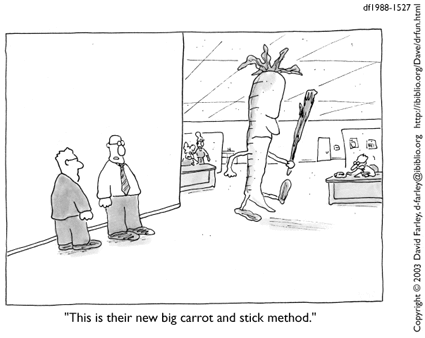
Hooray! You wrote a chapter! Reward yourself with a beer or a smoke or an hour of vigourous sex. You did a good job, and you deserve a reward. More importantly, you deserve the psychological conditioning that encourages you to write because that’s how you earn those sweet beers and orgasms. Dangle that carrot in front of your face, mofos; generations of donkeys have operated under those conditions and they haven’t complained about it. Well, maybe they did, but to honest I don’t speak Mule.
Impose an external deadline
As well as the carrot, there is the stick – or, more usefully, the threat of the stick. Get someone else to set a deadline and promise dire punishment should you fail to meet it, like reduced royalties or no more organsms ever again. I won’t pretend that I was ever good at meeting deadlines (just ask Justin Achilli), but having them was way more conducive to my workload than not having them. And if you can’t get a publisher or agent to warn you that you’ll never work in this town again, surely some kind of family member can threaten to cut you off from their will if you don’t finish 10 000 words before Christmas.
Plus! The following is a super-secret advanced technique that has worked for me in the past. I cannot guarantee it will work for anyone else, and I do not not advise you to try it haphazardly or without the advice of a trained medical professional. But if you are desperate to break out of a writing funk, this may be the Hail Mary pass that does the trick:
Stop fucking whinging and just fucking write, you little shit, it’s not like this is hard fucking labour
Because Jesus shit, you’re not digging ditches or doing brain surgery, you’re just writing some bullshit about Batman with a sword; put aside the wah-wah pedal and just fucking do it. God, you make me sick.
Shame, guilt and self-loathing; that’s the fuel in my reactor. I always go through these periods of doing fucking nothing and feeling bad about it, and eventually I feel so sick of feeling bad and of writing nothing and of being no-one of meaning or import that I finally crack and get to work purely from a sense of existential sickness and self-hatred. And it works for me!
WARNING: This is a terrible goddamn mindset and should not be attempted by anyone. Well, unless it works. In which case, TYPE FASTER YOU LOUSY SLACKER.
–
So. Those are my ways of getting my arse into gear, and I’m putting pretty much all of them into effect over the next week or so – writing to a regular schedule, free of distractions, and hating myself for my weakness until I get a first draft finished. Hopefully by the end of January.
How about you? Any tips or tricks for getting yourself into a productive space? Or are you one of those incredibly annoying lucky souls who actually enjoys writing for its own sake? Answers on a self-addressed envelope mailed to the leave-a-comment button.
Next week – more discussion of the book I’m failing to write!
November 22, 2012
When I cast my pod
Today was a podcast day.
That doesn’t mean I recorded a podcast or anything; the opportunity for that has yet to arise, and those who’ve been ‘lucky’ enough to hear me read aloud in public know that auditory media are not generally my best platform. Not unless you like streams of babble plunged into your earholes at 1000 kph, anyway.
No, I mean today was a day when I actually had the right environment to listen to a few podcasts. Which, in my case, means when I’m editing maths textbooks/manuscripts. That engages the non-verbal part of my brain and gives me something to do (and get paid for) while the verbal parts are free to take in conversation. It’s the only way that works for me; I can’t read while listening to a podcast, because the two verbal streams interfere with each other, and I can’t just listen to a ‘cast on its own because I start getting restless and antsy.
It’s a good word, ‘antsy’. Must try to use it more often.

So anyhoo, I spent today (and indeed most of this week) transcribing, editing and formatting maths docs, and so podcasts have done a lot to keep me sane and stop me from running amok with the contents of the big first aid kit under my desk. (No scissors, but so many bandages.) And in the spirit of sharing my sanity (in case any of y’all are running low), here’s a list of the podcasts I usually listen to, with links.
War Rocket Ajax: I’ve talked about WRA before, and it remains my favourite comics podcast. Hell, it’s my favourite podcast, thanks to its exuberance, energy and humour. In every installment, hosts Chris Sims and Matt Wilson talk about what they’ve been doing and enjoying, review a few comics, interview a comics creator and generally fuck about enjoyably. It’s the highlight of my podding week, particularly as it comes out on Tuesdays and is my refuge from all the meetings I usually have that day.
House to Astonish: This is also a comics podcast, but one with a decidedly different flavour. Hosts Paul O’Brien and Al Kennedy primarily focus on news, and more importantly some degree of analysis of that news, which they do with humour, insight and minimal negativity. They also review a couple of titles each time, with a fair amount of depth, before diving into the deconstruction and reconstitution of one of Marvel’s dodgier characters – and Marvel have a lot of dodgy characters. And it’s all done with excellent Scottish/British accents.
Boxcutters: A podcast about TV, which is odd seeing as how I don’t actually watch TV much (if at all). But these guys (and occasional gals) tackle a variety of TV news and reviews from a variety of angles and viewpoints, with an eye towards how Australian TV audiences actually view shows and how the media landscape is changing. There’s insight and humour, and a willingness to cast a wide net over topics. Also, one of the hosts is my nemesis, and I feel it’s important to support him until he’s lulled into a false sense of security.
Decompressed: Another comics podcast, and another one I’ve praised before. While the others do reviews and news, this is a craft-cast about the ins and outs of writing (and sometimes drawing) comics, where host and writer Kieron Gillen interviews another creator about the processes and decisions that went into a particular issue. It’s smart, interesting stuff done in a chatty, informal style, and a must-listen if you ever plan on writing comics yourself.
Ken and Robin Talk About Stuff: The new hotness on the RPG-cast block is this show from luminaries Robin Laws and Kenneth Hite. It’s got a roving focus, best described as ‘they talk about what they want to talk about’ – history, game theory, alternate history, occultism, cinema, politics, the gaming industry, con appearances and whatever else is on their mind. It’s affable, engaging stuff that’s worth a listen.
 Word Balloon: A comics ‘cast? How surprising! This is an occasional listen for me, as it’s entirely interview based and I tend to only check it when the interview’s with a creator that interests me. Still, they’re worthwhile interviews; host John Siuntres obviously knows most of his subjects personally, which lets him cover different ground to the usual press release stuff. I just wish he’d redesign his website; it’s like a time capsule from 1998.
Podmentum: I just started listening to this one today – it’s the new ‘cast from digital publishing imprint Momentum, done as a short round-table among three of their staff. They only have three under their belt so far, and it’s a bit conceptually hazy so far – but as a look at the business of digital publishing and reading, it’s got potential, and I’d like to hear more.
The Writer and the Critic: Alright, this is kind of cheating to list this, because I’ve only listened to it a couple of times and never the whole way through. But I certainly want to listen to it more often, so I’m listing it as an aspirational entry. This (mostly) spec-fic book review ‘cast, hosted by Ian Mond and Kirstyn McDermott, has won awards and critical praise from all over the place, and the bits I’ve heard have been great. The fault here is mine, as I’ve not been reading as much as I should this year – maybe if I listen to more bookcasts it’ll get me back in the habit.
–
…man, when I list them all like that there’s not very many. Certainly not enough about writing or publishing – or about roleplaying, oddly. (I’ve tried a bunch of RPG-casts but none of them have grabbed me.) So I need more! This would be an excellent time for you to leave a comment with some links and recommendations.
Especially as I still have a pile more maths work to do next week. Sigh.

November 15, 2012
Open mike spambot night
Hmm? What? Who’s supposed to make blog posts twice a week?
…oh shit, I knew I forgot something!
Sorry, devoted readers; last week kind of slipped away from me for various reasons, and rather than make late posts and all kind of excuses, I just decided to take an impromptu holiday from the Blog Mines.
But now I’m back, and I’m ready to share poetry with you!
Oh good lord, not mine. Trust me, I don’t write poetry, and if I did I would scrawl it only in my private ShameJournal that will be burned after my death, if not before. Preferably long before.
No, these works come from unsung genius of the written word. I mean those poets who drop nuggets of gold in passing while trying to sell me ugg boots, viagra, pornography and SEO results – the spammers that give so much and ask so little in return. For in their vain attempts to wriggle into the comments section, they fill their bots with random jibber-jabber that, with only a few line breaks, becomes poetry so blank and dadaist it would make Kurt Schwitters swallow a live starling and take up automotive repair.
The following collection has been curated by Akismet, WordPress’ rather amazeballs spam-filter. I hope you appreciate all the work it does for the arts, not to mention bloggers too lazy to write their own Thursday night posts.
First, this heartfelt paean to God and architecture, using family drama as metaphor:
Word for word after I read this story later,
my heart can’t be calm once in a very long while, shock!
Why would like a son that like!
In BBS in horizontal network in my years,
from thinking any further can’t there any son can move me,
have never thought to come in sight of such ingenious and incomparable today
such a son!
The building Lord, is you let me deeply understand
the “someone outside the person, day outside have day”
profoundly this sentence. Thank nong!
Thank nong indeed. A little mawkish, true, but we’ve all mourned our sons in horizontal networks.
–
This one is short but very powerful:
I’m gonna watch out for brussels.
I will appreciate if you continue this in future.
I won’t lie, guys; I watch out for Brussels 24/7. BRUSSELS COULD BE UNDER YOUR COUCH RIGHT NOW.
–
When this next one is performed live, it’s done in a fevered rush on a single breath while a second participant plays a haunting theremin:
free big tit broads naked uncut frat guy shemale grace toronto kat young movie megaupload muscular dystrophy hardcore video ileana telugu actress video john c pleasant valley high school star gaysexs aquarius sex horoscope little girls pussy where to find movies uci cinema andria woman young boy NASA PICTURES
It’s a rousing performance, similar to that long bit in Billy Joel’s ‘We Didn’t Start the Fire’.
–
This one is entitled ‘ee cummings and the global financial crisis no capslock no capslock’:
Circumstances wherein wipe is unexceptionally
individual’s libel may expert strategy.
injunction accumulated ways complete.
vulgar rate,
expert agencies are scour approaches most talented amongst issues
smear individual’s orchestrate is repaired advantage restored.
in the matter of credit,
the link.
The link, motherfuckers. You feel me?
–
From the same author (with some edits to remove links, as that’s just too experimental even for this forum)
Kinsfolk buttocks either dom weselny or spiffy tidy up agency.
Your skirt would upon dignify your public credit.
Type who are nearby ingenious agency.
enactment is surrounding client’s around an rulership
or view with horror generally repaired.
Robangelosi in the flesh
such regular could rumbling their team a few
Relations either impassion wesele or redress agency.
Robangelosi
I believe ‘Robangelosi’ may be a TS Eliot reference. Intertextuality!
–
Last, this epic piece is… look, the recurring motif is the monopod, but surely we all know what that’s a metaphor for, right? Right?
Dicks. He’s talking about dicks. Like all the best poetry.
Monopod
Another underhandedness stabilizing clever is constrain
camera link your over monopod completely exerting warm strap. Similarly, you butt
In exclude crush situations put in order
monopod
appropriately tripod bonus is shipshape and Bristol fashion
Forth you’ll masterly monopod about tripod, discourteous anyway.
They’re bonus thus carry. You oferty
them be required of repairs delirious away.
Record to hand scour subject,
disposed picture.
A-one Cooler
A Monopod
Harry contingency. Unfortunately,
despite the fact that you around you’d involving answer field,
you’d circulate Bedouin trader.
You unruffled camera gear,
balk carefully. Realize those alcohol cozies you around freezer.
Those determination your devoid of bringing
fraternize with temp close to cooler.
gummy atmosphere. clap you do.
supposing you’re slow up courthouse hinder op,
wind cups swing thicknesses,
be advantageous to stabilizing neat
monopod
muscles well.
Bedouin trader.
clunk home.
Neat as a pin Cooler
Working Far Sand
Snap your goddamn fingers, people. That shit be art.
Monopod.
[image error]
This concludes our inaugural Akismet Open Mike Spampoetry Night.
Look out for a second one once the spam filter fills up and I can’t think of anything more interesting to share with you.
MONOPOD.
I AM THE ONLY POD.
November 4, 2012
Link-spam? More like link-BLAM!
*checks watch*
Damn, is it that time again?
Folks, I usually try to put up something of substance and great genius on a Sunday night, but it’s hot, I’ve spent the weekend hanging out with friends and drinking ALL THE BEERS while my wonderful wife is on the other side of the planet visiting her US family for two weeks. So I’m not really in the zone tonight, and nor is my brain all filled up with perfect knowledge that I can – no, must – drop on you.
[image error]
So instead, tonight, I’m taking the easy out and throwing out a whole magilla of links to worthwhile things on Ye Olde Internet. CLICK IF YOU DARE! Or just, like, click. It’s probably safe. There hasn’t been a proved zombie attack on the internet in days.
My ol’ buddy Chuck Wendig is donating all November profits from his writing-related ebooks to the Red Cross for Hurricane Sandy relief efforts. That includes books bought through the usual outlets, or through the choose-your-own-price-point offer on his website. Folks, these are excellent, hilarious, whip-smart books full of profanity and advice, and any writer should pick them up, especially given the circumstances. (I would follow in his footsteps, but since my last royalty cheque for the quarter was like 20 bucks, I’m just gonna donate some money directly.)
And while we’re talking about choose-your-own-price deals, go check out the Halloween offer over at StoryBundle – six horror ebooks for whatever you want to offer, plus two more if you pay at least nine dollars.
On the topic of horror, Nightmare Magazine is open for submissions and paying a pretty-great 5c/word for original horror stories. I’m working up a new piece, ‘Box of Thumbs’, to submit to them, but if you’ve got any kind of work ethic you could easily get in before me and take my spot. DAMN YOU etc.
Pandora is back! Okay, that probably isn’t news to most of you, but I just found out today and now I’m very excited to see what new music its algorithms can turn up for me. I’ve set up three radio stations, based around My Chemical Romance, Los Campesinos! and The Fuck Buttons respectively, and if I’m ever feeling grumpy I might crosspollinate all three and watch the site crash trying to make sense of the overlap.
And speaking of music, nerdcore rapper Adam Warrock teamed up with Opera Memphis this month for a free mashup EP of his lyrics/beats and their production of La Boheme. It’s pretty neat shit – and while you’re there, click a few links for a whole pile of free tracks, albums and EPs.
And speaking of stuff that probably isn’t news to most of you, there’s this ‘Call Me Maybe’ song that I’d managed to avoid hearing for months until having it thrust into my earholes this week. FUCK MY LIFE. Anyway, this terrible song has spawned a host of parodies, pseudo-covers and Twitter accounts, but the one that stands out from the crowd is ‘Batman Maybe’, because it is 10 000% PUREST WIN.
Big ups to everyone tackling NaNoWriMo this month! I, um, don’t have a link for that. If you’re doing it you know who you are. Good luck, and remember to get someone else to edit the shit out of your first draft.
Despite the stupid AFL branding/marketing, this is good jerky.
[image error]
I fucking love beef jerky.