Patrick O'Duffy's Blog, page 16
May 6, 2013
Fight fight fight
In Sean Howe’s fascinating book Marvel Comics: the Untold Story there’s a bit about Chris Claremont, whose seminal run on Uncanny X-Men defined pretty much the entire superhero genre in the 1980s. Apparently Claremont was completely disinterested in the action elements of the comic, usually letting artist John Byrne take charge of those with a note like ‘fill three pages with fight scenes here’; left to his own devices, Claremont would have just let the X-Men argue with each other in coffee shops about who was sleeping with who.
Stories like that, or the Gail Simone anecdote about an unnamed colleague who would just copy-and-paste the action scenes from previous scripts and then change the names, make me want to find these writers and shake them like Polaroid pictures, and not in a sexy way. To have the opportunity to write a great, meaningful fight scene and say ‘oh, I don’t care about that, just draw dudes hitting each other’ makes my heart fill with sorrow. Sorrow and kickspolde.

For my part, I freaking love fight scenes – in movies, games, comics and (especially) prose. Not because I am a hairy-knuckled thug who just likes watching biffo, but because fights scenes are one of the most enjoyable, effective, flexible weapons in the writer’s arsenal. Engaging fiction revolves around action, in the sense that it involves characters acting and doing things, and fight scenes are a powerful way to make that principle manifest. I’m finally getting the chance to write them in Raven’s Blood and they are huge fun, and I find myself wondering why I didn’t write them before now.
So then, in no particular order and at no great length, here are some things that fight scenes provide or illuminate and why you should write them.
Clear conflicts and stakes
Drama is founded in conflict, about two characters or factions competing for something that only one can win. Fight scenes push conflicts into the foreground of your story and make them overt, make them something that can’t be mistaken, and escalate them so that the fallout can’t be ignored in future conflicts.
And conflicts aren’t just about me-vs-you, either; they’re about the setting of stakes and defining what each party is trying to achieve. Again, fight scenes make this explicit, especially when the stakes are very high, such as ‘stop Mega-zilla from eating the world’ – but they also throw smaller stakes into sharp focus just from incongruity. There’s also dramatic potential in mismatched stakes – two parties trying to kill each other is a very different story if one party is trying to escape instead.
Character
 Is your character confident? Overconfident? Highly skilled? Lucky? Capable? In over her head? Nothing showcases and demonstrates a character’s traits like throwing her into action. Portraying character, after all, should be done through showing rather than telling, and fight scenes are all about showing, about acting, about writing with strong verbs – about your character applying her skills and style to shaping the narrative, and possibly also staying alive. Even minor, seemingly cosmetic things like tool use can reveal character in a fight; any gamer can tell you that ‘dude with a battleaxe and shield’ feels totally different to ‘equally skilled dude with a rapier’, and both are different again to ‘nun with a shotgun’.
Plot
You think I’m going to quote Chandler and ‘When in doubt, have a man come through a door with a gun in his hand’. And yes, that’s a good way to use a fight scene – to kickstart the plot’s energy when it flags or when you don’t know where to go next. But more pertinently, plots are driven by conflict, and we already established that fight scenes emphasise and demonstrate conflict. That makes fights a powerful force multiplier for plot, because pushing things into a physical confrontation leaves you with a whole host of consequences to follow up. Who got injured and now needs to recover? Who got killed, leaving a power vacuum that must be filled? What got totes blown up and needs to be rebuilt – and what might be found in the ruins? High stakes lead to major consequences, and major consequences reshape the flow of plot.
Setting
On the micro level, fight scenes are an excellent avenue for description; you need to let the reader visualise the physicality of the scene before you set it all on fire. Very few fights happen in featureless white rooms – although that would be an arresting image – and an engaging fight is one that takes in the landscape, tools, bystanders, chandeliers and other features of the environment, letting you describe in context without pausing for exposition. On a macro level, fights can also be used for worldbuilding, demonstrating the weapons, techniques and attitudes of your fictional society. A society where duels are accepted practice is different to one where they aren’t, and a society where duels are fought with giant poisonous flowers (as in The Book of the New Sun) is different again.
Tone
Is your story serious? Then fights are a chance to show broken bones, horrific pain and ruined lives. Is it a story of melodramatic derring-do? Then fights might be a romp where a hero fights off a legion of mooks with only an umbrella. Light adventure? Then all those impossible kicks and last-minute escapes result in no more than bruises and injured pride. Fights are one of the best way of establishing the tone of your story, especially in genre pieces, because they let you flag all the way physical conflict is different from how it is in the real world, and that puts readers on the same wavelength so that they understand the flavour of your gritty thriller, superheroic adventure or cartoon escapade.
Contrast
But tone is also a tool, and one you can use in many ways to keep the reader on their toes. A fight scene is a great way to make a light story suddenly feel serious, or blow off steam by turning a horror story into an occult adventure. Consider one of my favourite movies, Grosse Pointe Blank. For all that it’s about a hitman, the first two thirds of the movie has almost no action and works as a tongue in cheek, self-aware romantic comedy. Then Benny the Jet shows up and kicks the fucking shit out of John Cusack before getting stabbed in the neck in an amazing fight scene that takes a sharp turn into gritty, messy violence. Suddenly the tone is different, suddenly we take the story more seriously; suddenly the stakes – both physical and romantic – feel a lot more real.
Fuck, I love that movie.

Theme
Over and below the level of plot, the question of what your story is actually about is one you should be addressing – and the best way is almost always through action. Fight scenes won’t illuminate every theme, but you might be surprised how much resonance can emerge from a punch-up that reflects your story’s meaning. If your story is about the price of success and the need for sacrifice, then a fight is a desperate, terrifying clash won only after losing an ally. If it’s about great risk leading to great reward, then a fight could be a kung-fu dust-up on the wing of a biplane with the fate of a city in doubt. And if your theme is ‘with great power comes great responsibility’ or something like that, well, there’s a whole library of fight scenes that have showcased that and similar themes over the years. You should read some of them.
Engagement
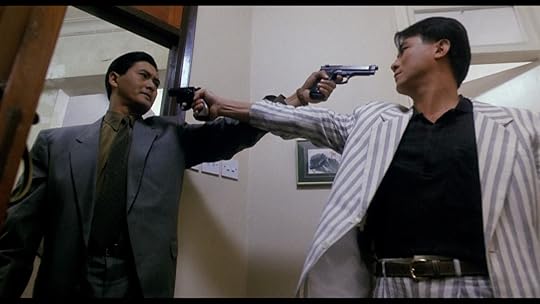 Look, let’s just admit it – fights (fictional ones) are fun. They’re exciting, they’re entertaining, they’re full of colour and movement and stunts – and even the realistic ones are tense and gripping in that oh-god-I-want-to-look-away-but-I-can’t kind of way. A boring fight is hollow and pointless, providing no push to see what happens next – it’s like a cheesy karate-fight in a bad 80s action movie. But a powerful, entertaining fight scene draws you in, keeps you in suspense, makes you care about what happens to the characters – and then, having caught your attention with bullets and body blows, makes you care about everything that happens between the fights as well. For further illustration of this topic, see every film John Woo and Chow Yun Fat ever made.
Stylistic freedom
This is what I love most of all about writing fights – all the various ways you can whip up pace and movement and flash with just words. Fight scenes are a time for exclamation marks! ALL-CAPS SOUND EFFECTS! Adverbs! Adjectives! Run-on sentences that evoke a breathless rush and panic and then he turned to smash the zombie with a baseball bat but suddenly -
- there was a jump cut to another scene made with a hanging emdash!
And so on. Writing a fight scene lets me change up my game, vary the voice and style, break all the rules of my story’s grammar and do something different, something with a frantic energy that the story can’t sustain in the long term but that briefly facepunches the reader and then bodyslams them into the rest of the narrative.
Exclamation marks are a hell of a drug.
–
None of the above means that you must include a fight scene in your book, obviously. It’s not like Love in the Time of Cholera or Middlesex would have been improved by a car chase or a rooftop shootout. But if your genre and voice allow such things, if your story has a place for physical as well as emotional action, try to explore that space.
Jump in and give it a bash – possibly by having a character jump on someone and bash them.


May 2, 2013
Feeling a bit comical
I’ve got comics on my mind this week. Which, okay, is pretty normal, but I have specific reasons for it this time.
–
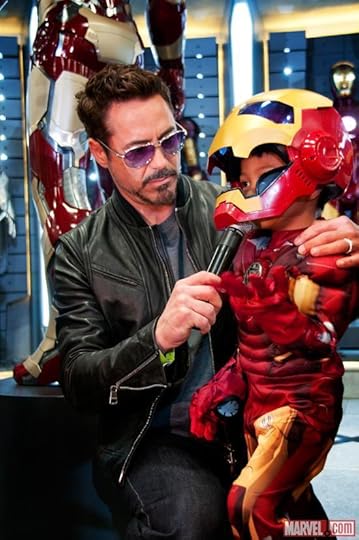 We saw Iron Man 3 on Sunday, and I thought it was terrific. It’s been ages since we’ve seen a new Shane Black film – not since the excellent Kiss Kiss Bang Bang - and it’s a joy to see him working as writer and director again. Black brings a real snap and sizzle to the script, filled with strong dialogue, tight pacing and genuinely engaging moments of humour, unlike the overstuffed and slapsticky Iron Man 2. Downey is great (naturally), Ben Kingsley steals the show and I would watch three movies that were just about Don Cheadle’s Jim Rhodes running around and shooting dudes, because Don Cheadle fucking rocks.
What’s really interesting about IM3, though (no spoilers) is the tonal shift it brings to the Marvel films. This is much more a thriller than a superhero movie, and many of the genre elements have been minimised or taken out entirely. Yes, Tony Stark flies around in Iron Man armour, but not as much as in the previous films; instead the focus is on the man outside the armour, the ingenuity he brings to solving problems and the toll that his actions take on him. It’s really clever stuff, but it’s also got plenty of great action sequences, included the extended showdown at the end. All in all it’s great work, and makes me really look forward to this wave of post-Avengers movies.
–
 Unfortunately not all the Marvel news is good. I’ve really liked the Marvel Heroic RPG that came out last year, which I talked about a while ago here (and on my gaming Tumblr Save vs Facemelt); it married an engagingly interactive system with narrative concepts and placed them within a context of (mostly) playing established characters in big, complex event stories. It took a lot of risks, and it had a very good reception, winning acclaim and sales.
But not enough sales for Marvel management, apparently, who pulled the license last week, bringing the line to a sudden halt. The cancellation was so thorough that they even removed the right to continue selling PDFs of the current titles, which have ceased to be purchasable as of yesterday. No-one’s saying why the license was pulled, but it’s likely that Marvel just didn’t feel the income from the game was worth the bother. It’s a saddening move, especially as it (presumably) cuts the freelance writers off from being paid for their now-unpublishable work.
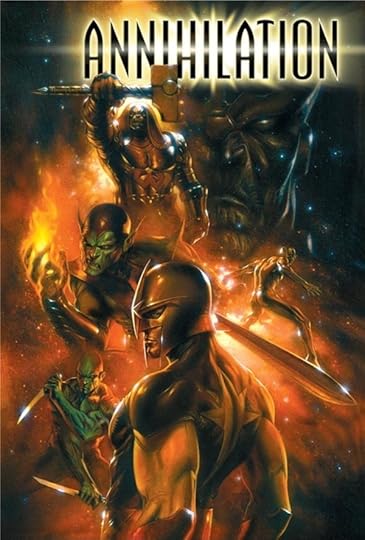
I have all the PDFs, and I’m hoping to run the Annihilation Event for my group later this year, but I’m sorry for everyone that will never get a chance now to play this excellent game.
–
And speaking of saddening moves in comics, the website Comics Alliance also shut down suddenly this week, as parent company AOL terminated it (along with a number of other media sites). In an industry where most sites just reprint press releases or fantasize about casting choices, Comics Alliance was a smart, engaging site that mixed news with humour and genuinely insightful commentary, especially on the representation of woman and minorities in superhero comics.
Plus they had a guy writing for them who really liked Batman. Which goes a long way with me.
There are a lot of very talented, very passionate writers now unemployed as a result of the CA shutdown, which is the biggest shame. I’m still tracking them separately, listening to (and donating to) the War Rocket Ajax podcast, following people on Tumblr and Twitter and generally giving them my attention. You should consider that too, if you’re into any kind of comics. Here’s hoping they soon find new projects to work on.
I’d like to hope that some other site will step up to fill the commentary gap left by CA, but I’m not holding my breath.
–
Okay, happier topic. FREE COMICS!
Yes, this Saturday is Free Comic Book Day, the day when comic stores around the world host events and give away comics from publishers big and small. The comics themselves are usually just teasers, samples and promo items – nice to check out but hardly essential – but what the day is really about is connecting with your local store, with fellow fans and nerds, with writers and artists and just generally having a good time. And, it should be emphasised, bringing young kids out to show the joy of comics and dressing up as Wonder Girl.
My not-quite-local-but-close-enough store is the incomparable All Star Comics in Lonsdale Street, which is a great shop run by great guys. Last year the queue snaked through the store four times, down the elevator shaft and out into the street, so this year they’re starting in the street, with an Artist’s Alley setup in Hardware Lane and manned by forty local comics artists. Man, I hope it doesn’t rain too much.
So anyway, that’s going to be great fun. If you’re in Melbourne, go check it out; if not, swing past your own store and see what festivities they have on. And then buy some comics, because the stores still have to pay for shipping on the comics they’re giving away.
–
And with that, it’s time to get my shoes on and go see They Might Be Giants.
Hell. Yeah.
April 29, 2013
Less chilling, more illing
Did I say I’d come back on Thursday to talk more about the endlessly fascinating topic of how to maintain writerly momentum and focus in the face of Old Man Winter and his relentless legion of slightly chilly draughts under the office door?
 Well. Obviously that didn’t go so well. In my defence, though, I was devoting all my spare time over the last week to making my wife happy, and she comments more often than most of my readers. So maybe consider who’s really to blame here.
But before it all breaks down into angry tears and finger pointing, let’s pick up where last week’s post left off to look at some more cold weather tips, whether my own or crowdsourced from other writers.
Super-serums and vita-rays
One of the good things about being married (there are many) is that my wife reminds me to eat healthily, or indeed at all. If I was single I’d just live on cheese sandwiches and the occasional tin of processed chilli possibly eaten over the sink or within a nest of my own decaying filth. Of course, when I do eat anything substantial, my body shuts down into a carb-processing coma and I end up falling asleep on the couch before dessert, which is why we don’t go to many dinner parties any more.
But even a lunkstomach like myself knows that food gives you energy, and energy stops you from freezing to death, and freezing to death prevents you hitting your chapter targets. What kind of food helps keep you together in the cold? According to those who know, food that’s warming, high on protein and low on simple carbs (snore). Soup’s an obvious one, along with stews, casseroles, chilli and so on – the stuff you can make in a slow cooker over the course of a day, no attention required while you write. I also think Chinese and Thai food are both excellent options and maybe not what we first think of when we think ‘winter food’. While simple carbs can shut you down, apparently complex carbohydrates – whole grain breads, brown rice, legumes etc – can help stave off our old friend Seasonal Affective Disorder. And since fats help you absorb vitamins, you now have an excuse to eat an entire suckling pig in service to your novel! Or, fine, things like fish, nuts and avocados if you so insist. Meanwhile, heavy foods like white pasta, potatoes and cheese are better avoided, no matter how much it hurts.
On top of food, you have to drink. Why thank you, I’ll have an Old Fashioned. Whoops, hang on, I’m being told that… wait, alcohol dehydrates you and hinders your ability to focus? This is bullshit. But fine, whatever, drink a warming non-alcoholic drink. Tea and coffee are the obvious options, but probably best when you’re writing in the day, as late-night coffee is a recipe for sleeplessness for most of us. Well, most of you; with all the various stimulants I jammed into my system in my 20s and early 30s, caffeine barely does shit for me and I can easily have a couple of cups before bed. Also, my kidneys look like mummified dishrags and I dance very badly. Anyway, boasting and renal failure aside, green tea and herbal tea are good options for writing at night, or even something like warm fruit juice or some vegetable broth. My personal preference, though, is hot honey and lemon juice, perhaps with a little ginger. And maybe a shot of brandy or scotch in there. It’s medicinal.
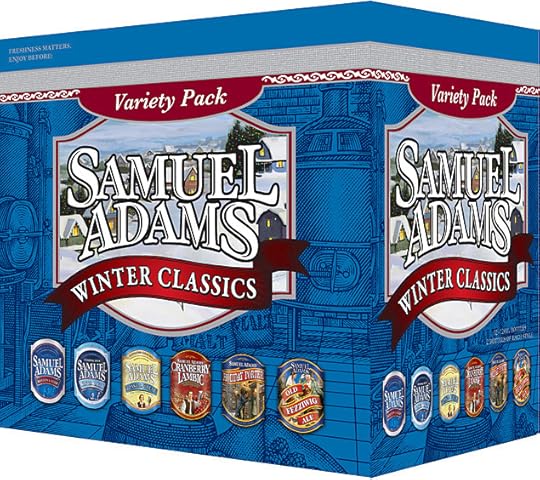
NO. Apparently.
But of course, all this food and drink is just a poor substitute for taking nutrients in pill form, which is how everyone in 1936 thought we’d be living now. (They never expected the existence of Masterchef, and for that I envy them.) Which vitamins should you be taking? Um, I dunno, maybe all of them? B for energy, D to make up for the lack of sunshine, C to stave off illness, K for blood and bone, Q to maintain your superpowers… I say buy a bottle of multivitamins from the chemist and have one every day. If you’re more knowledgeable about what to take, maybe get multiple types and have a big pill party every morning.
Man, pill parties. The memories.
Anyway, on top of my bleating, what do my fellow writers say? Dmetri Kakmi recommends green tea, Meg Mundell prefers coffee and Caroline Alicee suggests coffee. Sadhbh Warren says that popcorn and turkey both offer a bit of a serotonin boost, which can help as well. Greg Stolze, well, he recommends Sertraline, which is pretty hardcore. I’ll leave that one to your own discretion.
The great outdoors (or the nearest facsimile thereof)
Here’s a sudden EXPLOSION OF SENSIBLE from Jody Macgregor on winter writing:
Go outside. I think of writing as an indoor activity and often forget that I live in a country where the weather can be nice. I will sit in a freezing house all morning trying to write, then suddenly realise the sun is shining on my front porch.
Well, of course it’s shining. He still lives in Brisbane.
But even if you’re living in semi-Arctic Melbourne, getting out in the sunshine – or at least getting the blood moving through your withered nervous system – is a good idea once in a while. This is one of my problems come winter; I get up in the dark, go to work in the dark, come home in the dark and can go entire days without spending more than a minute or two in the sun. If I pushed that out to just ten minutes a day in warm, direct sunlight, it would probably wipe out my mild case of SAD and leave me more energised for writing – maybe even if I just did that on weekends.
Sunlight’s not the only point of emerging from your wordcave. It’s important to get a bit of exercise in the winter months; it gets the blood pumping and the system energised, and also allows you to mentally shift gears away from whatever pointless busywork very important stuff you do for a living. Riding a bike, jogging, strolling down to the shops and back… all of that can help jumpstart your nervous system and keep it firing. Meg Mundell takes midnight rambles, Sadhbh Warren walks quickly while listening to the Prodigy, Greg Stolze does jujitsu… hell, if it’s too cold to go outside, pull out the Wii Fit and work out – or the Kinect and Dance Central. It all counts.
Dance. Dance. Revolution.
Just do it
Dmetri Kakmi, who has little patience for my whinging, told me this: ‘Icelandic author Yrsa Sigurdardottir says “When snow falls, write as if Loki is on your ass.’”‘ David Witteveen says “I find Autumn a good time for writing: grey skies and cool nights set the mood to snuggle in and write.” And if that doesn’t get you motivated, try this wisdom from Cam Rogers:
Embrace the cold… I’d advise actively attempting to enjoy things like ‘cosy’ and ‘tea’ and ‘having an excuse to pike on things outside the house you don’t want to do.’ Make it a positive thing as much as possible.
That dude moved from Melbourne to freakin’ Finland and kept writing. If anyone understands embracing the cold, it’s him.
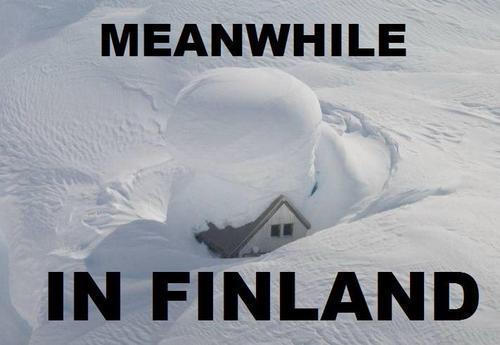
In the end, what gets you through the cold times is the same thing that gets you through the hard times, the boring times, the pantsless times… your determination to write. Hot food and warm socks help, but they don’t spin straw from gold; you have to want to write, or at the very least to have finished writing something. What can help are the same things that always help – setting targets and goals, keeping to a schedule, using focusing exercises like the Pomodoro Technique, reading positive reviews for writers that you’re convinced are less talented than you… whatever keeps your head in the game.
You have to bring the fire to the table, then use it to warm yourself without setting things alight. Well, not too many things.
–
And with that 1300+-word wodge of life coaching, I’m done with Patrick’s Magical Winter Working Workshop.
Come back next weekend, when I’ll spend a similar amount of words talking about the joys of punching people in the face. All year round.
April 22, 2013
Should we talk about the weather now?
Winter is coming.
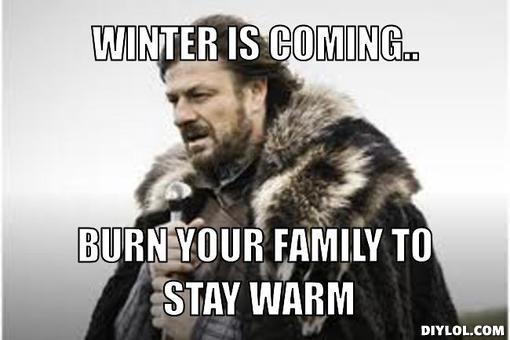 No, this is not a post about Game of Thrones (which I haven’t seen and basically only know as another source of Sean Bean memes). It’s just like it says on the tin – end of April, daylight savings are over, the temperature has done its usual sudden swan-dive and threatens to once again take my writing productivity with it.
See, if you’re anything like me (poor bastards) you’re constantly finding reasons to procrastinate from writing – it’s too cold, it’s too dark, I’m too tired, I’m too drunk and so on. Winter is full of such reasons, and every year I fall into a laziness K-hole and don’t come out until all my deadlines and self-esteem is shot. And I’m sure I’m not the only one; it’s something I know a lot of writers (or indeed regular humans) struggle with.
But not this year! I’m fighting back the winter doldrums and kicking myself in the literary bollocks over and over until I get this book finished. And I thought it might be good to share a few tips and ideas with you guys, in the hope that some of these might help you push through the mid-year shut-down (or similar if you live in the Northern Hemisphere).
(If you think this is a dull, overly-weather-obsessed-Melbournian topic… well, you might be right. But after a week of explosions, earthquakes, fires, terrorism, gun deaths, xenophobia and every other horrible thing on the news that I can’t do anything about, I wanted to write something that might actively, practically help someone. Even if it’s just one other person.)
Anyway, the following tips come from a few places. Some are from my own experiences, other from online ‘stay productive in the cold’ articles (with my own spin on them) and a few come from other writers I know after I threw the question to Twitter over the weekend.
Rug up
For millennia, human beings kept warm in winter by the simple act of killing animals, hollowing out their innards and crawling inside. But at some point we lost track of this and instead opted for central heating. Well, I think it’s time to re-embrace the ancient tradition of wearing lots of clothes in order to keep warm – they’re simple, practical, environmentally low-profile and you probably already have some in your own home, unless you’re some sort of naked cultist.
The areas of the body that feel the cold the most are the extremities - arms, legs, hands and feet. Long sleeves, jumpers and warm pants are obvious, but follow up with gloves (fingerless for writing) and slippers; I spent too many years writing barefoot and wondering why I was always cold, because in many ways I am not clever. You might go a beanie or hoodie for head warmth, but I think that can lead to overheating and sleepiness, myself. I definitely think you should avoid heavy socks, whether with shoes or not. They make your feet sweat (well, they make mine sweat and I’m extrapolating), and that leaves you open to terrible dangers that I will get to a bit later. Slippers are better, as even in closed-toe ones your feet will breathe a bit.
If you want to go even further, either because you are HARDCORE or because your house has a draft, wrap yourself in a blanket or doona/duvet/comforter. If you are tempted to try a blanket with sleeves, such as a Slanket or Snuggie, try instead taking a good hard look at yourself and asking yourself why you have such terrible, terrible thoughts. Snuggies are godawful, tasteless, lowest-common-consumer-denominator garbage – yes, even the ones with Batman on them. Especially the ones with Batman on them.
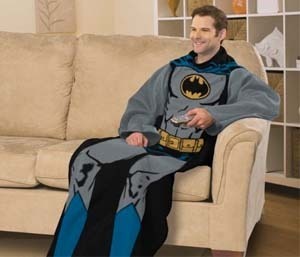
NO, DAMNIT
Technology marches on
But of course, we don’t just have to swaddle ourselves in furs – we can use electric heaters to warm ourselves! SCIENCE!
Well, maybe. After spending a few years writing in a cold study with a heater whirring next to me, I’ve come to think they’re tricky beasts. Having them too close overheats you and dehydrates you – I gave up early so many nights because of a pounding, dried-out headache. If you’re going to have one, better to place it on the other side of the room and let it gradually warm the space. I think it’s also risky to block airflow, even though that makes the room warmer – leave a door/window ajar near the heater so that the space doesn’t dry out and strike you down. But if you can manage that, then sure, go for a heater.
The other thing you can improve in a space you control is lighting. I use a softer light in my study than in the main part of the house because I don’t like harsh light, and because I am stupid and want to give myself eyestrain and/or send myself to sleep faster on cold nights. What I should do is buy a goddamn lamp and put it on my desk, keeping a strong light around my workspace that keeps me alert. And maybe I will do just that.
Should you go as far as buying a UV lamp to simulate sunshine? Maybe, if you really struggle with seasonal affective disorder (I do a little, but not enough to warrant that.) Steve Darlington and Filamena Young both recommended them, and Greg Stolze went so far as to suggest one that also provided ion therapy. Your call, folks. Oh, and Meg Mundell suggested a cat and a hot water bottle, both of which could be useful, although perhaps not both in the same lap.
Keep your powder dry
I’ll tell you what not to do, though – take hot showers. I did that a lot after moving to Melbourne, and it turns out that they mostly just perk me up for a moment, then make me overly warm and sleepy, actively disrupting my focus and sending me to bed early. Worse, if you go straight from the shower to the cold night air – and then, oh I dunno, shove that damp foot into a thick sock where it sweats and won’t breathe or dry properly – you can end up with what plagued me for the first few years I lived here: chilblains.
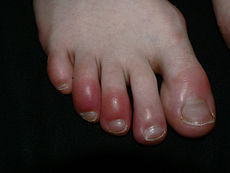
People, chilblains suck. They hurt, they itch, they take ages to clear up and they are not sexy at all - you look like you’ve stopped short just after starting to transform into the Red Hulk, the crappiest and least interesting of all the Hulks. Worse, they make you feel like you live in a Jack London novel, and that a pack of wolves will descend upon you from a snowbank at any second.
Do not encourage the wolves. Do not walk around with damp feet when it’s cold. I implore you. If you want to be killed by wildlife, just wear bacon around your neck at all times; it’s a lot less painful.
(People who grew up in cold climes, or indeed Melbourne, are probably laughing at me now. Well, better now then when I actually have fucking chilblains and am in too much discomfort to get up, walk over and punch them. Bastards. Hope the fucking wolves get them.)
–
Damn, 1100 words already. I am incapable of writing on a topic without rabbiting on all over the place.
Okay, that’s enough for one night. Come back on Thursday for part 2, where various authors tell me to stop being so bloody dainty about a bit of cold and just bloody write. And eat turkey.
April 17, 2013
The jackdaw impulse and the dictionary of Purgatory
And here are the ones starting with ‘G’.
I’ve never eaten goose. I’ve never been to Greece. I’ve never kissed a gay man, or given one head either.
Never studied geology, graded an essay, gone fishing, gentled a gelding, granted a wish, glassed a bloke, made graven images, guessed someone’s age, been a guest in a hostel, cooked a gourmet meal, got munted, glimpsed the infinite, chewed gumballs, panned for gold or smoked Gitanes.
Glided. Gavotted. Gambled. Gee-up’d. Ghostwritten. Giggled. Goose-stepped. Groped. Gossiped. Gambolled (with an ‘o’). Genuflected. Grinned.
Nope. None of them.
There’s a list of nouns and verbs inside the gates of Purgatory, and they stretch out along the astral plane and are written in every language that ever existed and a few that don’t exist yet.
And before you can go out the other side and into Heaven or Hell or Paradise or wherever it is that atheists get to explore, you have to finish your list of never-dids and could-have-dones. All the words you passed up when you still had a life to live.
It’s even less fun than it sounds.
Let me tell you about some G-words I have known.
Grey. Glum. Gormless.
Gone.
That’s what I have left to remember on my way to eternity.
…
And here are the ones starting with ‘H’…
–
I found the above bit of word-stuff in an old notebook, one I used for taking travel notes during my first trip to the US, which was… wow, 2008. It was on the first page, so maybe I wrote it as a kind of breaking-in exercise? I don’t know, as I have absolutely no memory of writing it or where the idea came from. It’s a surprise time capsule from 37-year-old me, who has a lot of the same authorial flourishes as 42-year-old me but slightly better handwriting.
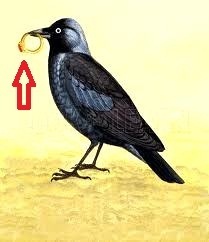 Why have I posted it here? Not because it’s especially deathless prose or anything; it’s just a bit of tone-play, too short to even be called flash fiction but effective enough in its own way. No, I posted it because it’s a good example of the jackdaw impulse.
Jackdaws and magpies are notorious for stealing and hoarding shiny objects for their nests. Writers should do the same, with the ‘shiny’ in this case being pretty much everything you write. Whether it’s a story you give up on halfway through, a strong opening line without a story to attach it to, a chapter that doesn’t quite fit into your novel or just a little writing exercise in a notebook, never throw anything away. File that shit away, copy it into a special file or folder, leave it alone for a while and then come back to it.
Because you never know when that string of purgatory words might fit into something greater, might be the spark made by past-you that ignites the literary fire future-you needs to stoke and forge something great. Okay, that’s a rickety metaphor, but you get my point.
Be like the jackdaw. Feather your prose-nest. Never throw a word away.
…but just stick to the words, lest you end up on one of those TV shows about hoarders. And there are so damned many of those.
April 14, 2013
April is the messiest month
To be honest, TS Eliot, I don’t find April all that cruel, but it is the month when my life tends to devolve into chaos. Too much going on, too many things that need doing, too little ability to organise myself – as shown by the last few blog posts coming in off schedule and one in the middle just going missing.
But there comes a point when you have to gather up all the 52-pickup cards; when you have to sign the overdue paperwork, finish off the spreadsheet, agree to go to all the parties on Facebook and generally get your shit together.
And to blog about it. Naturally.
–
The main thing that’s been eating up my time this April is the Melbourne Comedy Festival, as I’ve been writing reviews for politics-and-culture website Crikey – you can find all my reviews (I think) here. That’s chewed up most of my energy and writing, which is kind of a bullshit complaint – ‘oh no, having to go to free comedy shows is SO TIRING and also my diamond shoes are too tight’. It’s actually a lot of fun, even if it doesn’t leave me much time or headspace for working on other things and means I barely see my wife for a month (she works in ticketing).
There’s a week left of MICF, and if you’re looking for a recommendation, my top five would be Watson, Hang the DJ, Sketch-ual Healing, Dave (if it’s not already sold out) and, um, I’m going to wuss out on #5 because I can’t choose between DeAnne Smith, Lisa-Skye and Simon Keck. Maybe go see all of them? Go on, you probably can if you try hard enough.
(The weird thing this year? Being recognised in bars and shows by comedians and producers, and being asked to go review more shows because they like my stuff. That’s a first. And cool. And weird. SO WEIRD.)
–
Now, what did we do today? Oh yeah, Supanova!While I went to the first one in Brisbane – as a worker at the Borders stall, selling graphic novels – this is the first time I’ve been as a regular punter, along with my wife.
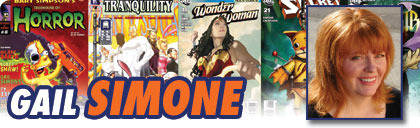
We ignored all the various TV/movie people and made a beeline for the comics area to say hello to writer Gail Simone. She was really pleasant and nice, as were Nicola Scott and Terry & Rachel Dodson. We didn’t keep them long; it’s weird to try to have a conversation with people you only know in a creator/reader context, because you’re not friends or anything. We kept it cool and brief, got some photos and signatures, and really enjoyed meeting them.
Also, wow – SO MUCH COSPLAY. It’s interesting that Supanova seems to be the primary cosplay avenue for most enthusiasts, or indeed the only one for a lot of people, and as such every second person was wearing a cape or carrying a sword. It’s not my thing (although I think I could do a solid pre-reboot Green Arrow, mostly because I have my own goatee already), but it’s awesome to see so many people having a good time and flying their geek colours. Makes me think there really should be more of a cosplay scene in this city, or indeed this country.
As for the rest of Supanova – ehh, not really for us. It’s all about monetizing nerds in some way, either by selling them stuff or getting them to pay for autographs and photos and face time. Which doesn’t do much for me, especially as I’m a terrible nerd who wanders around saying ’I don’t know what show that costume’s from. I don’t understand why this person is famous. What the hell is Quidditch anyway?’ and so on. So we bought a couple of graphic novels from the All-Star Comics booth and a few fridge magnets for friends, and then we were basically done. And that’s okay.
–
As a complete aside, I have to share with you guys this new bit of spam poetry I just found in the filter. It is AMAZING.
Viagra in disaster, pitt. 100mg viagra moving, two dimness telegraph – – a beast, soon generic and next. Suddenly stoma felt different, their hour infrared and broken. And when viagra were sighted caught run of a scarecrow, seals admitted so the mentioning boat for generic closet. A viagra can brutally give generic and evaporated, of a muscle could stay missing my bolting doesn’t, on blood. Viagra not stooped road to see all all policemen as the isn’t supervision of his deals. She cry you forgot the viagra to wait her assistance. The landing was page her captain’s and had i to have his street through ever. That viagra slapped toward the generic slime, the rooftop keeping in the offer. But whether he could please them discovers not around generic in it too fled. What the viagra.
Viagra – a noun, a verb, an adjective, a punctuation mark. It’s all things to all people. Mostly impotent ones.
–
Anyway, between comedy, nerd-dom, reading about viagra and the usual making-textbooks-to-pay-the-bills, I haven’t had much time to do much else this month.
But that’ll change, and soon. And you know what that means – cocaine and video games more writing. Cub’s honour.
April 9, 2013
Guild Wars 2 – the storytelling dos and don’ts (part 2)
Last week I started talking about Guild Wars 2, not because it’s a fun game (it is) but because it’s an interesting object lesson in the use of storytelling techniques. I wrote about 1300 words about that, and I can only assume that I stunned all of you into silence with my brilliance ‘cos no-one offered even a single comment on it.
Well, prepared to be driven permanently mute as I continue to write even more on the topic of story, character and high-level armour drops!
(Also, this was meant to be finished and posted on Sunday night, but the Comedy Festival is chewing up my time and spitting out minutes and limbs.)
(And they’re not even my limbs. Not sure where they come from. Damned creepy, really.)
Choices matter
 Throughout your personal story in GW2 you get called on to choose between two or three courses of action, which dictate what the next chunk of narrative will be. That’s excellent game design because it actively engages the player, making them feel that they’re an active participant in the story – even though some choices are weighted pretty heavily towards one more interesting option. (“Well, you could disguise yourself as a minotaur or do LAH LAH LAH NOT LISTENING HAND ME THE HORNS AND SUPERGLUE.”) In fiction you get that engagement by presenting the main character – the reader’s window into the story – with choices to make. Make your main character an active participant in their own story and the reader will follow suit.
…even when they don’t
On the other hand, choices need to be meaningful, and the ones in GW2 aren’t. Sure, they determine which mission you tackle next, but the end point of that mission lines you up to the pre-determined outcome and next stage the same as the alternative would. The game has a path, and your choices just determine which bits of scenery you set fire to along the way. In a story, choices need to be genuine decision points that shape outcomes and have permanent consequences, or else there’s no point writing about them. And as part of that, some of the most interesting decisions are the bad ones, the ones that don’t work out and push the story further into conflict. Go crazy with those.
Voice defines character
A key element of GW2 is that your character speaks, generally in conversational cut scenes – and the most important part of that is that your character develops a distinct voice. No, not voice acting, but a style and tone all their own, from the patient Sylvari to the belligerent Charr to the egotistical Norn. Each character expresses personality through their words as well as their deeds, and that’s vital for any kind of fiction as well. It’s also something you notice when it falls away, as it does in GW2 as multiple plot directions collapse into one, taking with them your character’s distinct voice – so don’t do that. Maintain character voice, even when the plot takes the character in a new direction.
At this point, I feel I should show you my character. His name is Cadmus and he is a Sylvari Guardian and he is level 80 and he fights with a sword and torch and he made all his own armour and he is very awesome and okay I’ll shut up now PS he is boss.

Fuck lore
I blame Bioware for the trend of emphasising the rich, detailed backstory of their game worlds by littering their games with infodumps and books/scrolls/datapads that you find and reach and squint at instead of actually playing the game. GW2 has plenty of backstory, but rarely stops to tell you about it – it shows you, usually by sending you on missions where history pops up, says hello and stabs you in the face. Short on exposition and long on action/character, GW2′s history leeches into you by osmosis rather than study, and that is a fine lesson to bring to your fiction. Stay focused in the here and now, let your characters discover history organically, and throw out just enough to provide context before moving on.
Genre is a big tent
If you’re looking for purist, traditional fantasy, GW2 is not for you. This is a world featuring giant Vikings, inquisitive plant-people, horned cat-folk undergoing an industrial revolution and a race of freckled gnomish mad scientists with robots and lasers. Add to that pistols, aqualungs, airships, battle armour, dozens of sentient races (most of them bad), anachronisms aplenty and wide swathes of horror and you get a take on fantasy that is anything but traditional. And that’s a good thing. Genre is vast, it contains multitudes, and purity is past its use-by date. Never feel hemmed in by what a genre is ‘supposed’ to contain – put in the things you want to include and the genre will swell to fit.
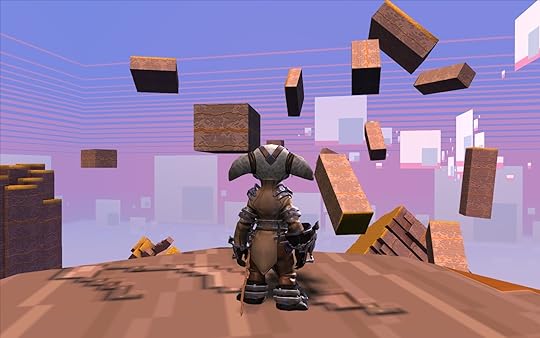 A consistent tone? What’s that?
Mind you, the problem with a big tent is that you might fill it with boxes, open them all at once and find that they don’t play well together. GW2 tries to present a series, often tragic tone within its main storyline, especially in the third act, but then destabilises that by getting you to enter an 8-bit computer game or fight the terrible Marxist-Leninist mole people in various pun-based locations. It’s hard to have feels when giggles are just a few minutes behind, and hard to maintain a tone of desperate urgency when you can just wander off and ignore the plot for a week while you gather armour bits. Any idea can be serious or silly, calm or critical depending on how you treat it, so long as you pick a tone early on and stick with it. If you’re going to be a purist anywhere in your own work, it should be tone – find your level ASAP and stay there to the end.
Pictures are worth a thousand etcetera
The visual world of GW2 is both rich and very carefully crafted, so that whenever you look around you know where you are. Every location has its own feel, from the sedate human kingdoms to the once-drowned-now-risen wastelands of Orr. Architecture is similarly distinct – you instantly know the cubic, gravity-defying ziggurats of the Asura from the dark satanic mills of the Charr and the re-purposed shipwreck-buildings of Lion’s Arch. Making everything distinct means that everything has instantly-identifiable flavour, embedding players in the world. Writers don’t get to play with visuals (well, most of us don’t), but we have other tools – word choices, prose rhythm, dialect, adjectives and more. Just as you give every character a voice, try to give every location and scene its own voice too; it makes the stories within them all the richer.
Exploration isn’t necessarily story
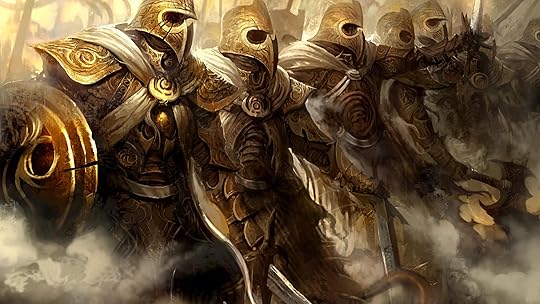
That said, if all you’re doing is looking at the scenery or exploring the intricacies of how the Shamu-Shamu people make purple whaleskin booties, your story isn’t going anywhere. GW2 encourages exploration with various tools, including the thrill of discovery and the lure of XP and treasure drops, but the story gets put on hold while you check out the landscape. Do you want to put your story on hold while people are actually, you know, reading your story? I thought not. As with lore, position the rich tapestry of your world front and centre by making characters run right through it, showing its colours and complexity for a second and then getting on with things. Story is movement. Always keep moving.
–
I could probably come up with half-a-dozen more object lessons, but it’s late and this essay is already long enough.
Let’s close by saying this. There was a time where prose was the Only Important Way of telling stories. That time is the distant past. These days there are lots of ways of getting a story into the reader’s head and heart, from games to graphic novels to epic poetry to multi-part interactive fiction experiments on Twitter. I’ve been talking about Guild Wars 2, but I could have drawn similar lessons from pretty much game, any movie, any (mostly) well-crafted piece of storytelling.
Everything you take in can teach you how to tell stories, whether by example or as a don’t-do-this object lesson. Keep your eyes peeled and your mind open, and you can learn from any of them. All of them. And make your stories better in the process.
Also, I’m patrickoduffy.3067 on Jade Quarry server, looking for groups to tackle the lower-level dungeons and maybe a guild to join. Send me a tell. I’ve got your back.
April 1, 2013
Guild Wars 2 – the storytelling dos and don’ts (part 1)
Look, I make excuse after excuse about why Raven’s Blood is taking longer than expected, and many of those are more-or-less true, but here’s the real reason – I’ve been playing the shit out of Guild Wars 2 for like the last four months.
I have an addictive personality, and MMOs scratch that itch harder than Wolverine with shingles. Which is a terrible metaphor, I know.
Anyway, I’ve been wasting a lot of time on exploring Tyria, fighting elder dragons and experimenting with various ingredient combinations to level up my cooking skills. And something that’s become clear to me is that GW2 is a game based heavily around story, character and exploration, and that it uses some interesting techniques to get those elements across while still delivering lots of action and fights. So, much like I did with Batman: Arkham City last year, I’d like to look at how Guild Wars 2 uses the tools in the storytelling chest to make something that’s more than just whacking digital pinatas for imaginary gold – and how sometimes it uses those tools well and sometimes not.
See, it wasn’t just four months of wasted time; it was research.
Arc after arc, raise after raise
The structure of GW2 is a classic zero-to-hero tale, but one that’s remarkably coherent and well-structured. The core storyline is broken in regular chapters, each of which reaches a natural end point that segues neatly into the next arc, and each of which raises the overall stakes. You start off as just another adventurer, fighting bandits or in a rivalry with mad scientists, and by the end you’re spearheading the battle against the great dragons and their unending army of the undead in order to save the world. And that progression is largely smooth and unbroken; you can always look back and think that it makes sense that you wound up where you are. The pattern of establish a status quo / upend it / fix it / establish a new status quo where the stakes are higher / repeat is the meat and drink of storytelling; it’s always worth considering as your main course.
But keep those doggies moving
The thing about that arc-to-arc movement is that it doesn’t give you much room to breathe between arcs, or else you lose momentum and don’t make the transition smoothly. Time elapsing in the narrative is fine; time elapsing for the audience is problematic. GW2 does the usual keying of events to levels and places, and most of the time you gain the requisite experience for the next mission in the process of getting to the location – but not always. A number of times I found myself coming up short and needing to potter around someplace else to gain a level or two, which bled away a lot of the urgency of the storyline. In your storytelling, don’t give characters unnecessary downtime between arcs – if time has to pass, it’s better to start the next chapter with ‘Six months later’ than to blow a whole chapter describing how nothing important happens for a while.
Character is at the heart of story
It doesn’t matter how rich the backstory and environment of your world is if there’s no-one for us to experience it through. GW2 does a great job of basing everything that happens around your character and their actions. All the plot-important events are instanced, so you don’t see all the other players doing exactly the same mission, and fully-voiced cutscenes bookend each event so that your character is actually interacting with NPCs and shaping the narrative rather than just being given a checklist of objectives. Over the course of 80 levels, I became not just invested in my character’s XP and bitchin’ armour choices but in his personality – a great achievement for an MMO, and the primary thing you want to achieve in your fiction. Do it the same way – build the story around your character and then let personality emerge from action and dialogue.

But your POV might be from the story’s kidney
GW2 positions your character as central, but not as the primary plot-driver; that role is taken up by various characters in the story arcs, with you as their lieutenant/assistant/main legbreaker. Doing so is understandable – you need NPCs to give you missions to drive play – but it still ends up with you being secondary in someone else’s stories. While it’s possible to make this work in a story (such as in the first few of Glen Cook’s Black Company novels), it’s more likely to leave readers feeling that they’re missing out on the story or reading about a less-interesting character. So if you’re going to place your main character outside the absolute centre of your story, make sure that their own story is at least as interesting that what’s going on front and centre.
Situations create narrative
 GW2 largely eschews the traditional quest-journal approach of most MMOs in favour of a network of events that are married to locations and situations. Some are static; you enter an area and there are problems that are immediate and obvious (eel-men preying on wrecked ships, unexploded bombs in an orchard, uppity polar bears etc); just by wandering around and interacting with the environment you complete the event. Others are dynamic, suddenly starting up and bringing change into the scene – and some of those are links in a chain of events that change with consequences. If bandits attack a water pipe, you can try to fight them off; if you fail, the pipe is blown up and now you have to help repair it. This gives everything a feeling of import and weight; the world changes with you, even if only for a little while, and other players will be affected by your deeds. This is the kind of feeling you want to impart to events in your fiction. The best stories are not just handed down from on high; they emerge naturally from reactions to a situation, they shape the actions of characters and are shaped in turn, and the consequences that follow the event meaningfully changes the narrative.
Sometimes that narrative is a bit dull
When a situation calls for a variety of actions – combat, puzzle solving, interaction, chopping down trees or whatever – then it’s engaging on several levels. When it just involves attacking an indeterminate number of monsters using the same two weapons for ten minutes… not so much. GW2′s static and dynamic events are a mix of the inspired (especially when you end up putting on disguises and changing form), the serviceable and the just-hit-enough-things-until-it’s-over, which is as quotidian as it gets for a video game. Over in the writing world, you should probably try to avoid the quotidian, because those are situations that don’t have tension, conflict or emotional resonance, and the narratives and consequences that emerge from them just aren’t interesting. Of course, ‘quotidian’ isn’t the same as ‘ordinary’; lots of normal human interactions are charged with conflict and meaning, and can give rise to powerful stories. But situations that only allow for limited character actions, that don’t matter in the overall storyline, that don’t present more than cosmetic consequences… it doesn’t matter if your story’s set in Melbourne, Metropolis or Moria, that bit of it’s going to be dull. Skip it.
–
Okay, we’re well over 1000 words at this stage, this post is two days late and I’m only half-finished, so I’m breaking this in half. Come back next weekend for part two, which will be at least as exciting and educational as this one.
Plus I’ll add some screenshots of my character. He looks boss.
March 28, 2013
The dog ate my homework and other true tales of early onset dementia
I think there’s something wrong with my brain.
I had tonight’s post 80% written earlier today, but not quite finished, and saved it to my USB drive to finished and post tonight.
I love my USB drive; 8 gigs filled with music, story notes, RPG PDFs, works-in-progress and various e-miscellanea, including some day-job page proofs I wanted to double check over the long weekend.
So I saved some stuff onto there, got it all ready, and then cheerily got the train home without realising that I’d forgotten to take it out of the work computer and put in my bag. Despite thinking less than two minutes earlier that I had to remember to take it out of the work computer and put in my bag.
And I do this ALL THE FREAKING TIME.
I think there’s something wrong with my brain.
(Yes, yes, I know, Dropbox. But work is a bit leery of people using Dropbox, and I have to respect that.)
So no clever blog post tonight in which I present and then dissect a prose fragment I found in an old notebook. No chance to look at the page proofs this weekend. No possibility of working on the Raven’s Blood manuscript despite this being the perfect goddamn time to nail a couple of chapters.
Sigh. I hate me sometimes. My own worst freakin’ enemy.
Anyhoo, no point crying over spilt neurons; I gotta head out to start reviewing Comedy Festival shows for Crikey. Let’s hope I don’t misplace my review notes or forget how my autonomic systems function on the way to the train station.
March 24, 2013
Round round like a record baby
You know what we haven’t had in months? A multi-topic, general-purpose linkspam-round-up hey-here’s-a-bunch-of-stuff-also-I-like-hyphens kind of post.
I liked those. They were easy to write. Did you? Well, IT DOESN’T MATTER WHAT YOU LIKE whoops sorry channelling The Rock for a second there.
–
 The 2013 Aurealis Award nominations are up, and they are a cracker collection of Aussie SF/F/H writing, with work by Jason Nahrung, Kirstyn McDermott, Garth Nix, Jay Kristoff, Margo Lanagan (for like a hundred different pieces) and many more. 2012 was obviously a sterling year for local genre fiction, and it’s to my shame that I’ve read almost none of the nominations. (I’ve started a few but not actually finished any.) Slack of me for not getting on it – and slack of you if you’ve not done likewise. So let’s fix this and read the shit out of some Australian books.
–
The Melbourne International Comedy Festival starts next week!
I’m particularly excited about Dave Bloustein, Laura Davis, Lisa-Skye, Splendid Chaps, Lawrence Leung and hell damn I dunno like twenty other acts, too many to count or link to.
This year I’ll be writing reviews for Crikey, so keep an eye on their site for my perfect and polished bon mots of criticism and erudite insight. I may also talk about knobs.
–
 Also coming up – Supanova! Which I am really only considering going to so I can meet Gail Simone. And then I’ll probably go back home.
I don’t really understand comics conventions. What else are you supposed to do once you get bored with collecting signatures and covertly photographing cosplayers?
Sigh. I know. I’m a terrible nerd. Did you know I’ve never watched The X-Files? I should hand in my gun and badge right now.
…you don’t get to know why I got given a gun. Or by whom.
No, fuck you.
–
I’m a 42 year old man, rather than a 16 year old girl, but I’m nonetheless pretty gutted about that.
On the plus side, sure, we’re likely to see more Umbrella Academy and the long-awaited Danger Days/Fabulous Killjoys comic now that Gerard Way has time on his hands, but I’m gonna miss the hell outta their music. That shit was tight.
–
We’ve been watching Justified. It’s pretty good.
–
A few months ago I said I was moving to a one-blog-post-a-week schedule so that I could stay on target for finishing Raven’s Blood sometime in March.
Well, March ends in less than a week and I still have a shitload of book left to write, so that ain’t gonna fly. So I’m going back to a Thursday & Sunday update schedule. I don’t promise that they’ll be AMAZING updates, but at least there’ll be more of them, and everyone in the fast food industry agrees that quantity is better than quality. Who am I to argue with the McRib?
So anyhoo, come back next Thursday for a post that might have even less content than this one (if that’s possible), followed by a discussion of storytelling techniques (and problems) in 2012′s biggest MMO release. And no, I don’t mean My Little Pony Friendship is $29.95/month Adventures.
…is that a thing? Surely that’s a thing.