
Ryan Hall's Blog, page 369
August 11, 2015
Sneak Peek: 2016 Running Apparel and Accessories
We spent three days checking out new gear at the Aug. 4-8 Outdoor Retailer trade show in Salt Lake City. The gallery of images below is a brief overview of new running apparel, accessories and nutritional items you’ll see at running stores beginning this fall and winter.
RELATED: Much Ado About Running Socks
RELATED: First Look at 31 New Shoes for 2016
VIDEO: First Look—Altra IQ High-Tech Shoe
Photo Gallery
1 of {count}
Back to Start
View Larger Image
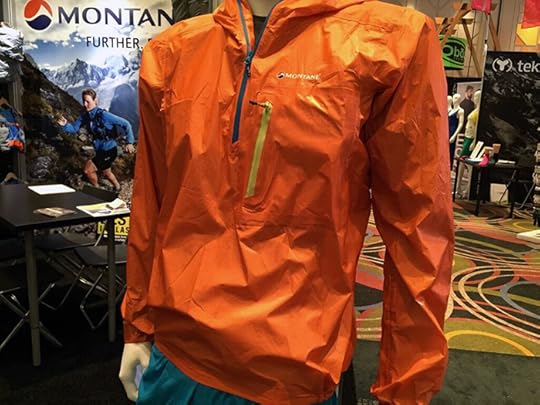
Montane 777 Jacket
With three layers (the sevens refer to: 7 denier nylon face, 7 micron laminate and 7 denier tricot interior) of burly yet breathable protection, this is a smart running piece for extreme environments. The pullover weighs in at 4.7 ounces, features a slim fit, taped seams and stows away in its very own pocket when you want to put it away. ($289, montane.co.uk)
View Larger Image
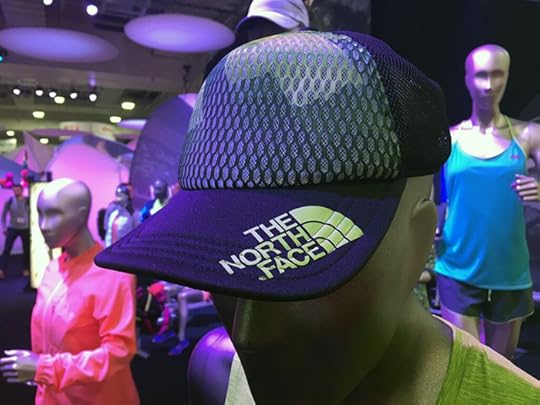
The North Face Run Trucker
Inspired by The North Face’s trucker hat-loving running team, this new take goes technical with a wicking liner, breathable mesh and comfortable fit. ($25, thenorthface.com)
View Larger Image
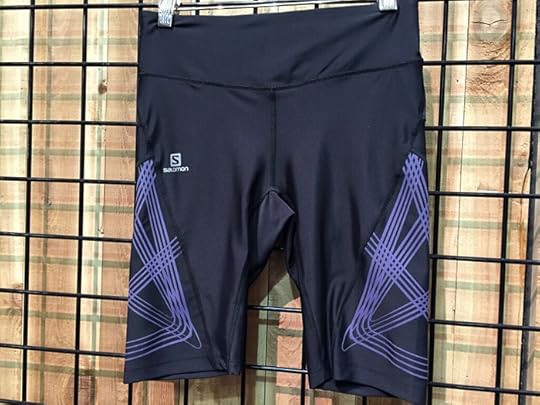
Salomon Intensity Short Tight
Non-slip hand pads on your thighs aren’t something you think you need, until you really need them! Like when you are hot and sweaty and powering up a steep mountain trail. At that point, the last thing you want is to waste energy by having your hands slip and send you reaching for the ground. Women’s shorts are shown ($70, salomon.com), but these will be available for both men and women and also come in capri length for both men and women ($80), and full length ($95) for men.
View Larger Image
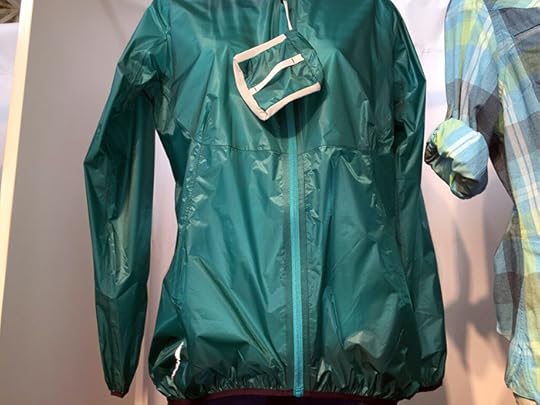
Berghaus Hyper Jacket
A lot of details are fit into what’s being billed as the lightest full-zip, waterproof jacket available. In addition to the full zip and full zip flap, it has a hood, elastic piping at the wrist and waist and it’s own packable stuff sack—all for around 3.5 ounces. ($155, usa.berghaus.com)
View Larger Image
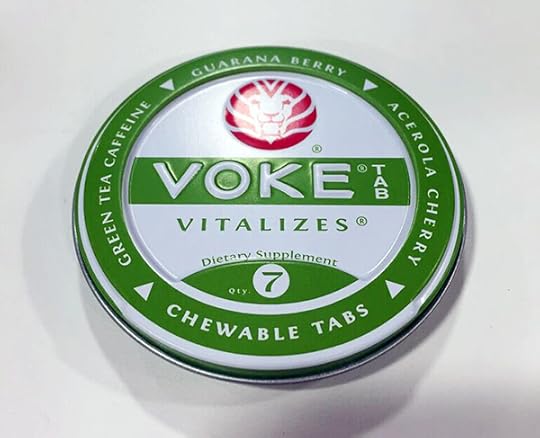
Voke Tab
The latest way to get a natural caffeine boost comes in tablet form. One Voke Tab delivers 77mg of green tea caffeine, 100 percent of your daily dose of Vitamin C from acerola cherries with some organic guarana berry to help with mental focus. The texture is bit chalky, but the smooth and subtle boost it delivered was a winner—and a tab has just two calories. ($7, voketab.com)
View Larger Image
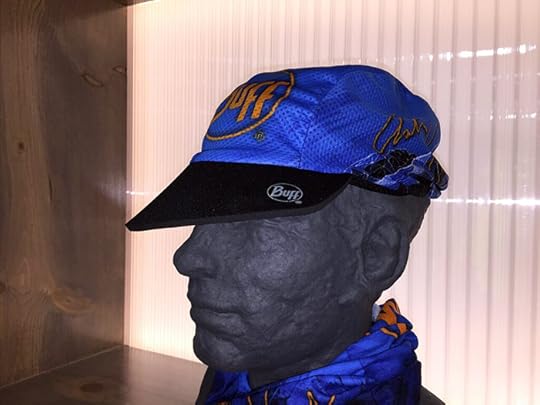
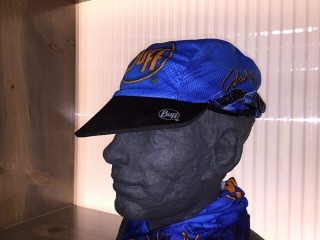
Cap Pro Buff
Ultrarunner, mountain adventurer and Buff brand ambassador Anton Krupicka helped design this quick-drying reversible cap. It has a small, angled brim to provide eye-protection as you’re looking up to the next peak. ($29, buffwear.com)
View Larger Image
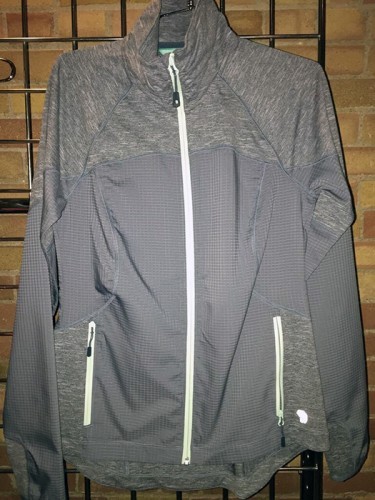
Mountain Hardwear Mistrala Jacket
Insulated on the body and arms to keep you warm during a run and breathable all over to dump extra heat as you get moving, the cozy Mistrala has ruching at the collar and on the back for fashionable bonus points. ($115, mountainhardwear.com)
View Larger Image
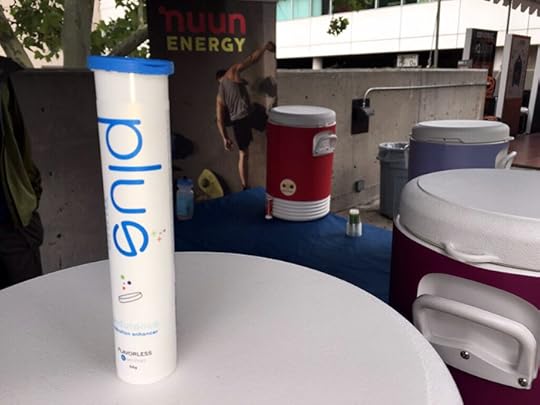
NUUN Plus
Give your water a flavorless, toothy boost with additional calories and plenty of electrolytes to help you power through longer workouts. Each two-tablet serving contains 40 calories, 50mg of sodium, calcium and magnesium and 100mg of potassium. Add to plain water, your liquid of choice or to a bottle of Nuun, of course. ($7, nuun.com)
View Larger Image
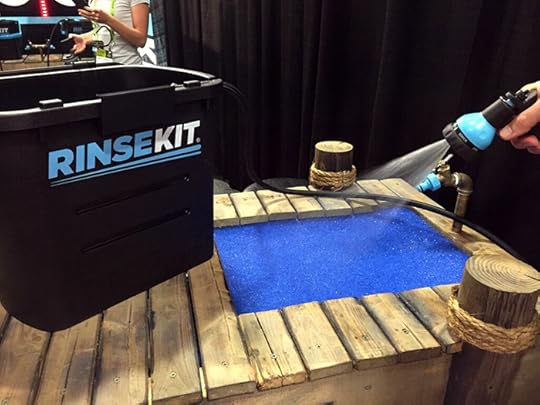
Rinse Kit
If getting dirty has been your excuse to skip trail runs, you’ve lost your excuse. Fill the rinse kit from the nearest spigot for a pressurized, no pump and no battery shower. It holds two gallons of water and sprays for about three minutes. ($90, rinsekit.com)
View Larger Image
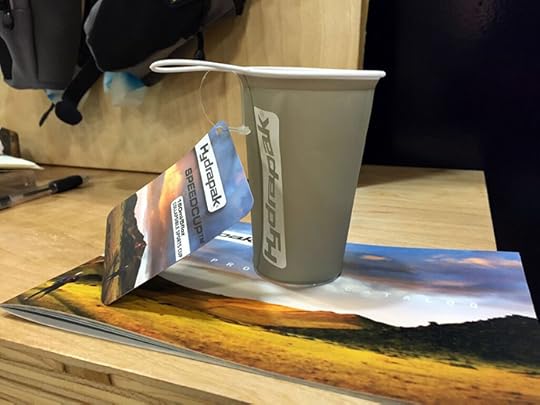
Hydrapak Speed Cup
Carrying your own cup, required in many European races and an increasing number of U.S. races as events step-up their green factor, is simple with this new collapsible and durable piece weighing in at 10 grams. The loop hold makes drinking easy and also allows you to hang it on your pack, although its built to withstand being collapsed and shoved in a pocket, waistband or bra too. ($10, hydrapak.com)
View Larger Image
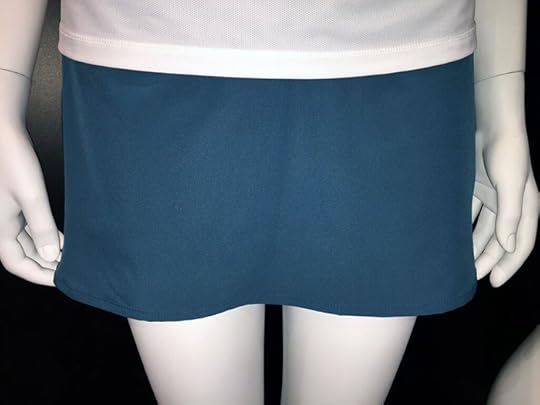
Mammut MTR 141 Skort
The European Alpine adventure brand is expanding their run apparel collection. One piece that stood out is the sleek new skort with a durable, stretch fabric shell, boy short liner and dual side-notches for room to move. ($65, www.mammut.ch)
View Larger Image
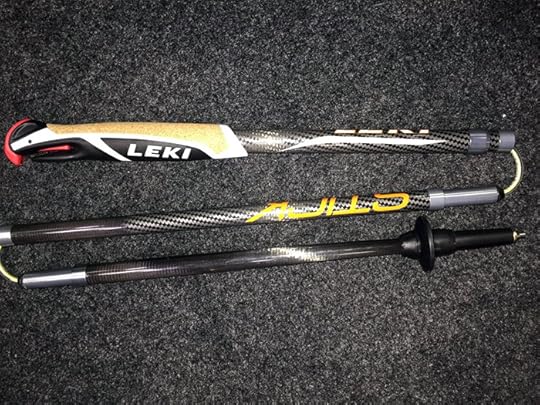
Leki Trail Stick
Quick and easy to assemble—and just as easy to pack away—the fixed-length (available from 105-130cm), four-piece, carbon Trailstick features a carbide tip for a secure hold and the same efficient grip and strap system used in LEKI’s Nordic poles. ($199, leki.com)
View Larger Image
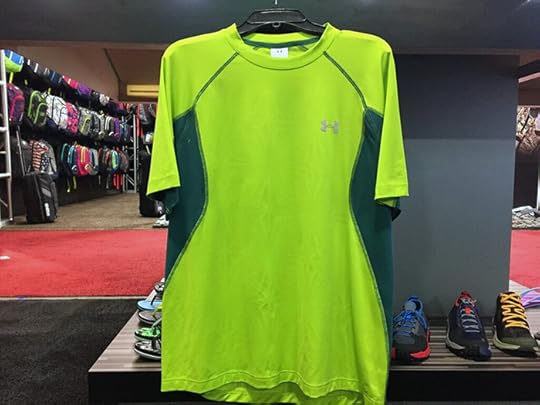
Under Armour CoolSwitch Trail SS Tee
A taste of functional fashion is built into Under Armour’s new line of trail running apparel. Durable, cooling fabric and breathable mesh panels are combined with color blocking and contrast stitching. ($40, underarmour.com)
View Larger Image
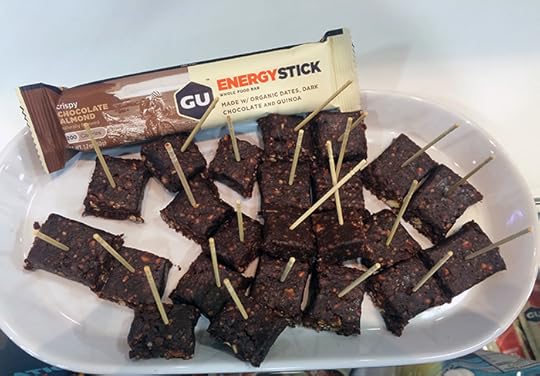
GU Energy Stick
After years of research and development—led by Olympic marathoner/champion ultrarunner and vice president of research, development and innovation Magdalena Boulet—GU is launching its first energy bars in 2016. GU Energy Stick whole food bars (available in Crispy Honey Peanut and Crispy Chocolate Almond) are 70 percent organic, gluten-free nutrition bars made from organic dates, almonds, honey, organic quinoa, organic semi-sweet dark chocolate and sea salt. ($2.50, GUenergy.com)
View Larger Image
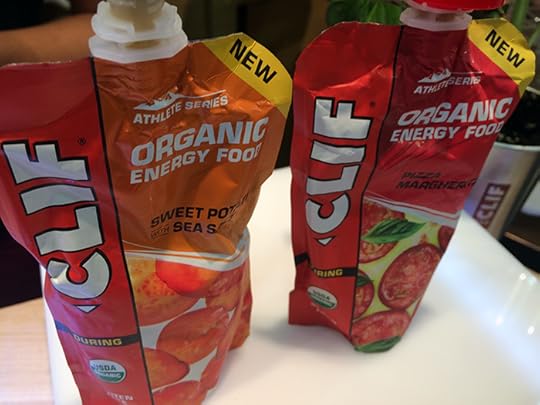
Clif Pouches
Clif is one of several nutritional brands answering the call for savory bars, gels and snacks for endurance athletes. (Not everyone craves sweet things all the time!) Clif's sweet potato with salt and pizza margherita Organic Energy Food pouches debuted this summer, while other new flavors are on the way. ($3, clifbarstore.com)
View Larger Image
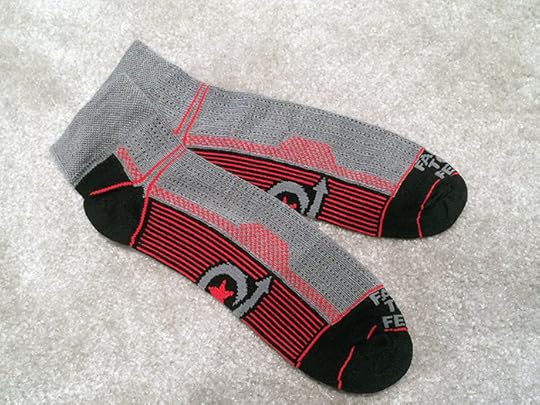
Farm to Feet Roanoke Adventure Run Crew Socks
These new flat-knit cushioned running socks are 100 percent American-made—created with U.S. materials (including U.S.-grown merino wool), and American workers in a domestic manufacturing facility. Oh, and they come with a lifetime guarantee. ($14, farmtofeet.com)
View Larger Image
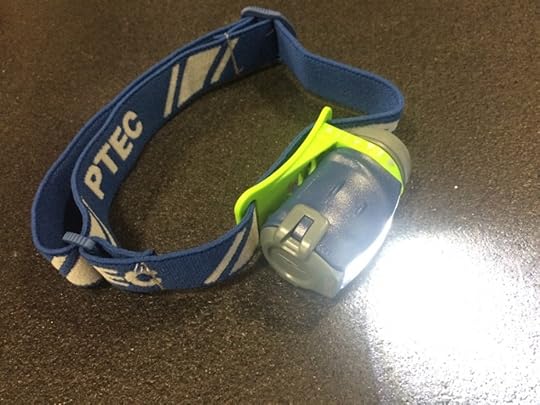
Priceton Tec Sync
This lightweight headlamp packs a lot of power—up to 90 lumens—but has five settings (dual beam, spot, high flood, low flood, red) and 200 hours of burn time. ($30, princetontec.com)
View Larger Image
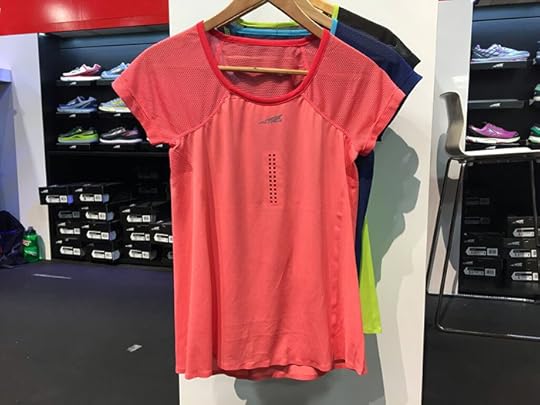
Altra Running Tee
Now that their zero-drop shoes have become a market mainstay, Altra Running is entering the running apparel market with a line of purpose-driven running wear, designed by runners. Minimal seams, smart fabric combinations and just-what-you-need styling are the hallmarks of the initial collection. The women’s short-sleeve Running Tee has soft mesh underarms, back and shoulders for maximum breathability, laser-cut chest venting, soft neck tape and a seamless bottom hem. ($60, altrarunning.com)

More Galleries
The post Sneak Peek: 2016 Running Apparel and Accessories appeared first on Competitor.com.


August 10, 2015
Is New ShoeKicker Site a Help to Runners or a Hindrance to Running Stores? Or Both?

Imran Khoja, founder of ShoeKicker.
The right pair of shoes is the cornerstone of any running kit. Style, fit and specific needs are elements weighed when determining your running partner for the next 300 to 500 miles. But what about cost—is the price tag a factor?
Of course it is. And Imran Khoja, founder of ShoeKicker.com, a new shoe price aggregator site, thinks he’s solved a common runner complaint.
“I was on a run with a friend and was complaining that my fifth pair of Mizuno Wave Inspire 9’s were toast, and I couldn’t find new ones anywhere,” the Boston-based entrepreneur, designer and project manager said. “We thought there had to be some way to find them online. But, when I realized there wasn’t, I created this site with a group of friends. It’s basically Kayak.com for running shoes.”
Khoja emphasizes his aim with the site is not to take business away from independent retailers. He also believes it shouldn’t be an issue based upon the model.
“Pricing is pretty set for the first season of a shoe, and we want people to go to their favorite store to have the complete try-on and purchase experience. While we are happy to have that business coming through us, we want the running stores to have that sale,” says Khoja, who ran cross-country for Williams College. “Once a model is a year-old, prices become a free-for-all. That’s when ShoeKicker helps people find savings.”
Mark Sullivan, the executive editor of Running Insight trade magazine, sees the site and concept differently.
“I feel like run specialty stores go out and build and create demand by doing events in their communities, holding races and having programs in their stores,” Sullivan says. “And I look at a site like this and feel it just takes consumers down a bad path of buying based upon price instead of knowledge.”
RELATED: The Pros and Cons of Buying Cheap Shoes Online
Part of the reason Sullivan doesn’t like it is because the price suggestions lead users to a wide array of online retailers—including big box retailers like Dick’s Sporting Goods or mall-based conglomerates like Foot Locker. (A sample search for an ASICS GEL-Kayano 20 in men’s 10.5 produces a list of 13 retailers and prices in ascending order, starting with: 1. East Bay, 2. Foot Locker, 3. Running Warehouse, 4. Zappos, 5. City Sports and 6. Dick’s Sporting Goods.) Khoja says ShoeKicker fits into the scene by “helping people be able to quickly and easily get a snapshot of the entire landscape of the internet and the price for the pair of shoes they need at the savings they want.”
“I think these guys are harvesting and riding on the back of all the work done by the specialty run stores,” Sullivan says. “I hate it, and think it’s predatory.”
Customers don’t actually purchase shoes through ShoeKicker. Instead the site provides a list of options and shoppers choose where to make their purchase. ShoeKicker’s profit comes from getting a percentage of the final sale from their marketing affiliates. Khoja also said he is not creating backend affiliate deals for ShoeKicker’s benefit.
Khoja admits the business model is at odds with the value they are trying to deliver in that they are getting a percentage of the lowest price. Also ShoeKicker’s development team decided not to capture customer information, at least for now, because they “decided to err towards a great and approachable experience.”
“We want to be like your favorite affable, responsive, encyclopedic and quirky running store salesperson,” says Khoja, who also admitted there’ve been mixed reactions to the site and he’s already been threatened with lawsuits. “We’re not trying to piss anyone off. We’re runners using technology to solve a problem and deliver a good consumer experience. If people can save some money, maybe they can buy another race entry.”
ShoeKicker launched today with 14 online vendor affiliations and roughly 10,000 pairs of shoes in their aggregator database.
RELATED: 10 Reasons You Should Shop at a Running Specialty Shop
The post Is New ShoeKicker Site a Help to Runners or a Hindrance to Running Stores? Or Both? appeared first on Competitor.com.
The Inside Lane: How Bad Do You Want It?
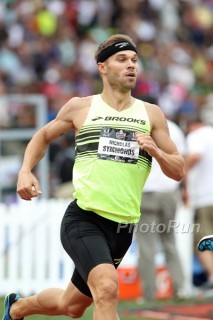
Nick Symmonds took a bold stance. But for it to pay off, he can't do it alone, writes Mario Fraioli. Photo: PhotoRun.net
We’re constantly reminded that actions speak louder than words, and no one’s actions in the world of track and field have made more noise in the past week than those of reigning U.S. 800m champion Nick Symmonds, a Brooks Running-sponsored athlete who will not represent his country at the IAAF World Championships later this month in Beijing because he refused to sign a statement of conditions required by Nike-backed USA Track & Field, the sport’s governing body.
Contrast Symmonds’ bold stance with a smattering of sheepish statements released by USATF on Monday that, in essence, amount to a weak defense of an antiquated and obscure set of bylaws they clearly have no intention of changing anytime soon.
“We respect Nick’s decision not to represent the United States at the IAAF World Championships,” USATF communication chief, Jill Geer, said in a release. “The Statement of Conditions is part of USATF’s governance documents, and its requirements are common in professional, Olympic and National Team sports, both domestically and internationally. It has been in place for years, and athletes and agents are familiar with the provisions of the document, which include requirements pertaining to athlete conduct as goodwill ambassadors for the United States, proper handling of the American flag, wearing the designated Team uniform at official Team functions, attendance at official Team practices, meetings and other events, commitment to train and report fit to compete, and following doping rules…As part of USATF’s bylaws, the Statement of Conditions must be signed by all athletes who compete for Team USA, and it cannot be unilaterally changed or waived by any USATF officer. USATF has been in active and regular discussions with athlete leadership for more than a year about the definition, benefits and obligations of professional athletes in the sport. Our dialog with Nick and his representatives over the last week has added to the discussion.”
RELATED: Nick Symmonds Left Off World Championship Team
More importantly, compare Symmonds’ actions with the relative non-action of his fellow U.S. track athletes, whose “support” of Nick’s stance have amounted to nothing more than a steady stream of digital chirping at this point. As Toni Reavis so poignantly wrote over the weekend, “until the athletes of track and field truly unite, they will have no one to blame but themselves for continuing to be treated if not as serfs, as they were for decades, but simply as independent contractors where any one protestor among them can be easily replaced, as Max Siegel has warned Nick Symmonds of being for Beijing.”
By refusing to sign the mandatory statement of conditions required of every qualified U.S. athlete wishing to compete at the world championships, Symmonds is sacrificing himself as a lone marytr in an effort to instigate a change in the way athletes are allowed to represent their individual sponsors while also representing the U.S. in international competition—a privilege Symmonds has had multiple times over the course of his professional career. But for change to take place, and for USATF to take athletes’ sponsorship rights more seriously, Symmonds cannot work alone. As Reavis wrote, one protester can easily be replaced, as USATF demonstrated on Monday when they named Clayton Murphy to replace Symmonds on the U.S. team for Beijing. But imagine if every non-Nike athlete who qualified to represent the U.S. at the world championships or Olympic Games—or better, every athlete, regardless of their sponsor—refused to sign the statement of conditions as it’s currently written, thus deeming themselves ineligible to compete. What would USATF do in that situation?
While it’s hard to say for sure, at the most fundamental level it would force the organization to look itself in the mirror and answer the question of whether they truly want to send the best U.S. team to a global championship or only the individuals who agree to adhere to a current set of bylaws that mostly benefits Nike, their primary sponsor through 2040.
USATF, which proudly bills itself as “the World’s #1 Track Team” said in a separate release on Monday morning, “Team USA is coming off an impressive performance at the IAAF World Championships in Moscow in 2013, scoring 282 points as a team for the most ever by a U.S. team. Team USA captured 25 medals, tying its second-highest medal output.”
One of the key contributors to that medal count was Symmonds, who took home a silver in the 800 meters, the first U.S. medal in that event in 16 years. So, given that, how serious is USATF about being the ‘World’s #1 Track & Field Team,’ if they’re going to let politics keep the reigning U.S. champion and world silver medalist off the squad?
If there’s going to be a martyr for athletes’ rights, there’s no better volunteer than Symmonds, who is not only the most outspoken critic of the numerous issues and injustices that face track and field athletes today, but also a 6-time national champion, one of the best championship 800m runners in the world, and America’s top hope for a global medal in the middle-distance event.
The problem is here is that Nick Symmonds is one athlete. A major hurdle in the effort to instigate change of any sort in track and field is that it’s a sport full of independent contractors with no established athletes’ union looking out for everyone’s best interests. Aside from a relatively small handful of successful athletes such as Symmonds who have been able to enjoy a prosperous career through a combination of world-class results, shrewd negotiating and smart marketing, it’s a tough climate in which to make a living as a “professional,” and at the end of the day almost everyone ends up looking out for their own best interests.
So, when the world championships kick off in Beijing on Aug. 22, Symmonds will be sitting at home as 131 of his fellow U.S. athletes compete. All have presumably signed the statement of conditions not only because they’ve been working hard for the opportunity to represent the U.S. at a global championship, but also because they’re either:
Sponsored by Nike, so for these athletes there is no conflict of interest regarding what they wear at “official” team functions. Also, there’s usually a nice sponsor bonus for making a world championship team, and even more if you win a medal.
Sponsored by a brand other than Nike, but are getting a nice bonus from their sponsor for making the world championships team—along with any additional bonuses if they win a medal—so they’re willing to grin and bear wearing the swoosh for a week.
Not sponsored by a major footwear or apparel sponsor, so there’s little to no conflict of interest and competing at the world championships is likely to open doors into bigger meets and/or secure additional sponsorship opportunities.
Given the current climate of “professional” track and field, can you blame any of them?
The one question every professional U.S. track and field athlete needs to ask themselves is this: Am I willing to forfeit the individual privilege to compete at the world championships or Olympic Games—and all the tangential benefits that come with it—because I truly care to see change that will benefit not only me, but my fellow athletes as well?
To this point, with the exception of Nick Symmonds, the answer has clearly been “no.” Words in the form of social media posts, petitions and the like aren’t going to generate enough noise to force the changes that will allow everyone—not just the best athletes—to thrive and make a living in the sport. More athletes need to follow in Symmonds’ footsteps and take bold action if they want to see change for everyone. Otherwise, it’s all just a bunch of background noise.
The post The Inside Lane: How Bad Do You Want It? appeared first on Competitor.com.
Much Ado About Running Socks
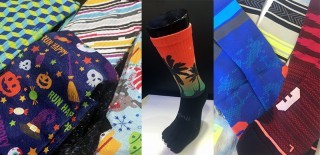
New running sock designs from Brooks (left), Injinji (center) and Stance (right). Photo: Brian Metzler
An explosion of color is about to hit your sock drawer. Just as running shoes and running apparel have gone through a brightly colored evolution in recent years, colorful and artistically designed running socks are all the rage right now.
Upstart brand Stance, which has famously made inroads into the NBA and urban fashion recently, is leading the revolution with its avant-garde designs, but Nike has also tinkered with new fashion-forward models and Brooks is about to jump into the fray too. Designs range from bright colors and unique patterns to themed designs focused on holidays, southwestern landscapes or beach scenes.
In addition to new designs—or perhaps because of them—running socks are getting taller. Perhaps as somewhat of a cultural revolt against standard no-show or quarter socks typically available in white, black and gray, expect to see more knee-high running socks and crew socks that go well above the ankle.
“Runners love to express who they are,” says Bennett Grimes, apparel merchandising and design manager at Brooks. “Running socks are on fire right now as a category because it’s another fun way to put a little excitement into your run.”
In October, Brooks is launching its new Pacesetter sock line with a Halloween-themed sock available in crew ($17) and tab ($15) styles. From there, it plans to release new themes every month, including socks to highlight Thanksgiving turkey trots, Christmas and St. Patrick’s Day, plus an array of stylish and hipster patterns.
Nike has been showing a wider array of non-traditional designs in its running sock lines online, while Ininji is coming out with new designs too, including its Trail Crew Midweight Sock ($17) in a variety of prints. Injinji’s new Coastal socks (pictured above) are made through a new direct-to-garment printing process that eliminates blank spaces in the design as the socks expand when they are worn.
“I think new runners are paying more attention to socks,” says Claire Kooperman, digital marketing coordinator for Injinji. “It’s another fashion piece with function.”
You might know Stance as the company that makes socks with photos of NBA players on them. Those products helped Stance gain publicity after it launched six years ago, but Stance executives have a much larger vision for the company. This fall, Stance will become the official sock of the NBA. And they have $86 million in funding to make that come to life.
The company was founded by a team of executives with backgrounds in technology and action sports who believe the marketplace is ready for a dominant hosiery brand that fuses fashion with performance and a modern marketing approach.
Stance is putting that strategy into practice in the running category with its Peformance line. The company recently signed mountain runner Anton Krupicka to an endorsement deal to promote its running socks. The two-time Leadville 100 champion joins Lauren Fleshman and Rickey Gates as a member of the brand’s Punk & Poets diverse roster of athletes.
“We believe there is an opportunity to offer performance run with interesting styles and constructions,” says Russell Nadel, director of the run category for Stance. The company will begin shipping lighter styles for Spring 2016 and now has a total of seven SKUs on the market—four for men and three for women. Prices for crews begin at $15 retail and extend to $36 for over-the-calf compression models.
All running styles are 200-needle construction comprised of moisture-wicking performance fibers, a lightly cushioned foot bed with reinforced toe and heel, air channel cushioning and anatomical venting with breathable performance mesh. The crew and OTC styles also feature graduated compression.
Stance has recently hired several Nike hosiery execs to help develop the performance running category, according to Nadel. “You only get one chance to get it right,” he says. “We believe there is a huge opportunity for retailers to expand the category by merchandising socks with apparel as well as shoes.”
Two of the company’s five founders are longtime tech entrepreneur and investor Jeff Kearl, who was involved in the start-ups of Logoworks, and Ancestry.com and John Wilson, a former top executive at Reef and Oakley. The pair saw hosiery as a commodity category without a dominant player. They observed that many major brands licensed out their sock business, rather than produce it themselves.
Stance takes its product development seriously. The company has created what it believes is a state-of-the-art innovation lab at its California headquarters known as the SHRED Lab (Sock, Hosiery, Research, Engineering, and Development). It houses Lonati knitting machines and focuses on other performance features across a range of sports. The R&D focuses on aesthetics as well as technology. Stance’s proprietary process called INprint sublimates images directly on the yarn, allowing it to manufacture socks with photographs of former NBA players. This led many NBA players to become devotees of the brand, and helped the company secure a major licensing deal with the league.
Nadel says golf socks and motocross are next for Stance. “We’re going to keep innovating and telling our story,” he says.
Running Insight magazine contributed to this report.
The post Much Ado About Running Socks appeared first on Competitor.com.
May Zhu: 5 Things to Remember When Fueling for Summer Runs

Photo: www.shutterstock.com
Hydration is important regardless of the season, but when long training runs coincide with the long, hot days of summer preventing dehydration becomes critical. Here are five things to keep in mind as the mercury rises.
Pre-load.
A good rule of thumb is to drink at least two cups of water two hours (one cup per hour) before your run – giving you plenty of time to use the restroom prior to your workout.
Look at hydration as a continuous process.
Replace the water lost during the run by drinking fluids throughout the day. The easiest way to monitor hydration levels is through urine color and volume – darker shades of urine often indication dehydration, while lighter colors indicate more optimal hydration levels.
Add electrolytes.
When you sweat, you are also losing essential electrolytes and minerals. For longer runs, experiment with taking in sports drinks, electrolyte tablets, or salt pills to replace sodium, potassium and magnesium as you go.
Treat yourself.
You should ideally take in a recovery snack within 15 to 30 minutes of finishing a big workout to start the recovery process. Choose a drink or food with a carb to protein ratio of 4:1 to start replenishing the energy (think half a bagel with nut butter or a protein shake with fruit).
Pay attention.
If you’re thirsty, you’re already dehydrated. Dehydration is especially common during the summer, so pay attention to your body. If you feel particularly faint, lightheaded, or nauseous, you may need to stop for a fluid break and find some shade.
The post May Zhu: 5 Things to Remember When Fueling for Summer Runs appeared first on Competitor.com.
Hat or Visor: What’s Better for Hot Summer Runs?
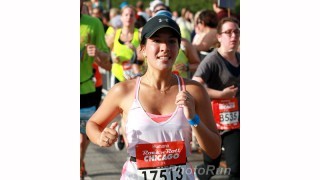
Hats and visors are both common during summer running. Photo: PhotoRun.net
This article first appeared on Triathlete.
Some endurance athletes swear by visors on a run, insisting they make them feel cooler, while others believe a hat is the smartest headwear option because it allows them to put ice on their heads at aid stations. Mat Steinmetz, the founder of 51-Speedshop.com and a coach who has worked with top-level names such as three-time Kona champ Craig Alexander on his heat management, suggests a visor in most cases, as fabric typically interferes with the evaporative effect of sweating.
Hats can protect your scalp from radiant heat, but they can also lessen evaporative and convection cooling. “Most research shows that although skin head temperature increases and you feel hot, core body temperature does not,” Steinmetz says. “A cool head, however, does influence comfort, as the head impacts whole body thermal sensation”—as in, if you think you feel cool, it could make your whole body feel cool, even if your core temperature isn’t actually any lower. (Note that if you put ice in your hat, it could cause vasoconstriction, or narrowing of blood vessels, and reduce heat loss, which would have the opposite desired effect, Steinmetz says. It won’t reduce your core temperature, but it could improve your comfort level or perception of heat—at least until it melts.)
If you choose a hat, Steinmetz recommends a full mesh hat that allows air to pass through. “I would look for a material that doesn’t absorb moisture other than the sweatband to reduce becoming weighted and a nuisance,” he says. Look for mostly white, and popular athlete-specific trucker hats are a good option.
RELATED: 17 Trucker Hats for Summer Running
If you opt for a visor, select a white visor with a black under-brim (to reduce glare). Look for the same qualities as the hat in regards to absorbing moisture—you don’t want the visor to get heavy and uncomfortable.
“In the end, I think it comes down to personal preference,” Steinmetz says. “There is a lot that goes into thermoregulation in hot and humid environments. … You should choose what you perceive as feeling more comfortable. Your head, neck or face feeling cool has a big impact on your comfort level, even if it doesn’t reduce core temperature.”
READ MORE: 4 Run-Friendly Headwear Options From the Editors of Triathlete
The post Hat or Visor: What’s Better for Hot Summer Runs? appeared first on Competitor.com.
5 Places to Run In…Minneapolis

Running paths along both sides of the Mississippi River are popular in Minneapolis. Photo: Shutterstock.com
Minneapolis is a whole lot more than frozen tundra and funny accents. Indeed, the Mill City is at the epicenter of what has become known as one of the healthiest and fittest states in the United States. For good reason too—with an extensive network of on- and off-road trails and an impressive demographic of active-minded folks, it’s a runner’s paradise.
Here are five great places to run, all of which are connected to one another by footpaths, making it easy to mix and match.
Chain of Lakes
When runners talk about Minneapolis, they always refer to “The Lakes.” Forming a sequence of paved trails, the Chain of Lakes includes Lake Harriet, Lake Calhoun, and Lake of the Isles, allowing for a 10-mile round trip around all three. If you’re inclined to travel further, runners can hop on the Minnehaha Parkway from Lake Harriet on the south end of the chain, which follows the Minnehaha Creek several miles to the serene Lake Nokomis and roaring Minnehaha Falls. Perhaps most important, this network of trails includes ample water fountains and bathrooms.
Theodore Wirth Park
Almost the size of New York City’s Central Park at 759 acres, Theodore Wirth Park has everything from paved paths to grass terrain to winding singletrack. A favorite spot for trail runners, if you head south of Glenwood Avenue, you’ll encounter some tough rolling and steep singletrack trails. If you’re more interested in an easy jog, stay closer to the golf course and Wirth Lake. A gorgeous natural gem that is situated in the shadow of downtown, the park also has geographic significance as it marks 45 degrees latitude, precisely half way between the equator and the North Pole.
Mississippi River
There is no shortage of entry points to run the dirt and paved trails along the Mighty Mississippi. If you’re a history buff, start in Northeast Minneapolis at St. Anthony Main, Minneapolis’ birthplace. This spot allows for stunning views of the St. Anthony Falls from the famous Stone Arch Bridge. From there you can run east along the river to St. Paul or west further into Minneapolis. Asphalt paths line both sides of the river, with plenty of singletrack detours down to the river banks along the way.
Midtown Greenway and Cedar Lake Trail
Linking the Mississippi River with the Chain of Lakes and the western suburbs, this 5.7-mile bike and pedestrian highway follows the old Milwaukee Road railroad corridor. For more mileage, check out the Cedar Lake Trail which connects to the Greenway and takes you under Target Field where the Minnesota Twins play. If you’re looking for a more peaceful run, you can also hop onto the trail that winds around the serene and wooded Cedar Lake.
Fort Snelling State Park
Located in the heart of the Twin Cities, Fort Snelling State Park offers runners an escape from the hustle and bustle of the city. Featuring 18 miles of trails, you can run up to the historic military fort, around the park, and onto Pike Island. Situated at the confluence of the Mississippi and Minnesota Rivers, the heavily wooded island has about 3 miles of trails that tend to be the least crowded in the park. It’ll only take one jog through this area to understand why the Mdewakanton Dakota tribe once considered it the sacred center of the world.
RELATED: 5 Places to Run In..Dallas
RELATED: 5 Places to Run In…Boston
RELATED: 5 Places to Run In…San Francisco
The post 5 Places to Run In…Minneapolis appeared first on Competitor.com.
August 9, 2015
Nick Symmonds Left Off World Championships Team
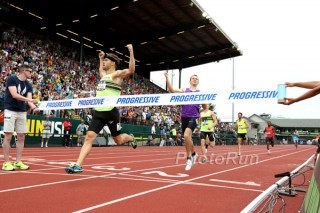
Nick Symmonds, shown here winning his sixth national championship in June, will not compete at this month's world championships. Photo: PhotoRun.net
Reigning U.S. 800m champion Nick Symmonds, a two-time Olympian and silver medalist at the 2013 IAAF World Championships, will not be allowed to compete at the world championships in Beijing later this month after refusing to sign a mandatory statement of conditions by noon on Sunday.
“I just received word from @usatf that I have been left off the #Beijing2015 team. Proud to have stood my ground and fought another battle for athletes’ rights. A huge thank you to the media and fans for all your support. Tomorrow I will present proof that @USATF is stealing millions of dollars from the athletes, getting rich off the hard work of #TeamUSA,” the 6-time national champion said in a series of Tweets on Sunday night.
Symmonds contends the contract mandated by USA Track & Field violates the conditions of his individual sponsorship agreement with Brooks Running, the Seattle-based footwear and apparel company Symmonds signed with in January 2014. The aforementioned contract states that U.S. athletes competing in Beijing must wear Nike-branded apparel—USA Track & Field’s main sponsor—at official team functions, which include competitions, awards ceremonies and news conferences, as well as “other official team functions”—a vague distinction that Symmonds takes issue with, claiming it violates his rights as an athlete by not allowing him to represent his individual sponsorship agreement.
Last week, Symmonds threatened to sue USATF if he was kept off the world championship team.
The U.S. team for Beijing is expected to be announced on Monday. Clayton Murphy, the fourth-place finisher at the U.S. Championships in June, is expected to fill Symmonds roster spot.
RELATED: Symmonds, USATF At Odds Over Sponsorship Agreement
The post Nick Symmonds Left Off World Championships Team appeared first on Competitor.com.
Shoe Talk: Under Armour Fat Tire
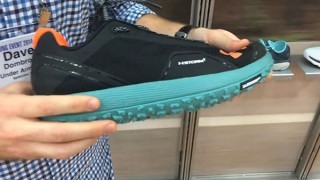
Under Armour took an innovative approach to its Fat Tire trail shoe. This episode of Shoe Talk breaks down the features of the all-weather shoe.
RELATED: Shoe Talk: Inov-8 TERRACLAW
The post Shoe Talk: Under Armour Fat Tire appeared first on Competitor.com.
August 8, 2015
Sneak Peek: First Look at 31 New Shoes for 2016
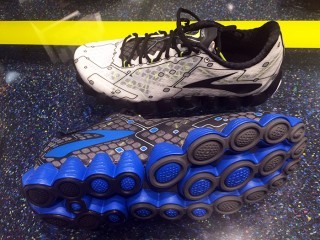
We spent three days checking out next year’s gear at the Outdoor Retailer trade show in Salt Lake City. The gallery of images below is a brief overview of new shoes you’ll see at running stores beginning this winter. (All weights listed are for men’s size 9.0 for reference.)
VIDEO: First Look—Altra IQ High-Tech Shoe
Photo Gallery
1 of {count}
Back to Start
View Larger Image
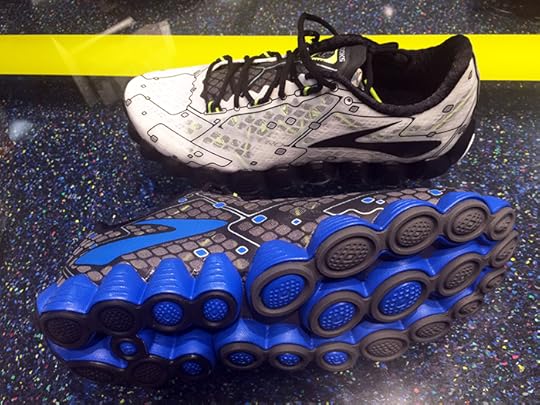
Brooks Neuro
Brooks is reconfiguring how it categorizes shoes, based on what an individual runner wants most from a shoe: energy return, propulsion, cushioning or ground connection. The Neuro is one of the first shoes in the Propel category, which focuses on a neutral ride with a balanced feel for the ground. Designed to be a fast performance-oriented everyday trainer for agile runners, the shoe completely decouples at the midfoot, offering maximum flexibility in all directions. The outsole and midsole are built on a series of unique cushioning pods that have softer foam interiors surrounded by columns of firmer materials. The upper has a hammock system that supports and wraps the foot under a thin, flexible micromesh. ($130, 6mm heel-toe offset, 9.4 oz)
View Larger Image
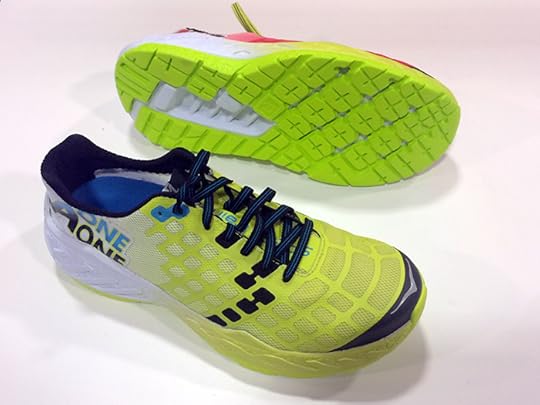
Hoka Clayton
Although Hoka still intends to be a leader in maximalist shoes, it is also venturing into the speed category. The Clayton, a new lightweight performance trainer, is designed to be more cushioned and more energetic than the Clifton 2 with a dual density midsole that is slightly firmer in the front to increase forward propulsion. The outsole is made entirely from RMAT, a lightweight and very energetic compound was used (without any durable rubber) to enhance both the cushioning and responsiveness of the shoe. ($150, 4mm heel-toe offset, 7.3 oz.)
View Larger Image
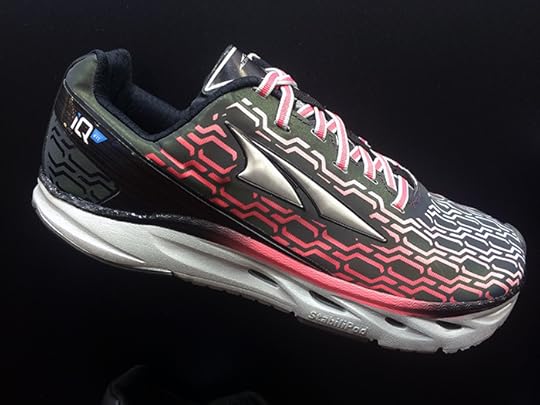
Altra IQ
In what could be the first tech shoe that hits the market next spring, the Altra IQ has a microsensor that will be able to help a runner correct his or her gait on the fly with real-time audible and visible coaching (through headphones or a smartphone). Built into a lightweight cushioned neutral trainer, the sensors monitor cadence, ground contact time, foot-specific pressure, pace, time, distance and more and offer constructive feedback to improve efficiency. ($199, 0mm heel-toe offset, 8.6 oz.)
View Larger Image
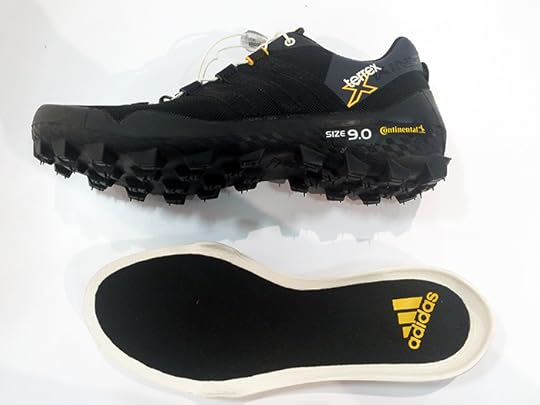
Adidas Outdoor Terrex X King
Adidas has worked on this shoe concept for four years and will finally bring it to market in 2016. Its unique design is modeled after a mountain bike tire, with the outsole and upper sealed together as a durable exterior shell. The cushioning is built into the removable midsole system. Various types of midsoles (soft, rigid, energetic, etc) can be inserted to tune the ride for various conditions. (The softly cushioned EVA midsole shown here will come with the shoe initially.) ($150, 6mm heel-toe offset, 10.7 oz.)
View Larger Image
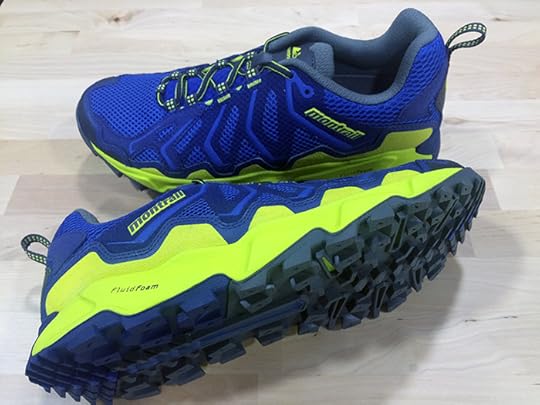
Montrail Trans Alps
Montrail has gone through some changes in recent years, but a recent organizational shift from parent company Columbia Sportswear appears to have this technical trail brand back on track. Montrail's most aggressive mountain running shoe in several years, the Trans Alps is a reinforced shoe for rugged terrain. It has an aggressive outsole lug pattern (with 6mm lugs), a reinforced mesh upper, extra cushioning under the sockliner and a secondary rand that wraps the shoe for additional support. ($120, 8mm heel-toe offset, 12.5 oz.)
View Larger Image
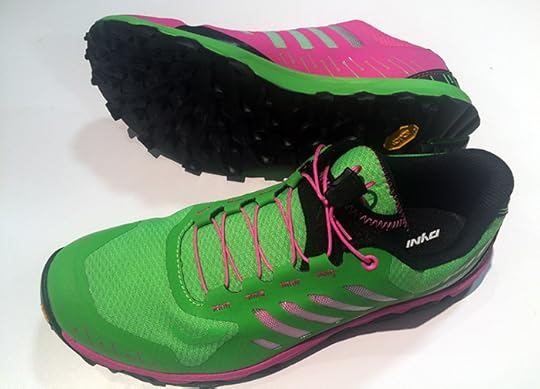
Dynafit MS Feline Vertical Pro
Dynafit is a hard-core mountain brand with European roots. This radically colored unisex race shoe—yes, one shoe is pink, one shoe is green in each pair—is built for fast-paced short-distance mountain trail racing. It's a lightweight cushioned package built with an energetic and protective carbon-fiber midsole plate. (The pink and green color motif comes from Dynafit's top-tier ski mountaineering skis.) ($159, 4mm heel-toe offset, 8.8 oz.)
View Larger Image
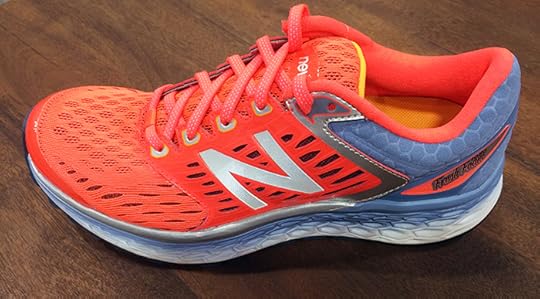
New Balance Fresh Foam 1080
Continuing on the heels of its successful Fresh Foam line, the new Fresh Foam 1080 is a premium neutral cushioned shoe with near-maximal cushioning, a plush interior, securely-fitting interior booty and a soft engineered mesh upper. ($150, 8mm heel-toe offset, 10.4 oz.)
View Larger Image
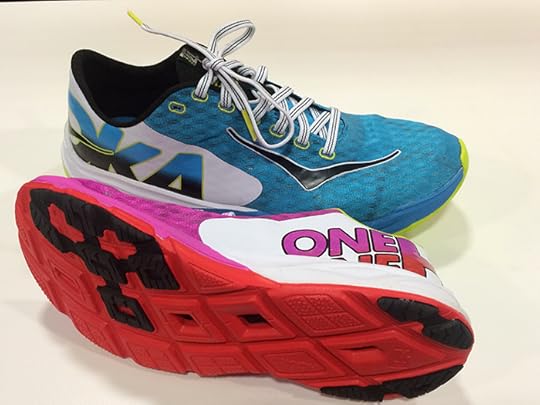
Hoka Carbon Rocket
One of the marquee shoes in Hoka's new speed category, the Carbon Rocket racing flat is built with a responsive carbon-fiber propulsion plate, a minimalist new-sew upper and an energetic 20mm outsole/midsole cushioning platform. ($180, 1mm heel-toe offset, 6.3 oz.)
View Larger Image
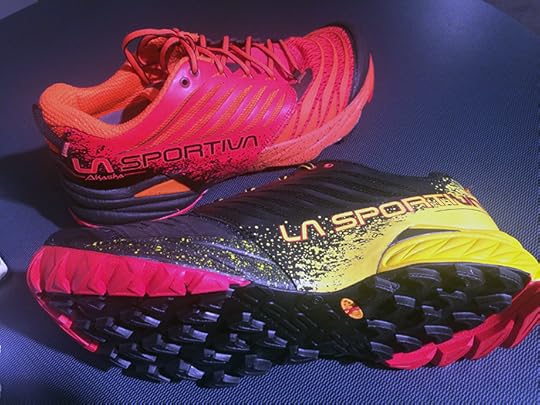
La Sportiva Akasha
A new model aimed at ultra-distance mountain trail running, the Akasha is the most cushioned shoe La Sportiva has ever produced. It still features Sportiva's sticky rubber outsole, while its thick midsole, decoupled heel and durable upper are geared for long hours in mountain conditions. (The red sections of the outsole are made from a harder rubber for braking and edging.) ($140, 6mm heel-toe offset, 11.3 oz.)
View Larger Image
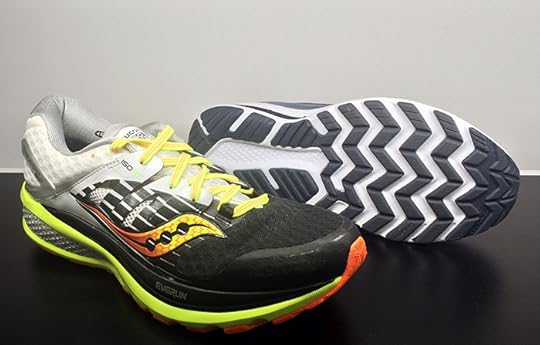
Saucony Triumph ISO 2
Saucony is debuting a new Everun cushioning system, —a lively new foam material that it says provides considerably more energy return than its previous foam packages and maintains its resiliency three times longer than standard EVA foams. The new material will be inserted over the strobel board (underneath the sockliner) to enhance the ride it almost every one of Saucony's shoes in 2016 and it will also been inserted in the landing zone of the neutral Triumph ISO 2 ($150, 8mm heel-toe offset, 10.2 oz.) and the stability-oriented Hurricane ISO 2 ($160, 8mm heel-toe offset, 10.8 oz.).
View Larger Image
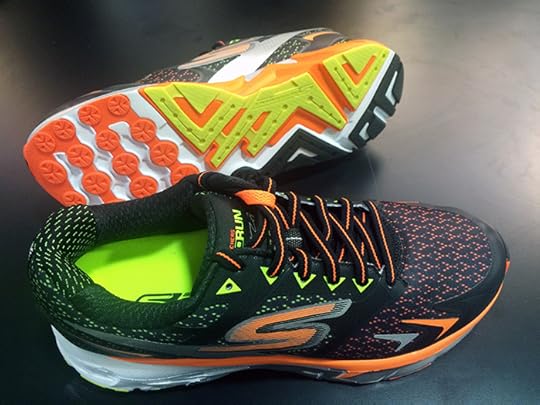
Skechers Go Run Forza
With the intent of continuing to expand its reach in running, Skechers has developed its first true support shoe with a significantly firm medial post system that extends through the outsole. ($110, 8mm heel-toe offset, 10.8 oz.)
View Larger Image
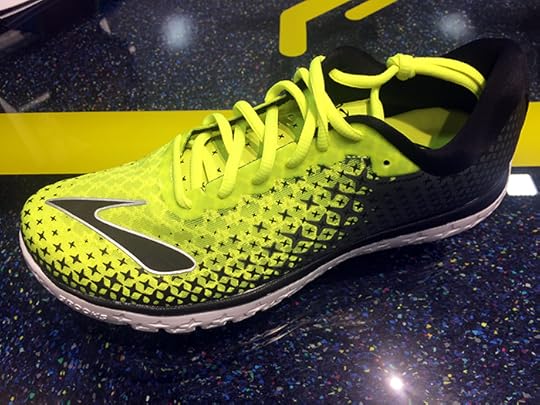
Brooks Pure Flow 5
The Pure Project line is narrowing down to just two models in 2016, but the new Pure Flow will incorporate some of the best features of the departing Pure Connect. It is more streamlined than previously models of the Flow, and it has a more simplistic upper (with screen-printed reinforcements) and a very flexible demeanor. ($110, 4mm heel-toe offset, 9.2 oz.)
View Larger Image
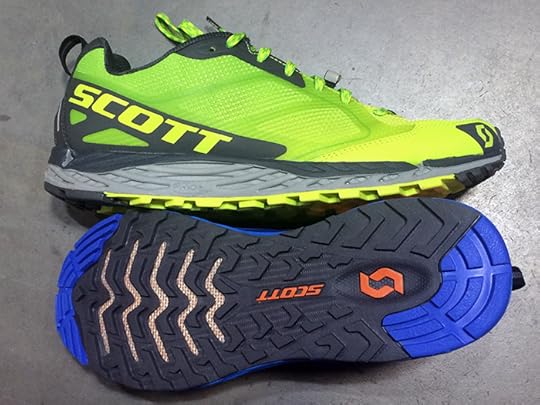
Scott T2 Kinabalu 3.0
Scott has been a rather unsung brand with really good trail running shoes in recent years. The versatile Kinabalu mountain cruiser has been updated with a new TPU-wrapped upper, new graphics, more durability and more colorful pop. ($140, 11mm heel-toe offset, 9.8 oz.)
View Larger Image
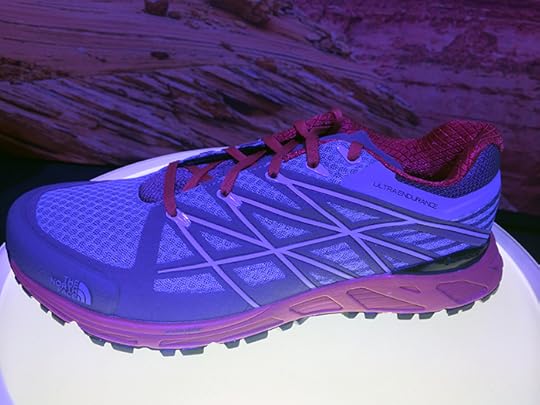
TNF Ultra Endurance
The North Face continues to evolve and extend its trail running line. The Ultra Endurance is intended to be a well-cushioned long-distance trail warrior. It features a reinforced upper, full-length EVA midsole, protective toe cap, padded tongue and Vibram outsole. ($125, 8mm heel-toe offset, 11.0 oz.)
View Larger Image
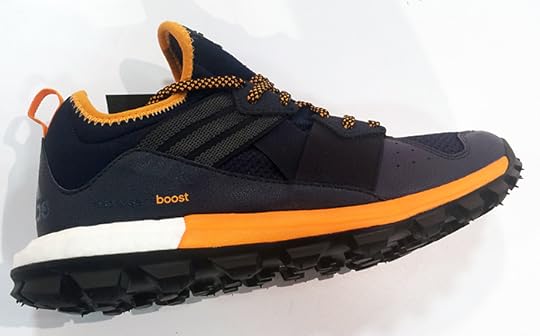
Adidas Outdoor Response Trail Boost
Yes, the original trail running shoe from adidas is still rambling over off-road terrain after 20 years. This version gets adidas' energetic Boost insert in the rear of the midsole and a Continental rubber outsole for traction and durability. ($110, 10mm heel-toe-offset, 9.7 oz.)
View Larger Image
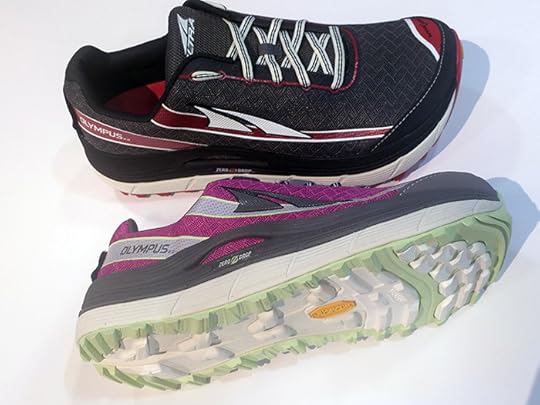
Altra Olympus 2.0
Altra has updated its maximally cushioned Olympus with a more breathable upper and better traction (via more teeth in the Vibram Megagrip outsole). It still one of the highest-off-the-ground shoes available with a 36mm stack height, but it's also an ounce lighter and slightly more roomy in the forefoot. ($149, 0mm heel-toe offset, 10.8 oz.)
View Larger Image
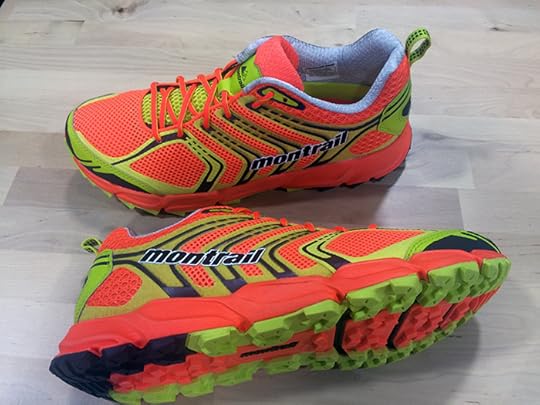
Montrail Caldorado
This new cushioned trail cruiser (enhanced by a foam layer under the sockliner) is made for smooth surface to semi-technical trail running, with a flexible stone guard in the front 3/4 of the shoe, an open-mesh upper reinforced by new-sew rip stop overlays and welded-on TPU fingers. ($120, 8mm heel-toe offset, 10.9 oz.)
View Larger Image
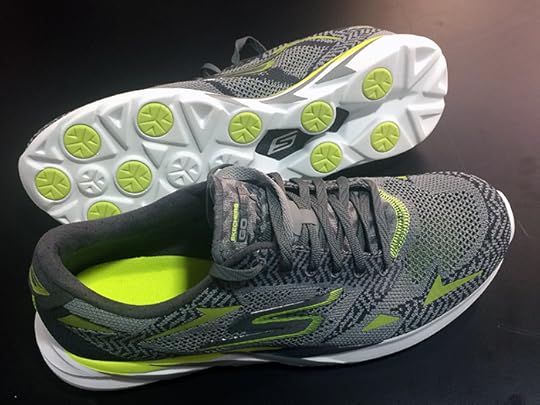
Skechers Go Meb Speed 3
The latest version of the Meb Keflezighi signature racing shoe has a new seamless knit upper that provides a more locked down fit and enhanced comfort. ($110, 4mm heel-toe offset, 7.2 oz.)
View Larger Image
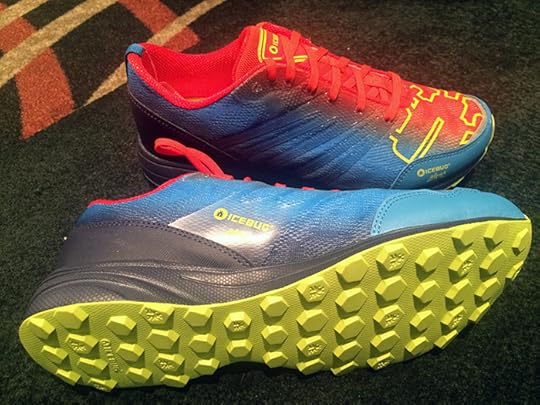
Ice Bug Anima
IceBug is most known for its winter shoes with spikes, the latest version of the Anima is three-season model with a reinforced upper and a one-piece sticky rubber outsole. ($160, 8mm heel-toe offset, oz.)
View Larger Image
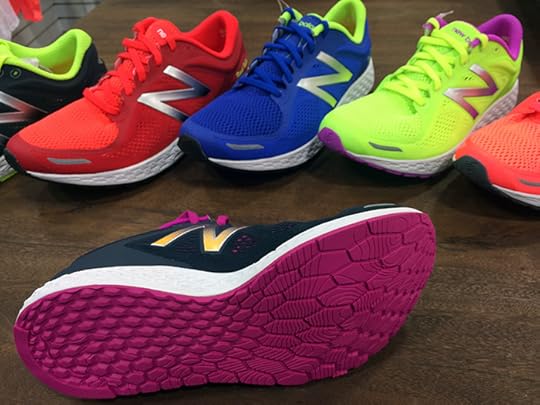
New Balance Fresh Foam Zante v2
The award-winning Zante will only get minor enhancements for 2016, including a slighly modified new-sew upper, an updated outsole pattern and a tad more material under the medial part of the forefoot. ($100, 6mm heel-toe offset, 8.6 oz.)
View Larger Image
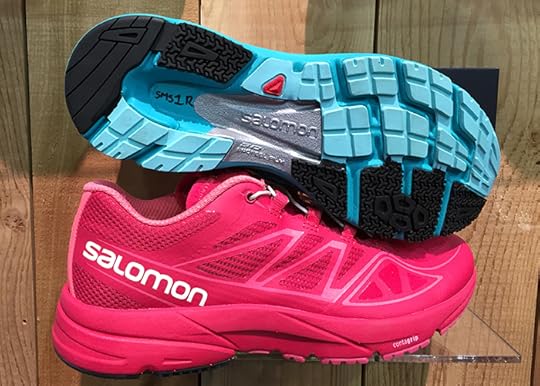
Salomon Sonic Pro
Salomon, a brand known for its trail running and mountain sports heritage, is venturing into road running. The Sonic Pro is a lightweight performance trainer that is built for fast workouts and racing. It has a smooth outsole made from resilient rubber, Salomon's reliable Quicklace system and an air, stretchy mesh upper. ($140, 8mm, 8.5 oz.)
View Larger Image
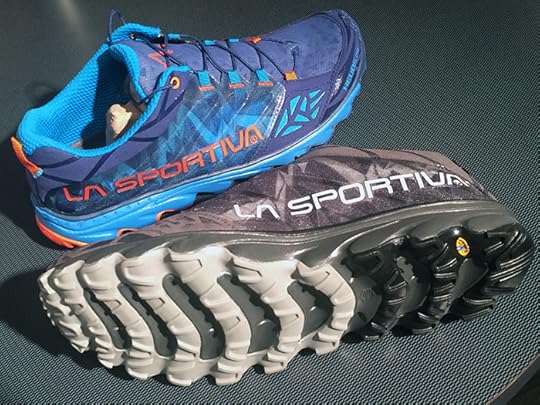
La Sportiva Helios 2.0
This lightweight trail cruiser has received some technical updates to make it more suitable for more rugged terrain. The primary enhancements include a quick-pull lacing system, a firm and flexible EVA forefoot rock plate and sticky rubber in the rear portion of the outsole for more downhill control. ($125, 4mm heel-toe offset, 8.4 oz.)
View Larger Image
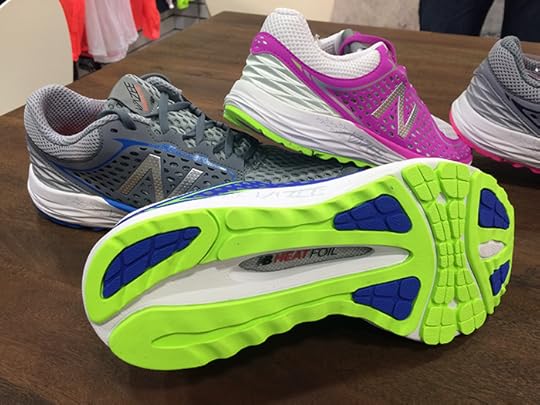
New Balance Vazee Breathe
The new Vazee Breathe is made for hot-weather running. In addition to an open-mesh upper, it has an element called Heat Foil imbedded in the midsole as a way to deflect heat away from the foot. ($90, 6mm heel-toe-offset,
View Larger Image
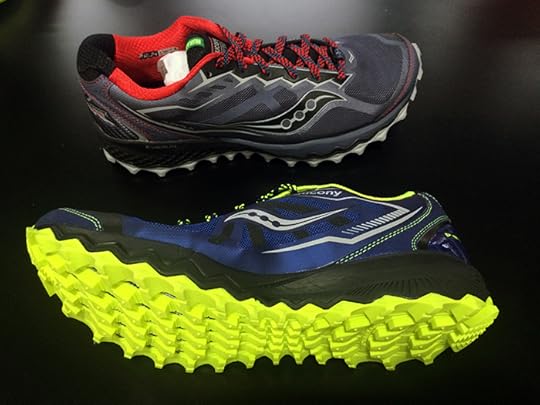
Saucony Peregrine 6
The versatile Peregrine has been updated with a new directional lug pattern and a much stickier outsole rubber compound. It features a nylon rock plate in the forefoot and a slightly updated upper reinforced with TPU film overlaps. ($120, 4mm heel-toe offset, 9.4 oz.)
View Larger Image
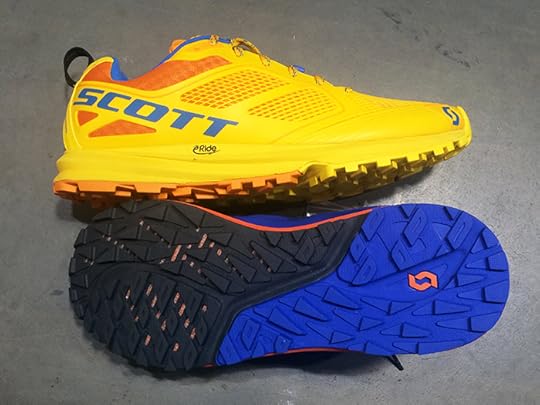
Scott Kinabalu Enduro
A new shoe from Scott, the Enduro is a well-cushioned model built around a unique one-piece molded exo-skeleton shell that wraps the foot over a flexible interior mesh to create an adaptive fit. It features Scott's eRide tuned midsole for adaptive interaction with the ground and a Vibram Megagrip outsole for traction and protection. ($150, 10mm, 10.9 oz.)
View Larger Image
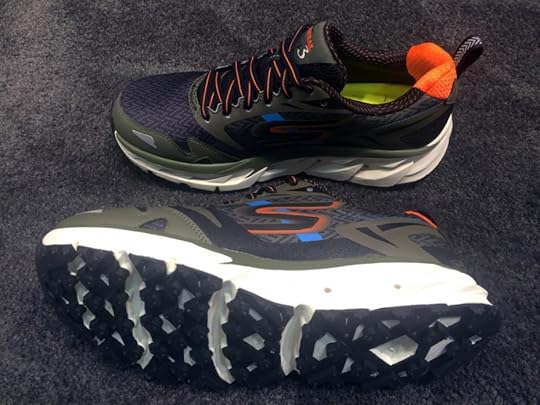
Skechers Go Trail Ultra 3
Although it has offered trail shoes since its inception into performance running five years ago, Skechers is unveiling its first semi-technical off-road running model with the Go Trail Ultra 3. It has a high-off-the-ground maximally cushioned midsole, a reinforced upper and a moderately aggressive durable rubber outsole that is segmented to enahnced flexibility. ($115, 4mm heel-toe offset, 11.4 oz.)
View Larger Image
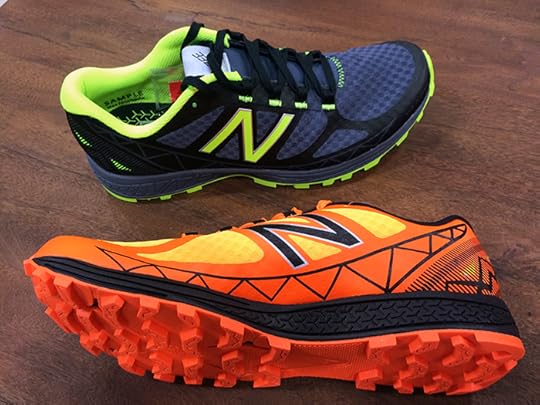
New Balance Vazee Summit
The Vazee Summit is the first aggressive shorter-distance trail racing shoe from New Balance. It's built off the last used in the 1400 road trainer/racer and has a sticky rubber outsole with aggressive lugs and a forefoot rockplate. ($100, 10mm heel-toe offset, 9.3 oz.)
View Larger Image
Scarpa Neutron
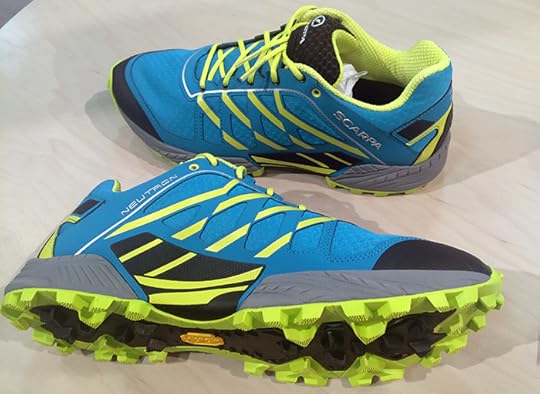
Scarpa, a company with a heritage in hiking, climbing and ski boots, has overhauled its trail running shoe line and the marquee model is the jack-of-all-trails Neutron. It's a midweight model designed to tackle smooth to semi-technical trails with aggressive lugs on the Vibram Megagrip outsole, a TPU overlay system on the upper that wraps the foot from top to bottom and a slab of higher density foam under the forefoot for protection and proprioceptive feel. ($129, 6mm, 9.7 oz.)
View Larger Image
Merrell All-Out Crush
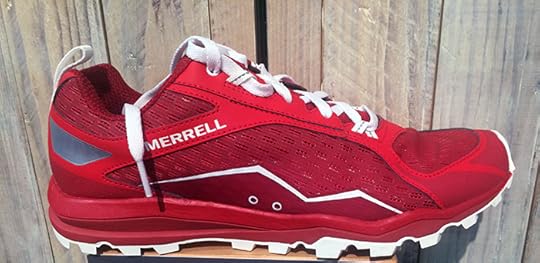
Merrell continues to build on its expanded trail shoe line now that it's outside the realm of mostly minimalist models. The All-Out Crush is its most technical and rugged model yet, with an TPU-wrapped upper, a modest rock plate under the forefoot and an aggressively toothed durable rubber outsole. ($100, 6mm heel-toe offset, 8.1 oz.)
View Larger Image
Salewa MS Lite Train
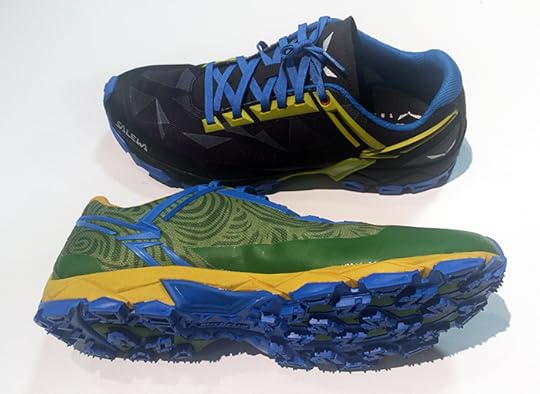
This rugged mountain speedster offers moderate cushioning and exception trail protection.
View Larger Image
Salomon ProPulse
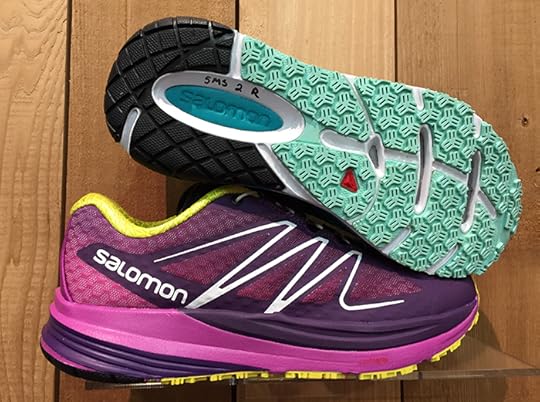
The ProPulse is a maximally cushioned trainer with a mix of absorbent and energetic foams designed for runners who are hard heel-strikers. Although it's made for the trails, it has a smooth enough outsole that it would be an ideal crossover shoe that works well on roads too. ($150, 6mm heel-toe offset, 11.8 oz.)
More Galleries
The post Sneak Peek: First Look at 31 New Shoes for 2016 appeared first on Competitor.com.
Ryan Hall's Blog
- Ryan Hall's profile
- 21 followers


